Retail News CRM

Tag: sportwear

  • Nike’s opens new three-level flagship in the Sydney CBD

    Nike’s opens new three-level flagship in the Sydney CBD

    Retail Prodigy Group will open the doors to a three-level Nike flagship store at George Street in the Sydney CBD on Thursday morning.

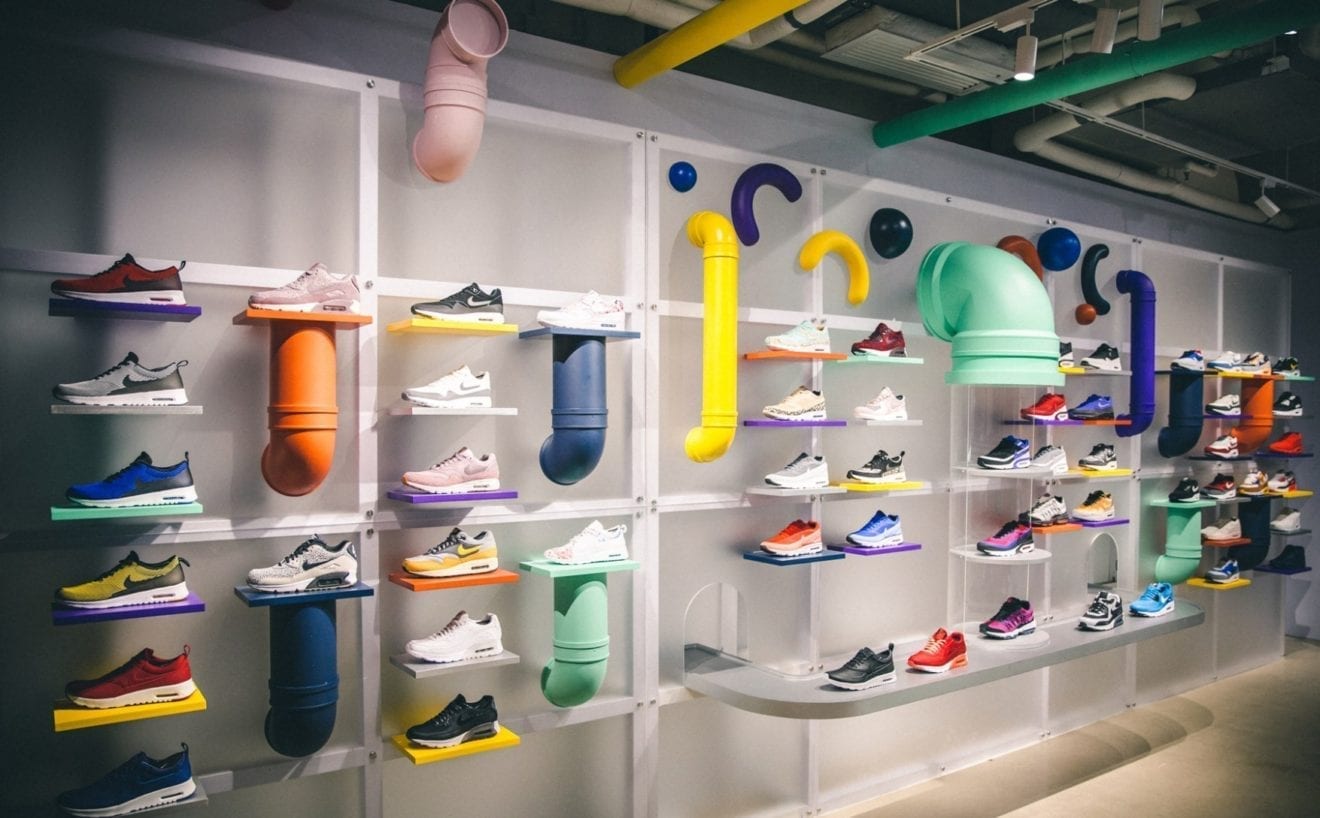
    The new flagship is the first high street store for the brand in Sydney, situated in a heritage building that has been modernised for the new store. The ground floor is dedicated to men’s training and running, sportswear, the Jordan Brand and basketball in the basement. The first floor has been designated for womenswear, in the running, training and sportswear categories, plus a specialised bra fitting service and pant hemming.

    With a focus on running products, the store will feature Nike+ Trial Zones; an immersive space that features a Nike+ Run treadmill dedicated to trialling running footwear.

    In a Nike Australia first, the store also features sneaker cleaning and protection services.

    Brant Hirst, Nike marketing director told us that the vast amount of construction works currently underway in the Sydney CBD had not been a concern in the development of the new George Street location.

    “The heritage facade and multiple levels of the building provided the perfect canvas for a premium shopping experience for our customers,” he said.

    “Having a high street store in an emerging shopping precinct was also a major drawcard of the space.”

    Despite several commentators continuing to forecast the demise of bricks and mortar retailing, Hirst said the new flagship would be “powered by immersive product experiences” and in-store experts.

    “This store centres around elevating every athlete’s potential and offering customers personalised experiences, whether they’re training for a marathon, or want the latest in sports style.”

    When asked if we could expect to see more larger flagships in other locations across Australia and New Zealand, Hirst said that Nike was “always looking at ways to innovate and offer premium shopping experiences for our customers.”

    Nike also recently confirmed it is launching a pilot program to sell sneakers on Amazon, in a move to combat counterfeiters and unsolicited third-party sales conducted online.

    In a call with analysts, Nike CEO Mark Parker said that Amazon would carry “a limited Nike product assortment” of footwear, apparel, and accessories, and that the sports brand was seeking to improve its presence on the e-commerce site while also protect its brand reputation.

    Meanwhile, the race is on within sports retailing in Australia.

    British retailer, JD Sports currently has three stores trading in Australia at Melbourne Central, Pacific Fair on the Gold Coast and Parramatta in Sydney’s western suburbs. Two further stores will open soon at Miranda in Sydney and Highpoint in Melbourne.

    The Lancashire-based company has more than 1,200 stores under a portfolio of sports fashion and outdoor brands throughout the United Kingdom and Europe.

    Decathlon, the French retailer, has established an Australian online sales platform and expects to open its first store in the Sydney suburb of Tempe in October.

    The retailer has more than 1,000 stores in almost 30 countries and has notionally set a target of 100 stores for the Australian market.

    More recently, Super Retail Group decided to discontinue Amart Sports and convert its 65 stores into Rebel Sport as part of a consolidation strategy designed to defend against the entry of Amazon, Decathlon and JD Sports.
  • Kering revenues soar 28 per cent, fuelled by Asia-Pacific

    Kering revenues soar 28 per cent, fuelled by Asia-Pacific

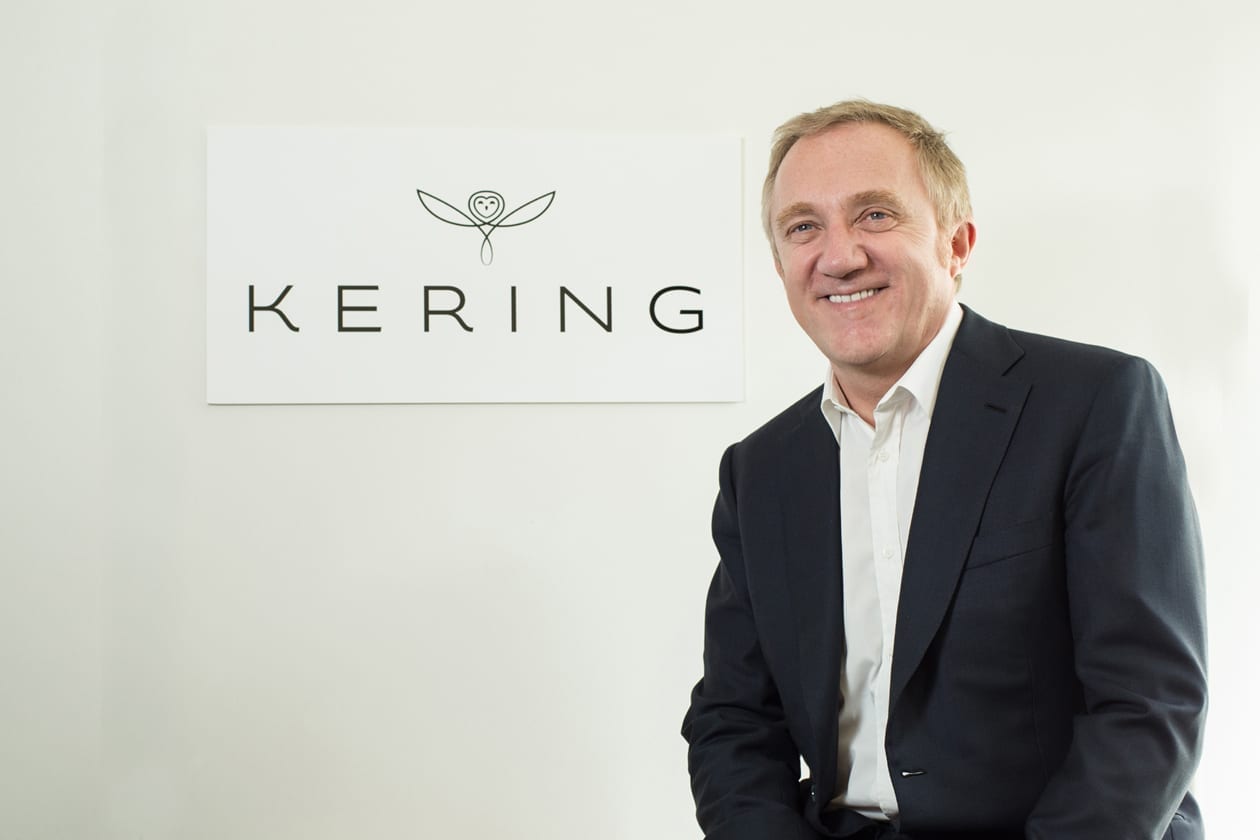
    Luxury brand and sportswear retailer Kering has reported first-half consolidated revenue up 28.2 per cent to €7.296 billion.

    Kering revenues in Asia-Pacific, (excluding Japan), soared 34.4 per cent and that market now accounts for 28 per cent of the group’s total sales. Japanese sales rose 20.7 per cent.

    Sales in its luxury division rose 29.7 per cent (28.3 per cent on a comparable basis) and in the sports and lifestyle arm – largely Puma – by 16.1 per cent (14.3 per cent).

    Recurring operating income of €1.27 billion was up 57.1 per cent.

    “Thanks to the execution of our strategy, we achieved outstanding revenue growth in the first half, clearly outperforming the sector, and delivered record profits and operating margins,” said chairman and CEO François-Henri Pinault.

    “These remarkable performances in all regions of the world and across all of our activities underscore Kering’s ability to innovate, create value, and gain market share. Our vision of luxury, grounded in creative audacity and in the sincerity of our brands’ values, is more relevant than ever.”

    A global luxury group, Kering owns a diverse portfoilo of luxury brands, including Gucci, Bottega Veneta, Saint Laurent, Alexander McQueen, Balenciaga, Brioni, Christopher Kane, McQ, Stella McCartney, Tomas Maier, Boucheron, Dodo, Girard-Perregaux, Pomellato, Qeelin and Ulysse Nardin. In the sports and lifestyle sector, it owns Puma, Volcom and Cobra.

  • Li Ning e-commerce sales leap 90pc

    Li Ning e-commerce sales leap 90pc

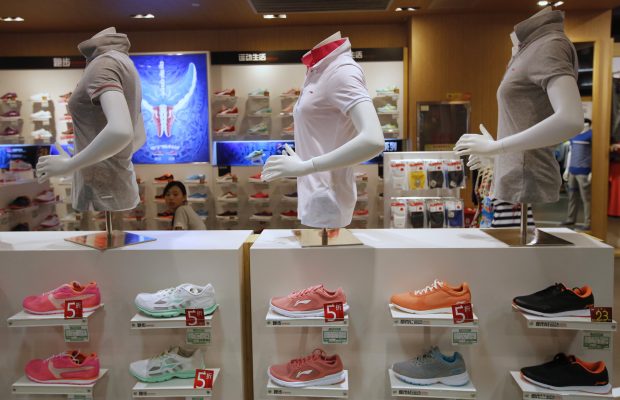
    Li Ning e-commerce sales soared 90 per cent last year, driving an overall 13 per cent gain.

    The Chinese sportswear company closed the year with CNY8.015 billion (US$1.165 billion) in sales, while its gross margin grew 1.2 points to 46.2 per cent. Its net income also increased, reaching US$144.5 million, compared to $116.2 million the previous year.

    Footwear again led sales, up 15.7 per cent to $569.378 million, while apparel sales rose 12.7 per cent to $512.875 million and equipment/accessories followed with 4.9 per cent growth to $67.369 million.

    In contrast, sales for third-party brands such as Aigle, Kason and Lotto, slumped by 23.6 per cent to $11.957 million.
    Internationally, sales for the Li Ning brand itself grew by 36.4 per cent, reaching $29.356 million – just 2.6 per cent of the brand’s overall revenue.

    At December 31, Li Ning had 6440 stores, up 5 per cent on the previous year. These comprise 4829 franchised stores (up 4.6 per cent) and 1611 (up 6.3 per cent) run directly.

    In its annual report, the company says that while its business covers 44 countries, it believes that developing Asian countries will be crucial. “Cross-border e-commerce will remain our international team’s main focus this year.”

  • Nike plus-sized workout range launched in US

    Nike plus-sized workout range launched in US

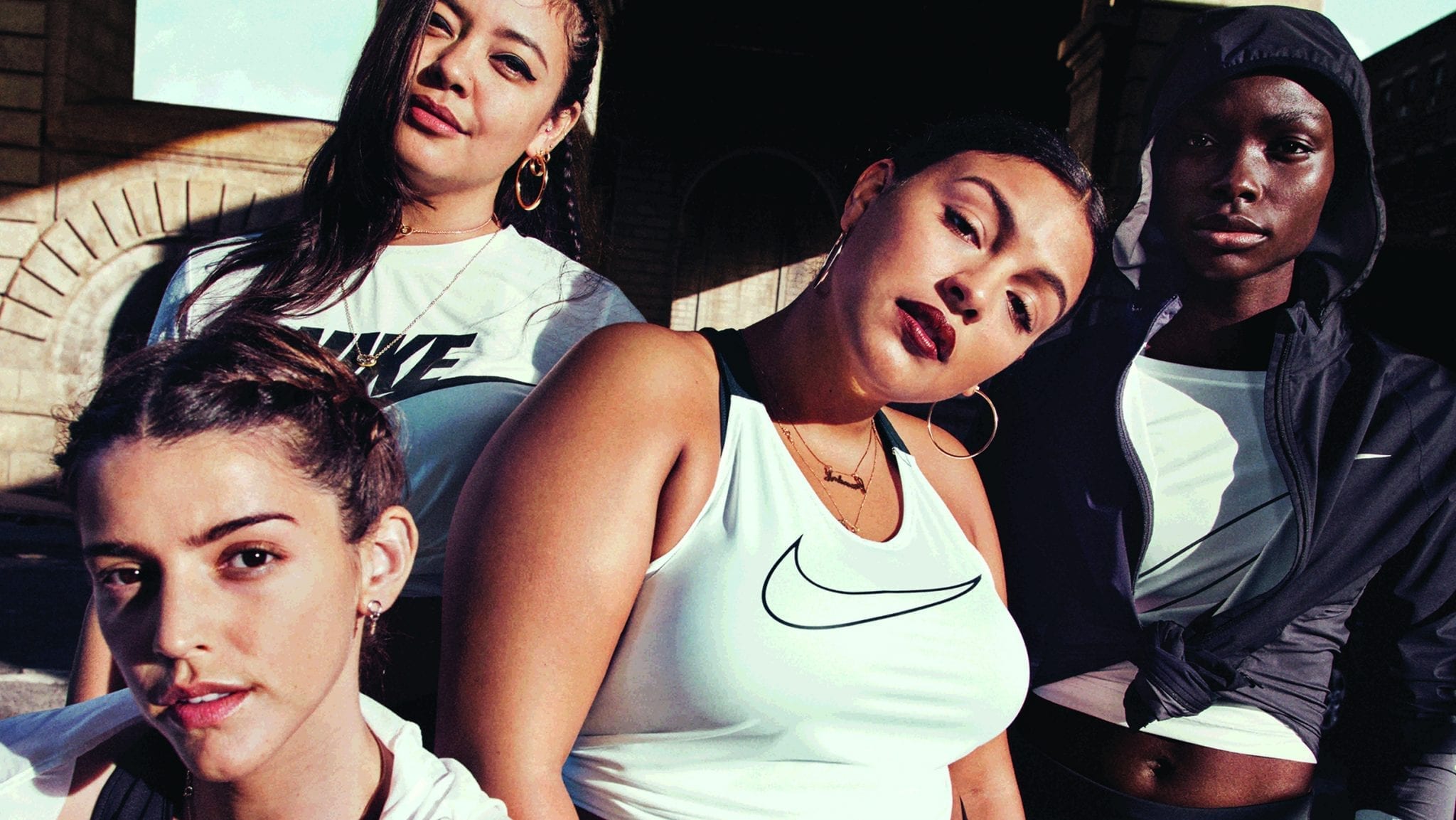
    A new Nike plus-sized range will expand the US sportswear brand’s reach – and appease those who criticise it for focusing on the purely athletic.

    The new workout wear range includes sizes from XL to 3XL.

    “Nike recognises that women are stronger, bolder and more outspoken than ever,” the sportswear giant said in a statement.

    “The days where we have to add ‘female’ before ‘athlete’ are over. She is an athlete, period. And having helped fuel this cultural shift, we celebrate these athletes’ diversity, from ethnicity to body shape.”

    Like Nike’s core range, the plus-size collection will use the same technology in design and fabric and includes sports bras, running tights, high-tech hoodies.

    Helen Boucher, VP of women’s training apparel, says when the company created its range it did not just make existing products larger.

    “That doesn’t work because as we know, everyone’s weight distribution is different.”

    The pressure will now be on rivals like Lululemon, Puma and Adidas to follow suit…

  • Uniqlo: The Shopping Experience of the Future Awaits All Runners!

    Uniqlo: The Shopping Experience of the Future Awaits All Runners!

    Was there a stampede when the new Uniqlo Global Flagship Store opened its doors at Orchard Central on its first day of business? That depends upon your definition of the world.

    The store, the latest and greatest in the brand’s 25-store empire, has captured the imagination and attention of Singapore shoppers who were ready to have their shopping experience enhanced after hearing and reading about the store’s impending debut.

    Is this a new, improved and enhanced experience for shoppers who love the brand? Probably. And that includes those have yet to indulge their shopping fantasies at any of the other Uniqlo locations.

    Fact is, Mr. Taku Morikawa, UNIQLO Southeast Asia CEO, has pinned some serious hopes on this mega-store becoming a significant influence on the Singapore shopping scene. He sees the re-imagined retail environment as a role model for future locations in markets like India and Vietnam.

    Why launch a re-imagined Uniqlo facility in Singapore? What do you think? We’re the epicentre of commercial growth in southeast Asia and a pivotal test market for savvy consumers who know a unique shopping experience when they see it. But we’re selfish!

    As runners, we want to know what’s in it for us if we divert our dollars and loyalty to the retail new kid on the block, so we’ve come up with compelling reasons why you may want to head for Orchard Central the next time you require a different kind of shopping experience.

    Uniqlo: The Shopping Experience of the Future Awaits!

    L-R: Mr. Desmond Tan, Mrs. Helen Khoo, Mr. Cheng Wai Keung, Mr. Tadashi Yanai, Mr. Taku Morikawa, Ms. Rie Aramoto, Ms. Rebecca Lim.

    Uniqlo is a sensory playground

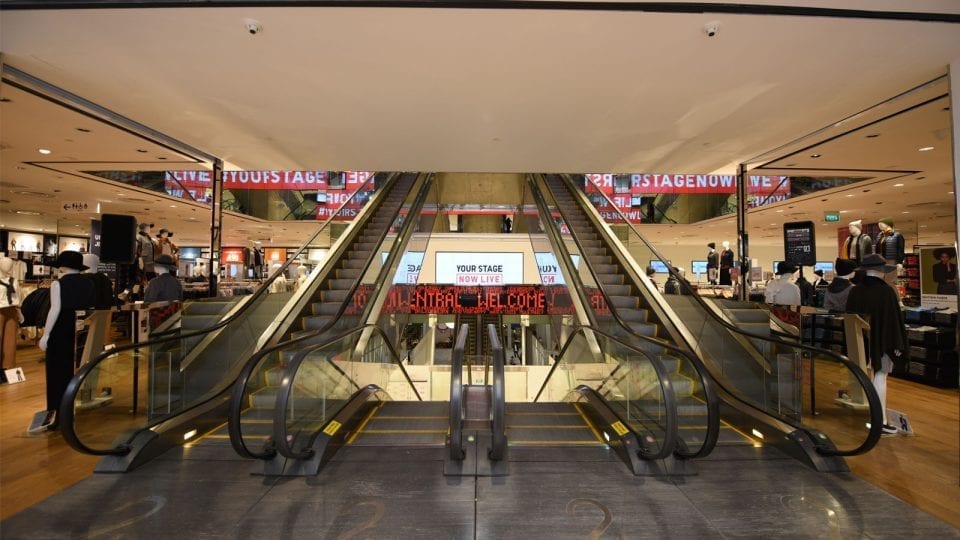
    Sunglasses not required, but expect to be hyper-stimulated when shopping for trendy fashions amid the store’s 286 digital displays that can’t be ignored, even if you tried.

    As a matter of fact, you can tell your running buddies that you were witness to the largest number of digital screens in the worldwide Uniqlo family of stores, so even if you’re fatigued, the bold graphics and attention-getting data will keep you alert and interested as you browse and buy.

    One word of warning: if you’re tempted to strike up a conversation with any of the 350 iconic rotating mannequins you encounter on the premises, think twice! They’re part of the magic.

    Uniqlo: The Shopping Experience of the Future Awaits!

    The Uniqlo experience is unique

    Unlike most upscale retail emporiums, Uniqlo has no intention of being labeled as ordinary. Runners can choose from brands, labels and looks they can find elsewhere.

    Sure, you’ll find familiar labels but they’ll be keeping company with fresh, innovative designs and collections produced “with design-conscious shoppers in mind,” says Ms. Mavis Seow, Chief Operating Officer, Retail Business Group, Far East Organization.

    This is the place to see and be seen; as much a social hub as a fashion epicentre. You can even get in some exercise within the 29,000-foot “mammoth store” that even offers a some vertical action if you decide to cover every inch of all three floors filled with merchandise.

    By the way, you won’t be able to escape checking your form as you shop; this super-store is loaded with floor-to-ceiling mirrors.

    Uniqlo: The Shopping Experience of the Future Awaits!

    A store for all ages and stages of life

    Because Uniqlo’s parent company, Fast Retailing, has set a high bar for the type of merchandise that fills this Uniqlo location, you’re going to run into some of the latest trends on the international apparel market.

    The Singapore flagship store has something for everyone, so if you do the family shopping and you’re responsible for everything from school clothing for the kids to gifts for running buddies, this could become your new retail home or just the place you go for plenty of shopping therapy.

    Speciality products just for children feature original art, and you can even experience some hometown pride when strolling the second-floor children’s boutique where the work of Singapore’s whimsical and popular illustrator, Michael Ng, is on display.

    Uniqlo: The Shopping Experience of the Future Awaits!

    Find everything you need and want

    Given Uniqlo’s promise to make sure shoppers are never bored by choices they are offered when perusing three floors of merchandise, you may be surprised to learn that there’s a special emphasis on exclusivity.

    For example, French designer Ines de la Fressange’s collection could get a fashion-forward runner’s pulse rate up and Uniqlo’s proprietary LifeWear brand is a runner’s dream. Garments are fashioned of innovative fabrics that are light, breathable and practical.

    Uniqlo: The Shopping Experience of the Future Awaits!

    Find AIRism inner and outerwear on shelves that include t-shirts and tank-tops that repel bacterial and odor. Even Uniqlo jeans are runner-friendly because the denim is 20-percent lighter than regular-grade denim, so sliding on a pair for a post-marathon party consumes less time than it takes to say, “Who’s going to Uniqlo with me to check out this one-of-a-kind shopping experience?”

  • Adidas football flagship opens in Guangzhou

    Adidas football flagship opens in Guangzhou

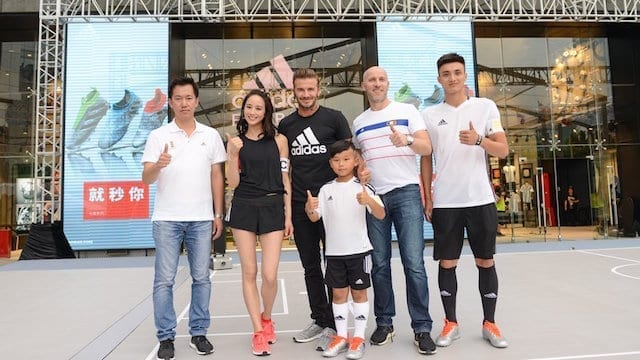
    In a world first, an Adidas football flagship has opened in southern China’s Guangzhou Teemall.

    Adidas Group Greater China MD Colin Currie describes it as an important milestone for both Adidas and Chinese football.

    “At the same time, it emphasises the group’s determination and commitment to promote the development of Chinese football.”

    On the first floor of the northern square of Teemall, the store provides the equipment of such Adidas-sponsored clubs as Associazione Calcio Milan, Bayern Munich, Chelsea, Juventus, Manchester United and Real Madrid, as well as exclusive products of superstar players like Bale, Messi and Pogba.

    Customised name-printing on jerseys is also offered.

  • French sports equipment store Decathlon making big foray in Malaysia

    French sports equipment store Decathlon making big foray in Malaysia

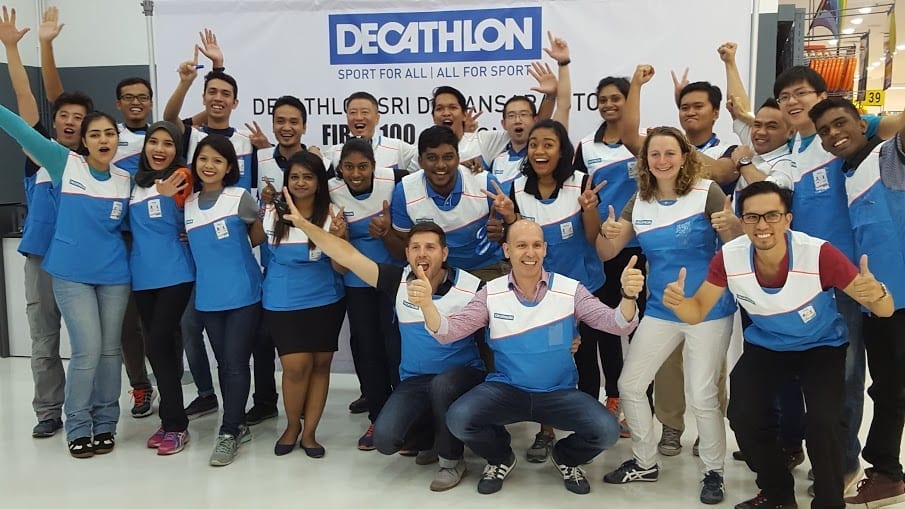
    French sports equipment chain store, Decathlon, is embarking on an aggressive expansion in Malaysia by targeting to open up to 60 stores within the next decade. Decathlon Malaysia chief executive officer Tom Meng said the expansion was in line with the company’s global strategy to triple its stores worldwide to 3,000 in the next 10 years from 1,000 currently.

    “For the first three years in Malaysia, we will open 10 stores with at least five in the Klang Valley,” he told Bernama at the launch of the company’s maiden Malaysian store in Kuala Lumpur recently. He, however, declined to reveal the investment commitment for the expansion.

    Meng said the company would also expand to other locations nationwide with Penang and Johor among the targeted destinations. He said the company’s strategy in the country was to open large stand-alone stores with retail areas of up to 6,000 sq m and offering only in-house brands. “Currently, we have over 20 such in-house brands,” he added.

    On its first store, Meng said the outlet, classified as a “retailer flagship store”, covered an area of over 2,500 sq m and offers more than 95,000 apparel, equipment and footwear products at competitive prices.

    Established in 1976, Decathlon currently has a presence in over 30 countries and has a staff of 70,000 globally. Malaysia is the third country in Asean to house a Decathlon store after Singapore and Thailand.

  • Under Armour in trademark fight with Uncle Martian

    Under Armour in trademark fight with Uncle Martian

    Uncle Martian, a new competitor for sportswear brand Under Armour in one of its main markets, China, is in hot water for co-opting the US company’s logo.

    Under Armour uses a U over an inverted U that intersect to form a stylised A. Uncle Martian has the same two-U configuration, but the letters do not touch.

    Apparel manufacturer Tingfei Long Sporting Goods in Fujian province, in southeastern China, is the company behind the new brand, which is offering shoes in its first foray into athletic wear.

    Executive Huang Canlong says the brand aims to be associated with “comfort, excellence and innovation”. He told Shoes.net.cn he wants to create a high-profile brand with “high standards”.
    Out of Baltimore in the US, Under Armour has seen its sales in China almost triple in the first quarter of this year compared with the same period last year.

    Meanwhile, Chinese consumers have been criticising Uncle Martian for its blatant hijack of the Under Armour logo.

    “How come you can’t even design a logo? All you do is plagiarise – don’t you feel it’s disgusting?” one critic wrote on Weibo.
    Another Weibo user, Zhang Gemeng, has pointed out that such blatant copying goes against the national policy of encouraging homegrown creativity.
    “Don’t blame people when they say they look down upon domestic brands,” wrote another user, indicating the move as a “loss of face” for China.

    Under Armour, of course, is also unamused and is pursuing “all business and legal courses of action” according to spokesperson Diane Pelkey.

    “Uncle Martian’s uses of Under Armour’s famous logo, name and other intellectual property are a serious concern and blatant infringement.”

  • China’s Li Ning on track to end bad run

    China’s Li Ning on track to end bad run

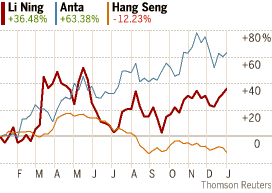
    Li Ning, the struggling Chinese sportswear company that is one of the mainland’s best known brands, says it will break even for 2015, leaving behind three years of annual losses.

    In a filing to the Hong Kong stock exchange, the company said it expected to “record an approximate break-even in terms of profit and loss attributable to the equity holders” in the year that ended December 31, “principally due to an increase in both the sales revenue and gross profit of the group and a decrease in expense ratio”.

    Li Ning has spent most of the past three years trying to restructure its business, clearing out inventory built up by third-party distributors, closing thousands of underperforming stores and increasing the percentage of direct-run outlets.

    The brand, which has struggled to shake off the image of a producer of cheap sports shoes that are little more than western knock-offs, announced a net loss of Rmb781m ($119m) for 2014, its third consecutive annual loss. But it reported signs at that time of a recovery in sales growth.

    The company on Wednesday attributed the improved performance to enhanced direct retail operating efficiency and long-term relationships with channel partners, and expanded ecommerce business.

    “It looks like their efforts to shut down unprofitable stores and focus on inventory with better sales and better margins are finally paying off,” said Ben Cavender of China Market Research in Shanghai.

    A recovery in the broader China sportswear market also appears to have played a role, retail analysts said.

    Ma Gang, a China-based footwear and apparel analyst, noted that “the whole industry is now on the upturn . . . and Li Ning has done a lot of work [to stem its losses].” But “whether the company will start to make profit now depends on its future strategy, including whether it keeps opening more stores,” he added.

    Chen Ke, Shanghai-based retail partner at Roland Berger, projects that the Chinese sportswear market will “maintain a 10 per cent growth rate in the next three years” while Li Ning itself “has improved efficiency after a shift . . . to opening more of its own stores”.

    But Mr Cavender pointed out that Li Ning “is still lagging behind some of their major domestic and international competitors and it’s unclear whether they have enough exciting products in place to make a strong run in 2016”.

    Anta, Li Ning’s top domestic sportswear rival, said net profit for the first half of 2015 rose 20 per cent from the same period a year earlier.

    Shares in Li Ning closed up nearly 7 per cent on Wednesday in Hong Kong, in a broader market down almost 1 per cent.


  • Sports fashion demand drives Stella sales

    Sports fashion demand drives Stella sales

    Shoe marketer Stella International has reported increased sales in the second quarter on the back of growing demand for sports fashion footwear.

    In the three months to September 30, consolidated revenue from its China retail business and its manufacturing operations amounted to US$569 million, up 4.3 per cent year on year. For the nine months to September 30, revenues totalled US$1.366 billion, an increase of 7.9 per cent.

    “Looking forward, the group expects orders for the group’s footwear products will pick up further towards the end of this year and the beginning of 2016, as its customers continue to expand their global presence and as demand for sports fashion footwear continues to grow,” the company said in a stock exchange filing.

    “Order levels will also be supported by greater efficiency and improved utilisation at the group’s production facilities in inland China and Southeast Asia.

    “The group cautiously expects shipment volumes to reach 58 million pairs by the end of 2015.”

    Stella produces shoes for brands including Clarks, Deckers, Ecco, Rockport, Timberland, Wolverine, Cole Haan, Guess, Jones Group, Kenneth Cole and Michael Kors. It also designs, develops and manufactures footwear for high-fashion brands including Alejandro Ingelmo, Alexander Wang, Armani, Bally, Balmain, Brian Atwood, Givenchy, Kenzo, Marc by Marc Jacobs, Marciano, Miu Miu, Paul Smith, Prada, Sigerson Morrison, Via Spiga and Y3.

    And taking advantage of its manufacturing expertise, the wide acceptance of Stella’s products by brand customers, the company has successfully expanded into the Chinese and global footwear retail market through its own brands Stella Luna, What For, JKJY by Stella and joint-venture brand, Pierre Balmain.

    Stella says it will continue to implement strict cost controls and efficiency improvement measures to preserve its profitability. This includes placing a renewed focus on leveraging its competitive strengths to pursue new promising product segments, such as sports fashion footwear.

    “The group also remains committed to building the long-term competitiveness of its retail business with the opening of new standalone stores and shops-in-shops in quality locations. It will also continue to boost its branding efforts in Europe to further grow the value of its brands among Chinese consumers.”

  • Columbia Korea in aggressive expansion

    Columbia Korea in aggressive expansion

    US sportswear brand Columbia says it will expand its retail network in South Korea, part of a strategy to become one of the top three retailers in its category there by 2020.

    Columbia Korea will expand its existing 250-strong retail network and broaden its range of apparel to achieve its goal, moving into the fishing, yoga and casual outdoor categories.

    “It’s true that the outdoor clothing market has become saturated. But that won’t hamper our continued growth,” Shim Han-bo, CEO of Columbia Korea, told a press conference in Seoul.

    “I’m confident that Columbia is superior to rivals in terms of technology. We have nearly 200 patented technologies, which lie at the core of our competitiveness and pride.”

    He said the company is targeting 500 billion won (US$430 million) in annual sales by 2020.

    Last year it ranked seventh with 320 billion won in sales, or US$274.6 million.

    “A major portion of profits are generated at department stores and other offline outlets. We will keep trying to boost competitiveness of these conventional outlets. At the same time, we will try hard to increase sales at online retailers,” he said.

    “Many companies are wrestling with declining sales. Against all odds, however, I believe that brands with a long history and that have their own time-tested philosophy will never die out, one of which is Columbia.”

  • Swimsuits drive Victoria ’s Secret sales

    Swimsuits drive Victoria ’s Secret sales

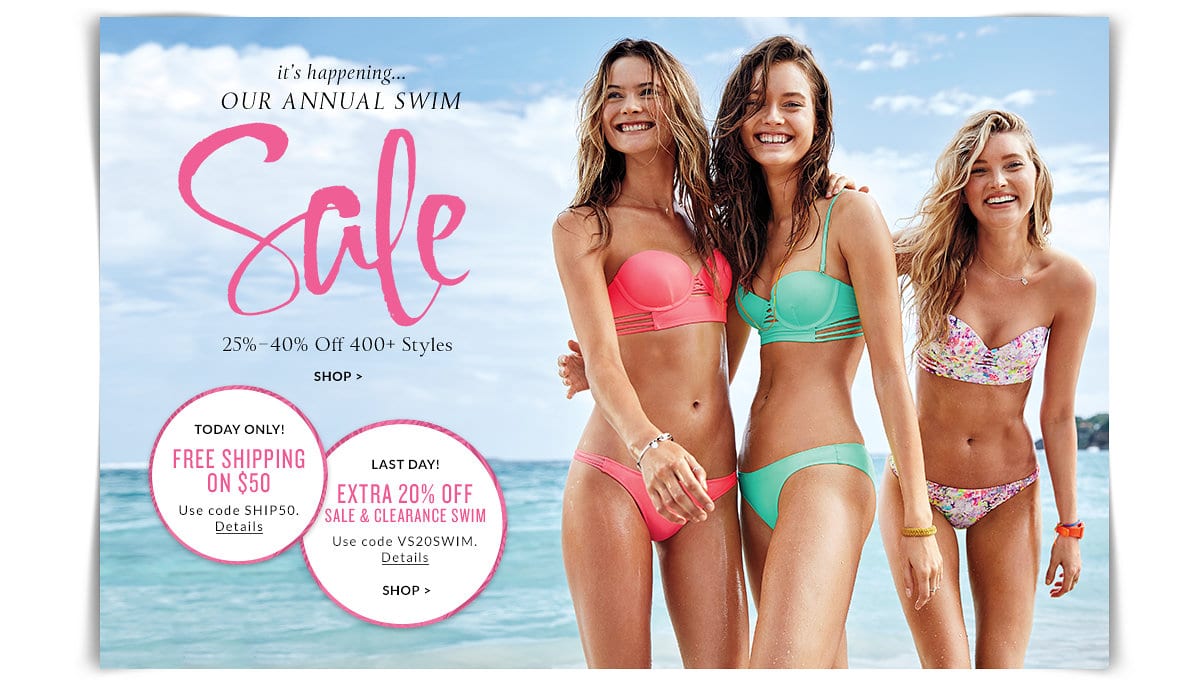
    Victoria’s Secret – which accounts for more than one third of the US lingerie market – says swimsuit sales are growing at twice the rate of its overall growth.

    In the first quarter of this year – not even summer season in the US – swimsuit sales soared 10 per cent, while the brand’s overall sales grew just five per cent. Swimwear was introduced in 2002 but only in the last few years has the range been widely stocked as a core line across the brand’s more than 1000 company-owned stores.

    CEO Sharen Jester Turney told an investor conference call that swimwear is not the only category driving growth.

    “We’re very excited and very pleased with our sport business, especially in our bra category,” she said.

    “That’s where we’ve been putting a lot of our emphasis and seeing tremendous growth.”

    In fact, sportswear was only on the company’s radar just a couple of years ago, yet sales are already nearing $250 million annually.

    Analysts predict the brand could eventually grow sportswear sales to $1 billion dollars (the brand’s total 2012 sales were more than $6 billion), with Victoria’s Secret set to launch its Sport offer into another 150 stores in the current quarter.