Retail News CRM

Tag: startup

  • Grab and GoTo Yield to Pressure: Slash Driver Commissions in Indonesia

    Grab and GoTo Yield to Pressure: Slash Driver Commissions in Indonesia

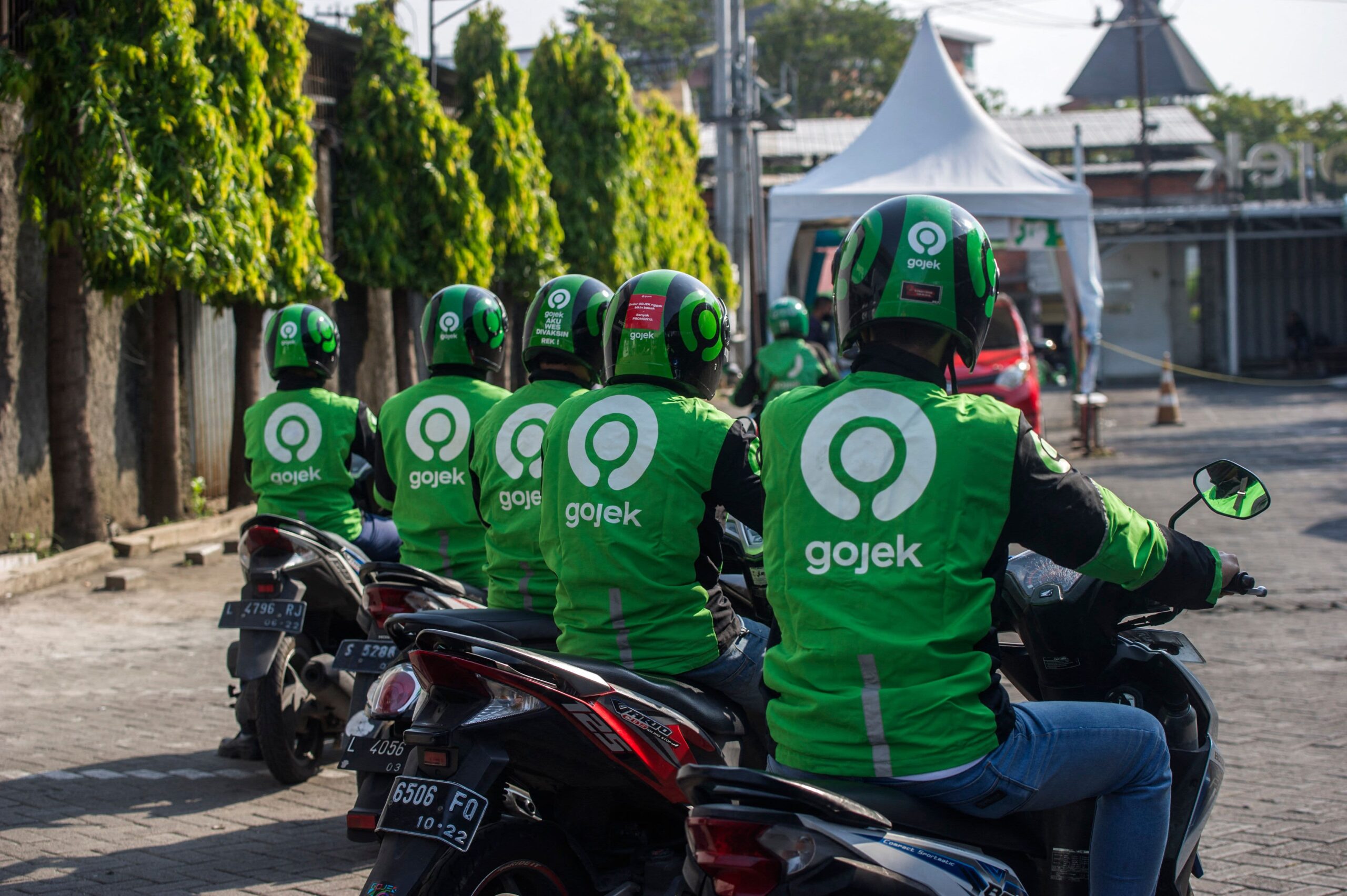
    Indonesia’s GoTo, a ride-hailing and food delivery company, alongside Singapore-based Grab, announced they will reduce the per-trip commissions for their two-wheeled driver partners in Indonesia. Beginning July 1, the commission rate will be slashed from 20% to 8%.

    Implementation of Reduced Commissions

    Indonesia’s President, Prabowo Subianto, first brought up the idea of an 8% cap on commissions in his speech on May 1. However, he did not provide details regarding when this initiative would be implemented.

    GoTo’s VP Director, Catherine Hindra Sutjahyo, expressed the company’s support for the initiative at a press conference. “We support the efforts to continue increasing the prosperity of the drivers,” she stated.

    Neneng Goenadi, Grab Indonesia’s CEO, echoed Sutjahyo’s sentiments. Both leaders confirmed that their respective companies will start applying the new 8% commission rate from July 1.

    Impact on Ride-Hailing Platforms

    This development was first reported in January, with concerns raised about its potential effect on the profitability of ride-hailing platforms, particularly in Southeast Asia, which serves as their largest market.

    Cucun Ahmad Syamsurijal, the Deputy Parliament Speaker, lauded the reduced commissions as a testament to President Prabowo’s administration’s commitment to supporting all ride-hailing drivers in the country.

    Questions & Answers

    **What is the new commission rate for two-wheeled drivers for GoTo and Grab in Indonesia?**
    The new commission rate is 8%, reduced from the previous rate of 20%.

    **When will the new commission rate take effect?**
    The new commission rate will be implemented starting July 1.

    **What potential impact could this reduction have on ride-hailing platforms?**
    The reduction could potentially affect the profitability of ride-hailing platforms, particularly in Southeast Asia, their largest market.

  • Meituan Faces Second Quarter Loss Amid Intense Food Delivery Competition in China

    Meituan Faces Second Quarter Loss Amid Intense Food Delivery Competition in China

    In a fiercely competitive market, Chinese food delivery titan Meituan has reported a second consecutive quarterly loss, slightly missing projected revenue growth. Over the past year, the company has weathered intense competition sparked by aggressive subsidy tactics in China’s burgeoning one-hour delivery sector.

    The Rivals and the Battle

    The company’s profit margins and revenue growth have faced significant challenges following the emergence of ‘instant retail’ platforms introduced by e-commerce behemoths Taobao and JD, both subsidiaries of Alibaba, in early 2025. Instant retail, also known as quick commerce, is characterized by online orders—typically food, bubble tea, or daily essentials—delivered to customers within an hour.

    A Glimmer of Hope in 2026

    Despite the tough conditions, the early months of 2026 have shown promising signs that the cutthroat price competition in the instant retail sector may be easing. This phenomenon, which has been disparaged by Chinese regulators as a destructive ‘race to the bottom’, has begun to show signs of abating.

    Meituan’s Financial Status

    Meituan’s revenue for the quarter ending December 31 amounted to 92.1 billion yuan (US$13.3 billion), marking a 4.1% increase over the previous year. This figure fell slightly short of the 92.2 billion yuan forecasted by industry analysts. Meanwhile, the company’s adjusted net loss narrowed to 15.1 billion yuan from 16 billion yuan in the previous quarter. A year earlier, Meituan had reported a profit of 9.8 billion yuan.

    Regulatory Guidance and Market Health

    During a post-earnings call with analysts, Meituan’s CEO, Wang Xing, stated that the regulatory guidance regarding the price war in the instant retail sector is “already quite clear.” He also noted that regulators strongly oppose the relentless ‘neijuan’, or involution, competition and are focused on fostering a healthy, orderly market. The term ‘neijuan’ represents a form of competition where entities are forced to engage in increasingly intense rivalry that yields minimal benefits.

    In the wake of a state media editorial calling for an end to China’s food delivery price wars being republished by Chinese regulators, Meituan’s shares experienced a significant 14% surge. Industry observers viewed this as a sign of official approval.

    Questions & Answers

    What is the instant retail or quick commerce model?
    This refers to online purchases, often consisting of food, bubble tea, and daily necessities, which are delivered to customers within 60 minutes.

    What is meant by ‘neijuan’ competition?
    ‘Neijuan’, or involution, indicates a situation where individuals or companies are compelled into increasingly intense competition that offers little benefits.

    How did the market respond to regulatory intervention in the price war?
    Following a state media editorial urging an end to the food delivery price wars being republished by Chinese regulators, Meituan’s shares saw a significant 14% increase, signaling market approval of regulatory intervention.

  • Grab Sees Stellar Rebound with First Full-Year Profit, Propelled by Record Q4 Earnings

    Grab Sees Stellar Rebound with First Full-Year Profit, Propelled by Record Q4 Earnings

    Grab Holdings, a Singapore-based technology firm specializing in transportation, food, and e-commerce solutions, has reported a prosperous full-year profit. This marks a significant recovery from the financial deficit experienced in the previous year.

    Strong Financial Performance in 2025

    In the fiscal year of 2025, Grab Holdings generated revenues to the tune of US$3.3 billion and secured profits amounting to $200 million. This powerful comeback effectively eclipsed the previous year’s losses, which stood at $158 million.

    In particular, the fourth quarter of 2025 proved to be a strong period for the company, with earnings totaling $906 million. This figure represents a 19% year-on-year increase.

    Group CEO and co-founder, Anthony Tan, expressed pride in the company’s performance. “We concluded 2025 on a high note, posting our first full year of net profit and surpassing 50 million monthly transacting users,” he said.

    Looking ahead, Tan affirmed plans to maintain this positive trajectory. “Our strategy for the coming years revolves around expanding our market reach through increased affordability and reliability. We also intend to leverage product-led innovations to enhance ecosystem engagement and boost user lifetime values.”

    Growth Across Various Segments

    The company’s robust financial performance was driven by growth across several business segments. Revenues from deliveries increased by 18% year-on-year, while mobility revenues witnessed a 15% growth.

    Peter Oey, CFO of Grab, voiced optimism about the company’s long-term financial prospects, citing the strong foundation built thus far. “We forecast generating $1.5 billion in Adjusted EBITDA with an Adjusted Free Cash Flow conversion of 80% by 2028. This positions us well to accelerate our platform ambitions while maximizing shareholder value,” he stated.

    $500 Million Share Buyback Program

    Reaffirming its commitment to shareholders, Grab Holdings has unveiled a $500 million share buyback program.

    Questions & Answers

    What was Grab Holdings’ financial performance in 2025?
    Grab Holdings reported revenues of US$3.3 billion and a profit of $200 million in 2025.

    What strategies does Grab Holdings plan to implement moving forward?
    Grab intends to expand its market reach through increased affordability and reliability and plans to leverage product-led innovations to enhance ecosystem engagement and boost user lifetime values.

    What does Grab Holdings’ share buyback program entail?
    Grab Holdings has announced a $500 million share buyback program as part of its commitment to providing shareholder value.

  • Revolutionizing the Beverage Industry: Kiwi Startup’s Innovative Tablet Drink Seeks to Curb Plastic Waste

    Revolutionizing the Beverage Industry: Kiwi Startup’s Innovative Tablet Drink Seeks to Curb Plastic Waste

    A New Zealand-based startup, Incrediballs, is set to introduce a tablet-based beverage product, with the aim of minimizing plastic usage in the beverage industry. The product represents the commercial exploitation of a research endeavor that spanned seven years.

    Incrediball’s Innovative Concept

    Incrediballs specializes in the production of non-plastic effervescent drink tablets. The development of these tablets was spearheaded by Brianne West, founder and ex-CEO of Ethique, a personal care company. West’s departure from Ethique saw her utilizing a co-crystal stabilization method, a technology birthed at the University of Bradford, UK.

    The conventional effervescent tablets are inherently unstable, necessitating the use of plastic or metal packaging for protection against moisture and air, West explained. On a commercial scale, stabilizing these tablets is a challenge that even pharmaceutical companies grapple with.

    “The chemistry may seem straightforward but controlling it is no easy feat,” she said. “Our patented system encapsulates active ingredients such as citric acid and sodium bicarbonate with compounds like nicotinamide and creatine. This prevents the reaction from taking place until the tablet is completely immersed in water.”

    Upon dissolution, each tablet generates a 350ml beverage with no added sugar. By eliminating the need for bottled drinks, this format presents an alternative within the global soft drink market. The market, estimated to be worth $1.42 trillion, is responsible for generating around 583 billion single-use plastic bottles annually, with only about 10% of these bottles being recovered by recycling systems.

    An Eco-friendly Alternative to Bottled Drinks

    West, referring to data from the United Nations, stated that manufacturers are capable of producing approximately 20,000 PET bottles every second. Furthermore, single-use drink containers account for roughly 45% of litter in urban areas.

    Incrediballs’ tablets are packaged in a paper-based material that is certified for home composting and devoid of plastic laminates. The packaging can be composted or recycled. The company uses water-based inks and is exploring options for algae-derived alternatives.

    The development of Incrediballs incorporated feedback from over 15,000 subscribers and social media followers who participated in product testing. The company plans to extend their product line to include functional beverage formats that utilize ingredients sourced from New Zealand such as manuka, kawakawa, and kiwifruit extracts.

    Revolutionizing the Beverage Industry

    Incrediballs’ goal is to revolutionize the drink manufacturing, transportation, and sales sectors. However, the company’s focus is not merely to position its product as an environmental alternative. It has set ambitious targets to prevent the production of 50 million plastic bottles by 2030 and 300 million by 2050.

    From a logistical standpoint, the non-liquid, non-plastic format of the product decreases transport volume by over 99%, enabling higher product density per shipment. According to West, this shift has the potential to transform export economics by reducing logistics costs.

    In terms of financial aspirations, the company aims for a revenue of $1 million by the 2027 fiscal year, with long-term plans to establish an export business boasting an annual turnover of $1 billion.

    The initial four flavors of the product will be available for online orders beginning February 16. The company has already garnered interest from supermarkets and FMCG retailers in Australia and New Zealand.

    At first, the company’s focus will be on direct-to-consumer sales to establish brand positioning and gain customer insights. They also plan on partnering with select independent retailers for trial runs. Feedback from these early stages will be used to fine-tune aspects such as flavor, packaging, and usage prior to wider FMCG and export distribution.

    “We’re not aiming to be a niche or a travel product,” West said. “We want our presence felt on every beverage aisle.”

    Questions & Answers

    What is Incrediballs?
    Incrediballs is a New Zealand-based startup that specializes in the production of non-plastic effervescent drink tablets aimed at reducing plastic waste in the beverage industry.

    How does the Incrediballs tablet work?
    The Incrediballs tablet, when fully immersed in water, dissolves to produce a 350ml beverage. This eliminates the need for single-use plastic bottles.

    What are Incrediballs’ future plans?
    Apart from aiming to prevent the production of 50 million plastic bottles by 2030, Incrediballs also plans on extending their product line to functional beverage formats using locally sourced ingredients. The company aims to establish a strong brand presence in all beverage aisles, not just as a niche or travel product.

  • RedMart Now: Shaking Up Singapore’s Grocery Scene with 30-Minute Deliveries

    RedMart Now: Shaking Up Singapore’s Grocery Scene with 30-Minute Deliveries

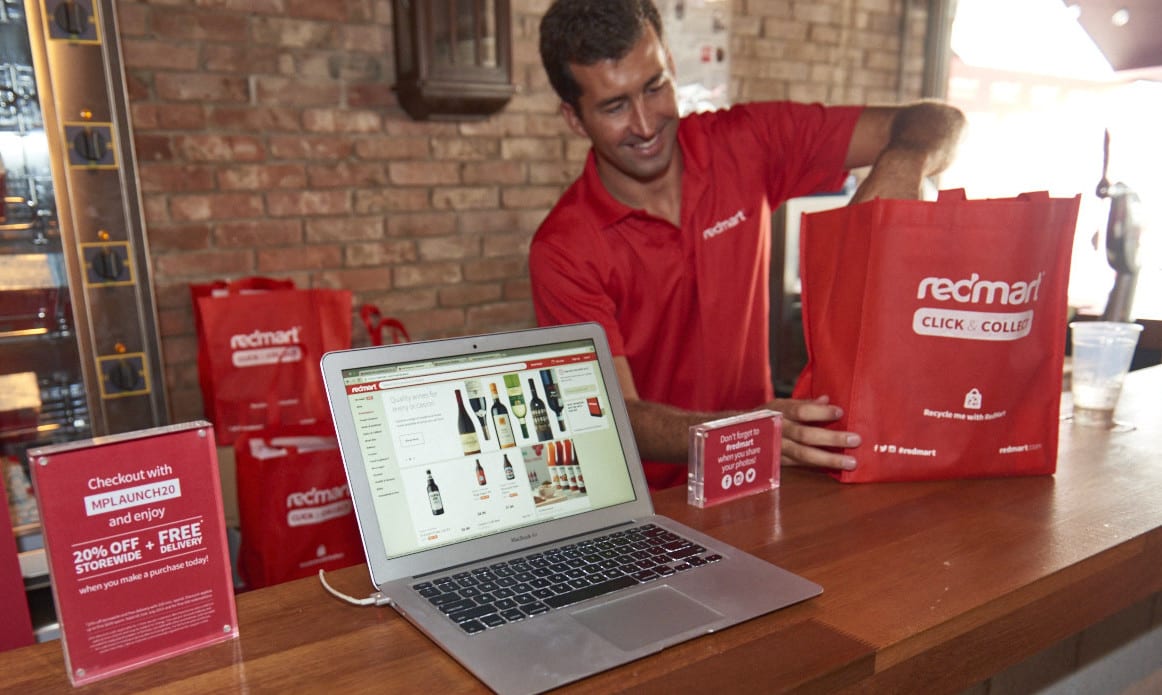
    Lazada’s RedMart has recently announced the launch of a new on-demand grocery delivery service in Singapore, RedMart Now, which guarantees to deliver orders within 30 minutes.

    Expanded Delivery Options

    The latest service supplements RedMart’s pre-existing same-day delivery offerings, including two-hour and six-hour delivery windows. RedMart Now will initially operate across selected southern and central neighborhoods such as Sentosa, Telok Blangah, Alexandra, Pasir Panjang, Clementi, Queenstown, Orchard, River Valley, Tanglin, and Bukit Timah. Plans are in place for a phased rollout across the rest of the island.

    Curated Product Range

    RedMart Now will feature a tailored selection of frequently used essentials such as fresh produce, snacks, beverages, festive goods, and household items. The delivery fee is set at S$3.99 for orders exceeding S$30.

    Martin Daney, SVP, Head of RedMart at Lazada, explained the rationale behind launching RedMart Now. He articulated that the aim of the service is to cater to urgent and unexpected shopping needs. He emphasized how the service was designed to allow customers to receive their needed items in as little as 30 minutes. The overall goal is to become the leading platform for both regular grocery shopping and urgent needs, thus allowing consumers to dedicate less time to running errands and more time to activities they enjoy.

    Entering the Quick Commerce Market

    The introduction of RedMart Now places the company in direct competition with other fast-delivery providers in Singapore’s dense and high-value grocery market. It also signifies a deeper penetration into the nation’s rapidly expanding quick commerce sector.

    Quick commerce presently constitutes about one-third of Singapore’s online grocery delivery revenue. Last year, according to Statista, the segment was projected to hit approximately US$371.75 million within a broader online grocery market estimated at US$1.04 billion.

    Questions & Answers

    What is RedMart Now?
    RedMart Now is a new on-demand grocery delivery service launched by Lazada-owned RedMart in Singapore, promising delivery within 30 minutes.

    Where will RedMart Now initially operate?
    RedMart Now will initially operate across selected southern and central neighborhoods in Singapore, with a phased rollout planned for the rest of the island.

    What does the launch of RedMart Now signify?
    The launch of RedMart Now signifies a deeper penetration into Singapore’s rapidly expanding quick commerce sector and places the company in direct competition with other fast-delivery providers in the country’s high-value grocery market.

  • Jago Coffee: Indonesia’s Innovative Cart Startup Brews Up $12M in Latest Funding Round

    Jago Coffee: Indonesia’s Innovative Cart Startup Brews Up $12M in Latest Funding Round

    Jago Coffee, an Indonesian mobile coffee service, recently raised $12 million in a Series B funding round bringing its total capital to over $20 million. The company is known for dispensing reasonably priced beverages from fully electric carts, making it an accessible option for a broad range of consumers.

    Funding Details

    The primary investors in the recent funding round were Beenext, alongside other contributors such as Intudo Ventures and Orzon Ventures. The infusion of capital is planned to support and accelerate the company’s expansion efforts, despite the recent financial figures indicating an increase in losses alongside growing revenue.

    Jago’s Unique Approach

    Jago Coffee has a unique business model that aligns closely with local street vendor practices. The company operates fully electric carts and offers coffee that is affordable, with prices starting at approximately $0.50. This approach makes its service accessible to a large segment of consumers.

    The company has also invested in technology, developing its own tech stack. This includes the use of machine learning to pinpoint potential areas for expansion. The company also prides itself on its dedicated applications for both baristas and customers, further enhancing its service delivery.

    Growth and Financial Performance

    Despite the challenges, Jago has experienced significant growth. There was a more than thirteenfold increase in size in 2023. Moreover, the company reported a 17% rise in revenue in December 2024. However, it should be noted that during the same period, the company’s losses more than doubled.

    This investment in Jago indicates a shift in the venture capital landscape. Investors are becoming more interested in companies that use software to manage local, physical operations, rather than placing their sole focus on digital products.

    Questions & Answers

    What is Jago Coffee’s business model?

    Jago Coffee operates fully electric carts, similar to local street vendors, to deliver affordable coffee to a mass market of consumers.

    How much has Jago Coffee raised in its recent Series B funding round?

    Jago Coffee has recently raised $12 million in a Series B funding round.

    How is venture capital shifting in relation to companies like Jago Coffee?

    Investors are increasingly interested in businesses that use software to manage physical, local operations, as opposed to focusing solely on digital products.

  • Foodpanda Expands Footprint in Singapore with New Pandamart XL Stores: Bigger Selection, Better Value!

    Foodpanda Expands Footprint in Singapore with New Pandamart XL Stores: Bigger Selection, Better Value!

    Foodpanda, a popular food delivery service, has recently expanded its presence in Singapore with the opening of two additional Pandamart XL stores. These new locations, situated in Kallang and Yio Chu Kang, have been established to meet the increasing consumer demand and will provide a wider variety of products.

    Understanding the Change in Consumer Behaviour

    Bhavani Mishra, the Managing Director of Foodpanda Singapore, shared that they have noticed a shift in how their customers in Singapore are shopping. Shoppers are becoming more intentional, planning their purchases meticulously, spending wisely, and doing bulk shopping in one go. The new Pandamart XL stores have been specifically designed to cater to these changing needs.

    Expanded Product Range

    Pandamart XL stores are characterized by a larger product range, around 30 per cent more than their regular stores. This increased product assortment includes not just everyday items, but also specialty imported goods and locally popular items. This is designed to offer customers more options and better value while retaining the convenience they have come to expect from Foodpanda.

    Quick-commerce and Its Evolution

    Axelle Guibert, the Director of Quick-commerce at Foodpanda Singapore, elaborates that quick-commerce has moved beyond just being about convenience. It has become a part of the daily shopping rhythm in Singapore. With their new Pandamart XL stores, Foodpanda aims to deliver both scale and speed, offering customers a wider selection and better value, all in proximity to their homes.

    Foodpanda currently operates three Pandamart XL stores. The company utilizes hyperlocal demand trends for effective stock planning. This ensures that each store’s inventory is tailored to meet the specific needs of its surrounding neighbourhood.

    Questions & Answers

    What is Foodpanda’s recent development in Singapore?
    Foodpanda has recently opened two more Pandamart XL stores in Kallang and Yio Chu Kang, Singapore.

    What distinguishes Pandamart XL stores from regular stores?
    Pandamart XL stores offer 30 per cent more products than regular stores, including specialty imported goods and locally popular items, providing customers with more choices and better value.

    How does Foodpanda plan its inventory for the Pandamart XL stores?
    Foodpanda utilizes hyperlocal demand trends for stock planning, ensuring that each store is tailored to meet the specific needs of its surrounding neighbourhood.

  • Surplus Food App ‘Too Good To Go’ Soars in Popularity Following Aotearoa Launch

    Surplus Food App ‘Too Good To Go’ Soars in Popularity Following Aotearoa Launch

    Too Good To Go, the surplus food marketplace, is already making strides after launching in Aotearoa, New Zealand, in November of the previous year. The company, which has its headquarters in Denmark, offers a unique platform that enables consumers to purchase excess food from local cafes, bakeries, and retailers through its discounted ‘Surprise Bags’.

    Growth and Expansion in Aotearoa

    Since its inception, Too Good To Go’s partner network in Aotearoa has grown, now encompassing 115 local businesses and boasting over 25,000 registered users in Auckland alone.

    Joost Rietveld, Too Good To Go New Zealand’s country director, shared the company’s excitement about the reception in Auckland. He attributed this success to New Zealanders’ deep cultural connection to both food and sustainability.

    Rietveld also shed light on the company’s business model, which is geared towards providing customers with affordable food options while also enabling hospitality and retail partners to profit from their surplus stock. This approach reduces food wastage, creating what Rietveld describes as a ‘win-win-win’ business model.

    Collaboration with Food Businesses and Chains

    The Too Good To Go application is now collaborating with a variety of independent food businesses and national chains. These include Daily Bread, Crave Cafe, Beau Deli, Rollers Bakery, Bakers Delight, Muffin Break, and Roll’d.

    Rietveld expressed that the early influence of the platform is already incalculable. The company’s rapid traction indicates a real need in the market, which benefits consumers, local hospitality businesses, and the environment.

    Moreover, more than 60 businesses have already partnered with the platform. Discussions are ongoing to welcome more partners in Auckland and other regions as the company plans its nationwide expansion within the year.

    Questions & Answers

    What is Too Good To Go’s business model?
    Too Good To Go’s business model is designed to provide customers with access to discounted food while enabling hospitality and retail partners to generate revenue from their surplus stock. This approach minimises food wastage, creating a win-win-win situation for customers, businesses, and the environment.

    Who are some of Too Good To Go’s partners in New Zealand?
    Too Good To Go is currently working with a mix of independent food businesses and national chains in New Zealand, including Daily Bread, Crave Cafe, Beau Deli, Rollers Bakery, Bakers Delight, Muffin Break, and Roll’d.

    What are the future plans for Too Good To Go in New Zealand?
    Following its successful launch in Auckland, Too Good To Go plans to expand its partner network nationwide within the year. Discussions are underway to bring in additional partners in Auckland and other regions across the country.

  • HelloFresh and Youfoodz in Legal Hot Water Over Alleged Deceptive Subscription Practices

    HelloFresh and Youfoodz in Legal Hot Water Over Alleged Deceptive Subscription Practices

    The Australian Competition and Consumer Commission (ACCC) has recently launched a lawsuit against two meal kit delivery companies, HelloFresh and Youfoodz. The case, filed in Federal Court, accuses the two companies of misleading their customers about the terms of their subscription services.

    Alleged Misrepresentation of Subscription Cancellation

    Both HelloFresh and Youfoodz are subsidiaries of the Germany-based HelloFresh SE. The former provides weekly meal kits while the latter offers pre-made meals on a weekly basis. The ACCC’s contention is that both companies violated Australian consumer law by falsely advertising that new customers could cancel their subscriptions without incurring any charges. In reality, despite cancelling within the specified period, a large number of consumers still faced charges.

    According to a representative from ACCC, while it was easy for customers to sign up for the services via websites and mobile applications, the cancellation of the first order required interaction with a customer service representative.

    Charges Despite Cancellation

    The alleged violations occurred from January 1, 2023, to March 14, 2025, for HelloFresh, and from October 1, 2022, to November 22, 2024, for Youfoodz. The ACCC states that during these periods, “62,061 HelloFresh customers and 39,408 Youfoodz customers were charged a fee despite cancelling their subscription before the specified cut-off time for the first order.”

    Moreover, the ACCC claims that HelloFresh required customers to provide payment details to access the full menu, but assured them during the sign-up process that they wouldn’t be charged unless they selected meals. However, in contrast to its promise, several customers were charged. Similarly, Youfoodz informed customers who had initiated their subscription’s cancellation that their first delivery was cancelled and they won’t be charged, which turned out not to be true.

    Investigation and Public Concern

    The ACCC initiated the investigation into these allegations against HelloFresh and Youfoodz in October 2024, following numerous complaints from consumers. The commissioner, Luke Woodward, expressed that businesses employing confusing and complicated subscription cancellation policies are a significant public concern. He emphasized that the ACCC would take enforcement action as necessary when there’s evidence of violations of the Australian consumer law and consumer harm.

    Questions & Answers

    What is the ACCC’s contention against HelloFresh and Youfoodz?
    The ACCC alleges that both companies violated Australian consumer law by falsely advertising that new customers could cancel their subscriptions without any charges. In reality, many customers incurred charges despite cancelling within the specified period.

    What were the periods during which these alleged violations occurred?
    For HelloFresh, the alleged violations occurred from January 1, 2023, to March 14, 2025. For Youfoodz, the violations are said to have taken place from October 1, 2022, to November 22, 2024.

    What does the ACCC plan to do about businesses with confusing and complicated subscription cancellation policies?
    The ACCC commissioner, Luke Woodward, stated that when there is evidence of breaches of the Australian consumer law and consumer harm, the ACCC will take enforcement action as necessary.

  • HSBC Fuels Singapore’s Startup Boom: A Billion-Dollar Bet on Global Innovation Dominance

    HSBC Fuels Singapore’s Startup Boom: A Billion-Dollar Bet on Global Innovation Dominance

    As Singapore further cements its position as a worldwide hub for innovation, HSBC is strategically situating itself at the forefront of this transformation.

    HSBC’s group chief executive, Georges Elhedery, has recently expressed that innovation, technology, and artificial intelligence will drive economic growth. He emphasized that banks must adopt a proactive approach in providing financial support to start-ups and scaling companies.

    This standpoint coincides with the rising global recognition of Singapore’s start-up ecosystem and the rapid international expansion of venture-backed firms.

    The Crucial Role of Banks in Innovation

    Elhedery regards start-ups as the pivotal driving force for future GDP growth. He points out that while advanced technology only accounts for four percent of the US GDP, it contributes to an impressive ninety-two percent of the country’s GDP expansion.

    He stresses the importance for financial institutions to back these high-growth firms, despite the heightened credit risks. Elhedery firmly believes that leveraging and applying the bank’s expertise in this ecosystem is of utmost importance.

    Singapore’s Strategic Importance to HSBC’s Global Ambitions

    HSBC considers Singapore as a significant player in its Asia-Pacific aspirations. The bank is developing group-level competencies from Singapore, introducing services such as blockchain-based tokenised deposits that offer 24/7 real-time settlements.

    “Singapore plays an essential role in HSBC’s international strategy,” states Elhedery. He underscores the bank’s ambition to emerge as the leading global institution in corporate banking, institutional banking, wealth management, and innovation banking.

    HSBC’s Response to Start-ups’ Global Expansion

    As an increasing number of Singaporean start-ups scale globally, HSBC observes a surge in demand for financing through its international network. The bank’s newly established innovation banking division in Singapore aims to bridge a long-standing market gap by offering sector expertise, specialised products, and customised financing solutions to venture-backed firms.

    HSBC has committed US$1.5 billion in funding to high-growth firms in Singapore. The bank’s lending decisions are steered by its close interactions with founders and their investors.

    Targeting Founders’ Wealth

    Apart from corporate banking, HSBC is also focusing on the wealth of founders. Nearly two-thirds of its worldwide private banking clients in Singapore are entrepreneurs. The bank provides guidance on pre-exit planning, IPO preparation, succession strategies, and curated networking through initiatives like the Innovation Exchange.

    A global HSBC report in 2025 identified Singapore as the most appealing hub for entrepreneurial wealth worldwide. Fifteen percent of entrepreneurs plan to relocate their assets to Singapore, with 12% considering moving their residence.

    Positioning for Sustainable Growth

    For HSBC, innovation banking presents both a commercial prospect and a long-term strategic move. As Singapore strengthens its stature as a global innovation hub, the bank aims to be the go-to partner for high-growth companies, their investors, and founders.

    Elhedery clearly articulates this goal, “Our involvement in the innovation ecosystem is crucial for nurturing the businesses of the future.”

    Questions & Answers

    What is the role of banks in financing start-ups and scaling companies?
    Banks, according to HSBC Group CEO Georges Elhedery, must actively finance start-ups and growing companies, despite the elevated credit risk.

    How does HSBC view Singapore’s role in scaling its global operations?
    HSBC sees Singapore as a significant player in its Asia-Pacific aspirations, developing group-level competencies and introducing services from the city-state.

    What is HSBC’s approach towards the wealth of founders?
    HSBC is focusing on the wealth of founders by offering advice on pre-exit planning, IPO preparation, succession strategies, and curated networking through initiatives like the Innovation Exchange.

  • Key iPhone Air Designer Abidur Chowdhury Exits Apple for AI Startup: An Unexpected Twist in Tech

    Key iPhone Air Designer Abidur Chowdhury Exits Apple for AI Startup: An Unexpected Twist in Tech

    Abidur Chowdhury, one of Apple’s pivotal figures in the design process of the iPhone Air, has recently left the corporation. The move was unexpected, as Chowdhury had just been promoted to a key role within the company, hinting at an extended future collaboration.

    Unexpected Departure from Apple

    Chowdhury’s decision to leave Apple reportedly took the tech giant by surprise. His upward trajectory within the company’s design team suggested a bright future and the potential for an even more significant role in the years to come.

    Chowdhury was instrumental in the development of the iPhone Air, with his departure marking another loss for Apple from its ranks to AI-centric firms.

    Key Contribution to the iPhone Air

    In a break from tradition, Apple selected Chowdhury to introduce the iPhone Air this year, prior to Ternus delving into a more comprehensive presentation. This clear signal of Chowdhury’s prominence during the Apple event underscored the company’s recognition of his value.

    Chowdhury, known for his modesty, has never publicly championed his contributions at Apple. His decision to leave after taking center stage suggests either a lack of confidence in Apple’s direction or the opportunity of a more lucrative offer.

    Preference for AI Over iPhone Air?

    Artificial Intelligence (AI) is currently the most buzzed-about topic in the tech world. Several of Apple’s top employees have recently transitioned to companies with a stronger focus on AI. Considering Apple’s issues with Siri, this trend isn’t surprising.

    However, Chowdhury, to public knowledge, wasn’t involved with Siri. Speculation suggests that he may envision a brighter future in AI than with the iPhone Air, prompting his decision to depart.

    Questions & Answers

    Why did Abidur Chowdhury leave Apple?
    Although Chowdhury has not publicly stated a reason, speculation suggests that he may see a more promising future in AI than with Apple or have received a more attractive offer elsewhere.

    What was Abidur Chowdhury’s role at Apple?
    Chowdhury was a key figure in Apple’s design team and played a significant role in the development of the iPhone Air.

    What impact might Chowdhury’s departure have on Apple?
    Given Chowdhury’s instrumental role in the design and introduction of the iPhone Air, his departure may be a notable loss for Apple. His decision to leave may also potentially influence others within the company to consider opportunities outside Apple.

  • HelloFresh fined after criminal charges laid over subscription trap

    HelloFresh fined after criminal charges laid over subscription trap

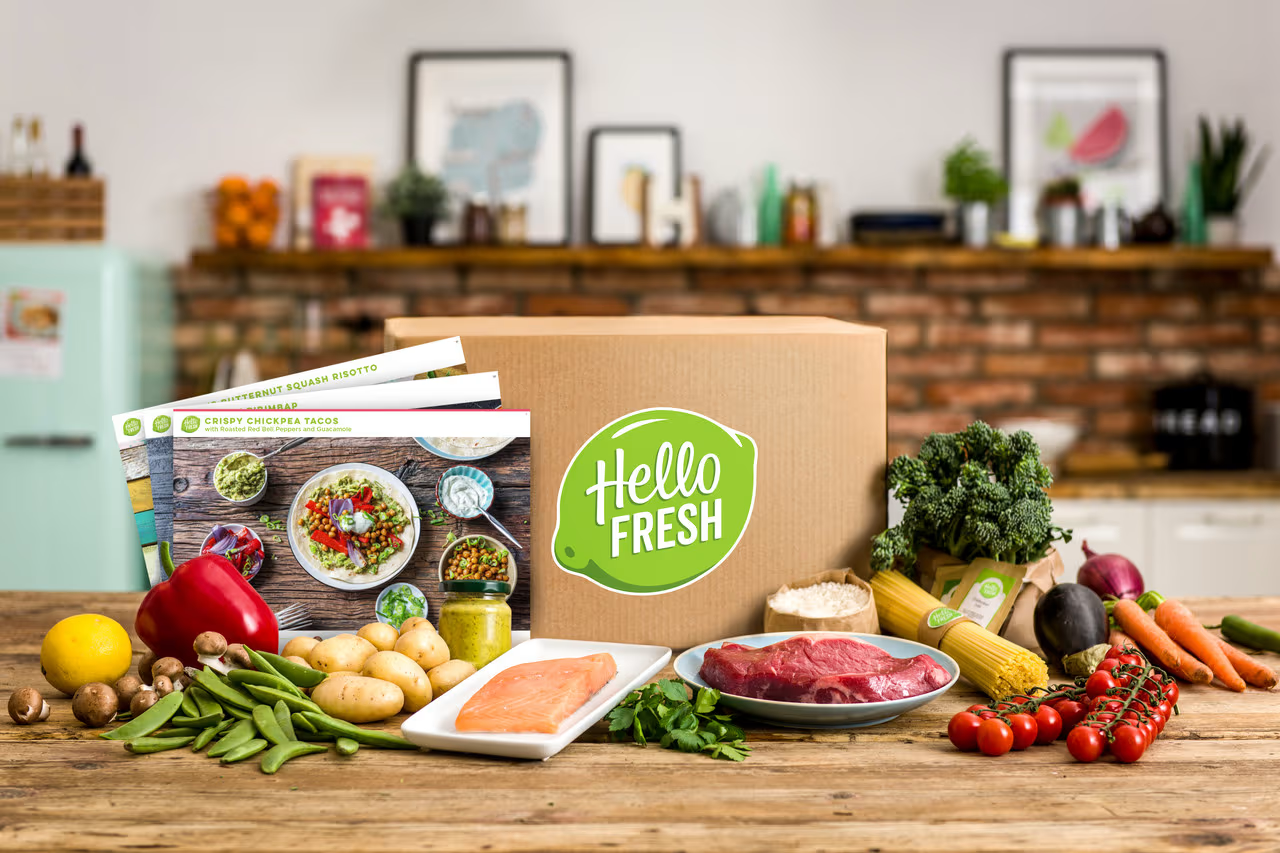
    HelloFresh New Zealand, a subsidiary of global meal-kit supplier HelloFresh SE, has been hit with an NZ$845,000 ($748,294) penalty for deceiving customers into renewing their subscriptions. The imposition of this fine is the result of legal action undertaken by the Commerce Commission, New Zealand’s regulatory authority, in response to the company’s violation of the Fair Trading Act. HelloFresh New Zealand confessed to its true intentions of luring customers into renewing their food delivery service subscriptions without explicit awareness or agreement, a practice commonly known as a subscription trap.

    Deceptive Marketing Strategy

    Deputy Chair of the Commerce Commission, Anne Callinan, revealed the core of HelloFresh’s modus operandi. The company would cold call former customers under the guise of seeking customer feedback. However, the actual aim of these calls was to entice customers into reactivating their subscriptions by presenting them with discount vouchers. The company failed to clearly communicate that accepting these vouchers could result in the reactivation of the customers’ paid subscription.

    Over an 18-month period, HelloFresh made over a million calls to ex-customers and succeeded in reviving nearly 80,000 subscriptions. This action resulted in a surge of complaints to the Commerce Commission from disgruntled customers.

    Callinan provided further insight into the company’s misleading practices. “Upon reviewing a selection of call recordings, it became evident that agents downplayed or disregarded customers’ wishes, who on many occasions unequivocally stated their unwillingness to renew their subscription,” she stated. Callinan said that the deceptive behavior was a fundamental aspect of HelloFresh’s business operations and not an isolated incident.

    Lessons for Subscription-Based Services

    Callinan conveyed a stern warning to other subscription-based businesses in light of this case. The need for transparency regarding their terms and conditions and ensuring customers fully understand what they are signing up for is paramount.

    The Commerce Commission plans to maintain its focus on rectifying any misleading online sales behavior, including subscription traps. These practices remain a key focus area for the regulator.

    HelloFresh New Zealand operates under the umbrella of its Berlin-based parent company, HelloFresh SE, which is one of the largest meal-kit providers in the world with operations across 18 countries.

    Questions & Answers

    What was HelloFresh New Zealand fined for?
    HelloFresh New Zealand was fined NZ$845,000 ($748,294) for deceiving customers into renewing their subscriptions without clear communication or consent.

    What was the company’s deceptive marketing strategy?
    HelloFresh would cold call former customers under the pretext of gathering customer feedback. The actual aim was to persuade customers to reactivate their subscriptions by offering discount vouchers, without clearly stating that this would result in the reinstatement of their paid subscription.

    What is the key takeaway for other subscription-based businesses?
    Subscription-based businesses must ensure transparency in their terms and conditions and confirm that customers are fully informed before agreeing to sign up for their service.

  • Great Wrap Collapses Under Debt: Unfortunate End For Sustainable Plastics Innovator

    Great Wrap Collapses Under Debt: Unfortunate End For Sustainable Plastics Innovator

    Great Wrap, an emerging leader in the alternative plastics industry, has unfortunately been forced to cease operations due to mounting debts. The company has reportedly accumulated about $39 million in debts, culminating in an unexpected end almost six years after its inception.

    Company Shutdown

    The Australian Securities and Investments Commission (ASIC) has confirmed that administrators were named to handle the insolvency proceedings on September 17. The shutdown has led to a complete halt in the company’s operations and the dismissal of all employees.

    Jordy Kay, co-founder and CEO of Great Wrap, verified the company’s closure in a professional networking platform post. He acknowledged the end of the company’s journey and expressed his gratitude to all supporters. Kay affirmed his commitment to work with the administrators to liquidate all company assets and repay the creditors in full.

    Innovation and Challenges

    Great Wrap, which Jordy and Julia Kay established in 2020, enjoyed recognition for its compostable cling film and pallet wrap manufactured from potato waste and other organic materials. The business had positioned itself as a sustainable substitute to petrochemical-based plastics. Their target customers were retailers and fast-moving consumer goods (FMCG) companies as well as logistics providers aiming to decrease plastic waste.

    Regrettably, changing market situations and a decrease in demand for compostable packaging were key factors in the company’s downfall. Kay explained that retailers and FMCG companies had started to transition from using compostable alternatives to establishing their own plastic recycling operations. This shift led to a slow-down in their business and a weakening demand for their products.

    While the company had plans to expand into the US market, the persistent struggle to make the Australian plant profitable left them without adequate time or capital to continue. The inability to turn a profit from the Australian plant, combined with a depletion of time and capital for US expansion, ultimately led to the company’s collapse.

    Despite the unfortunate development, Kay remains hopeful that their journey would inspire others to continue exploring opportunities in the challenging domain of alternative plastics.

    Questions & Answers

    Why did Great Wrap cease operations?
    Great Wrap was forced to shut down due to financial struggles, including a reported $39 million in debt.

    Who were the primary customers of Great Wrap?
    Great Wrap’s primary customers were retailers, FMCG companies, and logistics service providers looking to reduce plastic waste.

    What led to the reduction in demand for Great Wrap’s products?
    A shift in strategy from retailers and FMCG companies led to a decline in demand. These companies transitioned from using compostable alternatives to setting up their own plastic recycling operations.

  • Melbourne Startup Jim Revolutionizes Fitness Drinks With Protein-packed, Prebiotic Soda

    Melbourne Startup Jim Revolutionizes Fitness Drinks With Protein-packed, Prebiotic Soda

    Melbourne-based start-up, Jim, has recently introduced a novel functional soda into the market. This unique beverage combines proteins and prebiotics, targeting both health-conscious consumers and those seeking high-quality fitness recovery options.

    The Details

    The innovative soda line comes in three distinct flavours: Golden Pash, Lem’n’Ade and Rarr-Berry. According to the company, each 330ml soda can is packed with 5 grams of protein, organic prebiotics, branched-chain amino acids (BCAAs), and L-glutamine. Additionally, these soda variants are free from added sugars and caffeine.

    Jim’s founders, Aimee Tawhai, a former elite athlete turned entrepreneur, and her companion Jono, envisioned a fitness recovery drink that would be both beneficial and enjoyable. They aimed to move past the conventional ‘gym bro’ beverage market, with a drink that appeals to a broader consumer base.

    Breaking Away from the Norm

    Aimee Tawhai, co-founder of Jim, shed light on the brand’s unique approach. “Fitness recovery drinks have been primarily targeted towards the ‘gym bro’ culture for quite some time. These drinks often have intimidating labels, excessively sweet and artificial tastes, and ingredients that offer no real benefits. Our intention was to cater to the everyday consumer, the ones who value their health and appreciate effective recovery drinks but don’t necessarily identify with the ‘gym bro’ culture. We wanted to create a beverage that I would personally drink, something I could confidently offer to my mother, a drink that delivers on promises and also tastes great.”

    Currently, Jim’s health-focused sodas are available in over 100 wellness centres, health food shops, and recovery hubs across the country. They can also be found through Kelly’s Distributors in Queensland. Plans are in place to expand online availability via Healthylife, the official health and wellness partner of Woolworths, in the near future.

    Questions & Answers

    What is the unique selling point of Jim’s new functional soda?
    The soda combines protein and prebiotics, targeting both health-conscious consumers and those seeking high-quality fitness recovery options. It also avoids added sugars and caffeine.

    Who are the founders of Jim?
    Jim was founded by Aimee Tawhai, a former elite athlete turned entrepreneur, and her companion Jono.

    Where can consumers purchase Jim’s functional sodas?
    Jim’s sodas are available in over 100 wellness centres, health food shops, and recovery hubs nationwide, and through Kelly’s Distributors in Queensland. There are plans to expand online availability via Healthylife, Woolworths’ official health and wellness partner.

  • Swiss Fintech Pioneer Finpension Contends For ‘EY Entrepreneur Of The Year 2025

    Swiss Fintech Pioneer Finpension Contends For ‘EY Entrepreneur Of The Year 2025

    Finpension, a fintech trailblazer based in Lucerne, has earned a spot in the limelight as it vies for the prestigious “EY Entrepreneur Of The Year 2025” award. Founded by Beat Bühlmann and Ivo Blättler, this dynamic duo has been nominated in the “Visionary Entrepreneurs” category for the Swiss iteration of the globally recognized accolade.

    They now find themselves in esteemed company, competing against other innovative entities such as the meteorology startup Meteomatics and the digital real estate broker Neho. The suspense builds as the winners of all categories will be revealed on October 17 in Bern, a date circled in bold on many calendars.

    Recognizing Trailblazers in Entrepreneurship

    The “EY Entrepreneur Of The Year” award stands as a pinnacle of entrepreneurial achievement, connecting an expansive network of over 50,000 visionaries across 60 countries. The process is not a walk in the park; finalists and winners are chosen by an independent jury that scrupulously evaluates them against rigorous criteria. Innovation, entrepreneurial vision, and sustainable success are at the forefront of their considerations. Remarkably, this marks the 28th iteration of the award in Switzerland.

    A Glimpse into Finpension’s Success

    The jury’s admiration speaks volumes about the team’s groundbreaking approach. They commended Bühlmann and Blättler as pioneers in digital pension solutions, highlighting how their platform champions simplicity and transparency. This acknowledgment is particularly noteworthy considering that Finpension has achieved financial success that places it in a rarefied group within the Swiss fintech landscape.

    Future Aspirations and Banking Dreams

    Echoing its forward-looking ethos, Finpension continues to chart an ambitious course. As reported by finews.com in April, the startup—established in 2016—has amassed over 3 billion Swiss francs in managed assets by the close of 2024. The founders are not stopping there; they are actively pursuing a banking license, which would empower them to broaden their offerings to include mortgages alongside their pension and wealth management services. Now that’s what you might call a “fintech fairy tale” in the making!

    Questions & Answers

    What is the significance of the “EY Entrepreneur Of The Year” award?
    The award is a major accolade in the entrepreneurial community, connecting over 50,000 entrepreneurs globally and recognizing innovation, vision, and sustainable business success.

    What unique contributions has Finpension made to the fintech sector?
    Finpension has revolutionized digital pension solutions, focusing on simplicity and transparency, setting it apart from many of its Swiss fintech counterparts.

    What are Finpension’s future goals?
    The company aims to obtain a banking license to expand its services to include mortgages, further enhancing its pension and wealth management offerings.