Retail News CRM

Tag: startup

  • My Food Bag Group Sees Profit Surge, Launches Innovative Non-subscription Platform Amid Continued Growth

    My Food Bag Group Sees Profit Surge, Launches Innovative Non-subscription Platform Amid Continued Growth

    My Food Bag Group, a prominent meal kit company, has experienced a favorable upward trend in growth during the second half of the fiscal year 2025 (FY25). This positive trajectory is reflected in the company’s increased profitability and the successful launch of its innovative non-subscription sales platform.

    For the financial year ending on March 31, the company reported a steady revenue of $162.1 million, mirroring the previous year’s figures. The second half of the financial year, however, saw a 5% growth in revenue compared to FY24, and an uptick of 1.9% from the first half of FY25.

    The company’s annual net profit surged by 5%, totaling $6.3 million. The Earnings Before Interest, Taxes, Depreciation, and Amortization (EBITDA) also experienced a slight increase, reaching $16.1 million. Concurrently, the margins improved and the net debt plunged from $11.8 million to $6.9 million.

    Strategic Developments and Partnerships

    The company’s CEO, Mark Winter, expressed his optimism about the company’s efforts translating into sustained business performance and renewed growth.

    A primary strategic progression was the launch of My Food Bag Shop in November, an online platform offering one-time meals and gift boxes catering to non-subscribers.

    The company also enhanced its primary brands, namely My Food Bag, Fresh Start, and Bargain Box, by relaunching its Gluten-Free range and incorporating new specialized options. These new offerings include Low Carb, High Protein, and a Diabetes Plan, which was designed through a collaboration with Diabetes New Zealand.

    FY25 marked digital advancements, such as a revamped website and application to augment user experience. The company joined forces with the NZ Olympic Team and Auckland FC to enhance brand engagement.

    According to Winter, the enhanced user experience on the web and app facilitates an easier navigation for customers to find suitable meals. The partnerships with the NZ Olympic Team and Auckland FC have strengthened the company’s local foothold and boosted its relevance among New Zealanders.

    Future Focus

    The company reported a positive start to the early FY26 trading. Its focus remains on personalization, expanding its Bargain Box offering, and broadening the Shop platform to cater to cost-conscious and flexible consumers.

    Questions & Answers

    What was a significant strategic move by My Food Bag Group in FY25?
    In FY25, My Food Bag Group launched My Food Bag Shop, an online platform that provides one-time meals and gift boxes to non-subscribers.

    How did My Food Bag Group enhance its brand offerings?
    The company reintroduced its Gluten-Free range and added new specialized options including Low Carb, High Protein, and a Diabetes Plan, which was developed in collaboration with Diabetes New Zealand.

    What are the company’s plans for FY26?
    The company plans to focus on personalization, expand its Bargain Box offering, and broaden the Shop platform to meet the demands of cost-conscious and flexible consumers.

  • Singapore’s Food Tech Startup Prefer Expands To Australia Through Strategic Partnership With The Coffee Ferm

    Singapore’s Food Tech Startup Prefer Expands To Australia Through Strategic Partnership With The Coffee Ferm

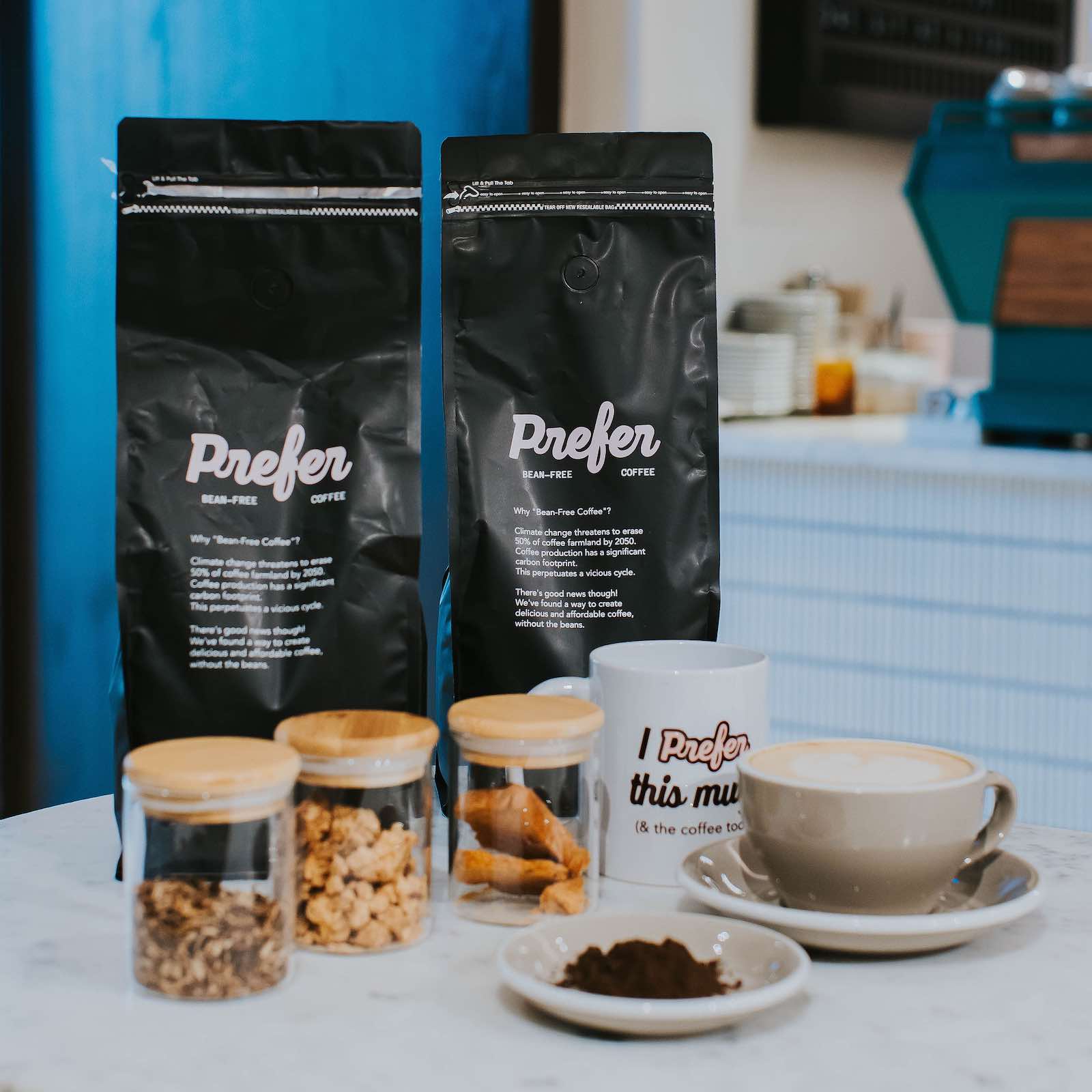
    Prefer, a Singapore-based food tech startup, is extending its reach to Australia, following the establishment of its debut domestic business collaboration.

    Expansion Down Under

    In a strategic move to expand its footprint in Australia and New Zealand, Prefer has formed a partnership with local coffee producer, The Coffee Ferm. This new alliance will see The Coffee Ferm acquiring a license for Prefer’s flavor intellectual property, enabling the firm to escalate manufacturing and distribution within the local market.

    Innovative and Sustainable Flavors

    Established in 2022, Prefer is making a name for itself in the market with its inexpensive and eco-friendly flavors and ingredients. These flavors are created using a unique fermentation and roasting technique, utilizing byproducts from food manufacturing processes, such as rice and soy. The company claims that their products deliver the same taste and operational attributes of coffee and cocoa, but with significantly lesser environmental impact.

    Supplies

    Prefer supplies its innovative flavors and ingredients to an array of businesses, from Fast Moving Consumer Goods (FMCG) brands and food manufacturers, to private label retailers, and flavor houses.

    Bean-free Coffee and Other Partnerships

    The startup has recently brought its ‘bean-free’ coffee products to the market via foodservice channels, in collaboration with the Singaporean food enterprise, Melvados. Moreover, Prefer has formed an alliance with Ajinomoto Thailand to generate sustainable innovations in the country’s coffee beverage sector.

    Funding and Future Plans

    This expansion comes in the wake of Prefer securing a successful fundraising round, which exceeded expectations at US$4.2 million. The fundraising was jointly headed by At One Ventures and Chancery Hill Capital, with Forge Ventures also participating. The influx of funds will contribute to the company’s plans to enhance their pilot production facility in key markets using toll manufacturers, further their research and development on cocoa flavor creation, and extend their global partnerships, with a continued emphasis on Asia.

    Questions & Answers

    What is the core business of Prefer?
    Prefer is a food tech startup that creates affordable and sustainable flavors from food manufacturing byproducts like rice and soy.

    What is the significance of Prefer’s partnership with The Coffee Ferm?
    The partnership will enable Prefer to expand into the Australian and New Zealand markets by licensing its flavor intellectual property to The Coffee Ferm, thus facilitating local manufacturing and distribution.

    What are Prefer’s future plans following the recent fundraising?
    Prefer plans to scale its pilot production facility, continue research and development on cocoa flavor, and broaden its global partnerships with a continued focus on Asia.

  • Ninja Van Streamlines Operations with 12% Workforce Reduction in Singapore

    Ninja Van Streamlines Operations with 12% Workforce Reduction in Singapore

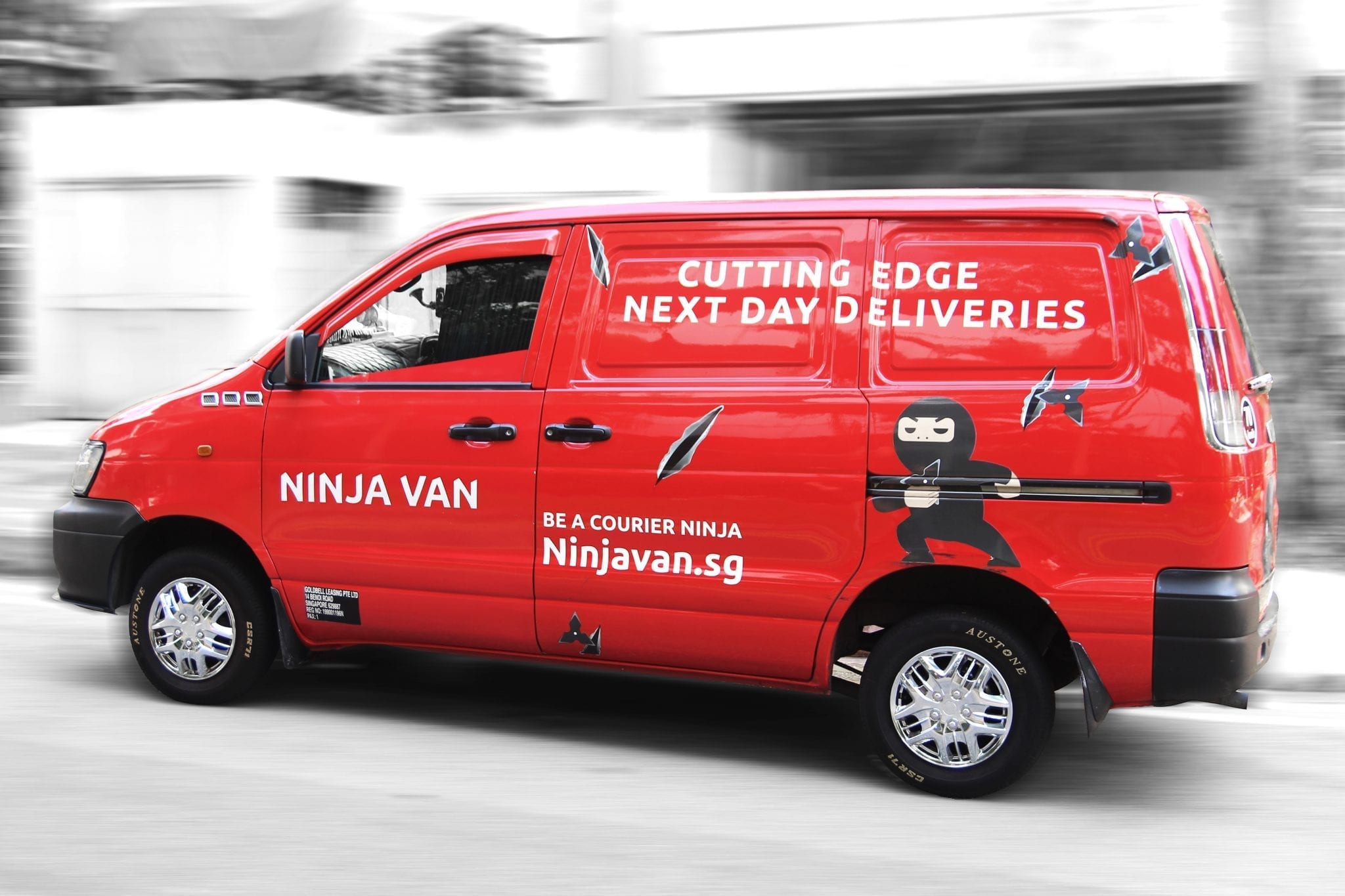
    Ninja Van is making headlines this week with a significant restructuring aimed at sharpening its focus on business growth. A company spokesperson announced on Tuesday that recent layoffs form part of a broader strategy to enhance its business model, emphasizing the difficult nature of these decisions, as reported by The Straits Times.

    Streamlining for Growth: Ninja Van’s Strategic Realignment

    “By streamlining our headquarter functions, we are also aligning resources to support our critical growth areas of tech-enabled business-to-business restock and cold chain, while ensuring seamless operations across all services,” the spokesperson stated, underlining a commitment to fortify the company’s core offerings.

    While the exact size of Ninja Van’s workforce in Singapore remains undisclosed, the company is actively seeking to fill more than ten positions based in the Lion City, ranging from operations roles to service delivery. This mixed message might leave some guessing: are they in hot water or just reshuffling the deck?

    Last year, Ninja Van implemented some painful cuts, slashing 10% of its tech team in April, followed by a 5% reduction in its Singapore workforce by July, when it employed approximately 450 people at its corporate headquarters in the country.

    To support those affected by the latest layoffs, Ninja Van is offering a severance package that includes benefits for employees with less than two years of service, as detailed by Channel News Asia. The support doesn’t stop there; the company is extending medical insurance and mental health resources for impacted employees through the end of this year, providing a safety net during this transition. Furthermore, employees will have a full year to exercise vested stock options, a notable extension from the previous 30-day deadline.

    Ninja Van Eyes New Funding Amidst Restructuring

    In a move that underscores its ambition, Ninja Van is reportedly in negotiations to secure US$80 million in a new funding round, which is expected to value the company around $1 billion— a figure that marks a significant drop from its previous valuation. This news, brought to light by Bloomberg, comes as part of the company’s efforts to stabilize and grow following tumultuous times.

    In 2021, Ninja Van had achieved a remarkable feat, raising US$578 million in a Series E funding round featuring high-profile investors such as Alibaba and B Capital, the venture firm co-founded by Meta Platforms’ Eduardo Saverin. This funding not only bolstered its services across Southeast Asia but also propelled Ninja Van into unicorn status with a valuation surpassing $1 billion.

    Today, Ninja Van continues to carve its niche in the logistics sector, with operations spanning Singapore, Malaysia, Indonesia, Vietnam, the Philippines, and Thailand, despite the headwinds it currently faces.

    Questions & Answers

    What prompted Ninja Van to initiate layoffs?
    The layoffs are part of a strategic effort by Ninja Van to realign resources and bolster its business model, particularly focusing on growth areas such as tech-enabled services and cold chain solutions.

    How will affected employees be supported?
    Ninja Van is offering severance packages, extending medical insurance, and providing mental health support for impacted employees until the end of the year, along with an extended deadline for exercising stock options from 30 days to one year.

    What is the company’s current valuation and funding situation?
    Ninja Van is in talks to raise US$80 million, which would value the company at approximately $1 billion, a significant reduction from its previous valuation after securing US$578 million in 2021.

  • Grab Holdings Surpasses Wall Street Expectations With Multi-service Superapp Strategy Amid Global Economic Uncertainties

    Grab Holdings Surpasses Wall Street Expectations With Multi-service Superapp Strategy Amid Global Economic Uncertainties

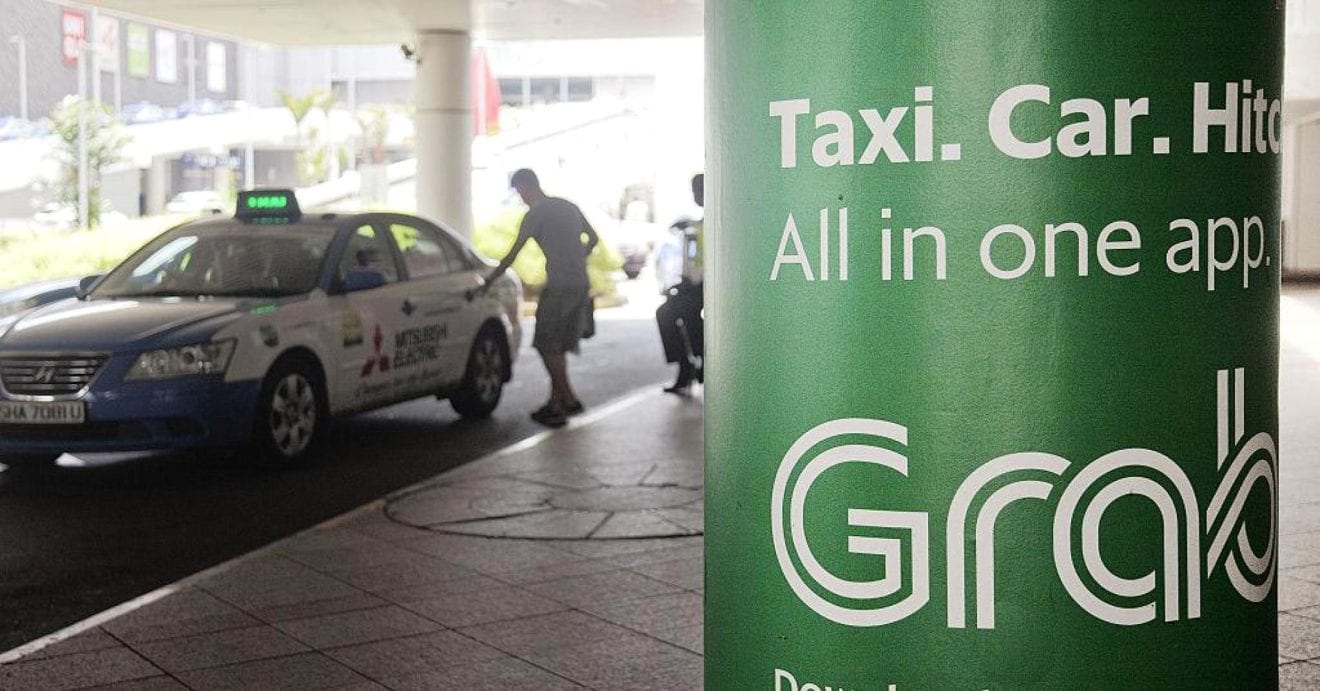
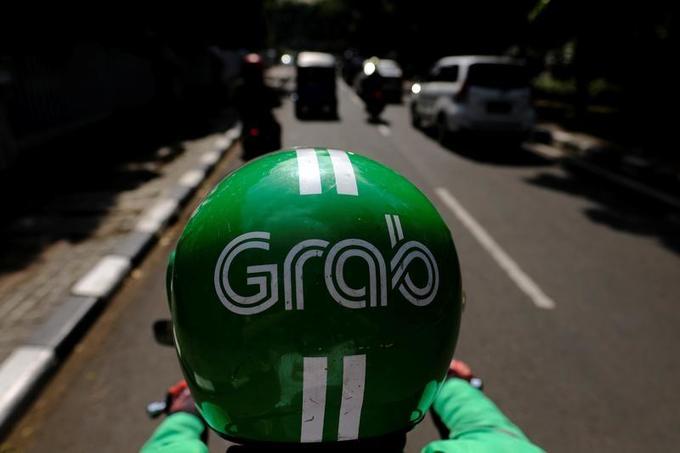
    Grab Holdings, a Singapore-based tech company, surpassed Wall Street’s revenue expectations in Q2, with a surge in consumption across its ride-hailing and food delivery services, seemingly unaffected by global economic uncertainties.

    Superapp Drive Pays Off

    The company’s robust growth can be attributed to its strategic efforts to transform its platform into a multi-functional, superapp. This expansive integration of various digital services, including ride-hailing, food, and grocery delivery, continues to entice a growing number of users, who are increasingly investing in the offered subscription plans.

    Despite the unease in global economic stability induced by ongoing US trade negotiations, resulting in worries over tariffs and heightened costs, particularly in Southeast Asia, the Singaporean economy remains robust. In Q2, it witnessed a growth rate of 4.3%, successfully averting a technical recession.

    According to Peter Oey, Grab’s CFO, the company’s growth strategy focuses on affordability, which not only encourages growth but also serves as a protective shield against global macroeconomic factors. In a bid to attract price-conscious consumers, the company has been simultaneously working on expanding its driver base to keep up with the rising user demand.

    Financial Performance

    Grab reported an impressive revenue of US$819 million for Q2, surpassing analyst predictions of $811.3 million. The company attributed a significant portion of this success to its robust performance in Indonesia. Previously identified as a market with potential for deeper penetration, the company is now striving to capitalize on the country’s vast population and expand its market share.

    According to Oey, Indonesia has proved to be a profitable market for the company, prompting increased investment efforts in the region.

    Market Consolidation

    The online service market in Southeast Asia is witnessing a phase of consolidation, with larger entities acquiring smaller firms to diversify their service offerings. Though rumors of Grab’s potential acquisition of smaller Indonesian competitor GoTo were circulating earlier this year, Oey confirmed that no such discussions are underway.

    The company’s Q2 financials indicate a remarkable turnaround, with a profit of $20 million, in stark contrast to a $68 million loss in the same period the previous year.

    Questions & Answers

    How has Grab Holdings managed to exceed Wall Street’s revenue expectations in Q2?
    Grab Holdings has successfully surpassed revenue projections by transforming its platform into a superapp, integrating various digital services and appealing to a growing number of users.

    How is the company responding to global economic uncertainties?
    Grab Holdings is focusing on affordability as a protective shield against global macroeconomic factors. It is also endeavoring to keep up with increasing user demand by expanding its driver base.

    What is Grab Holdings’ strategy for the Indonesian market?
    Considering the robust performance and profitability in Indonesia, Grab Holdings is aiming to capitalize on the country’s vast population and increase its market share by investing more in the region.

  • NAVER Unveils NAVER Ventures in Silicon Valley to Elevate Global Startup Investments

    NAVER Unveils NAVER Ventures in Silicon Valley to Elevate Global Startup Investments

    South Korea’s NAVER Corp. is making waves in the tech world with the launch of NAVER Ventures, its new global investment arm based in Silicon Valley. This initiative aims to support early-stage startups in North America and turbocharge the company’s global innovation strategy.

    Expanding Horizons with Innovation

    This venture builds on NAVER’s prior experience through its successful D2 Startup Factory (D2SF), which has already nurtured numerous tech startups, enabling them to scale their operations internationally. The formation of NAVER Ventures comes hot on the heels of the company’s 2023 acquisition of Poshmark, a U.S.-based social commerce platform, reinforcing its ambition to stretch its reach beyond Asia.

    Investing in the Future

    Focusing on strategic investments in artificial intelligence, digital content, and next-generation technologies, NAVER Ventures has already made headlines with its debut investment in TwelveLabs, a video AI startup celebrated for its cutting-edge machine learning capabilities in video understanding and search. This move is part of NAVER’s broader strategy to sharpen its competitive edge in the AI arena.

    Face-to-Face with Innovation

    NAVER’s founder and chairman, Lee Hae-jin, CEO Choi Soo-yeon, and President of Investments Kim Namsun recently ventured to Silicon Valley for crucial meetings with investors, engineers, and entrepreneurs. On June 5, the company hosted an engaging networking event titled “Venturing NAVER’s Next Chapter” to unveil its vision for global collaboration and innovative growth.

    A Bright Future Ahead

    Under Kim Namsun’s leadership, NAVER Ventures is set to finalize its setup by the end of June. The new unit will not only provide valuable capital but also strategic guidance to high-potential startups striving to enhance their global footprint. As a titan of the internet, NAVER boasts impressive sales of KRW 10.74 trillion (USD 7.5 billion) in 2024 and ranks among Korea’s top 15 companies by market capitalization. With a global portfolio that includes LINE, Webtoon, SNOW, and ZEPETO, NAVER’s operations extend across North America, Japan, and Europe. It seems this company isn’t just surfing the wave of innovation—it’s riding it to new heights!

    Questions & Answers

    What is NAVER Ventures? NAVER Ventures is a global investment arm based in Silicon Valley, designed to support early-stage startups and accelerate NAVER’s global innovation strategy.

    What areas are NAVER Ventures focusing on for investments? The new investment arm will primarily focus on artificial intelligence, digital content, and next-generation technologies.

    Who is overseeing NAVER Ventures? Kim Namsun, the President of Investments, will oversee NAVER Ventures as it aims to empower startups aiming for global expansion.

  • Grab Set to Roll Out Exciting New Taxi Service, GrabCab, in Singapore Next Month

    Grab Set to Roll Out Exciting New Taxi Service, GrabCab, in Singapore Next Month

    GrabCab, a new player in Singapore’s taxi market, is gearing up to launch next month, becoming the sixth taxi operator in the bustling city-state with an initial fleet of 40 electric hybrid vehicles. The move comes from Grab’s subsidiary, GrabRentals, which is poised to challenge existing operators with a focus on sustainability.

    Driving Into a Green Future

    According to reports from The Straits Times, GrabCab’s debut will feature the eco-friendly Toyota Prius, with plans to roll out additional hybrid models, including the Hyundai Kona, starting in August. The company is on a mission to transition to a fully electric fleet within the year, aligning with a growing trend towards greener transportation solutions.

    GrabCab is setting its sights high: it aims to meet the minimum fleet requirement of 800 taxis needed to obtain a street-hail operator license before reaching its third anniversary. Victor Sim, director of GrabRentals, shared exciting news, stating that, as of June 4, the company has received between 700 to 800 registration applications from potential drivers eager to join the GrabCab team. From this pool, around 400 to 500 qualified applicants have been selected for the inaugural fleet.

    Competitive Rates with a Tech Twist

    When it comes to financials, rental rates for GrabCab vehicles can soar up to SGD117 (US$91) per day. However, the first 100 drivers who come aboard will enjoy a slightly reduced rate of SGD112 per day—a welcome incentive. To put that into perspective, other operators like ComfortDelGro offer their Toyota Prius rentals at approximately SGD110 per day, while Prime Taxi sets their rate at SGD109.80.

    Sim has assured that GrabCab’s passenger fare structure will be on par with competitors, and the integration of the taxi meter with the Grab platform allows drivers to conveniently switch between ride-hail and street-hail jobs by simply scanning a QR code via the Grab driver app.

    GrabCab’s edge? Sim highlighted the company’s cutting-edge technology and robust partnerships in the industry, including collaborations with charging point operators and fuel stations. These alliances promise discounts of up to 25% at select charging and fuel providers, making it financially appealing alongside its eco-friendly aspirations.

    While GrabCab is racing onto the scene, one can’t help but think: How many electric cars can a fleet hold before they start competing with online car rentals for the grand title of Asia’s ultimate ride-sharing service?

    Questions & Answers

    What vehicles will GrabCab initially use?
    GrabCab will start with the electric hybrid Toyota Prius and plans to add more hybrid options like the Hyundai Kona later this summer.

    How many applicants have shown interest in becoming GrabCab drivers?
    As of June 4, GrabCab received approximately 700 to 800 applications, with around 400 to 500 chosen for initial onboarding.

    What is the rental rate for GrabCab vehicles compared to other operators?
    Refunding to the competition, GrabCab’s rates can reach SGD117 daily, while ComfortDelGro and Prime Taxi offer similar vehicles at around SGD110 and SGD109.80, respectively.

  • Indonesia’s antitrust body looking into risks from reported Grab-GoTo merger

    Indonesia’s antitrust body looking into risks from reported Grab-GoTo merger

    The Indonesian competition authority has initiated an investigation to identify potential risks associated with a potential merger between tech behemoths Grab and GoTo, according to the head of the agency.

    Muhammad Fanshurullah Asa, the head of the agency, stated that a comprehensive review could be carried out once the merger occurs and both firms officially notify them of their actions.

    Although there is no official confirmation from either company about the speculated merger, recent months have seen an increase in speculation about this potential merger.

    It was suggested by individuals familiar with the situation last week that the two companies were aiming to finalize a deal within the second quarter of this year.

    Questions & Answers

    What is the nature of the investigation being conducted by the Indonesian competition authority?
    The investigation is designed to identify any potential risks that could arise from a possible merger between tech giants Grab and GoTo.

    Have Grab and GoTo confirmed their plans for a merger?
    No, both companies have yet to officially confirm their plans for a merger, though speculation has been rife in recent months.

    When are the two companies expected to finalize their deal?
    Sources familiar with the matter suggested that the companies are aiming to finalize the deal in the second quarter of this year.

  • Singapore Shines Bright: Ranked 4th Globally in Thriving Startup Ecosystem

    Singapore Shines Bright: Ranked 4th Globally in Thriving Startup Ecosystem

    The latest index from StartupBlink ranks Singapore as a vibrant player in the global startup arena, trailing behind Israel, Britain, and the United States. Since 2020, Singapore’s ascent has been remarkable, jumping 12 spots to become one of the fastest-growing startup ecosystems worldwide.

    StartupBlink attributes this progress to Singapore’s business-friendly atmosphere and robust support structures for startups. The city-state shines in crucial areas such as investor presence, startup opportunities, and a concentration of global tech firms, all bolstered by a skilled local workforce.

    Evaluating 118 countries, the index underscores Singapore’s strategic commitment to leading sectors like deep tech, fintech, food tech, artificial intelligence, and advanced manufacturing. Its universities play a pivotal role, training a highly competent workforce, linking startups with academic initiatives, and fostering an entrepreneurial spirit on campus.

    Aiming to further enhance this ecosystem, the Singapore government, through Enterprise Singapore, is on a mission to attract innovation. “Enterprise Singapore will continue to strengthen the ecosystem and we welcome global startups with strong science-based solutions to leverage Singapore as a launchpad to grow and scale their business in the region and beyond,” said Emily Liew, assistant managing director of innovation at Enterprise Singapore, as reported by The Straits Times.

    Liew emphasizes Singapore’s open ecosystem, nurturing talent and collaboration that offers stability and access to growth resources, all while navigating global startup challenges. This uptick in ranking coincides with an impressive funding year and substantial government backing.

    A report released in April 2025 by Enterprise Singapore and PitchBook revealed that in 2024, Singapore captured nearly 60% of ASEAN’s venture capital deal volume, totaling US$4.8 billion. Additionally, in October 2024, the government pledged an extra SGD440 million (US$341 million) to attract venture capital firms towards local deep tech startups, raising the total government funding for this initiative to over SGD1 billion.

    Could this be Singapore’s ticket to tech supremacy? Only time will tell!

    Questions & Answers

    What notable achievements has Singapore made in the startup ecosystem?
    Singapore has jumped 12 spots in startup rankings since 2020, making it one of the fastest-growing ecosystems globally, thanks to its business-friendly environment.

    How much venture capital did Singapore secure in 2024?
    In 2024, Singapore captured nearly 60% of ASEAN’s venture capital deal volume, amounting to a total deal value of US$4.8 billion.

    What steps is the Singapore government taking to attract startups?
    The government, through Enterprise Singapore, is investing an additional SGD440 million to draw venture capital firms to local deep tech startups, totaling over SGD1 billion in funding for this initiative.

  • Lalamove Expands Horizons: Launches Into the Ride-Hailing Market

    Lalamove Expands Horizons: Launches Into the Ride-Hailing Market

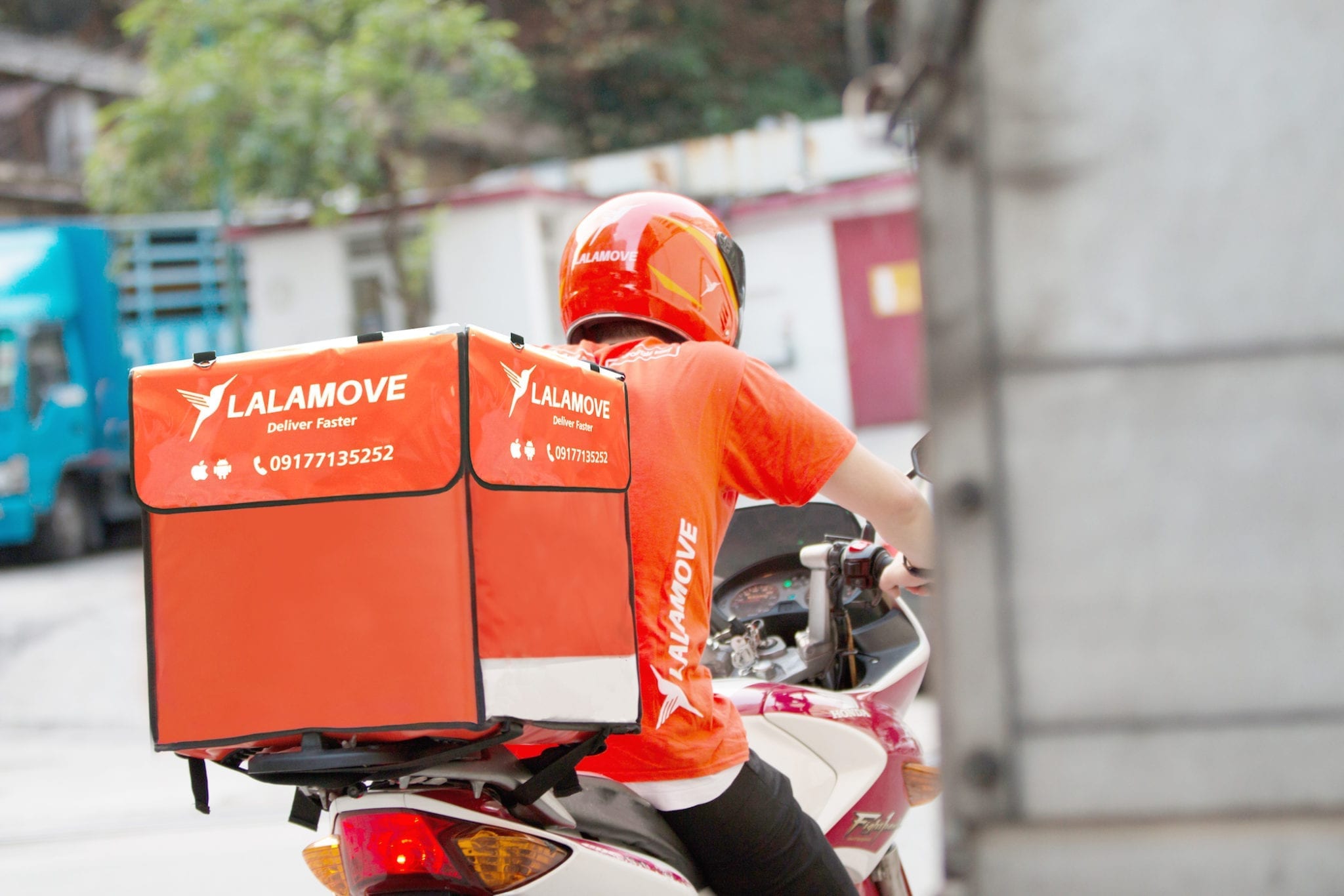
    The exciting landscape of ride-hailing in Vietnam just got a little more dynamic. Lalamove, a Hong Kong-based logistics company, recently launched its ride-hailing services in Ho Chi Minh City, which are available for both motorbike and car rides (four- and seven-seaters) through the Lalamove app.

    Nguyen Hai Dang, CEO of Lalamove Vietnam, expressed the company’s commitment to meeting consumer demand for more affordable travel options while simultaneously enhancing driver incomes. Although he remained tight-lipped about the fleet size, he did hint at plans to expand these services to other regions shortly.

    Founded in Hong Kong in 2013, Lalamove has established a strong footprint across 14 markets, including Asia, Europe, and beyond. Since its entry into the Vietnamese market in 2017, the company has primarily focused on round-the-clock delivery services catering to both individuals and businesses, particularly in Ho Chi Minh City. Lalamove also boasts ride-hailing services in countries like Indonesia, Thailand, and the Philippines.

    The growth potential in Vietnam’s ride-hailing and delivery markets is impressive. According to the “e-Conomy SEA 2024” report from Google, Temasek, and Bain & Company, the market is expected to soar from US$4 billion in 2024 to a whopping $9 billion by 2030. Furthermore, Mordor Intelligence predicts that the passenger transport market alone will grow from $1.05 billion this year to $2.56 billion by 2030.

    The competitive landscape is rapidly evolving, with established players such as Grab, Xanh SM, be, and Tada jostling for market share. Xanh SM currently leads the ride-hailing segment with a commanding 39.85% market share, closely followed by Grab at 35.57%. As Mordor Intelligence points out, this growth can be attributed to factors such as rapid urbanization, the demand for convenient mobility solutions, and a tech-savvy younger generation, all amidst an influx of tourists in Vietnam.

    Yet the competition is fierce. The Google report highlights how local companies are making significant strides, impacting even Gojek’s decision to exit Vietnam in September 2024. “Competition is expected to heat up, potentially transforming the industry and speeding up the transition to electric vehicles,” it notes.

    Safety and affordability are vital in users’ service preferences, especially for motorbike rides, according to a survey by Q&Me, an online market research platform. Other factors that weigh in include respectful drivers, quick response times, ease of booking, and overall vehicle quality.

    As Lalamove gears up to make waves in this vibrant market, the question arises: will it be smooth sailing or a bumpy ride ahead?

    Questions & Answers

    What services is Lalamove launching in Ho Chi Minh City?
    Lalamove is introducing ride-hailing services for motorbikes and four- and seven-seat cars, available for booking via the Lalamove app.

    What are the growth projections for Vietnam’s ride-hailing market?
    The ride-hailing and delivery market in Vietnam is anticipated to grow from US$4 billion in 2024 to $9 billion by 2030, while the passenger transport market is expected to expand from $1.05 billion to $2.56 billion in the same timeframe.

    Which companies are the major players in Vietnam’s ride-hailing market?
    Key participants include Grab, Xanh SM, be, and Tada, with Xanh SM currently leading the market share, closely followed by Grab.

  • Revolut Continues Its Unstoppable Growth

    Revolut Continues Its Unstoppable Growth

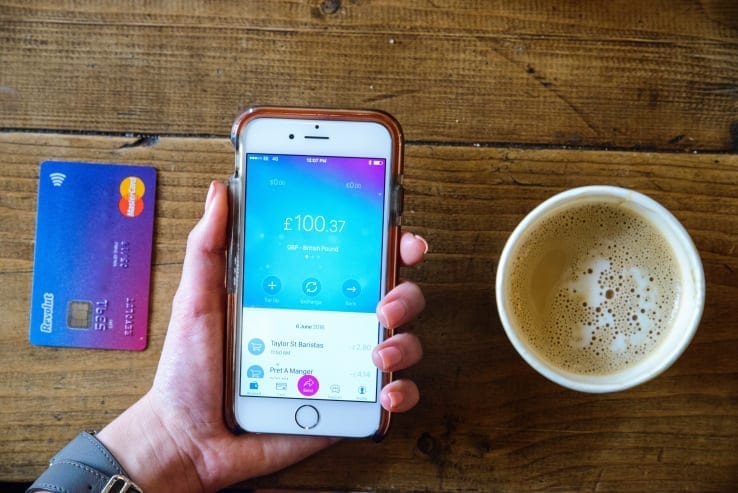
    The British fintech company, now active in around 30 countries, continued its rapid growth last year. Revenue rose by 72 percent to £3,1 billion, according to the annual report published on Thursday. That equates to approximately 3,41 billion francs.

    Pre-tax profit increased by an impressive 149 percent to £1,09 billion, while net profit rose by 130 percent to £790 million.

    By the end of 2024, Revolut’s global customer base had grown by 38 percent to 52,5 million. In comparison, HSBC, the UK’s largest bank, recently reported 41 million customers.

    The total transaction volume amounted to approximately £1 trillion, with 940 million transactions processed in December alone.

    Broader Range of Services

    We not only accelerated our customer growth and added almost 15 million new users globally, but also achieved deeper customer engagement, as our clients increasingly used a broader range of our services—both in the retail space and through Revolut Business, said CEO and co-founder Nik Storonsky.

    The company had already presented ambitious growth plans for the current year. We are making great progress towards our goal of 100 million daily active customers in 100 countries, Storonsky said.

    Expansion into Mexico, License for India

    In the coming months, Revolut will launch its Mexican bank, and it recently received its license for prepaid payment instruments (PPI) from the Reserve Bank of India. Ten additional license applications are currently pending worldwide.

    Usage of Revolut has grown not only in the UK and Ireland but across Europe, including Southern Europe and the Nordic countries. The company also plans to expand in the Asia-Pacific region and the Middle East.

    Costs Rise, Workforce Expands

    Costs rose by 50 percent in 2024 to £1,4 billion, with personnel expenses increasing by 60 percent to £794 million. The number of employees reached 10,133 by year-end, up from 8,152 previously.

    Swiss Ambitions

    In Switzerland, Revolut’s growth reached 29 percent among private customers and 41 percent among business clients last year. Swiss customers made nearly 70 million card and ATM transactions, a 30 percent increase from 2023. Domestic transactions rose by 29 percent.

    In early April, Switzerland head Julian Biegmann said that since March, Revolut has served over 1 million private customers in Switzerland. The neobank is represented in Zurich and Geneva with a total of 10 employees.

    In the UK, the privately held company, which claims a valuation of $45 billion, operates with a restricted banking license. Its EU operations are based on a full license in Lithuania. In Switzerland, Revolut recently enabled services such as QR code payments via a «virtual» Swiss IBAN.

  • Grab acquires Malaysian supermarket chain Everrise

    Grab acquires Malaysian supermarket chain Everrise

    Ride-hailing Grab is acquiring Malaysian supermarket chain Everrise as part of its ongoing efforts to grow its grocery business in a vital market.

    The company is purchasing the supermarkets from Navis Capital Partners but has not revealed the deal’s value, it said in an announcement Monday as reported by Bloomberg.

    Everrise operates 19 high-end grocery in East Malaysia.

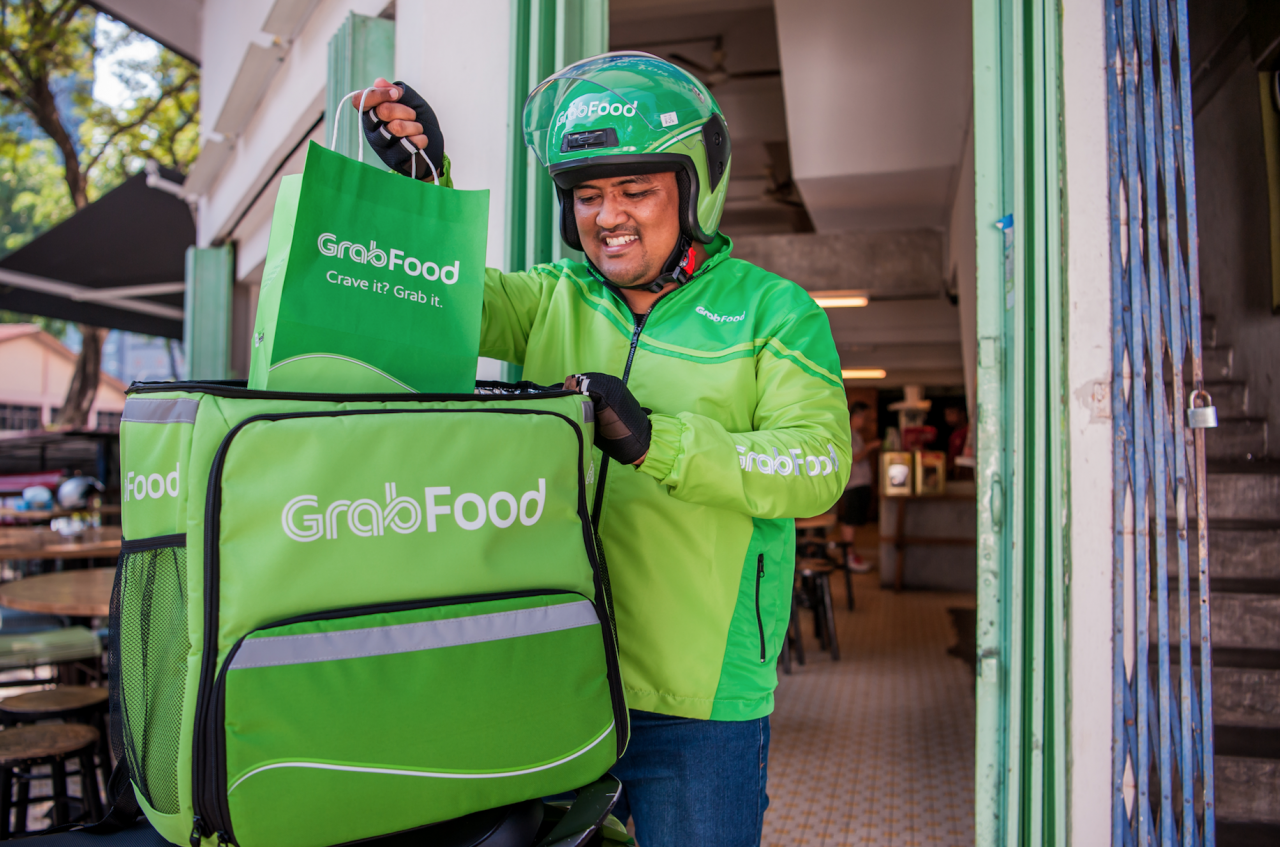
    Grab intends to modernize Everrise’s operations with digital tools and introduce on-demand grocery delivery for its customers.

    The move came three years after Grab’s acquisition of Jaya Grocer, a larger Malaysian chain primarily based in the Klang Valley near Kuala Lumpur.

    As Southeast Asia’s leading ride-hailing and food delivery company, Grab is venturing into new sectors like online banking and groceries to stay competitive with rivals such as Indonesia’s GoTo Group.

  • Taiwan blocks Uber’s $950M Foodpanda deal over competition concerns

    Taiwan blocks Uber’s $950M Foodpanda deal over competition concerns

    Taiwan has blocked Uber Technologies’ $950 million purchase of Delivery Hero’s Foodpanda business on the island because of concerns it would be anti-competitive, the Fair Trade Commission (FTC) said on Wednesday.

    Uber and Foodpanda did not immediately respond to requests for comment outside regular business hours.

    Delivery Hero said in a statement Uber may either appeal the commission’s decision or terminate the acquisition.

    In a media briefing, the commission said the merger’s negative impact would outweigh the overall economic benefits, and corrective measures would not be able to address the competition concerns.

    “In the food delivery platform market, UberEats’ main competitive pressure comes from Foodpanda. The merger would eliminate this competitive pressure,” Chen Chih-min, vice chairman of Taiwan’s FTC, said.

    “Post-merger, UberEats would be less constrained by competition, giving it more incentive to raise prices for consumers and even increase commissions for restaurant operators.”

    Chen added that post-merger, the combined market share of both companies in Taiwan would exceed 90%.

    Uber and Delivery Hero announced in May the Taiwan deal that included a separate agreement for Uber to purchase $300 million worth of newly issued shares of the German food delivery firm.

    The U.S. company expected the acquisition to contribute at least $150 million annually to the adjusted core profit of its delivery business within a year of the deal’s closing, which was seen likely in the first half of 2025.

    Online food delivery platforms represent a small fraction of Taiwan’s competitive food delivery market. Foodpanda’s operations on the island were break-even in terms of adjusted core earnings for the 12 months ended March 31, 2024, the companies said.

  • Grab, Gojek to hike fees in Singapore by up to 37 cents

    Grab, Gojek to hike fees in Singapore by up to 37 cents

    Ride-hailing operators Grab, Gojek, TADA and CDG Zig in Singapore will hike their platform fees by up to 50 Singapore cents (37 U.S. cents) starting Jan. 1, 2025.

    Grab, the largest ride-hailing firm, will raise its platform fee from 70 cents to 90 cents per trip. For its food, groceries and parcel delivery services, fees will go up from 40 cents to 60 cents.

    It said the new “platform & partner fee” will support Central Provident Fund contributions, work injury compensation coverage and other welfare initiatives for its platform workers, as well as platform maintenance and service improvements.

    Similarly, Gojek will raise its platform fee from 30 cents to 50 cents per trip, saying these changes are to “protect drivers and their earnings in support of the Bill” on top of improving and maintaining its services.

    ComfortDelGro, the largest taxi operator in Singapore, will follow suit and raise its platform fee from the current rate of 70 cents to S$1-1.2, based on factors such as distance and travel time.

    As for TADA, fees per ride will go up by 50 cents, excluding goods and services tax. It noted that besides maintaining current features and developing new ones to provide a better ride-hailing experience, this adjustment is also essential to support the implementation of the government’s Platform Workers Bill.

  • Indonesia rolls out $52B stimulus package for 2025

    Indonesia rolls out $52B stimulus package for 2025

    Indonesia has unveiled economic stimulus packages totaling IDR827 trillion (US$51.65 billion) for 2025, designed to mitigate economic shocks and address the weakening purchasing power of low- and middle-income groups.

    The stimulus also aims to cushion the impact of an upcoming increase in the value-added tax (VAT) rate from 11% to 12%, set to take effect on January 1, 2025.

    Minister of Finance Sri Mulyani Indrawati said the stimulus measures are carefully designed to provide balanced support, particularly for lower-income segments of society, to ensure their financial stability despite the VAT increase.

    A significant portion of the stimulus, amounting to IDR265.6 trillion, will go toward VAT incentives that benefit a range of sectors. These include micro-, small-, and medium-sized enterprises (MSMEs), essential food staples, education, healthcare, transport, energy, low-cost housing, and financial services. Basic necessities like rice, meat, fish, eggs, vegetables, and milk will remain exempt from the VAT.

    The government and the House of Representatives have decided not to impose VAT on essential commodities needed by the public, she said, adding some IDR394 trillion has been allocated for energy subsidies and compensation, which will cover the costs of subsidised fuel, electricity, and LPG.

    To further support the economy, the government is allocating IDR129 trillion to social aid programmes, including food aid, subsidies for health insurance premiums, and easier access to unemployment benefits for laid-off workers.

    In the automotive sector, the government will offer tax incentives for electric and hybrid vehicles. Electric vehicles and hybrid cars will receive substantial tax breaks, including a 3% reduction in luxury taxes for hybrid vehicles.

    For labor-intensive industries, the government will provide tax exemptions, financing support, and 50% subsidies for workplace accident insurance to encourage job creation and economic growth in this sector.

    In the housing sector, the government would extend VAT exemptions for house purchases. The sector not only meets the public’s basic needs but also has a significant multiplier effect, creating jobs and stimulating economic growth, the minister said.

  • Vietnam’s 100 best places to work in 2024

    Vietnam’s 100 best places to work in 2024

    The Vietnam 100 Best Places to Work list for 2024 features familiar names such as Unilever and Vingroup, while Danish toy maker Lego and property developer Capitaland make their debuts.

    Unilever Vietnam maintained its top position in the large business section in the 11th annual list released by recruitment consultancy Anphabe and market researcher Intage.

    The British company’s open workplace environment and emphasis on lifelong learning programs align with its sustainable development goals, Anphabe said.

    Others in the top 10 include Vingroup, U.S. healthcare solutions provider Abbott, Japanese food manufacturer Acecook Vietnam, U.S. beverage maker Coca-cola, and tech giant FPT.

    In the medium-sized business section, U.S. beverage maker PepsiCo Food Vietnam ranked first for a second straight year.

    The company is hailed as having a dynamic and innovative work environment, with robust training programs and attractive benefit policies.

    Lego, pharmaceutical firm Imexpharm and Singapore’s Capitaland Development Vietnam are some new names in the list.

    The list is based on evaluations of 700 businesses in 18 sectors by polling 65,000 employees.

    The researchers also conducted in-depth interviews with 253 company CEOs and human resource directors to evaluate their talent recruitment and retention strategies.