Tag: startup

  • Ant Financial Establishes Startup Fund

    Ant Financial Establishes Startup Fund

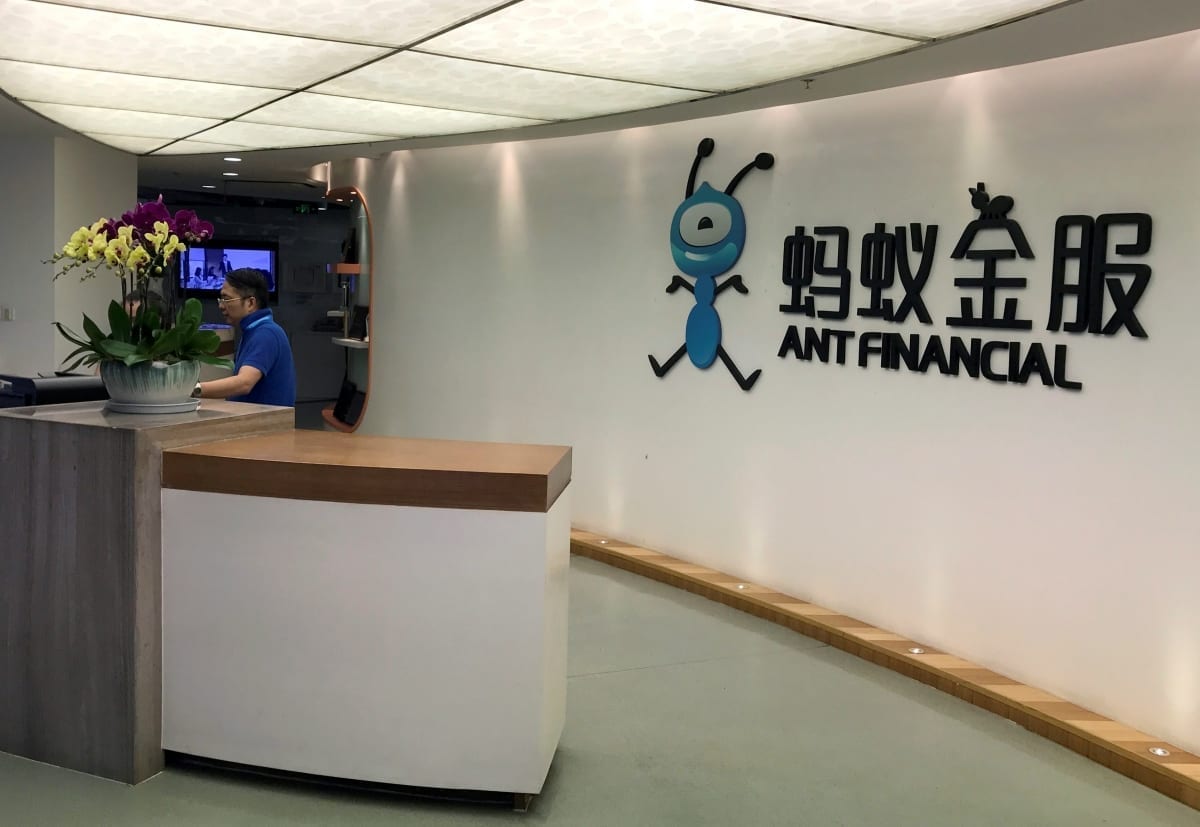
    Ant Financial is building a roughly $1 billion investment fund to back start-ups across Southeast Asia and India.

    Alibaba’s financial technology arm is looking to expand its reach across the region using a huge war chest. Plans for the fund are at an early stage. Jack Ma’s financial group is keen to expand outside of China, where rival Tencent has a strong grip in the personal finance space.

    Ant Financial Group also expressed interest in bidding for a digital banking license in Singapore

  • WeWork to open 2 coworking offices in HCMC

    WeWork to open 2 coworking offices in HCMC

    Coworking startup WeWork plans to open two more offices in Ho Chi Minh City’s District 1 this month. One of them will be at Lim Tower 3, and rents will start at VND6.9 million ($297) per month for a single-seat, according to the company’s website. Another will be on Sonatus Building, with prices starting at VND7.8 million ($336).

    The New York-based startup opened its first working space in the city in District 4 in March. WeWork’s move comes in a market that has some serious players with a lot of locations.

    Vietnam’s Toong, backed by private-equity firm Indochina Capital, has 12 locations besides one each in Laos and Cambodia.

    Hanoi company UPGen, with funding from Singapore PE firm Northstar Group last year, has 13 offices in Hanoi and HCMC.

    Coworking spaces are becoming popular in HCMC’s central districts since the limited traditional office space there is unable to meet the burgeoning demand.

    As of the end of September, coworking companies had rented 52 percent of all office space in the central area, including in under-construction buildings, according to a report by real estate firm Savills Vietnam.

    HCMC has been ranked the 41st fastest-growing coworking markets in the world this year by consultancy Co-working Resources, which said a new coworking space opens in the city every 47.5 days.

    WeWork has added 114 new sites in the past four months, according to its website, and is planning to open another 208 in the next few months, bringing its total number to 850.

    The announcement came in the backdrop of the company’s failed IPO amid investor concerns that its valuation was inflated.

    WeWork owed $18 billion in a long-term lease at the end of June and is expected to lay off 4,000 of its more than 12,500 employees

  • Singapore startup PerroMart taps into soaring rate of pet ownership in Asia

    Singapore startup PerroMart taps into soaring rate of pet ownership in Asia

    A Singapore startup has developed an online-to-offline solution for pet owners blending products, advice, accessories and even vet care and grooming.

    PerroMart, which started as a monthly mystery gift-box service responding to the rapid rise in pet ownership in Southeast Asia, has adopted a mission purpose to help strengthen the bond between pets and humans for a lifetime.

    “We are running on pure passion,” founder Roy Lim told Inside Retail Asia. “We want to improve the wellness of pets and take the burden of pet care off people, because everyone is getting busier and busier these days, and we want to enable humans to spend more time creating memories [with their pets] while we take care of everything else.”

    Asean’s pet-care market is estimated to be worth US$1.4 billion and is currently growing at around 12.7 percent annually. Pet-ownership rates are rising across the region, in tandem with the growing income and spending power of consumers.

    Lim started PerroMart in 2015 as PerroBox, a subscription box service for dogs. The concept was based on a mystery delivery once a month. When the box arrives, the owner and the dog get surprised by the treats inside.

    Subscribers responded well, and they still post photos on social media of the boxes arriving and the dogs responding to the contents.

    “PerroMart was really a natural progression from the PerroBox,” says Lim, recalling that customers who liked particular products in the boxes were asking about regular long-term supplies.

    So in 2016 the company developed a full-scale online store selling goods for cats and dogs and their owners: dry food, wet food, treats, toys, accessories and cleaning products.

    While selling pet supplies online is not unique – marketplaces and even physical pet stores are PerroMart’s main competitors – the company’s philosophy is its point of difference.

    “Customer service is where we really stand out from online marketplaces or even pet shops with online stores,” says Lim. About three in 10 PerroMart customers want personal interaction with staff, seeking help choosing products or getting advice on pet care, for example – something hard to deliver online without specialists on tap. The store runs a telephone hotline from 10am to 6pm daily and allows customers to click and collect from their premises in Joo Seng Road.

    The retailer currently stocks about 200 brands online and has “several thousand” active customers. Lim is reluctant to divulge too many more details at present as the company remains in growth mode, but he does say the venture is doubling its business year on year, something which has recently attracted the attention of multinational private equity company Sequoia Capital.

    Sequoia, which has already backed more than 250 companies, including Asian juggernauts Gojek, Tokopedia and Carousell, runs a rapid-scale ‘bootcamp programme’ for startups across Southeast Asia and India called Surge. The programme is designed to equip early-stage startups with the expertise, knowledge and financial backing to hold an unfair advantage as they look to grow their business. Surge provides capital ranging from US$1 million to $2 million, company-building workshops, global immersion trips and support from a community of mentors and founders.

    “We were introduced to Surge in the middle of last year by a friend,” explains Lim. “When we spoke to them they turned out to be great partners and investors. More than anything it is great to bounce ideas off them and to widen the way we think and what we can do … and to look at the business model from a different perspective.”

    If repeat business is a measure of success, Lim and his team must be doing something right. “It takes a lot to keep customers happy and keep them coming back every month.”

    Perhaps the company’s embrace of a mission is a key. “Our mission is really important to us. It is to enable the bond between a human [and a pet] for a lifetime. So this is  … what drives us, how we develop products or where we work with partners in all the ways we develop services.”

    Like PerroMart, other companies in Sequoia’s Surge program are focused on the online space.

    “Southeast Asia is at a tipping point,” says Rajan Anandan, MD of Surge at Sequoia Capital India. “The rate of mobile internet adoption and the growth of daily active users is now at a massive scale, and that opens up all kinds of possibilities for startup founders with new insights and innovative ideas.

    “There are so many gaps and white spaces in every country in the region – across virtually every sector. For mission-driven founders who want to build something new, make a difference and have a big impact on your economy – this is your time.”

    While Asia offers massive opportunities in e-commerce, for now PerroMart is keeping its focus on Singapore and on developing the Malaysian market. But other Asian countries are on the long-term radar.
  • APAC Venture Capital Deals in Decline

    APAC Venture Capital Deals in Decline

    Venture capital deals in Asia Pacific dropped by one-fifth in the third quarter, attributed to a Chinese economic slowdown, but tailwinds await due to upcoming policy reforms.

    Total venture capital deal value in the region dropped to $14.92 billion in the third quarter, compared to $18.61 billion in the second quarter, according to recent KPMG data. The decrease is notably steeper than the 14 percent decline in overall global transactions in the period, which totaled $55.71 billion.

    There is a lot of interest in the Asian market but investors have really slowed down their activity,» said Egidio Zarrella, partner and head of clients and innovation at KPMG China. «They are being conservative, waiting to see where things go from an economic and geopolitical perspective.

    With Alibaba’s $700 million minority stake acquisition of music streaming service NetEase Cloud Music topping the quarterly transactions, no deal surpassed the $1 billion mark compared to four in the first six months. But despite a slowdown from the region’s major contributor – seven of the 10 deals in the region involved mainland Chinese companies (with Indian startups making up the rest) – KPMG remained optimistic about the near-term outlook.

    Despite the challenges in the market, a number of sectors continued to attract investment, including fintech, Autotech and biotech, said Philip Ng, partner and head of technology, KPMG China, who also underlined upcoming tailwinds for insurance, finance, capital markets and healthcare due to policy reforms.

    While the number of funds raised for IPOs have dipped, the number of mainboard deals in the first three quarters is similar to that of last year and Hong Kong remains a top destination for IPOs,» added Irene Chu, partner and head of new economy & life sciences, Hong Kong, KPMG China. «The pipeline of companies applying for IPO in Hong Kong is still very strong – but whether they will go out before the end of the year will depend on changing market conditions.

  • OCBC Allows Instant Account Opening For Startups

    OCBC Allows Instant Account Opening For Startups

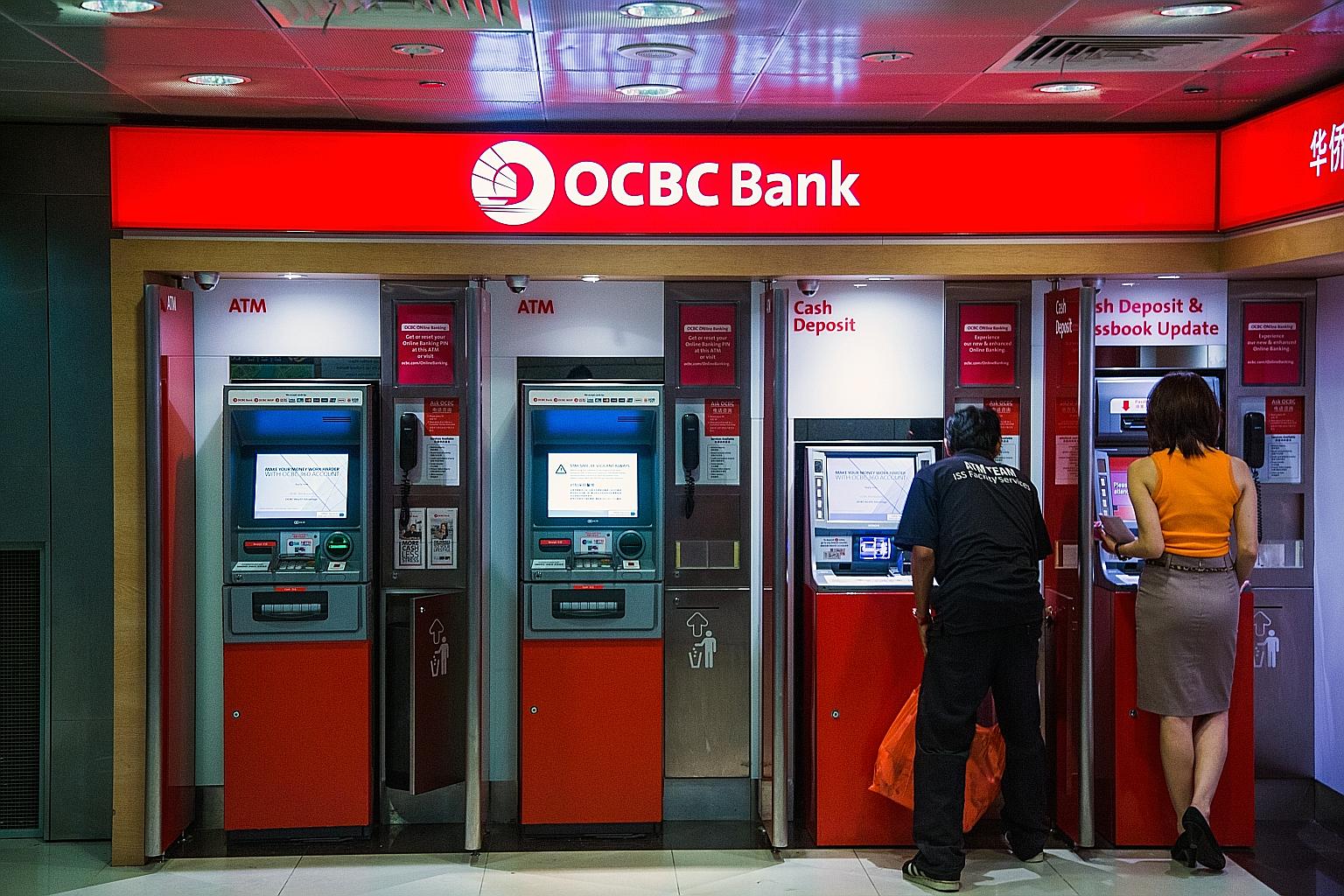
    Start-ups are now able to open an OCBC business banking account in Singapore immediately after incorporation, rather than having to wait one day. Once a business is incorporated, OCBC Bank can validate the start-up’s business profile issued by the Accounting and Corporate Regulatory Authority (ACRA). This is made possible due to an Application Programming Interface (API) between OCBC Bank and global information services provider, Experian (formerly known as DP Information).

    Banks play a key role in the start-up and SME ecosystem partly because the bank account is at the center of business operations. Given this role and our standing as banker to more than 1 in 2 SMEs in Singapore, we are in the best position to strengthen the connections among all players in this ecosystem, said Christie Chu, Head of Emerging Business and Commercial Banking Cash, OCBC Bank in a media statement on Monday.

    OCBC Bank launched a dedicated business supporting the start-up segment at the end of 2018. Since then, it has been engaging start-ups to understand the pain points when starting a business. With a track record of serving the start-up segment, the bank found that starting a business is a journey of discovery, and many stumble along the way.

    To that end, the team is putting together a start-up guide, with practical tips from successful entrepreneurs with first-hand experience. The guide will be accessible to all aspiring entrepreneurs on OCBC Bank’s website.

  • Foodpanda Singapore expands into grocery delivery

    Foodpanda Singapore expands into grocery delivery

    Food delivery service Foodpanda is to expand into other services, including groceries, household essentials and flowers.

    The company will offer delivery service for items from more than 1000 retail partners in Singapore, including Caltex Star Mart, Eu Yan Sang, Hao Mart and Mothercare, with the guarantee of 25-minute delivery time.

    “Over the past year, from the feedback we’ve received from our customers, it was clear that they wanted to enjoy even more convenience in their everyday lives,” said Luc Andreani, MD of Foodpanda Singapore. “This new expansion is a natural extension of our goal to deliver services that bring even more convenience and experiences to Singaporeans’ everyday lives.”

    In the last three month, Foodpanda has recruited 100 engineers to manage the new platform and aims to hire up to 300 by the end of the year.

    Foodpanda has a network of more than 8000 delivery riders and more than 7000 restaurant partners in the city.

  • A-listers sign up to Hong Kong VR startup Sandbox

    A-listers sign up to Hong Kong VR startup Sandbox

    Hong Kong immersive Virtual Reality startup Sandbox VR has won investment from several A-list celebrities, including Katy Perry and Will Smith.

    The firm has raised US$11 million from the Hollywood names, together with venture capital firm Craft Venture, to put towards its cable-free escape room VR experience that features full-body motion capture technology. Players in the VR rooms can battle aliens or submerge themselves in a pirate experience.

    The virtual reality market has developed slowly since hyped predictions made five years ago fell flat in the face of slow consumer pick-up of the technology. In an interview, Sandbox founder Steve Zhao blames the lackluster consumer response on a clunky user experience that fails to let the user see her own body or move freely.

    “When I looked into the consumer VR headset, I tried it and I was sitting down and was tethered to a computer, and I’m holding two controllers,” said Zhao. “No, this is not VR!”

    Sandbox launched its first store in the US last year and plans to roll out 16 locations by the end of next year, having partnered with mall operators such as Westfield. The Hillsdale Shopping Center location experiences 90-per-cent occupancy during peak hours, prompting the firm to expand its lease.

    “We found out that over 80 percent of our customers had never visited the mall in the past year, and for 60 percent of them it was their first visit to Hillsdale Shopping Centre,” Zhao said. “They came because of Sandbox, and I think the landlords are incredibly excited about that.”

    Zhao said the firm will certainly look to expand in Asia, with China and Japan presenting compelling opportunities.

    “We believe that VR is finally ready to take off as a mass-market phenomenon in malls, where it can be optimized for a social experience,” said Craft Ventures co-founder and general partner David Sacks. “We chose the Sandbox team because of their background in game design. Their VR experiences have a level of interactivity – with both the VR world and other players – that we couldn’t find elsewhere. We believe that Sandbox VR is poised to become the first VR experience for millions of consumers around the world.”

    Sandbox’s Hollywood investors are expected to open doors to future potential collaborations that could lead to movie-themed experiences – a Star Trek project is already underway following a deal with CBS, and should be released later this year.

    “Their support is a vote of confidence that our platform will o

  • Ride-Hailing Service Gojek’s CEO Nadiem Makarim To Join Indonesia’s Cabinet

    Ride-Hailing Service Gojek’s CEO Nadiem Makarim To Join Indonesia’s Cabinet

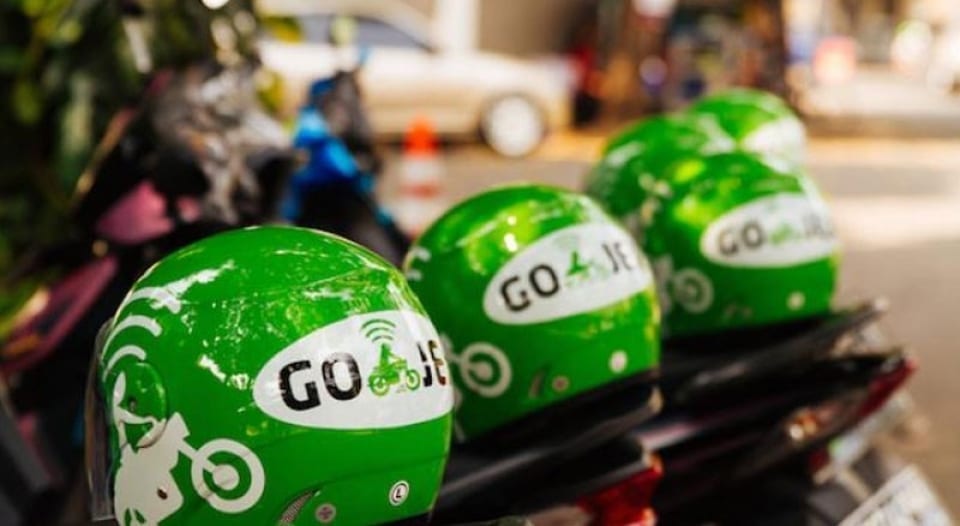
    Gojek CEO and founder Nadiem Makarim said on Monday he had resigned from the ride-hailing and payments company to join the cabinet of Indonesian President Joko Widodo.

    “I have received a big honor to be able to join the cabinet,” Makarim told reporters at the presidential palace.

    Makarim said his specific role would be announced by the president later in the week.

    Indonesia media have linked Makarim to a possible post in a new Digital Economy ministry or in education.

    Gojek did not immediately respond to requests for comment on who his successor would be.

  • Eatigo Hong Kong aims to double its reach within the next year

    Eatigo Hong Kong aims to double its reach within the next year

    Restaurant table-filler app Eatigo is set to double the user numbers and outlets it represents over the next year.

    The restaurant reservation platform helps restaurants fill up empty tables by offering discounts to diners at different times of the day through its mobile app.

    Eatigo operates in Hong Kong, Thailand, Singapore, Malaysia, the Philippines and Indonesia. In Hong Kong it already has more than 1 million users and represents more than 1000 restaurants.

    “We’re trying to drive sustainable traffic to restaurants outside lunch and dinner time by introducing different pricing so we can influence customer behavior, something that’s already common in the airline industry,” said Eatigo Hong Kong’s GM Kenneth Liu in an interview with HKTDC publication Hong Kong Means Business.

    “On the supply side, we’re trying to get more interesting selections and make it more local, reaching out to the New Territories, Tung Chung and Lantau Island. Even if a customer has a low budget of less than HK$100, we want to offer them something. Our aim is to make Eatigo a frequency app, something that can be used at McDonald’s, Subway, or in local cha chaan tengs [Hong Kong-style cafes]. We want to become more local, more mass market.”

    Liu added that the firm plans to add more interesting merchants to their portfolio in the coming year and reach 2 million users by December next year. The firm plans to engage in more creative marketing, potentially using offline roadshows and press conferences to promote the brand. It plans to add more quick-service restaurants and high-end or Michelin-starred restaurants to its platform.

  • Grab tests new bus booking service in Vietnam

    Grab tests new bus booking service in Vietnam

    A new service, now available on Grab’s app, allows customers to look at schedules and book tickets from the ride-hailing giant’s partner bus operators.

    Grab has begun testing the bus-booking feature for customers traveling between Ho Chi Minh City’s Tan Son Nhat airport and Vung Tau Town in southern Ba Ria – Vung Tau Province starting Monday, the company said in a release.

    The route is currently operated by local firm Avigo, Grab’s partner bus operator, which runs 24 trips a day. By the end of this year, Grab will test out one more route between District 7 and District 1 in HCMC, operated by local partner City View Bus at a frequency of 44 trips per day.

    Grab’s Bus feature will help customers find buses and routes that best suit their schedule, book tickets in advance, track the bus in real-time and know when it is arriving. Customers will be able to make cashless payments through the Moca e-wallet function on the Grab app, with an international debit card, or by QR code, Grab said.

    The Bus feature will allow Grab’s transportation partners to access Grab’s vast user base, boost operational efficiency and business growth through the use of the company’s technological platform, the company said.

    Grab began testing the Bus feature in the Philippines two weeks ago, allowing customers to book tickets for two routes from Makati City, the country’s financial hub, to a nearby city.

    Grab, with its app on more than 160 million mobile devices across eight countries, entered Vietnam in 2014 and now offers a wide range of services from taxi and motorbike hailing to food delivery, online payment, express delivery, and hotel booking.

    In late August, the Singapore-based tech firm announced in a statement it will invest some $500 million in Vietnam in the next five years to expand its transport, food and payment networks.

    The money would also be used to develop fintech, mobility solutions and logistics to spur the country’s digital economy, Grab said.

    Vietnam’s ride-hailing and food delivery market is expected to top $1 billion this year and $4 billion in 2025, according to a recent report by Google, Singaporean investment firm Temasek and U.S. consultancy Bain.

  • Grab launches first shared kitchen in Vietnam

    Grab launches first shared kitchen in Vietnam

    Grab launched a shared kitchen in Vietnam on Tuesday to cater to the growing demand for food delivery.

    It is in Thu Duc District, Saigon, and 12 restaurants make food exclusively for GrabFood drivers to pick up and deliver to customers.

    Grab has given each of them space to cook for free though they have to pay utility bills, and get a commission on the orders.

    Vietnam is the second place where it has launched GrabKitchen after Indonesia, and there is great potential for this model in the country, Jerry Lim, CEO of Grab Vietnam, said in a statement.

    Thu Duc was chosen because of its young demographic comprising students and workers who want to order from their favorite restaurants which are located too far away, he said.

    More such kitchens would be opened in the city this year and the model would be expanded to Hanoi and Da Nang next year, Lim added.

    Shared kitchens have become popular in Asian countries such as China, Japan and India in recent years as restaurants can focus completely on the food and do not need to find, rent and manage a shop.

    Between January and June this year the number of GrabFood transactions quadrupled to an average of 300,000 orders a day.

    Competitors for GrabFood in Vietnam now are Foody’s Now, Go-Viet’s GoFood and South Korean-owned Baemin.

    Vietnam’s ride-hailing and food delivery market is expected to top $1 billion this year and $4 billion in 2025, according to a recent report by Google, Singaporean investment firm Temasek and U.S. consultancy Bain.

  • Strandbags owner invests $8 million in luggage startup

    Strandbags owner invests $8 million in luggage startup

    Direct-to-consumer luggage brand July has received $10.5 million from investors, including $8 million from Strandbags’ owner Michael Lewis, to take on luggage giant Samsonite.

    The online retailer, which opened its first brick-and-mortar store in Melbourne Emporium in August, says it will use some of the capital to launch in Singapore by the end of the year. It also plans to launch in New Zealand in the next six months and further Asia Pacific markets in 2020.

    “We’re not just opening stores [in these markets],” Athan Didaskalou, July’s co-founder, told Inside Retail. “We’re setting up warehousing and local teams.”

    According to Didaskalou, Australian brands that operate in Asian markets remotely are “arrogant”.

    “They think they can do everything from Australia,” he said. “It’s not just about [providing] local delivery and customer service, it’s about understanding the mindset of the country you’re in.”

    The elephant in the room

    The retailer, which currently offers three sizes of a hard-shell suitcase – carry-on, checked and ‘plus’ – is investing the rest of the capital into product development. Didaskalou declined to provide specific details about forthcoming products but said they would “shock” market leader Samsonite when released next March.

    “Samsonite is known for being ‘strong and light’. We’ll be tackling them on that ground,” he said.

    Didaskalou said the company is more focused on taking market share from Samsonite than competing with US-based direct-to-consumer rival Away, which entered the Australian market via a Sydney pop-up earlier this year.

    “Everyone wants to either talk about Away or Horizn Studios,” he said, referring to a Berlin-based brand in the same vein as July and Away, which was valued at more than US$1.4 billion this year.

    “The elephant in the room is the 90 percent market share-holder, which is Samsonite,” he said.

    “They own something between 10 and 15 brands and absolutely dominate the market, especially in Asia Pacific. These are the people we’re going after.”

    July has another trick up its sleeve. The brand has developed a new method of monogramming its suitcases using ultraviolet light, which will enable the retailer to offer new fonts and designs from artists and personalize products at scale. It currently takes about an hour to hand paint each design.

    The new system will launch in three weeks, and Didaskalou anticipates being able to personalize every suitcase it sells in 2020.

    Didaskalou said he and fellow July co-founder Richard Li, who also co-founded online furniture brand Brosa, have received “phenomenal” insights and advice on the luggage business from Felicity McGahan,
    Strandbags’ managing director, and Lewis, its owner.

    “I wouldn’t say it was a formal part of the deal for them to mentor us, it was more that they really know the space and wanted to help support [us],” he said.

    Strandbags currently is undergoing a digital transformation, and July is providing the bricks-and-mortar retailer with feedback on how it could operate better online and what today’s customers want in terms of delivery and e-commerce, according to Didaskalou.

    July is on track to reach $5 million in sales this year, its first full year in business, and working towards profitability. The company is in the process of opening new stores in Melbourne, Sydney and Singapore, and employs 24 people. It will continue to sell its products exclusively through its own channels.

  • Singapore Fintech Investments Crossed S$1 Billion

    Singapore Fintech Investments Crossed S$1 Billion

    Investment in financial technology ventures in Singapore rose sharply in the first nine months of 2019, led by fundraising with payments startups and insurtech firms and a shift toward more-mature companies.

    The total value of financial technology (fintech) deals in the nine months ended September jumped 69 percent from the prior-year period to $735 million (S$1 billion) from $435 million, and exceeded the $642 million raised in all of 2018, according to an Accenture analysis of venture-finance data from CB Insights, Pitchbook and Tracxn. The 2019 and 2018 figures included $47 million and $12 million respectively in undisclosed venture capital transaction data provided by the Monetary Authority of Singapore.

    Crossing a billion-Singapore-dollar investment threshold is a recognition from investors around the world of the potential of Singapore’s fintech ecosystem and the outlook for digital financial services not just in Singapore, but also in Southeast Asia, said Sopnendu Mohanty, chief fintech officer of the Monetary Authority of Singapore in a statement.

    Singapore’s active investments into its fintech ecosystem, alongside its annual Singapore Fintech Festival, seems to be paying off: the city-state saw a nearly six-fold increase since 2015.

    It’s encouraging to see the local startups financing their global growth from Singapore. Additionally, several global fintech companies with regional headquarters in Singapore have recently raised sizeable funds to fuel their Asian expansion, Mohanty added.

    However, the number of fintech deals fell by almost one-third (29 percent) in the first nine months of 2019, to 94 from 133 in the prior-year period showing that investors made larger bets into fewer deals as startups grow their business.

    As we’ve seen in other parts of the world, fundraising is shifting to support the scaling up of challenger and collaborative fintech, which will cause lumpiness in some rounds as the market becomes more mature, said Divyesh Vithlani, a managing director at Accenture and head of Financial Services in the ASEAN region in a statement on Monday. Investments in payments startups and those in lending took the bulk of fintech fundraising, accounting for 34 percent and 20 percent of the total, respectively, while insurtechs raked in 17 percent.

    The value of payments deals jumped 113 percent, to $251 million, making the biggest contribution to the overall gains this year. Insurtech funding nearly quadrupled, to $128 million from $35 million, and lending rose more than 50 percent, to $145 million.

  • Thailand To Shine For IPOs in 2020

    Thailand To Shine For IPOs in 2020

    Amidst growing investor interests in firms focussed on Southeast Asian consumers, Thailand, and the Philippines are seeing a pick-up in initial public offerings (IPOs). Thailand is expected to shine next year, says Credit Suisse.

    Although Singapore still leads on overall first-time share sales in Southeast Asia in 2019, it has achieved this mainly through offerings of real estate and business trusts. In Thailand, 11 companies raised a total of $1.9 billion from January to 4th October, far surpassing the $100 million raised by five firms in the same period a year ago, according to Refinitiv data. The data excludes real estate and business trusts.

    We expect Thailand to be one of the stronger IPO markets in 2020. Some more large IPOs have started preparations this year and are set to list next year, said Ho Cheun Hon, head of Southeast Asia equity capital markets at Credit Suisse.

    Bankers point to the deal pipeline for Thailand next year, which includes fundraising by a subsidiary of the mega-retailer Central Group, a retail arm of oil company PTT and others.

    Ho explains that international fund managers continued to be attracted by the growth in consumption across Southeast Asia.

    On Thursday, Asset World Corporation, the hospitality and property firm listed by Thai billionaire Charoen Sirivadhanabhakdi, and Philippine home furnishing retailer AllHome Corp, would start trading. The two firms have raised $1.6 billion and $285 million, respectively.

    Asset World Corporation was the largest IPO by a Thai firm, while AllHome was the Philippines’ biggest in three years. In the Philippines, Allhome is the third company to tap the local market this year, compared to just one IPO last year.

  • Electric Scooter Startup Bird Raises $275 Million In Latest Funding Round

    Electric Scooter Startup Bird Raises $275 Million In Latest Funding Round

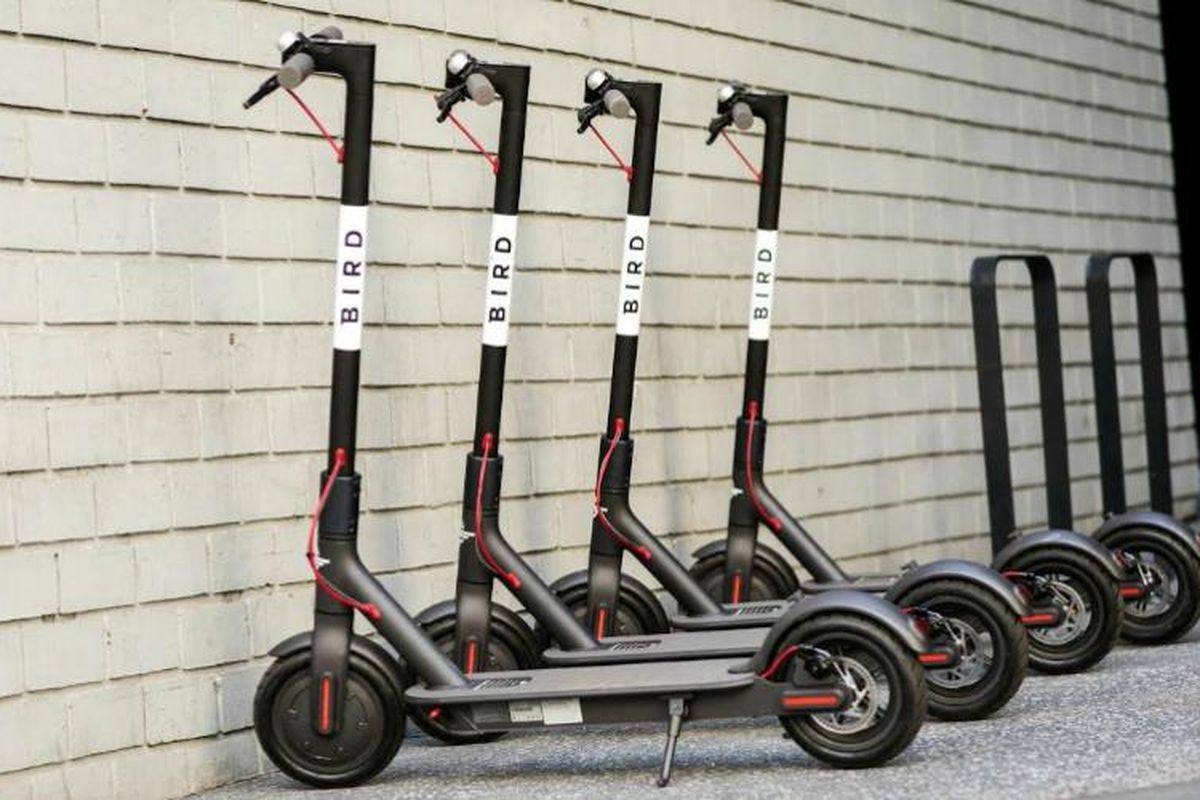
    Bird, an electric scooter rental company, said on Thursday it had raised $275 million in a funding round led by Canadian pension fund CDPQ and Sequoia Capital, as it looks to take a bigger share of a rapidly growing transportation sector.

    The deal values the firm at $2.5 billion before the investment, Chief Executive Officer Travis VanderZanden told a tech conference in San Francisco.

    VanderZanden said Bird has been working hard to improve its financials, deflecting criticism that the company has been chasing growth at all costs.

    The company has designed its own rugged scooters, which last about 15 months on average, compared with the three-month life span it got from retail scooters, he said.

    Bird, known for its dockless scooters that riders can locate and unlock through a smartphone app, has enjoyed a stratospheric rise, while also causing mayhem in cities such as San Diego and San Francisco.

    It has raised the ire of regulators and residents because the scooters, which can be left anywhere, have littered sidewalks and parks and blocked driveways and doorways. Scooter riders on crowded sidewalks have also caused problems.

    A dozen electric scooter companies have received more than $1.5 billion in investments in total, according to a report issued earlier this year by Boston Consulting Group.