Tag: startup

  • Advancing digital education in Asia Pacific

    Advancing digital education in Asia Pacific

    The current digital transformation has brought about sweeping change that not only affects the political and economic sectors of a country but most importantly, introduced a number of important social changes as well triggered by the growth of knowledge in the information and communications technologies (ICT); namely in the field of education.

    As we have seen, education in the 21st century is incomparable to previous generations and is unlike anything we have seen before. The topic of education has been a nuanced one in Asia Pacific, which is one of the fastest developing regions in the world. Despite their similarities, many countries in the region have vastly different socio-economic and cultural landscapes that contribute significantly to each of its society’s pursuit of knowledge. With 45% of the world’s youth calling Asia Pacific home, it’s a sad reality to know that many young people in the region are struggling to find a balance between what they are being taught in schools and the whirlwind digital ecosystem that they are expected to traverse once they graduate.

    Furthermore, the fact that many young people living in the region’s developing countries have no access to educational resources, let alone the ability to secure employment, has not only widened the disparities between rural and urban areas but also exacerbated underlying issues like socio-economic inequality and social exclusion amongst youth.

    In this situation, various questions arise; will digital education be able to bridge this gap? Would students be able to reconcile their current learning strategies with the ever-evolving, fast-paced digital technologies outside the classroom? What should we do as a society to ensure that no one gets left behind?

    One of the methods proposed by institutional stakeholders would be to take advantage of the rapidly growing and increasingly tech-savvy mobile technology subscriber base in Asia Pacific. With almost half of the population already having access to mobile devices, a number which is expected to rise exponentially by 2020, it is absolutely crucial that higher education institutions and relevant government bodies seize the opportunity to leverage the versatility of mobile technology to boost educational reform and provision in areas where it is most needed. Mobile technology like smartphones, laptops, tablets, and others offer a more customizable and flexible form of learning for students, regardless of their location.

    An analysis of case studies discussed in the book “Mobile Learning in Higher Education in the Asia Pacific Region: Harnessing Trends and Challenging Orthodoxies” highlighted the sustainable utilization of mobile learning strategies within the Asia Pacific region. In Japan for example, a mobile app known as SCROLL aims at linking learning in formal and informal environments to enhance opportunities for students to engage in informal learning. This allowed users to record everyday learning experiences with their smartphones and, if they chose to do so, share these experiences with other learners. The initiative was implemented in various communities and universities across Japan; with new configurations constantly being added to further improve and refine the system.

    In South Korea, a pilot project employing the use of mobile instant messaging (MIM) was conducted to alleviate social and cultural challenges faced by international exchange students when it came to learning the Korean language and conversing with Korean speakers. The interesting aspect of this experience is that users are able to facilitate language contact with each other in other locations around the world and do not necessarily need to be sitting next to each other. This allows international students learning Korean to combine MIM texts and visual tools in order to grasp the language skills in a short amount of time.

    In addition to mobile technology education, another mode of digital learning has also surfaced and gained traction in the region in recent years. Massive open online courses or MOOCs enable greater participation and the ability to address common issues prevalent in education such as inequity and inefficiency. Although MOOCs in the US are spearheading the digital education revolution, the ones in Asia Pacific are not far behind; with homegrown MOOCs thriving in countries like the Philippines, China, Malaysia and India. Many of these initiatives can be seen predominantly in a higher education setting like India’s Delhi University and the University of the Philippines’ Open University’s MODeL, to name a few.

    Considering that MOOCs is a relatively new system, there is still much to be done in terms of research and availability of resources. Due to this, several overriding issues have surfaced such as low completion rates as well as language barriers; as most lessons are conducted in English and inadequate learning support in developing countries. Even with these inevitable teething problems, MOOCs have facilitated greater access to education, but it is only a matter of time that we would be able to see if marginalized groups that deal with the issues mentioned above are also allowed access to this method of learning without being left behind by the strong current of rapid digitization.

    Intelligent tutoring systems (ITS), on the other hand, are computer-based learning environments that employ AI to give students a customized educational experience. This system not only provides students with a personalized mode of study but also uses hints and remediation, cognitive and metacognitive scaffolding, effective support, and alternative teaching approaches as tools to engage with students and fuel motivation. One of the major factors for ITS’ popularity is its ability to be deployed in situations where there is a lack of adequately trained educators. Although some ITS activity has been documented in developing countries in Asia Pacific, with a specific focus on cultural factors, mobile gadgets, and language support, most of the research has been done in developed nations like Singapore, South Korea, Taiwan, Japan and Hong Kong.

    Clearly, there is still a lot to be done in terms of evolving the digital education scene in Asia Pacific to make it accessible and adaptable to all communities across the region. In cases like these, it is important that the governments of these countries work closely with non-governmental organizations and tech support groups to build infrastructure that will allow for the continuous sharing of knowledge on a digital platform that is not only user-friendly but is considerate of cultural boundaries and regional and socio-economic factors.


  • Grab Moves Into Wealth Management With Acquisition

    Grab Moves Into Wealth Management With Acquisition

    Grab on Tuesday announced the acquisition of Bento Invest, a Singapore-based Robo-advisory start-up for an undisclosed sum. It allows Grab to kickstart the offering of retail wealth management solutions to users, driver-partners, and merchant-partners via its app.

    With the acquisition, Bento will be rebranded as GrabInvest with products launched on the Grab app in the first half of the year in Singapore. GrabInvest will be a new core business vertical under Grab’s financial services arm, Grab Financial Group, led by Chandrima Das, founder, and chief executive of Bento.

    «In Southeast Asia, there is a lack of access to affordable wealth management products and retirement planning solutions for most people. As we face an increasingly volatile and uncertain economic environment, it is imperative for Southeast Asians to acquire the tools and knowledge to protect their future by sustainably building wealth for themselves and their families,» said Reuben Lai, Senior Managing Director of Grab Financial Group in a media statement.

    Bento’s proprietary digital wealth platform includes client onboarding, and portfolio construction and rebalancing supported by robust risk management capabilities. The platform is built and backed by a team of seasoned asset management and banking professionals who will join the GrabInvest team. Bento’s founder, Chandrima Das, has over two decades of leadership experience in banks and asset managers across Asia and the U.K. She was formerly Managing Director at Bank of Singapore and prior to that, CEO of ING Investment Management.

    GrabInvest will operate under a retail wealth management capital markets services license in Singapore, namely the MAS Retail Licensed Fund Management Company (LFMC) license. It hopes to offer cash management and portfolio-based financial solutions to its users, driver-partners, and merchant-partners, with Singapore as the first market to roll-out.

    GrabInvest said its aim is to democratize access to retail wealth management products, by providing people in Southeast Asia with the opportunity to save and invest in financial products traditionally limited to affluent individuals and institutional investors. GrabInvest aims to make wealth management services accessible by adopting a low-cost model, easy to understand by allowing users to transact on a platform they are familiar with, transparent by having full disclosures on fees with zero hidden elements, and trusted by adhering to consumer protection standards outlined by the regulators.

    Grab Financial Group currently offers financial services across Southeast Asia in payments (GrabPay), rewards (GrabRewards), lending (GrabFinance), and insurance (GrabInsure) to micro-entrepreneurs, small business owners, driver-partners and users across Southeast Asia.

  • Shanghai Seeks Fintech Hub Status in Five Years

    Shanghai Seeks Fintech Hub Status in Five Years

    The Shanghai government announced a series of policies to motivate firms and talent while formally challenging the similar ambitions of nearby Hangzhou.

    Shanghai’s municipal government is taking an admittedly expedited path, according to a report citing a statement, to becoming a fintech center and will accelerate this development through a series of incentives including a tax cut on related tech firms to 15 percent (from 25 percent) and attractive housing and medical benefits to lure talent.

    Ant Financial, Hangzhou’s homegrown fintech pioneer, also announced yesterday that it would host a fintech conference to support Shanghai’s efforts with expectations to draw up to 30,000 global attendees. The «INCLUSION» conference held in late April will cover themes such as the global digital economy, digital finance, innovative technology, commerce and cities, and sustainability.

    Shanghai’s plans parallel that of Hangzhou’s which is also aiming to be a major hub in the field. In May last year, its local government delivered a plan in to transform the city into a global fintech center by 2030 while leveraging the sector to provide 120 billion yuan ($17.4 billion) in added value to the economy by 2022.

  • Why Google’s acquisition of Irish startup Pointy is big news for retailers

    Why Google’s acquisition of Irish startup Pointy is big news for retailers

    Google has acquired Irish start-up Pointy, a firm that allows physical stores to make their products discoverable online.

    The deal is expected to be completed within the next few weeks, with TechCrunch reporting that the acquisition has seen Google pay €147 million (US$163.7 million) on the business.

    “For Google, this provides the opportunity to present shopping search results for physical stores as well as those online – something it already does in a limited capacity – and so significantly increase the value of Google Shopping for users,” says research firm GlobalData’s technology editor Lucy Ingham.

    “However, while this is a significant step in bridging the divide between brick-and-mortar stores and the online e-commerce world, the acquisition has the potential to be even more impactful. It is a significant step for Google, because it provides the search engine giant with a way to cheaply and easily catalog physical assets on a large, yet decentralized scale.”

    Google is likely to be seeking to expand its adoption of Pointy in ways that may include dropping or reducing the current one-time integration cost of £699 ($914), or even getting leading point-of-sale manufacturers to directly integrate the technology into their products, says Ingham.

    If the firm can successfully increase the prevalence of Pointy, it could eventually have coverage of physical stores to rival those of digital stores, bringing with it a potential step-change in how people shop.

    “However, there are also potential applications beyond e-commerce. What Google has bought, in essence, is a means to catalog real-world items, and the same technology in the Pointy Box could be put to use in many other fields,” said Ingham. “Potential applications could include medicines, enabling Google to collect data on gluts and shortages of particular items and use this to provide industry-targeted services, inform users or even assist its own moves into the healthcare space.”

  • Grab installs first female CEO for Vietnam operations

    Grab installs first female CEO for Vietnam operations

    Nguyen Thai Hai Van will commence her role as Vietnam CEO of Singapore-based ride-hailing giant Grab on February 1.

    Van, the first female Grab CEO in Vietnam, will oversee business strategy and operations across the country, Grab stated Monday.

    Van boasts 17 years’ prior marketing experience at the Netherlands-backed personal care products maker Unilever Vietnam ahead of joining Grab on November 1 last year. Besides, she co-chairs Vietnam Mobile Marketing Association.

    She takes over as Grab Vietnam CEO from predecessor Jerry Lim, who will return to Singapore to serve as regional head of customer experience.

    Grab has seen strong development since entering Vietnam in 2014. Payments via Moca, its e-payment partner, grew by 150 percent between January and June last year while its number of active monthly mobile users rose by 70 percent.

  • UOB Invests in Thai Fintech

    UOB Invests in Thai Fintech

    The funds will be invested into the Stellar Network, the blockchain technology underlying Lightnet’s platform, as well as to build a «next-generation financial mobility network.»

    Bangkok-based fintech Lightnet has raised $31.2 million in a Series A funding round led by UOB Venture Management, the private equity unit of UOB, the firm announced in a statement on Friday.

    Other backers include Seven Bank, Uni-President Asset Holdings, HashKey Capital, Hopeshine Ventures, Signum Capital, Du Capital and Hanwha Investment and Securities.

    According to its website, the company aims to disrupt the global remittance market by using smart contracts and distributed ledgers to replace the SWIFT system and underground banking. It is currently focusing on the millions of unbanked migrant workers in Southeast Asia, which rely on costly, slow, and fragmented services for cross-border remittances.

    Lightnet was co-founded by Chatchaval Jiaravanon – a family member of the Charoen Pokphand Group in Thailand – and tech entrepreneur and former investment banker Tridbodi Arunanondchai.

    «We project that within three years, Lightnet will facilitate over $50 billion worth of annual transactions through our industry-leading partner network,» Arunanondchai said.

  • Number of new businesses, registered capital highest ever

    Number of new businesses, registered capital highest ever

    138,100 businesses were established in Vietnam this year, the highest ever, with the government’s initiative to increase the quantity and quality of enterprises bearing fruit.

    In terms of volume, the figure was up 5.2 percent year-on-year, while their registered capital also climbed a new high at over VND1,730 trillion ($75.1 billion), up 17.1 percent year-on-year, according to the General Statistics Office.

    This meant the average registered capital was VND12.5 billion ($542,000) per business.

    An additional 39,400 businesses resumed operations this year, up 15.9 percent from last year. But the year also saw 43,700 businesses filing for dissolution, up 41.7 percent year-on-year.

    The surge in the business numbers and registered capital is happening as the government seeks to improve its administrative policies to support enterprises as part of a plan to have the private sector spearhead economic growth.

    Prime Minister Nguyen Xuan Phuc said at a meeting with business leaders on December 23 that the large number of businesses dissolving each year, including big ones, was a matter of concern.

    Government agencies have been making proposals in this regard. In July, the Ministry of Finance proposed to the National Assembly that it considers scrapping corporate income tax on micro and small enterprises.

    There are about 760,000 businesses operating in the country. Vietnam targets taking this up to 1 million next year.

    Vietnam’s GDP growth of 7.02 percent in 2019 exceeded the parliament’s target of 6.6-6.8 percent as well as forecasts by several international organizations like the WB and the ADB. It had slowed from a record 7.08 percent in 2018, but remained the second highest growth figure in the last decade.

  • Razer-Led Consortium Bids for Digital Banking License

    Razer-Led Consortium Bids for Digital Banking License

    A consortium led by Razer is the latest to join the race for one of Singapore’s five digital banking licenses.

    The consortium includes the Singapore supermarket giant owners’ – the Lim brothers – private vehicle Sheng Siong Holdings; Richard Li’s insurance firm FWD Group; internet entrepreneur Chen Danian’s tech company LinkSure Global; Insignia Ventures Partners; and Carro, an online marketplace for cars.

    Razer, which leads the consortium, will own a 60 percent in the stake with the remaining five partners holding a 40 percent stake, according to an SCMP report citing a statement.

    We’ve thought about this long and hard,» said Lee Li Ming, Razer’s chief strategy officer and the newly appointed CEO of Razer Fintech as of January 1. We believe that we can do something revolutionary here in Singapore.

    According to Lee, the firm will target those in the age group of 12 to 35 years old due to the segment’s limited financial knowledge and challenges with entering the banking system due to a lack of savings and credit history. The firm will look to leverage its base of young users alongside its existing digital payment networks Razer Merchant Services and e-wallet service Razer Pay.

    Youth and millennials are underserved even in a crowded space like Singapore, Lee commented. We want to help them from a young age.

    Prior to the Razer-led consortium, Grab and Singtel were the latest to reportedly form a partnership to jointly bid for a digital banking license. The Monetary Authority of Singapore will announce the successful recipients of the digital banking clines in mid-2020.

  • India’s Lenskart wins US$275 million in Softbank funding

    India’s Lenskart wins US$275 million in Softbank funding

    Indian omni-channel eyewear retailer Lenskart has raised an investment of US$275 million from SoftBank Vision Fund.

    Several of the firm’s existing investors sold their stake in the business during the latest Series-G financing round. The new funding has lifted the firm’s total investments to date to $456 million, leaving Lenskart with a valuation of more than $1.5 billion.

    The firm currently sells via more than 500 outlets throughout more than 100 Indian cities. The firm started as an online-only business, with 60 per cent of current sales still taking place online.

    “We are thrilled to have SoftBank Vision Fund with us in our journey,” said Lenskart founder and CEO Peyush Bansal in an interview with TechCrunch. “Their understanding of consumer and technology will help us build the next edition of Lenskart.”

    The firm’s latest inflow of capital will be used to improve its IT infrastructure and supply chain.

  • Deliveroo sets massive growth in Hong Kong despite protests

    Deliveroo sets massive growth in Hong Kong despite protests

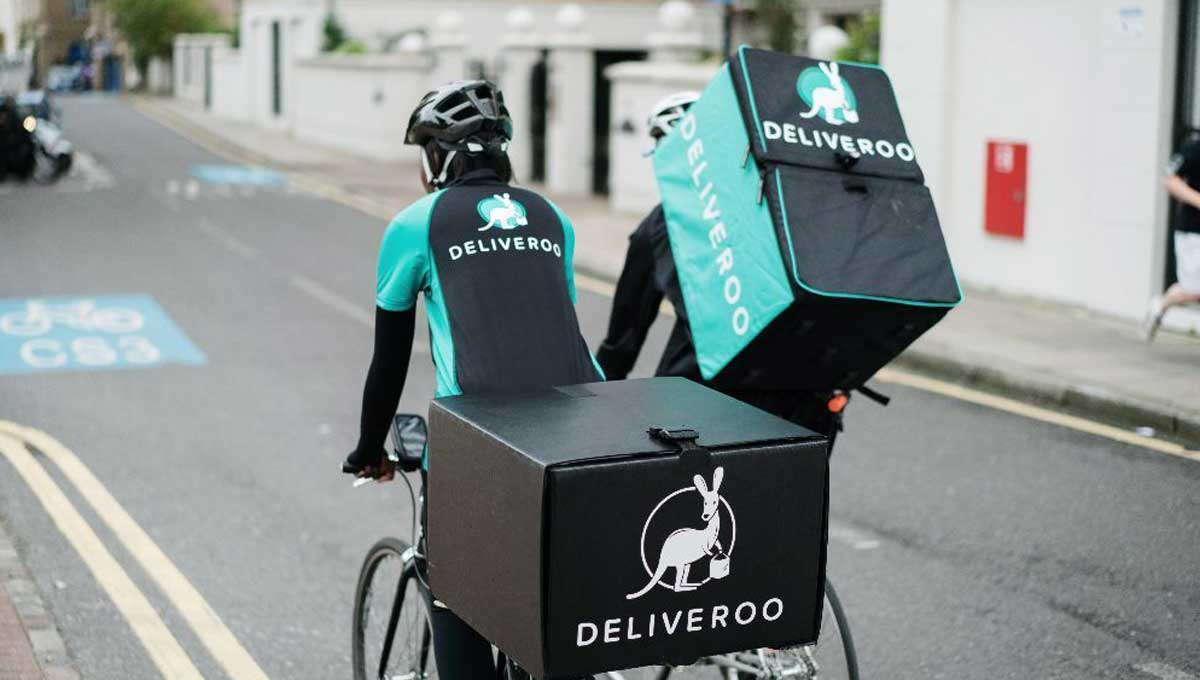
    Hong Kong food-delivery service Deliveroo says it achieved well over 100-per-cent year-on-year growth in both revenue and order volume this year.

    During the year, the company expanded to cover 17 out of the territory’s 18 districts and doubled its fleet of 2000 riders to 4000.

    Deliveroo is marking its fourth anniversary in Hong Kong and has launched a new advertising and social-media campaign covering TV, digital, buses and cinema.

    “Moving into our fifth year in Hong Kong, Deliveroo is celebrating nearly half a decade of success and readying ourselves for more innovation and expansion to come,” said Deliveroo Hong Kong GM Brian Lo.

    “The past 12 months brought challenges to the Hong Kong business environment, so for 2020 we are dedicated to bolstering our own strengths in order to continue to help our restaurant partners deliver on their own ambitions.”

    Deliveroo is targeting to work with 9000 partner restaurants in Hong Kong by the end of next year, as well as upping its rider numbers from 4000 to 6500.

  • Deliveroo sets massive growth in Hong Kong despite protests

    Deliveroo sets massive growth in Hong Kong despite protests

    Hong Kong food-delivery service Deliveroo says it achieved well over 100-per-cent year-on-year growth in both revenue and order volume this year.

    During the year, the company expanded to cover 17 out of the territory’s 18 districts and doubled its fleet of 2000 riders to 4000.

    Deliveroo is marking its fourth anniversary in Hong Kong and has launched a new advertising and social-media campaign covering TV, digital, buses and cinema.

    “Moving into our fifth year in Hong Kong, Deliveroo is celebrating nearly half a decade of success and readying ourselves for more innovation and expansion to come,” said Deliveroo Hong Kong GM Brian Lo.

    “The past 12 months brought challenges to the Hong Kong business environment, so for 2020 we are dedicated to bolstering our own strengths in order to continue to help our restaurant partners deliver on their own ambitions.”

    Deliveroo is targeting to work with 9000 partner restaurants in Hong Kong by the end of next year, as well as upping its rider numbers from 4000 to 6500.

  • Gojek Nears Deal for Mobile Payments Startup

    Gojek Nears Deal for Mobile Payments Startup

    With Gojek aiming to become a major player in Indonesia’s digital payments space, the acquisition would help it compete with other regional giants like Grab.

    Gojek is said to be close to finalizing a deal for Jakarta-based mobile point-of-sale (POS) startup Moka, «Bloomberg» reported on Wednesday.

    The deal is said to be worth at least $120 million, the report said, citing people familiar with the talks. The two sides were reportedly in talks earlier this year. However, Gojek co-founder and CEO Nadiem Makarim stepped down in October to join the Indonesian cabinet. He was replaced by co-CEOs Andre Soelistyo and Kevin Aluwi.

    Launched in 2011, the Indonesian ride-hailing giant has been expanding its platform to include a range of on-demand services and allow its customers to make online payments. Its GoPay digital payments platform is accepted at more than 420,000 online and offline merchants in 370 cities in Indonesia.

    Founded in 2014, Moka runs a cloud-based POS system, enabling businesses to order stock, issue invoices, and accept payment from mobile wallets from iOS and Android devices. Its payment partners include Ovo, Akulaku, T-Cash, GoPay, Alipay, WeChat Pay, and more.

    In 2015, the firm raised $1.9 million in a series A round led by East Ventures. It raised $24 million in a series B round, with new backers Sequoia India, Softbank Ventures Korea and the investment arm of Singapore’s Economic Development Board.

  • Vietnam second among ASEAN members in attracting fintech funding

    Vietnam second among ASEAN members in attracting fintech funding

    Vietnam’s fintech firms secured $410 million, or 36 percent of the global capital pouring into Southeast Asia between January and September, behind Singapore.

    The country’s share of regional venture capital funding devoted to fintech soared from just 0.4 percent in 2018, according to a report prepared by the United Overseas Bank (UOB), PwC and the Singapore Fintech Association (SFA).

    Singapore remained the top destination for regional fintech investment, with 51 percent, down from 53 percent in 2018, with Indonesia in third place with 12 percent, down from 37 percent last year.

    ASEAN Fintech Funding 2019PercentageSingaporeVietnamIndonesiaOthersSource: Tracxn

    By the end of the third quarter this year, ASEAN had received $1.14 billion in funding for fintech firms, up sharply from $35 million in 2014, the report said.

    The surge in investments in Vietnam this year is attributable to two large deals, both in digital payments. In July, digital payment firm VNpay received $300 million in investment from Japanese multinational conglomerate SoftBank and Singaporean sovereign wealth fund GIC.

    And in January, e-payment app MOMO Pay landed $100 million from investors led by American private equity firm Warburg Pincus in its Series C funding round. The two deals accounted for 98 percent of Vietnam’s total fintech funding in the first nine months.

    In terms of the number of funding deals in 2019, Vietnam came third in ASEAN at 8 percent of total deals, up from 2 percent in 2018, behind Singapore and Indonesia with 51 percent and 28 percent respectively.

  • Viec.Co scoops Vietnam Startup 2019 title

    Viec.Co scoops Vietnam Startup 2019 title

    Viec.Co, a platform connecting employers and freelancers, scored the highest in a startup competition organized by VnExpress, Vietnam’s most-read online newspaper.

    Viec.Co surpassed other contestants in the top 5 to be named the winner of the Vietnam Startup 2019, which concluded in the final Gala on December 2 in Ho Chi Minh City.

    Themed “Unicorn to be”, the final gathered the top 5, including Viec.Co, TripHunter, Liberzy, Tez and Sphacy for a debate in front of judges. Viec.Co was chosen as winner, based on criteria including leadership ability, uniqueness, new technology, product feasibility, global reach and community contribution

    Specialized in helping freelance workers access employment opportunities, Viec.Co provides a one-touch experience via a human resources platform. It is also a tool for employers to evaluate and recruit candidates at the lowest cost and simple procedure.

    Viec.Co has further applied the API (Application Programming Interface) to the Momo ecosystem, Vietnam’s mobile, e-wallet and payment application, to provide simple and convenient payment solutions.

    After one year of operation, the startup grew 30 percent per month, now boasting over 40,000 registered users, 10,000 employable freelancers, and 30 customers.

    Tez, the online library startup, is an educational platform that provides a comprehensive system of online lectures and materials for teachers and learners at all levels. It aims to create a “social network” that connects students, teachers, and the community to share knowledge more easily, conveniently and broadly. Of the top 5 in Vietnam Startup 2019, TripHunter is a tool to automatically build travel schedules, based on web and application platforms. The tool enables users to manually adjust their own schedules, and compare prices between online travel agents (OTAs), booking and managing all services such as airline ticketing and hotel reservations all via one application.

    Tez’s business model consists of two channels, which include selling user accounts and advertising revenue. Accordingly, 85 percent of Tez’s revenue comes from users and the rest from advertising services for English schools, institutes, and organizations.

    Tez has collated 83,000 lectures, 115,000 documents, 175,000 registered members over 10 months of operation. It has a turnover of VND8.3 billion ($358,000) and more than 18 million website and app visits.

    Operating similarly to the Grab ride-hailing platform and food ordering apps, Sphacy developed a pharmaceutical ordering application. It allows users to buy drugs anytime, anywhere via ordering – delivery using a mobile app.

    Sphacy directly connects customers with pharmaceutical suppliers, including wholesalers and retailers, along with quality control regulations. “It provides a solution to modern pharmaceutical problems, such as unknown origin, incorrect dosage, high level of antibiotic resistance,” said Sphacy’s CEO and founder Vu Van Thanh.

    With Liberzy, users can design trips according to their needs, with itineraries and notes visually displayed on the map. Each user has a personal page to share destinations, experiences and connect with others. Libezy also connects with suppliers to recommend suitable services such as airline tickets, hotels and restaurants based on a user’s schedule. Also specialized in tourism, Liberzy is a platform that helps create schedules and provides useful information about a specific trip, gathering together people with similar travel interests. “Liberzy stands for Liberty and Easy, denoting traveling with freedom and ease. In addition, the ‘S’ of ‘Easy’ has been changed to ‘Z’ to represent a travel platform for Generation Z, who love self-sufficient travel using modern technology,” Truong Duc Thang, Liberzy’s CEO and founder explained.

    At Vietnam Startup Gala 2019, Thinsulin, a startup that provides blood sugar lowering and weight loss methods, was named as the startup with the most audience votes. As a part of the Gala, a series of “Speed Dating” activities opened opportunities for Vietnamese startups to meet and present their ideas and projects to investors.

    Vietnam Startup 2019 is a voting event, annually organized by VnExpress. It underwent eight months of registration, online submissions, training and voting to find the top 25 and top 15 best startups in 2019.

    The five judges are well-known investors or mentors with great experience of the local start-up community, including Truong Gia Binh, chairman of FPT Corporation; Pham Phu Ngoc Trai, founder and chairman of Global Integration Business Consultants (GIBC); Tran Ngoc Thai Son, founder and chairman of e-commerce firm Tiki; Nguyen Lan Anh, CEO of Endeavor Vietnam; and Bui Kim Thuy, country representative of the US-ASEAN Business Council in Vietnam (USABC).

    The event is sponsored by Tiki (diamond sponsor), Grab (gold sponsor), IMAP (silver sponsor), Sun*Startup and LG (copper sponsors). AIM and Zone Startups Vietnam also act as partners.

  • Startup launches liquor delivery service in Christchurch

    Startup launches liquor delivery service in Christchurch

    Delivery startup Give Me Bread has added liquor delivery in Christchurch along with its restaurant food delivery services.

    To order, the Give Me Bread app allows customers to tap a photograph of what he or she wants and place an order in which the drivers will then deliver directly to the customer’s doorstep in 30 minutes. Orders can also be placed on the retailer’s site.

    Liquor orders can be made with or without meals.

    “Our customers love how easy it is to order their favorite drink in seconds,” said Abhay Pratap, Give Me Bread marketing manager. “We have repeat orders every week from busy professionals who want the simplicity of their favorite beverage arriving at the door – perfect for when visitors arrive unexpectedly.”

    Pratap started the business with Chandhi Jain, the company’s operations manager, in 2017

    “Many people are so busy that some days they just don’t want to spend half an hour making dinner, or another half an hour doing the dishes. That’s where we come in,” Jain said.

    Give Me Bread have dedicated drivers who deliver the liquor and meals all over the city.