Tag: startup

  • Deliveroo Supports Riders With New Riders Forum, a First-of-its-Kind Initiative for Any Hong Kong Food Delivery App

    Deliveroo Supports Riders With New Riders Forum, a First-of-its-Kind Initiative for Any Hong Kong Food Delivery App

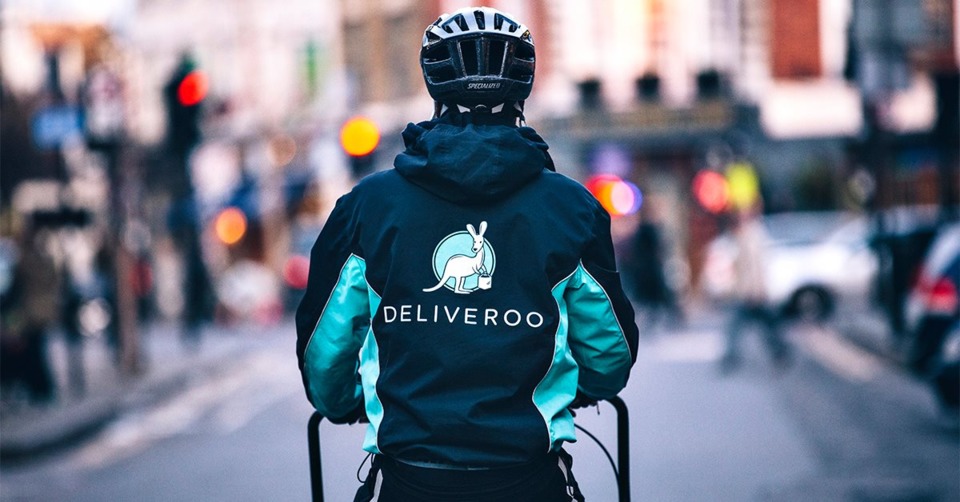
    Dedicated to listening to rider feedback, and providing a collaborative working environment to deliver more to its riders, Deliveroo today announced the launch of it’s first-ever Hong Kong Riders Forum, an initiative set to take place quarterly with Hong Kong General Manager and the operation Team.

    Since the outbreak of COVID-19, many Hong Kongers have had to cope with job losses across the city, with the current unemployment rate hitting over 6% since April this year. As many struggle to find new ways to make an income, Deliveroo is hard at work to make room amongst its fleet and help offset the rising numbers of unemployed Hong Kongers. Deliveroo has received over 35,000 rider applications in the first half of 2020 – up more than 100% from application numbers in H1 2019. As COVID-19 continues to impact businesses and day-to-day life in the city, rider applications have continued to grow. Deliveroo’s rider onboarding strategy is designed to match estimated growth in demand to rider numbers, to ensure protection of riders’ earnings. Since January, Deliveroo has added over 3,000 riders taking the firm’s total rider fleet from 4,000 in December 2019 to more than 7,000 today.

    With the increase in rider fleet, Deliveroo is dedicated to exploring new ways of listening and communicating with their riders. Being held for the first time in late August, the 2 hour-long Riders Forum was held virtually due to COVID-19, and focused on providing Deliveroo Riders with a space to voice their opinions directly. Throughout the session, riders asked questions about the company and their concerns on their overall delivery experience, provided feedback, as well as the general sentiments of the fleet as they see it, to the company. Issues discussed include orders assignment, restaurant wait time, support given by rider operations and the customer service team, and Deliveroo expansion plan in Hong Kong. Deliveroo’s Rider Forum is the first of its kind among the city’s food delivery apps, a testament to Deliveroo’s commitment to actively engaging with riders and providing a progressive working environment.

    To ensure diversity among the participants in The Riders Forum, Deliveroo has chosen 15 riders who expressed interest in participating in the event. Gathering input from a broad scope of riders and walkers across a range of districts, whether they drive a motorcycle, ride a bike or walk to deliver meals, Deliveroo is committed to hearing from a vast amount of voices. Participants will have the opportunity to discuss issues currently facing the fleet, how to foster stronger communication, and how the overall delivery experience can be improved. After each forum is completed, the discussion notes will then be communicated to the wider fleet of Deliveroo riders. According to the latest monthly rider survey, over 70% of Deliveroo riders are satisfied with how they are able to choose where and when to work with Deliveroo. Deliveroo will continue to make an effort to understand riders’ needs and concerns.

    The Riders Forum initiative is part of Deliveroo’s ongoing commitment to providing new enriching programs that provide support for its riders, which have included first aid training from the Red Cross, and with over 60 riders to be trained later this year. Additionally, Deliveroo has provided its riders with a further fuel discount of ~20%  in partnership with Shell, at all Hong Kong gas stations (aside from Hong Kong Airport), as well as offering special medical benefits to riders and their families through the virtual insurer Bowtie. Earlier this year, Deliveroo launched the Deliveroo Rider Academy, a virtual online learning space with over 700 courses to help upskill riders and their family members.

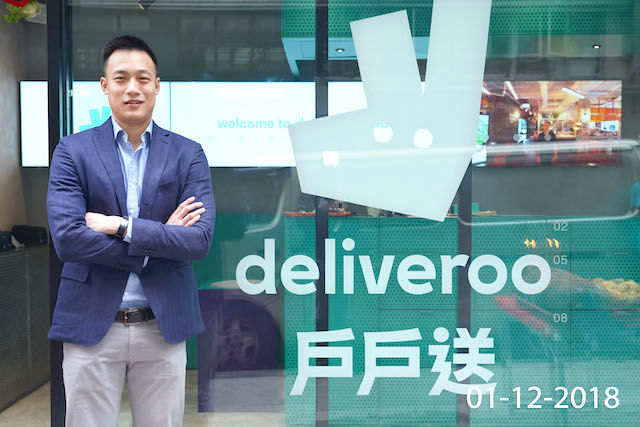
    Brian Lo, General Manager of Deliveroo Hong Kong, said, “The purpose of the Deliveroo Riders Forum is to allow our riders to share their ideas and experiences directly with me, and the rest of our Deliveroo team, and make appropriate strategic and technical adjustments based on what we hear from our riders. That’s why we’ve taken the steps to introduce an initiative that is the first of its kind in Hong Kong’s food delivery industry. We’re proud to offer some buffers for those who have lost their jobs and are in need of earnings to make a living during their transition period, and to hear from both them and our veteran riders.

    We are always looking for new ways to improve our riders’ engagement, and so, we felt that the best way to do so was to provide them with an engaging and open space. The Deliveroo Riders Forum has been set up to be a place where riders’ voices are not only heard but also empowered. We want our riders to know that we support them and that everyone’s voice counts. I’m looking forward to being a part of this new initiative to regularly meet our rider partners and finding practical ways to incorporate rider feedback into our overarching strategy.”

    Jacky Yan, a Deliveroo cyclist who joined in late February this year and attended the first Riders Forum, said, “I lost my previous job as a buyer for a UK supermarket chain because of COVID-19, but I was able to apply Deliveroo to be a walker (and then became a cyclist later) and earn a living. When Deliveroo informed us that they’d be launching The Rider’s Forum, I was pretty eager to participate in the programme, as I felt it’d be a great opportunity to have my voice heard. While working on your own may come with perks, such as more independence and a flexible schedule, it can also be nice to connect with the management to bounce ideas off each other. The conversation during the first session was very useful covering off the questions we have in mind about the platform’s operations and future plan. I have just started a new full time job last week but I will still be a cyclist delivering Deliveroo orders during weekends or evening time if my schedule allows.”

     

  • JD teams with brands to launch an organic alliance

    JD teams with brands to launch an organic alliance

    JD’s online supermarket JD Super has formed an organic alliance with brands trading on its platform.

    More than 10 companies, including domestic and international ones, have joined the alliance, including Milk Deluxe, Bellamy’s, Abbott, Anchor, and Gerber.

    Under the alliance, JD Super and other members will work together with government bodies, channel merchants, and inspection institutes to collectively build an “organic traceability” mechanism, which records information about product life cycles, according to JD.

    “JD hopes to establish an organic industry ecosystem through the optimization of industry standards for organic products as well a wide range of support for organic brands to grow their appeal among Chinese consumers,” the company said in a statement.

    JD Super will also support the organic alliance’s members with organic labeling and to develop the platform.

  • Razer Fintech Eyes New Markets

    Razer Fintech Eyes New Markets

    The firm is said to be exploring opportunities in Southeast Asia and other emerging markets, such as India and Latin America, to grow its fintech business.

    The financial technology arm of Singapore gaming and technology brand Razer said that while awaiting results of its bid for a digital banking license in Singapore, it is currently exploring applying for digital bank licenses in other jurisdictions, it said on Wednesday with its financial results for the first half of 2020.

    Razer Fintech generated $1.8 billion in total purchase value in the first half of the year, representing an increase of 114.3 percent year-on-year, and just shy of the $2.1 billion it achieved across the whole of 2019. This was driven by the onboarding of new merchants and surges in online shopping and digital entertainment consumption activities due to the COVID-19 lockdown, Razer said in the announcement.

    Razer recorded a record high revenue of $447.5 million, with 25.3 percent year-on-year growth for the period, driven by strong growth across its Peripherals portfolio, strong double-digit percentage year-on-year growth for Systems in May and June, and phenomenal growth in the services business.

    In an interview with on Thursday, Razer Fintech chief executive Lee Li Meng said the company is well-positioned to grow its digital banking business and is able to pivot quickly from its digital payments business to being a digital banking platform.

    The company is also looking abroad for more opportunities in this field. «We want to build a global business and leverage on the Razer Inc side of things as they grow alongside the fintech business, Lee said.

    Razer Fintech is one of the largest offline-to-online digital payment networks in Southeast Asia and has processed billions of dollars in total payment value since its establishment in 2018. The company is also is part of a consortium that is vying for one of five licenses in Singapore’s digital banking regime.

  • Deliveroo Forms a Dedicated SMB team to Support Local Small and Independent Restaurants in light of reduced but ongoing COVID-19 measures

    Deliveroo Forms a Dedicated SMB team to Support Local Small and Independent Restaurants in light of reduced but ongoing COVID-19 measures

    Deliveroo today announces the formation of its new SMB team which will provide long-term support to Hong Kong’s small and medium restaurants, as they confront the coronavirus’ effects on business. Additionally, Deliveroo will sponsor a bespoke three-week-long 15 episodes television series and a large scale social media campaign hosted by ERROR, a local popular boy band that will feature over 300 small and independent restaurant partners starting tomorrow, boosting their brand awareness and visibility. Also launching this month is a HK$5 million-worth ZA F&B Relief Fund co-set up by ZA International and Towngas, which will provide support to Deliveroo partnered restaurants and staff affected by Covid-19 diagnoses. These announcements build on other recent Deliveroo initiatives to support restaurants amidst ongoing challenges, including a 20-30% discount for all Pickup orders in selected restaurants between July and August, reducing restaurant Pickup commission rates to 3% until the end of September, extended delivery until 11:30pm, launching breakfast services and activation of the “HeretoDeliver” campaign.

    Deliveroo’s new relief measures will support restaurant partners, particularly small and medium local businesses, who are now facing numerous headwinds from the third wave of the pandemic. Deliveroo has created a new additional team to oversee and help with direct relief to local SMBs – The team is set to become a permanent fixture for Deliveroo Hong Kong and specializes in providing small and medium-sized restaurants with practical advice and providing support when needed, whether through promoting the restaurants through Deliveroo’s channels, sharing successful business references, or helping restaurants to develop virtual brands.

    To further support local and independent small operators, Deliveroo has collaborated with ZA International to provide emergency aid. With the HK$5 million-worth ZA F&B Relief Fund co-set up by ZA International and Towngas, if a Deliveroo partner restaurant is unfortunately suspended due to a COVID-19 case linked to the premises, the employer can go through a simple series of steps to apply for an one-off emergency aid of HK$50,000. In addition, eligible employees who are diagnosed with COVID-19 will be provided a financial support of HK$20,000 under the ZA Relief Fund, which offers coverage of HK$6 million to registered members of ZA Fam.

    Deliveroo has also activated its “HereToDeliver” campaign, investing in a multi-channel mass marketing plan to help restaurants reach their target customers by letting customers know they are still operating for delivery and Pickup. This is on top of the HK$30 million the food delivery company invested since COVID to support restaurants. Over the past few weeks, Deliveroo customers have been able to find over 2,000 discount offers on the platform at any given time for both Pickup and delivery, and the launch of Breakfast. The newest addition to the “HereToDeliver” campaign will see Deliveroo partnering with a local television station to broadcast a three week-long F&B TV show starting this week; investing in a large-scale social media campaign promoting by ERROR, a popular local boy band to feature over 300 local small and independent restaurant partners on the platform starting tomorrow. With Deliveroo’s help, restaurant partners can gain additional exposure amongst the general public and highlight their excellent plates and delicious deals.

    Earlier this month, Deliveroo lobbied the Hong Kong government to provide additional relief measures to the F&B sector, proposing a series of key policy suggestions to help the industry recover through this challenging period and thrive in the future. A recent survey of Deliveroo’s small and independent restaurant partners with over 2,000 respondents conducted between May to August revealed that more than 50% are facing the prospect of immediate business suspension. Many predict that if the current situation continues, within the next three months they will be forced to permanently close or even pushed to bankruptcy.

    Brian Lo, General Manager of Deliveroo Hong Kong, said, “As Hong Kong’s F&B sector continues to face unprecedented challenges, Deliveroo is committed to acting with urgency and building on our past actions to support restaurants, hungry patrons and riders. Local small restaurants provide Hong Kong with a food culture that is both unique and vital to the city. Many local restaurants  are fixtures in their specific neighbourhoods, with dishes that are cherished in the hearts and stomachs of many Hong Kongers. We know that it is our duty here at Deliveroo to protect these longstanding institutions and remain vigilant and provide our restaurant partners with thoughtful strategies that will help them weather the economic anxieties they have been faced with,  That is why we have called upon the government to offer further support to the F&B industry, while we are hard at work with our own SMB and marketing team, who have given their full support and are ready to do even more for small and independent operators.”

  • iKala raises US$17M Series B to expand global footprint

    iKala raises US$17M Series B to expand global footprint

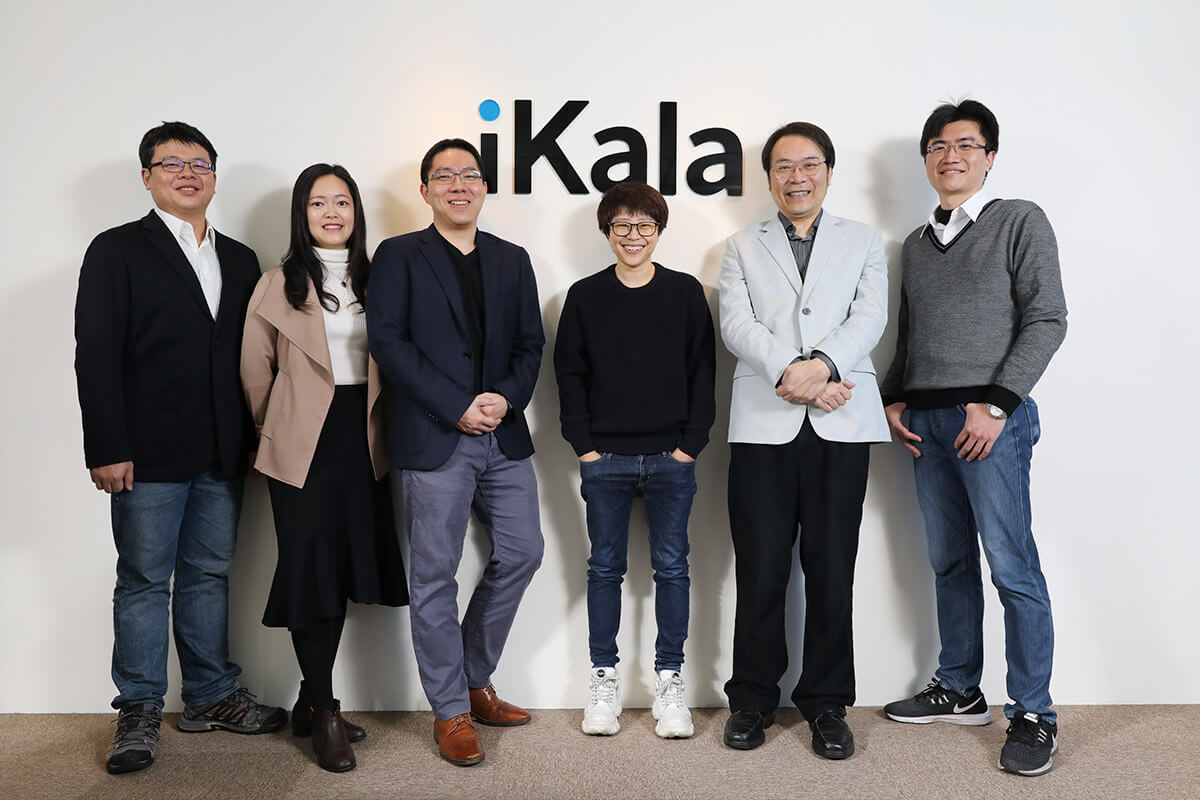
    iKala, Asia’s leading AI company headquartered in Taiwan, has raised US$17M in a Series B round of funding led by Wistron Digital Technology Holding Company, a Wistron Corporation’s wholly-owned subsidiary which focuses on digital technology industries and software application related investments. Previous investors Hotung Investment Holdings Limited and Pacific Venture Partners are also coming in, showing confidence in iKala’s practical AI and digital solutions and SEA cross-border operational efficiency.

    The latest round of funding takes the company’s total funding to US$30.3 million and will be used to further fuel iKala’s AI and digital technologies innovation. Equally, it signals the company’s expansion into new markets including Indonesia and Malaysia, while strengthening its position in its existing key markets of Singapore, Thailand, Taiwan, Hong Kong, Philippines, Vietnam and Japan.

    This strategic investment marks the lead investor Wistron Digital Technology Holding Company, which also focuses on big data analytics, entry into  Southeast Asia. Together, both companies are confident of propelling the region’s digital transformation journey forward and facilitate the development of Artificial Intelligence technology and software.

    “We’ve been on a strong growth trajectory over the last couple of years, expanding into new markets and developing cutting-edge technology that has put us in a leading position in the region’s digital transformation and commerce space. With this funding, we look forward to exploring new opportunities in AI commerce beyond our existing markets,” said Sega Cheng, co-founder and CEO of iKala.

    “Taiwan has an excellent reputation for having some of the best high tech talents in both hardware and software around the region. With Wistron as a strategic partner, iKala can become a major driving force for transforming Taiwan into an AI industry and talent hub in Asia,” said Dr. Lee-Feng Chien, iKala’s board member, former Google Taiwan managing director, who joined earlier this year.

    “As part of the Fortune Global 500 and as a TSP (Technical Service Provider) company,  iKala’s AI and software capabilities will be a value-adding element to Wistron’s long-held and leading hardware industry presence. We have heavily invested ourselves in digital transformation and further creation of new business to provide our clients with new opportunities brought by digital transformation,” said Robert Hwang, Vice Chairman & President of New Business, Wistron.

    Following its exceptional growth in the cloud and digital transformation industry since Series A round of funding early last year, iKala established a new division in June: iKala Commerce. The new solution consolidates AI-powered influencer database KOL Radar, and AI social commerce solution Shoplus, to provide an integrated solution and holistic customer data insights for the region’s social commerce players.

  • Grab and Unilever establish wide-ranging partnership to support lives and livelihoods in Southeast Asia through COVID-19

    Grab and Unilever establish wide-ranging partnership to support lives and livelihoods in Southeast Asia through COVID-19

    Grab and Unilever today announced an extensive partnership in Southeast Asia to protect Grab drivers and riders as well as support the livelihoods of small business owners as they weather the impact of the COVID-19 pandemic.

    The partnership covers Grab’s Transport, GrabFood, GrabMart, and GrabExpress services. Unilever’s personal and home hygiene brands such as Lifebuoy and Cif will support Grab drivers to deliver safer and more hygienic rides under GrabProtect. By leveraging Grab’s platform and technology, Unilever products will be available for consumers to purchase directly from Unilever’s vast network of retailers in Southeast Asia through GrabFood and GrabMart, thereby also helping small retailers and mom-and-pop shops around the region.

    “Unilever is committed to helping protect the lives and the livelihoods of those impacted by the COVID-19 pandemic. By providing Unilever’s hygiene products such as Lifebuoy and Cif to Grab’s driver-partners, Unilever is helping people get back on the move safely. The partnership will also assist small retailers, many of whom are still without a digital presence, move to an online platform, whilst also giving people more ways to purchase their favorite Unilever products. As a purpose-led organization, we will continue playing our part to support our communities through this crisis,” said Umesh Shah, Chief Executive Officer, Unilever International.

    “The pandemic has hit communities hard, particularly small and offline businesses. By partnering with Unilever, we hope to help Southeast Asians adapt and thrive in this new normal – whether by providing cleaner, safer modes of transportation or by connecting them to the growing digital economy. We’re particularly excited about the breadth and depth of the partnership with Unilever, which is a testament to the value of the open ecosystem that we’ve built. We offer an unparalleled combination of consumer reach, data insights, and logistics fleets that partners like Unilever can tap on to grow their footprint in the region,” said Russell Cohen, Group Managing Director – Operations, Grab.

    The Grab x Unilever partnership includes:

    • Boosting confidence in a new normal with GrabProtect

    Grab and Unilever is bringing greater peace of mind to driver-partners and passengers by equipping vehicles in Indonesia, Malaysia, and the Philippines with Lifebuoy hand sanitizers and Cif disinfectant sprays, at no cost to driver-partners or passengers.

    • Growing income for small and offline business owners through Unilever Ice Cream virtual stores on GrabFood and GrabMart

    Grab and Unilever is setting up Unilever Ice Cream virtual stores on the Grab platform which will offer Grab users instant access to their favorite Unilever ice cream brands such as Wall’s, Ben & Jerry’s and Breyers.

    Orders will be fulfilled by Unilever retailers located closest to the consumer – the majority of which are offline businesses such as neighborhood mom-and-pop shops and ice-cream carts. The partnership will generate more sales for these businesses, supporting their livelihoods and families. Grab aims to help these businesses further digitalize, by giving them the option to create individual storefronts on the Grab platform in the future.

    Over 250 Unilever Ice Cream virtual stores have been established across Malaysia, the Philippines, and Thailand, with the goal of reaching over 550 stores by end-2020 through upcoming expansion into other Southeast Asian countries like Indonesia.

    • Addressing the increasing demand for home deliveries and driving visibility and traffic to small retailers via GrabMart

    As social distancing measures continue, Unilever will expand its range of food, household and personal hygiene products available to Grab users and help retailers list their products online through GrabMart – Grab’s on-demand delivery service for daily essentials available across 8 countries in Southeast Asia. The partnership has kicked off in the Philippines and will expand to Indonesia, Singapore, and other Southeast Asian markets by the end of the year.

    This will be complemented by GrabAds to help grow demand for Unilever products. Orders will be fulfilled by Unilever retailers, helping them to grow and ensure resilient future-fit income streams. The rich audience data based on real-life behaviors derived from different touchpoints across the Grab platform will offer valuable consumer and category insights to further support their business.

    • Creating additional income opportunities for thousands of GrabExpress driver-partners in Indonesia

    Unilever and Grab will run pilots in Medan and Makassar in Indonesia to leverage the GrabExpress delivery fleet to ship inventory from Unilever’s warehouses to retailers, such as grocery stores and mom-and-pop shops, in response to real-time demand. Grab’s wide and readily available pool of delivery-partners will allow consumers to receive Unilever’s food and hygiene products quickly even during peak periods. At the same time, this creates additional and diversified income opportunities for Grab’s delivery partners.

    Launch dates of the partnership vary by market and by Grab service.


  • Total Investment Partners with Alibaba to Drive its Digital Transformation

    Total Investment Partners with Alibaba to Drive its Digital Transformation

    Total (China) Investment has signed a Memorandum of Understanding (MoU) in order to pursue strategic collaboration with Alibaba Group (“Alibaba”) (NYSE: BABA; SEHK: 9988) and leverage their respective resources to drive the digital transformation of the Company’s operations in China.

    Under the MoU, the two companies will develop in-depth collaboration based on the Alibaba Business Operating System (ABOS). Total (China) Investment will utilize Alibaba’s leading digital capabilities and technology across e-commerce, online payments, local services, supply chain, big data, and organizational management. The partnership will provide digital infrastructure and support for TOTAL’s service stations, lubricants and special fluids businesses in China, helping the company to enhance the accessibility and flexibility of its product offerings and services, accelerate its branded retail and outlet footprint and drive sustainable growth opportunities.

    Total has been present in China for almost 40 years. This collaboration signifies that Total has become the first international energy company to leverage Alibaba ABOS, setting a digital transformation benchmark in the energy industry.

    “Digital technology is a critical driver for achieving our excellence objectives across all of Total’s business segments. Total Group’s ambition is to generate as much as $1.5 billion in value per year for the company by 2025 through digital transformation initiatives,” said Ian Lepetit, President of Total (China) Investment. “China has a world-leading environment for digital innovation and a fertile ground for making it a reality. We hope the partnership will not only improve our business in this country but also create a best practice that we can roll out to Total Group’s overseas business, delivering better products, services, and better customer experiences to more than 8 million customers everyday worldwide.”

    “As one of the foremost players in the global energy industry, Total is renowned for an excellent lineup of products and services”, said Jet Jing, Vice President of Alibaba Group. “It is a privilege to work together and leverage the Alibaba Business Operating System to accelerate Total’s digital transformation, particularly in the areas of product innovations, customer acquisition, order fulfillment and organizational development. We believe the ABOS will support Total to establish a data-technology-driven and customer-centric operating system. Thriving on Alibaba’s integrated platforms and customer touchpoints, the ABOS will also facilitate Total to serve more customers, serve each customer to the fullest and provide better customer experience at a lower cost and in a more efficient manner.”

    The partnership will cover Total (China) Investment’s major business activities (including service stations, lubricants business and car care business) and cooperate with more than 10 business units in the Alibaba Digital Economy. Total will have a cross-platform consumer-facing storefront, which will be launched to the market soon. Customers will be able to enjoy a seamless online-to-offline experience for TOTAL’s products and services on various popular apps, such as Taobao, Tmall, Alipay, Eleme and Amap, at anytime and anywhere.

    Total has long been pursuing digital transformation. As part of an effort to efficiently implement its digital strategy, Total has adjusted its enterprise organizational structure, establishing the new role of Chief Digital Officer and appointing digital officers to its business segments.

  • Singapore competition starts regulating food-delivery services

    Singapore competition starts regulating food-delivery services

    Singapore’s competition regulator has effectively cleared the activities of food-delivery platforms and dark kitchens in the city-state after a 10-month probe.

    The investigation by the Competition and Consumer Commission of Singapore (CCCS) began on September 30 last year after concerns were raised that food-delivery services were refusing to work with dark kitchens operated by rivals. (Dark, or virtual, kitchens are where meals are prepared for delivery or takeaway with no seating for customers.)

    CCCS says that conduct has since ceased and while it will continue to monitor online food delivery and virtual kitchens, it has no cause for concern at this time.

    “CCCS notes that competition in the virtual-kitchen sector remains dynamic, with players entering and competing for market share,” the organization said in a statement posted online.

    Singapore’s online food-delivery industry is highly competitive with three main operators battling for market share:  Deliveroo, Foodpanda and GrabFood.

    Each has started providing virtual kitchens as an additional service to food & beverage operators. Meanwhile, Smart City Kitchens (SCK) competes with them to offer virtual kitchens to F&B companies but does not operate any online food-delivery service itself, leaving it reliant on Deliveroo, FoodPanda, and GrabFood to deliver the meals.

    The CCCS launched an investigation into the sector after reports the delivery services were refusing to work with companies using SCK’s virtual kitchens.

    “Following CCCS’s investigation, GrabFood and Deliveroo have started supplying their online food delivery services to F&B operators in SCK’s virtual kitchens which already have access to FoodPanda’s online food delivery service,” said the CCCS. “As a result, F&B operators using SCK’s virtual kitchens now have the choice of using multiple online food delivery providers to expand their consumer reach.

    “There is greater competition in the virtual kitchen sector, and consumers are also able to enjoy a greater choice of food ordered online. With greater competition, businesses are incentivized to innovate to cater more efficiently to the evolving needs and preferences of their customers.”

  • Apple denies report claiming that it is interested in buying TikTok

    Apple denies report claiming that it is interested in buying TikTok

    U.S. President Donald Trump is giving Microsoft until the middle of September to work out a deal with China’s ByteDance to own and operate TikTok in the United States, Canada, Australia, and New Zealand. The administration is concerned that Chinese tech firms collect data from U.S. consumers and corporations and send that data to a server in Beijing. It is this possible tie to the communist Chinese government that has led the U.S. to call companies like Huawei and ZTE national security threats. This could be the reason why the president prefers to see the short-form video app in U.S. hands or banned from the U.S. altogether.

    A class-action lawsuit filed by parents of over 70 U.S. children who use the app claim that it gathers data including facial features, the kids’ locations, and their contacts. The suit alleges that this information is quietly sent to servers in China, although the Chinese government is not specifically mentioned.

    While Microsoft seems to be the only U.S. company that has expressed interest in shelling out the big bucks to buy TikTok, Axios reported that other U.S. firms are believed to be interested in the app, which has been installed over 2 billion times from the Google Play Store and the App Store. One of the companies that are reportedly looking at a deal to buy TikTok is Apple.

    Axios’ Dan Primack wrote that he has been told by multiple sources that Apple is interested in TikTok. He did note that none of these sources works inside Apple and pointed out that TikTok’s app works on both iOS and Android. Primack later wrote that he was told by Apple that there are no discussions underway with ByteDance and that the company isn’t interested in TikTok. A purchase of TikTok would certainly cost Apple more than the $3 billion that the tech giant spent to purchase Beats Audio back in 2014. That is the largest acquisition ever made by Apple which usually restricts purchases to smaller companies with a technology that is one to two years away from being used in a product like the iPhone.

    While TikTok would seem to fit into Apple’s largest business segment, Services, the apps in that unit generate revenue from recurring subscription fees paid by the user. Instead, TikTok is a free app supported by advertisers. Even if we were to assume that Apple’s denial of any interest in TikTok was to be a negotiation ploy, it is hard to see how the company and its customers would benefit from such a purchase.

    By putting a September 15th deadline on completing a deal, Trump might have pained himself into a corner. Because of TikTok’s valuation, this is not an easy deal to complete. If September 15th comes and goes without a transaction taking place, the president is going to be forced to ban an app that is immensely popular even among those of voting age. Meanwhile, the implications of a deal are having effects everywhere. In China, TikTok parent ByteDance is being branded as a traitor for agreeing to sell TikTok to a U.S. firm. While TikTok itself doesn’t operate in China, ByteDance is a Chinese firm.

    In the states, TikTok users are jumping to rival platforms. Short-term video app Clash launched months earlier than planned to take advantage of the confusion surrounding TikTok and Instagram’s Reels is also close to launching. Snapchat is taking on TikTok with a service it is testing, and there are other apps already available such as byte and Triller. A 15-year-old TikTok user named Kyle Thomas told the Journal, “I spend all of my time on it. As much as it is my job, it’s also my entertainment. If I can’t have it, I wouldn’t be sure what to do.”

    Yesterday, President Trump made a comment about the U.S. Treasury collecting a percentage of any deal that results in the purchase of TikTok by a U.S. company. White House economic adviser Larry Kudlow said, “It may be that the president was thinking because the Treasury has had to do so much work on this, there are a lot of options here. I’m not sure it’s a specific concept that will be followed through…Regarding fees or anything like that, all that remains to be seen.” Having the U.S. government profit from what the Chinese government sees as a forced sale of TikTok is sure to make the current relationship between the two economic powers much worse.

  • Deliveroo Launches Breakfast Service and Makes Multi-million-dollar investment in Pickup Services

    Deliveroo Launches Breakfast Service and Makes Multi-million-dollar investment in Pickup Services

    With the government’s announcement to ban all dine-in services at restaurants beginning Wednesday, 29 July, Deliveroo is today redoubling its efforts to support both customers who want great food and restaurants who need to make sales with the launch of breakfast service. Early-morning risers who are working from home can now access a wide range of eats within their neighbourhood, while those still heading to the workplace can order directly to their desk or conveniently pick up a morning meal on their commute. The food delivery company also announces today that customers will continue to enjoy a 20% discount for all Pickup orders in selected restaurants for the next two weeks starting tomorrow (29 July). This follows the company’s recent announcement of reducing restaurant Pickup commission rates to 3% until the end of September, extended delivery until 11:30pm and activation of the “Here to Deliver” campaign.

    Customer demand for delivery and pickup meals is on the rise following the latest announcement from the Hong Kong Government that will ban all dining in restaurants as of Wednesday, 29 July. To support restaurant partners and hungry customers – across the city, many of whom are now once again working from home, Deliveroo has launched its breakfast service. Available from today, customers will now be able to order from 7:45am during weekdays and 9am at weekends on the Deliveroo platform, for both delivery and pickup. Participating restaurants are expected to increase total revenue by 10% with breakfast offering through Deliveroo’s platform.

    Deliveroo has recently made a 8-digit investment in its Pickup service to help more restaurant partners and consumers enjoy an affordable and convenient “grab and go” service that puts safety at the forefront. The service enables customers to order ahead for pickup and therefore avoid waiting times, skip the queue, and do their part to practice social distancing.

    In July, Deliveroo has worked with its restaurant partners to offer over 7,000 restaurant promotions to consumers, with an aim to help restaurants increase revenue and attract new customers. The food delivery company has also activated its “Here To Deliver” campaign, investing in a multi-channel mass marketing plan to help restaurants reach their target customers, helping them let customers know they are still operating for delivery and pickups.

    Over the next few weeks, customers will be able to find over 2,000 discount offers on the platform at any given time for both Pickup and delivery.

    Brian Lo, General Manager of Deliveroo Hong Kong said, “To say the past two weeks have been difficult for Hong Kongers would be an understatement; that’s why we’ve been working on new ways to support everyone – from our riders, to our restaurant partners, to all our Hong Kong customers. Deliveroo has opened up more work for riders to help meet rising demand due to work-from-home conditions and provide flexible work and attractive earnings at this difficult time for many. We’re supporting restaurant partners with relief measures for both deliveries and pickups during the Wave 3 outbreak. We continue to see higher and growing traffic on our platform, therefore we worked with our partners to extend the current discount to customers for both Pickup and delivery, hoping to offer more affordable food options with exciting discounts to encourage Hong Kongers to stay home and stay safe – from breakfast all the way until dinner.”

    Deliveroo Pickup service has already supported restaurants in Hong Kong to generate new revenue at a tough time for business. Deliveroo’s recent relief measure of providing a significant discount on all Pickup orders over the past few weeks helped restaurant partners to bring in over HK$50 million incremental sales.

    Susanna, Owner of KAIE Japanese Restaurant, said, “With the worrying situation of the recent Covid-19 local spike, this has been a very difficult time for us; especially with the further government policy on social distancing. We have to shift all of our efforts towards  food delivery and takeaway now, and thanks to Deliveroo’ s support especially over the past weeks, we have seen a 300% increase in Pickup orders.”

  • First Deliveroo-owned Virtual Brand “Wing It” Launches in Hong Kong as virtual brands boom

    First Deliveroo-owned Virtual Brand “Wing It” Launches in Hong Kong as virtual brands boom

    Deliveroo, Hong Kong‘s leading food-delivery company, has today announced the arrival of “Wing It,” a virtual chicken wings brand developed and tested by the Deliveroo team in London. Renowned for bringing unique F&B concepts to the local market, Deliveroo selected Hong Kong to be the first place outside the UK to experience the Wing It brand. Wing It is licensed by Deliveroo to Cali-Mex Bar & Grill. Already eager to add wings to their menu offerings, Cali-Mex was impressed by Deliveroo’s concept and excited to launch the virtual brand from eight outlets as well as a specially designed catering menu.

    Wing It is the latest non-brick-and-mortar food brand to be offered by Deliveroo, which is now home to over 300 virtual brands – bringing even more variety and delectable choice to hungry people in Hong Kong.

    Always the trendsetter, Deliveroo is bringing Wing It to Hong Kong after two years of tremendous success in the UK. Beginning its operations in London, the menu, ingredients and recipes for Wing It were all developed by the Deliveroo central team, who then launched the brand inside six of Deliveroo’s UK Editions sites in September 2018. Due to the immense popularity and growing demand for new options, Deliveroo then helped Wing It develop and open five separate restaurant sites outside of Editions just six months later, in April 2019. Now, already a smash hit in Hong Kong, Wing It has sold over 15,000 wings, following 1,000+ orders across its eight Hong Kong outlets since soft launch in May.

    Deliveroo is dedicated to working with partners to build and develop their own unique virtual brands, as well as nurturing new business opportunities by hosting Deliveroo’s own virtual brands.

    When Deliveroo helps a partner to develop a Virtual Brand, it does so from scratch, developing everything from its name to recipes for its menu items. For partners, the company will provide:

    • Exact recipes for specific items
    • Ingredients to use for specific menu items and how to source them locally
    • A training package for restaurants to run the brand and help in scoping out how the brand can be run from a specific kitchen
    • Stress testing the product once launched to test food quality and the delivery service
    • Branding and marketing support
    • Identifying cuisine gaps in a specific area based on the company’s data insights, as well as advising on price points for specific items

    Virtual kitchens are developed to provide Deliveroo’s high-value partners with a turn-key solution to grow revenue streams from their kitchens, with brands that have been proven and tested by Deliveroo’s experts, within the delivery-only brand development team.

    Brian Lo, General Manager of Deliveroo Hong Kong, said, “There has never been a more important time in Hong Kong to support our restaurant partners and introduce innovative new concepts to the city, as we overcome the recent challenges together. Collaborating with Cali-Mex was a no brainer for us – our new partner has inspired us with their drive to deliver high-quality dishes in Hong Kong. We’re proud to work alongside them for this exciting new venture. As a life-long Hong Konger, I know first-hand the city’s love affair with well-prepared and delicious chicken wings, so this was certainly an exciting project to be a part of!”

    Jeff Moss, CEO of Cali-Mex Bar & Grill, said, “While Cali-Mex has offered Hong Kongers an expanded menu for some years now, we’re always eager to grow and whip up new offerings that we believe will match the taste palates of our customers. The past few months have forced us to rethink how we can offer an even more varied and delicious dining experience, so when Deliveroo approached us to partner with them for a virtual brand, we were sold almost immediately. We believe that no matter what the occasion is, wings always seem to be the answer! We are impressed by the initial results since the soft launch in May and we’re excited for the upcoming marketing and promotion campaigns as well as the catering offering to bring us to the next level.”

    Already reaching sales numbers of over 15,000 chicken wings, Deliveroo expects to see an ongoing surge of orders in coming weeks, as the food delivery leader works alongside Cali-Mex to develop an exciting array of promotional and marketing strategies. Wing It is the latest among 100 different virtual brands to launch this year on Deliveroo’s app, adding to the existing 200 virtual brands on offer.

  • Gobear Taps Cloud Banking Platform

    Gobear Taps Cloud Banking Platform

    The financial services start-up with big regional ambitions is collaborating with both Mambu as it accelerates its lending business across Asia.

    Cloud banking service provider Mambu’s lending architecture will form the core system of Gobear as it expands to the Philippines in 2020, with additional markets to follow, it announced in a statement on Monday.

    Mambu’s partnership with Gobear was established after a recommendation from long-term Mambu partner CredoLab, which provides Gobear with alternative credit scores based on smartphone metadata, the announcement said.

    Having access to responsible credit should be a financial right for all. Tapping into fintech solutions like Mambu’s and CredoLab’s brings us one step closer to making this a reality for the region’s 296 million unbanked or underbanked, Mike Singh, GoBear’s chief lending officer, said.

    Founded in 2015, Gobear operates a platform for insurance, banking and lending products. It operates in seven markets in Southeast Asia and has registered more than 55 million site visitors.

    In May, Gobear acquired Singapore-based AsiaKredit, which provides financial products to the underserved in the Philippines with a mobile app that boasts over 1 million loan applications

    Earlier this month, Gobear added $17 million from long-term investors Walvis Participaties and Aegon, bringing its total funding to $97 million.

  • Deliveroo Hong Kong launches plan to feed the needy

    Deliveroo Hong Kong launches plan to feed the needy

    Deliveroo has unveiled a new program allowing customers to round up payments for their orders to feed people in need. Deliveroo will collect the donations made via its app to selected charities, starting with local NGO Feeding HK.

    “One of the most challenging effects of Covid-19 has been a significant rise in demand from charitable food systems across Hong Kong,” said Deliveroo Hong Kong GM Brian Lo. “One of our imperative sustainable development goals at Deliveroo is ‘Zero Hunger,’ in line with the United Nations Sustainable Development Agenda, and so together with Feeding Hong Kong, we’re trying to make sure that no one in Hong Kong goes unfed.”

    Feeding HK collects surplus stock from food companies, sorts and stores it, before redistributing it to multiple charities across the city.

    The company’s support for Feeding HK expands beyond its cash contribution initiative. Until the end of this year, Deliveroo will contribute 100 hours of volunteering by its employees to help rescue and redistribute surplus food to help frontline charities across the city.

    The company hopes to raise more than US$129,000 (HK$1 million) during the next six months from the app.

    “Deliveroo is dedicated to being a positive member of the Hong Kong community, which includes making sure that the economically disadvantaged get the help they need,” said Lo.

  • Gojek Consolidates to Focus on Core Services

    Gojek Consolidates to Focus on Core Services

    The company is laying off 430 staff – 9 percent of its workforce – to prioritize its core businesses of payments, transport, and food delivery. Southeast Asian on-demand multi-service platform and digital payment technology group Gojek will be shuttering several non-core services that have been impacted by the pandemic and will streamline the company structure for future growth and sustainability, the company said in a statement on Wednesday.

    The layoffs will be Gojek’s only Covid-19 related layoffs, the statement said, noting that many of the 430 staff leaving are from its GoLife and GoFood Festivals businesses that will be closed, owing to a «significant downturn over the past few months as the COVID-19 pandemic has affected consumer habits.»

    Focusing on our core services, shutting down verticals that are no longer viable during this period, and making bold bets on changing customer needs will ensure that we continue making a positive impact on the lives of millions of people while securing future growth, co-CEOs Andre Soelistyo and Kevin Aluwi said in an internal email sent to staff.

    Launched in 2011, Gojek has been expanding its ride-hailing platform to include a range of on-demand services and allow its customers to make online payments and has been beefing up its coffers to take on regional rival Grab, with a focus on supporting payments and financial services in the region.

    In March, Gojek completed a $130 million deal for Jakarta-based mobile point-of-sale (POS) market leader Moka, making it a major player in Indonesia’s digital payments space. It’s Gopay platform has focused on increasing access to the digital economy among micro, small and medium enterprises, the majority of which continue to rely on cash to operate.

    In June, Gojek announced that Facebook and PayPal had joined as investors in its current fundraising which has reached almost $3 billion and also includes Visa, Tencent, Google and more. As part of the agreement, PayPal’s payment capabilities will be integrated into Gojek’s services and the two companies will also collaborate to allow customers of GoPay, Gojek’s digital wallet, to gain access to PayPal’s network of merchants globally.

    The news follows Grab’s announcement on 16 June that it would be letting go of 5 percent of its workforce as part of plans to become a leaner organization to better face challenges of a post-Covid economy. Founder Anthony Tan said the strategic roadmap for Grab Financial, which is a «long-term bet for the future,» remains unchanged

  • Grab Malaysia sees ‘instant retail’ reducing need for physical stores

    Grab Malaysia sees ‘instant retail’ reducing need for physical stores

    Grab Malaysia is expanding its instant retail service after studying customer demand for goods during the nation’s Covid-19-related social-distancing initiative.

    According to Grab Malaysia MD Sean Goh, many convenience stores and grocery retailers were able to treble their sales using the GrabMart delivery service during the lockdown restrictions. Now, as the country’s retailers are allowed to open their doors again and normal trading resumes, Grab believes more consumers are seeking safe, reliable ways to shop for daily needs without visiting stores.

    “While we saw a clear uplift to safe, instant deliveries for food, drinks, snacks and other essential goods via GrabFood, GrabMart and especially ‘Pasar’ on GrabMart, we see a new challenge for retailers,” explained Goh.

    “The ‘new normal’ will potentially affect retailers who traditionally rely on high foot traffic and walk-ins – from health and beauty retailers, toys, gifts and stationery shops to florists. This is a gap where we believe GrabMart is able to step in and address while helping to make the government’s upcoming Shop Malaysia Online initiative a success.”

    GrabMart was launched last November, before anyone foresaw the emergence of Covid-19.

    Goh said that after the government’s movement controls were put in place, many retail chains signed up to GrabMart, not just in the grocery and food categories, but pharmacies, health & beauty, eyewear, books, stationery and gift retailers.

    He believes this has caused consumers to evolve into ‘on-demand shoppers’ who are already accustomed to using mobile technology for their daily needs, and increasingly expect faster speed and safety for their retail purchases. Grab is delivering most goods from retailers in less than 30 minutes for a charge as low as US$1.20 (MYR5).

    Goh believes the convenience of services like GrabMart and the rapidly increasing adoption of apps by consumers to order online will substantially reshape retailing.

    “It is no longer sustainable for businesses to keep expanding their retail presence to get closer to their customers’ homes. Together, we can realize our nation’s vision for a more robust digital economy as businesses adjust seamlessly to the new norm,” he said.

    “We are excited to expand and help more businesses transition seamlessly to adopt instant retail.”

    Grab Malaysia operates GrabMart in Kuala Lumpur’s Klang Valley, Johor Bahru, Kota Kinabalu, Kuching, Ipoh, Melaka and Penang.