Tag: startup

  • Japan’s venture capitalist invests $700,000 in Vietnamese media start-up

    Japan’s venture capitalist invests $700,000 in Vietnamese media start-up

    Japan’s venture capital firm Genesia Ventures led the seed funding round of Vietnam based media startup Vietcetera with the investment of $700,000.

    The deal, finalized during the first quarter of 2020, is being made public after Vietcetera received its digital media license from the government, Bloomberg quoted its co-founder and CEO, Hao Tran, as saying.
    Silicon Valley-based Hustle Fund Management also took part in the seed funding.

    Vietcetera expects to complete its Series A funding of at least several million dollars in the first half of 2021, Tran said.

    Vietcetera is a digital media company targeting the nation’s growing middle class, based in HCMC. It provides Vietnamese and English content ranging from general business articles to lifestyle stories and podcasts.

    Tran said the funds will support expansion of its data science platform, accelerate product development and expand market share. Vietcetera’s website last year grew its readership by 700 percent, he added.

    Vietnam’s online media market is expected to reach $7 billion in 2025 from $3.3 billion in 2020, while its e-commerce market is projected to grow to $29 billion in 2025, according to a report by Google, Singaporean investment firm Temasek and American consulting company Bain & Company.

    Its e-economy is forecast to increase to $52 billion in value in 2025 from $14 billion last year, with e-commerce at $29 billion, according to the report.

    There were 72 million social media users in Vietnam in January 2021, according to the “Digital 2021: Vietnam” report compiled by strategic marketing consultancy Kepios Pte, social media management firm Hootsuite Media Inc. and social media marketing firm We Are Social Ltd.

    YouTube is the most popular social media platform with 92 percent of internet users aged 16-64, the report said. Facebook and local social network Zalo, owned by Vietnam’s VNG Corp., attracted 91.7 percent and 76.5 percent of users, respectively.

  • Deliveroo for Business Survey Reveals: Challenges faced by companies post pandemic present opportunities for boosting staff morale

    Deliveroo for Business Survey Reveals: Challenges faced by companies post pandemic present opportunities for boosting staff morale

    Deliveroo announces today the results of its Deliveroo for Business survey, in which nearly 100 corporate partners with over 10,000 employees were polled to reveal changing workplace food habits amidst the COVID-19 pandemic. Main findings reveal that businesses in Hong Kong are eager to embrace more workplace catering options, as well as extend food allowances and rewards to employees working from home.

    2020 saw many offices throughout the city adopt new work from home policies. 91% of Deliveroo’s corporate clients have implemented various types of work from home or flexible work arrangements since the start of the pandemic. With more than half of businesses (55%) surveyed saying they plan to maintain this way of working for the foreseeable future, Deliveroo is seeking new ways to assist its Deliveroo for Business partners, and offer solutions to their employees so that they feel engaged, connected and rewarded whether they are working in offices or remotely. With more remote work being adopted, still companies have yet to implement new measures in view of this. 34% of companies have not organised any virtual social events since the outbreak of Covid, and 47% of companies wanted to organise events or celebrations but were not able to because of the pandemic.

    Jeanette Smerin, Head of Deliveroo for Business, Hong Kong & Singapore, said: “We understand that the past year has been a difficult one for team and company bonding with the ongoing social distancing restrictions, but despite the challenges we remain dedicated to creating new and exciting ways to bring Deliveroo perks to our client’s employees.  As staff parties, year-end celebrations and holiday events have long been linked to employee appreciation and boosting staff morale, we are working with our partners to optimise services that can conveniently reward staff from the comfort of their homes. This includes offering vouchers from Deliveroo partnered restaurants and on-demand grocery stores so that employees can easily order their favourite food or grocery items to their home.”

    Last year Deliveroo announced grocery delivery partnership with British retailer Marks & Spencer, renowned convenience chain 7/11 and Japanese mega-store Don Don Donki to deliver not only delicious food but also household items. These services are not only seen as a valued company perk, but are beneficial in a practical sense, with Deliveroo on-demand grocery services on the rise and more neighbourhoods beginning to offer a variety of popular restaurant options.

    With Hong Kong infamous for its late working hours, whether it be from the office or at home, 45% of companies polled revealed that they offer individual food allowances to employees, however only 10% allow employees to order from anywhere they want. With work from home trends showing no signs of abating, Deliveroo is encouraging more companies to adopt flexible ordering policies, which will subsequently help foster a more caring corporate culture, particularly if they adopt health-focused food allowances. Currently, nearly half (47%) of employers from the survey said they had provided team lunch orders in the past, while 34% offered snacks and sweets, and 29% opted to give employees fresh fruit. With food being a vital tool in maintaining healthy and attentive employees, companies would be advised to expand their offerings outside the office, with 35% of those polled limiting their food orders to the workplace, in comparison to home-based orders.a

    Other data within the survey revealed that Chinese cuisine was the most popular to order for office meals (71%), followed by Western (65%), and Japanese (57%). 38% reported ordering salads, a trend Deliveroo expects to increase as more health-focused policies may be adopted post-COVID-19. Meanwhile 74% of businesses listed employee preference as the key factor when they consider which restaurants to order from, showing a growing interest amongst employers in listening and responding to the needs of their teams. The survey also found that online food platforms now have an important role to play in how people recycle, with 77% of surveyed partners indicating that they are more inclined to order from restaurants that supply eco-friendly packaging, an encouraging figure that will likely push the industry into adopting more sustainable practices.

    Smerin added: “Here at Deliveroo for Business, we’re committed to catering to our clients’ needs and expanding our DFB offerings whether it be in office catering, or at home solutions from our restaurants partners or on-demand grocery services or corporate pantry services. That is why the survey is vital to unlocking evolving trends and keeping up to date with the city’s ever-changing needs. We are interested to learn that companies would welcome pantry services providing fruits and snacks to their employees. As we create new campaigns and release new offers to keep spirits up throughout the pandemic and beyond, we are dedicated to providing more options for companies in this new working style in the future.”

    As more employers embrace Deliveroo for Business and see the potential for its office catering services, the food delivery platform is dedicated to expanding its corporate offerings. For instance, Deliveroo is exploring the possibility of adding a corporate pantry subscript on service this year to offer companies snacks, fruits, and nuts in the office – 58% of respondents indicated that they would be interested in this type of service. Deliveroo also remains committed to providing new and innovative employee reward-based schemes, such as gift cards to restaurant partners and grocery stores, as well as helping companies to improve on their green credentials.

  • Vietjet acquires 67 pct in express delivery startup

    Vietjet acquires 67 pct in express delivery startup

    Budget airline Vietjet has invested VND31.5 billion ($1.36 million) to acquire a 67 percent stake in shipping startup Swift247 which seeks to improve the linkage between air and road delivery.

    The company, co-founded by Tommy Nguyen, son of Vietjet CEO Nguyen Thi Phuong Thao, has a charter capital of VND47 billion. Its CEO, Ha Nang Viet, owns 26 percent of the company.

    The Ho Chi Minh City-based company, founded in 2019, delivers products between Southeast Asian destinations within 24 hours by combining air and road transport. Other delivery services take days.

    It offers a delivery time of as low as five hours between Hanoi and HCMC.

    The company also has a tie-up with ride-hailing company Grab.

  • AirAsia food to start deliveries in Singapore in March in first foray outside Malaysia

    AirAsia food to start deliveries in Singapore in March in first foray outside Malaysia

    AirAsia Food, budget carrier AirAsia’s delivery service, is looking to spread its wings and start operations in Singapore.

    Ms Amanda Woo, Air Asia’s chief commercial officer, told The Straits Times on Thursday (Feb 18)  that its food delivery service will launch here next month, and that it has obtained all the necessary approvals from Singapore authorities.

    On top of food and beverage outlets, AirAsia is also calling for those in the beauty, fashion, fresh produce, and hotel industry to register their interest, as it is preparing to launch more products, said Ms Woo.

    AirAsia’s chief executive Tony Fernandes had said in a LinkedIn post on Wednesday that his company’s latest venture would be coming to “Singapore with a roar”.

    The food delivery service began operations in Malaysia in May 2020. According to the carrier, it had served 500 restaurants and delivered close to 15,000 orders in its first three months of its operation.

    Coming to Singapore will be AirAsia Food’s first overseas foray.

    “As a disruptive leader, we’re ready to take on the new challenge in Singapore, providing value, simplicity, and inclusivity for everyone,” Mr Fernandes said.

    Miss Sabrina Khaw, head of AirAsia food, said that the company pivoted towards food delivery after considering that food delivery platforms in Malaysia were charging “exorbitant commission rates”, averaging between 20 percent and 35 percent.

    She added that there was very little control given to merchants over their own store when it came to food deliveries.

    “AirAsia food runs on a zero-commission model. Merchants are able to choose from flat-rate plans powering payment and delivery,” she said.

    The budget carrier has been heavily affected by the Covid-19 pandemic’s disruptions to air travel. Last July, its auditors filed a report with the stock exchange in Kuala Lumpur saying the airline may not survive.

    Three months later, it was reported that its long-haul arm was out of money and needed to raise up to RM500 million ($164 million) to restart.

    AirAsia is not the only airline forced to provide other services to survive after being battered by travel restrictions due to Covid-19.

    Singapore Airlines has started restaurant services in its airplanes and conducted behind-the-scenes tours at its training facility.

    Other airlines around the world have launched sightseeing “flights to nowhere” and started selling themed merchandise.

    AirAsia food now aims to cut itself a slice of the lucrative food delivery pie here. According to research firm Statista, online food delivery was a US$464 million (S$616 million) business in Singapore last year.

    Foodpanda, Deliveroo, and GrabFood – which entered the market in 2012, 2015 and 2018 respectively – remain the major players in food delivery here, with several new platforms such as WhyQ, Chope On, and Pickupp having leaped onto the food-delivery bandwagon.

    Mr Fernandes said that he was sure AirAsia food will do well in Singapore despite the crowded food delivery space.

    “It took me seven years to get approval to fly to Singapore but better late than never. So I’d say, we’re way ahead of schedule on food. I’m sure we (are) going to get a great welcome,” he said.

    “So Singapore: here we come.”

  • NZ smart-trolley startup finds strong demand in Japan

    NZ smart-trolley startup finds strong demand in Japan

    IMAGR says the deal with Japanese H2O Retailing Corporation is its first international sales partnership. The Kiwi tech startup is the creator of the SmartCart intelligent shopping trolley. The system uses computer vision technology and AI to reduce queues in retail stores, as it automates checkouts and payments for a frictionless shopping experience.

    IMAGR has also piloted the technology with Kiwi supermarket group Foodstuffs. IMAGR’s first international rollout is anticipated for May 2020.

    It says it is also in discussions with other New Zealand, US, and European retailers for further rollouts.

    H2O Retailing Corporation is headquartered in Osaka, Japan, and operates supermarkets mainly in Osaka and other cities such as Kyoto and Kobe.

    Globally leading retailers are investing heavily in technology to personalize and automate retail, in order to increase customer experience and profits, says IMAGR founder and CEO William Chomley.

    “We’re operating in a $5.7 trillion global brick and mortar grocery retail sector, let alone other types of retail. So, it’s a fallacy that there isn’t opportunity in bricks and mortar retail,” he says.

    “We know Japan is leading the way in evolving retail and it’s doing so on a mammoth scale.”

    He says Japan is the second-largest retail market in the world, at close to US$600 billion in supermarket revenue, home to 127 million people, 55,000 convenience stores, and over 8,000 supermarkets. It also has an aging population and labor shortages which make it cost-prohibitive for retailers to find staff.

    “To break into this market so early in our operation is a real coup and a sign of what we believe is to come,” says Chomley. “Beyond Japan, the opportunity for SmartCart is immense.”

    Off the back of this deal, IMAGR is opening its first office outside of New Zealand. The Japanese office will work closely with H2O Retailing Corporation to ensure a smooth rollout of the technology next year.

    Existing premises are also suitable for the immediate introduction of SmartCart, as the technology is self-contained in the shopping trolley.

    “With SmartCart, doing your shopping is easier and faster. There’s no need to wait in line, there’s no need to pull out a credit card, there’s no need to engage in small talk. Customers just put the goods in their trolley then walk right out of the store. It’s as easy as that,” says Chomley.

    IMAGR’s SmartCart contains four cameras that work with the world’s most powerful AI vision recognition system.

    As a result, SmartCart knows what a customer puts in, or removes, from their carts. Self-contained in a robust trolley that is visually indistinguishable from a regular shopping cart, the cameras examine, recognize and account for goods as they are added or removed.

    IMAGR says its system is vastly more efficient than ceiling-based frictionless retail solutions, such as Amazon Go, and is far easier to implement.

    There is no facial detection with SmartCart, because the SmartCart cameras are focused within the cart, not the surrounding area, it states.

    Existing premises are also suitable for its immediate introduction, as the technology is self-contained in the shopping trolley.

    Customers can use SmartCart by installing an app, linking a payment method, and then syncing their handset with the cart when shopping for the easiest experience.

    Alternatively, SmartCart can be used without linking to a handset or bank card: customers arrive at the checkout with the trolley recording a predetermined total, eliminating the need for unloading, scanning, and reloading individual items.

    “We’ve specifically designed SmartCart for an easy introduction so it generates revenue for retailers rapidly. In fact, the setup cost is roughly equivalent to that of introducing self-checkout,” says Chomley.

    “Globally, retailers are looking for ways to improve the customer experience while reducing overheads. SmartCart does both. We’re confident that once seen in action, SmartCart will become the preferred way of shopping for shoppers.”

  • E-payment startup Gpay bags funding from South Korean investor

    E-payment startup Gpay bags funding from South Korean investor

    Vietnamese e-wallet provider Gpay has received an undisclosed amount in Series A funding from South Korean listed bank KB Financial Group.

    The Series A round values the digital payment business at VND425 billion ($18.46 million), and the fresh funds will be used to expand its team and user base, as also upgrade its technology, Gpay said in a statement.

    G-Group Technology Corporation, Gpay’s parent, has also joined hands with KB Financial to launch a VND300 billion fintech joint venture, called KB Fina, which will provide financial services to unbanked or underbanked consumers, Gpay said.

    G-Group general director Phung Anh Tu said they expect the fintech platform, which incorporates financial and investment advisory products already provided by KB Financial Group in its home country, to come online in the second quarter this year.

    Established in 2018, Gpay obtained its e-payment license in April 2020. However, it faces fierce competition in the Vietnamese digital payment market, where there are currently 39 other licensed e-wallet service providers.

    Gpay said it will not be “burning cash” to fight for a higher market share, but will serve G-Group’s 30 million users currently using various services on its digital ecosystem, which includes peer-to-peer lending firm Tima, digital media firm Beat.vn, and social networking app Gapo.

    Last week, Momo, another payments app in Vietnam, raised an undisclosed amount in Series D financing from U.S.-based investment funds Warburg Princus and Goodwater Capital.

  • Asia’s Grab considering US IPO this year according to sources

    Asia’s Grab considering US IPO this year according to sources

    Southeast Asian ride-hailing and food delivery giant Grab is exploring a listing in the United States this year, encouraged by robust investor appetite for IPOs, three sources familiar with the matter told Reuters.

    The IPO could raise at least $2 billion, one of the sources said, which would likely make it the largest overseas share offering by a Southeast Asian company.

    “The market is good and the business is doing better than before. This should work well for public markets,” he said.

    The plans, including the size of the issue and timing, have not been finalized and are subject to market conditions, said the sources, who declined to be identified as they were not authorized to speak about the matter.

    Singapore-based Grab declined to comment on the potential IPO.

    Grab, whose backers include SoftBank Group Corp and Mitsubishi UFJ Financial Group, has expanded rapidly from its beginnings as a ride-hailing venture in Malaysia in 2012 to become the region’s most valuable startup worth more than $16 billion.

    The company, which also offers financial services and recently gained a digital bank license in Singapore, said this month that group revenue had recovered to be comfortably above pre-pandemic levels. It has also said its ride-hailing business is breaking even in all its operating markets, including Indonesia, the biggest. It expects its food delivery business to break even by the end of the year.

    The IPO plans would come after merger discussions with Indonesian rival Gojek were dropped.

    Gojek and Indonesian e-commerce leader Tokopedia are in advanced talks for a $18 billion merger ahead of a pote

  • VinaCapital invests further in live video streaming startup

    VinaCapital invests further in live video streaming startup

    A Vietnamese startup that provides multi-platform Livestream service for social sellers, GoStream, has received a second round of investment from venture capital firm VinaCapital Ventures.

    But it has not disclosed the value of the investment.

    GoStream has completed its series A funding worth $1 million, co-founder Nghiem Tien Vien said last November at the 2020 TechFest Vietnam, a national festival for innovative startups.

    VinaCapital Ventures CEO Hoang Duc Trung said GoStream is the leading company in integrating live streaming across a number of sectors.

    “Their innovative streaming technology is helping more businesses reach more viewers and customers, and we look forward to working with them as they further expand their capabilities and play an even greater role in Vietnam’s growing digitization.”

    Founded in 2017, GoStream is a simulcasting live video streaming platform serving multiple corporate clients and facilitating over 100,000 live streaming sessions daily.

    Its product, GoStudio, won the first prize at the Vietnam TechFest and will represent the country at the 2021 Startup World Cup contest in the U.S.

    In 2019, GoStream made it to the top 30 most used live broadcasting applications on Facebook.

    It received $200,000 in seed funding from VinaCapital and the startup accelerator program Zone Startups Vietnam.

  • Korean startup translates dog barks using AI

    Korean startup translates dog barks using AI

    A South Korean startup has developed an AI-powered dog collar that can detect five emotions in canines by monitoring their barks using voice recognition technology.

    The Petpuls collar can tell pet owners through a smartphone application if their dogs are happy, relaxed, anxious, angry or sad. It also tracks dogs’ physical activity and rest.

    “This device gives a dog a voice so that humans can understand,” Andrew Gil, director of global marketing at Petpuls Lab said.

    The company began gathering different types of barks to analyse dogs’ emotions in 2017. Three years later, they developed a proprietary algorithm based on a database of more than 10,000 samples from 50 breeds of dogs.

    “I thought she was just happy when she played and felt sad and anxious when I wasn’t home…actually she felt angry when she lost a game she played with me, like how humans feel,” said Moon Sae-mi, who has a six-year-old Border Collie.

    The collar has a 90 percent average accuracy rate of emotional recognition, according to Seoul National University, which tested the device the company says is the first of its kind to be powered by AI voice recognition technology.

    Petpuls Lab started marketing the collar online in October last year at $99.

    The global pet care market was worth $138 billion in 2020, up 34 percent, Euromonitor data showed, as more people spent time at home with their pets or adopted pets during the COVID-19 pandemic. The global dog population also grew 18% the same year to 489 million.

    “More people began to adopt dogs, but unfortunately some of them abandoned their dogs due to miscommunication,” Gil said. “Petpuls can have an important role in the pandemic…it helps owners understand how dogs feel and increase their bonding.”

  • How new player joined Vietnam’s food delivery battle

    How new player joined Vietnam’s food delivery battle

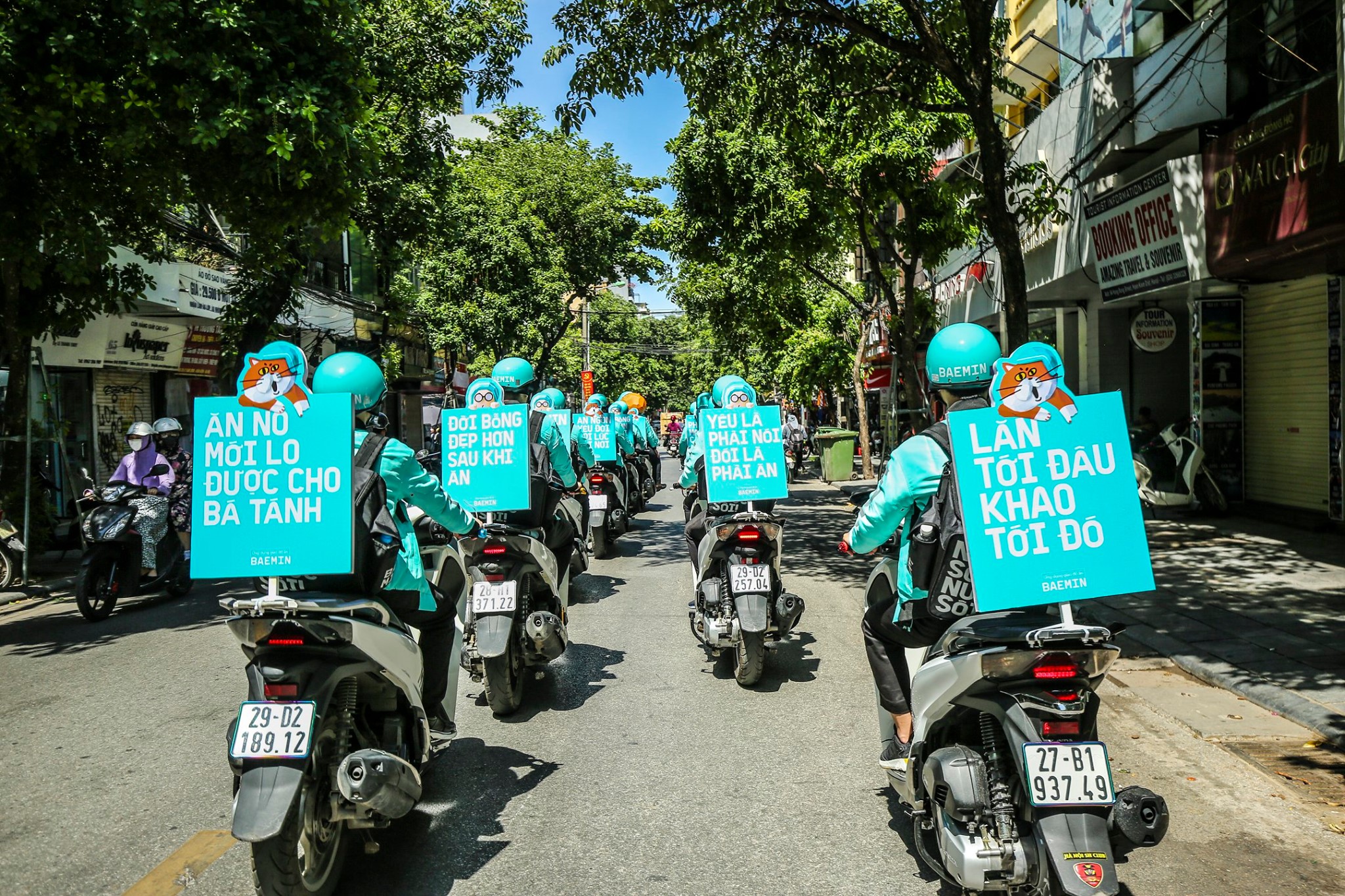
    Joining the market later than competitors, Baemin, a food delivery application of South Korean unicorn Woowa Brothers, concentrates on rider training and supporting food stores.

    Tuan, 28, from HCMC, is on his way to the headquarter of Baemin in District 3 to take part in a training course. He said, by the end of the course, he would have had to take an entrance exam before being granted an account as a Baemin rider. Before that, during the online application process, Tuan also had to undergo a pre-qualification exam before attending the intensive training.

    Most riders joining the Baemin network have to pass two entrance exams, a paradox compared to other food delivery businesses today.

    “We want to leave a good first impression on our customers with Baemin’s well-mannered and polite rider team,” said Nguyen Trung Thanh, COO of Baemin Vietnam, Woowa Brothers’ leading online food delivery service.

    Right after taking the lead in South Korea, Woowa Brothers expanded its market to Vietnam, where more than 40 percent of the population is of working age, loves technology and is quite familiar with Korean culture. However, Baemin still joined the Vietnamese market later than many other competitors.

    The boom in delivery applications has resulted in a shortage of riders and problems with service quality. Therefore, Baemin chose its own path by starting with careful training of its rider team in each market then gradually expanding within the city where the demand for food delivery is up to 90 percent (according to market research company GComm).

    Ho Chi Minh City and Hanoi are two typical examples of Baemin’s approach. “In Vietnam, FoodTech is still a very new market, so companies in this field have to invest a lot in building their own delivery team and putting them into operation,” Thanh noted.

    Baemin focuses on building professional food delivery services, its professionalism helping it succeed in a short period.

    According to a recent survey, although Baemin only appeared in Vietnam from mid-2019, it quickly caught up with Gojek, another application in food delivery, in its proportion of users (up to 46 percent). Baemin also takes up 16 percent among the most frequently used apps.

    According to the report, GrabFood is said to be popular among the old while Baemin suits younger generations.

    Investing in rider partners is not enough in Baemin’s long-term development strategy in Vietnam.

    “In Korea, where third-party logistics infrastructure is already developed, Woowa Brothers focuses on customer care, advertising and tradition,” said Thanh.

    “However, in Vietnam, it is a completely different story.”

    In addition to delivery resources, Baemin also has to pay attention to connecting with partners participating in its platform by providing flexible payment methods, with the most important being accompanying partners in the transition of the business model into an online format.

    According to Thanh, in new markets like Vietnam, restaurants, and stores, especially traditional ones, are yet to grow accustomed to online sales. Thus, during this period, the most practical thing is generating a revenue stream.

    Baemin’s strategy is to send staff to guide restaurant owners on how to achieve greater profits. At the same time, the company has also developed a department to timely respond and make payments so restaurant owners could continue to operate.

    “These are very basic steps, but they create real value from which the restaurant has the confidence to establish a closer relationship with us,” Thanh emphasized.

    In the coming time, Baemin plans to help restaurant owners create products suited to online business models. According to Thanh, this would allow transformation from a pure traditional restaurant to an online model in order to gradually expand with increasing revenue.

    “More than anyone, Baemin understands that the success or failure of a company depends greatly on its partners. Although Baemin is newly launched in Hanoi, brand awareness of customers here is much higher than in Ho Chi Minh City. It may be a new city, but the market has heard a lot about us,” Thanh said.

  • Grab seeks $750 million term loan

    Grab seeks $750 million term loan

    Southeast Asian ride-hailing and food delivery firm Grab is seeking a $750 million term loan, a term sheet showed on Monday after it announced that total group net revenue jumped by about 70% year-on-year in 2020 and had recovered to comfortably above pre-pandemic levels.

    “In addition, we’ve hit our growth and profitability targets, and reached several new milestones,” Ming Maa, Grab’s president, said in an emailed newsletter update on the business.

    Hours after the update, Grab and one of its subsidiaries were seeking a five-year loan of $750 million for general corporate purposes, according to a term sheet seen by Reuters.

    Grab declined comment on the term sheet.

    Backed by global investors including Softbank Group Corp, Grab has evolved from a ride-hailing app operator to a one-stop shop for services such as food delivery, payments and insurance, helping the company to become Southeast Asia’s most valuable start-up with a valuation of more than $15 billion.

    “We’ve continued to be disciplined with spending and prudent in stewarding our shareholder capital, with monthly EBITDA spend being reduced by approximately 80% over the last 12 months,” Maa said.

    Grab said in October that third-quarter group revenue had risen to more than 95% of pre-coronavirus levels and its food business accounted for more than 50% of revenue.

    The company’s food delivery business, in which net revenue nearly tripled year on year in the third quarter, is expected to achieve breakeven by the end of 2021, it said on Monday.

    Sources have said that investors in Grab and Indonesian rival Gojek are backing a merger of the two, but a deal is far from finalised. Both companies have talked up their strengths.

  • Indian tech firm to hire over 3,000 people in Vietnam

    Indian tech firm to hire over 3,000 people in Vietnam

    India’s HCL Technologies, set to enter Vietnam next month, plans to hire more than 3,000 people for its operations in the country. HCL Vietnam will deploy advanced technology solutions for multinational businesses in a number of line departments in sectors like banking, financial service, healthcare, infrastructure, engineering and network security, the company said.

    “Starting with an office in Hanoi, HCL plans to expand and find more talent in other localities. We will cooperate with partners in Vietnam like universities to provide structured programs that will enhance students’ skills, so they can support HCL’s global clients from Vietnam,” said Sanjay Gupta, vice chairman of HCL Technologies.

    Gupta said HCL plans to build its organizational base with more than 3,000 university graduates and experienced experts in Vietnam. The main goal of HCL Vietnam’s business and development strategy is to provide training platforms that give new graduates the opportunity to work in the high-tech sector and improve their skills by working with multinational companies.

    The start of HCL’s activity chain will be an online job fair held December 19 for fresh university graduates and experienced professionals.

    Pham Sanh Chau, Vietnam’s ambassador to India, said HCL’s presence will help Vietnamese talents have the opportunity to work with international clients. He said the operation of HCL in Vietnam was also a good sign for promoting Indian investment in Vietnam. He hoped that Vietnam will become famous as a familiar destination for many global IT companies.

    In an earlier meeting with HCL, Deputy Minister of Information and Communications Phan Tam had said that Vietnam always welcomes digital enterprises like HCL to invest in the country to support digital transformation not only for global businesses but also for domestic firms. He said he believed that HCL would contribute to creating many job opportunities in the digital field as well as opportunities for Vietnamese workers to participate in the global supply chain by training and improving their skills in the digital age.

    Tam said the ministry was ready to support HCL in connecting with universities and colleges to train high-quality human resources and meet the recruitment requirements of companies in Vietnam. He assured that the ministry would consistently create the best conditions for HCL to develop in Vietnam.

    HCL is one of the three largest IT enterprises in India with revenues of around $9.7 billion per year. Currently, it has more than 153,000 employees working in 50 countries.

  • Venture funds commit $815 mln to Vietnamese startups

    Venture funds commit $815 mln to Vietnamese startups

    Vietnamese startups earned pledges of $815 million over the next five years from 33 foreign and domestic venture funds.

    The pledges, announced at the recent Vietnam Venture Summit, came from several foreign funds who’ve been active in Vietnam in recent years, like CyberAgent Capital, AlphaJWC, Monk’s Hill Ventures, as well as several domestic funds like VinaCapital Ventures, Do Ventures, and Viet Capital Ventures.

    At the same event last year, 18 funds had committed $415 million to Vietnamese startups for three years, and $220 million of this was disbursed in the first half of this year.

    Investment in Vietnamese tech startups in the first six months fell 22 percent year-on-year to $222 million due to the Covid-19 pandemic, according to a report by Ho Chi Minh City-based venture capital firm Do Ventures.

    Among six major economies in Southeast Asia, Vietnam accounted for 16 percent of the latest investment pledges, ranking third behind Singapore (37 percent) and Indonesia (30 percent), it added.

    A recent report by U.S.-based consulting firm McKinsey & Company says 12 large digital ecosystems (companies providing services across sectors) will be established across retail and services in Vietnam by 2025, creating a revenue pool of about $100 billion.

  • A Guide to Starting a Successful Business

    Starting your own business is anything but simple. Throughout the journey, there will be obstacles, rejection, and the chance of financial worry. Despite that, with a solid idea, your business could turn into something huge. If you have always dreamed about being your own boss, then here is a guide to starting your own successful business and joining the masters in leadership.

    Start with Education

    Like with many other endeavors, first, you must get educated. Business isn’t something anyone knows off the bat, so it’s important to give yourself all the knowledge you can. A masters in leadership will enable you to learn all the necessary skills you need to become a successful leader of a company.

    If you have already started your business, don’t worry about a lack of education. There are plenty of courses and resources online for you to level up your knowledge. Over time, you will learn all about being a leader through experience, but education is crucial for giving you a head start.

    Research, Research, Research

    Don’t jump into a business plan without first doing plenty of research. If you are selling clothes, check out any fierce competition. You could even take a leaf out of other people’s books. Market research never ends, but it is especially crucial in the beginning.

    The best masters in leadership tend to keep a notebook with them at all times. You never know what you might learn in your day-to-day life. If you’re selling a product, a trip to the mall counts as research. Research can be perusing the web in your PJs with endless cups of tea, too – it’s all about what kind of product you are putting out there. Get into good habits early on for an increased chance of success.

    Write a Detailed Business Plan

    All masters in leadership know you cannot wing your business route. A plan is an essential part of starting up, so make sure you make it as detailed as possible. Some things to include are:

    . Your competition

    . Your audience

    . Your company goals

    . Marketing strategies

    . Budgeting

    Create a folder with your business plan so you can always refer to it or adjust it if need be. It will help guide you through the highs and lows of your journey, and when you’re lost, you can use it to help you find a way forward.

    Understand the Skills Required

    Being a successful business owner takes a wide range of skills, some you’ll pick up over time, and some you’ll already have. A masters in leadership will help you acquire the skills you need to succeed, which include:

    Motivation: On the days when everything seems to be falling apart, you must be able to find the motivation to push through.

    Organization: A business without organization is destined to fail. The ability to stick to deadlines, plan, and budget properly are all crucial for masters in leadership.

    Commitment: When starting, it’s likely that you won’t find time to switch off. Commitment to your business is important for pushing through challenges.

    Leadership: When your business expands, you will need to lead other people to success. Masters in leadership start learning how to manage before even having someone under them.

    Communication: Great communication is essential. You will be speaking with clients, customers, and co-workers daily, so you must be able to use your words wisely.

    Find Your Audience

    There’s no use in marketing your business if you don’t know who your audience is. This will usually tie into research, but it is a particularly important part of it. Spend some time figuring out who your audience is, and analytics can help you get there. Once you’ve managed to decipher the types of people who are interested in what you have to offer, you must then understand what exactly they want. By doing this, you can then tailor your marketing and product towards them, resulting in more engagement and sales.

    Open a Business Bank Account

    Opening a business account is a relatively simple part of starting your business, but it’s one that should be done as early as possible.

    There is a great risk involved in combining your personal finances with your business’, so get out of the habit of that as soon as possible. It can cause issues with taxes, and you might find that you end up spending your money that was for personal bills on your company by mistake. A well thought-out budget comes in handy here. If you want to expand your organizational skills, then attaining a masters in leadership will help you.

    Find a Loan or Investor

    Another area of finance to focus on is applying for loans and finding investors. Your business plan will come in handy when applying for loans, and for it to be appealing, you will want to make it as clear and succinct as possible, highlighting why your business has a high chance of success.

    Investors can be tricky to come by, so you should get used to making connections early on. Don’t expect the first person you speak with to throw money in your lap! Masters in leadership have a natural-sounding pitch for speaking with potential clients. Create one of your own so when you come into contact with a potential investor, you know exactly how to sell your business to them.

    Find a Location

    Many small businesses start at the kitchen table, and while there is a charm to that, it is not necessarily viable in the long run. If you plan on hiring employees or you simply need extra space to store your stock, then finding a workspace is necessary.

    Office spaces come in a large variety, so you’ll need to take into account the needs of your business. Do you need lots of space? How many employees are you planning on having work there? How many desks will need to fit in? There are other aspects to consider, too, like natural light to boost workplace positivity. You must aim to find a location that is comfortable and spacious enough without going over budget. Masters in leadership understand how crucial it is to have a workspace that feels right for everyone.

    Keep an Open Mind

    When running a business, you never know what is around the corner. There will be obstacles you never expected and triumphs you never thought would occur. Surprises are all a part of the experience.

    If you had a well thought-out, detailed business plan to begin with, but evidence shows it is simply not working out, then it is your job to shift it around. As a business owner, adjusting your expectations is key. Many masters in leadership understand that there are times when things will not go according to plan, but they can adapt to whatever the business throws at them. Learn to do the same by keeping an open mind and never keeping all your eggs in one basket.

    By keeping an open mind, you open the door to a potential improvement in areas you never thought of. For example, if you never use someone else to manage your social media, then you might find that you lose time, and your social media engagement dwindles. If you dare to try something new by giving control of your accounts to a professional, there’s a chance you could save yourself lots of time and greatly increase engagement on the platforms, leading to more customers heading your way. Join the masters in leadership by keeping your mind as open as possible.

    Grow a Back Bone

    “In order to succeed, we must first believe that we can,” said Nikos Kazantzakis.

    It is no secret that running a business takes great strengths. You will face rejection, and you must learn to take it in your stride. Build yourself up so you don’t even think about falling, and you will find that you overcome each obstacle far more easily. Attaining a masters in leadership will help you learn how to stay strong even when things are tough. Over time, your backbone will only grow stronger and stronger, but to get started, you must believe in yourself from the beginning.

    Learn to Budget

    Budgeting is an enormous part of a successful business, and the greatest masters in leadership are the most organized with it. No matter how much profit is rolling in, without a budget, you could end up losing money. This is where your organizational skills come in handy. At the beginning of each year, you should make an estimate of how much profit you expect to make, how much your outgoings will be, and then leave some extra wiggle room for any emergencies. Budgeting is something you will need to do at the beginning, and you will continue to do it all the way through, so it’s important to learn how to budget efficiently early on.

    Choose Your Marketing Strategies

    Your product or services could be the best in the world, but without consistent, effective marketing, nobody will know to come to you.

    Most masters in leadership are not boring and repetitive in their marketing strategies. Remember, your competitors are likely to be adopting similar methods to you, so it helps to get creative. Of course, with some marketing strategies, repetition is necessary, for example, SEO content. When it comes to social media, however, it’s beneficial to shake things up now and again. You could host competitions, start a fundraiser, or even start a giveaway. Your goal is to keep potential customers consistently interested.

    Embrace Leadership

    “Before you are a leader, success is all about growing yourself. When you become a leader, success is all about growing others,” said Jack Welch.

    To become a successful business owner, you must become an excellent leader. Some people are born with leadership skills, whereas others need guidance to get them where they need to be. Attaining a masters in leadership is a handy step for teaching you exactly how to manage a team well. You will learn to guide others in the right direction, bringing out the best of their abilities rather than bringing up their weaknesses. If you commit to becoming a leader, soon you will join those who can call themselves masters in leadership.

    Find an Excellent Team

    When it’s time to build your business’ team, you want to find the best of the best. This takes some work, but the outcome is worth it.

    First of all, you must learn the ways of the recruiting process. You may find yourself swamped with tons of resumes without knowing what direction to go in. First, you should figure out exactly what you are looking for so you can be as specific as possible on the job description.

    When it comes to interviewing, it helps to have a range of questions ready and tailor them depending on how the interview is going. A promising interview tends to end up sounding more like a conversation rather than a simple question-answer scenario. While it might be tempting, don’t just go with your gut. Unless they’re applying for a role in customer service, charm doesn’t equal a great worker. What you should look for is passion, commitment, and whatever else you need to get your business running smoothly. The best masters in leadership start by acquiring a fantastic team.

    Focus on Quality

    Whatever distractions you may come across when leading your business, you should always prioritize the quality of your product or services. Your marketing strategies and organization skills are crucial, but without high-quality services, your customers won’t be satisfied.

    Keep the Passion – and the Motivation

    Above all else, stay passionate about your business. Remember, you started it for a reason, so when you find your motivation dwindling, remind yourself of that.

    On the days when passion seems impossible, it’s important to stay motivated. The best masters in leadership have passion, but they don’t rely on it. Committing to your business doesn’t just mean committing when you’re excited, it also means you need to stay motivated even when the day is falling apart.

    Starting a new business is an exciting adventure and one that no one is ever fully prepared for. By using this guide, you will find the road has less traffic and more green lights, resulting in you joining the ranks of the true masters in leadership.

  • Deliveroo deepens investment into on-demand grocery segment with exclusive DON DON DONKI partnership

    Deliveroo deepens investment into on-demand grocery segment with exclusive DON DON DONKI partnership

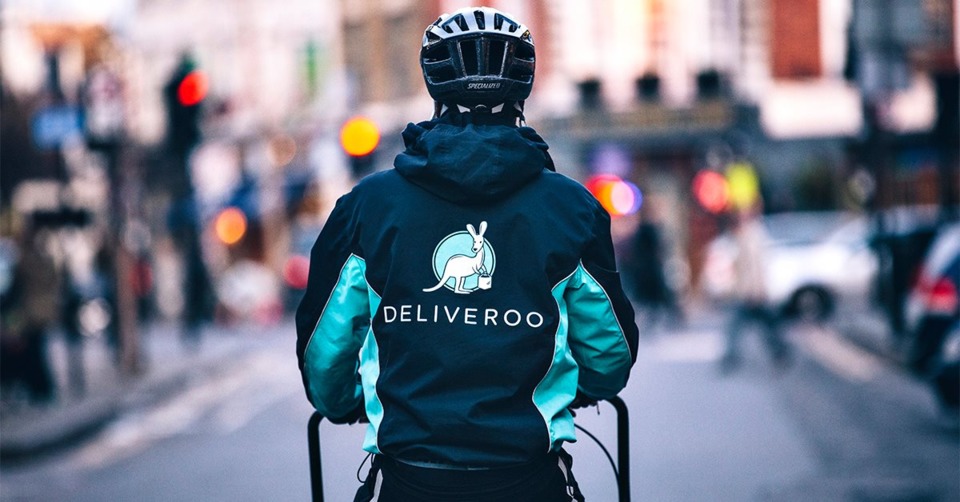
    Deliveroo today announces its partnership with DON DON DONKI, marking the first-ever collaboration with on-demand delivery app in Hong Kong for the Japanese megastore. The exclusive partnership with Deliveroo will enable customers to access a variety of tasty snacks, ready-to-eat meals and daily essentials from DON DON DONKI, making virtual shopping simple and convenient as many people opt to stay home amidst rising COVID-19 case numbers.

    The new partnership represents Deliveroo’s deepening penetration into the on-demand grocery segment. In October, Deliveroo launched its on-demand grocery offer, giving Hong Kong food lovers across the city easier access to supermarket and convenience store retailers such as Marks & Spencer and 7-Eleven.

    Introducing DON DON DONKI on Deliveroo will connect Hong Kongers to a wide variety of exciting and essential items from Japan, starting today. DON DON DONKI to-door delivery will be available across multiple neighbourhoods in Hong Kong Island, Kowloon and the New Territories reaching approximately over 1.5mn customers; or customers can choose pick-up to shop online and skip the queue.

    Via Deliveroo, customers can access some of their favourite DON DON DONKI household essentials, ready-made meals, supermarket staples and fresh produce.  With almost 300 items available to order on Deliveroo, customers can order a wide range of items including Japanese pears, grape shine muscat, wagyu beef, fresh sashimi and sushi, assorted cheese products, snacks and sweets, beverages such as sake and canned chūhai, as well as store beauty supplies, snacks for pets and home essentials.

    The boost to Deliveroo’s on-demand grocery offerings comes as consumers in Asia are eagerly embracing online shopping methods related to F&B. With the online grocery market in Asia expected to reach over US$295 billion by 2023, Deliveroo is making sure its offer to consumers meets changing demands, which is particularly important as consumer habits continue to evolve alongside COVID-19 restrictions.  With a fleet of over 7,000 riders in Hong Kong, Deliveroo is committed to delivering meals and essential grocery items in as little as 30 minutes, ensuring people have the food and other goods they need and want.

    Brian Lo, General Manager, of Deliveroo Hong Kong said, “Deliveroo is committed to more investment in on-demand convenience, following the announcement of partnerships with 7-Eleven and Marks & Spencer earlier this year. Now, we are  incredibly excited to partner with DON DON DONKI exclusively to offer convenient delivery and pick-up access to the megastore’s amazing range of products. We are dedicated to staying on top of consumer trends and catering to what our customers want, so DON DON DONKI is an extremely relevant brand and partner to bring on board as we deepen our on-demand grocery sector penetration. The potential of eCommerce grocery services is significant, particularly in light of COVID-19, and we will continue to work with more large brands to help Hong Kongers conveniently access the products they want and need.”

    Fast and convenient DON DON DONKI shopping

    Skip the line and order online! As Deliveroo and DON DON DONKI kick off their partnership, starting from today, five DON DON DONKI stores located in key areas within Hong Kong will be ready for delivery. Customers can also choose going to any of the five stores to pick up to save time and skip the queue. In recognition of the partnership, Deliveroo is offering delicious deals to new and old Deliveroo customers. New customers can receive two $50 vouchers (T&C apply) when they sign up for Deliveroo, while long-standing customers can enjoy 15 percent off their first DONKI-on-Deliveroo purchase.  Additionally, customers can enjoy a special price for Deliveroo-exclusive Hotpot Combo in a limited co-branded thermal bag from 18 December (available on a first-come-first-served basis while stocks last).

    DON DON DONKI is a beloved Japanese discount chain that first opened its doors in Hong Kong earlier last year. Operating 24/7 in most locations, the megastore offers an abundance of Japanese snacks, beauty items, lifestyle goods, cooked food – including special bento offerings – dry goods, fresh produce, and much more. DON DON DONKI can be accessed via the Deliveroo app to order instant soups, exclusive Japanese sodas, rice bowls and much more, bringing Japan to customers’ doorsteps in Hong Kong.