Tag: startup

  • Singapore-Based Fintech Thunes Makes Strategic Appointments

    Singapore-Based Fintech Thunes Makes Strategic Appointments

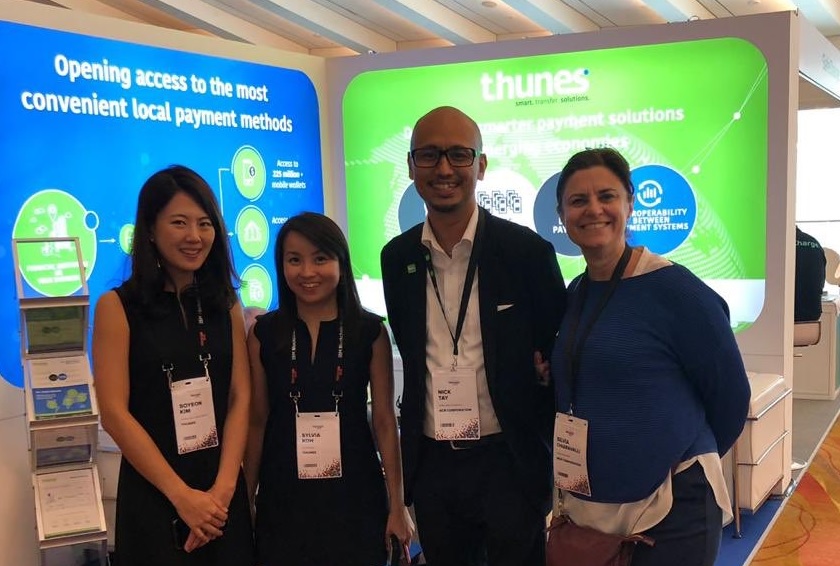
    The fintech startup has made a pair of executive hires to support its global growth strategy. Thunes has appointed Irina Chuchkina as chief marketing officer and Babul Balakrishnan as head of customer care, who will both be based in Singapore, the global cross-border payments firm said on Tuesday.

    Fintech marketing leader Chuchkina, who is also an Executive Committee Member in the Singapore Fintech Association, brings over 15 years of experience in the payments and technology space in Europe and Asia, including at Rapyd, Grab and Visa. She will lead Thunes’ global marketing strategy.

    Balakrishnan has over two decades of experience across various industries with a focus on customer service and customer experience. He joins from telco StarHub, where he was AVP of customer experience operations. He will work with the various business units to elevate customer care into customer experience across Thunes’ partner network.

    The appointments follow the announcement of Thunes’ acquisition of Europe payments platform Limonetik, to complement its cross-border payments solutions. The company has also made several other strategic hires the last 12 months to support its expansion plans.

    Launched in 2016, Thunes is headquartered in Singapore and operates regional offices in London, Shanghai, New York, Dubai, and Nairobi. In September 2020, it raised $60 million in a Series B funding round led by Africa-focused Helios Investment Partners.

  • Edtech startup CoderSchool bags $2.6M pre-seed fund

    Edtech startup CoderSchool bags $2.6M pre-seed fund

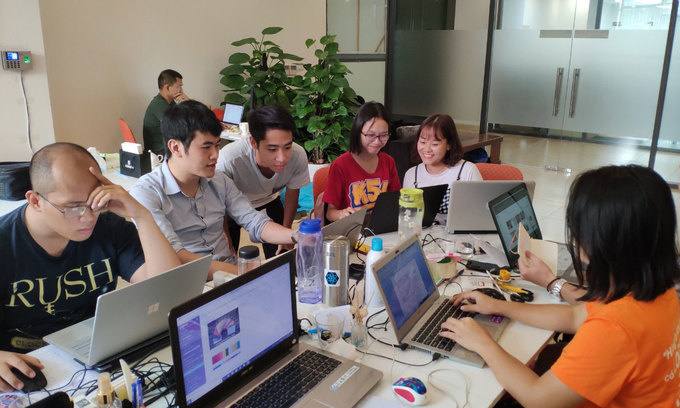
    CoderSchool, a Vietnam-based edtech startup offering online coding courses, has raised $2.6 million in a pre-seed funding round led by Monk’s Hill Ventures.

    Startup accelerator Iterative, investment network XA Network, and venture fund iSeed Ventures also took part in the funding round. CoderSchool plans to use the new capital to develop fresh educational content and build its technology infrastructure for technical training programs.

    Founded in 2015, the edtech startup offers courses in the fields of machine learning, data science, and web development to equip students with skills that can help them land jobs. The company automates much of the day-to-day teaching operations such as tracking student progress, grading, attendance, and personalization of courses.

    Simply put, CoderSchool provides programming courses for future engineers.

    “The need for good engineers and programmers in Southeast Asia has soared in a evolving technology and digital landscape,” said Michele Daoud, Monk’s Hill Ventures’ partner.

    According to CoderSchool, the number of students enrolling in the company’s online courses has surged every quarter since the beginning of 2020. CoderSchool has about 2,000 students and more than 80 percent of its full-time users have found jobs at big digital companies like MoMo, Tiki, Shopee, Microsoft, and FPT Software within six months after graduation.

    Alumni earn 30-40 percent higher than the average wage of inexperienced software engineers, according to the startup’s representatives.

    Currently, CoderSchool employs 15 instructional staff and plans to hire 35 employees more by Q4, 2022.

  • E-pharmacy startup Medigo raises $1 million

    E-pharmacy startup Medigo raises $1 million

    E-pharmacy startup Medigo has received a $1 million investment from venture capital firm Touchstone Partners.

    The med-tech company, which helps users order medicine from pharmacies in the comfort of their homes, plans to expand its offerings to telemedicine and other healthcare services amid growing healthcare spending in Vietnam.

    Medigo, launched in July 2019, has partnered with over 200 medical institutions in Ho Chi Minh City, Hanoi, and Da Nang.

    In the past six months, it saw gross merchandise value increase eight times. Medigo currently has over 200,000 users on its platform.

    Touchstone Partners is an early-stage Vietnamese venture capital firm that launched its inaugural $50 million fund earlier this year.

    Speaking of the investment, co-founder of the firm Ngo Thuy Ngoc Tu said that amid the pandemic, Medigo has offered sustainable solutions to help Vietnamese access healthcare services at reasonable costs.

  • Digital media startup raises another $2.7 mln

    Digital media startup raises another $2.7 mln

    Vietcetera, a digital media startup, raised $2.7 million in a pre-series A round last month after earlier raising $700,000 in March.

    The pre-series A round was attended by U.S. venture capital firm North Base Media, Indonesian investment company Go-Ventures and early-stage venture capital firm East Ventures, Philippine digital lifestyle network Summit Media, Japanese venture capital firms Genesia Ventures and Z Venture Corporation.

    Vietcetera plans to use the money to expand its content catalog by adding new shows and podcasts, and further developing its mobile app.

    In March, Genesia Ventures had led the seed funding round with an investment of $700,000.

    Established in 2016, Vietcetera produces content in Vietnamese and English, ranging from articles about business and stories about lifestyles to podcasts.

    Vietcetera said it has over 20 million users a month, mostly from Vietnam, of whom 60 percent are women. It also said it has witnessed “rapid audience and revenue growth” as users in Vietnam, especially from Gen Z (those born in 1996 or later), demand high-quality multimedia content.

    One of Vietcetera’s most viral content is a rap music video featuring former U.S. ambassador to Vietnam, David Kritenbrink. The video was released in February to welcome the Lunar New Year.

    According to a report by Google, Temasek Holdings Pte and Bain & Co, Vietnam’s digital media market is expected to surge to $7billion in 2025 from $3.3 billion in 2020, and its digital economy to $52 billion, including $29 billion from e-commerce, from $14 billion.

  • StanChart Exec Joins Blockchain Startup

    StanChart Exec Joins Blockchain Startup

    Taipei-headquartered XREX has named a managing director in Singapore as it sets its sights on expanding its platform in the region.

    Taipei-headquartered XREX has appointed Christopher Chye as managing director of XREX Singapore and director of product. In this dual role, he will oversee XREX’s businesses and operations in Singapore and play an instrumental role in bringing new value propositions to XREX’s clients, the startup announced on Tuesday.

    Chye joins from Standard Chartered Bank, where he held roles in commercial banking, consumer banking, wealth management and financial crime compliance. He was also a pioneer of Standard Chartered’s digital bank venture in Singapore, where he led the bancassurance, rewards and loyalty, and brand and marketing pillars, and was executive director at its regional CEO office. He was previously a  management consultant with KPMG.

    In a separate announcement, XREX said it raised $17 million in pre-Series A funding led by CDIB Capital Group. The funds will be used to apply for financial licenses in Singapore, Hong Kong and South Africa, and partner with banks and financial institutions, like payment gateways.

    Many of our team members are from or have lived in the markets where we serve. We keenly understand the struggles faced by many cross-border merchants who lack safe access to US dollar liquidity, XREX CEO and cofounder Wayne Huang, said in the announcement.

    XREX was launched in 2018 to drive financial inclusion in emerging markets by leveraging blockchain technology.

    The company uses blockchain technology to solve dollar liquidity shortage issues in emerging markets, and has products like a payment escrow service and crypto-fiat exchange platform.

  • Online market places for neighborhoods in Hanoi become popular

    Online market places for neighborhoods in Hanoi become popular

    With shops closed and delivery services facing restrictions due to the Covid-19 outbreak in Hanoi, apartment dwellers have stepped infill the supply gap by selling online.

    Thu, a clerk at a media company, who is working from home amid the social distancing, said: “I orders goods online for home delivery and pay through bank transfer. The goods are hung on my apartment door.”

    The online market, which serves Thu’s apartment block and others nearby, has over 2,000 members who buy and sell items like fish sauce, salt, cooking oil, rice, vegetables, fruits, meat, eggs, and processed foodstuffs, she said.

    Prices are slightly higher than at traditional markets, but people like Thu accept that because “we don’t have to go outside, minimizing contact and the risk of contracting the disease.”

    In the beginning many sold goods online for a little bit of extra income and even just for fun, but later, when their jobs were severely affected by the pandemic, it became their main source of income.

    “I order fresh pork from my hometown in the countryside, pack and deliver the meat to people in my residential area,” she said.Thai, a kindergarten teacher in Hanoi’s Ha Dong District, started selling foodstuff on an online market for residents of her apartment block when her kindergarten closed down.

    “Within 30 minutes of advertising pork online I often get orders for 50 kilograms.”

    Quang, an administrator of an online market of an apartment block in Cau Giay District, said the market sells essential goods with clear regulations on product quality and non-cash payment, and so has recently become busier, especially amid the Covid outbreak.

    Hanoi has gone over a month under a citywide social distancing order starting July 24, the longest such period since the novel coronavirus first appeared in the country. It has extended its social distancing order until September 6 as the novel coronavirus threat persists.

    The capital has recorded 2,909 local Covid-19 cases since the fourth coronavirus wave hit the country late April.

  • Gojek launches car service in HCMC

    Gojek launches car service in HCMC

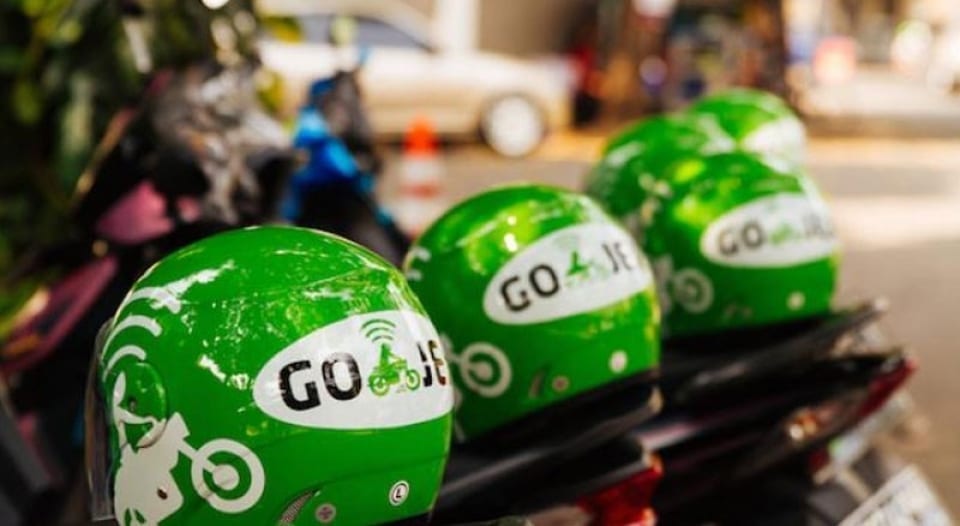
    Gojek on Thursday debuted its four-wheel ride-hailing service GoCar, first prioritizing healthcare workers before expanding to the public later this year.

    The Indonesian ride-hailing company started the service with 50 vehicles in Ho Chi Minh City dedicated to serving healthcare workers from five hospitals and medical command centers.

    All driver-partners are required to test Covid-19 negative before their first trip and on a weekly basis after that.

    Gojek has arranged for drivers to stay at hotels from now until late September when the city’s social distancing campaign is set to end.

    “We have made all the necessary preparations to launch GoCar this year,” said Duc Phung, Gojek Vietnam general manager.

    “When the pandemic escalated in HCMC and social distancing regulations were put in place, we pivoted quickly, adjusting the service to focus on supporting healthcare workers.”

    GoCar is the latest addition to Gojek’s line-up of offerings in the Vietnamese market, which include on-demand services for motorbike-hailing (GoRide), parcel delivery (GoSend) and online food delivery (GoFood).

    Its competitors Grab and Be have been offering car services for years.

  • Delivery startup raises $12 mln from Alibaba-backed fund

    Delivery startup raises $12 mln from Alibaba-backed fund

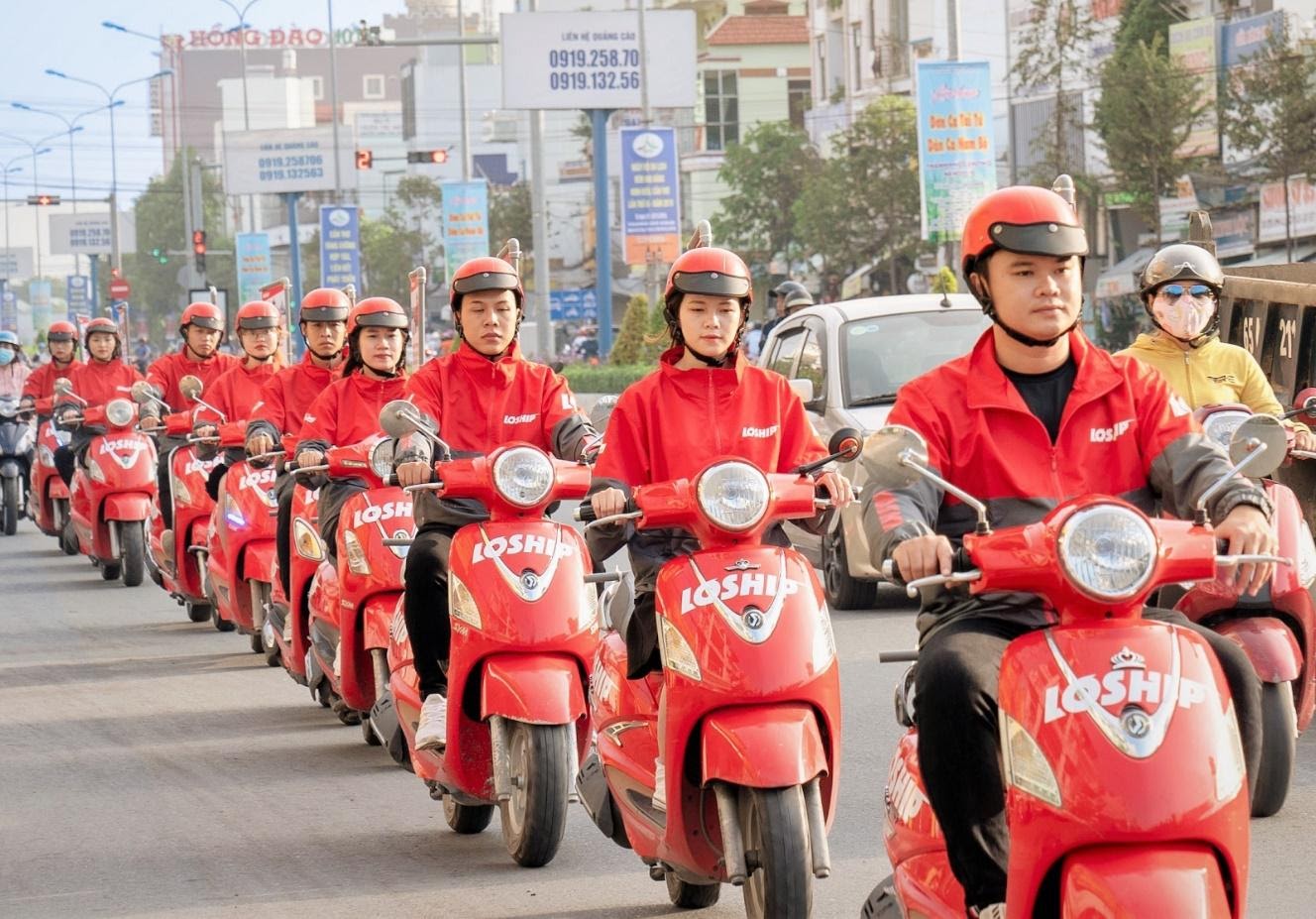
    Delivery startup Loship has raised $12 million from a consortium co-led by an Alibaba-backed investment fund. The lead investors are BAce Capital, which counts Ant Financial of Jack Ma as its largest limited partner, and Hong Kong investment firm Sun Hung Kai & Co.

    Loship plans to use the money to increase its presence in five main areas, including Ho Chi Minh City, Hanoi and Da Nang. It hopes to sign up 10 percent of the country’s population in the next two years and to have a presence in 10 localities.

    Loship CEO Nguyen Hoang Trung said that the company eyes top spot in the one-hour delivery segment. One-hour delivery is not as popular yet in Vietnam as in the U.S., Europe or China, he said. Loship’s aim is to deliver everything quickly to customers, including vegetables, meat and cosmetics, he said.

    Its challenges include delivery quality the fact that new competitors are set to enter the market including e-commerce platforms that could develop their own delivery units, he said.

    “All strategies can be easily copied and the only way to deal with this is for us to go faster than our competitors.”

    Loship was established in 2017 by transforming Lozi, a food recommendation platform.

    It has over 70,000 drivers and 200,000 seller-partners, and nearly two million customers, it said.

  • India’s Zomato raises US$1.26 billion in IPO

    India’s Zomato raises US$1.26 billion in IPO

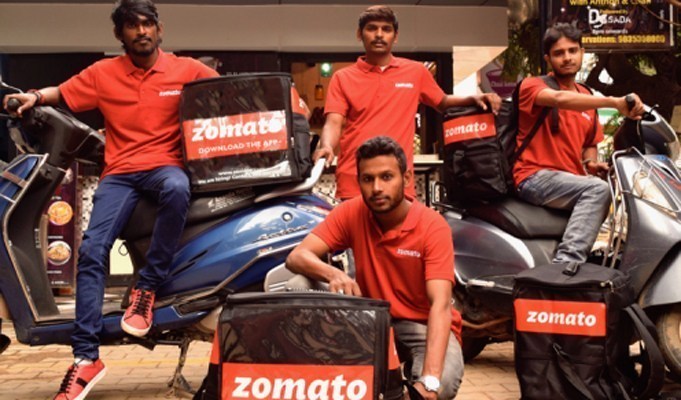
    Indian food delivery startup Zomato Ltd ` will raise US$1.26 billion by pricing its shares at 76 rupees each in its initial public offering, according to two sources with direct knowledge of the matter.

    The sources could not be named as the information has not yet been made public.

    Zomato did not immediately respond to a request for comment.

    The company, which is backed by Ant Group, will be valued at up to US$8 billion following the IPO which is the first for a food delivery group in India.

    The pricing is set at the top of the flagged range of 72 rupees (US$0.9649) to 76 rupees each at the start of the booking building process.

    Zomato, launched in 2008, collates restaurant reviews and offers home delivery of food, making it a competitor to the Swiggy and Amazon.com’s food delivery service.

    Swiggy was reported had raised US$1.25 billion in a private funding round from the likes of SoftBank’s Vision Fund 2 and Prosus.

    Zomato’s IPO was strongly backed by investors attracting bids worth US$46.3 billion as it was more than 38 times oversubscribed when the books closed on Friday, signalling confidence about the fast-growing sector.

  • Rivian’s Amazon Delivery Vans Hitting Mass Production

    Rivian’s Amazon Delivery Vans Hitting Mass Production

    Rivian is one of the hottest EV startups doing the rounds. It has deep pockets thanks to investments from Ford, Amazon, and many venture capital firms. Amazon’s investment in Rivian originally was $700 million which entailed the startup producing 100,000 electric delivery trucks. It was supposed to be delivering the first tranche of 10,000 vehicles by the end of 2022.

    Looks like Rivian is right on track with achieving the same. Its vehicles have already been popping up in cities like San Francisco, Denver, and Oklahoma – but these were prototype vehicles that were doing real-world testing.

    Rivian CEO and co-founder RJ Scaringe has posted a photo of eight Rivian vans which look identical to the one that Amazon has been teasing which even feature the “Powered By Rivian” signage. He also shared tweeted videos that showed the initial production process.

    A lot of it is not known about these vans as they have probably been customized and tailored for Amazon’s logistics. These vehicles are obviously different from the R1T and R1S vehicles which Rivian are going on sale soon in July and August.

    The R1T has been even showcased in the Apple TV+ original “the Long Way Up” and is expected to duel with the likes of the Tesla Cybertruck and the Ford F-150 Lightning.

  • Canoo Reveals Renders Of Manufacturing Campus In Oklahoma, USA

    Canoo Reveals Renders Of Manufacturing Campus In Oklahoma, USA

    Canoo, the electric car startup which went public recently via a SPAC merger has shared renders of its manufacturing campus that will be built in Oklahoma. Canoo calls it the mega micro-factory and it is scheduled to be opened up in 2023. In the Tulsa region, it is expected to create more than 2000 jobs. Canoo recently lost both its co-founders, with one, Ulrich Kranz, who led the development of BMW’s i3 and i8 electric cars and then moved to Faraday Future has joined Apple. In fact, Canoo was of great interest to Apple with the company interested in its skateboard. But Apple being Apple wanted to acquire Canoo while the team at Canoo wanted to retain its independence.

    “Oklahoma has always been a pioneer in the energy industry, and this partnership with Canoo shows that our state is an innovation leader in electric vehicle technology,” said Governor Stitt.

    “We are thrilled to partner with Canoo and Chairman & CEO Tony Aquila to provide high-paying jobs for Oklahomans and position America as the global leader for vehicle manufacturing for decades to come,” he added.

    It is developing an all-purpose delivery van and a modular pickup truck. It has a 400-acre campus which will be Tulsa. In a tweet, Canoo shared a 55-second video showcasing the concept design of the campus that it will start building soon.

    As per the tweet, it is right now in a design phase and remains on track to be up by 2023. It expects the facility to be over 1 million square feet. It plans on beginning production and delivery of its first vehicles by Q4 2022 with the help of a third-party manufacturer.

    “We invested millions of dollars to find the right location for our manufacturing facility. We’re proud to be American-made and to bring more than 2,000 jobs to Oklahoma,” said Tony Aquila, Investor, Chairman & CEO, Canoo, Inc.

  • Toyota-Backed Self-Driving Startup Pony.ai Considers Going Public

    Toyota-Backed Self-Driving Startup Pony.ai Considers Going Public

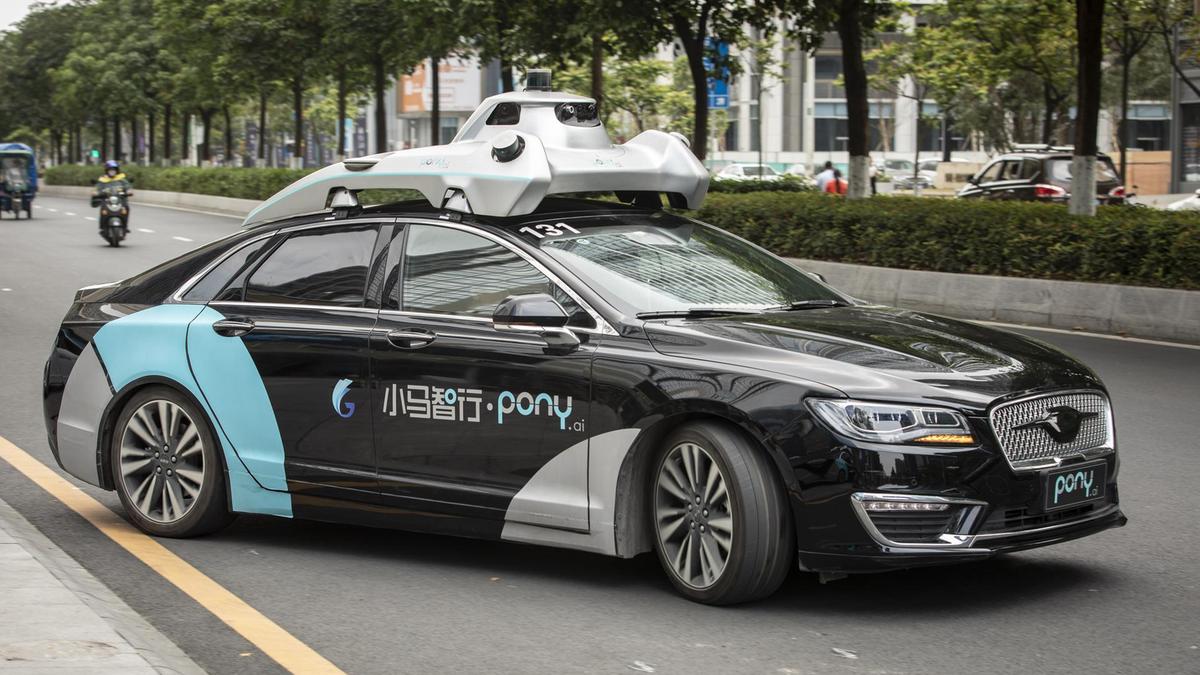
    Self-driving tech company Pony.ai, backed by Toyota Motor, is considering going public in the United States to help fund its goal of commercializing driverless ride-hailing services, its chief executive said. The startup, active in the United States and China, plans to install its technology in hundreds of vehicles next year, rising to tens of thousands in 2024-2025, he said.

    Self-driving startups such as Alphabet Inc’s Waymo and General Motors Co’s Cruise have been racing to raise capital as the industry prepares to scale up operations.

    Still, beyond the time taken to address technological challenges and the massive cost of producing self-driving cars, the industry still has to persuade global regulators as well as the public as to the safety of full automation.

    “For autonomous driving, it’s a big opportunity. But at the same time, it’s a long-term, big opportunity,” CEO James Peng said in an interview with Reuters.

    “So it requires a long lead way for spending. That means all the autonomous driving companies need to raise enough funding to support their operations,” he said.

    The comments come as Pony.ai on Friday said it had tapped Lawrence Steyn, vice chairman of investment banking at JPMorgan Chase & Co, as chief financial officer to help “accelerate its commercial growth and global deployment”.

    “We’re still debating and considering,” said Peng, when asked about the time frame for a public share sale.

    “It’s just a different way of raising funds.”

    Pony.ai, founded by former Google and Baidu Inc engineers Peng and Lou Tiancheng in 2016, has so far raised more than $1 billion, including $462 million from Toyota, valuing the startup at $5.3 billion as of late last year.

    Earlier this month, it said it had begun driverless testing on public roads in California’s Fremont and Milpitas ahead of the planned launch of a robotaxi service next year. It has also been testing driverless vehicles in Guangzhou, China.

    The firm has operated robotaxi services with safety drivers behind the wheel in some parts of China, as well as in Irvine, California. That has yielded diverse data which it could use to train its driver system and tap a talent pool in both countries, Peng said.

    He said the next big challenge is to reduce manufacturing costs for driverless vehicles while expanding into more cities and regions and ensuring safety in different environments.

  • Coworking space companies respond to Covid with new solutions

    Coworking space companies respond to Covid with new solutions

    Coworking space operators in Vietnam have launched a number of Covid response services and even prepared for expansion after the pandemic is controlled.

    This month Dreamplex, which has five coworking spaces in Hanoi and HCMC, unveiled a service called the temporary office for companies with a payroll of at least four. With three facilities in HCMC, cirCo recently provided an online meeting solution for firms that lack equipment and technicians.

    A few days before HCMC mandated social distancing in early June, Toong inaugurated a new 1,250sq.m coworking space in District 3 after an earlier one in March in District 1.

    Its CEO, Duong Do, said 75 percent of the new office in District 3 was booked even before it opened.

    “The pandemic has helped us become sharper and more flexible in designing our services,” he said.

    Early last year, Toong’s occupancy rate was 80 percent in HCMC and 70 percent in Hanoi, but since mid-2020 they have risen sharply.

    The number of clients in the capital has tripled during the pandemic, with revenues rising by some 15 percent in 2020, Do said.

    Balder Tol, WeWork’s general manager for Australia and Southeast Asia, told VnExpress that demand for coworking space has been on the rise.

    The first Covid wave in Vietnam last year only slightly affected demand as many enterprises allowed their staff to work from home.

    However, when the pandemic prolonged, they began to pay attention to coworking spaces, and small companies now tend to seek flexible working spaces instead of traditional ones, he said.

    Some coworking space operators are ready to expand. Toong is about to open a new facility in HCMC and planning more in Hanoi and Da Lat and to cooperate with Wink Hotels for three projects in Da Nang and Can Tho.

    Dreamplex has announced plans to open a new facility each in HCMC’s Thu Duc City in October and District 4 in November.

    But the firms face challenges in achieving sustainable growth since serviced offices are more suitable for startups or enterprises with a workforce of 30 or fewer, according to property experts.

  • Indonesia’s Bukalapak aiming for up to $800 million in IPO

    Indonesia’s Bukalapak aiming for up to $800 million in IPO

    Indonesian e-commerce firm Bukalapak is keen to raise as much as US$800 million in an initial public offering (IPO) in August, two people with knowledge of the matter said, the first of two big tech listings in Jakarta this year that will add long-sought luster to the local bourse.

    A mid-year debut could see it become Indonesia’s biggest listing in 10 years and the largest ever for the country by a startup. But those milestones will likely later be overtaken by the planned listing of GoTo – a new company to be formed by the merger of e-commerce rival Tokopedia and ride-hailing and payments firm Gojek.

    Tapping a sharp pick-up in investor interest in Southeast Asia’s rapidly expanding technology sector, Bukalapak, the country’s No 4 e-commerce firm, is aiming to sell 10 to 15 percent of the company and wants a valuation of between US$4-5 billion, the people said.

    A confidential listing prospectus has been submitted to the Indonesia stock exchange, one of the sources said.

    Proceeds from the offering could range between US$500 million and US$800 million depending on investor demand and market conditions, said the sources who were not authorized to speak on the matter and declined to be identified.

    Bukalapak, which said in 2019 it was valued at more than US$2.5 billion, declined to comment.

    The 11-year-old startup which claims to have more than 100 million users has a plethora of big-name investors backing it including Microsoft, Singapore sovereign wealth fund GIC, local media conglomerate Emtek, the investment arm of Standard Chartered, and South Korean web portal Naver Corp.

    Bukalapak was originally aiming to raise US$300 million from its domestic listing before looking to merge with a special purpose acquisition company (SPAC) in the United States, but it is now focusing solely on its IPO, one of the sources said.

    The listing, which sources say is set to take place mid-August, is a victory for Indonesia’s bourse which has been conducting an extensive charm offensive to convince the country’s thriving startups to list locally instead of heading to the US.

    Stagnant for many years, Indonesia’s total IPO deal value took a further hit during the coronavirus pandemic, more than halving in 2020 to US$470 million, Refinitiv data showed. So far this year, 15 companies have raised a combined US$125 million via IPOs.

  • Vitamin subscription service Vitable raises $5.5m venture funding

    Vitamin subscription service Vitable raises $5.5m venture funding

    Australian vitamin retailing disruptor Vitable has secured $5.5 million in a series A funding round, drawing interest from a raft of recognized investors including Germany’s Rocket Internet, parent of Global Fashion Group and Hello Fresh, among others.

    Founded by Larah Loutati and Ilyas Anane (pictured above) just two years ago, Vitable operates a subscription-based service in Australia, New Zealand and Singapore, creating personalized vitamin and health supplement recommendations for customers who complete an online questionnaire. The monthly orders can be adjusted as the customer’s health needs change and the mobile app provides notification reminders to help build a daily routine and track progress.

    The company says the fresh funds will allow expansion into the wider Asia-Pacific region as it aims to take a share of a global dietary supplement market projected by Grand View Research to be worth US$230 billion by 2027.

    “Ultimately Vitable will grow beyond its core vitamin offer towards a broader vision of a personalized and holistic health and wellness experience, an industry McKinsey recently valued at US$1.5 trillion,” said Loutati, announcing the closing of the funding round.

    Led by Brenteca Investments, other investors include former MD of LinkedIn ANZ and serial tech investor, Clifford Rosenberg, and venture capital firm Artesian.

    Besides boosting geographic expansion, the money will be allocated to product and app development and the recruitment of key personnel.

    “Personalisation and honest guidance through selection and purchase are the future of vitamins and mineral supplements,” said Loutati.

    “This mix of personalization and convenience increases engagement, education, and ultimate user wellbeing.”

    Dave Fenlon, Group CEO BWX Brands and Oliver Samwer, CEO, Rocket Internet, are both members of Vitable’s board of advisors.

    “Vitable is growing rapidly and disrupting a traditional business model that is inefficient and expensive,” said Alexandra Clunies-Ross of Artesian. “The world is increasingly digital, and consumers no longer want to buy supplements from traditional suppliers. Instead, they are looking for more personalized services that can tailor high-quality products to their individual lifestyle and have them delivered to their home for convenience.”