Tag: startup

  • Indian online grocer Zepto secures $100 million investment

    Indian online grocer Zepto secures $100 million investment

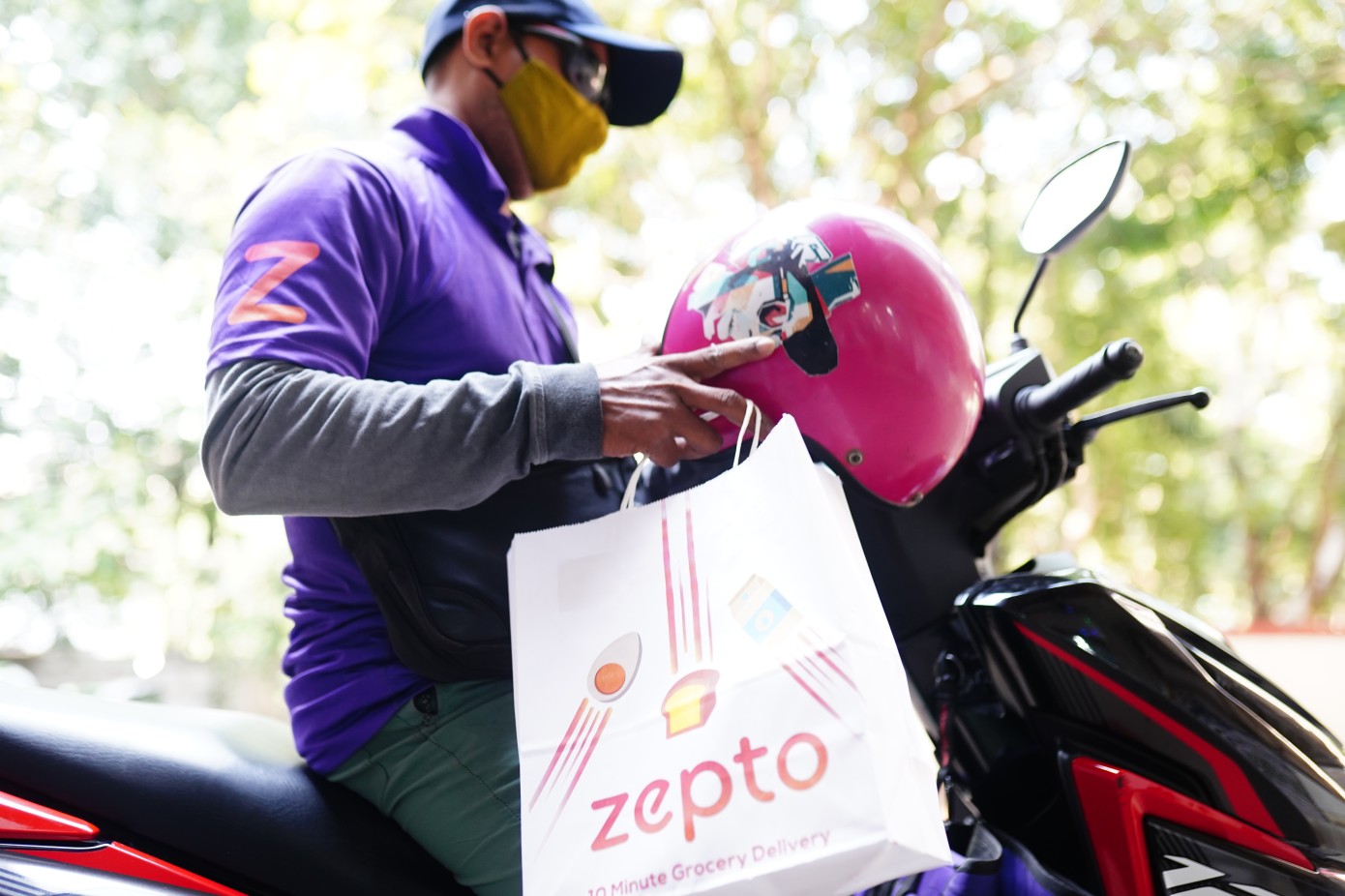
    Indian on-demand grocery-delivery service, Zepto, has bagged US$100 million during its Series-C funding, taking its value to US$570 million within five months of its launch.

    Led by Y Combinator’s Continuity Fund, the round included investors Nexus, Breyer Capital, Global Founders Capital and Glade Brook, among others. The Series-C funding follows Zepto’s earlier funding round in which it received $60 million valuing the business at $225 million.

    Zepto was founded by two 19-year-old entrepreneurs, Kaivalya Vohra and Aadit Palicha, who left Stanford last year to develop a solution for instant grocery delivery through a network of dark stores. The 10-minute grocery delivery service is currently available across metropolitan cities, including Mumbai, Delhi, Gurgaon, Bengaluru, and Chennai, with Pune and Kolkata to come.

    “Their attention to detail on the logistics experience is unparalleled and this has enabled them to scale to most major metros in just five months,” said Anu Hariharan, Partner at Y Combinator’s Continuity Fund. “Simply put, we’re confident Zepto will win in this space over the long-term.”

    Zepto will compete directly with local delivery giants, Swiggy and BlinkIt, who have also forayed into the instant grocery delivery sector.

    According to Y Combinator, Zepto’s month–on–month buyer retention rate is 65 per cent. The company has built a network of micro-warehouses, each of which can do more than 2500 orders a day, and are now adding 100,000 new customers every week.

  • Kraft Heinz to take control of DTC brand Just Spices

    Kraft Heinz to take control of DTC brand Just Spices

    The Kraft Heinz Company KHC is committed to accelerating its international growth strategy focused on the Taste Elevation platform. In this regard, the company entered into an agreement to buy 85% stake in Germany-based Just Spices GmbH (“Just Spices”). The other 15% stake will be retained by Just Spices’ founders. Kraft Heinz expects to conclude the deal by the first quarter of 2022.

    Just Spices supplies various spice blends, pure spices, and quick-fix meal kits. Just Spices’ data-driven product innovation is designed to meet the needs of Gen Y and Gen Z consumers. The company’s modern analytics knowledge helps it recognize early consumer trend signals, promote product innovation, grasp customer sentiment along optimize customer targeting.

    Through this deal, Kraft Heinz expects to accelerate its growth strategy by ramping up its innovations and better-understanding consumers’ tastes and preferences. The buyout will enhance its direct-to-consumer operations and go-to-market expansion. Certainly, the combination of Just Spices’ innovation and brand power with Kraft Heinz’s team and scale bodes well.

    In September 2020, Kraft Heinz laid out a new operating model that incorporates five key elements, which include People with Purpose, Consumer Platforms, Ops Center, Partner Program, and Fuel Our Growth. The Consumer Platforms represents a portfolio of six consumer-driven platforms like Taste Elevation, Easy Meals Made Better as well as Real Food Snacking among others.

  • Indian car rental company zooms into Vietnam

    Indian car rental company zooms into Vietnam

    Leading Indian car rental platform will begin operations in Vietnam next week.

    Users can start booking cars, including SUVs and hatchbacks, on its website and smartphone app starting Monday, a media representative said.

    “We hope to reach 2,000 vehicles on the platform by March next year.”

    The company has appointed Kiet Pham as its vice president and country director.

    Kiet used to hold senior management positions at Indonesian ride-hailing platform Gojek and Indian hotel booking company OyO.

    The rollout is part of Zoomcar’s plan to enter the Southeast Asian market, where it plans to invest more than $100 million in the next two to three years.

    Zoomcar launched its car rental service in India in 2013 and has become a leading company there in the industry.

    It has 10,000 cars for rent in Asia, the Middle East and North Africa. Its headquarters in India has 300 employees.

    The company recently raised US$92 million from several investors led by U.S.-based SternAegis Ventures.

  • China Beefs Up Rights Of Workers In Ride-Hailing Industry

    China Beefs Up Rights Of Workers In Ride-Hailing Industry

    China issued guidance on Tuesday to strengthen protection of employee rights and interests in new transport sectors.

    In a statement, the transport ministry said ride-hailing companies should improve income distribution mechanisms and provide social insurance for drivers.

  • Lyre’s latest fundraising round values company at $500 million

    Lyre’s latest fundraising round values company at $500 million

    Fast-growing non-alcoholic spirits brand Lyre’s, has raised $37 million in a round that values the business at A$500 million less than three years after it launched. The funding round was led by a new investor, D Squared Capital, alongside existing investor, Morgan Creek Capital Management, which has also backed Alibaba, SpaceX, Lyft, and Allbirds). Other previous investors joining the fresh round include DLF Venture, VRD Ventures, and Maropost Ventures.

    The Sydney-based business previously raised $16 million in a seed round in September 2020.

    Co-founders Mark Livings and Carl Hartmann launched Lyre’s in April 2019 with the goal of creating non-alcoholic versions of the world’s most popular spirits. It now produces 14 non-alcoholic spirits with the distinct flavors of gin, whisky, vermouth, amaretto, absinthe, rum, and others, as well as a range of ready-to-drink pre-mixed non-alcoholic cocktails, from an Amalfi spritz to and rum and cola and G&T.

    With around 20% of the population not drinking alcohol, consumption trends heading down among existing drinkers, and an emerging, liberated middle class in Muslim countries looking to have fun and socialize while eschewing alcohol.

    CEO Mark Livings said the latest capital injection will be used predominantly for marketing, and create more than 50 new jobs in sales and marketing, production, logistics, finance, and e-commerce.

    Lyre’s products are now available in more than 60 countries, up 50% in 2021, including in the Middle East and China. This year also saw the business manufacture its one-millionth bottle, and develop six new product variations including Classico, their first no-alcohol Prosecco-style sparkling which launched to market in early November. The company now has production facilities in the UK, Germany, Australia, and the US.

    The drinks startup has also established an R&D division in partnership with beverage technology giant Döhler.

    Livings said range now covers more than 90% of the world’s best-selling cocktails.

    “Millennials and older Gen Zs are drinking less alcohol than any generation before them, but the mindful drinking movement transcends generations and cultural borders. We’re not only growing our business – we’re expanding the whole category, entering territories like the Middle East and Far East virtually uncontested,” he said.

    “The pace of growth we’re seeing is exceptional. We sold our first bottle in 2019 and today we’re selling one at least every 30 seconds. On our current trajectory, Lyre’s is set to become the fastest independent beverage brand to reach Unicorn status.”

    Off-premise sales of low-alcoholic and non-alcoholic drinks have jumped in 12 months from $291 million to $3.1 billion. In Australia, the category is expected to grow by 16% over four years to 2024.

    D Squared Capital Managing Director Daniel Grossman said the company is forging a new path in a critical category.

    “The no/low alcohol beverage market is one of the fastest-growing markets in F&B and is showing similar characteristics to plant-based milks, meats, and other mindful consumer categories,” he said.

    “Lyre’s leading product, brand, and range of award-winning SKUs have proven that they are the industry leader and we are excited to be backing the best in class company.”

  • Hey! Kafe ramps up local expansion plan

    Hey! Kafe ramps up local expansion plan

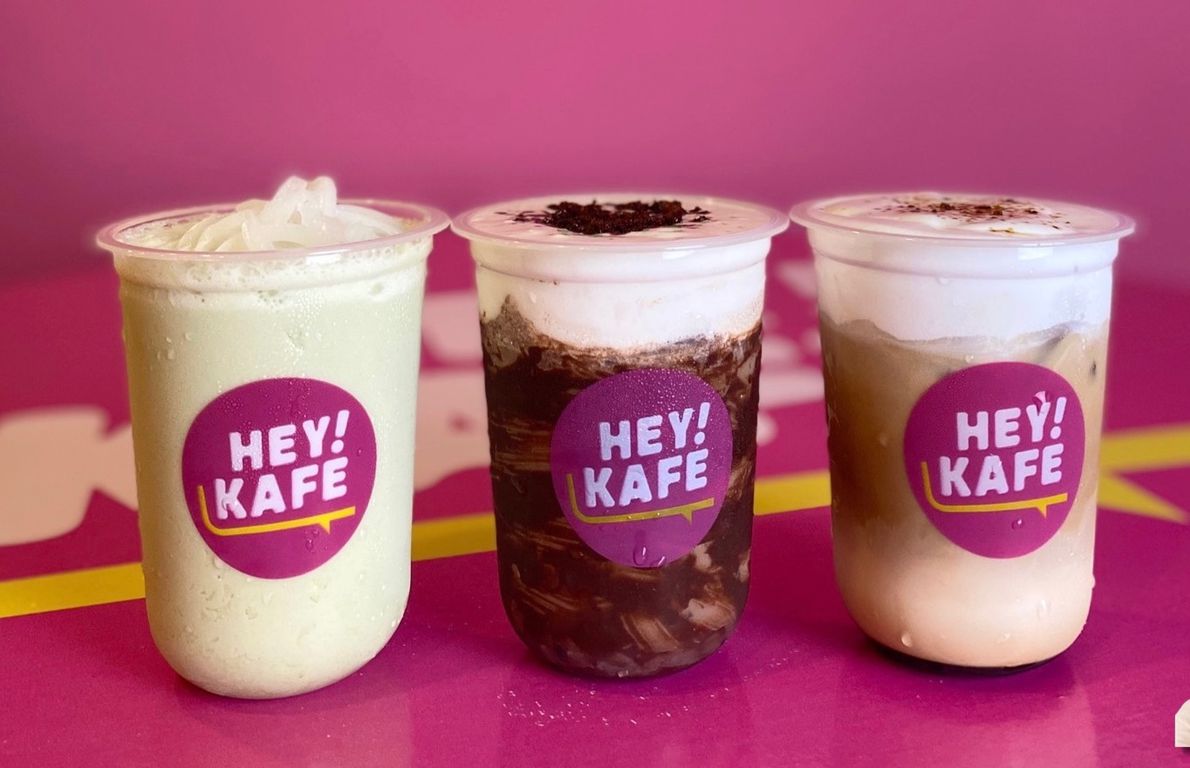
    Indonesia-based digitally-native beverage startup, Hey! Kafe, is expanding its local footprint with 300 stores by the end of next year.

    According to the company, the brand’s expansion plan will be supported by an asset-light model backed by technology. That means a majority of its outlets will be compact booths that minimize capital expenditure and facilitate Grab & Go delivery service.

    Online delivery orders are projected to account for 70 percent of the brand’s sales.

    Founded by Edward Djaja, who is also the founder of Seven Retail, Hey! Kafe has opened 60 stores across the country since its launch in June last year.

    Focusing on the product development process, Hey! Kafe tests more than 20 product concepts each month, targeting the young customer segment with more than 12,000 cups of beverages sold daily.

    “Here in Hey! Kafe, our north star metric is same-store sales growth, which enables the brand to achieve stellar unit economics,” said Djaja. “We are proud to say that our strategy has resulted in a payback period of under 12 months, which is a key milestone for us to scale rapidly in a sustainable manner in the coming years.”

    The beverage retailer is supported by several investors, including Trihill Capital, which backed the company in the seed round. Besides its expansion plan, Hey! Kafe also plans to launch an in-house mobile application next year.

  • Wright Electric’s Spirit 100 Seat Electric Aircraft Announced

    Wright Electric’s Spirit 100 Seat Electric Aircraft Announced

    Wright Electric has announced the Wright Spirit a 100 sweater electric aircraft that now joins its flagship electric aircraft the 1. It has four-megawatt class motors and the design is based on its BA4 146 platform. “The Wright Spirit aircraft design builds on the BAe 146 platform – a 100 passenger, 4-engine aircraft known for its operation out of noise-sensitive airports,” the company said in a statement.

    “To develop the integrated propulsion system, Wright has assembled an innovative team of companies with expertise in generation, energy storage and propulsion design. The program now proceeds with on-going ground testing and final selection of the propulsion system. In 2023, the aircraft will begin flight testing with one all-electric propulsor. The development program will then accelerate towards flight testing with two all-electric propulsors by 2024 leading to the full-electric aircraft by 2026,” it added.

    The tests for the prototype will interestingly happen just on one motor but will be coupled with three conventional engines. Then gradually in 2024 Wright will start using two electric motors and then it will go fully electric in 2026.

    In comparison, the Wright 1 has a 186 person capacity and it has 10 electric motors with a total peak output of 20 megawatts but that electric plane will launch only in 2030.

    Wright Electric has explained its development of 2-megawatt motors which scale from 500 kilowatts to 4 megawatts with inverters with ultra-high efficiency and power density.

    “The path was set in early 2020 with Wright’s announcement and development of their megawatt propulsion system for an all-electric commercial aircraft. Throughout the last two years, the company has been proving key components of the system including a high-efficiency, high-power-density inverter and a 2 MW (2,700 HP) motor. The existing hydrocarbon-based propulsion system will be replaced with Wright’s all-electric, emissions-free propulsion system,” explained the company

    Interestingly while it uses electric propulsion, there is no word on the presence of batteries, leave alone the capacity of the battery pack or the weight of the aircraft.

  • Tiki raises $258 mln from global investors

    Tiki raises $258 mln from global investors

    E-commerce company Tiki raised $258 million in its latest funding round as it eyes a U.S. IPO.

    The Series E funding round was led by AIA Insurance, and included UBS AG London Branch, Mirae Asset-Naver Asia Growth Fund, and Taiwan Mobile Co.

    Tiki had planned to list in the U.S. by 2025, but it now plans to do so in a year’s time, Tiki founder and Chief Executive Officer Tran Ngoc Thai Son said in an interview.

    The company expects revenue growth of 40-50 percent in the next few years, he added.

    Vietnam is expected to have 53 million online consumers, or 71 percent of its population aged 15 and older, by the end of this year, an 8 percent rise from 2020, according to a report in August by Facebook and Bain & Co.

    Tiki in June raised VND1 trillion dong ($44 million) from bonds issuance.

  • Vietnamese proptech startup raises $1.3 mln

    Vietnamese proptech startup raises $1.3 mln

    Citics, a Vietnamese property technology (proptech) startup, said it mobilized $1.3 million in its latest round of funding, to expand its existing business and invest in new technologies.

    In a recent Series A bridge round, Citics secured $1.3 million from Ho Chi Minh City-based Vietnam Investments Group, Singapore-based Vulpes Investment Management and Hanoi-based BHS Group. Before this round, it mobilized a total $1.7 million from local and foreign investors.

    Citics founder and CEO Tran Minh Long said the proptech startup would in December launch a new version of Citics Valuation to better valuate property and real estate projects.

    Citics has so far this year signed eight cooperative deals with banks, lifting the total number of banking customers to 17. Bankers can check the details and preliminary value of property on Citics’ platform.

  • HCMC firms have difficulty resuming operations

    HCMC firms have difficulty resuming operations

    Enterprises in HCMC that have resumed business said they are still facing high production costs, difficulties in inter-provincial transport and labor shortages.

    A survey of 100 enterprises both inside and outside industrial parks by the Southern Institute of Social Sciences this month found that 44 percent plan to resume full production, 29 percent plan to operate at close to full capacity and the rest are adopting a wait-and-see policy.

    More than 46 percent said they are facing difficulties, especially high production costs since they still have to take anti-Covid measures and a shortage of workers.

    Some 35 percent said their biggest difficulty is being unable to repay debts.

    Around 35 percent said they have benefited from the electricity tariff reduction, 19 percent from the labor union fee waiver, 18 percent from loan rollover and interest reduction, and 9-15 percent from other forms of assistance.

    Many wanted authorities to announce detailed policies for economic recovery, clearly define criteria and conditions for resuming business activities and inter-provincial travel, and loosen pandemic-related restrictions.

    Nguyen Van Thu, general director of GC Food Company, said anti-Covid regulations should be loosened, especially for fully vaccinated people, so that workers could travel easily.

    Labor-intensive businesses said some new regulations such as one toilet for every 10 employees are not feasible.

    Dang Nguyen Anh, head of the Vietnam Academy of Social Sciences, said HCMC’s safe production criteria are still inclined toward a ‘zero Covid’ approach, which make compliance with them impossible for businesses.

    Tran Van Khuyen, Party committee secretary of the city’s Hoc Mon District, said 480 local businesses have resumed operations since Oct. 1, and many are worried about the high cost of Covid testing and lack of resources.

  • Zeekr’s 001 EV Goes Into Production

    Zeekr’s 001 EV Goes Into Production

    Chinese EV startup Zeekr has announced that its new 001 sedan is now in production. Zeekr is part of the Geely Holding Group which also owns Volvo and Polestar. The first deliveries of the Zeekr 001 will start in China this weekend. Zeekr is a more luxury-focused EV brand, unlike Polestar which is more mass market.

    This launch comes on the back of the announcement of the sustainable experience architecture which is an open-source chassis base. There are more EV brands under the Geely umbrella including Lynk & Co, Geometry will still be upon the same chassis

    Zeekr intends to compete with Tesla in China. While it is part of the Geely holding group in July, Geely pulled out as a majority shareholder in the brand, though it still has control of other subsidiaries. It even features Intel Capital CATL as investors.

    There was a ceremony at Zeekr’s intelligent factory which even features a 5G network, 300 automated welding robots, and other production systems which are being continuously self optimized using AI.

    The 001 EV features 400 kW of power with 768 nm of torque with a dual-motor system. It can do 0-100 km/h in just 3.8 seconds and can halt from the same speed in 34/5 meters. The impressive bit is that Zeekr is saying its Z-Battery architecture can charge from 0-80 percent in 30 minutes and can deliver 526-712 km of NEDC range.

    It also shared its first set of over-the-air updates to further improve Zeekr assisted drive system after the first deliveries. It has an approximate cost of between $44,000-$56,500.

    10 Zeekr Spaces planned in China that will join two already opened facilities in Hangzhou and Tianjin. Zeekr is also planning on opening 360 kW charging stations across 10 Chinese cities this year.

  • ​​Eco-startup Zero Co crashes crowdfunding servers as shares go on sale

    ​​Eco-startup Zero Co crashes crowdfunding servers as shares go on sale

    Eco-startup ZeroCo broke Australia’s record with the largest crowdfunding in Australia’s history, raising $ 5 million in the recorded time of 6 hours.

    Unprecedented heavy traffic – 2500 out of 3082 investors are pre-registered Crowdsourcing funding platform Birchal. Five minutes after the raise, Zero Co successfully raised $ 1 million, the fastest raise in the country. In less than 50 minutes, the emerging startup was the fastest in Australia, raising $ 3 million.

    Mike Smith, the founder of Zero, said:

    “We want to grow this business by expanding our product range, expanding our business, launching globally and eliminating disposable plastics from all kitchens, laundry, and bathrooms. I am. “

    Prior to the Crown Funding campaign, the company also secured a $ 6 million investment from global investment firm SquarePeg.

  • One Mount develops comprehensive technology ecosystem

    One Mount develops comprehensive technology ecosystem

    One Mount provides solutions covering the entire financial services, distribution, real estate, and retail-sector value chain.

    Approved in June 2020, the National Digital Transformation Program aims to turn Vietnam into a country with digital technology competitiveness comparable to those of developed nations. This sets favorable conditions for Vietnam to actively capitalize on opportunities brought on by today’s technological revolution.

    According to experts, Vietnam has unlocked great potential for digital enterprises to thrive across the country. Technology has been the key factor leading to the explosion of innovative startups in the field of information technology.

    One Mount, with its comprehensive technology capabilities, was named at the Top 10 Vietnam ICT Companies 2021 event as a great example of the new breed of companies providing a suite of technological solutions and offerings for businesses and consumers across multiple life stages.

    Launched in the fall of 2019, One Mount had to navigate a global pandemic in its first two years of operation. This has brought it both challenges and opportunities as it sought to affirm the value of its technology business, which has contributed to the country’s technology and economic goals, even during this challenging period.

    After two years, One Mount has pioneered the deployment of technology solutions that help businesses digitalize their operations and solve bottlenecks in many traditional sectors.

    Leveraging its multi-faceted and modern technology offerings, One Mount is focused on optimizing benefits for value chains across a spectrum of industries and audiences including small to medium enterprises, end-consumers across distribution, retail and real estate, to name a few.

    In the distribution sector, VinShop has established itself as one of the country’s largest consumer goods distributors, which has helped to digitalize more than 80,000 small groceries. Taking advantage of technological advancements to provide maximum support for users, One Mount has connected businesses, manufacturers, and consumers within its ecosystem, allowing goods to reach customers quickly while ensuring stable prices.

    Besides improving the income of thousands of small groceries, VinShop also helps ensure the supply of essential goods while helping consumers feel confident about the quality of products.

    One Mount has developed a lifestyle super app with VinID, a loyalty platform serving millions of users on a monthly basis. VinID recently refined its point tiering system and is rolling out a more dedicated personalization engine, bringing users a more curated experience for their favorite products and brands.

    Meanwhile, OneHousing and OneHousing Pro Agent has established itself as the number one distributor and supplier of Masterise Homes projects in Hanoi. In addition to its premium services, the myHome application integrated with VinID has attracted ten thousand of homeowners and households during its beta launch.

    With more products and premium services on the horizon, OneHousing is expected to transform the real estate landscape in Vietnam by providing a complete one-stop shop experience for home buying, selling and living.

    To realize this early success and fulfill its grand vision, One Mount has formed landmark strategic partnerships with reputable industry leaders like TechcomBank and Google.

    The former has bolstered the vision of bringing financial solutions to more people and underserved areas across Vietnam while the latter helped develop powerful technology infrastructure and AI capabilities via Google Cloud offerings.

    One Mount commits to supporting Vietnam’s digital transformation strategy.

    Recently, One Mount’s potential was affirmed by VINASA when the latter included it among its Top 10 Vietnam ICT Companies 2021. One Mount nabbed a spot in three different categories: Top 10 Companies Providing Digital Transformation Platforms, Top 10 Fintech Companies, and Top 10 Logistics and E-Commerce Companies.

    One Mount was selected by HR Asia Magazine as one of its Best Companies to Work For in Asia 2021 in recognition of its outstanding HR practices, attractive benefits, policies, and engaging work environment.

    With a large technological ecosystem, One Mount provides solutions and services along the entire value chain in the financial services, distribution, real estate, and retail sectors through its three core business units: VinShop, VinID, OneHousing.

  • Commercial EV Startup ELMS Signs Battery Supply Deal With CATL

    Commercial EV Startup ELMS Signs Battery Supply Deal With CATL

    U.S. commercial electric vehicle maker Electric Last Mile Solutions Inc (ELMS) on Thursday said it has signed a battery supply deal with China’s Contemporary Amperex Technology Co Ltd (CATL). The financial terms of the deal, which runs through 2025, were not disclosed. CATL’s batteries power the Class 1 small delivery vehicle that ELMS began building last month at its plant in Mishawaka, Indiana.

    The companies are also exploring a setup where CATL would have a U.S. plant that would make battery cells and ship them to the ELMS plant in Indiana for assembly into battery packs, an ELMS spokesman said. “We reached an important milestone to secure battery capacity in an extremely challenging supply environment,” ELMS’ deputy chief financial officer, Rob Song, said in a statement.

    Battery makers are boosting production to meet soaring worldwide demand as carmakers accelerate the shift to electric vehicles to comply with tougher emission rules aimed at tackling climate change. CATL, which supplies numerous global automakers including Tesla Inc, Volkswagen AG and General Motors Co, has not announced where it would open a U.S. plant, but last year purchased a facility in Glasgow, Kentucky. Kentucky state officials in September 2020 offered incentives to CATL for a potential battery pack plant there.

    Ningde, China-based CATL, which already has U.S. sales offices, has previously declined to comment on plans for the American market. President Joe Biden has made it a priority to support the rollout of electric vehicles to make the United States competitive with China.

    Under the deal with ELMS, CATL will provide lithium-iron-phosphate (LFP) batteries using simpler cell-to-pack technology. The LFP chemistry is less expensive and safer than cobalt- or nickel-based cathodes in other batteries.

    In August, Troy, Michigan-based ELMS, which went public in June through a reverse merger with a special-purpose acquisition company (SPAC), said despite impacts from COVID-19 and industry-wide supply chain problems it was on track to build 1,000 vans this year.

    Following the small van, which has a starting price of $34,000 before federal tax credits, ELMS plans to build a larger Class 3 truck in the second half of 2022.

  • B2B Payments Firm Spenmo Receives Funding for Regional Build-Out

    B2B Payments Firm Spenmo Receives Funding for Regional Build-Out

    The Singapore-based startup has secured one of the largest Series A funding rounds to date in the country, which will allow it to expand in Southeast Asia.

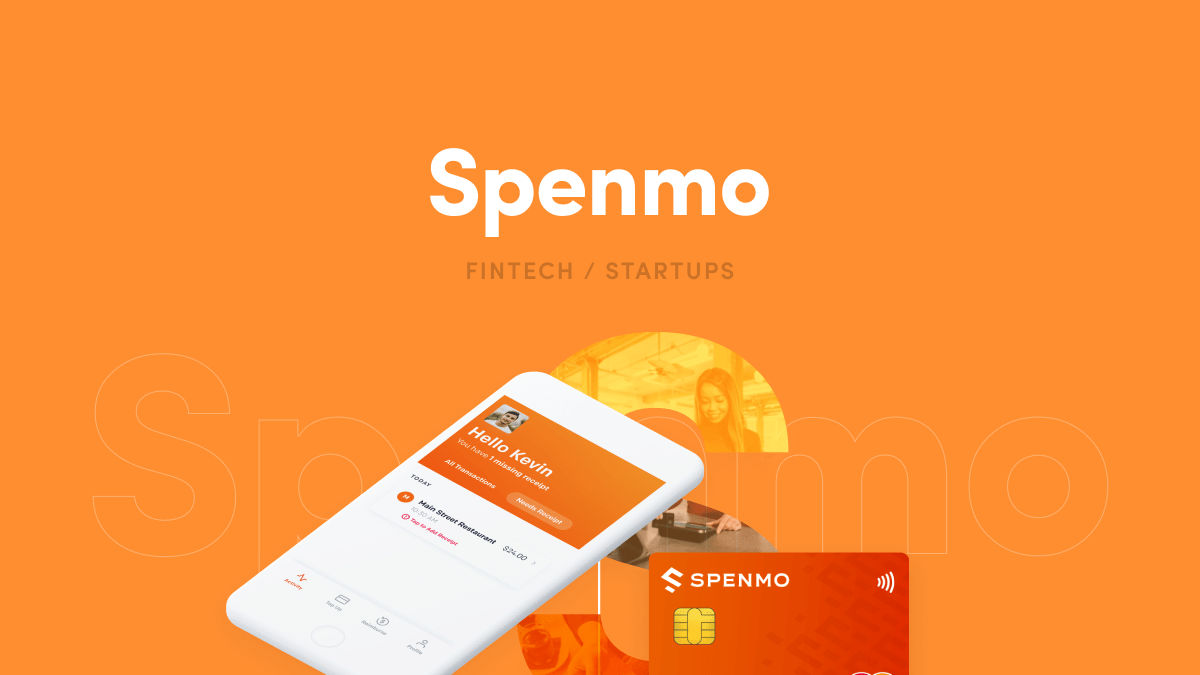
    Spenmo has announced a $34 million raise in a Series A investment round led by New York-based private equity and venture capital firm Insight Partners, according to a statement on Wednesday.

    The fundraising round, which was oversubscribed by a multiple of five, saw the participation of Lee Fixel’s Addition, Salesforce Ventures, Alpha JWC, Global Founders’ Capital, Broadhaven, Operator Partners and Commerce Ventures, alongside several high-profile angel investors.

    Spenmo helps businesses manage payments, and its products include smart corporate cards and automated bill payments. It graduated from the Y-combinator startup accelerator in 2020. Since its launch in Singapore last year, it has expanded across Southeast Asia, bringing on several thousand customers, Spenmo said.

    The company said it sees growth opportunities in the region, which has over 20 million small and medium sized businesses that  largely do not use any software to manage their payables other than piecemeal solutions such as spreadsheets or manpower.

    Our space has typically been thought of as a back-office function, but finance and accounts payables is a critical part of running a business, Mohandass Kalaichelvan, CEO and Founder of Spenmo, said.