Tag: startup

  • Indonesian F&B startup Dailybox enters Singapore

    Indonesian F&B startup Dailybox enters Singapore

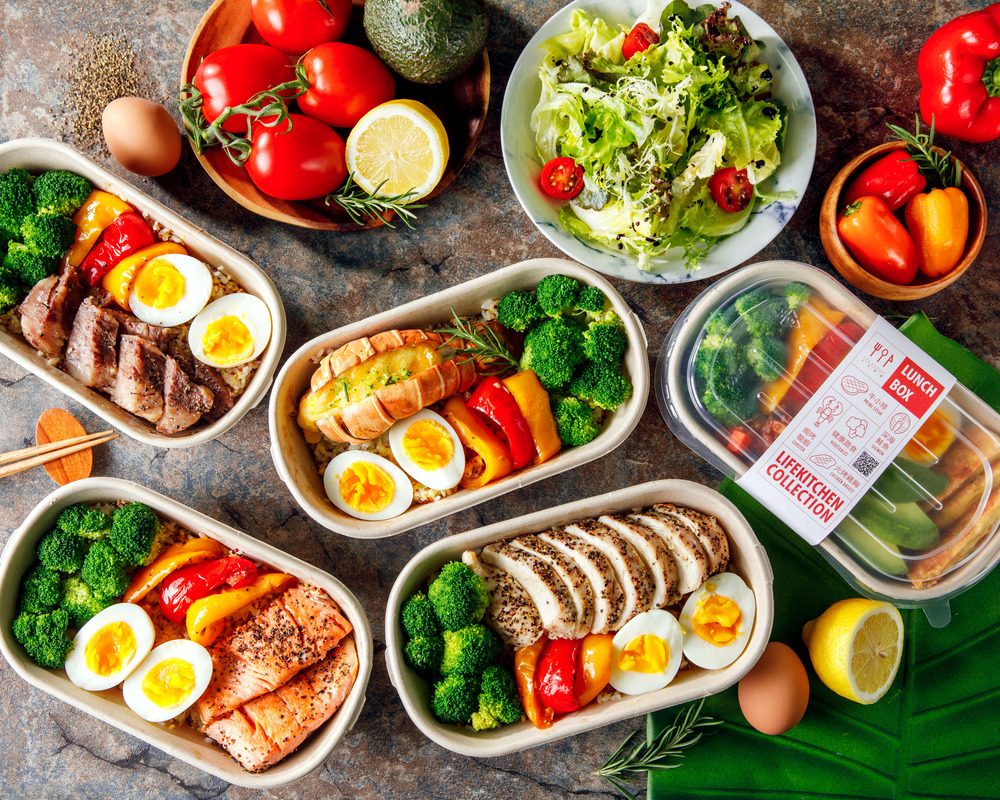
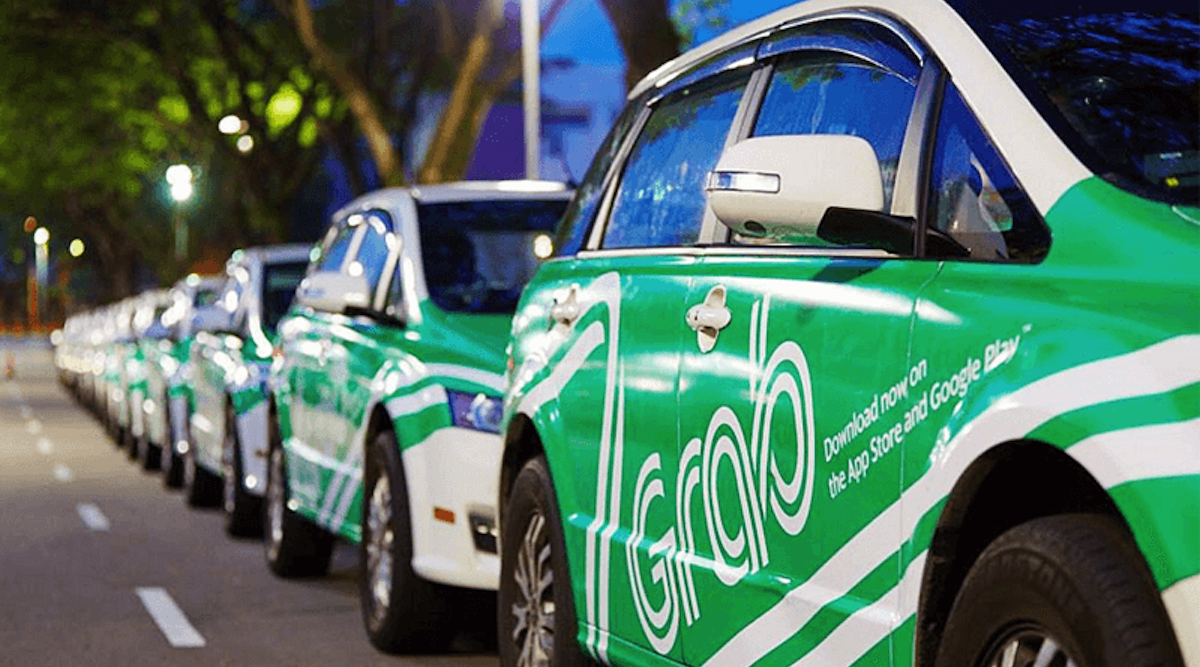
    An Indonesian-based online restaurant startup, Dailybox, opened a new kitchen in Singapore. Various Indonesian dishes can now be ordered through GrabFood delivery service in Singapura.

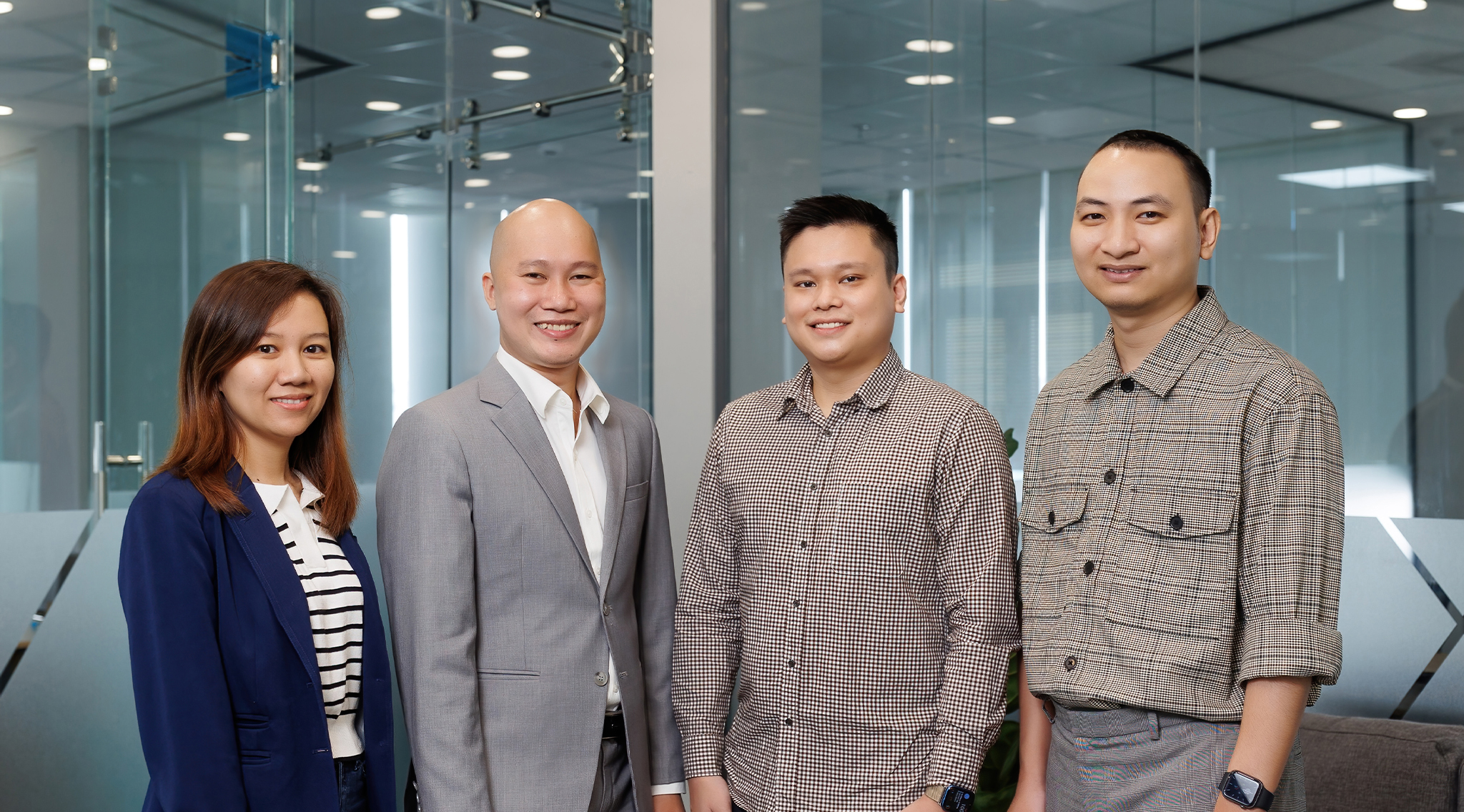
    Dailybox Group CEO Kelvin Subowo explained that they decided to expand business to Singapore due to dependence of the SIngporean toward food delivery services. Survey showed that nearly half of the Singapore population, or around 2.5 million people, used food delivery services in the country in 2021.

    The number is expected to increase to 3.6 million in 2025. In additio, consumers in the west area of the city-state reportedly want more variations of non-local food.

    “Jurong is one of the densely populated areas. Unfortunately, F&B merchant in this location does not vary. To meet the consumers need, Dailybox joins and becomes one of the  F&B merchants in Supply Chain City area,” Kelvin said Friday, Oct. 21.

    Dailybox Group head of product, Arcad Fadillah, said that through the new opening, his side could introduce to the Singaporean public that Indonesian dishes are not only nasi goreng or sate ayam (chicken satay). “A number of best Indonesian cuisines from Padang, Manado, Bali, Lombok, and Java areas have become featured dishes at Dailybox Jurong,” he said.

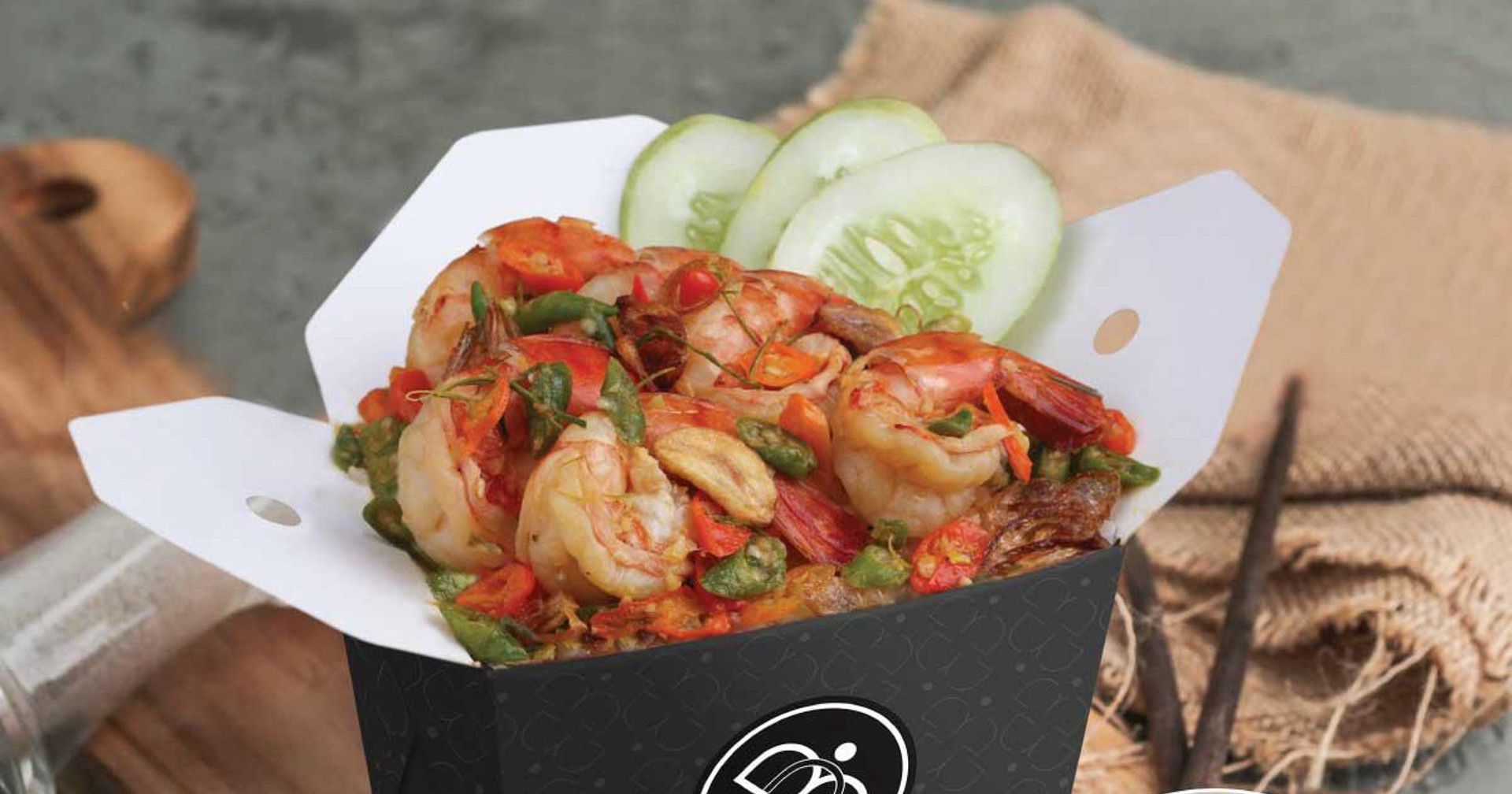
    Dailybox is available in Supply Chain City, Jurong. It offers more than 20 menus from various Indonesian regions, namely tongseng kambing of Central Java, ayam woku and rica-rica from Manado, gulai ikan from Sumatra, until bakwan sayur and tempe mendoan with various traditional sambals.

    “For the people of Singapore who like vegetables, we introduce Pecel dish with Javanese peanut sauce. We also have Ayam Taliwang from Lombok that will definitely be favored by spicy food lovers,” Arcad said.

    Established in 2018, Dailybox created rice menu with Indonesian and international dishes. It debuted as a rice box provider before adopting a cloud kitchen business and partnering with food delivery service providers.

  • Thai beauty e-commerce platform Konvy bags $10 million in series A

    Thai beauty e-commerce platform Konvy bags $10 million in series A

    Founded 10 years ago, Konvy is now Thailand’s top beauty e-commerce platform. It plans to accelerate its omnichannel and international distribution with a new Series A of $10 million from Insignia Ventures Partners.

    Konvy was launched in 2012 by Chinese entrepreneur QingGui Huang, who previously managed fashion e-commerce platforms in China. It now works with more than 1,000 brands, representing SKUs of more than 20,000. Its brand portfolio includes L’Oréal, Shiseido, Sulwhasoo, Eucerin and La Roche-Posay.

    “Konvy had the advantage of starting in Thailand when there were no really significant e-commerce players there at the time,” Huang told TechCrunch. “We’ve since leveraged our first mover advantage in Thailand to become a leading e-commerce player in the market.”

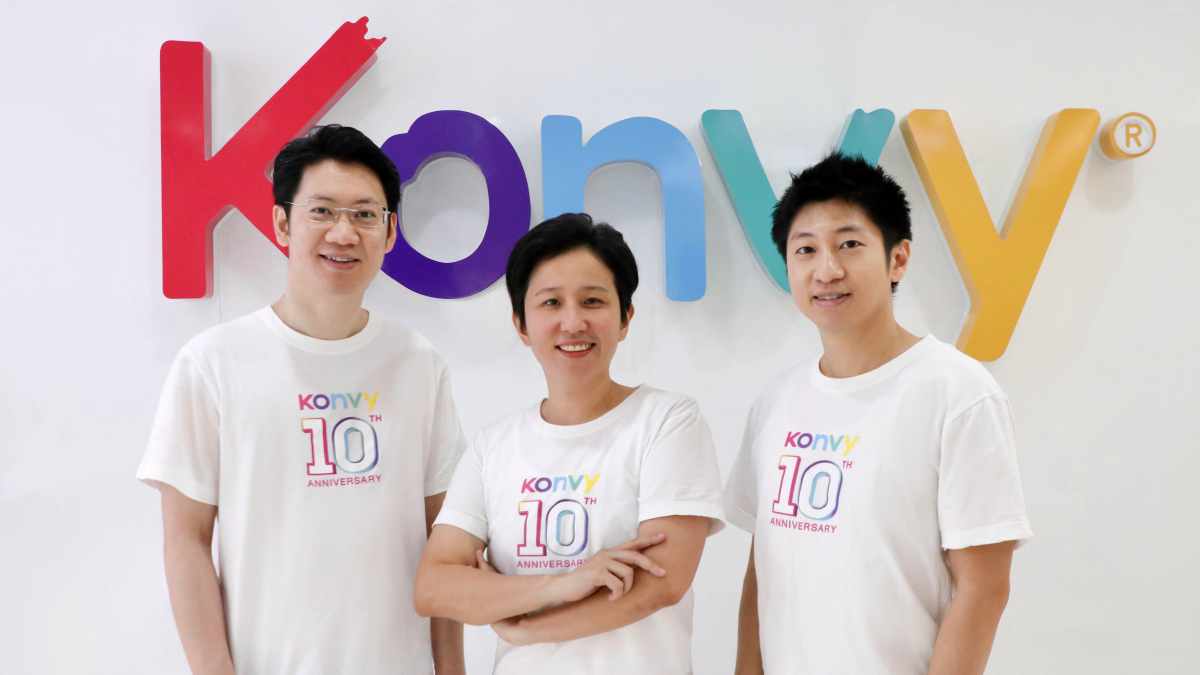
    Konvy founders Leon Huang, Pornsuda Vangvidhayakul and QingHui Huang

    Konvy’s goal is to help local and international beauty brands take advantage of two major trends. The first is that health and beauty purchases are a priority spending category for Thai consumers and the second is that Thailand sees high rates of e-commerce purchases and social media usage, meaning that young people in Thailand spend an average of about two hours and 55 minutes on social media each day.

    Huang said he confirmed his assumptions about Thai spending on beauty products through conversations with brands, which drove his desire to start Konvy.

    “This opportunity of health and beauty being a priority spending category for Thai consumers is a function of both demand and supply circumstances favoring this consumer behavior over the past decades,” he said. “On the supply side, Thailand has been a manufacturing hub for a lot of international brands for more than 40 years. This has spawned as well a thriving local industry. On the demand side, we see that Thai consumers are plugged into this mindset of ‘upgrades’ when it comes to health and beauty, that is to say, it’s not just about accessing such products but actually looking for the best products and high willingness to spend on the latest trends.”

    Konvy taps into the high rate of social media usage by developing a feedback loop, where engagements on its partner brands’ not only helps Konvy’s existing portfolio, but also helps more brands in the future. For example, as more Gen Z consumers bought products they saw on TikTok during the pandemic, Konvy made itself more present on that channel.

    In a statement, Insignia Ventures Partners founding managing partner Yinglan Tan said, “While there may be stronger competitors from horizontal marketplaces in the future, we believe Konvy is best positioned to be the market leader in the online beauty segment given its long-standing brand equity, brand-centric and community-led approach.”

  • JustKitchen enters Thailand via GrabKitchen deal

    JustKitchen enters Thailand via GrabKitchen deal

    Just Kitchen, an operator of ghost kitchens specializing in the development of delivery-only food brands, announces the expansion of JustKitchen’s in-house brands to Thailand (the ” Thailand Location “) via GrabKitchen. For the Thailand Location in the Phayathai area of Bangkok GrabKitchen provides the physical kitchen on a Kitchen-as-a-Service (” KaaS “) basis. The Thailand Location is situated near a busy commuter rail hub that is supplemented by a steady flow of other traffic. As previously announced in April, the Company hasa partnership with GrabExpress Inc. (” Grab “) in the Philippines that enables it to access GrabKitchen and GrabFood resources.

    Immediately upon opening, the Thailand Location will serve JustKtichen’s Master Don food brand, followed shortly after that by the K.Bao brand, featuring a customized menu with a local twist, as well as the Bodyfit brand. The Southeast Asian on-demand food delivery market is experiencing a high annual growth rate of 14%, which implies that the market will eventually reach a total value of $49.7 billion by 2030.

    Grab is Southeast Asia’s leading ‘super app’ based on gross merchandise value in 2021 in each of food delivers, mobility, and the e-wallets segment of financial services, according to Euromonitor.

    Management Commentary

    “International expansion is critical to our company’s growth plan, but it is also an opportunity to learn from the locals in each new market. In Thailand , the food delivery market is mainstream and growing, which is something we plan to study very carefully and hopefully master as well,” said Jason Chen , Co-Founder and Chief Executive Officer of JustKitchen. “People in Thailand want access to new and exciting foods that are affordable and convenient. We aim to provide exactly that to them,” added Mr. Chen.

  • Working Remotely Not a Priority for Young People

    Working Remotely Not a Priority for Young People

    Working remotely takes a back seat as young people prioritize other aspects at work, a Credit Suisse Survey says.

    A good boss and a good salary are the top priorities among an international group of young people surveyed online by market and opinion research company gfs.bern and Credit Suisse published Tuesday.

    Working from home and flexible working hours, which gained importance in prior years, are no longer top priorities among young people, the survey found.

    Instead, an employer’s tolerance and generosity toward employees were mentioned as very important, while team diversity and environmental friendliness featured in the mid-range of priorities.

    Another shift can be seen in the confidence levels and concerns of this group.

    While those surveyed two years ago were focused on the pandemic and sociopolitical issues, this year’s results show that the younger generation’s confidence in the future has declined significantly, with many concerned about the war in Europe.

    The survey, which aims to provide insight into the lifestyles, problems, and attitudes of young people, was sent to 1,000 young people between 16 and 25 years of age in Switzerland, Brazil, the US and Singapore.

  • Thai food delivery app Lineman Wongnai bags $265 million

    Thai food delivery app Lineman Wongnai bags $265 million

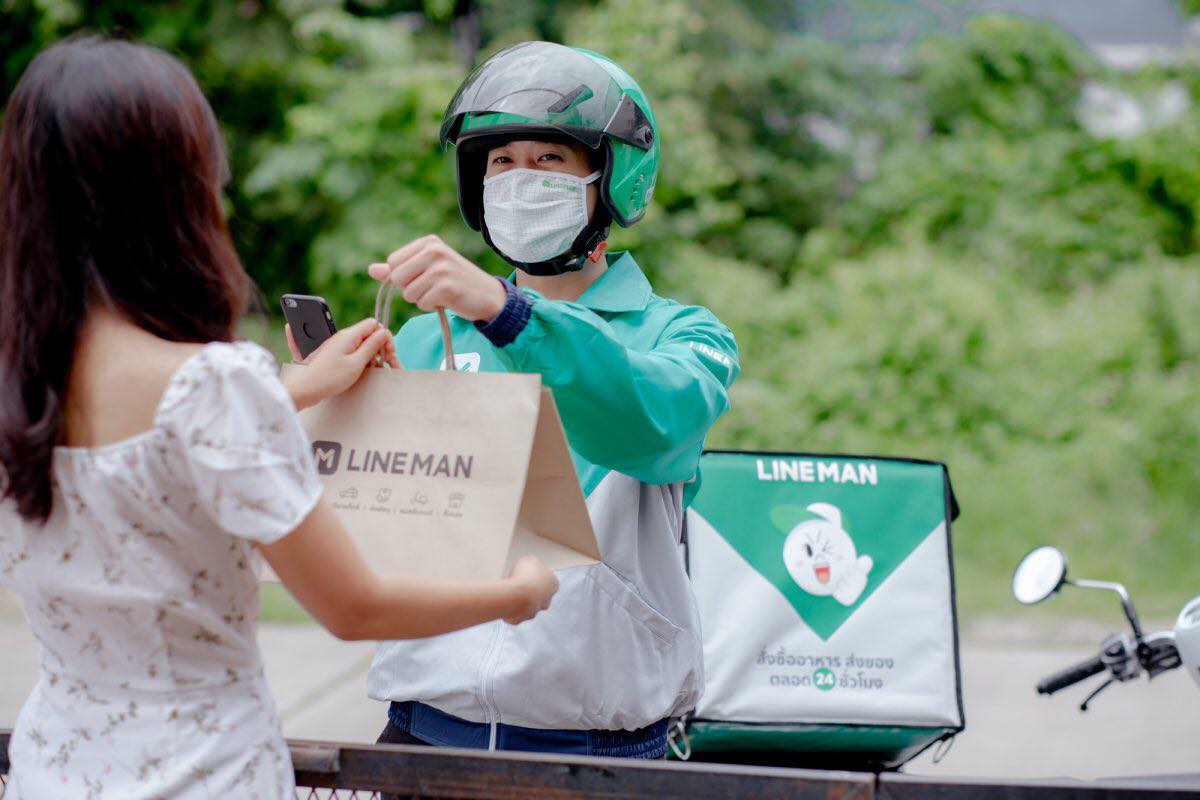
    hai food delivery app Lineman Wongnai on Monday said it has raised US$265 million from Singapore’s GIC, PTT Oil and Retail Business, Taiwan Mobile, and other investors.

    The startup said the investment round puts the company’s value at over US$1 billion, making it a ‘unicorn’ firm.

    The announcement comes as competition heats up among food delivery apps in Thailand, including the homegrown Robinhood, which is backed by Thai lender Siam Commercial Bank Pcl, and AirAsia Superapp.

    The capital injection will help Lineman grow from “a local Thai start-up to a regional tech platform,” said chief financial officer, In Young Chung.

    He added the company plans to have an initial public offer (IPO) but did not provide a timeframe.

    The company was formed last year after Lineman and restaurant aggregator Wongnai formed a joint venture and raised US$110 million from BRV Capital.

  • Grab sees no big layoffs despite weak market

    Grab sees no big layoffs despite weak market

    Grab , Southeast Asia’s biggest ride-hailing and food delivery firm, does not envisage having to undertake mass layoffs as some rivals have done, and is selectively hiring, while reining in its financial service ambitions.

    Chief Operating Officer Alex Hungate said that earlier in the year, Grab had been worried about a global recession and was “very careful and judicious about any hiring”, and as a result, it had not got to the “desperate” point of a hiring freeze or mass layoffs.

    “Around mid-year, we did some kind of specific reorganisations, but I know other companies have been doing mass layoffs, so we don’t see ourselves in that category,” Hungate, 56, told Reuters in his first interview since joining Singapore-based Grab Holdings Ltd in January.

    The company was hiring for roles in data science, mapping technology and other specialised areas though every hire was a much bigger decision than it used to be, he said.

    “You want to make sure that we’re conserving capital. The hurdle for making a hire has definitely been raised.”

    Decade-old Grab, a household name in Southeast Asia, had about 8,800 staff at the end of 2021. Like its rivals, it has benefited from a boom in food services during the COVID-19 pandemic, while ride-hailing suffered.

    As economies open up, food delivery demand is softening while ride-hailing has yet to recover fully. Tech valuations have also fallen dramatically and inflation, slower growth and rising interest rates have emerged as risks.

    In recent weeks, Southeast Asia’s largest e-commerce firm Shopee cut jobs in various countries and shut some overseas operations after parent Sea reported widening losses and scrapped its annual e-commerce forecast.

    Hungate, a veteran of the financial services, logistics and food sectors, has spearheaded a push away from low-margin business lines as Grab races to turn profitable.

    Second-quarter loss narrowed to $572 million from $801 million a year earlier. But last month, it cut its gross merchandise volume outlook for the year, blaming a strong dollar and ebbing food delivery demand.

    Last month, Grab said it was shutting dozens of so-called dark stores – distribution hubs for on-demand groceries and slowing the roll-out of its “cloud kitchen” centralised facilities for deliveries.

    “The other area where we’ve really tightened our strategic intent is in financial services where we were growing payments, wallets and non-bank financial lending quite significantly off-platform and on our platform,” said Hungate.

    Grab reorganised its fintech unit this year to focus on more lucrative areas and Reuters reported on the exit of some senior executives.

    Grab is now mainly focussing on selling its lending products and insurance on its platform to merchants and drivers who often repay from their income streams on the platform.

    “As we make this shift, the business mix will move towards higher margins,” said Hungate.

    Grab, which operates in 480 cities in eight countries, has more than five million registered drivers and more than two million merchants on its platform.

    It caught global attention in 2018 when it acquired Uber’s Southeast Asian business after a costly five-year battle.

    Grab is betting on growing financial services by offering banking and other products with partner Singapore Telecommunications in key markets.

    It listed on the Nasdaq in December after a record $40 billion merger with a blank-check company.

    Hungate said it was “good timing” for the company to look again at how it spends money, given the increased scrutiny of finances and the need to respond to shareholders.

    “Maybe we were lucky in a sense that the discipline of being a public company came at just the right time,” he said, adding that Grab’s $7.7 billion cash liquidity meant it was one of the best capitalised industry players in Southeast Asia.

    Grab’s shares have tumbled about 60% this year to give it a market value of $10.6 billion.

    Reuters reported last month that Grab’s Indonesian rival GoTo was seeking to raise about $1 billion through a convertible bond issue.

    Hungate said Grab would provide details of its progress towards profitability and other metrics at its first investor day on Tuesday.
  • Menswear startup raises $2.3 mln

    Menswear startup raises $2.3 mln

    Coolmate, a Vietnamese menswear brand sold online, has raised $2.3 million from GSR Ventures and Do Ventures as an addition to its series A round.

    This brings the round’s total size to $4.3 million. Coolmate said the funding will be used to “accelerate the completion of the supply chain” for its products, upgrade its operating system, and employ more manpower.

    In May, Coolmate had raised $2 million in a round led by Access Ventures with participation from Do Ventures, CyberAgent Capital and DSG Consumer Partners.

    The funding marks GSR Ventures’ first investment in Vietnam. The U.S.-based venture firm has backed some unicorns including Didi, Ele.me, and Xiaohongshu.

    “We are impressed by how [co-founder and CEO] Nhu Pham and the Coolmate team are leveraging technology to transform the traditional retail industry and delight consumers with high-quality yet affordable products,” Asian tech-focused platform Tech in Asia quoted GSR Ventures Managing Director Allen Zhu.

    Founded in 2019, the startup operates no physical store to date. It reportedly gets 10,000 orders a day now compared to 2,000 in the first year of operation.

    It claimed revenues of $6 million last year, and expects to collect $19 million this year.

  • Gentle Monster invests $15 million in Chinese AR startup

    Gentle Monster invests $15 million in Chinese AR startup

    Augmented reality headsets have been around for years, but none of the market players has really expanded beyond the techy demographic and broken into the mainstream. An AR startup hopes to change that by partnering with an eyewear fashion brand.

    Nreal, the well-funded Chinese AR headset maker that’s been making aggressive global expansion, said Thursday that it has raised $15 million from Korean sunglasses brand Gentle Monster’s parent company, IICOMBINED.

    The investment, which came just five months after its $60 million Series C extension, boosts its total raised to $240 million since its inception in 2017.

    The fresh capital will enable Nreal to accelerate its global expansion and double down on the company’s consumer business in the U.S., the company said.

    Neither Nreal nor Gentle Monster said much about how they might work together, but it’s almost certain that the single-investor capital infusion marks a step toward a strategic partnership. It won’t be surprising that Nreal’s glasses — aimed to be fashionable and lightweight from the outset — would hit the shelves of Gentle Master’s global retail stores someday.

    Indeed, Nreal’s co-founder Peng Jin said the firm’s goal for the next twelve months is to “scale and reach more audiences and aggressively grow adoption for AR technology starting with our latest AR glasses, Nreal Air.”

    Nreal has already carved out a global distribution network, much of it through its enterprise partners like Qualcomm and LG, in countries including the U.S., U.K., Japan, South Korea, Spain and Germany. It only debuted in China, where it’s based, in August.

    Nreal’s demand is currently the highest in the U.S., Japan and Korea, though the company expects China to grow soon to be one of its top markets.

    Earlier this week, Nreal unveiled an array of its products, including AR glasses such as Nreal Air and Nreal X (Chinese version) and an AR adapter for Apple devices in its home market.

    “Fashion and design will be important aspects in the future development of AR glasses as we continue to expand the sector’s consumer base,” said Jin. “As such, having Gentle Monster as our investor will open up interesting opportunities not just for Nreal, but also for the wider AR industry as a whole.”

    Gentle Monster, which entered China in 2016 and partnered with Huawei in 2019 to make smart glasses, opened its seventeenth store in Beijing in early August for further expansion in China.

    “This investment is exciting for the combination and exploration of the boundary of fashion and tech,” said co-founder of Gentle Monster and CEO of IICOMBINED Hankook Kim. “We will leverage both parties’ strength and make joint efforts to create more possibilities.”

  • South Korean grocery-delivery startup Kurly wins IPO nod

    South Korean grocery-delivery startup Kurly wins IPO nod

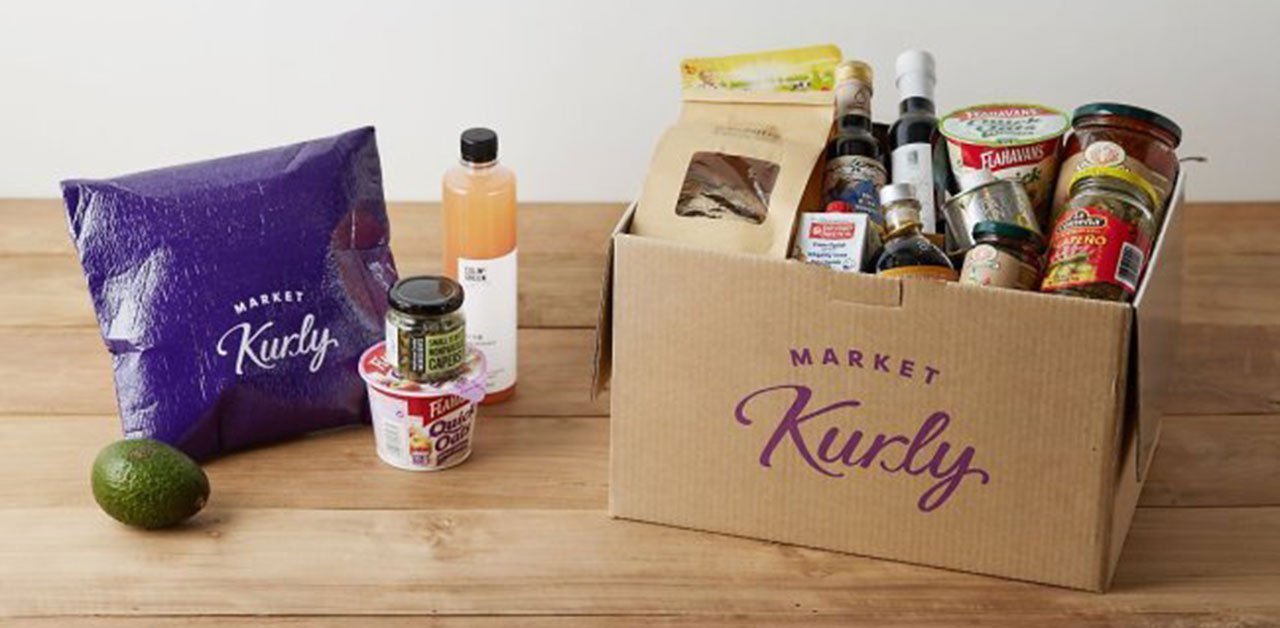
    Kurly Corp., the operator of South Korean e-grocery platform Market Kurly, received preliminary approval for its push for an initial public offering (IPO) Monday.

    The approval by the Korea Exchange (KRX) came about five months after Kurly filed for a preliminary review of its IPO plan in late March.

    Kurly earlier sought to complete its stock listing in the first half, but the review process has been delayed apparently due to worries over its “unstable” ownership structure in which its founder has a small stake, along with continuing losses from its business.

    Kurly reportedly included in its IPO plan with the KRX the promises from its financial investors to maintain their holdings in the company for a certain period.

    Launched in December 2014, Kurly has appealed to customers by providing early morning deliveries of fresh foods through its e-grocery platform, Market Kurly.

    Last year, Kurly posted sales of 1.56 trillion won (US$1.16 billion) and an operating loss of 213.9 billion won. But it reported a net loss of around 1.28 trillion won.

    Concerns are high over its IPO process, as the stock market conditions remain unfavorable. Some experts say Kurly could have trouble in the process of setting the IPO price it sees as satisfactory.

  • DTS launches platform for Vietnamese technology startups

    DTS launches platform for Vietnamese technology startups

    DTS Digital Transformation Alliance has supported dozens of startups in technology, and is accompanying thousands of businesses through their digital transformation and journey into the Metaverse.

    In the global context of Industry 4.0, digital transformation is the biggest opportunity and challenge for businesses. To carry out digital transformation and develop successful technology schemes, Vietnamese startups and businesses are facing many barriers in terms of mechanisms, policies, financial conditions, and human resources. In this context, DTS is implementing many activities to support SMEs, creating huge thrust to accelerate digital transformation and blockchain technology in Vietnam.

    A launchpad for blockchain technology startups

    DTS has created a series of communication channels to provide accurate and educational information on blockchain technology. Since the establishment of the Blockchain Alliance for Sustainability (BAS) in 2021, up to now, DTS has been the main organizer and partner of the Blockchain Talk show, the Blockchain news column on VnExpress.

    DTS supports nearly 20 startup projects in the blockchain field and connects to nearly 50 investment funds and KOLs (who have many voices, knowledge, and experience in the blockchain field). Currently, DTS can support technology startups in many forms, from providing legal and financial advice, and project development orientation to supporting communication and developing projects to the public, including the international community,

    “There are many startup projects in the blockchain field today, but to succeed in the international market, the project needs to combine many factors: ideas, capital, technology, people, marketing, and communication strategies. With DTS’s current network of domestic and foreign experts and partners, we can complement what you lack in your projects,” said Truong Gia Bao, chairman of DTS.

    DTS – The new ecosystem for projects

    Currently, DTS is working with strategic partners like Vietnam Financial Consultants Association, Ho Chi Minh City Industrial Park Business Association, Trade and Investment Promotion Center of Ho Chi Minh City, and Business Development and Support Center. DTS directly accompanies many businesses in the process of digital transformation and application of new technology solutions.

    DTS solves the problem of leverage and connecting the strengths of partners and member companies to exploit each other’s opportunities and strengths. In line with the business philosophy, DTS aims to work with members and the business community to build a digital transformation ecosystem to serve each unit’s business activities, that is also the business philosophy of DTS.

    In addition, DTS is working with partners and global experts to develop an ecosystem equipping projects and startups with knowledge and experience in organizing and managing projects based on Blockchain technology applications. Entering the digital era – Metaverse requires not only creativity, but also a modern technology application management system, a marketing team that understands the global community and language, along with a technical team with both passion and technical expertise.

    “DTS wishes to become a companion of technology startups and Vietnamese businesses, a bridge between domestic units and investment funds. We provide financial consulting services and optimal operational solutions according to the business model of each unit. DTS is committed to accompanying, advising, and supporting young people to step into the Metaverse by world standards to confidently succeed,” the DTS chairman stated.

  • Missfresh summonsed by Beijing consumer rights group after complaints

    Missfresh summonsed by Beijing consumer rights group after complaints

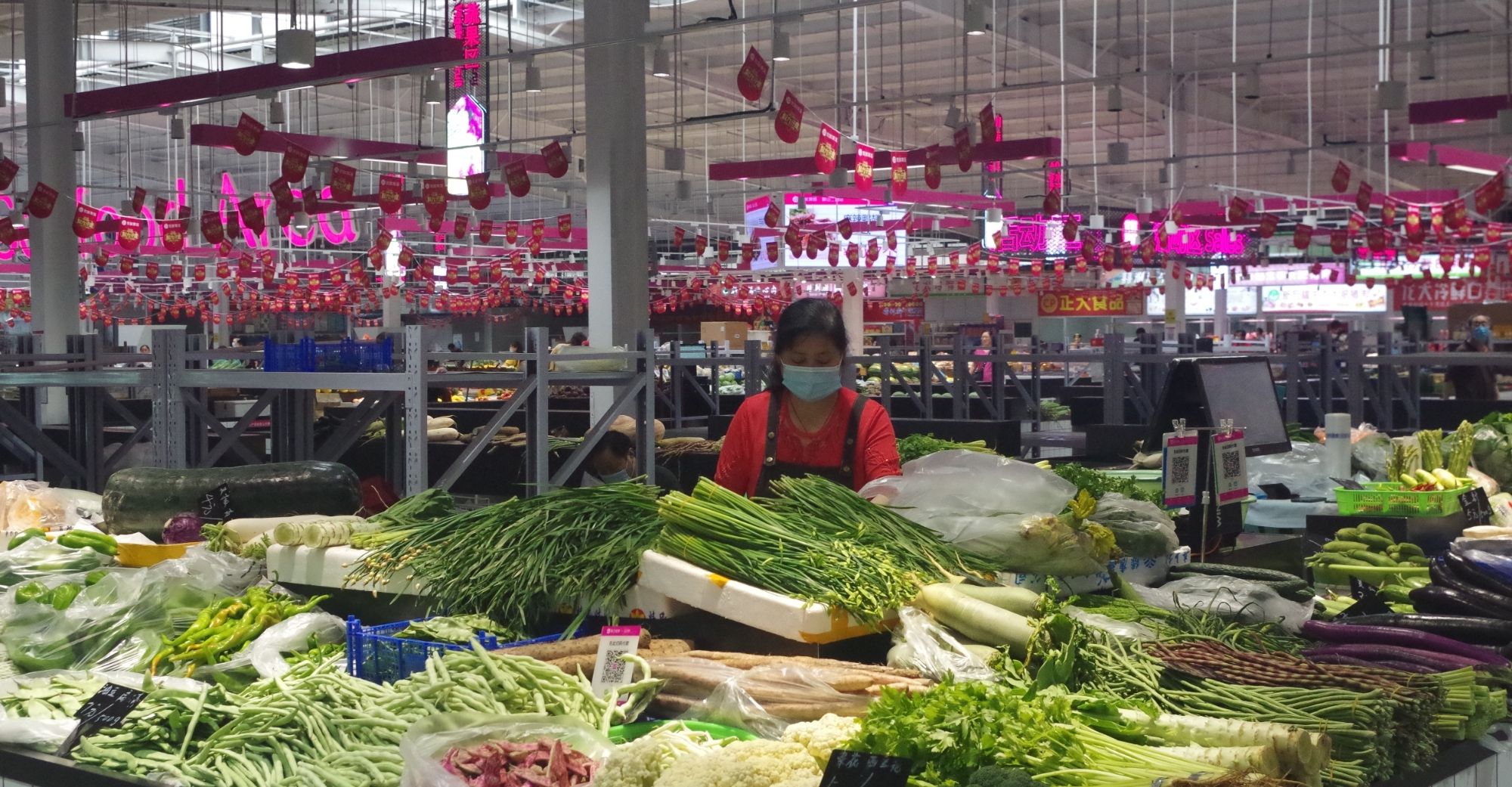
    A Beijing consumer rights group said on Tuesday it had asked Missfresh to work on plans to refund its customers and explain how it will rectify its business after receiving a number of complaints, adding to pressures facing the Tencent Holdings and Tiger Global-backed grocery startup.

    The government-backed Beijing Consumer Association said in a statement on its website on Tuesday that a large number of Missfresh customers had complained about the platform’s “abnormal operations”.

    Missfresh did not immediately respond to a request for comment.

    The grocery delivery firm’s troubles come as China’s tech sector grapples with slowing growth amid COVID-19 lockdowns and tightening regulatory oversight.

    The company pioneered one-hour fresh food delivery services in China, a model that is extremely popular with consumers but is labour and capital intensive. It listed on the Nasdaq in June last year, raising $273 million.

    However, the company’s stock has lost 98% of its valuation since and in late July local media reported that it had abruptly laid off hundreds of employees and had not paid salaries, triggering labour arbitration complaints.

    Missfresh has cancelled its one-hour delivery service, changing it to a next-day model, and told local media that it had conducted layoffs due to business restructuring.

  • Grocery delivery app Instacart founder Mehta to step down as chairman

    Grocery delivery app Instacart founder Mehta to step down as chairman

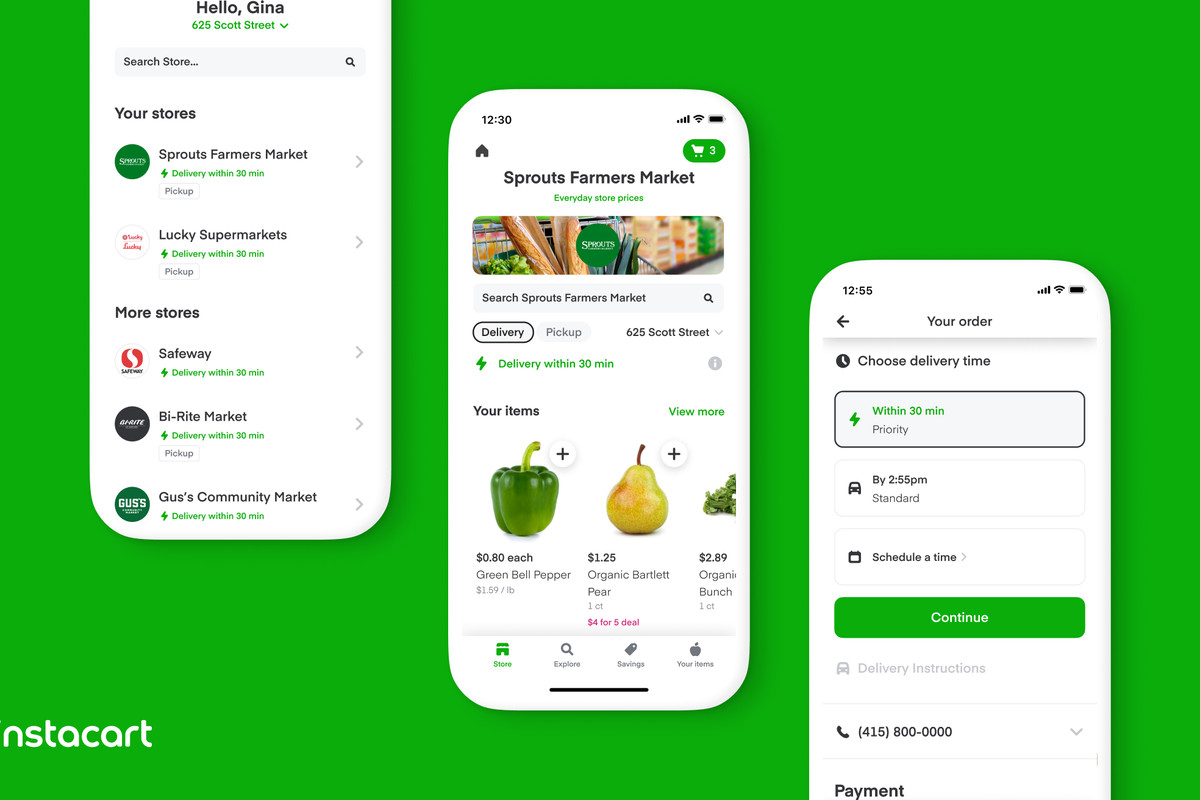
    Grocery delivery app Instacart said on Friday founder Apoorva Mehta would step down from his role as chairman and leave the company once it goes public.

    Chief Executive Fidji Simo, the former head of Meta Inc’s Facebook app, will succeed Mehta. She joined Instacart as CEO in August 2021 after Mehta transitioned to executive chairman.

    Mehta said in a Twitter post that stepping down from the company’s board would allow him to pursue other opportunities.

    However, there will be no change in his ownership in the company, a source close to Instacart said.

    Instacart in May said it had confidentially filed with the US securities regulator to go public. Reuters had reported that the company was considering going public through either a direct listing or a traditional IPO.

    In March, the San Francisco-based firm slashed its valuation by nearly 40% to about $24 billion, following market turbulence that impacted leading technology companies.

    Launched in 2012, Instacart benefited from the pandemic-led boom for doorstep delivery, although it faced stiff competition from companies such as DoorDash Inc and SoftBank-backed delivery startup GoPuff, which is also gearing up for a US IPO.

  • Grab adds heatwave surcharge on motorbike services

    Grab adds heatwave surcharge on motorbike services

    Grab has become the first ride-hailing firm in Vietnam to announce a new surcharge on its motorbike services starting Thursday.

    The surcharges are VND5,000 (20 U.S. cents) for each GrabBike trip and GrabFood order in some localities including HCMC, Hanoi, Hai Phong, Da Nang and Can Tho.

    GrabExpress services in HCMC and Hanoi will attract a surcharge of VND3,000 for each delivery.

    The surcharge will be applied “during extremely hot weather”, Grab said on its website without disclosing further details.

    The Singapore-based ride hailing firm is the first to roll out surcharges for hot weather conditions. Earlier, a surcharge of VND10,000-15,000 has been applied for late nights and the Lunar New Year holiday.

    In early March this year, Grab had raised all fares by VND500-2,500 to aid drivers coping with surging gasoline prices.

  • Financial startup Anfin raises $4.8 mln

    Financial startup Anfin raises $4.8 mln

    Financial startup Anfin, which seeks to make stock investment easy for any user, has raised funding of $4.8 million in a Pre-Series A round from a consortium of investors.

    It was led by angel investor Clement Benoit and U.S.-based startup accelerator Y Combinator. The money will be used to improve its app by building a social network in it so users can share their investment knowledge.

    Anfin was launched in October last year and has raised around $7 million to date.

    Its app allows users to invest as little as VND10,000.

    Its CEO, Phuoc Tran, said the app has over 100,000 active accounts with a total transaction value of $10 million.

    Benoit said creating a product that serves many groups of people in society is the right move in a big market such as Asia.

    He hoped the company would branch out to other countries and succeed in its social investing business model.

    Interest in stocks remains sky-high in Vietnam, with 476,300 new accounts opened in May, a new record.

    Phuoc said despite the volatility in the market, stocks remain an asset class with great prospects.

    Data from investment fund Dragon Capital Vietnam shows that in the last five years, stocks have given investors an average return of 16 percent a year, higher than real estate, bonds or gold.

  • Why mattress disruptor Koala is getting in bed with homewares

    Why mattress disruptor Koala is getting in bed with homewares

    After success with both its mattress and furniture ranges, Australian company Koala is now moving into homewares.

    Koala decided to add décor to its product staple to encourage consumers to consider more sustainable options. The homewares collection features 34 pieces, including cushions, throws and the first wool rug range in Australia to use certified responsible wool.

    Other sustainable materials used in the new products are 100 per cent organic cotton and recycled plastic bottles.

    These designs are all inspired by Australia’s flora and fauna, art, culture or lifestyle and designed in-house. This means the pieces feature neutral colours and earthy tones, as well as nature-inspired textures and patterns.

    Koala said years of research has gone into creating the range, which has been designed to stand the test of time.

    The homewares are also built to withstand our hectic and messy lives with the throws and cushions machine washable and the rugs easy to clean.

    “With homewares, we want to celebrate Koala’s uniqueness whilst doing something meaningful and timeless for the brand. We’ve created a real sense of something special you can’t get anywhere else, with all colours and material finishes inspired by the Australian landscape, from outback red dirt to beautiful coral reefs,” Alexandra Owen, Koala design director said.

    You can feel good about supporting the environment while refreshing your home with this rug. It is made from 100 per cent recycled bottles and is super soft to the touch. There are two sizes and four colours available, with each colour inspired by Australia’s native foliage.