Retail News CRM

Tag: startup

  • Uber To Steal A March On Lyft In Resurgent Rideshare Market

    Uber To Steal A March On Lyft In Resurgent Rideshare Market

    Uber Technologies Inc’s revenue growth is set to outpace that of rival Lyft Inc as the rideshare firm’s presence in major markets around the world gives it the heft to deal with inflationary pressures.

    Ridesharing companies are starting to recover from pandemic lows as offices reopen and following a resurgence in travel on the back of reopening of closed borders and a strong U.S. dollar.

    Dara Khosrowshahi-led Uber operates in multiple regions and has over the years built a massive food and grocery delivery business, while Lyft has mainly focused on rideshare in the United States.

    Uber’s larger scale, reflected in a $67 billion market cap nearly ten times that of its rival, has also allowed it to spend more on incentives to attract drivers when the industry recovery has flooded rideshare firms with demand.

    While Lyft was the first to show glimpses of a profit since rideshare operations began, investors will now focus on adjusted core earnings outlook as the companies have set big targets for 2024 – $5 billion by Uber and $1 billion by Lyft.

    “Lyft is on the losing end of Uber’s mobility and delivery network effect … in a world of increasing focus on profitability, Lyft does not deliver,” MoffettNathanson analyst Michael Morton said.

    Analysts expect a fourth-quarter revenue increase of 19% for Lyft and 47% for Uber, according to Refinitiv data.

    Analysts at UBS pointed to data that showed the time drivers spent on the Lyft app had decreased, while share of driver app downloads increased for Uber in the fourth quarter.

    “When we look at driver time spent data on a 2-year growth basis our concerns on Lyft losing market share are magnified … we come away more concerned about Lyft’s need to invest in incentives,” UBS analyst Lloyd Walmsley said.

    Uber’s food and delivery segment, which makes up for more than a third of its revenue, has so far been resilient in the weakening economy but it faces risks from a pullback in consumer spending.

  • Foreign startups eye Vietnam’s young population

    Foreign startups eye Vietnam’s young population

    Foreign startups are eyeing Vietnam as one of their main markets thanks to the country’s large and young population, low costs and cheap and abundant labor force abundant.

    Vietnam has been among the top markets in terms of revenue for Singapore’s insurance startup Igloo ever since the company was launched in 2021.

    “Vietnam is becoming one of our key markets,” Nguyen Huu Tu Tri, CEO of Igloo Vietnam. “The country’s insurance industry is set to reach $3.5 billion in 2026, but only 2-3% of that goes to tech insurance,” he said, adding that this means there is a large room for tech insurance growth.

    In its two years of operation, Igloo has sold 13 million insurance policies in Vietnam,10 million in last year alone. The target customers are people with low incomes who are not yet insured.

    The company also chose Vietnam as a site to launch its first insurance policy aimed at protecting rice farmers using weather data and blockchain.

    Igloo hopes to become the top insurtech company in Vietnam.

    For India’s car rental startup Zoomcar, the market in Vietnam is promising as the country has a population of nearly 100 million people and a growing demand for cars.

    Zoomcar connects unused car owners with renters and has recorded over 100,000 registered users, including 3,000 car owners.

    “We are approaching the breakeven point on each trip and expect to grow 200%-300% this year,” said Kiet Pham, national manager of Zoomcar Vietnam.

    Vietnam’s advantage lies in its young and tech-savvy population and its rising middle-class, the two startup leaders said.

    Tri said that after the Covid-19 pandemic people are starting to be more interested in insurance products, with a surge in the number of those who are ready to make purchases.

    Zoomcar sees a large demand for car usage in Vietnam. However, the company says that the cost of owning a vehicle is high, which means there will be a large demand for rental services.

    Vietnam’s car rental market is set to reach $884 million by 2027 with a compound annual growth rate of nearly 14%, according to market researcher Mordor Intelligence.

    “Vietnam is the fastest growing market for Zoomcar in Southeast Asia,” Kiet Pham said.

    The number of start-ups from Singapore venturing overseas through Enterprise Singapore’s Global Innovation Alliance (GIA) acceleration programs has ballooned to more than 400 in less than five years. And one of the more popular destinations is Vietnam, with its large workforce, lower labor costs and sizable market.

    From 2020 to 2022, nearly $2 billion has been poured into startups, according to the Ministry of Planning and Investment.

    The Vietnam Silicon Valley Capital Investment Fund, a partner of Lotte Ventures and Korean government agency KISED, last year introduced 14 excellent Korean startups, which plan to bring new products to Vietnam.

    Hong Sun, vice president of the Korean Chamber of Commerce and Industry, said that Korean startups tend to invest in Vietnam after they see many successful companies in the market. He also forecast that many new startups will come to Vietnam in the near future.

    Last year, a report by the World Intellectual Property Organization (WIPO) said that Vietnam ranked 48th out of 132 countries and territories in achieving the greatest progress in the past decade.

    Although Vietnam has fallen four places compared to 2021, it is still in the third position in Southeast Asia, after Singapore and Thailand. Vietnam is also ranked 54th in the global innovative startup ecosystem, up five places compared to 2021

    But startup insiders have found many challenges, especially in changing user attitudes.

    The technology insurance industry, people’s confidence in insurance in general is low and therefore people are not willing to pay for it.

    Furthermore, the lack of high-quality human resources in the technology sector will make it a struggle for Vietnam to meet the development needs of foreign startups.

  • Vietnamese delivery app on the brink of turning profitable

    Vietnamese delivery app on the brink of turning profitable

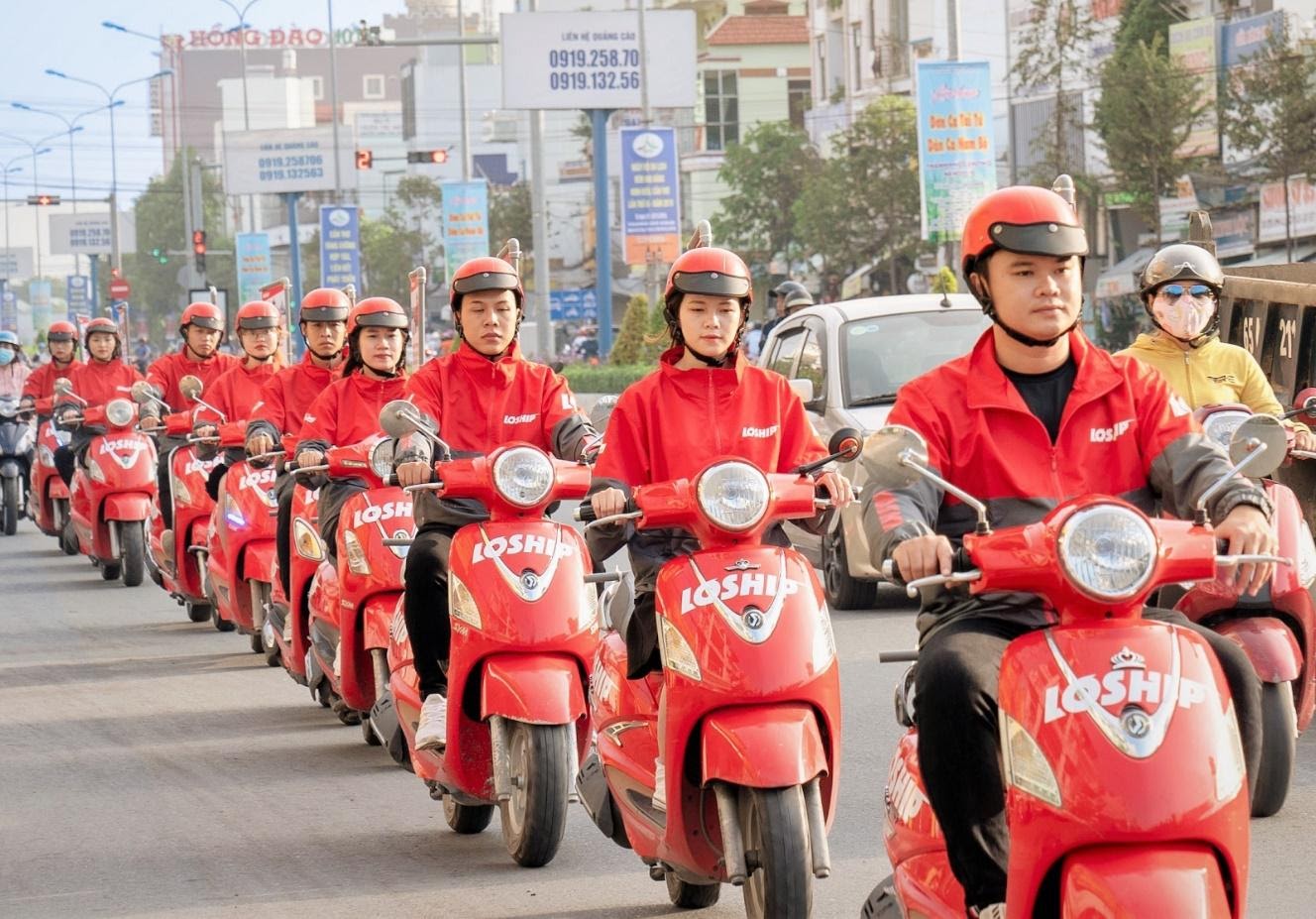
    Delivery startup Loship is confident it will make profits this year, something most of its competitors have yet to achieve.

    Nguyen Hoang Trung, CEO of one of only two delivery startups in Vietnam said that Loship suffers “very little” loss.

    Last year its revenues increased by 500% thanks to business optimization with 250,000 locations and more than five million customers.

    It expects to turn profitable this year.

    Losing money is the norm in the food delivery and ride-hailing industry.

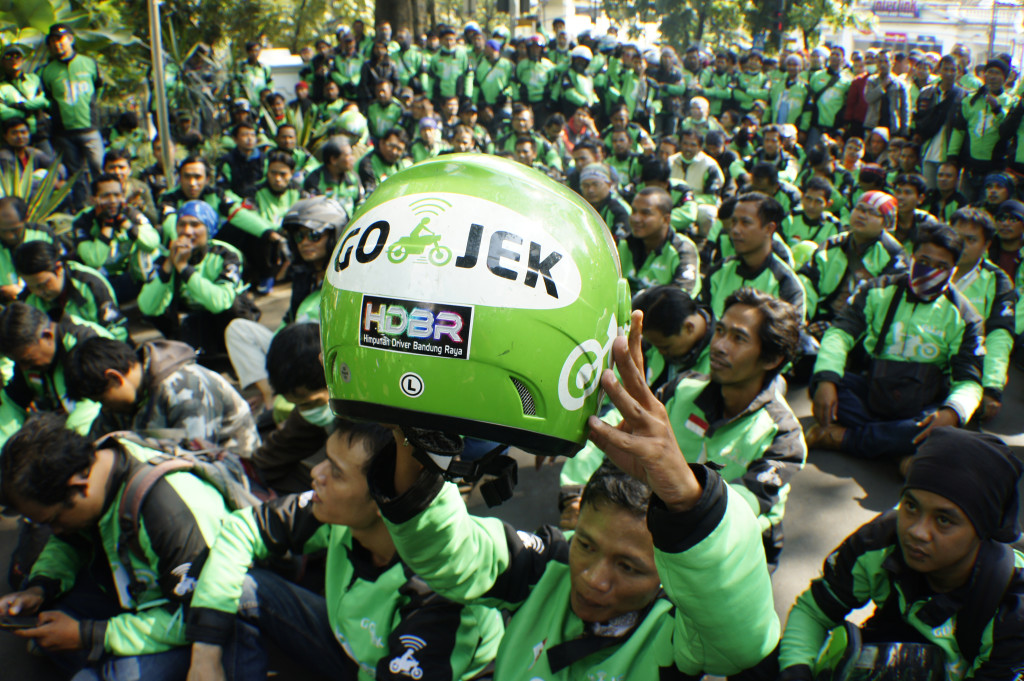
    As of 2021, Grab Vietnam had chalked up cumulative losses of VND4.365 trillion (US$186 million). Gojek is also VND4 trillion in the red.

    Both incur huge selling expenses running ino trillions of dong.

    Trung said all other apps are also affected by Regarding the increase in gasoline price, this but “honestly not too much”. When the Russia-Ukraine war took place, it was a nightmare in the beginning. But so far, the gas price has not changed too much and it’s even cheaper than at the beginning of the crisis. It shows that gas price will continue to increase and then decrease. In the short term, this affects the income of shippers, but not in the long term.

    He said gasoline price increases have a knock-on effect on all prices, including restaurants’. But when they go down, other prices do not follow suit and remain high, and this causes people to gradually stop ordering food, which affects shippers, he said.

    Over time many shippers decide to stop working for apps, as is happening in places like China, Europe, the U.S., and India.

    In 2021 and 2022 Loship spent a lot of money on acquiring new customers, and so marketing costs accounted for over 60% of its expenses. This led to some differences of Loship from others in the market that weren’t “properly recognized” by the customers. One of these differences is that Loship offers free delivery within a certain distance.

    Trung and his team wondered if Loship would be any different from its competitors if they continued to do this. Existing users are still Loship users but they can also be using other apps. Realizing the problem, Loship began to cut its promotions, reducing costs.

    Trung explained: “No matter how big you are, there is always a limit. Money doesn’t fall from the sky.

    “Each company has a long-term strategy for the amount of money it has. The better their strategy, the more money in in their account. Then, even during difficult times they can afford to be generous to their customers.”

    To achieve the goal of breaking even this year Loship is prioritizing cash flows. Last year the company cut 50% of its payroll. Besides, from the second quarter all marketing activities essential ones were frozen.

    Trung thinks the reason Loship is approaching breakeven is that it has found the balance between customers, shippers and restaurant partners, something he admitted was not easy to achieve. Any increase in price could drive customers into the arms of another platform, and any cut in payments to shippers could cause them to take out their frustration on customers, he pointed out.

    In the next three years food delivery and supermarkets would still be the markets that have great competition. Apps would also offer additional services like their own e-wallets to increase convenience for users, he said.

    But he made it clear Loship has no intention of entering the fintech industry since that would require a big investment. Instead, they want to exploit the number of restaurant partners for raw materials supply.

    A recent report by iPOS, a platform that provides sales, operations, and human resource solutions for more than 100,000 restaurants and coffee shops, shows that the food delivery market in Vietnam grew three-fold since the Covid outbreak to VND29.9 trillion last year.

    More than 12 million people ordered food delivery through online platforms, with the number growing annually at 17.5%.

    But the market is dominated by foreign enterprises with 58% of consumers choosing to order on ShopeeFood. It was followed by GrabFood, Baemin and Gojek.

    The only two homegrown players in the market, Loship and beFood, accounted for around 7%. The market still has a lot of room for competition when most of the big applications on the market recorded a reduction in percentage of users.

  • Gojek Vietnam’s co-founder resigns

    Gojek Vietnam’s co-founder resigns

    Indonesian ride-hailing and delivery service company Gojek has named Sumit Rathor as the new GM of its Vietnam operations.

    Rathor has succeeded Tuan Duc Phung, former GM of Gojek Vietnam since 2020. According to a Gojek statement, Phung has decided to pursue other professional challenges outside the company.

    With over 20 years of experience in strategic planning, operations and finance, Rathor joined Gojek in 2019 as a regional manager for Indonesia, in charge of the Central and East Java areas.

    “Vietnam is an important market for Gojek, and we expect that our energy and acumen, along with our market experience, inherited from our previous triumphs, will enable us to maximize the market’s potential,” said Rathor.

    After entering Vietnam in 2018 under the name GoViet, Gojek Vietnam rebranded in 2020 to attract more customers and grow the business. The Indonesian company provides transportation, food delivery, and logistics services and has offices in Vietnam, Thailand, Singapore, and Indonesia.

    According to local sources, this is Gojek Vietnam’s third CEO change since its establishment.

    Last month, Grab Vietnam also appointed former MD at Grab Thailand, Alejandro Osorio, as MD at Grab Vietnam, supervising overall company operations and the development of the Vietnam business.

  • Food delivery platforms see gross merchandise value rise 37.5%

    Food delivery platforms see gross merchandise value rise 37.5%

    The total gross merchandise value (GMV) of food delivery platforms in Vietnam hit $1.1 billion in 2022, up from $800 million in 2021, said Singapore-based venture outfit Momentum Works.

    Of the total GMV, Grab accounted for the biggest share with 45%, followed by ShopeeFood 41%, Baemin 12% and Gojek 2%, the firm said in its latest report “Food delivery platforms in Southeast Asia,” which was issued in January.

    Last year total GMV in Southeast Asia grew at a modest 5% to $16.3 billion, mainly driven by the relatively smaller markets of Malaysia, the Philippines and Vietnam, while larger markets – Indonesia, Thailand and Singapore – recorded declines, Momentum Works stated.

    The three largest markets all recorded a GMV decline in 2022, due to various factors. For example, thepost Covid reopening of the ecoomy reopening in Singapore shifted food services demand offline, while in Thailand the withdrawal of government subsidies after October 2022 as well the floods in the second half of the year played significant roles.

    Malaysia, the Philippines and Vietnam, the three smaller markets, have recorded significant growth, as players including Grab and ShopeeFood expanded their market penetration, according to the firm.

    Grab has taken market share leadership in Malaysia and Vietnam from Foodpanda and ShopeeFood respectively, and now contributes 54% of the region’s total platform GMV.

    ShopeeFood has reduced market-share-grabbing incentives, while Foodpanda/DeliveryHero is rumored to be in the process of exiting a few markets in the region, according to Momentum Works.

  • Hong Kong delivery platform Lalamove doubles growth in Vietnam

    Hong Kong delivery platform Lalamove doubles growth in Vietnam

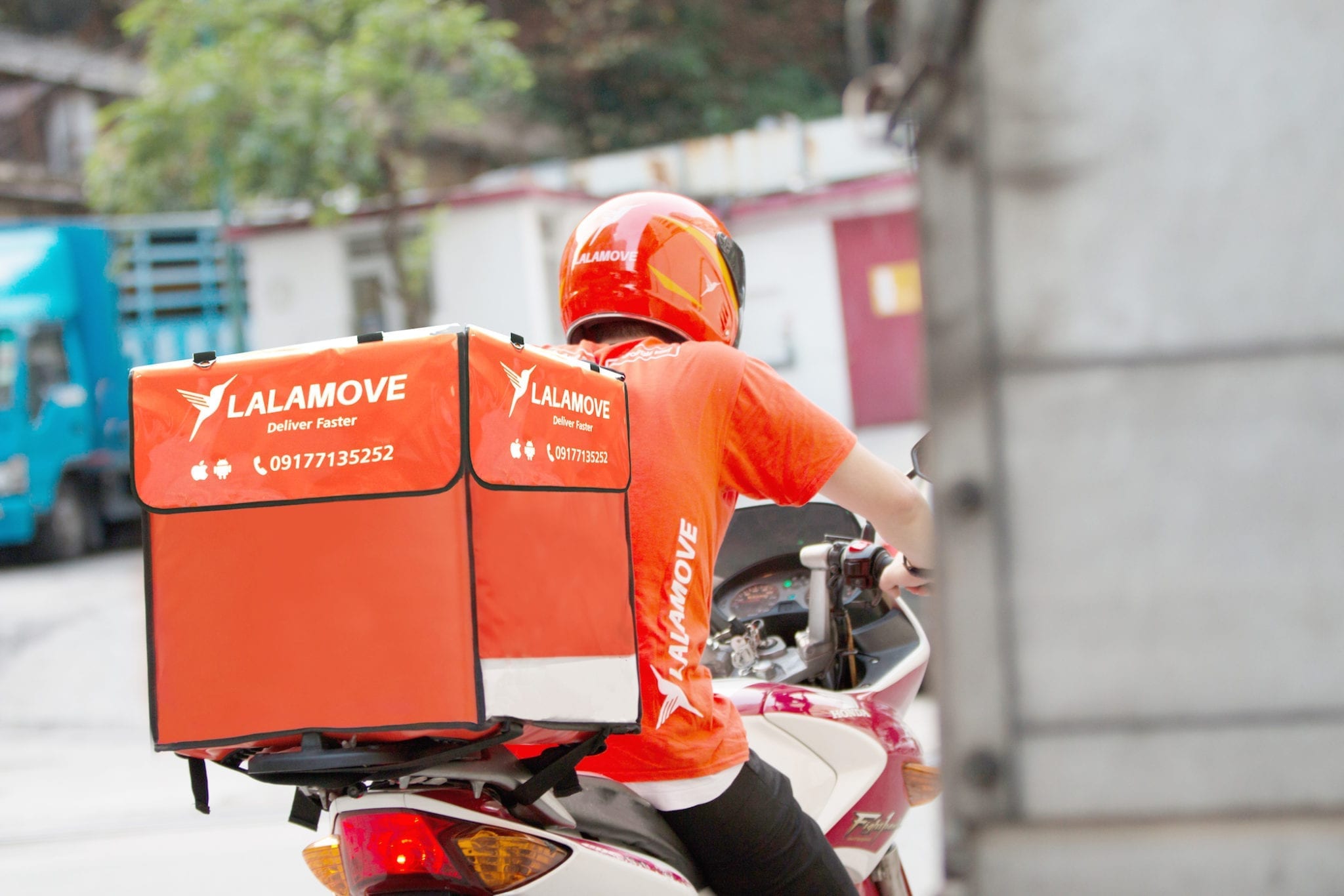
    Hong Kong delivery platform Lalamove has claimed its year-on-year growth in Vietnam doubled in the first 11 months this year.

    But it has not released figures for either year. Vietnam is a key and positive market, its CEO Paul Loo said during a recent visit to the country, and his company has seen opportunities in long-distance delivery grow.

    It now covers 40 localities.

    “Inter-province delivery still accounts for a small ratio of our revenues but it is growing very fast,” Loo said.

    The e-commerce boom has also contributed to the growth, he said.

    Vietnam’s e-commerce market is estimated at $14 billion this year, up 14% from 2021, and is set to reach $32 billion in 2025, according to a report by Google, Temasek and Bain & Company.

    The report said 85% of urban residents use online delivery services. Lalamove, which operates in over 350 cities in mainland China, has a presence in 11 global markets.

    Since entering Vietnam in 2017 it has signed up over 100,000 drivers and 20,000 business partners.

    Businesses are now reluctant to invest in their own vehicles and drivers due to fear of risks amid an uncertain future, which is why they rely on delivery services to transport their products, Loo said.

    His company is investing in technology to improve the algorithm connecting vehicles and customers, he said.

    With $700 million invested in online private transportation companies in the first half of this year, the sector is believed to have high competition.

    There is great potential to increase market share as long as a company meets the needs of its customers and increases the value of its ecosystem, Loo added.

  • Hemp-based skincare startup Hey Bud secures huge deal to supply 400 Priceline stores

    Hemp-based skincare startup Hey Bud secures huge deal to supply 400 Priceline stores

    Hemp-powered skincare brand Hey Bud has rolled into more than 400 Priceline stores nationwide, as the startup readies for Australian authorities to embrace a greater variety of cannabis and CBD-infused products.

    Hey Bud offers a range of serums, cleansers, and clay masks infused with hempseed oil, a natural product touted for its anti-inflammatory properties.

    While hemp is derived from the cannabis plant family, hempseed oil contains no psychoactive ingredients — even if the Hey Bud name does cheekily allude to the plant’s more well-known cousin.

    Officially launched in 2020 by Melbourne co-founders Alex Roslaniec, Ollie Watts, and Fedele D’Amico, Hey Bud commands its own webstore and an engaged, youthful fanbase with more than 210,000 Instagram followers.

    The company claims to have made $10 million in sales in its brief history.

    Partnering with Priceline will help the brand reach even more young customers, Roslaniec says, given the overlap between Hey Bud’s existing users and the pharmacy chain’s core customer base.

    “What we found from speaking to a few different retailers was that Priceline’s customer demographic really made a lot of sense for us,” Roslaniec said

    “So a lot of our customers do shop in the likes of Priceline, and they also have a very similar age demographic as well.”

    “We know customers have been wanting to see our products on store shelves for a while now, and we are so excited to finally make that happen,” co-founder Ollie Watts said in a statement.

    The company is also exploring international distribution opportunities, Fedele added.

    More broadly, the Priceline expansion will help Hey Bud on its mission of “actually educating our customers, and making sure that we are breaking down the stigma of cannabis because it doesn’t have this psychoactive component to it”.

    At the same time, Hey Bud is keeping a keen eye on the CBD product market.

    While doctors are free to prescribe pharmaceutical cannabis in certain circumstances, access to cannabis-based products like CBD oil is strictly regulated in Australia.

    Given the prevalence of legalised CBD-infused consumer products in the US, Canada, and the UK, Roslaniec says customers are eager to hear about legislative developments at home.

    “What we’re finding from a lot of our customers is they’re actually asking us, they’re looking to us for answers when CBD will become legal within Australia,” he said.

    “I believe that it’s only a matter of time before CBD and cannabis become more recreationally legalised here in Australia which we are keeping a very close eye on,” he added.

    The company is “talking to formulators overseas to understand what the process looks like as well so that we are ready to pivot into that space.”

  • Grab to implement cost cuts, cites uncertain macroeconomic situation

    Grab to implement cost cuts, cites uncertain macroeconomic situation

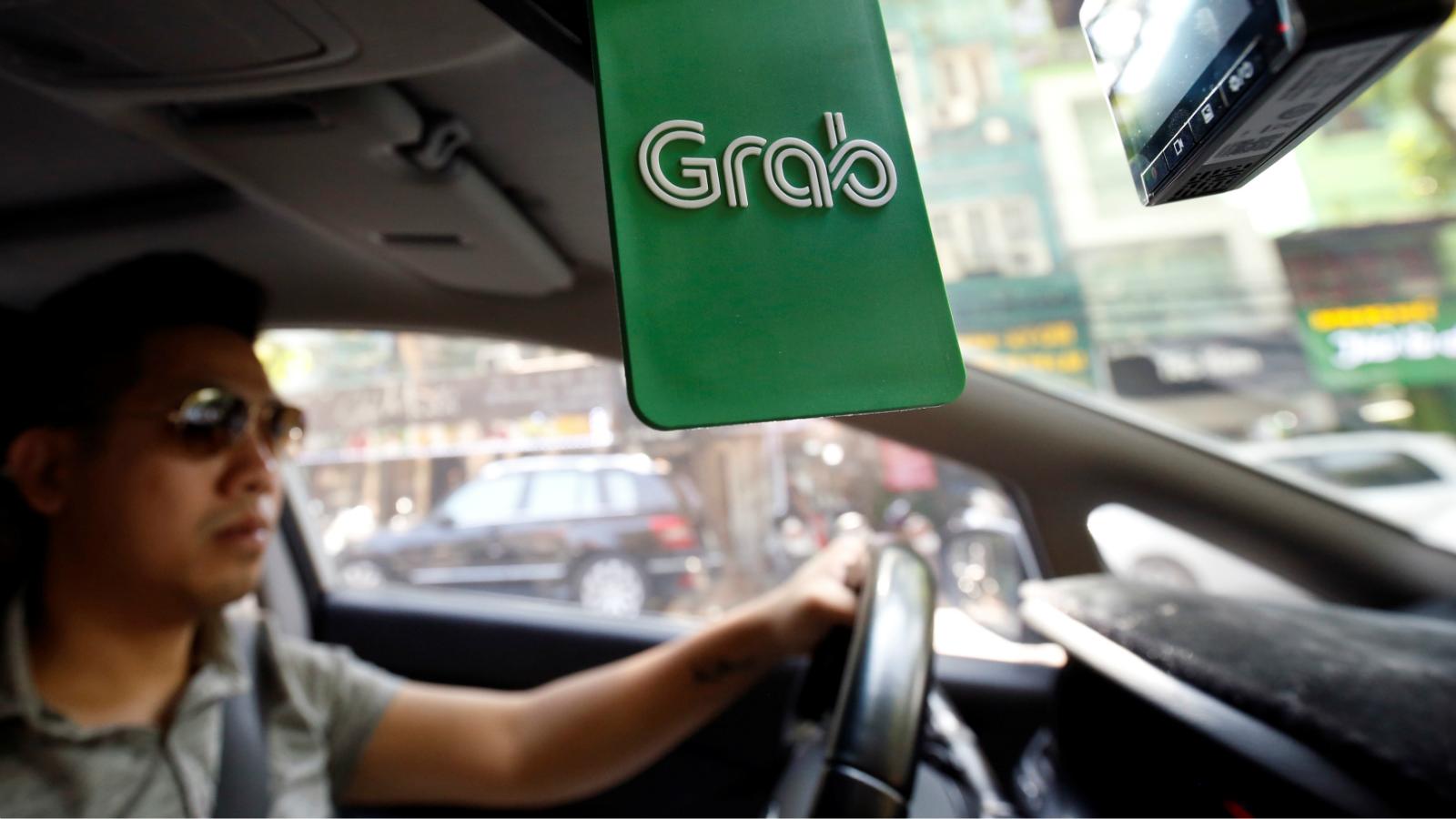
    Grab Holdings, Southeast Asia’s biggest ride-hailing and food delivery firm, is rolling out cost-cutting measures to cope with an uncertain macroeconomic situation, the Singapore-based company’s chief executive told staff in a memo.

    The measures include a freeze on most hirings, salary freezes for senior managers and cuts in travel and expense budgets, according to the memo, whose contents were confirmed by a company spokesperson.

    “None of these decisions were easy, but are meant to help us get leaner and fitter, as we accelerate even faster towards sustainable, profitable growth,” CEO Anthony Tan said in the memo sent to the staff on Wednesday and was viewed by Reuters. “More so than ever, all Grabbers need to adopt a frugal and prudent mindset as we prepare for 2023.”

    Last month, Grab raised its 2022 revenue forecast, reported a narrower adjusted operating loss and said its food and grocery delivery business broke even three quarters ahead of the company’s expectations.

    Tan said in the memo that Southeast Asia has not, and will not, be spared from rising prices and interest rates, and the consequent effects on growth.

    Grab’s new measures “will also help us avert knee-jerk reactions that may interrupt our plans down the road,” he said.

    Decade-old Grab, a household name in eight Southeast Asian countries, has been trying to stem losses by focusing on higher-paying customers and lowering spending on incentives. Grab, which operates in 480 cities in eight countries, had about 8,800 staff at the end of 2021.

    In September, Grab’s chief operating officer, Alex Hungate, said that the company did not envision having to undertake mass layoffs as some rivals, including Uber Inc have done. Instead, Hungate said, the company would selectively hire, while reining in its financial-services ambitions.

    The memo circulated on Wednesday said Grab would “freeze the majority of current open job requisitions which are not in offer stage”. Tan wrote that requests to backfill and fill critical roles would need to be approved.

    Certain leaders at the company would not be eligible for raises in their upcoming reviews, while the travel and expense budget will be reduced by another 20% from the last guidance, according to the memo.

    Grab has more than 5 million registered drivers and more than 2 million merchants on its platform. It caught global attention in 2018 when it acquired Uber’s Southeast Asian business after a costly five-year battle.

    Tan said the company has been cautious with how it has spent money over the past two years, streamlining some businesses, tapering down incentives as well as slowing down hiring. These measures, Tan said, had helped Grab get closer to its profitability goals.

  • Grab to implement cost cuts, cites uncertain macroeconomic situation

    Grab to implement cost cuts, cites uncertain macroeconomic situation

    Grab Holdings Ltd, Southeast Asia’s biggest ride-hailing and food delivery firm, is rolling out cost-cutting measures to cope with an uncertain macroeconomic situation, the Singapore-based company’s chief executive told staff in a memo.

    The measures include a freeze on most hirings, salary freezes for senior managers and cuts in travel and expense budgets, according to the memo, whose contents were confirmed by a company spokesperson.

    “None of these decisions were easy, but are meant to help us get leaner and fitter, as we accelerate even faster towards sustainable, profitable growth,” CEO Anthony Tan said in the memo, which was sent to the staff on Wednesday and was viewed by Reuters. “More so than ever, all Grabbers need to adopt a frugal and prudent mindset as we prepare for 2023.”

    Last month, Grab raised its 2022 revenue forecast, reported a narrower adjusted operating loss and said its food and grocery delivery business broke even three quarters ahead of the company’s expectations.

    Tan said in the memo that Southeast Asia has not, and will not, be spared from rising prices and interest rates, and the consequent effects on growth.

    Grab’s new measures “will also help us avert knee-jerk reactions that may interrupt our plans down the road,” he said.

    Decade-old Grab, a household name in eight Southeast Asian countries, has been trying to stem losses by focusing on higher-paying customers and lowering spending on incentives. Grab, which operates in 480 cities in eight countries, had about 8,800 staff at the end of 2021.

    In September, Grab’s chief operating officer, Alex Hungate, told Reuters that the company did not envision having to undertake mass layoffs as some rivals, including Uber Inc have done. Instead, Hungate said, the company would selectively hire, while reining in its financial-services ambitions.

    The memo circulated on Wednesday said Grab would “freeze the majority of current open job requisitions which are not in offer stage”. Tan wrote that requests to backfill and fill critical roles would need to be approved.

    Certain leaders at the company would not be eligible for raises in their upcoming reviews, while the travel and expense budget will be reduced by another 20% from the last guidance, according to the memo.

    Grab has more than 5 million registered drivers and more than 2 million merchants on its platform. It caught global attention in 2018 when it acquired Uber’s Southeast Asian business after a costly five-year battle.

    Tan said the company has been cautious with how it has spent money over the past two years, streamlining some businesses, tapering down incentives as well as slowing down hiring. These measures, Tan said, had helped Grab get closer to its profitability goals.

  • Online shopping startup Cooky raises $4.5mln

    Online shopping startup Cooky raises $4.5mln

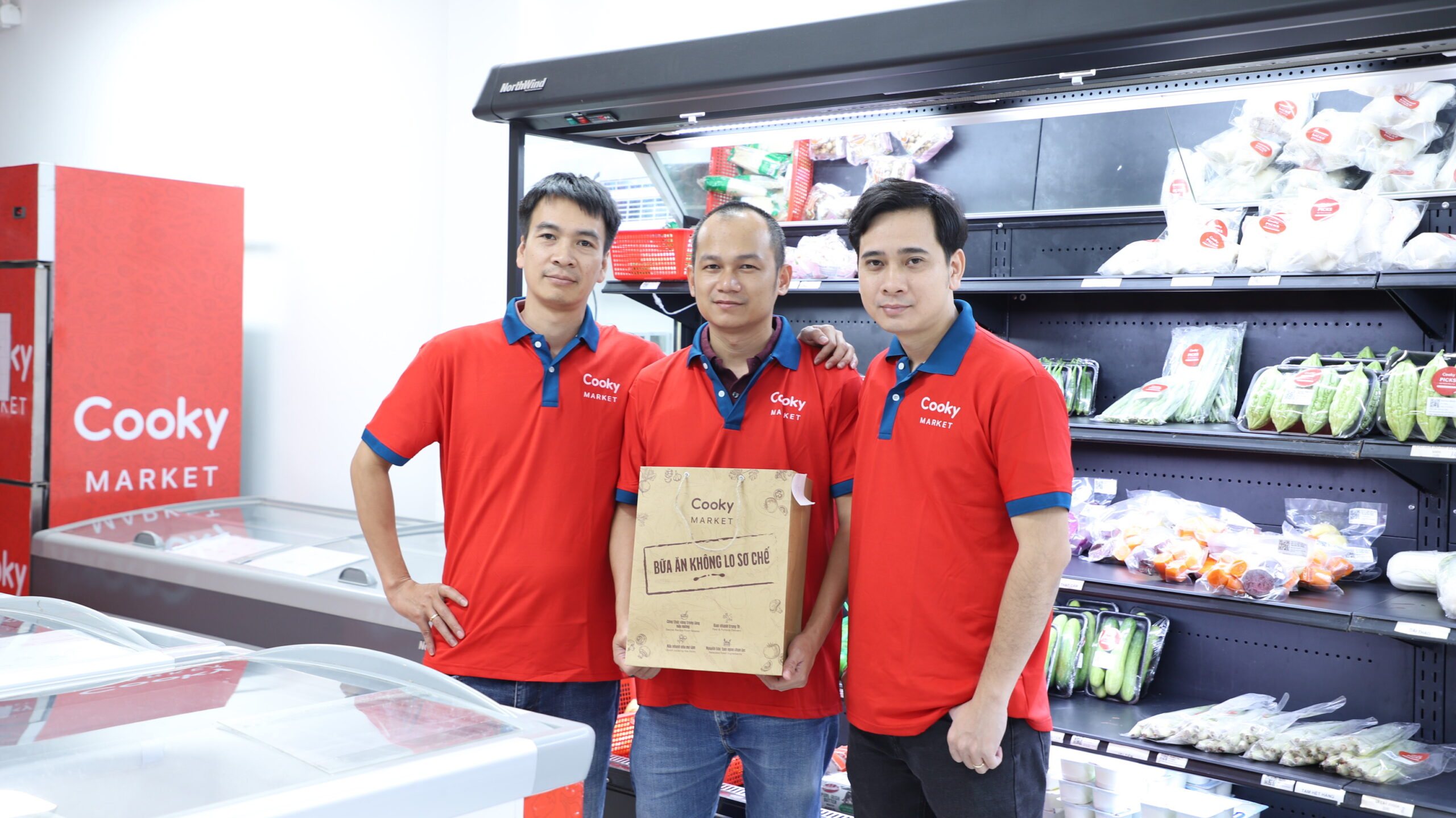
    Online shopping and cooking platform Cooky has raised $4.5 million in a funding round led by Vietnam’s Do Ventures, South Korea’s Nextrans.

    The funding will be used for research and development to create more nutritious recipes at a better cost, said Cooky’s founders Dang Hoang Minh and Nguyen Thanh Dai, also founding members of food platform Foody.

    The startup aims to become a food-tech company, making shopping and cooking easier and more efficient, making both happen within 30 minutes, said Cooky CEO Minh.

    Its app is a combination of an online grocery delivery platform and a cooking delivery service, where customers can shop for ingredients individually or buy a recipe. It has been downloaded more than one million times since it was launched 1.5 years ago.

    After the Covid pandemic boosted demand for online shopping, this consumption behavior has been maintained by Vietnam’s young population. With the rapid rise in popularity of online shopping solutions, the country’s e-grocery market is expected to reach $1.5 billion by 2025, Cooky estimates.

  • Electric motorbike startup raises another $8 mln

    Electric motorbike startup raises another $8 mln

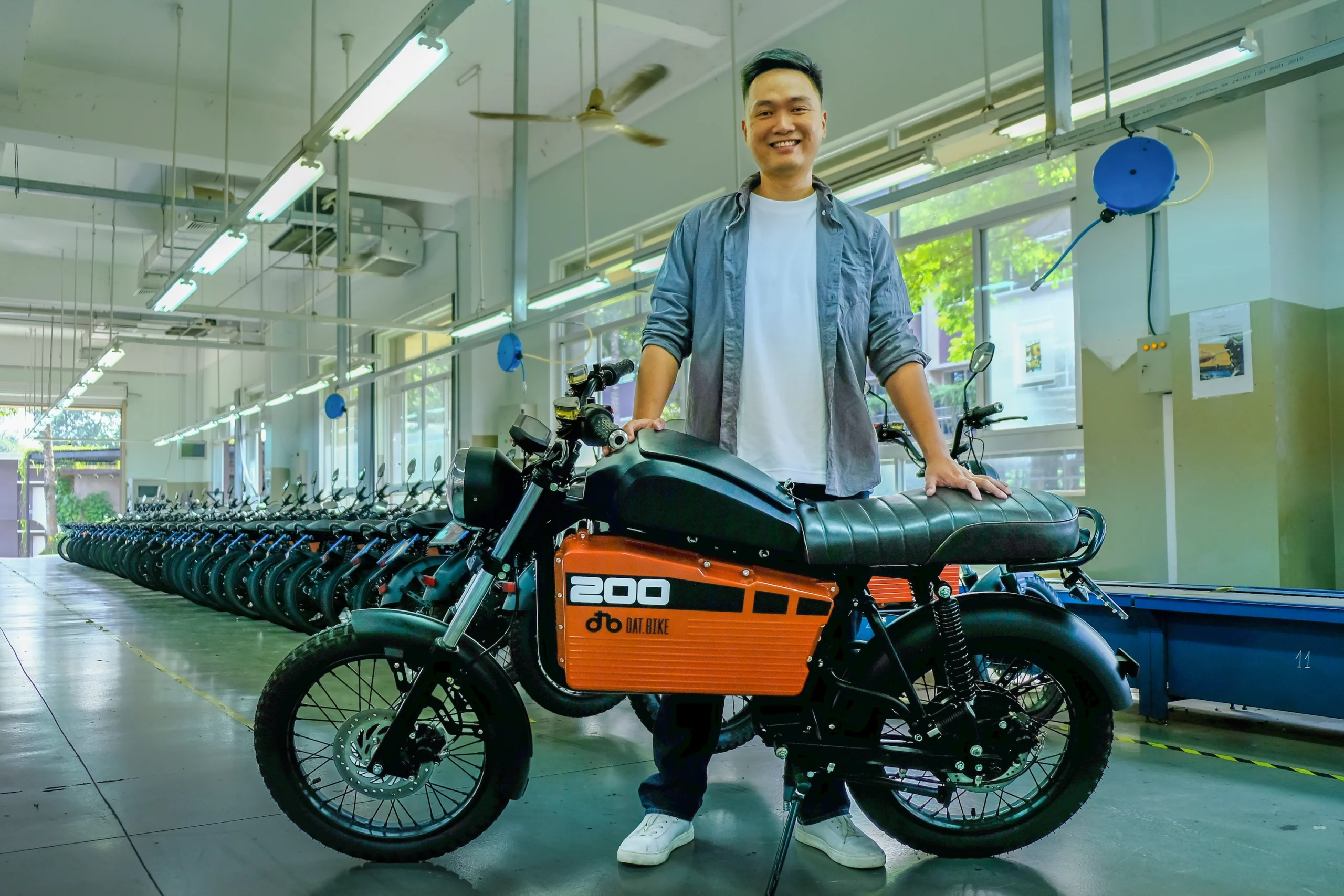
    Vietnamese electric motorbike startup Dat Bike has secured $8 million in a funding round, bringing the total since its establishment to $16.5 million.

    The round was led by returning investor, Singapore-based Jungle Ventures, with participation from GSR Ventures, Innoven Capital, Wavemaker Partners, and Delivery Hero Ventures – the investment arm of Foodpanda’s parent firm.

    The startup will use the new round of funding to invest in technology, scale production, product development and hiring talent, said Nguyen Ba Son, founder and CEO of Dat Bike.

    Founded in 2019, Dat Bike says its revenue grew 10 times over the past 12 months.

    The launch of its latest model, Weaver 200, has solved the problems of performance and range as it has a maximum capacity of 6,000W, covering 200 km with a 3-hour charge, Son said.

    The startup has also launched Dat Charge – an ultra-fast charging station for its electric bikes, which allows charge for a 100km trip in 20 minutes and 150km in 30 minutes. This is the highest electric bike charging speed in the country at present, according to the company.

    After four years of operations, Dat Bike has three stores in Ho Chi Minh City, Hanoi and Danang. It plans to enter other Tier 1 cities, including Quang Ninh, Hai Phong, Nha Trang, Binh Duong and Can Tho, soon.

  • Uber starts to annoy some users by sending them ads as push notifications

    Uber starts to annoy some users by sending them ads as push notifications

    Everyone hates ads, but they are the price we pay for all the free apps out there. However, it’s one thing to watch them when you are using a free app, and it’s a whole other story to be bombarded with ads through push notifications even when you are not actually using your phone.

    Recently, Uber launched a new advertising division and is now displaying banners in its app. However, it appears that the company is also currently testing a way to advertise various things through push notifications, which is something it didn’t even mention when it announced its decision to put ads in its app.

    In recent days, many users shared on Twitter that the Uber app has started sending them push notifications for ads of other companies. This would be somewhat ok if users were using the app at this time; however, it appears that Uber was sending them these notifications when they weren’t.

    Thankfully, Uber said that these push notifications were part of a limited test, and users can always set their notification preferences in the app’s settings. However, the company needs to specify how many people have been included in the test, how long it will last, and whether it would decide to make push notification ads a permanent experience.

    At the moment, Uber is using the so-called “journey ads,” which advertise one single brand throughout a user’s travel. Usually, users see an ad while waiting for their ordered car to arrive, while traveling, and when they reach the designated destination. Advertisers personalize ads to users based on their travel history. Currently, there is no information on whether Uber used the same data to choose what ads to display as push notifications.

  • First made-in-Vietnam flying car to hit market in 2024

    First made-in-Vietnam flying car to hit market in 2024

    Hanoi company Airlios has demonstrated a flying electric car which it plans to sell commercially in 2024.

    The single seater, also called Airlios, could fly vertically to reach 10 meters within 10 seconds and then fly at speeds of 100 kilometers per hour, the company said at a recent exhibition.

    It can rise to as high as 120 meters, the same height as a 44-story building. It has eight batteries that are fully charged in seven to nine minutes at 30-kilowatt charging stations.

    It is mostly made of aluminum alloy and carbon fiber, and can fly both automatically and manually.

    A prototype has successfully flown 33 kilometers in 20 minutes at a height of below 120 meters. It has been tested for 100 hours and 1,000 kilometers.

    “The project is now 70-80% complete,” Mai Thien Vu, the company’s chief technology officer, told VnExpress.

    “We plan to launch the maiden flight of the commercial version of Airlios by the end of 2023.”

    Managers and engineers at Airlios began thinking about making flying cars five years ago, he added.

    If it is launched as scheduled, Airlios could become the first flying car in Southeast Asia.

    The standard version will cost around $81,000 compared to, for instance, $92,000 for Swedish brand Jetson.

    Airlios will also offer other models costing up to $99,000.

    Many startups in a number of countries have started working on flying cars though there have been few commercial launches yet.

    Singapore, Malaysia and Indonesia plan to launch flying taxi services in future.

  • Indonesian F&B startup Dailybox enters Singapore

    Indonesian F&B startup Dailybox enters Singapore

    An Indonesian-based online restaurant startup, Dailybox, opened a new kitchen in Singapore. Various Indonesian dishes can now be ordered through GrabFood delivery service in Singapura.

    Dailybox Group CEO Kelvin Subowo explained that they decided to expand business to Singapore due to dependence of the SIngporean toward food delivery services. Survey showed that nearly half of the Singapore population, or around 2.5 million people, used food delivery services in the country in 2021.

    The number is expected to increase to 3.6 million in 2025. In additio, consumers in the west area of the city-state reportedly want more variations of non-local food.

    “Jurong is one of the densely populated areas. Unfortunately, F&B merchant in this location does not vary. To meet the consumers need, Dailybox joins and becomes one of the  F&B merchants in Supply Chain City area,” Kelvin said Friday, Oct. 21.

    Dailybox Group head of product, Arcad Fadillah, said that through the new opening, his side could introduce to the Singaporean public that Indonesian dishes are not only nasi goreng or sate ayam (chicken satay). “A number of best Indonesian cuisines from Padang, Manado, Bali, Lombok, and Java areas have become featured dishes at Dailybox Jurong,” he said.

    Dailybox is available in Supply Chain City, Jurong. It offers more than 20 menus from various Indonesian regions, namely tongseng kambing of Central Java, ayam woku and rica-rica from Manado, gulai ikan from Sumatra, until bakwan sayur and tempe mendoan with various traditional sambals.

    “For the people of Singapore who like vegetables, we introduce Pecel dish with Javanese peanut sauce. We also have Ayam Taliwang from Lombok that will definitely be favored by spicy food lovers,” Arcad said.

    Established in 2018, Dailybox created rice menu with Indonesian and international dishes. It debuted as a rice box provider before adopting a cloud kitchen business and partnering with food delivery service providers.

  • Thai beauty e-commerce platform Konvy bags $10 million in series A

    Thai beauty e-commerce platform Konvy bags $10 million in series A

    Founded 10 years ago, Konvy is now Thailand’s top beauty e-commerce platform. It plans to accelerate its omnichannel and international distribution with a new Series A of $10 million from Insignia Ventures Partners.

    Konvy was launched in 2012 by Chinese entrepreneur QingGui Huang, who previously managed fashion e-commerce platforms in China. It now works with more than 1,000 brands, representing SKUs of more than 20,000. Its brand portfolio includes L’Oréal, Shiseido, Sulwhasoo, Eucerin and La Roche-Posay.

    “Konvy had the advantage of starting in Thailand when there were no really significant e-commerce players there at the time,” Huang told TechCrunch. “We’ve since leveraged our first mover advantage in Thailand to become a leading e-commerce player in the market.”

    Konvy founders Leon Huang, Pornsuda Vangvidhayakul and QingHui Huang

    Konvy’s goal is to help local and international beauty brands take advantage of two major trends. The first is that health and beauty purchases are a priority spending category for Thai consumers and the second is that Thailand sees high rates of e-commerce purchases and social media usage, meaning that young people in Thailand spend an average of about two hours and 55 minutes on social media each day.

    Huang said he confirmed his assumptions about Thai spending on beauty products through conversations with brands, which drove his desire to start Konvy.

    “This opportunity of health and beauty being a priority spending category for Thai consumers is a function of both demand and supply circumstances favoring this consumer behavior over the past decades,” he said. “On the supply side, Thailand has been a manufacturing hub for a lot of international brands for more than 40 years. This has spawned as well a thriving local industry. On the demand side, we see that Thai consumers are plugged into this mindset of ‘upgrades’ when it comes to health and beauty, that is to say, it’s not just about accessing such products but actually looking for the best products and high willingness to spend on the latest trends.”

    Konvy taps into the high rate of social media usage by developing a feedback loop, where engagements on its partner brands’ not only helps Konvy’s existing portfolio, but also helps more brands in the future. For example, as more Gen Z consumers bought products they saw on TikTok during the pandemic, Konvy made itself more present on that channel.

    In a statement, Insignia Ventures Partners founding managing partner Yinglan Tan said, “While there may be stronger competitors from horizontal marketplaces in the future, we believe Konvy is best positioned to be the market leader in the online beauty segment given its long-standing brand equity, brand-centric and community-led approach.”