Retail News CRM

Tag: startup

  • 5 Practical Tips for Making a Successful Midlife Career Change

    5 Practical Tips for Making a Successful Midlife Career Change

    Changing careers in Singapore is never an easy decision, especially if you are in your 40s or older. After all, even the mere thought of starting over when you are already nearing the age of retirement can be downright scary. What if you don’t make it? What if you suffer financially? These are just some of the questions that could be plaguing your mind as you ponder the idea.

    But then if the desire to find a more satisfying and rewarding career is much stronger than the fear – or if it has been too long since you felt excited and happy going to work, you may need to consider making a career switch. That said, don’t start by worrying. Contrary to a common misconception, nobody is too old to transition to another career. With the right mindset and proper preparation, you can tread your career-change journey successfully.

    If you’re not sure where to begin, we’re happy to provide you with these five tips that you may want to consider to make a successful midlife career change:

    Know What You Want

    Perhaps the biggest mistake you can commit when making a mid-career change is ending up in a new job that you hate as much as your old job. To avoid this dreadful situation, you need to spend time figuring out what career you truly want to pursue before jumping ship.

    Reflect on your values, motivation, and talents. What are the things that matter to you when it comes to your career? Is it money, the thought of helping people, or making a difference? Make an honest assessment of yourself to have a better idea of the career you want. Once you have an idea of what you truly desire, it is easier for you to plan your next steps and research related opportunities.

    Acquire the Necessary Skill Set

    While you may have the soft skills to help in your new career, you may need to acquire knowledge and a different skill set to qualify for your desired position. As such, try to discover the necessary education and training you require for the career you are eyeing. Afterwards, find affordable ways to acquire what you need.

    Besides looking at free online education options, you may want to take advantage of the different government programs and schemes available to help in your journey. For instance, if you are a Singapore citizen aged 40 and up, you can enrol in one or more of the multiple Skills Future courses and enjoy up to 90 per cent of course fee subsidies under the SkillsFuture Mid-Career Enhanced Subsidy programme. You can also look at Career Conversion Programmes (CCP) by Workforce Singapore (WSG), as these initiatives are focused on helping mid-career people like you who desire to undergo skills conversion.

    Consider Your Finances

    Without a doubt, making a career change will impact your finances. That is why more often than not, you simply can’t decide to switch jobs one day and then hand in your resignation the next. A large part of planning your transition is ensuring that you can afford to make the change, especially if you are the breadwinner in the family.

    To ease your financial concerns, you may want to create an emergency fund and save enough money to finance your living expenses and other needs for three months or more. By doing so, you will not feel overly burdened in case your career change does not go as planned.

    You may also need to set a budget to fund your education and job hunt since government subsidies can only go so far. And if you are risk-averse, having a backup plan can reduce the stress of transition. Perhaps your parents or spouse can commit to helping you out financially if your savings run out and you still don’t have a stable income.

    Build Your Network

    As you learn new skills and save money to fund your new career, you may want to build your professional network as well. Connecting to people and organizations in your desired field can help you understand what the job entails and allow you to scout for opportunities.

    If you don’t have friends or acquaintances in the sector you desire, you can try reaching out to industry leaders through professional networking sites and similar platforms. Email them directly or attend industry events to meet more people. You can also tap WSG’s Volunteer Career Advisors Initiative if you are a Singapore citizen or a permanent resident to find industry veterans who can guide you in your career-change journey.

    Gird Your Loins

    Despite your preparation and planning, making a career change a bit late in the game is never easy. Aside from practically starting over to earn the necessary qualifications and adjusting your finances, you also have to ready yourself psychologically. After all, having to prove your value all over again and taking orders from superiors and colleagues much younger than you can test your patience and humility. That said, make sure to prepare yourself in all aspects to navigate the career-change process successfully.

    Switching careers in your later years can be challenging. You need to invest time and energy, and you need to work diligently to transition effectively. However, if you are making the change for your happiness, personal fulfilment, and things that matter most, you probably owe it to yourself to at least give it a try. Just remember to plan well, be open to learning, and cover all the bases, and your career-change journey will undoubtedly become one of the best decisions you’ll make in your life.


  • Menswear startup raises $2 mln in Series A round

    Menswear startup raises $2 mln in Series A round

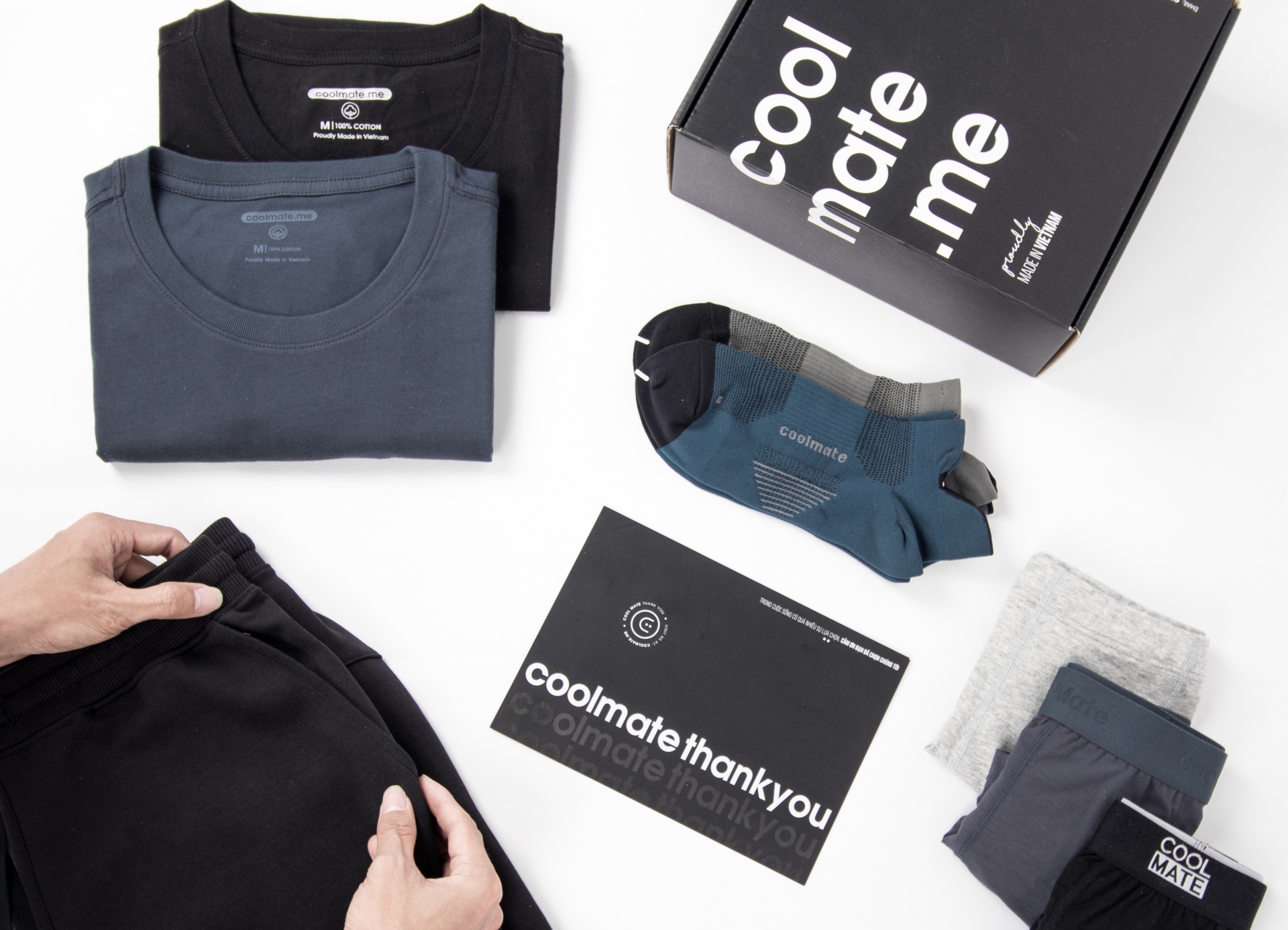
    Coolmate, a Vietnamese menswear brand that is sold online, has raised US$2 million in a Series A funding round from a group of investors.

    The round was led by Access Ventures and included Do Ventures, CyberAgent Capital and DSG Consumer Partners.

    Coolmate intends to use the money to fund research into new products, upgrade its operating system and hire more human resources, its co-founder and CEO, Pham Chi Nhu, said.

    Founded in 2019, the startup has no physical store up to date. It reportedly gets 10,000 orders a day now compared to 2,000 in the first year of operation.

    It expects to achieve $19 million in revenues this year.

  • Shinhan acquires 10 pct stake in Tiki

    Shinhan acquires 10 pct stake in Tiki

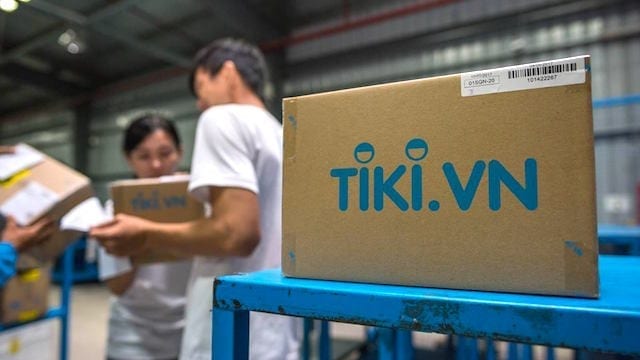
    South Korea’s Shinhan Financial Group said it has reached an agreement to acquire a 10 percent stake in Vietnam-based e-commerce company Tiki.

    The South Korean group said its two units, Shinhan Bank and Shinhan Card, will pick up 7.44 and 2.56 percent stakes in Tiki, respectively. It has invested $90 million in the e-commerce player.

    “Based on Shinhan’s financial expertise and Tiki’s database in a broad range of areas, we are expecting to build a new converged digital ecosystem in Vietnam,” a Shinhan representative said in a statement.

    The deal was first reported by DealStreetAsia in January, with initial investment of around $40 million.

    Founded in 2010, Tiki is the fifth most popular e-commerce site in Vietnam with 17.9 million monthly visitors last year, according to data portal Statista.

    It closed the Series E round last November with $258 million, which was led by insurance group AIA. The company has raised about $450.5 million in total, according to Crunchbase.

    The round brought Tiki closer to unicorn status, with a valuation of around $832 million.

    Shinhan Bank, the largest foreign lender in Vietnam in terms of assets, has around 650,000 users of its online platform, which was launched in 2018.

  • Indian grocery startup Zepto raises new funds at $900 million valuation

    Indian grocery startup Zepto raises new funds at $900 million valuation

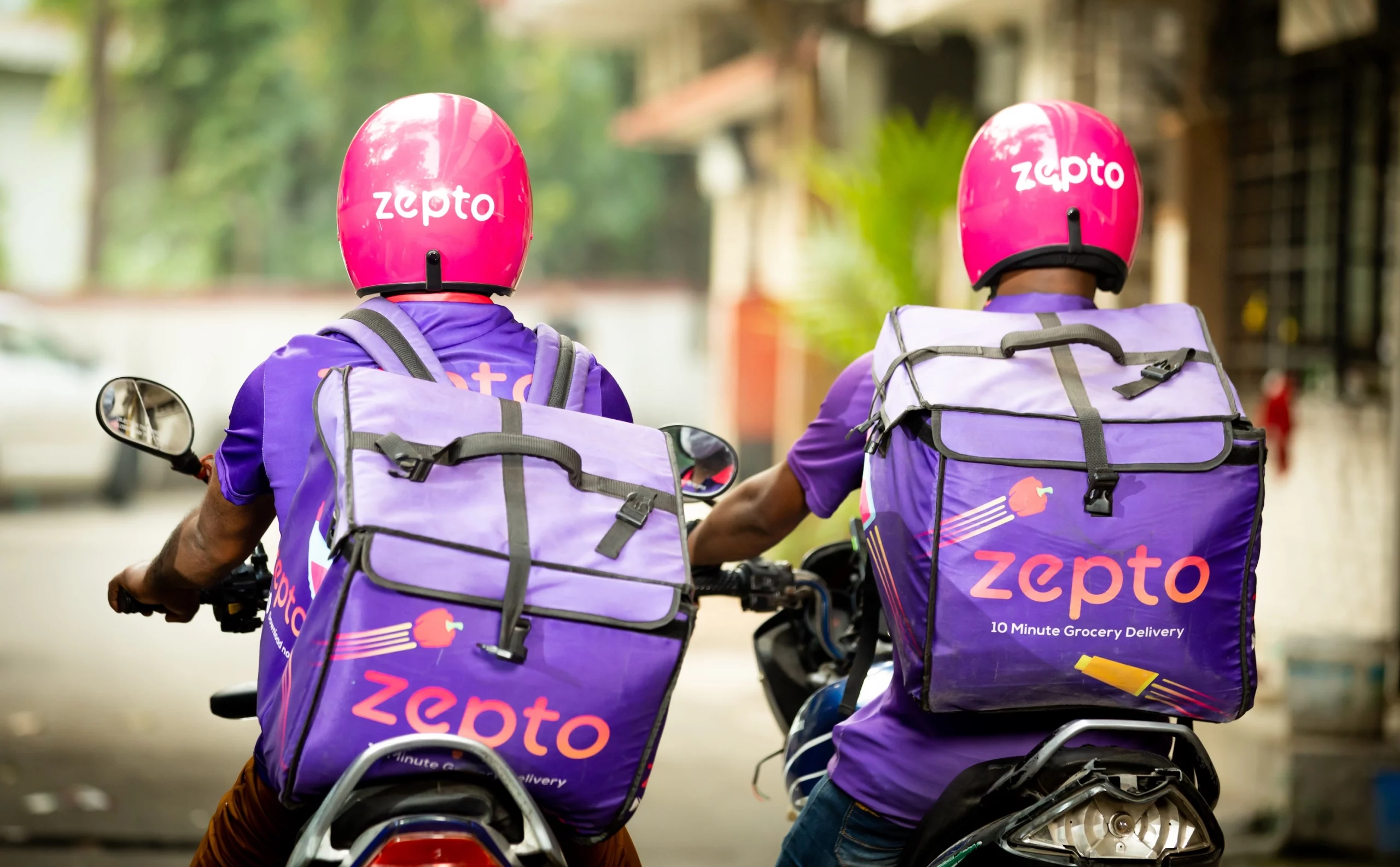
    Instant grocery startup Zepto has raised $200 million in a new financing round as it looks to expand its 10-minute delivery service to more cities in India and grow its network of dark stores.

    Existing backer Y Combinator Continuity led Zepto’s Series D round, valuing the Mumbai-headquartered startup at about $900 million, up from $570 million in its December Series C round and $225 million in a round unveiled in late October.

    Kaiser Permanente, the giant healthcare firm, which also operates a venture arm, as well as all key existing investors including Nexus Venture Partners, Glade Brook Capital, Contrary Capital and Lachy Groom, participated in the new round, the startup said Monday evening.

    There’s no secondary transaction in the new round, which brings the startup’s to-date raise to $360 million.

    At 19, Aadit Palicha and Kaivalya Vohra co-founded Zepto. The duo, who had previously worked on a number of projects, including a ride-hailing commute app for school kids, and dropped out of Stanford two years ago, took Zepto out of stealth mode in November last year.

    Its 10-minute delivery service is today operational in 11 cities across India and it processes hundreds of thousands of orders each day, Palicha, who serves as Zepto’s chief executive, told TechCrunch in an interview.

    The startup’s current annualized revenue is between $200 million to $400 million, he said, a figure he is determined to grow to “at least $1 billion” by the quarter ending March next year.

    The surge in revenue comes as the startup has consistently grown by over 50% each month in recent months, he said. In the most recent quarter, the startup grew its revenue by 800% while slashing its expenses per order by more than five times, he said.

    In India, Zepto is among the earliest startups attempting to prove the quick commerce model, a category that has taken off in several markets, including North America and Europe. However, a number of startups operating in the space have either scaled down their efforts or shut down completely, as many venture investors lose appetite for fast delivery.

    Zepto competes with Swiggy, India’s most valuable food delivery startup and one that has committed to investing more than $700 million on its quick commerce service, called Instamart.

    A number of other players, including Blinkit, formerly known as Grofers, are also attempting to win a slice of the market. The SoftBank-backed startup recently agreed to an acquisition offer by larger food delivery firm Zomato, TechCrunch reported earlier, which in recent months has expressed interest in expanding to the quick commerce category, an area where it has historically performed poorly.

    Zomato last month began a pilot of 10-minute delivery of food items in its home city of Gurugram. Zepto is also piloting a service to deliver a range of prepared food items, including hot beverages and snacks within its signature 10-minute promise in select areas in Mumbai, it said.

    At stake is a $45 billion market, according to analysts at Sanford C. Bernstein. In a report earlier this year, the firm’s analysts reported that India is leading other global markets in the adoption of quick commerce.

    The analysts said customers’ increasing willingness and ability to a pay premium for superior quality products and the growing market for home delivery have contributed to the growth of quick commerce in the country.

    The average size of an order placed on an instant delivery service is currently about $6 in India, compared to $12 to $15 for traditional online grocery orders, they said. “But recent cohorts have shown improving stickiness, with basket size increasing with increase in usage. Quick commerce models have seen improving monthly order frequency (mature cohorts at 3-4 times a week, with healthy AOV of 400-500 Indian rupees). Quick commerce players are focused on driving a high frequency basket which will drive better economics,” they added.

    For Zepto, instant grocery delivery is just the beginning in a decade-long journey ahead, said Palicha. Though he declined to reveal the startup’s audacious plans for the future, he said it’s fair to assume Zepto will expand to categories beyond grocery in the long-term, especially those that are currently underserved by giant e-commerce players.

    The startup plans to expand to an additional 12 to 20 cities in the next 12 months and set up a few hundred more dark stores, which it uses to store inventory. These dark stores are optimized for fast delivery, said Palicha. There, the startup stores the most commonly ordered items and a catalog of SKUs in different price ranges. The startup also plans to nearly double its workforce to 2,000 by the end of this year.

  • Zilingo CEO suspended amid financial probe

    Zilingo CEO suspended amid financial probe

    Zilingo Pte, one of Singapore’s highest-profile startups, has suspended Chief Executive Officer Ankiti Bose after an effort to raise new funding led to questions about the company’s accounting, according to people familiar with the matter.

    The company, which supplies technology to apparel merchants and factories, had been trying to raise $150 million to $200 million with help from Goldman Sachs Group Inc. when investors began to question its finances as part of the due diligence process, said the people, asking not to be identified because the information is confidential.

    The company began by working with small merchants that sell to consumers and then expanded into adjacent areas. As the founders started talking with small sellers, they realized many lacked access to robust technology and essential capital.

    That led them to develop software and other tools that would allow merchants to access factories in places like Vietnam or Bangalore, and would smooth the complicated process of shipping across borders. In 2018, Zilingo began to team up with financial technology firms to provide working capital to small sellers so they can buy raw materials to produce goods.

    In early 2019, Zilingo raised $226 million from investors including Sequoia and Temasek, and pushed its valuation to $970 million, almost the $1 billion mark that earns startups designation as a unicorn. Bose, then 27, was celebrated as a visionary and a sign of the entrepreneurial potential for Southeast Asia.

    “We were a bunch of twenty-somethings with nothing except this dream and we decided to chase it,” she said at the time. Bose had worked at Sequoia earlier and had said the experience helped her build the startup.

    Zilingo, which had grown into a full-blown marketplace for wholesale buyers and sellers in the fashion industry, faced growth troubles after pandemic-fueled restrictions forced many small businesses to shut their doors. To rein in its own costs, Zilingo said it cut a number of jobs in 2020 and downsized marketing, sourcing and support teams in the U.S., Australia, Singapore and Indonesia.

    The company made an aggressive pitch in its latest effort to raise fresh capital. Late last year, it forecast that core net revenue would rise from about $40 million in fiscal 2021 to roughly $60 million in fiscal 2022 and $100 million the year after, according to presentation documents reviewed by Bloomberg News. Zilingo said it anticipated breaking even on core Ebitda — or earnings before interest, taxes, depreciation and amortization — in fiscal 2023 and then reach almost $200 million in fiscal 2026.

    On March 31, Bose was called to a meeting with three board members and told about “serious” complaints about discrepancies in accounts and mismanagement, according to the correspondence reviewed by Bloomberg. She was later questioned by two people from Kroll, the investigations firm. Her suspension is scheduled to run until May 5.

    Bose, through her lawyer, has argued that the directors did not follow proper procedures during the process and questioned their right to suspend her, according to the correspondence from her attorney to Zilingo.

    “We are of the view that our client’s suspension has been procured by invalid and defective means; that the investigation commenced into her is unfair and lacking in due process, and that she has been suspended without proper and reasonable cause,” her attorney wrote.

  • Vietnamese co-living startup raises $1.7 mln from Singapore fund

    Vietnamese co-living startup raises $1.7 mln from Singapore fund

    M Village, an accommodation startup in co-living spaces, has received funding of US$1.7 million led by Singaporean venture fund Simple Tech Investment.

    The money will be used for expanding the number of rooms the startup has in Ho Chi Minh City from the current 300 to 1,000 this year.

    Its founder, Nguyen Hai Ninh, is also the founder and ex-CEO of The Coffee House, a HCMC-based coffee chain that has over 140 stores across Vietnam.

    He said: “The fund-raising process started late last year and it has worked out pretty well. Simple Tech Investment agreed on investing after a month of getting to know each other”.

    Simple Tech has previously invested in digital transformation by some Vietnamese businesses, including online advertiser 24h, human resources service SieuViet Group, and leading barbershop chain 30Shine.

    M Village has also received funding from Singapore’s Vulpes Venture, Japan’s Genesia Ventures, and some angel investors.

    Founded in October 2020, M Village operates five locations in Ho Chi Minh City with their occupancy rates exceeding 90 percent.

  • Foodpanda Hong Kong donates HKD3m to Covid-19 community support

    Foodpanda Hong Kong donates HKD3m to Covid-19 community support

    While we all wait for the rollout of the city’s anti-pandemic fund to support residents and businesses affected by the ongoing public health crisis, some of Hong Kong’s biggest companies have also stepped up to help. In a recent announcement, foodpanda, the largest food and grocery delivery platform in Asia, is also rising up to assist those that have been affected by the pandemic.

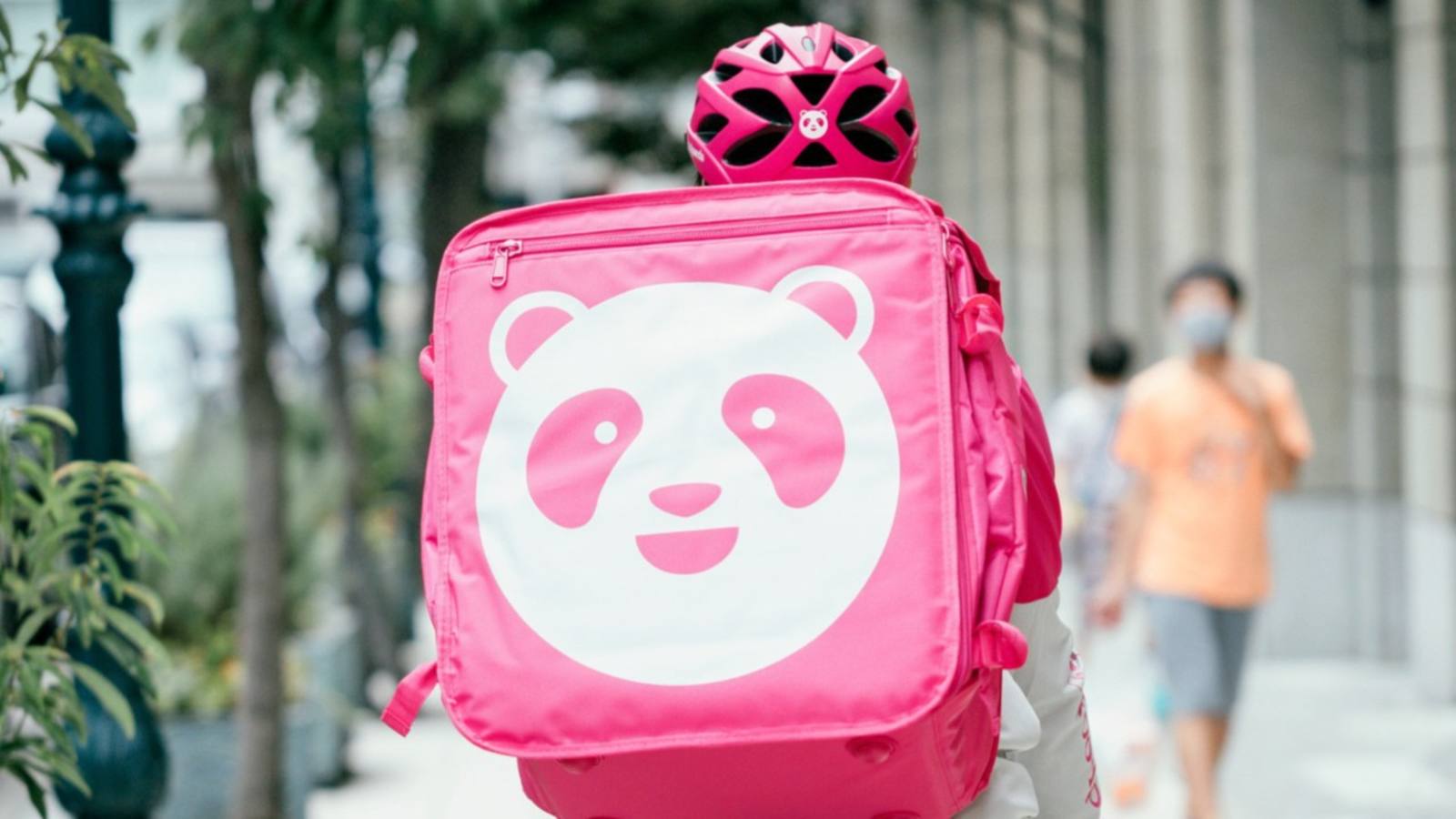
    Foodpanda is launching a series of support measures, amounting to a total of $3 million, including a donation of 12 thousand food vouchers ($1 million worth) for people in need and investment on initiatives for their restaurant partners, shop vendors, and foodpanda fleet.

    By mid-March, foodpanda food vouchers will be donated to 15 local charities, including Food Angel, Foodlink Foundation, ImpactHK, Hong Chi Association, Concern for Grassroots Livelihood Alliance, Tuen Mun District Women’s Association, Hong Kong Single Parents Association, Hong Kong Women Worker’s Association, Hong Kong Community Network, Chain of Charity Movement, Social Development Practice and Research Centre – Family Mutual Hub, among others. These vouchers may be redeemed on the foodpanda platform for food delivery or pick-up.

    Foodpanda restaurant partners will get a waived monthly listing fee until March 31 and 50 percent discount off paper bags and foodpanda sustainable packaging. Meanwhile, their shop partners will get up to 28 percent reduced commission rate for new small-medium sized local vendors that sell locally produced fresh produce and food ingredients. New vendors to foodpanda mall will get an expedited onboarding process of seven to ten days. The company’s delivery fleet will get free access to 7,000 rapid COVID-19 rapid antigen test kits, an extension of Covid-19 insurance plan coverage, as well as free face masks, hand sanitisers, and durable medical-grade self-sanitising photocatalyst coating for couriers’ thermal bags. The platform is also setting up a dedicated express registration link for F&B staff hard hit by the pandemic who want to apply and join the foodpanda fleet as couriers to gain extra income.

    “As members of the Hong Kong community ourselves, our entire team is dedicated to rallying together to find ways to give back to the local public and support our stakeholders, providing temporary relief measures for some,” shares foodpanda Hong Kong’s managing director Ryan Lai. “Apart from providing additional support through various initiatives, we hope that we can also encourage others within the industry to roll out support measures too, as we all fight to overcome the pandemic together,” he adds.

  • Deliveroo invests HK$2m to fund sustainable plastic-free packaging

    Deliveroo invests HK$2m to fund sustainable plastic-free packaging

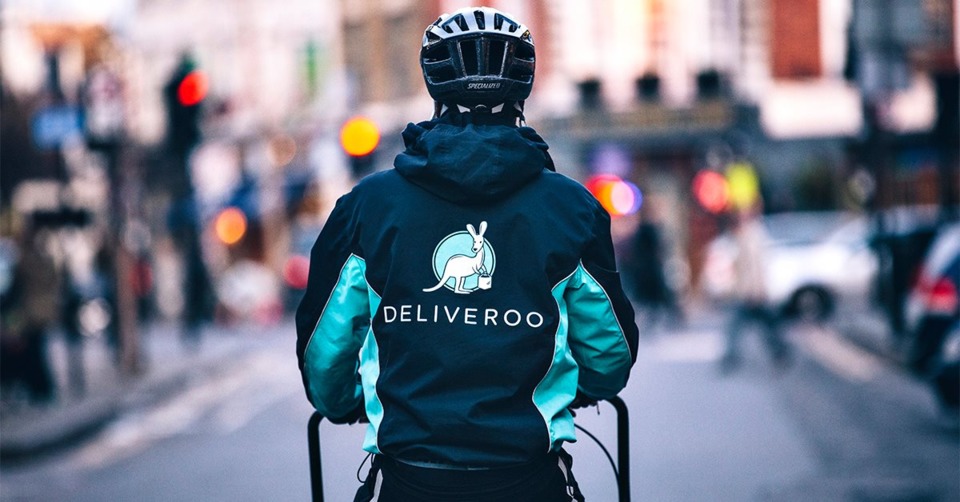
    Deliveroo HK is taking steps to reduce food packaging waste generated by its restaurant partners. The delivery giant is investing HK$2 million to incentivize a scheme that will encourage restaurants to use plastic-free packaging for their delivery orders. It comes as the government considers a move to ban single-use plastic tableware.

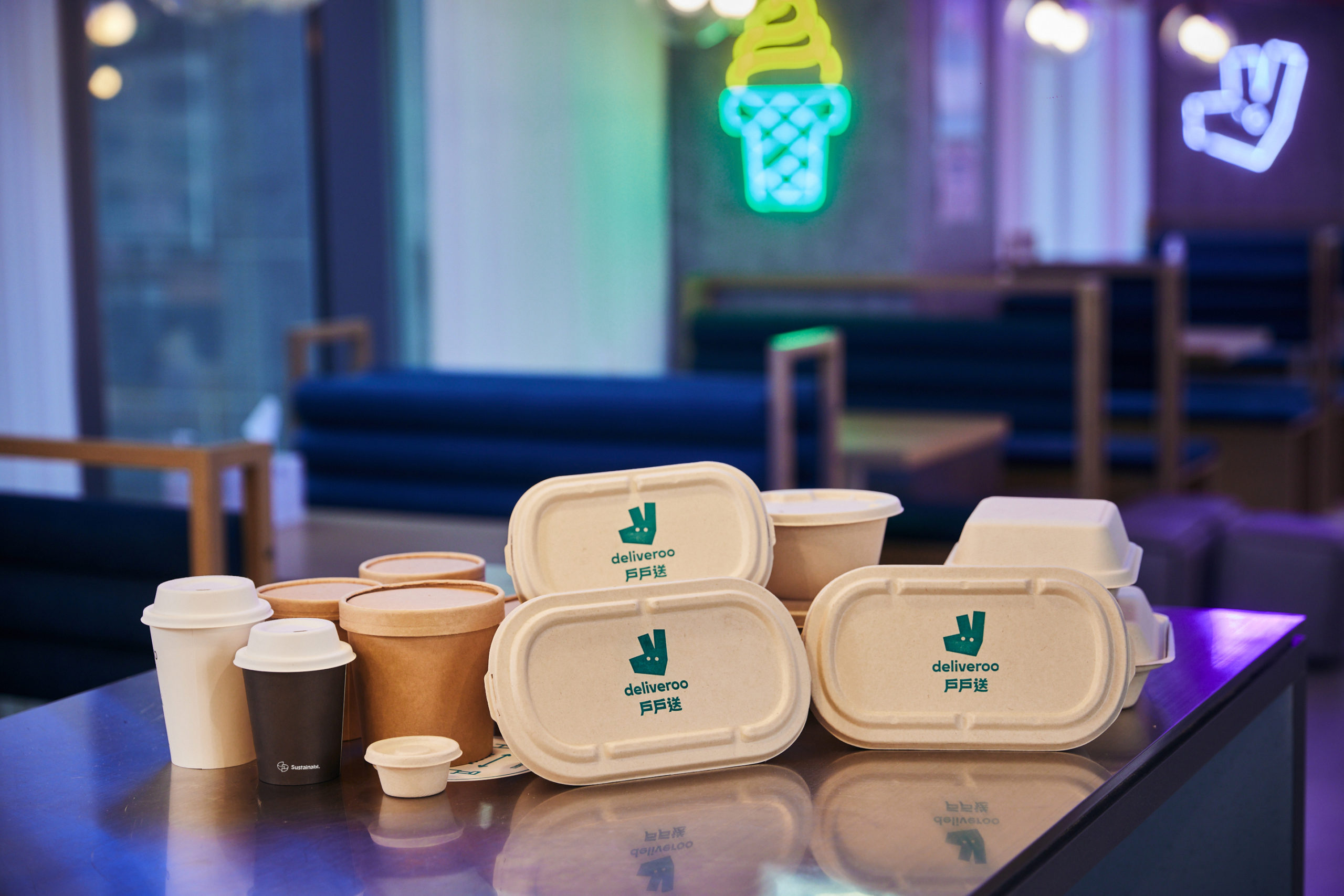
    Investment from Deliveroo HK will allow restaurants to buy suitable food containers at a discounted rate, from zero waste company Sustainable. Independent restaurants and small F&B providers will be offered a 50 percent reduction in packing prices. Large chains will receive a 30 percent discount. Both will be applicable for the first six months of the initiative.

    Deliveroo HK claims to have made sustainability a priority. Its collaboration with Sustainabl. will allow it to promote plastic-free, home-compostable, or recyclable packaging options to restaurant partners. Platform users will be able to search specifically for restaurants that offer eco-packaging solutions, in the future, making early adoption a potentially business-critical decision.

    “With sustainability being one of our priorities here at Deliveroo, we knew it was time to take the crucial step of launching a sustainable packaging scheme that would be of value to our partners in Hong Kong and make an impact to the environment and we’re thrilled to partner alongside Sustainable. to do so,” Andrew Hui, general manager of Deliveroo HK said in a statement.

    “We hope that our eco-minded steps can benefit our restaurant partners as they help create a greener future with us, and by extension, offer the same to their customers. With that said, we understand that integrating sustainable practices will come with new operational costs for our restaurant partners, especially since they are just suffering from the impact of the pandemic. That’s why we are here to provide solutions and financial support, as we leverage our community fund.”

    The HK$2 million subsidy scheme will support locations that want to make a switch to sustainable materials and, potentially, greener delivery methods. It will be the first Hong Kong initiative to be supported by the Deliveroo Global Community Fund. Subsidised packaging solutions will include around 20 products, supplied by Sustainabl., to account for the different needs of various restaurants.

    Sustainabl. is engaged in providing low-carbon, zero-waste packaging supplies that make a F&B circular economy possible. Everything supplied to Deliveroo restaurant partners will either be home compostable or recyclable, with bio-coatings for water resistance. The company uses renewable materials to create its ranges including sugarcane and wheat processing waste, bamboo and recycled paper.

    “At Sustainabl., our vision is to enable businesses and families to access ‘truly’ sustainable packaging products that do not damage the environment,” Richard Oliver, CEO of Sustainabl. said in a statement. “We have created cost-effective, functional solutions to enable F&B vendors and other businesses to stop using single-use plastics and reduce unnecessary waste and their carbon footprint. We are thrilled to partner with Deliveroo on this meaningful initiative and look forward to supplying our zero-waste packaging solutions to Deliveroo restaurant partners. With the new scheme in place, we expect to see a greener and more sustainable F&B industry in Hong Kong in 2022 and beyond.”

    Deliveroo has already witnessed the success of a similar scheme, in France. Launched in 2021, the partnership between the delivery leader and barePack saw 60 restaurants trial reusable packaging supplies, in a bid to garner a circular model. Launched in Paris,  the scheme is expected to roll out to other parts of France and possibly London.

    Tackling the grocery side of things, Dutch startup Pieter Pot bagged €9 million in December last year for its reusable container-powered home delivery service. The company aims to make zero waste shopping as competitive and convenient as regular grocery buying. New investmemt has been raised to expand into wider Europe, including the U.K.

  • Deliveroo Partners with The Jade Club to Deliver 600 Covid-19 Care Packages to Hong Kong’s Elderly

    Deliveroo Partners with The Jade Club to Deliver 600 Covid-19 Care Packages to Hong Kong’s Elderly

    Deliveroo today announced its partnership with The Jade Club, a social enterprise serving Hong Kong’s elderly population since 2012, in a unique campaign to help provide the elderly in Hong Kong with Covid-19 care packages. Over 70 volunteer riders and employees have been an integral part of the efficient and timely delivery of over 600 care packages in the city. The initiative is part of Deliveroo’s global community-focused campaign, Full Life, which aims to utilize its unique network of riders, restaurants, and grocers to support communities in cities where Deliveroo operates.

    As the fifth Covid-19 wave is hitting the city, The Jade Club has worked closely with 25 non-profit organizations and community partners such as Windshield Charitable Foundation SSP Social Services and The Mong Kok Kai Fong Association Chan Hing Social Services Centre, to put together with care packages, each containing masks, at-home Covid-19 tests, rice, and cleaning sprays, to support Hong Kong’s vulnerable and elderly population living in Yau Tsim Mong and Sham Shui Po. More than 600 packs were delivered by Deliveroo riders and employees. The deliveries took place on the weekend of 26-28 February, with over 70 of Deliveroo volunteer riders and employees to aid with the logistics of getting the packages to the doors of the beneficiaries by carrying out contactless deliveries as a way to give back to the community.

    ”Supporting our local neighborhoods and communities remains our foremost priority, and we have worked with various organizations throughout the pandemic to ensure that people in need receive the help they require. This year, with the epidemic raging in Hong Kong, many more people have been adversely impacted, particularly the city’s most vulnerable and elderly residents.  By teaming up with The Jade Club, we hope to create a lasting impact by employing Deliveroo’s expertise and resources to deliver support to those that most need it,”  said Andrew Hui, General Manager, Deliveroo Hong Kong. “Our riders, in a recent survey, have expressed an interest in being involved in volunteer work as a means to give back to the community. We have received a tremendous response from them within a very short time, offering to extend a helping hand on this initiative, and we are extremely grateful and proud of their generosity. They are heroes not just for feeding everyone who wishes to stay at home during this pandemic, but also for supporting those in need.”

    Thanking Deliveroo for partnering with the care package initiative, Patrick Cheung, Founder and Chairman of The Jade Club said, “The extent of our efforts to provide care packages to the elderly in the city is determined in large part by our ability to distribute them effectively. Having Deliveroo as our partner enables us to rely on their expertise in ensuring safe and timely deliveries, and this has helped boost the impact of this initiative. We cannot thank their volunteer riders enough for the commitment they have to this cause.”

    Mr. Cheng, a Deliveroo walker, was quick to volunteer for the care package delivery. He said, “I am touched at the thought of serving the people of my city in meaningful ways and putting a smile on the faces of the elderly. It is important to me that I work with a company that cares, and Deliveroo has not only been providing essential services to consumers at this critical time but also going out of its way to create opportunities for us to give back to the community.”

    A group of elderly residents of Tsim Sha Tsui were overjoyed when they were told that care packages would be coming their way soon, with one of them, Mr. Liu, saying: “This is a really fantastic gesture. With everything that is going on in Hong Kong right now, we are grateful that people are thinking about us and extending their support at a time when we need it the most.”

    Deliveroo has been committed to supporting the local community through a variety of partnerships over the years. Some of these include Deliveroo’s Food Drive and fundraising campaign for its customers to support Feeding Hong Kong via the delivery app’s donation feature. In addition, as part of the company’s commitment to promoting positive values, CSR campaigns with a focus on animal protection and adoption, as well as a blood donation drive, were also organised, which saw an overwhelming participation from Deliveroo riders and employees.

  • Vietnam grocery platform Mio secures US$8 million in Series A funds

    Vietnam grocery platform Mio secures US$8 million in Series A funds

    Mio, a Vietnam-based social commerce startup, has raised US$8 million in a series A funding round led by Jungle Ventures. Patamar Capital, angel investor Oliver Jung, and existing investors such as Golden Gate Ventures, Venturra Discovery, Hustle Fund, iSeed SEA, and DoorDash executive Gokul Rajaram also participated in the round.

    The investment boosts Mio’s total funding raised to US$9.1 million.

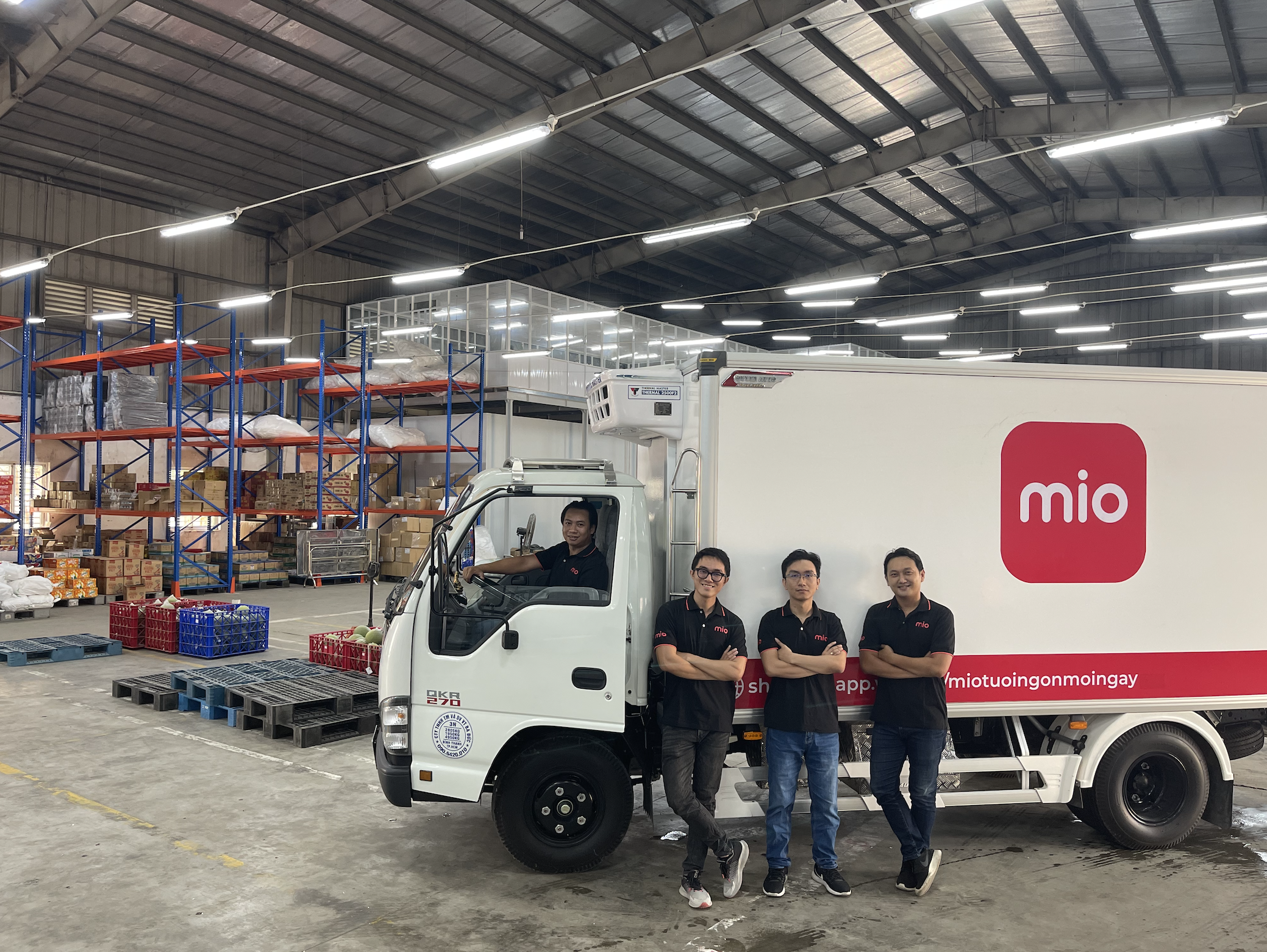
    Founded in June 2020, Mio uses a network of resellers to sell fresh produce such as fruit, vegetables, and meat. The company was set up by former IDG Ventures associate Trung Huynh, Scommerce co-founder An Pham, ex-DigiPay executive Tu Le, and former Uber Vietnam operations lead Long Pham.

    Around a year after its inception, when the company raised a US$1 million seed round, it had 150 active resellers. Today, that number has grown by 10x to 1,500. Mio’s gross merchandise value (GMV) has also increased by more than 50x in the last 12 months.

    Huynh credits the company’s growth to its referral programs, which offer a fee to resellers who can onboard other people to the platform. Existing resellers also get additional bonuses if the individual they refer performs well. In a statement, Mio said that each reseller can earn up to US$400 from these referral bonuses as well as from the 10% commission they get for every order they facilitate.

    “We spend very little in marketing. We don’t use digital marketing or billboards – we focus on the referral,” Huynh told Tech in Asia.

    Mio has around 240 employees, an increase of 5x since May last year. Around 50% of its headcount consists of its operational taskforce who work in the company’s warehouses and fulfillment centers.

    Mio plans to use the fresh funding to put up more fulfillment centers and tap into new cities in Vietnam. It currently covers Ho Chi Minh and its satellite cities, such as Binh Duong, Dong Nai, and Long An, which are located in the southern region of the country. This year, it plans to enter the northern region, where the country’s capital city of Hanoi is located.

    “Hanoi has similarities with Ho Chi Minh, and it also has several satellite cities. We aim to be present in 10 cities by the end of 2022,” Huynh noted.

    The company also wants to improve its logistics and supply chain, which Huynh said is important for Mio in the long run. That’s why the company prefers to control fulfillment centers and the delivery process itself. Today, its delivery courier can handle almost 80% of the company’s total transactions.

    “During the time when the order is spiked, or there is a special event, we cooperate with third-party logistics,” Huynh said.

    The company currently sells more than 10,000 products every day, and it targets to fulfill 100,000 orders per day by the end of 2022.

    Huynh revealed that he sees interest from businesses in the hotel, restaurant, and cafe sector that want to source fresh produce from his company in bulk due to the attractive prices. With the pressure to increase GMVs after raising a significant amount of funding, Huynh finds the offers tempting.

    However, he consistently rejects such requests to keep the company focused on using its reseller network and reaching customers nationwide.

    Mio has expanded its offerings to FMCG products due to requests from its customers. However, these offerings only occupy around 10% of Mio’s total stock keeping units. Huynh explained that while FMCG products are easier for fulfillment – as they typically have a longer shelf life than other categories – they bring lower margins.

    “Majority of our GMV still comes from fresh produce, so it will still be our focus,” Huynh added.

  • Vietnam set to become Asia startup hub

    Vietnam set to become Asia startup hub

    Vietnam could be Asia’s next startup hub after local companies saw a funding surge over 40 times in the last five years, a venture capitalist said.

    Venture funding for startups in Vietnam reached $2.1 billion last year, up from just $48 million in 2017, Binh Tran, co-founder of Ascend Vietnam Ventures said.

    The sector is now attracting top-tier Silicon Valley venture capitalists, including Goodwater Capital LLC, Accel Partners LP and Altos Ventures Management Inc, he added.

    “Vietnam saw a tremendous amount of maturity and growth early on, which will help it become a very important hub for the region,” he said.

    The country is forecast to have the second-largest digital economy in Southeast Asia by 2030, according to a report by Google, Temasek Holdings Pte and Bain & Co.

  • Gojek drives car service into Hanoi

    Gojek drives car service into Hanoi

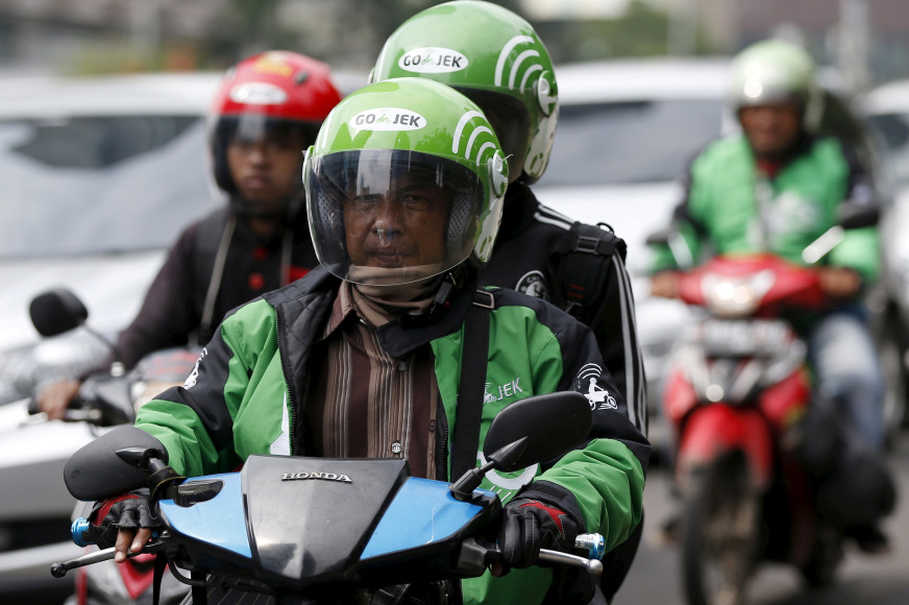
    Ride-haling platform Gojek has launched its GoCar Protect service in Hanoi a month after introducing it in HCMC.

    The Indonesia-headquartered company guarantees that all its drivers have got two doses of Covid-19 vaccines and all cars are equipped with an air purifier and a transparent protective shield to separate drivers and passengers.

    Drivers must take a selfie to prove they have a mask on at the start of the day.

    Gojek Vietnam general manager Duc Phung called the launch in HCMC a success after seeing a “multifold increase” in the number of bookings.

    “The risk of infection continues to be our users’ top concern when considering mobility options,” and that this is why the company continues to adopt stringent safety practices, he said.

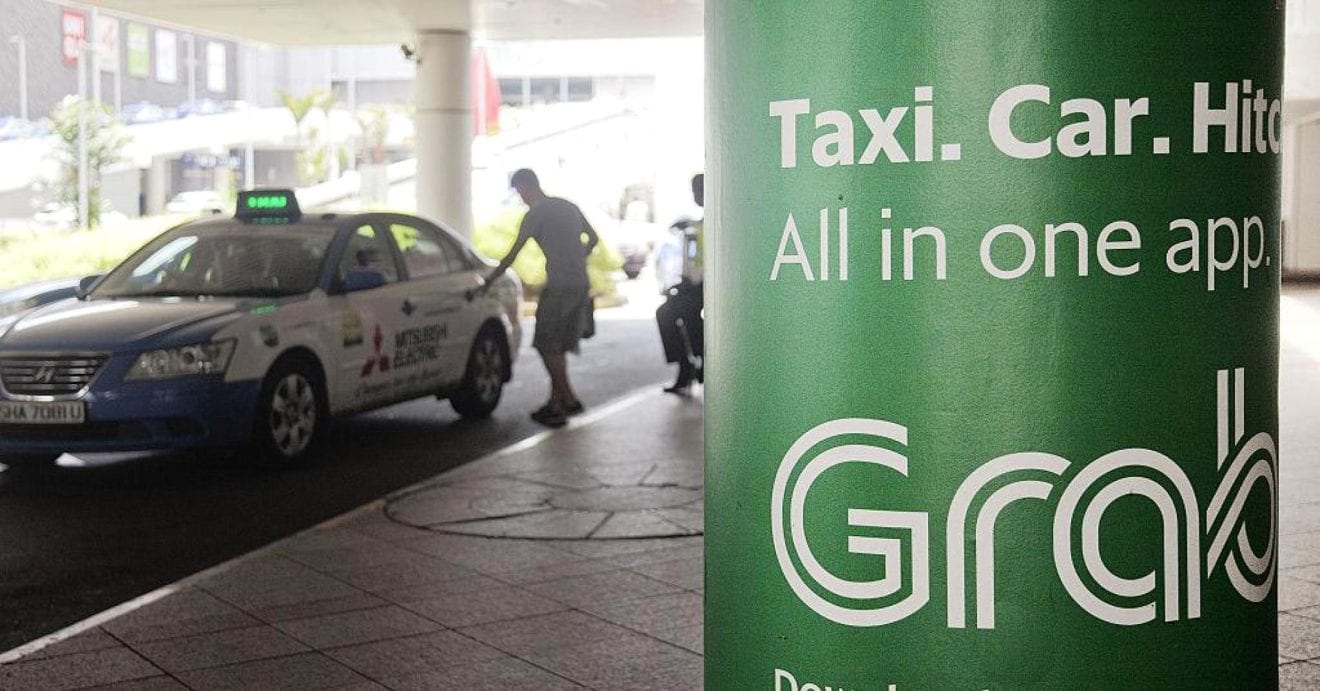
    The launch adds a third car ride-hailing option in Hanoi after GrabCar and beCar.

    Gojek, which entered Vietnam in 2018, introduced its car services much later than its competitors, who have been at it for years.

    Ride-hailing and food delivery revenues rose by 35 percent in 2021 to $2.4 billion, according to a report by Google, Temasek and Bain & Company.

  • My Foodie Box raises $6 million in IPO, plans expansion

    My Foodie Box raises $6 million in IPO, plans expansion

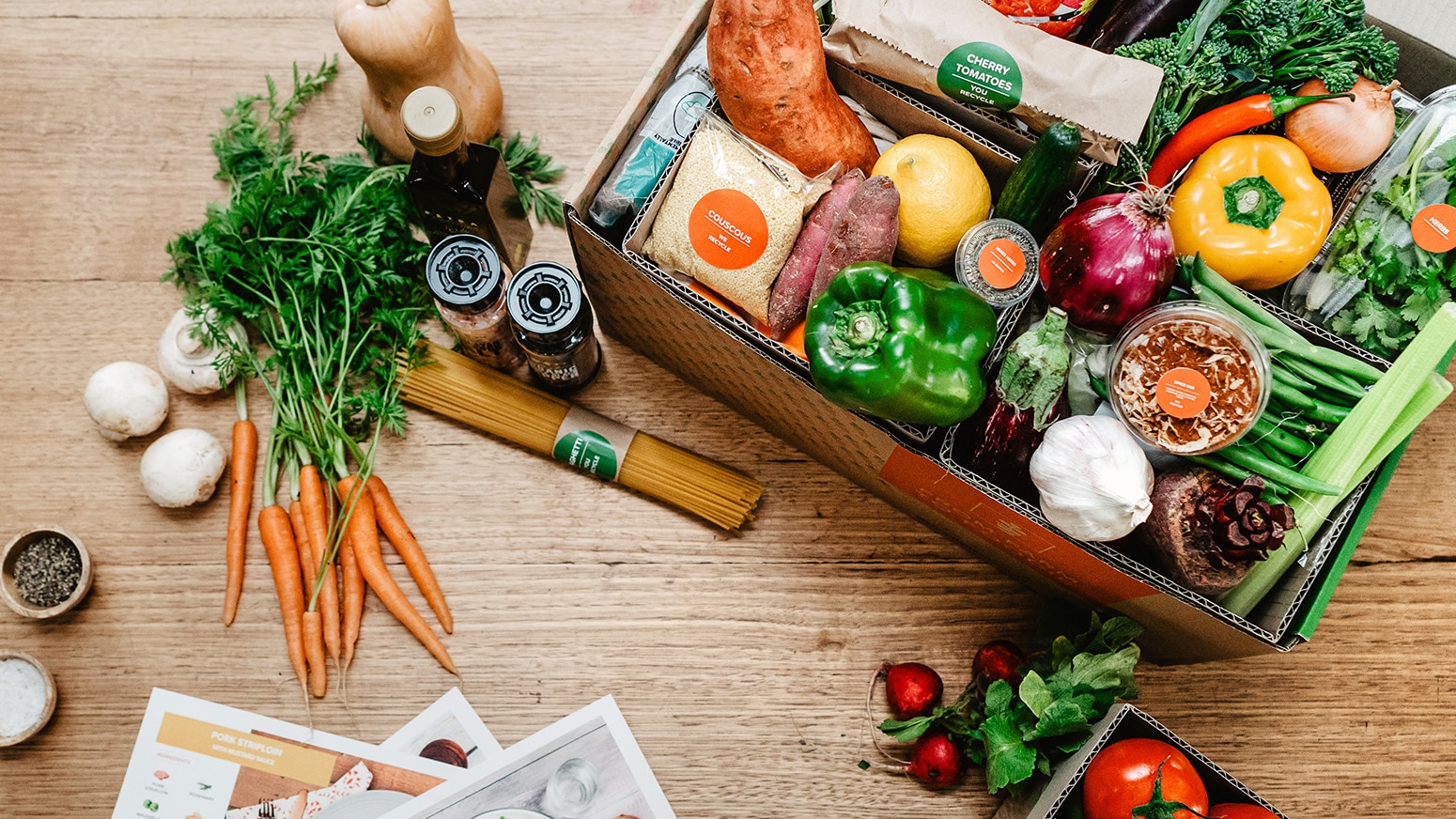
    Food production company My Foodie Box, is hungry for ASX funds. Brian Hughes, chair Pitcher Partners, with his wife, seek to take their fresh food box business to Australian investors through an AU$6 million IPO. The retail offer for IPO is still open and the proposed MBX shares will be available for trading on ASX from 7 January 2021.

    What is My Foodie Box’s business?

    • Based out of Perth My Foodie Box sources local ingredients to prepare and deliver quality food.
    • The Company wants to be a business supporting local community by only sourcing WA fresh produce.
    • My Foodie Box is currently running its retail offer for initial public offering (IPO) which will close on 21 December 2021.
    • It is to list on the ASX on 7 January 2021 and seeks to raise AU$6 million from its IPO closing today.

    How to invest in My Foodie Box shares?

    • Since retail offer is still going on, registering with a participating broker or lead manager is essential to be able to invest in the IPO.
    • Its IPO is being managed by lead manager Kaai Capital and Prenzler Group (JLMs), who wanted to raise AU$6,000,000 at AU$0.20 per share.
    • If unable to invest in the IPO’s retail offer investors can buy shares from ASX post 7 January 2021, when publicly available.
    • My Foodie Box shares can give investors an exposure to food industry which is mostly buoyant to market movements, being an essential.
    • However, before buying in, investors must prudently study My Foodie Box IPO prospectus and other media reports carefully to get deeper insights on its business.

    Food is essential and farm fresh, good quality food getting delivered at home is at present highly in demand. So, investors may choose to invest in such a business with MBX shares. However, how well My Foodie Box uses funds r

  • Indian online grocer Zepto secures $100 million investment

    Indian online grocer Zepto secures $100 million investment

    Indian on-demand grocery-delivery service, Zepto, has bagged US$100 million during its Series-C funding, taking its value to US$570 million within five months of its launch.

    Led by Y Combinator’s Continuity Fund, the round included investors Nexus, Breyer Capital, Global Founders Capital and Glade Brook, among others. The Series-C funding follows Zepto’s earlier funding round in which it received $60 million valuing the business at $225 million.

    Zepto was founded by two 19-year-old entrepreneurs, Kaivalya Vohra and Aadit Palicha, who left Stanford last year to develop a solution for instant grocery delivery through a network of dark stores. The 10-minute grocery delivery service is currently available across metropolitan cities, including Mumbai, Delhi, Gurgaon, Bengaluru, and Chennai, with Pune and Kolkata to come.

    “Their attention to detail on the logistics experience is unparalleled and this has enabled them to scale to most major metros in just five months,” said Anu Hariharan, Partner at Y Combinator’s Continuity Fund. “Simply put, we’re confident Zepto will win in this space over the long-term.”

    Zepto will compete directly with local delivery giants, Swiggy and BlinkIt, who have also forayed into the instant grocery delivery sector.

    According to Y Combinator, Zepto’s month–on–month buyer retention rate is 65 per cent. The company has built a network of micro-warehouses, each of which can do more than 2500 orders a day, and are now adding 100,000 new customers every week.

  • Kraft Heinz to take control of DTC brand Just Spices

    Kraft Heinz to take control of DTC brand Just Spices

    The Kraft Heinz Company KHC is committed to accelerating its international growth strategy focused on the Taste Elevation platform. In this regard, the company entered into an agreement to buy 85% stake in Germany-based Just Spices GmbH (“Just Spices”). The other 15% stake will be retained by Just Spices’ founders. Kraft Heinz expects to conclude the deal by the first quarter of 2022.

    Just Spices supplies various spice blends, pure spices, and quick-fix meal kits. Just Spices’ data-driven product innovation is designed to meet the needs of Gen Y and Gen Z consumers. The company’s modern analytics knowledge helps it recognize early consumer trend signals, promote product innovation, grasp customer sentiment along optimize customer targeting.

    Through this deal, Kraft Heinz expects to accelerate its growth strategy by ramping up its innovations and better-understanding consumers’ tastes and preferences. The buyout will enhance its direct-to-consumer operations and go-to-market expansion. Certainly, the combination of Just Spices’ innovation and brand power with Kraft Heinz’s team and scale bodes well.

    In September 2020, Kraft Heinz laid out a new operating model that incorporates five key elements, which include People with Purpose, Consumer Platforms, Ops Center, Partner Program, and Fuel Our Growth. The Consumer Platforms represents a portfolio of six consumer-driven platforms like Taste Elevation, Easy Meals Made Better as well as Real Food Snacking among others.