Tag: startup

  • SoftBank-backed DoorDash enters Japan

    SoftBank-backed DoorDash enters Japan

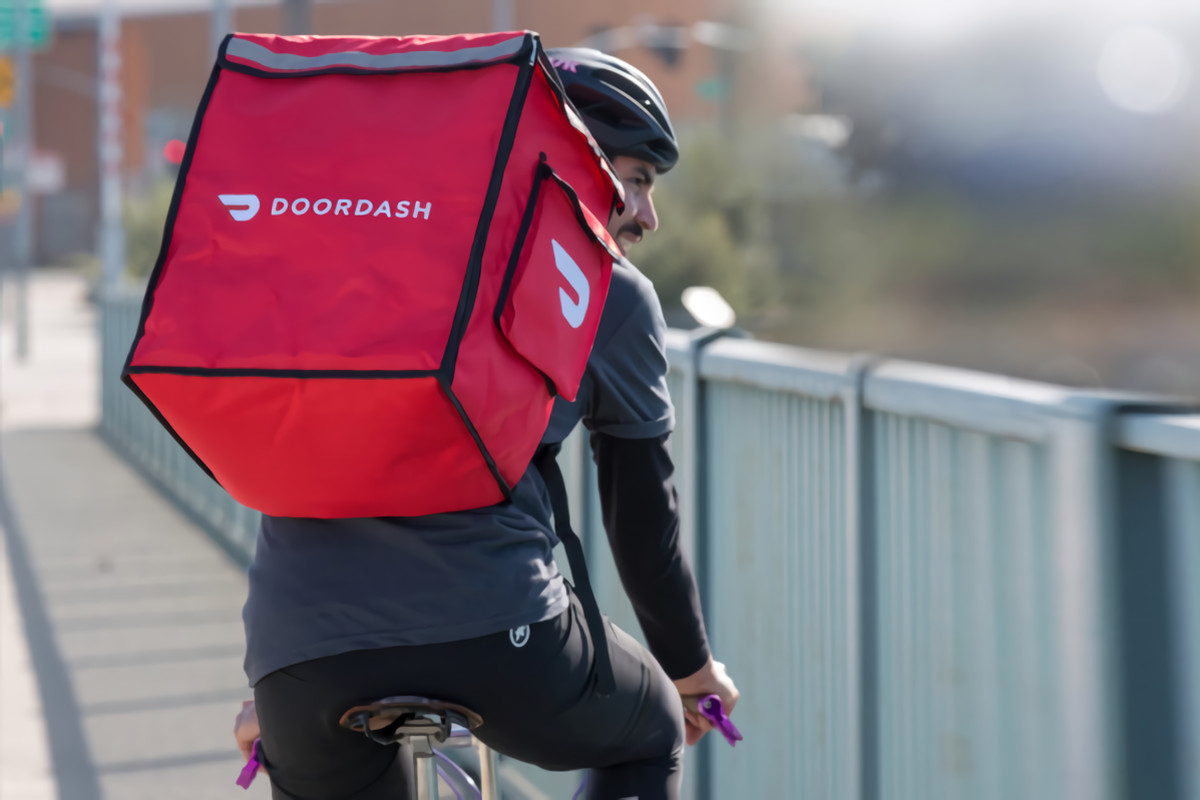
    U.S. food delivery firm DoorDash, which is backed by SoftBank Group, announced the launch of services in Japan on Wednesday, joining an increasingly crowded market that has grown during the COVID-19 pandemic.

    Services will be initially limited to the city of Sendai in Miyagi prefecture, the money-losing delivery firm told reporters, in a step that follows its expansion to Canada and Australia.

    “Our strategy has always been to empower local economies, especially in the suburban markets that are historically underserved, yet the appetite for connectivity between merchants and customers is high,” Chief Executive Tony Xu said in a statement.

    SoftBank already backs some of the largest delivery services in Japan, such as Uber Eats from Uber Technologies and Demae-can.

    Last month, DoorDash raised its forecast for annual gross order value, as stimulus checks helped keep food delivery demand resilient in the first quarter, even as vaccinations and an easing of curbs encouraged dining out again.

    DoorDash, which has also branched out into delivery from grocery and convenience stores last year, reported a nearly three-fold jump in quarterly revenue to $1.08 billion.

    The company has seen a surge in order volumes during the pandemic as consumers hesitant to step out order essential items by telephone.

  • Gojek shifts gears to introduce car rides in Vietnam

    Gojek shifts gears to introduce car rides in Vietnam

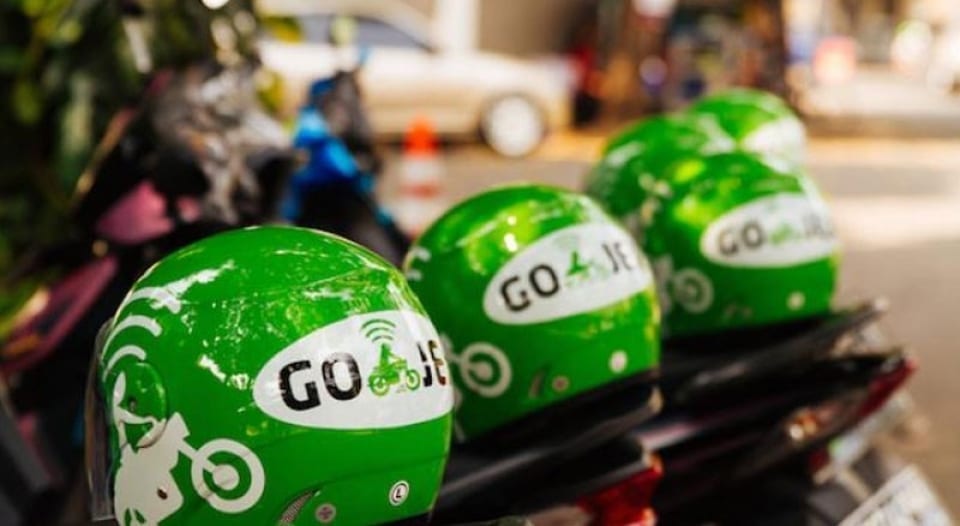
    Indonesia-based ride-hailing company Gojek will start offering car rides service in Vietnam in the next few weeks and allow cashless payments later this year.

    Gojek Vietnam CEO Phung Tuan Duc said Wednesday that the new service will be called GoCar.

    He did not mention a specific date for the launch but said the service will comply with all pandemic prevention measures.

    Duc said that although Gojek is a latecomer for its GoCar service, “the ride-hailing market and on-demand services will continue to flourish, with lots of space for other ride-hailing players to develop. So we have confidence in expanding the business.”

    Administrators of Gojek drivers’ official group on Facebook announced that car drivers introduced to Gojek by transport cooperatives can become the riders for the GoCar service. A total of 17 transport cooperatives have been working with Gojek.

    Gojek entered Vietnam in August 2018 as GoViet. The company became Gojek Vietnam last year. It offers three services at present – motorbike rides (Gojek), delivery of goods (GoSend), and food delivery (GoFood). Other ride-hailing companies like Singapore’s Grab and Vietnam’s Be have all these three services plus car rides.

  • Startup scene reviving, says expert

    Startup scene reviving, says expert

    Vietnamese startups are attracting increasing attention from foreign funds, and there have been at least seven million-dollar investment deals in Q1.

    The biggest deals include a $100-million funding round by U.S. investor Warburg Pincus in payment app MoMo, a $15-million investment in English learning app ELSA by Vietnam Investments Group and U.S-based Susquehanna International Group, and $6 million into gifting platform Got It by local digital gaming group VNG.

    The other four investments, in hotel booking platform Go2Joy, med-tech startup Genetica, online real estate platform Citics, and live streaming platform GoStream, were all worth less than $3 million. According to Thai Van Linh, CEO of consulting firm TVL Group and senior advisor to venture capital fund Openspace Ventures, the startup ecosystem in Vietnam is making exciting progress.

    Vietnamese tech firms have been thriving mainly thanks to the advance of digitization and consumers moving online, buying and selling on social networks or simply communicating online, Linh said in an interview with VnExpress.

    “In the first quarter’s major deals, the role and impact of foreign funds have been quite evident, despite fears that the pandemic would deter their involvement.”

    Last year, was a time of reflection and creativity, with many businesses having to conduct comprehensive reassessments of their operations, products, and services to look for new ways to bring value to the customer, she said.

    “Venture capital funds have also undergone a similar process. They looked from different perspectives to find potential in each startup notwithstanding the obstacles ahead. To that end, many funds have invested in businesses with a large customer base or consistently growing revenues.”

    Long-term growth has also been also an important factor, she said. With more than 55 percent of its population aged below 35, Vietnam not only has a young population but is also very open to change and willing to try new products and adopt new technologies.

    There have also been a number of major events that are creating the foundation for the development of startups and confidence among foreign funds to participate.

    Vietnam has entered into several foreign trade agreements that make it easier for startups to expand their customer base to overseas markets, while the consistent development of infrastructure would help increase the productivity of logistics operations and improve people’s living standards, she added.

    The Vietnamese diaspora abroad has been moving back to the country, bringing with it the experience acquired by working for global companies. More Vietnamese students are choosing to return home, bringing with them international perspectives on innovation and growth. This demographic is being utilized by large corporations to create an abundant supply of human resources for startups, Linh said.

    Interest in Vietnam among foreign venture capital funds has steadily increased over the last 10 years though many still have their main offices elsewhere in the region, Linh said.

    “Their headquarters may be in Singapore and they only fly to Vietnam once a month or once a quarter to explore. Some major investment funds in established markets such as the U.S. have established regional offices focusing on the Asian market.”

    Singapore-headquartered Openspace, which manages more than $425 million, has opened a representative office in Vietnam. “We believe the next unicorn startup will come from Vietnam, the Philippines, or Thailand,” Linh said.

    “If a founder tries to build a startup based on an ongoing trend, it is already too late compared to incumbents in that market.”

    Instead, they have to have a product ready, build a customer base, and run it smoothly before a trend emerges, she said.

    Asked about imminent startup trends, she said that does not matter and now should be considered a time to explore and experiment.

    “I meet many business owners who are doing this. Covid-19 may have adversely affected their business, but then they come up with new ways to change. And now, they are setting on a new path.”

    Linh, who is also a judge on the business reality TV series Shark Tank Vietnam, said startups should not only think about money when tying up with investors but also consider other ways in which the latter could contribute, such as with strategic guidance and introduction to partners.

  • Vietnamese studio bags $1 mln funding for new blockchain game

    Vietnamese studio bags $1 mln funding for new blockchain game

    Vietnamese game studio Topebox and its blockchain partner KardiaChain have raised $1 million for an upcoming blockchain game called My DeFi Pet.

    The investors include Shanghai-based venture capital firms Axia8 Ventures, OKEx Blockdream Ventures, and the venture capital fund of cryptocurrency exchange OKEx in Hong Kong. Vietnam-based venture capitalist Megala Ventures and Chinese game developer Animoca Brands have also pitched in.

    Based in HCMC, Topebox is the developer of hit games like Pocket Army, Sky Dancer: Free Falling, and King Rivals. It had bagged $1 million in the seed funding round from Singapore’s mobile game publisher Habby in April last year.

    My DeFi Pet is its first blockchain gaming project, which is set to launch globally in mid-May. The game will include decentralized finance (DeFi) and non-fungible token (NFT) features. NFT is a unit of data stored on blockchain that certifies a digital asset to be unique and therefore not interchangeable.

    Accordingly, players can earn tokens while playing the game, get rewards by participating in the game’s events and make profit from selling in-game characters.

    The Topebox developer team includes experienced game producers from Vietnam’s gaming giant VNG and leading global mobile video games developer Gameloft.

    It aims to have it business appraised and valued at $150 million in the next 3-5 years.

    Before My DeFi Pet, Vietnam had developed another blockchain game called Axie Infinity, released in 2018. It was developed by Vietnamese game developer Sky Marvis and was the first blockchain game developed in Southeast Asia.

  • Startups see investment rise by 34 pct

    Startups see investment rise by 34 pct

    Investment in startups jumped by 34 percent year-on-year in the first quarter to $100 million, with foreign investors being dominant. But the number of deals continued to fall, almost halving from 2019 to 16, according to a report by South Korean venture fund Nextrans. Foreign investors outperformed their local counterparts with nine deals, it said.

    Seed funding and series A investment, the first two stages, remained dominant, accounting for 70 percent of the deals. Fintech once again led with four of the 16 deals, followed by logistics, hospitality and real estate.

    Vietnam is expected to grow at the fastest rate in Southeast Asia in terms of digital financial services revenues in the next five years, reaching $3.8 billion by 2025, the report said. Other sectors such as e-commerce and medtech are also expected to boom in the coming years, it added.

    The most notable deals in the first quarter included an investment of $2.6-million from a group of investors led by Singapore venture capital firm Jungle Ventures in electric motorbike brand Dat Bike, and a $1 million by investment fund AppWorks in healthcare service booking platform Docosan.

    A venture capital fund alliance comprising 17 investment companies are committed to investing $800 million in Vietnamese startups in 2021-25.

    The government has also been making efforts to support startups, with former Prime Minister Nguyen Xuan Phuc approving the National Digital Transformation Program in June last year.

    Startup events have been organized to help new companies promote their ideas and connect with potential investors, attracting thousands of participants.

  • Vietcombank, Vinhomes tickers drive VN-Index up

    Vietcombank, Vinhomes tickers drive VN-Index up

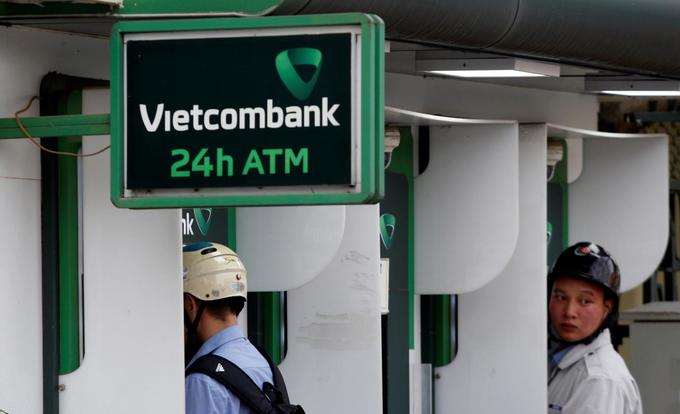
    Vietnam’s benchmark VN-Index rose 0.61 percent to 1,268.28 points Tuesday, a new peak, led by Vietcombank and Vinhomes tickers.

    The index was on an upward trend throughout the day, hitting the 1,286 mark in the early afternoon before falling to the 1,260 range. It closed with a near 8-point gain.

    Trading value on the Ho Chi Minh Stock Exchange (HoSE), on which the index is based, rose 17 percent to VND23.1 trillion ($1 billion), the highest of the past five sessions. The bourse saw 187 tickers gain and 227 lose.

    VCB of state-owned lender Vietcombank contributed most to the gain of VN-Index this session with 4.5 points.

    It rose 4.6 percent to a three-month high. The ticker has gained 6.8 percent in the last two sessions.

    VHM of real estate giant Vinhomes contributed 3.6 points to VN-Index’s rise. It closed with a 3.9 percent gain, hitting a new historic peak.

    VNM of dairy giant Vinamilk pushed the index up by 1.8 points. It rose 3.3 percent, with 6.99 million shares being traded, the highest since November 2017.

    PDR of Phat Dat Real Estate Development rose 4.6 percent to a new all-time peak. This is its third session in the green.

    MWG of electronics retail chain Mobile World also hit a new peak with a 3.7 percent gain.

    On the losing side, TCH of real estate company Hoang Huy Investment Financial Services plunged 2.6 percent. It has lost 14 percent in the past 11 days.

    Foreign investors were net sellers for the fifth session in a row to the tune of VND553 billion, down 25 percent, with strongest pressure on VHM, VNM and CTG of state-owned lender VietinBank.

  • Walmart leads US$2.75bn investment in self-driving car startup Cruise

    Walmart leads US$2.75bn investment in self-driving car startup Cruise

    Walmart has led a US$2.75 billion investment into self-driving carmaker Cruise, valuing the company at $30 billion.

    The investment marks increasing faith in the concept by the international retail giant which has already partnered with Cruise in a trial delivery service in Scottsdale, Arizona, announced last November.

    “Over the years we’ve been doing a lot to learn more about the role autonomous vehicles can play in retail, and we’ve seen enough to know it’s no longer a question of if they’ll be scaled, but when,” said John Furner, president, and CEO at Walmart US, explaining the investment.

    He said the new funds would help San Francisco-based Cruise work with Walmart to achieve its goal of developing a last-mile delivery ecosystem “that’s fast, low-cost and scalable”.

    Cruise’s all-electric fleet of self-driving cars – based on the Chevrolet Bolt EV – has already attracted substantial investment from Microsoft, General Motors and Honda.

    Furner said Walmart has been impressed by Cruise’s “differentiated business model” since the two companies began their pilot project last year, its unique technology, and unmatched driverless testing. “We also value our shared commitment to a zero-emissions future.

    “As delivery has become a staple in our customers’ lives, we’re focused on growing our last-mile ecosystem in a way that’s beneficial for everyone – customers, business, and the planet. With their all-electric fleet powered by 100-per-cent renewable energy, Cruise is a natural partner as we work to take collective action on climate change,” Furner said.

    “We’re doing this not only in our own operations where we are targeting zero emissions by 2040 and have set a goal to be powered by 100-per-cent renewable energy by 2035, but also throughout the supply chain and our environmental initiative, Project Gigaton, one of the largest private-sector consortiums for climate action.”

    Meanwhile, Cruise says it plans to begin deploying a limited number of its Origin vehicles for ride-hailing services in Dubai from 2023, its first overseas commercial service.

    “We are focused on our path to commercialization right now but the IPOs happening in the space right now are a great indication of the strength of the industry and the opportunity self-driving presents,” a Cruise spokeswoman told Reuters in a statement.

  • Foodpanda to drive Covid-19 vaccination awareness campaign across Asia

    Foodpanda to drive Covid-19 vaccination awareness campaign across Asia

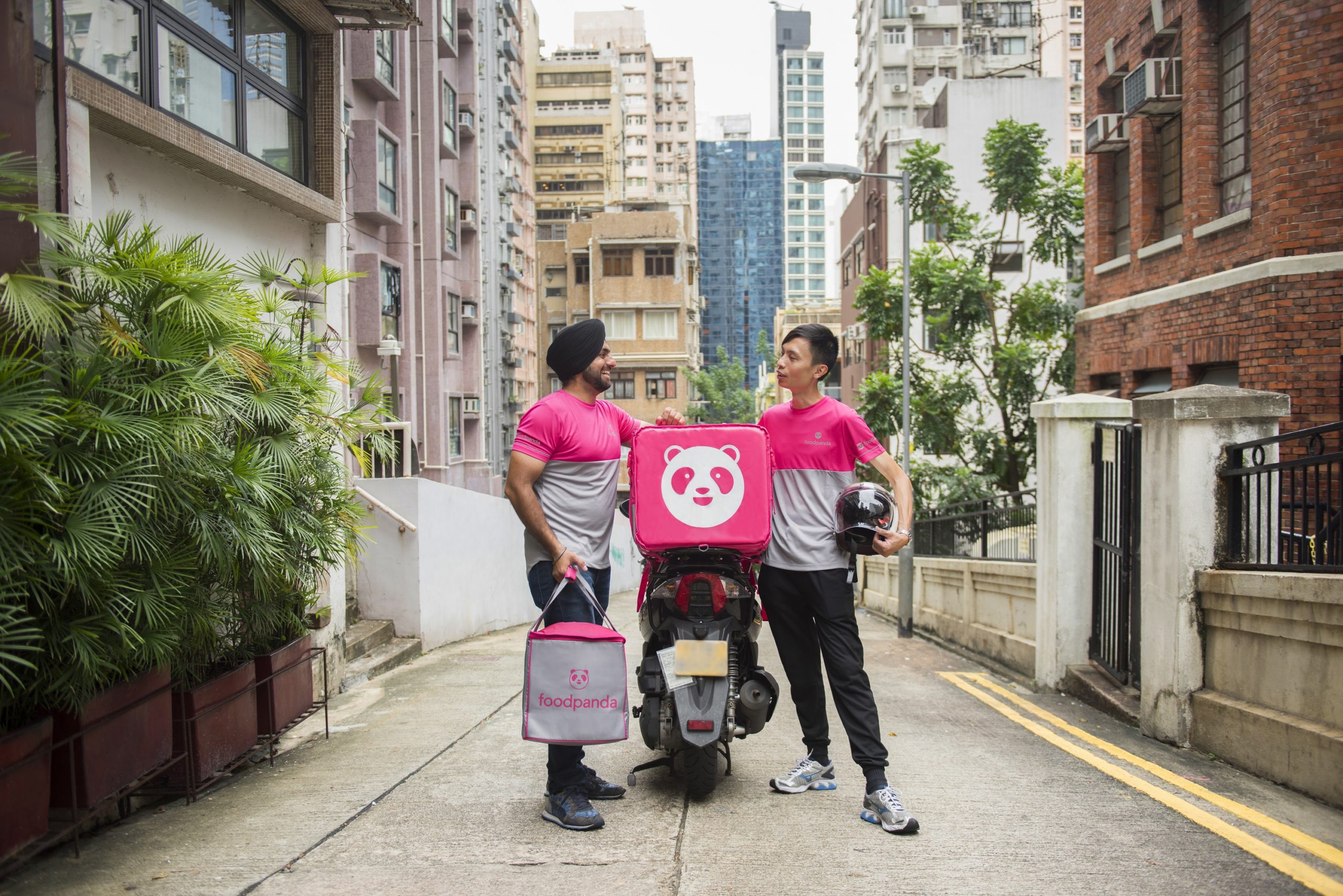
    Food and grocery delivery service Foodpanda has launched a Covid-19 vaccination awareness campaign across Asia in the lead-up to WHO’s World Immunisation Week. The campaign, which aims to reach more than 10 million people across Asia, will include a series of content across digital and social media channels, providing information and resources on local vaccination programs.

    It will be rolled out in phases across Singapore, Malaysia, Thailand, Hong Kong, Cambodia, Japan, Bangladesh, Pakistan, and the Philippines.

    “The region’s battle with Covid-19 is ongoing, and we have to stay vigilant on keeping our ecosystem safe,” said Jakob Angele, CEO of Foodpanda. “Leveraging existing channels with our network of riders, merchants, employees and customers, we can raise greater awareness around fighting misinformation and share information around local vaccination programs so that our entire delivery ecosystem can be informed and mobilized.”

    Besides its social media campaign, Foodpanda will also join hands with local authorities to support vaccination programs in Singapore, Cambodia, and the Philippines.

    “We will continuously explore ways to play a part in the fight against Covid-19.”

  • Grab to List in New York Via Blockbuster SPAC

    Grab to List in New York Via Blockbuster SPAC

    The deal – the largest merger between a company and a blank cheque company – will value the SoftBank-backed firm at about $35 billion.

    The Singapore-based technology group could finalize an agreement to list with one of Altimeter Capital’s special purpose acquisition companies (SPACs) as soon as this week. Grab will raise about $2.5 billion through private investment in public equity (Pipe), which typically involves selling shares in a private arrangement with investors. Of that, close to $1.2 billion will be funded by Altimeter, which will also backstop the sale of any shares in the SPAC by public shareholders when the deal is announced, the report said.

    Grab founder Anthony Tan will own 2 percent of the listed entity, the pink paper’s sources said. Softbank, one of the company’s biggest investors, will also be looking at a major payday.

    Founded in 2012, Grab, which started out as a ride-hailing service, now provides food delivery, payments and insurance, among other services on its app, and holds a digital banking license in Singapore. It serves a regional consumer market of 655 million people in countries like Indonesia, Thailand and Vietnam.

    Gojek, Grab’s main regional rival, is in advanced merger talks with local e-commerce marketplace Tokopedia, ahead of a planned initial public offering of the combined entity.

  • Deliveroo eyes US$10.5 billion listing after some funds steer clear

    Deliveroo eyes US$10.5 billion listing after some funds steer clear

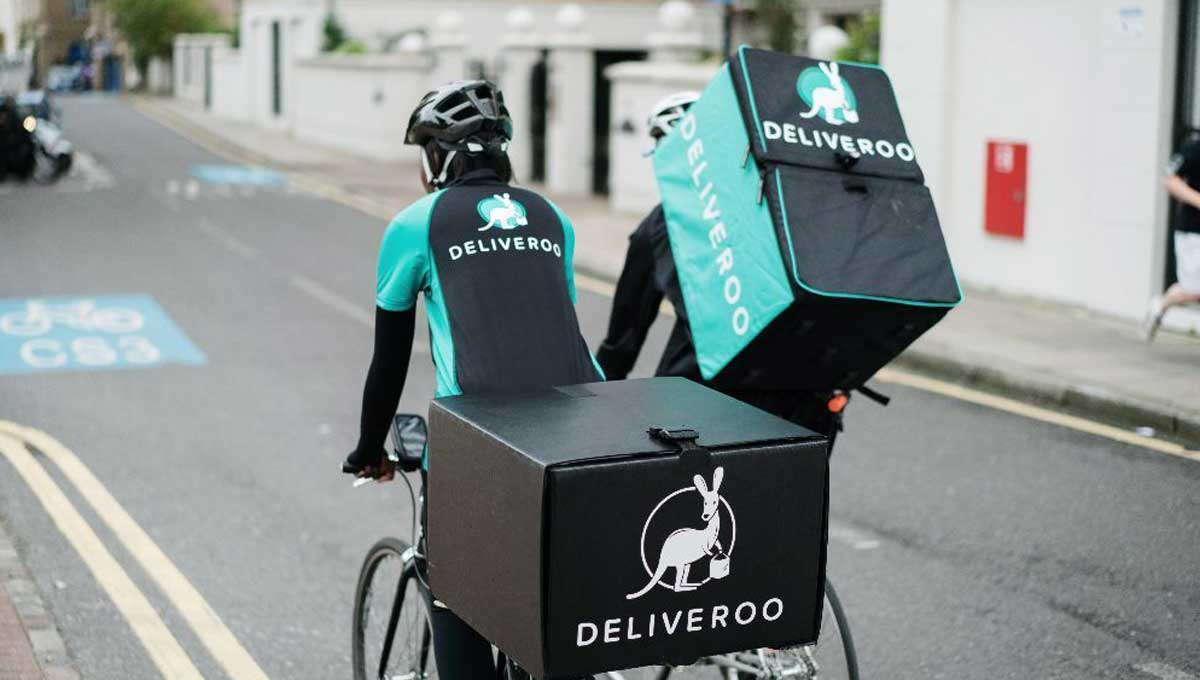
    Deliveroo will price its initial public offering at 390 pence per share, banks working on the deal said on Tuesday, at the bottom end of previously indicated valuations for the food delivery group.

    Food delivery company Deliveroo will price its initial public offering at 390 pence per share, banks working on the deal said on Tuesday, at the bottom end of a previously indicated range for the food delivery group.

    That would indicate an overall valuation of 7.6 billion pounds (US$10.46 billion), less than initially expected, after a string of major UK fund managers said they would not take part, citing concerns about its dual-class share structure and its gig economy business model.

    The listing is covered multiple times over, the bookrunners said, with the deal expected to close at 1200 GMT.

    “Given volatile global market conditions for IPOs, Deliveroo is choosing to price responsibly and at an entry point that maximises long-term value for our new institutional and retail investors,” a spokesperson for Deliveroo said.

    The listing of London-based company, founded by boss William Shu in 2013, is set to be London’s biggest IPO since Glencore’s in May 2011 and also the biggest tech float on the London Stock Exchange.

    Heavyweight investors Aberdeen Standard Life, Aviva, Legal & General Investment Management and M&G have all said they will sit the deal out, amid criticism of its workers’ rights.

    Some of them also question whether the loss-making business can ever justify its valuation.

    Having initially looked for up to 8.8 billion pounds, the British tech firm on Monday went with a narrower price range, indicating a maximum valuation of up to 7.85 billion pounds, citing market volatility.

    Deliveroo’s self-employed drivers have seen a boom in demand during the COVID-19 pandemic, bringing food from otherwise-shuttered restaurants to housebound customers.

  • Deliveroo announces IPO Price Range

    Deliveroo announces IPO Price Range

    Deliveroo is providing an update on trading for the 2 month period January and February 2021 versus the comparable period in 2020.

    GTV – the total amount of transactions it processes on its platform – has grown +121% year on year at the group level in January and February 2021. GTV in the UK and Ireland has grown +130% year on year and GTV in the Group’s other markets has grown +112% year-on-year.

    This follows the Company’s Registration Document, published on 8 March 2021, which showed GTV grew64% in 2020. Fourth quarter 2020 run-rate GTV amounts to over £5 billion. In 2020, underlying gross profit margin as a percentage of GTV grew from 5.8% in 2018 to 8.8%, demonstrating fast growth underpinned by strong unit economics.

    IPO Offer Highlights

    • The price range for the Offer has been set at £3.90 to £4.60 per Share, implying an estimated market capitalisation at Admission of between £7.6 billion and £8.8 billion (excluding any over-allotment shares).
    • We will apply for admission of shares on the standard listing segment of the Official List of the FCA and to trading on the main market of the London Stock Exchange.
    • The Offer will comprise of new Shares to be issued by Deliveroo (expecting to raise gross proceeds of approximately £1 billion) (“New Shares”) and existing Shares to be sold by certain existing shareholders.

    o    Bringing the food category online represents an enormous market opportunity. The way we think about it is simple: there are 21 meal occasions in a week – breakfast, lunch, and dinner – seven days a week. Right now, less than one of those 21 transactions takes place online. We are working to change that.

    o    We have executed well, from a growth, expansion, and profitability perspective, but we are just truly starting our journey.

    o    We will continue to invest in the innovations that we believe will further enhance our core marketplace for consumers, restaurants and grocers, and riders, while also continuing to further develop our growth businesses, in particular, Editions, Plus and Signature.

    Will Shu, Founder and CEO of Deliveroo, said: 

    “We are proud to be listing in London, the city where Deliveroo started. Becoming a public company will enable us to continue to invest in innovation, developing new tech tools to support restaurants and grocers, providing riders with more work and extending choice for consumers, bringing them the food they love from more restaurants than ever before. This will help us in our mission to become the definitive food company. We have enjoyed a strong start to 2021 and we are only at the start of an exciting j

  • Barrenjoey Raids UBS’ Australia Unit

    Barrenjoey Raids UBS’ Australia Unit

    Startup investment bank Barrenjoey continues to lure talent from UBS’ Australia unit with around ten executives leaving the Swiss bank in the latest wave of moves.

    Multiple executives at UBS, including top analysts, have resigned to join Barrenjoey – an investment banking startup partly owned by Barclays and Magellan Financial Group – according to an Australian Financial Review report.

    Those defecting include banking analyst Jon Mott; mining analyst Glyn Lawcock; the former two’s junior partners Dan Morgan and Minh Pham; gaming and transport analyst Matt Ryan; small caps specialist Josh Kannourakis; associate director of research Craig Stafford; and retail and consumer goods analyst Aryan Norozi.

    In addition to analysts, the investment banking team has also been targeted with equities desk specialist Craig Webb set to join Barrenjoey alongside senior technology, media and industrials banker Luke Bentvelzen.

    Even prior to the mass resignations on Monday, Barrenjoey had already been seeking ex-UBS talent in Australia. Barrenjoey senior managers formerly from UBS include ex-advisory and capital markets managing director Guy Fowler; ex-research head Chris Williams; ex-managing director Matt Hanning; ex-global co-head of flow rates and co-head of global markets Duncan Haig; and ex-senior trader George Kannan.

    Ex-UBS Australia chief executive Matthew Grounds is also rumored to join the investment banking startup following the expiration of a non-compete clause.

    In response to the exits, current UBS co-head of Australasia Nick Hughes said that the local unit had global banking and that it was committed to re-hiring and maintaining high competitiveness in the Australian investment banking sector, though he noted that rapid replacement of loss talent would be a challenge.

  • Foodpanda Hong Kong appoints new MD

    Foodpanda Hong Kong appoints new MD

    Tech industry veteran Ryan Lai has been named the new managing director for foodpanda Hong Kong.

    Lai will oversee all aspects of the delivery company’s business operations, while contributing to the growth and strategic development of the platform, including delivery and pickup, foodpanda mall, pandamart, catering, and other digital solutions to push the company forward and enhance the customer experience.

    Lai comes from eBay, where he served as head of Southeast Asia and head of category management of automotive in Greater China. He brings nearly 15 years of management experience under his belt with expertise in e-commerce.

    “I am very excited to be joining foodpanda (Hong Kong), especially during such an active and ever-changing period for online delivery platforms. It is humbling to be able to work alongside such a dynamic, strong-willed, and accomplished group of people. I am confident that we can build on the already solid foundation of success, and continue to provide the best experiences and solutions to our foodpanda community of stakeholders,” said Lai.

  • Cybersecurity Startup Plots APAC Expansion

    Cybersecurity Startup Plots APAC Expansion

    London-based cloud-native application security startup Snyk is eyeing Asia Pacific and Japan, following a breakout year in 2020.

    Snyk has announced plans to expand in Singapore, India, Japan, Korea, Australia, and New Zealand, and has appointed vice president of APJ sales Shaun McLagan to lead and build out dedicated teams in the region, the firm announced in a blog post on Thursday.

    The appointment comes as Snyk announced its latest $300 million Series E funding, led by new partners – Singapore state investor Temasek and Geodesic Capital, a venture capital firm that specializes in helping technology companies expand into Asia.

    The startup cited an explosion of digital transformation initiatives across the region and a greater need for security among companies. Its customers include Revolut and Volt Bank.

    With an estimated 27 million software developers worldwide today, and the strongest growth for developers expected in Asia Pacific specifically, Snyk collectively recognizes that there has never been a better time to serve this market, Peter McKay, Snyk CEO said.

    Founded in 2015, the company had a breakout year in 2020, recording a 200 percent year-over-year increase in revenue and making strategic acquisitions of DeepCode and Manifold.

    With the new funding round, the company has now raised $470 million to date, bringing the company valuation to US$4.7 billion, quadrupling it since the beginning of 2020.

  • Deliveroo announces strong 2020 results as part of an Expected Intention to Float on the London Stock Exchange

    Deliveroo announces strong 2020 results as part of an Expected Intention to Float on the London Stock Exchange

    Deliveroo has revealed a strong financial and operating performance for 2020 ahead of its intended listing on the London Stock Exchange, which was formally announced this morning.

    Over the course of the year, the company grew gross transaction value – the total amount of transactions it processes on its platform – by 64%, from £2.5bn in 2019 to £4.1bn. Fourth quarter 2020 run-rate GTV amounts to over £5 billion. Strong GTV growth was driven by an increase in monthly active customers as well as greater engagement from its existing consumer base.

    While 2020 has seen strong engagement from Deliveroo’s user base of more than 6 million monthly consumers, the company’s consumer cohorts have increased their spend on the platform year-on-year, acting as a growing, recurring revenue stream.

    Deliveroo has seen strong market share gains in 2020 that have driven it to leading positions across many of its markets. When markets have opened for dine-in following lockdowns Deliveroo has continued to see very strong consumer engagement and order frequency.

    Despite this significant growth, online food delivery is still at an early stage, presenting enormous growth potential. The restaurant and grocery sectors represent an addressable market of £1.2 trillion in Deliveroo’s 12 markets, of which just 3% of sales are estimated to be online – equivalent to less than 1 out of the 21 weekly meal occasions being online.

    Proven profitability at scale and best-in-class and improving unit economics 

    Deliveroo demonstrated that it could operate profitability at scale in 2020, having been profitable on an Adjusted EBITDA basis over two quarters. Furthermore, underlying gross profit was up 89.5% to £358m from £189m the previous year.

    Deliveroo’s profitability is a validation of the fact that it is the leading operator of the logistics food delivery model. Through a combination of its leading technology, operations and quality of customer cohorts, Deliveroo has achieved best in class unit economics. Gross profit margin as a percentage of GTV has grown from 5.8% in 2018 to 8.8% in 2020, with all markets experiencing an improvement over this period. In several key markets that are more mature, Deliveroo has achieved a gross profit margin of 12% or more.

    These best in class unit economics come after accounting for the major investments Deliveroo has made in its Editions, Signature, Plus and on-demand grocery businesses, delivering an outstanding customer experience in every neighbourhood it operates.

    As a result of this strong performance, Deliveroo narrowed underlying losses for the year to £223.7m, compared to £317m in 2019. The company remains focused on investing in driving growth in a nascent online food market.

    Leading from the front on innovation 

    Deliveroo plans to invest in its long-term proposition by developing its core marketplace, enhancing its superior consumer experience, providing restaurant and grocery partners with unique tools to help them grow their businesses, and providing riders with the flexible work they value alongside security.

    Deliveroo will also invest to further develop its innovative growth businesses: Editions delivery-only kitchens; Signature, enabling restaurants to offer delivery via their own online channels; Plus subscription service, removing delivery fees for a flat monthly charge; and on-demand grocery.

    Strong operational execution 

    Deliveroo pioneered the logistics delivery model in the UK, which is now the winning model in food delivery globally. The company works with over 115,000 best loved restaurants, takeaways and grocery stores globally and provides work to over 100,000 riders across 800 locations across12 markets.

    Deliveroo’s leading technology, driven by machine learning, ensures that all three sides of its marketplace continue to interact seamlessly, strengthening the interests of each constituent part, with restaurants maximising online sales, riders maximising earning potential, and consumers receiving a wider selection of desired food on time.

    Supporting all three sides of our marketplace with an unprecedented £50m Community Offer for consumers

    Alongside its EITF announcement, Deliveroo has ensured that all sides of its marketplace will benefit from any future floatation. The company announced that it will make an unprecedented 50 million in shares available to its UK customers in an expected forthcoming IPO and once listed will create a new £16 million Thank You Fund for riders, providing cash payments to the riders who have completed the most orders. Deliveroo has also announced a £50 million Communities Fund to support the local communities in which it operates. In 2018 Deliveroo announced that all permanent employees would be option-holders in the company, and so the company’s workforce will also benefit from any future floatation. These moves reflect Deliveroo’s desire to give back to those that have contributed to the company’s growth to date and to ensure they can share in its future.

    In an introductory letter to the company’s Expected Intention to Float, Deliveroo founder and CEO, Will Shu, writes:

    Today, Deliveroo is so much bigger than I ever would have thought possible. We are building delivery-only kitchens, delivering groceries, building tools for restaurants to take them into the digital age – things I never contemplated when we launched. Yet we truly believe we are still getting started. Our ambitions have increased as we start to truly understand and execute on the opportunity in front of us in online food. 

    A lot has changed since we launched eight years ago, but two very important things haven’t. First, we are customer-obsessed. And second, we are all about food. And if there are two principles that govern us here, it’s these. Serving our restaurants, our grocery partners, our riders and of course our end consumers is what we’re all about. All working together in the service of great food. That will never change.”