Retail News CRM

Tag: Startups

  • Unveiling Vietnam’s Top 100 Workplaces in 2025: New Faces Emerge in Annual Ranking

    Unveiling Vietnam’s Top 100 Workplaces in 2025: New Faces Emerge in Annual Ranking

    The 2025 version of the ‘Vietnam 100 Best Places to Work’ list has introduced several newcomers, including KienlongBank and Duy Tan Recycling. Global consumer goods corporation Unilever managed to retain its top spot in the large business category in the 12th annual iteration of this esteemed list.

    Top 10 Contenders

    Other prominent names in the top 10 comprise American drinks manufacturer Coca-cola, Japanese food producer Acecook, retail giant AEON, and Vietnamese powerhouses Vingroup and FPT.

    Leading Medium-sized Enterprises

    When it comes to the medium-sized enterprise category, American beverage producer Foods secured the number one position for the third year in a row.

    The list also welcomed fresh faces like paint manufacturing company TOA Paint, German pharmaceutical firm STADA Pymepharco, fitness equipment brand Yes4All operating out of the United States, Duy Tan Recycling, KienlongBank, and materials production company Phenikaa Group.

    Survey Details

    The list was compiled after assessing over 650 businesses across 18 different industries. The procedure included polling nearly 73,000 employees and students.

    This year’s survey marked the first instance of students’ participation in order to accommodate the interests of the younger workforce seeking transparent working conditions.

    CEO of Anphabe, Thanh Nguyen, expressed that the survey provides critical data which assists companies in improving their strategies for attracting and retaining talent. Anphabe is a company that offers employer branding solutions and plays a significant role in market development for platforms like Meta’s Workplace and LinkedIn.

    Questions & Answers

    Who topped the ‘Vietnam 100 Best Places to Work’ list in the large business category for 2025?
    Unilever retained its position at the top of the list in the large business category.

    Which new companies made it to the list in 2025?
    Newcomers to the list included KienlongBank, Duy Tan Recycling, TOA Paint, STADA Pymepharco, Yes4All, and Phenikaa Group.

    Who led the medium-sized enterprise category?
    The American beverage producer, Foods, held the top spot in the medium-sized enterprise category for the third consecutive year.

  • Gojek Co-founder And Ex-education Minister, Nadiem Makarim, Detained In $121 Million Corruption Probe

    Gojek Co-founder And Ex-education Minister, Nadiem Makarim, Detained In $121 Million Corruption Probe

    Former Indonesian Education Minister and co-founder of the ride-hailing company Gojek, Nadiem Makarim, has been detained and named a suspect in a corruption case. The case involves allegations of malfeasance concerning laptop procurement. Makarim will be held for 20 days while the investigation progresses.

    Makarim’s Role in the Alleged Corruption

    Makarim served as the Education Minister from 2019 to 2024 and is accused of misconduct in the procurement of Google’s Chromebook laptops for his ministry and students. According to Nurcahyo Jungkung Madyo, the lead investigator, Makarim is believed to have misused his ministerial authority for personal enrichment or the benefit of a company, in violation of Indonesia’s anti-corruption laws. The damages from this case are estimated to have cost the state around 1.98 trillion rupiah (US$121.85 million).

    Before his detention, local media reported that Makarim stated, “I did not do anything. God will protect me, the truth will come out,” as he was leaving the prosecutor’s office for the detention house. No comment has been received from his legal representative.

    Procurement Specifications and Meetings with Google

    Prosecutors claim that Makarim had issued a directive in 2021, specifying procurement conditions that only the Chromebook laptop could meet. Furthermore, it is alleged that Makarim had six meetings with representatives from Google Indonesia prior to the selection of the Chromebook. Google Indonesia, however, declined to comment on the case involving Makarim, emphasizing that it operates with resellers and partners to provide its technology, and government agencies transact with them, not directly with Google.

    Gojek and the Investigation

    In July, the attorney general’s office conducted a search at the offices of Indonesian tech firm GoTo Gojek Tokopedia as part of the investigation. GoTo’s director of public affairs and communications, Ade Mulya, clarified that Makarim’s duties as education minister, including the procurement of Chromebooks for the ministry, were never related to GoTo’s operations. Makarim had withdrawn from Gojek in 2019 when he was appointed minister. In 2021, Gojek merged with the e-commerce startup Tokopedia to form GoTo Gojek Tokopedia, becoming Indonesia’s largest tech company.

    Questions & Answers

    Who is Nadiem Makarim?
    Nadiem Makarim is the co-founder of ride-hailing company Gojek and former Indonesian Education Minister.

    What are the allegations against Makarim?
    Makarim is accused of corrupt practices in the procurement of Google’s Chromebook laptops for his ministry and students. He is alleged to have misused his ministerial authority for personal or company enrichment.

    What is the potential cost of the alleged corruption?
    The estimated damages from the case are around 1.98 trillion rupiah (US$121.85 million).

  • China’s Food Delivery Wars: Alibaba and Rivals Feel the Profit Pinch

    China’s Food Delivery Wars: Alibaba and Rivals Feel the Profit Pinch

    In the midst of a fierce food delivery war, China’s major players—Alibaba Group, Meituan, and JD.com—are locked in a high-stakes competition to capture consumer spending in the world’s largest economy. The stakes have just risen as JD.com recently amplified the battle, reporting an explosive surge in both orders and new users, propelled by substantial subsidies.

    This past weekend, excitement reached new levels. Many consumers reported delightful surprises in their deliveries—free bubble tea and coffee were offered to users over consecutive weekends, contributing to an enthusiastic uptick in orders. This unexpected beverage boon has not only sparked consumer enthusiasm but also sent shares of Hong Kong-listed bubble tea brands soaring to new heights, making investors perk up faster than a barista brewing their morning espresso.

    As these platforms race to dominate the market, the question remains: what will be the next thrilling tactic in a game that seems to be brewing stronger every day?

    Questions & Answers

    What are the three main platforms involved in China’s food delivery war?
    The primary competitors are Alibaba Group, Meituan, and JD.com, each striving to capture consumer spending in China.

    What recent event contributed to a spike in user engagement for these platforms?
    Over two recent weekends, users received free bubble tea and coffee with their deliveries, which significantly boosted both orders and user registrations.

    How have investors reacted to the rise in coffee and bubble tea giveaways?
    Investors took notice, as shares of Hong Kong-listed bubble tea brands experienced a sharp increase, reflecting the excitement generated by these promotions.

  • Globe launches Future Makers 2019 accelerator

    Globe launches Future Makers 2019 accelerator

    The Philippines’ Globe Telecom has launched the latest round of its accelerator program for startups working to tackle some of the market’s most challenging social problems.

    The Globe Future Makers 2019 program will be open to all Philippine-based individuals, groups, or organizations with solutions that use technology to achieve wide-scale positive impact.

    The technology can include devices, platforms, hardware, or software. The solution developed must be a functional product or service that has been working for at least two years, and be able to address one or more of the United Nations’ Sustainable Development Goals.

    Successful applicants will receive technology support from Globe Telecom as well as access to mentorship, collaboration and related support from industry partners.

    The Globe Future Makers program was first introduced in 2017 with the goal of helping encourage businesses to use technology for social good. This year’s event is being jointly implemented by Philippines’ based crowdfunding website and community for social projects The Spark Project.

    “Globe Future Makers offers a unique opportunity for our small enterprises using digital technology to scale up and test if their businesses are replicable in global markets. We encourage social innovators and startups to participate in GFM 2019.”

  • Korean beauty startups bet booming US demand outlasts tariff pain

    Korean beauty startups bet booming US demand outlasts tariff pain

    Following their impressive online achievements in the US, South Korean cosmetic start-ups are seeking to strengthen their physical presence in the world’s largest consumer market. These brands, including Tirtir, D’alba, Torriden and Beauty of Joseon, are currently in discussions with major retailers to make their products available on US shelves. The expectation is that the popularity and broad appeal of their products will outweigh any potential impact from tariffs.

    K-Beauty: Global Competitor

    Known for their high-quality products, competitive pricing, and clever marketing strategies, South Korean beauty products have successfully established a global presence. This success has been largely facilitated by the wider popularity of South Korea’s other cultural exports, including music, film, and television.

    According to Tirtir CEO An Byung-Jun, the increased interest in South Korean culture has paved the way for the country’s cosmetic industry, especially given the good quality of the products and their affordability compared to existing luxury brands such as L’Oreal or Estee Lauder.

    Tirtir’s reputation significantly increased last year due to the viral online success of its cushion foundation shades designed for dark skin. The company aims to double its US sales this year, with its products being made available in Ulta Beauty stores over the summer.

    US Expansion

    Major US retailers, including Sephora, Ulta Beauty, Costco, and Target, are currently in discussions with South Korean cosmetic brands about launching their products in physical stores. Industry experts believe Korean brands’ higher margin business models will allow them to withstand tariffs better than their competitors.

    South Korea became the world’s third-largest beauty product exporter in 2024, after France and the US. The majority of its cosmetic output, valued at $13 billion, is for export, with e-commerce sales driving most of this success.

    Challenges and Opportunities

    While tariffs pose a potential threat to South Korea’s beauty industry, the strong demand for their products is expected to mitigate some of this risk. Olive Young, South Korea’s leading beauty retailer, plans to establish its first US store in Los Angeles later this year.

    Despite concerns about tariffs, South Korean cosmetic brands are persisting with their US expansion plans. Brands such as D’alba, Torriden, and Beauty of Joseon are set to launch in Sephora stores over the summer.

    The Power of Social Media

    South Korea’s success in the cosmetic industry has been significantly bolstered by social media. Viral videos and influencer endorsements can transform a product into a global bestseller. However, industry experts caution that long-term success will require an increase in physical store sales.

    Despite rising competition and the emergence of cheaper alternatives, investors remain optimistic about South Korea’s potential in the cosmetic industry.

    Questions & Answers

    What has contributed to the success of South Korean beauty products in the global market?
    South Korean beauty products have risen in popularity due to their high quality, competitive pricing, and effective marketing strategies. They have also been boosted by the wider global interest in South Korean culture, including its music, film, and television.

    What is the current status of South Korean cosmetics in the US market?
    South Korean cosmetic start-ups are currently in discussions with major US retailers to launch their products in physical stores, following their successful online performance.

    What are the potential challenges for South Korean cosmetic brands in the US market?
    Potential challenges include tariffs and increasing competition. However, the strong demand for their products is expected to mitigate some of these concerns, and many brands have business models that allow them to withstand tariffs better than their competitors.

  • Bangkok named world’s best city for working remotely

    Bangkok named world’s best city for working remotely

    Bangkok, the capital city of Thailand, has been recognized as the best location globally for remote work. This ranking comes from a recent study conducted by QR Code Generator, an organization specializing in QR technology solutions. The study assessed various cities worldwide using criteria including internet speed, access to remote work visas, and overall cost of living. Each city was rated on a scale of 0 to 100.

    Bangkok led the pack with a score of 69.98. The city was lauded for its high-speed mobile internet, affordable living costs, and rich cultural offerings.

    The city’s unique blend of modern and traditional attractions, coupled with its lively street life, makes it an attractive destination for digital nomads. Not to mention, the city’s delicious food and beautiful temples add to its allure.

    Coming in second place was Bucharest, Romania, with a score of 65.62. Bucharest was praised for its easy access to remote work visas, abundant green spaces perfect for outdoor activities, and a rich arts and architecture scene.

    Rio de Janeiro, Brazil, earned the third spot with a score of 62.35. The city’s strong local purchasing power played a significant role in its high ranking.

    Buenos Aires, Argentina, secured the fourth position, being recognized as one of the most affordable cities globally when it comes to groceries and dining.

    Rounding out the top five was Beijing, China, which was appreciated for its high-speed broadband and mobile networks, ensuring reliable global connectivity for remote workers.

    Reacting to these rankings, a spokesperson from the Thai government, Sasikarn Watthanachan, shared that a new Destination Thailand Visa has been introduced. This visa aims to attract foreign nationals who wish to combine travel with remote work or participate in cultural and medical activities.

    In addition, the spokesperson highlighted that the Thai government is also making efforts to boost tourism by extending its visa-free scheme to 93 countries and territories, allowing stays of up to 60 days.

    Questions & Answers

    What criteria were used to rank the cities in the study?
    The criteria included internet speed, access to remote work visas, and overall cost of living.

    Which city topped the rankings?
    Bangkok, Thailand, topped the rankings.

    What measures is the Thai government taking to attract remote workers?
    The Thai government has introduced a new Destination Thailand Visa to attract foreigners looking to combine travel with remote work. They are also expanding a visa-free scheme to 93 countries and territories, allowing stays of up to 60 days.

  • HCMC Ranked Among Southeast Asia’s Top 5 Most Innovative Startup Ecosystems

    HCMC Ranked Among Southeast Asia’s Top 5 Most Innovative Startup Ecosystems

    Ho Chi Minh City is lighting up the entrepreneurial landscape as it secures a spot among the top five leading innovative startup ecosystems in Southeast Asia for the first time. This remarkable achievement highlights the city’s journey into becoming a powerhouse for startups and innovation.

    Rapid Rise in the Rankings

    A recent report from StartupBlink, a globally recognized benchmark for assessing startup ecosystems, reveals that Ho Chi Minh City has steadily climbed the global rankings for four straight years, particularly showing impressive growth in the Fintech sector. The city has now earned a spot in the global Top 30 for Blockchain technology, ranking second in Southeast Asia—a feat that certainly adds a dash of excitement to its entrepreneurial reputation.

    Vibrancy at Its Core

    Known as Vietnam’s most dynamic startup hub, Ho Chi Minh City is enhancing its support infrastructure, fostering creativity, and building a robust startup community. The strong backing from local authorities and a progressively improving business climate have transformed the city into a magnet for innovators and entrepreneurs alike.

    Lam Dinh Thang, Director of the municipal Department of Science and Technology, emphasized that the city’s commendable rise in the StartupBlink rankings is a testament to the collective efforts of its political framework and the innovative spirit of its startup ecosystem. According to him, Ho Chi Minh City aims to place its startup and innovation framework within the Top 100 most dynamic ecosystems globally by 2030. He pointed out that the city is concentrating on key areas such as policy, infrastructure, and human resources to achieve this ambitious goal.

    A Bright Future Ahead

    This year’s rankings not only showcase Ho Chi Minh City’s relentless drive to refine its startup environment but also offer a chance for the metropolis to realign itself within the global startup landscape. Underlining this commitment, the city plans to work with experts to develop a roadmap for advancing its innovation-driven startup ecosystem from 2025 to 2030. This strategic preparation aligns with the targets set by the Politburo, steering Ho Chi Minh City toward its goal of joining the ranks of the Top 100 most dynamic global startup ecosystems.

    Why did the startup cross the road? To get to Ho Chi Minh City, of course!

    Questions & Answers

    What factors contributed to Ho Chi Minh City’s rise in startup rankings?
    The city’s growth can be attributed to its vibrant startup community, strong support from municipal authorities, and improvements in its business environment.

    What sectors are driving Ho Chi Minh City’s startup growth?
    The Fintech sector, particularly in Blockchain technology, is at the forefront of the city’s entrepreneurial boom, propelling it into the global Top 30.

    What are Ho Chi Minh City’s goals for its startup ecosystem by 2030?
    The city aims to be among the Top 100 most dynamic global startup ecosystems by focusing on policy, infrastructure, and human resources development.

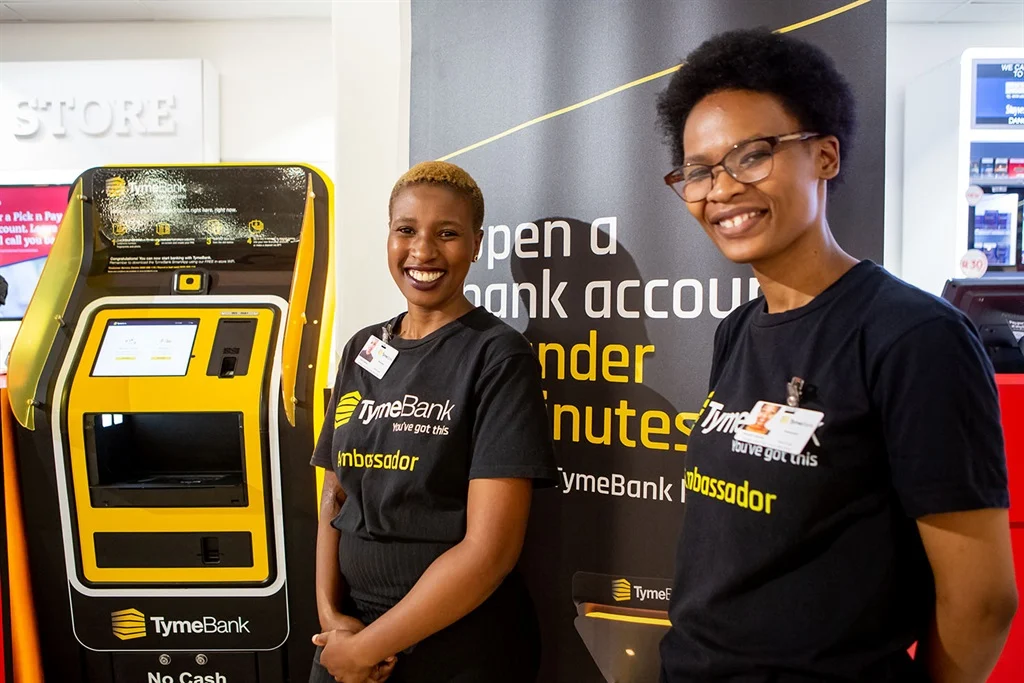
  • Singapore-based fintech startup Tyme raises $250M

    Singapore-based fintech startup Tyme raises $250M

    Singapore fintech startup Tyme Group has secured a US$250 million investment, which it calls the “largest fintech raise this year in Southeast Asia,” giving it a valuation of $1.5 billion.

    The company received the investment from Brazil-headquartered lender Nubank and other investors, it said in a news release Tuesday

    With established operations in South Africa and Philippines, Tyme now gears up for expansion into Vietnam and Indonesia as it eyes to expand its presence in Southeast Asia.

    Tyme, backed by South African billionaire Patrice Motsepe’s African Rainbow Capital Investments, has been developing and operating digital banks since 2019.

    The company entered the Philippines in 2022 in a joint venture with a local company.

    Southeast Asia’s loan book balance is expected to reach up to $300 billion by 2030, quadrupling from an estimated $71 billion this year.

    Startup investment in Southeast Asia remains weak this year, with 474 equity deals taking place in the first three quarters, the lowest level since 2020.

  • Sri Lanka’s Growing Remote Work Ecosystem

    Sri Lanka’s Growing Remote Work Ecosystem

    The telecom sector is playing an essential role in this transition by providing the necessary infrastructure and services for remote workers to thrive. With advancements in high-speed broadband, affordable mobile data plans, and co-working spaces, the country is building a robust ecosystem for remote professionals.

    Historically, the shift began with the expansion of broadband access and investments in IT services, particularly after the country’s digital transformation strategy launched in 2017. Today, Sri Lanka boasts 61.48% internet penetration, with initiatives like “Digital Sri Lanka” enhancing connectivity even in rural regions.

    Interestingly, data from Sri Lankan job portal, XpressJobs, showed a 45% increase in remote job postings in 2023, particularly in sectors like IT, customer service, and digital marketing.

    The rise of remote work in Sri Lanka is being driven by factors such as affordability, scenic locales, and an influx of digital nomads seeking a balance between work and leisure. That being said, Sri Lanka’s proposed digital nomad visa, gingerly approved in 2021, is yet to be launched. In the meantime, digital nomads can apply for a 30-day Electronic Travel Authorization (ETA), which can be extended for 30-90, 90-180, or 180-270 days.

    Bolstering the essential connectivity needed for remote work is Sri Lanka’s telecom industry, which is, similarly, evolving rapidly, through investments in 4G LTE, fiber optics, and early explorations into 5G. Telecom operators like Sri Lanka Telecom (SLT-MOBITEL) and Dialog Axiata have introduced Fiber-to-the-Home (FTTH) services, affordable mobile data plans, and public Wi-Fi zones, ensuring widespread connectivity essential for remote work success.

    Sri Lankan telecom companies have made significant strides in enhancing remote work infrastructure through strategic partnerships and innovations. Dialog Axiata PLC, Axiata Group Berhad, and Bharti Airtel Limited recently agreed to merge their Sri Lankan operations, a move expected to strengthen the country’s telecommunications sector. This merger aims to boost network capacity, ensuring more reliable and faster connectivity for remote workers across the nation.

    Dialog Axiata has been at the forefront of innovation, launching Sri Lanka’s first eSIM service, enhancing flexibility for mobile users. Additionally, Dialog Enterprise collaborated with Microsoft and H One to introduce Operator Connect—a pioneering service that integrates directly with Microsoft Teams. This launch marks a significant step forward in providing seamless communication tools essential for remote work environments.

    Similarly, SLT-MOBITEL has embraced digital transformation to cater to the growing demands of remote work by deploying Microsoft 365 productivity and security solutions. By integrating tools like Microsoft Teams, Microsoft 365 F3, E3, and E5, SLT-MOBITEL has created a seamless and secure environment for its employees to collaborate remotely. This shift has empowered frontline workers and executives alike, allowing real-time access to essential applications and secure data protection from anywhere.

    Furthermore, SLT-MOBITEL is leading the way in 5G development, laying the groundwork for next-generation remote connectivity. Moreover, partnerships with companies like Nokia have accelerated nationwide fiber network expansion, ensuring broader access to high-speed internet. Another key development includes the groundbreaking Maldives-Sri Lanka Cable project, completed in 2020, which enhanced regional telecom infrastructure, improving international connectivity through a Wavelength Division Multiplexing (WDM) subsystem and an 863-kilometer fiber optic cable.

    Further strengthening its position, Dialog Axiata partnered with Rakuten Viber in 2021, becoming Sri Lanka’s largest A2P (Application-to-Person) messaging provider. These advancements collectively demonstrate Sri Lanka’s commitment to fostering a robust telecom ecosystem, essential for supporting the growing remote work sector. The partnership enabled more than 300 Rakuten Viber carrier partners to comfortably communicate with more than 16 million Dialog Axiata customers using the Rakuten Viber A2P bilateral service, further enhancing remote working capabilities.

    Dialog Axiata has significantly advanced rural connectivity in Sri Lanka, presenting new opportunities for remote work by deploying its 4000th LTE network tower in the Thihawa village (located within the Kurunegala District). Since March 2020, the company has invested LKR 50.9 billion (USD 255.8 million) to address rising connectivity demands, particularly during the pandemic, when mobile data traffic doubled, and fixed broadband usage tripled.

    Dialog Axiata upgraded over 2,800 4G towers and added spectrum capacity to meet these demands. By year-end, it plans to increase capacity across 75% of its sites and deploy 450 new towers in rural areas to achieve 4G coverage for 95% of Sri Lanka’s population, supporting the government’s Gamata Sanniwedanaya initiative to enhance connectivity in remote regions.

    Sri Lanka’s unique value proposition as a remote work destination is further enhanced by its diverse landscapes and affordable living costs. Sri Lanka aptly captures this phenomenon, showcasing how reliable telecom services have enabled professionals to transition from boardrooms to beaches, balancing productivity and leisure.

    Co-working spaces in cities like Colombo and Kandy now offer high-speed internet, video conferencing tools, and cloud storage, ensuring seamless collaboration for global teams. However, challenges like inconsistent connectivity in rural areas and the high cost of importing telecom equipment need to be addressed to fully harness the potential of remote work.

    In addition to infrastructure, digital literacy is key to Sri Lanka’s success in the remote work economy. As emphasized, developing skills in fields like web development, digital marketing, and graphic design is crucial for locals to tap into remote job opportunities. Telecom companies can play a pivotal role by partnering with educational institutions, creating awareness campaigns, and facilitating access to e-learning platforms. These initiatives can not only empower Sri Lankans with global opportunities but also position the country as a competitive player in the remote work market.

    Despite the progress, challenges remain, particularly in ensuring consistent connectivity across rural areas. These challenges present opportunities for targeted investments in broadband expansion and innovations such as 5G. Government collaboration with telecom operators, coupled with policies incentivizing innovation and tax breaks, can accelerate technological advancements.

    The economic benefits of remote work for Sri Lanka are immense. A strong telecom infrastructure can increase foreign exchange earnings by attracting digital nomads, create new jobs in sectors like IT and hospitality, and alleviate urban congestion by enabling professionals to work from less crowded areas. Moreover, remote work can provide resilience in times of economic uncertainty, offering diverse income opportunities for Sri Lankans. With continued investment in digital and physical infrastructure, Sri Lanka is well-positioned to emerge as a global hub for remote work.

    Looking ahead, the telecom sector will remain central to Sri Lanka’s remote work ambitions. Innovations in connectivity, such as the rollout of 5G, will enhance remote work experiences, while government policies supporting digital entrepreneurship will drive long-term growth. It was highlighted that Sri Lanka already has the elements needed to thrive in the remote work landscape, provided it continues to invest in its digital capabilities. By addressing existing challenges and leveraging its strengths, Sri Lanka can unlock new pathways to economic prosperity.

    Sri Lanka’s telecom sector is at the forefront of this transformation, enabling a new generation of workers to embrace flexibility and connectivity. From fiber-optic networks to mobile data plans, the industry is laying the foundation for a thriving remote work ecosystem. With strategic investments and skill-building initiatives, Sri Lanka can position itself as a global leader in

  • Only 25% of Vietnamese firms have website

    Only 25% of Vietnamese firms have website

    According to the Vietnam Internet Network Information Center, only 25% of businesses in Vietnam have a website with a national domain, compared to over 70% in Europe.

    Amid a growing trend of omnichannel commerce, many retailers invest only in social media and e-commerce platforms, and do not build websites, causing many shoppers to worry about the legitimacy of the shops they encounter, thus detracting the shopping experience, VNNIC director Nguyen Hong Thang said. “Many entities are not fully aware of the importance of a legitimate online presence.”

    He said a website is like the home or headquarters of a retail store on the Internet, and could integrate and link to other sales platforms without being dependent on the policies and algorithms of social networks and e-commerce platforms.

    According to the Ministry of Information and Communications, there are 14 million grocery stores and over 9,000 traditional markets in the country, accounting for 75% of the retail market and meeting 85% of consumer needs.

    If their digital transformation is not ensured, the business activities of small traders would be affected and have social consequences, it warned.

    To encourage businesses to go digital and promote e-commerce, it has launched a program to support their online presence with digital services using the national domain “.vn.”

    The program offers free domain names and accompanying digital services for two years, including email and website services for their “.vn” domain for new businesses and individuals aged 18-23, and support for creating a website within one hour.

    The government seeks to have 350,000 id.vn domain names and 50,000 biz.vn domain names by 2025.

  • Record number of new firms seen in eight months

    Record number of new firms seen in eight months

    A record number of 103,658 new firms were established in the first eight months of this year, a rise of 2.3% year on year, the Ministry of Planning and Investment (MPI) reported.

    In August alone, the country saw more than 14,000 newly established businesses, up 17.9% year on year. However, the number of firms returning to the market in the month dropped 3.1% year on year and 10.9% month on month.

    In the January-August period, 149,400 enterprises newly joined and returned to the market, a slight drop of 0.03% year on year, but 1.2 times higher than the average figure recorded in the period from 2018-2022, the ministry said.

    The education sector saw the highest rise in the number of new firms at 35%, followed by the healthcare sector at 18.9%, and employment services, tourism, machinery and equipment rental and other supporting services 16.3%.

    However, the total registered capital of the newly established firms fell 14.7% year on year to VND969.61 trillion (over $40.2 billion).

    Meanwhile, in the reviewed period, 124,684 businesses withdrew from the market, up 19.5% year on year, including 71,833 businesses halting operations, 41,064 logging dissolving requests and 11,787 others dissolved.

    In order to support business development, Deputy Minister of MPI Tran Quoc Phuong said that along with applying flexible, active and effective monetary and fiscal policies and measures to remove difficulties for business and production activities, the ministry will propose adjustments and supplementations to some relevant mechanisms and policies.

  • Education startup TEKY raises $5M from foreign investors

    Education startup TEKY raises $5M from foreign investors

    Education startup TEKY Alpha has raised US$5 million from Singaporean investment firm Sweef Capital to expand its operations.

    TEKY plans to expand its educational services at public schools and after-school programmes for children aged five to 18, Sweef Capital said in a statement.

    The startup, founded by Dao Lan Huong in 2016, delivers science, technology, engineering, the arts and mathematics (STEAM) education.

    It operates 16 STEAM coaching academies in five cities and partners with more than 45 schools to deliver STEAM courses to more than 25,000 children.

    “I’m excited about our expansion plan to open more STEAM centers across the country in the next two years and the prospects of a partnership with public schools to integrate the STEAM curriculum and increase accessibility,” Huong said.

    The International Labour Organization has forecast that 137 million workers in Southeast Asia, or a fifth of the region’s population, will lose their jobs because of automation, robots and artificial intelligence in the next two decades.

    Workers around the world are likely to need to switch jobs and learn new skills, but many of the new jobs created by 2030 by technology would not have existed before.

    Vietnamese education must keep pace with these big shifts so that the future workforce could seize the opportunities of the industry 4.0 era, Huong said.

    This is Sweef Capital’s first investment from its Southeast Asia Women’s Economic Empowerment Fund.

    Existing investor Hong Kong-based Strategic Year Holdings also participated in the round.

  • Vietnam edtech startup receives $15M investment

    Vietnam edtech startup receives $15M investment

    MindX, a startup that offers training in technology and programming, has received a US$15 million investment from a group of international funds in the Series B round.

    The funding round was led by Singaporean fund Kaizenvest, which has invested in many famous startups in the field of education technology (edtech), including unicorns Byju’s and upGrad in India, and Yola English Center in Vietnam.

    The other participating investors are Thai education group Aksorn, Japanese human resources group Mynavi, and venture capital funds like Wavemaker Partners and Beacon Fund.

    MindX, founded in 2015 in Hanoi, specializes in technology training for people of various age groups. It has centers in many cities, and also provides training online.

    In November 2021 it had raised $3 million in a Series A round.

    Sandeep Aneja, the founder of Kaizenvest, said the demand for learning technology in Vietnam and Southeast Asia is increasing.

    “This investment is commensurate with the market potential and our belief in today’s growing demand for technology learning.”

    Nguyen Thanh Tung, MindX’s co-founder, and CEO, said being equipped with skills and critical thinking to apply new tools and technologies is the way for Vietnam to have a pioneering generation of innovation, considering how technology is constantly evolving today.

    With the new funding, the company plans to expand its scale and portfolio of products and services and optimize the user experience and data systems.

    MindX is also partnering with more than 200 firms in countries like Singapore, Australia, and Thailand, allowing the world to access Vietnam’s highly skilled digital workforce.

    The $15 million represents one of the largest amounts raised by edtech in Vietnam this year.

    According to the e-Conomy report by Google and Bain&Company, investments for startup projects in Vietnam went down to $0.7 billion in the first half of 2022.

  • Investment in Vietnamese startups down 56%

    Investment in Vietnamese startups down 56%

    Investment in Vietnamese startups reached $634 million in 2022, down 56% over the previous year due to the impact of global economic fluctuations.

    This investment was directed to startups through 134 deals, according to the Vietnam Innovation and Technology Investment 2023 Report, published Thursday by Do Ventures, a venture fund, and the National Innovation Center (NIC).

    Vietnam ranked third in the number of deals and fourth in investment in Southeast Asia last year, the report said.

    “The investment decreased due to the absence of big deals,” said Le Hoang Uyen Vy, managing director of Do Ventures.

    By sector, financial services attracted the most investment, increasing 248%. Retail was the second, despite its capital decreasing by 57%, followed by health and education.

    Vietnamese funds led the way in capital inflows for the first time, with a total of $287 million, followed by investors from Singapore, North America and South Korea. “Amid difficult circumstances, domestic investors are the ones fueling startups,” Vy said.

    Regarding the 2023 outlook, nearly 100% of surveyed investors said they would at least keep the current level of investment, according to the report. In the medium term, Vietnam’s startup ecosystem is still very attractive.

    At the “Vietnam Innovation Forum” on Thursday, Nguyen Anh Quang, senior investment director of SK – a South Korean fund that has invested $2 billion into Vietnam – is interested in consumer and healthcare projects.

    South Korea’s STIC Investment, which has invested $300 million in Vietnam, is interested in startups in the fields of logistics, e-commerce, and healthcare.

    Tran Duy Dong, Deputy Minister of Planning and Investment, said Vietnam’s startup ecosystem still has some areas it needs to improve, such as having few unicorns, startups valued at $1 billion upwards, venture capital funds, and big deals.


  • Foreign startups eye Vietnam’s young population

    Foreign startups eye Vietnam’s young population

    Foreign startups are eyeing Vietnam as one of their main markets thanks to the country’s large and young population, low costs and cheap and abundant labor force abundant.

    Vietnam has been among the top markets in terms of revenue for Singapore’s insurance startup Igloo ever since the company was launched in 2021.

    “Vietnam is becoming one of our key markets,” Nguyen Huu Tu Tri, CEO of Igloo Vietnam. “The country’s insurance industry is set to reach $3.5 billion in 2026, but only 2-3% of that goes to tech insurance,” he said, adding that this means there is a large room for tech insurance growth.

    In its two years of operation, Igloo has sold 13 million insurance policies in Vietnam,10 million in last year alone. The target customers are people with low incomes who are not yet insured.

    The company also chose Vietnam as a site to launch its first insurance policy aimed at protecting rice farmers using weather data and blockchain.

    Igloo hopes to become the top insurtech company in Vietnam.

    For India’s car rental startup Zoomcar, the market in Vietnam is promising as the country has a population of nearly 100 million people and a growing demand for cars.

    Zoomcar connects unused car owners with renters and has recorded over 100,000 registered users, including 3,000 car owners.

    “We are approaching the breakeven point on each trip and expect to grow 200%-300% this year,” said Kiet Pham, national manager of Zoomcar Vietnam.

    Vietnam’s advantage lies in its young and tech-savvy population and its rising middle-class, the two startup leaders said.

    Tri said that after the Covid-19 pandemic people are starting to be more interested in insurance products, with a surge in the number of those who are ready to make purchases.

    Zoomcar sees a large demand for car usage in Vietnam. However, the company says that the cost of owning a vehicle is high, which means there will be a large demand for rental services.

    Vietnam’s car rental market is set to reach $884 million by 2027 with a compound annual growth rate of nearly 14%, according to market researcher Mordor Intelligence.

    “Vietnam is the fastest growing market for Zoomcar in Southeast Asia,” Kiet Pham said.

    The number of start-ups from Singapore venturing overseas through Enterprise Singapore’s Global Innovation Alliance (GIA) acceleration programs has ballooned to more than 400 in less than five years. And one of the more popular destinations is Vietnam, with its large workforce, lower labor costs and sizable market.

    From 2020 to 2022, nearly $2 billion has been poured into startups, according to the Ministry of Planning and Investment.

    The Vietnam Silicon Valley Capital Investment Fund, a partner of Lotte Ventures and Korean government agency KISED, last year introduced 14 excellent Korean startups, which plan to bring new products to Vietnam.

    Hong Sun, vice president of the Korean Chamber of Commerce and Industry, said that Korean startups tend to invest in Vietnam after they see many successful companies in the market. He also forecast that many new startups will come to Vietnam in the near future.

    Last year, a report by the World Intellectual Property Organization (WIPO) said that Vietnam ranked 48th out of 132 countries and territories in achieving the greatest progress in the past decade.

    Although Vietnam has fallen four places compared to 2021, it is still in the third position in Southeast Asia, after Singapore and Thailand. Vietnam is also ranked 54th in the global innovative startup ecosystem, up five places compared to 2021

    But startup insiders have found many challenges, especially in changing user attitudes.

    The technology insurance industry, people’s confidence in insurance in general is low and therefore people are not willing to pay for it.

    Furthermore, the lack of high-quality human resources in the technology sector will make it a struggle for Vietnam to meet the development needs of foreign startups.