Retail News CRM

Tag: Startups

  • Startup scene reviving, says expert

    Startup scene reviving, says expert

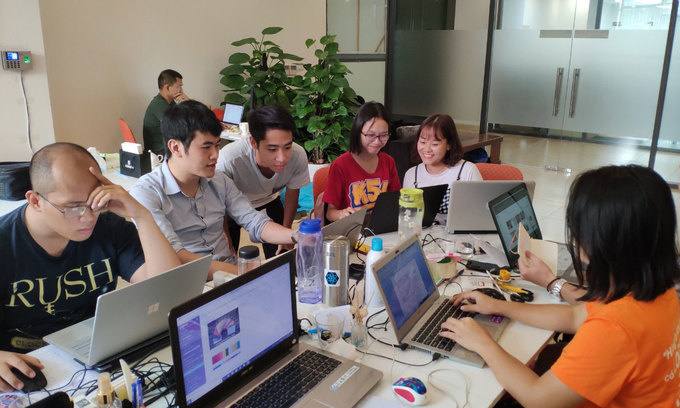
    Vietnamese startups are attracting increasing attention from foreign funds, and there have been at least seven million-dollar investment deals in Q1.

    The biggest deals include a $100-million funding round by U.S. investor Warburg Pincus in payment app MoMo, a $15-million investment in English learning app ELSA by Vietnam Investments Group and U.S-based Susquehanna International Group, and $6 million into gifting platform Got It by local digital gaming group VNG.

    The other four investments, in hotel booking platform Go2Joy, med-tech startup Genetica, online real estate platform Citics, and live streaming platform GoStream, were all worth less than $3 million. According to Thai Van Linh, CEO of consulting firm TVL Group and senior advisor to venture capital fund Openspace Ventures, the startup ecosystem in Vietnam is making exciting progress.

    Vietnamese tech firms have been thriving mainly thanks to the advance of digitization and consumers moving online, buying and selling on social networks or simply communicating online, Linh said in an interview with VnExpress.

    “In the first quarter’s major deals, the role and impact of foreign funds have been quite evident, despite fears that the pandemic would deter their involvement.”

    Last year, was a time of reflection and creativity, with many businesses having to conduct comprehensive reassessments of their operations, products, and services to look for new ways to bring value to the customer, she said.

    “Venture capital funds have also undergone a similar process. They looked from different perspectives to find potential in each startup notwithstanding the obstacles ahead. To that end, many funds have invested in businesses with a large customer base or consistently growing revenues.”

    Long-term growth has also been also an important factor, she said. With more than 55 percent of its population aged below 35, Vietnam not only has a young population but is also very open to change and willing to try new products and adopt new technologies.

    There have also been a number of major events that are creating the foundation for the development of startups and confidence among foreign funds to participate.

    Vietnam has entered into several foreign trade agreements that make it easier for startups to expand their customer base to overseas markets, while the consistent development of infrastructure would help increase the productivity of logistics operations and improve people’s living standards, she added.

    The Vietnamese diaspora abroad has been moving back to the country, bringing with it the experience acquired by working for global companies. More Vietnamese students are choosing to return home, bringing with them international perspectives on innovation and growth. This demographic is being utilized by large corporations to create an abundant supply of human resources for startups, Linh said.

    Interest in Vietnam among foreign venture capital funds has steadily increased over the last 10 years though many still have their main offices elsewhere in the region, Linh said.

    “Their headquarters may be in Singapore and they only fly to Vietnam once a month or once a quarter to explore. Some major investment funds in established markets such as the U.S. have established regional offices focusing on the Asian market.”

    Singapore-headquartered Openspace, which manages more than $425 million, has opened a representative office in Vietnam. “We believe the next unicorn startup will come from Vietnam, the Philippines, or Thailand,” Linh said.

    “If a founder tries to build a startup based on an ongoing trend, it is already too late compared to incumbents in that market.”

    Instead, they have to have a product ready, build a customer base, and run it smoothly before a trend emerges, she said.

    Asked about imminent startup trends, she said that does not matter and now should be considered a time to explore and experiment.

    “I meet many business owners who are doing this. Covid-19 may have adversely affected their business, but then they come up with new ways to change. And now, they are setting on a new path.”

    Linh, who is also a judge on the business reality TV series Shark Tank Vietnam, said startups should not only think about money when tying up with investors but also consider other ways in which the latter could contribute, such as with strategic guidance and introduction to partners.


  • Vietnamese studio bags $1 mln funding for new blockchain game

    Vietnamese studio bags $1 mln funding for new blockchain game

    Vietnamese game studio Topebox and its blockchain partner KardiaChain have raised $1 million for an upcoming blockchain game called My DeFi Pet.

    The investors include Shanghai-based venture capital firms Axia8 Ventures, OKEx Blockdream Ventures, and the venture capital fund of cryptocurrency exchange OKEx in Hong Kong. Vietnam-based venture capitalist Megala Ventures and Chinese game developer Animoca Brands have also pitched in.

    Based in HCMC, Topebox is the developer of hit games like Pocket Army, Sky Dancer: Free Falling, and King Rivals. It had bagged $1 million in the seed funding round from Singapore’s mobile game publisher Habby in April last year.

    My DeFi Pet is its first blockchain gaming project, which is set to launch globally in mid-May. The game will include decentralized finance (DeFi) and non-fungible token (NFT) features. NFT is a unit of data stored on blockchain that certifies a digital asset to be unique and therefore not interchangeable.

    Accordingly, players can earn tokens while playing the game, get rewards by participating in the game’s events and make profit from selling in-game characters.

    The Topebox developer team includes experienced game producers from Vietnam’s gaming giant VNG and leading global mobile video games developer Gameloft.

    It aims to have it business appraised and valued at $150 million in the next 3-5 years.

    Before My DeFi Pet, Vietnam had developed another blockchain game called Axie Infinity, released in 2018. It was developed by Vietnamese game developer Sky Marvis and was the first blockchain game developed in Southeast Asia.

  • Startups see investment rise by 34 pct

    Startups see investment rise by 34 pct

    Investment in startups jumped by 34 percent year-on-year in the first quarter to $100 million, with foreign investors being dominant. But the number of deals continued to fall, almost halving from 2019 to 16, according to a report by South Korean venture fund Nextrans. Foreign investors outperformed their local counterparts with nine deals, it said.

    Seed funding and series A investment, the first two stages, remained dominant, accounting for 70 percent of the deals. Fintech once again led with four of the 16 deals, followed by logistics, hospitality and real estate.

    Vietnam is expected to grow at the fastest rate in Southeast Asia in terms of digital financial services revenues in the next five years, reaching $3.8 billion by 2025, the report said. Other sectors such as e-commerce and medtech are also expected to boom in the coming years, it added.

    The most notable deals in the first quarter included an investment of $2.6-million from a group of investors led by Singapore venture capital firm Jungle Ventures in electric motorbike brand Dat Bike, and a $1 million by investment fund AppWorks in healthcare service booking platform Docosan.

    A venture capital fund alliance comprising 17 investment companies are committed to investing $800 million in Vietnamese startups in 2021-25.

    The government has also been making efforts to support startups, with former Prime Minister Nguyen Xuan Phuc approving the National Digital Transformation Program in June last year.

    Startup events have been organized to help new companies promote their ideas and connect with potential investors, attracting thousands of participants.

  • Grab set to announce deal with US SPAC at $40 billion valuation

    Grab set to announce deal with US SPAC at $40 billion valuation

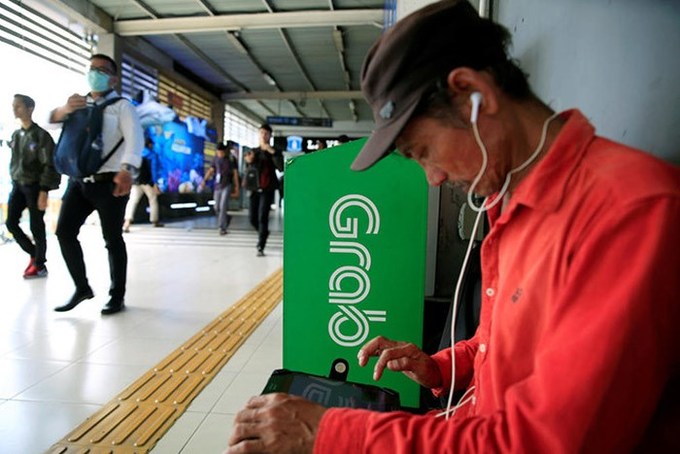
    Grab Holdings is set to announce as early as Tuesday a merger with U.S.-based Altimeter that will value Grab at nearly $40 billion and lead to a public listing.

    The merger will make it the biggest blank-check company deal ever. Southeast Asia’s largest ride-hailing and food delivery firm Grab’s agreement with a special purpose acquisition company (SPAC) backed by Altimeter Capital includes a $4 billion private investment in public equity (PIPE) from a group of Asian and global investors including Fidelity International and Janus Henderson, three people said.

    Grab declined to comment. There was no response from Silicon Valley-based Altimeter to an emailed request for comment.

    The two fund managers also did not respond to an emailed query. The sources declined to be identified due to the sensitivity of the matter.

    The deal for Singapore-based Grab, which sources have previously said was valued at just over $16 billion last year, is a big win for its early backers such as Japan’s SoftBank Group Corp and China’s Didi Chuxing.

    A U.S. listing will give Grab extra firepower in its main market, Indonesia, where local rival Gojek is close to sealing a merger with the country’s leading e-commerce business Tokopedia.

    Grab, whose net revenue surged 70 percent last year, is yet to turn profitable, but it expects its biggest segment – the food delivery business – to break even by end-2021, as more consumers shift to online food delivery after the Covid-19 pandemic.

    The nearly $40 billion valuations is based on a proforma equity value, two of the sources said.

    With operations in eight countries and 398 cities, Grab is already Southeast Asia’s most valuable start-up.

    Leveraging its ride-hailing business started in 2012, the firm has expanded into offering food and grocery deliveries, courier services, digital payments, and is now making a big push into insurance and lending in a region of 650 million people.

    Cash-rich, U.S.-listed Sea is also muscling into food delivery and financial services in Indonesia. Both Grab and Sea won digital bank licences in Singapore last year.

  • Grab to List in New York Via Blockbuster SPAC

    Grab to List in New York Via Blockbuster SPAC

    The deal – the largest merger between a company and a blank cheque company – will value the SoftBank-backed firm at about $35 billion.

    The Singapore-based technology group could finalize an agreement to list with one of Altimeter Capital’s special purpose acquisition companies (SPACs) as soon as this week. Grab will raise about $2.5 billion through private investment in public equity (Pipe), which typically involves selling shares in a private arrangement with investors. Of that, close to $1.2 billion will be funded by Altimeter, which will also backstop the sale of any shares in the SPAC by public shareholders when the deal is announced, the report said.

    Grab founder Anthony Tan will own 2 percent of the listed entity, the pink paper’s sources said. Softbank, one of the company’s biggest investors, will also be looking at a major payday.

    Founded in 2012, Grab, which started out as a ride-hailing service, now provides food delivery, payments and insurance, among other services on its app, and holds a digital banking license in Singapore. It serves a regional consumer market of 655 million people in countries like Indonesia, Thailand and Vietnam.

    Gojek, Grab’s main regional rival, is in advanced merger talks with local e-commerce marketplace Tokopedia, ahead of a planned initial public offering of the combined entity.

  • Vietnam startup CEOs earn less than Indonesian, Singaporean peers

    Vietnam startup CEOs earn less than Indonesian, Singaporean peers

    The CEOs of early startups earn a median salary of $1,000 per month, lower than those in Indonesia and Singapore, a recent report says.

    A startup in the $0–5 million funding stage pays its CEO $2,000 a month in Indonesia and $4,000 in Singapore, according to a recent report by Southeast Asia-focused venture capital firm Monk’s Hill Ventures and Asia-Pacific jobs site Glints.

    For startups in the $10-50 million funding stage, CEOs in Vietnam get paid $6,000, compared to $11,500 in Singapore.

    But vice presidents engineering in Vietnam startups in the Series B stage earn up to $10,000 a month, same as in Singapore, while the monthly remuneration in Indonesia is $7,100.

    Due to an oversupply of fresh graduate junior engineers in markets such as Indonesia and Vietnam, starting salaries can be low; however, they quickly grow with a few years of experience to the $700–1,200 range.

    Engineers in Vietnam typically earn higher salaries than those in Indonesia but lower than their Singapore peers, the report says.

    A senior frontend developer, for example, earns up to $2,800 in Indonesia, $3,500 in Vietnam and $9,500 in Singapore.

  • Deliveroo confirms IPO Offer Price

    Deliveroo confirms IPO Offer Price

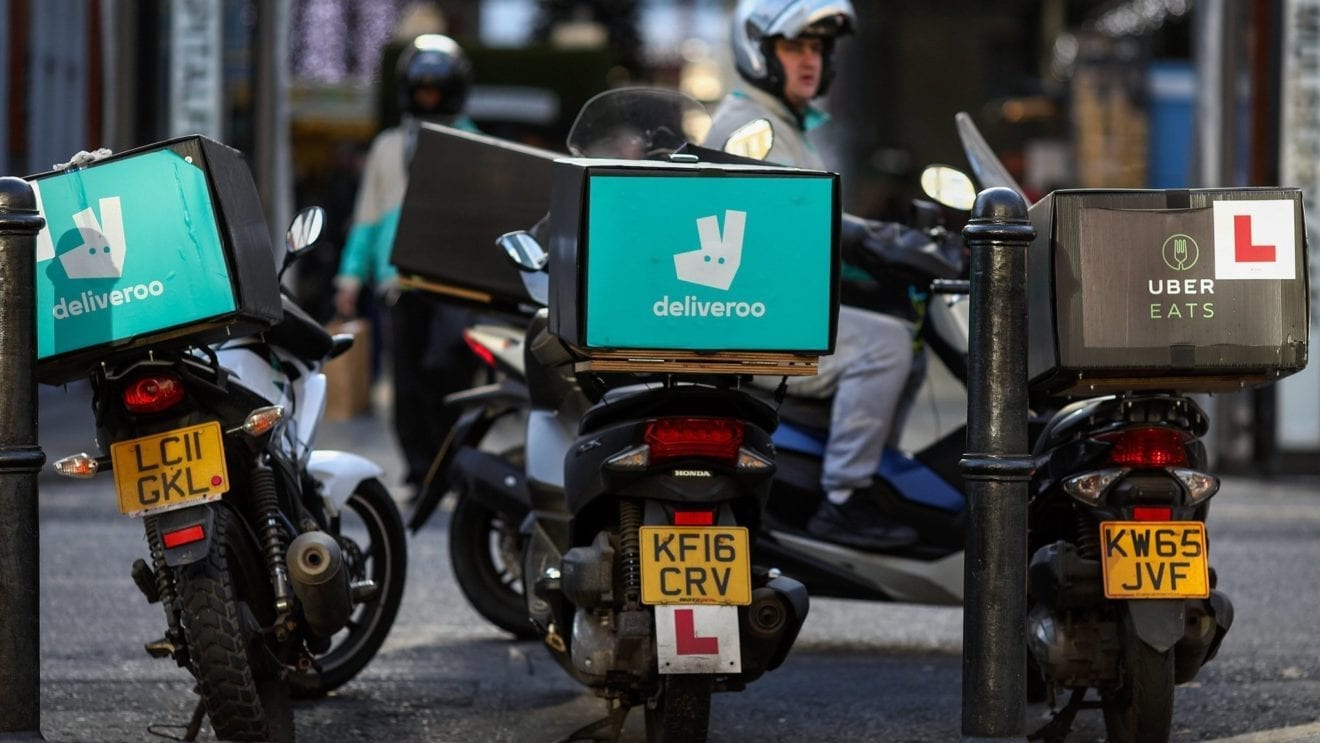
    The Offer Price has been set at £3.90 per Share, equating to a market capitalisation at Admission of £7.59 billion (excluding any over-allotment shares).

    • Commencement of conditional dealings on the London Stock Exchange is expected to take place at 8 a.m. (UKT) on 31 March 2021 under the ticker “ROO” (ISIN: GB00BNC5T391).
    • Deliveroo intends to use the net proceeds from the issue of the new Shares to continue to invest in the growth opportunities available:
    • Bringing the food category online represents an enormous market opportunity. The way we think about it is simple: there are 21 meal occasions in a week – breakfast, lunch, and dinner – seven days a week. Right now, less than one of those 21 transactions takes place online. We are working to change that.
    • We have executed well, from a growth, expansion, and profitability perspective, but we are just truly starting our journey.
    • We will continue to invest in the innovations that we believe will further enhance our core marketplace for consumers, restaurants and grocers, and riders, while also continuing to further develop our growth businesses, in particular, Editions, Plus and Signature.

    Will Shu, Founder and CEO of Deliveroo, said: 

    “I am very proud that Deliveroo is going public in London – our home. As we reach this milestone I want to thank everyone who has helped to build Deliveroo into the company it is today – in particular our restaurants and grocers, riders and customers. In this next phase of our journey as a public company we will continue to invest in the innovations that help restaurants and grocers to grow their businesses, to bring customers more choice than ever before, and to provide riders with more work. Our aim is to build the definitive online food company and we’re very excited about the future ahead.”

  • Foodpanda Hong Kong appoints new MD

    Foodpanda Hong Kong appoints new MD

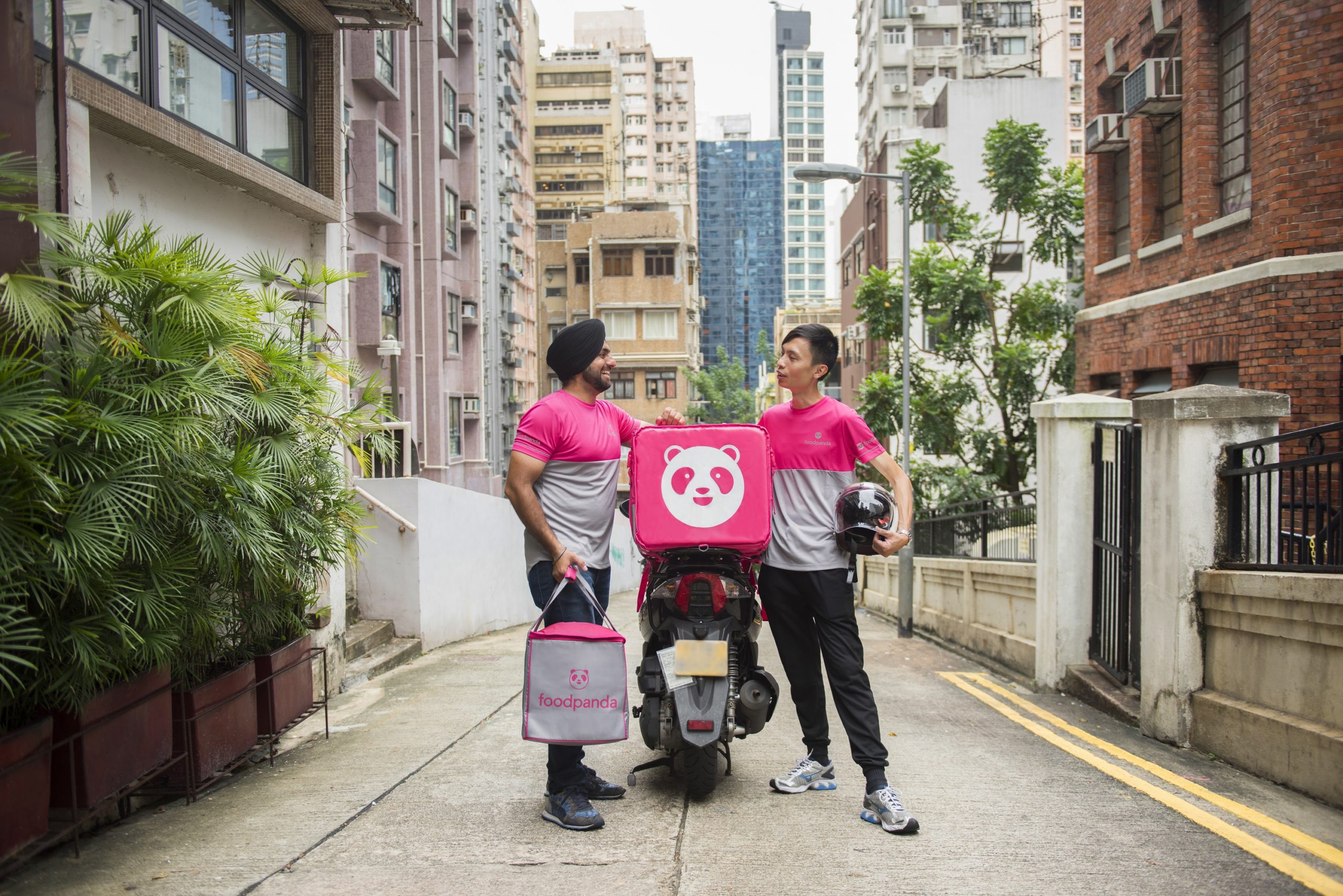
    Tech industry veteran Ryan Lai has been named the new managing director for foodpanda Hong Kong.

    Lai will oversee all aspects of the delivery company’s business operations, while contributing to the growth and strategic development of the platform, including delivery and pickup, foodpanda mall, pandamart, catering, and other digital solutions to push the company forward and enhance the customer experience.

    Lai comes from eBay, where he served as head of Southeast Asia and head of category management of automotive in Greater China. He brings nearly 15 years of management experience under his belt with expertise in e-commerce.

    “I am very excited to be joining foodpanda (Hong Kong), especially during such an active and ever-changing period for online delivery platforms. It is humbling to be able to work alongside such a dynamic, strong-willed, and accomplished group of people. I am confident that we can build on the already solid foundation of success, and continue to provide the best experiences and solutions to our foodpanda community of stakeholders,” said Lai.

  • Grab in Hiring Spree to Support Financial Services

    Grab in Hiring Spree to Support Financial Services

    The super app is looking to create around 350 new jobs in Singapore this year to support its growth plans.

    The new hires will support Grab’s plans to help micro SMEs digitalize, deliver digital financial services across Southeast Asia, and develop the Grab-Singtel digibank, according to an announcement on its website.

    The hiring drive was announced at a signing of a memorandum of intent with the Infocomm Media Development Authority and Digital Industry Singapore to support the development of Singapore’s tech ecosystem, through the development of its tech talent and R&D capabilities here.

    The vacancies are from fields including artificial intelligence, cybersecurity, data science, software engineering, product management and design. There will also be employment opportunities in areas such as finance, operations, legal, public affairs and business development, Grab said.

    We are building products that positively impact millions across Southeast Asia, and we want to continue deepening our R&D capabilities and push the boundaries of innovation, right here at our strategic base, Tan Hooi-Ling, Grab co-founder, said in the statement.

    Grab previously said it would be pushing into retail wealth by focusing on accessible, convenient, and transparent investment products and solutions while broadening its wealth management offerings that feed into its goal of strengthening its open fintech ecosystem.

    The company has grown its suite of financial products in the past year, rolling out e-money, lending and insurance distribution on its platform, and moved into wealth management with the acquisition of Singapore-based robo-advisor Bento, which was relaunched as GrabInvest.

    It also led a $100 million Series B fundraising round for LinkAja, an e-wallet in Indonesia, where the ride hailer has been vying with competitor Gojek for the top spot in digital payments.

  • Travel App Sets Sights on Financial Services

    Travel App Sets Sights on Financial Services

    Indonesian online travel unicorn Traveloka is targeting Thailand and Vietnam for launching financial services ahead of a possible IPO.

    Undaunted by Covid-19 related disruptions, Southeast Asia’s biggest online travel startup is eyeing moves into the financial services space as the company diversifies its offerings in a region ripe for disruption in the space.

    The plan is to invest in fintech in a big way to allow more consumers to travel in the region,» Caesar Indra, Traveloka president said in an interview published Thursday.

    The travel app, which previously branched out into lifestyle services such as food delivery, launched offerings in insurance and wealth management, and is currently developing buy-now-pay-later services in Vietnam and Thailand, where it recently launched a joint venture for fintech development with one of the country’s biggest banks.

    The company, which counts 40 million monthly users, has seen a strong rebound in business, driven by domestic travel, Indra said.

    Its business has surpassed pre-Covid levels in Vietnam, is nearly back to normal levels in Thailand, and is at half of pre-Covid levels in Indonesia, he said.

    Traveloka is reportedly in discussions with special-purpose acquisition companies, or SPACs, for a U.S. listing.

    Reuters quoted a source saying that Bridgetown Holdings, backed by Asian tycoon Richard Li, Provident Acquisition and Cova Acquisition are also contenders for the startup, which has a potential valuation of up to $5 billion.

    Founded in 2012, Traveloka has raised more than $750 million to date from investors including Expedia, Singapore’s sovereign wealth fund GIC, East Ventures, as well as JD.com.

  • Vietnam eyes 500 hi-tech manufacturers

    Vietnam eyes 500 hi-tech manufacturers

    Vietnam eyes to have 500 manufacturers of hi-tech products and 200 agriculture companies using hi-tech applications as of 2030.

    The government also targets to increase the export value of hi-tech products to about 60 percent of the total export value in the manufacturing and processing industry, according to National High-Tech Development Program 2030 recently issued by Prime Minister Nguyen Xuan Phuc.

    It also seeks to develop and master 20 high technologies as part of a tech list prioritized for investment and development in the region.

    Funding for the program comes from state coffers, organizations, and private companies.

  • How new player joined Vietnam’s food delivery battle

    How new player joined Vietnam’s food delivery battle

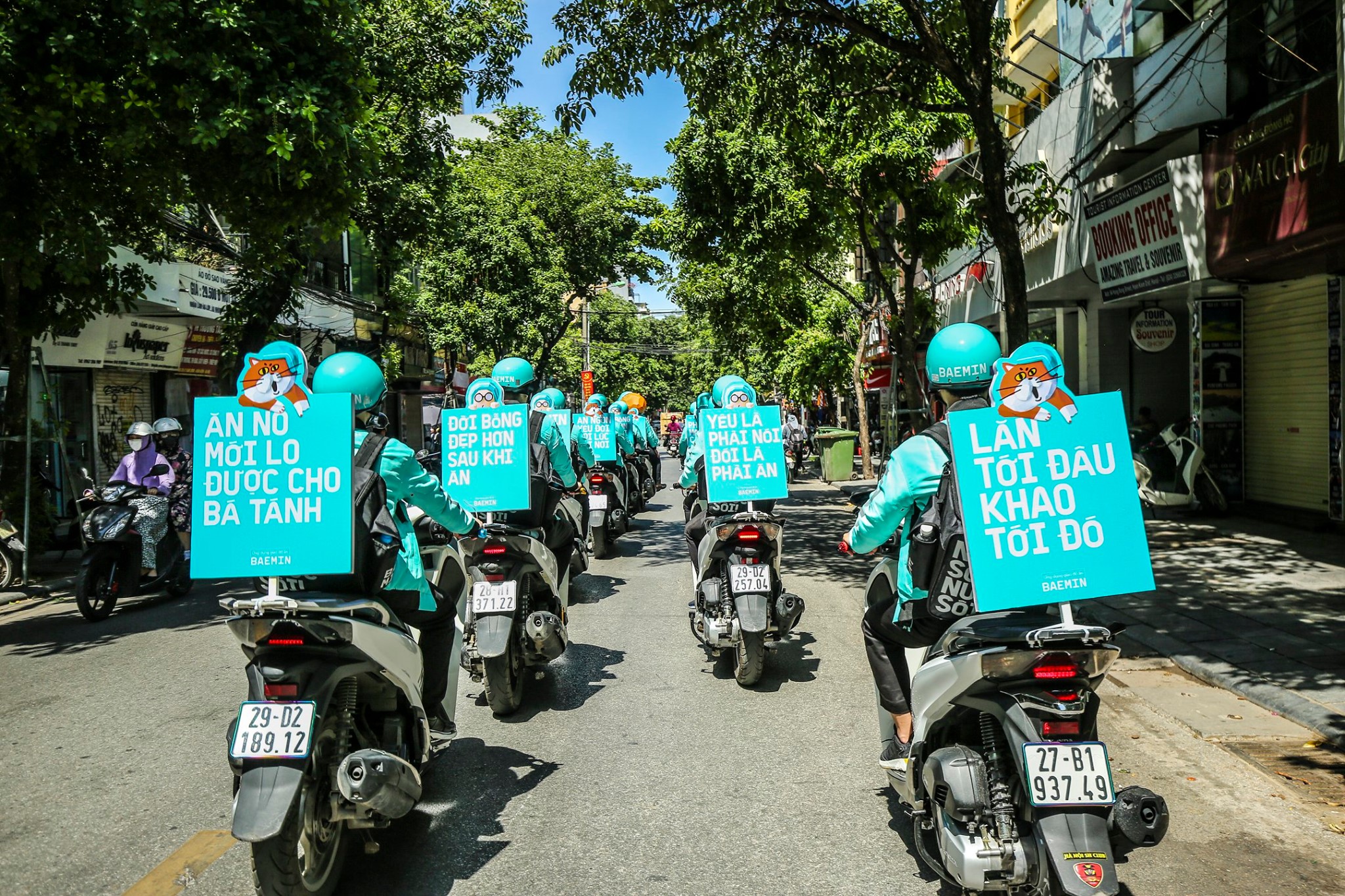
    Joining the market later than competitors, Baemin, a food delivery application of South Korean unicorn Woowa Brothers, concentrates on rider training and supporting food stores.

    Tuan, 28, from HCMC, is on his way to the headquarter of Baemin in District 3 to take part in a training course. He said, by the end of the course, he would have had to take an entrance exam before being granted an account as a Baemin rider. Before that, during the online application process, Tuan also had to undergo a pre-qualification exam before attending the intensive training.

    Most riders joining the Baemin network have to pass two entrance exams, a paradox compared to other food delivery businesses today.

    “We want to leave a good first impression on our customers with Baemin’s well-mannered and polite rider team,” said Nguyen Trung Thanh, COO of Baemin Vietnam, Woowa Brothers’ leading online food delivery service.

    Right after taking the lead in South Korea, Woowa Brothers expanded its market to Vietnam, where more than 40 percent of the population is of working age, loves technology and is quite familiar with Korean culture. However, Baemin still joined the Vietnamese market later than many other competitors.

    The boom in delivery applications has resulted in a shortage of riders and problems with service quality. Therefore, Baemin chose its own path by starting with careful training of its rider team in each market then gradually expanding within the city where the demand for food delivery is up to 90 percent (according to market research company GComm).

    Ho Chi Minh City and Hanoi are two typical examples of Baemin’s approach. “In Vietnam, FoodTech is still a very new market, so companies in this field have to invest a lot in building their own delivery team and putting them into operation,” Thanh noted.

    Baemin focuses on building professional food delivery services, its professionalism helping it succeed in a short period.

    According to a recent survey, although Baemin only appeared in Vietnam from mid-2019, it quickly caught up with Gojek, another application in food delivery, in its proportion of users (up to 46 percent). Baemin also takes up 16 percent among the most frequently used apps.

    According to the report, GrabFood is said to be popular among the old while Baemin suits younger generations.

    Investing in rider partners is not enough in Baemin’s long-term development strategy in Vietnam.

    “In Korea, where third-party logistics infrastructure is already developed, Woowa Brothers focuses on customer care, advertising and tradition,” said Thanh.

    “However, in Vietnam, it is a completely different story.”

    In addition to delivery resources, Baemin also has to pay attention to connecting with partners participating in its platform by providing flexible payment methods, with the most important being accompanying partners in the transition of the business model into an online format.

    According to Thanh, in new markets like Vietnam, restaurants, and stores, especially traditional ones, are yet to grow accustomed to online sales. Thus, during this period, the most practical thing is generating a revenue stream.

    Baemin’s strategy is to send staff to guide restaurant owners on how to achieve greater profits. At the same time, the company has also developed a department to timely respond and make payments so restaurant owners could continue to operate.

    “These are very basic steps, but they create real value from which the restaurant has the confidence to establish a closer relationship with us,” Thanh emphasized.

    In the coming time, Baemin plans to help restaurant owners create products suited to online business models. According to Thanh, this would allow transformation from a pure traditional restaurant to an online model in order to gradually expand with increasing revenue.

    “More than anyone, Baemin understands that the success or failure of a company depends greatly on its partners. Although Baemin is newly launched in Hanoi, brand awareness of customers here is much higher than in Ho Chi Minh City. It may be a new city, but the market has heard a lot about us,” Thanh said.

  • Venture funds commit $815 mln to Vietnamese startups

    Venture funds commit $815 mln to Vietnamese startups

    Vietnamese startups earned pledges of $815 million over the next five years from 33 foreign and domestic venture funds.

    The pledges, announced at the recent Vietnam Venture Summit, came from several foreign funds who’ve been active in Vietnam in recent years, like CyberAgent Capital, AlphaJWC, Monk’s Hill Ventures, as well as several domestic funds like VinaCapital Ventures, Do Ventures, and Viet Capital Ventures.

    At the same event last year, 18 funds had committed $415 million to Vietnamese startups for three years, and $220 million of this was disbursed in the first half of this year.

    Investment in Vietnamese tech startups in the first six months fell 22 percent year-on-year to $222 million due to the Covid-19 pandemic, according to a report by Ho Chi Minh City-based venture capital firm Do Ventures.

    Among six major economies in Southeast Asia, Vietnam accounted for 16 percent of the latest investment pledges, ranking third behind Singapore (37 percent) and Indonesia (30 percent), it added.

    A recent report by U.S.-based consulting firm McKinsey & Company says 12 large digital ecosystems (companies providing services across sectors) will be established across retail and services in Vietnam by 2025, creating a revenue pool of about $100 billion.

  • Deliveroo deepens investment into on-demand grocery segment with exclusive DON DON DONKI partnership

    Deliveroo deepens investment into on-demand grocery segment with exclusive DON DON DONKI partnership

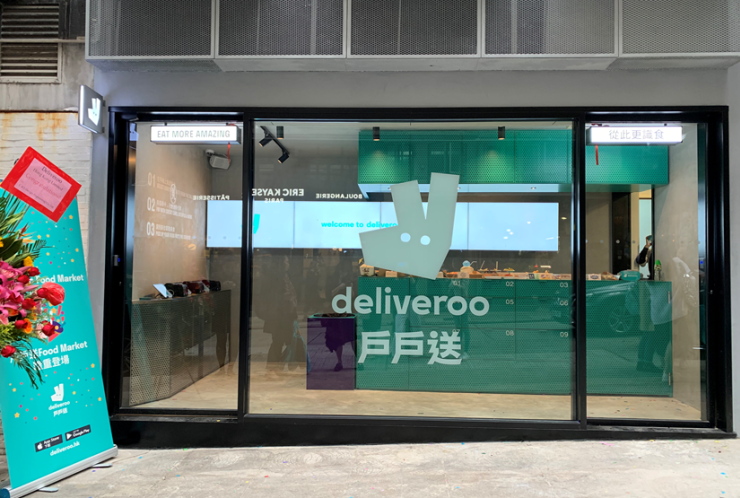
    Deliveroo today announces its partnership with DON DON DONKI, marking the first-ever collaboration with on-demand delivery app in Hong Kong for the Japanese megastore. The exclusive partnership with Deliveroo will enable customers to access a variety of tasty snacks, ready-to-eat meals and daily essentials from DON DON DONKI, making virtual shopping simple and convenient as many people opt to stay home amidst rising COVID-19 case numbers.

    The new partnership represents Deliveroo’s deepening penetration into the on-demand grocery segment. In October, Deliveroo launched its on-demand grocery offer, giving Hong Kong food lovers across the city easier access to supermarket and convenience store retailers such as Marks & Spencer and 7-Eleven.

    Introducing DON DON DONKI on Deliveroo will connect Hong Kongers to a wide variety of exciting and essential items from Japan, starting today. DON DON DONKI to-door delivery will be available across multiple neighbourhoods in Hong Kong Island, Kowloon and the New Territories reaching approximately over 1.5mn customers; or customers can choose pick-up to shop online and skip the queue.

    Via Deliveroo, customers can access some of their favourite DON DON DONKI household essentials, ready-made meals, supermarket staples and fresh produce.  With almost 300 items available to order on Deliveroo, customers can order a wide range of items including Japanese pears, grape shine muscat, wagyu beef, fresh sashimi and sushi, assorted cheese products, snacks and sweets, beverages such as sake and canned chūhai, as well as store beauty supplies, snacks for pets and home essentials.

    The boost to Deliveroo’s on-demand grocery offerings comes as consumers in Asia are eagerly embracing online shopping methods related to F&B. With the online grocery market in Asia expected to reach over US$295 billion by 2023, Deliveroo is making sure its offer to consumers meets changing demands, which is particularly important as consumer habits continue to evolve alongside COVID-19 restrictions.  With a fleet of over 7,000 riders in Hong Kong, Deliveroo is committed to delivering meals and essential grocery items in as little as 30 minutes, ensuring people have the food and other goods they need and want.

    Brian Lo, General Manager, of Deliveroo Hong Kong said, “Deliveroo is committed to more investment in on-demand convenience, following the announcement of partnerships with 7-Eleven and Marks & Spencer earlier this year. Now, we are  incredibly excited to partner with DON DON DONKI exclusively to offer convenient delivery and pick-up access to the megastore’s amazing range of products. We are dedicated to staying on top of consumer trends and catering to what our customers want, so DON DON DONKI is an extremely relevant brand and partner to bring on board as we deepen our on-demand grocery sector penetration. The potential of eCommerce grocery services is significant, particularly in light of COVID-19, and we will continue to work with more large brands to help Hong Kongers conveniently access the products they want and need.”

    Fast and convenient DON DON DONKI shopping

    Skip the line and order online! As Deliveroo and DON DON DONKI kick off their partnership, starting from today, five DON DON DONKI stores located in key areas within Hong Kong will be ready for delivery. Customers can also choose going to any of the five stores to pick up to save time and skip the queue. In recognition of the partnership, Deliveroo is offering delicious deals to new and old Deliveroo customers. New customers can receive two $50 vouchers (T&C apply) when they sign up for Deliveroo, while long-standing customers can enjoy 15 percent off their first DONKI-on-Deliveroo purchase.  Additionally, customers can enjoy a special price for Deliveroo-exclusive Hotpot Combo in a limited co-branded thermal bag from 18 December (available on a first-come-first-served basis while stocks last).

    DON DON DONKI is a beloved Japanese discount chain that first opened its doors in Hong Kong earlier last year. Operating 24/7 in most locations, the megastore offers an abundance of Japanese snacks, beauty items, lifestyle goods, cooked food – including special bento offerings – dry goods, fresh produce, and much more. DON DON DONKI can be accessed via the Deliveroo app to order instant soups, exclusive Japanese sodas, rice bowls and much more, bringing Japan to customers’ doorsteps in Hong Kong.

  • Singapore Beefs Up Wealth Management Talent Pipeline

    Singapore Beefs Up Wealth Management Talent Pipeline

    After a deadly pandemic wiped out most revenue for the year, Macau’s gaming industry could face a permanent structural shift with the potential introduction of a new system to exchange digital yuan for gambling chips.

    Macau’s watchdog, the Gaming Inspection and Coordination Bureau, has been in talks with various casino operators over the usage a digital yuan to buy casino chips, according to a report citing unnamed sources.

    The discussions are still in the initial stages and no final decision has yet to be made.

    Currently, tourists entering Macau to gamble commonly use two methods to obtain casino chips. One method is to obtain chips by converting Hong Kong dollars (which is widely accepted in the fellow special administrative region). Another is to obtain credit often from junket providers, a method commonly used by mainland high rollers to sidestep Chinese capital control rules.

    By introducing the digital yuan and enforcing it as the medium to exchange casino chips, authorities risk disrupting Hong Kong dollar flows and, more importantly, putting junkets out of business.

    In addition to hurting service providers in the middle, imposing a digital yuan would significantly increase the transparency of money flows from the mainland to Macau.

    Industry watchers are concerned not only about the lack of privacy for gamblers but also the potential of a conversion cap to expand the coverage of mainland China’s capital control rules.

    Although some believe the introduction of the move could boost Chinese middle-class participation in Macau’s gambling sector through the ease of conversion, others expect a fallout in the casino hub due to its strong reliance on high rollers that need financial flexibility.

    The report added that the increased exposure to casinos in Russia and the Philippines by Suncity Group, the listed arm of Macau’s biggest junket operator and the recent mystery buyer of cigar brands like Cohiba, was a response to changes such as the potential implementation of the digital yuan, citing another unnamed source.

    Gaming revenue in Macau has plunged by $27 billion this year, down at least 90 percent for six straight months since March.