Tag: Store

  • Google Play Store to make app installs easier with an always visible Install button

    Google Play Store to make app installs easier with an always visible Install button

    If you own an Android phone, you probably spend a lot of time in the Google Play Store, where countless apps and games are available to choose from. However, sometimes app listings can get so lengthy that the Install button can disappear, forcing you to scroll back to the top, which, to be honest, can be annoying. Well, an upcoming change to the Google Play Store aims to address this by making the Install button a permanent fixture on app listings.

    A recent report suggests that Google Play Store version 43.1.19 contains code hinting at a feature that will keep the header fixed in place on app listings. This means the Install button will remain visible as you scroll through the app details.

    The header is packed with essential info about the app, including its icon, name, developer, average rating from the Play Store, and whether it has ads. You’ll also spot the handy Install button for quick downloads right to your device, plus a dropdown that lets you install the app on your other gadgets. And the best part? This header sticks around, so you can always access it easily.

    The header with the Install button sticks at top while you scroll through the app listing. | Image credit – Android Authority/AssembleDebug

    It may seem like a minor tweak, but I think this change could really benefit app developers. Why? Well, while a lengthy app store listing does a great job of informing users, it unintentionally punishes developers for being thorough. When the Install button is stuck at the top, the more you scroll down, the more likely you will bounce instead of scrolling back up to hit that button.

    If the Install button had a fixed position, users could easily download the app after checking out the details, ultimately boosting conversions for developers who invest time in creating rich, informative listings.

    In other news from the Google Play Store, there’s chatter that it might soon spotlight tablet-optimized apps that are also compatible with cars. On top of that, the search feature is getting a new spot on Android tablets and foldable devices.
  • Miniso to acquire 29.4 percent of Yonghui Superstores

    Miniso to acquire 29.4 percent of Yonghui Superstores

    Miniso Group Holding will acquire 29.4 percent of Yonghui Superstores from various shareholders for RMB6.3 billion (US$893.3 million).

    Miniso, through its PRC subsidiary Guangdong Juncai International Trading, entered into share purchase agreements with DFI Retail Group subsidiary The Dairy Farm Company and JD.com subsidiaries Beijing Jingdong Century Trade and Suqian Hanbang Investment Management.

    The transaction will result in Miniso becoming the largest single shareholder of the supermarket chain.

    Under the agreements, Guangdong Juncai will pay each seller RMB2.35 per share, representing a 3.1 percent premium to the closing price of Yonghui’s shares on the Shanghai Stock Exchange on September 20.

    Shares of Miniso Group Holding plunged as much as 39.2 percent to HK$20 ($2.57) on Tuesday after the deal was announced.

    The lifestyle products retailer’s shares dived to the lowest since December 2022, on track for the biggest one-day percentage drop since its debut in July 2022, and was the top percentage loser on the Hong Kong bourse. Reuters reported that compared to a 2.1 per cent rise in the benchmark Hang Seng Index.

    Yonghui has logged three years of net losses, reflecting the mounting costs of closing unprofitable stores.

    Guofu Ye, the Miniso chairman and CEO, said that acquiring the shares would allow his company to expand its access to the essential goods sector.

    “With our support and leveraging our expertise in design-led products, Yonghui will be poised to develop higher-quality self-branded products to cater to evolving consumer needs,” said Ye.

    “Furthermore, I believe that our collaboration with Yonghui in retail channel upgrade and supply chain will enable us to share resources to further enhance economies of scale, optimise the cost structure and create value for consumers.”

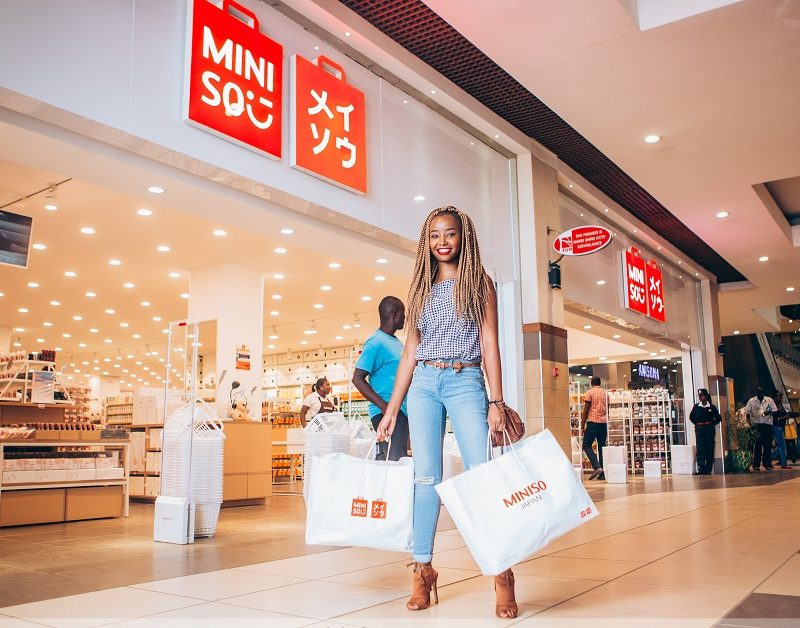
    Miniso’s newest flagship store – which opened early this month in downtown Jakarta – is among the first to include a range of snackfoods, all sourced from local suppliers, as the novelty retailer looks to expand into other categories, with blind boxes being another.

    DFI Retail Group will receive US$637 million for its stake, funds CEO Scott Price said would support the company’s plans to expand its other businesses in Mainland China, which remains a significant market for the company.

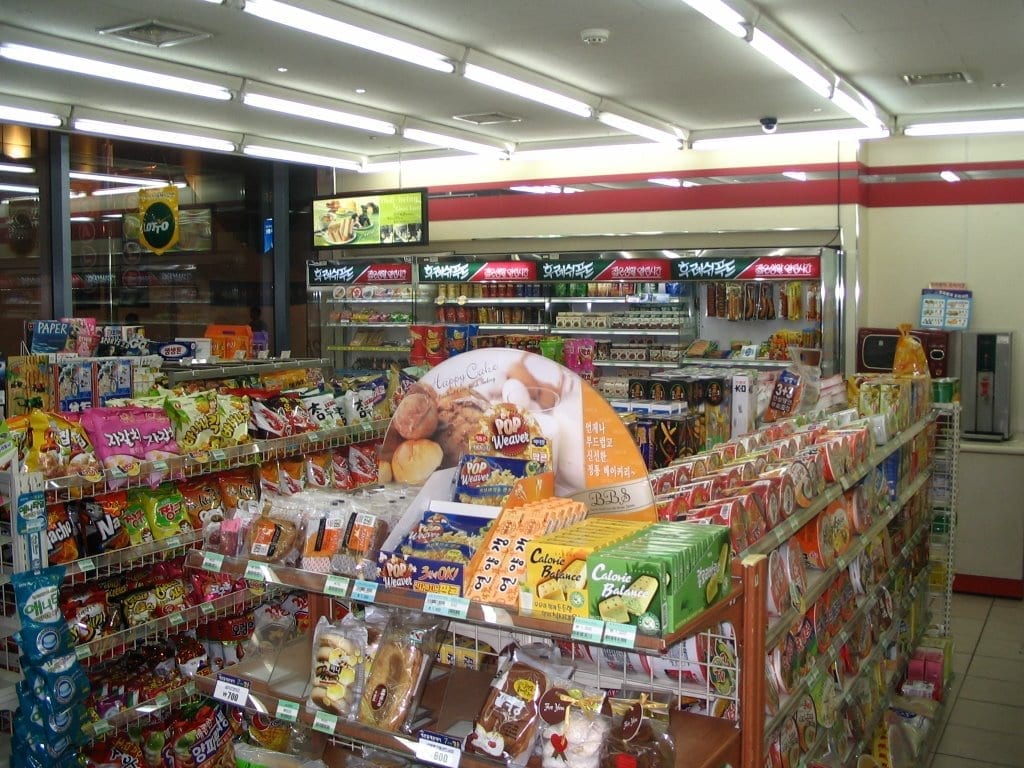
    “We are proud to serve millions of customers through Mannings China and 7-Eleven, and we have ambitious plans to increase the number of 7-Eleven stores in Guangdong Province in the coming years,” said Price.

    The deal is subject to Miniso shareholder approval and applicable regulatory conditions, including antitrust approval.

  • Levi’s to fuel growth ambitions with Suria KLCC Malaysia store reopening

    Levi’s to fuel growth ambitions with Suria KLCC Malaysia store reopening

    Levi’s has reopened its expanded store at Suria KLCC, Malaysia. Spanning 393sqm, this is the brand’s largest flagship in Southeast Asia and part of its direct-to-consumer expansion strategy in the region.

    The new store features the brand’s signature NextGen Indigo format, designed to deliver an immersive shopping experience, with modern touches like LED portal entry and elevated style lounges.

    It will offer various collections including Levi’s Vintage Clothing, the Made in Japan line, and climate-adaptive offerings such as the Performance Cool range.

    Levi’s also partnered with local artists to offer unique, Malaysia-inspired personalisation options. For the reopening, the brand worked with street artist Cloakwork to design exclusive heat press patches that celebrate local heritage.

    In addition, the Suria KLCC outlet has its very own Tailor Shop, offering consumers the option to personalise and customise their apparel.

    Nuholt Huisamen, MD of East Asia Pacific, Levi Strauss and Co, said strengthening its presence in Southeast Asia is crucial for the brand’s growth ambitions.

    “Our ambition is to become a $10 billion company and a world-class retailer, and our international business will play an integral role in helping us to achieve this,” said Huisamen.

    “Southeast Asia – and the broader East Asia Pacific region – holds immense potential for us, with many markets leading the way in creating fashion trends that are quickly picked up globally.”

  • Uniqlo to open largest store in South Korea

    Uniqlo to open largest store in South Korea

    Japanese fashion label Uniqlo will launch its largest store in South Korea on September 13 after reporting strong sales at home and in some overseas markets.

    The 3504sqm store will be located in Jamsil Lotte World Mall.

    “As a local community member, Uniqlo has been striving to show our commitment,” said Kuwahara Takao, co-CEO of Uniqlo.

    “Our new store will provide products and services that enrich everyone’s daily lives and organise various local-friendly activities continuously to better the lives of people in Seoul.”

    Founded in 1949, Uniqlo is owned and operated by Fast Retailing Group and has more than 2000 stores worldwide.

    The brand entered South Korea in 2005 and now has 126 stores in strategic areas.

  • WhatsApp will soon allow you to preview photos and videos within pinned messages

    WhatsApp will soon allow you to preview photos and videos within pinned messages

    WhatsApp, the popular messaging app, is continuously testing new features for its large user base, and it usually does that by pushing them first to its beta app available through the Google Play Store. Recently, according to WABetaInfo, the company has been testing a new preview feature for pinned messages that can be found in the latest beta version 2.24.11.12. This new update aims to make it easier for users to manage and access important messages within their chats.

    This feature was first spotted in a previous beta version, 2.24.7.27, and it has now progressed to public testing. By incorporating a thumbnail preview for pinned messages, WhatsApp is taking another step towards enhancing user interaction and organization within chats. This means users will be able to quickly identify the content of a pinned message without having to open it fully, streamlining their messaging experience.

    The thumbnail preview will be particularly useful for media messages, including photos and videos. Users can now instantly recognize the media content directly within the pinned message preview area, saving time and effort. Whether it’s a funny meme, an important document, or a memorable video, the new preview feature is designed to make navigating through pinned messages a breeze.

    This enhancement builds upon previous updates, such as the ability to pin multiple messages and the 24-hour, 7-day, and 30-day pinning durations. While the preview feature is currently available to select beta testers, it is expected to roll out to more users in the coming days. If you’re eager to try it out, you can join the WhatsApp beta program on the Google Play Store and install the latest update. However, do note that availability for this program is almost always full to capacity, however, your mileage may vary.

    WhatsApp continues to innovate and refine its features to cater to the needs of its vast user base. The new preview feature for pinned messages is a testament to the company’s commitment to making messaging more seamless and efficient.

  • Louis Vuitton launches chocolate store in Singapore

    Louis Vuitton launches chocolate store in Singapore

    Luxury fashion house Louis Vuitton has launched its first chocolate store outside France, in Singapore.

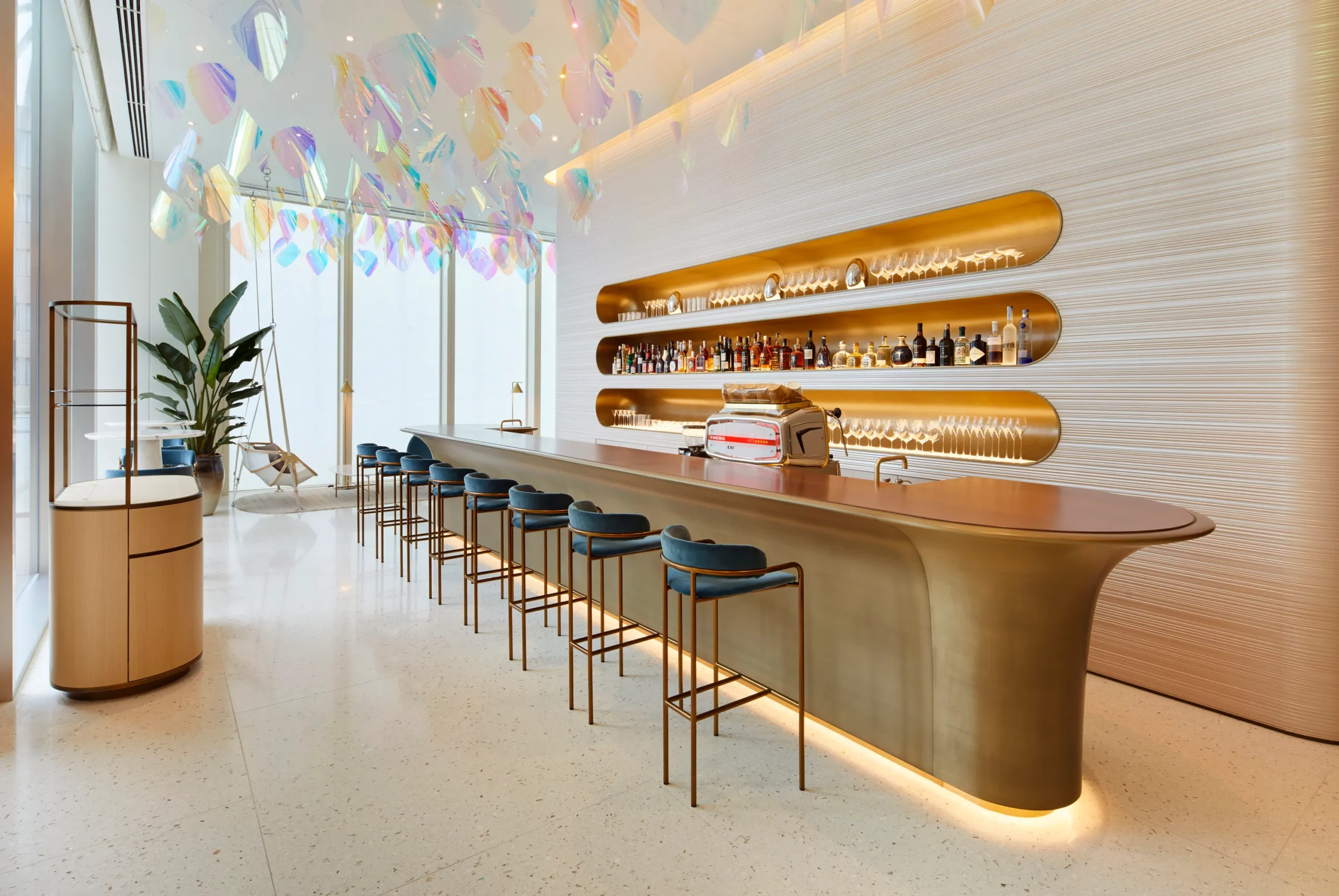
    The chocolates, offered at Marina Bay Sands’ Louis Vuitton Island Maison boutique, are inspired by award-winning pastry chef Maxime Frédéric and prepared with ingredients including hazelnuts harvested on his farm in Normandy.

    The store’s design features yellow as the main colour tone. It also offers chocolate-based cakes and pastries with LV’s monogram logos.

  • Shein x Klarna Collaborate to Create One-Stop Pop-Up Shop in Melbourne

    Shein x Klarna Collaborate to Create One-Stop Pop-Up Shop in Melbourne

    Global integrated fashion and lifestyle marketplace, SHEIN and leading buy now, pay later service, Klarna are collaborating to launch Styletopia, the ultimate pop-up shopping experience.

    The pop-up will showcase SHEIN’s on trend and affordable clothing and accessories for all genders and ages, with a wide size range on offer, as well some of SHEIN’s newest collections across beauty, home, activewear, electronics, shoes and even some cute outfits for pets!

    A DJ will be playing tunes while shoppers will also get to enjoy a beauty bar, photo booth, complimentary coffee from the  Styletopia Cafe and a custom tote-bag personalisation station.

    The pop-up partnership, which has been a hit in overseas markets, is the first one of its kind in Australia.

    The SHEIN x Klarna one-stop pop up store will be located at Clifton Street Markets, 41- 43 Clifton St, Prahran, Melbourne and will be open from 10am to 6pm from Friday 8th September to Sunday 10th September 2023.

  • 7-Eleven continues regional expansion with Dalyellup store opening

    7-Eleven continues regional expansion with Dalyellup store opening

    After opening four new stores in 2021, including its first regional store in Busselton, 7-Eleven will continue to invest in the state, with seven new stores on the horizon for 2022.

    Sine opening its first store in WA in 2014, the company has invested $47 million across the State, and according to Nick Maddox, 7-Eleven Area Lead – WA, will invest a further $6 million in new stores in 2022.

    “Approximately 45 additional West Australians have joined our team in 2021, and we hope to have about 100 new roles available as our network continues to grow in 2022.”

    Maddox said the company was incredibly excited to have opened their first regional store in Busselton and plan to grow its regional network by adding a new store in Treendale early next year.

    7-Eleven is continuing to look for the right locations to bring its offer to new communities in metropolitan and regional Western Australia.

    Maddox said they are interested in sites in both established suburbs and growth corridors positioned within reach of customers along busy commuter routes, immersed within residential precincts along connecting roads, local shopping, and community centres.

    “Our preferred sites provide convenient access for passing traffic and suitable room for vehicle movement and easy customer parking. We’re continuing to work with landlords and developers in Western Australia to secure locations to serve our local communities.”

    The pace of 7-Eleven’s growth means there’s potential for people who want a career in retail and to accelerate their progression, stated Maddox.

    “For people looking to make a career path in a new industry, our career development and network growth provide support and opportunity.

    “We’re looking for talented people with the right capabilities who might be interested in leadership. We invest in giving our people the skills they need to take advantage of the opportunities our growth provides.”

  • South Korean c-store chain CU launches in Kazakhstan

    South Korean c-store chain CU launches in Kazakhstan

    South Korean convenience store chain CU is setting its eyes on the Central Asian region, entering Kazakhstan under a partnership with CU Central Asia, the c-store operation arm of local ice cream manufacturer Shin Line.

    CU’s first store there is set to open next year. The chain’s parent company BGF Retail said it plans to open more than 500 locations in the country in the next five years and is also considering expanding into neighbouring markets.

    The company expanded into Malaysia in 2020 through a 10-year franchise agreement with MyNews. Since then, the chain has opened more than 130 stores in the country. Before Malaysia, BGF Retail also launched the CU chain in Mongolia and currently operates about 320 stores in the market.

    Founded in 2012 by BGF Retail, CU is one of South Korea’s biggest c-store chains with more than 16,000 outlets as of last year, according to Statista.

    BGF Retail reported a 6.5 per cent increase in net income for the first quarter of this year, reaching 27.7 billion won (US$20.6 million).

  • Apple opens second MixC store in Shenzhen, China

    Apple opens second MixC store in Shenzhen, China

    Apple will open its second MixC store in Shenzhen, China, as part of its strategy to strengthen its local footprint.

    Apple said the new store has a Padang Light stone floor and a timber veneer-clad wall sourced responsibly and locally in China, maximizing visibility within the store.

    The store will feature the latest Apple products and accessories and an Apple Pickup station that combines the online and in-person purchasing experiences for Chinese customers. Apple said the dedicated area allows customers to order online and conveniently pick up their devices in-store.

    “At Apple, we’re constantly innovating to deliver the best possible experience for our customers, and our incredible team members in Shenzhen can’t wait to welcome them when doors open,” said Deirdre O’Brien, Apple’s senior VP of Retail.

    The addition of Apple MixC Shenzhen marks the 55th Apple Store location in the area and the fourth in China’s Guangdong province. Apple has welcomed 22 million visitors to Shenzhen since Apple Holiday Plaza Shenzhen, the city’s first Apple Store, opened its doors in 2012.

    The new store employs approximately 150 trained retail team members who speak ten languages, including Chinese, Cantonese, English, Japanese, Korean, French, Spanish, Russian, Arabic, and sign language.

    After Europe and the United States, China is Apple’s third most important market. According to Bloomberg, Apple gained its most quarterly market share in China earlier this year, outpacing Covid outages and a global economic downturn.

    Apple disclosed plans to open its first company-run retail presence in Mumbai, India’s financial powerhouse, at the beginning of this month.

  • Apple fined $17.4 million by Russian agency because the App Store is a monopoly

    Apple fined $17.4 million by Russian agency because the App Store is a monopoly

    The App Store continues to land Apple in hot water, this time in Russia. The country’s Federal Antimonopoly Service (FAS) fined Apple the equivalent of $17.4 million because Russian developers were forced to use Apple’s in-app payment platform. Apple forces developers to use its payment platform and takes a 15% to 30% cut of in-app subscriptions and payments. Any attempt to bypass the platform results in Apple kicking the offending app out of the App Store as it did with Epic Games and its hit title Fortnite.

    Apple’s actions were previously found to violate Russian competition rules and the tech giant is being told that it must pay the new fine within two months. You might recall that back in April 2021 the company was hit with a $12 million fine from the same agency after losing a lawsuit filed by Russian cybersecurity firm Kaspersky. In 2018, the developer was planning to update its Safe Kids parental control app but Apple blocked the update as it released its own Screen Time feature in iOS 12.

    At the time, the FAS released a statement that said, “Apple was found to have abused its dominant position in the distribution of mobile applications on the iOS operating system through a series of actions that led to a competitive advantage for its own products, and at the same time worsened the distribution conditions for competing products.” Apple claimed that it removed a number of parental tracking apps from the App Store because they were invasive and “put users’ privacy and security at risk.”
    At the time, the FAS also ordered Apple to remove from its terms and conditions any terms that allow Apple to “reject third-party applications from the App Store for any reason, even if they meet all requirements.” The agency also demanded that Apple no longer give its in-house apps precedence over third-party apps. While Apple was allowed to appeal the $12 million fine, it isn’t clear whether the Russian regulators are allowing Apple to contest the latest action. While under appeal, the FAS orders that Apple must obey are temporarily suspended.

    The App Store monopoly could be coming to an end thanks to the European Union’s Digital Markets Act (DMA). Apple reportedly is working to allow iPhone users, in Europe at first, to sideload apps. This merely means allowing users to download apps from third-party iOS app storefronts. Apple claims that for security reasons it prevents iPhone owners from sideloading apps.

    Apple isn’t totally wrong about this since its walled garden does give it control over the apps installed on an iPhone. On the other hand, people don’t like to be told what to eat or drink or put into their bodies and many feel that they should be allowed to make their own decision whether or not to risk having their iPhone attacked by a malware-infected app that contains a banking trojan (which will steal the log-in info to their banking apps).
    It should be pointed out that Google allows Android users to sideload apps and this writer has done so without issue in the past. Look at the comments section for red flags before installing apps from developers you’ve never heard of before.
    Whew! Did we take a detour! Anyway, should Apple allow sideloading on the iPhone, the company would no longer be accused of being a monopoly. Right now though, there is only one official way to install an app on an iPhone and that is through iOS. And this means that developers have to pay the Apple tax on in-app purchases. And regardless of the fines imposed on Apple, it still remains more profitable for it to demand that developers pay the 15% to 30% tax.
  • Asos to overhaul business model after profit slump

    Asos to overhaul business model after profit slump

    ASOS, a single-time British poster youngster for the shift to on the web style retailing, will overhaul its business enterprise model following the financial crunch and a string of operational troubles hammered its income.

    New CEO José Antonio Ramos Calamonte mentioned that when ASOS’s core business enterprise in the UK remained robust, returns from its international operations, especially from the United States, were unsatisfactory and necessary to be addressed.

    He vowed to re-vamp ASOS’s “inefficient” provide chain, uncover a way to re-engage its 20-a thing buyers, improved leverage its information, reduce charges and refresh its culture.

    “The strategy more than the subsequent 12 months is going to be focusing on simplifying the business enterprise and producing it a lot more resilient and a lot more versatile,” Ramos Calamonte told Reuters.

    “We want to be capable to provide a lot more relevant stock and quicker to customers.”

    Shares in ASOS have been up eight.eight% at 1138 GMT, as investors welcomed the shift and a new deal with lenders, paring 2022 losses to 78%.

    ASOS and rival Boohoo (BOOH.L) grew swiftly as young buyers about the globe snapped up their rapidly fashions, and demand surged once more through the coronavirus pandemic when higher street rivals have been closed.

    But provide chain troubles, elevated competitors and the sharp downturn in the economy have badly impacted its business enterprise model. The perennial issue of managing consumer returns has also weighed on the business enterprise.

    Ramos Calamonte mentioned he was committed to totally free returns. Boohoo, which does charge for returns, warned on the outlook final month.

    ASOS created adjusted pretax profit of 22 million pounds ($24.9 million) in the year to Aug. 31, in line with guidance that was lowered final month and down from the pandemic boosted 193.six million pounds created in 2020-21.

    It forecast a very first half loss as it cuts costs to clear old stock, requiring a non-money create-off of up to 130 million pounds. Some 40 million pounds of other restructuring charges will also be booked.

    In the second half, ASOS will commence to operate with decrease stock levels as lead instances on orders and deliveries are lowered. It would also advantage from lowered freight prices and price cuts.

    ASOS did not give profit guidance for the complete year. Prior to the update, analysts on typical have been forecasting an adjusted pretax profit of 61 million pounds.

    It mentioned when trading was volatile, September had showed a slight improvement relative to August.

    Ramos Calamonte mentioned that with money and facilities of a lot more than 650 million pounds, ASOS had ample area to manoeuvre and did not have to have one more equity raise.

    Capital expenditure for 2022-23 was guided at 175-200 million pounds, down from 200-250 million pounds, with the phasing of automation projects below critique.

    The CEO mentioned he was not concerned by the threat of a takeover bid and did not obsess more than the share cost.

  • Velocity Ventures invests in automated Pizza store

    Velocity Ventures invests in automated Pizza store

    Velocity Ventures, Southeast Asia’s leading venture capital firm focused on helping travel and hospitality solve industry challenges will be the anchor investor for Hyper Food Robotics (Hyper), an Israel-based firm that will debut its first fully autonomous  robotic  pizza kitchens in 2023.

    With Hyper’s autonomous robotic kitchens, it takes 8 mins to cook a pizza for the end-to end process and the kitchen can produce up to 120 pizzas per hour. An unmanned kitchen can operate three times more efficiently as compared to a human-staffed kitchen by reducing overheads for labour and rental costs, and also minimising food waste. The modular units are easy to transport ensuring ease of scalability. Using AI technology, the robotic kitchen is able to ensure consistency in food quality and safety standards.

    Hyper is the brainchild of Udi Shamai, Yariv Reches and Harel Shafran. CEO Udi is a well-known entrepreneur and owner of Pizza Hut Israel with over thirty years of managing fast food restaurants. Faced with rising labour costs and challenges to recruit kitchen crew, Shamai decided to explore how robotics and automation could alleviate the persistent problems of manpower shortage. He decided to bring together a team of experts in the fields of food, robotics, and mechanics to design a fully autonomous store that can increase efficiency and reduce reliance on a human workforce in the food services industry.

    The goal is to design a self-contained total solutions robotic box kitchen for fast food restaurants which will replace an entire restaurant kitchen and automate the entire process from food preparation to cooking and even packing the food for delivery without the need for any kitchen crew to be involved. With modular autonomous kitchens, clients can essentially operate off-premises food services using a “plug and play” boxed kitchen, ensuring ease of scalability while maintaining manufacturing costs are kept economical. Shamai is also committed to ensure that quality assurance and food quality is not compromised.

    Nicholas Cocks, Managing Partner of Velocity Ventures said: “We are excited to be investing in the Future Restaurant Kitchen as we know that restaurants all around the world are facing a manpower crisis. Our strategic roadmap at Velocity Venture is to identify and propel startups that will solve problems faced by businesses in the hospitality and travel industry. Hyper’s robotic kitchen will be tomorrow’s disruptive technology for the food services industry as labour shortage challenges escalate because more people now shun back-of-house operations jobs. Automation and robotics can help companies achieve lower labour costs and improve productivity by taking over repetitive tasks in the kitchen, allowing restaurants to redeploy their employees to other parts of the business that will improve the customer experience.”

    Udi Shamai , CEO and Co-founder of Hyper Food Robotics “Having Velocity Ventures come onboard as our anchor investor is a major milestone for the team at Hyper. We debuted our pilot store in October 2021 in Israel with Pizza Hut introducing a robotic kitchen that can prepare and cook pizzas and side dishes. We envision exciting times ahead as we grow and scale globally with the right partners. We aim to launch Hyper “robotic box kitchens” internationally by next year which will be a gamechanger for any food services operator wanting to deploy a cloud kitchen in which all automated technology and production zones are packed within a self-cleaning shipping-container-like unit.”

    Velocity Ventures is the most proactive investor in the travel and hospitality tech space in Southeast Asia and including Hyper, has seven portfolio companies. The firm also aims to make ten additional investments in the sector by Q4 2023.

  • Apple to open 4th retail store in South Korea this month

    Apple to open 4th retail store in South Korea this month

    Apple has announced plans to open its fourth retail store in South Korea on 24 September, Yonhap news agency reports. The new store will be dubbed ‘Apple Jamsil’, and will be located at Lotte World Mall in Seoul’s southeastern neighborhood of Jamsil.

  • Pop Mart opens its first Taiwan store

    Pop Mart opens its first Taiwan store

    Chinese collectible toy retailer Pop Mart has launched its first brick-and-mortar store in Taiwan, as part of its international growth strategy.  Pop Mart’s exclusive products are available at the store, which is located on the first floor of Shin Kong Mitsukoshi A11. At the entrance, there are large-scale dolls, and the store is decorated with a colorful theme, metallic materials, and LED lights that run throughout the store concept. To celebrate the opening, Pop Mart Taiwan offers a me

    Pop Mart’s exclusive products are available at the store, which is located on the first floor of Shin Kong Mitsukoshi A11. At the entrance, there are large-scale dolls, and the store is decorated with a colorful theme, metallic materials, and LED lights that run throughout the store concept.

    To celebrate the opening, Pop Mart Taiwan offers a membership system, which includes the ability to redeem points for gifts and discounts during the birthday month.

    Pop Mart opened its first flagship store in Australia last month, after expanding its presence in Korea, New Zealand and the US.

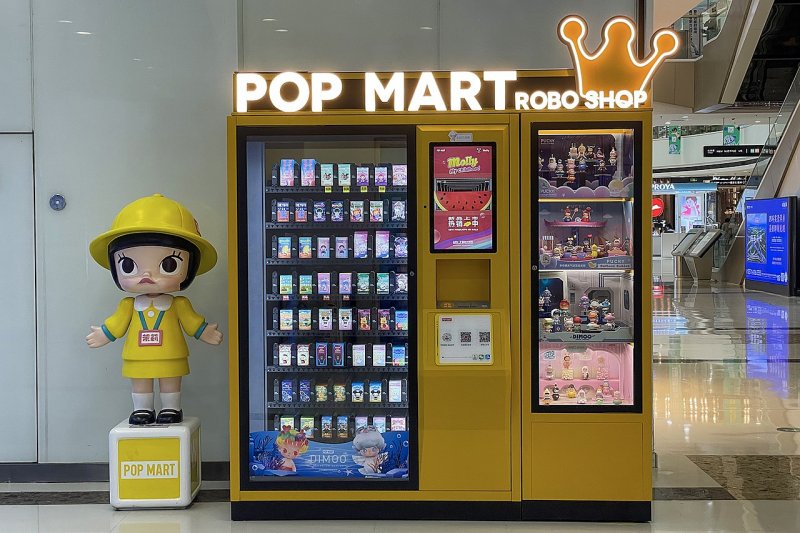
    Pop Mart’s Mainland China retail network includes more than 1000 vending machines, or “roboshops,” and 340 physical stores. The brand approaches its audience via its own international website and online collaborations with Amazon, Shopee, and AliExpress.

    The toy retailer is in developing multiple new markets concurrently, including in Southeast Asia, Vietnam, the Philippines, and Thailand.