Tag: Store

  • Miniso opens first Malaysian flagship store

    Miniso opens first Malaysian flagship store

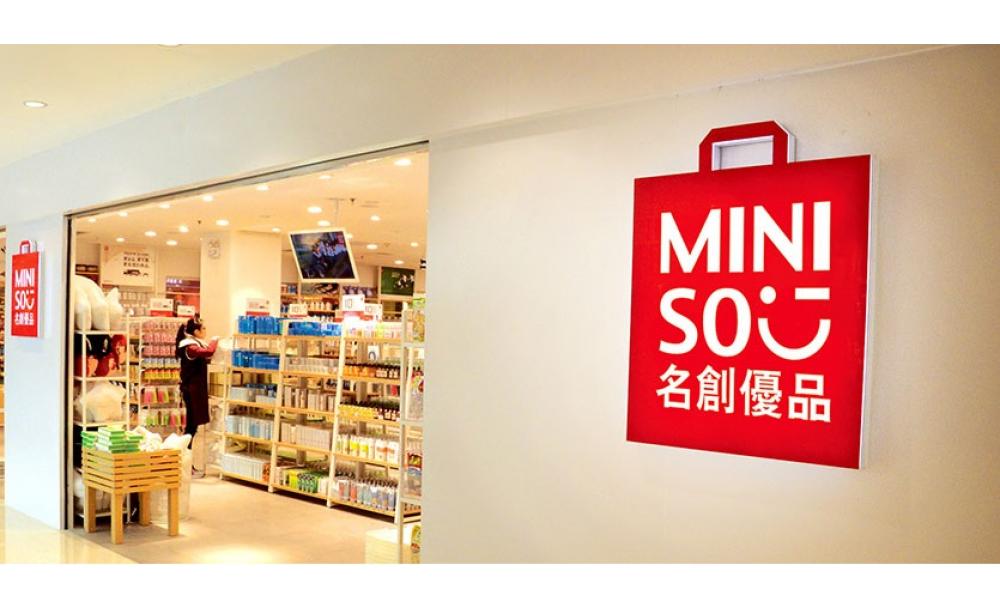
    On June 17, lifestyle retailer MINISO introduced a brand-new store format through the launch of its first flagship store in Selangor, Malaysia. The 684.6m2 retail space is located in Setia City Mall, one of the largest shopping complexes in Shah Alam, Selangor.

    The new store concept, referred to as MINISO 3.0, puts an emphasis on a family-friendly shopping experience. Every member of the family has somewhere to shop and something to enjoy in the store.

    The biggest difference between the flagship store and other MINISO stores is its brand-new toy section. It presents not only popular licensed products from world-renowned intellectual property owners, but also MINISO’s original MINI Family collection.

    The toy section occupies 20% of the retail space in the store and appeals to shoppers the most. This section also incorporates trendy and modern design in the decor and display, featuring a unique plushie wall, blind box wall, and a play area for building bricks.

    “The dedicated toy section allows every MINISO customer to experience the immense fun and joy brought about by our toys, while enjoying the treasure hunt shopping experience in our store,” said Vincent Huang, Vice President of International Business Department at MINISO. “The flagship store truly speaks our belief – ‘Life is for fun’.”

    In addition to toys, the Selangor flagship store has a fragrance feature wall showcasing a variety of MINISO’s scented products, including perfumes and home fragrances.

    This addition was made after MINISO noticed many Southeast Asian consumers were more interested in shopping for fragrances or scented products. One study put that figure at around 72%. Pricewise, the majority of products available in the store range from RM10 to RM20.

    “Malaysia is a melting pot of ethnicities, religions and cultures. These inspire MINISO to reflect diversity in our products and stores,” Vincent added. “MINISO first entered the Malaysian market in 2016 and saw huge potential in the country. We’re delighted to announce the grand opening of our first and biggest flagship store here. I’d like to take this opportunity to thank our customers who have supported MINISO over the years, and our partners who have grown with us.”
  • New Nike concept store opens in Hong Kong

    New Nike concept store opens in Hong Kong

    The new store has been launched by GMG as part of the company’s plans to ramp up its investment in the Asia market.

    The new Nike store spans over 2171sq ft and is situated in the East Point City shopping mall in Hang Tau district. It is home to sportswear for both men and women, in various categories including running, basketball and training.

    GMG has partnered with Nike in other markets since 1982, and entered the Asia market in 2020 after buying Royal Sporting House, a leading multi-sports retailer and recently purchasing Nike retail stores from SUTL Corporation, expanding its presence in Singapore and Malaysia.

    Mohammad A Baker, Deputy Chairman and CEO, GMG, said: “Asia is propelling the retail industry forward, generating a substantial portion of global growth in the sector and offering immense potential and expansion opportunities for GMG. The opening of our new Nike store in a key market such as Hong Kong, the first in two years, further signifies the recovery of a post-pandemic economy while allowing us to strengthen our physical retail presence in Asia.”

  • Owndays launches premium concept store in Singapore

    Owndays launches premium concept store in Singapore

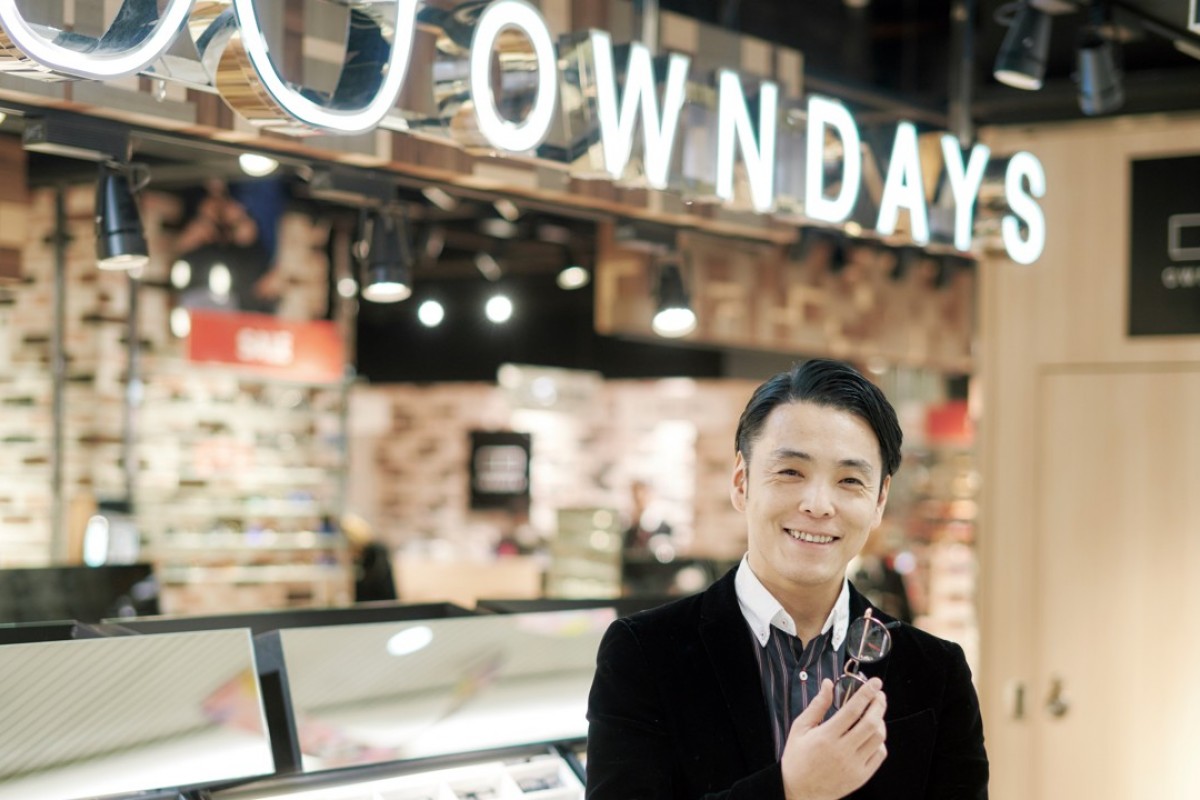
    Japanese fast fashion eyewear brand, OWNDAYS, is pleased to announce the opening of a new store at Takashimaya S.C., Ngee Ann City. This will be the brand’s second premium concept store in the world and its 33rd store in Singapore. The new store will open to public on 20 May 2022 and will house a collection of made-in-Japan eyewear and premium ophthalmic lenses curated exclusively for its premium concept stores.

    The Takashimaya S.C. store mirrors the concept of “Japanese Luxury” originally introduced at its first premium concept store at Marina Bay Sands, offering a premium eyewear shopping experience topped with Japanese hospitality and an extended product offering. Drawing inspiration from Ryoanji Temple, an UNESCO World Heritage Site and a popular attraction in Kyoto, Japan known for its famous rock garden, the new store features a distinct Japanese-styled aesthetics that pays homage to the origins of the brand while incorporating a touch of luxury.

    The main retail floor is flanked by a dry landscape complete with rock arrangements, gravel, moss and shrubs to achieve the Zen Garden interior. Beige wood elements are also heavily featured in the store interior to emphasise a sense of traditional Japanese-ness.

    Také Umiyama, Managing Director/COO of OWNDAYS INC. said, “The Takashimaya S.C. store reflects the core value of OWNDAYS, which is to constantly evolve and innovate in order to deliver quality eyewear to consumers at the best value. With a store that is located right in the heart of Orchard Road, it allows us to make well-designed, good quality eyewear more accessible to our customers. Besides, the new store is a space where we hope local consumers could enjoy a complete Japanese experience without having to physically travel to Japan. We welcome customers to visit the store even when they are not looking to purchase any spectacles and just to feel transported to Japan.”


  • Yum China sales fall as pandemic impact worsens

    Yum China sales fall as pandemic impact worsens

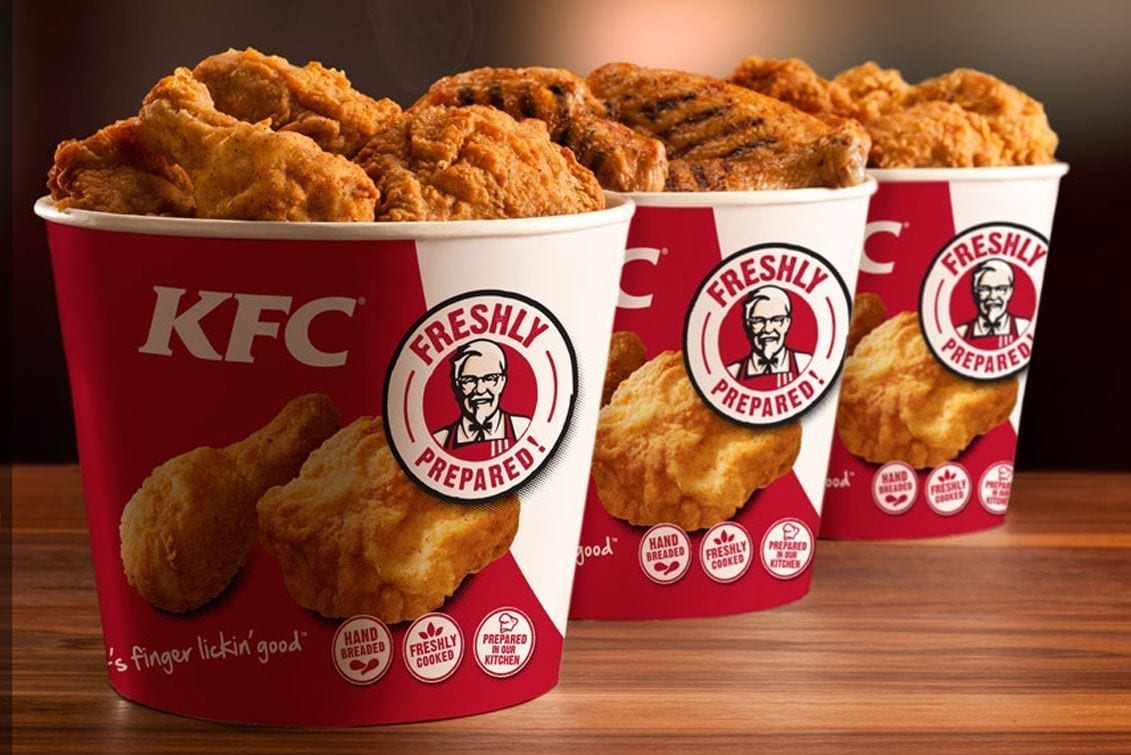
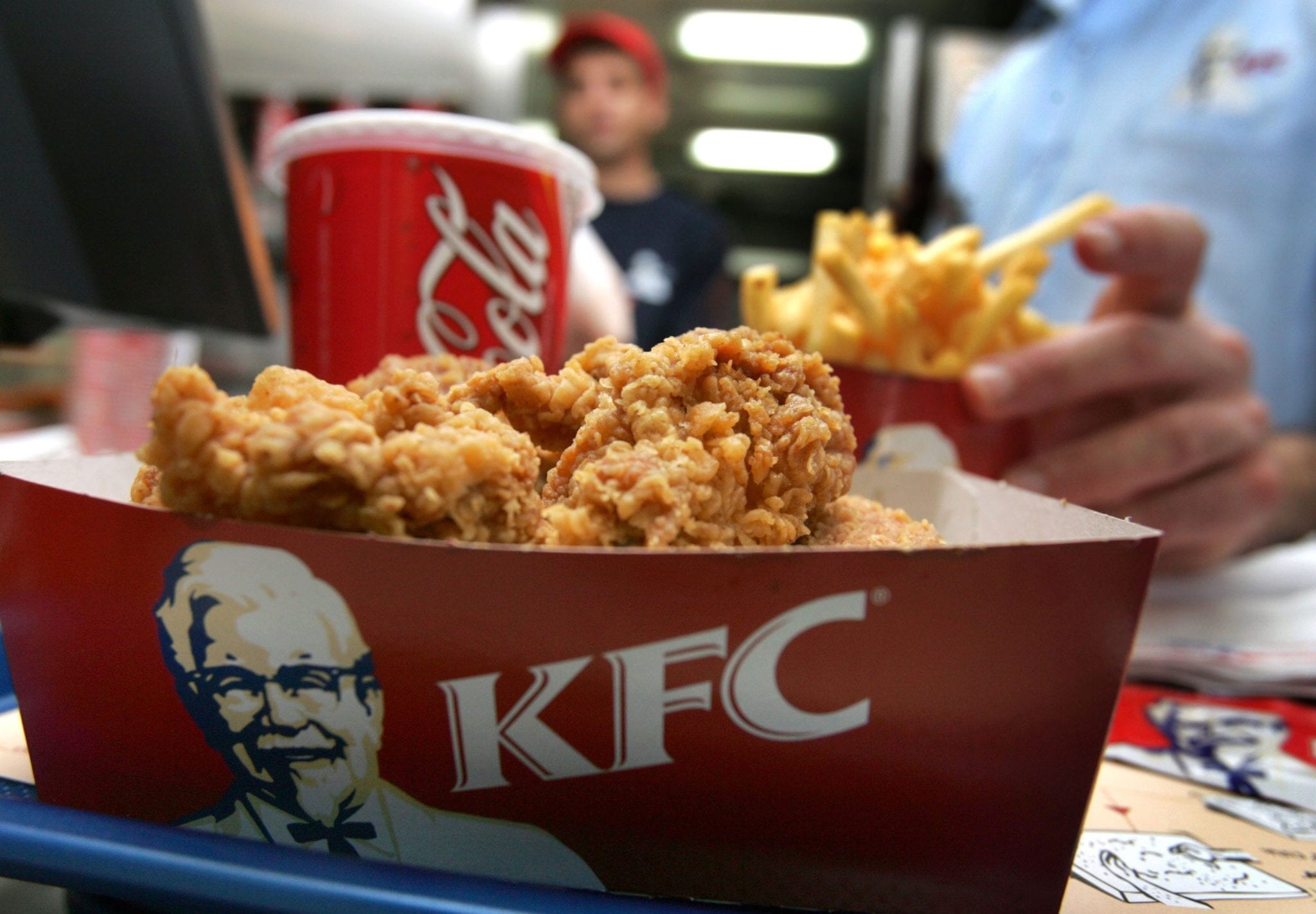
    The owner of KFC and Pizza Hut said sales plunged by 20% in the first two weeks of March as a surge of new Covid cases spread across China.

    Yum China said “the situation has rapidly deteriorated” as regional lockdowns have been put in place to stem the outbreak.

    More than 1,100 of its stores are temporarily closed or offering takeaway and sales are “still trending down”.

    China’s lockdowns are among its biggest since the beginning of the pandemic.

    They include the Jilin province – home to companies such as carmakers Toyota and Volkswagen – as well as technology hub Shenzhen as the number of new infections of the Omicron variant of Covid rise.

    Yum China said: “Entering March, the situation has rapidly deteriorated with the highly transmissible Omicron variant causing outbreaks across China, including economically important regions of Guangdong, Shanghai, Shandong and Jilin.”

    It added: “Our operations are significantly impacted by the latest outbreaks and the tighter public health measures which resulted in a further reduction of social activities, travelling and consumption.”

    Toyota, Volkswagen and iPhone-maker Foxconn have been forced to close operations in affected regions due to lockdowns.

    Although Foxconn said on Wednesday it was able to restart some production in Shenzhen after putting in place a closed loop system on its campus. It means that Foxconn employees working in the space cannot move outside the group.

    Foxconn said: “This process, which can only be done on campuses that include both employee housing and production facilities, adheres to strict industry guidelines and closed-loop management policies issued by the Shenzhen government.”

    There are concerns the restrictions could have an impact on global supply chains.

    But Yum China’s chief executive Joey Wat, said: “Our robust supply chain management has shielded us from material business disruptions.”

    Yum China said it had more than doubled the number of stores it had closed or restricted to take-out services from 500 in January to 1,100 in March.

    Ms Wat pledged: “We will keep our restaurants open and provide food services to customers wherever it is possible and safe to do so.”


  • Coca-Cola opens London flagship store

    Coca-Cola opens London flagship store

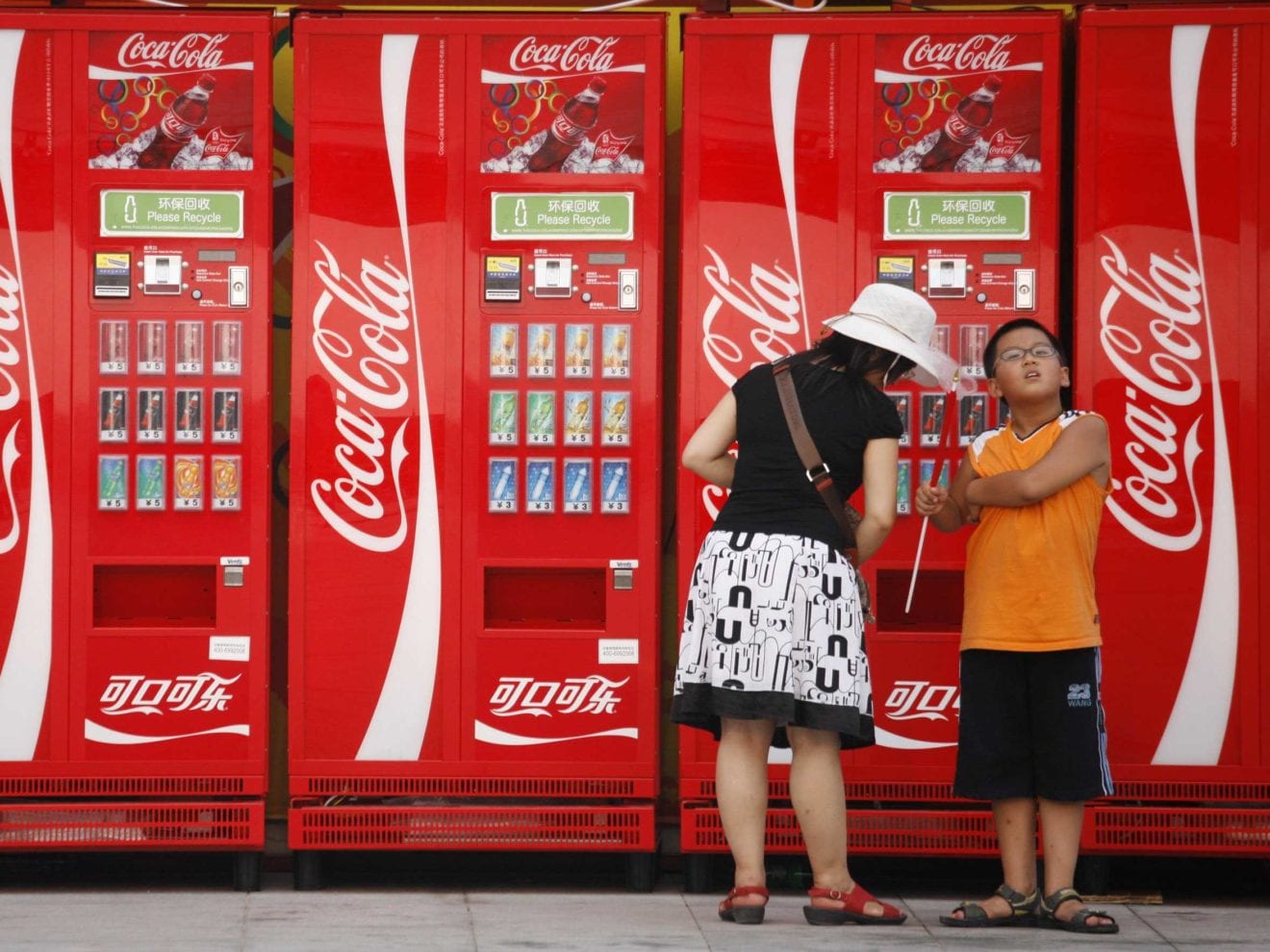
    Coca-Cola has opened the doors to its first flagship store in Europe today, in a vote of confidence for the West End. After a number of stores in the US, including the beverage titan’s home territory in Atlanta, Coca Cola is testing the waters with a UK experiential destination.

    The store is set to be open until September at the moment, as bosses trial a direct-to-consumer store format in Europe for the first time.

    Shoppers will be able to purchase limited-edition merchandise, including fashion collaborations with Staple and Lees.  Other collaborations include designers such as Soho Grit, Alma de Ace, BAPE, Herschel, and BE@RBRICK.

    Visitors can buy mocktails made with Coca-Cola products at a dedicated beverage bar – drinks on the menu at the moment include Winners Circle, Mango Sunset, and an Orange Lolly Float. There is also an opportunity for shoppers to design customized drink cans, with personalized messages on.

    Michelle Moorehead, vice president of licensing and retail, said the store would give shoppers “fresh ways to experience our drinks.”

    “Through a collection of products made from recycled materials, it also gives us a great opportunity to share our sustainability commitments with people and bring them with us on our journey to a World Without Waste,” she added.

    It comes as retail goliaths have continued to be keen to stake a physical presence in the West End, despite the departure of big names such as Topshop.

    Furniture giant Ikea is set to open up shop, after buying Topshop’s former flagship store on Oxford St for £378m.

    “I don’t think [high street shopping] necessarily is dying, it’s changing,” Alex Loizou, the co-founder of online boutique marketplace Trouva said. earlier this year. “Offline becomes more about the experience and something different. Online is driven by transactional behavior.”

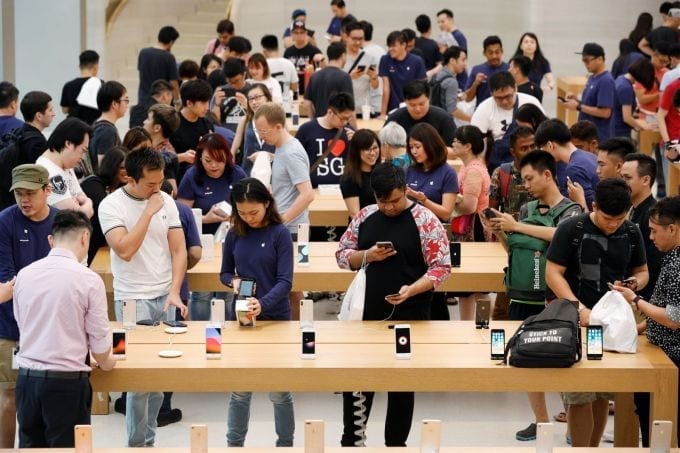
    In recent years, the Apple and Nike stores have become weekend destinations for many, Loizou explained. “People will go into those destination spaces to just experience it and look at physical objects up close, even if people don’t buy them there,” he said.

    Earlier this week, Coca-Cola Co surpassed quarterly revenue expectations after raising prices and the reopening of theatres and restaurants.

    In results published on Monday, the firm said demand for soft drinks had come back with zest after entertainment and hospitality venues had reopened with the easing of Covid restrictions.

    Net revenue lifted 16 per cent to $10.5bn in the first quarter of the year, beating analyst expectations of $9.83bn, according to Refinitiv data.

    However, the soft drinks titan warned its suspension of operations in Russia would result in a hit to annual profit worth four cents per share.

  • Facebook-owner Meta to open first physical store in metaverse bet

    Facebook-owner Meta to open first physical store in metaverse bet

    Meta Platforms is set to open its first physical store where shoppers can try out and buy virtual reality headsets and other gadgets as the company plots a course to take its highly touted metaverse mainstream.

    The 1550sqft Meta Store at the company’s Burlingame campus in California opens on May 9, and will feature demos for its Quest 2 VR headset and video calling device Portal as well as Ray-Ban’s augmented reality (AR) glasses, Meta said on Monday.

    The devices, except for the Ray-Ban glasses, will be available for purchase at the store. The products can also be bought online through a new shopping tab on meta.com, the company said.

    Meta is investing heavily in metaverse – a virtual space where people interact, work and play – by adding new features to hardware devices that serve as access points to the virtual world.

    Earlier this month, the Facebook owner said it would start testing tools for selling digital assets and experiences within its virtual reality platform Horizon Worlds, a VR platform Meta launched late last year.

    Meta also said it would charge creators of digital experiences and assets a 47.5 per cent fee, a move that has attracted criticism from some app developers.

    Shoppers tracking the space are awaiting the next version of the Quest 2 VR headset, likely to be released in the second quarter and widely seen by analysts as critical to the company’s metaverse plans.

  • First KFC ‘Green Pioneer Stores’ open in China

    First KFC ‘Green Pioneer Stores’ open in China

    Yum China has just launched KFC’s first Green Pioneer Stores in Beijing and Hangzhou, as it works toward building a network of net-zero restaurants in the future.

    The move is part of the company’s climate strategy and a roadmap to achieving net-zero by 2050, following its pledge to Business Ambition for 1.5°C Commitment Letter to the Science-Based Target initiative (SBTi) last year.

    “We are committed to driving meaningful change and pioneering in the restaurant industry towards net-zero emissions. Building Green Pioneer Stores is an important part of our journey,” said Joey Wat, CEO of Yum China.

    Following the company’s 4R principles (reduce, reuse, recycle, replace), KFC has already incorporated several environmentally friendly practices in its stores across the country, such as:

    • Solar panels in its Hangzhou store generate an estimated 10,000 kWh of energy each year, which helps reduce carbon emissions from electricity consumption.
    • An Internet of Things-based (IoT) intelligent restaurant energy management system which helps improve the energy efficiency of Green Pioneer stores by around 10 per cent annually.
    • Each Green Pioneer Store is equipped with a Tubular Daylighting System that uses natural lighting, reducing electricity consumption.
    • Using eco-friendly materials such as ceramic floor tiles made from recycled energy, low-carbon bamboo and alt-leather made from recycled KFC coffee grounds.

    The company said the Green Pioneer Stores will also allow customers to experience and learn about eco-friendly restaurants by integrating “green interior design”.

    At its Beijing store, a Family Bucket is made entirely of recycled packaging. While in Hangzhou, a wall section was intentionally left unfinished with an opening to show customers the restaurant’s eco-friendly construction process.

    While the restaurant chain has already integrated environmentally friendly initiatives, the company aims to further improve its emissions reduction by 15 per cent each year.

    “We will continue to explore the utilization of innovative technologies in restaurant construction and operations to promote sustainable development and contribute to the low carbon economy,” Wat added.

  • Burberry opens new French flagship store

    Burberry opens new French flagship store

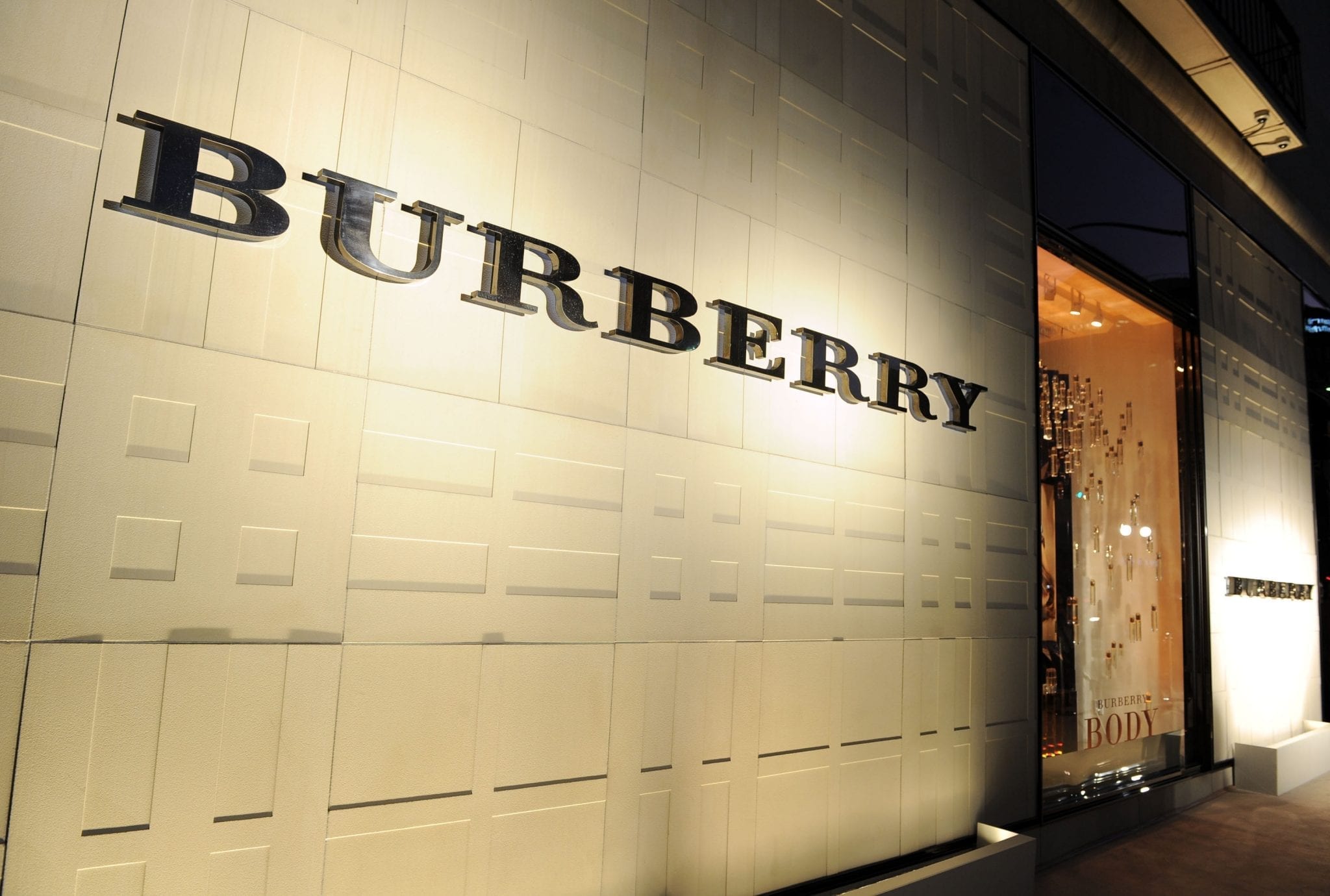
    British luxury brand Burberry has unveiled its new French flagship store on Rue Saint-Honore, designed by architect Vincenzo de Cotiis.

    Located in the heart of Paris, the flagship features the brand’s new global design concept and offers customers what Burberry describes as a chance to experience a space that connects Burberry’s past, present and future.

    “The store represents all that we stand for as a brand – being authentic, bold and creative – and we look forward to inspiring our customers with a truly elevated British luxury experience in this iconic setting,” said Gianluca Flore, chief commercial officer at Burberry.

    The store has three floors. Its design features Burberry’s famous check concept with the main colours of beige, black, white and red. Burberry says it has achieved modernity and openness by using mirrored ceilings with intersecting metallic grids and chequerboard-style tiled floors.

    On the ground floor a hand-painted, recycled fibreglass sculpture by Vincenzo de Cotiis stands at the entrance. The first floor houses menswear.

    The second floor features the brand’s womenswear range. The space is designed with traditional French doors with Haussmann-era glazing, white terrazzo and mirrored elements. A women’s shoe room integrates seating and fixtures into the windowsills that emphasise the view into the city of Paris.

    The third and final floor houses an apartment space, the largest private area of any of Burberry’s stores worldwide, offering a bespoke and elevated in-house experience for VIP customers who prefer to browse goods in privacy.

    “This Paris opening writes a new chapter of Burberry’s timeless story.” said architect Vincenzo De Cotiis.

  • Amazon to close physical bookstores

    Amazon to close physical bookstores

    Amazon is closing most of its physical stores, the company announced today, with all 68 of its Amazon Books, Amazon 4-Star, and Amazon Pop Up locations across the US and the UK set to close while the company refocuses on its grocery and fashion stores.

    Amazon Books was one of the primarily online storefront’s first physical retail experiences when the first location opened in Seattle in 2015. Amazon has since expanded to 24 bookstores across the US, all of which are now slated to be closed down.

    The company would go on to expand its retail efforts with Amazon 4-Star in 2018, with a more generally focused store that sold products with a four-star or higher rating curated from Amazon’s digital storefront, along with — of course — Amazon’s own first-party products (including Echo, Kindle, and Fire TV devices).

    Amazon Pop Up stores, on the other hand, were smaller, more focused mall experiences that offered to rotate themed products (March is a printer collaboration with Brother, for example).

    All of Amazon’s retail locations, however, helped serve as a physical contact point to return Amazon products, in addition to offering lower prices and perks to Amazon Prime subscribers.

    The news isn’t entirely shocking: Amazon’s retail ambitions have largely felt like small-scale trials compared to the massive scale of its online operations. And, the company’s physical locations have performed far worse than its digital storefront in recent years.

    Amazon isn’t exiting brick-and-mortar stores entirely. The company will continue to operate its Amazon Fresh and Whole Foods grocery stores, as well as its Amazon Go convenience stores. Amazon’s experimental “Amazon Style” clothing store is also sticking around, too.

    Amazon has yet to say when exactly it’ll be closing up its physical shops, although Reuters reports that timing will vary from store to store.

  • Watsons opens first Qatar store at Doha Festival City

    Watsons opens first Qatar store at Doha Festival City

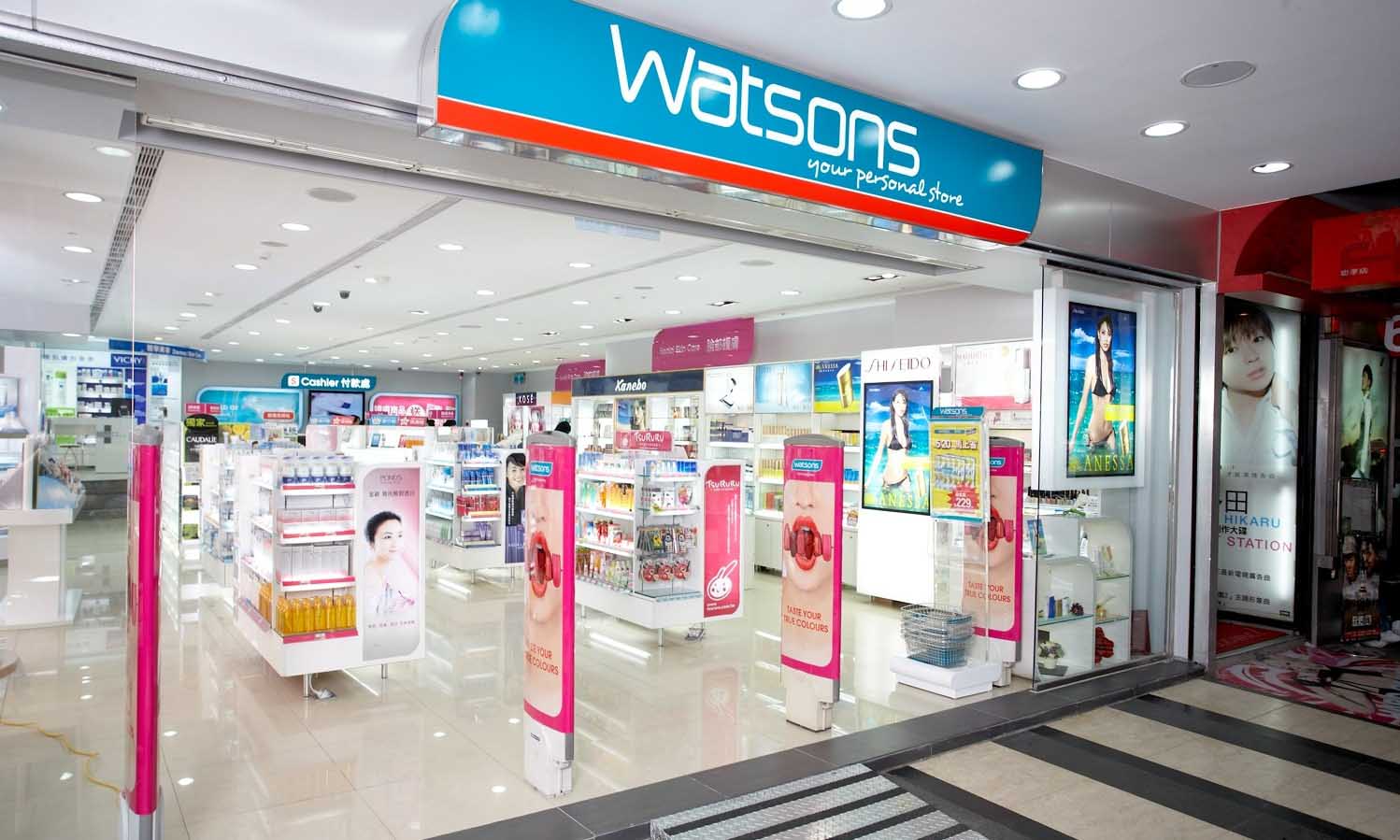
    The new addition is Watsons first entry into Qatar at Doha Festival City, the destination for beauty shoppers in the country, just opened in January 2022. This follows the new store opening in Dubai Mall, Dubai Festival City, Mall of the Emirates and Al Wahda Mall in United Arab Emirates (UAE), and Mall of Dhahra in the Kingdom of Saudi Arabia (KSA).

    Skin Expert for Beauty Enthusiasts
    Jonathan Watts, General Manager of Watsons GCC at Al-Futtaim, commented on the latest new door, “Watsons signed a franchise agreement with Al-Futtaim in early 2020 with the vision to bring fashionable and affordable beauty and lifestyle products to customers in the GCC region. Despite the COVID-19 pandemic interruption, these stores were opened in less than 24 months.

    “Qatar is a truly vibrant and unique market. While customers are getting more and more sophisticated about beauty and personal care, Watsons as the skin expert is delighted to bring our customers exclusive international brands. The excitement is overwhelming as customers have been eagerly waiting for Watsons to expand across the GCC via our O+O (Offline plus Online) retail model, allowing beauty lovers of all generations to shop offline and online.”

    With the purpose to inspire customers to “LOOK GOOD, DO GOOD, FEEL GREAT”, Watsons as a beauty authority is bringing over 200 brands from around the world, offering makeup, skincare, haircare to personal care. Close to half of its products are exclusive at Watsons, including brands from the UK, France, Japan, and Korea. Some of the top pick brands include Deweytree, Holika Holika, Leaders, Superdrug, Target Pro by Watsons, and more.

    Now in Qatar, customers have the chance to explore the nearly 3,000 sq. ft. beauty-land with designated zones like Natural & Clean Beauty which features the Sustainable Choices products, and an open makeup area so that customers can try out different looks and play around with a wide range of latest and trendiest colour cosmetics. Follow @WatsonsGCC on Instagram and Facebook to stay up to date on exclusive deals and promotion offers all year round.

  • Crypto Pi app disappears from Google Play Store

    Crypto Pi app disappears from Google Play Store

    Cryptocurrency mining app Pi Network has disappeared from Google Play Store for Android devices, making investors concerned about the future of the project.

    “I cannot download the app. I am worried all my mining efforts up until now would be thrown away,” said Le Tu in the southern province of Dong Nai.

    The Pi Network app, the main tool for users to “mine” the cryptocurrency by checking in every day, “is currently going through a regular review cycle and is unavailable to download through Google Play Store,” the developers of the coin said on their website.

    “We expect to be back up on the Play Store soon,” they noted, adding users could manually download the app via a link.

    There seems to be no issue with the app on App Store for Apple devices.

    Bang, admin of a group of Pi users, also known as Pioneers, speculated that the project is set to transition to the main phase and was therefore temporarily removed from Google Play.

    The app ranked seventh among downloads in Vietnam on Google Play Store last month.

    Pi has become a controversial cryptocurrency as the developers allow anyone to own it by tapping on their smartphone once every day without any investment or much details about the development phase.

    Some experts have said the project lack transparency and called on people to be careful to avoid being scammed.

  • McDonald’s Yagoona store reopens, 50 years since first restaurant unveiled

    McDonald’s Yagoona store reopens, 50 years since first restaurant unveiled

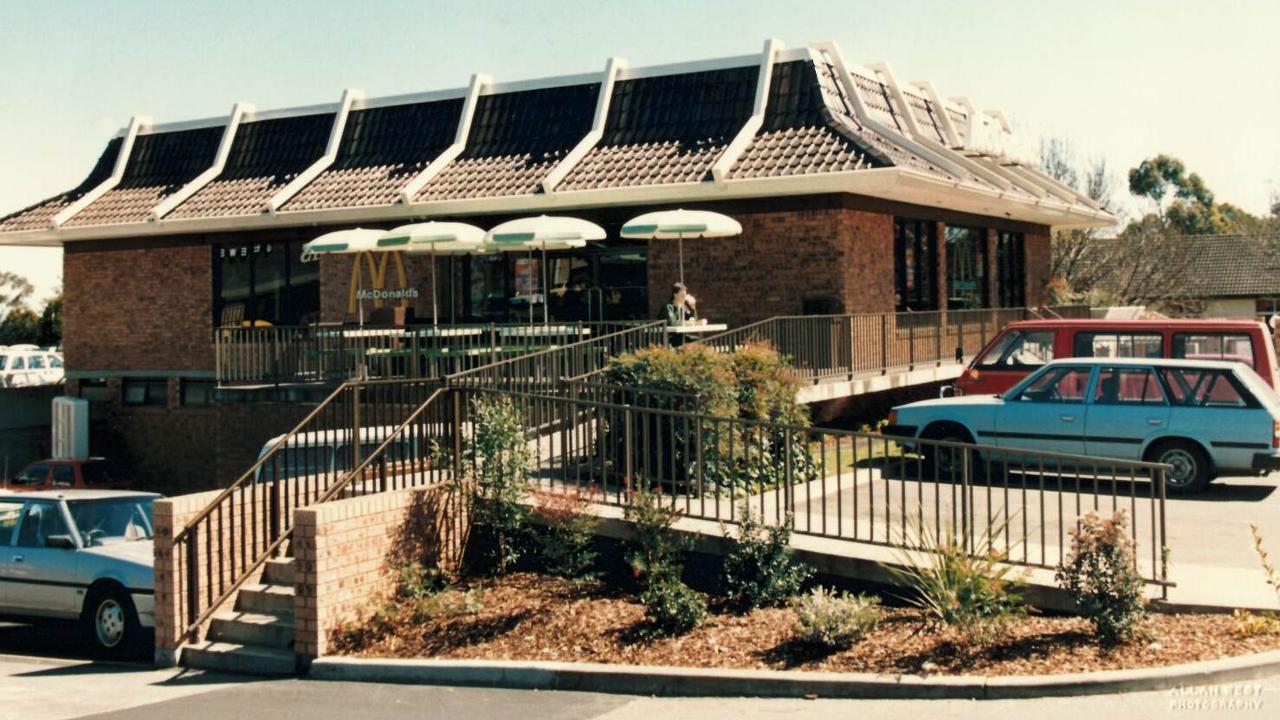
    McDonald’s is stepping back in time and reopening Australia’s first restaurant in Yagoona. Celebrating 50 years since the very first Macca’s opened its doors in December 1971, the new McDonald’s Yagoona will open on Friday and adopt its original 1970s prices. From 11 am to 1 pm on opening day the humble hamburger will be just 20 cents each, with a limit of four per customer, so you’ll need to get in quick to take advantage of the deal.

    Celebrating 50 years since the very first Macca’s opened its doors in December 1971, the new McDonald’s Yagoona will open on Friday and adopt its original 1970s prices

    The interior of the restaurant will reflect the original décor from half a century ago with a historic timeline on the wall, images of the 1971 restaurant, and a Happy Meal display with iconic toys from across the years.

    ‘We are incredibly proud to reopen McDonald’s Yagoona and recognize its important part of our history,’ Chief Executive Officer for McDonald’s Australia Andrew Gregory said.

    ‘Everything our customers know and love about McDonald’s Australia started at Yagoona from Happy Meals and birthday parties to first jobs and community contribution.

    The interior of the restaurant will reflect the original décor from half a century ago with a historic timeline on the wall, images of the 1971 restaurant, and a Happy Meal display with iconic toys from across the years

    ‘The reopening celebrates 50 years of supporting our customers, people, and communities in Australia. We look forward to once again serving the local community and welcoming back customers from the 70s, 80s, and 90s.’

    The new restaurant will operate 24 hours a day and feature a McCafé, dual-lane drive-thru, dedicated delivery partner room, and PlayPlace.

    In addition to the 20 cent hamburger, McDonald’s Yagoona will also sell $1 cheeseburgers and $2 coffee from December 17 to January 7 as part of a special promotion for customers.

  • Facebook opens its first pop-up store in Hong Kong

    Facebook opens its first pop-up store in Hong Kong

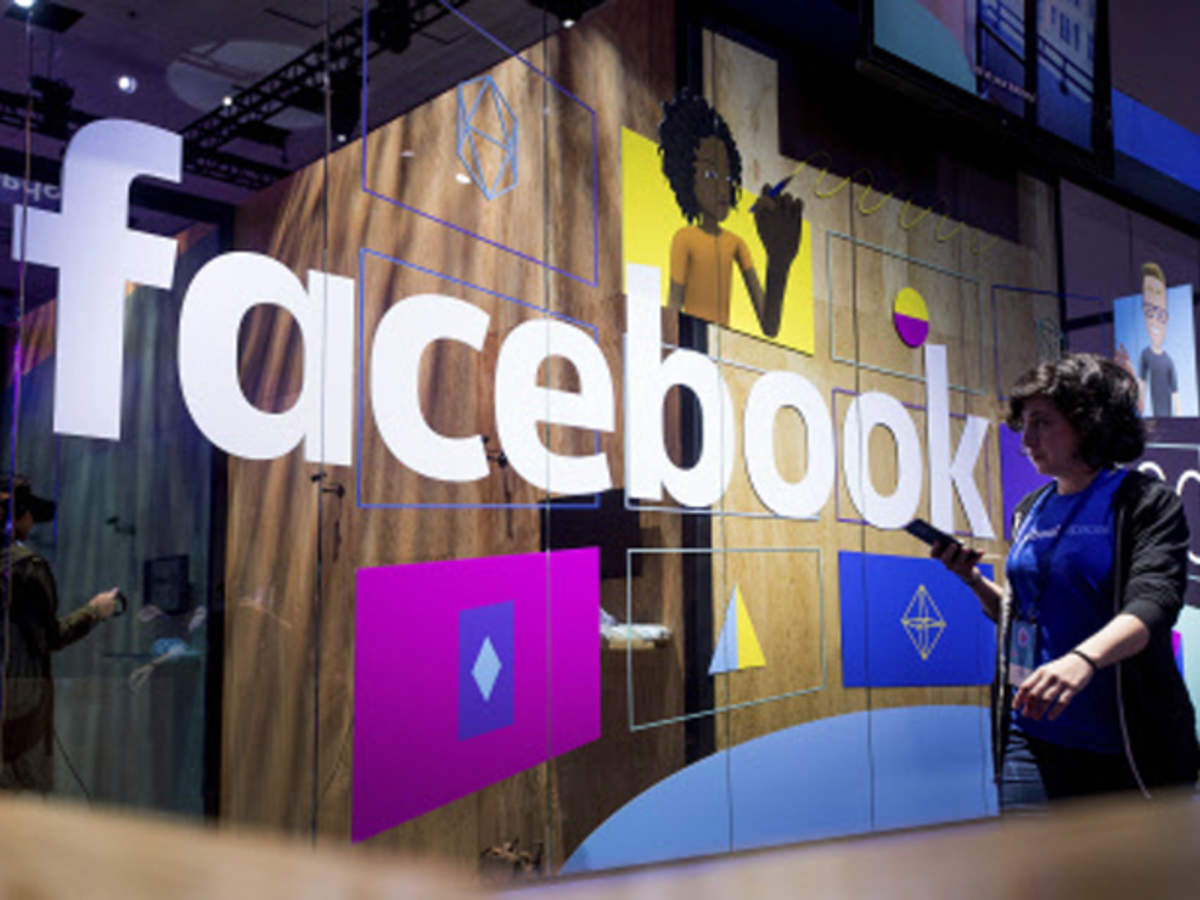
    Facebook has opened doors to its first pop-up store in Hong Kong to educate consumers on how to personalize their Facebook experience and unlock exciting possibilities while maintaining their online privacy and safety. From December 3 to 7, Preface Coffee & Wine in Central, the F&B and lifestyle concept space, will be transformed into a temporary “Facebook home” to showcase the true benefits of technology and demonstrate the different ways users can personalize their Facebook – the way they want it – through digital experience and AR filters.

    Inspired by the way people customize their homes, Facebook last week launched “Your Profile, Your  Home” a digital consumer experience to educate people on Facebook settings that enable personalization, and to reinforce Facebook’s commitment to protecting the privacy and safety of users.

    Along with Preface Coding, Facebook has transformed Preface Coffee & Wine (Central) into a pop-up store that showcases the app’s privacy control and settings. With the tagline “What makes a perfect home?”, the pop-up store is set to be the newest Instagrammable spot in Central. Renowned local celebrity Alfred Hui attended the kick-off event to demonstrate the customizable settings.

    From December 3 to 7, anyone can visit the “Your Profile, Your Home” pop-up store and play with two fun and interactive AR filters developed by Preface Coding, including photo-taking with an avatar of Alfred Hui. Visitors can also immerse themselves in the “Your Profile, Your Home” digital experience, in which they’ll have tools to build and design their very own home as they explore the exciting possibilities of personalization on Facebook. Visitors can test their knowledge of Facebook’s new privacy settings with an on-site quiz; the first 10 winners of each day will receive Alfred Hui’s autographed gift.

    In November, Meta, also formerly known as Facebook said it plans to remove its detailed targeting options from January 2022 onwards. With this move, advertisers will not be able to target users who have interacted with content related to health causes, sexual orientation, religious practices, political beliefs and social issues, among others.

    While this move limits the way Meta’s targeting tools can be abused, VP of product marketing, Graham Mudd said the company is aware that this change may negatively impact some businesses and organizations. “We have heard concerns from experts that targeting options such as these could be used in ways that lead to negative experiences for people in underrepresented groups,” he explained. He added, “It is important to note that the interest targeting options we are removing are not based on people’s physical characteristics or personal attributes, but instead on things like people’s interactions with content on our platform.”

    According to Mudd, this decision was not simple and required a balance of competing interests where there was advocacy in both directions. While some of Meta’s advertising partners have expressed concerns about these targeting options going away because of its ability to help generate positive societal change, others understand the decision to remove them. He added, “Even after we update our targeting options, people may still see ad content they aren’t interested in, which is why we are also working to expand the control that allows people to choose to see fewer ads about certain types of content. Today, people can opt to see fewer ads related to politics, parenting, alcohol, and pets. Early next year, we will be giving people control of more types of ad content, including gambling and weight loss, among others.”

    Meanwhile, Meta said it will maintain its commitment to helping small businesses, non-profits, and advocacy groups reach their audiences. Meta will be working to expand the control that allows users to choose to see fewer ads about certain types of content, said Mudd. Today, users are able to opt to see fewer ads related to topics such as politics, parenting, alcohol and pets. Early next year, Meta aims to give users control on more types ad content which includes gambling and weight-loss, among others.

  • Google Store checkout issue spoils Black Friday for many people

    Google Store checkout issue spoils Black Friday for many people

    The laws of Murphy strike again, as an issue with Google Store checkout prevented some buyers from using any store credit when making purchases. The issue was reported by a number of people on Twitter.

    Even though users had a positive store credit balance in their Google Store accounts they weren’t able to use it and they had to pay the full price on their purchases. The issue has been reported mainly at Google Store UK but other regions see problems too, such as an error message reading “OR_FGPMH_26”, preventing people from completing a purchase or adding a payment method.

    The most troublesome part is the way the issue manifests itself. When you add an item to your cart and proceed to checkout, you’ll still be able to select the option “apply shop credit”, and subsequently see the discounted price of the item. When you hit “confirm purchase” however, Google Store will attempt to take the whole payment, disregarding the discount.

    The guys at 9to5Google have been able to replicate the issue, and what’s more – even when the checkout amount showed “£0.00” due to the store credits applied during the purchase. There’s no official statement from Google at this time but it’s really unfortunate, especially at this time of the year and with the huge demand for Pixel 6 phones in the past couple of weeks.

  • With no Apple shop, mono stores mushroom in Vietnam

    With no Apple shop, mono stores mushroom in Vietnam

    Vietnam has no Apple store, so resellers are opening mono store chains in the country for consumers to experience an “Apple-standard shopping space.”

    An Apple mono store is a shop that exclusively sells Apple products. There are two kinds of mono stores – the AAR (Apple Authorized Reseller) with a minimum area of 50 sq.m., and APR (Apple Premium Reseller) with an area of 180-220 sq.m.

    “Vietnam and many other Southeast Asian countries are yet to house Apple stores, while the number of Apple users in these countries is getting bigger and bigger. We have opened the TopZone chain (Apple mono stores) for consumers to experience Apple-standard shopping space,” said The Gioi Di Dong (Mobile World) CEO Doan Hieu Em.

    The company will have a total of 50-60 TopZone stores by the first quarter of next year, he said.

    According to FPT Shop, another major electronics retailer that has established 15 Apple mono stores called F.Studio, sales of Apple products in Vietnam have posted two-digit growth rates in recent years. Authorized resellers will establish set up more Apple mono stores in the coming months.

    ShopDunk inaugurated five Apple mono stores on Oct. 22, the day iPhone 13 was launched in Vietnam. It plans to open another 50 stores in the next six months.

    Some other Apple authorized resellers in Vietnam, including CellphoneS and Minh Tuan Mobile, have also said they are planning to set up more Apple mono stores.

    In mid-2020, Apple had posted recruitment notices for many important positions in Vietnam, but it has made no further move since then. Experts have said that relatively small sales in Vietnam was the main factor in the absence of an official Apple store in the country.