Tag: Store

  • Hongkongers return to stores – but sales still well down over two years

    Hongkongers return to stores – but sales still well down over two years

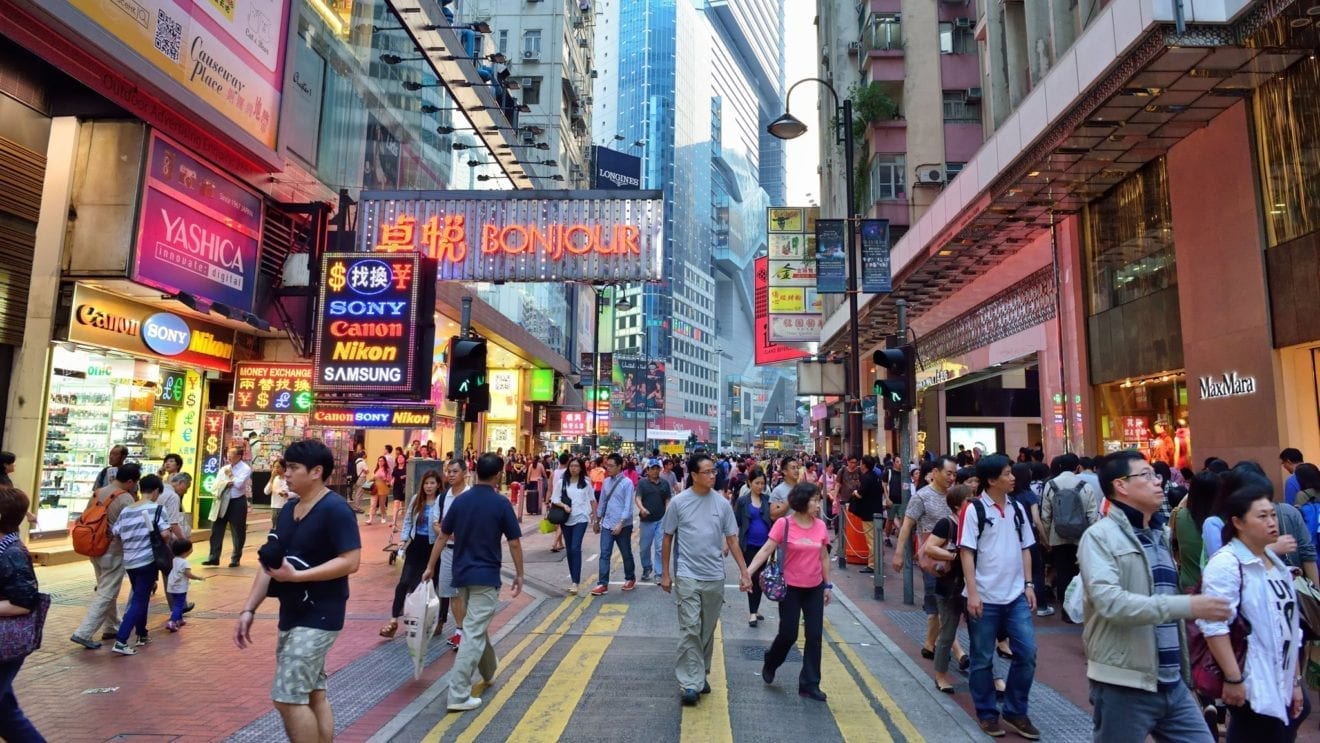
    The local consumer retail demand is projected to get worse in the new year, most especially those that are riding on the tourism sector, which is also expected to be sourer at the same time. In a survey by the Hong Kong Retail Management Association (HKRMA), 97% of the respondents have posted losses starting mid-2019. About 30% of this figure said that they will resort to laying off 10% of their staff, whilst 43% stated that they will have to close down in the next six months.

    The respondents of the survey involves 176 companies, which have more than 4,000 stores and 89,700 employees.

    However, a Bloomberg report stated that this equated to around 5,600 employees that are set to lose their jobs and the retail sector will not be saved by usual holiday rush. David Ji, describes this as the worst-case scenario for the sector.

    “Retailers who used to have stores concentrated in major shopping areas may consider dispersing their stores to the neighborhood areas. As people have avoided going to crowded areas, sales in community malls, neighborhood malls and suburban malls, which offer daily necessities to locals, were relatively more resilient and saw solid sales even amid Hong Kong’s social unrest,” Ji added.

    In a study by PwC in 2017, the total retail sales in Hong Kong was likely to relive its 2013 peak of $494.4b (US$63.3b) in 2020, whilst jewellery and watch sales may also return to a high of $118.3b recorded in the same year.

    Its healthy growth pace continued throughout 2018 and started off positively in 2019, according to a report by Cushman & Wakefield. It was well-supported by the new transportation links to mainland China as it fueled an increase in visitor arrivals to Hong Kong. Over the first two months of the year, mainland arrivals saw the largest growth in five years, growing by 19% YoY and by 21% YoY for same-day visitors.

    It went on through June and provided a boost to foot traffic and retail sales in some sectors such as cosmetics and non-discretionary retail.

    Then by July, Hong Kong’s retail market has struggled amidst the growing social unrest and resulting disruption to retailers’ businesses throughout the city. Mainland tourist arrivals plummeted as the unrest escalated and in October, the number of visitors from the Mainland dropped by 45.9% YoY, the steepest decline ever in a single month. Retail sales naturally followed, dropping by 24.3% YoY in the same month, after a drop of 18.2% YoY in September.

    The decline was led by jewelry and watches which recorded a fall in sales of 42.9% YoY, followed by medicines & cosmetics (down 33.5%). These two used to lead Hong Kong’s retail sector two years ago.

    It wasn’t just the social unrest that kept the retail market at bay. “The continuation of social unrest is obviously the key challenge followed but the further deterioration of the Chinese economy, which is key for HK’s growth,” said Alicia Garcia-Herrero, chief economist at Natixis.

    A note by DBS Group Research also noted that exports of travel services (down 32.2%) was dampened by a weaker Chinese yuan. Tourist’s hot picks such as clothing, jewelry, and cosmetics/medicines fell by 20%-40% and will be a big slap for retail sales where tourist spending accounts for 40% of the sector’s performance.

    In addition, the unemployment rate of consumption and tourism-related sectors (16.5% of labor force) already leapfrogged from 3.9% in June to 5.0% in October, lifting the headline 3 months moving the average jobless rate from its 20-year low of 2.8% to 3.1%.

    “Looking ahead, the retail sector will stay weak due to subdued local demand. Hopefully, the temporary rental adjustments for tenants could contain the risks of large-scale closure of businesses and laid-off,” DBS said in the report.

    Across the retail property scene, rents continue to go down which will endanger Hong Kong’s status as the most expensive retail street. Cushman & Wakefield stated that in Q4 2019, the decline in rentals across all submarkets has become even steeper, falling to its lowest level in more than five years.

    Landlords are struggling to retain their tenants, Lawrence Wan, senior director for advisory & transaction services– retail at CBRE Hong Kong added that local pharmacies and larger F&B outlets have abandoned leases over the past few months.

    “Landlords and high street shop owners are considering to provide short-term lease discounts to retain tenants, to alleviate the impact of the social unrest on retailers’ performance. Retailers are consolidating their operations and looking to upgrade their products and service offerings with enhanced customer experience to encourage spending,” Wan said.

    He also added that the rent levels will continue to drop in the short run. But in the long run, this might as well be the “new normal” that retailers have to adjust to. Such will be largely dependent on any government policies and measures that will help the market recover.

    “[W]e can expect a rental adjustment which will allow the retail market to  become more sustainable than what we had experienced in the past few years whereby rents were at very high levels. It will be difficult to predict the timeframe but retailers should get prepared and review their business strategies to cater to the “new normal,” Wan noted.

    Even though there are a number of retailers looking to leave Hong Kong, the region still saw some new openings during the events of the social unrest. Charles Chan, senior Asia retail analyst at IGD, cited the re-launch of beauty retailer Sephora, who have left the market ten years ago. It promised to bring 40 brands in their stores.

    “The re-launch of Sephora provides an indication of how Hong Kong’s retail landscape has shifted. Shoppers expect exciting digital store engagements and touch points rather than just a range of products presented to them. We have also seen Lush, for example, launch its first Asia Naked concept store in Hong Kong, whilst Don Don Donki opened its first store in Hong Kong in July earlier this year,” Chan shared.

    On the digital front, ecommerce platforms may not be as affected as they are still grabbing a larger market share, according to Ji. “In view of this, more physical retailers have already set up online sales channel to catch up the trend. On the other hand, some have leveraged the latest technology such as AR to enhance in-store shopping experience for customers,” Ji added.

    However, Chan still warned that brands and retailers need to be articularly careful on inadvertently choosing a political side in their marketing and messaging.

    A survey by YouGov showed which brands have been the most negatively affected in terms of consumer spending, where most cases are correlated to controversies around the protests. Chinese electronics firm Xiaomi’s brand metric score dropped 40.5 points to -4.1 from a score of 36.4 last August. Its decline started when it released a new smart TV carrying a slogan that is said to mimic chants in the gathering.

    “Despite the uncertain economic and political circumstances, we have seen businesses continue to innovate to stay relevant. The re-launch of Sephora provides an indication of how Hong Kong’s retail landscape has shifted. Shoppers expect exciting digital store engagements and touch points rather than just a range of products presented to them. We have also seen Lush, for example, launch its first Asia Naked concept store in Hong Kong, whilst Don Don Donki opened its first store in Hong Kong in July earlier this year.”
  • Gucci opens Namiki flagship design

    Gucci opens Namiki flagship design

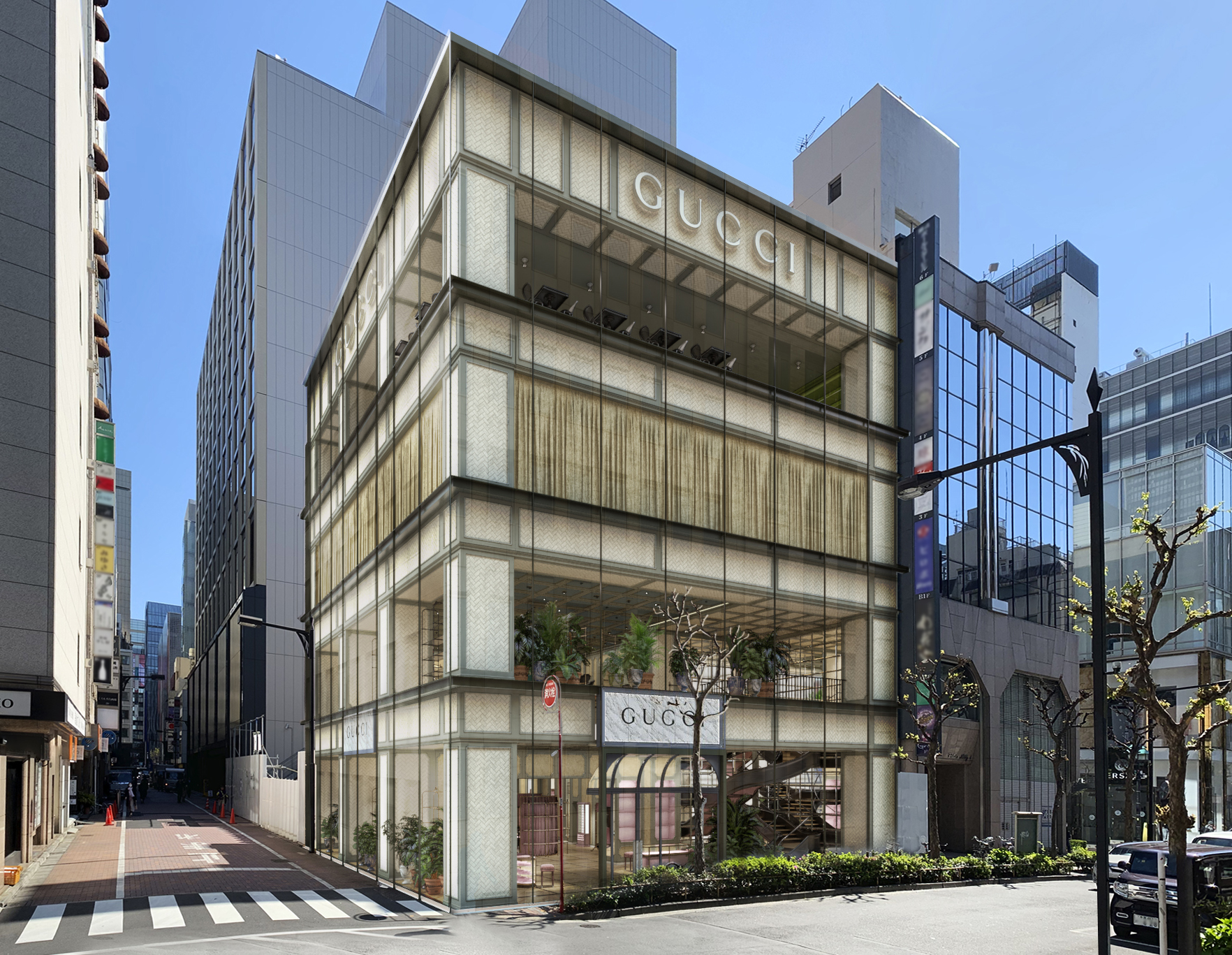
    The first store selling Gucci products in Japan, operated by Sun Motoyama, opened in Ginza in 1964 and the brand’s first boutique was unveiled in Tokyo in 1972. It was Gucci’s first store to open in Asia. Japan remains a stronghold, according to Gucci president and chief executive officer Marco Bizzarri. “We have never stopped believing in the Japanese market and continue to invest in it,” he observed. The most recent signal of this commitment is the opening of the Gucci Namiki unit in Ginza, the brand’s second flagship in Tokyo’s upscale district.

    The store also points to the “fundamental importance” of brick-and-mortar, said Bizzarri, despite the growing relevance of online transactions, which clearly accelerated during the pandemic and the lockdowns. “The narrative to connect with the customers, the moment in which you meet the brand, the one-to-one relations will continue to be very important, increasingly combined with the brand’s different distribution channels, and it’s all happening very quickly. The goal is to offer the best possible experience.”

    The concept conceived by creative director Alessandro Michele for the Namiki store is new and will not be replicated elsewhere, explained Bizzarri. The opening of the store, which covers three floors in a building on Namiki-dori Street — the same where Gucci started its business in Japan in 1964 — will unfold in three parts.

    The first two floors will be unveiled on April 29. Over a total space of more than 7,776 square feet, they will carry a full range of men’s and women’s ready-to-wear, handbags, luggage, accessories, shoes, jewelry, silks, belts, watches, eyewear, fragrances, and the Gucci Décor collection. The brand will also offer exclusive pieces, such as handbags in precious leathers and distinctive jewelry.

    Walls on the first and second levels use materials inspired by Japanese traditional bamboo work and are exclusively developed for #GucciNamiki.

    The third floor, scheduled to open in the fall, will house the Gucci Apartment, which, by appointment, will allow privacy and be dedicated to made-to-order, personalization and other special services. It will also showcase the Gucci Décor collection.

    Photos from François Pinault’s private collection will be on display. “This is the first Apartment in a Gucci store,” observed Bizzarri.

    Additionally, later in the year, a Gucci Osteria da Massimo Bottura will open on the fourth level of the building, curated by the three-Michelin-star chef Massimo Bottura, a childhood friend of Bizzarri’s.

    One way to differentiate the stores is through food, said Bizzarri, paying close attention to the territory and giving a local flavor to each. The restaurant will be the third in the world following the first at the Gucci Garden in Florence in 2018, followed by one in Los Angeles on the rooftop of the Beverly Hills flagship.

    Further linking with the country, artwork by Japanese artist and longtime friend of the house Yuko Higuchi will embellish the Osteria’s façade on Namiki-dori Street. Celebrating the opening, illustrations by Higuchi will also adorn limited-edition items, available in the store. Gucci has been collaborating with the Tokyo-based artist on several projects, including a special spring 2018 and fall 2020 kids capsule collection. One of her works also decorates one of the Galleria walls of the Gucci Garden in Florence.

    The store may attract some additional interest in light of the Tokyo Summer Olympics, expected to kick off on July 23, but Bizzarri said this was purely a coincidence and never meant to coincide with the event. “Gucci has been working on the store for a long time, and it was conceived for local customers,” he said.

    Japan accounts for 7 percent of Gucci’s revenues, which in 2020 amounted to 7.44 billion euros. There are a total of 67 Gucci stores in Japan.

    Kering chief financial officer Jean-Marc Duplaix, presenting the group’s annual results last month, said “Japan improved in the fourth quarter on a somewhat easier comp base, containing its decline to 10 percent, supported by nice growth with local customers,” in the wake of the pandemic and the lack of tourist flows.

    Courting local clientele and Asia are clearly a focus in 2021, as Bizzarri revealed Gucci will also open “a very important store in Seoul” by the end of the year. A fourth Osteria — and “last,” said Bizzarri — will also find a home in that venue. In that case, Gucci will work with a Korean artist for the facade.

    Gucci has recently launched several dedicated initiatives in Japan. Last June, debuting its first circular collection Gucci Off the Grid, an entire range of products were created in a special blue color exclusively for the Japanese market in a selection of genderless bags, wallets, sneakers, rtw and hats. Japanese musician Miyavi, another friend of the house, was featured in the ad campaign.

    In July 2020, for the opening of the Gucci Miyashita Park store, graphic designer Tadanori Yokoo and illustrator Shohei Otomo were invited to develop new artworks dedicated to the brand, inspired by Gucci key visual codes, displayed at the store and at the Shibuya station.

    Last October, Gucci released the second issue of the Chime Zine, including a special section focused on Japan, with essays, interviews and artwork related to feminism, gender and self-expression in Japanese society. Contributors include Yuki Chizui, a sushi chef and owner of a sushi restaurant with an all-female staff; Yume Morimoto, a queer feminist writer and founder of a bilingual zine, and members of WAIFU, a resistance nightlife party founded on the principles of intersectional feminism and inclusion. The cover of the Japan spotlight featured women of Bluestocking, Japan’s first feminist literary journal credited with helping to launch the feminist movement in Japan.

    Bizzarri said the Gucci 9 live video call experience, offered by the Gucci Live service that debuted last May in the Europe, Middle East and Africa region, which helped discover the collection remotely, is being expanded to Japan.

    Gucci, which marks its centenary this year, has been receiving additional attention from the Ridley Scott “House of Gucci” film that is currently being filmed in Italy. The film offers a dramatized version of the real-life events in the late 1980s and early ’90s that led to the murder of Maurizio Gucci — the grandson of Guccio Gucci, the founder of the Italian fashion house. In the film, Lady Gaga plays the role of Patrizia Reggiani, who commissioned the murder of her ex-husband Maurizio Gucci, played by Adam Driver.

    Asked to comment on the film, Bizzarri underscored that the Gucci family is no longer involved in the brand today, and that the movie will not extend to the post-Investcorp developments and thus not be related to the current owner, Kering, owned by the Pinault family. He added that the company is allowing “total creative freedom” to the production.

  • Papa John’s launches in Cambodia

    Papa John’s launches in Cambodia

    US pizza chain Papa John’s is launching in Cambodia with 15 restaurants scheduled to open during the next three years. The company opened its flagship store in Phnom Penh last month.

    “Papa John’s Cambodia team is truly passionate about pizza,” said Peter Xu, Papa John’s Cambodia franchisee.

    “With our ‘Better ingredients – Better pizza’ promise, we look forward to providing local pizza lovers with quality products and outstanding services.”

    Xu also owns a Papa John’s franchise in New York and other business ventures in Cambodia.

    Jack Swaysland, Papa John’s COO, international, said that following a record year of sales and growth, Papa John’s is well-positioned to accelerate international development, a key pillar for the brand’s long-term growth.

    Papa John’s has restaurants in 48 countries, with the latest new openings in France, Spain, Tunisia, Iraq, the Netherlands, Morocco, Kazakhstan, Kyrgyzstan, Poland, the Bahamas, Pakistan, and Portugal. The company is eyeing expansion in Brazil, Japan, and Southeast Asia.

  • CU opens first store in Malaysia in collaboration with MyNews

    CU opens first store in Malaysia in collaboration with MyNews

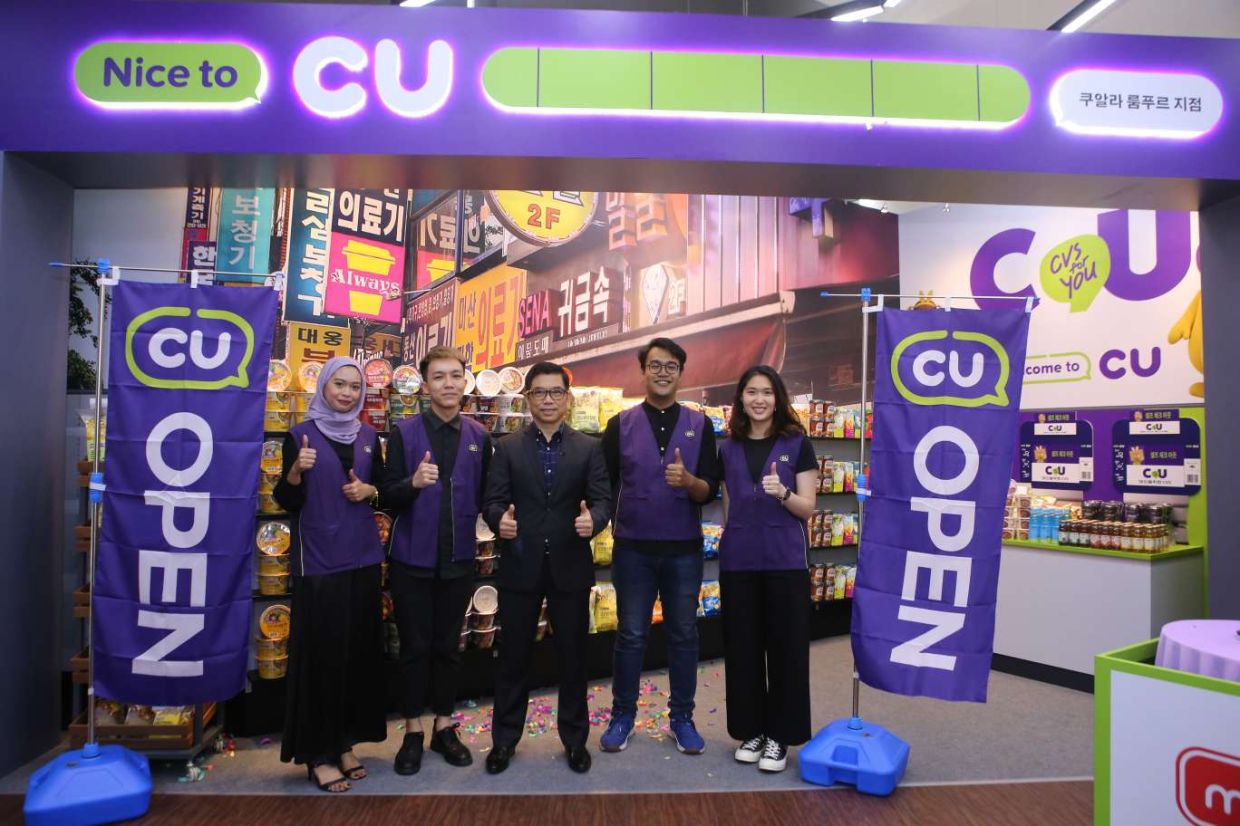
    CU has opened the doors of its first store in Malaysia, signaling a full-fledged entry into the country. CU is one of the big three convenience store chains in South Korea in terms of the number of stores, and the chain is owned by South Korean company BGF Retail Co Ltd.

    CU announced today that it opened its first store in Kuala Lumpur, making Malaysia the second foreign market the convenience store chain made an entry into after entering Mongolia in 2018. Malaysia’s first CU store has opened inside a shopping mall in Kuala Lumpur’s middle-class neighborhood. The store is large-sized, measuring approximately 165 square meters.

    The opening ceremony of the store was attended by prominent individuals such as Lim Hyung-geun, head of BGF Retail’s overseas business department, myNEWS Holdings Bhd CEO Dang Tai Luk, South Korean Ambassador to Malaysia Lee Chi-beom, and Kwon Young-jin, a director at the Korea Trade-Investment Promotion Agency (KOTRA).

    CU used BGF’s global system exclusively for overseas business for the first time in making the entrance into the Malaysian market. The South Korean convenience store chain is aiming to be the first of its industry to not only bring South Korea’s convenience store model built on decades of knowledge and experiences but also South Korean IT technologies to overseas markets.

    CU’s entry into Malaysia marks the first attempt to introduce a South Korean convenience store’s brand and system to a foreign company that operates local brands of its region. It is also an instance where a company in the retail and distribution industry was able to bear fruit from its pursuit of establishing a business in the Southeast Asian region. CU’s entrance into Malaysia is also quite significant in that the move throws a challenge to 7-Eleven, a powerhouse in the traditional convenience store business.

    With about 2,400 stores under its belt in Malaysia, 7-Eleven is the No. 1 company in its industry in Malaysia. In second place is myNEWS Holdings, a partner company of BGF, with 530 stores across the country. Japanese convenience chain FamilyMart is ranked third with about 200 stores in the country.

    CU has set a goal to open 50 new stores within a year and aspires to become No. 1 in the industry in the mid- to long-term by adding more than 500 stores over the next five years.

    CU is gearing up to expand the number of its new store openings following the opening of its first store in Malaysia, and at the same time, it is preparing to gradually convert existing myNEWS.com stores into CU stores. As a result, it is expected that CU’s stores and Japanese convenience stores will be duking it out for market share of the Malaysian convenience store market in the future.

  • Don Don Donki opens first Jonetz concept store in Malaysia

    Don Don Donki opens first Jonetz concept store in Malaysia

    The government is keen to work with Japanese retailer Don Don Donki, which has vast international network, to promote Malaysian Made products internationally particularly in Japan.

    Domestic Trade and Consumer Affairs Minister Datuk Seri Alexander Nanta Linggi said Tokyo 2020 Olympic Games hosted by Japan this year would be a good opportunity to promote and showcase quality Malaysian-made products, especially halal products.

    “Hopefully, this collaboration between Don Don Donki and the ministry can materialise very soon,” he said in his speech at the launch of Jonetz by Don Don Donki here last week.

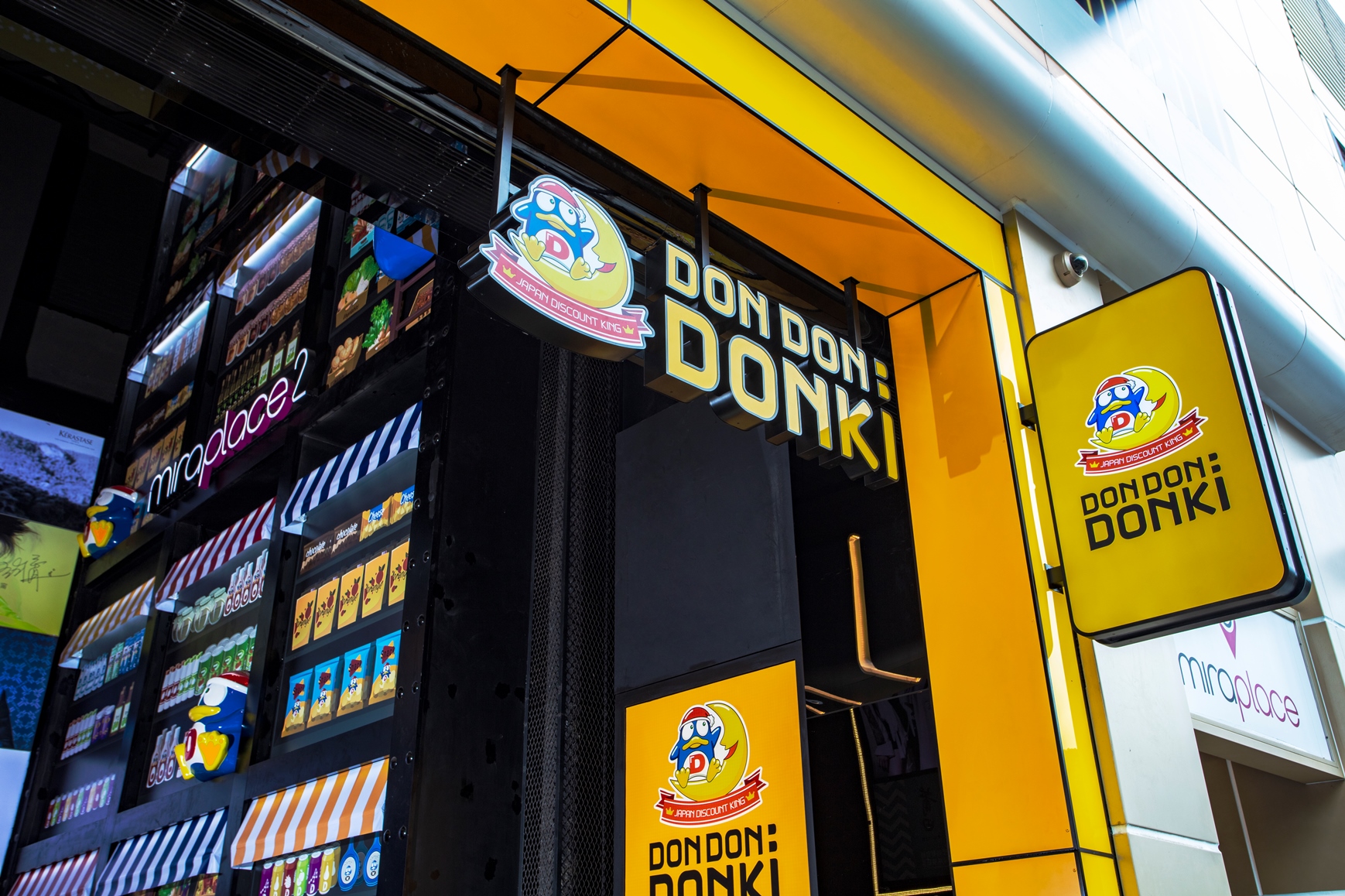
    The first Jonetz by Don Don Donki outlet in Malaysia opened its doors to the public on March 19.

    Don Don Donki, a Japanese discount chain store,  is commonly found in the Asia Pacific region.

    It has over 160 locations throughout Japan as well as Singapore, Hong Kong, Hawaii, Bangkok, Taiwan and Malaysia.

    The Malaysian store occupies 23,476 sq m of space in Lot 10, across three floors in Bukit Bintang.

    Alexander said the brand new retail outlet by Don Don Donki was evidently a sign of continuous confidence by foreign investors in the Malaysian economy during these challenging times, especially in the retail sector.

    He said as many other developed nations, retail sector in was fast becoming one of the main contributors to the nation’s gross domestic product.

    “In 2019, Malaysia received RM60.46 billion worth of foreign investment in distributive trade sectors mainly from retail. This amount of foreign investment created 392,634 new job opportunities for Malaysians.

    “In 2020, despite the Covid-19 pandemic and implementation of the Movement Control Order (MCO), the retail sales contributed RM511 billion to national GDP,” he said.

    Pan Pacific International Holdings Corp (PPIH), the parent company Don Don Donki, is expanding its business to Asia Pacific region with the introduction of the specialty store concept, selling Japan-made or made for Japan merchandise.

    Pan Pacific Malaysia president Satoshi Machida said the group planned to open up 11 stores in the region in five years between 2021 and 2024.

    The store in Lot 10 sells Japanese snacks and groceries, including a variety of halal-certified Wagyu beef platters and barbecued meat.

    It also offers ready-to-eat meals and desserts, such as sushi platters along with Japanese cakes and treats, and cooking equipment and other electronics items as well as skincare, beauty products and other lifestyle items.

  • Tumi select APAC to launch first experimental virtual store

    Tumi select APAC to launch first experimental virtual store

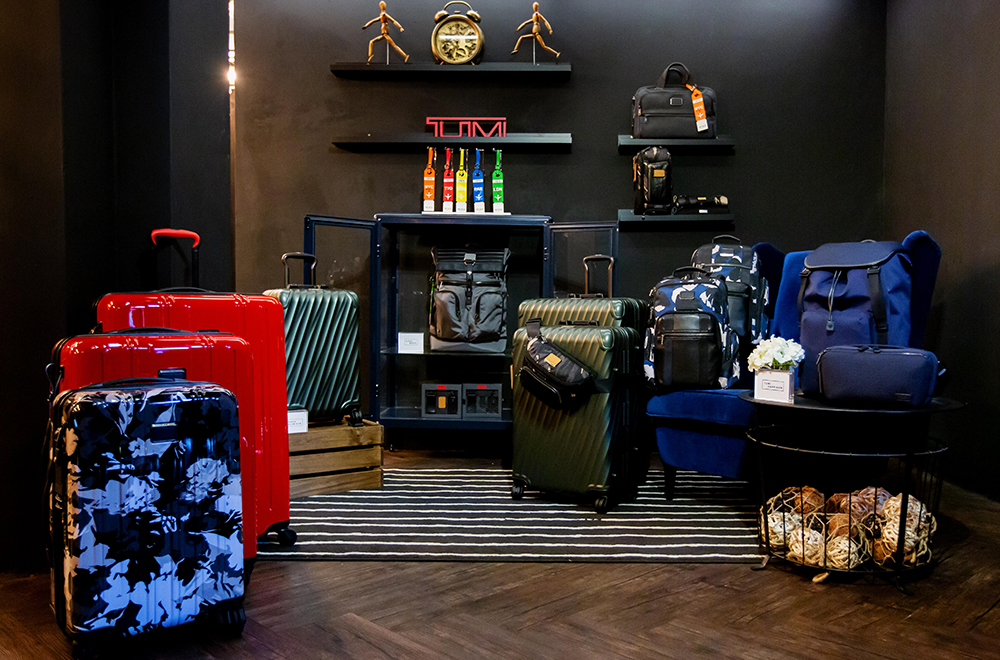
    TUMI, the leading international travel, lifestyle, and performance luxury brand, launches the breakthrough TUMI Virtual Store to debut its Spring 2021 collection, delivering an immersive and enhanced omnichannel experience to customers in Asia Pacific and the Middle East.

    Ushering in a creative new age of digital retail that connects fans with the brand like never before, the TUMI Virtual Store inspires customers to embark on a journey through thoughtfully designed interactive touchpoints. Guests can explore the Virtual Store’s life-like visual presentation to discover TUMI products via 360° 3D and AR implementations and shop the Spring 2021 collection. They can engage with shareable social photo moments at TUMI’s Magic Mirror and play Instagram and WeChat mini-games.

    Further enhancing the overall TUMI O2O (“Online to Offline” also “Offline to Online”) shopping experience, the Virtual Store is connected to other TUMI shopping channels via its Chat & Shop function allowing for seamless customer movement to the point of purchase. Customers exploring the Virtual Store can easily connect with sales associates to ask questions and place orders, or via the connected local e-commerce websites. Furthermore, those visiting the TUMI physical stores in the region can explore the TUMI digital landscape via in-store kiosks, for an enhanced offline experience.

    With the goal of being everywhere, the customer is, the Virtual Store adds another dimension to TUMI’s evolving omnichannel retailing approach. As another pioneering landmark, the launch of the TUMI Virtual Store sees TUMI rollout its first-ever Regional Livestream Event, bringing all APAC and Middle East customers together digitally to unveil Spring 2021, 7pm GMT+8, Thursday, 4th February 2021: https://virtualstore.tumi-asia.com/

    “The TUMI Virtual Store is an incredible milestone for the brand. For the last few years, we have been pioneering new digital experiences and looking to enhance and elevate the customer journey. Our new Virtual Store is part of this holistic approach to connect with customers wherever they are. Accelerated digitization and shifting customer habits brought on by 2020 have reinforced this direction and shown that we must continue to create exciting, meaningful interactions both in the physical and digital worlds.

    Through the TUMI Virtual Store and our Regional Livestream Event, we are excited to welcome fans to experience the latest innovation from TUMI and our new Spring 2021 collection,” says Adam Hershman, Vice President of TUMI, Asia Pacific and Middle East.

  • Robinsons Retail chief to head Ace Hardware international arm

    Robinsons Retail chief to head Ace Hardware international arm

    Ace Hardware Corporation, the world’s largest retailer-owned hardware cooperative, announced today that Jay Heubner, President and General Manager of Ace International will retire March 1, 2021 after 38 years with the company.

    Heubner joined Ace Hardware in 1983 in the IT department and quickly rose up through the organization to become a director. In 2004, he took a position on Ace’s Technology Value Team within Retail Operations and was then tapped in 2007 to help lead a special retail project. In his next role, Heubner lead Operations Development and Retail Training until he was promoted in 2015 to the position of President and General Manager of Ace International, a subsidiary of Ace Hardware.

    “Jay is one of the most effective, highest character, servant-hearted leaders I know,” said John Venhuizen, President and CEO of Ace Hardware. “His wise, encouraging influence has had a significant impact on the business and made Ace a better place. I am grateful for Jay’s contributions and wish him and his family all the best as they embark on this exciting new chapter.”

    Over the coming weeks, Heubner will focus on ensuring a smooth leadership transition for Ace International.

    Effective April 5, David Goh will assume the role of President and General Manager of Ace International. Goh is currently managing director of Philippine-based retail chains Ministop convenience store, Southstar Drug and TGP (The Generics Pharmacy), which are subsidiaries of Robinsons Retail Holdings, Inc.

    Prior to this role, Goh held several leadership positions across various industries including a Vice President position at Singapore Airlines, CEO of 7-Eleven Singapore and CEO of Cold Storage, a grocery chain throughout Singapore.

    “David has a remarkable track record of success in growing businesses and transforming the customer experience,” said Venhuizen.

    Goh and his family will be relocating from the Philippines to Singapore to be closer to Ace International’s highest growth regions.

  • Pandemic batters South Korea’s K-beauty shop

    Pandemic batters South Korea’s K-beauty shop

    Three years ago, Suh Kyung-bae was the second-richest person in South Korea. Today he’s barely Top 10, a stark reversal in a K-beauty boom known for minting billionaires, not breaking them.

    Suh’s $3.6 billion fortune, down from roughly $8 billion in 2017, is largely comprised of shares in his family’s cosmetics conglomerate, Amorepacific Group, which have fallen more than 40% from a mid-January high. The parent of brands like Innisfree, Laniege and Sulwhasoo, Amorepacific was struggling even before covid-19, and the pandemic has ushered in a slew of lifestyle changes that have made cosmetics less central to women’s daily routines.

    That’s brought a halt to the wealth created by the rapid rise in popularity of Korean beauty products and the deal-making frenzy that followed. From 2010 to 2014, foreign companies spent at least $215 million to acquire cosmetics firms there, according to a September report by Samjong KPMG. In the five years that followed, the country became the world’s fourth-largest exporter of beauty products, and the deal volume ballooned to $5 billion, not including transactions for undisclosed sums.

    Estee Lauder Cos. made Have & Be Co., widely known for its Dr. Jart+ line, its first acquisition of an Asian beauty brand in November 2019. That deal, worth $1.1 billion, turned founder ChinWook Lee into a billionaire. Goldman Sachs Group Inc. bought a minority stake in GP Club Co., best known for face masks, making founder Kim Jung-woong one of the country’s richest people. Unilever Plc, L’Oreal SA and other multinational companies also got stakes in Korean cosmetics firms, creating massive windfalls for their founders.

    But the pandemic has taken a double hit on K-beauty. Social distancing and remote work have lessened demand for makeup and led to store closures. For Korea, coronavirus travel restrictions have also cut off the flow of big-spending Chinese tourists and individual merchants who buy tax-free goods in bulk and sell them back home. Meanwhile, China’s customers have more access to global brands and are increasingly interested in products made locally.

    “Now it’s naive to think that cosmetic products with made-in-Korea tags would simply win over Chinese customers,” said Lina Oh, a Seoul-based analyst at Ebest Investment & Securities Co.

    Neither Have & Be nor GP Club have released financial information for 2020; GP Club’s plan for an initial public offering in 2019 hasn’t been rescheduled.

    For Amorepacific, consolidated revenue for the first nine months of the year fell 23% to 3.7 trillion won ($3.4 billion) from the same period in 2019, according to a company filing. For the first time in its history, the group announced last month a plan to offer voluntary retirement targeting employees who have worked for more than 15 years. The company declined to comment on its plans or on Suh’s personal fortune.

    At the same time, the pandemic has accelerated the shift to online in the beauty industry. Amorepacific’s revenue for the segment has seen substantial growth, pushing it to prioritize that part of the business. Cosmetics giant L’Oreal, whose sales dropped 12% in the first half of 2020, launched 300 digital services this year, including live beauty tutorials.

    Amorepacific plans to reduce the number of Innisfree stores in China but anticipates that overall, digital sales will make up half its business there next year, according to Yuanta Securities Korea. In the domestic market, the company sees the share of online revenue growing to 30% from 20%.

    “Spending on cosmetics was already down before Covid,” said Hye-mi Kim, an analyst at Cape Investment & Securities Co. in Seoul. “Covid made it even less necessary. Only must-have items like skincare products or those for facial problems are doing okay.”

    Meanwhile, South Korea has new billionaires rising, like Seo Jung-jin, founder of pharmaceutical firm Celltrion Inc., which is developing a Covid-19 antibody treatment. Seo’s wealth has almost tripled this year to $14.6 billion, making him the country’s new second-richest man.

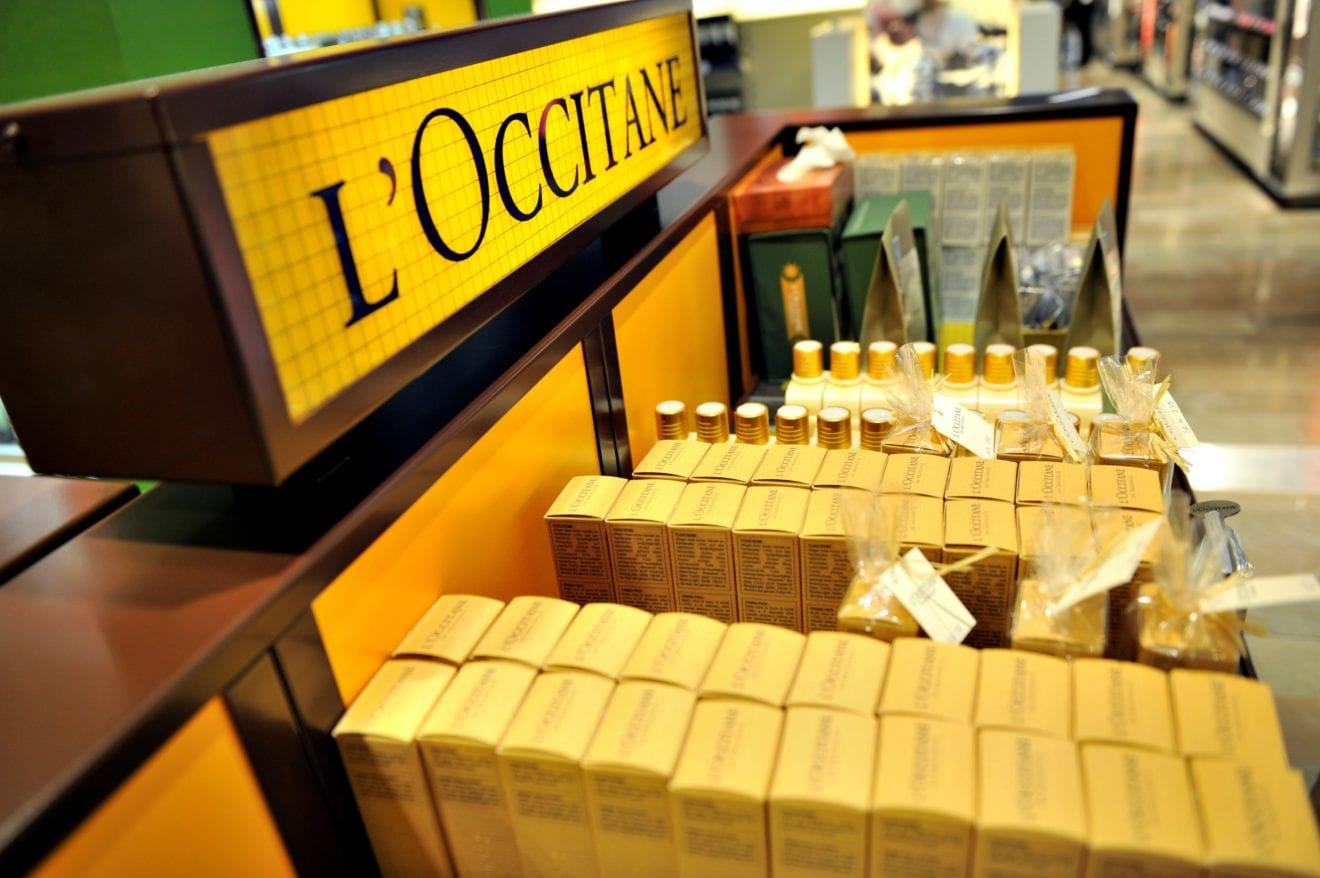
  • L’Occitane launches first sustainability #MEGA concept store in Hong Kong

    L’Occitane launches first sustainability #MEGA concept store in Hong Kong

    The new Sustainability Concept Store focuses on reducing plastic waste and supporting local sustainability projects.

    Located at Pacific Place in Hong Kong, the new store aims to engage the public in a fun way by undertaking green tasks and earning points through the new #MEGA Sustainability Reward Program. Tasks as simple as recycling their beauty empties in the on-site recycling bins or making a commitment with the Tree of Wishes will earn customers rewards.

    As part of the brand’s ongoing commitment to sustainability and recycling, the new #MEGA Sustainability Concept Store offers customers low waste products, such as soaps and Aromachologie hair care. Alongside this, the new store will host a number of sustainability-focused workshops to encourage customers and the wider public to engage in recycling.

    Nathaëlle Davoust, General Manager of L’Occitane Hong Kong and Macau, commented: “In L’Occitane, our societal and environmental commitment focuses on the protection of biodiversity and reduction of our environmental carbon and plastic footprint. The #MEGA Sustainability Concept Store is like our invitation to the Hong Kong public to explore how we can reduce plastic pollution together.”

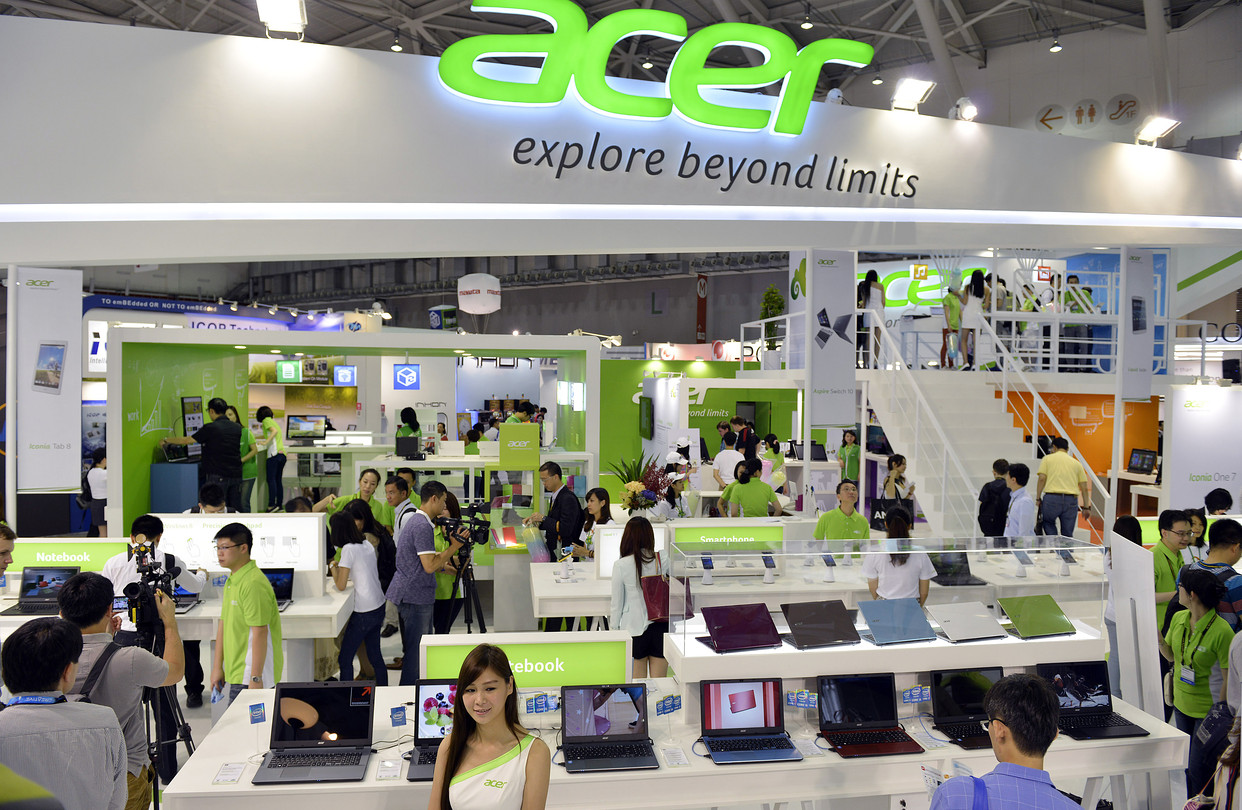
  • Acer opened first flagship store in the Philippines

    Acer opened first flagship store in the Philippines

    The first Acer flagship store in the Philippines has finally opened its doors to consumers on January 15. It is the largest in the country to date and is located at the SM Megamall Cyberzone.

    This new tech haven will house the best products from Acer and Predator brands, intricately displayed for an elevated shopping experience. It is interactive and much more customer-friendly.

    A sure eye-catcher for gamers and tech enthusiasts alike, the store is divided into two sections, dedicated for Acer and Predator products. Acer sticks to its minimalistic personality and is designed with light earthy tones with a long table and shelves where the products are displayed. On the other hand, the Predator comes in a striking sleek black interior all throughout.

    In observance of the existing health protocols in the country, Acer requires each customer to wear a face mask and face shield, undergo a temperature check upon entrance, and fill up a health declaration form. Appropriate social distancing will be strictly followed as well.

    “We are very excited for gamers and tech enthusiasts to come and experience what the Acer flagship store has in store for them. It’s our first opening this 2021, and definitely not the last. We are optimistic that it will allow consumers to get to know our products better and eventually find the perfect device fit for their needs,” said Acer Philippines Managing Director Manuel Wong.

    The event was a success, attended by executives from the ICT giant and its esteemed partners. Following the grand launch, Acer will throw in premium items to the first 10 customers who will purchase an Acer or Predator laptop. But it doesn’t stop there! Watch out for huge discounts and freebies across both brands from January 15 to 24, 2021!

  • Google Play Store now tells you which apps are trending higher or lower

    Google Play Store now tells you which apps are trending higher or lower

    It’s human nature to want to know which apps are trending up and which are trending down. And now this information is available on the Google Play Store via a new icon that shows whether an app is trending up or down. The icon shows an arrow moving up or moving down in the top app lists. An arrow pointing up tells you that a particular app is trending higher while an arrow pointing down tells you the opposite.

    Unfortunately, the icons don’t tell us how many slots an app has moved up or has moved down. Nor do we get to know how much time has elapsed while the app in question started trending in one direction or the other.

    To check out which apps are trending up or trending down, open the Google Play Store app. On the top row of tabs, tap on Top charts. From there you can navigate to different charts showing the top apps in certain categories. Looking at the Top free chart you can see that the top three apps are Signal Private Messenger, Telegram, and Zoom Cloud Meetings. MeWe is number four and underneath the number four on the chart, you can see an arrow pointing downward. That means that the app is trending lower.

    TikTok is number five and is trending higher. At number six is DuckDuck Go Privacy Browser with an arrow pointing down indicating that the app is trending lower. Trending higher is Disney+ (#7), Google Pay (#8), discovery+ (#9) and Cash App (#10). This list goes all the way to number 597.

    Most likely your decision whether or not to install an app is not going to come down to how it is trending. Still, those of you who are into such things can now easily get this information from the Google Play Store.

  • Apple to open second South Korean store

    Apple to open second South Korean store

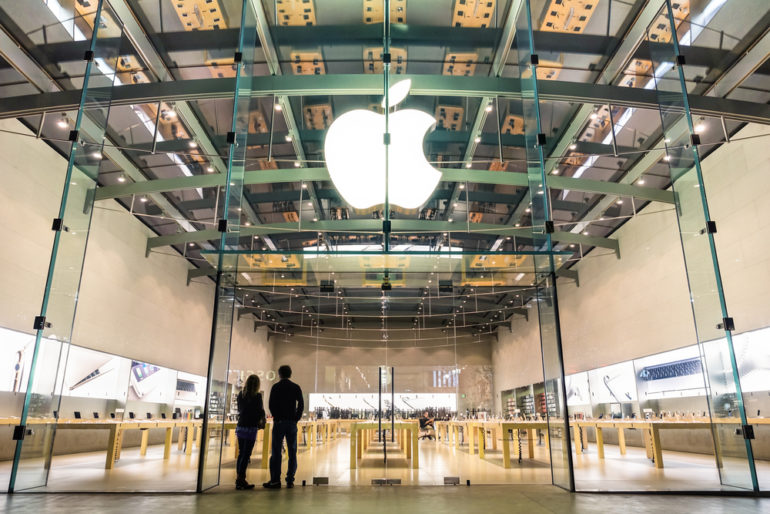
    Apple is preparing to open its second retail store in South Korea. Located in Seoul’s main finance district, Apple Yeouido will make direct sales and support accessible to a whole new community.

    Apple first welcomed customers in South Korea in 2018, when Apple Garosugil opened in Seoul’s Gangnam area. The same experience is coming to Yeouido, an island bordered by the Han River and southwest of the Myeong-dong shopping district.

    Apple Yeouido is located on L1 of IFC Mall Seoul, an indoor shopping center directly below the angular office towers of IFC Seoul and near the iconic 63 Building. Shoppers enter the mall through a glass pavilion just steps from Yeouido Park. Three floors of fashion, cinema, and food are tucked below ground.

    In the future, visitors can expect Apple to host educational and creative Today at Apple sessions that engage the store’s surroundings.

    Like all recent Apple Store openings, Apple Yeouido will follow strict safety guidelines including reduced capacity and a mask requirement. Apple Garosugil was the first Apple Store outside of Greater China to reopen during the pandemic and served as an important signal tower for Apple’s global reopening strategy.

  • Korean department stores are being converted into culture spaces

    Korean department stores are being converted into culture spaces

    South Korean department stores are on track to transform their outlets from simple shopping centres into culture spaces.

    The primary factor behind the department stores’ increasing efforts to install cultural spaces is the sluggish performance of their offline stores amid the expansion of contactless consumption through online channels resulting from the spread of the Covid-19 pandemic.

    Lotte Department Store, for example, started setting up experience-focused cultural facilities within its outlets across the country last year.

    The company’s flagship store in Jamsil, southern Seoul, is running a cultural space called 291 Photographs, which hosts a variety of photo exhibitions and offers profile photograph services for professional writers, in addition to camera and book sales.

    Hyundai Department Store also built a cultural space at its Pangyo branch, south of Seoul.

    Under the concept of an ‘Art Museum’ that focuses on installing a variety of artworks including sculptures and paintings on each floor of the store, Hyundai Department Store is turning its Pangyo store into a kind of art gallery.

    Shinsegae Department Store is running professional galleries at its flagship location in Seoul and as well as stores in Busan, Gwangju and Daegu.

    As the shopping experience itself is becoming not enough to lure consumers, department store operators are looking for ways to differentiate themselves by transforming their stores into cultural attractions where visitors can enjoy not only shopping but also a variety of culture and art.

  • Amazon US launches online pharmacy in new contest with drug retail

    Amazon US launches online pharmacy in new contest with drug retail

    Amazon.com Inc on Tuesday launched an online pharmacy for delivering prescription medications in the United States, increasing competition with drug retailers such as Walgreens, CVS and Walmart.

    Called Amazon Pharmacy, the new store lets customers price-compare as they buy drugs on the company’s website or app. Shoppers can toggle at checkout between their co-pay and a non-insurance option, heavily discounted for members of its loyalty club Prime.

    The move builds on the web retailer’s 2018 acquisition of PillPack, which Amazon said will remain separate for customers needing pre-sorted doses of multiple drugs.

    Over the past two years, Amazon has worked to secure more state licenses for shipping prescriptions across the country, which had been an obstacle to its expansion into the drug supply chain, according to analyst notes from Jefferies Equity Research.

    The company founded as an online bookseller has disrupted industries including retail, computing and now potentially pharmaceuticals, drawing criticism of its size and power from labor groups and lawmakers along the way.

    TJ Parker, PillPack’s CEO and vice president of Amazon Pharmacy, said in a statement the retailer aimed to bring “customer obsession to an industry that can be inconvenient and confusing.”

    Amazon faces entrenched competition from Walgreens Boots Alliance Inc, CVS Health Corp, Walmart Inc, Rite Aid Corp , Kroger Co and others. Take-up of online ordering of drugs has been low, according to market research from J.D. Power.

    Should Prime members prefer buying in person, Amazon said its discounts on non-insurance purchases apply at more than 50,000 brick-and-mortar pharmacies – including those run by rivals. Inside Rx, a subsidiary of Cigna Corp’s Evernorth, administers that benefit, Amazon said.

    Still, the pandemic may help bring drug orders online. E-commerce has surged this year as governments told people to stay home to stave off infections of COVID-19, and Prime members – more than 150 million globally – may be receptive to buying medication online now that it’s from Amazon.

    The company said Prime subscribers get up to 80% off generic and up to 40% off brand drugs when they pay without insurance, as well as two-day delivery.

    Amazon’s online pharmacy is not yet available in Illinois, Minnesota, Louisiana, Kentucky, and Hawaii, a spokeswoman said.

  • 7-Eleven Malaysia appoints CEO team

    7-Eleven Malaysia appoints CEO team

    7-Eleven Malaysia Holdings Bhd has appointed CFO Wong Wai Keong and executive director Tan U-Ming as the co-CEOs for the company, effective Dec 1, 2020. Wong will also be appointed as an executive director of the company, effective Nov 1, 2020.

    They will jointly succeed Colin George Harvey, who will relinquish his post as executive director and CEO effective Dec 1, 2020 for health reasons. Harvey will continue with the company in his new capacity as an advisor and consultant.

    7-Eleven Malaysia chairman Tan Sri Abdul Hamid Embong said Wong and Tan’s combined 15 years of experience with the company will provide the strength and stability needed to weather through the uncertain economic conditions caused by the Covid-19 pandemic.

    Wong was appointed as CFO of the company in March 2018. Prior to joining 7-Eleven Malaysia, he was the group finance director of SyAqua Group Inc overseeing the Asian markets and Florida, USA where he was involved in the organization expansion and was instrumental in transforming the group into an integrated functional business. He has previously held management roles in Avon Cosmetics, KFCH Marketing, Ayamas Food Corp, Abbott Laboratories, and Wyeth. He was also a lead application consultant with JD Edwards.

    Wong is also a member of the Chartered Institute of Management Accountant, the Malaysian Institute of Accountants, and the Chartered Global Management Accountants.

    Tan was appointed as a director of 7-Eleven Malaysia Sdn Bhd in 2008, where he was responsible for overseeing the merchandising, supply chain, procurement and marketing functions. He was appointed to the position of executive director in 2011. Tan was appointed to the board of 7-Eleven Malaysia in August 2013. He currently holds directorships in other private companies of various industries.