Tag: Store

  • GS Retail recruits local residents to deliver products

    GS Retail recruits local residents to deliver products

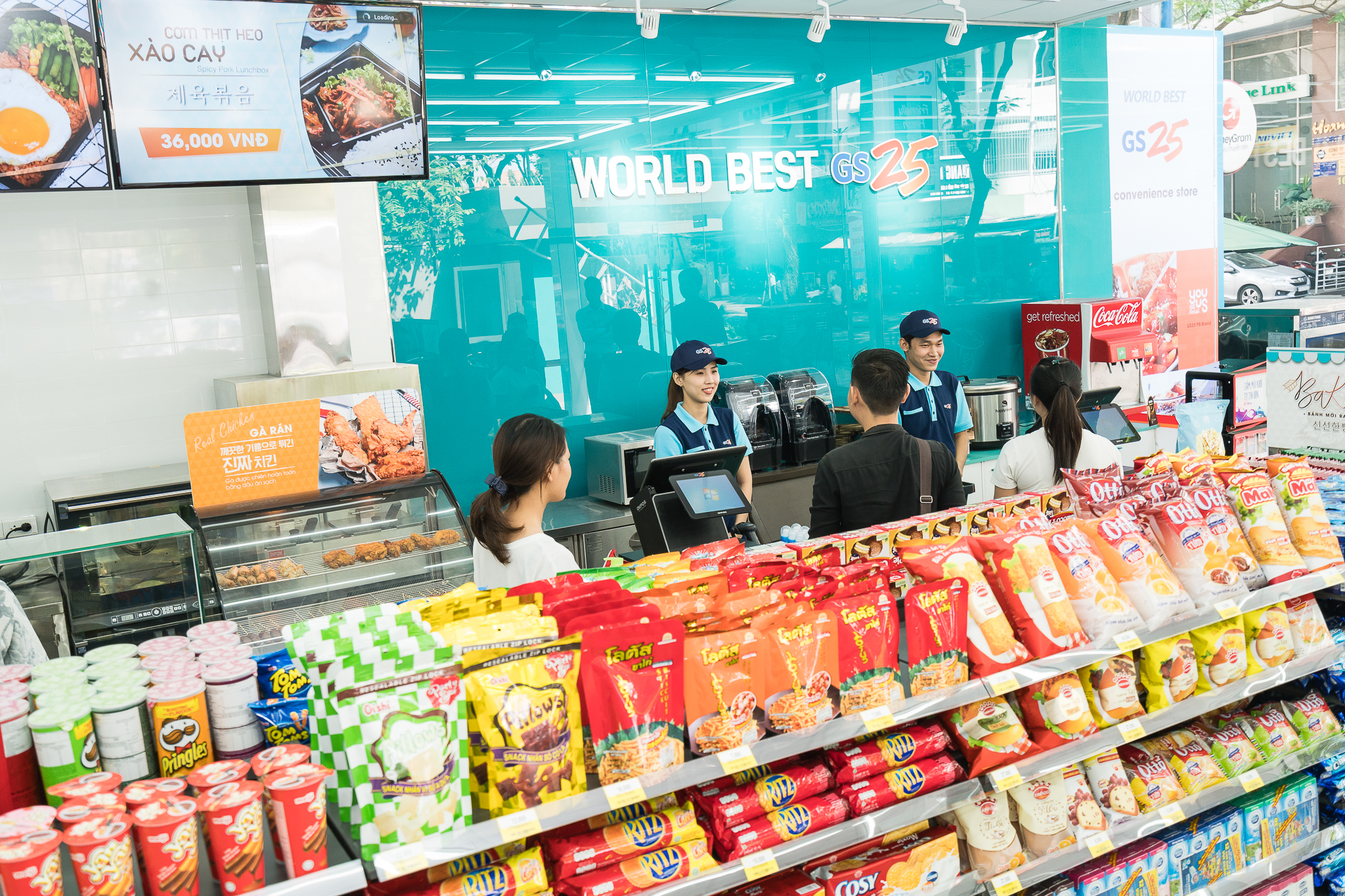
    South Korean convenience-store operator GS Retail plans to hire local residents with ample knowledge about their neighborhoods to speed delivery of products in areas where alleyways and addresses may prove confusing.

    GS Retail, which runs the convenience-store chain GS25, will begin testing its new ‘Neighborhood Delivery’ service, which is open to all applicants without limits to time and task.

    Each person will be delivering products within a 1.5km radius of their current location. The products, too, will weigh less than 5kg, allowing retirees, homemakers, and after-work office workers to work without difficulty.

    If a customer orders a product from a nearby GS25 convenience store through the Yogiyo app, the delivery person can respond to an incoming delivery call to bring the product to the customer.

    Each delivery will pay US$2.35-$2.68 in commissions.

    GS Retail plans to test the new delivery program at three convenience stores in Seoul’s Gangnam District starting Monday. On August 17, the program will be expanded to cover all GS25 stores throughout Seoul.

    The company aims to infiltrate the $17 billion delivery market with ‘Neighborhood Delivery’, a short-distance quick-commerce platform based on 15,000 brick-and-mortar stores.

  • Lawson unveils portable convenience stores in China

    Lawson unveils portable convenience stores in China

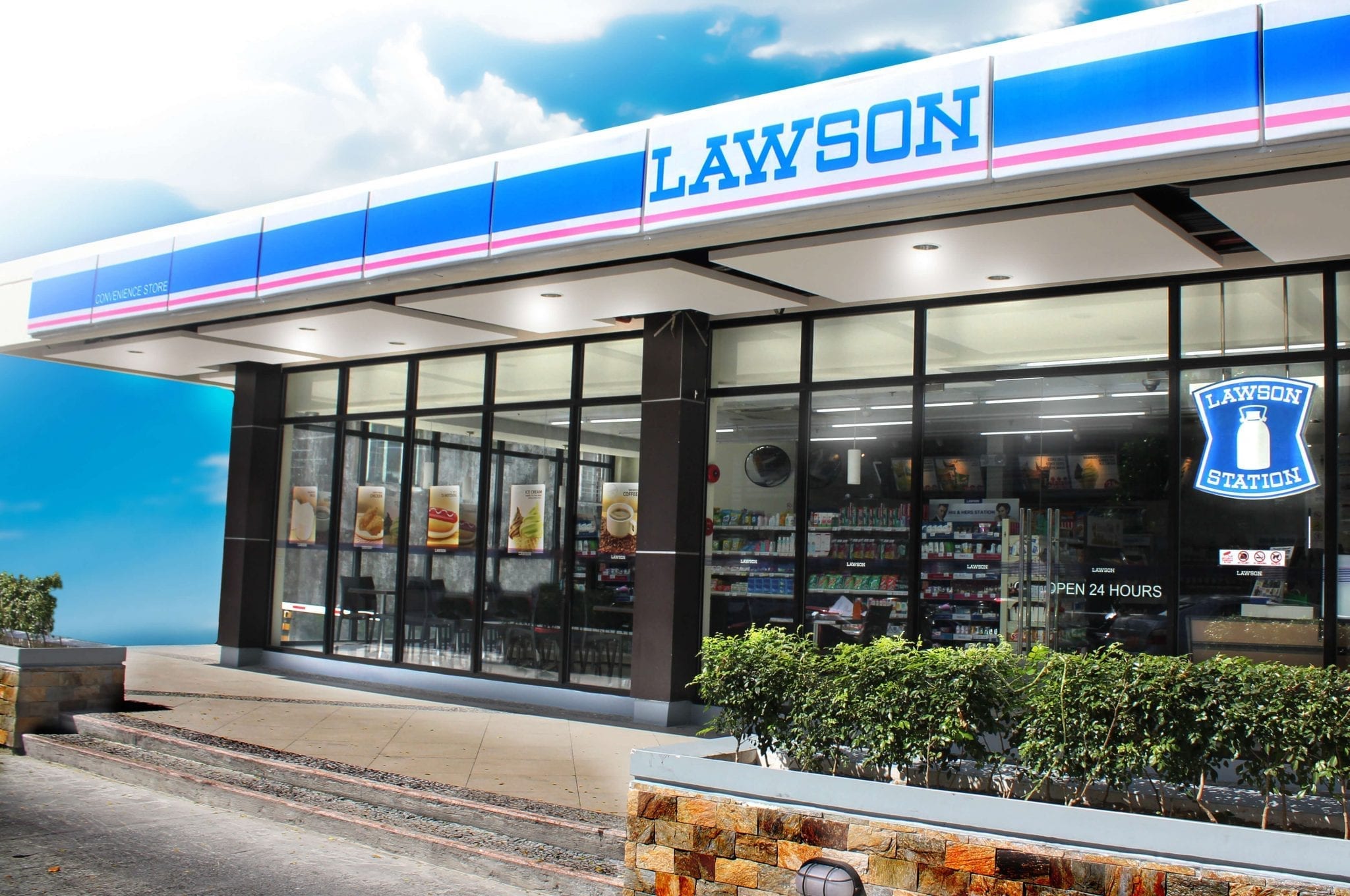
    Japanese convenience-store chain Lawson is launching a series of prefabricated stores in China.

    The brand will launch the service from this week, with the first outlet opening in Nanjing. Using the prefab structures will reduce construction costs by 40 percent and allow for flexible growth, the company says. Around 10 stores are expected to be operational by the end of the year.

    There are two varieties of Lawson’s prefab buildings, which were created in partnership with Panasonic. The stores have heat insulation to cut power costs and can be relocated to other areas if a location closes. The larger store layout is a little smaller than a regular 80sqm minimart, while the smaller is a kiosk suitable for transit stations.

    The stores may prove a viable counter to the rise of online shopping during the coronavirus era, owing to their ability to open in small areas that enjoy considerable foot traffic.

    Lawson, which operates 2700 outlets in China, has indicated plans to roll out prefab stores in Japan in the future as well.

  • Opening date revealed for Apple Thailand’s second Bangkok store

    Opening date revealed for Apple Thailand’s second Bangkok store

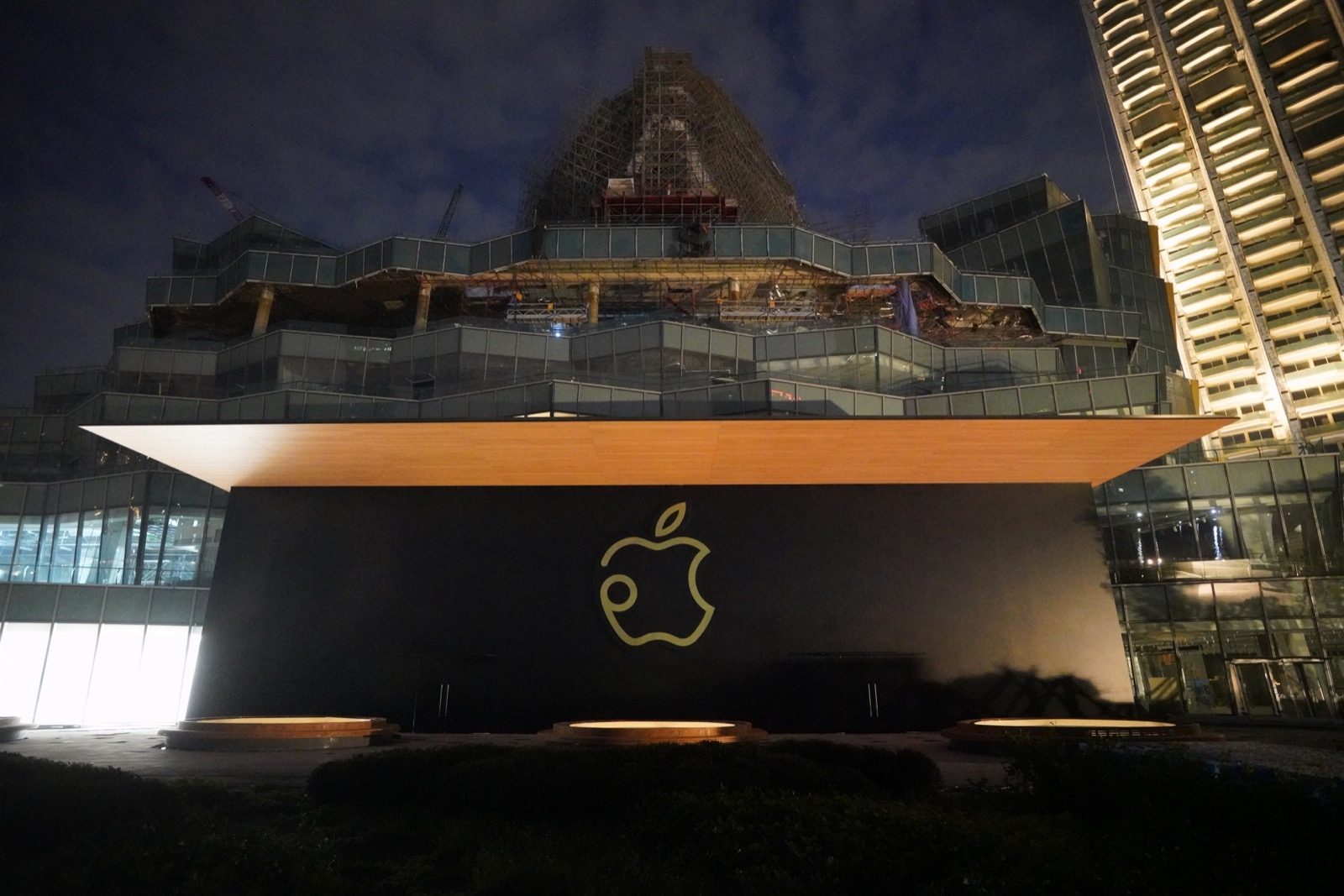
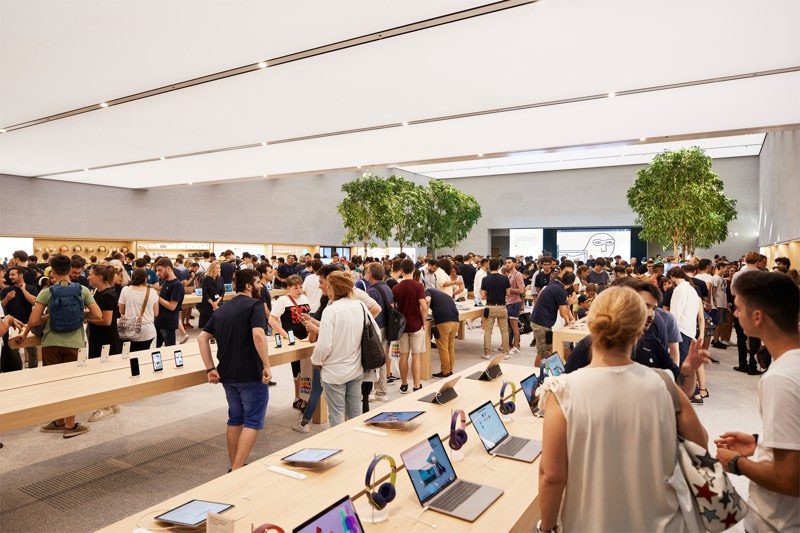
    Apple Thailand’s second retail store in Bangkok will open at the CentralWorld shopping center this week. A reliable local source says the opening date is scheduled for Friday, July 31. However, Apple’s Thai website has posted a colorful version of the brand’s logo with Thai lettering inside, teasing that the Apple CentralWorld store is “coming soon”.

    The website also features a tagline ‘Intersection of the creative idea and inspiration’, which refers to the Ratchaprasong intersection where Apple’s new space is located.

    Earlier this year, photos of the Apple Thailand’s second store were leaked on Twitter, showing a preview of what the store will look like. Apple Thailand’s second store features a unique design with a whirling cylinder of glass and curved timber radiating in concentric circles. It is located on part of a large courtyard outside the mall.

    The Apple CentralWorld store reflects the brand’s confidence in the Thai market, despite the Covid-19 situation in the country.

    Apple Thailand opened its first store at the IconSiam shopping center in Bangkok in November 2018.

  • 7-Eleven warns of bogus ‘franchisor’ in Cambodia

    7-Eleven warns of bogus ‘franchisor’ in Cambodia

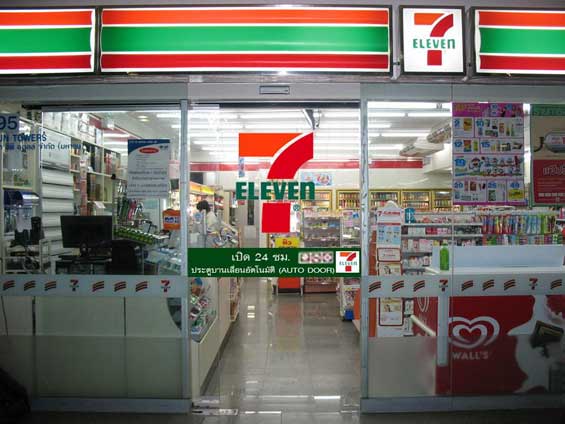
    Convenience-store chain 7-Eleven has warned of a bogus ‘franchisor’ in Cambodia. The company said it received reports that there is an unauthorized party representing itself as 7-Eleven’s master franchisee in the country and attempting to sell outlets.

    The reports promoted the company to issue an announcement confirming that Thailand’s CP All is the sole master franchisee in the market, having the exclusive right to open and operate 7-Eleven stores there.

    Last May, Thailand’s CP Group signed a master franchise agreement to operate the chain in Cambodia. The first store is scheduled to launch in Phnom Penh next year.

  • Apple defends its 30% cut of in-app purchases

    Apple defends its 30% cut of in-app purchases

    This coming Monday the CEOs of Apple, Alphabet, Amazon, and Facebook will testify before the U.S. House Judiciary Antitrust Subcommittee. Each of the four firms is being investigated for alleged anti-competitive behavior. Alphabet is Google’s parent company and Google is being accused of putting its products ahead of the competition when it comes to search results. It also is accused of forcing phone manufacturers to use Google Search and Chrome as the default search engine and browser on phones using the licensed version of Android. Amazon’s large share of the e-commerce market is under scrutiny and Facebook has a large share of the social networking scene.

    And that leaves Apple. The company is being investigated for taking a 30% cut of in-app payments and subscriptions made through the App Store (although the cut on subscriptions drops to 15% after the first year). Because Apple doesn’t allow iOS users to sideload apps from third-party app stores, it forces users to pay Apple’s prices for apps. The so-called 30% Apple Tax has led companies like Spotify and Netflix to stop accepting new subscribers from the App Store. And to make matters worse, Spotify competes directly with Apple’s own Apple Music app.

    The App Store is part of Apple’s fast-growing Services unit. After the number of iPhones it shipped peaked in fiscal 2015, the company decided that it would be a shrewd move to concentrate on a large number of active iPhone users worldwide. Apple could continue to generate profits from these consumers even without selling them a new iPhone by having them sign up for a service with a recurring subscription plan. Apple set a goal to hit $50 billion in Services revenue by fiscal 2020 from the $25 billion it took in during fiscal 2016. So far, halfway through fiscal 2020, Apple is on track to take in $52 billion in services revenue for the year. This unit includes Apple Music, Apple Pay, Apple News+, Apple Arcade, iCloud, iTunes, Apple Care+, the App Store, and more. Speaking of the App Store, it brings in twice the revenue of the Android app storefront, the Google Play Store.

    It is estimated that the App Store brings in $15 billion in revenue for Apple annually which is approximate twice the haul brought in by the Google Play Store despite the much larger share of the smartphone market that is owned by Android. The latter has approximately 85% of the connected handset market, but still, it trails badly when it comes to collecting revenue from its app storefront.

    The Wall Street Journal published Apple’s defense and the tech giant says that it does not run a monopoly. Instead, it says that the revenue it takes in from the App Store comes from a small percentage of the two million apps that are available from the store. One argument that Apple often cites on its behalf is that the 30% it charges is still cheaper than what software developers were paying to distribute their products to stores prior to the 2008 launch of the App Store.

    Apple decided to run a comparison study that sought to compare the App Store with other “digital marketplaces” including ones run by Amazon, Microsoft, Uber, and Walmart. Economists at Analysis Group, commissioned by Apple, came to the conclusion that the 30% cut charged by Apple is in line with the cut taken by Google and other peers. It is below 37% and 31% cuts taken by ticket sellers StubHub and Ticketmaster, respectively.

    European competition attorney Damien Geradin, who co-authored a study on this topic a couple of months ago, said that the App Store fee structure is “uneven.” He notes that while apps like Tinder pay 30% of their App Store sales to Apple, Uber and Airbnb don’t pay anything. “Problems are much deeper than the 30%,” he said.

  • 7-Eleven marks it’s milestone with the 71,100th store in Seoul

    7-Eleven marks it’s milestone with the 71,100th store in Seoul

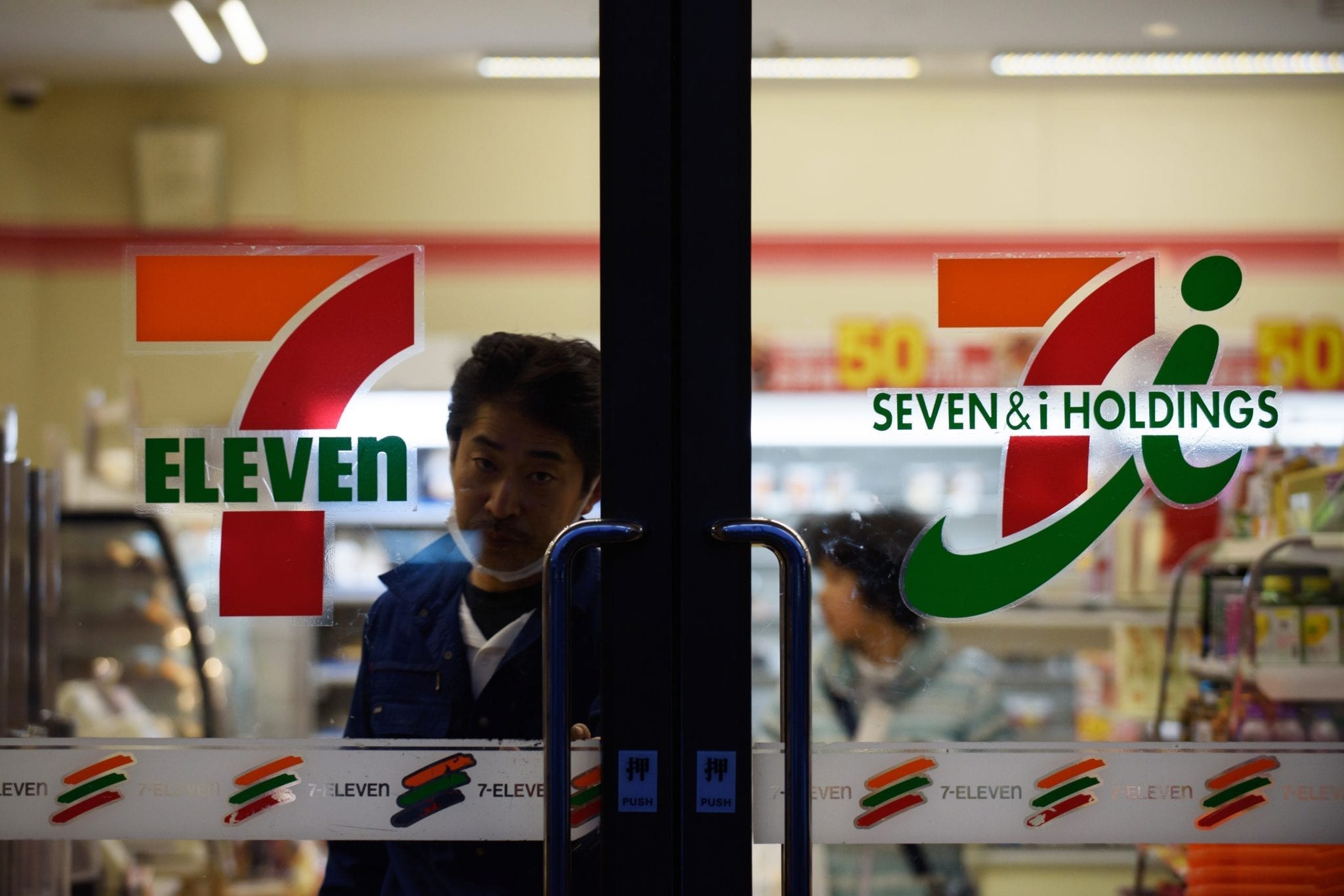
    7-Eleven has hit a new milestone with the opening of its 71,100th store, located in Seoul, the capital of South Korea.

    “7-Eleven’s iconic orange, green and red stripes are easily recognized in 17 countries around the world,” said 7-Eleven President and CEO Joe DePinto.

    “The company got its start because an entrepreneurial ice-dock employee saw his customers had a need and came up with a creative way to serve them. A lot has changed in how, when, and where 7-Eleven does business. But one thing that hasn’t changed is our commitment to putting customers at the forefront of all we do.”

    The brand opens a new store somewhere in the world roughly every 3.5 hours. Early last month, the first 7-Eleven in Hunan, China broke the international opening-day sales record for the company brand, reporting US$70,310 of turnover.

    With the new 7-Eleven milestone passing, the growth shows no signs of slowing. Master franchisees for India and Cambodia are expected to be taken up soon. In Asia, 7-Eleven already has networks in China, Hong Kong, Singapore, Thailand, Malaysia, Japan, South Korea, and Vietnam.

  • FairPrice Finest launches in-store radio network with SPH

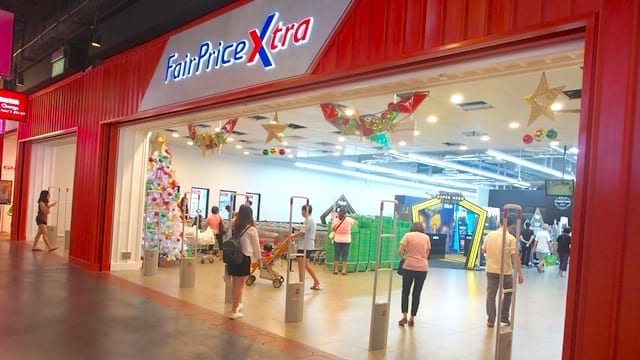
    FairPrice Finest launches in-store radio network with SPH

    Singapore supermarket chain FairPrice Finest has launched an in-store radio network in partnership with SPH Radio.

    The new channel, live in all 26 stores, will offer FMCG companies another channel in which to advertise to shoppers in-store, as well as music and content from SPH radio stations.

    The station will reach an estimated 2.5 million shoppers every month.

    “Partnering with SPH Radio will not only help us improve our shopper experience via aural ambiance but also provide a wider range of touchpoints for our retail partners to engage with our shoppers in an integrated manner,” said Kelvin Tan, head of customer & marketing (retail business), at FairPrice Group.

    “As Singaporeans are making more frequent trips for their groceries, this will be a viable platform for our retail partners to reach shoppers in their shopping journey.”

    The new channel marks SPH Radio’s first foray into in-store entertainment programming.

  • Muji enters Chapter 11 owing US$65 million in USA

    Muji enters Chapter 11 owing US$65 million in USA

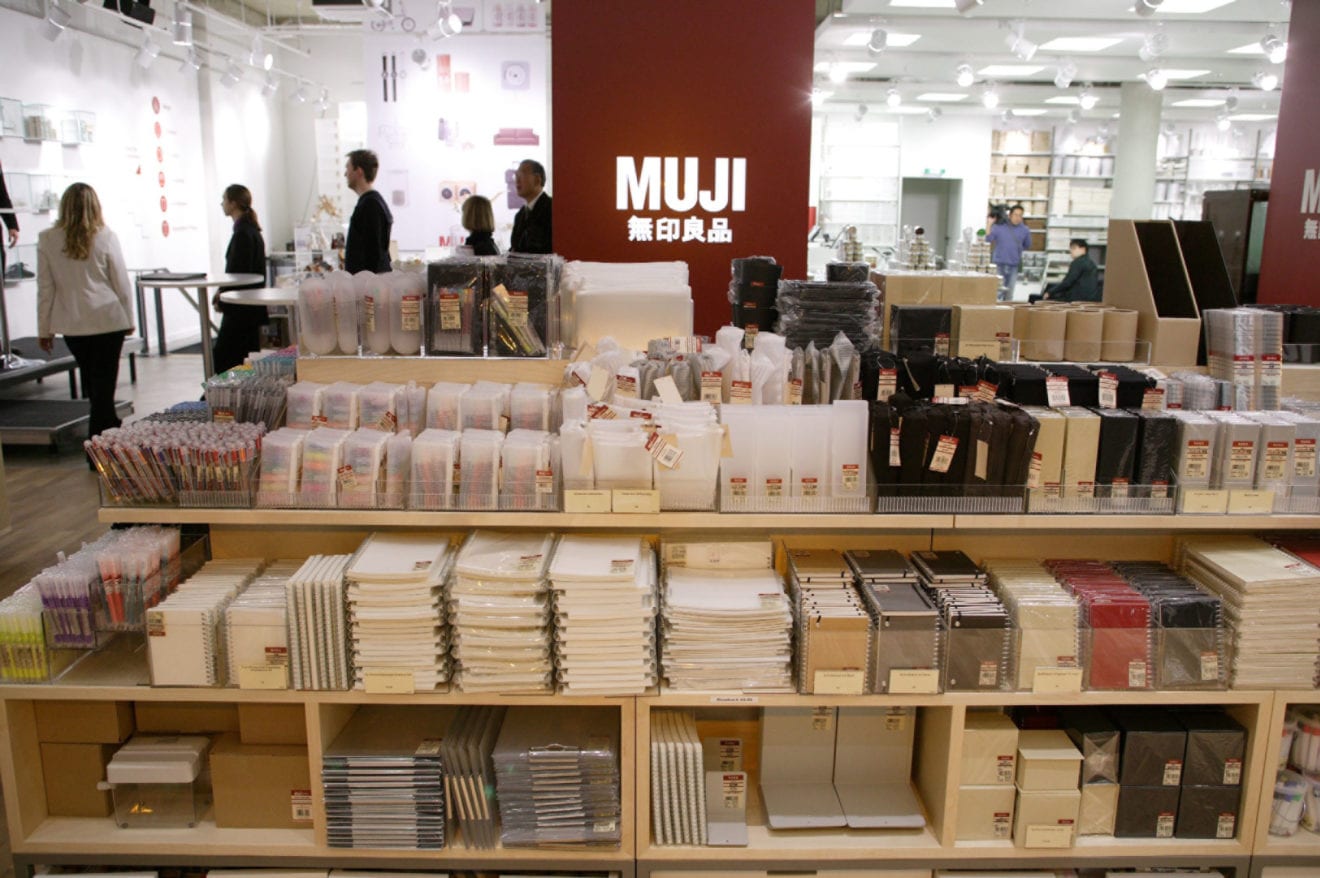
    Japanese homewares and lifestyle retailer Muji has placed its US business in Chapter 11 bankruptcy protection with debts of US$64 million.

    The company said the measure was the result of having to continue to pay rent in high-profile locations while stores were shuttered due to the Covid-19 pandemic. Landlords had shown little flexibility despite stores not being able to trade.

    Under bankruptcy protection, the company’s parent, Ryohin Keikaku, has six months to submit a restructuring plan.

    After launching in 2006, Muji US has opened just 19 stores there. But it chose high-profile locations like 5th Avenue and Times Square to establish brand exposure.

    In the year to February, the company achieved sales of $102.5 million but reported a loss of $16.8 million.

    Muji has no intention of closing or exiting the US. Ryohin Keikaku, president Satoru Matsuzaki, said he would personally oversee the restructuring of the US business.

    “The US is the cornerstone in building name recognition,” Matsuzaki was quoted in the Nikkei.

    Muji US has reopened 10 stores, but total sales are running at just 20 percent of the level of pre-Covid-19.

  • Sales growth disappoints South Korean department store operators

    Sales growth disappoints South Korean department store operators

    A South Korean government-led retail sale festival designed to boost spending amid the coronavirus outbreak ended yesterday, with major department stores posting an increase in revenue on high demand for luxury goods.

    But discount store chains and traditional markets did not see sales rise as much as expected, due mainly to the compulsory closure of outlets and lack of promotion strategy.

    South Korea kicked off the 17-day sales festival, called the “Korea Donghaeng Sale” campaign, on June 26 in an effort to boost faltering domestic demand amid the coronavirus outbreak. “Donghaeng” means ‘going along together’ in Korean.

    Major department stores, the sector hit hard by the virus outbreak, posted an increase in sales as people bought luxury items as part of “revenge spending” amid the Covid-19 pandemic, according to industry watchers.

    Lotte Department Store saw sales rise 4 percent year on year between June 26 and July 9.

    Number two player Shinsegae Department Store, and smaller rival Hyundai Department Store, posted increases of 11.3 percent and 6.3 percent, respectively.

    But discount-store chains posted a similar level of sales or a marginal decline despite big discount events targeting the sales festival.

    The operators of discount-store chains are obligated to close outlets on the second and fourth Sunday of every month under regulations designed to help smaller neighborhood shops. That meant they had to shut down outlets yesterday, the last day of the sales fest.

    Traditional markets posted a letup in their sales declines last week, but merchants said they did not directly feel the impact of the sales festival.

  • 7-Eleven and Coca Cola launch Hong Kong concept store

    7-Eleven and Coca Cola launch Hong Kong concept store

    7-Eleven has teamed with carbonated beverage brand Coca Cola to open a new themed store in Hong Kong. Located at in Tsim Sha Tsui, the 7-Eleven x Coca Cola concept store is dressed in the distinctive Coke red. As well as the modern Coke livery, the counter features a banner with nostalgic advertising.

    The store features two fridges with Coca Cola’s glass-bottle-shaped doors, displaying a selection of the brand’s items and collectibles.

    “7-Eleven x Coca Cola themed store is a close collaboration with our suppliers leveraging on the brand strength and features to create a themed convenience store with impactful in-store decoration, interesting display, exclusive products, innovative food idea, good value offer to bring customers fun and convenience,” a spokesperson for 7-Eleven Hong Kong’s parent company Dairy Farm Group said.

    The store also features a ‘Hot Shot counter’ where customers can pause and eat snacks (and a Coke).

  • Apple closes 30 more U.S. Apple Stores including all locations in Florida

    Apple closes 30 more U.S. Apple Stores including all locations in Florida

    As the number of coronavirus cases reported daily in several states starts to shoot back up, Apple is beginning to close more of its physical Apple Stores. Just a week ago, we told you that Apple was temporarily turning the lights off in 14 additional locations in Florida. We posted that article on June 25th and two days later the state hit a peak of 9,585 new cases announced.

    Other states are hitting the pause button on reopening plans and today Apple said that 30 more brick and mortar stores in the U.S. will be closed. 77 Apple Stores have reclosed over the last few weeks. With the remaining two Florida-based Apple Stores turning the lights off and locking the doors today, all physical Apple Stores in the Sunshine State have now been shuttered.

    Besides the stores in Florida, locations near Los Angeles have also been closed. On Wednesday, the company said that Apple Stores in Florida, Mississippi, Texas, and Utah were closed immediately. Stores in other states such as Alabama, California, Georgia, Idaho, Louisiana, Nevada, and Oklahoma will close on Thursday. By tomorrow, 77 or 28% of the 271 U.S. Apple Stores in the country will not be open. An Apple spokesman says, “Due to current COVID-19 conditions in some of the communities we serve, we are temporarily closing stores in these areas. We take this step with an abundance of caution as we closely monitor the situation and we look forward to having our teams and customers back as soon as possible.”

    Apple is taking precautions even in stores that remain open. At some stores, all business is being conducted curbside while at other locations customers need to make an appointment to go inside. At the latter stores, when customers arrive for their appointment. they will have their temperature checked and will be forced to wear a mask; social distancing is practiced as each customer must be separated by at least six feet.

    The Apple Stores that closed today include St. Johns Town Center, University Town Center in Florida; Renaissance at Colony Park in Mississippi; Barton Creek, Domain Northside, La Cantera, North Star, Knox Street, Northpark Center, Galleria Dallas, Ciello Vista Mall, Southlake Town Square, University Park Village in Texas.

    The Apple Stores that will close Thursday include The Summit in Alabama; Glendale Galleria, Northridge, Pasadena, The Grove, Third St. Promenade, Century City, Manhattan Village, Beverly Center, Sherman Oaks, Topanga, Los Cerritos, The Americana at Brand, Valencia Town Center, Victoria Gardens, The Oaks, The Summit in California; Cumberland Mall, Perimeter, Lenox Square, Avalon, Mall of Georgia in Georgia; Boise Towne Square in Idaho; Baton Rouge, Lakeside Shopping Center in Louisiana; Fashion Show, The Forum Shops, Town Square, Summerlin in Nevada; Penn Square, Woodland Hills in Oklahoma.

    So what can a consumer expect when visiting an Apple Store in the U.S. that has been reopened and remains so? Apple explains that “Before you enter an Apple Store, we will take your temperature using a thermometer that does not touch the skin to ensure that it measures below 37.5° C (99.5° F). No data from this procedure will be recorded. Prior to your store visit, please ask yourself the following health-related questions: Do I currently have a fever, chills, muscle or body aches? Do I currently have a cough or am I experiencing any respiratory issues? Do I have a headache, sore throat, runny nose, or congestion? Am I experiencing any nausea, vomiting, or diarrhea? Have I been in contact with any suspected or confirmed cases of COVID-19 in the last 14 days? If you answered YES to any of these please visit at a later date. You can get all the same great products and services from our online store with free no-contact delivery, and one-on-one shopping help from a Specialist via Chat, or by calling 1‑800‑MY‑APPLE. Shop Apple Store online.”

    Overseas where the coronavirus isn’t making a comeback, Apple is able to keep its stores open in most countries.
  • Ikea opens first compact store in Tokyo, Japan

    Ikea opens first compact store in Tokyo, Japan

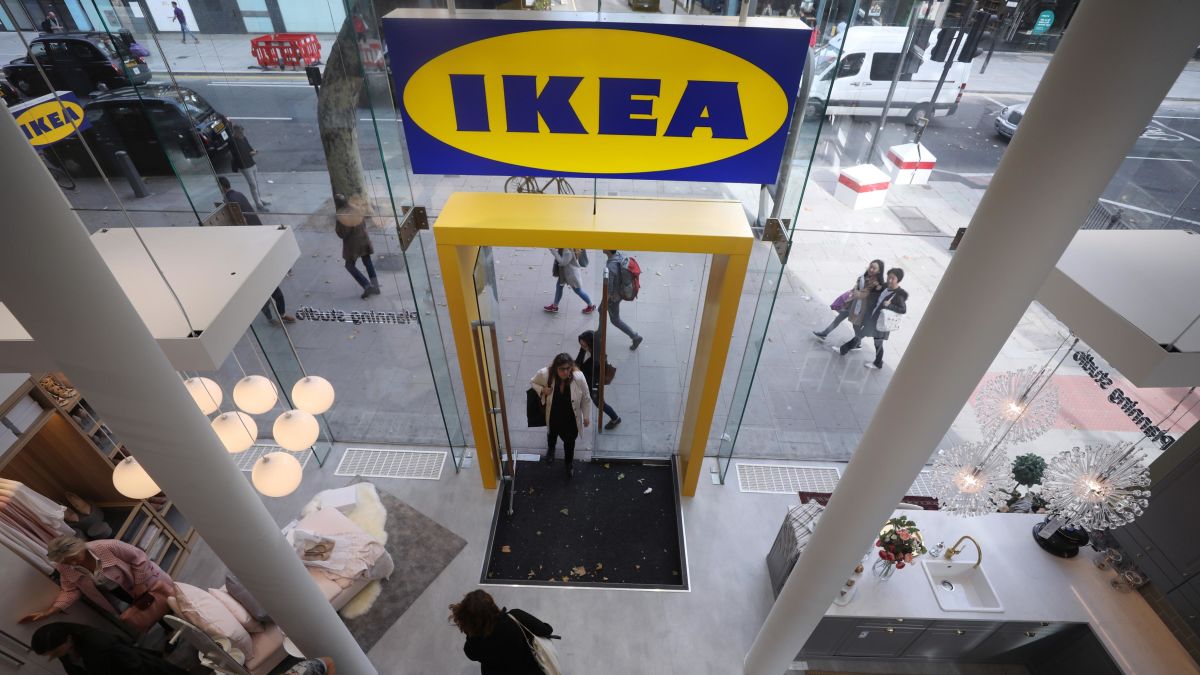
    Ikea Japan has opened its first concept downtown store in Tokyo.

    Ikea Harajuku, modeled on smaller compact inner-city Ikea stores popping up in Paris and New York, targets urban apartment dwellers with a smaller range of about 9500 goods selected from its big-box destination shops.

    The new Ikea Japan store is located adjacent to the Uniqlo Harajuku which opened about a week ago, occupying a two-story, 2500sqm space.

    “One of the store’s keys focuses will be sustainability and circular living, with a buyback service and sustainably sourced food”, the company said in a statement.

    Besides featuring homewares products for small-living areas, the Ikea Harajuku houses a Swedish Cafe, where customers can find a Swedish flatbread menu, and Swedish Combini which offers a wide range of snacks and beverages including cups of plant-based instant noodles.

    Plans to open the Ikea Harajuku store were revealed two years ago. The store was scheduled to open on April 25 this year, however that was postponed until June 8 due to the Covid-19 pandemic.

  • Muji opens largest Hong Kong flagship store

    Muji opens largest Hong Kong flagship store

    Despite struggling with suspended operations and inventory problems during the Covid-19 pandemic, Japanese home-and lifestyle-goods retailer Muji is set to open its 21st store in Hong Kong later this month.

    Taking over the former Uny-owned Piago department store space in Telford Plaza, the new flagship will span 24,000sqft with all ranges including home, electronics, apparel, cosmetics, and food.

    The Telford Muji flagship will largely focus on food, expanding its range with packaged goods, groceries, fresh baked goods, and a new coffee and tea bar in addition to its existing cafe and Meal Muji restaurant.

    Muji is also expected to make its debut in Vietnam later this year.

    In May, Muji Japan launched a store on Amazon, seeking to mitigate the impact of its 280 stores in the market being forced to close due to Covid-19. That marked the first time Ryohin Keikaku has sold Muji products via an online platform outside its own e-commerce store.

  • Movenpick launches three Hong Kong pop-up stores

    Movenpick launches three Hong Kong pop-up stores

    Swiss ice cream brand Movenpick has launched three pop-up stores in Hong Kong – although, as the photos show, they have a very permanent look.

    The pop-up stores feature 16 ice cream flavors, including the brand’s nine exclusive flavors, served in natural plant-based containers. The Movenpick menu will be updated with more festive dessert creations, according to the company.

    “We are so excited to bring Hong Kong a true 5-star ice cream experience with our new Movenpick ice cream pop-up stores,” said Montha Khongkrurphan, Hong Kong ice cream & chilled business director of Nestle Hong Kong.

    “The opening of the pop-up stores is also the perfect opportunity to debut our environmentally friendly takeaway packaging.”

    The Hong Kong Movenpick pop-up stores are located at ParknShop supermarkets in Pacific Place (top image), Cheung Kong Centre (second image) and Quarry Bay (above).

  • Giant Nike Thailand opens flagship store in Bangkok

    Giant Nike Thailand opens flagship store in Bangkok

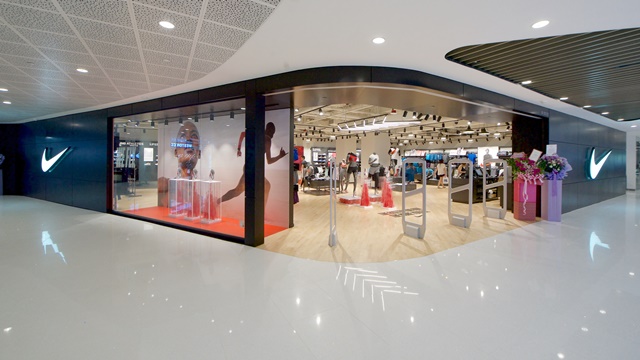
    A giant Nike Thailand flagship store has opened in Bangkok’s Siam Center, with a footprint spanning more than 9000sqft.

    Designed to showcase Nike’s product innovation across multiple categories, the store also offers the brand’s first “Nike By You” in-store customization service in Thailand.

    Operated by Southeast Asian luxury and lifestyle retail specialist Valiram, the new Nike Thailand store offers a blend of physical and digital retail experiences for shoppers

    “Nike Bangkok at Siam Center exists to offer everyone the ability to make sport a daily habit, ensuring they are inspired and committed to staying active,” said director of Nike stores Southeast Asia & India Tarundeep Singh.

    “The top Nike offerings have been carefully curated for this community, and the store has been conceptualized with multiple touchpoints for a fully immersive and seamless Nike experience that is truly personalized and unique.”

    Services such as head-to-toe apparel fitting and footwear trialing are offered at the store to provide consumers with opportunities to deepen their connection with the brand and select products suited to their needs. Shoppers can also book one-on-one sessions with running experts and styling specialists.

    Valiram executive director Ashvin Valiram describes the new Nike Thailand store as a “truly unique and immersive experience that pushes the boundaries of retail, empowering our consumers to engage with Nike products in new ways”.

    “Creating a world-class retail environment is a Valiram hallmark and the opening of Nike Bangkok at Siam Center in partnership with Nike reaffirms that”.