Tag: Store

  • Japanese department-store sales continue to drop

    Japanese department-store sales continue to drop

    Japanese department store sales plunged 60 percent last month as the Covid-19 crisis saw retailers close or operate under reduced hours across the country.

    Sales in the Matsuzakaya and Daimaru department stores were down 73.2 percent year on year, although that was an improvement on the 79.1-per-cent decline a month earlier.

    Rival operator Takashimaya says its sales were down by 62.9 percent, while Seibu and Sogo reported a decline of 61.5 percent.

    As in neighboring South Korea, duty-free sales have been severely affected by the absence of inbound mainland Chinese tourists. In Takashimaya’s duty-free division, sales fell by 98.7 percent.

    As Inside Retail Asia reported yesterday, South Korean duty-free retailers temporarily shuttered metropolitan stores in response to a significant decline in tourist numbers caused by the coronavirus epidemic.

    However, department-store sales there have shown signs of recovery as social-distancing restrictions were eased by the country’s government.

  • Apple takes action to close most U.S. stores after looting occurs

    Apple takes action to close most U.S. stores after looting occurs

    Some Apple Stores were looted last night as the U.S. suffered through another night of violent protests related to the death of George Floyd. Floyd was killed when a Minneapolis police officer put his knee into the man’s neck for nine minutes even though he was handcuffed, compliant with all of the officers’ demands, and no longer a threat. All four officers were fired and one charged with third-degree murder.

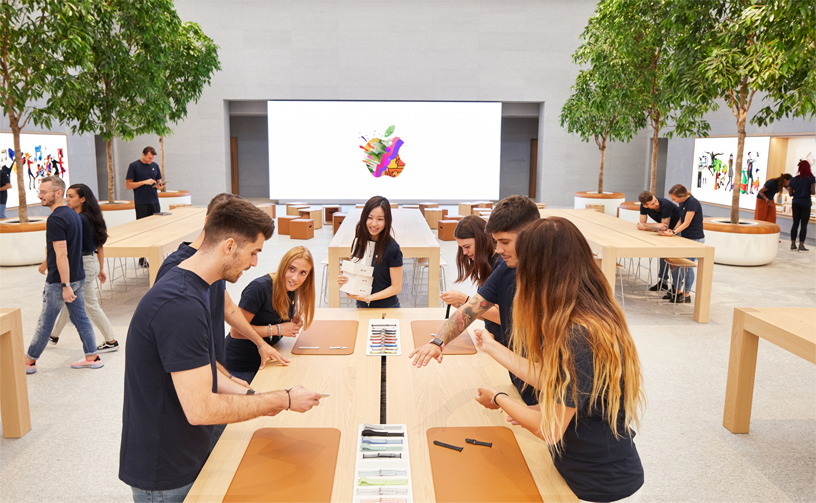
    To protect its employees from the violence, Apple has decided to temporarily close some of its brick and mortar locations. These stores had only recently reopened after being shut down because of the coronavirus pandemic. Apple Stores that were damaged or looted included locations in Portland, Philadelphia, Brooklyn, Salt Lake City, Los Angeles, Charleston, Washington, D.C., Scottsdale, and San Francisco. Some of the stores that were heavily damaged are closed indefinitely while others will reopen on Monday. Apple today said, “With the health and safety of our teams in mind, we’ve made the decision to keep a number of our stores in the US closed on Sunday.”

    One Twitter subscriber named Brian Mitchel tweeted about the Apple Store Uptown located in Minneapolis. The store was looted, boarded up, looted again, and boarded up again. In Portland, the Apple Store at Pioneer Place had tall windows smashed on all sides. This location had just reopened two days ago and it now will take some time to repair the store to make it safe for customers. Video from Portland’s KOIN 12 shows people running into the aforementioned Apple Store and running out with boxes of iPhones and iMacs in their hands.

    What the looters probably don’t know is that the iPhones that they steal from looted stores won’t work. Since 2016, demo iPhones in a particular Apple Store do not work if removed from that store. In the latter situation, these demo units will only respond to “Find My iPhone.”

    Out of the 271 U.S. Apple Stores, 140 stores had reopened over the last couple of weeks. It isn’t clear whether the violence will delay the reopening of the remaining 131 locations. Apple’s retail chief Deirdre O’Brien said earlier this month that “Our new social distance protocol allows for a limited number of visitors in the store at one time so there may be a delay for walk-in customers. We recommend, where possible, customers buy online for contactless delivery or in-store pickup.”

    If you decide to visit an open Apple Store, O’Brien says, “In every store, we’re focused on limiting occupancy and giving everybody lots of room, and renewing our focus on one‑on‑one, personalized service at the Genius Bar and throughout the store. We’re also taking some additional steps in most places. Face coverings will be required for all of our teams and customers, and we will provide them to customers who don’t bring their own. Temperature checks will be conducted at the door, and posted health questions will screen for those with symptoms — like cough or fever — or who have had recent exposure to someone infected with COVID‑19. Throughout the day, we’re conducting enhanced deep cleanings that place special emphasis on all surfaces, display products, and highly trafficked areas.”

    Because of the COVID-19 pandemic, the fiscal third quarter for Apple was looking glum even before the looting forced the company to close most U.S. Apple Stores today. And again, stores with extensive damage are going to be closed for some time.

  • Apple to reopen 100 brick and mortar stores in the states this week

    Apple to reopen 100 brick and mortar stores in the states this week

    There seems to be an urgency in the U.S. to get back to those carefree pre-COVID-19 days when the only thing you had to worry about was whether Apple’s new iPhone 12 series would support both sub-6GHz and mmWave 5G signals (they will). While some behavior, such as crowding together on beaches during Memorial Day, will no doubt lead to the second wave of COVID-19 cases, most businesses are reopening slowly while trying to take a safe approach.

    A week ago, we told you about some of the changes that T-Mobile has instituted for its reopened locations. An employee will open the door (regardless if you are coming or going), the capacity of each store will be sharply reduced to keep consumers at safe distances from one another and employees will have to wear a mask (no word on whether it has to be a magenta one). The sanitizer will be applied to the demo devices on the shelves while employees will have to spray and disinfect their own personal phones and tablets.

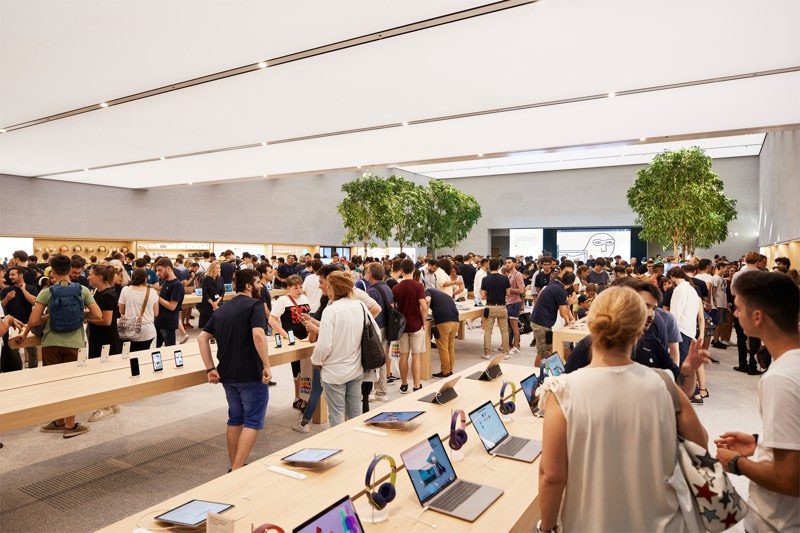
    Today, Apple said that it will reopen more Apple Stores in the U.S. starting tomorrow. Last week 25 locations in the states turned their lights back on along with 12 in Canada and 10 in Italy. The Apple Stores opened last week include those in Arkansas, California, Washington, Florida, Colorado, Hawaii, and Oklahoma. And now we are looking at another 100 U.S. stores that will be reopened this week. Most of these brick and mortar locations will provide curbside or storefront service only. Customers will be able to pick-up devices and accessories ordered online and show up for Genius Bar appointments. Some stores will be open for walk-in customers. Those stores will most likely require that customers wear a mask and have their temperatures taken before they are allowed to walk inside. Despite Apple’s willingness to get back to normal, those locations allowing walk-in customers will limit browsing and Apple will still focus on online sales.
    Apple says, “This week we’ll return to serving customers in many US locations. For customer safety and convenience, most stores will offer curbside or storefront service only, where we provide online order pick-up and Genius Bar appointments. Others will be open for walk-in customers and we encourage everyone to check their local store webpage for more information about hours at their preferred location. Customers can also visit apple.com for support by phone or chat. We are committed to reopening our stores in a very thoughtful manner with the health and safety of our customers and teams as our top priority, and we look forward to seeing our customers again soon.”
    As of today Apple has 510 stores globally with 271 located in the states. 148 stores worldwide are currently open and if Apple goes through with its plans for this week, that number will rise accordingly. Deirdre O’Brien, Apple’s Senior VP of Retail + People said earlier this month, “Our commitment is to only move forward with a reopening once we’re confident we can safely return to serving customers from our stores. We look at every available piece of data — including local cases, near and long‑term trends, and guidance from national and local health officials. These are not decisions we rush into — and a store opening in no way means that we won’t take the preventative step of closing it again should local conditions warrant.”
    Apple has still released new devices even with its stores closed. This includes the new refreshed versions of the iPad Pro (2020) and the second-generation iPhone SE. The company has also had to move its annual WWDC Developers Conference online; Apple will virtually host WWDC starting on June 22nd.
  • JC Penney collapses into Chapter 11

    JC Penney collapses into Chapter 11

    US department-store giant JC Penney filed for Chapter 11 bankruptcy protection on Friday night. But while the company may have cited Covid-19 pandemic as the main reason, the company has been in dire straits for years.

    The company, which operates about 850 stores anchoring shopping malls all over the US, has the support of 70 percent of its priority creditors for a reorganization plan which includes securing $900 million of financing to enable it to continue trading.

    Neil Saunders, MD of GlobalData Retail, described the Chapter 11 move as “inevitable”.

    “Even before the pandemic, JC Penney’s road to reinvention was the equivalent of climbing a steep mountain with nothing other than the burden of an enormous pile of debt. The coronavirus crisis effectively broke the retailer’s limbs making further progress all but impossible.”

    In a statement announcing the bankruptcy, JC Penney said it would reduce its store network but has not indicated by what scale. Most observers seem to believe heavy cuts are essential.

    Saunders says the closure of underperforming stores should be an immediate priority.

    “JC Penney is exposed to a high number of weak malls and locations and it needs to quickly cut its losses. It will emerge a much smaller company, but this makes the process of reinvention much easier and will allow capital investments to flow to locations where they can generate the best return.”

    Australian retail property consultant Michael Baker, one-time head of research with the US-based International Council of Shopping Centers, says JC Penney’s collapse will have a huge impact on US mall operators.

    “It anchors literally hundreds of mid-end US malls. Mall owners have welcomed getting back department store real estate because it can be redeveloped into restaurant and entertainment space, often with alfresco elements. But now, with coronavirus, there is probably going to be a question mark over that strategy.”

    The challenge ahead for JC Penney is to restructure into a format and scale which is viable in a very different retail era to that when it flourished. Founded in 1902, until 1966 most of its stores were located in downtown high-street locations. Then the company locked its future into the shopping mall boom which saw thousands of centers opening all across the US, typically anchored by department stores, often by several. While in recent years JC Penney has opened some standalone stores and even experimented with a compact-store format, the company’s fortunes have become inextricably linked to the viability of shopping malls.

    ‘It’s a dead retailer walking’

    Michael Baker does not believe the company’s assurances it will emerge from bankruptcy reorganization as a ‘stronger retailer’.

    “It will certainly close a lot more stores and when it does reemerge it will face the same old format obsolescence problems,” he told Inside Retail Asia. “It’s a dead retailer walking.”

    Saunders is equally skeptical, although he does have some confidence in recently appointed CEO Jill Soltau.

    “Bankruptcy provides a narrow path forward. It gives JC Penney the financial means to weather the current downturn in demand and the scope to restructure its operations as the retail economy starts to normalize. But the process of reinventing the firm will not be easy. While management claims that significant progress had been made before the pandemic, we do not share this view. While some advancements were made, these were partial and completely insufficient to ensure a viable future for the company.”

    Saunders says the reality is that JC Penney needs a complete overhaul in terms of its assortments, store designs, ways of marketing and connecting with shoppers, and its brand image.

    “In other words, a wholesale makeover is required to restore the company’s fortunes. In normal times, that process of reinvention would be challenging; accomplishing it in the midst and aftermath of a pandemic is more than a tall order.”

    Saunders says while Soltau’s team might have made slow progress to date, the direction she has taken so far – which has focused on customers and their needs – has been correct. “Developments like the reimagined store format in Hurst, Texas showed some good forward-thinking. However, no one should underestimate the challenges of moving these ideas forward to the entire chain.

    Bankruptcy has only bought JC Penney time; it is a drug that is providing life support during a time of dire distress. Recovering is the difficult part, and it is still by no means certain that JC Penney will pull through or get back to full health.”
  • Ikea Singapore plans opening new concept store at Jem mall

    Ikea Singapore plans opening new concept store at Jem mall

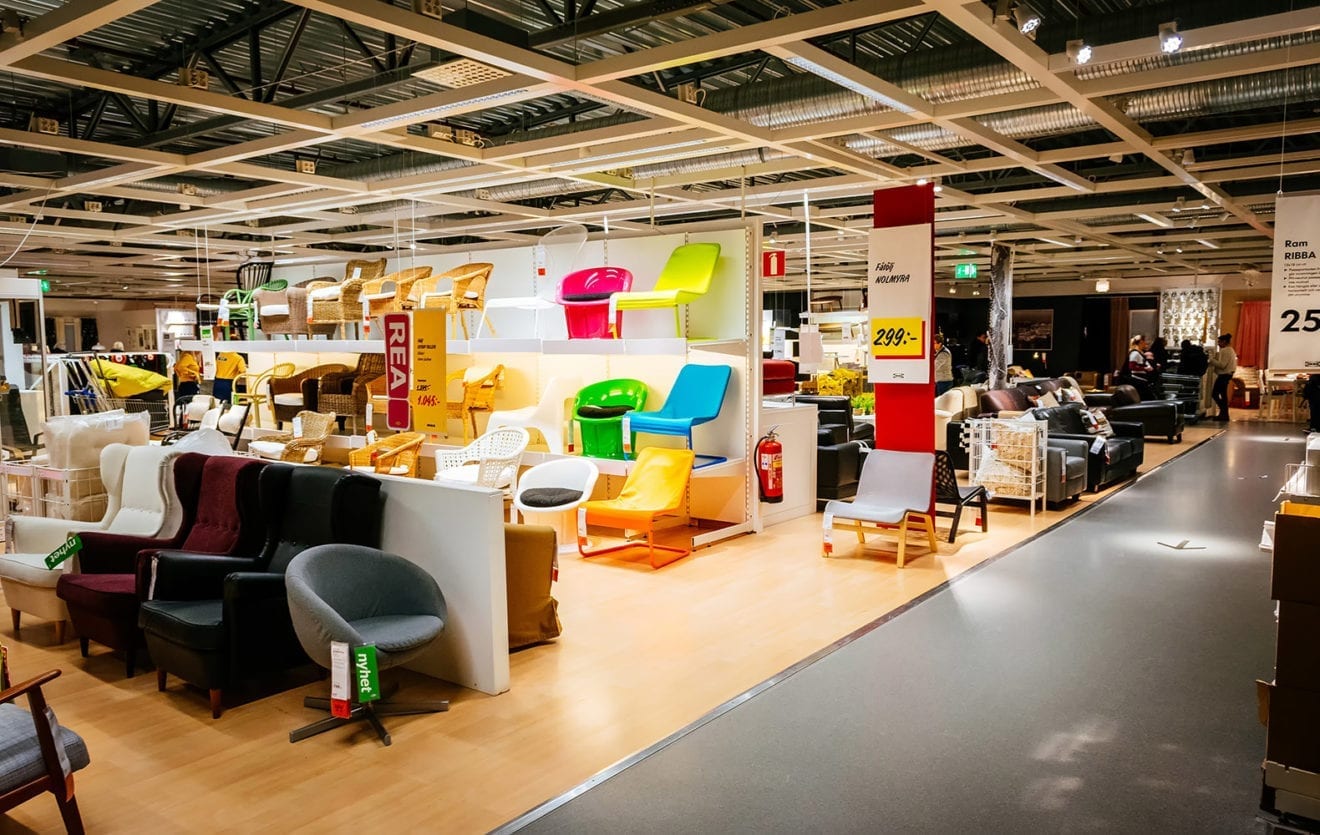
    Ikea Singapore is to open Southeast Asia’s first ‘small-store’ concept at Jem mall in the city’s west.

    The announcement today follows news last week that local department store Robinsons was vacating the space. The change of anchor is a perfect example of how consumer shopping preferences – and thus the balance of mall tenancies – is reshaping the modern retail market.

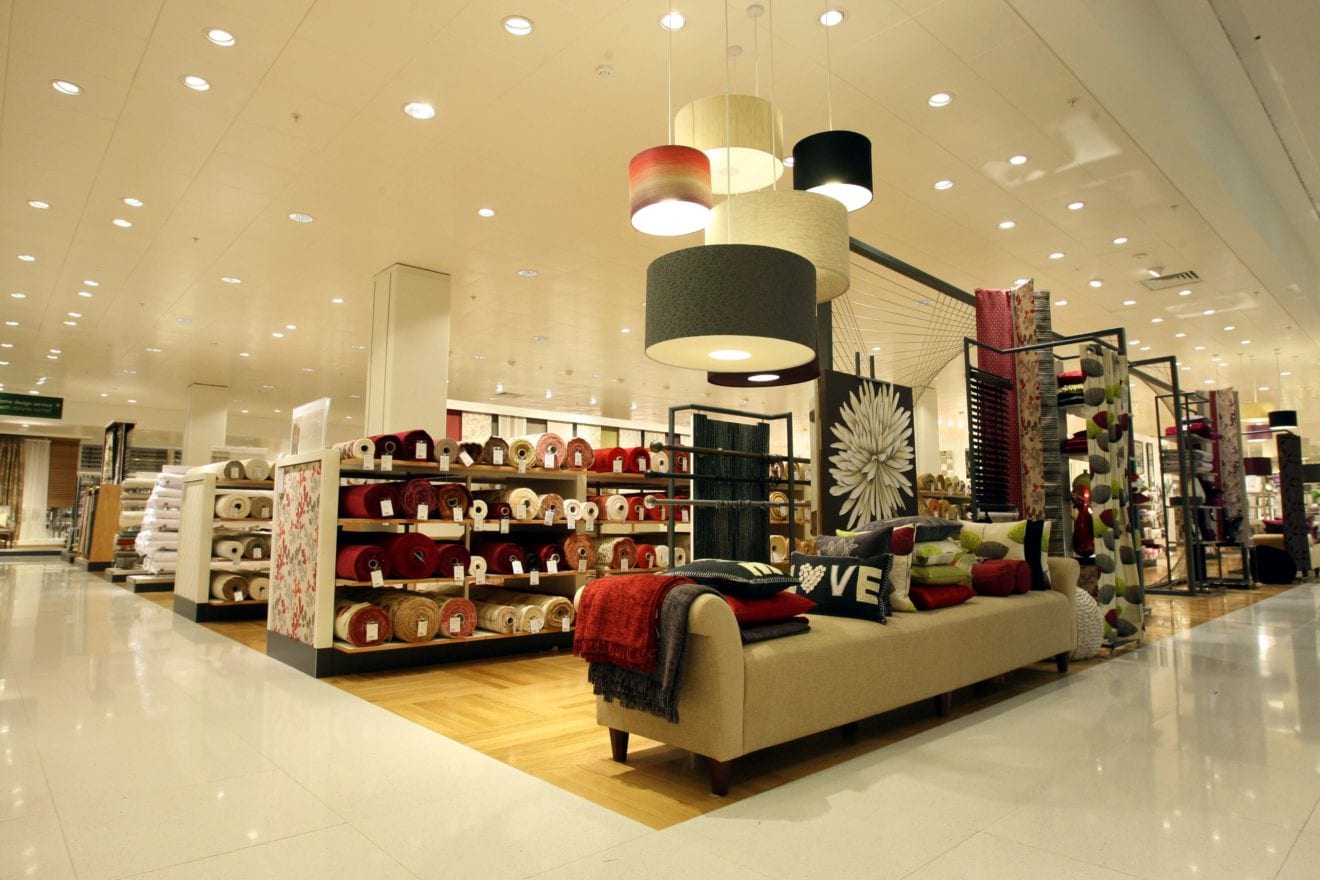
    The new Ikea Singapore store will open next year, taking up about 6500sqm across three floors of Jem, which is managed by Lendlease. It will be the Swedish furniture and home decor chain’s third shop in the city.

    “This store will bring us closer to millions of customers,” said Jaap Doornbos, Ikea retail director for Singapore & Vietnam. “This will be the first time we are establishing a smaller Ikea store format as a tenant within a shopping center in this region.”

    The ‘small-store’ concept is still relatively new globally. Unlike the giant standalone stores Ikea is known for, with their winding pathway layout, the Jem outlet will combine the full Ikea product range into one department. It will not feature a children’s playground, but will include an Ikea restaurant serving Swedish meatballs and fried chicken wings, among other items.

    “We see a bright future ahead for our store at Jem,” said Sebastian Hylving, property & expansion director at Ikea Southeast Asia & Mexico.

    “Jem is one of four malls connected to the Jurong Gateway, linked to public transport. At Jem, Lendlease has curated a combination of great F&B offer with fashion, groceries and entertainment to create an everyday meeting place for the many people.”

    Hylving says the two Ikea big-box stores, located at Tampines and Alexandra, attract almost 7 million visits each year.

    Ikea is reaping the benefits of renewed consumer interest in making homes more comfortable during the Covid-19 era, and the need for furniture and supplies needed for working from home.

    Ng Hsueh Ling, Lendlease Singapore MD and chief investment officer for Asia, said the company looked forward to bringing a first-to-market lifestyle concept to its mall.

    “We are continually rejuvenating our tenancy mix and bringing new experiences to them.”

  • First European Apple Store to reopen on Tuesday

    First European Apple Store to reopen on Tuesday

    Apple’s sole retail location in Vienna, Austria will resume operations on May 5. The company’s CEO Tim Cook had earlier indicated that the store would reopen by mid-May. Since infection rates have decreased, the country has started relaxing lockdown measures already. Per the German outlet Heute, the re-opening will be cautious, with many measures in place to ensure the wellbeing of consumers and employees.

    An Apple spokesperson has confirmed the news. The Apple Store in Austria will be the first one in Europe to resume activities after a weeks-long lockdown.

    The store will be operational for limited hours, from 11 am to 6 pm. It will remain closed on Sundays.

    Social distancing will also be practiced, which means that only a limited number of visitors will be allowed in at any given time. Others will have to queue up outside.

    The report also alleges that customers will be required to wear a mask and their fever will be checked at the entrance. Devices on display as well as the premises itself will be disinfected regularly.

    For now, the emphasis is on the provision of service and support for hardware owners experiencing problems. Consumers looking to make a purchase are advised to shop online.

    Outside of China, the Vienna Apple Store would be the first one to reopen after the company’s only store in South Korea.

    Cook has also said that a few stores in the US could reopen in the first half of May.

  • Muji Japan moves online as Covid-19 crisis closes stores

    Muji Japan moves online as Covid-19 crisis closes stores

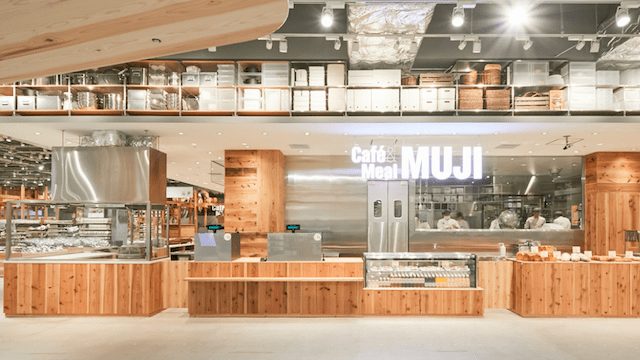
    Muji Japan has launched an online store on Amazon, strengthening its e-commerce presence as the Covid-19 crisis closes stores.

    According to the Nikkei Asian Review, the new Muji Japan online store will feature 250 items, mostly beauty products, storage containers, and cooking utensils.

    It is the first time Japan’s Ryohin Keikaku has sold Muji products via an online platform outside its own e-commerce store. With Amazon’s extensive user base, the company hopes to attract more potential customers.

    The launch with Amazon follows the closure of 280 physical stores across Japan and many others having to trade for reduced hours due to social-distancing requirements in the wake of the Covid-19 pandemic.

  • Meal kits drive strong sales and profit growth for GS Retail

    Meal kits drive strong sales and profit growth for GS Retail

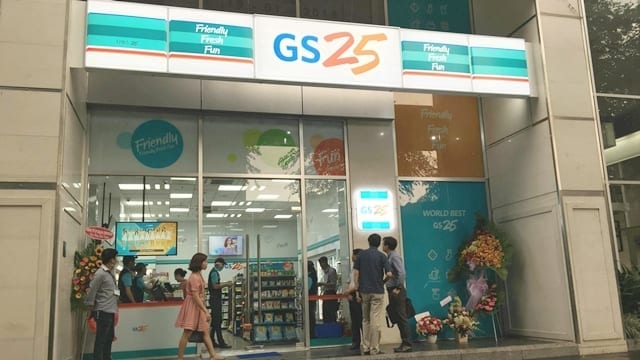
    GS Retail, which operates the South Korean convenience-store chain GS25, has reported a huge profit increase for this year’s first financial quarter, boosted by sales of pre-packed meal kits popular during the coronavirus lockdown.

    GS Retailreported a KRW88.8 billion (US$72.1 million) in profit from January to March, a 314.7-per-cent increase over last year’s figures. The result was considerably higher than the projected KRW23.9 billion ($19.5 million) profit for the period and sparked a 16.6-per-cent rise in its share value.

    A 98.7-per-cent surge in online sales was also a significant contributor to the firm’s first-quarter good fortune, with overall sales totaling KRW1.6 trillion ($1.3 billion).

    Last year, in the same period, GS Retail recorded a loss of KRW4.8 billion ($3.9 million).

  • Lotte forecasts to double e-commerce sales by 2023

    Lotte forecasts to double e-commerce sales by 2023

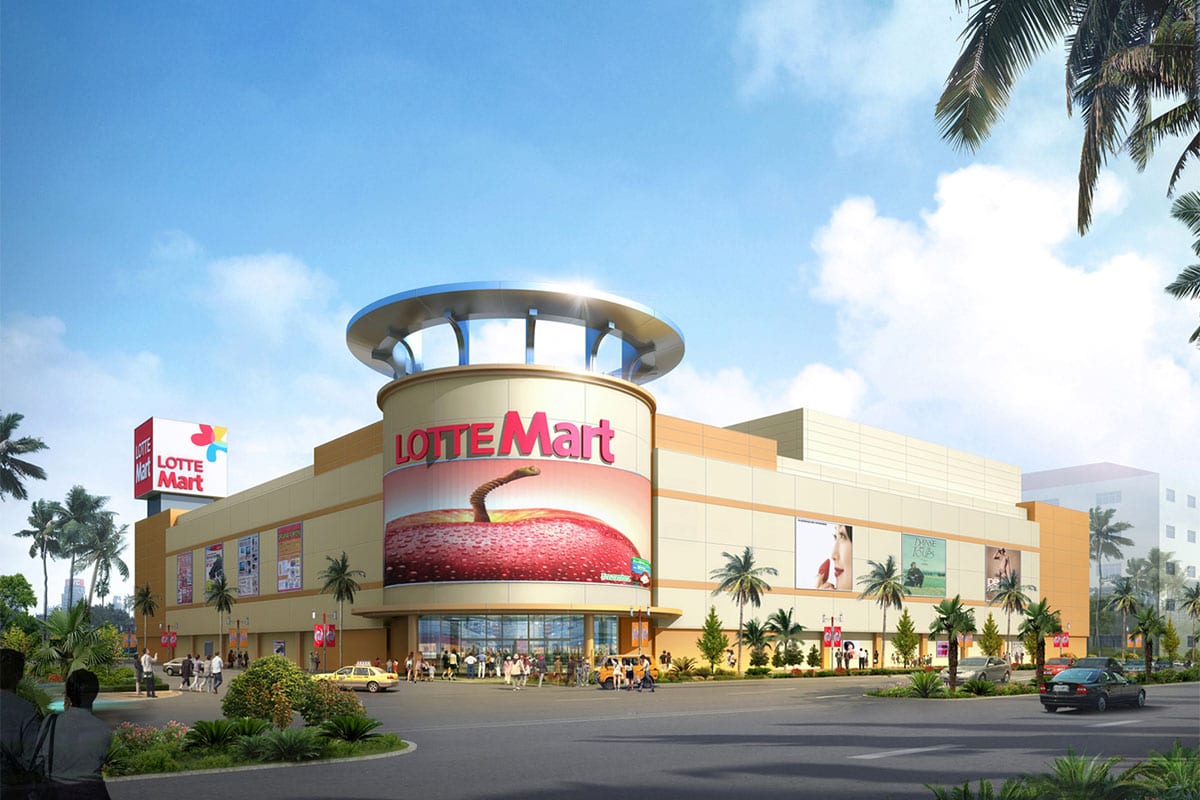
    South Korean retail conglomerate Lotte is expanding its e-commerce offering with one-hour delivery grocery services, as part of a plan to double online sales by 2023.

    The rush grocery delivery service is paired with upgrades to the firm’s product recommendations system in a move to attract higher volumes of online purchases in a market increasingly shifting to internet buying.

    Lotte is currently targeting a doubling of last year’s e-commerce sales levels to KRW20 trillion (US$16.3 billion) by 2023.

    As part of the upgrade, the firm will merge its seven online operations onto a single platform – combining convenience stores, pharmacies and department store trading with its supermarket and electronics businesses. Lotte will collect sales figures for more than 20 million SKUs under the system going forward, which will serve to improve its product recommendation algorithms.

    Rush deliveries are commencing in Seoul for rollout to other areas within the territory later on.

  • FairPrice launches mobile supermarket in Singapore

    FairPrice launches mobile supermarket in Singapore

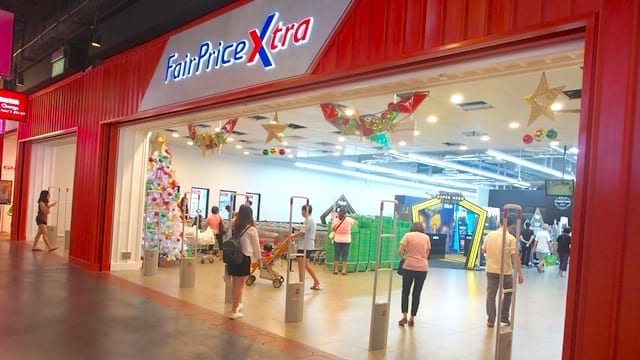
    Singapore supermarket chain FairPrice has launched a mobile grocery service dubbed ‘FairPrice on Wheels’, delivering essential groceries closer to customers’ homes.

    With FairPrice on Wheels, customers living far away from supermarkets can now buy products from FairPrice’s vans parked near their home. Essential products include rice, milk, eggs, canned products, vegetables and toiletries. FairPrice has imposed purchase limits on these products as per below:

    “While we encourage everyone to stay home during the circuit breaker period, we also understand that there may be people who do not have the option to have their groceries purchased on their behalf,” said FairPrice Group CEO Seah Kian Peng.

    “Therefore, we aim to bring daily essentials closer to their homes, especially for seniors, so that they do not have to spend too much time away from home.”

    FairPrice on Wheels is available in five locations: Commonwealth Link, Telok Blangah Crescent, Telok Blangah Rise, Kampong Glam Community Club and Jalan Kukoh. More locations will be added soon.

  • South Korean department stores restore sales campaigns

    South Korean department stores restore sales campaigns

    South Korean department stores will no longer postpone their sales programs due to the coronavirus pandemic.

    In a move analysts say is aimed at restoring turnover as the coronavirus essentially comes under control in the country, stores are looking to restore volumes which plunged last month.

    Top department stores are under pressure to clear seasonal stock after drops of 10 and 20 percent in year-on-year sales in February and March respectively.

    “The most important thing is when the new coronavirus will die out here,” Eugene Investment analyst Joo Young-hoon told the Korea Times. “As soon as Korea overcomes it, the sales of department stores here will rebound faster than that of any other sectors,” he said.

    South Korean department stores are expected to resume their expected sales events over the coming fortnight, after delays in the midst of the coronavirus outbreak and called to implement social distancing.

    The stores are running various promotional programs to attract customers while at the same time attempting to spread out visits to prevent crowds and the risk of viral transmission.

    Industry analysts have predicted a strong bounce-back in the region’s retail sector once the pandemic recedes.

    Meanwhile, in Japan, department store operators have reported their worst year-on-year sales declines on record.

    J.Front Retailing said sales at its Daimaru Matsuzakaya department store chain fell by 43 percent last month, while rival Takashimaya reported a 36-per-cent fall.

  • Don Don Donki opens second store in Thailand

    Don Don Donki opens second store in Thailand

    Amidst the Covid-19 outbreak, Japanese discount-variety store Don Don Donki has continued ahead with the opening of its latest branch in Bangkok, Thailand as part of its international expansion.

    The Japanese retailer, known at home as Don Quixote, entered Thailand in February last year, opening a Donki Mall in the expatriate haven of Thonglor.

    The new store, located at The Market mall, will retail more than 130,000 items including fresh groceries and daily necessities.

    The new branch also features its private-label Jonetsu Kakaku with an in-store dining space. However, in the short term, the branch will provide only take-away services for cooked food due to the coronavirus pandemic and government limits on cafe operations. To further adjust to the current situation, the retailer will limit the number of store entrances and exits and will control the flow of customers into the store. The temperatures of staff and customers will be checked at numerous touchpoints around the store and baskets and cashier counters will be sterilized frequently.

    Chairman Shimanuki Yosuke says the company had imported large stocks of products in advance of the opening, and before the coronavirus pandemic broke out.

    Meanwhile, in Hong Kong, the daily customer count of the company’s stores there tripled during recent weeks as locals stocked up on imported goods, unable to travel abroad.

    There are widespread rumors that Don Don Donki is about to open its fifth outlet in the territory, at Central. The news leaked out during rental leasing negotiations for nearby properties.

    Local media is reporting that the retailer has its eye on two-storey premises at 100 Queen’s Road Central, spanning 17,800sqft. Earlier reports had the company opening more stores at Tseung Kwan O and Causeway Bay, to complement its flagships in Tsim Tsa Tsui and Tsuen Wan.

  • Huawei CEO would like Google to submit its apps on Huawei’s AppGallery store

    Huawei CEO would like Google to submit its apps on Huawei’s AppGallery store

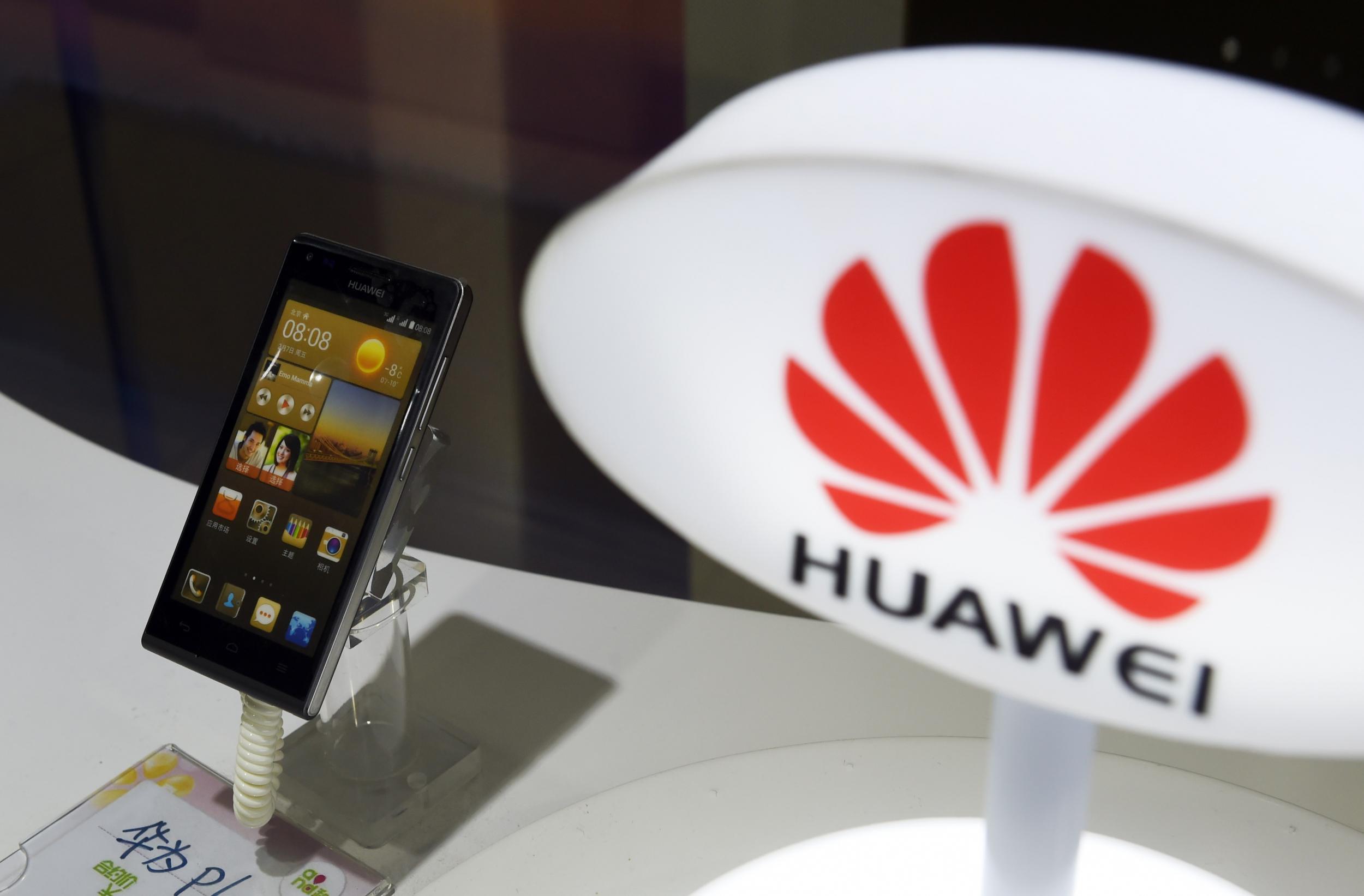
    Huawei just released its new flagship line, the P40 series, and with it promised some appealing camera-related features for smartphone photography. Unfortunately for Huawei though, last year, the US government added the China-based company to a trade blacklist, making the company unable to do business with American companies and therefore, there are no Google apps on its new flagship devices.

    However, Huawei’s CEO, Eric Xu, stated that the company hopes Google’s apps would be available in the AppGallery Store, Huawei’s version of the Google Play Store. He compared it with the case of Apple’s App Store, where Google submits its apps for Apple’s approval. If Google submits its apps on the AppGallery, this could make them available for download on Huawei smartphones.

    Although the lack of Google apps on Huawei smartphones might not be a problem for the company’s home market, given the fact that Google apps are prohibited in China, this seems like a big minus for international customers. Eric Xu said that the blacklist caused Huawei a $10 billion benefit shortfall for 2019, meaning the company’s revenue was $10 billion lower than its target.

    Last month, Google submitted a request for permission to work with Huawei, but it can take quite some time for such procedures to be completed, even if the US government was to approve Google’s request. For now, there is no prospect that Google’s apps will come pre-installed on Huawei smartphones in the near future.

  • Apple Store workers are being asked to work from home

    Apple Store workers are being asked to work from home

    Last month, a leaked internal memo revealed that Apple plans on reopening on a staggered basis, the 458 retail stores it owns outside of China. Apple hoped to start opening these locations during the first two weeks of this month, although whether this happens remains to be seen. In China, the company has reopened all 42 Apple Store locations as the country claims to be on the mend.

    While the Apple employees that man the 458 closed stores are stuck at home, Bloomberg reports that the company is asking some of them to work from home answering technical support questions as part of the AppleCare team. Those who want to participate must set up a workspace in a quiet room in their home with the ability to accommodate the 27-inch Mac that Apple will send to workers. These makeshift workspaces also must have a strong internet connection, and the employees need to go through a two-week virtual training course.

    The report notes that Apple Store employees were sent forms to fill out in order to apply for the technical support jobs. Those who aren’t interested in answering these calls from home are asked to explain why. Despite this, Apple claims that the program is not mandatory and that all of its retail employees are still getting paid their full paychecks and receiving their benefits whether they participate in the program or not.

    But those who cannot work from home have concerns. They worry that by not agreeing to answer AppleCare and technical support calls from their home, they will look bad in the eyes of their managers. To be sure, there are Apple Store employees happy to help out during the crisis although others don’t understand why they are being asked to do this work. This latter group notes that Apple already promised them their full pay and benefits just for staying home.

    While Apple had started the work from the home program a few weeks ago, over the last week it has reached out in earnest to Apple Store employees seeking to fill the gaps in the AppleCare system. On Friday, the tech giant’s retail chief, Deirdre O’Brien, said that the recruiting “has been going great.”

    Most of Apple’s engineers are working from home and Apple has been reimbursing these employees for desks and computer monitors needed to set up a home office. Apple is also sending tips to employees on how best to create an ergonomic environment. And it also is allowing, with permission from those in the higher ranks of the company, some engineers to take home unfinished hardware and software to work on. The COVID-19 pandemic is resulting in the delay of new products. Apple did launch its two new iPad Pro tablets a couple of weeks ago, although they reportedly were manufactured back in January. The budget-priced iPhone 9, originally rumored to be introduced on March 31st, is now expected to first see the light of day on April 15th with its release a week later. And today, contract manufacturer Foxconn said that it still hopes to have the upcoming 5G 2020 iPhone models ready in time for the holiday shopping season.< Apple originally closed its Apple Stores in China on February 3rd. As new domestic infections started to decline sharply in the country, Apple reopened these locations on March 13th. The very next day, all of the firm's brick and mortar stores outside of China were shuttered. At first, Apple said that those stores would be closed until March 27th, but that was later revised to "until further notice." And while the aforementioned leaked memo from O’Brien discusses reopening all closed stores this month, Apple might take a more conservative path and keep the stores closed for a few additional weeks.

  • AS Watson sales grew 7 per cent last year, despite protests

    AS Watson sales grew 7 per cent last year, despite protests

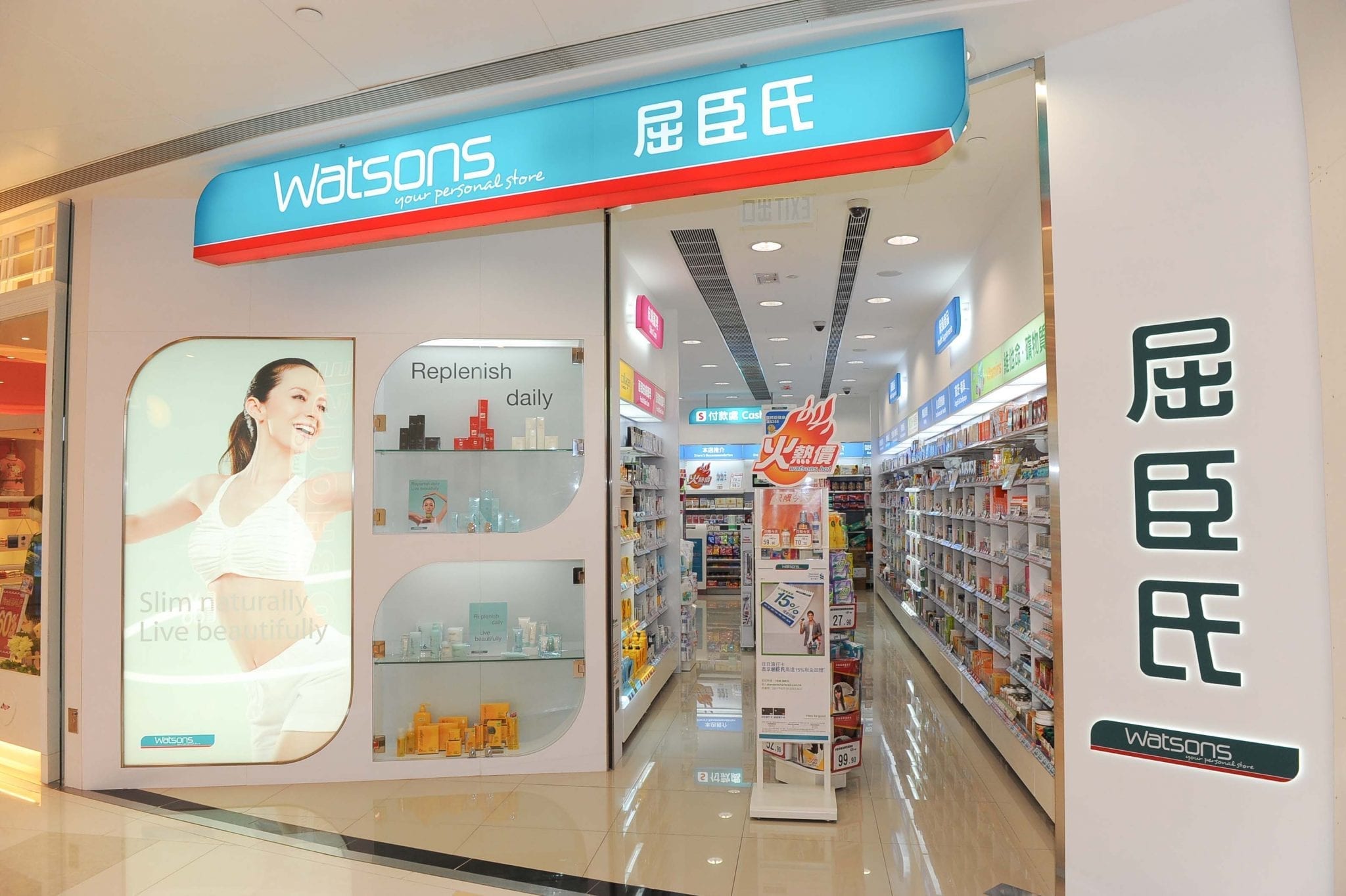
    Health-and-beauty retailer AS Watson recorded 7 percent growth last year despite the political unrest in its key Hong Kong market.

    “What’s worth mentioning is the growth of health and beauty in Asia which was significantly impacted by the social unrest in the second half of 2019,” said AS Watson Group MD Dominic Lai. “If you take it out, the rest of Asia [outside Hong Kong] was growing at 14 percent, which is very healthy,” he said in comments translated by the South China Morning Post.

    Watsons Hong Kong represented just 2.6 percent of the retail division’s pre-tax profit last year.

    The retailer operates more than 15,000 stores in 25 international markets, predominantly in the health-and-beauty category. The sector benefited from developments in digital retail, house brands and exclusive offerings, and an uptick in customer connectivity with its 137 million-strong membership base.

    The firm expects its China trading this year to be affected by the coronavirus pandemic but is confident that its profits will be sustainable profitability given its geographical diversity, strong partner relationships and loyal member base.