Tag: Store

  • Razer opens its first London flagship store

    Razer opens its first London flagship store

    Singapore and Hong Kong-backed gaming company Razer has opened a flagship store in London’s West End as it tries to boost its global reputation.

    Backed by Singapore fund Temasek with Hong Kong tycoon Li Ka-shing and founded by Singaporean entrepreneur Min-Liang Tan, Razer has expanded from its gaming-hardware roots into software and financial services.

    The new RazerStore in London is the first in Europe and the brand’s largest yet with a 3700sqft footprint. It follows stores in Las Vegas, and San Francisco in California, Causeway Bay and Tsim Sha Tsui in Hong Kong and another in Taipei. RazerStore London opened to long queues.

    Like Razer’s other stores, the British venue is almost all black with contrasting bright green throughout.

    “All in all, it’s a decent retail experience, quite dissimilar to the Apple retail stores, but in a familiar kind of way,” observed Adrian Ip of WCCF Tech in a commentary posted online.

    “Where Apple is all light colors and airy atmospheres, Razer knows its audience and is primarily targeting it at hardcore gamers so thumping music, black paint, and RGB everywhere is the order of the day.”

    Visitors can try out all the Razer goods including mice and keyboards designed for gamers, headsets and the brand’s Blade-series laptops. Accessories and a small range of apparel complement the offer.

    In the downstairs area of the store, guests can play the game Fortnite, using Razer equipment, and there is a streaming booth.

    Ip said he was told by staff that RazerStores offer the brand a physical presence in major cities to market their goods as well as get more people hands-on with their gaming equipment.

    “This makes them less reliant on reviewers, but these are no glory loss-leaders: the stores have quickly reached profitability after launch”.

    “Given London’s location as a major global city with a large and wealthy population, it seems likely that this shop should reach profitability relatively quickly too.”
  • Shops without stock draw crowds in South Korea

    Shops without stock draw crowds in South Korea

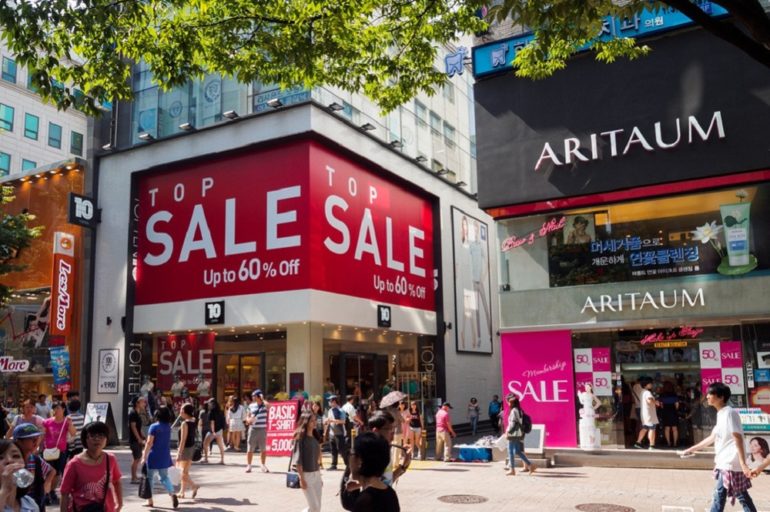
    There’s a new trend capturing South Korean consumers’ attention: shops without stock, focusing on experience rather than instant retail sales.

    With a growing number of consumers choosing and purchasing products online or on mobile devices, hands-on stores that target such customers are becoming a new marketing trend.

    Amore Seongsu, which opened in early October as a customer experience-oriented store of AmorePacific, a South Korean cosmetics giant, had surpassed 24,000 cumulative visitors as of December 5, about two months after its opening.

    At Amore Seongsu, customers can test and experience the brand’s cosmetics – but nothing is for sale in this shop without stock.

    Visitors can apply and spray products tailored to them from the beauty library, which features more than 30 brands and 2300 products from AmorePacific.

    Furthermore, Amore Seongsu offers various other services, including makeup classes, flower box- and perfume-making classes every month to encourage customers to participate.

    “We only offer customers the opportunity to check out products suitable for them at our stores, and customers purchase the products online afterward,” said an official from AmorePacific.

    Online shopping transactions of cosmetics reached 1.15 trillion won (US$966 million) as of October, up 28 percent year on year. Meanwhile, sales via mobile devices rose 32 percent to 648.8 billion won, according to Statistics Korea.

    In fact, data shows that 20 percent of customers who visit Amore Seongsu purchase products from the brand online within a week of their visit.

    In addition, AHC, a cosmetics brand operating under Carver Korea, opened its flagship store “Future Salon” in Myeong-dong, Seoul, in late October.

    American mattress maker Simmons opened a cultural complex, Simmons Terrace in Icheon, Gyeonggi Province, last year.

    Moreover, Aekyung Industrial Co, a South Korean household-goods and cosmetics maker, also launched Luna Signature, a hands-on cosmetics store near Hongdae in Seoul, in June. The two stores also place more weight on experience rather than sales.

    “We don’t put much importance on sales performance at experience stores,” a source from Aekyung said. “If we increase brand awareness by communicating with more consumers, it will lead to an increase in sales online.”

    The furniture industry, which already operated showrooms and flagship stores, has also recently attracted visitors by decorating exhibition and sales halls as cultural spaces.

    American mattress maker Simmons opened a cultural complex, Simmons Terrace in Icheon, Gyeonggi Province, last year. It has welcomed more than 100,000 visitors in just one year since its opening.

    In addition to the showroom-like shops, museums and exhibitions featuring gardens, lounges and brand stories have been set up at Simmons Terrace.

    “Customers do not purchase products immediately on site, but visitors become strong potential customers,” a furniture industry source said.

  • Stores close, jobs shed as Hong Kong retailers survive downturn

    Stores close, jobs shed as Hong Kong retailers survive downturn

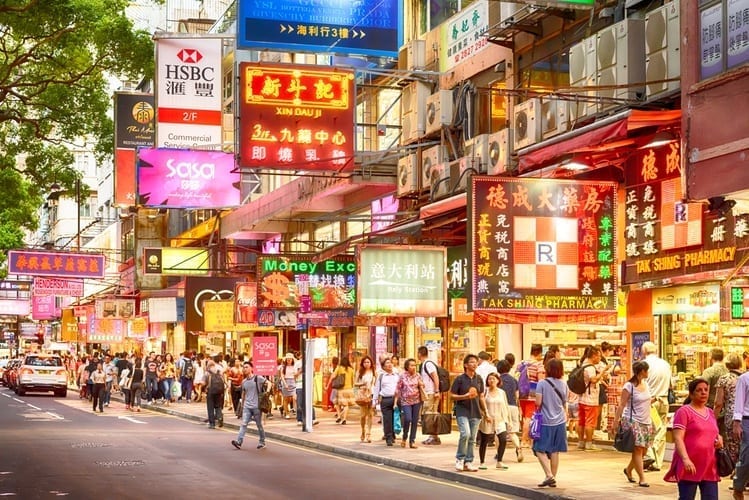
    Thousands of stores will close and 5600 jobs will be lost as Hong Kong retailers try to recover from a “severe” sales decline brought on by social unrest and declining mainland visitor numbers, according to a survey by the Hong Kong Retail Management Association.

    Conducted between October 29 and November 22, the survey revealed that 97 per cent of retailers polled have recorded losses since the protest activities began in June with the vast majority of those describing their losses as “heavy” or above moderate.

    The HKRMA said retailers planned to lay off staff if trading conditions did not improve. Based on survey responses, the association calculated that with some 270,000 people working for Hong Kong retailers currently, cuts “may exceed 5600 in the next six months”. And with 64,000 retail outlets currently operating in Hong Kong, as many as 7000 retail stores may close.

    Some companies have stated that even if they have not reached a severe level of trade decline, they anticipate closing stores within the next six months.

    The HKRMA urged shop owners to offer different rents to their retail tenants according to the degree of loss of the shop. Rent and staff costs are the biggest expenses retailers face in doing business and would naturally be the first to need adjusting to maintain commercial viability.

    Chairman Xie Qiu Anyi said rent reductions of 30 per cent were required to provide a lifeline to retailers.

    “All stakeholders need to support the retail industry in the future,” she said in a statement translated from Chinese. Currently, 80 per cent of survey respondents reported inadequate rent relief from landlords.

  • Best Mart 360 sales soar on new store openings

    Best Mart 360 sales soar on new store openings

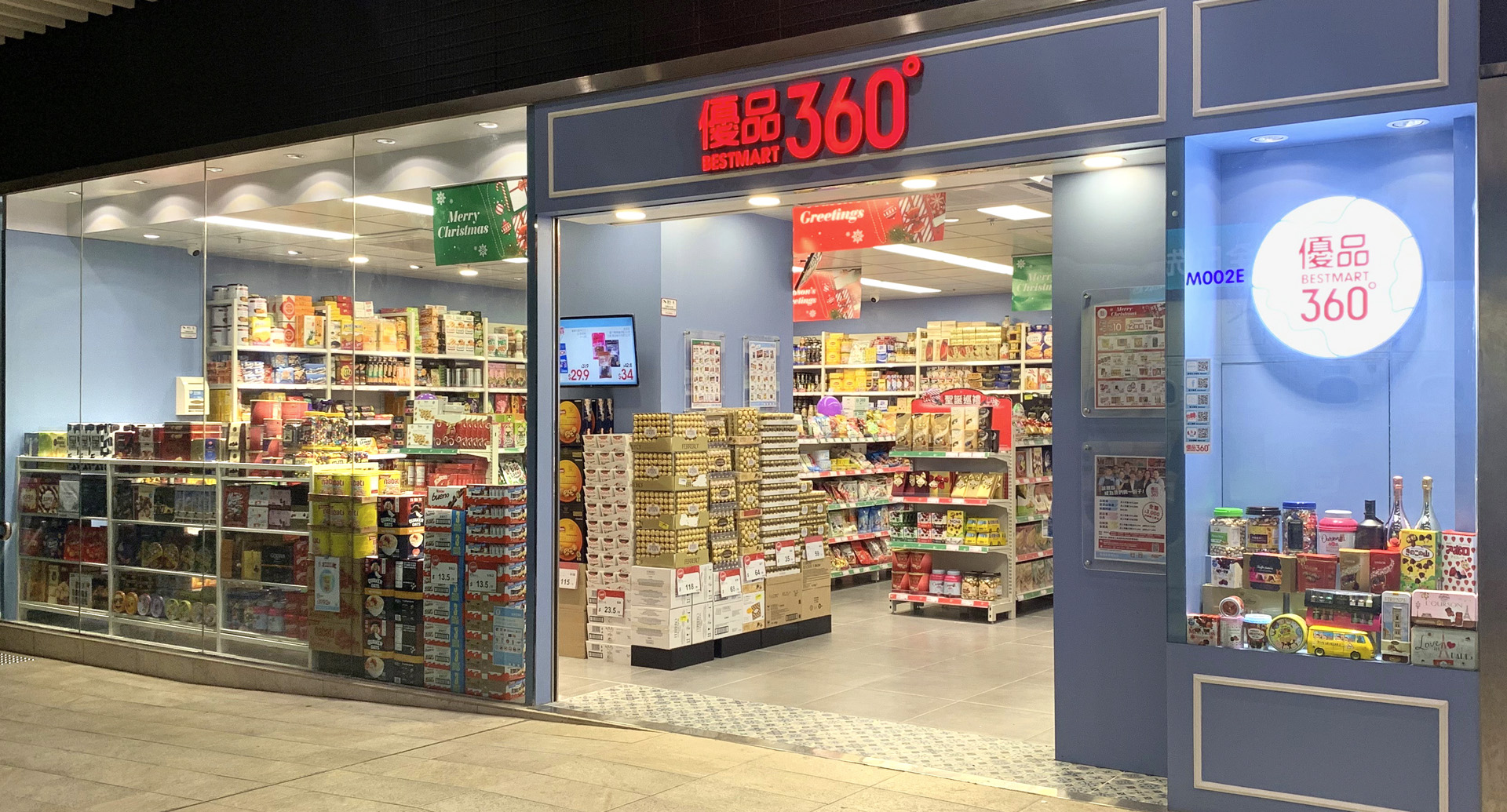
    A significant expansion in Best Mart 360’s store network has helped boost sales in the first half, despite the company being heavily impacted by protests since June.

    As at the end of September, Best Mart 360 operated 98 stores, a net 21 more than the same time a year earlier.

    It opened 14 new stores and closed five existing ones during the period, mainly due to the consolidation of stores in close proximity or upon expiration of leases.

    The self-described “leisure food retailer” reported sales growth of 14.7 percent in the first half, to HK$609.857 million, despite the headwinds caused by US-China trade tensions and a sharp decline of private consumption spending due to “the outburst of domestic upheaval in Hong Kong” in June.

    Profit attributable to shareholders slipped by 6 percent to $13.457 million, “mainly attributable to certain adverse impact on the normal business operation of the retail stores of the group caused by the recent social movement in Hong Kong,” the company said.

    Many of the company’s stores have been targeted by radical protestors who ransacked interiors and destroyed stock, claiming the company’s owners were associated with attacks on the protest movement.

    The social disorder has had a positive side for Best Mart 360, however. The group says it has received short term rental reductions ranging from 3 percent to 30 percent for periods ranging from one to six months from some landlords, in response to the deterioration in the overall business environment in Hong Kong.

  • Asus Experience Store opens in Singapore

    Asus Experience Store opens in Singapore

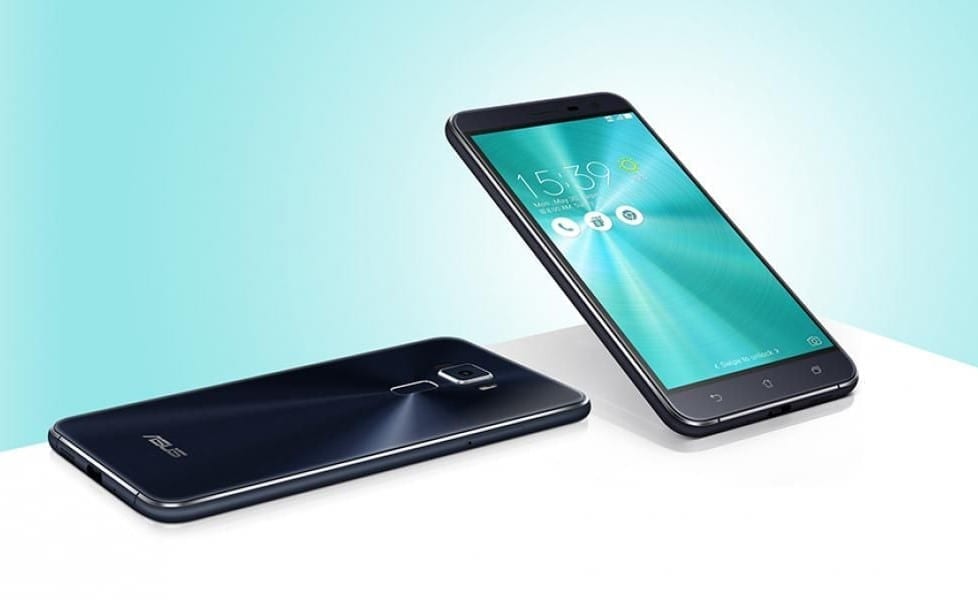
    Singapore’s first Asus Experience Store has opened on the third level of Bugis Junction.

    The 3000sqft concept area contains three separate areas: a Republic of Gaming-branded store for gaming equipment, the main showcase space for laptops and peripherals and an assistance centre for service and technical advice.

    The gaming store contains a six-station gaming network called the Battlezone, which visitors can book online to use for free. The brand hopes to hold regular events in the space to help foster the local gaming community.

    The Asus computer outlet contains the brand’s full range of workstations and hosts workshops in image and video post-production.

    Included in the Asus Experience Store is space specially dedicated to workshops where customers can learn how to post-produce images and videos or hear professional talks about Asus products.

  • Missoni opens flagship store at Singapore’s Marina Bay Sands

    Missoni opens flagship store at Singapore’s Marina Bay Sands

    Luxury fashion retailer Missoni has launched a flagship store at Marina Bay Sands in Singapore

    The 150sqm store stocks a range of womenswear, menswear, beachwear and accessories. A central product featured at the launch is the brand’s new M Missoni collection, created by designer Margherita Maccapani Missoni.

    The launch was celebrated with a cocktail party, attended by local media and celebrities as well as the firm’s creative director and president Angela Missoni.

  • Amazon opens on Pinduoduo pop up store

    Amazon opens on Pinduoduo pop up store

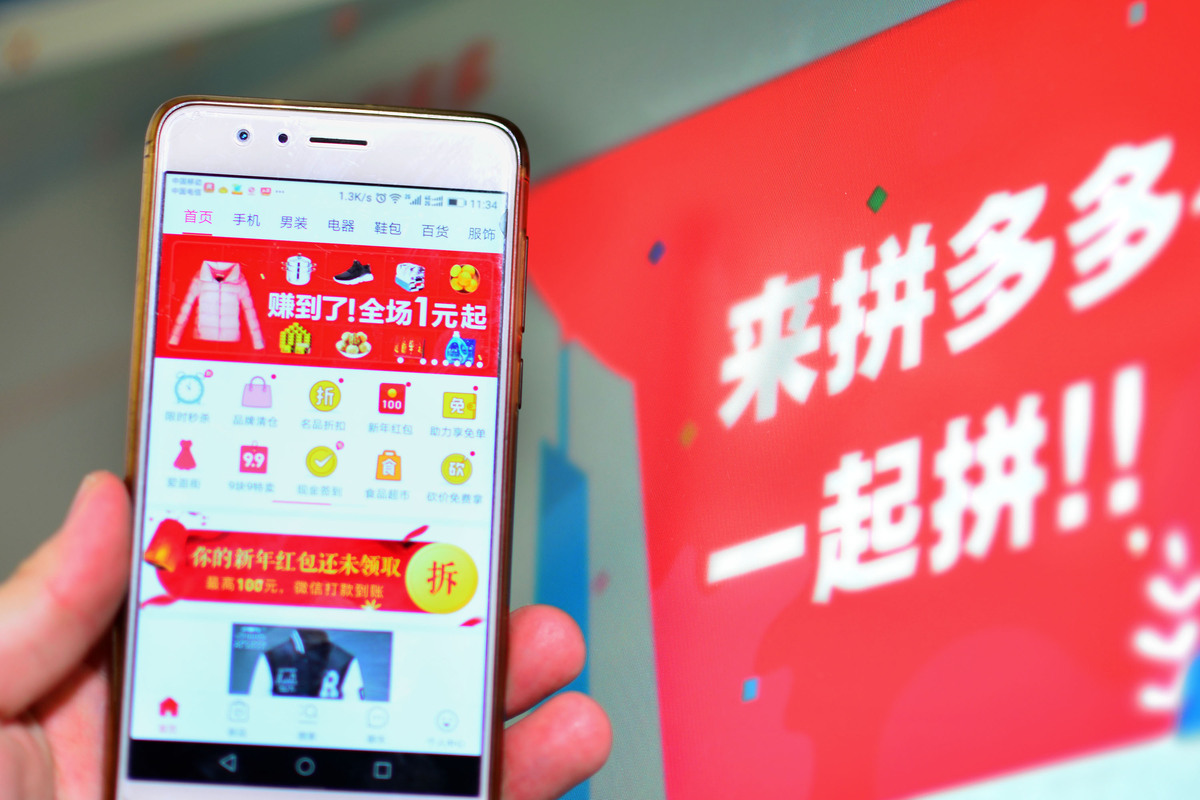
    Global online retailer Amazon is set to launch a Pinduoduo pop-up store.

    According to reporting in Reuters, the Pinduoduo pop-up store will run until the end of the year with around 1000 selected overseas products.

    Amazon recently closed its Chinese marketplace for domestic sellers and is shifting focus to products sold in the Chinese market by overseas producers, as well as offering its cloud server services.

    The decision to host its pop-up on Pinduoduo reflects the platform’s popularity with rural Chinese residents over the more established Alibaba and JD services.

    “The Amazon Pinduoduo pop-up store provides customers with a curated selection of about 1000 overseas products, with competitive prices, an authenticity guarantee and convenient shipping,” said an Amazon spokesperson.

    “We look forward to enabling customers to enjoy cross-border shopping through this store, in addition to more deals and tens of millions of products available on [amazon].cn.”

  • A golden cube houses % Arabica Hong Kong’s newest store

    A golden cube houses % Arabica Hong Kong’s newest store

    Dutch architecture studio OMA has installed a golden cube housing a cafe outside K11 Musea mall in Hong Kong.

    The “Kube” kiosk, housing artisan coffee brewer % Arabica Hong Kong’s newest outlet, also features black marble furniture and is designed to resemble a traditional dai pai dong food stall.

    “The Kube is a multifunction installation to connect people visiting K11 Musea and passersby who share a moment to be fully present to experience the city, and possibilities of encounters,” OMA managing partner David Gianotten said.

    The kiosk is coated in an anodized aluminum cladding that appears to change hue in different light conditions.

    “What David Gianotten and Rem Koolhaas’ Kube adds to K11 Musea is … more than an iconic OMA feature,” said K11 Group founder Adrian Cheng, “but a symbolic space that explores Hong Kong’s waterfront culture, coffee culture and a new way to become part of a larger community.”

    OMA is hoping the installation will be used for public events and performances.

  • AS Watson opens its 3800th Watsons store in China

    AS Watson opens its 3800th Watsons store in China

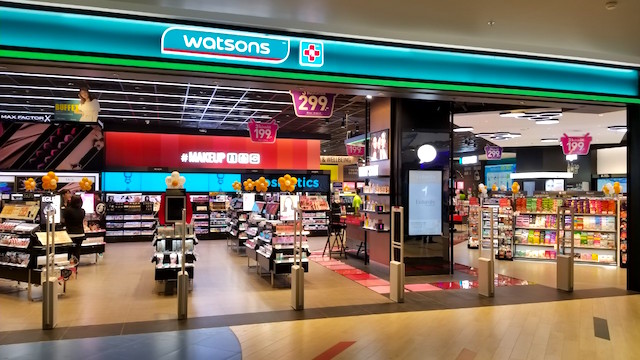
    AS Watson Group is opening its 3800th Watsons store in China.

    The new outlet is located in Kunming, the largest city in Yunnan Province, and is designed to provide one-on-one beauty services to customers supported by the fully integrated digital experience.

    “Our extensive physical store network provides unique touchpoints in over 470 cities in China, connecting us to customers through the in-store experience and digital engagement,” said AS Watson (Asia & Europe) CEO Malina Ngai. “All stores provide 30-minute ‘click-and-collect’ service and 60-minute ‘click-and-delivery’ service which are widely used and appreciated by customers. Including China, this year AS Watson Group is on plan to open 1300 new stores globally. That is, on average one new store every seven hours.”

    The new Watsons store in China, located in Living Mall of Yunnan, uses the latest retail technologies to combine online and offline (O+O) platforms. The new more than 2000sqft store is committed to providing customers with an engaging shopping experience through a wide range of Watsons offerings.

    “Building customer connectivity with our 65 million loyal members in Mainland China plays a vital role in our growth in this vibrant market,” said Watsons China CEO Kulvinder Birring. “On top of that, we have launched our Elite Card VIP program to ensure our highest-spending members enjoy the most privileged service … Going forward, Watsons China will continue to enh

  • Indonesia’s Alfamart plans aggressive Philippine expansion

    Indonesia’s Alfamart plans aggressive Philippine expansion

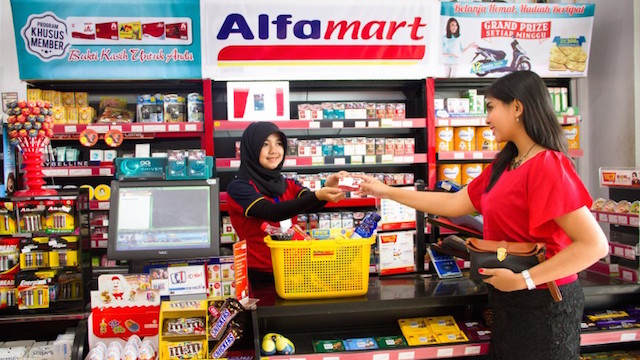
    Indonesian convenience-store chain Alfamart plans to open 100 new stores in the Philippines by year end.

    Since opening its first Philippine store in 2014, Alfamart has grown its store network to around 600 stores, which are operated by its local partner SM Retail.

    Alfamart corporate affairs director Solihin says they have set up a subsidiary named DC Properties Management Corporation, in addition to the three distribution centers, to support its expansion drive.

    In Indonesia, Alfamart currently has more than 10,000 stores, having opened its first store in 1999.

    The convenience store market in the Philippines, dominated by 7-Eleven, is forecast to continue to grow as urbanization continues at a rapid pace and consumer confidence climbs. According to SM Supermalls COO Steven Tan, “retail in the Philippines remains vigorous and upbeat”.

    “Optimism to spend among Filipinos is more than just a sentiment. We see it translating into actual consumer behavior, especially retail,” he said.

  • Miniso Hong Kong shutters retail stores

    Miniso Hong Kong shutters retail stores

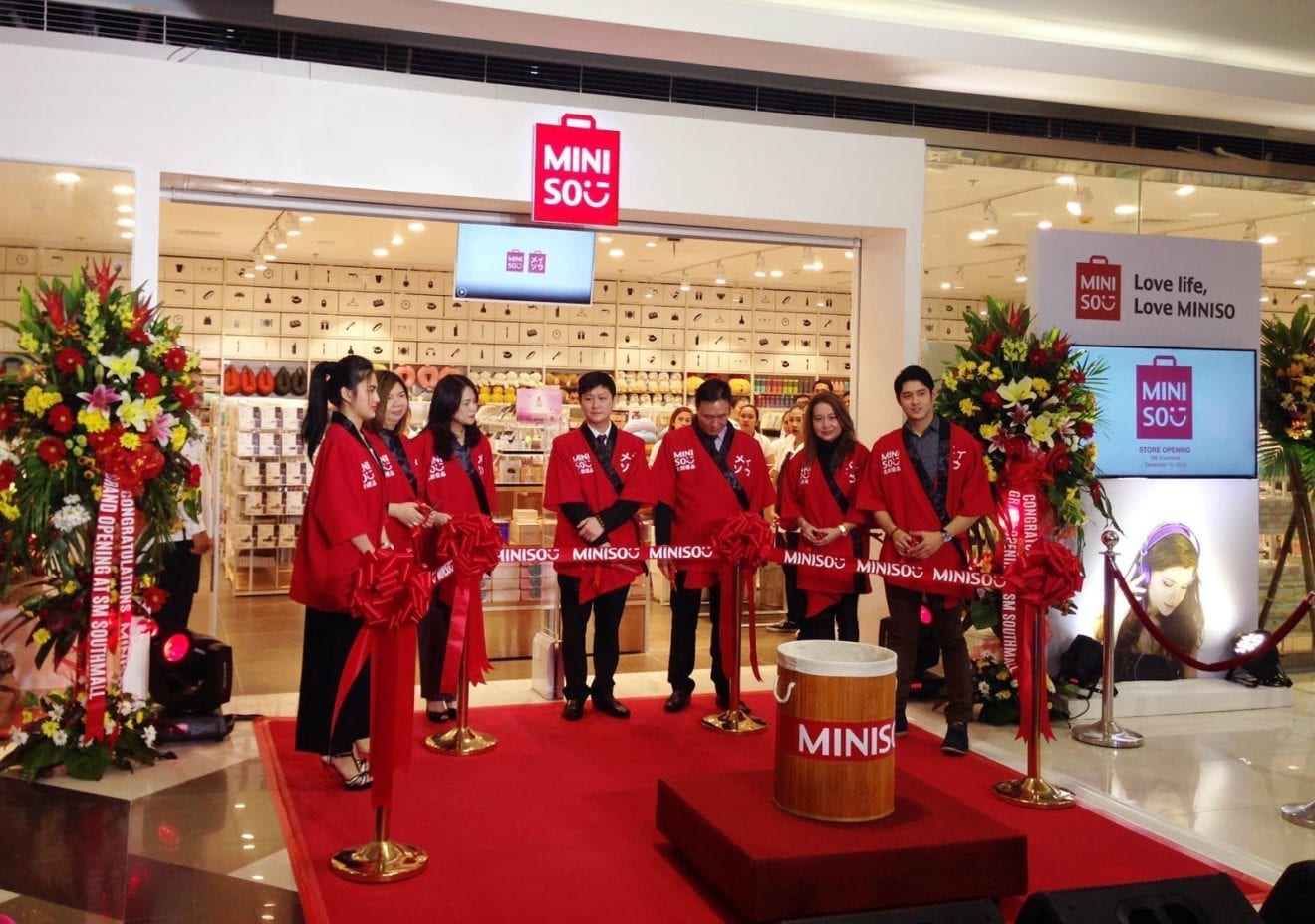
    Miniso Hong Kong has shuttered all of its 50 stores since November 14 citing ongoing protest action – and reportedly won’t be paying staff for the week.

    A leaked internal memo was sent to staff advising them of a seven-day closure and giving them just one day’s notice. According to Apple Daily, the decision was made on the basis of ensuring “employee’s safety”. However, staff members will not be paid for the enforced week off and any days of leave requested and falling due over the period will still be deducted from leave due.

    Miniso Hong Kong is one of the retailers listed by the protest movement which supporters have been asked to boycott. Store brands on the list have been targeted by protestors and graffitied for being China-owned.

    Miniso Hong Kong had already attracted negative consumer sentiment since its launch in the territory, being dubbed a ‘China copycat’ of Japanese labels Muji and Uniqlo, all the while trying to position itself in the market as a Japanese design store.

    During ongoing protests, activists have identified and categorized retailers as ‘blue’ or ‘yellow’ with the majority of the latter being supported as independent local businesses, versus pro-China large corporate chain stores.

    Whilst protestors have been actively boycotting businesses, some chains such as grocer Best Mart 360, have been vandalized. In Best Mart’s case, protestors allege the CEO is associated with the federation behind the Fujian triad gangs which have attacked Hong Kong citizens protesting against the government.

    Another company impacted is Maxim’s Group, a part-owned subsidiary of Dairy Farm International, picked on after Maxim’s founder’s daughter Pansy Ho repeatedly denounced protestors and labelled them rioters. Ho has no management role with Maxim’s Group.

    The company operates the Starbucks franchise in Hong Kong and a number of outlets have been vandalised, including one in Jordan yesterday.

  • Kenneth Cole India opens first flagship store

    Kenneth Cole India opens first flagship store

    Kenneth Cole India has opened its first flagship store.

    The American fashion house’s 1200sqft store, located at Infiniti Mall in Malad, Mumbai, carries the brand’s men’s and women’s clothing, footwear and accessories.

    Kenneth Cole India is operated by its local partner Brandzstorm, which will work with the brand to design, manufacture, distribute and retail Kenneth Cole products not only in India but also in neighboring countries including Bangladesh and Sri Lanka.

    Brandzstorm plans to open 10 flagship stores across India during the next three years, with a focus on major cities. On top of that, the company also plans to take its presence online via e-commerce platforms, as well as selling through department stores and multi-brand boutiques.

    “We are pleased to bring the brand to the Indian customer and believe there will be a high degree of acceptance from our esteemed patrons in Mumbai. The new store will provide irresistible shopping experience giving customers access to a wide choice of Kenneth Cole New York products under one roof,” says Brandzstorm MD Ujjval Saraf.

    Besides Kenneth Cole, Brandzstorm also manages brands including Giordano, Superdry and Furla in India.

  • First Uniqlo store in Vietnam to open next month

    First Uniqlo store in Vietnam to open next month

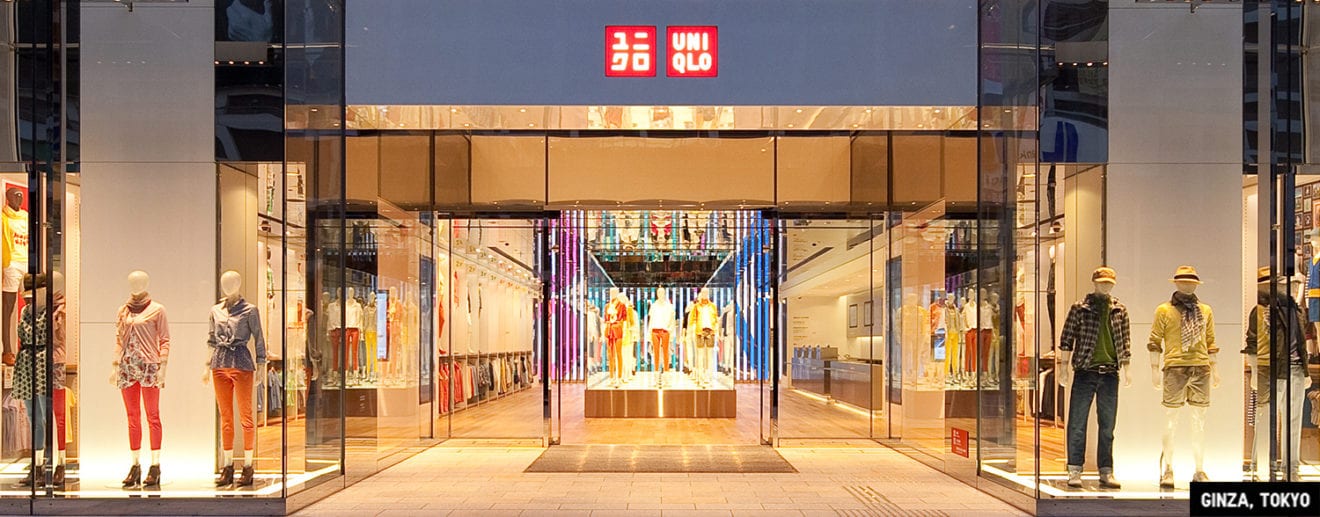
    The first store of Japanese casual wear retailer Uniqlo will open December 6 in Ho Chi Minh City’s District 1, the company said in a statement.

    The 3,000 square meter store, one of its biggest in Southeast Asia, will be located at the Parkson Saigon Tourist Plaza on Dong Khoi Road.

    Uniqlo started listing products for men, women and children on its Vietnamese website last month.

    Also last month, it began recruiting salesclerks in Hanoi, after establishing its Vietnam business with a charter capital of $8.8 million. Apparel company Fast Retailing Singapore owns a 75 percent stake and Japan’s Mitsubishi Corporation the rest.

    The brand had 213 stores in the Southeast Asia as of last year and plans to have 400 by 2022. Globally, it now has over 2,200 stores in 24 countries and territories.

    Vietnam’s fashion market is estimated to grow to over $3.8 billion this year and over $5 billion by 2021, according to BMI Research.

  • South Korean convenience store chain launches franchise in Vietnam

    South Korean convenience store chain launches franchise in Vietnam

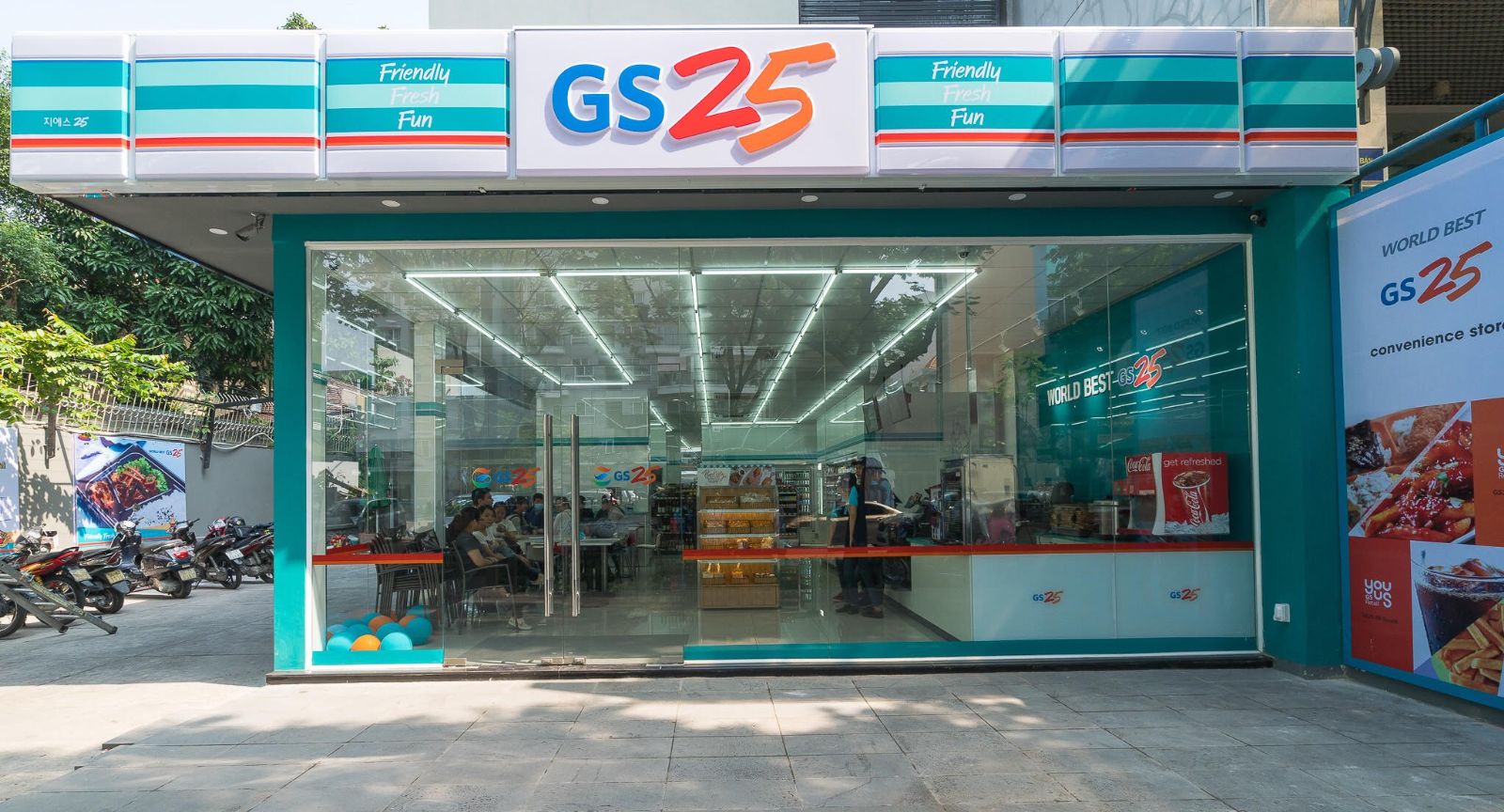
    GS25 Vietnam, a joint venture between South Korea’s GS25 and local retailer Son Kim Group, opened up its brand to franchisees beginning Friday.

    Interested franchisees can choose from one of three models offered by GS25 Vietnam: investing in a standalone store, a chain of convenience stores, or co-investing with GS25 Vietnam to open stores, said a representative of the brand.

    Franchised stores come in three models, with areas of 65-70 square meters, 100-120 square meters, or 150 square meters, respectively.

    Franchisees will have to spend at most VND2 billion ($86,260) to invest in a convenience store, and will be able to source products from major distributors in Vietnam or import South Korean goods, said Nguyen Thi Hong Trang, General Director of GS25 Vietnam.

    South Korean convenience store chain GS25 entered Vietnam in January last year, opening a store in Ho Chi Minh through a joint venture with the Son Kim Group, which operates in retail, real estate and media sectors.

    GS25 Vietnam currently owns 50 stores, and aims to open 2,500 nationwide after 10 years. Opening the business to franchisees is a major step towards realizing this goal, its brand representative said.

    According to the Ministry of Industry and Trade, on average, 1-3 retail stores are needed per 1,000 people. However, only 7,012 stores are considered modern retail stores in Vietnam.

    More than a third of Vietnamese households shop at convenience stores or mini supermarkets, with an average frequency of 10 times per year, data compiled by research firm Kantar Worldpanel shows.

    The UK-based Institute of Grocery Distribution forecasts that convenience stores in Vietnam would grow in double digits over the next four years and account for 37.4 percent of retail revenue by 2021

  • H&M unveils small format retail stores in Berlin

    H&M unveils small format retail stores in Berlin

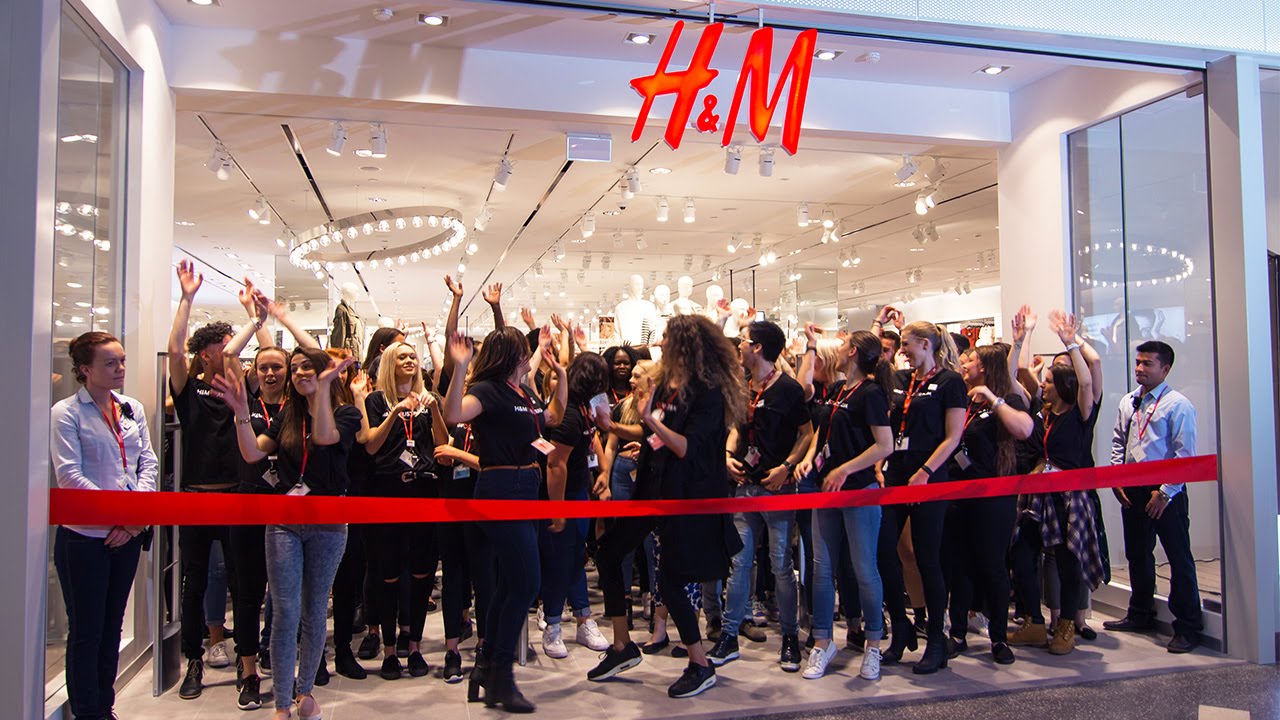
    Fashion retailer H&M has opened a new ‘hyper-local flagship’ in Berlin’s creative Mitte Garden district.

    The 300sqm store, one of the brand’s smallest worldwide, offers curated womenswear, selected external brands, vintage pieces and a showroom for customers. It features curated fashion from H&M’s own assortment as well as selected external brands, most of them Berlin-based.

    The selected assortment is paired with a digital tool offering H&M’s full range where customers can browse and build their looks on their own or aided by a stylist.

    “It’s a test for us as a global retailer to elaborate around how we can be more personal and locally relevant,” said H&M Group laboratory business developer Anna Bergare.

    H&M Mitte Garten will regularly offer events such as lectures, fashion talks, and yoga for its customers. Upcoming trends and looks will be presented in the public showroom. Here consumers can try on and borrow pieces to make sure their future purchases are consciously made.

    “This is a unique location and it has served as a meeting place for Berliners for more than 100 years,” said H&M Germany country manager Thorsten Mindermann. “[It’s] a tradition we want to honor. We aim to offer a neighborhood store serving as a platform for local and global talents within retail, culture, and art.”

    Rentals move in Sweden

    The opening comes as the brand gets ready to debut clothing rentals in its Stockholm flagship store. The brand is offering the chance to rent selected party dresses and skirts from its 2012–2019 Conscious Exclusive collections to members of its customer loyalty program.

    “We have looked at clothing rental for quite some time and are so happy to for the first time soon offer fashion fans the possibility to rent some stunning pieces from our Conscious Exclusive collections,” H&M said head of sustainability Pascal Brun. “We look forward to evaluating this as we are dedicated to change the way fashion is made and consumed today.”

    Members will be able to rent up to three pieces a time for a week at a cost of around SEK350 (US$36) per piece.