Tag: Store

  • Uniqlo Vietnam opens new store in Ho Chi Minh City

    Uniqlo Vietnam opens new store in Ho Chi Minh City

    Uniqlo Vietnam is to open Ho Chi Minh’s second store this year despite the coronavirus outbreak.

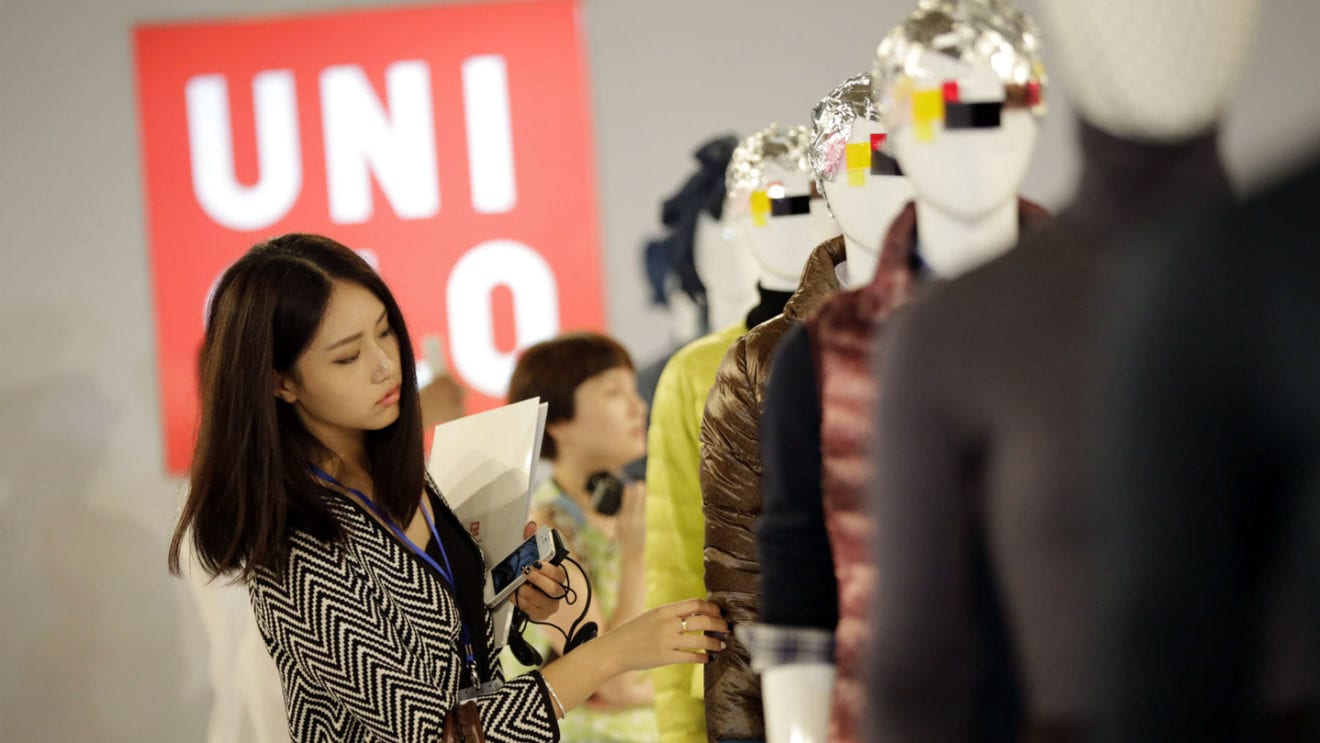
    Located at SC Vivo City shopping mall in District 7, the city’s second Uniqlo Vietnam store will occupy more than 2000sqm of area, featuring its LifeWear products for males, females and kids.

    The opening date has yet to be disclosed, but the store is expected to open this spring/summer with the interior fit out well underway.

    “We are aware of the huge demand from Vietnamese customers for Uniqlo products,” said Osamu Ikezoe, Co-CEO of Uniqlo Vietnam. “We are excited to open the SC Vivo City store to introduce our fashion philosophy LifeWear to our customers.”

    Osamu said Uniqlo Vietnam plans three more stores this year. According to a prior company statement, the brand aims to operate at least three stores in Hanoi and eventually reach up to 20 nationwide.

    Earlier this month, Uniqlo Vietnam made its Hanoi debut, attracting more than 2000 people on its opening day.

  • Isetan Mitsukoshi closing down Ebisu department store

    Isetan Mitsukoshi closing down Ebisu department store

    Isetan Mitsukoshi is to close its 26-year-old Ebisu department store next year after failing to turn around mounting losses.

    The downtown Tokyo store will close in March or April and the company will redeploy all of its staff to other stores.

    The closure is the latest in a long string for the troubled retailer which since 2008 has reduced its network from 29 to 21. With a stagnant economy and Japan’s aging population, many large-scale retailers are finding it tough to maintain growth and some are looking offshore for opportunities.

    The company has spent two years progressively refurbishing the 18,000sqm Ebisu Mitsukoshi department store, with a special focus on its food and cosmetics departments. But the changes failed to draw enough customers to make the store viable.

    When it opened at the Yebisu Garden Place commercial center in downtown Tokyo, the store was expected to tap into a large catchment of nearby condominium residents. However, since the late 1990s, other retail developments have opened nearby, drawing customers away.

    News of the closure was broken by the Nikkei Asian Review, which says the board reached a decision this week and a formal announcement will be made by the end of this month.

    Negotiations over an orderly exit from the space have been underway for the last two years.

    “The facility has likely posted several million dollars in operating losses a year for the last two to three years,” Nikkei reported.

  • Starbucks Japan launches Smart Lounge railway station concept

    Starbucks Japan launches Smart Lounge railway station concept

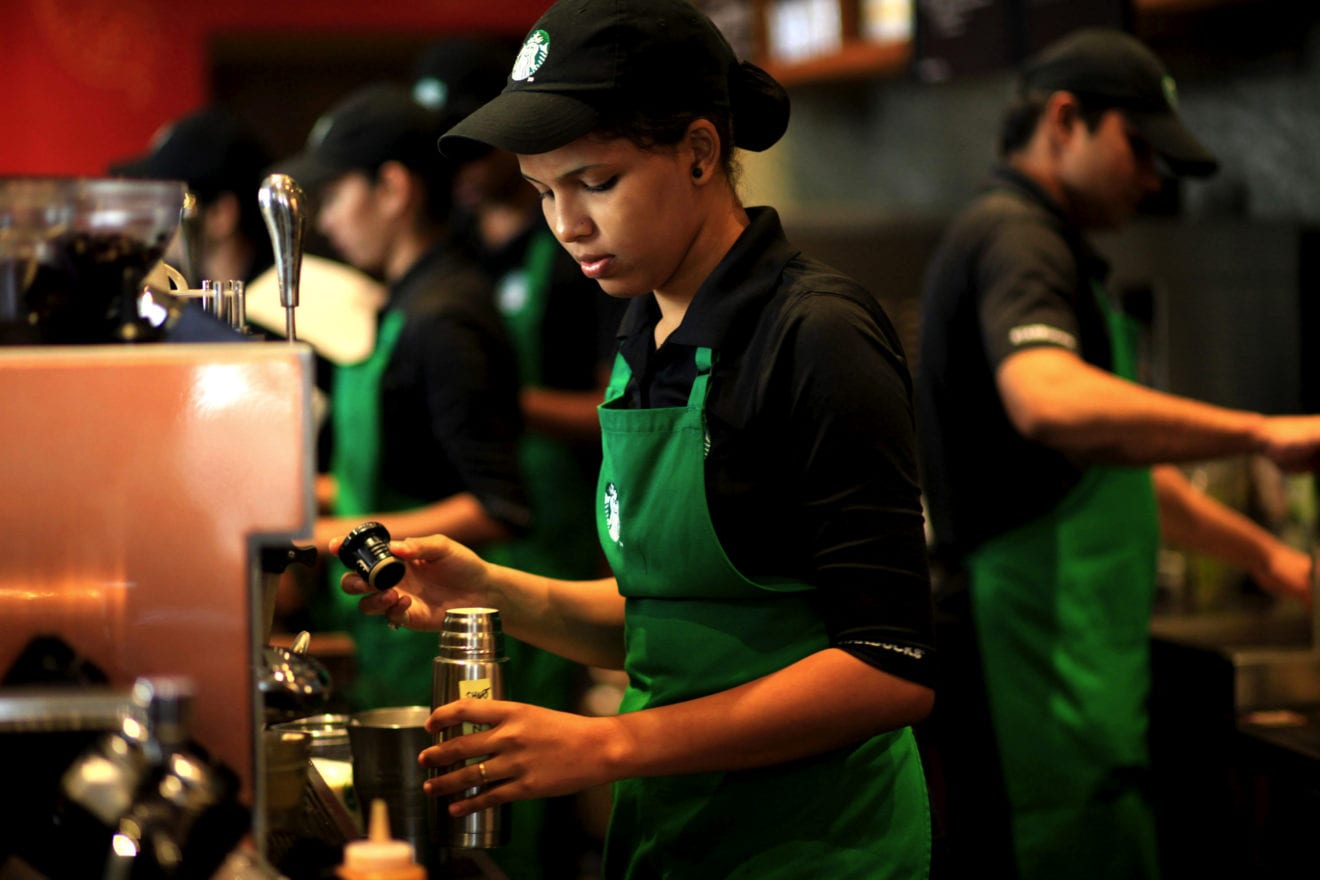
    Starbucks Japan has launched a new concept store in collaboration with railway operator JR East.

    The “Starbucks Coffee Takanawa Gateway Station” opened yesterday, introducing its Smart Lounge concept – a store space focused on business use. The store features numerous semi-private and single-seat seats to meet the needs of using a cafe for work purposes as well as a large table used for meetings with multiple people.

    Two fully-private booth-style share offices are provided within the store. Power outlets are available for all seats, and the store also operates a mobile battery sharing service. Wifi is available throughout the premises.

    The cafe also specializes in speedy cashless payment via Starbucks Card and Suica, among other e-payment platforms. Via a dedicated app, it allows customers to settle orders in advance and receive products smoothly at stores, designed to allow more effective use of time and reduction of waiting time at cash registers.

    “Starbucks has more than 1500 stores nationwide and connects with 800,000 customers a day,” said Starbucks Japan head of store development Kazuhiro Ishihara. “Each store has its own personality and expression that reflects the locality and needs of each individual.

    “At the Takanawa Gateway Station, we provide a smart and comfortable experience that suits its location and purpose, and integrates with people’s lives to create a future city that no one has yet seen. We aim to be a store and base that can be created with people.”

    Takanawa Gateway Station is situated in Shinagawa town, a new urban area under development that aims to be a new gateway to Tokyo.

    JR East aims to operate 30 shared office spaces by the end of the financial year.

  • Inditex closing down 800 outlets worldwide

    Inditex closing down 800 outlets worldwide

    Spanish apparel retailer Inditex has temporarily shuttered almost 3800 stores in 39 markets internationally in the midst of the coronavirus outbreak.

    All Inditex locations in its home territory are currently closed for business.

    Affected stores include Zara, Pull & Bear, Massimo Dutti and Bershka-branded outlets, sales at all of which have been strongly affected by the virus.

    Retail takings for the group dropped 24.1 percent in the first fortnight of March.

    While the firm stated it is too early to predict the ultimate impact of the outbreak on its business, Inditex expressed confidence in its business model to weather the crisis, even as European countries begin to enforce government-mandated lockdowns.

    The firm has set up remote working systems at its Spanish head office and closed gym and bus services.

  • Kikki.K needs to be saved

    Kikki.K needs to be saved

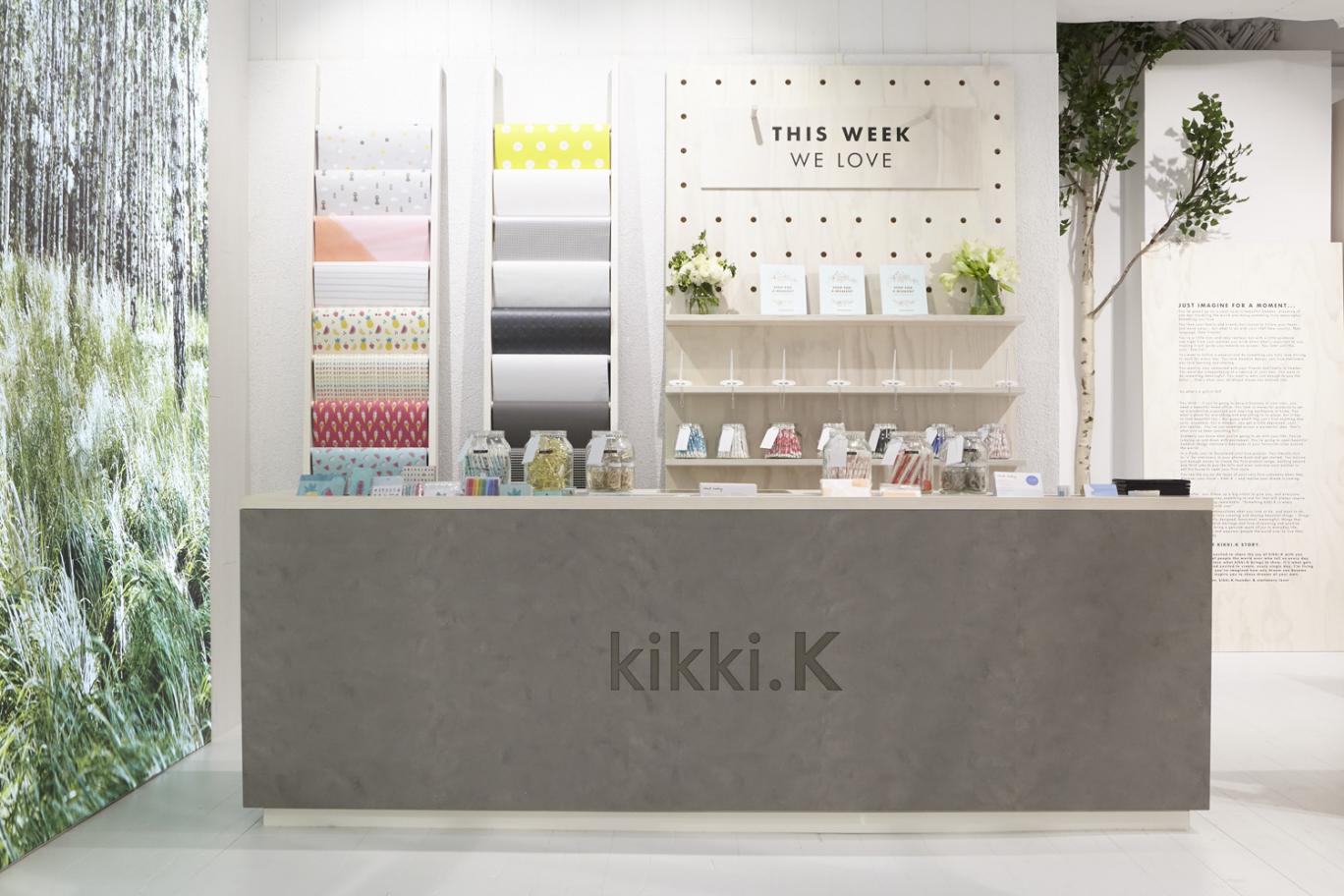
    Twenty-four hours after it announced that it was going into voluntary administration, nine potential partners approached lifestyle and stationery brand Kikki.K last week, according to emails viewed.

    “We remain truly optimistic and excited re: one key partnership deal, in particular, we’ve been working on for over 12 months  – they’re beavering away full steam ahead,” wrote co-founder Paul Lacy in the email.

    According to a statement Kikki.K sent out early in the week, the brand got caught “in a perfect storm” of circumstances, from suffering the impact of Brexit during its UK store rollout to the Hong Kong protests, a subdued Christmas, the disastrous Australian bushfires and now, coronavirus.

    “There is still an amazing business opportunity with 3.7 million loyal customers on our database, over 20 million people a year visiting our physical and online stores and strong opportunities for growth into new product categories,” said founder Kristina Karlsson. “But obviously it requires a big re-set and a buyer who understands the opportunity.”

    Shortly after the announcement was made, Kikki.K’s head of retail Alana Hose said store sales went up 94 percent and according to the brand, a few days later, the week ended 50 percent above target Australia-wide. Online revenue rose by 470 percent at one stage.

    Kikki.K has 450 full-time equivalent employees and $70 million annual revenue with 65 stores in Australia, the UK, New Zealand, Singapore and Hong Kong.

  • Apple closing all stores worldwide outside China

    Apple closing all stores worldwide outside China

    Apple has closed all its stores outside of Greater China in response to the coronavirus outbreak.

    According to a company statement, all of Apple’s retail stores outside China will be closed until March 27 however, its online store and “Apple store” app remain open.

    Apple CEO Tim Cook said the company’s experiences while trading in China earlier this year drove the decision.

    “One of those lessons is that the most effective way to minimize risk of the virus’s transmission is to reduce density and maximize social distance,” the company said in the statement.

    Apple said in all its offices outside Greater China, it is moving to a “flexible work arrangement”, which means team members will work remotely if their job allows. All hourly workers will continue to be paid “in alignment with business-as-usual operations”.

    Apple shut down all its stores in Mainland China in early February when the country was heavily affected by the outbreak. Recently, it has progressively reopened stores and all 42 outlets in Mainland China have now resumed normal business.

  • Eslite to close famous Dunnan store in Taiwan

    Eslite to close famous Dunnan store in Taiwan

    Taiwanese bookstore chain Eslite will shutter its 24-hour Dunnan shop in Taipei when the store’s lease expires at the close of May.

    The bookstore, which has remained popular with backpackers visiting the city since its opening in 1999, was slated for closure after the operators failed to agree on a lease extension with the landlord.

    Given the popularity of the venue, Eslite has committed to continue its 24-hour trading at an alternative location.

    The closure will follow that of another outlet in Tainan’s Anping District at the end of this month, also due to an expired lease that will not be renewed.

    The 30-year-old chain is well known for its unique fusion retail business model as a bookstore, mall and cultural creative platform. It has overseas outlets in Hong Kong, Mainland China and Japan and is reportedly considering expansion into Malaysia if it can find a local partner.

  • Starbucks opening signing store in Tokyo

    Starbucks opening signing store in Tokyo

    Starbucks Japan is to open its first signing store in early Summer 2020 in Kunitachi City, Tokyo.

    Launched for the convenience of the deaf and hard of hearing, the new Starbucks outlet will provide service to customers in Japanese Sign Language. Signing stores have previously opened in Malaysia, Washington DC, and China. The store will be the first of its kind in Japan and the fifth globally.

    Deaf and hard-of-hearing staff will work alongside hearing partners to provide service to customers. The store is located close to a school for the deaf.

    A statement from the firm read “Starbucks aspires to become a people positive company where we uplift each other, our customers, and the communities we serve. Since 2018, Starbucks Japan has taken a ‘no filter’ approach to diversity and inclusion to create a place of belonging where partners can bring their best selves to work, without prejudice, assumption or bias toward race, age, gender, position, employment status, disability, personal values, or any other basis.”

  • Pet Lovers Centre flourishes in the Philippines

    Pet Lovers Centre flourishes in the Philippines

    The Philippines’ Robinsons Retail will open its fifth Pet Lovers Centre (PLC) this year following its strategy of broadening its retail focus beyond fashion.

    The latest pet shop is scheduled to open in the third quarter of this year in Robinson Place Palawan.

    Pet Lovers Centre has grown after Robinsons Retail Holdings secured the license from the Singapore-based pet store chain last October with the first shop opening in Robinsons Galleria in Metro Manila.

    The store has selections from local and international brands that caters for different pets and their needs. It also has a section dedicated to aquarium hobbyists, featuring tropical fish, ornamental shrimp, freshwater aquatic plants and nano-tanks.

    Christine Tan, senior marketing manager, Pet Lovers Centre, said that nowadays pet owners see the company they buy supplies from as part of their ecosystem. The brand’s rapid expansion in the Philippines attests to the fact that PLC is resonating with pet owners there.

    “The PLC brand is about an award-winning shopping experience that translates the love and passion for pets into true value. We do this by offering pets and pet lovers quality products and services, highly accessible care and fun experiences.”

    She added that this includes the widest and freshest range of products pet owners can find with prompt, friendly and helpful service as well.

    Other Pet Lovers Centre stores are located in Robinsons Magnolia Mall and UP Town Center in Metro Manila and Robinsons Galleria in Cebu City.

    The pet retail and service chain was founded by David and Robert Ng in 1973 and has a network of more than 100 stores across Southeast Asia.

  • Xiaomi shutting down UK Mi store

    Xiaomi shutting down UK Mi store

    Chinese smartphone brand Xiaomi shuttered its one and only UK Mi store last week in Westfield London after a mere 15 months of operations.

    In a statement, a spokesperson for Xiaomi said the adjustment to the company’s local retail strategy is a reaction to its fast-growing business in Western Europe.

    “Since our official arrival in the UK over one year ago, we have loved building relationships with our users, Mi fans and partners and thank them all for their support.”

    Though the company gave no specific reason for the closure, the UK Mi Store was notorious for stock shortages and for charging higher prices than its online channel. The store’s low patronage and an attempt to cut costs to focus on its other new Western European markets most likely attributed to the reason for its exit.

    Xiaomi entered Western Europe through Spain in 2017, followed by France and Italy shortly after.

    Xiaomi’s UK Twitter account has been deactivated since the store closed and Westfield London’s website has been updated with a disclaimer that the Mi Store is no longer trading. However, Xiaomi products are still available for purchase through UK partners including Amazon, Three and Mi.com.

  • Seven & I drops Speedway US bid

    Seven & I drops Speedway US bid

    7-Eleven operator Seven & I has canceled its plans to purchase the American petrol station chain Speedway.

    The deal was terminated because the expected asking price of around US$22 billion was considered too pricey by the group’s board of directors. The acquisition was hoped to be a vehicle for the group’s expansion in the US with Speedway’s approximately 4000 locations coupled with convenience stores.

    A report in Nikkei suggested factors implicated in the canceled deal could include the risk of significant loss if revenues failed to meet expectations and the potential decline of the industry in general in the age of online shopping

    The American convenience store chain has been wholly owned by Seven & I since 2005. It currently has around 9000 outlets.

  • Apple promised first Apple India store next year

    Apple promised first Apple India store next year

    Apple CEO Tim Cook says the first Apple India store is on track to open next year.

    Cook made the announcement in response to a question at the firm’s annual shareholder meeting. The company’s plans for the region have been anticipated for some time, following the relaxation of government regulations affecting foreign retailers, easing the requirements of local sourcing and scrapping a law making it mandatory for brands to open physical stores before launching online.

    Apple has already taken steps to manufacture products in India, partnering with Taiwanese company Wistron to make the iPhone 6S and 7 models there.

    In May last year, the company said it was shortlisting sites for the first Apple India store in the commercial hub of Mumbai.

    “India is a very important market in the long term,” said Apple CEO Tim Cook in a statement earlier last year. “It’s a challenging market in the short term, but we’re learning a lot. We plan on going in there with sort of all of our might.”

    Rushabh Doshi, an analyst at global research firm Canalys said last year that having its own flagship stores might be just what Apple needs to reinforce its premium image.

    “A store just before the next launch will be the perfect timing for Apple to restart its Indian growth story.”

  • 7-Eleven Malaysia hits all time sales record

    7-Eleven Malaysia hits all time sales record

    7-Eleven Malaysia set a full-year sales record last year after revenue rose 6.4 percent to $33.76 billion.

    Much of the growth came from network expansion, but same-store sales rose 2.5 percent, despite declining cigarette sales. The company opened 165 new stores last year, 41 of those in the last quarter, taking its network to 2411. Other factors were higher footfall and an increase in the average transaction. Fresh-food sales grew more than 28 percent year on year.

    Profit attributable to shareholders was up 5.4 percent.

    7-Eleven Malaysia CEO Colin Harvey said the company had kept costs in check, reducing them from 29 percent of turnover to 28.4 percent, despite an increase in the minimum wage.

    “We are confident that continuous implementation and improvement of our strategic roadmap in strengthening the key areas of assortment, supply chain, operational excellence, store base and digitally enabling the organization will continue to deliver positive results despite challenging headwinds,” he said.

  • South Korean convenience stores in delivery-service battle

    South Korean convenience stores in delivery-service battle

    Competition among South Korean convenience stores over delivery services is heating up.

    One chain, GS25, recently launched delivery services from seven stores in Seoul in partnership with food-delivery service Coupang Eats operated by e-commerce giant Coupang.

    First of all, the South Korean convenience store company plans to implement delivery services through Coupang Eats at seven stores in Seoul before expanding the scope of the service to franchise stores nationwide.

    Through the service, customers can receive about 200 products at home, including prepared lunches, sandwiches, and beverages that are being sold at convenience stores.

    Meanwhile, GS25 had already launched a delivery service for store products in cooperation with another delivery company, Yogiyo, in April of last year.

    It is running a pilot project at 10 direct management stores, and the service has been especially popular with workers during lunch and dinner time. In the nine months since the service was introduced, the monthly average number of orders reached 3000.

    Furthermore, CU, another convenience store chain, is also working with Yogiyo to provide delivery services at 3000 stores across the country.

    CU plans to increase the number of delivery service stores to 5000 within the first quarter and introduce around-the-clock delivery at some stores centered in the Gangnam area.

    Emart24, a convenience store chain run by large discount store chain E-Mart, on the other hand, has also joined the market by offering delivery services at 35 stores since earlier this year.

    South Korean convenience stores are scrambling to expand its delivery service area due to a growing number of customers accustomed to online orders and deliveries.

    The delivery service also serves as a growth engine in increasing sales at convenience stores. Additional sales are generated from deliveries, and the service is quite popular especially in rainy or cloudy weather.

    “We are planning to expand the number of stores that offer delivery services through various delivery platforms and partnerships to increase sales and secure customers,” a GS25 official said.
  • FamilyMart Japan reveals results of shorter trading-hours test

    FamilyMart Japan reveals results of shorter trading-hours test

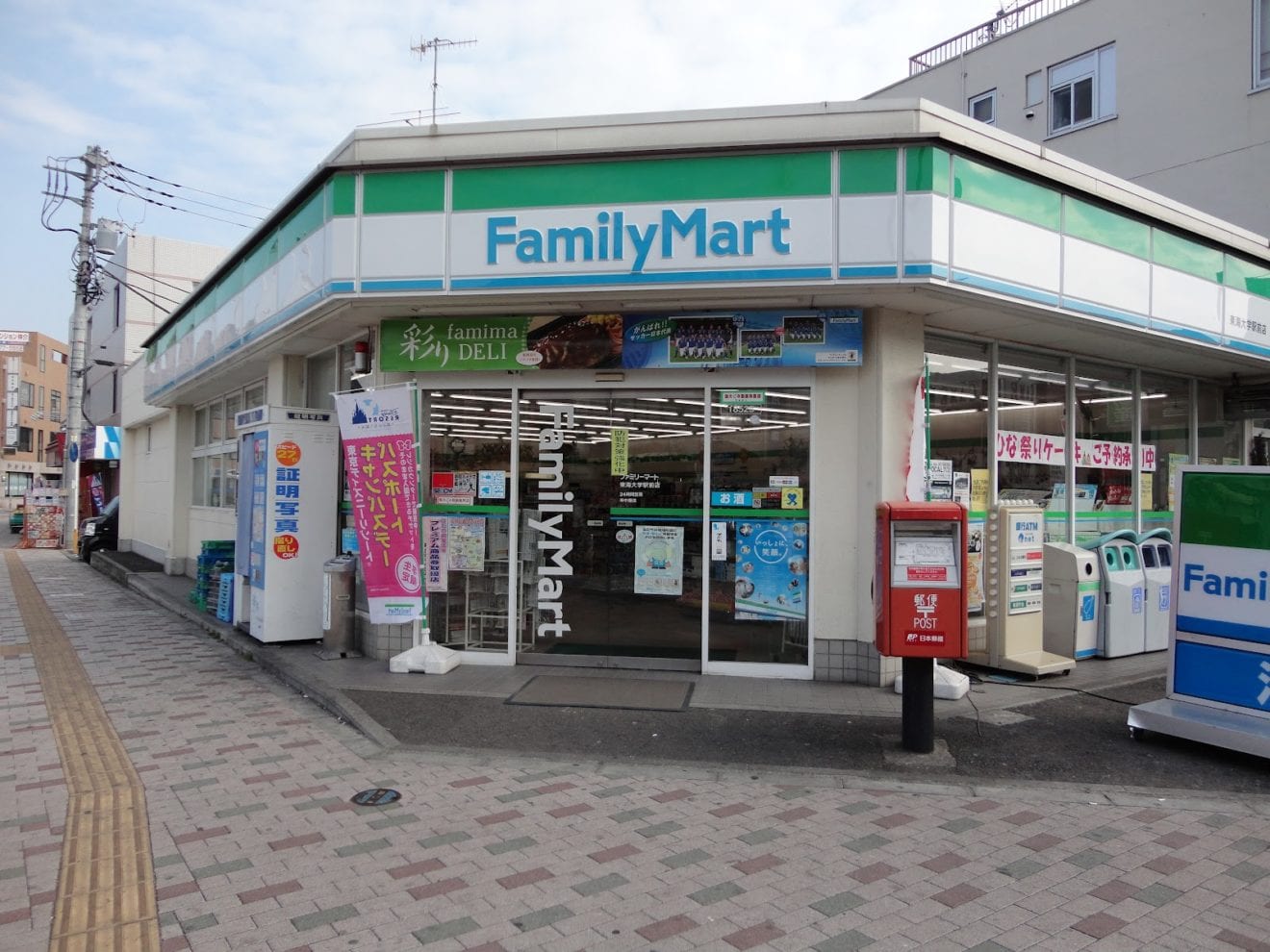
    A trial to reduce business hours has resulted in a 59 percent drop in operating profits for FamilyMart Japan.The trial by the traditionally 24-hour convenience-store chain operator was conducted from October to December at around 600 FamilyMart outlets to assess the effect of cutting late-night hours of business.

    While average labor costs fell 11 percent at participating stores, the average drop in sales of 6.7 percent led to the operating profit declines, according to a Jiji Press report. 41 percent of the outlets recorded growth in profits.

    FamilyMart Japan has now announced that it will allow its franchises to apply to reduce their hours permanently beginning in June.

    “From now, we will ask franchise store owners to decide whether to shorten service hours,” said FamilyMart VP Toshio Kato.

    Stores will be allowed to close late-night and early-morning operations daily or on Sundays only.