Tag: Stores

  • Diamanti Per Tutti makes debut in Singapore

    Diamanti Per Tutti makes debut in Singapore

    Belgian jewellery brand Diamanti Per Tutti has launched its first standalone store in Singapore at Raffles City Shopping Centre. Positioned as an affordable luxury label, Antwerp-based Diamanti Per Tutti retails 925 Sterling Silver items gilded with 18 carat pink or yellow gold vermeil or white rhodium, set by hand with real, ethically-sourced natural diamonds and gems.

    The brand, which has outlets in Beijing, Shanghai and Hong Kong, plans to open its second Singapore location in March.

  • Starbucks China sales grow – with a but

    Starbucks China sales grow – with a but

    Net revenues for Starbucks China and Asia-Pacific region soared 45 per cent in the first quarter to US$1.2 billion. While a change of ownership in the East China business at the end of the first quarter of the previous year boosted the figure, the company says the opening of a net 1010 stores during the 12 months – a 13 per cent increase in the network – and a 3 per cent increase in same-store sales also played a part.

    First-quarter Starbucks China operating income rose 13 per cent to US$225.1 million, from $196.8 million. But the company’s operating margin declined 530 basis points to 18 per cent, primarily due to the impact of the East China ownership change.

    CEO Kevin Johnson said the company delivered solid operating results in the first quarter, demonstrating continued momentum in the business, as it drives a growth-at-scale agenda “with focus and discipline”.

    “Comprehensive efforts to streamline our business have allowed us to focus on three key strategic initiatives that position Starbucks for long-term success: accelerating growth in our targeted markets of the US and China, expanding the global reach of the Starbucks brand through our Global Coffee Alliance with Nestle, and increasing shareholder returns.

    “Combined with our efforts to build and amplify the Starbucks brand, we expect these initiatives will position the company to drive predictable, sustainable growth and shareholder returns for years to come,” concluded Johnson.

    In the 13-week first quarter, which ended December 30, global comparable-store sales increased 4 per cent, driven by a 3 per cent increase in the average sale. Americas and US comparable-store sales increased 4 per cent, with transaction numbers flat.

    China-Asia-Pacific comparable-store sales increased 3 per cent, including 1 per cent transaction growth, with China comparable-store sales up 1 per cent, but the number of transactions down 2 per cent.

  • Samsung Philippines redesigns its Manila store

    Samsung Philippines redesigns its Manila store

    Samsung Philippines has launched a redesigned flagship store in Manila. Located in CyberZone at SM Megamall, the store is designed to showcase the brand’s latest technologies and aesthetics, with U-shaped center bars built to facilitate one-on-one communication with customers as they interact with the products. A central ‘Newness Table’ serves to show off the most recent Samsung innovations.

    Accessories are given the same exposure as the more expensive offerings with equal opportunities for consumers to examine and try before they buy. Dedicated spaces are reserved for Gear S watches and Samsung Gear VR offerings, as well as audio products such as speakers and headphones.

    The flagship also houses a revamped customer service area, featuring experience lounges and consumer learning programs.

    “Samsung as a brand has always been known to consistently redefine the new normal and to go beyond expectations. Over the years, our mobile phones have set the benchmark for what the consumers need and want”, said Samsung Philippines president James Jung. “The new store design heralds a new chapter in Samsung retail, enabling customers to engage with our brand and products in new ways.”

  • Taco Bell reveals massive expansion plan in Asia

    Taco Bell reveals massive expansion plan in Asia

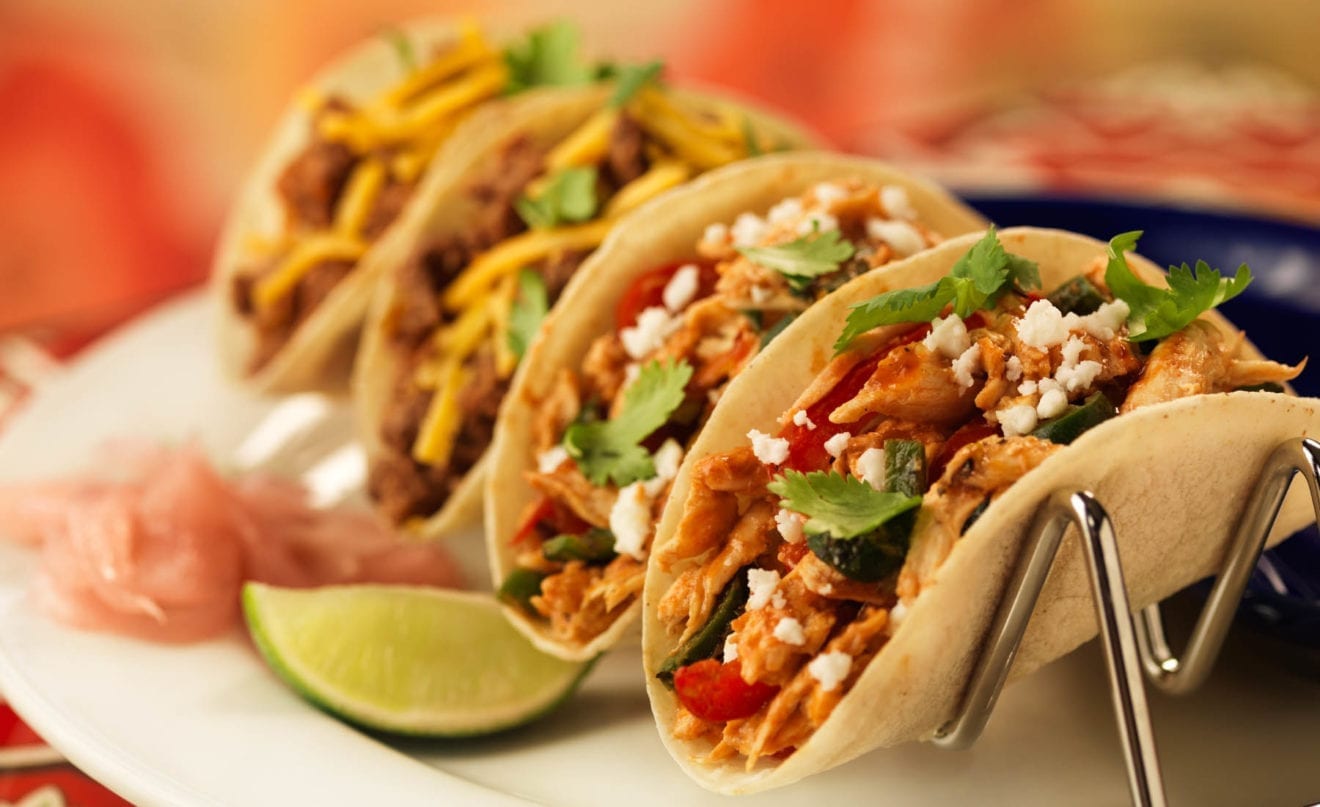
    US Mexican-themed dining chain Taco Bell says it plans to drive growth by expanding its presence in Asian markets. The brand intends to double its number of overseas restaurants to more than 500 outlets within the next few years. Taco Bell’s previous rollouts in Asian markets have occasionally been unsuccessful. An early franchise operation in Japan closed in the 1980s, although it reappeared in the territory four years ago. The brand also withdrew from Singapore in 2009.

    “Consumers weren’t ready in terms of awareness and the brand wasn’t positioned right at the time”, said president of Taco Bell International Liz Williams. The brand now expects to fare well in the territory with its more international young population and “heightened awareness” of Mexican food.

    A new store opening in Thailand this week will be modified for the market, including a spicier salsa recipe to suit local tastes. Forty more Thai locations are planned to open under local franchise partner Thoresen Thai Agencies.

    Taco Bell, operated by Yum! Brands, has 7000 restaurants in the US.

  • Sam’s Club plans to have 40 stores in Chinese mainland by 2020

    Sam’s Club plans to have 40 stores in Chinese mainland by 2020

    Sam’s Club China plans 40 more stores across China by the end of the year – with online sales anticipated to account for 13–15 per cent of its income throughout the territory by that time. The company says it will shortly launch a Sam’s Club store in Shanghai’s Qingpu, the second in Shanghai for the brand, which first opened in the city eight years ago in Pudong.

    Sam’s Club operates as a members-only retail chain with a 2 million-strong membership.

    “As we expand our business across China we also want to control quality and to make sure shoppers enjoy the shopping experience”, said president of Sam’s Club China Andrew Miles.

    Sam’s Club’s existing Shanghai store underwent renovations that were completed last month, adding a wine tasting space, pharmacy, jewellery counter and optical center for eyewear.

    “The remodelling of existing storefronts doesn’t just reflect a newer format but the way we treat our members and how we recruit members and introduce Sam’s Club” said Miles.

    Membership of Sam’s Club China costs CNY260 (US$39) per annum, with premium memberships available at CNY680 ($100) annually. The majority of members join via WeChat.

  • Time for South Korean cosmetics to face challenges

    Time for South Korean cosmetics to face challenges

    South Korean cosmetics stores that have been the drivers of the ‘K-Beauty’ industry for the past 15 years are facing a crisis, exposing their limitations. The cosmetics industry is undergoing a series of transformations due to decreased demand from China and a change in distribution structure resulting from stagnant domestic demand and increased competition.

    Nowadays, it is common to see health and beauty shops (H&B) such as Olive Young and LOHBs reorganise and shift their main focus online.

    According to cosmetics industry analysts, the size of the South Korean cosmetics stores’ market was 2.29 trillion won (US$2.05 billion) in 2017, which reflects a rapid decrease since the peak in 2016. It is estimated that total sales last year decreased by 15 per cent from the previous year.

    With sales decreasing, the industry is closing down branches. The number of South Korean cosmetics stores began to shrink in 2017 and is estimated to have fallen to 5200 last year.

    Popular brand Skinfood is facing an imminent crisis. The company, once a huge hit with the phrase “Don’t eat, give it to your skin” entered corporate restructuring last October, after encountering difficulty securing liquidity due to excessive debts.

    Those who suffer the most in the process are franchise owners, who are protesting that the company is trying to avoid the worsening situation without taking responsibility.

    The causes of the decline of the retail shop are numerous. The first reason is the excessive competition within the industry.

    Add to this, China’s retaliatory actions as part of the THAAD missile crisis in 2017 led to huge decrease in sales.

    Changes in distribution structure have also played a role. H&B shops are now leading the market, offering a variety of brands in one place, instead of a closed structure.

    These types of stores are a gaining competitive edge as they can sell occupy low and medium-priced brands and new venture brands as well as establish strategic products.

    Retail shops became a mainstream cosmetics market in the early 2000s. Amid the economic slump, retail shops continued to grow in number as brands gradually added fast product launch strategies and functional products aligned with trends based on affordable prices.

    Chinese tourists clearing out the shops in the wake of the Korean wave contributed to the growth of retail shops. However, in the current situation, retail shops are only beginning to restructure.

    While some chains of South Korean cosmetics stores are choosing to downsize their branches, others have chosen to invest aggressively.

    Those who chose aggressive investment plans in a bid to become global cosmetics companies hope to achieve economic success despite the difficult situation and uncertain prospects for the future.

  • French furniture brand Roche Bobois opens showroom in Singapore

    French furniture brand Roche Bobois opens showroom in Singapore

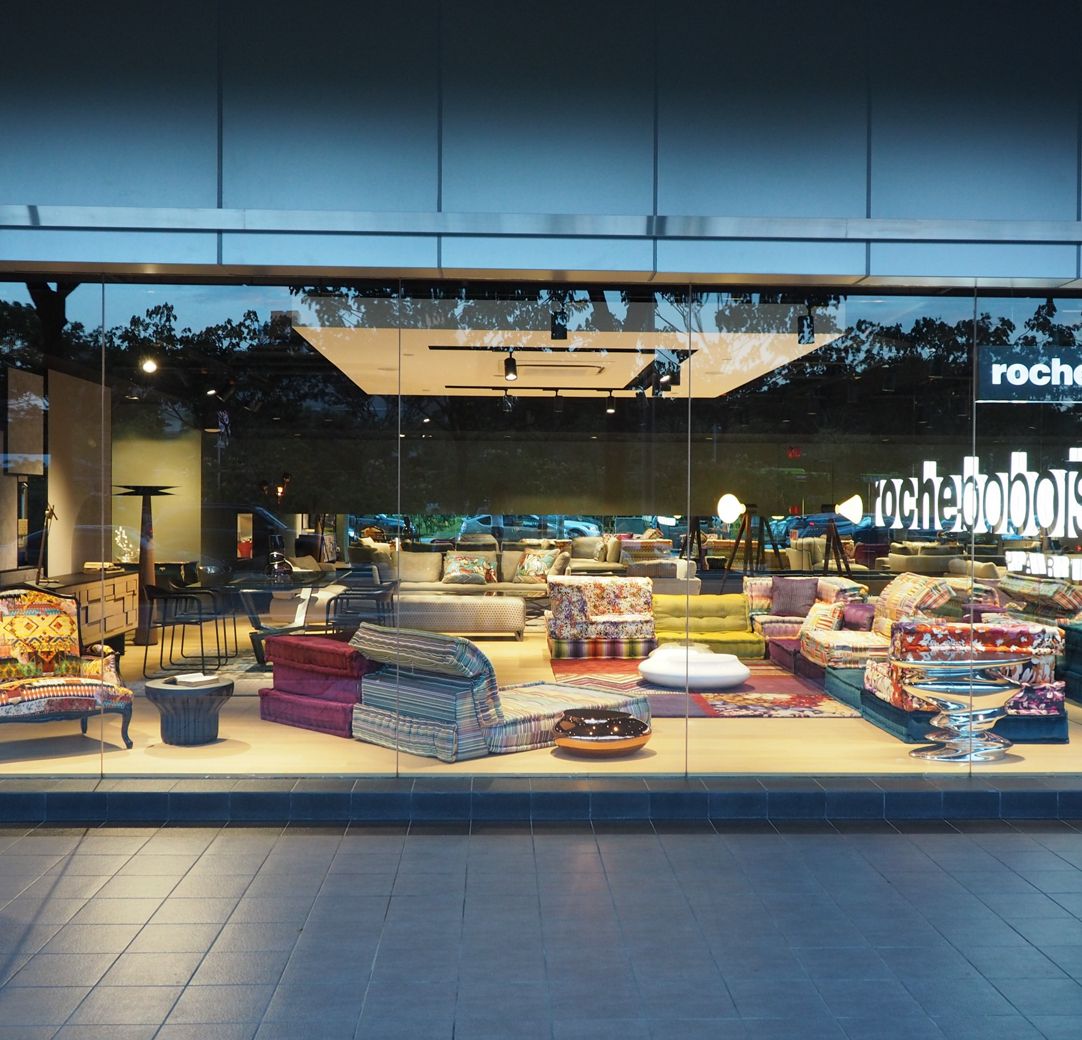
    French high-end furniture brand Roche Bobois has announced the opening of its Singapore showroom with a brand new design concept. The 5300sqft Roche Bobois Singapore showroom is located in the Boon Siew Building on Bukit Timah Road features an expansive floor-to-ceiling window to frame the brand’s collections, designed to resemble a jewel box from a distance.

    “Singapore is a city known for its appreciation of modernity and open-mindedness and these ideals are central to the Roche Bobois brand”, said company CEO Gilles Bonan.

    “This opening demonstrates the brand’s ambitions in Asia; we are already present in China, Hong Kong, South Korea, the Philippines, Japan, Vietnam and India and we intend to increase our presence in this strategic part of the world.”

    Roche Bobois operates more than 265 showrooms in more than 55 countries. After 17 new stores opened in 2017, it continued its growth last year in cities such as Hanoi, Washington, Tokyo and San Diego, with the Roche Bobois Singapore showroom its latest globally.

  • How to deal with centennials

    How to deal with centennials

    All eyes are on Southeast Asia as the world’s next consumer powerhouse, with its young population and increasing purchasing power. Almost 280 million centennials – those born since 1995, also known as Generation Z, currently call this region home. While the size of this new generation alone makes them attractive prospects for retailers, their distinct behaviours set them apart as the ones to watch to crack Asia’s hyper-competitive retail landscape during the next few decades.

    Born into the digital age and mobile natives, centennials will soon be one of the world’s most demanding consumer groups with high standards and expectations of the online-shopping experience.

    Here’s what we know about the centennials….

    Webrooming vs showrooming

    Almost all centennials in Southeast Asia use the internet as part of their buying journeys, but their route is much more converged than other generations. Latest research commissioned by Dentsu Aegis Network, Here Comes the Centennial reveals that centennials like to use both online and offline channels – 97 per cent browse for products online before purchasing online (‘webrooming’) and 90 per cent look for products in store before buying online (‘showrooming’). Detailed research is a key part of their buying decisions – whether online or offline – to ensure they get the best price, as well as the best quality by going into stores to experience the product. Some 70 per cent browse online to find the best price, while 67 per cent use the internet for checking out product details and specifications and 65 per cent are checking out reviews.

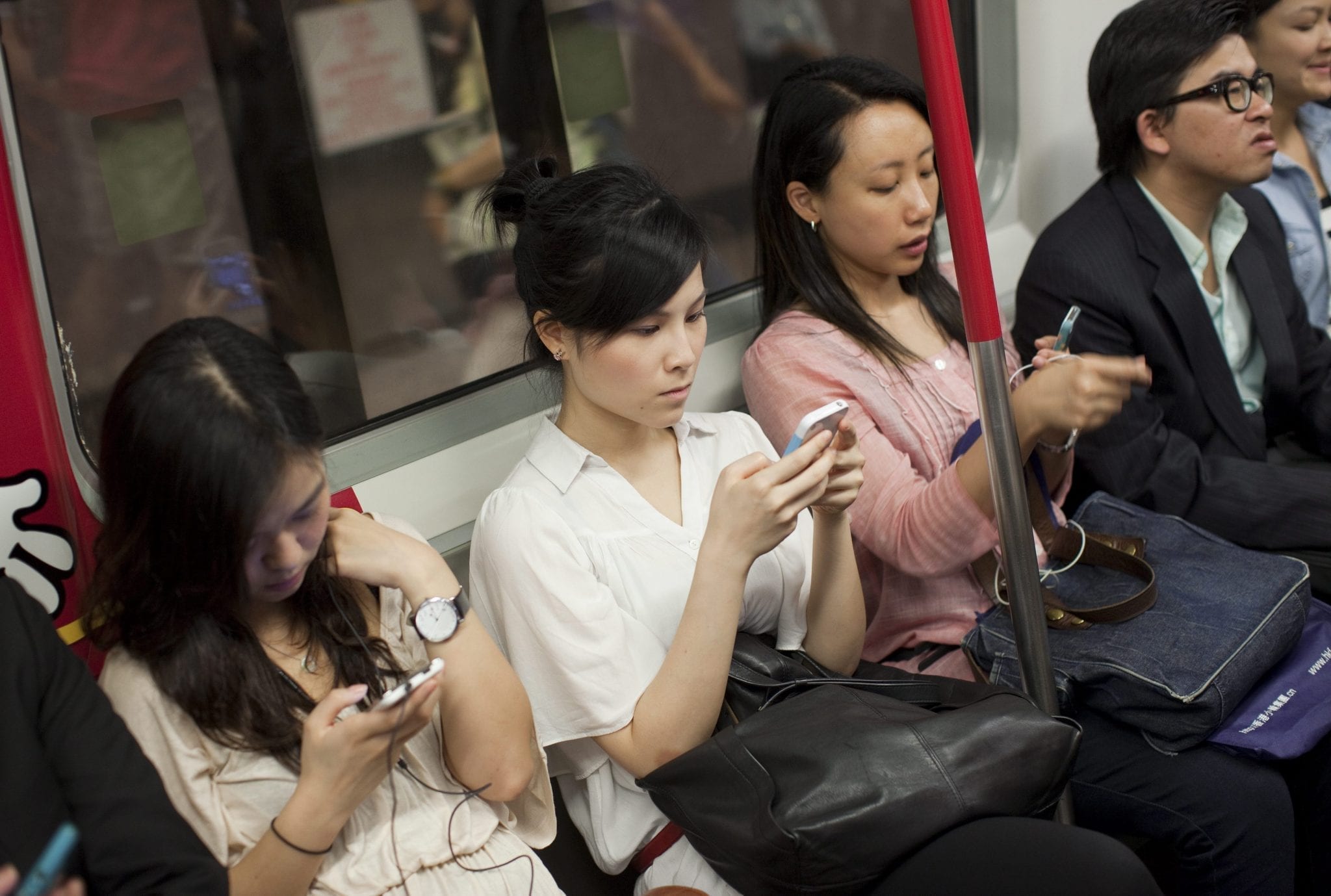
    Smartphones have also created an environment where centennials can browse products wherever they are, whatever they are doing – multi-tasking to the extreme. For example, 52 per cent look at products online while eating, watching TV or hanging out with friends or family, while 38 per cent do so while commuting, and 34 per cent browse products while at school or college.

    Centennials use social-media platforms differently to previous generations, as an important and intimate touchpoint in their purchase and decision-making journey.  Social media applications (47 per cent) such as Facebook and Instagram are the second most popular place for them to shop in, while 49 per cent turn to such platforms for research on their future purchases, rather than asking friends (45 per cent) or family (27 per cent). Even a good reputation with friends and family does not feature highly as a motivator to purchase – just 15 per cent choose this as an option.

    Digital natives

    As digital natives, centennials expect technology to be an integral part of the experience, and are highly optimistic about the use of technology.

    Eighty-two per cent of centennials are excited about futuristic shopping technology such as virtual reality. They demand fast-and-easy experiences that allow them to research and buy products with minimal frustration.

    To this audience, commerce has moved beyond “buying something on a website” to a series of interactions, from enticing them to view a product to providing a personalised purchase experience, to where and when the product should be delivered. In this context, online retailers need to focus on understanding the centennial customer journey, specific to the category being sold. This can be done by incorporating relevant technologies which seamlessly enhance engagement along the path to purchase. For example, the research showed that “Good customer service/reliability” ranks third among qualities of an online store with this audience, with delivering a superior and excellent customer service option using chatbots rather than call centres a more significant differentiator than low prices and free/fast delivery that every other marketplace claims to offer.

    Brand irrelevance

    Brand name and image are no longer a priority of centennials. Only 11 per cent of centennials cite having a prestigious or famous brand as one of their top three attributes when choosing where to shop online. Instead, personalisation and convenience are key, as 76 per cent of respondents are happy to share data with websites, if it makes more relevant recommendations.

    E-commerce payments provide a unique example of this; despite being digital natives, the concept of a cashless society has yet to fully take off for centennials in the six countries surveyed, with 56 per cent of respondents still preferring to pay cash on delivery for their purchases. Whilst preferring digital shopping experiences, the next generation of online shoppers enjoy having a variety of payment methods to choose from, and 43 per cent of centennials will readily abandon their purchases because their preferred payment option is not available.

    This is also accompanied by a shift towards values-based purchasing, with 82 per cent agreeing that they “prefer to buy products from ethical or sustainable brands,” while 70 per cent express a preference for local brands.

    With centennials less responsive to traditional campaign and brand-based purchasing, and increasingly influenced by disparate sources of dynamic information and opinions, retailers can no longer just rely on well-designed stores or brand campaigns to drive sales. Instead, driving a unified brand experience across multiple touchpoints will be key to unlocking the centennial consumer opportunity.

    This year

    So what does this all mean for retail this year and beyond?

    Southeast Asia’s internet economy is expected to exceed US$240 billion by 2025, according to research from Google and Temasek. One in two of centennials surveyed are already spending more than $30 per month online. Nine per cent indicated that they spend more than $100 a month – and as the centennial generation comes of age and joins the workforce, their disposable incomes will increase further.

    This combination of large populations, high connectivity and smartphone penetration rates, and increasing online spending power means the centennial opportunity in Asia is large and growing. We will increasingly see e-commerce technology accelerating this year to help create innovative and memorable brand experiences of the consumer.

    Centennials represent tomorrow’s consumer. They are looking for integrated solutions and a seamless experience that will allow them to purchase anywhere, anytime, and on their own terms. As this new group of consumers become increasingly elusive and multi-channel savvy, retailers need to harness creativity and technology in new ways. Combining new media and technology to deliver innovative and memorable brand experiences is the key to success – and brands are learning quickly in order to tap the huge centennial opportunity here in Asia.

    For example, in Thailand, Cotton USA worked with Vizeum and Isobar to launch the Cotton USA online store through an experiential shopping campaign “Shop the Runway”, partnering e-commerce marketplace 11Street.

    Targeted at the Centennial audience, Shop the Runway was the first real-time online shopping fashion show in Thailand which streamed the live programme on 11Street, while clothes from the catwalk were displayed in real time – within the same page – so viewers could purchase their favourite looks direct from the runway.

    At the heart of the campaign was a unique offline-to-online (O2O) feature within the 11Street mobile application which allowed fashion-show attendees to simultaneously view and shop the runway outfits.

    Shopping coupons were also given to all customers who downloaded and registered their details on the app to further encourage conversions. The campaign drew close to 500,000 campaign visitors, a 13 per cent increase in 11Street app downloads following the campaign, and ultimately boosted Cotton USA sales and brand awareness amongst the target centennial audience.

    Shop the Runway is one example demonstrating how brands can leverage technology and O2O features in innovative ways to reach consumers in today’s competitive e-commerce environment. Combined with a seamless shopping experience, and varied account and purchase options to suit different consumers, moments like these will attract tomorrow’s consumers on their terms, arrest their attention in a hyper-competitive commerce landscape, and allow brands to win in Asia’s digital-led retail landscape.


  • Manolo Blahnik opens its first flagship store in Taiwan

    Manolo Blahnik opens its first flagship store in Taiwan

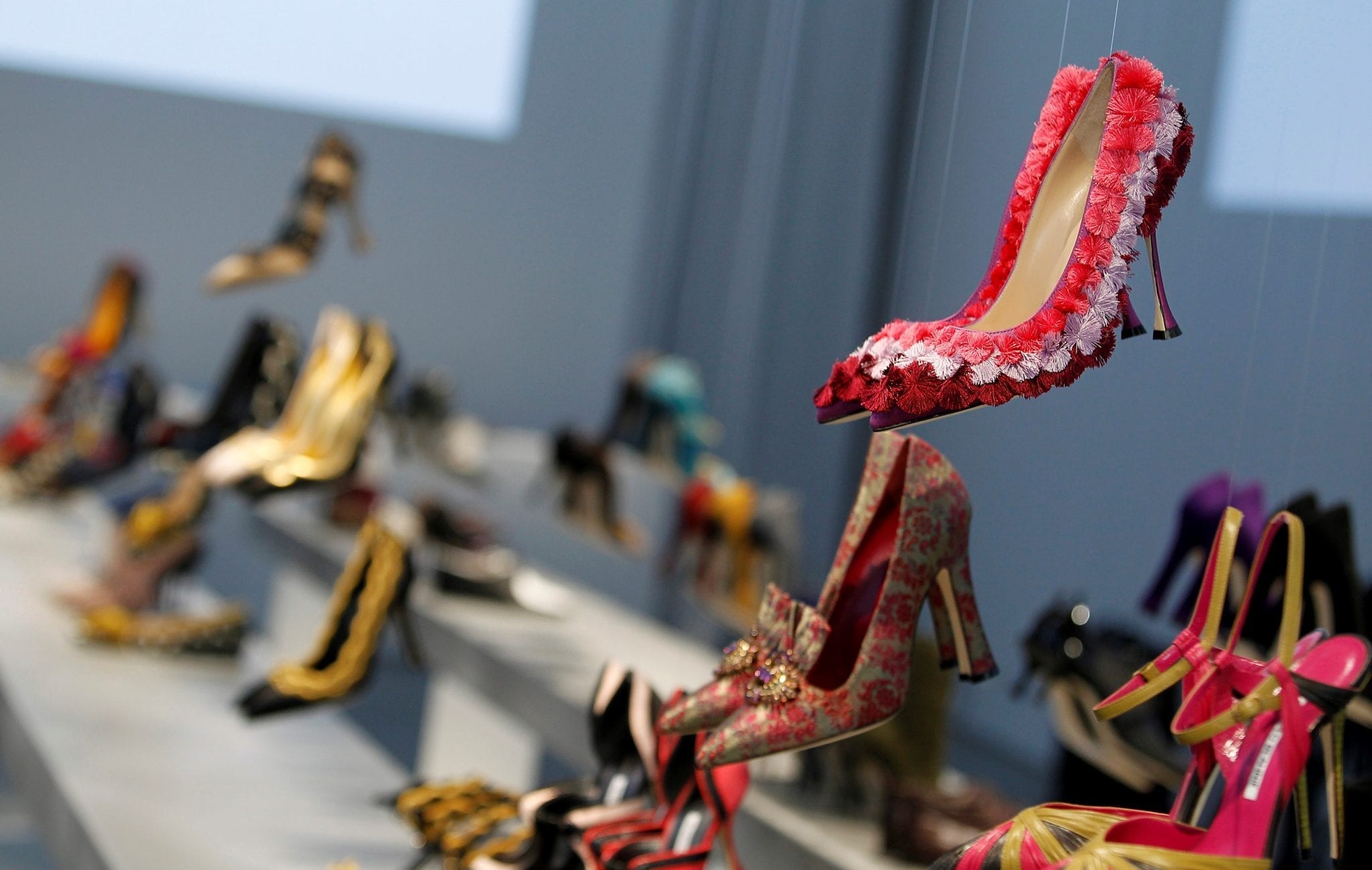
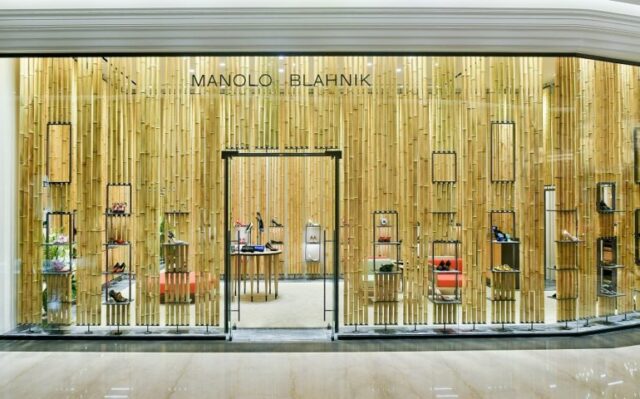
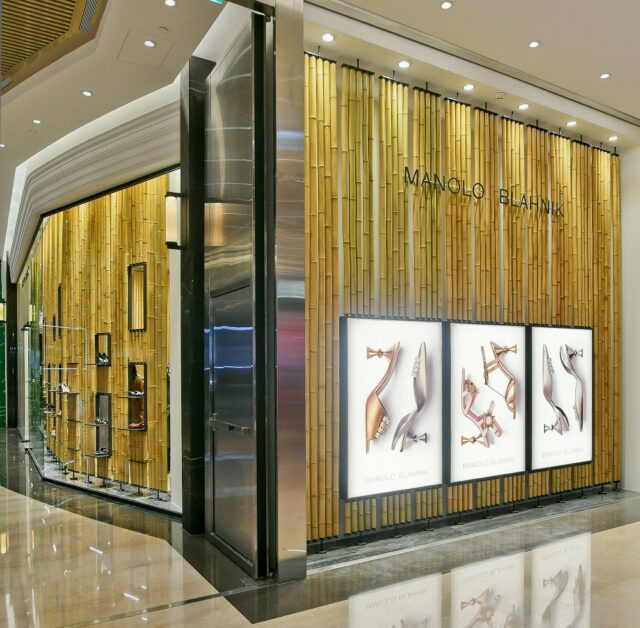
    In May 2018, Manolo Blahnik opened its doors to the public at the triple tower complex Marina Sands Bay in Singapore, strengthening its presence in Asia with Bluebell Group. In January 2019, Manolo Blahnik continues its expansion into Asia with the opening of its first flagship store in Taiwan. The brand is known for its original and creative flair as well as timeless classic styles, which loyal customers from film stars to leading editors, to women who just trust his perfectionism, come back to again and again.

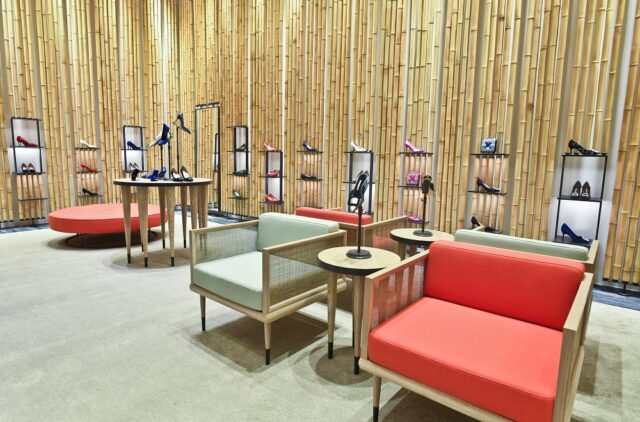
    The newly opened Manolo Blahnik store, a 65 square metre space with a privileged location within the Nanshan Plaza shopping centre, showcases the world-renowned shoes on the first floor of the new upscale retail destination.

    Nick Leith-Smith, the brand’s long-serving architect, said: “Taipei flagship celebrates a material play on Taiwan’s deep cultural and historical connection to bamboo – with a rotating bamboo forest as a central motif. At first, orderly, and geometric, yet with the dynamic movement introducing a curious playfulness to entice and enchant.”

    The new store is another step forward for the company in its expansion across  important markets; and another milestone achieved in the history of the family-owned business that has prevailed in the luxury shoe industry for nearly fifty years.

    The creative soul of the brand is still Mr. Blahnik who, with a career spanning over 40 years, has become one of the world’s most influential footwear designers. His shoes have spellbound an international set of adoring and loyal devotees across the globe.

    He was born in the Canary Islands to a Spanish mother and a Czech father, he studied languages and art in Geneva before moving to Paris in 1965 where he decided to become a set designer.

    On a visit to New York in 1970, he showed his theatre designs to Diana Vreeland, then editor-in-chief of American Vogue, who honed in on his shoes and encouraged him to concentrate on them. Blahnik learnt the art of making shoes by visiting factories, where he talked to machine operators, pattern cutters and technicians. By 1970, he was in London making shoes.

    A year later, Ossie Clark, then the most famous designer in London, used his shoes and from there his career blossomed.

    Manolo Blahnik was established in 1970 with the opening of the first boutique
    in Chelsea, London. It is still a privately owned and family run business with Mr. Blahnik as Creative Director and his sister Evangelina Blahnik led by the enthusiasm of  Kristina Blahnik.

    Kristina, CEO of the company since 2009,  is in charge of brand expansion and optimization of the business worldwide, and in Asia, their transformation is the the result of a long-term partnership with Bluebell Group, which stated in Japan, Malaysia, and Singapore, and Taiwan.

    Kristina, the walking embodiment of the woman her uncle, Manolo designs for, before the latest opening said: “I am thrilled at our new venture with the Bluebell group, they have already demonstrated to be an excellent partner in launching beautiful spaces in prestigious locations”.

  • Lotte to pursue reforms and investment in 2019

    Lotte to pursue reforms and investment in 2019

    Lotte Group Chairman Shin Dong-bin told affiliate CEOs that he wants reform and aggressive investment in 2019 during a biannual meeting on Wednesday. Shin missed the last meeting in July as he was serving time in prison for bribery related to former President Park Geun-hye. The first meeting of the year typically deals with each affiliate’s annual goals and direction.

    In the first meeting with CEOs after his return, the chairman emphasized that the company was in need of innovation strong enough to rattle its existing business structure.

    “We are about to face immense change in the future that is difficult to imagine,” he stressed to affiliate heads at the meeting. “Therefore we have to be thorough in predicting the future and devising preparations according to different scenarios. If we can’t come up with a clear vision or concrete plans, there will be an immense crisis.”

    Shin pointed out that the group had been “passive” recently when it comes to making investment decisions, missing opportunities and waiting for too long.

    He added that investment decisions have to be made continuously, even when revenue is low and in businesses that the company is doing well in so as to maintain an upper hand in the market.

    He also mentioned the possibility of downsizing unprofitable businesses, citing Microsoft becoming global No. 1 by market cap last year after conducting reforms on its business portfolio.

    “We should focus on areas with future growth potential and push for rationalization,” said Shin.

    Digital transformation, an initiative he has been pushing for in the last few years, also reappeared in Wednesday’s speech.

    “Compared to global companies, Lotte has a low investment rate in the IT sector and the fields invested in so far are [relatively] narrow,” he said, urging that the company needs to find ways to get one step closer to customers using existing assets like big data, brick-and-mortar stores and logistics infrastructure.

    Recently recruited IT professionals were also called into the meeting to share their opinions on Lotte’s current situation regarding digitalization and areas that can be improved.

  • Taoyuanming Shanghai tests automated stores

    Taoyuanming Shanghai tests automated stores

    Swedish-Chinese firm MobyMart is expanding its automated store format in China in collaboration with Shanghai fruit retailer Taoyuanming. Two stores are operating, one in Hefei and one outside Shanghai. While expansion in the region is the firm’s priority this year, its long-term sights are set on Europe and North America. According to brand co-founder Per Cromwell, MobyMart initially opened a corner-store-format mobile vending platform for coffee, which evolved into MobyMart, a mobile platform for “vending everything”.

    “We found a very visionary fruit retailer in the suburbs of Shanghai, Taoyuanming, and basically they had physical stores but they wanted to have unmanned stores,” said Cromwell.

    “We saw that we didn’t actually need to make too many adjustments to our existing system because basically what we had to do was pre-pack all the fruit — we needed to have fixed units and not have people buying by weight … and when we opened it up to the public it was an instant success.”

    The store carries around 50 SKUs at a time.

    Taoyuanming is reportedly so pleased with the results that two more automated stores are scheduled to open early this year, which may be followed by staffless stores if successful.

    The firm’s strategy is to provide a platform to small retailers.

    “If you are for instance a fruit store outside Shanghai and you want to expand from a few stores to 10 stores in your neighbourhood, then you can’t really start buying BingoBoxes because it’s quite complicated and expensive technology,” says Cromwell.

    The MobyMart model relies on customers scanning their product, while cameras and sensors serve as a back-up. This  “very simple technology” allows for opening “a lot of stores at a very low cost,” Cromwell says.

    “It won’t be 100-per-cent staffless because you still need someone circulating the store and making sure everything’s fine and restocked, but one person in one day can operate eight to 10 stores depending on how spread out they are. So you have much more efficiency with the staff you do have.”

    He added that AI and big data will help store operators know what products will be needed at what locations and at what time.

    “If we have a request of some sort, that is something that will also solve the last mile problem,” he said.
    The whole store and system is expected to retail for around US$15,000. MobyMart also has a prototype mobile store with automated driverless vehicle capacity – although its rollout is restricted by legislation around the technology.

  • Xiaomi opens massive Mi store in Paris

    Xiaomi opens massive Mi store in Paris

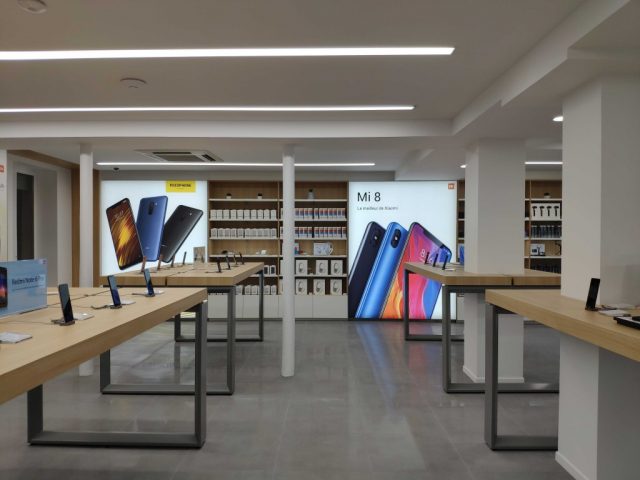
    Chinese electronics firm Xiaomi has opened its largest European Mi Store in Paris. Queues for the January 18 1pm opening started to form at the Champs-Elysees location at sunrise, despite freezing temperatures. The store is hosting a reportedly comprehensive selection of the brand’s full product range, including smartphones, headphones, cameras and home appliances.

    In celebration of the launch, Xiaomi held a three-day sale on its French online store featuring discounts of up to €50. The supersized flagship is Xiaomi’s second location in Paris.

    View the gallery below for images of the stores (11 images) :

  • Restaurant company expands into Thailand with local Myanmar cuisine

    Restaurant company expands into Thailand with local Myanmar cuisine

    Myanmar restaurant chain Feel International is set to open in Thailand. Opening in the popular Bangkok tourist area of Pratunam on Thursday (January 24), the group intends to introduce Myanmar cuisine to Thai consumers and foreigners. “At present, many restaurants are attempting to cater to the needs of tourists from China, however there are eight flights to Bangkok from Yangon every day, and there are tens of thousands of Myanmar citizens working and studying there, so there is a potential market for Myanmar cuisine”, said Feel International operations director Ko Johnny.

    “This is the very first Myanmar restaurant opened in a foreign capital city. Bangkok is one of the biggest restaurant markets in the world. It offers a wide variety of cuisine, even something as exotic in Asia as Ethiopian. Bangkok is the first step for Myanmar traditional food to penetrate the international markets”, he said.

    The restaurant intends to serve lunch boxes with Myanmar favourites for Myanmar people working in companies and offices around the area.

    Discussions are being held to open further restaurants in Chiang Mai and Mesauk.

  • Chibo to open Indonesia store soon

    Chibo to open Indonesia store soon

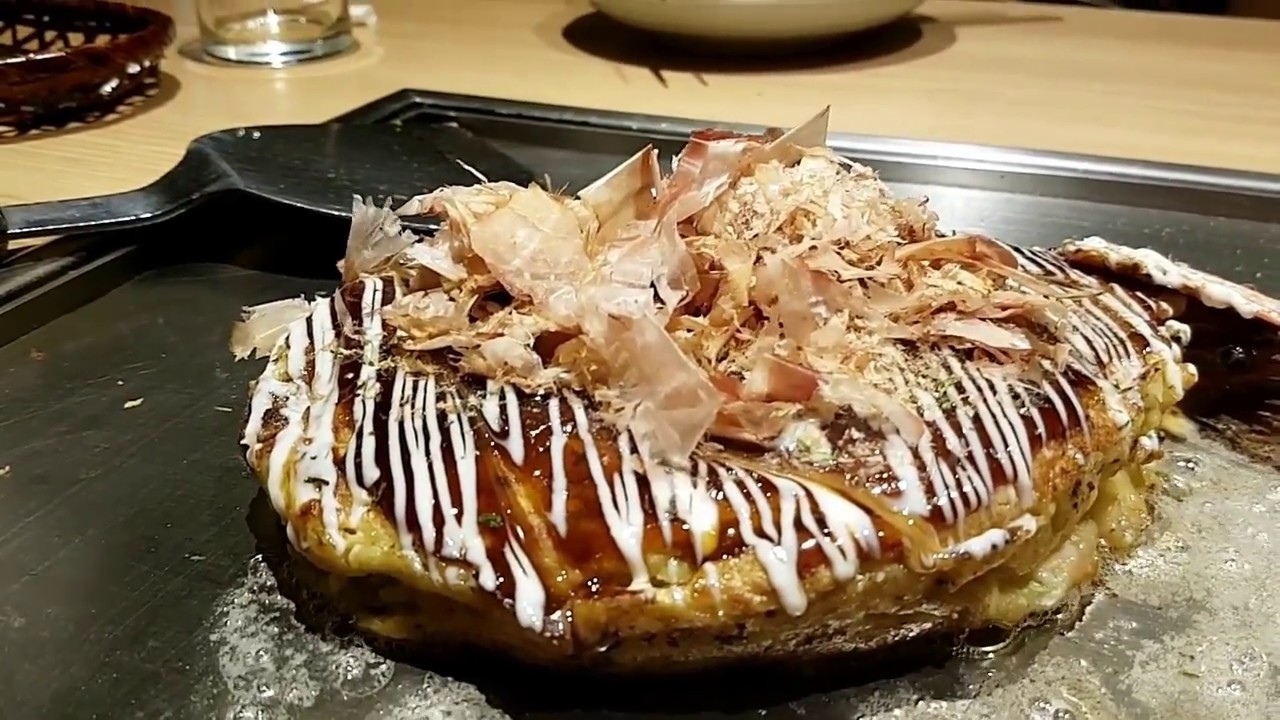
    Japanese “okonomiyaki” pancake restaurant Chibo is launching in Indonesia this month. The opening is part of the firm’s unfolding global plans to counteract a dip in the Japanese food service market. It is partnering with local operator Jaddi Foods within Indonesia’s territory. Importantly for the predominantly Islamic market, the firm will be swapping out pork for suitable Halal alternatives.

    The 188sqm venue is opening at Gandaria City Mall in southern Jakarta, seating 90 diners. It joins eight Chibo restaurants outside Japan, with sister venues in China, Hong Kong, Hawaii, the Philippines, Thailand and Vietnam. The firm is targeting 20 international outlets by March next year, with locations planned for Brazil, London, New York and Russia.

  • Rick Owens x Birkenstock launched second collaboration range in HK pop up

    Rick Owens x Birkenstock launched second collaboration range in HK pop up

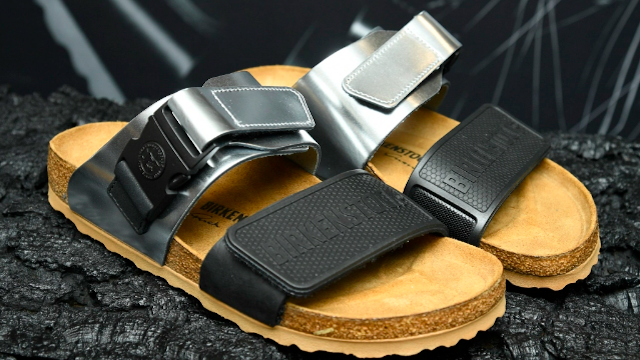
    Fashion designer Rick Owens has launched his second collaboration with footwear firm Birkenstock, with pop-ups expected in Hong Kong and Shanghai. The Rick Owens x Birkenstock collection debuted exclusively at Le Bon Marche in Paris, and will not be available online until February 8. The pop-ups in Hong Kong and Shanghai are scheduled for January 23 and 25.

    “The brief for the set design was Mayan pyramids”, said Owens.

    All the various styles of the collection, including sandals featuring metallic foil and leather, are on display at the pop-up on blocks of raw black cork.