Retail News CRM

Tag: Stores

  • Uniqlo Plans Major Expansion in India: 100 New Stores by 2031

    Uniqlo Plans Major Expansion in India: 100 New Stores by 2031

    Uniqlo, a renowned clothing brand, is set to significantly extend its footprint in India. The company’s ambitious expansion plan aims to increase its store network in the country by five times, amounting to over 100 stores within the next five years.

    Expansion Strategy and Local Production

    Uniqlo’s primary expansion target will be New Delhi and other major Indian cities. The company has a comprehensive strategy in place, which includes importing apparel from its Asian factories. However, in accordance with local regulations, Uniqlo will also initiate production within India.

    Uniqlo, a subsidiary of Japanese retail mogul Fast Retailing, boasts a presence in over 25 global markets and a network of more than 2,500 stores worldwide. The brand made its entry into India in 2019, and as of June this year, it had 20 stores operating across the nation, notably in major cities like New Delhi, Mumbai, and Bengaluru.

    This expansion forms a part of Uniqlo’s business strategy to reinforce its presence in the Global South, encompassing South Asia and Southeast Asia.

    Focus on Southeast Asia

    Uniqlo’s operational presence in Southeast Asia is already substantial when compared to its Indian market. The brand has 81 stores in the Philippines, 78 in Indonesia, 73 in Thailand, 60 in Malaysia, and approximately 30 each in Singapore and Vietnam.

    The combined sales of Uniqlo in South Korea, Southeast Asia, India, and Australia have witnessed a robust increase of 32% for the first nine months ending in May. The growth in sales in India and Southeast Asia alone has continued to exhibit a sustained double-digit increase.

    Takeshi Okazaki, CFO of Fast Retailing, stated that the company views Asia as the next major global growth center for the long term. He added that, similar to successful strategies implemented in the US and Europe, Fast Retailing aims to enhance its brand power in Asia by improving its product lineup and store operations.

    Questions & Answers

    What is Uniqlo’s expansion plan in India?
    Uniqlo aims to expand its store network in India fivefold, reaching over 100 stores within the next five years.

    Where will the expansion primarily focus?
    The primary focus of the expansion will be in New Delhi and other major cities in India.

    What is the company’s strategy for product sourcing in India?
    Uniqlo plans to import clothes from its factories in Asia and also initiate production within India, in accordance with local regulations.
  • Uniqlo Targets Massive Expansion in India with Over 100 Stores by 2031

    Uniqlo Targets Massive Expansion in India with Over 100 Stores by 2031

    Uniqlo, a highly recognized retail brand, is set to embark on a substantial expansion plan in India. The company’s strategy involves a fivefold increase in its store network, boosting the number from 20 to over 100 within the next five years.

    The company’s expansion will primarily concentrate on New Delhi and other significant urban areas, as per inside sources. Uniqlo, a division of the Japanese retail powerhouse Fast Retailing, has a presence in more than 25 markets and boasts a global network of over 2,500 stores.

    Local Production and Global Expansion

    In line with local regulations, Uniqlo will not only import clothes from Asian factories but will also initiate production within India. This move is consistent with the company’s broader strategy to expand its influence in the Global South, encompassing South Asia and Southeast Asia.

    The retail brand’s presence in Southeast Asia is considerably more extensive than in India. Uniqlo operates 81 stores in the Philippines, 78 in Indonesia, 73 in Thailand, 60 in Malaysia, and approximately 30 in both Singapore and Vietnam.

    Impressive Sales Growth

    Uniqlo’s consolidated sales in South Korea, Southeast Asia, India and Australia experienced a surge of 32 per cent for the initial nine months ending in May. Sales in India and Southeast Asia alone continued to demonstrate double-digit growth. “We see Asia as the next global growth centre in the long term,” stated Takeshi Okazaki, CFO of Fast Retailing. The brand aims to bolster its reputation in Asia, with plans to enhance its product lineup and store operations.

    Questions & Answers

    What is Uniqlo’s expansion plan in India?
    Uniqlo plans to expand its store network in India fivefold, from 20 to over 100 stores within the next five years.

    What strategy will Uniqlo employ to meet local regulations?
    To adhere to local regulations, Uniqlo will not only import clothes from Asian factories but will also begin manufacturing in India.

    How has Uniqlo performed in other Asian markets?
    Uniqlo has seen significant growth in Southeast Asia. The brand operates numerous stores in the Philippines, Indonesia, Thailand, Malaysia, Singapore and Vietnam, and has experienced a 32% increase in sales in South Korea, Southeast Asia, India and Australia.

  • Singapore’s Metro Redefines Retail, Plans Closure of Two Major Stores for Smaller Multi-Concept Outlets

    Singapore’s Metro Redefines Retail, Plans Closure of Two Major Stores for Smaller Multi-Concept Outlets

    Metro, a well-known retailer based in Singapore, has announced plans to shutter its department stores located at Paragon on Orchard Road and Causeway Point. This decision comes in line with the company’s strategic pivot away from traditional large-format department store models, as their leases approach expiration.

    Embracing a New Retail Model

    Metro’s future plans revolve around introducing a flexible retail model that focuses on smaller-format and multi-concept stores. The company is currently exploring potential locations and liaising with landlords to advance the rollout of these innovative multi-concept stores.

    To ensure the financial viability and success of its new retail approach, Metro is considering several key factors. These include the location, rental terms, and implementation timelines of these proposed stores. This strategic move is aimed at meeting the fundamentally different consumer expectations of today’s market, while allowing more flexibility for the introduction of new concepts, brands, and partnerships.

    Commenting on the new direction, Yip Hoong Mun, Group CEO and Executive Director of Metro, said that the company’s refreshed retail strategy is designed to tackle the challenging operating environment and align with customers’ evolving expectations.

    Transforming the Retail Landscape

    Tan Soo Khoon, the chairman of Metro, further highlighted that this repositioning would pave the way for a more agile retail platform. This transformation is expected to support the company’s long-term growth ambitions. “As the retail landscape continues to transform, it is vital for us to evolve alongside it,” Tan noted.

    In the past year, Metro has been revamping its offerings through various partnerships and experiential concepts. However, despite its initiatives, the company reported a net loss of US$8.8 million for the fiscal year ending March 31, attributing the downturn to lower revenue, weaker margins, and impairment charges.

    Meanwhile, potential plans are being reviewed to optimise and selectively reconfigure parts of the Orchard Road mall, which presently houses Metro.

    Questions & Answers

    What is the new retail model that Metro is adopting?
    Metro is shifting towards a flexible retail model centred on smaller-format and multi-concept stores.

    Why is Metro shifting away from traditional department stores?
    Metro’s shift is prompted by changing consumer expectations and a desire for greater flexibility to introduce new concepts, brands, and partnerships.

    Will Metro continue to operate in the Orchard Road Mall?
    Metro has expressed interest in remaining at the Paragon on Orchard Road under its new retail concept, and discussions are ongoing.

  • Starbucks Brews Major Expansion in India: Targets 100 New Stores Annually

    Starbucks Brews Major Expansion in India: Targets 100 New Stores Annually

    Starbucks has announced ambitious plans to open up to 100 outlets annually in India, marking an accelerated expansion in one of the company’s most rapidly growing global markets.

    Sushant Dash, CEO of Tata Starbucks, emphasized the potential for significant expansion in India, despite the country’s dominant tea culture. Coffee remains a smaller category, but the industry size and potential for growth cannot be overlooked.

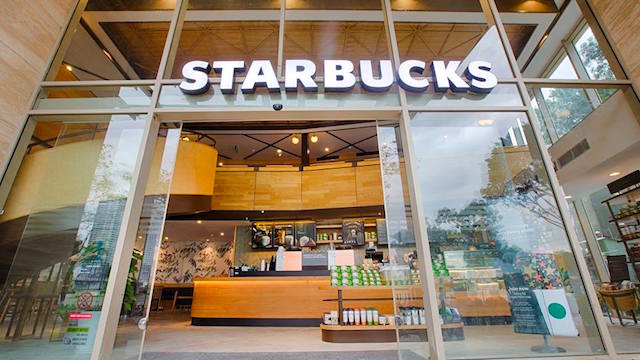
    Tata Starbucks, a successful joint venture between Starbucks and the Tata Group, presently manages more than 500 outlets across India, accounting for roughly 30% of the nation’s structured coffee market. The partnership plans to amplify its presence by inaugurating between 50 to 100 stores each year.

    According to Dash, India ranks as one of Starbucks’ fastest expanding markets globally. The renowned coffee chain has more than doubled its number of stores in the country within the last four to five years.

    This aggressive expansion comes in response to the observed increase in coffee consumption amongst the youth and urban consumers in India. This uptick has sparked intensified competition from both local and international brands.

    To seize this opportunity, Tata Starbucks is considering a multi-format expansion strategy that includes drive-through outlets, highway locations, kiosks, and experiential stores. The company has also invested in its Starbucks Reserve concept, with six locations currently operating across major cities like Mumbai, Delhi, and Kolkata.

    This most recent expansion supports the company’s aspiration to reach 1,000 stores in India by 2028. In line with this goal, Tata Starbucks aims to increase its workforce to approximately 8,600 partners and further extend its network of drive-through outlets, airport cafes, and 24-hour locations.

    Notably, the company’s expansion plans extend beyond metropolitan areas. Tata Starbucks seeks to tap into India’s next wave of consumer growth by stepping up its presence in Tier 2 and Tier 3 cities.

    Questions & Answers

    What are Starbucks’ expansion plans in India?
    Starbucks plans to open between 50 to 100 outlets annually in India, aiming to reach 1,000 stores in the country by 2028.

    Is coffee popular in India?
    Despite India’s tea-dominant culture, the consumption of coffee is rising, particularly among the younger and urban demographics, leading to a surge in growth opportunities for coffee retailers.

    How does Starbucks plan to capture the growing coffee market in India?
    Starbucks, through its joint venture with the Tata Group, aims to leverage the growing coffee market in India by expanding its network of drive-through outlets, airport cafes, and 24-hour locations. The company is also broadening its reach to Tier 2 and Tier 3 cities.

  • Starbucks Brews Plan for India Expansion, Aiming for 100 New Stores Annually in the Tea Land

    Starbucks Brews Plan for India Expansion, Aiming for 100 New Stores Annually in the Tea Land

    Starbucks is setting its sights on India, one of its fastest-growing markets worldwide, with plans to launch up to 100 stores per year. The renowned coffee chain, despite coffee being a less popular choice than tea in India, sees substantial potential for growth in the region.

    Tata Starbucks, a joint venture between Starbucks and the Tata Group, currently boasts over 500 stores across India, holding around 30% of the country’s structured coffee market. It intends to continue expanding its footprint by adding 50 to 100 outlets each year.

    Sushant Dash, Tata Starbucks CEO, highlighted the significant growth rate India represents for Starbucks on a global scale. He noted that the store count in India has more than doubled over the last four to five years. This growth coincides with the rise in coffee consumption among younger and urban consumers, which has sparked competition from both local and international entrants.

    Adapting to Local Consumer Needs

    To seize the emerging opportunities, Tata Starbucks is broadening its horizons by diversifying its store formats, including drive-through stores, highway locations, kiosks, and experiential outlets. The company is investing in the Starbucks Reserve concept, now operating in six different locations in Mumbai, Delhi, and Kolkata.

    This expansion aligns with the company’s ambition to operate 1,000 retailers in India by 2028. In line with this aspiration, Tata Starbucks intends to increase its workforce to approximately 8,600 partners and extend its network of drive-through stores, airport cafes, and 24-hour locations.

    In addition, the company is exploring opportunities beyond major metropolitan areas, intending to extend its presence in Tier 2 and Tier 3 cities to capitalize on India’s upcoming wave of consumer growth.

    Questions & Answers

    What is Starbucks’ growth plan for India?
    Starbucks plans to open up to 100 stores per year in India, aiming to operate 1,000 stores by 2028.

    How is Tata Starbucks adapting to the Indian market?
    Tata Starbucks is diversifying its store formats to meet local needs, including drive-through stores, highway locations, kiosks, and experiential outlets. It is also expanding its presence in Tier 2 and Tier 3 cities.

    What is the current position of Starbucks in the Indian coffee market?
    Starbucks, through its joint venture with the Tata Group, Tata Starbucks, currently operates over 500 stores and holds about 30% of the country’s structured coffee market.

  • Nike Unleashes Football Universe in Hong Kong Stores to Ignite World Cup Fever

    Nike Unleashes Football Universe in Hong Kong Stores to Ignite World Cup Fever

    Nike recently kicked off a football-centric retail initiative as a part of their worldwide ‘Rip the Script’ campaign in Hong Kong, transforming selected stores into immersive environments. This move, unveiled under the banner ‘Nike Football Universe’, aligns with the sportswear titan’s launch of the 2026 National Team Kit collection in anticipation of the upcoming Fifa World Cup.

    Selected stores have taken on a new look, complete with campaign-centric visual merchandising, football-themed exhibits, and interactive elements showcasing the 2026 National Team Kit Collection and the Mercurial football boot line. The campaign roll-out also included guest appearances by local footballers Yapp Hung Fai, Yu Jesse Joy Yin, and Lau Ka Kiu. As an added feature of this campaign activation, Nike’s Fa Yuen Street store is inviting fans to a Football Photo Booth experience until July 22.

    Expanding Personalisation Services

    In addition to the immersive store experiences, the retail giant is broadening the reach of its Jersey By You and Nike By You services across participating stores. This allows customers who purchase selected national team jerseys the option to personalise them with player names and numbers. Meanwhile, the Nike By You service presents shoppers with football-inspired graphics and patches for tailored apparel and footwear.

    This movement in Hong Kong is part of Nike’s larger strategy to stir up enthusiasm around football before the 2026 World Cup. The company aims to use these retail experiences to showcase their new product ranges and deepen customer engagement.

    Questions & Answers

    What is the idea behind Nike’s ‘Rip the Script’ campaign?
    The campaign is designed to build excitement around football ahead of the 2026 World Cup, using immersive retail experiences to highlight new product lines and enhance customer engagement.

    What unique features are offered in the newly transformed stores?
    The stores now feature campaign-themed visual merchandising, football-centric displays, and interactive elements. Customers can also personalise selected national team jerseys and enjoy football-inspired graphics and patches for tailored apparel and footwear.

    How is Nike involving local footballers in the campaign?
    Local footballers Yapp Hung Fai, Yu Jesse Joy Yin, and Lau Ka Kiu have made guest appearances as part of the campaign roll-out, contributing to the immersive football environment.

  • Segafredo Brews Bold Move: Italian Espresso Hits Shelves in 900+ Woolworths Stores Across Australia

    Segafredo Brews Bold Move: Italian Espresso Hits Shelves in 900+ Woolworths Stores Across Australia

    Italian espresso company, Segafredo, has extended its reach into the Australian retail grocery market with a new product lineup. Over 900 Woolworths stores nationwide and their online platform will carry the brand that has been supplying Australian cafes since 1973. Now, Segafredo is venturing into the Fast-Moving Consumer Goods (FMCG) sector.

    Segafredo’s New Lineup

    The new offering includes eight products, all formulated with the tastes and preferences of Australian consumers in mind. The selection includes locally roasted whole coffee beans, coffee capsules, and instant coffee.

    The whole coffee bean selection is available in 700g packages at $30 each. It includes three options originating from the bold, dark Casa roast that is known for its “full-bodied intensity”. This variety is made with the Arabica Emozioni blend that offers hints of nuts and chocolate. There’s also a medium-roasted Intermezzo blend with a smooth, balanced palate.

    The brand offers 10-packs of capsules for home brewing at $8 each. The offerings include Arabica Supremo, the Classico signature blend, and Intenso.

    Also available is a 100g range of instant coffee, priced at $12. Customers can choose between a smooth, granulated Classic variety or a rich, freeze-dried Gold blend with a lingering aromatic finish.

    Reaction from Segafredo

    Rob Collier, Managing Director of Segafredo Bean Alliance Australia, expressed his excitement about the brand’s expansion into Woolworths. He stated that after being a staple in Australia’s cafe culture for over 25 years, this step marked a significant milestone for Segafredo. Collier also expressed that they have developed a range of blends and flavors that are likely to resonate with discerning consumers and are eager to become part of Australians’ everyday coffee rituals.

    This retail expansion aligns with the launch of Segafredo’s new global marketing initiative, ‘Take Your Shot’. This campaign features several public figures representing different product categories and consumer habits. Aggie Vlotman from Segafredo Bean Alliance Australia stated that the aim is to position Segafredo as a constant, quality coffee brand that aligns with the rhythm of Australians’ daily lives.

    Established in 1973 in Bologna by Massimo Zanetti, Segafredo has grown from a traditional Italian roasting house into one of the world’s leading coffee companies, now operating in over 110 countries worldwide.

    Questions & Answers

    What is the price range of Segafredo’s new product lineup?
    The price range is from $8 for a 10-pack of coffee capsules to $30 for a 700g package of whole coffee beans.

    What flavors or blends are included in Segafredo’s new product lineup?
    The lineup includes Arabica Emozioni blend, medium-roasted Intermezzo blend, Arabica Supremo, Classico signature blend, and Intenso.

    What is Segafredo’s new marketing initiative?
    The new initiative, ‘Take Your Shot’, aims to position Segafredo as a constant, quality coffee brand that aligns with the rhythm of Australians’ daily lives.

  • Riding the Health Wave: Yum China Doubles Down on KPRO Stores Amid Rising Demand for Low-Calorie Meals

    Riding the Health Wave: Yum China Doubles Down on KPRO Stores Amid Rising Demand for Low-Calorie Meals

    Yum China, the company responsible for managing KFC and Pizza Hut chains across the nation, is broadening its reach by doubling its KPRO stores. The KPRO stores, which specialize in low-calorie meals, are set to reach 600 by the end of this year, following a rise in health-conscious consumer demand. KPRO’s offerings include nutritiously balanced meals such as protein-rich sandwiches and yogurt-based smoothies.

    An Emphasis on Health and Nutrition

    Yum China’s CEO, Joey Wat, emphasized the importance of satisfying meals that are also nutritious during a recent earnings brief. KPRO’s nourishing menu caters to this by providing consumers with clear calorie information, thereby enabling informed decisions. The cost for these healthier meal options varies from CNY30 to CNY50 (US$4.41–7.36) per meal.

    Yum China dedicated seven years to understanding the market for lighter meals before inaugurating its first KPRO store in Guangzhou in late 2024. By 2025, fueled by the escalating demand for healthier alternatives, the number of KPRO stores reached 200, strategically located adjacent to KFC chains.

    Chen Xiao, CEO of Shanghai Yacheng Culture, a provider of marketing and branding services, pointed out that the surge in young consumers keen on nutritionally balanced food offers international brands a significant advantage. These well-established brands can easily attract customers, particularly as restaurant chains can effectively reach out to a wide consumer base.

    The Growing Trend of Light Meals

    According to a report by research firm NCBD and Shanghai Expo Finefood, the number of Chinese consumers opting for light meals has skyrocketed from 2 million in 2017 to over 32.5 million by 2025. The report further stated that 40% of these consumers consume such meals at least thrice a week.

    Chen predicted that China’s light-meal sector could rake in about CNY100 billion in annual sales this year alone. On a similar note, Wat articulated the potential profitability of the segment, stating that the targeted 600 KPRO stores could boost the sales of their parent KFC chains by approximately CNY1 billion ($147.17 million) per year.

    However, Yum China is not the only player in the health food segment. Other chains such as Murvey LF and Moosang, operating about 600 and 400 stores respectively, are also prominent in the light meals market.

    Ending the first quarter of 2026 on a high, Yum China reported a net profit of $309 million, a 6% increase from the previous year. Their first-quarter revenue also saw a 10% rise, amounting to $3.3 billion.

    Questions & Answers

    **What is the expansion target for KPRO stores by the end of this year?**
    Yum China intends to double its KPRO stores to a total of 600 by year’s end.

    **What is the expected annual sales from China’s light-meal market this year according to Chen Xiao?**
    Chen Xiao predicted that the light-meal market could generate about CNY100 billion in annual sales.

    **What was Yum China’s net profit for the first quarter of 2026?**
    Yum China reported a net profit of $309 million for the first quarter of 2026, marking a 6% increase year-on-year.

  • Yum China’s Kpro Surpasses 300 Locations: Eyes 600 Stores by Year-End Amid Soaring Health Food Demand

    Yum China’s Kpro Surpasses 300 Locations: Eyes 600 Stores by Year-End Amid Soaring Health Food Demand

    Yum China has announced plans to expedite the expansion of its light-meal brand, Kpro, following its current establishment of over 300 locations across the country. The company’s stated ambitions to double its stores by year’s end, from around 200 last year to 600, indicates the rising demand for healthier and cost-effective dining options within the Chinese market.

    Kpro operates in tandem with KFC restaurants, offering a menu that centers around balanced nutrition. This includes items such as multigrain energy bowls, yogurt smoothies, and whole-wheat sandwiches.

    The company explains that the operational symbiosis between Kpro and KFC allows them to capitalize on the pre-established network, customer base, and supply chain of KFC. This strategy also helps keep investment and operating expenses lower than what would be incurred with independent outlets.

    The expansion plan for Kpro is concentrated on tier-one, tier-two, and selected tier-three cities, specifically in the eastern and southern regions of China. These areas are known for having a high demand for light-meal options.

    Recently, Yum China announced a record-breaking first quarter for FY26 with over 600 new store openings.

    Questions & Answers

    What is the growth strategy for Kpro in China?
    Kpro plans to expand its presence in China, aiming to reach 600 stores by year’s end. The company is targeting tier-one, tier-two, and selected tier-three cities, particularly in the eastern and southern parts of China, where light meals are in high demand.

    What is unique about Kpro’s operating model?
    Kpro operates alongside KFC restaurants, allowing the brand to leverage KFC’s existing store network, customer base, and supply chain. This model helps Kpro maintain lower investment and operating costs than standalone formats.

    How does Kpro’s menu contribute to its popularity?
    Kpro’s menu, focused on balanced nutrition, aligns with the rising demand for healthier and affordable dining options in China. Offerings such as multigrain energy bowls, yogurt smoothies, and whole-wheat sandwiches cater to this growing consumer preference.

  • Ikea’s Strategic Shift: Smaller Stores Propel China Expansion

    Ikea’s Strategic Shift: Smaller Stores Propel China Expansion

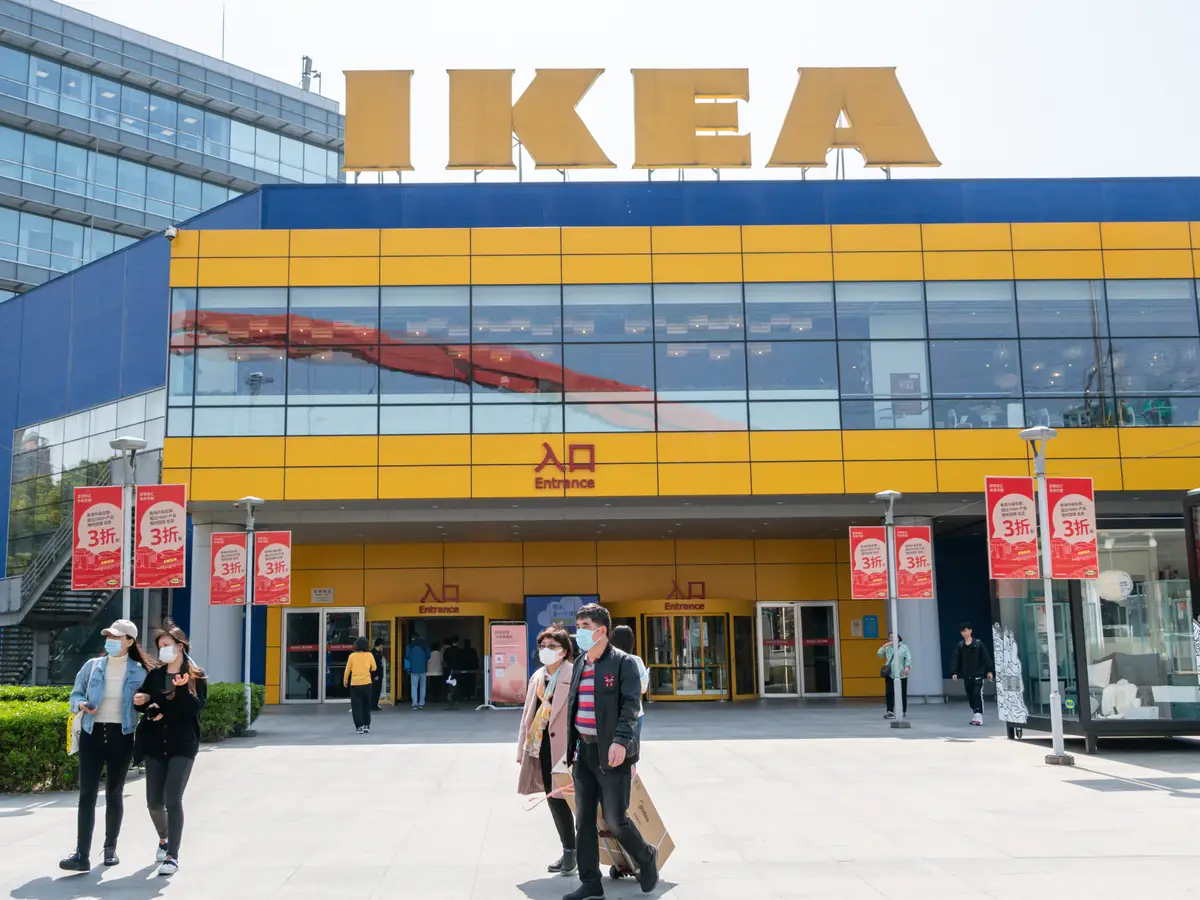
    Swedish furniture giant, Ikea, is intensifying its expansion strategy in China by launching a more compact store model in the eastern part of Beijing. This move is part of the company’s shift from its traditional large-scale stores towards smaller and more accessible locations.

    The New Small-Format Store

    The new Ikea outlet is managed by the Ingka Group and situated in Beijing’s Tongzhou District. It spans over an area of approximately 1,500 square meters, quite a downsize from the standard Ikea store which generally covers around 30,000 square meters. Despite its smaller size, the store still offers an impressive assortment of about 3,000 products.

    Ikea’s latest outlet puts more emphasis on services like home planning, rather than maintaining a large-scale inventory on-site. This innovative approach marks Ikea’s fifth presence in Beijing, and its inaugural location in the city’s eastern region. It also signifies a broader shift in the way the company is tackling the market.

    Shifting from Megastores to Compact, Accessible Locations

    Instead of depending on large-scale destination stores, Ikea is pivoting towards smaller, more accessible locations that are in closer proximity to residential areas.

    Javier Quiñones, the global commercial manager at Ingka Group, commented on this strategic shift. He noted, “The one-size-fits-all approach no longer applies. This makes our current expansion more relevant. We are getting closer to more people than ever, and continually learning how to fine-tune our offerings and presence.”

    This compact store model has already been successfully piloted in Shenzhen, with plans to introduce similar outlets across other major cities.

    Ikea’s Global Expansion

    So far in the current year, Ikea has inaugurated 21 new outlets worldwide, with sizes ranging from a few hundred square meters to over 4,000 square meters. These new outlets are spread across Europe, North America, and Asia. The company also plans to unveil additional locations in forthcoming months.

    Questions & Answers

    What is the size of the new Ikea store in eastern Beijing?

    The new Ikea store in eastern Beijing covers approximately 1,500 square meters.

    What differentiates the new Ikea store from the traditional ones?

    The new Ikea store emphasizes more on services like home planning rather than maintaining a large on-site inventory, and it’s located closer to residential areas.

    How many new Ikea locations have opened globally this year?

    Ikea has opened 21 new locations globally this year.

  • Yum China’s Monumental Growth: Q1 Results Skyrocket with Record 636 New Stores

    Yum China’s Monumental Growth: Q1 Results Skyrocket with Record 636 New Stores

    Yum China, a leading retail company, has announced the launch of an ambitious expansion plan, following a highly successful first quarter for FY26. The company reported 636 net new store openings, setting a record-high figure.

    Impressive Financial Performance

    The retail behemoth recorded an impressive 10% increase in total revenue, reaching a staggering US$3.3 billion. Operating profit also followed this upward trajectory, registering a 12% growth to a record-breaking $447 million. Consumer behavior in China is undergoing significant changes, with delivery services now accounting for an impressive 55% of total sales. This is a substantial increase from the 43% reported in the same quarter of the previous year.

    CEO of Yum China, Joey Wat, applauded the company’s growth efforts, saying, “In Q1, our accelerated store openings reached a record level, capitalizing on considerable market opportunities.”

    He continued, elaborating on the company’s consistent growth, “Concurrently, we have maintained our system sales growth, operating profit growth, and operating profit margin expansion for the eighth quarter in a row, a testament to the hard work and dedication of our teams.”

    Adaption of ‘Side-by-side’ Store Strategy

    Yum China’s ‘side-by-side’ store strategy is gaining momentum, especially for the KPRO brand. With 280 outlets now in operation, this health-conscious concept is quickly scaling up, with ambitious goals to reach 600 locations by the end of the year.

    In a parallel development, Pizza Hut is also undergoing a strategic change. The ‘Pizza Hut Wow’ format concentrates on simplified menus and affordable prices and is currently being introduced in 100 additional cities. This strategic move is designed to attract value-conscious consumers in Tier 2 and Tier 3 markets.

    Future Expansion Plans

    Looking forward, Yum China is aiming to build a total store network exceeding 20,000, facilitated by more than 1900 net new store openings this year. Additionally, the company is considering a 40-50% franchise mix for net new stores across both the KFC and Pizza Hut portfolios.

    CEO Joey Wat expressed confidence in the company’s future, stating, “Considering our robust foundation, dual focus on innovation and operational efficiency, and a more judicious delivery platform competition, we are optimistic about meeting our full-year targets and generating sustainable long-term value for our shareholders.”

    These promising results follow a strong fourth quarter for the company in the previous year.

    Questions & Answers

    What is Yum China’s expansion strategy?
    Yum China’s expansion strategy includes accelerated store openings and the introduction of the ‘side-by-side’ store strategy, especially for the KPRO brand.

    How is Pizza Hut adapting to market changes?
    Pizza Hut is implementing the ‘Pizza Hut Wow’ format, focusing on streamlined menus and affordable prices to attract value-conscious consumers in Tier 2 and 3 markets.

    What are Yum China’s future plans?
    Yum China plans to build a total store network exceeding 20,000, facilitated by more than 1,900 net new store openings this year. The company is also considering a 40-50% franchise mix for net new stores across both the KFC and Pizza Hut portfolios.

  • Vivaia Amplifies US Expansion with Offline Stores, Catering Sustainable Luxury Footwear to New Markets

    Vivaia Amplifies US Expansion with Offline Stores, Catering Sustainable Luxury Footwear to New Markets

    Vivaia, a footwear brand originating from China, is extending its footprint in the United States with the launch of two new retail locations, highlighting the company’s ongoing commitment to increasing its physical availability globally.

    The first location was recently inaugurated at the Roosevelt Field Mall in Long Island, while the second store is scheduled to commence operations in late May at the Garden State Plaza in New Jersey.

    The Long Island outlet, encompassing 650 square feet, is architecturally fashioned after the ‘wabi-sabi’ principles. An inherent Japanese philosophy, wabi-sabi underscores minimalistic and pared-down aesthetics. The store boasts an ambiance marked by light wood finishes and soothing illumination, aimed at facilitating a serene shopping experience for the customers.

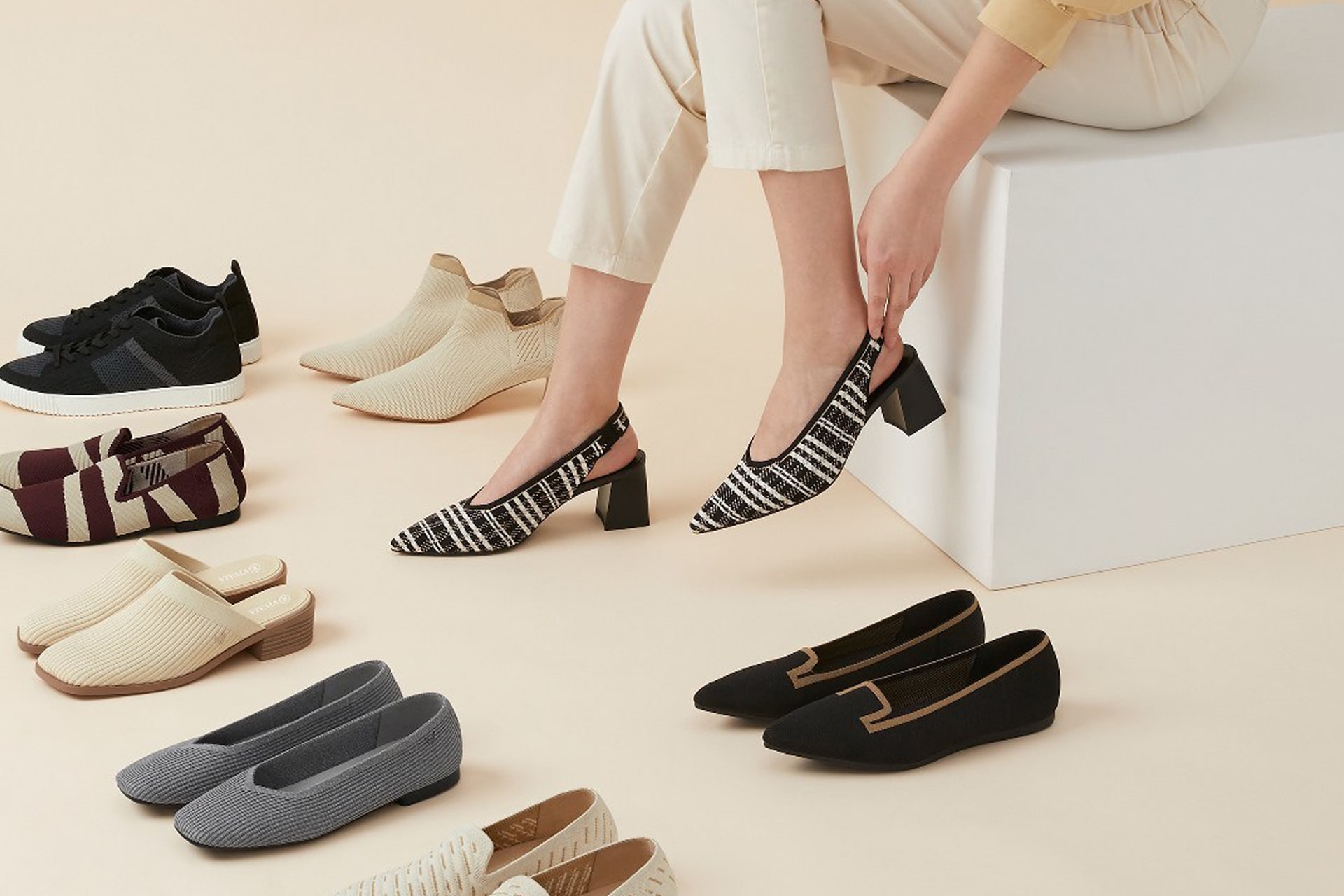
    Each store will showcase a handpicked assortment of Vivaia’s footwear offerings. The product line-up includes the Margot Mary Jane, Healing Garden Slingback Heels, and the Satin Sneakerina.

    Jeff Chan, Vivaia’s Co-founder, shared his insights on the brand’s US expansion strategy. He said, “Given that the United States constitutes our principal market and fuels our online growth, branching out beyond New York was a logical progression for us.” He added, “By synergising our robust digital presence with tangible retail outlets, we can better cater to our customers and make our comfort-centric, environmentally-friendly merchandise more accessible to them.”

    Established in 2020, Vivaia has garnered recognition for its footwear that seamlessly melds comfort and sustainability. The brand employs recycled materials in its manufacturing process, such as yarns derived from PET bottles, and leverages 3D knitting technology to minimise waste.

    Questions & Answers

    What is Vivaia’s expansion plan in the US?
    Vivaia plans to increase its US presence by opening two new retail outlets. The first store has already opened in Long Island’s Roosevelt Field Mall, and the second one is set to launch in late May at the Garden State Plaza in New Jersey.

    What are the principles behind the design of Vivaia’s Long Island store?
    The Long Island store is designed following ‘wabi-sabi’ principles, a Japanese philosophy that embraces minimalism and simplicity. The store is characterized by light wood finishes and soft lighting to provide a tranquil shopping experience.

    What is unique about Vivaia’s product offerings?
    Vivaia is known for its comfort-based and sustainably produced footwear. The brand uses recycled materials, including yarns made from PET bottles, along with 3D knitting technology to decrease waste.

  • Miniso Boosts Southeast Asian Presence With Landmark Flagship Stores in Singapore and Vietnam

    Miniso Boosts Southeast Asian Presence With Landmark Flagship Stores in Singapore and Vietnam

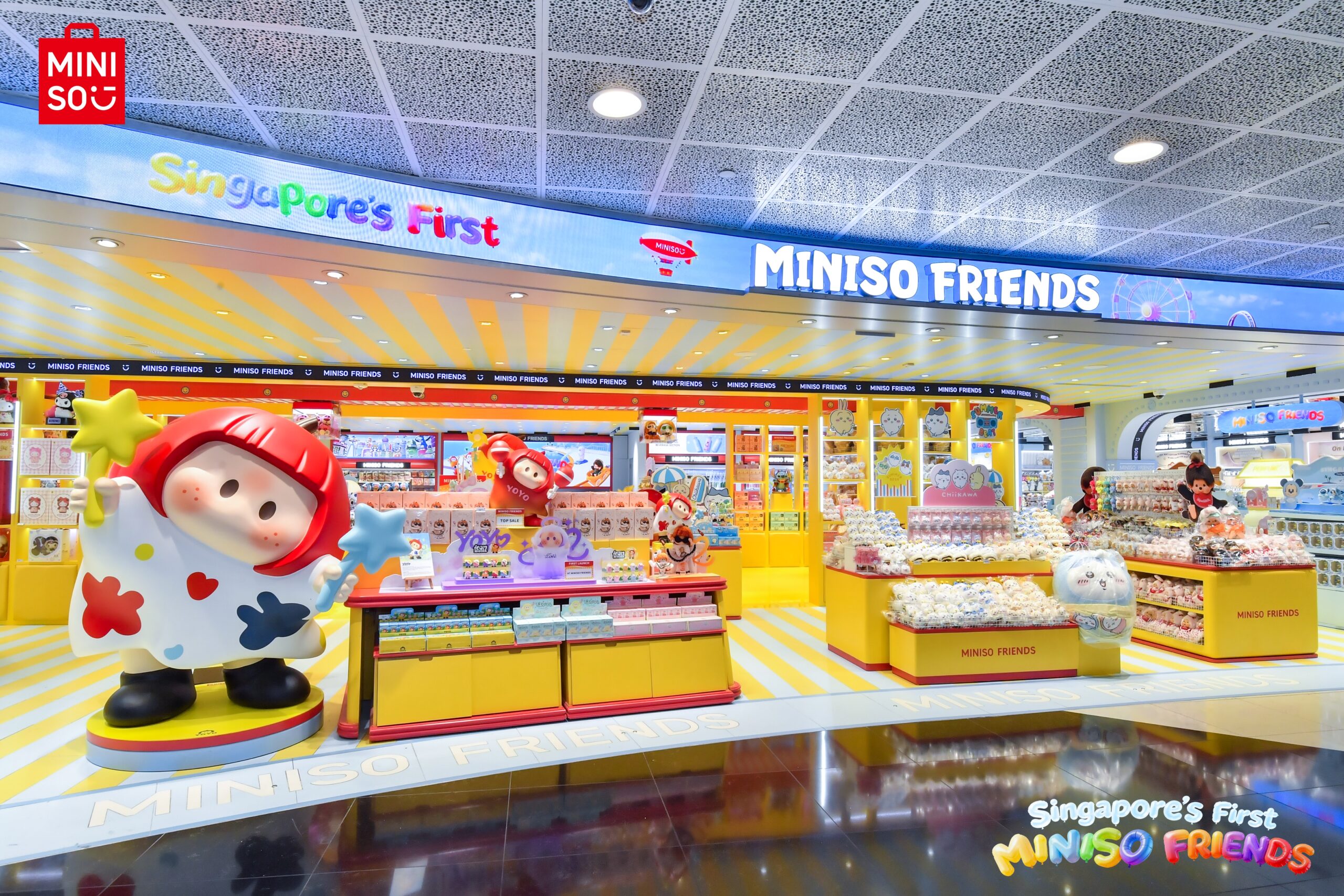
    Miniso, a major retailer in Asia, is intensifying its expansion efforts in Southeast Asia as it introduces its “Miniso Friends” concept in Singapore and Vietnam. This development forms part of a more extensive strategic shift towards experiential and intellectual property (IP)-centered retail.

    Experiential Retail: A Strategic Shift

    The Miniso Friends stores, according to the company, are larger and situated in prominent commercial districts. They are intended to act as city-level landmarks differing from conventional lifestyle outlets. This move signifies the brand’s effort to replace the traditional retail environment with an experiential, IP-focused one.

    Miniso in Vietnam

    In Vietnam, the new Miniso Friends store is located in the Van Hanh Mall in Ho Chi Minh City. This opening aligns with Miniso’s 10th anniversary in the Vietnamese market. The store dedicates 70% of its stock to IP-related merchandise. The product selection includes items from the YoYo Fly with the Wind Series, the Sanrio SEA-exclusive Leopard collections, and the Chiikawa Sakura Season. In addition, the store also introduced Star Wars and Luo Xiaohei collaboration merchandises to the market.

    Miniso in Singapore

    In Singapore, Miniso has acquired a 450 square meter space in VivoCity, the nation’s biggest shopping mall. The store stocks over 3,200 stock keeping units (SKUs). Emphasizing local products, it offers Singapore-exclusive Disney Mickey items featuring the iconic Merlion design.

    These recent expansions come after a period of rapid regional growth earlier in the fiscal year 2026, highlighted by the introduction of the Miniso Friends model in Malaysia.

    Miniso’s Broader Growth

    By the end of 2025, Miniso had already established 26 Miniso Land locations in China, representing another aspect of its transition to IP-centric retailing.

    Questions & Answers

    What is the Miniso Friends concept?
    Miniso Friends is a part of Miniso’s strategic pivot towards an experiential and IP-centric retail concept. These stores are larger and located in prominent commercial areas, functioning as city landmarks.

    What kind of products does the new Miniso store in Vietnam offer?
    The new Miniso store in Vietnam offers a variety of IP-related products. This includes items from the YoYo Fly with the Wind Series, Sanrio SEA-exclusive Leopard collections, and the Chiikawa Sakura Season. It also marks the market debut of Star Wars and Luo Xiaohei collaboration lines.

    How does Miniso cater to the local market in Singapore?
    In Singapore, Miniso emphasizes localized products. It offers Singapore-exclusive Disney Mickey items featuring the iconic Merlion design.

  • Milk Tea Giant Mixue Trims Overseas Presence, Closes 428 Stores – Pursues Optimized Operations in Indonesia and Vietnam

    Milk Tea Giant Mixue Trims Overseas Presence, Closes 428 Stores – Pursues Optimized Operations in Indonesia and Vietnam

    The world’s largest food and beverage chain, China’s Mixue, experienced a decrease in its international outlets in 2021. A significant number of these closures occurred in Indonesia and Vietnam, as the company strived to enhance its operations and efficiency.

    Strategic Store Closures

    While the exact number of closed outlets in Indonesia and Vietnam were not made public by Mixue, the company emphasised in its most recent financial statement a strategy to enhance the performance of their existing stores, to facilitate long-term, sustainable, and stable operations.

    Expansion in Other Territories

    Concurrently, Mixue expanded its reach in other countries including the United States and Kazakhstan, and launched its maiden stores in Malaysia and Thailand under a different brand, Lucky Cup.

    As of the end of last year, Mixue had a global presence with 59,823 outlets, the majority of which, 55,356, were located in mainland China. Indonesia and Vietnam are its two largest overseas markets. As of September 2024, Mixue had 1,304 outlets in Vietnam according to documents filed for its Hong Kong Initial Public Offering (IPO) in early 2025.

    Shifting Retail Strategy

    Mixue is in the process of transitioning from a traditional small-store format to larger outlets in Vietnam. The new locations will feature expanded preparation counters, street-facing storefronts, and more expansive floor areas than their predecessors. The company is also giving preference to prime locations for its outlets.

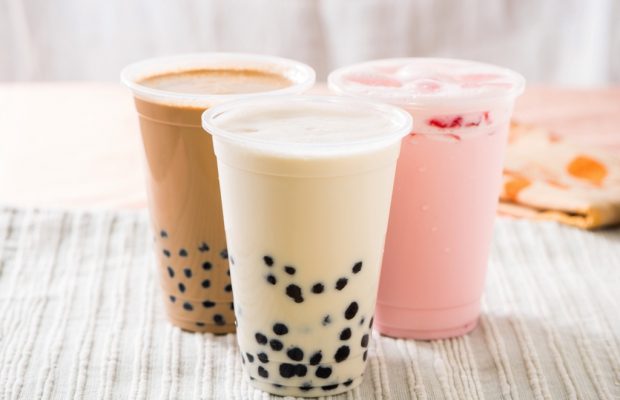
    The company made its debut in Vietnam in 2018, with an initial focus on Hanoi and the northern provinces. Since then, it has expanded its footprint nationwide. Some of its core offerings include lemonade, ice cream, milk tea, and fruit tea, all priced within an affordable range of VND10,000–30,000.

    Mixue credits its ability to maintain low prices to its control over the supply chain, which extends from raw material production and logistics to research and development and quality control.

    In a 2024 report, it was noted that Mixue has been instrumental in reshaping Vietnam’s milk tea market. The company has played a significant role in growing the affordable beverage segment and pursues an aggressive franchising strategy.

    Future Plans and Financial Performance

    Mixue has expressed plans to continue expanding its presence in Southeast Asia by further enhancing its franchisee network in the region.

    In terms of financial performance, Mixue saw a significant increase in its revenues and net profits last year. Revenues shot up by 35% to RMB33.56 billion (US$4.9 billion), and net profits rose by 33% to RMB5.93 billion.

    Questions & Answers

    What is Mixue’s current strategy in Vietnam?
    Mixue is transitioning from a traditional small-store format to larger outlets, with prime locations, expanded preparation counters, and larger floor areas.

    What are some of Mixue’s key products in Vietnam?
    Mixue’s core offerings in Vietnam include lemonade, ice cream, milk tea, and fruit tea.

    How has Mixue’s financial performance been in recent years?
    In the previous year, Mixue’s revenues increased by 35% to RMB33.56 billion (US$4.9 billion), and net profits rose by 33% to RMB5.93 billion.

  • Ikea’s Savory Surprise: Meatball-Flavored Chupa Chups Coming to Stores Worldwide

    Ikea’s Savory Surprise: Meatball-Flavored Chupa Chups Coming to Stores Worldwide

    Ingka Group has collaborated with confectionery brand Chupa Chups to bring a novel, meatball-inspired treat to Ikea stores across the globe this June. The peculiar confection, which was initially teased as an April Fools’ Day prank, garnered substantial customer interest, promoting the companies to make the concept a reality.

    From April Fool’s Joke to Reality

    On April 1st, the idea of a meatball-flavored lollipop was pitched, amusing customers and sparking curiosity. The response was so positive that the companies decided to turn the playful concept into a limited-edition treat. They plan to produce and distribute one million of these unique lollipops at numerous Ikea locations worldwide.

    The Flavor Inspiration

    The development of this product is in the hands of Chupa Chups. The confection is designed to mimic the taste of Ikea’s renowned Swedish meatballs paired with lingonberry. Rather than serving as a retail item, the lollipop is seen as an engaging extension of Ikea’s food offerings, intending to enhance the customer’s in-store experience.

    Javier Quiñones, commercial manager at Ingka Group, shared his enthusiasm about their partnership with Chupa Chups. He expressed that the lollipop is a delightful interpretation of their original idea and a unique way of celebrating their passion for food. He also noted the power of humor, remarking that even a simple joke could evolve into a tangible product and engage people in unexpected ways.

    Availability

    These intriguing lollipops won’t be up for sale. Instead, Ikea plans to treat customers by offering them as complimentary samples in stores throughout June.

    Questions & Answers

    What is the origin of the meatball-inspired lollipop?
    The concept started as an April Fool’s joke but due to the strong response from customers, the companies decided to make it a reality.

    What flavor will the lollipop have?
    The lollipop, developed by Chupa Chups, is intended to mimic the taste of Ikea’s popular Swedish meatballs coupled with lingonberry.

    Will these lollipops be available for purchase?
    No, they will not be available for sale. The lollipops will be given out as free samples to customers visiting Ikea stores in June.