Retail News CRM

Tag: Stores

  • Texas Chicken Set to Conquer Chinese Market with 600+ Stores: The Biggest International Expansion to Date

    Texas Chicken Set to Conquer Chinese Market with 600+ Stores: The Biggest International Expansion to Date

    Texas Chicken, a prominent quick-service restaurant chain, is set to expand its footprint to China. The company plans to inaugurate its first restaurant in the country later in the year, following a significant deal to open over 600 establishments nationwide.

    China: The 27th International Market

    The upcoming debut of Texas Chicken in China signifies its entry into its 27th international market. The first restaurant under this brand will be launched in Shanghai this summer, followed by additional outlets in various locations. The company aims to create a robust presence in the Chinese market by opening more than 600 restaurants throughout the country.

    Strategic Partnership with Deke Shengtang

    To facilitate its successful entry into the Chinese market, Texas Chicken has formed a strategic alliance with Deke Shengtang, a renowned local operator for several quick-service restaurant brands. The partnership entails a franchise agreement that will see the development of 600 or more restaurants across China in the coming years.

    According to Texas Chicken, this franchising agreement marks the company’s most significant international development deal to date, reflecting its long-term confidence in the Chinese market.

    Executives’ Insights

    Roland Gonzalez, the CEO of Texas Chicken, stated, “China is one of the most dynamic and influential consumer markets globally, and we are entering it with a brand primed for connection – boasting big flavour, real value, and a spirit that unifies people.”

    Tim Wadell, EVP of International Business at Texas Chicken, further stated, “The team at Deke Shengtang brings the local expertise and ambition we seek in a partner.”

    The company will release more details about the restaurant design, locations, and future openings in China as the launch date approaches.

    Company Background

    George W Church Sr established Church’s Texas Chicken in San Antonio, Texas, in 1952. Texas Chicken, the sister brand, oversees operations outside the US. The quick-service restaurant chain currently operates over 1400 locations worldwide.

    Questions & Answers

    What is the significance of Texas Chicken’s entry into China?
    Texas Chicken’s entry into China marks its expansion into its 27th international market, representing a significant milestone in the company’s global growth strategy.

    Who has Texas Chicken partnered with for its market entry into China?
    Texas Chicken has formed an alliance with Deke Shengtang, a leading local operator of multiple quick-service restaurant brands, to facilitate its market entry into China.

    What is the expected number of Texas Chicken restaurants in China?
    Following a franchise agreement with Deke Shengtang, Texas Chicken plans to develop 600 or more restaurants across China in the next few years.
  • Starbucks Seals Deal with Boyu Capital, Sets Sight on 20,000 Stores in China’s Coffee Market Rivalry

    Starbucks Seals Deal with Boyu Capital, Sets Sight on 20,000 Stores in China’s Coffee Market Rivalry

    Starbucks recently finalised a significant strategic transaction with Boyu Capital, effectively transferring majority control of its China-based operations to the investment firm. Initiated back in November, this strategic move is designed to stimulate the coffee chain’s expansion in the world’s second-largest economy. Starbucks faces fierce competition in this market from regional contenders such as Luckin and Cotti, who have managed to gain substantial market share through their affordable pricing strategies.

    Boyu Capital, whose founders include a descendant of previous Chinese President Jiang Zemin, will now oversee a significant 60% stake in Starbucks’ Chinese outlets. Despite this shift in ownership, Starbucks will maintain a 40% interest in these stores and will persist in licensing its distinguished brand and intellectual property rights to the joint venture.

    Molly Liu, the Chief Executive Officer of Starbucks China, expressed her affirmation of the deal, stating that it would foster a “hyper-localisation” of the Starbucks brand within the Chinese market. This essentially means that the brand will be more effectively tailored and marketed towards local consumers, creating a more resonant and culturally appropriate experience for them.

    Currently, China is home to approximately 8,000 Starbucks outlets. With this new agreement, the company plans to dramatically increase the number of stores with Boyu Capital’s assistance. The intended target is an ambitious 20,000 outlets across the country.

    Questions & Answers

    What is the purpose of Starbucks’ deal with Boyu Capital?
    The deal is designed as a strategic move to stimulate Starbucks’ growth in China, the world’s second-largest economy. It is a response to the fierce competition Starbucks faces in China, particularly from local brands offering lower prices.

    What will be the role of Starbucks in the new joint venture?
    Starbucks will retain 40% ownership in its Chinese stores and will continue to license its brand and intellectual property rights to the joint venture.

    What is the future plan of Starbucks in terms of its store count in China?
    Starbucks, in collaboration with Boyu Capital, plans to increase its current store count in China from approximately 8,000 to a target of 20,000 outlets.

  • Ikea’s Grand Expansion: 25 New Stores to Enliven India’s Retail Landscape by 2027

    Ikea’s Grand Expansion: 25 New Stores to Enliven India’s Retail Landscape by 2027

    Swedish furniture giant Ikea is broadening its reach in India with the inauguration of a new 3000 square foot store in Pune. This move is a continuation of the company’s assertive expansion across the country, adding to its already established locations in prominent cities such as Hyderabad, Navi Mumbai, Bengaluru, Mumbai, and New Delhi.

    Growth Plans in India

    Over the next half-decade, Ingka Group, Ikea’s parent company, has outlined its plans to establish an additional 25 small and medium-sized stores nationwide. This is part of the company’s aggressive multi-format growth strategy that aims to expand their influence in the Indian market.

    In addition to these smaller shops, large-format stores are also in the works as part of Ikea-owned shopping centres in the outskirts of New Delhi. The first of these larger establishments is scheduled to open in Gurugram, with Noida following suit.

    A Strong Understanding of the Local Market

    Ikea India’s CEO, Patrik Antoni, is confident in the company’s understanding of the local market. This confidence stems from the successful navigation of unique customer needs in different regions across the country.

    Antoni stated, “We can inspire more people to make the most of their living situations – offering ideas and solutions that may be new to many people in India. Expanding our network and becoming more accessible is key to that.”

    Questions & Answers

    What is Ikea’s expansion plan in India?
    Over the next five years, Ingka Group, Ikea’s parent company, plans to establish 25 small to medium-sized stores across the country. They are also developing large-format stores outside New Delhi as part of Ikea-owned shopping centres.

    Where are Ikea’s new large-format stores being built?
    The new large-format stores are being planned outside of New Delhi. The first of these stores is set to open in Gurugram, followed by Noida.

    What is Ikea’s approach to the Indian market?
    Ikea aims to inspire more people in India to optimize their living situations by introducing them to novel ideas and solutions. They believe that expanding their network and enhancing their accessibility is the key to achieving this objective.

  • Gap Eyes China Expansion: Plans 50 New Stores, Hong Kong Comeback and Australia Re-Entry

    Gap Eyes China Expansion: Plans 50 New Stores, Hong Kong Comeback and Australia Re-Entry

    Gap, the prominent American clothing retailer, is said to be significantly expanding its footprint in Greater China. The company’s plans include opening 50 fresh storefronts throughout mainland China during the current year, as well as reestablishing its presence in Hong Kong.

    This expansion initiative follows in the wake of Gap’s first-ever quarterly break-even performance in China. This success has been credited to Baozun, the local operator who assumed control of the business in 2022. Under Baozun’s leadership, the company completed a comprehensive overhaul of its supply chains, merchandising, and digital channels.

    The forthcoming new stores are not confined to the established business hubs of Shanghai and Beijing. Indeed, locations span from tier-one cities to tier-three cities, broadening the brand’s geographical reach.

    Baozun has set a target of approximately 30% annual growth over the coming two years. The strategy for achieving this ambitious goal blends physical retail development with a fortified online presence.

    Vincent Qiu, the chairman and CEO of Baozun, has publically expressed the brand’s readiness to “accelerate the business and scale it to a bigger size” within the next three-year period.

    In addition to its expansion in Greater China, Gap is also gearing up to make a return to the Australian market. The company will do so through a collaborative partnership with Myer. Despite forming part of its wider international strategy, this Australian venture remains secondary to Gap’s primary focus on Greater China.

    Questions & Answers

    What plans does Gap have for expansion in Greater China?
    Gap plans to open 50 new stores across mainland China this year and re-enter the Hong Kong market.

    What is Baozun’s growth target for the next two years?
    Baozun aims to achieve around 30% annual growth over the next two years by combining physical retail expansion with a stronger online presence.

    Is Gap planning to re-enter any other markets?
    Yes, Gap is preparing to re-enter the Australian market through a partnership with Myer as part of its broader international strategy. However, this remains secondary to the company’s focus on Greater China.

  • Guess Joins Fashion Exodus: All Mainland China Stores Shutting Down

    Guess Joins Fashion Exodus: All Mainland China Stores Shutting Down

    US-based fashion behemoth, Guess, has announced plans to shutter all its outlets in Mainland China by the end of this month. This move is seen as a continuation of the trend witnessed in recent years where multiple foreign labels have ceased operations in the region.

    Guess has let its customers know of this impending closure through text messages, stating that both its brick-and-mortar and online stores will be affected. Consequently, the company has already ceased the sale of its products on its Tmall online flagship stores.

    The fashion giant has hinted towards a strategic repositioning within the Chinese market, utilizing an innovative model. However, specifics of this new strategy have not been divulged yet.

    Guess first set foot in Mainland China back in 2007, launching its inaugural store in Shanghai. The brand witnessed impressive growth, boasting around 250 stores in the region at its peak in 2019.

    Guess’s withdrawal from China echoes the actions of various international brands over the past few years. Prominent labels including Old Navy, Topshop, Bershka, Pull&Bear, Stradivarius, and Oysho have all left the Chinese market.

    Questions & Answers

    Why is Guess closing its stores in Mainland China?
    Guess is following the trend of many foreign brands that have exited the Chinese market in recent years. Specific reasons for Guess’s decision have not been provided.

    What is the company’s future plan in the Chinese market?
    Guess plans to reposition itself in the Chinese market with a new business model, although the company has not released any details regarding this plan.

    Which other foreign brands have exited the Chinese market recently?
    Several foreign brands have closed their operations in China in the past few years, including Old Navy, Topshop, Bershka, Pull&Bear, Stradivarius, and Oysho.

  • End of an Era: T2 Tea Shutters Last Singapore Stores, Signaling Market Withdrawal

    End of an Era: T2 Tea Shutters Last Singapore Stores, Signaling Market Withdrawal

    T2 Tea has announced that it will be shutting down its remaining three stores in Singapore, bringing an end to a nine-year presence in the market. The closures, which will occur between March 20 and 25, involve outlets located in VivoCity, 313@Somerset, and Suntec City. The company has been offering substantial discounts of up to 70% off as part of its closing sales, details of which have been widely shared across various social media platforms.

    Established in 1996, T2 Tea, originally based out of Melbourne, was purchased by Unilever in 2013 for a reported sum of approximately $60 million. In 2022, the company underwent another shift in ownership when Unilever sold its tea division to the private equity firm, CVC Capital Partners. The division was subsequently renamed as Lipton Teas and Infusions.

    T2 faced significant changes in 2023, shortly after the deal with CVC Capital Partners. The company decided to close its operations in the UK and the US to concentrate its efforts on markets in Australia, New Zealand, and Singapore. The move was a response to the “unprecedented changes” that had been experienced in the previous years.

    T2 Tea had a substantial footprint in Asia, with retail partnerships in the Philippines and a flagship e-commerce platform in Mainland China. Leaf Beverages, its official retailer in the Philippines, operates from kiosks and shopping centers. Meanwhile, the company primarily used the Tmall Global Flagship platform to distribute its products in China.

    Multiple local news reports have covered the story of the brand’s departure from the region. A spokesperson for the business informed a popular news outlet that the stores will be closing “indefinitely”. However, the spokesperson also noted that the brand would be open to assessing potential opportunities to make a comeback in the Singaporean market in the future. T2 Tea has been contacted for additional comments regarding the closure.

    Questions & Answers

    Why is T2 Tea closing its outlets in Singapore?
    The decision to close the outlets comes as part of a strategic shift for the company, although specific reasons behind their exit from the Singaporean market have not been disclosed.

    What were the major changes that T2 Tea experienced?
    In 2023, T2 Tea decided to close its operations in the UK and the US to concentrate on markets in Australia, New Zealand, and Singapore. This move was in response to “unprecedented changes” the company had been facing.

    Could T2 Tea re-enter the Singaporean market in the future?
    While the stores are closing “indefinitely”, a spokesperson for the business has noted that the company would be open to evaluating potential opportunities to return to Singapore in the future.

  • Mr DIY Scales New Heights: Targets 3,000 Stores in Thailand by 2031 Following Stellar Growth

    Mr DIY Scales New Heights: Targets 3,000 Stores in Thailand by 2031 Following Stellar Growth

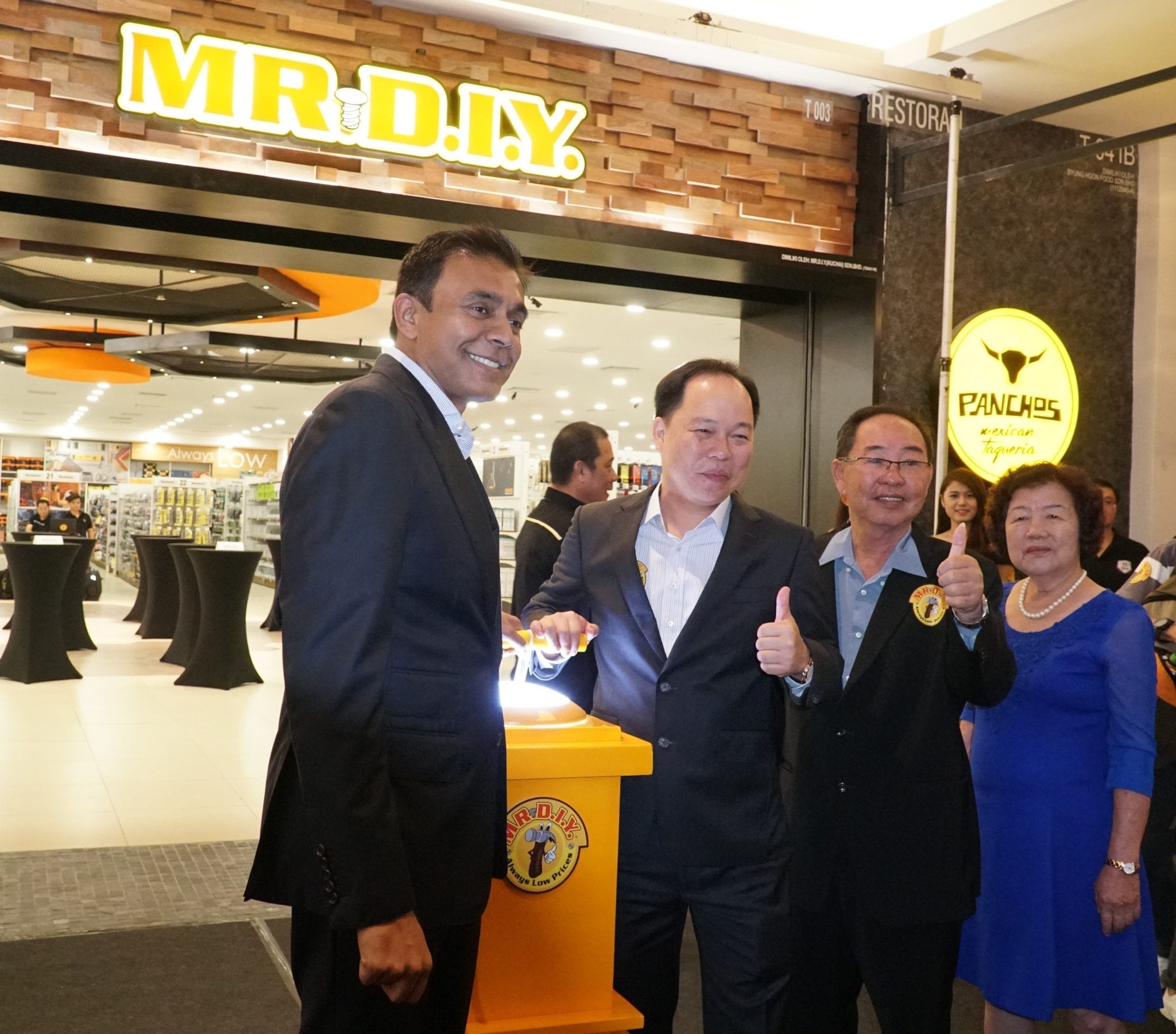
    Mr DIY, the biggest home improvement retail chain in Asia, is setting its sights on further expansion in Thailand, having recently reached the milestone of 1,000 stores in the country.

    Establishing a Strong Retail Presence

    Since its debut in Thailand in 2016, Mr DIY has broadened its reach significantly across 77 provinces. With its origins in Malaysia, the company now runs more than 5,000 stores in 11 countries worldwide.

    Andy Chin, the CEO of Mr DIY Thailand, expressed his excitement and optimism about the company’s future growth prospects. He shared some details about the expansion plans they have in place.

    Expansion Plans

    Mr DIY has set an ambitious target of opening an additional 210 stores in Thailand this year. In aid of this, the construction of an automated warehouse in Samut Prakan is currently in progress.

    This warehouse is set to function as a distribution center, thereby assisting Mr DIY in achieving its goal of 3,000 stores by 2031. By 2027, the company envisages having 1,500 stores operational within Thailand.

    Financial Performance

    In terms of financial performance, Mr DIY reported a revenue of THB20.1 billion during the fiscal year 2025, which was a 24.4 percent annual increase. Additionally, the company also witnessed a significant 47.8 percent surge in profits.

    Questions & Answers

    What is Mr DIY’s target number of stores in Thailand by 2031?
    Mr DIY aims to have 3,000 stores in Thailand by 2031.

    What is the role of the new warehouse in Samut Prakan?
    The new warehouse in Samut Prakan will serve as a distribution center to facilitate Mr DIY’s expansion goals.

    How has Mr DIY’s financial performance been in recent years?
    In the 2025 financial year, Mr DIY recorded a revenue of THB20.1 billion, marking a 24.4% yearly increase. Profits also saw a substantial increase of 47.8%.

  • Central Retail Amplifies Vietnam Presence: Plans for 30 New Stores to Bolster Retail Expansio

    Central Retail Amplifies Vietnam Presence: Plans for 30 New Stores to Bolster Retail Expansio

    Thailand’s Central Retail, a notable force in the retail industry, is gearing up to increase its investments in Vietnam. The company has announced its intentions to initiate the launch of over 30 new large-format stores in the country within the upcoming years.

    Expansion Plans

    In its expansion blueprint, Central Retail plans to introduce 10 to 12 Go! malls and hypermarkets as well as 23 to 25 mini Go! stores in Vietnam. This ambitious expansion project is set to span from 2026 to 2028. The move is indicative of Vietnam’s rapidly growing retail market, which has attracted several international and local retail entities. Companies like Japan’s Aeon, South Korea’s Lotte, and Vietnam’s own WinMart have been escalating their presence to leverage the increasing household expenditure.

    Central Retail’s Growth in Vietnam

    Central Retail made its debut in the Vietnamese market in 2012, starting with a fashion retail business. Since then, the company has evolved into one of the most prominent foreign multi-format retailers in the country. As of now, Central Retail manages 43 Go! hypermarkets, 16 mini Go! malls, nine Tops Market supermarkets, and 23 LanChi Mart stores across Vietnam.

    Digital Capabilities Strengthening

    In addition to its physical expansion, Central Retail is also dedicated to bolstering its digital capabilities. However, the company has identified several challenges that could potentially hinder its growth. Complex land procedures and the intricate licensing requirements for foreign-invested shopping mall projects could potentially impact the development timelines.

    Earlier this year, marking a shift in its business strategy, Central Retail divested its entire stake in Nguyen Kim Electronics. This move saw the company pull out of Vietnam’s consumer electronics segment after enduring years of financial losses.

    Questions & Answers

    When did Central Retail first enter the Vietnamese market?
    Central Retail made its foray into the Vietnamese market in 2012 with a fashion retail business.

    What is Central Retail’s current footprint in Vietnam?
    Central Retail currently operates 43 Go! hypermarkets, 16 mini Go! malls, nine Tops Market supermarkets, and 23 LanChi Mart stores across Vietnam.

    What challenges does Central Retail foresee in its expansion in Vietnam?
    According to Central Retail, complex land procedures and intricate licensing requirements for foreign-invested shopping mall projects could potentially impede its growth and affect its development timelines.

  • Lawson’s Bold Expansion: 10,000 Stores Unveiled for India by 2050

    Lawson’s Bold Expansion: 10,000 Stores Unveiled for India by 2050

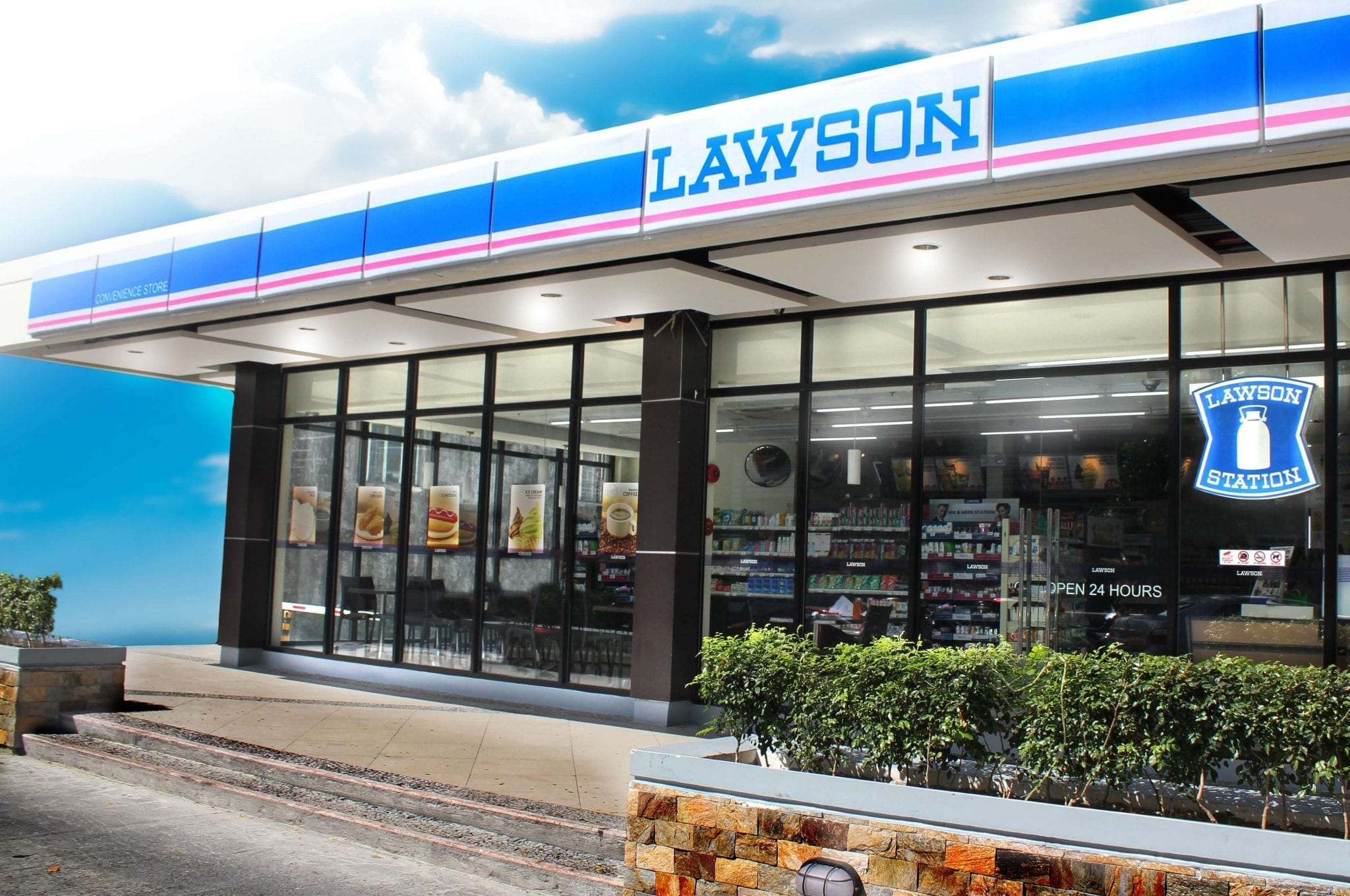
    Lawson, a convenience store chain co-owned by Mitsubishi Corp and KDDI, has announced its ambitious expansion plan into India. The company aims to establish a network of 10,000 stores across the country by 2050. This strategic shift towards India is driven by the saturation of Lawson’s domestic market and the desire for additional growth avenues.

    Initial Steps in India

    Lawson plans to establish its presence in India by initially launching five directly operated stores in Mumbai in the coming year. This is set to be followed by a more extensive roll-out through franchise and licensing agreements. With a goal of 100 stores by 2030, Lawson is keen to position India as a major contributor to its earnings, similar to its operations in China.

    Subsidiary Establishment and Product Localization

    To manage the site selection, supply chain development, and merchandising for its India operations, Lawson intends to set up a wholly-owned subsidiary in India this year. The company will outsource production and distribution to local partners in a bid to streamline operations.

    In response to local consumer preferences, Lawson will offer a specially curated product range. The retailer plans to accommodate dietary and religious practices with an expanded selection of meat-free and egg-free products. The stores will feature Lawson’s signature Japanese convenience items like onigiri rice balls and ready meals, along with locally popular items such as freshly brewed coffee and hot dishes.

    Global Expansion Plan

    Currently, Lawson operates over 7,000 stores in five countries including China, the Philippines, Thailand, and Indonesia. The company is set on doubling its international footprint to around 14,000 stores by as early as 2030.

    Entering the Indian market is a natural progression after Lawson’s efforts to speed up its expansion in Southeast Asia last year. This included signing franchise agreements with local retail partners and increasing the number of directly managed stores.

    Questions & Answers

    What is Lawson’s expansion plan in India?
    Lawson aims to establish a 10,000-store network across India by 2050, with the first five outlets launching in Mumbai in the coming year.

    How will Lawson cater to the Indian market?
    Lawson plans to tailor its product range to local tastes, offering an expanded selection of meat-free and egg-free products in line with dietary and religious practices.

    What is Lawson’s global expansion strategy?
    Lawson is planning to double its number of overseas stores to around 14,000 by 2030. This includes its recent expansion into Southeast Asia and the upcoming foray into the Indian market.

  • Miniso Unleashes IP-Led Expansion with New ‘Miniso Land’ Stores Across the Globe

    Miniso Unleashes IP-Led Expansion with New ‘Miniso Land’ Stores Across the Globe

    Chinese lifestyle retailer Miniso is amplifying its commitment to intellectual property (IP), identifying IP creation and immersive retail experiences as essential aspects of its future worldwide growth.

    During its Global Partner Conference, Miniso announced plans to ramp up investments in both licensed and self-owned IP. This announcement marks a significant departure from the company’s original focus on affordable lifestyle products, as it now moves towards an IP-centric business model.

    Since 2020, Miniso has established partnerships with over 180 external IP owners, encompassing a broad range of international entertainment and pop culture identities.

    Miniso’s founder and CEO, Ye Guofu, stated that intellectual property embodies emotion, culture, and significance. He asserted that the next phase of competition would hinge on who has a more profound understanding of culture and IP.

    Guofu also expressed that Miniso aspires to craft globally-acclaimed, original IP and introduce hundreds of IPs to international markets in the coming decade.

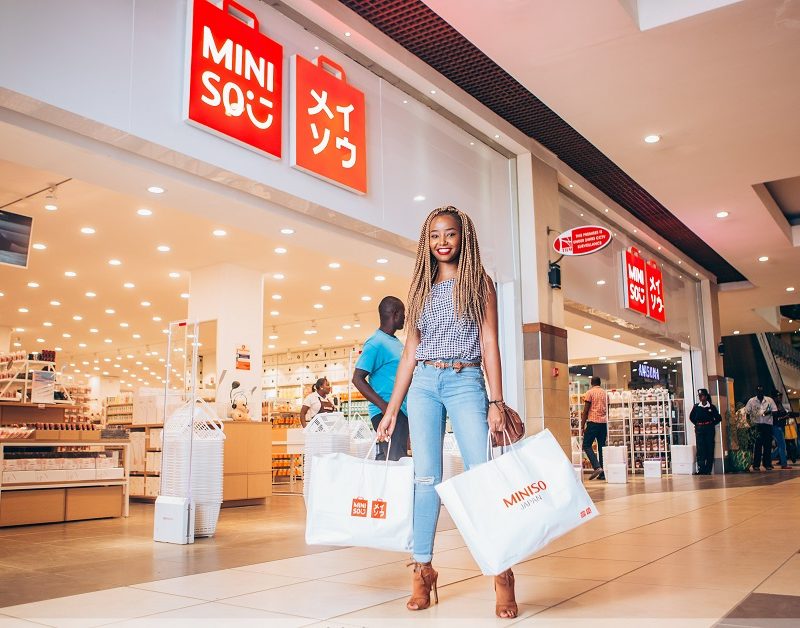
    This strategic direction is strongly supported by Miniso Land. This large-scale store concept is built around engaging IP experiences unlike the typical Miniso stores. Miniso Land locations showcase theme-oriented environments and character-based merchandise, with the majority of the product range being IP-related.

    Miniso recently inaugurated a new Miniso Land flagship store in Guangzhou’s Grandview Mall. This is the city’s second such store, where approximately 90% of the merchandise is IP-related. This unique store format has also been introduced in other locations such as Shanghai, Beijing, and certain international markets like Thailand.

    As a component of its global expansion strategy, Miniso has plans to expedite the worldwide introduction of the Miniso Land concept this year.

    Questions & Answers

    What is Miniso’s new focus in its business approach?
    Miniso is moving away from its traditional focus on affordable lifestyle products towards an IP-centric business model, with a significant investment in both licensed and proprietary IP.

    What is the role of Miniso Land in the company’s new strategy?
    Miniso Land supports the company’s new strategy as a large-scale store concept built around engaging IP experiences. Unlike standard Miniso stores, these locations showcase themed environments and character-based merchandise.

    What are Miniso’s plans for the Miniso Land concept this year?
    As a part of its global expansion strategy, Miniso plans to expedite the worldwide rollout of the Miniso Land concept this year.

  • Pop Mart’s Aggressive US Expansion: Over 20 New Stores Set to Boost Presence in American Malls

    Pop Mart’s Aggressive US Expansion: Over 20 New Stores Set to Boost Presence in American Malls

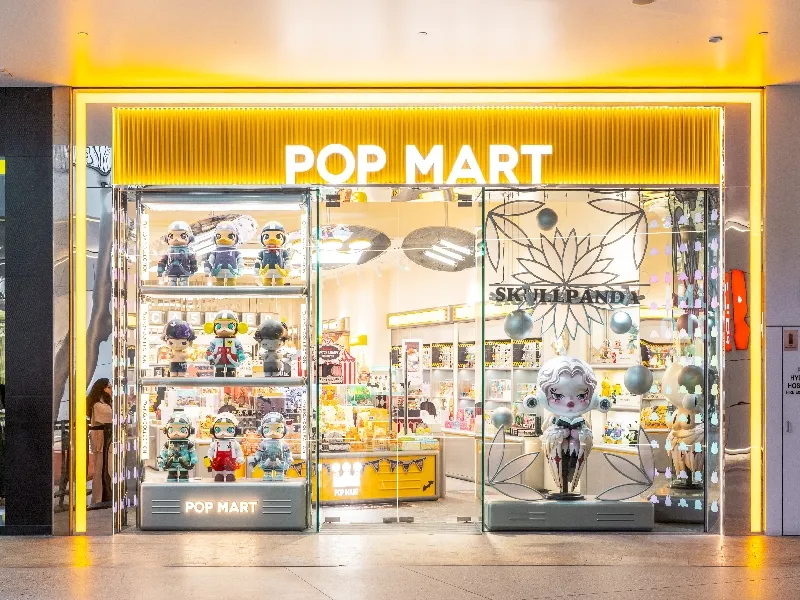
    Pop Mart, renowned for producing the popular Labubu figures, is set to expand its presence in the United States. This decision has been well-received by the corporation’s shareholders.

    Pop Mart has unveiled an ambitious plan to inaugurate more than 20 new outlets across malls in the United States. The company intends to join forces with Simon Property Group to realize this expansion. With the completion of this initiative, Pop Mart’s total outlets in the U.S. and Canada will exceed 60.

    Pop Mart marked its initial foray into the U.S. market by launching its first store in the American Dream Mall, New Jersey, in September 2023. By 2024, the firm had expressed intentions to manage as many as 200 stores within the region.

    The company observed a decline in its share price from its peak in August. However, the announcement of the U.S. expansion and subsequent investment brought about a significant turnaround. The company’s shares noticed a single-day increase of 10% – marking the most substantial growth since August 20.

    The first half of the previous year saw a dramatic 1142% year-on-year revenue increase in the U.S., amounting to US$315 million. This figure considerably surpassed the 135% growth recorded in China during the corresponding period.

    Questions & Answers

    What is Pop Mart’s expansion plan in the United States?
    Pop Mart has announced plans to open more than 20 new stores in American malls in collaboration with Simon Property Group.

    What was the response of Pop Mart’s shareholders to the U.S. expansion plan?
    The shareholders responded positively to Pop Mart’s U.S. expansion plans, evident from the 10% single-day increase in the company’s shares following the announcement.

    How did the U.S. market contribute to Pop Mart’s revenues in the first six months of last year?
    The U.S. market contributed significantly to Pop Mart’s revenues during the first half of last year, with a year-on-year increase of 1142% amounting to US$315 million.

  • Foodpanda Expands Footprint in Singapore with New Pandamart XL Stores: Bigger Selection, Better Value!

    Foodpanda Expands Footprint in Singapore with New Pandamart XL Stores: Bigger Selection, Better Value!

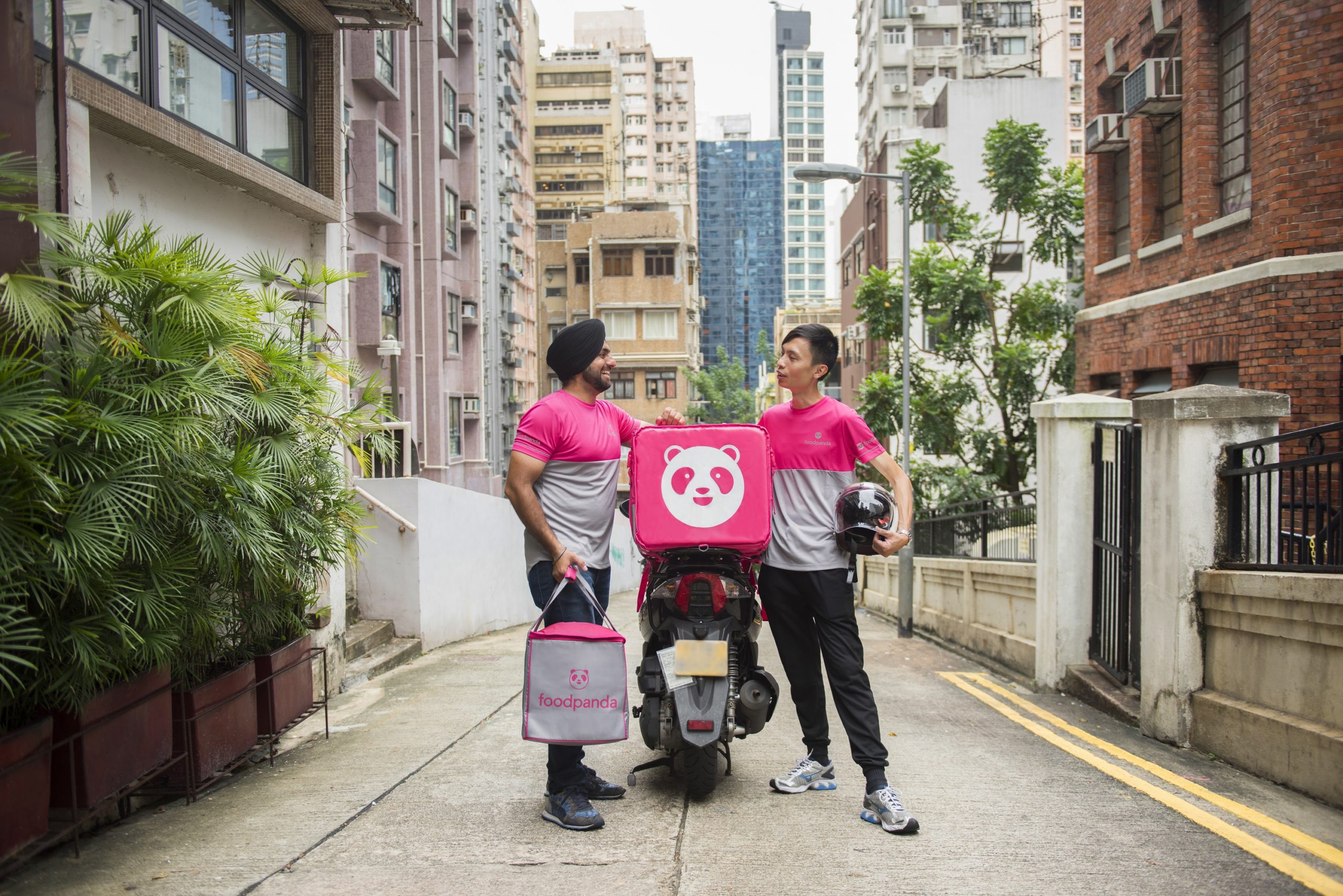
    Foodpanda, a popular food delivery service, has recently expanded its presence in Singapore with the opening of two additional Pandamart XL stores. These new locations, situated in Kallang and Yio Chu Kang, have been established to meet the increasing consumer demand and will provide a wider variety of products.

    Understanding the Change in Consumer Behaviour

    Bhavani Mishra, the Managing Director of Foodpanda Singapore, shared that they have noticed a shift in how their customers in Singapore are shopping. Shoppers are becoming more intentional, planning their purchases meticulously, spending wisely, and doing bulk shopping in one go. The new Pandamart XL stores have been specifically designed to cater to these changing needs.

    Expanded Product Range

    Pandamart XL stores are characterized by a larger product range, around 30 per cent more than their regular stores. This increased product assortment includes not just everyday items, but also specialty imported goods and locally popular items. This is designed to offer customers more options and better value while retaining the convenience they have come to expect from Foodpanda.

    Quick-commerce and Its Evolution

    Axelle Guibert, the Director of Quick-commerce at Foodpanda Singapore, elaborates that quick-commerce has moved beyond just being about convenience. It has become a part of the daily shopping rhythm in Singapore. With their new Pandamart XL stores, Foodpanda aims to deliver both scale and speed, offering customers a wider selection and better value, all in proximity to their homes.

    Foodpanda currently operates three Pandamart XL stores. The company utilizes hyperlocal demand trends for effective stock planning. This ensures that each store’s inventory is tailored to meet the specific needs of its surrounding neighbourhood.

    Questions & Answers

    What is Foodpanda’s recent development in Singapore?
    Foodpanda has recently opened two more Pandamart XL stores in Kallang and Yio Chu Kang, Singapore.

    What distinguishes Pandamart XL stores from regular stores?
    Pandamart XL stores offer 30 per cent more products than regular stores, including specialty imported goods and locally popular items, providing customers with more choices and better value.

    How does Foodpanda plan its inventory for the Pandamart XL stores?
    Foodpanda utilizes hyperlocal demand trends for stock planning, ensuring that each store is tailored to meet the specific needs of its surrounding neighbourhood.

  • Explore More: China Boosts Tax-Free Shopping with 41 New Duty-Free Stores for Global Travellers

    Explore More: China Boosts Tax-Free Shopping with 41 New Duty-Free Stores for Global Travellers

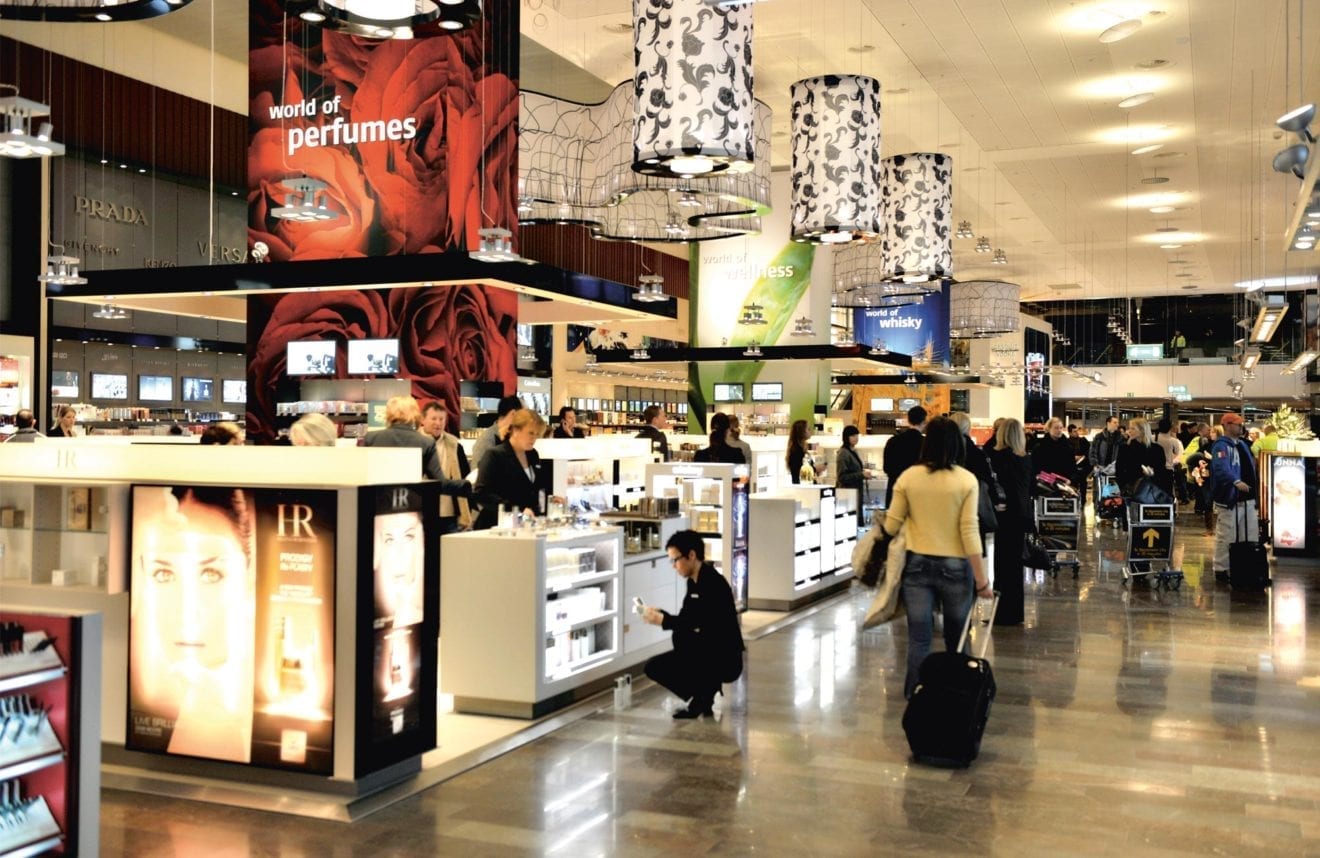
    China is set to increase its appeal to international tourists by opening 41 new duty-free stores, as part of a broader initiative to stimulate tax-free shopping upon arrival. This new development was unveiled in a joint statement by five Chinese government departments, including the Ministry of Finance.

    This enhancement comes in the wake of China Tourism Group Duty Free purchasing the travel retail business of DFS Greater China from luxury goods conglomerate LVMH for a sum of US$400 million.

    The statement outlined that the primary goal of establishing and refining these duty-free stores at entry ports is to provide a more straightforward and seamless duty-free shopping experience for arriving passengers. Furthermore, the intention is to fully utilize the potential of duty-free stores to reinforce and stimulate consumption, thereby fostering the growth and systematic progression of the duty-free retail sector.

    The announcement also highlighted that provisions are being made for the creation of duty-free stores in an additional 11 locations. However, the establishment of such outlets at Qingdao Liuting International Airport, Guangzhou East Railway Station, and Jiangmen Port will be discontinued.

    The authorities also pointed out the increasing significance of shopping for tourists in China, stating that it has become an “increasingly integral” aspect of travel itineraries.

    Questions & Answers

    Why is China planning to increase the number of its duty-free stores?
    China aims to stimulate tax-free shopping for international tourists upon arrival and sees this as a way to boost consumption and foster systematic progression of the duty-free retail sector.

    What recent significant purchase might have influenced this decision?
    China Tourism Group Duty Free recently purchased the travel retail business of DFS Greater China from LVMH for US$400 million, which may have triggered this decision.

    What changes will occur at current duty-free locations?
    Although the creation of duty-free stores in an additional 11 locations is planned, the establishment of such outlets at Qingdao Liuting International Airport, Guangzhou East Railway Station, and Jiangmen Port will be discontinued.

  • AS Watson Expands Empire: 1000 New Stores Set to Open Amid 10 Million Boost in Loyalty Membership

    AS Watson Expands Empire: 1000 New Stores Set to Open Amid 10 Million Boost in Loyalty Membership

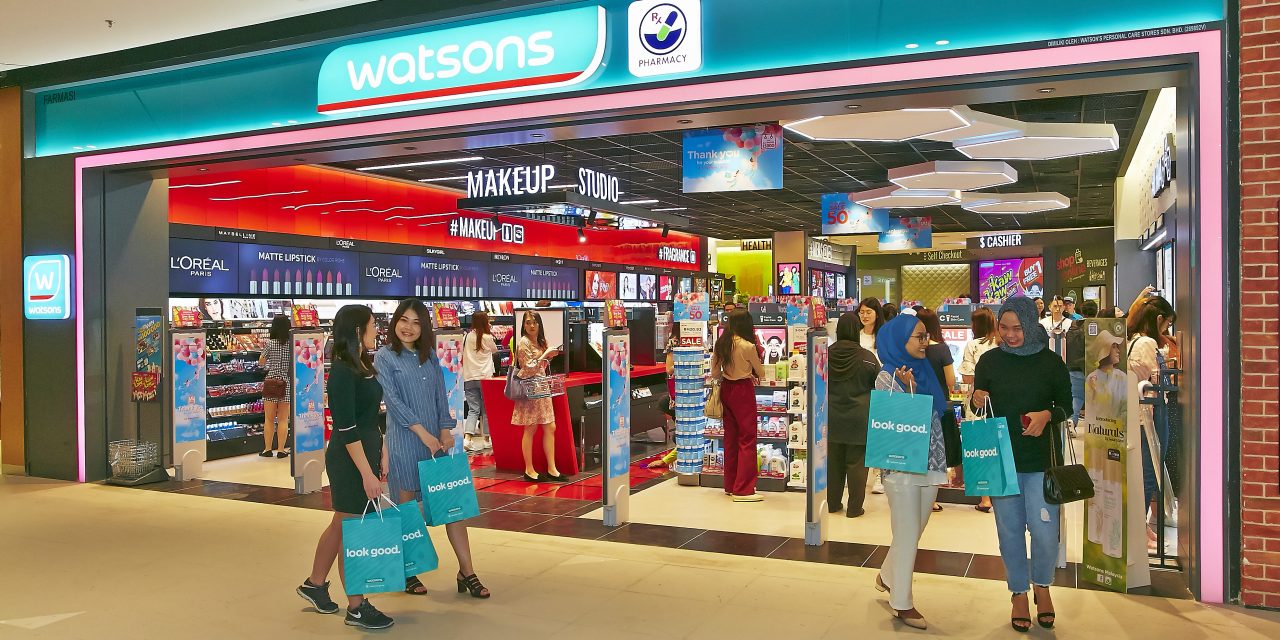
    AS Watson, a health and beauty retail giant, has announced ambitious expansion plans for the coming year, with around 1,000 new stores expected to open. This move comes in response to a significant surge in customer engagement via the company’s loyalty program.

    Growing Loyalty Program

    Last year, AS Watson witnessed an addition of 10 million new members to its loyalty program, pushing the global membership count to an impressive 180 million plus. This growth can be traced back to a successful integration between the firm’s brick-and-mortar store network and online platforms.

    Investment and Expansion

    AS Watson, which currently operates over 17,000 stores across 31 markets in Asia and Europe, is set to support its new store openings with an investment of approximately US$490 million. This funding will be allocated towards the launch of new stores, making store refurbishments, implementing technology updates, and enhancing supply chain processes.

    Strong Performance

    The retailer reported a robust category performance in the past year. Sales in the health category witnessed an 8 per cent increase, led by a double-digit rise in Europe. Simultaneously, beauty sales saw a 6 per cent uptick, propelled by a double-digit surge in Asia. The combined offline and online sales also saw a double-digit growth over the year.

    Preparation for the Future

    “Markets, technologies, and expectations are changing at an unprecedented speed. As we look to the future, our goal isn’t to predict what it holds but to be prepared for it. Our strategy remains the same – maintaining our dedication towards our customers, our employees, our partners, and upholding responsible business practices,” said Malina Ngai, Group CEO of AS Watson.

    AS Watson, which was established in Hong Kong in 1841, is celebrating its landmark 185th anniversary this year.

    Questions & Answers

    How many new stores is AS Watson planning to open this year?
    AS Watson plans to open about 1,000 new stores this year.

    What contributed to the growth in AS Watson’s loyalty program?
    The growth in AS Watson’s loyalty program can be attributed to the successful integration of its physical store network and online platforms.

    What is AS Watson’s strategy for the future, according to its Group CEO, Malina Ngai?
    AS Watson’s strategy for the future, as outlined by its Group CEO Malina Ngai, is not to predict the future but to be prepared for it by maintaining commitment towards their customers, employees, partners, and upholding responsible business practices.

  • Domino’s Pizza China Hits Milestone with Over 1300 Stores, Continues Aggressive Expansion Strategy

    Domino’s Pizza China Hits Milestone with Over 1300 Stores, Continues Aggressive Expansion Strategy

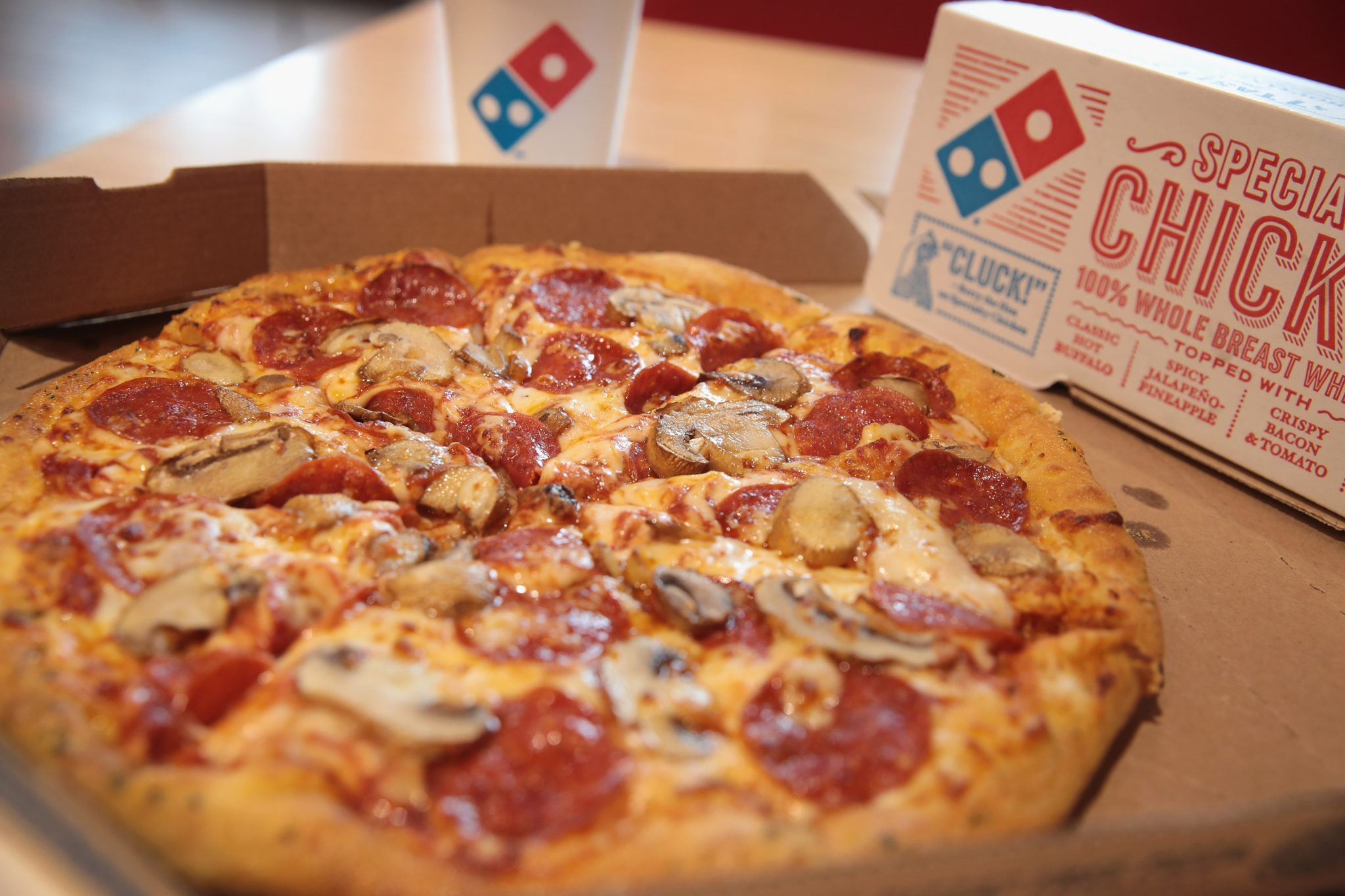
    In 2025, Domino’s Pizza China, also known as DPC Dash, boosted its expansion efforts by opening hundreds of new stores, increasing its presence throughout Mainland China. DPC Dash holds the exclusive master franchise rights for Domino’s Pizza in mainland China, Hong Kong, and Macau.

    By the end of 2020, DPC Dash had a total of 1,315 stores, owing to the successful launch of 307 new locations. The company also ventured into 21 new cities, expanding its reach to 60 cities nationwide.

    This upward trend continues into the new year, with the company inaugurating 62 additional stores in 46 cities in just the first month.

    The impressive results achieved by DPC Dash are a testament to its strategic approach, labeled “go broader, go deeper.” This strategy merges geographic growth with initiatives aimed at enhancing customer loyalty. These initiatives include increasing store density, introducing new products, and improving operational procedures.

    Looking forward, DPC Dash plans to further delve into the local market to analyze consumption potential and enhance operational efficiency.

    Questions & Answers

    What is DPC Dash’s strategy for expansion in China?

    DPC Dash uses a “go broader, go deeper” strategy which emphasises both geographical expansion and building customer loyalty.

    How many new stores did DPC Dash open in 2020?

    DPC Dash opened 307 new stores in 2025.

    How many cities does DPC Dash currently have a presence in?

    As of the beginning of the new year, DPC Dash has expanded to a total of 60 cities across China.