Tag: Stores

  • Revolutionizing Retail: How Innovative Design Transforms The Shopping Experience

    Revolutionizing Retail: How Innovative Design Transforms The Shopping Experience

    In the realm of physical retail, innovative and creative designs have a significant influence on the shopping experience. Among the noteworthy brick-and-mortar stores promoting such inventive designs are Farm Rio, Manière de Voir, Crocs, Huckberry, H&M, Todd Synder, and Tm:rw.

    Farm Rio: An Intimate Shopping Experience

    Brazilian brand Farm Rio opened its third and smallest New York City store in August, at 1055 Madison Avenue on the Upper East Side. The store greets customers with a stunning mosaic installation, designed in collaboration with Bisazza, an Italian luxury mosaic maker. The mosaic, composed of 1.9 million hand-placed glass tiles, took over 460 hours to install. This store’s design elements include earthy-green carpets and plush gray seating, creating an intimate and luxurious shopping experience. The brand’s international portfolio includes over 140 locations, including stores in Los Angeles, Paris, and Rio de Janeiro, the brand’s hometown.

    Manière de Voir: A Story of Persistence and Vision

    Manière de Voir, a Manchester-born brand, has opened its first US flagship at 521 Broadway in New York City. The brand’s founder and CEO, Reece Wabara, described the store as a “story of persistence, grit and bold vision.” The spacious store, located just steps away from major retail stores like Nike, Uniqlo, and Sephora, offers customers a chic layout in calming tones and an apparel line that blends a London-inspired streetwear aesthetic with a minimalist Parisian approach.

    Crocs: A New Era of Personalization

    In August, Crocs launched a new store concept called Icon at 543 Broadway in New York’s trendy Soho neighborhood. The 4000 sqft store offers an immersive shopping experience and the brand’s largest personalisation venture yet, drawing customers towards a range of shoes and accessories that blend style and functionality. Customers can customize their purchases with Crocs’ signature Jibbitz charms, including exclusive New York City ones.

    Huckberry: A Blend of Style and Adventure

    Huckberry, a prominent destination for men’s style and adventure, has opened its first permanent store in Georgetown, Washington, DC. The space, part gear shop, part art gallery, was designed with warm materials and clean lines, reflecting the brand’s reputation for men’s lifestyle content. Customers can find a variety of brands ranging from Flint and Tinder to emerging brands from Tokyo, Paris, and New York City.

    H&M: Elevated Shopping Experience

    H&M has inaugurated a new flagship store at The Original Farmers Market in Los Angeles. The store, spanning about 15,000 sqft across two floors, features a gallery-like feel with white, curved walls, wooden fitting rooms, and translucent displays. It operates on RFID-enabled systems, ensuring precise stock accuracy and enabling quick item location within the store. The new LA store serves as a model for upcoming stores in São Paulo, Las Vegas, and Toronto.

    Todd Synder: Refined Elegance

    In August, American menswear designer Todd Snyder opened his first Ohio store, drawing inspiration from refined elements of English sartorial style and the raw aesthetic of industrial design. The store features a comprehensive tailoring shop with a range of Italian suits and sport coats, Italian-made shoes and sandals, and an array of best-in-class brands from around the world.

    Tm:rw: The Future of In-Store Shopping

    Tm:rw, a three-story flagship, opened its doors in July in the heart of Times Square, displaying the world’s largest 3D retail hologram and offering an AI-powered digital avatar and immersive window displays. This new model of experiential retail is designed to let people engage with products in unexpected ways. It features rotating concept areas that span gaming, health and wellness, food, beauty, entertainment, and sports.

    Questions & Answers

    What is unique about the design of Farm Rio’s Madison Avenue store in New York City?
    The store features a beautiful mosaic installation made from 1.9 million hand-placed glass tiles. This nature-inspired mosaic is complemented by green, moss-like carpets and plush, gray seating that resembles smooth stones.

    Can customers personalize their purchases at the Crocs Icon store?
    Yes, customers can personalize their purchases with Crocs’ signature Jibbitz charms, including ones exclusive to New York City, at two customization counters in the store.

    What does the Tm:rw store in Times Square offer?
    The Tm:rw store offers a new model of experiential retail, featuring the world’s largest 3D retail hologram, an AI-powered digital avatar, and immersive window displays. It has rotating concept areas across gaming, health and wellness, food, beauty, entertainment, and sports.

  • Zen Diamond Expands Footprint In India With Two New Stores In Bengaluru

    Zen Diamond Expands Footprint In India With Two New Stores In Bengaluru

    Zen Diamond, a worldwide jewellery retailer, has broadened its reach in India by inaugurating two additional stores in Bengaluru. This decision follows the brand’s successful introduction in Mumbai in the previous year.

    Expansion into South India

    Zen Diamond’s expanded presence is marked by the establishment of new outlets at the Phoenix Mall of Asia and Phoenix Marketcity. These locations represent the company’s initial expansion in South India, an area of increasing interest for the business.

    Neil Sonawala, Managing Director of Zen Diamond, expressed enthusiasm about this development, saying, “The Indian market has always been highly valued by our brand. The positive response we received from our Mumbai outlets was remarkably encouraging. With the inauguration of our two additional stores in Bengaluru, we’re excited about introducing Zen Diamond’s tradition of superior craftsmanship to the southern region of India.”

    Store Design and Services

    The brand’s new locations will be distinguished by a sophisticated decor featuring subdued grey color schemes, fluted panels, and stucco textures. These elements have been chosen to accentuate the company’s premium jewellery collection.

    To bolster customer trust and assurance, Zen Diamond will also offer Natural Diamond Certification within India.

    Rituu Mehhta, the Centre Director of Phoenix Mall of Asia, praised the launch of the Zen Diamond stores, stating, “The introduction of a globally recognized brand like Zen Diamond significantly enhances our retail portfolio.”

    Global Presence

    Zen Diamond has a substantial international presence, operating over 450 stores worldwide. Alongside its primary jewellery offerings, the company also sells accessories, including watches, pens, ties, and gold coins.

    Questions & Answers

    What led to Zen Diamond’s expansion into South India?
    The positive feedback and success from the company’s ventures in Mumbai encouraged them to expand to other parts of India.

    What unique features can customers expect in the new Bengaluru stores?
    The Bengaluru stores will be distinguished by their refined grey palettes, fluted panels, and stucco textures, all aimed to enhance the brand’s luxurious jewellery collection.

    What steps is Zen Diamond taking to improve customer trust in India?
    To increase consumer trust and confidence, Zen Diamond will provide Natural Diamond Certification in India.

  • Saizeriya Sets Sights On Doubling China Presence With Local Production Strategy By 2035

    Saizeriya Sets Sights On Doubling China Presence With Local Production Strategy By 2035

    Saizeriya, a Japanese-owned Italian restaurant chain, has unveiled an ambitious plan to double its presence in China from its current footprint to approximately 1,000 outlets by the year 2035.

    Expansion Strategies and Local Production

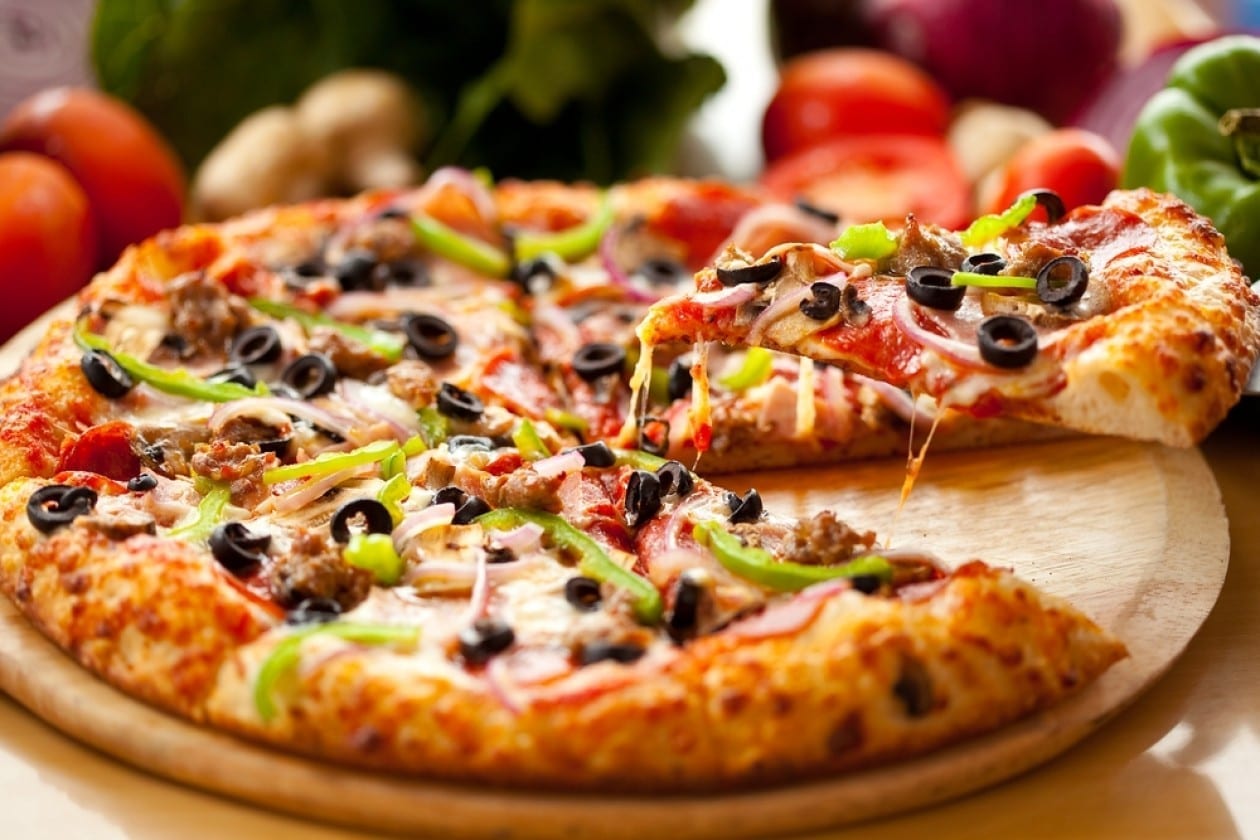
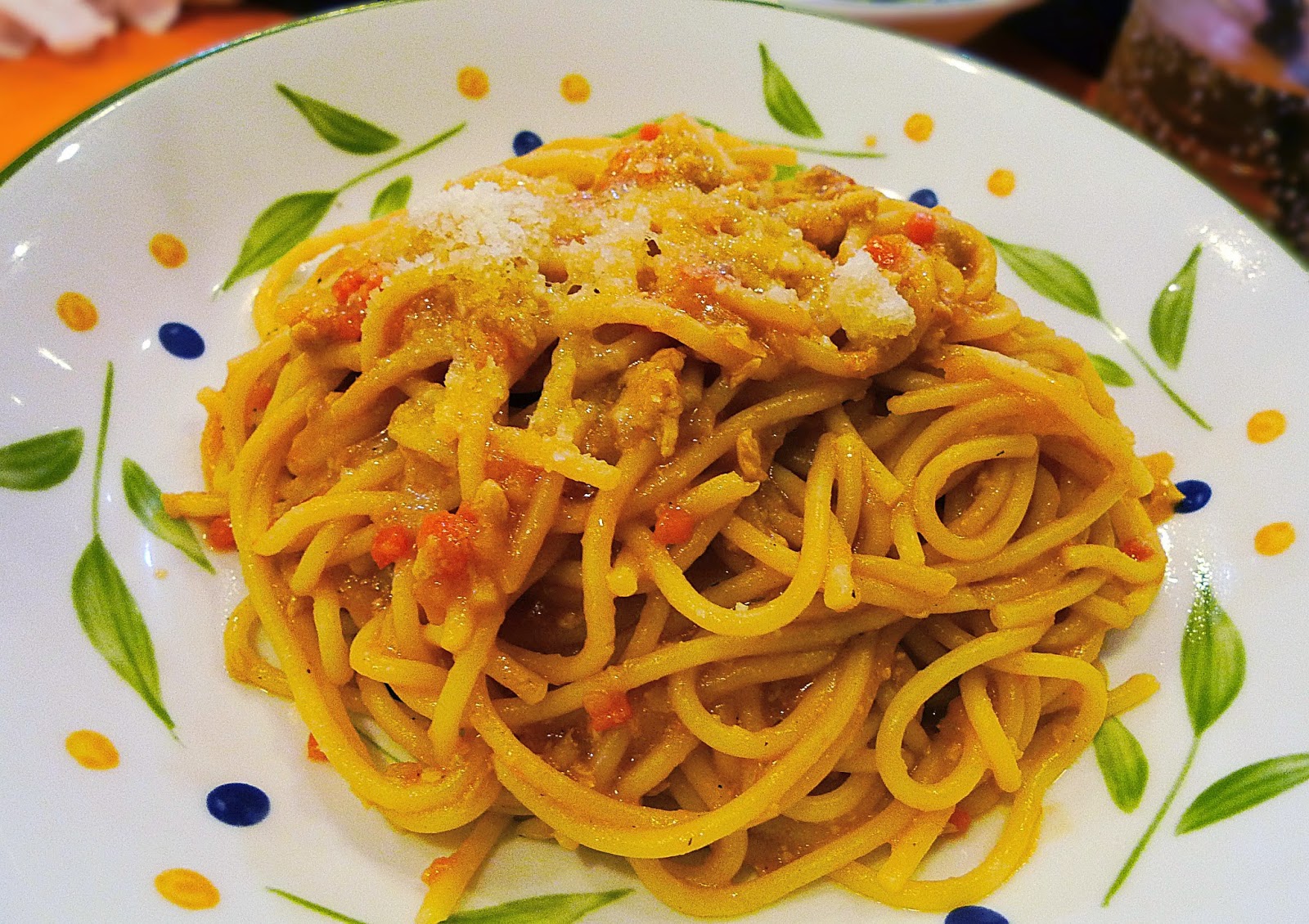
    In order to facilitate its expansion, Saizeriya established a subsidiary in Wuhan in July. Furthermore, they have plans to inaugurate a $30 million plant in Guangzhou next year. This new plant will produce local ingredients, including sauces, pasta, and pizza.

    The restaurant chain aims to attract “cost-conscious” consumers with its pricing strategy. As an illustration, at its Shanghai branches, Milan-style rice is priced at 15 yuan (roughly $2), and squid-ink pasta is available for 16 yuan.

    Noboru Nagaoka, the General Manager for overseas business, provided insight into the company’s performance. According to Nagaoka, the company currently generates an annual operating income of $40 million, a figure that is triple the amount earned from its operations in Japan.

    “We initially wanted to challenge the notion that Western food had to be expensive. Our goal was to demonstrate that genuine Italian meals could also be affordable,” he explained.

    Established Presence and Future Growth

    Saizeriya launched its first branch in Guangzhou in 2007, followed by a branch in Beijing in 2008. Recently, in July, the restaurant chain established a head office in Guangdong Province. This office is responsible for managing its operations in China and standardizing menu development.

    Nagaoka stated, “The Chinese market is of utmost importance to us. Our profits from this market have already surpassed those from Japan. Moreover, the potential for future growth in China is much larger.”

    To continue expanding its presence in the Chinese market, Saizeriya plans to open a minimum of 50 new stores per year. This would align its presence in China with the approximately 1050 restaurants it currently operates in Japan.

    Questions & Answers

    What is Saizeriya’s expansion plan for China?
    Saizeriya aims to double its presence in China to about 1,000 outlets by 2035.

    How does Saizeriya plan to support its expansion in China?
    The company plans to open a $30 million plant in Guangzhou to produce local ingredients. Additionally, a subsidiary has been established in Wuhan, and a head office has been set up in Guangdong Province to manage operations and standardize menu development.

    What is Saizeriya’s pricing strategy?
    Saizeriya targets “cost-conscious” diners by offering affordable prices for its dishes. For instance, at its Shanghai branches, Milan-style rice is priced at 15 yuan, and squid-ink pasta is available for 16 yuan.

  • Familymart Accelerates Taiwan Expansion: 100 New Stores And Revamped Food Section Planned For 2022

    Familymart Accelerates Taiwan Expansion: 100 New Stores And Revamped Food Section Planned For 2022

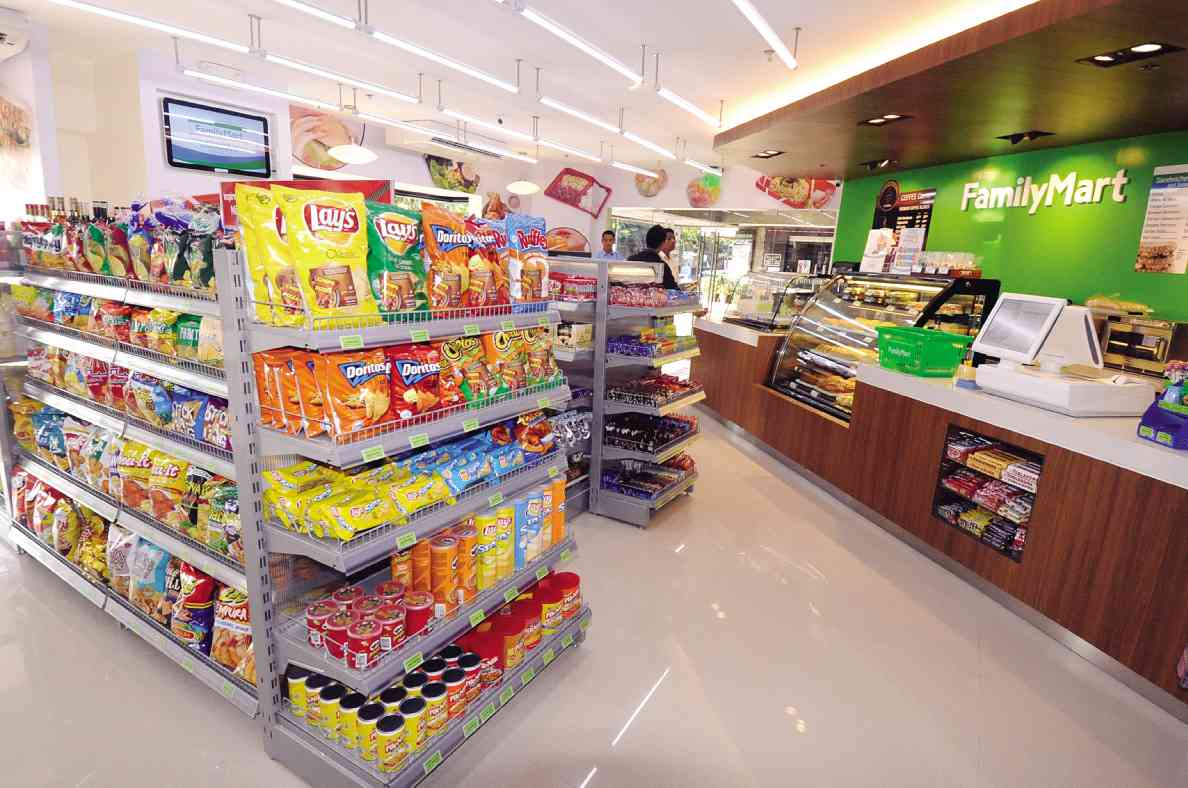
    FamilyMart, a renowned convenience store chain, is stepping up its growth strategy in Taiwan. The company has announced plans to inaugurate 100 new outlets this year, a significant step towards their long-term objective of establishing 5000 stores by 2029.

    Currently, FamilyMart operates around 4400 stores across the nation. Last year, the company added 80 new stores to its portfolio, and it now anticipates increasing the pace of expansion to approximately 150 stores annually in the forthcoming years.

    Reinventing Food Offerings

    In alignment with its comprehensive growth plan, FamilyMart is revitalizing its food section to keep pace with evolving consumer preferences. The company plans to introduce a wider range of customizable bento meals and increase its array of microwave-friendly dishes. The new offerings are aimed at catering to busy urban customers and to make the store an appealing destination beyond traditional meal times.

    Customer Experience Strategy

    In another strategy to enhance the customer experience, FamilyMart Taiwan will continue to keep dining spaces in their stores. The company views these areas as a crucial element of the customer journey, fostering longer stays, facilitating informal gatherings, and promoting additional purchases.

    FamilyMart ventured into the Taiwan market in 1988 with its first store in Taipei Station’s shopping district. Operated by Taiwan FamilyMart Co, the brand has now become one of the top convenience store chains in the country, competing with the likes of 7-Eleven and Carrefour.

    Questions & Answers

    What is FamilyMart’s expansion goal in Taiwan by 2029?
    FamilyMart aims to operate 5000 outlets in Taiwan by 2029.

    How is FamilyMart planning to modify its food offerings?
    FamilyMart plans to roll out more customizable bento meals and expand its selection of microwave-ready dishes, targeting urban consumers and beyond traditional meal times.

    What is FamilyMart’s strategy to enhance customer experience?
    FamilyMart Taiwan will continue to maintain dining areas in their stores as they see them as a key aspect of the customer experience, encouraging longer stays, informal meetings, and additional purchases.

  • Asia’s Retail Revolution: The Rise Of E-commerce And The Reinvention Of Brick-and-mortar Stores

    Asia’s Retail Revolution: The Rise Of E-commerce And The Reinvention Of Brick-and-mortar Stores

    With the rapid evolution of retail landscapes in Asia, understanding current trends is more critical than ever for industry players. The momentum generated by shifting shopping behaviors continues to challenge traditional models, sparking innovation across sectors from e-commerce to brick-and-mortar.

    The Surge of E-Commerce and Its Impact on Retail

    As consumers increasingly gravitate toward online shopping, e-commerce has burgeoned into a dominant force in the Asian retail market. In 2022 alone, e-commerce sales in Asia surged to around 1.04 trillion USD, capturing nearly half of the global e-commerce market share. This boom not only reflects a shift in consumer preference but also highlights the pressing need for retailers to adapt swiftly to this digital-first environment. Retailers are investing heavily in user-friendly apps, streamlined logistics, and personalized shopping experiences to captivate the evolving demographic of online shoppers.

    Brick-and-Mortar Retail: Reimagining the In-Store Experience

    Yet, the physical store isn’t surrendering its relevance just yet. In fact, many retailers are creatively transforming brick-and-mortar locations into immersive experiences that go beyond mere shopping. Think of stores as destinations where consumers can engage with products firsthand, attend specialized events, or even participate in exclusive workshops. This experiential approach brings a vibrant twist to conventional retail, ensuring that customers aren’t just passive buyers, but active participants in their shopping journey. Ultimately, the goal is to create an environment where purchasing becomes a delightful experience rather than a mundane task.

    Asia’s Unique Consumer Behavior: The Playful Twist

    What sets Asia apart in the retail scene? An intriguing blend of cultural diversity, rapidly changing technology, and age demographics. Millennials and Gen Z, who comprise a substantial portion of consumers, favor brands that resonate with their values, placing an emphasis on sustainability and social responsibility. Ironically, this demographic enjoys frequenting stores—not just for shopping but as social hotspots where they can unwind or snap that perfect Instagram shot. Who would have thought that retail therapy could also be about capturing social media fame?

    Future Trends and Challenges Ahead

    As we look to the future, the retail industry must navigate complex challenges, including supply chain disruptions and evolving consumer expectations. Retailers in Asia are employing omnichannel approaches, allowing for seamless transactions across platforms, while also leveraging data analytics to comprehend consumer behavior better. The key to thriving in this competitive sphere lies in the ability to embrace change and innovate continuously.

    In a rapidly evolving retail landscape, one thing remains clear: while the tools and platforms may change, the heart of retail will always be about connecting with customers in meaningful ways.

    Questions & Answers

    How is e-commerce shaping the retail market in Asia?
    E-commerce has become a juggernaut in Asia, accounting for around 1.04 trillion USD in sales in 2022 and significantly reshaping how consumers shop, pushing retailers toward more digital-first strategies.

    What innovative strategies are brick-and-mortar stores employing?
    Retailers are transforming physical stores into immersive experiences, offering exclusive events and interactive workshops that make shopping a more memorable journey beyond mere transactions.

    What consumer trends are influencing retail strategies in Asia?
    The Asian consumer landscape is shaped by Millennials and Gen Z, who prioritize brands that align with their values of sustainability and social responsibility, and seek engaging social experiences in retail spaces.

  • Anta Group’s Bold Expansion: 1000 New Outlets In Southeast Asia Within Three Years

    Anta Group’s Bold Expansion: 1000 New Outlets In Southeast Asia Within Three Years

    Chinese athletic apparel corporation, Anta Group, recently announced its ambitious strategy to establish 1000 retail outlets in Southeast Asia within a span of three years.

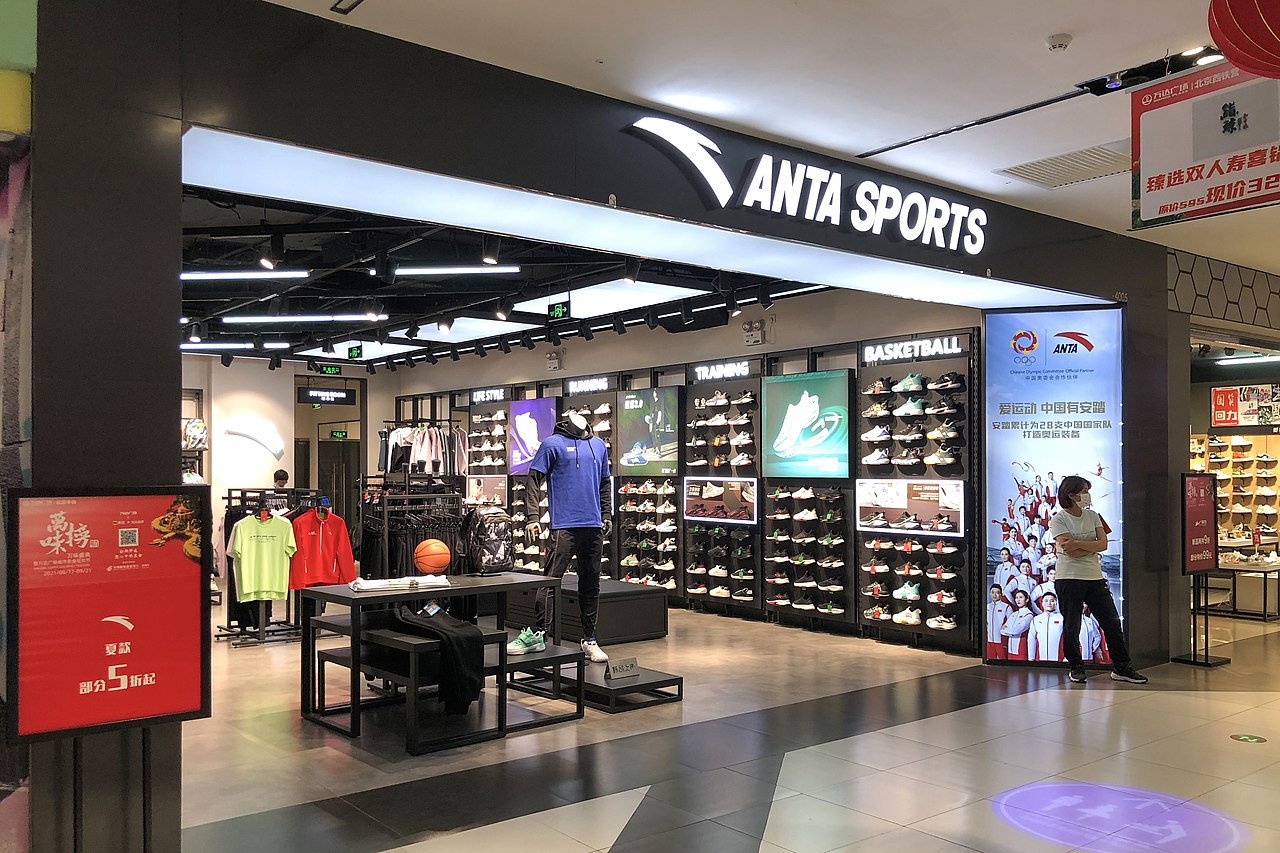
    Anta Group currently manages a portfolio of nearly 13,000 stores, more than 200 of which are situated across Southeast Asia, spanning countries such as the Philippines, Singapore, Malaysia, and Vietnam. The new objective indicates a significant boost in the company’s retail presence in the region.

    Shaping the Future of Retail in Asia

    Unveiling the ambitious plan at the 2025 Asia New Vision Forum in Singapore was Will Wang, Vice President of Anta Group and Chairman and President of Anta SEA. The forum, themed “Shaping the Pulse: How Asia’s Brands Drive Experience, Identity, and Connection,” brought together executives from diverse sectors across Southeast Asia. The primary focus of the discussion was creating effective brand-consumer relationships, both within the region and on a global scale.

    During the forum, Wang highlighted the critical role of Southeast Asia in the group’s international expansion strategy. He revealed that the brand’s retail sales figures in the region nearly doubled in the first half of the current year compared to the same period last year.

    Wang attributed this impressive growth to the high-quality offerings of Anta, the successful localisation and digitalisation strategies, and the effective implementation of the brand’s unique “Brand+Retail” business model.

    “True globalisation involves achieving localisation in every market while maintaining the brand’s inherent qualities,” Wang emphasised during the discussion.

    He further said, “Our objective is not only to sell products in Southeast Asia, but also to deliver exceptional brand value and superior service to local consumers. We are confident in our team’s ability to realise our goal of 1000 Anta outlets in the region in the next three years.”

    Setting Global Growth in Motion

    Anta Group views Southeast Asia as both a blueprint and a springboard for its international growth initiatives. As the corporation’s presence in Southeast Asia extends to surrounding markets, and as both physical and online businesses stimulate growth, the brand’s overseas revenue rose above 150 per cent in the first half of this year.

    Apart from Southeast Asia, the Anta Group’s international retail network extends to pivotal markets such as the United Arab Emirates, Saudi Arabia, Egypt, Kenya, and North America, facilitated by strategic alliances. The group recently inaugurated its premier flagship store in the United States, located in Beverly Hills, California.

    Questions & Answers

    What is the Anta Group’s growth plan for Southeast Asia?
    The Anta Group plans to establish 1000 retail outlets in Southeast Asia over the next three years, significantly expanding its presence in the region.

    What factors have contributed to the Anta Group’s recent success in Southeast Asia?
    The group’s impressive growth in the region is attributed to high-quality product offerings, successful localisation and digitalisation strategies, and an effective “Brand+Retail” business model.

    How does the Anta Group view Southeast Asia in terms of its global growth strategy?
    The Anta Group sees Southeast Asia as a blueprint and launchpad for its international growth initiatives, leveraging the expanding market and both physical and online businesses to stimulate growth.

  • Books-a-million Partners With Pop Mart: Iconic Characters Set To Invade Stores Nationwide

    Books-a-million Partners With Pop Mart: Iconic Characters Set To Invade Stores Nationwide

    Books-A-Million, a prominent US bookstore retailer, is set to collaborate with Pop Mart to make their beloved characters accessible to fans nationwide.

    The partnership is scheduled to commence in September. It will be launched throughout all retail locations of Books-A-Million, and will be available online on an ongoing basis.

    The collaboration with Pop Mart, a well-known producer of collectible designer toys and pop culture items, is expected to generate substantial sales and arouse significant interest among global consumers.

    Kathy Gagliano, the Executive Vice President of Merchandising at Books-A-Million, expressed her excitement over the new partnership. “We continuously strive to please our customers by offering products that are not only unique but also resonate with them,” she said.

    She further added, “Pop Mart’s iconic characters align perfectly with our bookstore community as they foster creativity, self-expression, and the pleasure derived from engaging with characters that truly inspire us.”

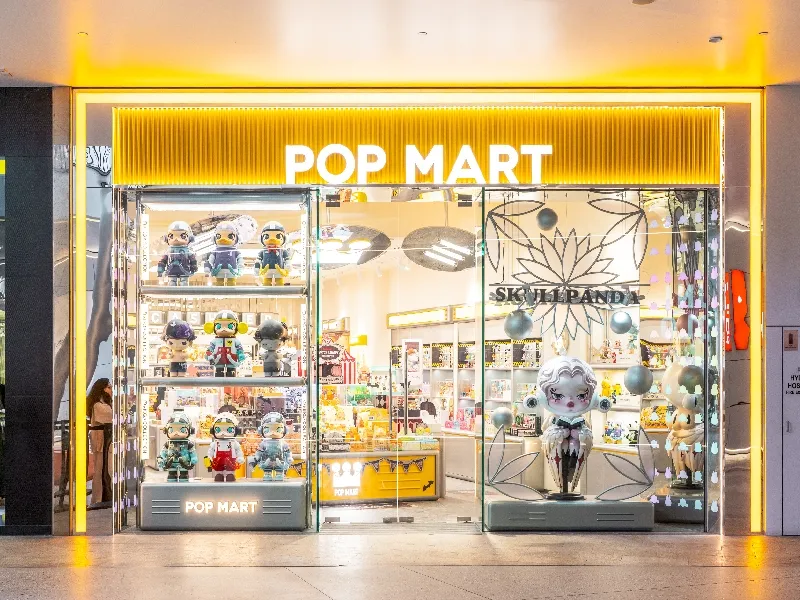
    The collaboration will introduce a selection of Pop Mart’s Intellectual Properties (IPs), such as Skullpanda, Molly, Crybaby, Dimoo, and The Monsters. These characters will be featured in a variety of collectible toys that will be available for purchase by all Books-A-million customers.

    Erica Graf, the Vice President of General Merchandise, shared her thoughts on the partnership, “Pairing Pop Mart with Books-A-Million seemed like an intuitive match,” she said.

    Graf believes that Pop Mart is at the forefront of a cultural trend captivating fans globally. Thus, joining forces with Books-A-Million creates an enticing space where fans can delve into stories, explore, and experience the excitement of collecting.

    Questions & Answers

    When is the partnership between Books-A-Million and Pop Mart set to begin?
    The collaboration is scheduled to start in September.

    What will the partnership entail?
    The partnership will involve introducing a selection of Pop Mart’s collectible designer toys and characters, available for purchase across all Books-A-Million retail locations and online.

    What characters from Pop Mart’s IPs will be featured in this collaboration?
    Characters including Skullpanda, Molly, Crybaby, Dimoo, and The Monsters will be featured in a range of collectible toys.

  • Chinese Sportswear Giant, Anta Group, Targets 1000 Stores In Southeast Asia By 2025

    Chinese Sportswear Giant, Anta Group, Targets 1000 Stores In Southeast Asia By 2025

    Anta Group, a Chinese sportswear company, has announced its goal to reach a total of 1,000 stores in Southeast Asia within the next three years. Currently, the group operates almost 13,000 stores globally, including more than 200 in Southeast Asia. These stores are spread out over various countries including the Philippines, Singapore, Malaysia, and Vietnam. The ambitious expansion plan will see the group quadruple its retail presence in Southeast Asia.

    Speaking at the 2025 Asia New Vision Forum

    The announcement was made by Will Wang, Vice President of Anta Group and Chairman and President of Anta SEA, during the 2025 Asia New Vision Forum held in Singapore. The forum assembled a panel of executives from various Southeast Asian industries to discuss strategies for creating strong connections between brands and consumers at a regional and global level.

    Wang stressed the critical role of Southeast Asia in Anta’s global expansion strategy, revealing that the brand’s retail sales in the region have nearly doubled in the first half of this year compared to the same period last year. Wang attributed this success to Anta’s high-value products, localization and digitalization strategies, and the effective implementation of its “Brand+Retail” business model.

    In his speech, Wang underscored the importance of staying true to the brand’s DNA while achieving localization in each market. He stated, “It’s not just about selling products in Southeast Asia; it’s about delivering brand value and high-quality service to local consumers with standardized excellence. Our team is confident we will achieve our 1,000-store target for the Anta brand in the next three years.”

    Anta’s Global Growth Strategy

    For Anta, Southeast Asia is not only a significant market but also a strategic starting point for its global growth. The region’s expansion into neighboring markets, combined with the growth of both its offline and online businesses, has fueled a significant increase in the brand’s overseas revenue. In the first half of this year alone, Anta’s overseas revenue grew by more than 150% year-over-year.

    Anta Group’s international retail network extends to crucial markets such as the UAE, Saudi Arabia, Egypt, Kenya, and North America, all achieved through strategic partnerships. Most recently, the group opened its first flagship store in the United States, located in Beverly Hills, California.

    Questions & Answers

    What is Anta Group’s expansion target in Southeast Asia?
    Anta Group aims to open 1,000 stores in Southeast Asia within the next three years.

    What factors have contributed to Anta Group’s success in Southeast Asia?
    The success of Anta Group in Southeast Asia can be attributed to their high-value products, effective localization and digitalization strategies, and the implementation of their “Brand+Retail” business model.

    Where has Anta Group recently opened its first flagship store in the United States?
    Anta Group recently opened its first flagship store in the United States in Beverly Hills, California.

  • Papa John’s Plans Major Indian Comeback: 650 Outlets In Next Decade Despite Market Challenges

    Papa John’s Plans Major Indian Comeback: 650 Outlets In Next Decade Despite Market Challenges

    Papa John’s International, a leading American pizza chain, has announced its intentions to re-establish its presence in India by October. The company has set an ambitious goal of opening 650 outlets across the nation within the next 10 years, despite the challenging landscape in which fast-food businesses find it difficult to maintain sustained sales growth.

    Papa John’s, ranking third worldwide in terms of pizza delivery, withdrew from the Indian market in 2017 due to unsatisfactory performance. However, this move parallels that of its American competitor, Little Caesars. The latter made its debut in India earlier in the year, with a plan to inaugurate approximately 100 establishments by the end of the decade.

    Re-entering the Indian Market

    The first Papa John’s outlet in the country is set to open in the southern city of Bengaluru, according to Vish Narain, managing partner at Pulsar Capital. This Indian investment firm, in association with the UAE-based PJP Investments Group, will serve as the joint master franchisees of Papa John’s in India.

    The pizza giant announced its plans to return to this intricate market back in April 2023. This decision comes at a time when fast-food chains are dealing with declining sales in India. Urban consumers, who form the primary customer demographic, are scaling back on expenditures due to sluggish wage growth and the burden of rising competition.

    Devyani International, one of the two Pizza Hut franchisees in India, is responding to this trend by shutting down underperforming outlets. Simultaneously, Sapphire Foods India, a smaller operator, is exercising caution with their expansion strategies.

    The Competitive Landscape

    The hurdle of competition is not one to be taken lightly. Papa John’s will have to contend with Domino’s Pizza, which boasts over 2,200 Indian outlets, Pizza Hut with around 950 stores, and upscale chains such as Pizza Bakery and PizzaExpress.

    However, Pulsar Capital seems optimistic about India’s long-term potential, mirroring the stance of consumer-facing companies like Hindustan Unilever, the maker of Dove soap, and brewery giant Heineken. Both companies continue to invest in India, banking on its massive population of 1.4 billion.

    “The fast-food category is under-penetrated, so we are many years away from saturation,” said Narain.

    Papa John’s aims to modify its pizza to cater to local taste preferences while also offering its signature dishes. This strategy aligns with the practices of other fast-food competitors. For instance, KFC offers a paneer zinger burger, Domino’s serves a chicken tikka pie, and Subway has a potato-patty sandwich on its menu.

    Questions & Answers

    When is Papa John’s planning to re-enter the Indian market?
    Papa John’s plans to re-establish its presence in India by October.

    Which city will be home to the first new Papa John’s outlet in India?
    The first new Papa John’s outlet in India will be opened in the southern city of Bengaluru.

    What is the projected number of Papa John’s outlets in India over the next decade?
    The company aims to open 650 outlets in India over the next ten years.

  • Zus Coffee’s Ambitious Expansion: 200 New Outlets Across Southeast Asia

    Zus Coffee’s Ambitious Expansion: 200 New Outlets Across Southeast Asia

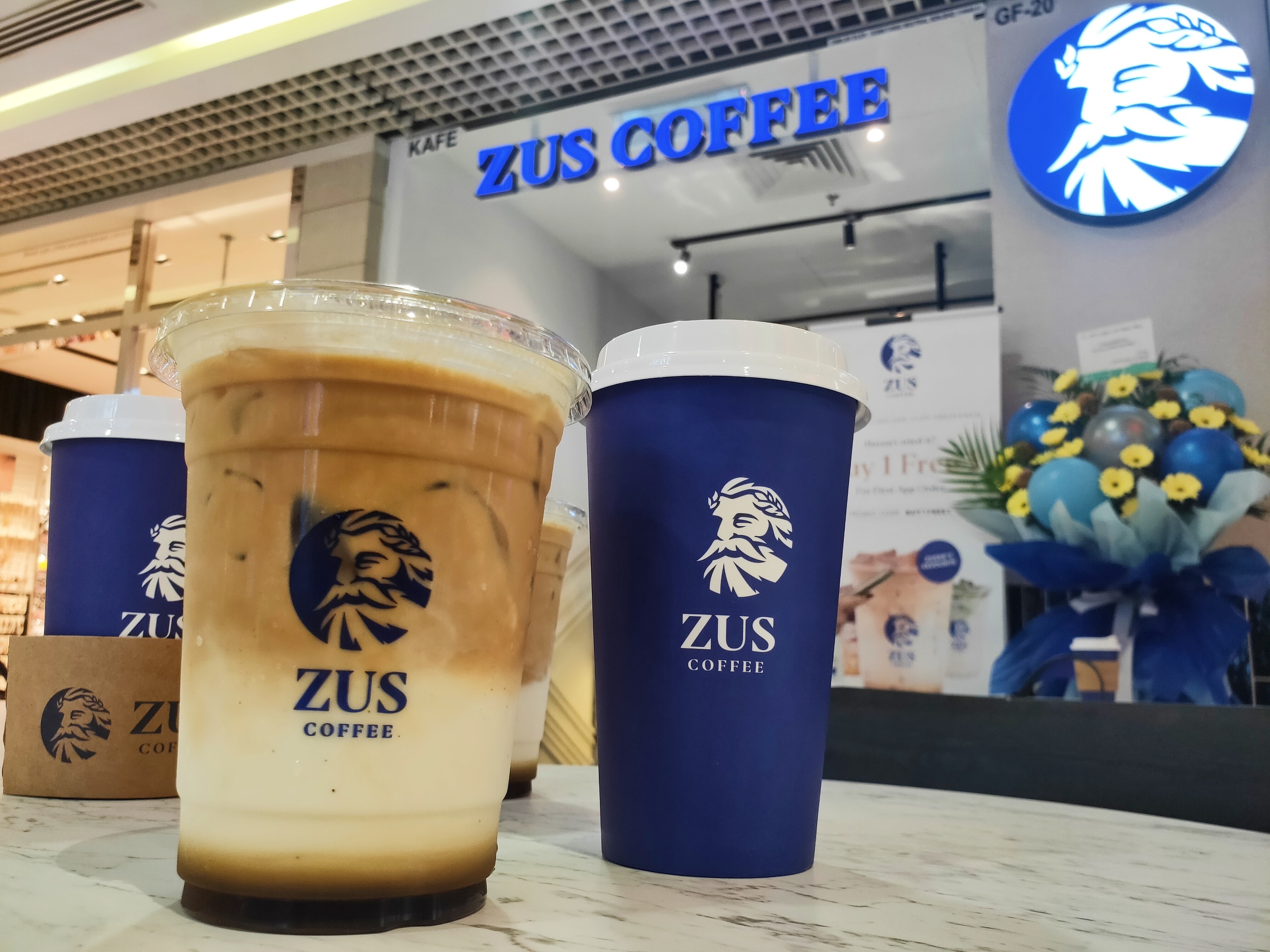
    Zus Coffee, the well-established Malaysian chain, has announced its expansion into Thailand with the opening of two new outposts in Bangkok. This move marks a key stage in the brand’s previously stated intentions for regional growth.

    Expansion into Bangkok

    The two stores, located at Varnish Place Ari, a renowned lifestyle hub, and Baan Kampu Asoke on Sukhumvit 21 Road, were established in partnership with RSC, a prominent leasing firm.

    These Bangkok locations are just a fraction of Zus Coffee’s ambitious strategy to establish 200 new outlets throughout Southeast Asia within the year. As part of this growth plan, the company is aiming to unveil at least 107 new stores in its home country of Malaysia, approximately 80 in the Philippines, and six in Singapore. Additional expansion in Thailand, Brunei, and Indonesia is also on the horizon.

    About Zus Coffee

    Zus Coffee was founded in 2019 with a specific focus on offering budget-friendly specialty coffee. Since its inception, the company has experienced remarkable growth, mushrooming from 290 outlets in 2023 to over 700 locations in Malaysia.

    The company embarked on its international expansion in 2023, with the Philippines being the first overseas market where it launched operations.

    Questions & Answers

    When was Zus Coffee founded?
    Zus Coffee was established in 2019, specializing in affordable specialty coffee.

    What is Zus Coffee’s expansion plan for the year?
    Zus Coffee aims to open 200 new outlets across Southeast Asia this year. The plan includes launching at least 107 new stores in Malaysia, around 80 in the Philippines, and six in Singapore, with further expansion planned in Thailand, Brunei, and Indonesia.

    Where has Zus Coffee recently expanded to?
    Zus Coffee has recently expanded into Thailand, opening two new outlets in Bangkok.

  • Homeplus Announces Closure Of 15 Outlets Amid Growing Financial Crisis And Rehabilitation Efforts

    Homeplus Announces Closure Of 15 Outlets Amid Growing Financial Crisis And Rehabilitation Efforts

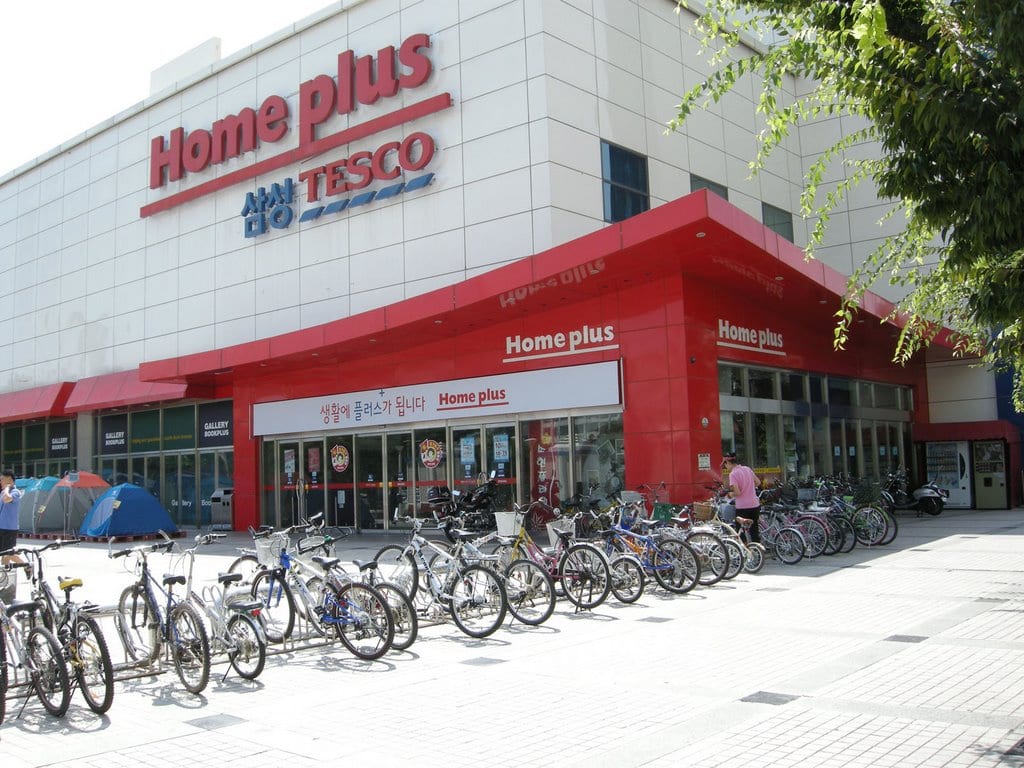
    Homeplus Co, a discount store chain experiencing financial troubles, disclosed on Wednesday its plans to shut down 15 outlets due to increasing operational challenges in the business environment.

    Undergoing a court-led rehabilitation process since March this year, Homeplus has been grappling with its dipping financial health. The company’s corporate bonds value was adjusted from A3 to A3- by two local credit rating agencies, given its unsatisfactory financial state. The organization is expected to present its rehabilitation strategy to the Seoul Bankruptcy Court by the 10th of September.

    Samil PricewaterhouseCoopers, the court-assigned accounting firm, suggested conducting a merger and acquisition (M&A) auction before the court endorses the plan, as the liquidation value of Homeplus surpasses its ongoing concern value. The court has given its consent to this recommendation.

    In recent times, the company has witnessed a slump in sales due to plummeting consumer confidence, decreased transactions with suppliers and the latter’s insistence for upfront payments, thereby instigating a prospective liquidity crisis.

    Joh Joo-yun, the co-CEO, expressed his concerns in a message to the employees stating that if this situation prolongs, the company’s revival through an M&A prior to the court’s approval of the rehabilitation plan might be jeopardized.

    Joh further emphasized that the company has resorted to emergency management actions to avert the crisis. He highlighted that the issue transcends beyond a mere management problem to one that impacts the broader economy and the job security of 22,000 workers employed with Homeplus and its subcontractors.

    Joh, along with Kim Kwang-il, the vice-chairman of MBK Partners, are the two court-appointed managers. MBK Partners took over a 100 percent stake in Homeplus from the British retailer Tesco Plc in 2015, amounting to 7.2 trillion won (US$5.2 billion).

    As of Wednesday, Homeplus operates 125 outlets.

    Questions & Answers

    What is the financial state of Homeplus Co?
    The discount store chain is currently under a court-led rehabilitation program due to its poor financial health.

    What was the recommendation of Samil PricewaterhouseCoopers regarding the company’s current situation?
    The court-appointed accounting firm suggested a merger and acquisition auction before the court approves the rehabilitation plan, as the company’s liquidation value is higher than its going concern value.

    What is the impact of Homeplus’ financial troubles on its employees?
    The co-CEO, Joh Joo-yun, expressed concerns that the ongoing situation could affect the broader economy and the job security of 22,000 workers at Homeplus and its subcontractors.

  • Boots Thailand Expands With Mega Store In One Bangkok Mall, Reinforcing Wellness Commitment

    Boots Thailand Expands With Mega Store In One Bangkok Mall, Reinforcing Wellness Commitment

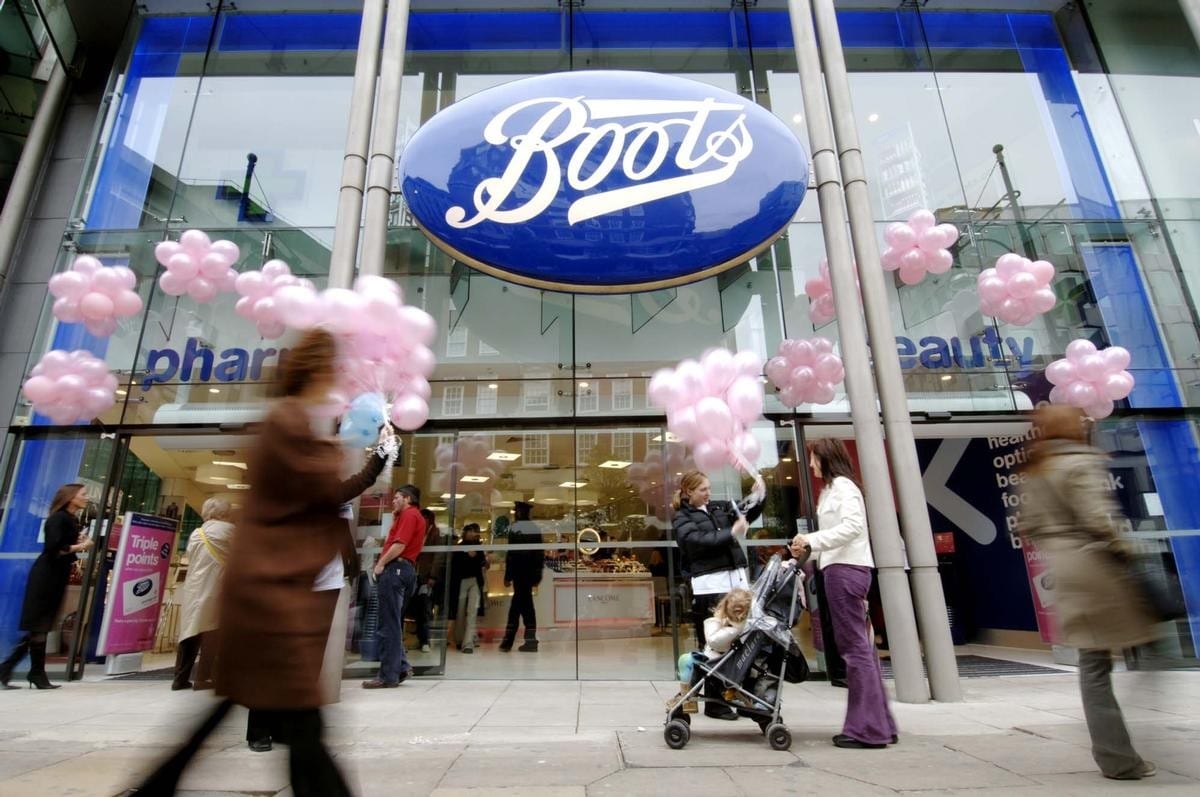
    Boots Thailand has recently unveiled one of its largest outlets yet located at the bustling One Bangkok mall. The aim is to expand its network further across the nation.

    Expansive Features and Focus on Wellness

    The newly opened concept store, situated on the B1 floor within The Storeys zone, is a haven for health and beauty enthusiasts. Equipped with a pharmacy, a dedicated vitamin section, derma skincare, beauty corners, and a range of exclusive brands, the store promises a comprehensive shopping experience.

    Boots Thailand’s impressive network currently includes over 260 stores throughout the country, offering a broad selection of health and beauty products to its visitors. The company’s core mission is to cater to the wellness needs of the community, and it consistently strives to keep its customers at the forefront of its services.

    Unrivalled Customer Care and Unique Products

    A spokesperson for Boots Retail Thailand confirmed the company’s commitment to providing the finest customer and patient care. They highlighted Boots as the top choice for pharmacy and healthcare needs and stated that they offer innovative products exclusively.

    Boots was established in 1849 in the UK, starting as a pharmacy-led health and beauty retailer. Now, it is part of the esteemed global enterprise Walgreens Boots Alliance. In July, the Alliance made a definitive agreement to transition into a private entity, facilitated by Sycamore Partners. Apart from the UK, Boots currently operates stores in numerous markets, such as Ireland, Norway, the Middle East, and Indonesia.

    Questions & Answers

    Q: What does the new Boots Thailand store offer?
    A: The new store is equipped with a pharmacy, vitamin section, derma skincare, beauty corners, and showcases recent and exclusive brands.

    Q: What is the primary aim of Boots Thailand?
    A: Boots Thailand aims to cater to everyone’s wellness needs, with a strong emphasis on customer-centric services.

    Q: Who is the parent company of Boots Retail?
    A: Boots Retail is a part of the global enterprise Walgreens Boots Alliance.

  • Subway Plans Major Expansion In India With 100 New Outlets By Next Year

    Subway Plans Major Expansion In India With 100 New Outlets By Next Year

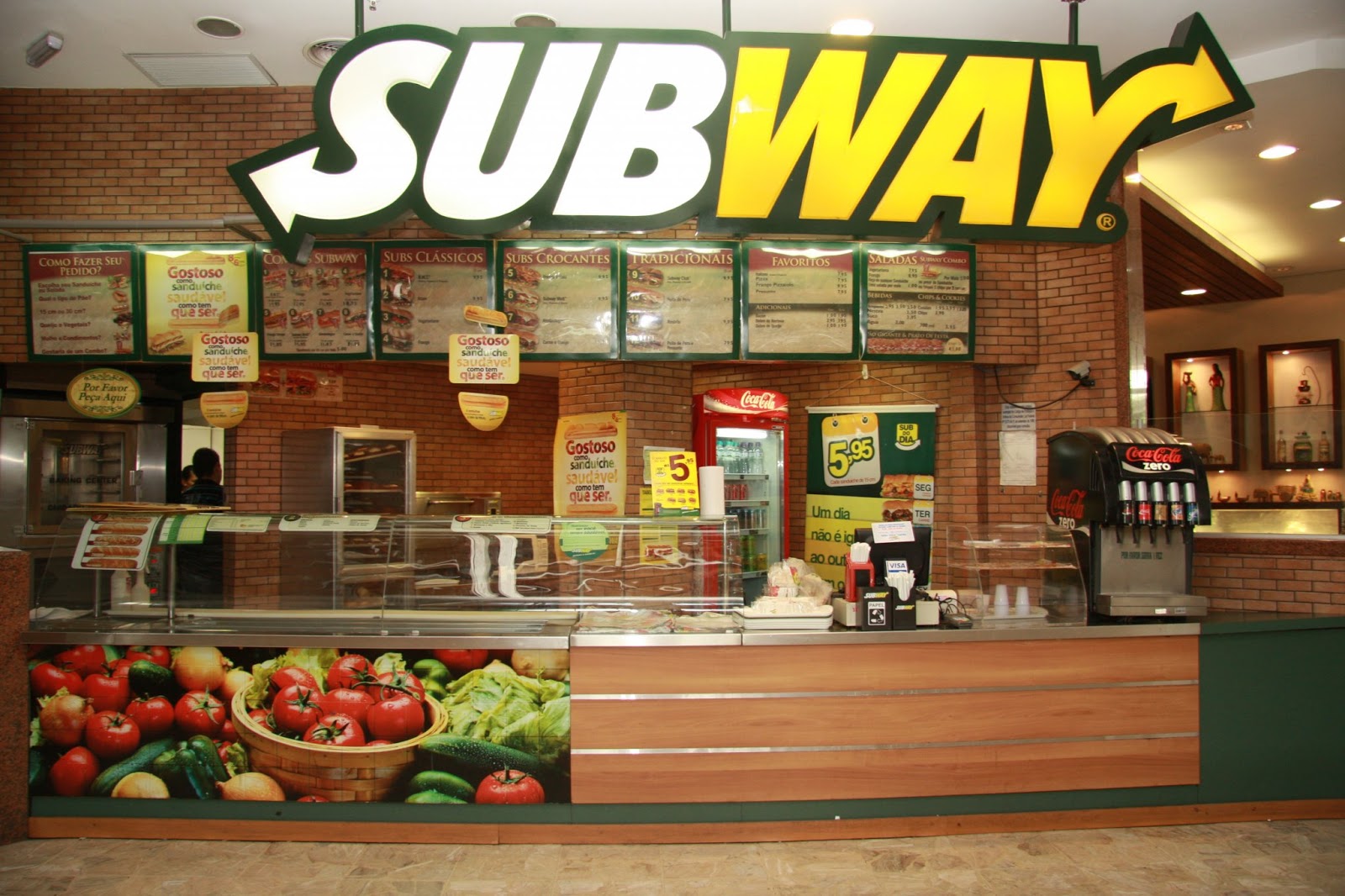
    Subway, the internationally renowned sandwich chain, has announced its plans to increase its footprint in India by establishing 100 new outlets by next year. This expansion will augment Subway’s existing presence in over 160 cities throughout the country, a significant growth since the brand’s inception in the Indian market in 2001.

    Culinary Brands, the retail operator responsible for Subway’s operations in India, affirmed that this move is a continuation of the company’s robust growth observed in the initial quarter of the year. During this period, Subway debuted 33 new outlets spanning across 17 cities.

    Tarun Bhasin, CEO of Culinary Brands, reflected on the importance of India within the framework of Subway’s global operations. He emphasized that the country plays a crucial role in the company’s long-term investment and partnership strategies.

    Further, Bhasin revealed that the forthcoming expansions will not be confined to the existing markets. The sandwich chain intends to penetrate new markets, including those in Tier 2 and Tier 3 cities.

    Bhasin expressed optimism for the future of Subway in India, stating, “With a robust expansion pipeline and continuous product innovation, we’re optimistic about Subway’s growth journey in India.”

    Questions & Answers

    What are the expansion plans of Subway in India?
    Subway aims to set up 100 new outlets in India by next year, extending its reach to more than 160 cities.

    Who operates Subway’s retail operations in India?
    Culinary Brands is responsible for operating Subway’s retail outlets in India.

    What are the future prospects of Subway in India according to Tarun Bhasin, CEO of Culinary Brands?
    Backing the expansion plans with a strong pipeline and continuous product innovation, Bhasin is optimistic about Subway’s growth journey in India.

  • Yum China Reports 4% Revenue Rise, Citing Network Expansion And Digital Sales Boost

    Yum China Reports 4% Revenue Rise, Citing Network Expansion And Digital Sales Boost

    Yum China, a stalwart in the food and beverage industry, has reported a rise in revenue by 4 per cent year on year for the second quarter ending June 30, 2021, accumulating a total of US$2.8 billion.

    The company’s growth is attributed to the expansion of its network and an uptick in same-store sales, which saw a 2 per cent increase in transactions. The burgeoning network of nearly 17,000 locations across Yum China’s food and beverage brands played a pivotal role in achieving this positive outcome, according to the company’s CEO, Joey Wat.

    During this quarter, Yum China added 336 stores to its portfolio, raising the total to 16,978 locations. This figure includes 12,238 KFC outlets and 3,864 Pizza Hut outlets. It’s noteworthy to mention that franchisees opened 26 per cent, or 89, of these new stores.

    Financial Performance

    Joey Wat also expressed satisfaction with the company’s financial performance, highlighting the achievement of double-digit growth in operating profit and substantial margin expansion. The operating profit rose by 14 per cent year on year to $304 million, the highest ever reported by Yum China for a second quarter. The core operating profit also saw a 14 per cent increase compared to the previous year.

    In a display of fiscal health, the company returned $274 million to its shareholders through share repurchases and dividends.

    Digital Sales and Membership

    A significant contributor to the company’s sales, the digital segment accounted for 94 per cent of total company sales, reaching $2.4 billion for the quarter. The delivery sales, growing at a 22 per cent rate year on year, contributed approximately 45 per cent of the total sales.

    A key aspect of consumer engagement, membership across KFC and Pizza Hut, saw an increase of 13 per cent from the previous year, reaching approximately 560 million. These members accounted for 64 per cent of total system sales for both brands.

    Wat stressed on the importance of digitalization, adding, “We are also fortifying our end-to-end digitalisation to streamline operations and elevate our customer experience.” He expressed confidence in the company’s brands and strategies, stating their potential to deliver sustainable, long-term value for shareholders.

    Questions & Answers

    What contributed to Yum China’s growth in the second quarter?
    Yum China’s growth was driven by network expansion and a rise in same-store sales, which saw a 2 per cent increase in transactions.

    What was the percentage of new stores opened by franchisees?
    Franchisees opened 26 per cent of the new stores during the quarter.

    What was the impact of digital sales on the total company sales?
    Digital sales accounted for 94 per cent of total company sales, reaching $2.4 billion for the quarter.

  • South Korean Retailers Combat Rising Food Prices With Ultra-affordable Products

    South Korean Retailers Combat Rising Food Prices With Ultra-affordable Products

    In South Korea, the rise in food prices has led to an increase in demand for ultra-low-cost products, specifically those priced under 1000 won. This surge in demand has prompted convenience stores to grow their range of super-value items.

    7-Eleven’s Affordable Coffee Selection

    On the 30th of July, the famous convenience store chain, 7-Eleven, introduced two new coffee products to its line: “Seven Select Black Coffee” and “Seven Select Cafe Latte.” Retailing at only 900 won each, these offerings are approximately 36% cheaper than the average market price of 1400 won for similar items. The black coffee offers a clean, Americano-style flavor, while the cafe latte provides a lightly sweet taste and aroma that appeals to a wide range of customers.

    This addition to 7-Eleven’s product line follows the mid-July release of “Seven Select Venti Coffee” in 600ml PET bottles. Available in black and hazelnut varieties, these beverages retail at 1800 won, making them 33% less expensive than typical 500ml bottled coffees. These products experienced a 70% increase in sales from July 18 to 25, compared to the preceding month, indicating robust consumer interest in large volume, low-cost options.

    According to 7-Eleven, reflecting the wider economic pressures, sales of all differentiated products priced under 1000 won increased by 30% from July 1 to 25 compared to the same period the previous month.

    CU Embraces the Ultra-Value Trend

    CU, another popular convenience store chain, has also responded to the ultra-value trend. In preparation for Korea’s traditional midsummer days, CU introduced two affordable traditional chicken dishes to its private-label “Duktem” series. These are the “Samgyetang Chicken Breast,” priced at 1900 won, and the “Samgyetang Whole Chicken Leg,” available for 3500 won.

    Easily prepared in a microwave in under two minutes, these dishes offer a cost-effective alternative to Samgyetang. This traditional Korean chicken soup, generally considered a restorative dish, has become increasingly expensive. Data from Korea Price Information shows the cost of making Samgyetang at home has risen to 9000 won per serving, while dining out costs an average of 17,654 won, a 4.6% increase from the previous year.

    Other Retailers Join the Trend

    Large retailers, such as Emart, Homeplus, and Lotte Mart, have also recognized this trend and begun offering aggressive promotions on fresh poultry and ready-to-eat health foods. For instance, Emart offered two antibiotic-free young chickens for 3580 won with a member card, while Homeplus sold first-grade whole chickens for 3650 won each with bulk purchases.

    As consumer spending power declines and economic uncertainty persists, ultra-affordable, high-value products are fast becoming a key strategy for retailers. The aim is to attract cost-conscious shoppers looking for reasonably priced alternatives to expensive meals and beverages.

    Questions & Answers

    What effect is the rise in food prices having in South Korea?
    South Koreans are increasingly seeking ultra-low-cost products. This demand has prompted convenience stores to expand their range of super-value items.

    How have 7-Eleven and CU responded to this demand?
    7-Eleven has introduced affordable coffee products, while CU has released cost-effective traditional chicken dishes to cater to this growing demand.

    What is the overall retail strategy in response to these economic pressures?
    Retailers, recognizing the need for affordable options amid declining consumer spending power and economic uncertainty, are focusing on providing ultra-affordable, high-value products to attract cost-conscious shoppers.