Retail News CRM

Tag: Stores

  • Ikea to Close Seven Stores in China Amid Retail Struggles, Focuses on Online Growth and Precise Market Cultivation

    Ikea to Close Seven Stores in China Amid Retail Struggles, Focuses on Online Growth and Precise Market Cultivation

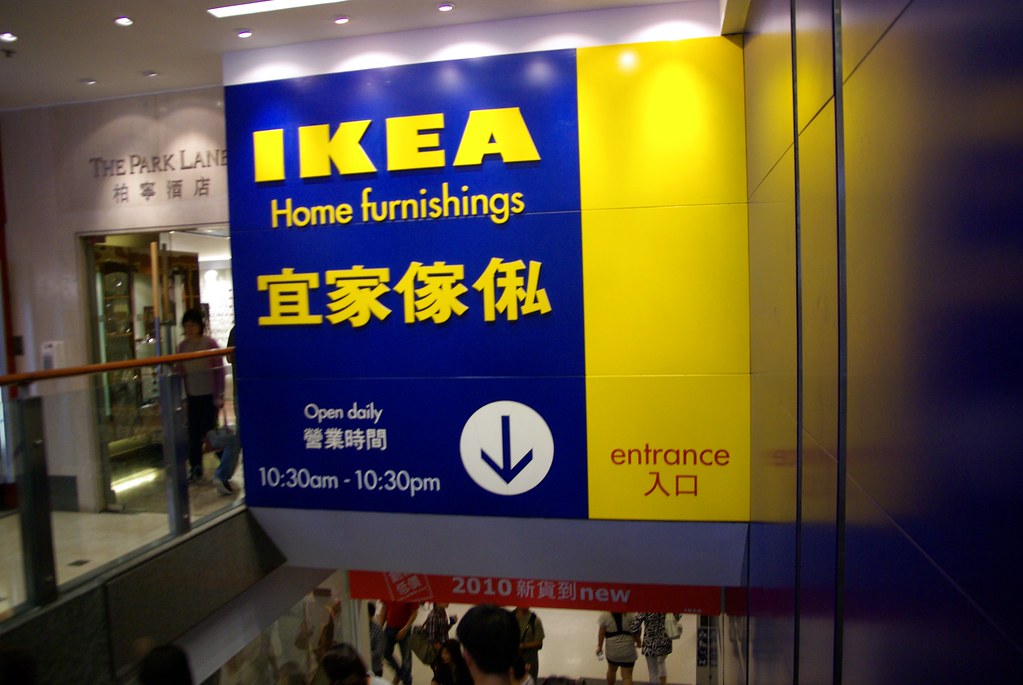
    Swedish furniture giant, Ikea, has announced that it will be shutting down seven of its outlets in China, effective from February 2. The decision was revealed in a statement issued by the company on Wednesday.

    The targeted locations for the shutdown include a branch in Shanghai’s suburbs, another in Guangzhou, as well as several others scattered across secondary cities such as Nantong, Xuzhou, and Harbin.

    Retail businesses, in general, have been grappling with sales growth in China, as consumer confidence continues to wane, stemming from a long-standing property crisis, job security worries, and stagnant wages.

    Presently, Ikea has approximately 40 stores operating on the Chinese mainland. The company disclosed in its statement that five new stores of varying sizes have commenced operations recently.

    China, being the world’s second-largest economy, contributes approximately 3.5% to Ikea’s global sales. However, an increasing proportion of these sales originates from online flagship stores. To further nurture this online sales growth, Ikea inaugurated a new store on JD in August of the previous year.

    The company stated that it will be shifting its strategy from large-scale expansion to precise cultivation, focusing on major markets such as Beijing and Shenzhen. This strategy includes the launch of over ten smaller stores within the next two years. The company also stated that it anticipates new store openings in the cities of Dongguan and Beijing during the first half of 2026.

    Questions & Answers

    Which Ikea stores in China are slated for closure?
    Ikea plans to close stores in suburban Shanghai, Guangzhou, and several other locations in secondary cities such as Nantong, Xuzhou, and Harbin.

    What proportion of Ikea’s global sales does China account for?
    China accounts for about 3.5% of Ikea’s global sales.

    What is Ikea’s strategy going forward in China?
    Ikea plans to shift from large-scale expansion to precise cultivation, focusing on major markets like Beijing and Shenzhen, and opening more than ten small stores over the next two years. There are also plans for new store openings in Dongguan and Beijing in the first half of 2026.

  • Boss Launches First Athleisure Centric Stores in Indonesia, Amplifies Southeast Asia Presence

    Boss Launches First Athleisure Centric Stores in Indonesia, Amplifies Southeast Asia Presence

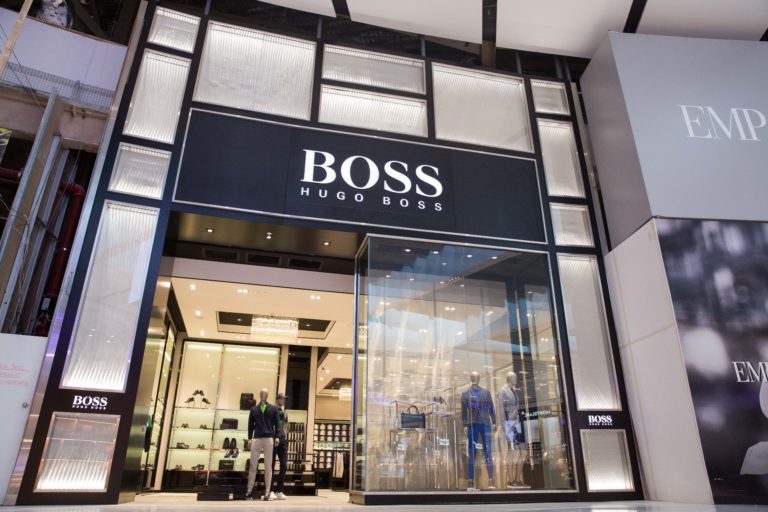
    Boss is broadening its market reach in Southeast Asia by introducing its premier athleisure-oriented retail outlets in Indonesia. The brand has unveiled two new stores in Jakarta, located in the prestigious Grand Indonesia and Central Park Mall.

    The store in Grand Indonesia offers an expansive area of roughly 80 square meters, while the Central Park Mall outlet covers a significantly larger expanse of approximately 206 square meters. Both locations are designed with a distinct retail concept aimed at contouring Boss’s athleisure line. The stores feature an array of stainless steel and glass fixtures, flooring with a carbon texture, and concrete-finished walls.

    In order to highlight the technical prowess and performance-centric characteristics of the line, digital screens have been seamlessly embedded throughout the stores.

    These newly unveiled outlets are specifically purposed to house the brand’s performance and sports inclined product categories. They present a carefully curated selection of activewear and lifestyle clothing.

    The product line on offer encompasses collections for golf and tennis, daily casual wear, designs aimed at commuters, and the Boss Performance collection. This latter range is particularly focused on technical fabric and functionality, making it suitable for everyday wear.

    These recent openings in Indonesia follow the debut of the brand’s biggest flagship store in Southeast Asia, located at One Bangkok. The store is also the location of the brand’s first Boss Cafe in the region.

    Questions & Answers

    What is the retail concept of the new Boss stores in Jakarta?
    The stores are designed to specifically accommodate Boss’s athleisure line, featuring stainless steel and glass fixtures, carbon-textured flooring, and concrete wall finishes.

    What kind of products are available in these new stores?
    The new stores offer a range of activewear and lifestyle clothing, including collections for golf and tennis, everyday casualwear, commuter-focused designs, and the Boss Performance range.

    What is the significance of the Boss store in One Bangkok?
    The store at One Bangkok is the biggest Boss flagship store in Southeast Asia and also houses the region’s first Boss Cafe.

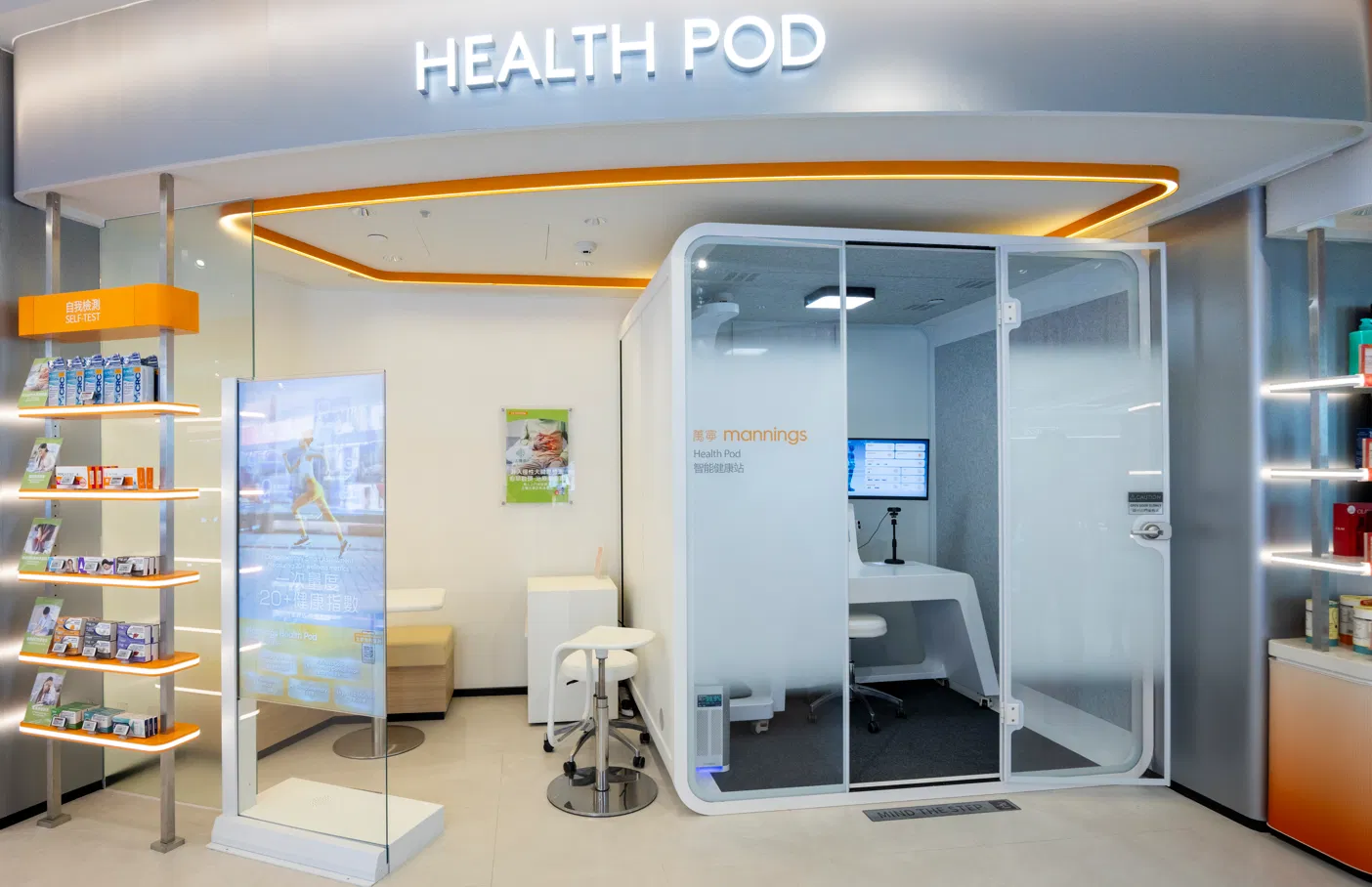
  • Mannings Bids Farewell to Mainland China: Shuts Down All Retail Stores and Online Operations

    Mannings Bids Farewell to Mainland China: Shuts Down All Retail Stores and Online Operations

    The health and beauty retail giant, Mannings, has declared that it will shutter all its physical stores in Mainland China and cease its online activities. The company frames this move as a strategic repositioning, representing a culmination of nearly 22 years of operation within the market where it previously maintained approximately 200 outlets.

    Future Focus

    Mannings stated that it plans to continue addressing the needs of its consumer base by capitalizing on resources in Hong Kong and Southeast Asia. The strategy aims to bolster its cross-border e-commerce operations and refine both its online and offline customer experience. Mannings holds the position of being the largest health and beauty chain in Hong Kong.

    The brick-and-mortar stores in Mainland China will remain operational until 15 January.

    Adapting to Changing Trends

    The company mentioned its intent to adapt to the evolving consumer trends proactively, with the goal of reshaping the health and beauty retail landscape.

    The company’s operations on the WeChat platform will conclude on 28 December, followed by the closure of its stores on Tmall and JD.com, as well as its Tmall health supplements store, on 26 December.

    Questions & Answers

    What is the reason for Mannings closing its stores in Mainland China and ceasing its online operations?
    The company has described the move as a strategic repositioning to adapt to changing consumer trends and focus on strengthening its cross-border e-commerce capabilities.

    When will the Mannings stores in Mainland China shut down?
    All physical stores of Mannings in Mainland China will remain operational until 15 January.

    Will the company continue operations in other regions?
    Yes, Mannings intends to leverage resources in Hong Kong and Southeast Asia to continue meeting consumer needs and optimize their online and offline experience.

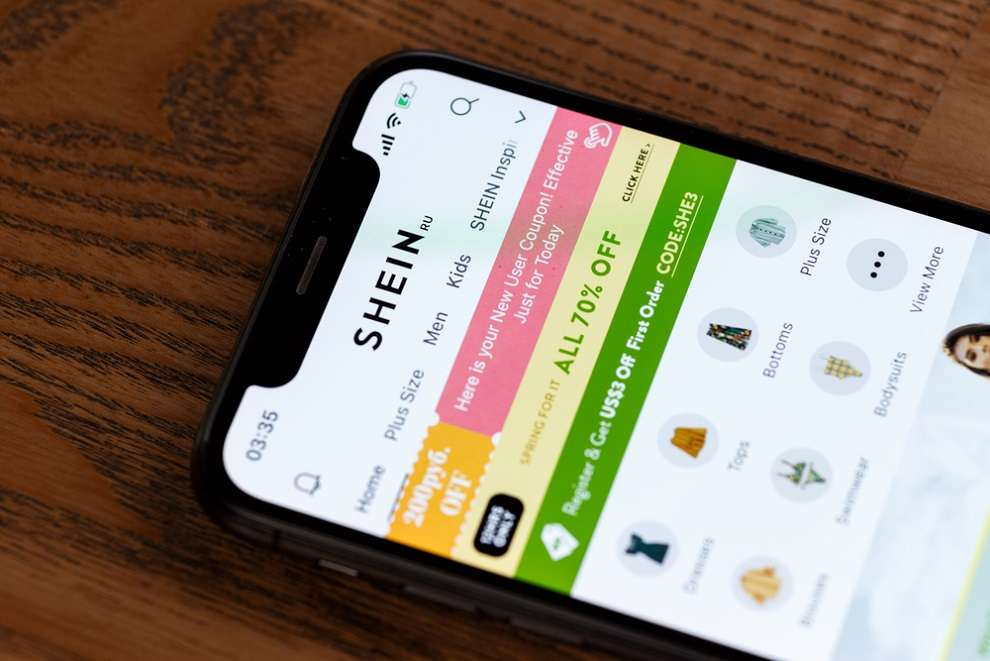
  • Shein’s Brick-and-Mortar Debut: A Lifeline or Death Blow for Department Stores?

    Shein’s Brick-and-Mortar Debut: A Lifeline or Death Blow for Department Stores?

    The recent entry of Chinese budget retailer Shein into the flagship BHV in Paris has stirred up a political storm, adding to the ongoing struggles of department stores worldwide. These traditional retail outlets are grappling with the seismic shift of consumers towards online shopping and ultra-fast fashion.

    Shein opened its inaugural brick-and-mortar shop in the BHV department store, situated on the Rue de Rivoli in the heart of Paris, earlier this month. This move sparked a backlash from lawmakers and fellow retailers, who argue that Shein’s low-cost business model has been detrimental to the traditional shopping streets of France.

    For BHV, a store recognized for its diverse array of products, this partnership was a strategic move designed to lure younger consumers. This demographic has increasingly turned to online platforms, such as Shein, for a variety of needs, ranging from cosmetics to fashion.

    The shift to online shopping, further exacerbated by the pandemic, has posed a significant challenge to department stores around the globe, with many still struggling to recover from a steep decline in physical footfall during the crisis.

    New Threat from Ultra-Fast Fashion

    Laetitia Henry, general manager of the iconic Printemps Haussmann store in Paris, noted that while competition from other large local department stores was once the norm, the rise of online platforms has led to a new international threat. Ultra-fast fashion can replicate a designer dress in as little as three weeks and sell it for a fraction of the original cost.

    This competitive landscape has prompted top-tier department stores like Macy’s to close outlets, while Saks Fifth Avenue’s parent company, Saks Global, is exploring divestments to manage its debt.

    The Société des Grands Magasins (SGM), which acquired BHV from the Galeries Lafayette group two years ago, is banking on its partnership with Shein to safeguard its future. On the day of Shein’s launch at BHV, store traffic surged by 50%, with a quarter of Shein’s customers going on to make additional purchases at BHV.

    Department Stores Innovate to Attract Consumers

    Several prominent French department stores, including Printemps, Galeries Lafayette, and LVMH-owned Le Bon Marché, have sought to redefine themselves as lifestyle destinations. They are aiming to attract more shoppers by offering unique luxury experiences.

    Le Bon Marché, for instance, organizes regular events such as concerts and dance performances. Printemps offers fine dining and beauty treatments, even featuring an in-store ice rink during the holiday season. Galeries Lafayette invested over 100 million euros (approximately US$115.06 million) in renovations during the pandemic, which helped boost visitors and foot traffic.

    However, these innovative strategies have not been as successful for mid-range stores trying to break into the luxury experience market. These stores are keenly observing the publicity generated by Shein’s partnership with BHV.

    Late payments to brands at BHV have resulted in product shortages, impacting sales and causing job security concerns among workers. Despite these challenges, SGM president Frederic Merlin maintains that retailers should collaborate with new models like Shein’s. He argues that moving forward is vital, even in the face of criticism.

    However, the launch of Shein’s physical outlets hasn’t been without controversy. When Shein’s Paris store opened, France temporarily suspended its French marketplace after discovering inappropriate items for sale on the platform.

    Questions & Answers

    Has the shift towards online shopping affected traditional department stores?

    Yes, the move towards online retailers and ultra-fast fashion has posed a significant challenge to traditional department stores, many of which are still struggling to recover from the pandemic-induced drop in footfall.

    What strategies have department stores adopted to stay relevant in the market?

    Department stores have been attempting to innovate in various ways. Some are partnering with online retailers like Shein to attract customers, while others are reinventing themselves as lifestyle destinations, offering unique luxury experiences such as concerts, fine dining, and beauty treatments.

    Did the opening of Shein’s store in BHV increase footfall?

    Yes, the launch of Shein’s shop in BHV led to a surge in store traffic by 50%, with a quarter of Shein’s customers making additional purchases at BHV.

  • Yum China’s Bold Leap: 30,000 Stores by 2030 and Why the Best is Yet to Come

    Yum China’s Bold Leap: 30,000 Stores by 2030 and Why the Best is Yet to Come

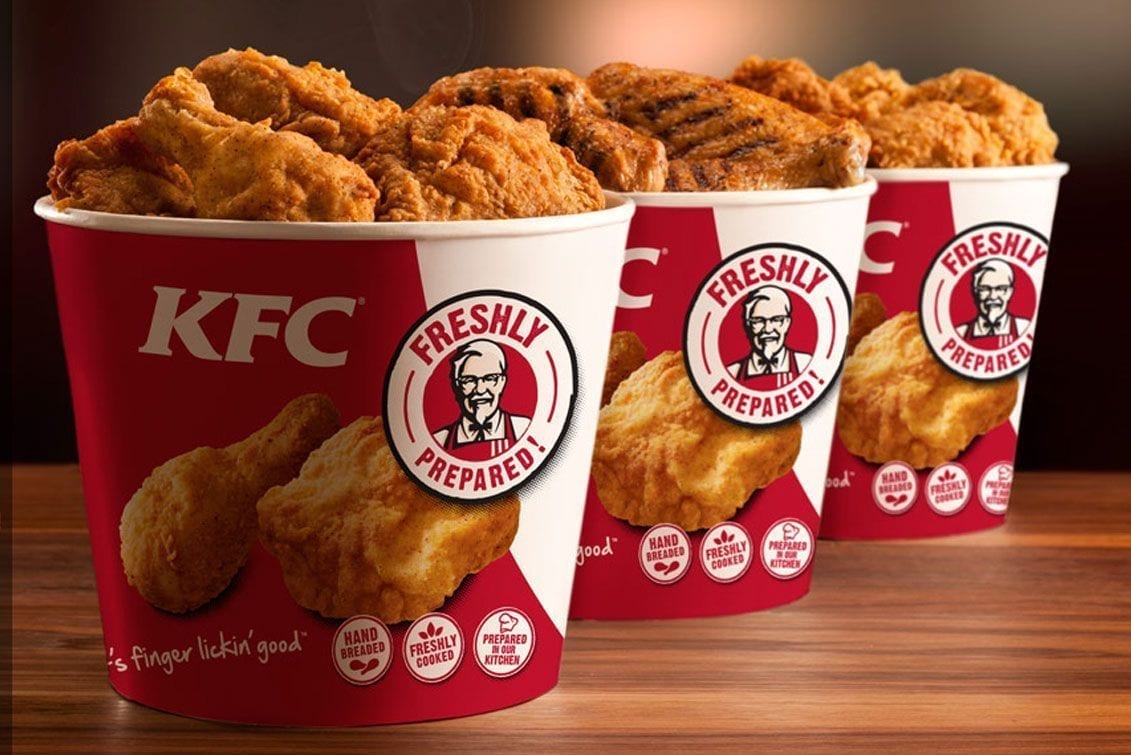
    Yum China, operating KFC and Pizza Hut in China, is strategically planning to double its store count within the next six years. This ambitious plan is built on the company’s consistent growth record and the vast untapped potential of the Chinese consumer market.

    Aggressive Expansion Goals

    Yum China has put forth a bold vision to reach 20,000 stores by next year and more than 30,000 by 2030, a significant increase from its current count of over 12,600. The company’s plan is driven by an understanding of the vast potential that exists within the Chinese consumer market, the largest of its kind in terms of purchasing power. Despite 38 years of operation, Yum China currently serves only about a third of the Chinese population, according to CEO Joey Wat. Their midterm goal is to serve half of the population by 2028.

    The next phase of the company’s growth will be fueled by its expansion into lower-tier cities. These regions are experiencing swift income growth, but the availability of branded food service options remains limited. Wat expressed confidence in the company’s potential to capture a larger share of the market in these cities, backed by their innovative store model, high-quality products, and value for money.

    Broadening KFC and Pizza Hut’s Reach

    Plans are underway to increase KFC’s footprint in lower-tier cities from the current 2,500 to approximately 4,500 by 2030. Similarly, Pizza Hut sees opportunity in over 3,500 cities where it has yet to enter.

    In order to penetrate these markets, Yum China has reimagined its store formats. For instance, KFC’s “small town model,” which requires an investment of RMB 500,000 – 700,000, has already been introduced in 400 cities. Pizza Hut’s Wow stores have also demonstrated promising results with payback periods of just two to three years.

    New Concepts and Resurgence

    In addition to expanding its primary brands, Yum China is also betting on new concepts like KCoffee and KPRO. KCoffee, a coffee chain embedded within KFC locations, already operates over 1,800 stores and is projected to exceed 5,000 by 2029. KPRO, a light-meal concept that emphasizes energy bowls and healthier choices, has gained popularity in Tier 1 markets where consumers are seeking lighter options.

    Pizza Hut’s resurgence in the Chinese market is another notable accomplishment for the company. After years of strategic repositioning, Pizza Hut has reported consistent growth, expanding its reach to previously untapped cities and attracting new customer groups.

    Digital Advancements and Supply Chain Strength

    A key strength of Yum China is its advanced infrastructure, including a supply chain that can serve 5,000 cities. The company is also utilizing cutting-edge technology such as generative and agentic AI applications to enhance its operations and customer service.

    Future Projections

    By 2030, Yum China is aiming to have more than 30,000 stores, with expectations of an operating profit margin of at least 11.5% and more than $1 billion in annual capital returns starting in 2027. The company’s leadership remains confident in their ability to meet these ambitious targets and sees promising signs of improving consumer sentiment.

    Questions & Answers

    What is Yum China’s expansion plan?
    Yum China aims to reach 20,000 stores by next year and more than 30,000 by 2030.

    What strategies will Yum China employ to achieve these goals?
    The company plans to tap into the untapped potential of lower-tier cities, redesign store formats for quicker and affordable entry into new markets, and leverage advanced technology to enhance operations and customer service.

    What new concepts is Yum China introducing?
    Yum China is introducing KCoffee, a coffee chain embedded within KFC locations, and KPRO, a light-meal concept focused on healthier choices.

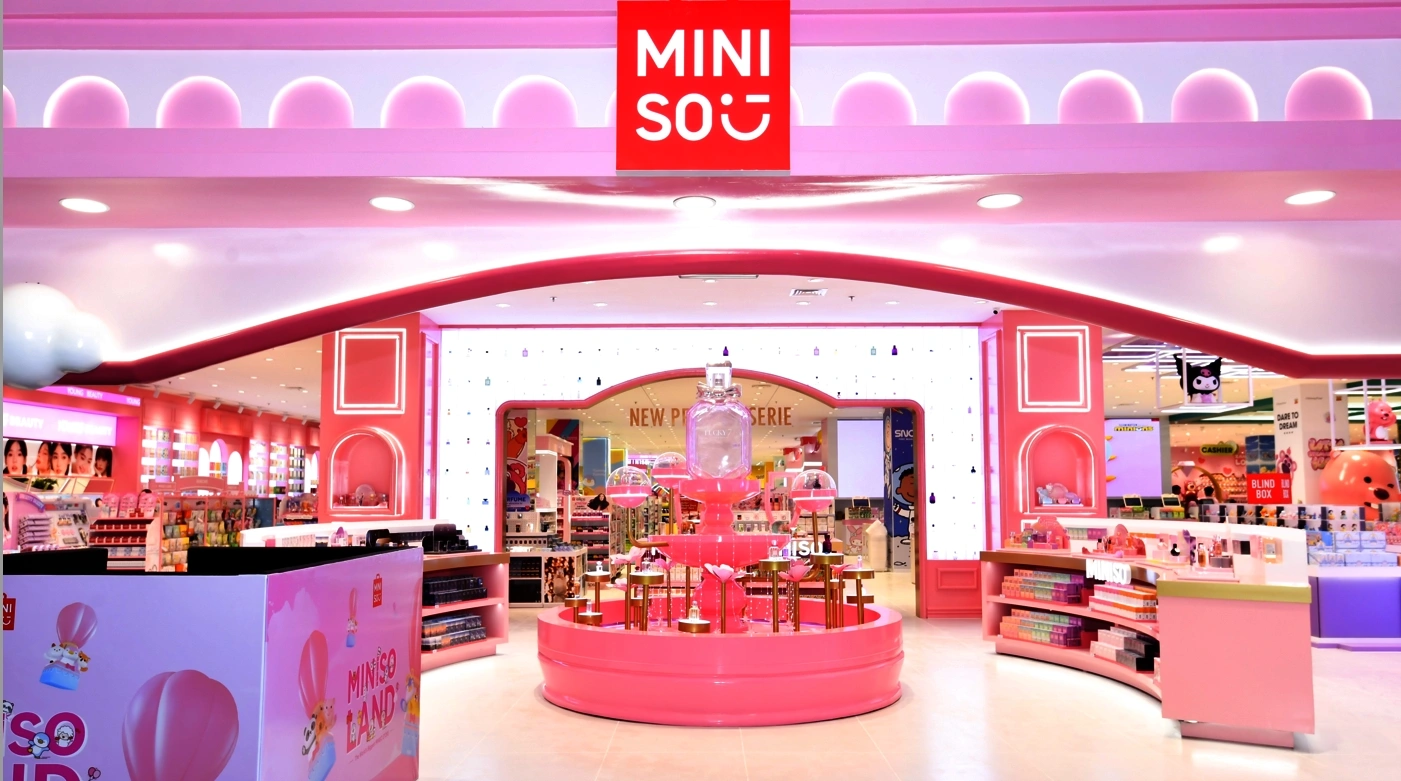
  • Miniso Triumphantly Surpasses Expectations with Robust Sales and Over 8000 Stores Worldwide

    Miniso Triumphantly Surpasses Expectations with Robust Sales and Over 8000 Stores Worldwide

    The third fiscal quarter has proven to be a successful one for Miniso, as their sales growth exceeded initial projections. The company’s expansion strategies have also reached a pivotal point.

    For the third fiscal quarter, which concluded on September 30, the variety retailer saw its revenue skyrocket by 28.2% to RMB5.8 billion (US$814.3 million). This revenue increase sits at the top end of their projected range of 25-28%.

    The Miniso brand itself experienced a rise in revenue of 22.9%, reaching RMB5.2 billion. This includes a substantial 19.3% increase in Mainland China along with a 27.7% surge in international markets. Additionally, Top Toy, another brand of the company, has seen its revenue surge by 111.4% to RMB574.5 million.

    Every operating segment of the company exhibited positive momentum in the same-store GMV throughout the quarter. This has resulted in group-level statistics rising to a mid-single digit level.

    Store Count Increases

    At the group level, the total number of stores reached 8138 by September 30. This marks an annual rise of 718 net new stores.

    The current Miniso store count is 7831, including 4407 in Mainland China and 3424 overseas. Meanwhile, Top Toy has a total of 307 stores.

    “We are thrilled to have reached two significant milestones for Miniso Group this quarter. For the first time, our quarterly revenue surpassed RMB5 billion. Additionally, our global store count now exceeds 8000,” stated CEO Guofu Ye.

    However, despite these significant achievements, the company’s net profit declined by 31% to RMB443.2 million. Nonetheless, the adjusted net profit demonstrated a rise of 11.7% to RMB766.8 million.

    Questions & Answers

    What was Miniso’s growth in the third quarter?
    Miniso’s revenue soared by 28.2% to RMB5.8 billion (US$814.3 million) in the third quarter.

    How many new stores did Miniso open in the last year?
    Miniso opened 718 new stores in the past year, bringing their total to over 8000.

    Despite the growth, did Miniso’s profits decline in the third quarter?
    Yes, Miniso’s net profit declined by 31% to RMB443.2 million. However, the adjusted net profit was up by 11.7% to RMB766.8 million.

  • Explosive Growth: Luckin Coffee Revenue Skyrockets by 50% as 3,000 New Stores Open Worldwide

    Explosive Growth: Luckin Coffee Revenue Skyrockets by 50% as 3,000 New Stores Open Worldwide

    In the third quarter, China’s Luckin Coffee Inc. experienced a significant revenue boost, supported by an impressive number of new store openings. The chain saw its total net revenue surge by 50.2% year-on-year to RMB15.287 billion (US$2.14 billion) by the end of September. This boost primarily resulted from an increase of 48.1% in gross merchandise value, following a 47% growth in the second quarter.

    Store Expansion and Revenue Boost

    Luckin Coffee Inc. added 3008 new outlets to its chain during the third quarter, including 2979 stores in China, five in Singapore, 21 in Malaysia and three in the United States. This growth brought the total number of stores up to 29,214, comprising 18,882 self-operated stores and 10,332 partnership locations.

    The coffeeshop chain saw same-store sales in self-operated outlets rise by 14.4%, while the number of average monthly transacting customers grew by a substantial 40.6%.

    A Successful Strategy

    Jinyi Guo, Luckin’s co-founder and CEO, credited the company’s positive performance to its strategy of scale expansion. He noted that the expanding store network had improved the chain’s fulfilment capabilities, allowing it to meet growing customer demand successfully. The company also reached a significant milestone, surpassing 100 million average monthly transacting customers for the first time. According to Guo, these achievements further solidified Luckin’s competitive edge and market leadership position.

    While the company’s operating income grew by 12.9% to RMB1.776 billion, there was a slight decrease of 2.7% in net income, which totaled RMB1.278 billion.

    Questions & Answers

    What was the total net revenue of Luckin Coffee Inc. in the third quarter?
    The total net revenue of Luckin Coffee Inc. in the third quarter was RMB15.287 billion (US$2.14 billion).

    How many new stores did Luckin Coffee Inc. open in the third quarter?
    Luckin Coffee Inc. opened 3008 new stores in the third quarter.

    What was the growth rate of average monthly transacting customers for Luckin Coffee Inc.?
    The number of average monthly transacting customers for Luckin Coffee Inc. grew by 40.6%.

  • Gong Cha Hits Thailand with Bold Expansion: Bubble Tea Giant Targets 100 New Stores in Latest Global Growth Surge

    Gong Cha Hits Thailand with Bold Expansion: Bubble Tea Giant Targets 100 New Stores in Latest Global Growth Surge

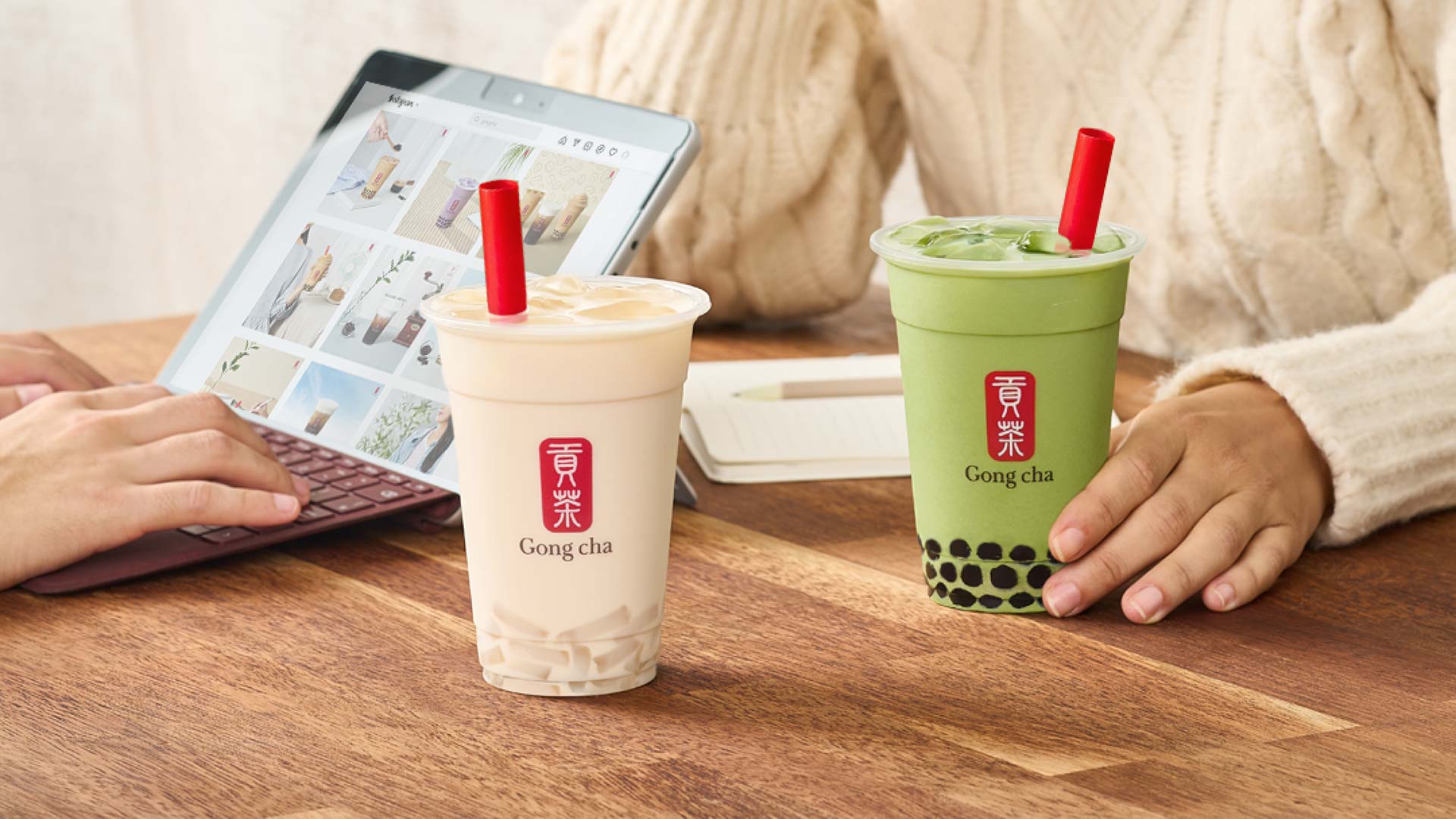
    Gong Cha, a leading global bubble tea brand, has recently launched its first concept store in Thailand. The new establishment is a result of a collaboration with Perfect Step, a local master franchisee and a subsidiary of Thai Outdoor Group.

    Strategic Location and Expansion Plan

    The new Gong Cha outlet is strategically located on the third floor of the Beacon Zone in CentralWorld. This store is the first move in an aggressive expansion plan, with the brand aiming to establish up to 100 stores across Thailand in the near future.

    Embracing Technology and Authenticity

    Every proposed Gong Cha outlet will present the brand’s Gong Cha 2.0 design. This modern and innovative design incorporates technology to enhance service speed and adaptability while maintaining the brand’s commitment to serving authentic whole-leaf teas.

    Focused on Global Expansion

    The Thailand launch is another milestone in Gong Cha’s ambitious global expansion plan. The brand recently made its foray into Colombia and aims to establish 10,000 outlets worldwide over the next decade. Gong Cha isn’t just focused on Asian markets; the brand will soon open its first Caribbean outlet at Atlantis Paradise Island.

    Accelerated US Expansion

    In the United States, Gong Cha is rapidly expanding its footprint through multi-unit franchise agreements in Milwaukee, Portland, and Nashville. The bubble tea brand has set a target of surpassing 500 locations across the country by 2028. To achieve this goal, Gong Cha is actively seeking top-tier franchise partners in regions including Southern California, Nevada, Utah, and the Southeastern US.

    Return to the Singapore Market

    Gong Cha had to exit the Singapore market after its franchise agreement with Gong Cha Singapore, which had been operating the brand since 2017, came to an end. However, Gong Cha Global has announced plans to re-enter the market next year.

    Currently, Gong Cha operates 2,200 locations in 30 international markets.

    Questions & Answers

    What is Gong Cha’s expansion plan for Thailand?
    Gong Cha plans to open up to 100 stores across Thailand.

    What is unique about the new Gong Cha outlets in Thailand?
    The new Gong Cha outlets in Thailand will feature the brand’s Gong Cha 2.0 design, which blends technology and authenticity, enhancing service speed and adaptability while staying true to authentic whole-leaf teas.

    What is Gong Cha’s expansion goal in the United States?
    Gong Cha aims to surpass 500 locations across the US by 2028 through multi-unit franchise agreements.

  • “Yum China’s Expanding Empire: Over 17,500 Stores Fueled by Digital Sales and Franchise Strategy”

    “Yum China’s Expanding Empire: Over 17,500 Stores Fueled by Digital Sales and Franchise Strategy”

    Yum China, operating franchises such as KFC, Pizza Hut, and additional dining brands, has disclosed a stable growth in its third-quarter financial results, citing robust digital and delivery sales as primary contributing factors. These assets served to balance a tempered in-store sales trajectory in an increasingly cautious consumer market.

    In the financial quarter culminating on September 30, the company recorded an annual revenue increase of 4%, amounting to USD 3.2 billion. In addition, Yum China reported an 8% rise in operating profit, reaching USD 400 million, which expanded margins to 12.5%.

    Sales and Store Count

    The quarter saw system sales increase by 4%, bolstered by the opening of 536 new stores. Furthermore, same-store sales experienced a minor growth of 1%. Cumulatively, Yum China’s store count now totals 17,514, including 12,640 KFC outlets and 4,022 Pizza Hut locations.

    Digital Sales and Delivery

    Yum China’s growth was largely underpinned by digital sales, which accounted for an impressive 95% of total sales. Simultaneously, delivery sales experienced an upward surge of 32% year-on-year, contributing to 51% of the company’s total revenue.

    Joey Wat, CEO of Yum China, expressed satisfaction with the company’s steady performance within a dynamic market, attributing the positive growth to expanding store openings, encouraging same-store sales growth and margin expansion.

    Brand Performance

    KFC emerged as the primary growth driver for the company, noting a 5% rise in system sales and a 2% same-store growth. Throughout the quarter, KFC expanded by 402 new stores, with 41% operating as franchises. KFC’s operating profit increased by 6%, amounting to USD 384 million and improving margins to 16%.

    Meanwhile, Pizza Hut demonstrated moderate growth with a 4% rise in system sales and a 1% increase in same-store sales. An additional 158 new outlets lifted the operating profit by 7%, resulting in USD 57 million.

    Collective membership across both KFC and Pizza Hut escalated 13% year on year, reaching 575 million. This growth saw member sales contributing to 57% of total system sales.

    Wat also emphasized the swift expansion of both Kcoffee, now with over 1,800 outlets, and Kpro, a concept brand focusing on energy bowls and smoothies. The latter brand has expanded to over 100 locations in top-tier cities.

    Future Plans

    Looking forward, Yum China anticipates opening between 1,600 to 1,800 new stores within the current year, with a higher proportion of franchised locations. The company aims for 40-50% of new KFC stores and 20-30% of new Pizza Hut locations to operate as franchises. The company also intends to continually innovate their menu offerings to encourage customer loyalty and repeat visits.

    Questions & Answers

    What is the primary growth driver for Yum China?
    The primary growth driver for Yum China is its KFC brand, which experienced a 5% rise in system sales and 2% same-store growth.

    What contributed to the robust growth of Yum China’s digital and delivery sales?
    Yum China’s digital channels, franchise strategy, and flexible store formats contributed to the significant growth in its digital and delivery sales.

    What are Yum China’s future expansion plans?
    Yum China plans to open between 1,600 to 1,800 new stores in the coming year, largely focusing on franchised KFC and Pizza Hut locations. It also plans to continue innovating its menu offerings to encourage repeat customer visits.

  • End of Sweet Saga: Twelve Cupcakes in Singapore Declares Liquidation, Shuts Down 20 Stores Unexpectedly

    End of Sweet Saga: Twelve Cupcakes in Singapore Declares Liquidation, Shuts Down 20 Stores Unexpectedly

    Once a beloved destination for dessert lovers, Singapore’s bakery cafe chain, Twelve Cupcakes, has entered a temporary state of liquidation. This unfortunate circumstance has led to the immediate closure of all its 20 establishments and the termination of approximately 80 employees.

    The announcement, made on October 29, marks the end of a 14-year-long chapter in Singapore’s thriving food and beverage industry. The company expressed regret over the current predicament and offered a sincere apology. “We are deeply sorry for any inconvenience this may cause. We appreciate the unwavering support and partnership we have received over the years,” the brand conveyed in its statement.

    Twelve Cupcakes’ employees, many of whom are represented by the Food, Drinks, and Allied Workers Union (FDAWU), were taken by surprise by the abrupt closure. The company had been unionised since 2021, so the sudden shutdown without prior notice was met with shock and disappointment.

    The union criticized the company’s decision, describing it as “irresponsible and unacceptable.” Currently, it is extending support to the affected staff in dealing with wage and retrenchment claims.

    Twelve Cupcakes was founded in 2011 by popular celebrities Daniel Ong and Jaime Teo. The bakery cafe chain experienced a period of swift growth and was acquired in 2016 by the Dhunseri Group, an Indian conglomerate. The acquisition, which was worth S$2.5 million (US$1.9 million), was a strategic move aimed at expanding the brand’s presence across Asia.

    Questions & Answers

    **What led to the closure of Twelve Cupcakes?**
    Twelve Cupcakes has entered a temporary state of liquidation, which forced the company to close all its 20 locations and terminate about 80 employees.

    **How did the staff react to the sudden closure?**
    The staff, most of whom are represented by the Food, Drinks, and Allied Workers Union (FDAWU), were shocked and disappointed by the abrupt closure, as there was no prior warning.

    **What does the Dhunseri Group’s acquisition of Twelve Cupcakes signify?**
    The Dhunseri Group, an Indian conglomerate, acquired Twelve Cupcakes in 2016 for S$2.5 million (US$1.9 million). This was a strategic move aimed at expanding the bakery cafe chain’s presence across Asia.

  • Gold Rush Down Under: Massive Queues at Sydney Bullion Stores Amid Investment Frenzy

    Gold Rush Down Under: Massive Queues at Sydney Bullion Stores Amid Investment Frenzy

    In the face of global uncertainty, Australians in Sydney have been flocking to buy gold, a traditionally regarded safe-haven investment. Long queues have formed outside gold bullion stores as people patiently wait their turn to secure this precious metal.

    Gold Buying Rituals Amidst Challenges

    For Prakas, a Nepali Australian, purchasing gold during Diwali, an annual Hindu festival, is a treasured tradition. Yet, this year, this ritual proved to be a daunting task due to the thousands of Australians lining up for gold in Sydney. On October 18, Prakas drove to Sydney’s central business district, only to find approximately 400 people in line at the ABC Bullion store on Martin Place. Disheartened, he returned home. He later attempted to order online, but the expedited process still led him to a two-hour waiting line for online pre-purchasers.

    Gold Demand Skyrockets

    The demand for gold, a traditional hedge in uncertain times and a non-yielding asset, has soared by over 51% this year. This surge is attributed to ongoing geopolitical and trade tensions, as well as anticipated U.S. interest rate cuts. The ABC Bullion store on Martin Place recently experienced an influx of customers, with retirees and families jostling around the entrance in hopes of making a purchase, their presence persisting throughout the day. Jordan Eliseo, the store’s general manager, reported approximately 1,000 customers visiting daily for over a month, with thousands more opting for online purchases. Buyers from across the city arrive as early as 9 a.m. to secure their spots in line, while others wait for hours to make their purchases. To accommodate the rush, Eliseo extended trading hours and added five new staff members in the last two weeks.

    The Gold Market’s Potential Risks

    Despite the current gold-rush frenzy, market experts warn of potential risks in the gold market. Chief economist at a financial services firm, Shane Oliver, expressed concerns that the lengthy queues could be a red flag indicating a speculative market prone to correction. His warning seemed prophetic when, on October 22, gold prices plummeted 6.8% to $4,082.35 per ounce, marking the steepest single-day drop in 12 years. Although the price slightly rebounded later that week, it still ended lower, disrupting a record nine-week rally. Ray Attrill, head of FX strategy at National Australia Bank, noted that the steep fall mirrors a familiar pattern, hinting that a dash for profit was inevitable.

    Questions & Answers

    What is the current trend in the gold market in Sydney?
    A significant surge in gold buying has been observed in Sydney, partly due to its traditional status as a safe-haven asset during times of global uncertainty.

    What challenges are buyers facing in securing gold?
    Buyers are enduring long queues at gold bullion stores and even online pre-purchasers are facing waiting times. The high demand has resulted in extended trading hours and increased staffing at stores.

    What are the potential risks in the current gold market?
    Experts caution that the current trend could indicate a speculative market potentially at risk of a correction. The sharp fall in gold prices on October 22 supports this cautionary stance.

  • Reliance Retail Expands Jiomart’s Reach With 600 New Dark Stores Across India

    Reliance Retail Expands Jiomart’s Reach With 600 New Dark Stores Across India

    Reliance Retail has expanded its network in India by opening over 600 dark stores. These new outlets are in support of the company’s rapidly growing quick commerce service called JioMart, which boasts a delivery promise of under 30 minutes.

    What are Dark Stores?

    Dark stores, as the name suggests, are not traditional retail outlets. They are small, localized fulfillment centers that are used to handle online orders, either for delivery or pickup. They have been redesigned from conventional retail spaces to facilitate speedier order processing. The primary distinguishing feature is that they do not cater to walk-in customers.

    Reliance Retail strategically selected the locations for its new facilities in both urban and suburban areas. This strategic placement is intended to improve speed and efficiency in serving the company’s expanding online clientele.

    JioMart’s Unique Service Models

    JioMart app provides its users with three distinct service models. First is the quick delivery model that promises delivery within 30 minutes. Second is the scheduled delivery model that offers a wider variety of products. The third model is subscription-based, providing early morning doorstep delivery of daily essentials.

    The JioMart app faces competition from other quick commerce platforms in India such as Blinkit, Swiggy Instamart, and BigBasket.

    Reliance Retail’s Competitive Advantage

    Dinesh Taluja, Reliance Retail’s CFO, stated that the company’s extensive scale and physical presence give it a competitive edge over others in the industry.

    “We operate through a network of over 2000 stores, covering more than 4000 postal codes. This gives us a much broader reach than any other quick commerce player,” he explained.

    Questions & Answers

    What is a dark store?

    A dark store is a small, localized fulfillment center that processes online orders for either delivery or pickup. Unlike traditional retail outlets, dark stores do not serve walk-in customers.

    What are the service models offered by JioMart?

    JioMart offers three service models: quick delivery within 30 minutes, scheduled delivery with a broader range of products, and a subscription-based model for early morning doorstep delivery of everyday essentials.

    What gives Reliance Retail a competitive edge in the quick commerce industry?

    According to Reliance Retail’s CFO, Dinesh Taluja, the company’s extensive scale and physical presence give it an advantage over other players in the quick commerce space. They have a network of over 2000 stores covering more than 4000 postal codes, offering a wider reach than other competitors.

  • Revolutionizing Retail: How Innovative Design Transforms The Shopping Experience

    Revolutionizing Retail: How Innovative Design Transforms The Shopping Experience

    In the realm of physical retail, innovative and creative designs have a significant influence on the shopping experience. Among the noteworthy brick-and-mortar stores promoting such inventive designs are Farm Rio, Manière de Voir, Crocs, Huckberry, H&M, Todd Synder, and Tm:rw.

    Farm Rio: An Intimate Shopping Experience

    Brazilian brand Farm Rio opened its third and smallest New York City store in August, at 1055 Madison Avenue on the Upper East Side. The store greets customers with a stunning mosaic installation, designed in collaboration with Bisazza, an Italian luxury mosaic maker. The mosaic, composed of 1.9 million hand-placed glass tiles, took over 460 hours to install. This store’s design elements include earthy-green carpets and plush gray seating, creating an intimate and luxurious shopping experience. The brand’s international portfolio includes over 140 locations, including stores in Los Angeles, Paris, and Rio de Janeiro, the brand’s hometown.

    Manière de Voir: A Story of Persistence and Vision

    Manière de Voir, a Manchester-born brand, has opened its first US flagship at 521 Broadway in New York City. The brand’s founder and CEO, Reece Wabara, described the store as a “story of persistence, grit and bold vision.” The spacious store, located just steps away from major retail stores like Nike, Uniqlo, and Sephora, offers customers a chic layout in calming tones and an apparel line that blends a London-inspired streetwear aesthetic with a minimalist Parisian approach.

    Crocs: A New Era of Personalization

    In August, Crocs launched a new store concept called Icon at 543 Broadway in New York’s trendy Soho neighborhood. The 4000 sqft store offers an immersive shopping experience and the brand’s largest personalisation venture yet, drawing customers towards a range of shoes and accessories that blend style and functionality. Customers can customize their purchases with Crocs’ signature Jibbitz charms, including exclusive New York City ones.

    Huckberry: A Blend of Style and Adventure

    Huckberry, a prominent destination for men’s style and adventure, has opened its first permanent store in Georgetown, Washington, DC. The space, part gear shop, part art gallery, was designed with warm materials and clean lines, reflecting the brand’s reputation for men’s lifestyle content. Customers can find a variety of brands ranging from Flint and Tinder to emerging brands from Tokyo, Paris, and New York City.

    H&M: Elevated Shopping Experience

    H&M has inaugurated a new flagship store at The Original Farmers Market in Los Angeles. The store, spanning about 15,000 sqft across two floors, features a gallery-like feel with white, curved walls, wooden fitting rooms, and translucent displays. It operates on RFID-enabled systems, ensuring precise stock accuracy and enabling quick item location within the store. The new LA store serves as a model for upcoming stores in São Paulo, Las Vegas, and Toronto.

    Todd Synder: Refined Elegance

    In August, American menswear designer Todd Snyder opened his first Ohio store, drawing inspiration from refined elements of English sartorial style and the raw aesthetic of industrial design. The store features a comprehensive tailoring shop with a range of Italian suits and sport coats, Italian-made shoes and sandals, and an array of best-in-class brands from around the world.

    Tm:rw: The Future of In-Store Shopping

    Tm:rw, a three-story flagship, opened its doors in July in the heart of Times Square, displaying the world’s largest 3D retail hologram and offering an AI-powered digital avatar and immersive window displays. This new model of experiential retail is designed to let people engage with products in unexpected ways. It features rotating concept areas that span gaming, health and wellness, food, beauty, entertainment, and sports.

    Questions & Answers

    What is unique about the design of Farm Rio’s Madison Avenue store in New York City?
    The store features a beautiful mosaic installation made from 1.9 million hand-placed glass tiles. This nature-inspired mosaic is complemented by green, moss-like carpets and plush, gray seating that resembles smooth stones.

    Can customers personalize their purchases at the Crocs Icon store?
    Yes, customers can personalize their purchases with Crocs’ signature Jibbitz charms, including ones exclusive to New York City, at two customization counters in the store.

    What does the Tm:rw store in Times Square offer?
    The Tm:rw store offers a new model of experiential retail, featuring the world’s largest 3D retail hologram, an AI-powered digital avatar, and immersive window displays. It has rotating concept areas across gaming, health and wellness, food, beauty, entertainment, and sports.
  • Zen Diamond Expands Footprint In India With Two New Stores In Bengaluru

    Zen Diamond Expands Footprint In India With Two New Stores In Bengaluru

    Zen Diamond, a worldwide jewellery retailer, has broadened its reach in India by inaugurating two additional stores in Bengaluru. This decision follows the brand’s successful introduction in Mumbai in the previous year.

    Expansion into South India

    Zen Diamond’s expanded presence is marked by the establishment of new outlets at the Phoenix Mall of Asia and Phoenix Marketcity. These locations represent the company’s initial expansion in South India, an area of increasing interest for the business.

    Neil Sonawala, Managing Director of Zen Diamond, expressed enthusiasm about this development, saying, “The Indian market has always been highly valued by our brand. The positive response we received from our Mumbai outlets was remarkably encouraging. With the inauguration of our two additional stores in Bengaluru, we’re excited about introducing Zen Diamond’s tradition of superior craftsmanship to the southern region of India.”

    Store Design and Services

    The brand’s new locations will be distinguished by a sophisticated decor featuring subdued grey color schemes, fluted panels, and stucco textures. These elements have been chosen to accentuate the company’s premium jewellery collection.

    To bolster customer trust and assurance, Zen Diamond will also offer Natural Diamond Certification within India.

    Rituu Mehhta, the Centre Director of Phoenix Mall of Asia, praised the launch of the Zen Diamond stores, stating, “The introduction of a globally recognized brand like Zen Diamond significantly enhances our retail portfolio.”

    Global Presence

    Zen Diamond has a substantial international presence, operating over 450 stores worldwide. Alongside its primary jewellery offerings, the company also sells accessories, including watches, pens, ties, and gold coins.

    Questions & Answers

    What led to Zen Diamond’s expansion into South India?
    The positive feedback and success from the company’s ventures in Mumbai encouraged them to expand to other parts of India.

    What unique features can customers expect in the new Bengaluru stores?
    The Bengaluru stores will be distinguished by their refined grey palettes, fluted panels, and stucco textures, all aimed to enhance the brand’s luxurious jewellery collection.

    What steps is Zen Diamond taking to improve customer trust in India?
    To increase consumer trust and confidence, Zen Diamond will provide Natural Diamond Certification in India.

  • Saizeriya Sets Sights On Doubling China Presence With Local Production Strategy By 2035

    Saizeriya Sets Sights On Doubling China Presence With Local Production Strategy By 2035

    Saizeriya, a Japanese-owned Italian restaurant chain, has unveiled an ambitious plan to double its presence in China from its current footprint to approximately 1,000 outlets by the year 2035.

    Expansion Strategies and Local Production

    In order to facilitate its expansion, Saizeriya established a subsidiary in Wuhan in July. Furthermore, they have plans to inaugurate a $30 million plant in Guangzhou next year. This new plant will produce local ingredients, including sauces, pasta, and pizza.

    The restaurant chain aims to attract “cost-conscious” consumers with its pricing strategy. As an illustration, at its Shanghai branches, Milan-style rice is priced at 15 yuan (roughly $2), and squid-ink pasta is available for 16 yuan.

    Noboru Nagaoka, the General Manager for overseas business, provided insight into the company’s performance. According to Nagaoka, the company currently generates an annual operating income of $40 million, a figure that is triple the amount earned from its operations in Japan.

    “We initially wanted to challenge the notion that Western food had to be expensive. Our goal was to demonstrate that genuine Italian meals could also be affordable,” he explained.

    Established Presence and Future Growth

    Saizeriya launched its first branch in Guangzhou in 2007, followed by a branch in Beijing in 2008. Recently, in July, the restaurant chain established a head office in Guangdong Province. This office is responsible for managing its operations in China and standardizing menu development.

    Nagaoka stated, “The Chinese market is of utmost importance to us. Our profits from this market have already surpassed those from Japan. Moreover, the potential for future growth in China is much larger.”

    To continue expanding its presence in the Chinese market, Saizeriya plans to open a minimum of 50 new stores per year. This would align its presence in China with the approximately 1050 restaurants it currently operates in Japan.

    Questions & Answers

    What is Saizeriya’s expansion plan for China?
    Saizeriya aims to double its presence in China to about 1,000 outlets by 2035.

    How does Saizeriya plan to support its expansion in China?
    The company plans to open a $30 million plant in Guangzhou to produce local ingredients. Additionally, a subsidiary has been established in Wuhan, and a head office has been set up in Guangdong Province to manage operations and standardize menu development.

    What is Saizeriya’s pricing strategy?
    Saizeriya targets “cost-conscious” diners by offering affordable prices for its dishes. For instance, at its Shanghai branches, Milan-style rice is priced at 15 yuan, and squid-ink pasta is available for 16 yuan.