Tag: Stores

  • Charlie’s Fine Food Expands Reach: Choc Chip Cookie Dough Hits Aldi Australia Shelves

    Charlie’s Fine Food Expands Reach: Choc Chip Cookie Dough Hits Aldi Australia Shelves

    The renowned Melbourne-based bakery, Charlie’s Fine Food, has recently made a significant splash with its products appearing on Aldi Australia’s shelves for the first time in over 20 years of operation.

    Expanding Product Reach

    The ready-to-bake Choc Chip Cookie Dough, which is the first product to be launched by the bakery in partnership with the supermarket chain, is now available in Aldi’s chilled dessert section across the nation. Priced at $6.49, the cookie dough is the result of 12 dedicated months of development. This launch is a significant achievement for the family-owned bakery.

    Jacky Magid, the director of sales and marketing, expressed her excitement about this fresh partnership with Aldi. “This is the first time we have collaborated with Aldi and the experience has been exceptional. We anticipate that this will be the first of many Charlie’s products we develop for Aldi’s shoppers to enjoy,” said Magid.

    Foundational History

    Charlie’s Fine Food was established in 2004 by Magid and her husband, Ken Mahlab. Over the years, the bakery has expanded its reach, with its products now being sold in major retailers such as Woolworths, Coles, Walmart, and Bunnings.

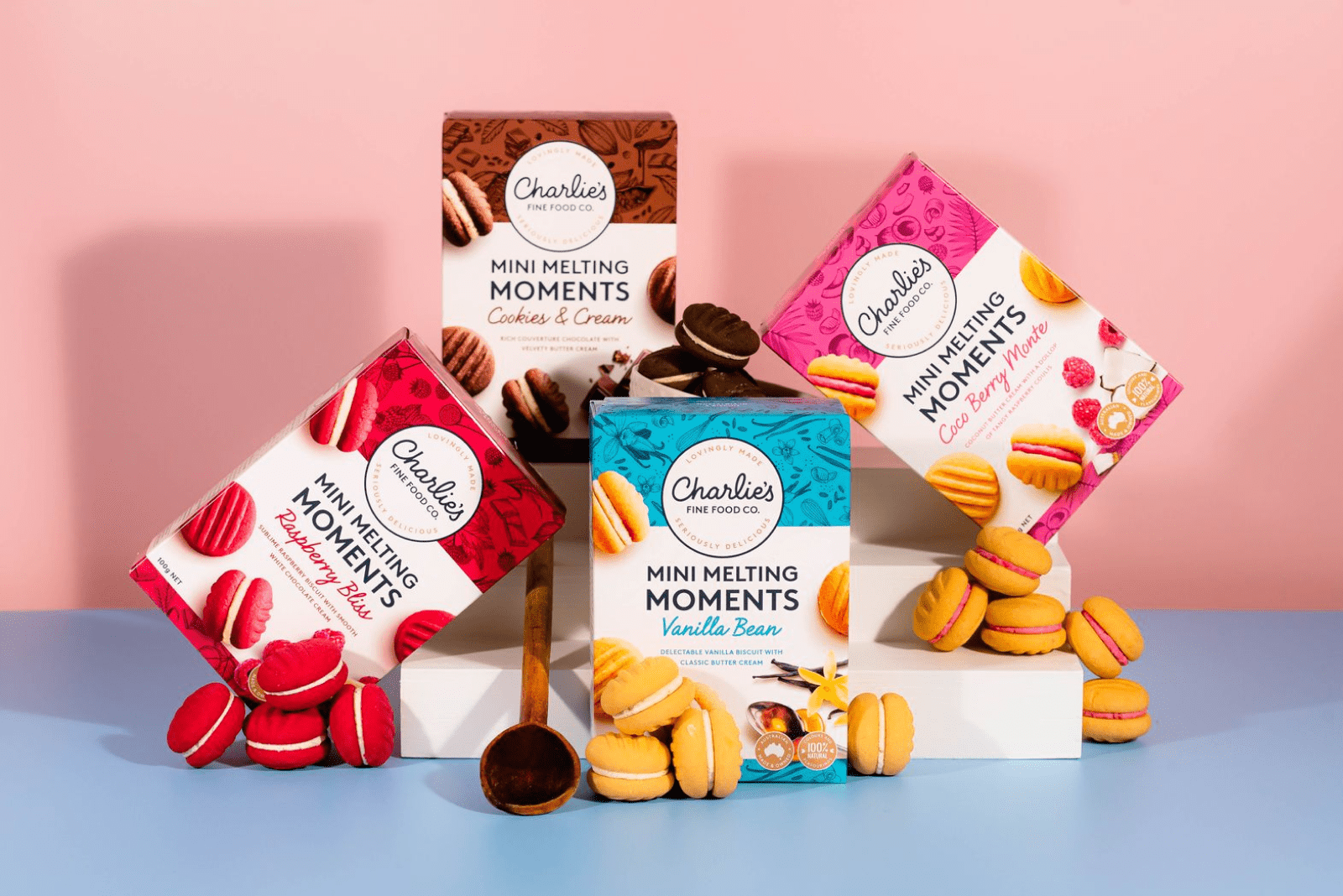
    In 2022, the bakery’s reputation grew even further with the popular launch of its Mini Melting Moments range in Woolworths Metro stores across the country.

    Questions & Answers

    What is the first product Charlie’s Fine Food has launched in Aldi?
    The first product from Charlie’s Fine Food to be launched in Aldi is their ready-to-bake Choc Chip Cookie Dough.

    Who are the founders of Charlie’s Fine Food?
    Charlie’s Fine Food was founded by Jacky Magid and her husband, Ken Mahlab.

    What is the significant product launch by Charlie’s Fine Food in 2022?
    Charlie’s Fine Food launched its Mini Melting Moments range in Woolworths Metro stores across the country in 2022.
  • Belgian Bakery Le Pain Quotidien Returns To India, Plans 100 Outlets By 2035

    Belgian Bakery Le Pain Quotidien Returns To India, Plans 100 Outlets By 2035

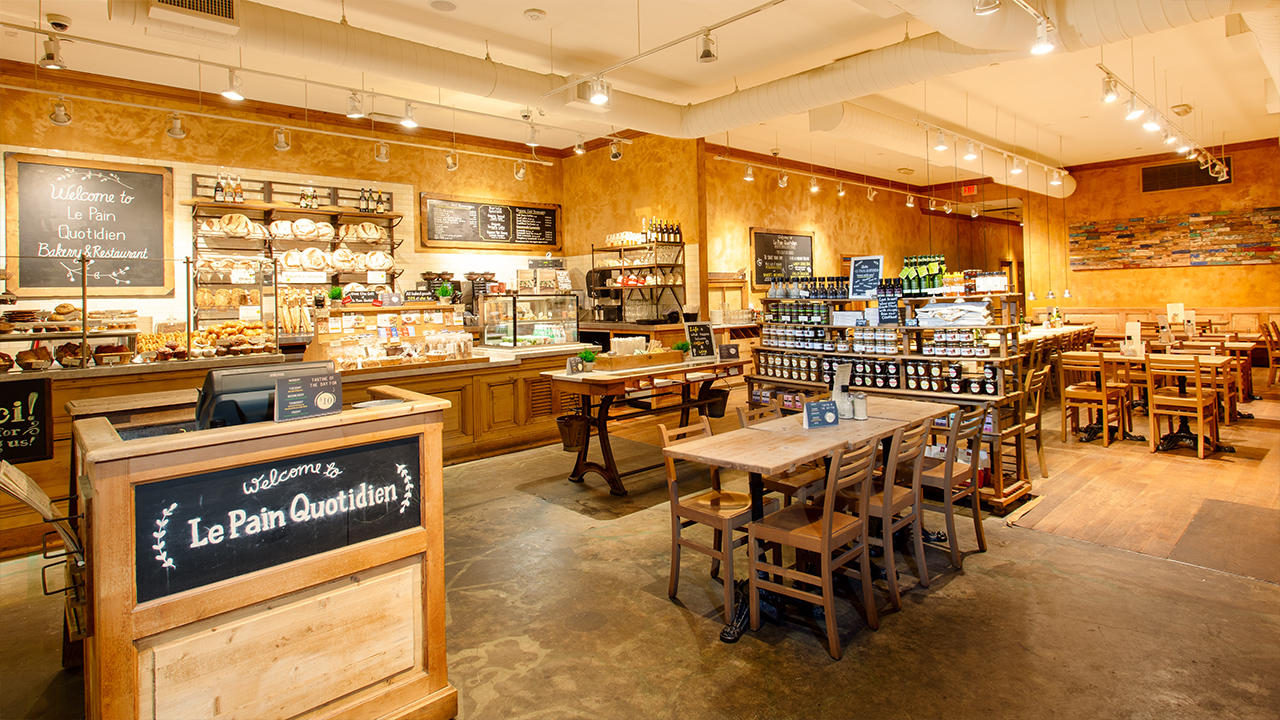
    Le Pain Quotidien, a renowned Belgian bakery-cafe chain, has made a comeback in the Indian market by establishing a fresh outlet in Palladium Mall, Mumbai. The brand’s return is facilitated through a master franchise agreement with Bake & Brew Private Limited.

    Le Pain Quotidien’s Location

    The latest store of Le Pain Quotidien is strategically positioned in the Gourmet Village zone of Palladium Mall. This zone is known for its assortment of local and international restaurants, some of which include Gold by Ice Cream Works, Burma Burma, and Kuuraku.

    Le Pain Quotidien, a name that translates to “the daily bread” in French, initially launched its venture in India in 2010. However, the brand withdrew from the Indian market during the pandemic in 2020.

    New Franchise Agreement

    In August last year, Le Pain Quotidien entered into a new franchise agreement with Bake & Brew. The arrangement has an ambitious target – to inaugurate upwards of 100 outlets across India by 2035.

    Le Pain Quotidien was first established in Brussels in 1990 by Alain Coumont. Today, the brand operates over 200 locations in 18 different countries.

    Future Expansion Plans

    Le Pain Quotidien has major expansion plans on the horizon. It aims to launch a second store in Mumbai by the close of this year, while other major cities are also in its crosshairs for expansion. The brand is particularly keen on tapping into travel and transit hubs.

    Questions & Answers

    What is Le Pain Quotidien’s expansion plan in India?
    Le Pain Quotidien plans to open more than 100 outlets across India by 2035 as a part of their franchise agreement with Bake & Brew. They also aim to open a second store in Mumbai by the end of this year.

    When did Le Pain Quotidien first launch in India and when did it exit?
    Le Pain Quotidien first launched in India in 2010 and withdrew from the market during the pandemic in 2020.

    What is Le Pain Quotidien’s focus area for its future expansion?
    Le Pain Quotidien intends to expand into major Indian cities, particularly focusing on travel and transit hubs.

  • King Power To Close Key Branches In Cost-cutting Strategy Amid Pandemic Downturn

    King Power To Close Key Branches In Cost-cutting Strategy Amid Pandemic Downturn

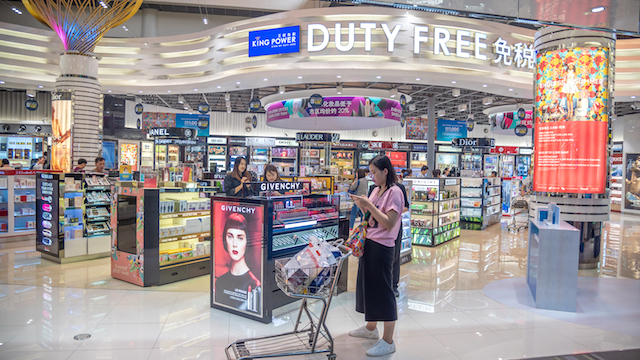
    King Power, a leading duty-free company in Thailand, has made the announcement that it will be closing its branches in Srivaree, Pattaya, and Mahanakhon by September. This move forms part of a broader cost-cutting strategy that involves a voluntary redundancy program for employees across all branches.

    The Reason for the Closure

    Initially, the three stores slated for closure played a significant role in the company’s earnings, catering largely to tour groups. However, the business model has since been deemed unsustainable, according to CEO Nitinai Sirismatthakarn. He highlights the unfavorable business structure of these branches and the need to streamline the company’s workforce to maintain a competitive edge in a shifting market.

    The COVID-19 pandemic has also had a notable impact on sales. While airport duty-free stores have been less severely affected, sales at the downtown outlets have dipped considerably.

    Employee Compensation and Store Operations

    King Power’s staff, who choose to take part in the redundancy program, will receive compensation in line with labor law. Additional payments will be made based on the length of service. Employees will also have the option to transfer to other branches.

    After the closure of the three branches, the company will continue its operations at three other downtown locations – Rangnam, One Bangkok, and Phuket.

    Renegotiations and Downturns

    Simultaneously, King Power is renegotiating its concession contracts with Airports of Thailand (AOT) for five airports. Despite earlier intentions to terminate these contracts, revised payment terms have now been agreed upon. This is happening against the backdrop of a wider downturn in Thailand’s tourism sector, with a significant decrease in visitor numbers this year.

    Investor concerns have been raised due to a 35.6% fall in AOT shares since the beginning of the year, which could indicate potential revenue losses for King Power. To review the concession agreements, two state universities have been commissioned by the airports. Sirismatthakarn supports this as a “check and balance” mechanism.

    Questions & Answers

    What is the reason for King Power’s closure of three branches?
    King Power will be closing three of its branches as part of a cost-cutting initiative. The business model of these branches is no longer sustainable due to their unviable business structure and the need to streamline operations in response to a changing market landscape.

    What will happen to the employees affected by the closures?
    Employees who opt for the voluntary redundancy program will receive compensation as per labor law, with additional payments based on their length of service. They also have the option to transfer to other branches.

    What is the current state of King Power’s concession contracts with Airports of Thailand (AOT)?
    King Power is presently renegotiating its concession contracts with AOT for five airports. While initial plans were to terminate these contracts, revised payment terms have now been reached.

  • 7-Eleven Philippines targets 5000 stores by next year

    7-Eleven Philippines targets 5000 stores by next year

    Philippine Seven Corporation (PSC), the entity managing 7-Eleven stores in the Philippines, has its sights set on bolstering its network to a landmark 5000 stores across the nation by the next year.

    On Track for Expansion

    Providing an update at a press briefing, PSC Chairman Jose Victor Paterno voiced the company’s confidence about achieving this ambitious target. He indicated that it is a reasonable assumption to expect the 5000-store mark to be realized within the upcoming year.

    At the conclusion of last year, PSC had a total of 4130 7-Eleven locations strewn across the Philippines. The organization is planning to inaugurate between 450 and 500 additional stores throughout the current year.

    Financial Support for Rollout

    To aid the rollout of these new locations, a capital expenditure program worth PHP5.5 billion (US$97 million) has been established. This fund represents a marginal decrease from the previous allocation of PHP6 billion.

    Aiming to Serve Underserved Markets

    This planned expansion forms a crucial element of PSC’s wider strategy. The company aims to cater to underserved markets and react to the escalating demand for easily accessible and convenient retail options in every corner of the nation.

    Questions & Answers

    What is the expansion target set by Philippine Seven Corporation?
    The company is planning to expand its network to a total of 5000 stores nationwide by the next year.

    How many new 7-Eleven stores does PSC plan to open this year?
    PSC aims to inaugurate between 450 and 500 new locations in the current year.

    What is the objective of PSC’s expansion strategy?
    The strategy aims to reach and serve underserved markets and respond to the increasing demand for accessible and convenient retail options across the nation.

  • 7-eleven Eyes Nationwide Expansion: 5000 Stores In Philippines By Next Year

    7-eleven Eyes Nationwide Expansion: 5000 Stores In Philippines By Next Year

    Philippine Seven Corp (PSC), the company that operates 7-Eleven stores domestically, has plans to significantly increase the number of outlets across the country by next year. The ambitious goal is to expand their current network to an impressive 5000 branch total.

    Ambition for Expansion

    During a recent press briefing, PSC Chairman Jose Victor P Paterno confirmed that the company is well on its way to reaching this considerable goal. He expressed confidence by stating it was “safe to say” that the 5,000-store landmark will be achieved by next year.

    As it stood at the close of last year, PSC was operating 4,130 7-Eleven stores throughout the Philippines. This indicates an intent to open between 450 and 500 new outlets over the course of this year.

    Funding the Growth

    The expansion will be facilitated by a PHP5.5-billion (US$97 million) capital expenditure program. Although this is somewhat less than the previous PHP6-billion allocation, it is by no means a small investment.

    Strategic Expansion

    The planned growth of 7-Eleven outlets is not just about increasing numbers. PSC’s strategy is to target areas that are currently underserved in terms of retail, responding to the growing nationwide demand for retail options that are both accessible and convenient.

    Questions & Answers

    What is the goal of Philippine Seven Corp (PSC) for their 7-Eleven outlets by next year?
    The company aims to expand its current network to a total of 5000 stores nationwide.

    How many new 7-Eleven stores does PSC plan to open this year?
    PSC plans to open between 450 and 500 new outlets over the course of this year.

    What is the strategy behind PSC’s expansion of 7-Eleven outlets?
    The expansion is part of a broader strategy to reach underserved markets and respond to increasing demand for accessible and convenient retail options nationwide.

  • Vuori Plans Asian Expansion: New Stores In Seoul And Beijing, E-commerce Platform Reaching 11 More Countries

    Vuori Plans Asian Expansion: New Stores In Seoul And Beijing, E-commerce Platform Reaching 11 More Countries

    Performance and lifestyle brand Vuori has announced plans to extend its reach in Asia, with new retail locations set to open in Seoul, South Korea, and Beijing, China, later this year.

    Vuori’s expansion plans include the launch of a store in Seoul through a franchise partner in September, followed by the opening of its inaugural store in Beijing in October. This move is part of the company’s broader aim to strengthen its international presence and increase brand recognition in key Asian markets.

    E-commerce Growth

    In addition to its physical store expansion, Vuori will extend its e-commerce platform to 11 more countries. These include Japan, Sweden, Norway, Denmark, Finland, Switzerland, Spain, Italy, Belgium, Austria, and Portugal. This online growth strategy will allow the retailer to explore and adapt to these new markets in a responsive and efficient manner.

    Previous Successes

    These expansion plans come on the heels of successful store openings in London and Shanghai, as well as a robust start to wholesale operations in Japan and Europe. Senior Vice President of International, Andy Lawrence, commented on the company’s strategic, patient, and long-term approach to international growth, emphasizing their commitment to building brand equity across all key channels where their customers shop.

    Upcoming Milestones

    Vuori has set ambitious goals for the near future. The brand aims to surpass the milestone of 100 stores globally by the end of the year, and plans to operate 15 stores outside the US by next year. Vuori’s products are already available in more than 18 countries worldwide.

    Questions & Answers

    What are Vuori’s plans for international expansion?
    Vuori plans to open new stores in Seoul, South Korea, and Beijing, China, later this year. In addition, the company will launch its e-commerce platform in 11 additional countries.

    What is Vuori’s approach to international growth?
    Vuori adopts a strategic, patient, and long-term approach to international growth. It aims to build brand equity across all key channels where its customers shop.

    What are Vuori’s goals for the near future?
    Vuori aims to surpass the milestone of 100 stores globally by the end of this year, and plans to operate 15 stores outside the US by next year.

  • Chinese Milk Tea Giant Chapanda Breaks Into Singaporean Market With Two Prime Location Outlets

    Chinese Milk Tea Giant Chapanda Breaks Into Singaporean Market With Two Prime Location Outlets

    ChaPanda, a renowned Chinese milk tea brand, is making its daring entry into the Singaporean market by launching two new stores in prime locations.

    The First Two Outlets

    The brand’s inaugural outlet in Singapore has already opened its doors at Scape, a shopping complex located on Orchard Link. The second store is also set to make a grand entrance soon at Northpoint City South Wing, a popular shopping mall in northern Singapore.

    These new outlets continue the brand’s tradition of featuring adorable panda mascots and offering an impressive range of drink options. Customers can look forward to indulging in popular favourites such as Taro Ball Milk Tea and Mango Pomelo Sago.

    ChaPanda’s Rapid Growth

    ChaPanda, also known as ChaBaiDao, was established in 2008 in Chengdu, China. Following its inception, the brand has experienced tremendous domestic and global growth.

    Today, ChaPanda is recognized as the third-largest freshly made milk tea chain in China. The company operates an expansive network of over 8000 stores across the globe, enjoying a significant presence in several key markets including Hong Kong, South Korea, Australia, Malaysia, and Thailand.

    Major Milestone for ChaPanda

    In a significant achievement in 2020, ChaPanda’s founder, Wang Xiaokun, ascended to the prestigious ranks of the world’s billionaires. This significant milestone followed a successful funding round that catapulted the company’s valuation to an impressive US$2.1 billion.

    Questions & Answers

    What is ChaPanda?
    ChaPanda, or ChaBaiDao, is a Chinese milk tea brand established in 2008. It is the third-largest freshly made milk tea chain in China with over 8000 stores globally.

    Where will the ChaPanda stores be located in Singapore?
    The first ChaPanda store in Singapore is located at Scape on Orchard Link, and the second outlet is set to open at Northpoint City South Wing soon.

    Who is the founder of ChaPanda?
    ChaPanda was founded by Wang Xiaokun, who became a billionaire following a funding round that valued the company at US$2.1 billion.

  • Singapore coffee chain Alchemist enters Japan with two Tokyo stores

    Singapore coffee chain Alchemist enters Japan with two Tokyo stores

    Singapore’s well-known coffee brand, Alchemist, has successfully launched in Japan, marking its first venture outside its home country. The company inaugurated its two international outlets in Tokyo, thereby cementing its global footprint.

    New Store Locations

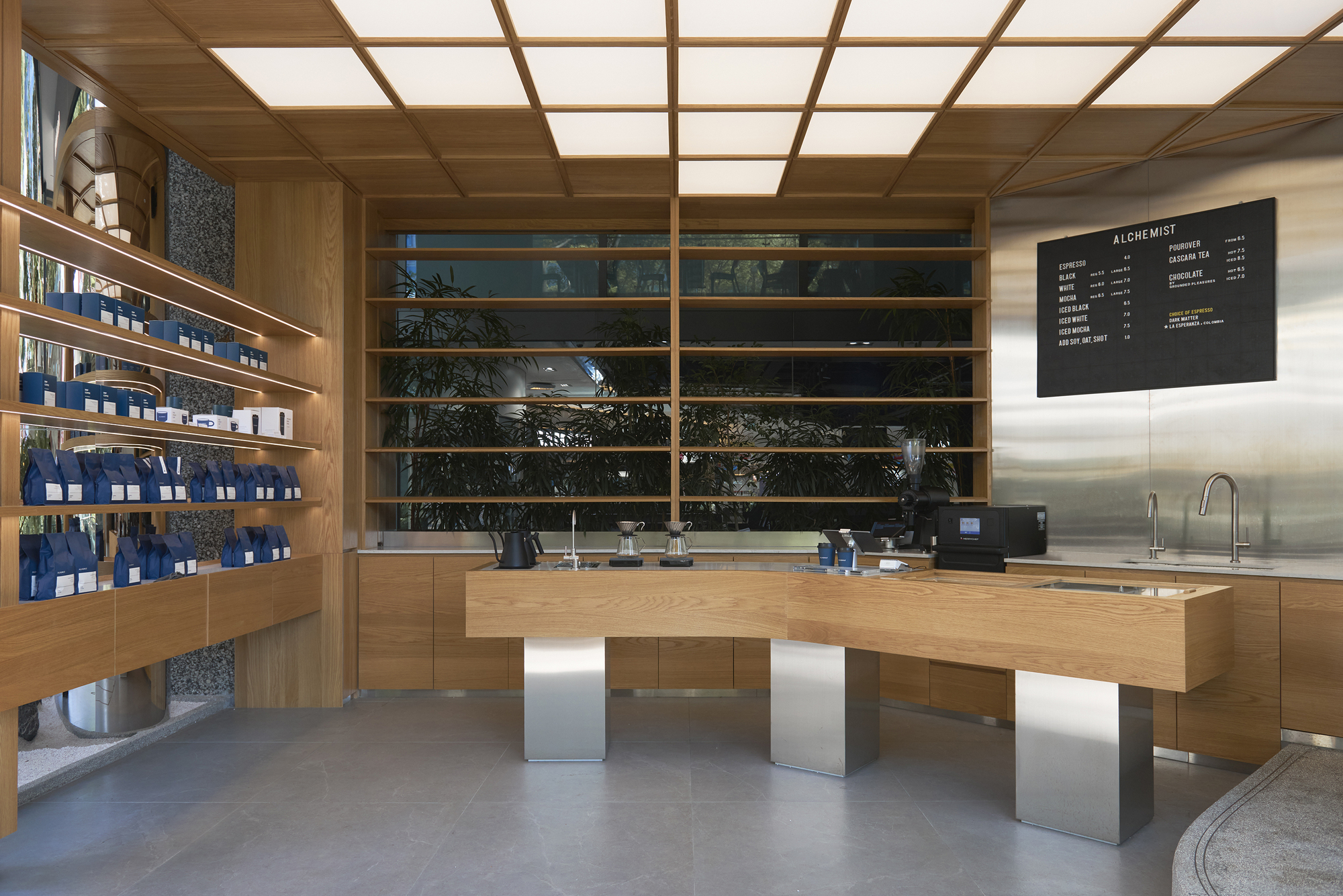
    The new store locations chosen are in the neighborhoods of Aoyama and Asakusa. The Aoyama outlet boasts a sprawling 140 square meters area and has a seating capacity for 30 people. On the other hand, the Asakusa branch covers a larger area of 200 square meters and can comfortably seat 70 patrons. The stores continue the brand’s tradition of minimalist design, allowing customers to appreciate the coffee brewed using beans roasted in Singapore.

    Alchemist’s founder, Will Leow, expressed his admiration for Japan’s entrenched coffee culture and meticulous attention to detail. “Our primary objective has always been forging connections through coffee. Establishing a presence in Tokyo was a logical progression for us, and we’re gratified by the warm welcome we’ve received from the local community,” he said.

    Alchemist’s Journey

    Alchemist was founded in 2016 by Will Leow, a barista and entrepreneur. The brand started as a modest coffee stand in Singapore’s Central Business District. Since then, it has expanded to 11 locations across the city-state.

    Future Expansion Plans

    As part of its long-term growth strategy, Alchemist aims to open 10 more outlets throughout Tokyo by the end of 2028. The company is excited about sharing its unique vision with the coffee aficionados of Japan, a country already revered for its exquisite quality and craftsmanship in the brewing sector.

    Questions & Answers

    What is the seating capacity of the new Alchemist stores in Tokyo?
    The Aoyama store can accommodate 30 customers, whereas the Asakusa store has a seating capacity for 70 patrons.

    When and where was Alchemist established?
    Alchemist was founded in 2016 by Will Leow. It started as a small coffee stand in Singapore’s Central Business District.

    What are Alchemist’s expansion plans in Tokyo?
    Alchemist plans to open 10 more stores across Tokyo by the end of 2028 as part of its long-term expansion strategy.

  • Chinese Tea Giant Chayanyuese Debuts In North American Market With Unique Beverage And Snack Line

    Chinese Tea Giant Chayanyuese Debuts In North American Market With Unique Beverage And Snack Line

    Chayanyuese, a renowned Chinese tea brand, has announced its expansion into the North American market via various e-commerce platforms. The Changsha-based tea company has launched an exclusive online store on Shopify while simultaneously opening official outlets on Amazon, TikTok Shop, and Walmart.

    Chayanyuese’s initial product assortment comprises approximately 40 items. Included in this range are intriguing snacks such as Jasmine Green Tea Flavored Potato Sticks, as well as an array of tea sets and brewing paraphernalia.

    Chayanyuese was established in 2013 and has since become a household name in China, operating more than 900 stores across the country. The company manages these outlets under its primary and subsidiary brands, which include names such as Yuanyang Coffee, Gudemoning, and Xiaoshenxian Tea House.

    The company’s unique tea beverages and snack offerings have gained significant popularity nationwide, resulting in stores being opened in major Chinese cities such as Changsha, Wuhan, and Chongqing.

    Questions & Answers

    Which e-commerce platforms is Chayanyuese using for its North American expansion?
    Chayanyuese has launched its North American venture using a dedicated online store on Shopify, in addition to official storefronts on Amazon, TikTok Shop, and Walmart.

    What types of products is Chayanyuese offering initially to the North American market?
    The brand’s initial product line includes about 40 items, featuring snacks like Jasmine Green Tea Flavored Potato Sticks and a variety of tea sets and brewing utensils.

    Where does Chayanyuese operate its stores in China?
    Chayanyuese operates over 900 stores across China, including in major cities such as Changsha, Wuhan, and Chongqing.

  • Chagee: Chinese Tea Giant Set To Brew Success In The Philippine Market

    Chagee: Chinese Tea Giant Set To Brew Success In The Philippine Market

    Chagee: The Chinese Tea Brand Poised to Enter Philippine Market

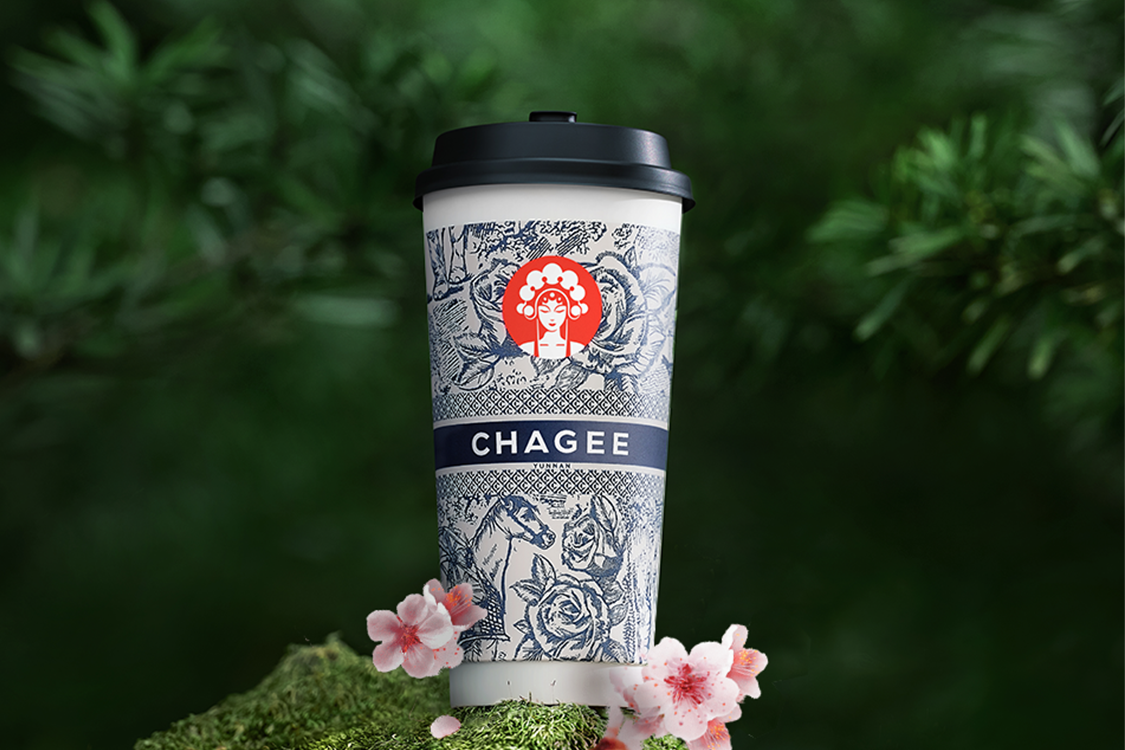
    Chagee, a renowned Chinese tea brand, is poised to infiltrate the Philippine market. This expansion is earmarked for August, with three branches slated for unveiling in Metro Manila.

    The fresh outlets will be strategically located at notable locales such as SM North EDSA, Robinsons Galleria, and Venice Grand Canal Mall.

    A Modern Take on Traditional Tea

    Chagee has carved a niche for itself as a contemporary tea bar that fuses traditional Chinese tea-making techniques with an emphasis on natural ingredients.

    The brand’s signature concoctions are milk-based tea beverages, expertly brewed using whole tea leaves from a variety of plants including green, black, and oolong. These teas are free from artificial sweeteners or flavorings, underscoring the brand’s commitment to all-natural products.

    Chagee’s Global Footprint

    With its roots in Yunnan, China, Chagee has successfully extended its reach across Asia and beyond. The company presently boasts of over 6000 stores worldwide. Its international presence can be felt in a number of markets such as Malaysia, Thailand, Singapore, and the United States among others.

    Questions & Answers

    What is Chagee?
    Chagee is a Chinese tea brand that is recognized for infusing modern flavors with traditional Chinese tea-making methods.

    Where are the new Chagee outlets in the Philippines going to be located?
    The new Chagee outlets in the Philippines are planned to be located at SM North EDSA, Robinsons Galleria, and Venice Grand Canal Mall.

    What distinguishes Chagee’s tea beverages?
    Chagee’s signature tea beverages are milk-based and are brewed using whole tea leaves from a variety of plants such as green, black, and oolong. These teas are free from artificial sweeteners or flavorings.

  • Asia’s Retail Revolution: The Rise And Impact Of Pop-up Stores

    Asia’s Retail Revolution: The Rise And Impact Of Pop-up Stores

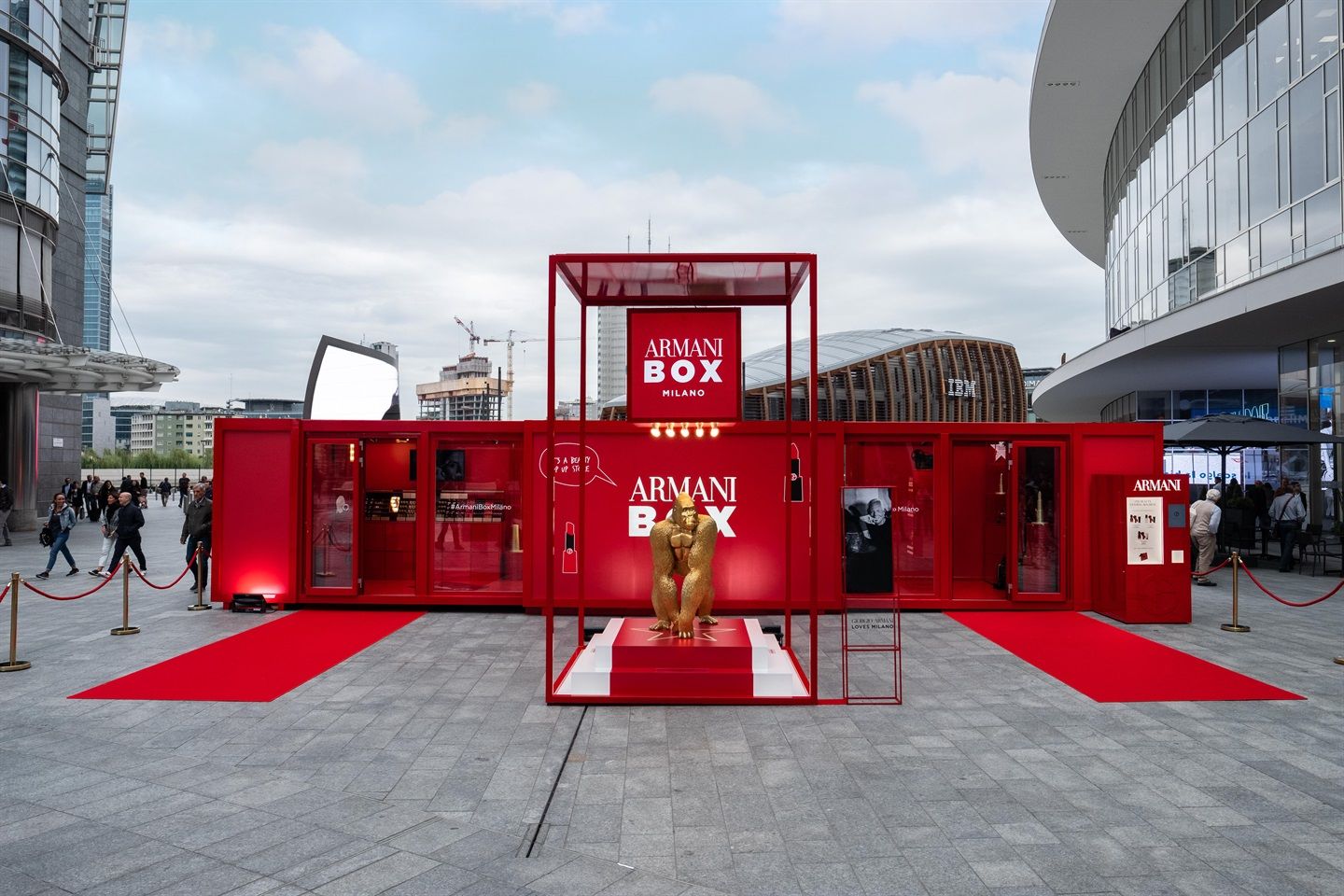
    The retail landscape in Asia is experiencing a significant transformation as businesses increasingly turn to innovative strategies to engage consumers. Amid this shift, a recent report highlights the rising trend of pop-up stores, which are capturing the imagination of shoppers and brands alike.

    The Allure of Pop-Up Stores

    Pop-up stores are sprouting across major cities, offering brands a unique opportunity to create immersive experiences that transcend traditional retail boundaries. These temporary setups not only drive foot traffic but also foster a sense of urgency among consumers. Whether it’s a themed cafe or a limited-time fashion boutique, pop-ups are designed to enchant and entice, encouraging shoppers to take action before it’s too late.

    Recently, leading fashion retailers have embraced this trend, recognizing the value of direct consumer engagement and the ability to test new markets with minimal risk. For instance, a well-known Japanese streetwear brand launched a pop-up in Tokyo’s bustling Shibuya district and reported a significant increase in brand awareness and sales.

    The Digital Shift

    In today’s digital age, pop-ups have evolved beyond mere physical spaces. Many are harnessing social media to create buzz even before opening their doors. Engaging visuals, teasers, and interactive campaigns drive anticipation and attract a dedicated following. Brands that integrate seamless online and offline experiences find themselves ahead of the competition, attracting a tech-savvy consumer base eager for unique encounters.

    And let’s not forget the unexpected perks—creating a FOMO effect among potential customers often means they’ll happily share their experience online, further amplifying the store’s reach.

    The Importance of Experience

    Today’s shoppers crave experiences just as much as they do products. Pop-up stores allow brands to tell their story through engaging encounters, turning a mundane shopping trip into something memorable. Customers leave not just with a purchase but with a narrative that binds them to the brand—a critical factor in fostering loyalty in an oversaturated market.

    With the emergence of experiential retail, brands can showcase their values and connect emotionally with consumers. Whether it’s through interactive installations or exclusive merchandise, the experience is king.

    As businesses pivot to adapt to changing consumer demands, the allure of pop-up spaces is likely to ignite even more interest in 2024. Retailers who blend creativity with strategy will undoubtedly set themselves apart in this fast-paced environment.

    So, what’s the next twist in this evolving tale of retail innovation?

    Questions & Answers

    What’s driving the rise of pop-up stores in Asia?
    The increasing consumer desire for unique and memorable shopping experiences, paired with brands’ need to engage directly, are key drivers behind the pop-up trend.

    How can online marketing enhance pop-up store success?
    Leveraging social media to generate buzz and excitement before opening can create anticipation, attracting customers both online and in-store.

    Why are experiences important in retail today?
    Experiences foster emotional connections between consumers and brands, encouraging loyalty and enhancing consumer engagement in an oversaturated market.

  • Gap, Old Navy power parent company’s sales growth in first quarter

    Gap, Old Navy power parent company’s sales growth in first quarter

    Gap, a leading global retailer, has demonstrated an impressive performance in its first quarter. The company’s success is primarily attributable to the robust results from its principal brands, Gap and Old Navy.

    First Quarter Sales Surge

    The company reported a 2% increase in net sales for the quarter ending May 3, amounting to a total of $3.5 billion. Comparable sales, which are a critical measure of a retailer’s health, also followed the same upward trend.

    Increased Income

    Gap also saw a substantial rise in its financial earnings. The firm’s operating income, which offers insight into the company’s profitability from core operations, experienced a notable 26.8% increase, reaching $260 million. Meanwhile, net income, an essential indicator of a business’s profitability after all costs and taxes, jumped by 22%, totaling $193 million.

    The Gap and Old Navy Shine

    Despite the challenging trading environment triggered by a cold start to the spring season that disrupted new season apparel sales and cautious consumer behavior, Gap Inc. still saw significant sales uplift. The Gap brand was the star performer, reporting a notable 5% increase in comparable sales. This progress validates the company’s strategy of revamping the Gap brand to make it more relevant and inject it with fresh appeal and interest.

    Questions & Answers

    What was the net sales increase for Gap Inc. in the first quarter?
    The net sales for Gap Inc. in the first quarter increased by 2%, totaling $3.5 billion.

    How much did the operating income and net income increase?
    The operating income rose by 26.8%, amounting to $260 million, while the net income increased by 22%, totaling $193 million.

    Which brand performed the best in this quarter?
    The Gap brand delivered the best performance, demonstrating a 5% increase in comparable sales.

  • JD Sports Set to Launch Two Flagship Stores in the Philippines!

    JD Sports Set to Launch Two Flagship Stores in the Philippines!

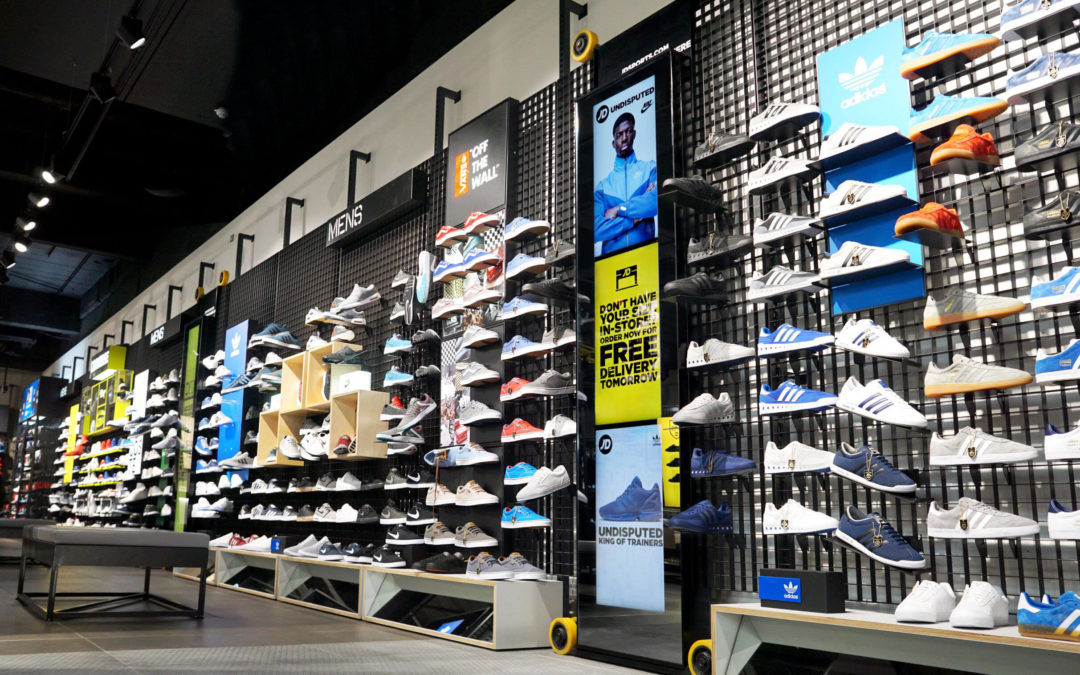
    UK-based sports fashion retailer JD Sports is making a splash in the Philippines with plans to open two stores in 2025, tapping into the country’s growing streetwear and sneaker culture. The first location will debut at the bustling SM Mall of Asia come June, while a second shop will follow in the trendy Glorietta shopping center in July.

    Exclusive Offerings for Style-Conscious Shoppers

    Bringing the UK vibe to Manila, JD Sports, introduced by SSI Group, Inc., promises an exciting array of exclusive sneakers, apparel, and accessories from top global sportswear brands. Celebrated for its deep-rooted connection to sneaker culture and street style, JD is almost a rite of passage for fashion-forward consumers around the globe.

    In a statement, SSI Group emphasized that this venture is part of its broader strategy to introduce premium international brands to Filipino shoppers while enhancing local retail landscapes. So, gear up, Philippines — the sneaker game is about to get even more stylish!

    How did JD Sports decide on the Philippines for their expansion? And does this mean the local sneaker scene is getting a major upgrade? Only time will tell!

    Questions & Answers

    What types of products will JD Sports offer in the Philippines?
    JD Sports will provide a diverse selection of exclusive sneakers, apparel, and accessories from leading global sportswear brands.

    When will the JD Sports stores open in the Philippines?
    The first store is set to open in June 2025 at SM Mall of Asia, with a second location following in July at Glorietta.

    Who is responsible for bringing JD Sports to the Philippines?
    The brand is being introduced by SSI Group, Inc., which aims to elevate the local retail experience by bringing in renowned international brands.

  • Starbucks opens its 6,000th China store

    Starbucks opens its 6,000th China store

    Starbucks Tuesday celebrated its 6,000th store in the Chinese mainland, located in downtown Shanghai. Shanghai thus became the first city in the world to have 1,000 Starbucks stores, Starbucks China said.

    In 2018, Starbucks announced it would have 6,000 stores on the Chinese mainland by the end of its fiscal year in September 2022. The company achieved that as scheduled despite challenges, including the COVID-19 pandemic.

    Starbucks opened its first store on the Chinese mainland in January 1999 in Beijing.

    The number of Starbucks stores on the Chinese mainland has grown dramatically over the past decade and is expected to grow to 9,000 by 2025, creating 35,000 new jobs, according to the company’s strategic plan released recently. Starbucks China also revealed a plan to set up its first digital technology innovation center on the Chinese mainland over the coming three years.

    A Starbucks coffee creative park in Kunshan, east China’s Jiangsu Province, is expected to be completed and start operating in the summer of 2023.

    Starbucks Tuesday celebrated its 6,000th store in the Chinese mainland, located in downtown Shanghai.

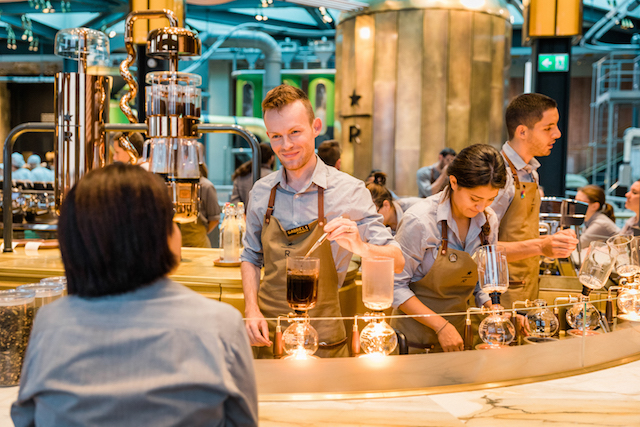
    Staff members work at a Starbucks store in downtown Shanghai, east China, Sept. 27, 2022. Starbucks Tuesday celebrated its 6,000th store in the Chinese mainland, located in downtown Shanghai.

    Shanghai thus became the first city in the world to have 1,000 Starbucks stores, Starbucks China said.

  • GS Retail to exit beauty market, closing all Lalavla stores

    GS Retail to exit beauty market, closing all Lalavla stores

    CJ Olive Young looks set to solidify its front-runner position in the health and beauty store market, with GS Retail’s announcement that it will shut all of its Lalavla stores.

    Lalavla, GS Retail’s health and beauty store brand, will shut down all of its branches by the end of November.

    The brand’s online shopping mall will only take orders until Sept. 1 and will take customer inquiries about refunds or exchanges until Sept. 30.

    In 2005, GS Retail formed Watsons Korea — a joint venture with A.S. Watson, a Hong Kong-based health and beauty product retailer — to operate Watsons stores. It acquired the remaining 50 percent stake A.S. Watson held in the joint venture in 2017, becoming the sole owner and changing the health and beauty store’s name to Lalavla.

    Lalavla had as many as 200 branches in 2018, but the number quickly decreased to 34 branches this year as cosmetics sales decreased during the pandemic.

    The brand’s sales fell 37.5 percent on year to 25.1 billion won ($19.2 million) in the second quarter of 2020. Operating loss was 4.8 billion won, compared to a loss of 4.2 billion won the previous year. GS Retail hasn’t been providing sales figures for the brand since the third quarter that year, only reports the combined sales of Lalavla, its e-commerce division and subsidiaries.

    Once GS Retail shuts down all its Lalavla branches, the company said it will focus more on its convenience store and delivery business. It has been offering deliveries from its GS Fresh Mall branches to customers in Seoul, Gangwon and Chungcheong, since May.

    CJ Olive Young is expected to become the clear leader in the local health and beauty store market. The company has 59.1 percent of the market as of the first quarter, with 1,265 branches.

    Lotte Shopping decided to shut down all its individual LOHBs branches, the company’s health and beauty store brand, in November last year. It now only designates a small section at its Lotte Mart branches for cosmetics and health supplies, called LOHBs+.