Tag: Stores

  • Luxury bakery chain Lady M shuts stores in Mainland China

    Luxury bakery chain Lady M shuts stores in Mainland China

    Luxury confections brand Lady M will close all outlets on the Chinese mainland by September 10 but plans to return with a new business strategy later.

    The New York-based patisserie brand has 27 licensed stores in Chinese cities including Shanghai, Beijing, Shenzhen and Xiamen, as well as three food-processing plants.

    Customers who own prepaid cards and vouchers can still use them to make offline and online purchases before September 10.

    They can also claim a refund between September 1 and September 15 through its mini-program on WeChat mini program.

    The company announced earlier this month that it plans to pursue a direct company-owned strategy in China to strengthen business and drive growth.

    Lady M did not renew the license agreement with Shun Lee Shanghai Commercial Management Co for five provinces, which expired on April 9.

    “We have built up a significant business presence in the past five years and regret any inconvenience caused by the closing of the license stores,” Shanghai Muxin Catering Service Management Co, a wholly unit of Shun Lee, said in an announcement on Wednesday.

    Lady M’s stores at high-end shopping malls and popular areas always attract large crowds, with people queuing up for a taste of its handmade multi-layered crêpe cakes and gourmet desserts.

    The first Lady M boutique store in China was launched at the IFC Mall in the Lujiazui area of ​​​​Shanghai in September 2017.

    Microblog user “Lovley Butter” has been ordering birthday cakes from Lady M for the last few years as an avid lover of its signature multi-layered crêpes.

    But new bakery and dessert stores have continued to emerge in recent years, which have done better at catering to local tastes and providing seasonal offerings.

    Lady M said it is looking forward to taking a direct role in elevating the China business, a market that is pivotal to its growth strategy, said CEO of Lady M, Ken Romaniszyn, in a press release on July 14.

    It plans to focus on developing the China market with new concept boutiques and innovative product offerings, allowing the company to maintain the highest quality and consistency for its customers.

  • Lawson to sell Muji grocery products in 14,000 stores

    Lawson to sell Muji grocery products in 14,000 stores

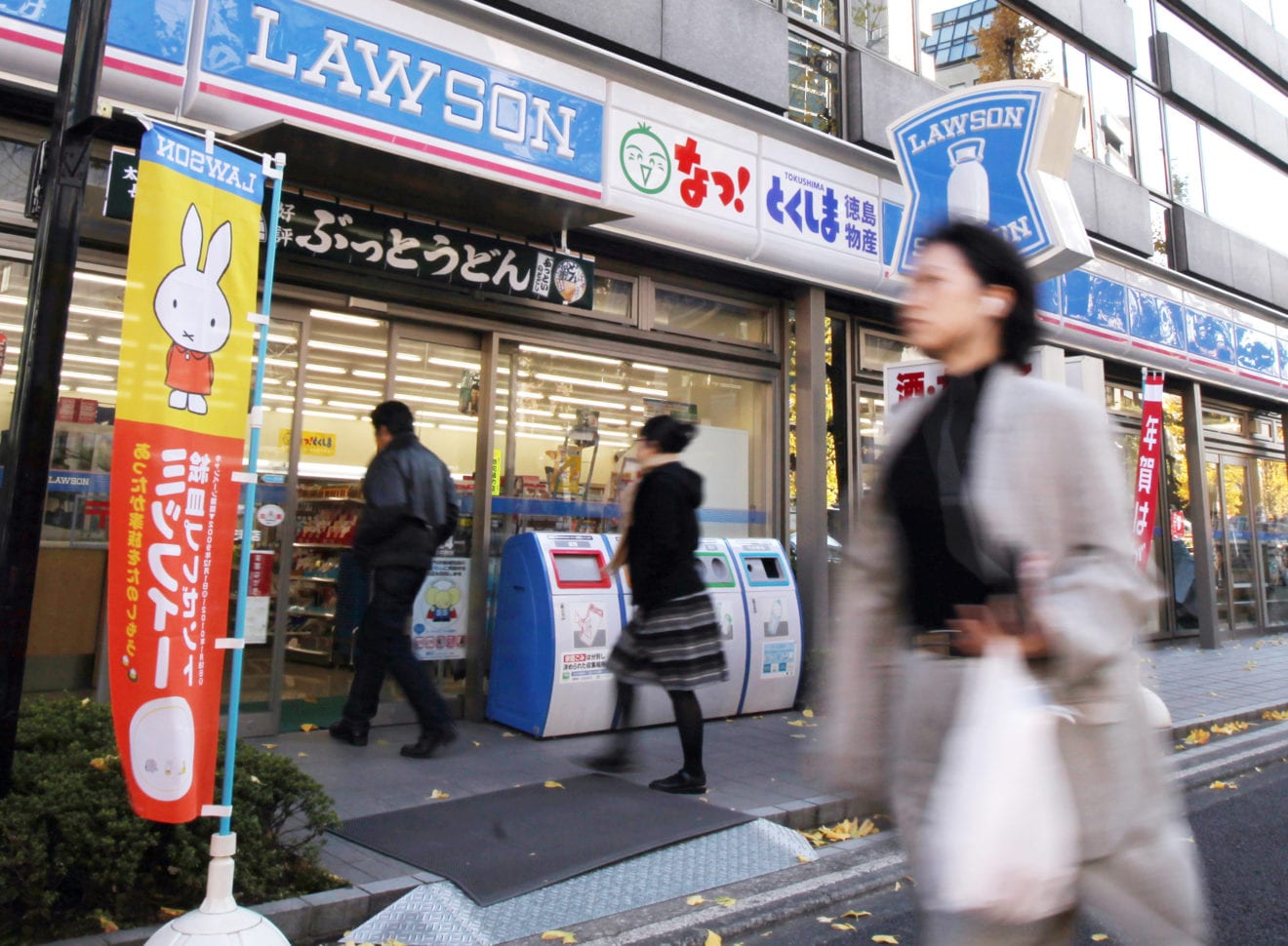
    Lawson will begin offering Muji brand products at its 14,000 stores across Japan, as the Japanese convenience store chain aims to boost customer traffic with the popular ‘no-brand brand’ lifestyle goods.

    Lawson plans to replace 3,500 items with those of Muji, or about 5% of the merchandise on offer at the convenience store chain.

    The move comes as Lawson finds its customers becoming more budget-conscious as inflation heats up around the world. The company believes stocking its shelves with Muji brand can encourage shoppers to spend more.

    The Muji brand is run by Japanese retailer Ryohin Keikaku. The two companies have been working together since June 2020, with Muji items available at 110 Lawson stores in the Tokyo area.

    Starting in May, Lawson will roll out Muji goods across eastern Japan, aiming to cover its 5,000 stores there in about six months.

    Muji items will be in all its stores in Japan by the end of 2023 and will include 170 daily items, such as stationery, cosmetics and socks. In addition, about 30 Muji food products will be sold, including instant curry sauce and sweets.

    Lawson is considering offering even more Muji products and looking at joint development of private label items.

    Muji items are known for their simple design and high quality. The brand’s instant curry sauce has become a hit across all age groups. During a trial run, Lawson found that sales of particular products jumped by around 20% after they were replaced with similar Muji products. Overall store sales also rose by 2% to 5%, according to Lawson.

  • Uniqlo clothes plans to produce from recycled materials by 2030

    Uniqlo clothes plans to produce from recycled materials by 2030

    Uniqlo owner Fast Retailing says its clothes will be made of 50% recycled materials by 2030 as it works toward its goal of carbon neutrality by 2050.

    The goal was announced on Thursday along with other sustainability targets and follows an announcement in February that Fast Retailing is shooting for carbon neutrality by 2050.

    Currently, about 15% of the polyester the apparel maker uses comes from recycled PET bottles. The company says it will start with synthetic fibers such as rayon and nylon as it begins to raise its garments’ recycled materials ratio.

    Fast also articulated its carbon emissions reduction plan toward 2030. In its own operations, the company intends to reduce these emissions by 90% from 2019 levels.

    Improving energy efficiency at its stores will be key as the stores account for the majority of the company’s total emissions. Fast aims to emit 40% less from its roadside stores and 20% less from its stores inside malls.

    It will accelerate its stores’ switch from electricity to renewable energy sources. Currently, 64 Uniqlo stores in nine European countries run on renewable energy. All stores in North America and some in Southeast Asia will follow suit and complete the switch by the end of this fiscal year ending next August, the company said.

    Fast also aims to encourage companies along its supply chain to reduce their emissions. Among its raw material providers and sewing factories, it is shooting for a 20% cut in emissions by 2030, based on 2019 levels.

    It will consider granting financial support to help factories invest in facilities.

    The fashion industry is widely considered the world’s second most polluting industry.

    Fast Retailing Director Koji Yanai told reporters that the company will reduce waste by improving the accuracy of its production volume forecasts and by reforming its logistics operations. It expects these steps to help it sell out of what it makes.

    The casual apparel maker will also collect more used clothes. Yanai said the company hopes to launch a collection service that utilizes the delivery personnel involved in bringing orders to customers’ doors. In Yanai’s vision, when a new jacket is delivered, the customer will be able to hand the driver an old jacket.

    Fast also plans to collaborate more with manufacturers in other industries, including carmakers and building material producers. It and material maker Toray will set up a research facility in 2022 that will specialize in the circulation of apparel and new material development.

    Other apparel brands are moving in the same direction. Patagonia, a U.S.-based maker of outdoor clothing, intends to make its garments with all recycled materials by 2025. Swedish fast-fashion giant Hennes & Mauritz has a 2030 goal for all of its clothing to be made of either recycled or sustainably sourced materials.

    Compared with other brands, Fast’s target is relatively lackluster. “We’re putting our customers first and presenting this as the maximum number our brand can commit to,” Yanai said. “We do not consider our target low.

    “From now on, people will evaluate what kind of responsibility each brand is trying to fulfill after selling clothes.”

  • The Competitive Landscape is Changing: What Amazon’s Physical Stores Will Mean for Asian Retailers

    The Competitive Landscape is Changing: What Amazon’s Physical Stores Will Mean for Asian Retailers

    The decline of brick-and-mortar retail has long been discussed in the industry, to the extent that some alarmists started to talk about its inevitable death. However, recent reports of Amazon’s plans to create a network of physical retail outlets demonstrates that in-store shopping is far from ending up on life-support. In fact, brick-and-mortar retail still remains strong among consumers, and for retailers it continues to be a critical way to connect with customers and drive sales.

    The ‘great disrupter’, Amazon, has revolutionised the way people shop online over the last twenty years to become one of the largest retail groups in the world. So, what does Amazon creating a physical store presence mean for retailers?

    Until now, established brick-and-mortar retailers’ primary defence against the eCommerce giant has been their local store presence. The ability to be close to shoppers and offer a physical shopping experience that allows consumers to interact in-person with retailers in real-time has for many stood out as a better customer experience. However, once the ‘moat’ (or point of differentiation of having physical stores) starts to be breached, defending the ‘castle’ against Amazon becomes much more challenging.

    Amazon is very good at what it does and bringing a digital-first approach to brick-and-mortar retailing will introduce new, creative and technology-centric options for the consumer. In addition to the purchase of Whole Foods and its partnership with Kohls, this latest move into the physical retail space by Amazon clearly validates that physical stores are a vital element of the omnichannel shopping experience.

    Amazon’s push to develop physical stores means that all retailers need to go ‘all in’ on omnichannel. To survive the next phase in Amazon’s evolution retailers should prepare their systems and processes for a new marketplace that will be dominated by those brands that are able to deliver seamless, personalised shopping experiences simultaneously across physical and digital channels.

    But what does this mean for Asian retailers today? How can they create omnichannel experiences that engage with and maintain customer loyalty in the face of new competition from Amazon?

    Modernise the customer journey

    The rise of online shopping, click and collect and the world of social media has transformed the buying experience. Customers have access to information, expertise, and validation at every step of their online journey, but today they want an in-store and offline experience that complements and meets the same standards of excellence they have already experienced online. Whether it’s an in-store associate tracking down stock in another store and organising delivery to the customer’s home, allowing a customer to return online purchases without complication in-store, or ringing the call centre to change an existing order mid-delivery – today’s consumers expect service excellence at every stage of the purchase cycle, including in-store and on the phone.

    The problem is, many retailers still perceive the customer journey to be one that is linear, when that’s not the case. Customers often flit between in-store and online, with social feedback, phone interaction and email for communication. Consumers do not always buy where they browse, instead looking in-store and then buying online or vice versa, and then if they change their mind they expect to be able to arrange a return via email, chat, phone or in-store. Retailers must be aware of this and provide solutions to meet customer expectations.

    Store associates today need applications that give complete command and control of the customer buying experience, as well as all store inventory and fulfilment functions. From mobile checkout to guided fulfilment and inventory location notification, when provided with the right technology store associates are made more efficient and are better able to serve customers and meet their needs.

    Seamlessly manage customer orders

    Never has omnichannel execution played such a significant role in determining a retailer’s brand image. Consumers now expect retailers to provide seamless, ‘buy and deliver or pick-up anywhere’ experiences. To compete with Amazon across all aspects of retail, brands need to consistently meet the delivery promises they make to customers and ensure that the turnaround between order and delivery is shorter than ever.

    To assist, new business-to-consumer distribution models are coming to market, with a core focus on the importance of ‘living’ the omnichannel customer experience, rather than just talking about it. One such model is Order Management Systems (OMS), which integrate all sales and distribution channels into one place, bringing absolute transparency and making it easier for retailers to manage customer orders. An OMS helps retailers to see what inventory they have where, what’s been allocated, what is in transit, what’s been sold, what is available, what needs to be replenished and what’s being returned.

    Manage business disruption, customer expectations with an OMS

    Innovation is occurring in the retail sector at an unprecedented pace and increased competition from Amazon will only speed the adoption of new systems to meet customer demand.

    Without this push towards efficiency-boosting technology, retailers risk being left behind the competition. With innovations like advanced OMS, retailers have been able to navigate disruptions caused by COVID-19 by reviewing the rules of stock allocation, temporarily giving priority to in-store stock over warehouse stock, thus, freeing up any trapped inventory confined within closed stores. This is a great advantage for the many retailers whose physical stores have been closed for long periods during lockdowns.

    Optimising order sourcing allows retailers to use the stock available in their entire network, wherever it is located. A smart OMS allows retailers to use the ‘pool’ of physical stores in large urban areas to offer same day, or next day delivery by couriers, whilst also favouring the warehouse stock for less immediate orders. This increased delivery efficiency will help build a stronger connection and more favourable brand perception amongst consumers.

    In addition to using store level inventory to ship orders to a customer’s home, it can also be deployed for click-and-collect orders. With new fulfilment options enabled by the store, consumers can click, collect, and return goods at their own convenience, which works to achieve satisfaction in the short-term, as well as long-term loyalty.

    If you can’t offer seamless shopping experiences, someone else will

    The importance of brick-and-mortar retail to the overall equation of profitable sales is (again) attracting renewed attention following the move by Amazon to create its own store network. In fact, it makes sense for Amazon to create a store presence, given that stores themselves create the conditions for a sale. The experience that consumers can be given in-store is often more immersive, tactile, and engaging. These more emotional connections can lead to immediate sales and an increase in long-term loyalty.

    However, the increased competition that will come from Amazon establishing their own in-store presence means that Asian retailers need to focus on meeting customer demands through technological innovation. Customers expect seamless, personalised shopping experiences across all physical and digital buying channels today and you can bet that if you can’t offer that, Amazon definitely will.

    By Richard Wright, Managing Director, SEA, at Manhattan Associates

    For more information on how your retail outlet can create seamless shopping experiences across multiple channels, please visit: https://www.manh.com/en-in/active/omni



  • Auckland Airport to build outlet mall with 100+ stores

    Auckland Airport to build outlet mall with 100+ stores

    Auckland International Airport has posted an after-tax profit of $464.2m for the year to June 30, while also announcing plans to build a retail precinct with 100 stores that is expected to create 500 new jobs.

    Although its after-tax profit was up 139 percent on the previous year’s $194m profit, the airport made an underlying loss of $41.8m, its first full year underlying loss in history. The underlying loss was in line with the guidance the airport gave at the start of the year.

    The airport says underlying profit is how it measures its financial performance because it removes revaluation changes that can distort financial results or where one-off transactions, both positive and negative, can make it difficult to compare profits between years.

    The airport also recorded its lowest number of international arrivals and departures since 1972, with just 600,000 passengers, including transits, down 93 percent on the previous year.

    Total passenger numbers were 6.4 million, down 59 percent on the previous financial year.

    Shares in Auckland Airport closed at $7.10 on Wednesday. During New Zealand’s alert level 4 lockdown at the start of the Covid-19 pandemic, they dropped to about $5 per share.

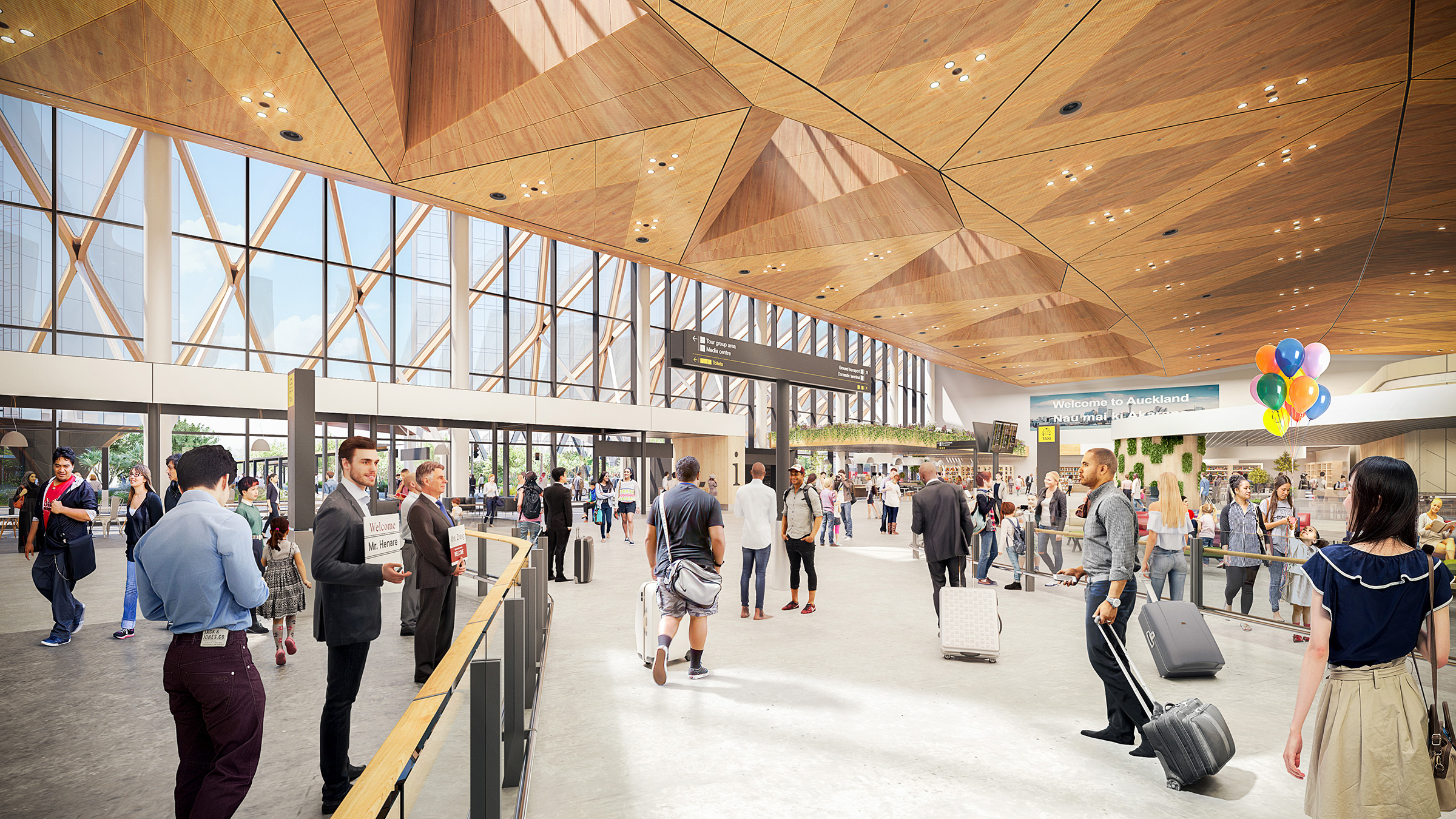
    The new retail precinct would involve the development of a 23,000 square metre-plus outlet centre on undeveloped land at the north-eastern edge of the airport.

    “Premium and lifestyle brands” will be sold “at often heavily discounted prices”, the company said.

    The airport’s general manager of property and commercial Mark Thomson said there was a gap in the market for a purpose-built fashion outlet centre and the airport had been exploring the concept for several years.

    “It will be the first of its kind in New Zealand, offering an exciting new shopping experience for Kiwis and travellers arriving at and departing from the airport,” Thomson said.

    “Many New Zealanders will be familiar with visiting this type of bespoke fashion outlet shopping centre on trips overseas.”

    A start date for construction was not given.

    Thomson said development would be influenced by the strength of the retail market and the recovery of aviation.

    Auckland Airport chief executive Adrian Littlewood said the 2021 financial year had been a year like no other for the company, and it was giving permanent staff $1500 in airport shares to thank them for their efforts over the past year.

    “Covid-19 changed our business overnight bringing constant upheaval to almost every part of our operation,” Littlewood said.

    “But throughout all the uncertainty of the past 18 months, our team’s determination to get the job done and go the extra mile for New Zealand has never faltered.”

    The airport had taken steps to strengthen its financial position including reducing operating expenses, repaying $425m in US private placement borrowings, and getting bank approval to renew a $700m loan, he said.

    The airport last week said it would start work on a $1 billion-plus project to merge its domestic jet operations with its international terminal early next year as one of four anchor projects being advanced.

    Four major projects are still on hold including its expanded international airfield and taxiway capacity, new cargo precinct, new international arrivals area and a second runway.

    Auckland Airport held more conservative assumptions than those of the International Air Travel Association, which was forecasting global travel to fully recover and exceed pre-pandemic levels in 2023.

    Littlewood said a full recovery may take longer.

    “Our financial performance is strongly linked to passenger volumes, so our recovery will be greatly influenced by the return of domestic and international travel and changes in border settings.”

    There were encouraging signs with vaccination programs ramping up in New Zealand and around the world, he said.

    “But we expect to see further volatility in domestic and international travel in the short term, with the global aviation market gradually rebuilding in 2022.”

    Due to uncertainty in the market, Auckland Airport would not provide underlying earnings guidance for the 2022 financial year, Littlewood said.

    Investment in transport infrastructure projects and upgrades would continue and was expected to cost between $250m and $300m in the 2022 financial year.

  • Amazon to test department stores in offline expansion

    Amazon to test department stores in offline expansion

    Now that it’s officially swallowed the lion’s share of online retail sales, Amazon is reportedly eyeing ways to corner our offline shopping, too. The e-commerce giant is drumming up plans to open “several” department-style stores in a handful of cities across the U.S. People familiar with the matter told the paper that these stores would help Amazon “extend its reach in sales of clothing, household items, electronics, and other areas.” It’s a smart move from Amazon, but also one that would end up being a privacy nightmare for a company that’s seen its fair share of scandals in the space.

    Per the Journal, the first states where these department stores are expected to open include Ohio and California. They’re planned to be mid-size, at around 30,000 square feet—smaller than your average Costco or Walmart, but way larger than the Amazon 4-star stores that generally clock in at around 4,000 square feet. Like those 4-star locations, sources told the Journal that Amazon’s private-label products would be featured front and center in these bigger locations, alongside wares from other “top consumer brands.”

    The alleged department store spaces are just Amazon’s latest foray into the brick-and-mortar world. In 2015, the company began experimenting with small bookstores: first on its Seattle home turf, before trickling out to a few other cities across the U.S. But for all sorts of reasons, sales in these bookstores have pretty much flatlined in the years since their debut. By 2019, the company decided to fold together these stores and the company’s then-struggling “pop-up” shops—essentially mall bodegas that sell Amazon-branded tablets and e-readers. Eighty-seven of those pop-ups closed essentially overnight. Other real-world retail efforts like Amazon Go Grocery met similar ends, either collapsing into larger big-box projects from the company or indefinitely closing for unspecified “renovations.” Even then, Amazon’s retail efforts have translated into millions of dollars taken from countless competitors that were already struggling to pitch themselves against the e-commerce juggernaut.

    But if the multiple ongoing federal probes into Amazon’s antitrust-y behavior have shown us anything, it’s that the company won’t be satisfied until it dominates every sale, not just most of them. Right now, the bulk of Amazon’s real-world retail dollars are coming from its myriad grocery chains, including Whole Foods. But the company still lags behind its brick and mortar brethren when it comes to selling high-end fashion, or basic cosmetics and health goods—think toothpaste or bottles of shampoo. In June, reports emerged that the company was mulling plans to open its own Amazon-branded physical retail pharmacies, which would help the company crater competitors like Walmart or CVS that currently rule the world of retail-ized healthcare

    Amazon’s department store push would also help the company compete with two of its tech giant pals: Facebook and Google, which together dominate more than half of the multibillion-dollar digital ad ecosystem. Amazon ranks in a distant third place by earning 10% of that spend, but that number’s skyrocketing fast—and a lot of that boom boils down to data.

    Amazon’s always collected data on its shoppers and sellers, but the past few years have seen the company make a serious push to woo advertisers away from platforms like Instagram and YouTube. And that woo worked because Amazon could offer what those platforms couldn’t: data about every purchase, every search, and every wishlist from every Amazon customer.

    But that still left the company with a pretty large blind spot: data from real-world, in-store purchases. Meanwhile, those real-world retailers—including names like Target, Walmart, and CVS—have started launching ad networks of their own, offering data from the real-world purchases happening outside of Amazon’s sight.

    An Amazon-branded department store would potentially bring those dollars back into Amazon’s pockets, and then some. Amazon’s past brick-and-mortar efforts have shown that the company isn’t afraid to collect as much data as possible from people who walk through its doors—even if that person doesn’t end up buying anything at all. Amazon knows the aisles you’re browsing, the items you’re picking up from a shelf, and whether your buys were influenced by an ad you saw on Amazon’s site. It knows how often you shop for groceries, whether you’re a vegetarian, and if you might be running low on eggs this week—which is great for Amazon and its advertiser partners, but a privacy nightmare for consumers that already have ample reason to be weirded out over Amazon’s data collecting practices.

    Right now, Amazon’s future plans in the real-world retail space are mostly confined to rumor—but they still paint a damning picture. A world where Amazon department stores and Amazon pharmacies are the norm is one where Amazon knows every prescription you take, not to mention all the purchases we might want to keep quiet from everyone—our pregnancy tests, bottles of hair dye, trashy magazines. If Amazon really wants to know how often I’m buying a box of “feminine hygiene” products or something equally classy, they’re welcome to try finding out. But I’d really rather keep those details to myself.

    We’ve reached out to Amazon about the Journal’s report and will update this post when we hear back.

  • Users in the States will now be able to pay in stores with a Google Pay virtual card

    Users in the States will now be able to pay in stores with a Google Pay virtual card

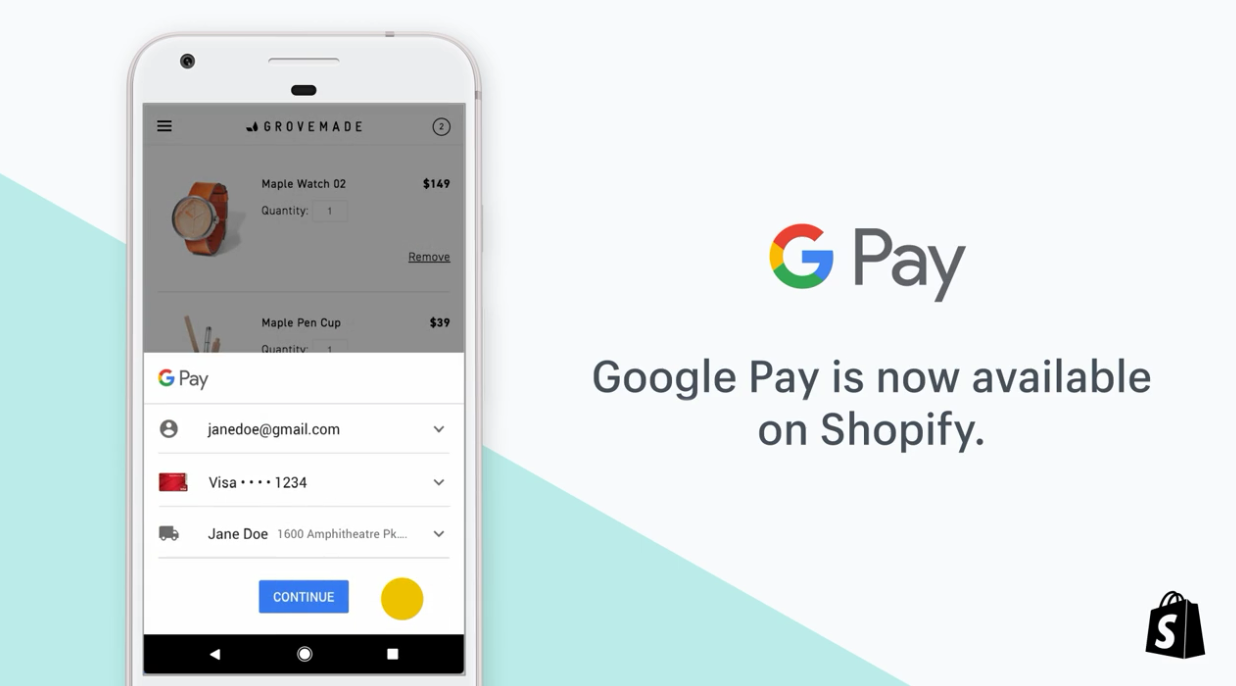
    A new and welcome change to Google Pay users in the US is now coming: you will be able to use your Google Pay balance to pay in stores. The new feature is currently only available in the States, but it should be available to all Google Pay users soon.

    Starting this week, users in the States will be able to pay using their Google Pay balance via NFC. The app will offer a virtual card that you can use in-store. Of course, this feature will only work on phones that support NFC and in stores that have NFC as a payment option.

    This new feature will allow users to pay with money that they earned from rewards or were sent to them via family and friends in Google Pay. Before this change, you could use the app to send money, buy products or services online or in the Play Store, or transfer money out to your bank account.

    However, you could not use Google Pay to pay in physical stores. And on top of that, when you transferred the money to your bank account, you couldn’t pay with it right at the moment as most banks need 1-3 days for the transferred funds to process.

    Starting this week, if you live in the States, you can get the Google Pay balance card that you can request from the app itself. Google has not given a precise rollout date to users outside of the States, but the company has stated that the feature will be coming to “all Android users” soon.

  • BTS stores to pop up in four Asian cities

    BTS stores to pop up in four Asian cities

    Hybe, the entertainment company behind Kpop superstars BTS, is to launch three more BTS pop-up stores across four Asian cities after success in Bangkok.

    The company said it will roll out the album-themed stores in Manila, Taipei and Singapore this year, due to the increasing demand for BTS merchandise.

    Following the launch in Bangkok earlier this month, the BTS Map of the Soul stores will be launched in Manila this week and Taipei this September. The two stores will offer products themed to the Kpop group’s hit album ‘Map of the Soul:7’.

    Meanwhile, the Space of BTS store will open in Singapore this Friday (May 28), featuring everyday items and fashion products. The store will remain open until August 15.

    “The K-pop act’s stores have made visits to fans across the globe even amid the new coronavirus pandemic,” the company said in a statement.

    The launch of BTS-themed pop-up stores follows the release of the group’s latest hit ‘Butter’ last week.

  • Could stockless stores be the future of retail?

    Could stockless stores be the future of retail?

    We have all seen the headlines and excess of statistics about the uptick in online shopping over the past year. The global boom in eCommerce is obvious, but what is less clear is the vast impacts the last year will have on traditional retailers in the longer-term as ‘new’ consumer behaviour now becomes the ‘norm’.

    Along with the continuing popularity and convenience of eCommerce – health, hygiene, and social distancing will continue to be matters that consumers tackle with wariness, at least for the medium-term. However, in-between the various lockdowns witnessed in Southeast Asia, retailers were learning to adapt to the nuances of their new operating backdrops: virtual queueing, curb-side pickup, contactless payment options and even using physical stores as mini-fulfilment centres.

    One of the biggest challenges at the start of the pandemic when stores closed their doors was the issue of in-store goods. Lockdown saw large volumes of stock trapped in closed store locations that couldn’t be sold, or even reintroduced to the supply chain for eCommerce purposes. Further down the line, this stock was then forced to be sold at huge discounts once stores could reopen, or in some cases inventory was arduously and eventually made available for eCommerce fulfilment – which was great for consumer’s pockets, but bad for retailer’s balance sheets.

    Is there really any need to have stock in stores at all?

    Looking ahead, having a smaller volume of inventory within stores will ensure retailers avoid this position again. However, if customers can’t, or are unwilling to try on the items they’re looking to buy, is there really any need to have stock in stores at all? Realistically, aside from the safety implications of having multiple customers handle the same item of clothing, the more stock held in a store, the less accessible and less profitable it is.

    Back in the late 90s, leading UK retailer Argos’ model was regarded as unusual for its approach, using its stores as mini-distribution centres, only having the goods on display with a ticketing system for purchase. Now however, this approach could actually become the default for many retailers in the future, using things such as virtual queuing systems, increased use of mobile tills to ensure social distancing, and stock used for display purposes only.

    The disruption of 2020 has made retailers realise that stock located in the ‘wrong’ place greatly impacts sales, profitability, and the customer experience. So, why not also use the learnings of the past 12 months as a catalyst to change the whole philosophical approach to the physical store?

    Change makes for better innovation

    Much of the brick-and-mortar retail industry has been changing for many years now, but the pandemic may well represent the short-term, significant shock needed to kick-start a retail renaissance, with brands rethinking the best use of their most valuable assets – the bricks and square footage of their flagship stores.

    The next decade will likely see brands looking to reinvent their in-store presences in a move towards more experiential brand experiences, rather than effectively super-sized showrooms full of products across all sizes and colours, as in the not-so-distant future, the traditional shopping trip we once knew may well be completely transformed.

    Instead of the multi-coloured array of bags associated with leading fashion brands, tomorrow’s Southeast Asian shopper may well be bag-less.

    Racks of clothes could be replaced by mannequins displaying fashion combinations as shops reduce the levels of goods they hold, with smart mirrors allowing shoppers to use virtual or augmented reality to try on clothes in a completely contactless environment.

    Likewise, shoppers will be able to avoid queueing, instead using app-based queuing and mobile point of sale technology through iPads and contactless payments – and while some stock may be available to take home there and then, more likely than not, it will be delivered on the same or next day to the customer’s home – in effect, a reverse click & collect.

    Retailers must adapt with consumer behaviour change

    Consumer behaviour has changed drastically over the past year, so in order for retailers to align with their consumers, approaches to retail and how the in-store experience actually operates must adapt too. In the past, out of stock would have meant out of business, however, that may not be the case today.

    As speculative as it might sound, the environment that the retail industry is operating against today means that the less stock a store physically holds, the better off it might actually be. If retail is to recover and grow again over the coming years, the way in which physical stores are operated and used has to change.

    What is clear is that the off the street shopping experience we once knew isn’t going to return, however, the important thing is to recognise that this is okay, and if anything, it is paving the way for a better, more innovative era of retail. With an increased awareness of shifting consumer behaviour, an understanding of the latest applications possible for supply chain and retail technology, and a willingness to think more creatively and innovatively about how best to use valuable floor space, retailers will be able to reinvent the brand experience on offer in their flagship stores, welcoming in a brick-and-mortar renaissance of epic potential.

    For more information on how you retail business can best adapt with consumer behaviour change, please visit: https://www.manh.com/en-au

    By, Richard Wright, Managing Director, SEA, Manhattan Associates


  • Innisfree closes all Canadian stores

    Innisfree closes all Canadian stores

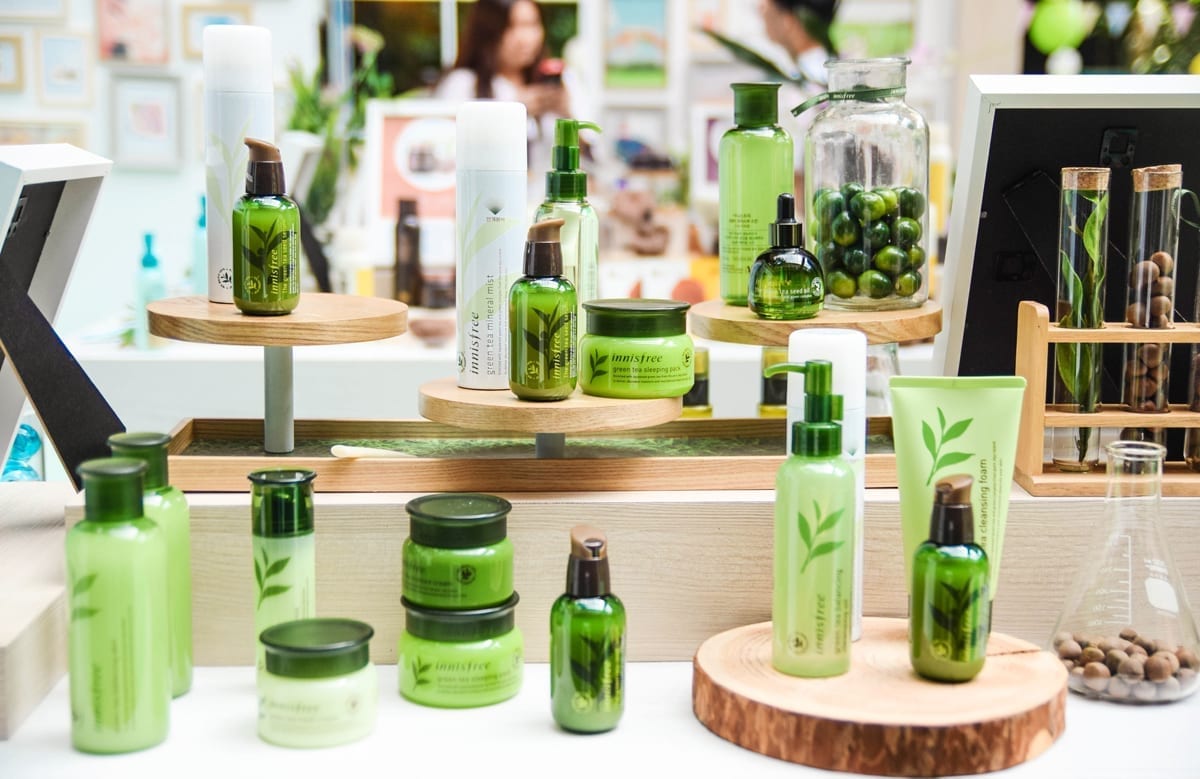
    South Korean ‘naturalism-oriented’ cosmetic brand Innisfree is closing all of its Canadian stores and the company is blaming the COVID-19 pandemic. Innisfree opened its first Canadian store almost two years ago and plans were in place for a cross-Canada expansion.

    “Circumstances have changed over the past year and we anticipate that the health and safety risks of COVID-19 will be impacting our ability to deliver the right experience for the remainder of 2021 and beyond,” said Innisfree in a statement on social media. “In that challenging context, we, unfortunately, had to make the difficult decision to close all Innisfree retail stores in Canada.”

    Innisfree said its stores at the Yorkdale Shopping Centre and the Scarborough Town Centre in Toronto will both shut forever on May 8. The same statement noted that the CF Toronto Eaton Centre and CF Markville stores had already been shut. Ontario is currently in an extended retail lockdown until at least May 20.

    The Yorkdale Innisfree location was the first in Canada when it opened in August of 2019. The CF Toronto Eaton Centre location came soon after as part of the beginning of a cross-Canada expansion that never came to fruition.

    In 2020, Innisfree had planned to expand its Canadian operations by adding more stores to the Greater Toronto Area as well as markets including Vancouver. Brokers in CBRE’s Vancouver office had said that they were working with the brand on a multi-location expansion including at the Metropolis at Metrotown, and industry chatter noted that West Edmonton Mall was in line to possibly get a store as well. The mall-based expansion could have seen Innisfree open stores in most of Canada’s leading shopping centers coast-to-coast over the course of several years.

    The pandemic took the wind out of the sails for many brands expanding in the Canadian market, and Innisfree is a surprising one to announce its Canadian exit. The beautiful bright Innisfree stores were often busy with customers seeking out the brand’s popular beauty products that quickly became highly coveted as they gained consumer awareness.

    Innisfree announced in February that the brand would be available at Sephora stores in Canada as well as online. It hasn’t been confirmed if the announcement was made in anticipation of Innisfree shutting its own standalone stores. The standalone direct-to-consumer brand store model was a trend that picking up speed across the country prior to the pandemic.

    Innisfree, which operates hundreds of stores globally, is part of the Seoul-based AmorePacific Corporation, which features 33 health, beauty, and personal brands under its corporate umbrella. AmorePacific launched the Innisfree brand in 2002. The brand had several stores in the United States and had shut all of them by late 2020. The brand is carried at Sephora in the US according to Innisfree’s website.

    Innisfree’s slogan is “Clean Island, where clean nature and healthy beauty coexist happily,” and the brand is known to be eco-friendly — something sought by many consumers lately. Particularly targeting women aged in their 20’s and 30’s, Innisfree is said to be South Korea’s first all-natural brand with many of its ingredients being sourced from Jeju Island. Its products include a wide range of products for both women and men including skincare, makeup, hair and body products, fragrances, beauty tools, and sun care.

    About 80% of Innisfree’s ingredients are natural and the company says that its products are “plant-to-bottle”. The company also promotes its “green life” with activities such as reforestation efforts, recycling programs, and even an ‘eco-hankie’ to replace disposable paper products. The company donates 1% of its profits to eco-initiatives.

    Innisfree is the latest international retailer to pull out of the Canadian market, and the second beauty brand to shut since the start of the pandemic last year. We reported in November of 2020 that L’Oréal-owned NYX Cosmetics was also in the process of shutting its Canadian stores after entering the market in 2015. At the same time, we’re getting word from industry insiders that several new international brands will be entering the Canadian market by opening stores this year, and we’ll be reporting on several of these in the coming days.

  • Printemps to close seven luxury stores in aftermatch of virus

    Printemps to close seven luxury stores in aftermatch of virus

    French division retailer chain Printemps, a magnet for overseas consumers looking for high-end items in Paris, will close some of its operations in France because it struggles to address the coronavirus pandemic, the CGT union stated.

    Retailers have been hit laborious by government-enforced lockdowns to curb the virus and people who rely upon vacationer flows have struggled to get well as a result of worldwide journey stays restricted.

    Printemps, which sells make-up and garments for high-end manufacturers like Burberry and Gucci, and is owned by Qatari buyers, is especially uncovered to vacationer flows, particularly at its Paris Haussmann flagship retailer.

    Four of the group’s 19 division stores underneath the “Printemps” banner will probably be shut down, together with one in the northern metropolis of Le Havre and in Strasbourg in the east of the nation, in accordance to the corporate’s discussions with unions, the CGT stated.

    One of the Printemps’ offshoots in a Paris mall has additionally been earmarked for closure, and three of the broader group’s sportswear Citadium stores will close.

    Some 450 jobs, or roughly 15 percent of all Printemps staff, at the moment are in danger, the CGT stated, together with store assistants and workers on the firm’s headquarters.

    Printemps couldn’t instantly be reached for remark. Le Monde newspaper quoted a spokeswoman who stated the measures have been geared toward stemming operational losses.

    Many French retailers have been already struggling earlier than the pandemic hit, due to transport strikes earlier this 12 months that hit footfall in stores, and a wave of anti-government protests final 12 months that compelled them to close on some weekends.

    They are additionally dealing with elevated competitors from on-line rivals.

    Luxury manufacturers have managed to offset some of the aches by means of their retailer networks abroad, together with within China, the place demand for high-end items stays robust.

    Printemps, based in 1865, is one of the oldest division stores in France together

  • Convenience stores are emerging as new centres of day to day life

    Convenience stores are emerging as new centres of day to day life

    In 2018, Nielsen had reported that FMCG sales growth in Southeast Asian convenience stores reached 8.3% and Mintel published that sales through Chinese convenience stores hit US$19.78billion with a CAGR of 24% over the past 5 years.

    These gains made by such retail channels reflect changing consumer lifestyles influenced by the constant and rapid urbanization of Asia’s developed and developing cities. Urbanization across the globe has caused people’s lifestyles to evolve to be more mobile and time-constrained. Concomitantly, these changes lead people to seek new communal spaces and a shift toward having smaller households and families. As such, convenience stores are beginning to adapt to these changes to become more integral to people’s daily lives. This also means emerging opportunities for producers of FMCG and F&B brands to tap into.

    To become an essential part of people’s every day, convenience stores have, and are, taking on new roles through innovation and experimentation in space management and retail strategy. The busy and hectic lifestyles of consumers today have given rise to convenience stores providing one-stop service solutions. These solutions range from bill payment, banking, postal and travel services, online purchase collection points, and even laundry drop off points.

    For instance, e-commerce giants Zalora and Lazada in Hong Kong and Singapore have paired up with 7-11 stores across the city that provide easily accessible and trusted locations to pick up their parcels if they had missed their home deliveries. Here, there is tremendous potential for e-commerce brands to expand their access through convenience stores in more remote or inaccessible areas. Accessibility of convenience stores also presents partnership opportunities for brands and companies offering these services to grow ever closer to consumers. Convenience stores are also starting to provide an extended selection of easy-to-eat meals that have moved beyond mere ‘quick fixes’. Easy-to-eat meals on offer in stores overlap convenience with attributes of quality, authenticity, and health to cater to consumer’s busy schedules without forgoing trends, taste, and dietary preferences. Stores also offer air-conditioned seating areas to take their meals in an affordable and comfortable space. Hence, convenience retail channels are turning into alternative third spaces – new places for social engagement – as lifestyles and social interactions grow more and more fluid and mobile.

    With a wide range of food and beverage options coupled with free wifi and air-conditioned seating areas, convenience stores are being redesigned to attract and retain consumers on-site.

    Furthermore, it is not entirely uncommon these days to see stores such as 7-11 hosting events or musical performances, becoming sites and spaces of entertainment consumption. This presents partnership opportunities for brands to co-host events and invent both novel and practicable product formats for consumers spending more time in the store.

    Thus, convenience stores are no longer just a space to buy basic and practical necessities. It has turned into an experiential place where customers can enjoy and discover things they like. Convenience stores today function as ideal discovery centers for both brands and consumers to experiment with new products in smaller low-risk formats. Brands can use these stores as introductory and experimental test-grounds for new products and packages for consumers to try before full conversion.

    Apart from product testing and brand discovery, convenience stores today also provide novel and experiential consumer retail experiences through creating or testing seamless purchase journeys. In this sense, cashless payments and unmanned kiosks open up opportunities for detailed consumer analytics. Brands can take advantage of this and partner with convenience stores to use data to create personalized marketing campaigns and build stronger customer engagements.

    Tapping into the future of convenience retailing

    The ongoing diversification of consumers’ needs overtime has made convenient stores more than just a convenient space to shop. Convenience is being redefined as this particular channel grows to become more of a cornerstone in people’s daily lives. To grow closer to customers, brands need to adapt to these changes in consumers’ lifestyles and make use of convenience retail channels in varied ways to:

    1) provide access to services and products
    2) provide a wide range of food and beverage options to satisfy different dietary preferences
    3) partner with such channels to host events
    4) use these channels as a testbed for novel and innovative product formats
    5) create personalized marketing campaigns from consumer-generated data

    In order to capitalize on the growth and opportunities convenience stores present, FMCG, and food & beverage brands need to map out areas of play in convenience retail channels to achieve success. This includes an understanding of formats and the market in CVS, along with a thorough comprehension of new developments and trends through general retail and category deep dives, as well as ensuring a design strategy exists for product categories to meet customers’ lifestyle needs.

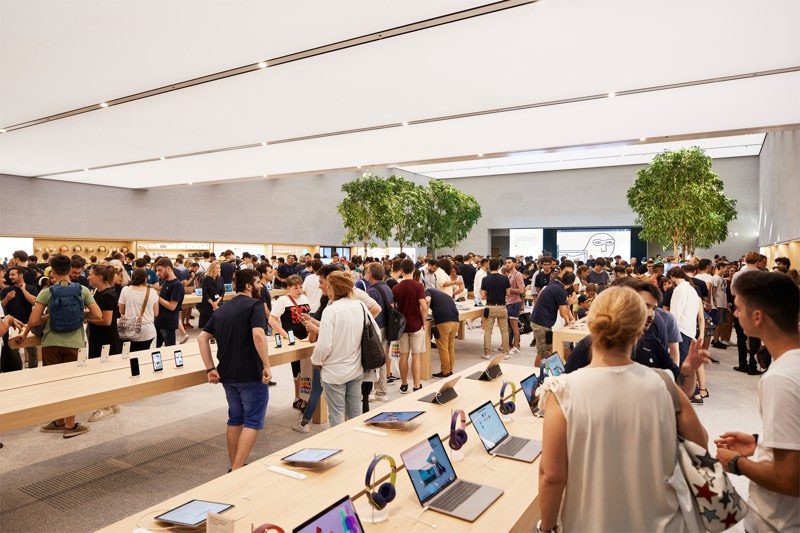
  • Anonymous sources say that more U.S. Apple Stores will reopen this month

    Anonymous sources say that more U.S. Apple Stores will reopen this month

    Besides delaying the release of the 5G Apple iPhone 12 family, COVID-19 has also interfered with Apple’s retail stores. Back in January, Apple started closing retail locations in China.  By the following month, all 42 Apple Stores in the country were closed only to reopen a month later. But as the virus made it’s way west, Apple shut all of its stores outside of China by the middle of March. Quite optimistically, the tech giant at first hoped to reopen them on March 27th. But it wasn’t until May that Apple started turning the lights back on inside its U.S. retail locations.

    But this is 2020 so of course, that wasn’t the end of the story. As May was coming to a close, protesters looted several state-side Apple Stores following the police-related death of George Floyd. What the looters didn’t know was those iPhone units snatched from an Apple Store won’t work. One store in Minneapolis was looted, boarded up, looted again, and boarded up again. Another store in Portland had tall windows smashed on all sides just two days after reopening from the COVID-19 shutdown. At that point, of the 271 U.S. Apple Stores, 140 had reopened.

    Apple plans on reopening a small number of U.S. Apple Stores late this month. These locations had closed due to the uptrend of coronavirus cases in certain markets. People with knowledge of the situation say that for the immediate future, the stores will operate on an appointment-only basis. The sources say that employees have been informed by Apple of its plans; the company says that the stores will each follow local guidelines to determine the maximum number of shoppers allowed inside at one time and the social distancing required. During the peak of the pandemic with most U.S. stores shuttered, some Apple Store employees ended up handling technical support calls from home while others continued to get paid while waiting around for the store they worked at to reopen.

    Apple would surely like to have most of its retail store infrastructure at full strength as it prepares to introduce some new devices for the fall including the first 5G iPhone models, a new tablet, and the next Apple Watch.

  • Japan’s World Co closing 358 stores by March

    Japan’s World Co closing 358 stores by March

    Japanese apparel firm World Co is shuttering 358 outlets nationwide by March next year. The move is in response to the impact of the Covid-19 outbreak and will involve jettisoning five clothing brands owned by the parents firm – including unprofitable brands Aquagirl and Ozoc – and potentially more.

    The closure plan will involve implementing a voluntary early-retirement program for staff and around 200 layoffs.

    World Co has operated for more than 60 years within Japan and went into private ownership 16 years ago.

    The company is not the only Japanese apparel retailer to announce plans to scale back operations this year. Last month, rival Cecil McBee said it would shut down all of its physical outlets in the country. It said at the time it could not survive another outbreak with a period of store shutdowns.

    The firm’s 43 stores are closing consecutively throughout Japan, with final closures to be made by February next year.

  • Apple closes 30 more U.S. Apple Stores including all locations in Florida

    Apple closes 30 more U.S. Apple Stores including all locations in Florida

    As the number of coronavirus cases reported daily in several states starts to shoot back up, Apple is beginning to close more of its physical Apple Stores. Just a week ago, we told you that Apple was temporarily turning the lights off in 14 additional locations in Florida. We posted that article on June 25th and two days later the state hit a peak of 9,585 new cases announced.

    Other states are hitting the pause button on reopening plans and today Apple said that 30 more brick and mortar stores in the U.S. will be closed. 77 Apple Stores have reclosed over the last few weeks. With the remaining two Florida-based Apple Stores turning the lights off and locking the doors today, all physical Apple Stores in the Sunshine State have now been shuttered.

    Besides the stores in Florida, locations near Los Angeles have also been closed. On Wednesday, the company said that Apple Stores in Florida, Mississippi, Texas, and Utah were closed immediately. Stores in other states such as Alabama, California, Georgia, Idaho, Louisiana, Nevada, and Oklahoma will close on Thursday. By tomorrow, 77 or 28% of the 271 U.S. Apple Stores in the country will not be open. An Apple spokesman says, “Due to current COVID-19 conditions in some of the communities we serve, we are temporarily closing stores in these areas. We take this step with an abundance of caution as we closely monitor the situation and we look forward to having our teams and customers back as soon as possible.”

    Apple is taking precautions even in stores that remain open. At some stores, all business is being conducted curbside while at other locations customers need to make an appointment to go inside. At the latter stores, when customers arrive for their appointment. they will have their temperature checked and will be forced to wear a mask; social distancing is practiced as each customer must be separated by at least six feet.

    The Apple Stores that closed today include St. Johns Town Center, University Town Center in Florida; Renaissance at Colony Park in Mississippi; Barton Creek, Domain Northside, La Cantera, North Star, Knox Street, Northpark Center, Galleria Dallas, Ciello Vista Mall, Southlake Town Square, University Park Village in Texas.

    The Apple Stores that will close Thursday include The Summit in Alabama; Glendale Galleria, Northridge, Pasadena, The Grove, Third St. Promenade, Century City, Manhattan Village, Beverly Center, Sherman Oaks, Topanga, Los Cerritos, The Americana at Brand, Valencia Town Center, Victoria Gardens, The Oaks, The Summit in California; Cumberland Mall, Perimeter, Lenox Square, Avalon, Mall of Georgia in Georgia; Boise Towne Square in Idaho; Baton Rouge, Lakeside Shopping Center in Louisiana; Fashion Show, The Forum Shops, Town Square, Summerlin in Nevada; Penn Square, Woodland Hills in Oklahoma.

    So what can a consumer expect when visiting an Apple Store in the U.S. that has been reopened and remains so? Apple explains that “Before you enter an Apple Store, we will take your temperature using a thermometer that does not touch the skin to ensure that it measures below 37.5° C (99.5° F). No data from this procedure will be recorded. Prior to your store visit, please ask yourself the following health-related questions: Do I currently have a fever, chills, muscle or body aches? Do I currently have a cough or am I experiencing any respiratory issues? Do I have a headache, sore throat, runny nose, or congestion? Am I experiencing any nausea, vomiting, or diarrhea? Have I been in contact with any suspected or confirmed cases of COVID-19 in the last 14 days? If you answered YES to any of these please visit at a later date. You can get all the same great products and services from our online store with free no-contact delivery, and one-on-one shopping help from a Specialist via Chat, or by calling 1‑800‑MY‑APPLE. Shop Apple Store online.”

    Overseas where the coronavirus isn’t making a comeback, Apple is able to keep its stores open in most countries.