Tag: Stores

  • Reliance in 1000-store telco deal

    Reliance in 1000-store telco deal

    India’s Reliance Industries is to build a network of 1000 stores, the consumer face of a new 4G mobile phone network.

    The new mobile phone network will be launched in December with 1000 stores branded ‘Jio Centers’. The network itself will be called Jio.

    The store network will sell Jio-branded mobile phones and be backed up by 500,000 licenced connectivity outlets and one million recharge outlets. These customer contact points will be operational by December, when the network – undergoing beta testing from next month – will boast 80 per cent coverage of India.

    The stores will also sell Samsung, Apple, Huawei and Xiaomi phones for connection to its network.

    “Reliance Digital would be a catalyst by making available entry level to ultra premium 4G LTE smartphones… in driving the device ecosystem in India for Jio,” the company said in a statement.

    Reliance Industries operates in a number of sectors, although its base is in energy and retailing. It is headed by Mukesh Ambani, India’s richest individual.

  • Cath Kidston buys Japanese franchise

    Cath Kidston buys Japanese franchise

    UK-headquartered Cath Kidston says it will buy out its Japanese franchise business.

    Store leases and stock will transfer to a wholly owned subsidiary Cath Kidston Japan on September 1.

    The move brings to an end a four year partnership started in 2011 with Sanei International, a subsidiary of TSI Holdings.

    Japan accounts for 20 per cent of Cath Kidston’s global sales with four consecutive years of sales growth driven largely by the home, childrenswear and bags categories.

    Cath Kidston CEO Kenny Wilson said Japan is the brand’s biggest international market outside the UK and a key part of its business strategy to globalise the brand.

    “During 2016 we will celebrate our tenth anniversary since opening the first store in Tokyo and we see real opportunities to grow the brand even further across Asia.

    “This is a unique opportunity to take full control of the Japanese business. Sanei International has been a trusted franchise partner and we have worked successfully together, helping to grow the portfolio to over 30 stores. Our desire to buy, and Sanei’s decision to sell back the business, fitted perfectly with each other’s strategy,” said Wilson.

    “We are grateful to the Sanei management team in developing the business over the past four years. We have been delighted by the response of the Japanese staff to our decision to take full ownership of the stores.”

    Cath Kidston now has stores in 16 countries including China, Hong Kong, Indonesia, Japan, Korea, Malaysia, Singapore, Taiwan, Thailand, Spain and France.

    In April this year, Cath Kidston opened its 200th overseas store in Beijing, China.

  • Asia remit for new Tiffany exec

    Asia remit for new Tiffany exec

    Tiffany & Co has appointed Philippe Galtié to the position of senior VP – international.

    Galtie, who is currently with super luxury brand Cartier, will direct all of the sales channels for Greater China, Asia-Pacific, Japan and EMEA.

    He takes up the new post on August 17.

    Frédéric Cumenal, Tiffany & Co CEO, said, Galtie brings to Tiffany & Co a seasoned understanding of the global retail landscape.

    “This knowledge will have a significant impact on the oversight and management of our store design and strategic planning teams.”

    Galtié, 54, began his career with a range of general management and global marketing roles at Moët-Hennessy, Mars Inc, Eridania Beghin Say and the Nestlé Group. For the past 15 years he has worked at Cartier, where he served as country head or other senior positions throughout Japan, Greater China and the Asia Pacific regions. Most recently, Galtié held the role of Cartier’s international retail director.

    Tiffany is the internationally-renowned jeweler founded in New York in 1837. Through its subsidiaries, Tiffany & Co. manufactures products and operates Tiffany & Co retail stores worldwide, and also engages in direct selling through Internet, catalog and business gift operations.

  • Asics India goes it alone

    Asics India goes it alone

    Japanese sports shoe brand Asics has opened its first company owned store in India.

    The 670 sqft outlet has opened in a shopping centre in south Delhi.

    It marks the end of a five year partnership with local conglomerate Reliance Retail.

    “We had a five-year agreement with Reliance Retail, and we did not want to renew the alliance,” Rajat Khurana, director of Asics India said in an interview.

    “The market has matured, and we have a much better understanding about the Indian sports shoes market, which is worth about $1 billion.”

    Now the brand will operate as a wholesaler, opening mono brand stores across India through franchise partners. It will manage the franchise business directly rather than partner with a local master franchisee.

    “Over the next 18 months, we will open exclusive outlets across the top 10 Indian cities, with one or two outlets in each city. Over the next three years, sales should treble,” said Khurana.

    Asics is the fourth largest sports goods manufacturer in the world and is currently sold in more than 150 countries.

    Asics branded products will continue to be available through multi-brand stores in India, including reliance Retail’s network.

  • Uniqlo ‘modest wear range’ targets Muslims

    Uniqlo ‘modest wear range’ targets Muslims

    A new Uniqlo modest wear range designed in partnership with UK designer and blogger Hana Tajima has gone on sale in Malaysia and Singapore.

    The Uniqlo X Hana Tajima Collection is launched today, July 3, at Uniqlo’s 313@Somerset store on Singapore’s Orchard Rd, and online at www.uniqlo.com/sg.

    A promotional campaign is fronted by Malaysian singer Yuna and the range is expected to be launched in Asian markets with large Muslim populations, such as Malaysia and Indonesia.

    Uniqlo says in line with its ‘LifeWear concept’, the collection is designed to meet the needs of women who value comfortable and relaxed wear. This inaugural collection takes inspiration from an international approach in appreciation of diverse culture and style.

    “Although Uniqlo X Hana Tajima caters to ladies who embrace modest fashion, this collection has been carefully designed to suit contemporary tastes and is versatile to complement a fashionista’s wardrobe easily,” the company said in a statement.

    The collection features pants (SG$49.90), skirts ($49.90), rayon blouses ($49.90) and long dresses ($49.90-$59.90) with a comfortable, relaxed fit which Uniqlo says makes them appropriate for an office and perfect as casual outfits.

    “Our conservative customers will certainly delight at the variety of stylish hijab headscarves ($24.90-$29.90), as well as inner AIRism hijab headscarves ($4.90) and headbands ($14.90). AIRism is a Uniqlo patented material that is thin, light and absorbs moisture for extraordinary comfort especially in tropical climates.

    Taku Morikawa, CEO of Uniqlo Singapore, said the Hana Tajima collection illustrates Uniqlo’s ambition of making fashionable, high quality products for all to wear, while enhancing their lifestyle at the same time.

    “We worked with Hana to determine what would be internationally appealing while keeping to the concept of modest wear. We are thrilled with the results of this unique collaboration which produced a desirable collection that does not sacrifice style for utmost comfort.”

    Hana Tajima, who oversaw the design of every piece in this collection, said: “We want to create a collection that not only appeals to modern ladies who prefer to dress modestly, but also an international audience who desire clothes that fit comfortably and look contemporary. My collection is specially designed to allow effortless mix and match for the today’s women to express their own style.”

  • Manpower issues harm Sasa Singapore

    Manpower issues harm Sasa Singapore

    Sasa Singapore says government restrictions on staff hiring are adversely affecting its business in the city state.

    As a result, the company plans to rationalise its store network and exit some leases early.

    The Hong Kong-headquarter retailer says that during the year to March 31, turnover in Singapore decreased by 2.6 per cent in local currency to HK$243.7 million. Same store sales dropped by 5.9 per cent in local currency.

    “The challenge of filling vacancies for frontline staff and Singapore’s acute manpower constraints adversely affected our store productivity,” the company said in its stock exchange filing in Hong Kong.

    “Moreover, persistent high rental costs and dilution of sales due to the excessive increase in overall Singapore retail space contributed to the losses.”

    In the year ahead, Sasa says it will close inefficient stores, and open stores in new malls with good potential.

    “To cope with the persistent constraints in manpower, we will enhance staff product knowledge and monitor staff productivity. The group will also work on staff retention to minimise the loss of experienced sales staff and convert more job scopes into automation so that employees can concentrate on analytical and quality enhancement.”

    Sasa says its Singapore sales decline was mainly due to slower domestic income growth, resulting in weaker retail sentiment.

    “Tourism was also affected by the tragedy of the missing Malaysian Airlines passenger plane, with the top two tourist originating countries of Indonesia and China both seeing shrinkage in arrivals during the year.”

    In Malaysia, turnover increased 6.1 per cent in local currency to HK$340.3 million. Same store sales decreased 0.2 per cent.

    “Our retail sales and profit growth were impacted by changes in the management team, which adversely affected store productivity and our performance during the transitional period,” the company said.

    Malaysia sales were also affected by the Malaysian Airlines tragedy, resulting in a drop in tourism numbers.

    “We continued to expand our store network to provide enhanced service to our customers and to increase our competitiveness.”

    In Taiwan, Sasa’s turnover grew 5.7 per cent in local currency to HK$289.2 million. Same store sales grew by 1.6 per cent.

    “Sales were boosted by the enhanced house brand product mix and introduction of lower priced products and promotions, which drove traffic and sales through cross-selling. Our strategic store expansion plan began to bear fruit and we were able to capture the growth potential of increasing numbers of Mainland Chinese visitors,” the company reported.

  • Sa Sa gross sales up, revenue trimmed

    Sa Sa gross sales up, revenue trimmed

    Hong Kong-based magnificence merchandise retailer Sa Sa has elevated gross sales regardless of the home market challenges.

    The group’s complete turnover elevated by 2.7 per cent from HK$eight.756 billion to HK$eight.993 billion within the yr to March 31.

    Retail gross sales in Hong Kong and Macau elevated by three.three per cent to HK$7.259 billion. However revenue slipped 10.three per cent to HK$838.eight million.

    The high-profile chain added a internet seven shops through the yr taking its community to 287, including only one in Hong Kong.

    In a telling signal of the problem dealing with Hong Kong retailers, because the demographic profile of Mainland Chinese language guests modifications, the variety of transactions in Hong Kong and Macau shops rose by 6.eight per cent, however the common ticket worth fell three.three per cent.

    “To put these figures in context, the variety of transactions of Mainland China vacationers elevated by 17.four per cent, whereas common gross sales worth per ticket decreased by 11.three per cent,” Sa Sa stated in its annual outcome.

    “The variety of transactions by native shoppers declined barely by 2.four per cent with a mean spending improve of four.three per cent. Briefly, gross sales progress for as soon as lagged behind the market.”

    In 2014, Mainland vacationer arrivals rose by a gentle 16 per cent. Similar day customer arrivals have been nonetheless the main engine of progress with a rise of 19.1 per cent, elevating gross sales in non-tourist areas, notably within the New Territories close to the border with the remainder of China.

    “Nevertheless, this was offset by an 11.three per cent drop within the common ticket gross sales of Mainland vacationer clients, which in flip was attributable to the weaker buying energy of vacationers originating from decrease tier cities and having much less spending functionality. One other issue was the growing demand for lower cost level merchandise, similar to Korean merchandise, which nonetheless diluted gross sales progress though driving retailer visitors.”

    Sa Sa stated, as well as, there was a better gross sales combine from day trippers whose spending is usually decrease than in a single day vacationers.

    “The change in consumption patterns was additional exacerbated by the rise of cross border eCommerce, which facilitated a lot quicker market penetration of cheaper and quick to market Korean merchandise with ideas which might be nicely appreciated by Asians, and particularly the more and more prosperous Chinese language shoppers.”

    Whereas Sa Sa reported 10.2 per cent retail gross sales progress within the first half of the fiscal yr, gross sales have been dragged by weaker shopper sentiment within the second half. Gross sales progress slowed within the third quarter and additional deteriorated within the fourth quarter with March 2015 being particularly weak due to anti-parallel items merchants incidents in residential areas, turning an in any other case constructive January to February two months’ interval into destructive territory for the fourth quarter.

    “As well as, the appreciation of the US greenback and the relative power of the Renminbi and Hong

    Kong greenback inspired extra Mainland vacationers to journey to markets with weaker currencies resembling Europe and South Korea. The relief of visa insurance policies by different nations strengthened their

    attractiveness to Mainland vacationers, whereas robust outbound travelling led to weaker native spending.”

    Sa Sa stated the Occupy Motion and anti-parallel items merchants incidents in Hong Kong broken Hong Kong’s profile and discouraged vacationers whereas additionally inflicting a drop in gross sales to native clients.

    Sa Sa’s general gross revenue margin dropped from 46.6 per cent to 44.eight per cent resulting from extra promotions being launched to drive gross sales in a slower market.

  • Drive-thru stores on rise in S. Korea

    Drive-thru stores on rise in S. Korea

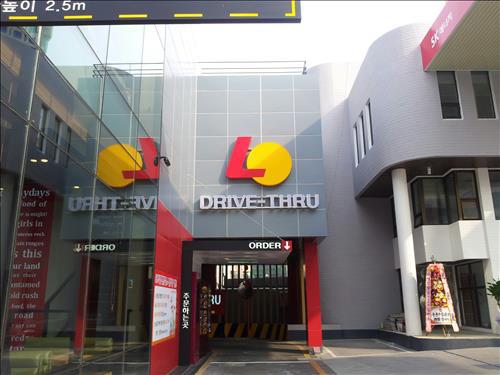
    U.S. fast food chain McDonald’s, which opened its first drive-thru store in the country in 1992, operates 187 drive-thru stores, according to company data. The figure accounts for nearly half of its stores in Korea.

    “We’ve seen a rise in customers using drive-thru stores in suburban areas,” said a company official, adding that the fast food chain plans to raise the portion of drive-thru stores to 70 percent.

    Other franchise chains are also expanding their drive-thru stores. U.S. coffee franchise Starbucks operates 34 drive-thru stores, while local fast food chain Lotteria runs 46 drive-thru stores.

    The growing popularity of drive-thru stores has prompted non-food franchises to also open them. In April, Lotte Supermarket, an affiliate of retail conglomerate Lotte, adopted a drive-thru store where customers can do their grocery shopping.

    The trend comes as retailers are grappling to secure new growth engines amid sluggish domestic demand and rising competition. With the exception of duty-free stores, most retail channels are facing slowing growth as consumers shop from overseas or shop online.

  • 7-Eleven Malaysia strikes upmarket

    7-Eleven Malaysia strikes upmarket

    Listed retailer 7-Eleven Malaysia says it is going to open 200 new shops across the nation this yr – and refurbish 200 extra. A 3rd of these might be within the Klang Valley, the guts of larger Kuala Lumpur.

    The enlargement and rejuvenation, estimated to value as much as RM90 million (US$24 million) is a part of a transfer upmarket because it seeks to distinguish the corporate from rival comfort retailer codecs.

    CEO Gary Brown says the corporate needs to create a extra inviting, heat surroundings in-store to draw extra clients.

    Newer shops opened in Malaysia function espresso, meals to organize onsite, tables and chairs, vibrant fitouts and a extra spacious surroundings.

    “We now have additionally included extra recent meals, use light-emitting diode lighting at our shops that are energy-saving in addition to organise on-going strategic promotions,” he informed a press convention after the corporate’s annual assembly this week.

    7-Eleven Malaysia has about 80 per cent of the Malaysian comfort retailer market, however is dealing with growing competitors from new native manufacturers.

    Its in depth retailer community positions itself as a possible supply service level for on-line retailers and courier companies. Brown says talks are underway to determine such ventures as one other supply of revenue for the enterprise – and as a drawcard for patrons who may purchase merchandise when accumulating or making deliveries.

    “As soon as concluded, the pilot undertaking is predicted to function by the fourth quarter of this yr at chosen shops,” he stated, with out disclosing additional particulars.

  • Tod’s rues anti-graft program

    Tod’s rues anti-graft program

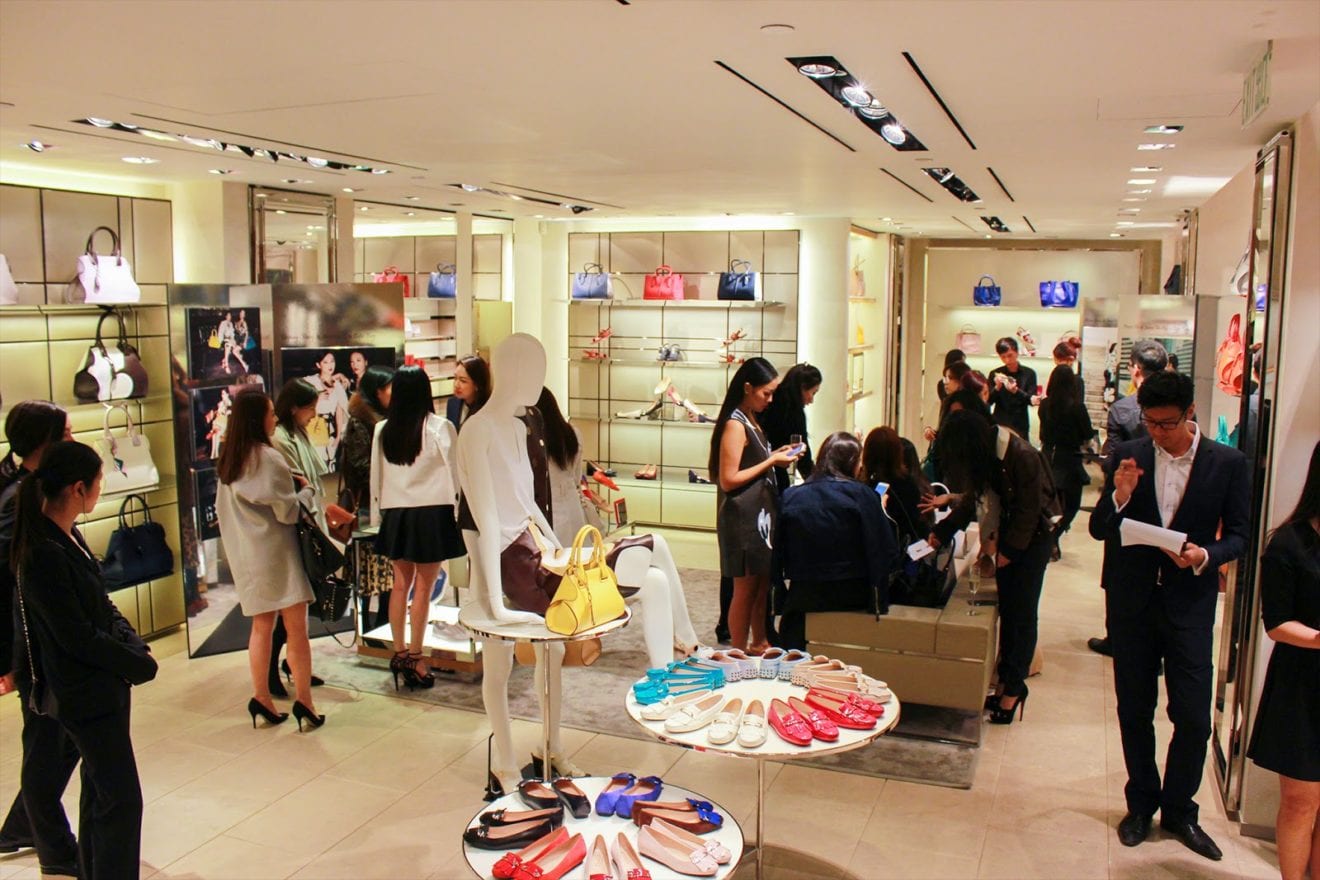
    China mainland’s anti-corruption campaign has taken its toll on Italian luxurious footwear model Tod’s’ Hong Kong gross sales.

    So, too, the altering demographic of mainland vacationers, which rival trend manufacturers have additionally blamed for softening gross sales.

    Tod’s says mixed China gross sales fell 15 per cent noting buyer visitors in its shops, and spending, skilled a “giant lower” within the quarter.

    Larger China gross sales accounted for 20.1 per cent of the corporate’s complete international turnover of euro 257.7 million, up one per cent on the identical quarter in 2014. China gross sales have been thus euro 53.9 million.

    Gross sales in Italy accounted for 34.eight per cent of its complete gross sales.

    Tod’s additionally famous in its report that rents are “too excessive” in Hong Kong.

    The group has 79 of its personal outlets in higher China, together with 67 within the mainland, 11 in Hong Kong and one in Macau. It has one other 25 franchised shops throughout the area.

    This yr the corporate expects to open new shops in Chongqing and Zhengzhou underneath its personal possession and one other, franchised, outlet in Sanya.

  • Esquires Espresso seals Hunan partnership

    Esquires Espresso seals Hunan partnership

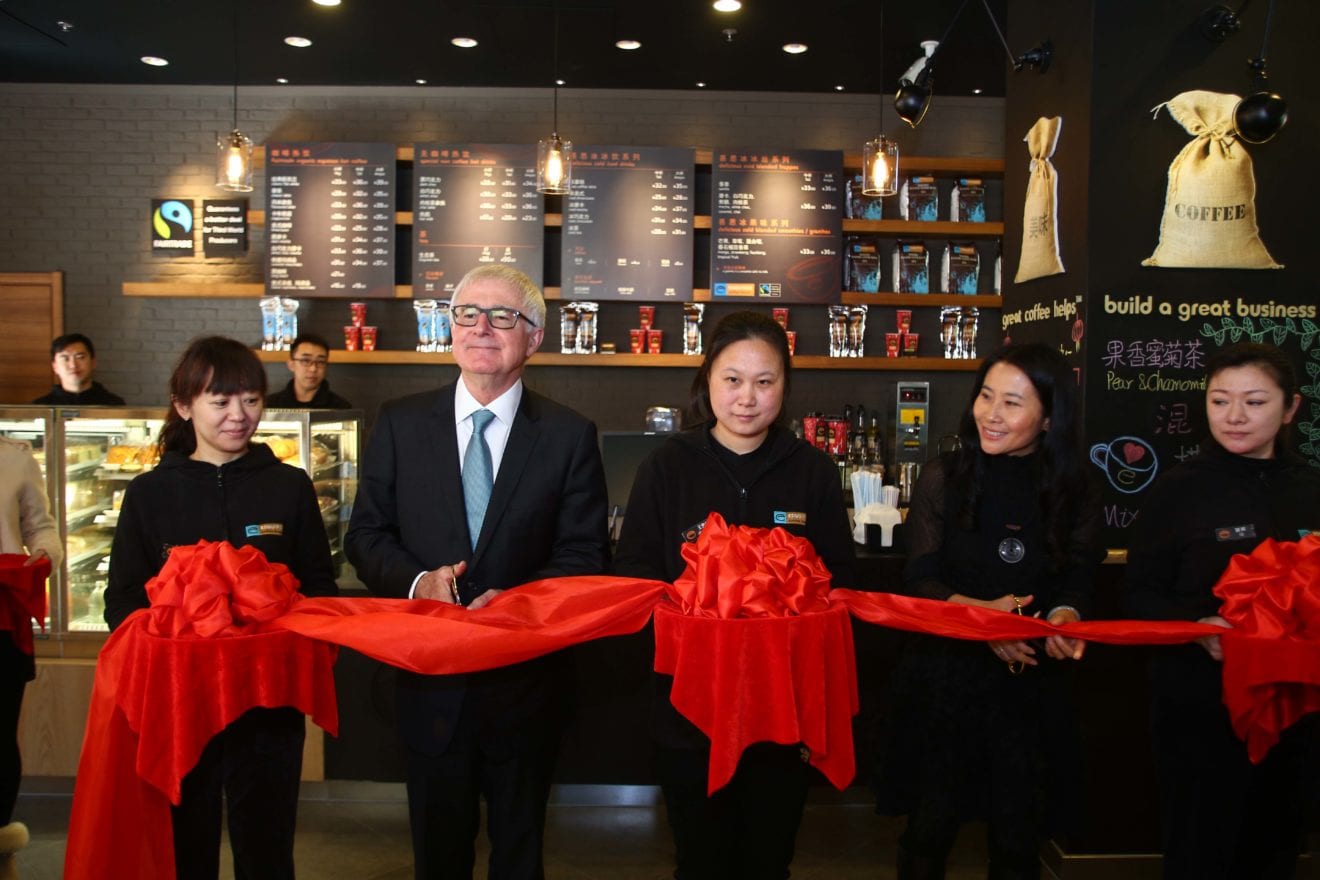
    New Zealand-listed Cooks International Meals has signed a three way partnership settlement with Shenzhen-listed retail and property big BuBuGao Group to develop 30 Esquires Espresso shops in Hunan by 2020.

    The three way partnership cements China’s place as Esquires Espresso’s quickest rising worldwide territory and lifts the whole variety of deliberate shops within the nation to a minimum of 150. It additionally additional advances Cooks’ aspiration for Esquires Espresso to be working 800 shops all over the world by 2020.

    * BBG chairman Wang Tian (left) and Esquires Espresso China MD Ellen Zhang toast their new China three way partnership.

    BBG, or Higher Life, has taken a 49 per cent stake within the three way partnership and can progressively contribute property in its buying malls which might be based within the Hunan province. Cooks, with a 51 per cent stake within the enterprise by way of its wholly-owned Chinese language grasp franchisee Beijing Esquires Administration Co, will develop and handle the shops.

    BBG has annual revenues of almost CNY12.three billion, (NZ$2.7 billion), employs over 70,000 individuals and operates over 373 shops within the Hunan, Jiangxi, Sichuan, Chongqing, Guangxi, and Guizhou provinces, together with 156 supermarkets and 29 purchasing malls. It additionally has a CNY10 billion property portfolio and is lively in on-line commerce and finance.

    Cooks International Meals government chairman Keith Jackson stated the brand new deal is additional endorsement of the potential for Esquires Espresso’s artisan fashion Natural and Fairtrade model to develop quickly in Chinese language markets.

    “The enterprise is a continuation of our technique to drive progress in China by partnering with vital home companies that may present the assets, retail experience and native information which are pre-requisites for fulfillment within the area. These capabilities, coupled with a Chinese language Esquires Espresso administration staff that understands the right way to translate the model’s distinctive tackle New Zealand café tradition into home settings, provides us nice confidence within the potential of the enterprise to develop.”

    BBG chairman Tian Wang stated that with demand for branded espresso rising in China at charges that outstrip progress charges in the remainder of the world, Esquires Espresso will fill an essential a part of the retail combine throughout its buying centres.

    “Its Natural, Fairtrade and artisan positioning makes it an aspirational vacation spot for a broad cross part of the inhabitants. We’re assured the brand new enterprise will generate appreciable worth for the BuBuGao group.”

    Cooks now operates 21 shops in China using 130 individuals, making it the third largest New Zealand non-Authorities employer within the Peoples’ Republic. It’s now concentrating on a footprint of greater than 150 shops in China by 2020.

    Earlier this yr, Cooks acquired the Esquires Espresso Chinese language grasp franchisee Beijing Esquires Administration and as a part of that transaction, one of many former house owners, Yunnan Metropolitan Funding Firm (YMCI) took a 15.75 per cent stake in Cooks.

    Cooks additionally has an identical three way partnership with Jiajiayue Group (JJY) grocery store chain to develop 50 shops within the Shandong province. JJY is among the largest corporations in Shandong, using virtually 30,000 employees and working greater than 550 supermarkets.

    “We proceed to hunt companions to increase our foot print in different areas and our administration group, led by expatriate Chinese language-New Zealander Ellen Zhang, is already in dialogue with a number of different events,” Jackson stated.

    Cooks owns the mental property and grasp franchising rights to Esquires Espresso Homes worldwide excluding New Zealand and Australia. Following the signing of a brand new grasp franchise settlement for Egypt final week, the corporate is now rising in 13 separate territories around the globe and it’s in discussions to increase its grasp franchise community additional.

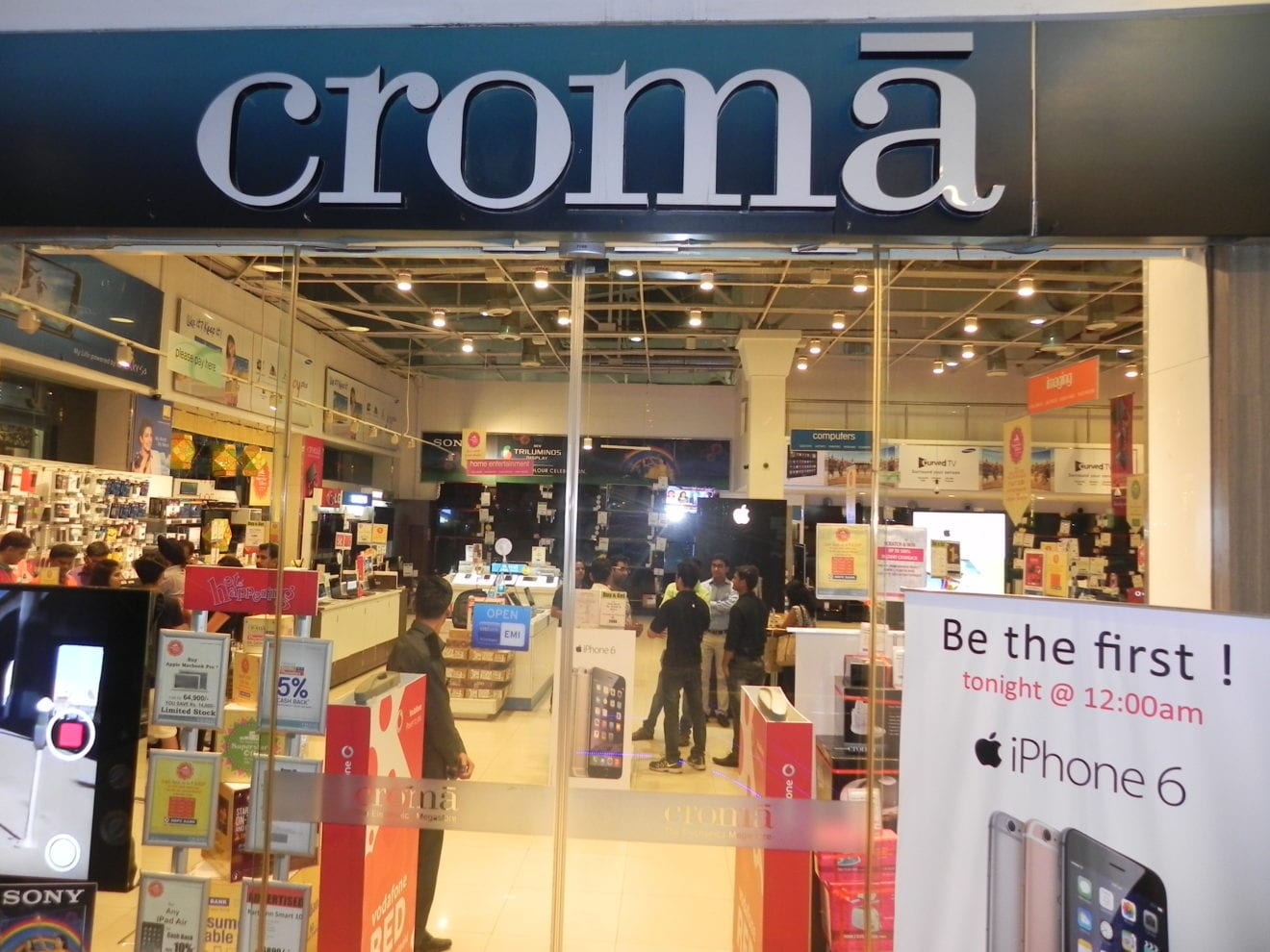
  • Croma to open around a dozen stores in India this year

    Croma to open around a dozen stores in India this year

    Croma, consumer durables and electronics chain of the Tata Group, is looking to open a dozen more stores this financial year.

    In April, the first month of 2015-16, it launched three stores. Two more are being readied for launch in a month or so. “We have budgeted for around 10 new stores in FY16 but might exceed that, depending on the quality of location and store layout, if we get the right rental. We continue to focus sharply on calibrated growth in our chosen markets,” said a spokesperson.

    Croma’s first chief executive and managing director, Ajit Joshi, quit the chain recently after eight years at the helm. Its chief financial officer, Avijit Mitra, is interim CE. Croma runs about 100 stores. It is also looking to launch new products in home appliances, the spokesperson said.

    About six per cent of overall revenue comes from its private labels; in home appliances, the share of revenue is 25 per cent.

    Croma’s rival, Reliance Digital, which entered the fray later than the former, has become the biggest durables chain in the country, with about 1,100 stores. Its Digital Mini Express has also become largest mobile phone retailer.

    “Croma continues to lead the consumer durables & information technology (CDIT) organised retail market in store throughput. In the immediate future, Croma will penetrate deeper into the top CDIT markets of India,” the chain had said earlier.

    The chain is yet to break even. Asked to comment, the spokesperson said: “Financial information is internal to the company. We are progressing toward our financial goals as per plan.” Croma entered e-commerce in 2012 and tied up with Snapdeal last year to sell its products.

    “We are already a step ahead in terms of omni-channel retailing and are in the process of rolling out some exciting customer-facing services this financial year, which will be announced once the pilots stabilise,” the spokesperson said.

  • V-Mart to invest Rs 200 cr, add 200 stores in 5 years

    V-Mart to invest Rs 200 cr, add 200 stores in 5 years

    Retail chain V-Mart will invest around Rs 200 crore to add nearly 200 new stores in different part of the country in the next five years.

    The company is also targeting over four-fold jump in revenue to touch Rs 2,500 crore by 2020 with smaller towns expected to be its key growth drivers.

    “We will have around 300 stores in the next five years with a revenue of around Rs 2,500 crore by then,” V-Mart Retail Chairman and MD Lalit Agarwal told PTI.

    The company had a revenue base of Rs 574.96 crore in FY 2013-14. It is, at present, operating 109 stores in 91 cities.

    Agarwal said: “We have clear vision that smaller towns will be our growth drivers as they have very high potential and aspiration level is growing up.”

    Of the total stores that the company has, 56 are in tier III clusters, 35 are in tier II towns and 18 in tier I cities.

    “Presently, the tier III clusters contribute between 55 to 60% of our revenue and we strongly believe that it would go up to 75% in next three years,” Agarwal said.

    V-Mart is present at district level markets including Purnia, Saharsa, Madhubani, Motihari, Basti, Gonda, Lakhimpur, Bahraich and is in process to expand its base in the Eastern regions of Bengal and Orissa.

    “We are finalising the properties there. Presently we are concentrating on Orissa and Bengal,” he said.

    He said in order to drive up sales further, the company would enhance its in-house labels, while also increasing offering existing brands. Currently, it has 21 in-house labels, which contributes around 25% of the sales.

    “We would increase the ratio to 50% from the existing 25% in the next three years. We would add more labels and expand the depth of the existing ones,” he added.

  • Jollibee, partner to operate Dunkin’ Donuts stores in China

    Jollibee, partner to operate Dunkin’ Donuts stores in China

    Philippine fastfood giant Jollibee Foods Corporation (JFC) and its partner, Asian investment firm RRJ Capital Master Fund II LP, have sealed the deal with Dunkin Donuts Franchising LLC to operate Dunkin’ Donut stores in China.

    In a disclosure to the Philippine Stock Exchange (PSE) on Tuesday, JFC said the franchise agreement grants the newly formed joint venture firm Golden Cup Pte. Ltd. the exclusive right to develop Dunkin’ Donuts in Hong Kong, Macau, Fujian, Hunan, Jianxi, Guangdong, Hainan, Guanxi, Beijing, Tianjin, Hebei, Shangxi, Chongqing, Guizhou, Sichuan, Yunnan, Heilongjiang and Jilin.

    Golden Cup Pte. Ltd. is the joint venture company formed by Jollibee Worldwide Pte. Ltd. (a wholly owned subsidiary of JFC) and Jasmine Asset Holding Ltd. (a wholly owned subsidiary of RRJ Capital Master Fund II, L.P.).

    In an earlier disclosure to the PSE on 19 December, JFC said “the Dunkin’ Donuts deal provides the JV with an excellent opportunity to operate and expand one of the leading global coffee chain brands in the 2nd largest economy in the world.”

    JFC said it will invest USD300 million in the venture, USD180 million of which will be contributed by JPWL. In the first 12 months of operations, JPWL’s initial investment would be about USD18 million.

    As of December 2014, Jollibee operates 811 stores in the Philippines and 101 stores overseas. Dunkin’ Donuts, on the other hand, has nearly 11,000 restaurants in 33 countries worldwide.

  • In South Korea, Ikea opens biggest store to lure tiny households

    In South Korea, Ikea opens biggest store to lure tiny households

    Iconic Swedish furniture retailer Ikea built its biggest store in the world to serve South Korea’s shrinking households, targeting millions of people living alone with Korea-only items like super-sized single beds and in-store kimchi rice.

    The store opened on Thursday in Gwangmyeong, less than an hour’s drive or 14 minutes by train from central Seoul, with a sales space nearly as big as the Louvre museum at 59,000 square metres. The previous record-holder at Ikea, known for its inexpensive, self-assembly products, was in Stockholm spanning 55,200 square metres.

    Stiff domestic competition and sluggish spending have made South Korea an unhappy hunting ground for global retail giants like Wal-Mart and Carrefour, who exited years ago. But Ikea’s design appeal to South Korea’s urban crowds, and few big local rivals, leave it well placed, retail experts say.