Tag: Stores

  • Best Denki Singapore plans two more stores

    Best Denki Singapore plans two more stores

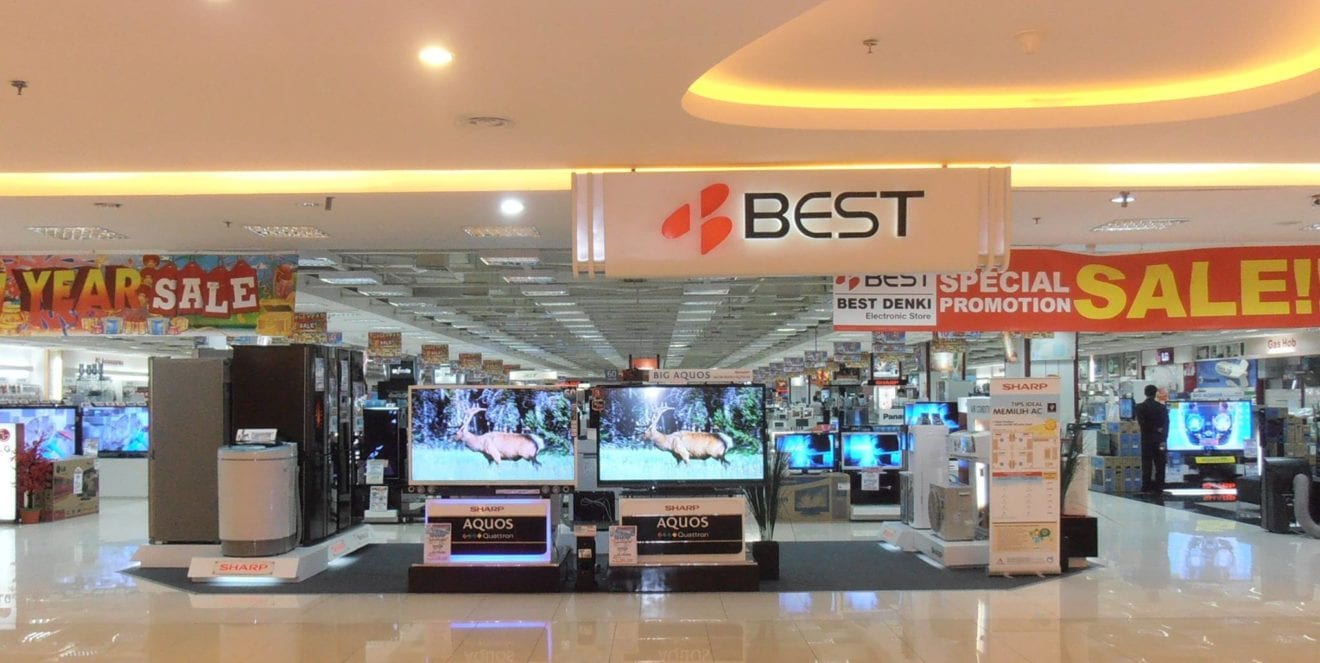
    Best Denki Singapore, the Japanese electronics retailer, plans to open two more stores in the city next year.

    Hanasaki Kenji, president and head of Asean region with Best Denki, told the Straits Times newspaper he is unfazed by the downturn in the local consumer electronics market.

    “I am not so worried. The downward trend does not hamper our business from growing,” he said.

    Best Denki entered Singapore in 1985 inside the Yaohan department store at Plaza Singapura. When that store closed in 1997 the concession was renamed Best Denki and since then the chain has grown to 11 stores.

    The company says its annual sales have grown nearly 20 per cent over the last 10 years, reaching S$293 million last year.

    Kenji attributes the brand’s success to its strategy of locating stores in shopping centres and sharp negotiating with suppliers.

  • Hong Kong ‘centre of whipsaw’ says Crocodile Garments

    Hong Kong ‘centre of whipsaw’ says Crocodile Garments

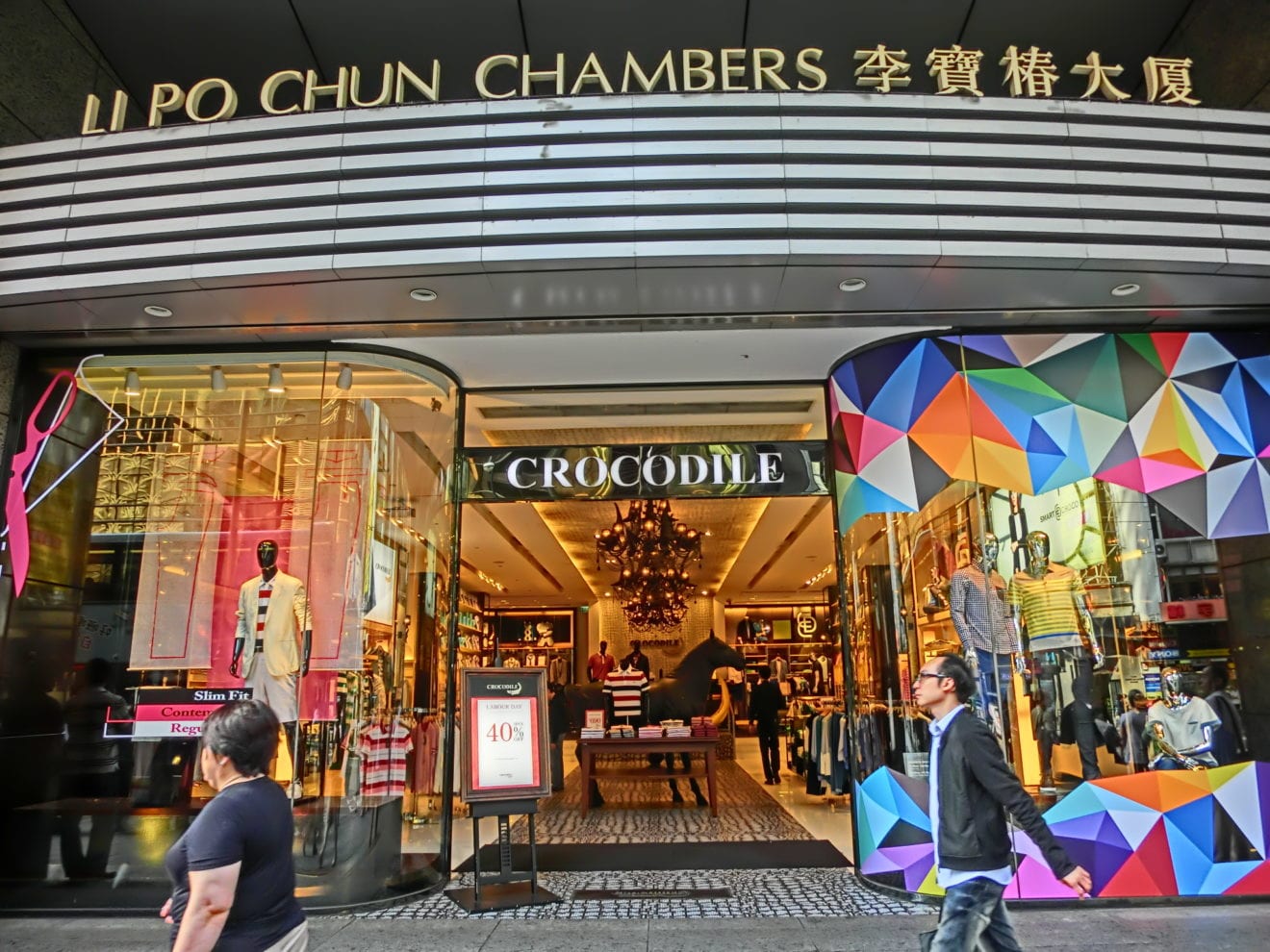
    Crocodile Garments’ profit has plunged as the apparel retailer was caught in “the centre of whipsaw’’ in Hong Kong and a depressed Mainland China market.

    Revenue in the year to July 31 fell from HK$502 million in 2014 to $405 million this year; gross profit was $252 million, down from $303 million.

    Retail sales revenue slid by 22 per cent to $354 million, with a loss of $44 million.

    “Against the backdrop of poor market sentiment, deep sales discounts offered by competitors to grasp the already-underwhelming retail market and protracted sales network restructuring taken by the group, the Garment and Related Accessories Business segment plodded on through a nadir in the year ended July 31,” the company said in its stock exchange filing.

    With the property Investment and Letting Business figures added in, the total income attributable to the owners of the company was $49 million – less than half 2014’s figure of $106 million.

    Crocodile Garments has 87 shops in the Mainland (35 fewer than a year earlier), including 21 self-operated shops (down 27) and 66 franchisees (down four).

    “The Garment and Related Accessories Business segment was operating under an extremely intricate environment in the mainland. The economy was facing an accelerating downside risk as evidenced by the deteriorating data released. To balance the slump of growth in exports and productions, the mainland government planned to boost domestic spending through the wealth effect created by a prosperous stock market; however, it was derailed by the abrupt plunge. The consequential murky economic ambience battered the retail market sentiment and the consumption power of general public further, which materially curbed the sales and gross profit margins of the segment,” the company explained.

    “As a cushion against the above tailspin, the group had rationalised its sales channel to ratchet up the brand presence and, at the same time, constrain rental expenses. Stringent inventory discipline had been enforced to keep the stock on hand relevant and fresh.”

    Hong Kong, the group’s home base, is “at the centre of whipsaw” the company said.

    “On one side, Hong Kong economy is vulnerable to the stumbling investment and consumer spending whereas on the other side, at the heels of a strong US dollar, the appreciation of the Hong Kong dollar under the pegging mechanism could kindle savage corrections in asset markets. Needless to mention the persistent social disputes, the business environment for the group in Hong Kong is formidable. To mitigate the above negative impact, the group will hasten the restructuring of its shop portfolio to enhance the operating efficiency.”

    Crocodile Garments said the outlook of the global economy is bleak in the wake of loss in momentum of the mainland, the world’s major growth engine for the past decade.

    “Giving the beleaguered retail sector, the group has reined back sales channel inventory [in the mainland] and fortified supply chain management. Moreover, the group will reorganise its sales channels and merchandise mix.”

  • Tse Sui Luen battles the downturn

    Tse Sui Luen battles the downturn

    A shift in focus away from the high end has partly buffered jeweller Tse Sui Luen from the Hong Kong luxury downturn.

    The group has released trading figures for the first half year revealing a decrease in turnover of just 3.6 per cent to HK$1.753 billion. While the decline was attributable to the slump in Hong Kong luxury retailing and the reduced spending by Mainland tourists, Tse Sui Luen defied the downward sales trend thanks to strong growth in its Mainland China franchise business.

    Nevertheless, the profit attributable to owners of the company declined by 40.2 per cent from HK$25.8 million to HK$15.5 million.

    “Due to the growth in our high-end luxury segment in China slowing down, we shifted our focus to the development of the self-consumption market and high craftsmanship gem-setting jewellery in the premium mass market,” explains chairman and CEO Annie Yau Tse.

    “Thanks to the right strategy and an expanded franchise network, we saw the same store sales growth from Mainland China was 2.3 per cent while the whole business grew by five per cent in the region.”

    Tse says the company’s sales in Malaysia grew by 14 per cent in the first half year prompting plans to open one or two more retail stores in the market during the forthcoming year.

    In Hong Kong and Macau, says Tse, the number of tourists from Mainland China dropped in the first half and their spending on luxury products and higher-priced gifts decreased. Instead of buying luxury goods, these customers turned towards more popular commodities in the mass markets.

    “As a result, the sales in Hong Kong and Macau for the period under review decreased by 19 per cent and same store sales growth was minus 20 per cent.”

    Despite the challenging market, the group opened two new stores in Hong Kong – one in Olympian City and the other in Plaza Hollywood, Diamond Hill in the first half. Another two new stores located in Tuen Mun and Wong Tai Sin were opened in October – aimed at local consumers who are end users in the self-consumption product segment.

    Tse Sui Luen says easing retail rents have resulted in a three per cent drop in the group’s rent spend for Hong Kong and Macau shops in the First Half.

    In Mainland China the group plans to increase the pace of store openings in order to better serve its customers. As of August 31, it had 169 self-operated stores and 56 franchised stores. By October 29, that had grown to 175 and 65 respectively, spread across 80 cities. The group plans more than 100 stores in Mainland China during the next two years.

    Tse believes the current market fluctuations in China and Hong Kong-Macau are “cyclical and transitory”.

    “In order to facilitate a more rapid growth of the group’s franchise sales network in Mainland China, we will continue to explore more opportunities to work with local business partners. We also expect our e-business channel to maintain its high growth rate in the second half of this year. We are cautious but confident that based on our solid foundation and the business know-how our experienced management team possessed, we will be able to mitigate the challenges of this cyclical downturn and create value for our shareholders.”

  • Jeweller Malabar to expand in Asia, Gulf

    Jeweller Malabar to expand in Asia, Gulf

    Indian retailer Malabar Gold and Diamonds says it will open 22 new stores in India, the Gulf and ‘the Far East’ over the next six months.

    New showrooms will be opened in Hong Kong and Indonesia as part of the plan, but there are no details as yet on timing or exact location.

    To help stock the expanded store network – 155 after the openings – a new gold processing unit will be opened in Dubai and a diamond processing facility in Mumbai.

    “The new showrooms will be opened in major cities across India, the Gulf region and the Far East in next six months,” Malabar group chairman M P Ahammed said in a statement.

    The rollout is a further step towards Malabar’s goal of reaching 300 stores by 2020.

    “In response to the government’s ‘Make in India’ initiative, we are setting up new processing units at Kinfra industrial park in Kerala and at other industrial parks in Andhra Pradesh, Gujarat and West Bengal,” Ahammed said.

    “We are also building an advanced gold manufacturing unit on a five-acre land in Dubai with the support of the UAE government.

    “As more Indians are buying diamond jewellery due to changing lifestyle, higher disposable incomes and for being trendy, the diamond processing unit will be in Mumbai, which is a major centre for diamonds business,” Ahammad said.

    The group’s retail network is already spread across nine countries, including Bahrain, Kuwait, Oman, Malaysia and Singapore.

  • How big is Apple’s green initiative in China?

    How big is Apple’s green initiative in China?

    It’s not easy to convey the scale of the two initiatives Apple announced today to reduce its carbon footprint in China—Building 200 megawatts of solar projects in the provinces on its own and partnering with its Asian suppliers to install another 2 gigawatts of new clean energy.

    Apple’s press release offered some helpful analogies.

    —The 40 megawatts of solar projects already completed in the Sichuan Province produce more than the total amount of electricity used by all of Apple’s offices and retail stores in China.

    —The 200 megawatts of solar projects planned for the northern, eastern and southern regions of China will produce enough energy to power 265,000 Chinese homes in a year

    —The combined programs will avoid over 20 million metric tons of greenhouse gas pollution in China between now and 2020, the equivalent of taking nearly 4 million passenger vehicles off the road for a year.

    “Climate change is one of the great challenges of our time, and the time for action is now,” said Tim Cook, Apple’s CEO. “The transition to a new green economy requires innovation, ambition and purpose.”

    It also takes a lot of money. Apple achieved 100% carbon neutrality in its U.S. operations in part by generating its own clean energy and in part by buying credits from other clean energy providers. Now it’s doing the same in China.

    Not every company can afford that. Still, Apple is getting plaudits for leading by example.

    “We need governments and companies to transition us to renewable energy as rapidly as possible,” said Gary Cook of Greenpeace, an organization that played Apple’s scold not that many years ago. “Apple’s announcement today is a major step forward in building a renewably powered supply chain for its products.”

  • In Asia mom-and-pop stores continue to beat supermarkets

    In Asia mom-and-pop stores continue to beat supermarkets

    In Asia, the traditional ‘mom-and-pop’ stores draws about half of retail sales. This research firm Nielsen reveals the oversight by marketers and brand managers, who may have dismissed the transactional potential of the more traditional trade stores.

    Fast-moving consumer goods vying for market share and customer loyalty ought to look to these traditional stores when it comes to engaging the Asian shopper.

    A better understanding of this fragmented yet ubiquitous traditional trade channel – which comprises more than five million outlets in Southeast Asia alone – has the potential to drive sales by putting brands in front of more consumers.

    Traditional trade channels account for almost half of all grocery sales in Asia. In 2014, 47.9% of all retail sales were made through traditional trade channels, compared to 17.2% for supermarkets which accounts for the second-largest proportion of sales. 

    nielsen-traditional-trade-chart1

    Connie Cheng, executive director of shopper solutions for Southeast Asia, North Asia and Pacific, says traditional trade accounts for up to 70% of all retail sales in key markets such as Jakarta and Ho Chi Minh City.

    “While there’s been a headlong rush into the hypermarket and supermarket retail formats throughout most of Southeast Asia, there are untapped loyalties between brands and consumers shopping at traditional trade stores on every street corner, in every town, village and city,” said Cheng. 

    The who, what and where of traditions

    The research founds that the humble warung in Indonesia, the Philippine sari-sari, Malaysia’s kedai runcit and Vietnam’s cử a hàng tạp hóa are used by consumers in similar ways. The majority of consumers shop at traditional trade stores for daily meals, snack foods and beverages for immediate consumption, while they are less important for top-up or main shopping trips. 

    nielsen-traditional-trade-chart2a

    Majority of consumers plan their trips to the most conveniently located store in advance, and have a specific brand in mind.

    Such behaviour highlights opportunities for brands to vary pack formats or leverage loyalty for premium lines to increase basket size.

    Who are your shoppers?

    When it comes to commonly purchased products, powdered coffee blends, coffee and carbonated drinks top the list in Indonesia, the Philippines and Vietnam, respectively.

    While shoppers clearly tend to view the traditional trade store as an extension of their kitchen pantry, sales of homecare and personal care lines are also common purchases. Laundry items, shampoos, makeup, vitamins, baby-care lines and general household products are the most frequently purchased items at grocery stores in Indonesia, the Philippines and Vietnam.

    Studying segmentation

    Marketers need to undertake a more thorough segmentation analysis to maximise market share. Although traditional trade grocery outlets are plentiful in Indonesia, Malaysia, the Philippines, Thailand and Vietnam, the market is fragmented.

    Cheng suggests extending segmentation and tapping shopkeepers for their intimate understanding of hyper-local consumer behaviour. “Information on demographics, psychographics and shopper behaviour can help provide actionable information for sales teams,” she added.

    A better understanding of grocery shoppers can also assist in brand strategy and modelling, potentially unlocking value for brands in regions with a higher average GDP. This may help overcome issues in a fragmented market.

    There’s a disconnect between the desires of brand managers, who may think that bigger is better, and the demands of shoppers utilising Southeast Asia’s most popular channel for purchasing groceries – the traditional store format.

    “Traditional format stores are as relevant now as they have ever been. By better tapping into consumer behaviour, brands can discover what most Southeast Asians already know; that bigger doesn’t always equate to better,” Cheng added.
  • Uniqlo Belgium to launch in Antwerp

    Uniqlo Belgium is to open its first store – in Antwerp, on October 2.

    The opening will mark a further expansion of Uniqlo parent Fast Retailing’s European footprint as it tries to achieve its goal of becoming the world’s largest apparel retailer by 2020.

    The new Antwerp store will have a total sales floor area of about 1320 sqm over two levels and a mezzanine floor. It will be a “large-scale Uniqlo store” featuring men’s, women’s, and kids’ clothing. In addition to the 2015 Fall/Winter collection, customers will also find the collaboration line created jointly with apparel brand Lemaire, led by Christophe Lemaire and Sarah-Linh Tran.

    “Our first store in Antwerp, an important and influential fashion city, marks our arrival in the Benelux region,” said Takao Kuwahara, Fast Retailing Group senior VP and Uniqlo Europe COO. “Uniqlo has so far built a presence in London, Paris, Moscow and Berlin, and I am pleased that the time has come for us to expand on our success in Europe by opening a first store in Belgium. We are very excited to introduce our brand and our products to customers across Benelux.”

    Uniqlo, (an abbreviation for ‘Unique Clothing Warehouse’) was established in Japan in 1984 and now boasts more than 1600 stores across 16 countries. Belgium will be its 17th. In Europe, the company operates 26 stores in four countries, having launched in the UK in 2001, France in 2007, Russia in 2010, and Germany in 2014.

    To coincide with the store’s debut, Uniqlo has developed a marketing campaign centred around ‘Six Faces of Antwerp’.

    The six are Bent Van Looy, Helena Eeckeleers, (pictured above), Felix Denayer, Joke De Coninck, Mark Colle, and Francine Martens.

    Spanning across different parts of society, including musicians, sportsmen, craftspersons, models and entrepreneurs, each person in the campaign has a special connection and relevance to the scenery of Antwerp. They will showcase how Uniqlo’s LifeWear products fits seamlessly into the daily lives of every person, regardless of age, personal background or style.

    Bent Van Looy is a singer, musician, artist, style icon, and TV personality. As the frontman of Das Pop and the drummer of Soulwax, he travels regularly around the world. In 2013, he released ‘Round the Bend’, his first solo album. He is currently based in Paris but returns regularly to Antwerp, where he grew up and still has a strong connection with.

    Helena Eeckeleers combines her marketing studies at the Karel de Grote-Hogeschool with a modeling career. She is passionate about fashion and loves to spend time in the south of Antwerp.

    Felix Denayer is a professional field hockey player who won the ‘Golden Stick’ for Best Belgian Hockey player twice.

    Joke De Coninck is a barista who spends most of her time working in Caffenation, a renowned coffee bar in Antwerp.

    Mark Colle is one of the most sought-after florists in the world and the number one choice for haute couture houses.

    Francine Martens worked for 50 years at bakery Goossens, the smallest but most authentic bakery in the center of Antwerp where people queue all day long. Francine retired a few years ago, but is still very much linked to the bakery.

  • How to achieve the ‘perfect store’ visit every time

    How to achieve the ‘perfect store’ visit every time

    Many consumer goods companies are seeking out the perfect store.

    Those setting themselves up for success are defining the strategic vision for the perfect store at the senior leadership level – defining what it means for the organisation.

    No matter how well you define your vision of the perfect store, you will not realise the worth to the business without flawless execution – from senior management at head office down to the individual reps in store.  You must avoid common pitfalls like misalignment of internal departments and team goals, failure to clarify sales team member roles and who takes responsibility for which tasks.

    Here are some key considerations to help deliver the perfect store visits for your organisation:

    1. Invest in the right processes, tools and technology.

    Make sure you have invested in a technology solution that can generate a continuous flow of real-time, store specific data and close the loop between your head office and your field teams. Make the most of today’s mobile devices and give your reps access to the most up to date insights while out in the field.

    1. Communicate the perfect store vision to your field teams.

    Reps must know what they are aiming for in store and what they will be measured against (KPI’s). Provide specific plans, task lists and objectives by store for merchandising activities as well as getting the perfect order. Motivate and compensate your reps for achieving perfect store status.

    1. Engage and consult the retailer.

    Allow your reps to take a consultative, data driven approach with retailers improving operational efficiency and fostering meaningful relationships with store managers and owners. Part of this means providing reps with the right mobile tools and devices. A visual, fact based pitch will more likely win over a busy store manager resulting in an in store sale or promotion and display activity.

    1. Take measures to improve productivity.

    A more productive field force will unlock opportunities to focus on value adding activities in store and getting to more stores. By reducing driving time, administration and data processing time with route optimisation and better systems and technology in the field your reps can deliver additional results above the productivity gains themselves.

    1. Measure, improve and repeat.

    Implement ongoing checks and balances to evaluate and measure activity. Adjust KPI’s accordingly, make better business decisions, and target high yield territories and stores. And always look to course correct if necessary with visibility generated by a closed loop system.

    Perfect Store visits executed correctly offer more productive field teams, visibility into lost sales opportunities such as OOS & promotional non compliance, and the ability to identify new opportunities with the store manager, take orders and sell more in the store.

    Bring your company’s “perfect store” to life – invest in today’s latest technology and tools, communicate, motivate and compensate your field teams and actively consult to store managers by sharing store specific data. This will result in increased sales – a win for you, your sales teams, the retailer and your end consumer.

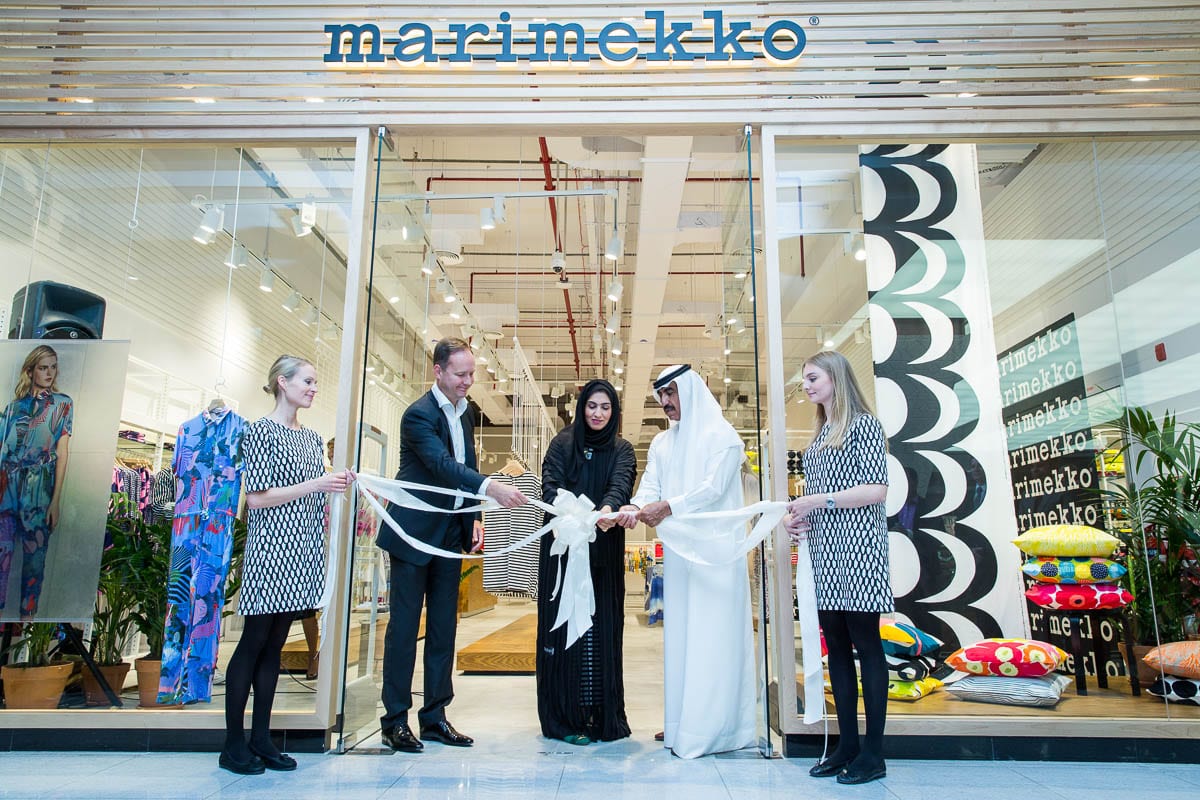
  • Marimekko Asia continues expansion

    Marimekko Asia continues expansion

    Finnish homewares retailer Marimekko says it will stick to its Asia and Middle East expansion program despite declining profits.

    “We continue our expansion in line with our internationalisation strategy, particularly in the Asia-Pacific region,” said Marimekko president Tiina Alahuhta-Kasko.

    “This year, new markets have opened up in Bangkok and Singapore as well as Dubai in the Middle East. Deliveries to Japan and the rest of Asia were on a good level in the second quarter, although sales for the whole year are forecast to be lower than in 2014.”

    Marimekko has reported a net sales growth of six per cent globally in the six months to June 30, to euro 43.6 million, driven by new stores and the development of discount outlet stores and an online shop in Finland, together with the stronger US dollar.

    Besides building its Marimekko Asia operations, the company is focusing on its eCommecre offer.

    “The development of digital business is an important part of the current stage in our strategy,” explained Alahuhta-Kasko.

    “The trend in our online sales has continued to be positive and we will continue to focus on enhancing the customer experience to make it even more inspiring and more seamless between our online and offline stores. As part of this process, we are also updating our store and service concept.”

  • Ever-Glory sales slide

    Ever-Glory sales slide

    Chinese fashion retailer Ever-Glory International says its sales fell 11.6 per cent in the three months to June 30.

    Total sales for the quarter were US$75.7 million, the slide primarily due to a 6.8 per cent decrease in its retail business to $45.9 million and an 18.1 per cent decrease in its wholesale operation to 29.8 million.

    Ever-Glory had 1204 retail stores as at June 30, 49 more than at the same time last year.

    Total gross profit for the quarter increased 2.4 per cent to $30 million.

    Based in Nanjing, China, Ever-Glory retails branded womens fashion apparel through its own store network under the brands La Go Go, Velwin, Sea To Sky and Idole in China.

    Ever-Glory is also a leading global apparel supply chain solution provider with a focus on middle-to-high end casual wear, outerwear, and sportswear brands. Ever-Glory services well-known international brands and retail stores by providing supply chain management, fabric development and design, sampling, sourcing, quality control, manufacturing, logistics, customs clearance and distribution etc.

  • 361 Degrees sees fast recovery in China

    361 Degrees sees fast recovery in China

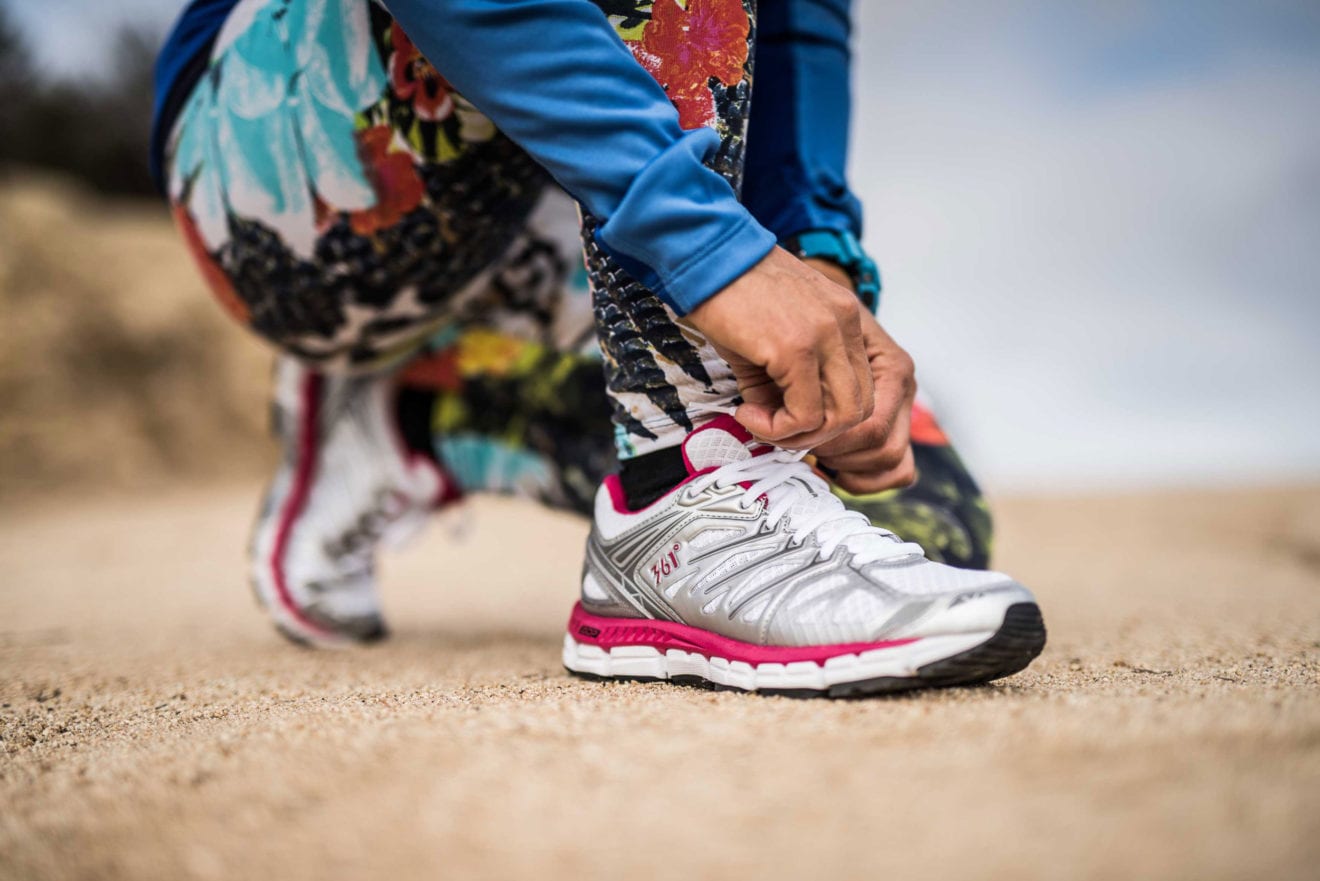
    Chinese sports brand 361 Degrees says its sales and gross margin improved in the first half year to June 30.

    361 Degrees, listed in Hong Kong, operates 7404 retail stores across Mainland China. It says store productivity continued to be a central theme in future profitability.

    “The current store count of outlets is not likely to increase substantially in the foreseeable future as the retail landscape is fast changing with a new generation of consumers adopting different buying habits,” the company said in its half year statement.

    “The group is very much attuned to these developments and has intensified efforts to promote various initiatives in internet and mobile sales. However, the days for the traditional bricks and mortar store are far from over and particularly in our case, where over 70 per cent of our outlets are in the tier-3 and smaller cities, strong local connections with schools and sports clubs are an inherent advantage, especially as increasing numbers turn to sport as a form of recreation and lifestyle.”

    The group reported its turnover improved by 5.7 per cent year on year, and by 22 per cent over the preceding six months, to register RMB2.2 billion. Gross margin gained a further 1.6 percentage points to 41.3 per cent on the back of lower material costs.

    Operating profit reached RMB485.5 million – 34.4 per cent higher than in 2014.

    Ding Wuhao, president and executive director, said 2015 promises to be “a very good year for the group” as the sportswear industry experiences a steady recovery and the 361 Degrees brand gains further acceptance in the market place.

    Footwear turnover rose 16 per cent as a new portfolio of performance products gained a positive reception from retailers. Apparel turnover fell 3.5 per cent because of a higher comparative base, which was boosted by late deliveries in the fourth quarter of 2013. 361° Kids continued to show growth momentum as it differentiated itself from the regional brands.

  • Malaysian GST hammers retail sales

    Malaysian GST hammers retail sales

    Grocery retailers in Malaysia have reported a slump in retail sales of up to 20 per cent in the second quarter of this year – the three months after the introduction of Malaysian GST.

    Malaysian GST of a modest six per cent was imposed on April 1. Prior to that there was evidence of consumers stockpiling products – especially fast moving consumer goods – many of which the new tax was not applied to anyway.

    The nation’s largest convenience store operator, 7-Eleven, says the scale of the downturn took many retailers by surprise.

    “I think all retailers anticipated a slowdown in sales as a result of GST, but they probably did not anticipate the weak consumer sentiment and low consumer confidence at the same time,” 7-Eleven CEO Gary Brown told The Malaysian Reserve.

    With 1840 stores across Malaysia and 80 per cent of the c-store market, 7-Eleven is well placed to gauge the national spending mood.

    It plans to respond to the downturn in sales by broadening the range of services it offers customers and expanding the in-store experience beyond mere convenience.

    “We will continue to expand our innovative promotion activities and campaigns to reward our existing shoppers and to attract new shoppers.

    “This includes expanding our in-store services such as mobile phone reloads, bill payment, Touch n Go reloads and eCommerce.”

    The 7-Eleven CEO’s comments come just weeks after the Malaysia Retailers Association (MRA) lowered its growth projections for retail sales growth this year for the third time – down nearly one per cent to four per cent.

    While the tax has had an arguably short term effect, the local currency, the Ringgit has weakened substantially during the last six months, causing price increases on imported goods and raising transport costs. The arrival of GST weakened consumer sentiment.

    According to the MRA, retail sales overall declined three per cent in the second quarter after a 4.6 per cent increase in the first quarter, partly due to consumers stockpiling or buying big ticket items before April 1.

    The MRA expects third quarter growth of 4.8 per cent and fourth quarter growth of 6.9 per cent.

    “Malaysian consumers will get used to the GST by the last quarter of 2015. Retail spending will return to normal again by this period. This industry is expected to recover strongly with a 6.9% growth rate,” it said.

    But anecdotal feedback from retailers Inside Retail Asia has spoken with suggests those projections may well be overly optimistic.

    Malaysian retailers say consumers have been slow to resume spending even after recognising the overall impact of GST is lower than they feared.

  • Affluent Asians spending on status

    Affluent Asians spending on status

    Goods and experiences which provide “a sense of status, exclusivity and uniqueness” are key considerations when shopping for luxury items for Asia Pacific’s elite, according to the Visa Affluent Study 2015.

    In other words, affluent Asians are prepared to spend on status.

    According to the study, a significant percentage of Asia Pacific affluents describe themselves as “status seekers”, with more than one third of the affluent in China (38 per cent), Hong Kong (36 per cent) and Korea and Japan (31 per cent each) are motivated to purchase luxury goods to display their social standing. Affluent in India (29 per cent) and in Singapore (27 per cent) also report taking pleasure in the attention that luxury goods attract.

    “What drives Asia Pacific’s affluent in making luxury purchase decisions varies across the region, but the common factor is the search for unique products and services that give a sense of status and exclusivity,” said Ruben Salazar, VP, products with Visa Asia Pacific.

    “While quality remains important for most consumers, Asia Pacific’s affluent are continuously looking to go beyond quality guarantee to find that special product or experience that stands out from the crowd and that gives a sense of self-satisfaction.”

    Only the affluent from Indonesia and Australia described themselves as being more driven by other considerations, with almost a quarter of Indonesian affluent (23 per cent) surveyed also valuing quality alongside social status (24 per cent) and exclusivity (28 per cent).

    Some 500 respondents from each of Australia, China, Hong Kong, India, Indonesia, Japan, Singapore and South Korea were interviewed online and in face-to-face surveys for the study. Respondents have an average household income of US$73,000 per annum and are aged between 18 and 55 years old.

  • Dairy Farm reports modest growth

    Dairy Farm reports modest growth

    Dairy Farm says it achieved “modest” like-for-like sales growth in most of its major markets in the first half of this year.

    However, underlying profit fell 14 per cent to US$193 million, largely due to margin pressures in the food businesses and a disappointing half for its Guardian health & beauty group in Malaysia.

    With the early completion of the acquisitions of the San Miu supermarket business in Macau and the Yonghui stake (20 per cent) in China, both in April, sales for the period rose 27 per cent to US$8 billion. But like for like sales rose a more modest three per cent to $6.5 billion, or by seven per cent on a constant exchange rate basis.

    Dairy Farm International says that despite solid sales growth, cost pressures and food price deflation on certain commodities combined to squeeze margins in the first six months for the group’s Food businesses.

    “In Hong Kong, there were higher rental and labour costs. In Singapore profits were significantly lower due to competitive pressures, higher rents and a weaker Singapore dollar. Sales were buoyant in Malaysia, but there was continued margin investment to attract customers,” said chairman Ben Keswick in his half yearly report.

    “There was good like for like sales growth in Indonesia, but profitability declined materially due to higher labour costs following a further increase in the minimum wage, a rise in shrinkage costs associated with greater fresh sales and more rigorous stock management, and store rationalisation.

    “In the Philippines, the upscale and community supermarkets enjoyed sales growth, but the hypermarkets struggled.”

    Dairy Farm’s convenience store businesses in Hong Kong and Macau performed satisfactorily. Sales in Singapore, however, were weaker due to a reduction in the number of stores and the impact of recently introduced regulations restricting late night sale of alcohol.

    The Health & Beauty division produced higher sales. Hong Kong and Macau performed well despite some impact from a decline in tourist arrivals. In mainland China, there was further growth in the store base and an improvement in results. In Malaysia, profitability was lower following the introduction of GST on 1st April. In Indonesia, the results were impacted by wage and rent increases, while sales growth remained good. In the Philippines progress was made on the integration of Rose Pharmacy.

    In Home Furnishings, the IKEA stores in both Hong Kong and Taiwan traded well, and the new IKEA store in Indonesia continues to perform in line with expectations.

    In the Restaurant division, Maxim’s maintained its consistent performance with increased sales and profits in Hong Kong and mainland China. The group is growing its presence in Mainland China and continuing to expand its Starbucks network in Vietnam.

    At the end of June, Dairy Farm operated over 6400 outlets across all formats, including the newly added San Miu and Yonghui stores, and employed in excess of 170,000 colleagues.

  • Gome in $11.3bn bid for Artway

    Gome in $11.3bn bid for Artway

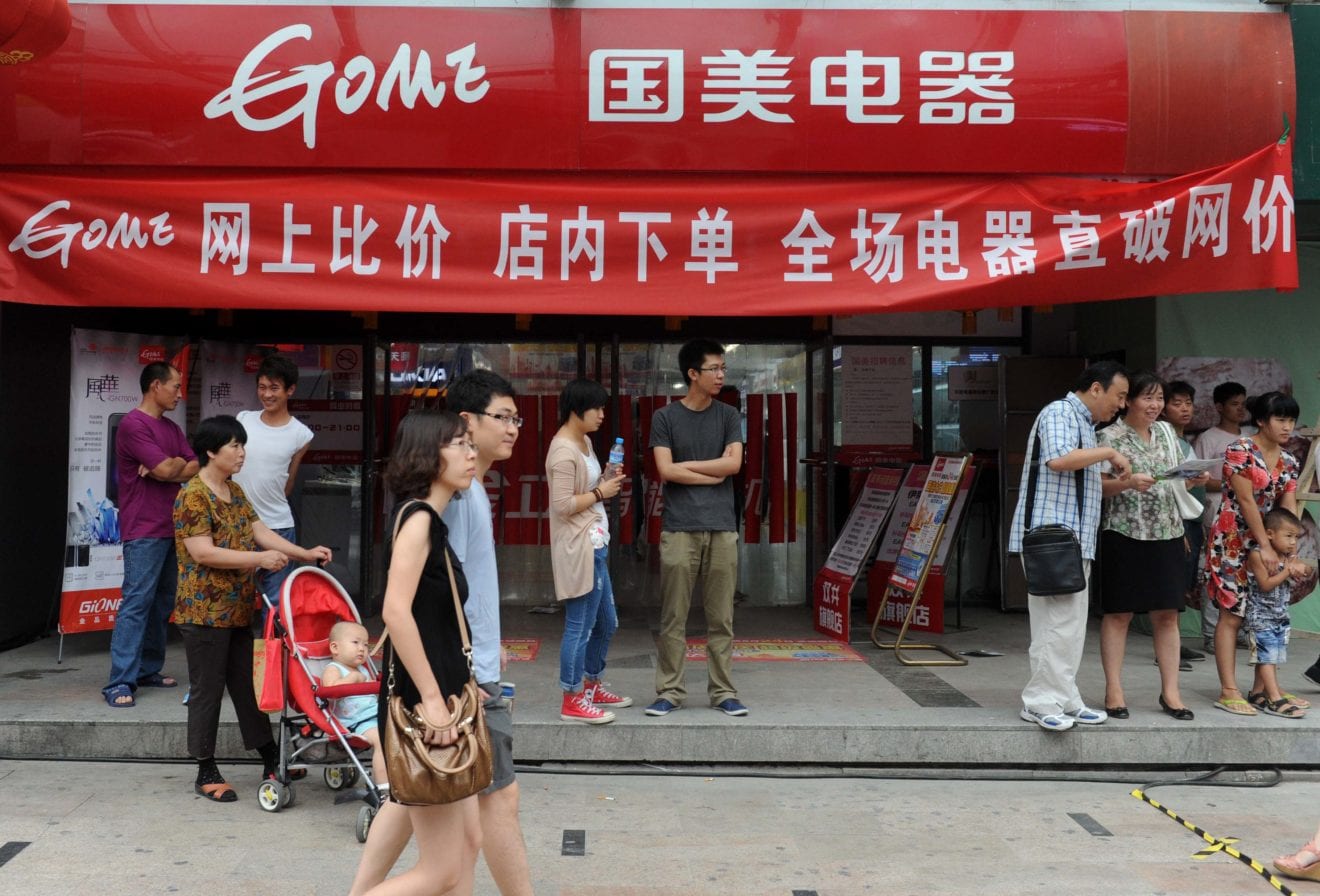
    Gome Electrical Appliances, the Hong Kong-listed Chinese electrical appliances retailer – is planning to spend $11.268 billion acquiring rival Artway Development.

    Buying Artway, wholly-owned by Gome’s controlling shareholder, will allow Gome to expand its presence from 269 cities to 436 cities across Mainland China.

    More importantly, it will significantly boost Gome’s distribution and supply chain operations and bolster its buying power with suppliers.

    Wang Junzhou, Gome’s CEO, said the acquisition will further strengthen Gome’s total retail value chain and fuel its expansion in second and third-tier markets, and eCommerce development in particular.

    In a statement, Gome said its leadership in the electrical appliances and consumer electronic products retail market in the PRC will be strengthened further upon the acquisition,” Gome said in a statement.

    “With the injection of quality retail stores and creation of synergies in supply chain, Gome will take advantage of the growth potential offered by both the online and offline platforms to bring forth a better total retail experience to consumers.”

    Gome says it expects the acquisition to reap synergies from the integration and sharing of resources in retail sales operations, procurement, logistics, after-sales services, warehousing, information technology infrastructure and human resources.

    “Other benefits include facilitating a more flexible fulfilment management, as well as cost savings in warehousing and distribution.”

    Gome says Artway’s stores are largely located in fast-growing second and third-tier cities, which are highly complementary to the group’s existing retail store network.

    “Concurrently, the empowerment of the retail store network will accelerate the Group’s eCommerce development, promoting full integration online and offline.”

    Artway has 578 stores in 181 Chinese cities. Most are located in Central and Western China, Bohai Bay and the Beijing-Tianjin-Hebei region forming part of China’s Economic Zones with significant governmental support. The latter includes the Silk Road Economic Belt, Greater Northeast Economic Area, Yangtze River Economic Belt and Beibu Gulf Economic Zone.

    The merger of the logistics networks will give the company full nationwide reach, a significant boost to its eCommerce potential.

    “The acquisition will enable Gome to upgrade its existing logistics network which covers 21 regional and 407 city distribution centers, by bringing together the listed and non-listed logistics arms. With the support of its 1714 retail stores, the group is poised to successfully complete its national logistics coverage deployment, forming a multi-dimensional logistics network with regional and city warehousing as well as national last-mile distribution coverage spanning more than 600 cities, 2500 counties and 45,000 towns that can enjoy localised distribution and installation,” Gome said.