Tag: Stores

  • Menswear milestone: Hugo Boss opens 200th airport store

    Menswear milestone: Hugo Boss opens 200th airport store

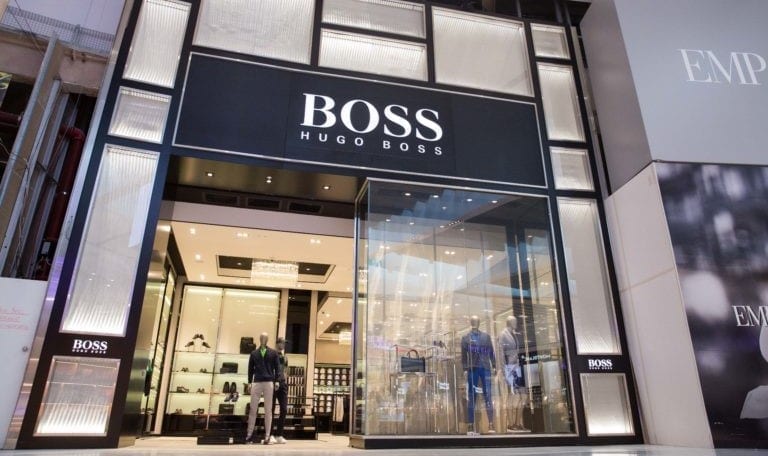
    Luxury menswear specialist Hugo Boss opened its 200th airport store earlier this year at Sydney Airport, as the brand maintains its strong focus on growth in travel retail.

    The store, which opened in April, measures 187sq m and is located at Sydney Airport Terminal 1. It offers Boss menswear including ready-to-wear, shoes, accessories as well as sportswear lines such as Boss Green.

    The opening takes the brand’s total number of airport stores in Asia Pacific to 47.

    Hugo Boss entered travel retail in the 1990s and has four lines: Boss, Boss Green, Boss Orange and Hugo. The company has a dedicated global travel retail team, with offices in Zürich, New York and Hong Kong.

    The company said growth in the channel over the years has been stable apart from 2001/2002 and 2008/2009 when the travel retail and fashion industries were shaken by global events such as 9/11 and the financial crisis.

    Hugo Boss Travel Retail Director Jesper Gustafsson said Hugo Boss had proven a success in travel retail because it offers all three product pillars in men’s fashion: formalwear, sportswear, shoes and accessories. “The share among the three pillars is equal today, with shoes and accessories the fastest growing product segment for the past two to three years.”

    Gustafsson continued: “Last year’s exceptional growth of fashion and accessories in the travel retail industry was mainly driven by womenswear and by the accessories category in particular. For Hugo Boss, this has been a blessing in disguise. On the one hand, it has given us tough times as some airport authorities have been chasing the accessories segment for women blindly, sometimes deciding to dedicate 100% of the available stores in their airports to this product category.

    Hugo2_32 - Copy

    Hugo Boss Travel Retail Director Jesper Gustafsson says there is limited competition in men’s fashion in travel retail

    “On the other hand, it has given us little competition in our area of expertise, namely fashion for the male customer at the airports. Our strategy has always been to be the number one menswear brand in travel retail, a vision we have kept and fulfilled for several years now.”

    The importance of travel retail to Hugo Boss’ business is highlighted in the brand’s investments in new stores and renovations, he said. “On average we finalise between 40 to 50 store projects per year, with a strong distribution network as a result,” noted Gustafsson.

    “We develop both through franchise partners and directly operated stores, which enables us to act fast and balance our distribution in a way that we can learn from direct contact with the traveller. It is imperative to learn how the needs of the travelling customer develop and how we can adapt as a brand to become better, and more responsive in the way we develop our business.”

    Opening Photo

    According to Gustafsson, fashion is not considered a priority by many male travellers. “Fashion, especially for men, often comes after the core categories, food & beverage and sometimes also behind technology. This means that a clear, powerful message is needed in your offer as well as good customer service to enable the purchase to happen within the restricted time limit for the customer.

    “Another important factor is omnichannel. If we can start the buying process before our customer leaves his home, we have a head-start and our airport conversion rates will be affected positively.

    “Like many other fashion companies out there, Hugo Boss is investing heavily in this area and in due time several functions such as click & collect for example will be available at our airport stores.”

    So, where does Gustafsson see Hugo Boss’ travel retail business in five years’ time? “Having 200 airport stores is certainly a milestone, but the road ahead is filled with more opportunities, which does not necessarily have to be more stores. It can also mean new ways of connecting to the customer through an omnichannel approach, or, for example, to offer a deeper customer service with tailoring at the airport and free home delivery of an altered suit.”

    Gustafsson continued: “Airports will develop more and more towards downtown shopping centres, where customer experience takes precedence rather than the spur-of-the-moment or last-minute approach used today by airport authorities when they develop their retail areas.

    “I also think that we will see the fashion & accessories category continue to outpace the traditional airport categories in growth, leading to a welcome shift in focus from how the main duty free stores should develop separately from the rest of the stores and cafes/restaurants, to how the entire airport shopping area should develop to give the customer a better experience.”

    “A brand like Hugo Boss can make gains as there’s still a mismatch between demand and supply for men’s and women’s fashion at airports today if you compare it to downtown,” concluded Gustafsson.
  • Xiaomi eyes offline expansion

    Xiaomi eyes offline expansion

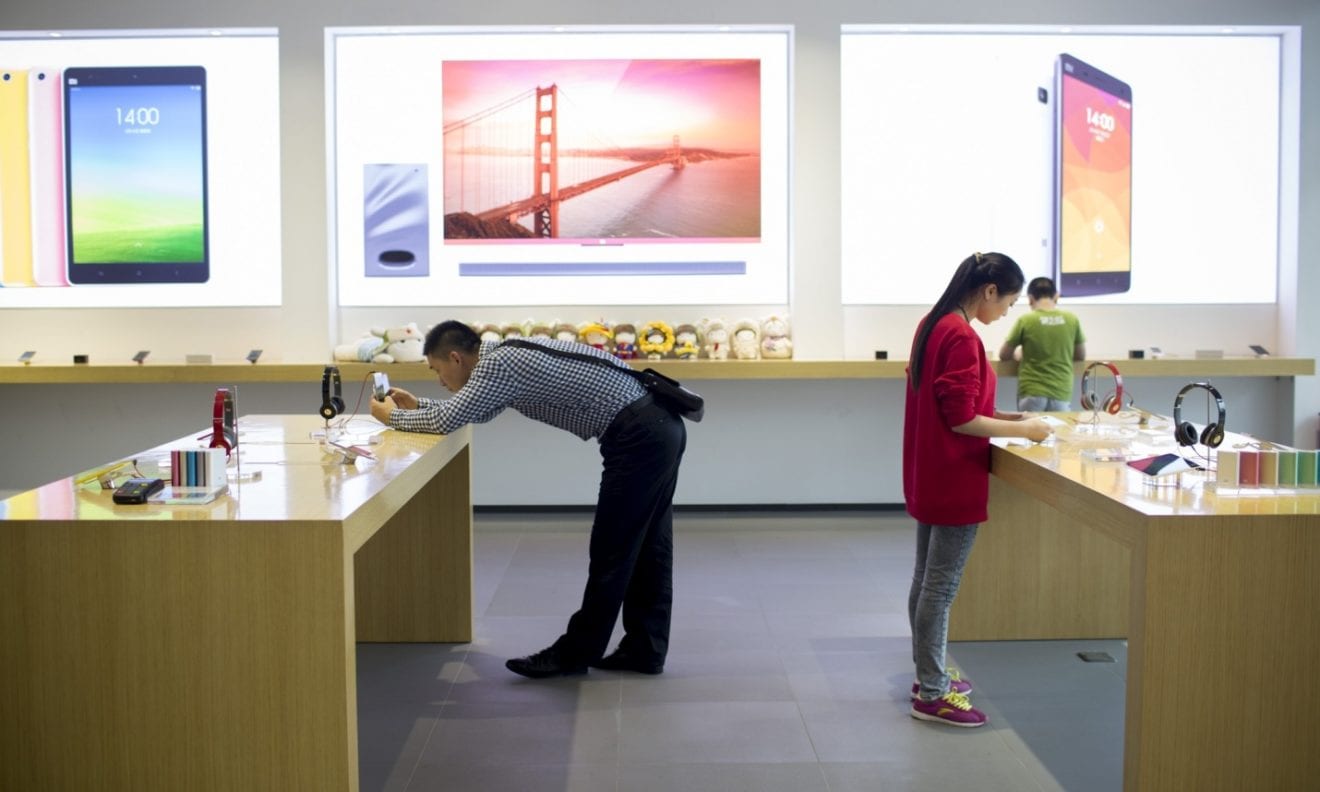
    Chinese smartphone vendor Xiaomi Corp unveiled a new smartphone with China Mobile Communications Corp on Thursday, as the company steps up efforts to expand offline retailing channels.

    China Mobile, the country’s largest telecom mobile carrier by subscribers, said it hopes to sell 30 million Xiaomi handsets this year, signaling a boost for Xiaomi, which is wrestling with declining shipments and mounting competition from rivals such as Huawei Technologies Co Ltd.

    Priced from 899 yuan ($136), the new phone, the Redmi Note 4, will be on sale at China Mobile’s 20,000 offline stores and more than 100,000 bricks-and-mortar retailing partners’ stores.

    Lei Jun, CEO of Xiaomi, said the company has sold more than 110 million smartphones under Redmi, a brand known for its cost-effectiveness. “The new phone is our latest effort to offer a quality smartphone that everyone can buy.”

    The move came as China’s online smartphone sales hit a ceiling, and market players are banking on bricks-and-mortar retail partners for growth.

    James Yan, research director at Counterpoint Technology Market Research, said it is highly possible to achieve the sales target, given China Mobile’s sprawling offline presence.

    “Telecom operators’ retail channels account for 30 percent of China’s total smartphone sales, and more than half of that are handled by China Mobile,” Yan said.

    The new phone’s good design and sophisticated body, better than most of Xiaomi’s previous phones, will also help boost sales. And the Beijing-based firm’s supply chain partner Wingtech Group is able to ensure an abundant supply of the new phone, he added.

    In 2015, China Mobile and Xiaomi jointly unveiled a smartphone called Redmi Note, whose total sales volume hit 27.5 million units, but that happened when Xiaomi was growing rapidly.

    The partnership between Xiaomi and China Mobile will also be expanded to Southeast Asia, as China’s smartphone market is reaching saturation point and local players are eyeing overseas markets for opportunities.

    Li Huidi, vice-president of China Mobile, said the company is making investments in India and Southeast Asian counties where Xiaomi has established a presence.

    “We will partner with hardware vendors such as Xiaomi to bring more domestic devices to overseas markets,” Li added.

    He did not disclose details, but analysts said it is likely for China Mobile to leverage its overseas investments or foreign partners to build retail channels for Chinese handsets.

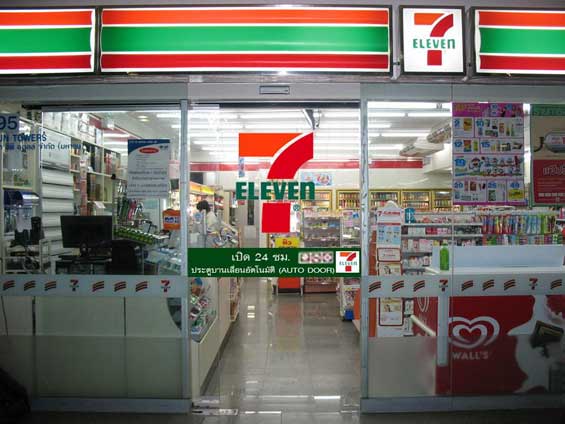
  • 7-Eleven Hits Milestone of 60000 Stores in 17 Countries

    7-Eleven Hits Milestone of 60000 Stores in 17 Countries

    7-Eleven Inc., the largest convenience retail chain in the world, keeps getting bigger with the opening of its 60,000th global store.

    The Irving-based company traces its roots to the 1927 opening of Southland Ice Co. in Oak Cliff, Texas. In 1946, with stores open from 7 a.m. to 11 p.m., the name was changed to 7-Eleven. Stores started staying open around the clock in 1971.

    7-Eleven moved into Canada in 1969 and into Mexico in 1971 as part of joint ventures. In 1974, the retail chain expanded into Japan with Seven-Eleven Japan, which became the parent company in November 2005.

    7-Eleven now has stores in Thailand, Taiwan, South Korea, China, Malaysia, Singapore, Philippines, Australia, Sweden, Norway, Denmark, Hong Kong, Macau, Indonesia and UAE through area license and master franchise agreements.

    The first 7-Eleven store in Vietnam is expected to open next spring, which will extend the retailer’s operations to 18 countries.

    “The 7-Eleven story is amazing and inspiring; we started as a small local ice house and have grown over the years store by store, community by community, and country by country into an iconic global brand,” said Joe DePinto, 7-Eleven Inc. president and CEO. “We will continue to grow by staying focused on the constantly changing convenience needs of our customers and by staying committed to the communities we serve.”

    Last year, 7-Eleven opened one store every 2.5 hours, for approximately 4,000 stores.

    The company currently has the most stores in Japan (18,860), followed by Thailand (9,278), the United States (8,378), South Korea (8,238) and Taiwan (5,057).

    Other milestones in 7-Eleven’s history include:

    • 1927: First store
    • 1952: 100th store
    • 1963: 1,000th store
    • 1984: 10,000th store
    • 2003: 25,000th store
    • 2010: 40,000th store
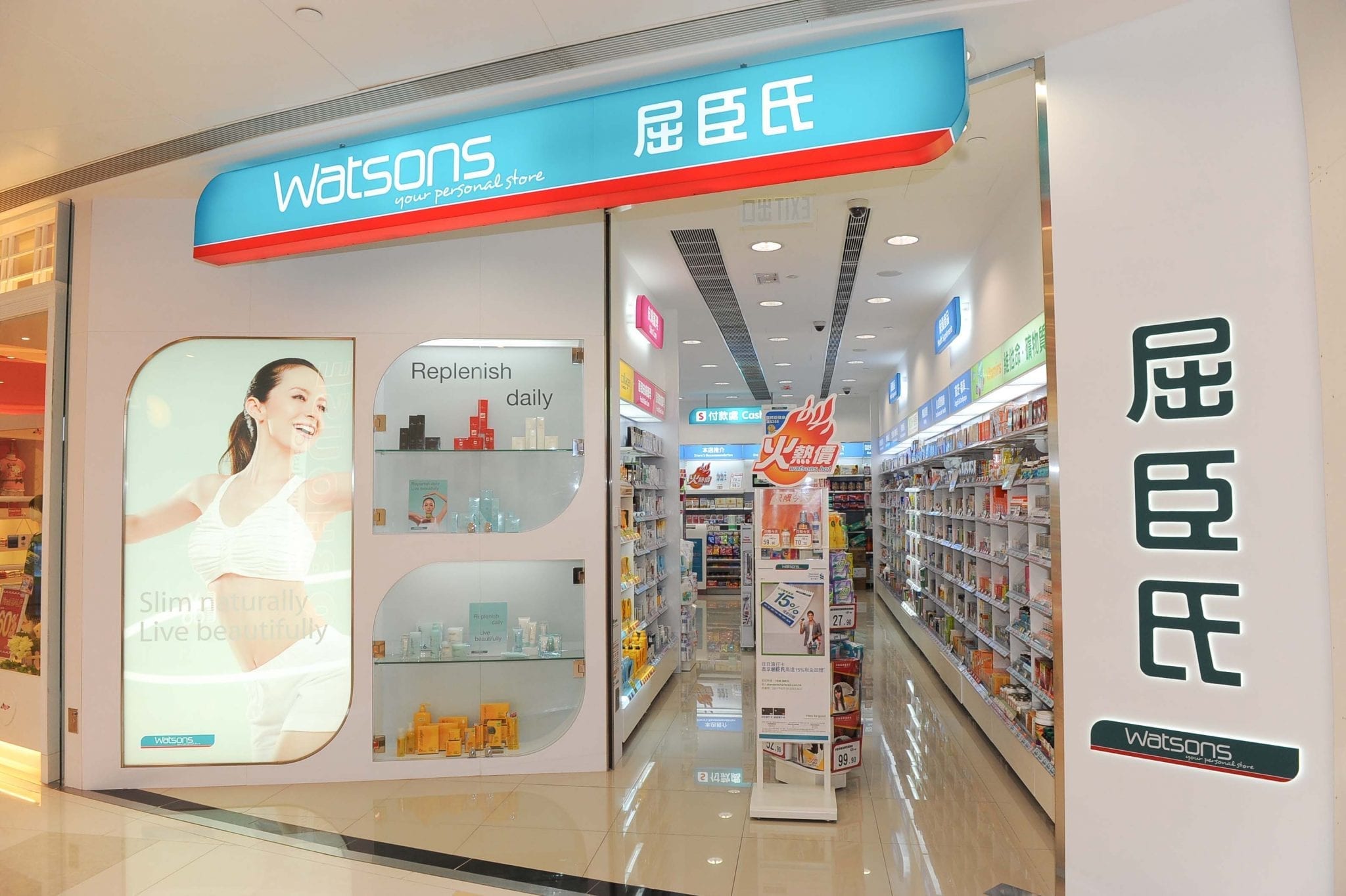
  • Watson to open more stores in Indonesia

    Watson to open more stores in Indonesia

    Watson Indonesia’s debut on the Indonesian Stock Exchange (IDX) has marked a new chapter in the company’s expansion journey to a wider market base.

    Duta Intidaya, the sole franchisee of Hong Kong-based personal care retail chain AS Watsons Group, made the decision to go public to finance its aggressive expansion plans to match Watson’s operations in neighboring countries.

    There are more than 100 Watson stores in Singapore and over 400 in the Philippines, but only 47 in
    Indonesia, even though the latter is the largest economy in Southeast Asia.

    The company plans to open 15 to 20 Watson stores this year, using 65 percent of the proceeds from its initial public offering (IPO), which stood at Rp 86.05 billion (US$6.49 million). The remaining 35 percent of the IPO funds will be used to repay the firm’s debt to lender HSBC.

    The new stores will be located in big city malls and at a stand-alone store in Bali. Each store takes roughly Rp 1 billion to set up. Three new outlets have been set up in Jakarta as of now.

    They are expected to boost Watson’s presence and help the company compete with other personal care retail chains, like local Pharos Group’s Century Healthcare and Hero Group’s Guardian. Century has over 200 stores right now, while Guardian has more than 100 stores.

    “We are still small, so we need more funds to expand and the IPO is the most proper decision at this time. We want to build a stronger brand,” Duta Intidaya director Sukarnen Suwanto said in a press conference.

    The company offers various beauty products, personal care and health and general merchandise products, of which less than 10 percent are imported.

    He acknowledged that growth had been slow in the past. It opened its first store in 2006, but only started to expand aggressively in 2013 and 2014 with around 30 stores opening up during the period. At present, it has set up as many as 47 stores in Java.

    Duta Intidaya took three years to prepare for the IPO by opening more stores, which eventually increased costs for rent, staff recruitment and store renovations.

    The rising costs led the firm to suffer Rp 35 billion in net losses last year, even though its revenues grew 17.7 percent to Rp 192 billion from 2014. The growth rate in revenue was higher than the 18 percent rate the retail industry posted, according to marketing research firm Nielsen.

    “We believe we will get payback from the investments. The retail industry is more like a marathon than a sprint. The more stores opened up, the more growth reaped in the long run,” Sukarnen said.

    He refused to provide details on its bottom line target, but added that it eyed 20 percent growth in revenues this year.

    In the long run, the company hopes to open up 15 to 20 stores every year and launch an online shop in early 2017. Online sales of its products are currently only available through the webmarket Lazada. Developments in the online market are expected to generate at least half of total sales by 2020.

    Meanwhile, Duta Intidaya’s shares ended at Rp 189 apiece on Tuesday, 5 percent higher than the IPO price of Rp 180 per share. It reached a peak of Rp 213 per share within the first hour of trading.

  • Jollibee Manhattan opens

    Jollibee Manhattan opens

    Jollibee Food Corp has taken its Chikenjoy and other Filipino favourites to Manhattan.

    The third Jollibee store in New York is located in what is dubbed the busiest bus terminal in the world, Port Authority Bus Terminal, Manhattan’s major gateway. It is on 609 Eighth Avenue between West 39th and 40th streets.

    Jollibee Manhattan, which has 255 sqm in floor area, takes the total number of stores in the US to 34.

    Recently Jollibee hit a milestone when it opened its 1000th global store at The Dubai Mall. It has also opened two stores in Singapore in addition to the first one it set up on Orchard Road. The company now sets its sights on high-expansion growth in the US, Middle East, Europe, Australia and Southeast Asia.

  • Sa Sa stores shrink

    Sa Sa stores shrink

    New Sa Sa stores are set to open in train stations and near the Mainland China border as the beauty retailer adapts to the changing demographic of Hong Kong shoppers.

    During a press conference discussing the group’s results last week,  Sa Sa chairman Simon Kwok Siu-ming said in light of the evolving trading environment, the company recognised the need to adjust its store strategy.

    Larger stores in traditional tourism destinations would be closed over time, replaced in the network with new stores in the New Territories giving Mainland Chinese daytrippers easier access to its range of products.

    At the same time, the company will develop new stores with smaller, compact footprints located in residential shopping centres and train stations, to serve younger, local customers and commuters. These stores will have a footprint of less than 1000 sqft (93 sqm) and stock  the top 20 per cent selling lines of large format stores, with a skew towards increasingly-popular Korean and Taiwanese brands.

    Kwok said rents in high-profile tourist locations are so high, closing one store there would save enough to open “five to six stores in the New Territories”.

    Sa Sa plans to seek rent reductions of between 40 and 50 per cent when renegotiating terms of leases for 22 stores which are due for renewal this year.

    The retailer currently operates 291 stores in Hong Kong, Mainland China, Singapore, Taiwan and Malaysia.

    Last week, Sa Sa reported a 12.8 per cent drop in turnover for its latest fiscal year to March, sliding to HK$7.85 billion (US$1011.4 million).

  • H&M collaborates with Caitlyn Jenner for its newest athleisure range

    H&M collaborates with Caitlyn Jenner for its newest athleisure range

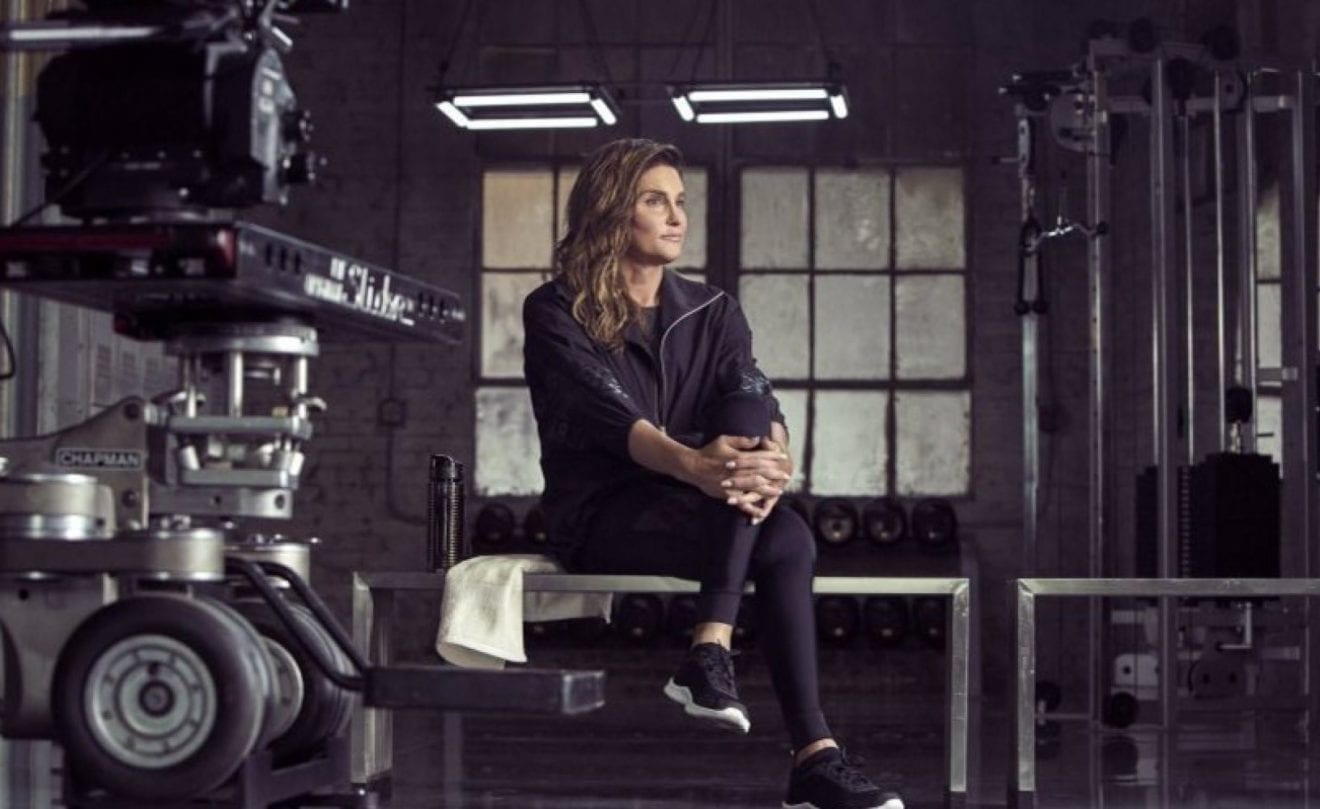
    A new H&M athleisure wear range is to be launched in July, developed with input from the Swedish Olympic team and fronted by personalities including Caitlyn Jenner.

    The launch of For Every Victory makes H&M one of the first major multinational fashion brands to make a serious foray into the booming athleisure wear market, to date dominated by fast-growing specialist brands including Lululemon, UnderArmour and 2XU.

    H&M -For Every Victory

    H&M For Every Victory – described by the H&M as “high fashion performance sportswear made to inspire” has been developed with input from the Swedish Olympic team, and the campaign is fronted by inspirational personalities who have all achieved their own victories, whether in sport or life.

    H&M -For Every Victory 1

    The athletes advised on design, performance and wearability. H&M also designed outfits for the Swedish Olympic and Paralympic team for Rio 2016, including the opening ceremony uniform, selected competition pieces and the prize ceremony outfits.

    “This is a collection about performance with great style and the input of the Swedish Olympic team has been invaluable in the creation process,” said Pernilla Wohlfahrt, design and creative director at H&M. “The result is high fashion technical sports pieces for everyone to wear.”

    The For Every Victory collection has a similar visual expression and technical knowledge to the Swedish Olympic team collection, with its own colour palette in black, grey, dusty pink and gold. It is centered on performance T-shirts, running shorts and leggings, as well as sports bras for women.

    H&M -For Every Victory 3

    The quick-drying, breathable materials help to optimise performance and recycled polyesters prove that high-function sportswear can also be conscious and more sustainable − all showing that there’s no compromise on either fashion or performance.

    H&M -Olympic collection

    Among the personalities fronting the new range are Caitlyn Jenner with her Olympic gold medal in the decathlon; Chelsea Werner, a gymnast who has never let Down Syndrome halt her progress; surfer Mike Coots who still takes to his board even though he lost his leg in a shark attack and boxer Namibia Flores who has fought against prejudice to pursue her dreams.

    The new range and brand will be launched globally on July 21.

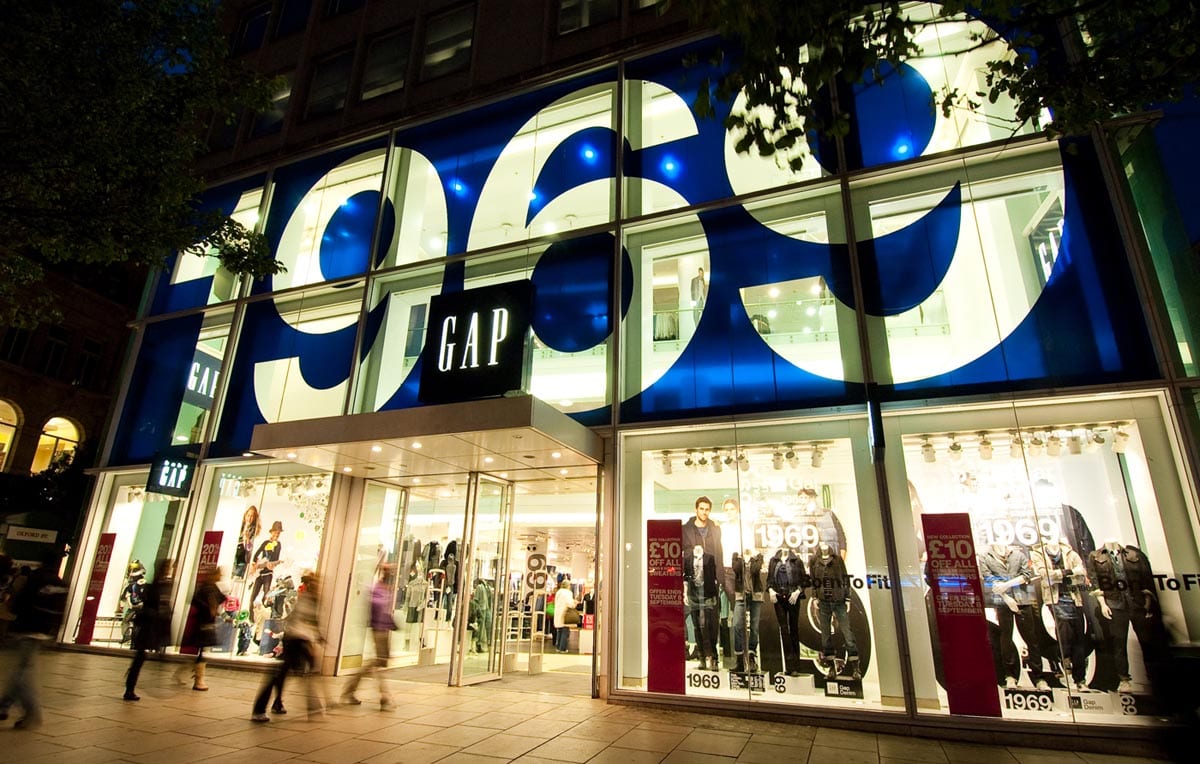
  • Gap CEO “weighing options” for international stores

    Gap CEO “weighing options” for international stores

    US apparel retailer Gap says it is weighing options for its international Banana Republic and Old Navy store networks.

    Gap CEO Art Peck says the company won’t reveal any other details at present, but expects to comment more when it reports its quarterly results on May 19.

    “The company is evaluating its Banana Republic and Old Navy fleets, primarily outside of North America, in order to sharpen its focus on geographies with the greatest potential,” the company said in a statement.

    Gap shares fell in after-hours trading on Monday night US time after it revealed a 7 per cent decline in same store sales in April. Analysts had been expecting growth of about 0.5 per cent after signs the retailer was slowly getting back on track in recent months.

    Total sales for the month were US$1.12 billion, down from $1.21 billion last year. First-quarter sales totaled $3.44 billion, down 6 per cent from $3.66 billion year-on-year.

    While Gap did not specifically refer to Asia in its reference to reviewing the future of its international business, the company has met with mixed results in the continent.

    While its namesake brand holds its own in most markets, the success of Banana Republic and Old Navy, the higher and lower end sibling brands respectively, have been patchy.

    Globally,  during the first quarter, Banana Republic sales fell 11 per cent versus 8 per cent last year while Old Navy sales fell 6 per cent versus 3 per cent growth last year.

    This week, Peck said the company was “committed to better positioning the business to recapture market share in North America and to capitalising on strategic international regions where there is a strong runway for growth”.

    Analysts seem in concord that Gap has lost its way in its core US market.

    “Gap used to be a core, basic, apparel retailer with low prices and great product for the family,” Deutsche Bank retail analyst Paul Trussel told CNBC Tuesday. “I think there’s other retailers that frankly have taken that place within the retail sector.

    SW Retail Advisors President Stacey Widlitz added: “If you have been into a Banana Republic or a Gap, in the last six months, you know… the fits are wrong, the stripes are wrong, the florals are wrong. This is a largely self-inflicted problem. Yes, mall traffic is down; yes, the consumer is spending less on apparel, however, if you choose not to get your fashion correct, and also not keep up with your supply chain and fast fashion, that is not going to help the situation.”

  • New stores boost Max’s Group Philippines

    New stores boost Max’s Group Philippines

    Max’s Group Philippines has opened nine stores mainly across star brands Max’s Restaurant, Pancake House, Yellow Cab Pizza and Krispy Kreme in the first quarter of 2016.

    These expansions include three international outlets – Max’s Restaurant in Qatar, Yellow Cab Pizza in UAE and a Sizzlin’ Steak concept store in California.

    Max’s Group Inc reported a net income of P162.3 million for the first quarter 2016, up 8 per cent compared to P150.6 million for first quarter 2015.

    “The numbers are in line with our estimates. We are now starting to realize the revenue impact of new stores that came onboard in the latter part of 2015. By recalibrating our design and build plan, we expect a leveled and systematic rollout of stores for the entire year,” said Robert Trota, president and CEO of Max’s Group Inc.

    Topline growth was at 12 per cent to P2.7 billion from P2.4 billion. Restaurant sales increased 13 per cent to P2.3 billion from P2.1 billion driven by steady same store sales growth and new store openings for the period.

  • Raoul Singapore closes last store

    Raoul Singapore closes last store

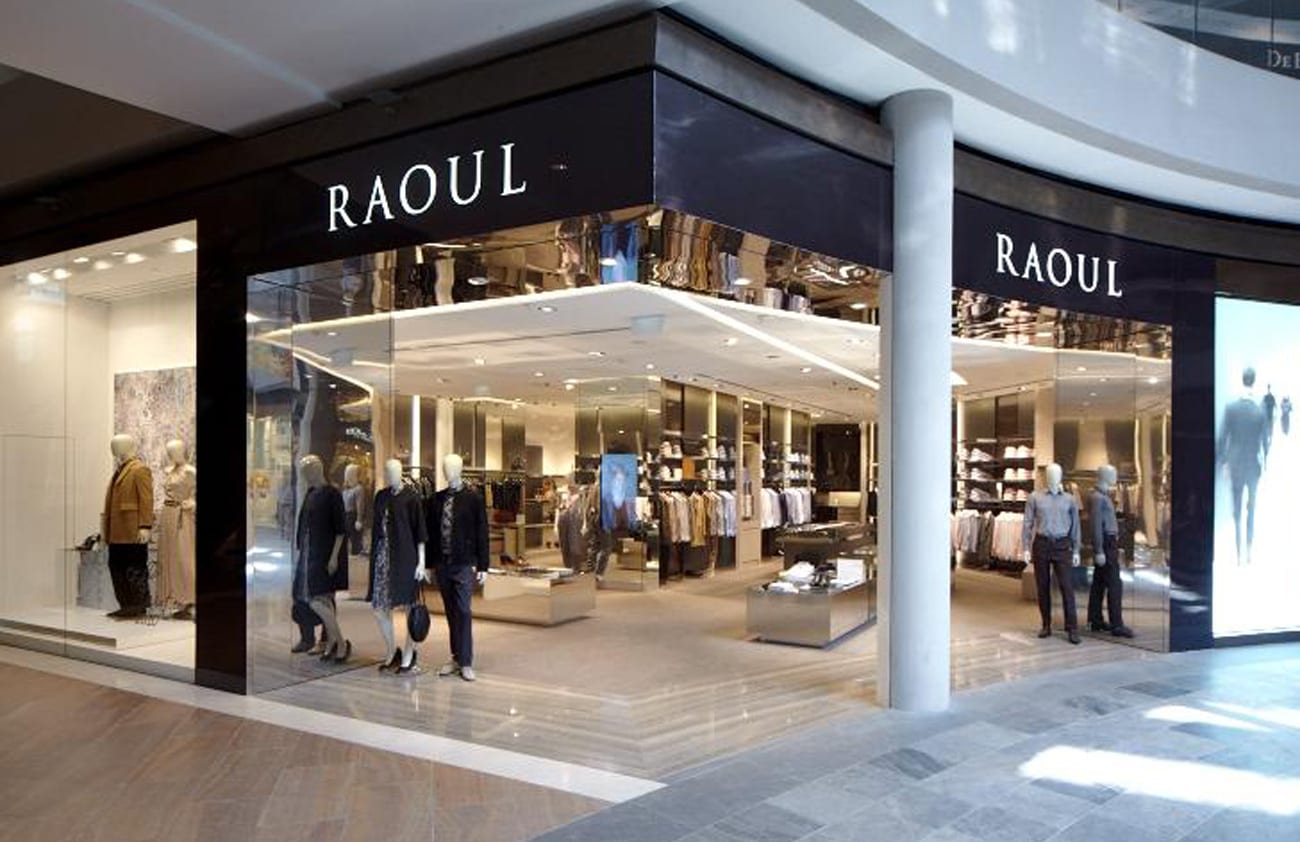
    The last Raoul Singapore boutique has closed its doors as creator FJ Benjamin decides to focus on wholesaling.

    Raoul, positioned as an affordable luxury brand, began life as a menswear brand back in 2002 before expanding into women’s fashion – because women shoppers were buying smaller sized men’s shirts to wear themselves.

    At one point, it had boutiques as far afield as Melbourne and London and became a beacon for the Singapore fashion industry in a market dominated by European fashion labels.

    Raoul closed its Paragon store on Orchard Rd in February, unwilling to pay the rents demanded.

    The founding premise

    When your business model is built around retailing products designed by others – as FJ Benjamin has for more than 50 years – your fortunes rise and fall with those brands and the head office decisions in other countries. That was a major part of the motivation to launch Raoul, which met with success very quickly.

    Over its first 50 years, FJ Benjamin held Singapore or regional rights to brands as diverse as Gucci, Gap, Manchester United, La Senza, Fendi, Goyard, Celine, Givenchy, Banana Republic, La Perla, Naomi Campbell, Valentino, Nautica, Victorinox and Rado. But after the financial crisis, it pulled back from high end labels to focus more on lifestyle brands.

    “In business you have to be nimble. We thought ‘OK, lifestyle has done well for us. Let’s continue’,” Douglas Benjamin, the company’s COO, told a presentation attended by Inside Retail Asia back in 2010.

    The Raoul brand was conceived on a trip by Benjamin to London.

    “The company had always been franchising and representing brands from other companies. My father was a strong believer we needed to have our own brand. In 2003 we bought some shirts from some expensive stores and after three to four months I was wearing shirt and the cuffs were fraying, buttons coming off.”

    What if they could produce shirts that looked as high in quality, but actually lasted?

    “We decided to develop a men’s shirt label. We’d get the best quality material and make it in Asia and if you give a man a choice, he will buy.”

    So Raoul – the French name for Ralph – was launched through stores in Singapore, Malaysia and Indonesia. The first store combining both ranges opened its doors in 2007 and a flagship in the classic Paragon shopping centre on Orchard Rd in 2009. Later, stores would follow in Mainland China and the Middle East.

    Raoul is by no means finished despite the closure of the Singapore stores. A concession continues to trade at Robinsons department store on Orchard Rd and the company will now concentrate on wholesaling with a particular focus on the US, UK and Middle East. Among the UK stockists of Raoul are Harrods, Harvey Nichols and Liberty of London. Saks and Neiman Marcus in the US and KaDeWe in Germany also stock Raoul, further underlining the brand’s fashion cachet.

    Despite its high profile globally, Singapore seemingly cannot sustain a flagship store. As a saddened fashion designer Sabrina Goh of fellow home-grown brand Elohim By Sabrina Goh told the Straits Times this week: “Raoul has always been seen as a sound brand with years of industry experience, and financial and production clout. It really just illustrates how tough the current Singapore retail market is.”

  • Cortina opens South East Asia’s biggest Patek Philippe boutique

    Cortina opens South East Asia’s biggest Patek Philippe boutique

    The current downturn in the luxury watch business is not stopping Cortina Watch from pressing on with its expansion plans.

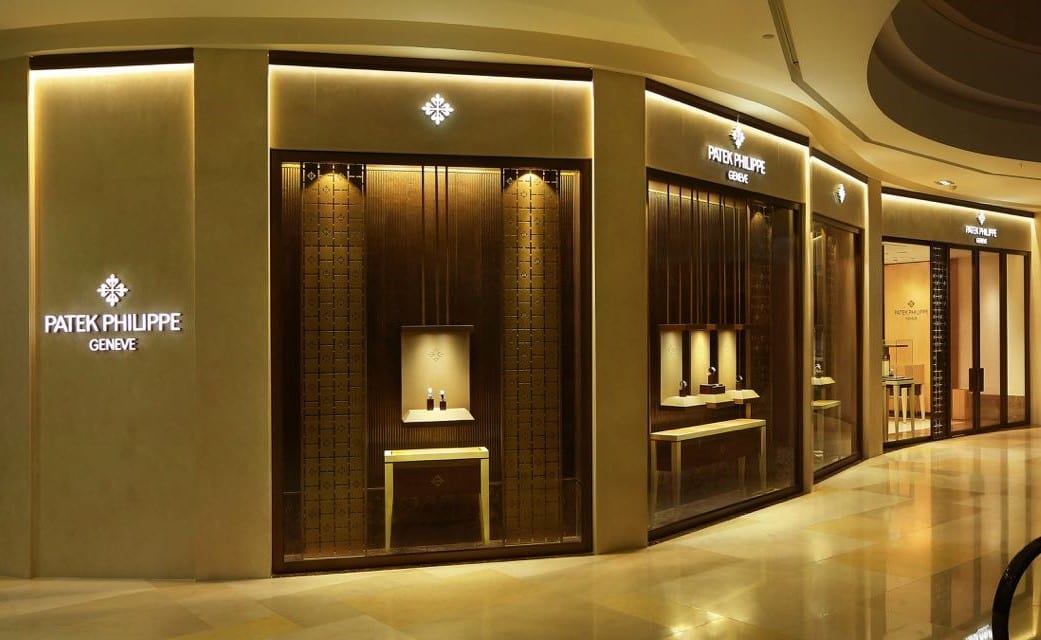
    Last week, Singapore’s second-biggest watch retail chain officially opened South-east Asia’s biggest Patek Philippe boutique in ION Orchard, Singapore’s premier shopping mall. Later this year, Singapore’s biggest Rolex shop run by Cortina will also open its doors at Marina Square.

    cortina_05

    “It’s all about location, opportunity and timing,” Cortina’s chief operating officer Jeremy Lim explains. “If we (had) worried that business is bad, then we wouldn’t have gotten this location,” he says of the Patek Philippe boutique in ION. “This kind of location doesn’t come all the time.”

    The Patek Philippe boutique in ION came just over a year after Cortina pumped S$4 million to unveil the world’s biggest Patek Philippe boutique in Taipei 101, a landmark building at the heart of Taiwan’s capital. It was conceived three years ago with the blessing of Patek Philippe’s president Thierry Stern.

    cortina_02

    Cortina, which both its sales and net profits fell in the first nine months of its financial year ending March this year, operated a smaller Patek Philippe boutique in ION then. After looking around the shopping mall and found it to be a good location, Mr Stern agreed that Patek Philippe should have a bigger presence there.

    The new 265.48 square metre boutique, over four times bigger than Cortina’s first Patek Philippe boutique at ION, is an extension of the earlier boutique first opened in 2009. The bigger space offers customers more personal service and a better showcase of the Swiss watch brand’s coveted timepieces.

    cortina_06

    Cortina, which also operates a Patek Philippe boutique in Marina Bay Sands, spent an estimated S$2.5-3.0 million renovating and remodelling the boutique, which has the novelty of having a “private” door for discreet and busy customers.

    The work on expanding the boutique took four months to finish, but the boutique only opened recently because Cortina had to wait for the leases of the adjoining space, occupied by other tenants, to expire before it could move in.

    The new Patek Philippe boutique in ION came when the dip in global sales of Swiss luxury timepieces last year, the first yearly drop since the 2009 recession, might have finally caught up with Singapore.

    While the export of Swiss watches worldwide slipped 3.3 per cent in 2015 to 21.5 billion Swiss francs (S$30.7 billion), shipments to Singapore still rose one per cent to 1.13 billion Swiss francs. But the latest numbers show retail orders of Swiss watches in Singapore, one of the 10 biggest markets for luxury timepieces, plunged 22.6 per cent in January this year – the second-biggest fall in the top 10 markets.

    “It would be a lie if I tell you we’re not affected,” Patek Philippe’s commercial and marketing director Jerome Pernici says.

    While 2015 was “the best year ever” for Patek Philippe, arguably the top Swiss luxury watchmaker, Mr Pernici discloses that this was largely in the first three quarters of the year. “The last quarter was more difficult and definitely 2016 will be challenging. We know it,” he says.

    Yet Patek Philippe, which celebrated its 175th anniversary last year, has weathered many crises in the past and came out of them stronger, Mr Pernici says.

    “We keep looking at the long term. I don’t know how long (this downturn) will be but once the market recovers, we will be ready.”

    The Rolex shop Cortina is working on will be the listed company’s single biggest project ahead, involving 5,500 square feet of space for watch displays and events. Renovation costs alone could work out to around S$4 million.

    Cortina, which also carries other brands such as Vacheron Constantin, Omega, Longines and Jaeger LeCoultre, is also likely to refurbish its multi-brand outlet at Raffles City this year.

    Last year, the watch retailer opened a S$2 million multi-brand boutique at The Capitol, a luxury hotel and shopping development. At the same time, its Paragon outlet grew from 2,000 to nearly 3,000 square feet.

  • Audemars Piguet Hong Kong boutique opens

    Audemars Piguet Hong Kong boutique opens

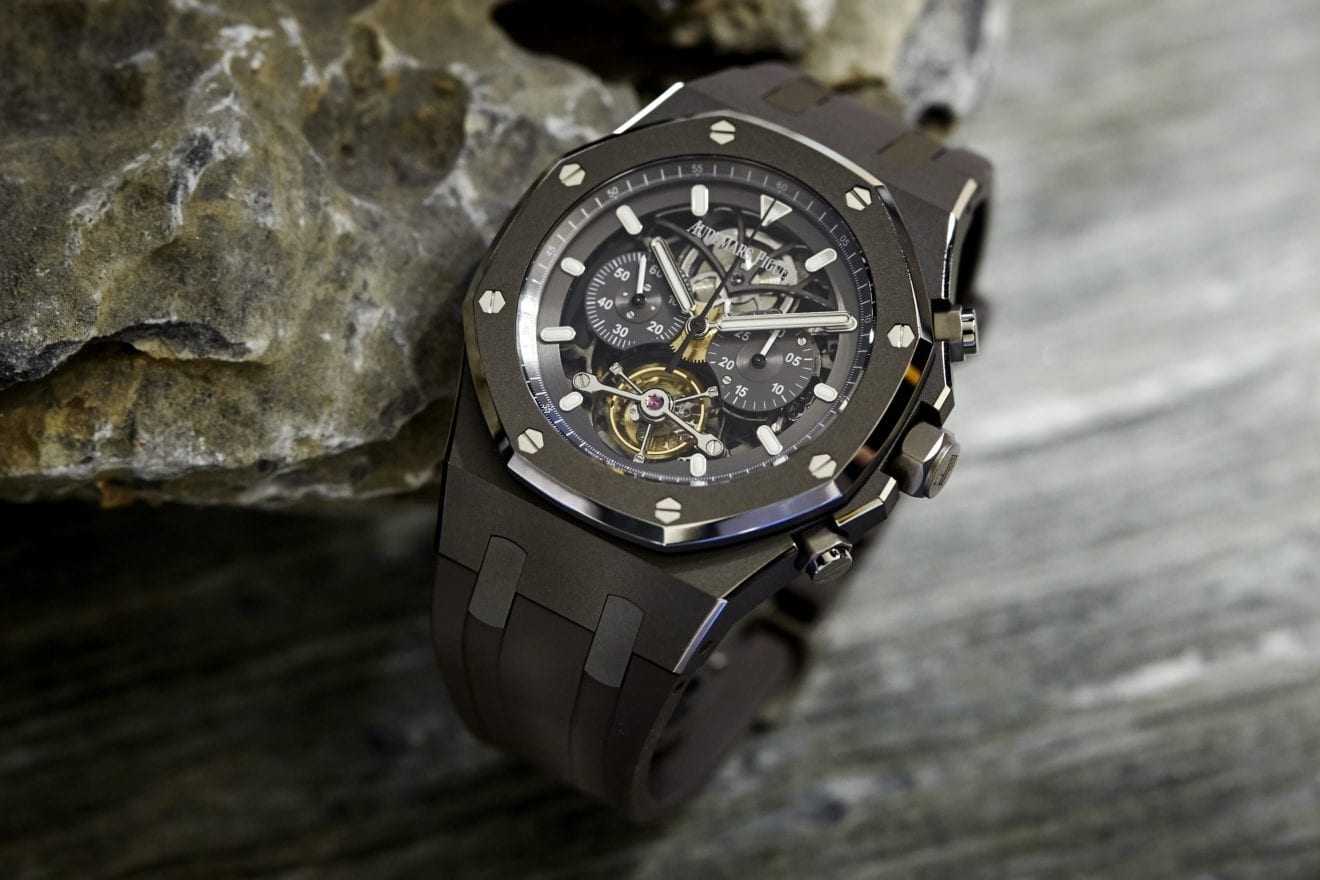
    Ultra-luxury Swiss watch brand Audemars Piguet has opened a standalone boutique in Hong Kong.

    event-20141008121335-AP_GrandOpening_2 (1)

    The Hong Kong store is one of only about 17 stand alone boutiques of the brand in the world.

    Hong Kong watch retailer Halewinner, owned by Early Light International, has opened the store and sells Audemars Piguet timepieces through others in its 30-strong chain of multi-brand watch stores across Hong Kong, Macau and Mainland China.

    Audemars Piguet Ambassador LeBron James visits Hong Kong’s first self-owned boutique 2

    Audemars Piguet Hong Kong April 2016

    The Audemars Piguet Hong Kong Boutique is located in Soundwill Plaza at No 38 Russell St.

    The Swiss brand has designed and manufactured highly complex mechanical watches since 1875, when it was founded by Jules-Louis Audemars and Edward-Auguste Piguet. Among others, Tiffany & Co, Cartier and Bulgari have used Audemars Piguet movements.

  • Pop-up stores giving shopping malls a boost

    Pop-up stores giving shopping malls a boost

    Hit by rising vacancy rates and competition from e-commerce websites, shopping malls are turning to a temporary solution to attract shoppers – pop-up stores.

    At least two companies have sprung up in recent months to play middleman between retailers looking for temporary shopfronts and malls with vacant spaces.

    Invade, launched last month, has a pool of 38,000 retailers and 100 landlords. The four-month-old PopUp Angels has more than 100 spaces on its platform and several hundred brands on board.

    Those looking to rent a retail space for a short term, usually between three months and a year, can browse a list of available spaces on both websites, which will earn a fee when there is a successful match.

    Pop-up stores offer a win-win solution. Landlords can fill spaces in malls while looking for long-term tenants, and retailers get to reach out to new customers without committing to costly multi-year leases.

    Shoppers benefit as well, because pop-up stores tend to have more diverse offerings, retail experts say.

    Invade founders Kent Teo, 30, and Koh Cheng Guan, 29, started out as flea market organisers seven years ago and later ventured into multi-label pop-up stores. The idea for a real-time retail booking system came when more malls started approaching them with underused spaces.

    “Two to three years ago, we would get about one landlord a month asking (for our help). But now, we get three to four,” said Mr Teo, likening Invade to a “retail space Airbnb”. Airbnb is a popular holiday rental site.

    Invade’s pool of retailers, gathered from flea-market-organising days, include online fashion labels, artisans and tech start-ups.

    PopUp Angels was set up by Mr Adrian Chan and Mr Kit Chan, the duo behind food and beverage businesses Best Fries Forever and Cloud & Cream. The two 37-year-olds wanted to ease the “cumbersome” process of finding space and setting up and marketing pop-up stores.

    More malls have been offering short-term leases in the past two years, as the supply of retail space outpaces demand, said Mr Adrian Chan.

    Urban Redevelopment Authority data shows the islandwide vacancy rate for retail space rose from 4.5 per cent at the end of 2013 to 5.8 per cent a year later. At the end of last year, it was 7.2 per cent.

    Retail space here grew in volume by 22,000 sq m in the fourth quarter of last year. Malls that have come on the scene recently include Capitol Piazza, which opened in Stamford Road last year, and Waterway Point, which opened in Punggol in January.

    But demand for retail space has dampened, given high labour costs and growing competition from online platforms and regional shopping destinations.

    Both online and brick-and-mortar retailers are starting pop-up stores, albeit for different reasons.

    Furniture and lifestyle company HomesToLife last year opened two pop-up stores, at I12 Katong and Westgate, with leases of a year each – to “build momentum” in the lead-up to launching its flagship store, which opened in Mohamed Sultan Road early this month.

    “The stores offered a sneak preview of our products and, by monitoring the sales there, we could better design our marketing campaign,” said senior branding consultant Sotiria Kostavara.

    Ms Samantha Soh, 27, who owns online clothing store Ellysage, opened her first standalone store at Orchard Gateway in January, with the help of Invade. She hopes to extend the three-month lease, which ends this month.

    “For any fashion label, a physical store is important. A lot of my customers tell me they want to try on the clothes first,” she said.

    “It’s also a very useful touchpoint… I can interact with my customers.”

    Singapore’s largest mall operator, CapitaLand Mall Asia, which owns and manages 18 malls here, said pop-up stores form about 1 per cent of its tenants. In 2014, it opened retail zone J.Avenue at its JCube mall to cater to such stores, providing an electronic point-of-sale system and basic shop fittings to make it easier for first-time retailers.

    Ms Sulian Tan-Wijaya, a senior director for retail and lifestyle at Savills Singapore, said the trend for such stores started three to four years ago, “but it was rare and not obvious to shoppers”.

    The trend is now more evident as more online, multi-label and indie brands are sprouting up in malls alongside established global retailers, she said.

    “Pop-up stores will not pay high rents, as their business model does not allow for high margins,” she said. “But they add diversity to the mall mix with their eclectic offerings and generate shopper traffic.”

    Mr Gary Nonis, property consultancy JLL’s national director for retail, warned that too many pop-up stores in one mall could hurt the mall’s branding in the long run. He said: “It might be deemed less attractive by seasoned operators, which would rather have strong branding, and this could also hurt their potential performance in the mall.”

  • Tod’s Hong Kong may close stores

    Tod’s Hong Kong may close stores

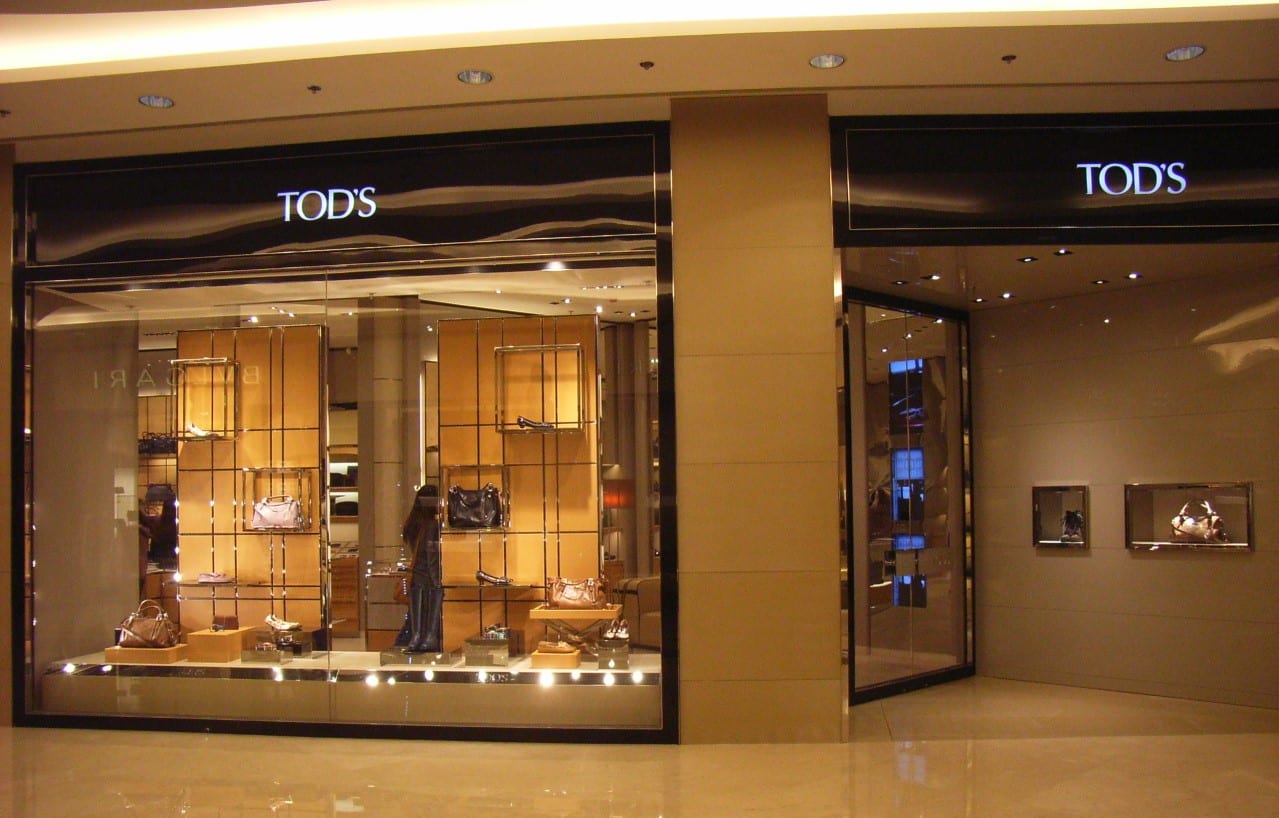
    Tod’s Hong Kong is continuing to suffer from the luxury spending downturn – and may close some stores.

    Milan-based luxury goods brand Tod’s says while the Mainland China market “has stabilised” there has been “no improvement in Hong Kong”.

    The company was commenting with the release of its 2015 trading figures, reassuring shareholders that despite the Hong Kong woes it remained on track to deliver a 5 per cent rise in revenue this year, despite falling same-store sales since January 1.

    Tod’s Hong Kong has 14 stores.

    CFO Emilio Macellari said during an analysts call the company had been unable to renegotiate any of its rents in the territory – but had avoided rent increases at two malls. As a result it may close one or two stores.

    Globally, it plans to reduce the number of new store openings from 31 last year to between 15 and 20 this year, recognising slowing growth worldwide.

    More than 20 per cent of Tod’s global sales are in Greater China – but they shrank 12 per cent last year on a constant currency basis, with Hong Kong and Macau accounting for a majority of the decline.

    Sales in Japan and the US are also declining but the brand was holding its own in Europe, especially its home market Italy.

    Despite declining sales, the company reported a 5 per cent increase in earnings for 2015. Macellari said the company’s strategy of widening its product range to include handbags and apparel would help restore growth and meet forecasts.

  • End of year launching for Metro Myanmar

    End of year launching for Metro Myanmar

    Metro Myanmar is looking to launch by the end of 2016 as the German hypermarket operator gives Southeast Asia another shot.

    The move will surprise observers given Metro Group’s disastrous previous experience in Southeast Asia – where it chalked up millions in losses and got into an expensive dispute with local taxation authorities before off loading the company to Thai interests in late 2015.

    At the time the company stressed it was still pursuing opportunities in Asia.

    “Asia will remain an important growth region for Metro Group, and we will continue to invest there in the further development of the Metro Cash & Carry business,” said group chairman Olaf Koch in a media statement.

    “Myanmar is benefiting from opening up politically and has a high growth potential,” Koch said on Friday.

    The company is also planning to launch in Iran, newly freed from western trading sanctions.

    “We’ll decide by the end of the year which way our journey is headed,” said Koch.

    Metro Cash and Carry operates in 25 countries across Europe and Asia with 750 stores.