Tag: Stores

  • Michael Kors to shut over 100 stores

    Michael Kors to shut over 100 stores

    Michael Kors, the once-popular retailer that has been trying to turn itself around, said it expected same-store sales to continue to fall in 2018, and that it would shut more than 100 full-price retail stores in the next two years.

    Shares of the company slumped nearly 11 percent to $32.38, their lowest in more than five years.

    Michael Kors Holdings Ltd, once the hottest name in affordable luxury, has been grappling with declining same-store sales for the past seven quarters as fewer people visit its stores, flocking instead to rival Coach Inc and shopping online.

    Kors said on Wednesday sales at stores established for more than a year fell 14.1 percent in the fourth-quarter ended April 1. Analysts had estimated a fall of 13.4 percent, according to research firm Consensus Metrix.

    To deal with the lull in sales, the retailer has been expanding into dresses and menswear, investing in its online business, and reducing supplies to department stores, which have been discounting heavily to bring back shoppers.

    These efforts, however, are yet to show the results that investors are looking for. Kors said it expected revenue of $4.25 billion for fiscal year 2018 and also forecast a high single-digit drop in same-store sales.

    Analysts on average had estimated revenue of $4.37 billion. “If you walk into a Michael Kors store, they basically have the same handbags over and over again,” said Gabriella Santaniello, founder at research firm A-Line Partners.

    “It is basically an entire wall of the Mercer handbags -small and large – and another wall of Hamilton bags,” she said, referring to Kors’ flagship handbag lines.
    The company said on Wednesday it would close 100-125 full-price stores over the next two years due to intense price competition from other retailers. It expects to take $100 million-$125 million in related one-time costs.

    For the fourth quarter ended April 1, total sales fell 11.2 percent to $1.06 billion. Analysts had expected $1.05 billion.

    Excluding certain items, Kors earned 73 cents per share, while analysts had expected 70 cents per share. Kors, whose shares have fallen nearly 16 percent this year, also said it would buy back $1 billion worth shares.
  • Demand for People Counting Systems Stirs up With Increasing Retail Stores

    Demand for People Counting Systems Stirs up With Increasing Retail Stores

    Globally, the increasing number of supermarkets, shopping malls, and retail stores is triggering the deployment of people counting systems. There is a strong need for retailers to monitor footfalls in order to remain competitive.
    Traffic to sales ratio can help retailers in accurately comparing stores on the basis of sales volume. A report by TMR Research, titled “People Counting System Market – Global Industry Analysis, Size, Share, Trends, Analysis, Growth, and Forecast 2017–2025,” offers a comprehensive study of the market. It provides a detailed analysis of the various parameters of the global people counting system market, including trends, opportunities, geographical segmentation, and competitive scenario, for the forecast period between 2017 and 2025.

    The availability of easy set-up and low-cost solutions is stoking the growth of the global people counting system market. The snowballing demand for people counting solutions in the transport sector is also contributing to the overall revenue generation of the market. Rapid technological advancements and robust growth of the retail sector, particularly in emerging countries, are likely to provide a significant push to the market.

    On the flip side, the expansion of the worldwide e-commerce industry and the growing popularity of online sales channel are challenging the growth of the brick and mortar commerce, which in turn is hampering the growth prospects of the market.

    Geographically, Asia Pacific will account for a large chunk in the revenue pie of the global market. The rising number of shopping malls, retail stores, and supermarkets are prompting global participants to invest in the region. Besides this, favorable government initiatives are promoting the presence of foreign retailers in India, which is also leading to the widening pool of retail stores in Asia Pacific. Countries such as Hong Kong, China, Japan, India, Malaysia, and Singapore will be the sites of high growth rate throughout the forecast horizon.

    Other developing regions such as Latin America and the Middle East and Africa are likely to witness similar growth conditions. The presence of infrastructure such as airports, train stations, and bus stations along with a substantial number of upcoming projects are boosting the adoption of people counting systems. The robust growth of the hospitality industry is also supporting the growth of the regions.

  • Uniqlo wants to double EU store count by 2020

    Uniqlo wants to double EU store count by 2020

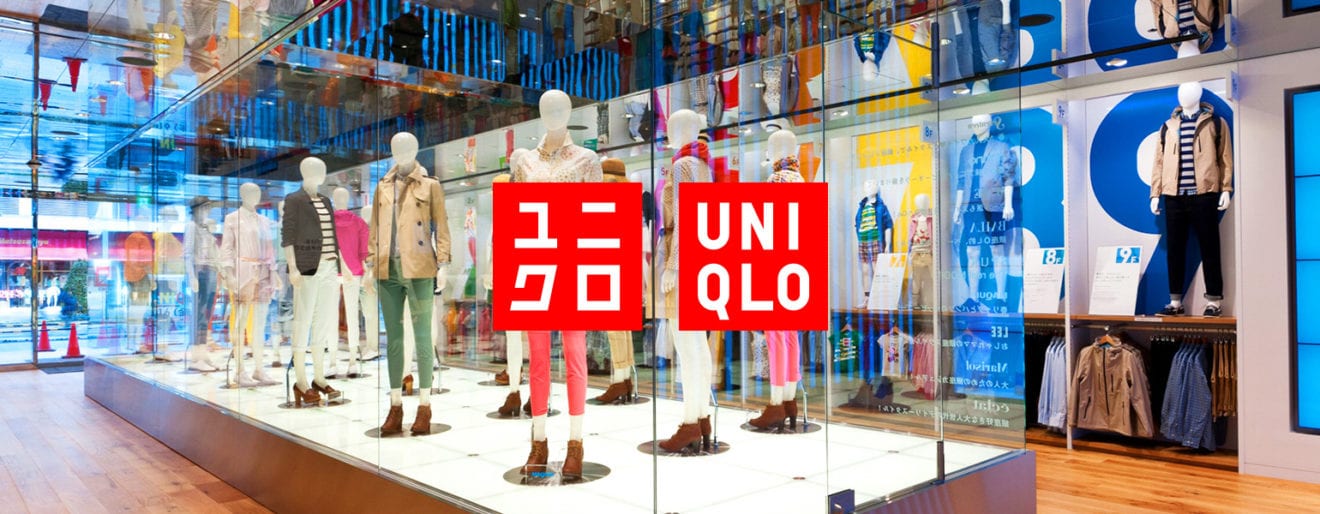
    Uniqlo said it plans to take its European store count to 100 outlets over the next three years, in a bid to strengthen its retail presence outside of Asia.

    In doubling its current store number from 50 to 100, the fast-fashion chain will make its first foray into Spain and Italy, according to local media.

    A planned Barcelona location will mark Uniqlo’s entry into Spain this autumn, while a Milan store will open in Italy, according to a report by the Nikkei Review.

    The Fast Retailing-owned brand already operates some 50 stores in France, Russia, Germany, the UK and Belgium.

    The firm said it would be opening new locations in regional cities in some European countries too, those it is already selling in. This includes regional stores in smaller French cities such as Bordeaux and Toulouse.

    With the store openings in the EU, Uniqlo will be facing stiff competition from two global fast-fashion moguls. Namely Zara, which is operated by Spain’s Inditex, and Sweden’s H&M, both of which have a solid history on the continent and a loyal consumer following.

    The Japanese chain told the Nikkei Review that demand for its highly functional basic apparel, however, is strong enough to warrant such fast-paced and vast expansion. This is particularly apparent now, given the Japanese firm’s domestic sales growth has plateaued.

    “Overseas operations are what our growth hinges on,” said Fast Retailing CEO Tadashi Yanai.

    However, Uniqlo is heavily reliant on Asia.

    Overseas sales came to 655 billion yen in 2016, with China accounting for half of the firm’s fiscal 2016 revenues made in foreign markets.

    Yanai said Uniqlo is eyeing global sales of 3 trillion yen ($26.6 billion) by the fiscal year ending August 2020. Japanese sales lifted just 3% to around 800 billion yen in fiscal 2016. Meanwhile, the number of stores in Japan has remained steady at around 840 for several years.

  • Kiko Milano seeks to open 100 stores in India

    Kiko Milano seeks to open 100 stores in India

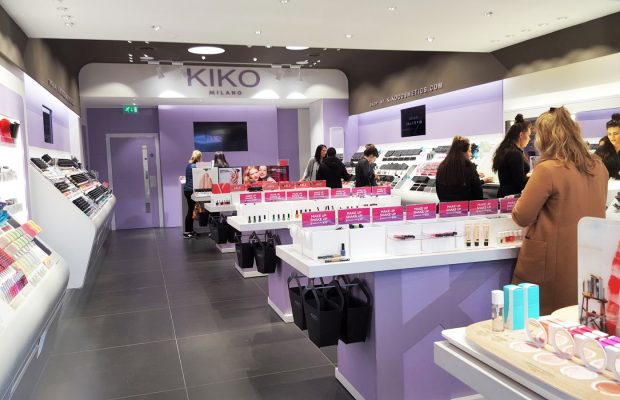
    Beauty isn’t skin-deep: It’s mega business for specialist cosmetics brands such as Kiko Milano. The Italian company, at the forefront of Europe’s expanding beauty and wellness industry, now seeks to harness an increasingly affluent India’s desire to look better, and would invest about GBP 25 million to open 100 stores in the country in the next five years.

    Millennials’ obsession with digital platforms and more disposable cash with them would be the ideal investment draw-cards for Kiko Milano, which expects the South Asian nation to be among its top ten markets in a decade.

    “Potentially, India is absolutely huge and I don’t think it is an immediate market and it is changing, and it will take 6-8 years,”said Stefano Percassi, founder of the 20-year-old specialist cosmetics company Kiko. “In the next ten years, India will be among the top ten markets for us. But it depends on the availability of malls and the (overall) economic situation.”

    Like Europe, where the number of new beauty and wellness shops exceeded that of any other type of retailing outlet in 2016, India is witnessing a boom in the fashion and beauty industries. Beauty salons are now ubiquitous across most Indian towns and cities, with larger shopping malls in metropolitan centres stocking beauty products of major mainstream cosmetic brands.

    The demand for beauty and wellness products has risen exponentially as telecom tariffs reduce in India, and the social media become available to its 1.3-billion people.

    “In countries with not much entertainment or low access to entertainment, people take to the social media dramatically,” Percassi said.

    “For example, in the Middle East, it is either shopping centres or their homes. So, what they do is a lot of social media: They have look good and that means more and more business for us.” Euromonitor expects India’s beauty and personal care market to swell 67 per cent to Rs.1.43 lakh crore by 2020 from about Rs.85,414 crore in 2016.

    Kiko entered India in September last year in a 51-49 per cent joint venture with DLF Brands, and has so far opened three outlets here. Percassi is in New Delhi to roll out its 1,000th global outlet at Ambience Mall in Gurgaon, on the outskirts of the capital. Kiko chose India over the Netherlands for opening its 1,000th shop.

  • Reebok to accelerate China expansion with 500 new stores by 2020

    Reebok to accelerate China expansion with 500 new stores by 2020

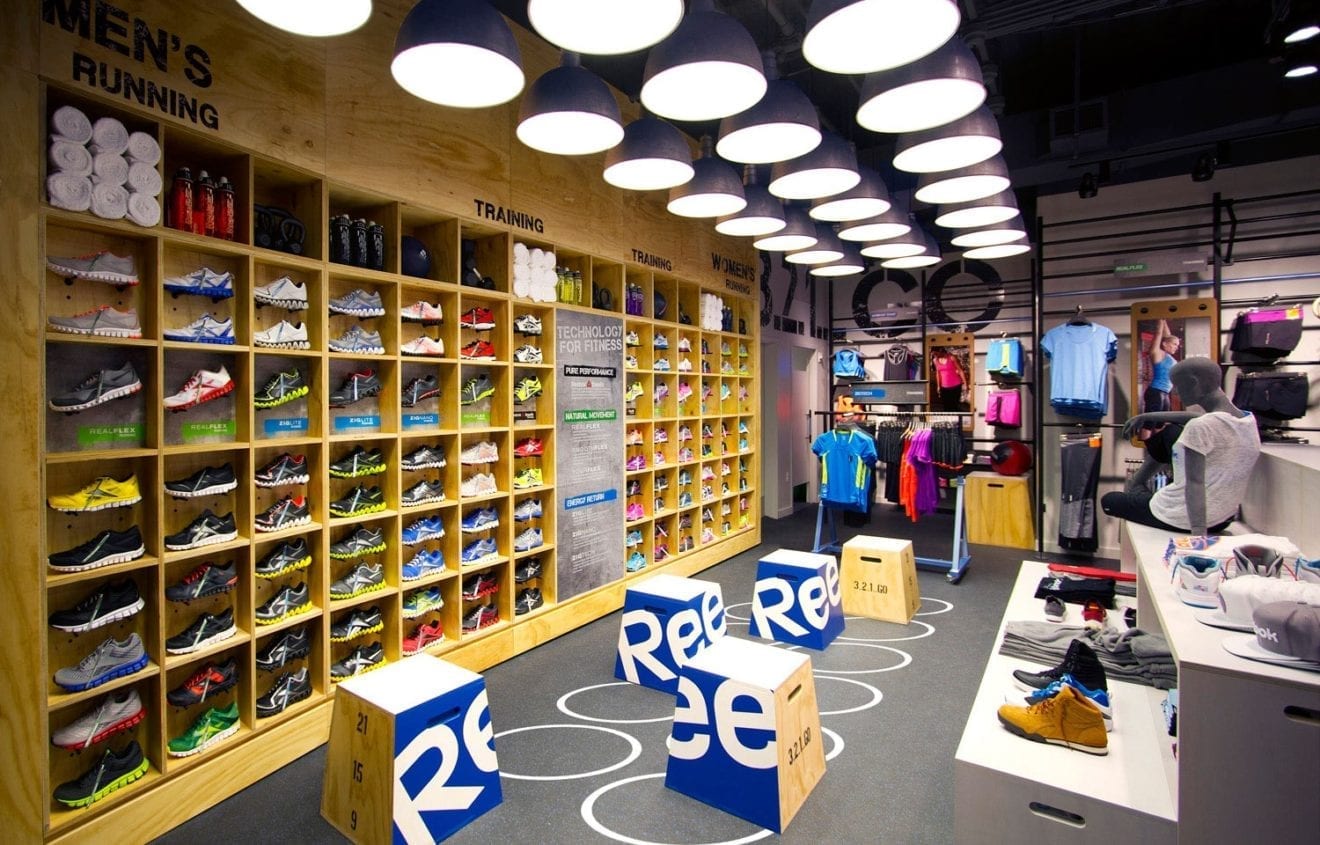
    Global fitness and lifestyle brand Reebok has unveiled plans to open 500 FitHub stores in China by 2020 as part of a major push to become the region’s leading fitness brand.
    The label, owned by Adidas, aims to expand its physical presence in China where it says the market for fitness is growing fast.

    The FitHub concept is an extension of the brand’s new positioning as a fitness-focused label and offers customers an integrated store experience with in-store classes, events and a team of product experts who can provide advice on the right gear for every workout.

    Reebok has already opened seven FitHub stores in China in the last few months, including locations in Wuhan, Qingdao, Hangzhou and Beijing.

    And 50 further stores are scheduled to open this year to meet the target of 500 FitHubs in China by 2020, according to local media reports. Reebok is collaborating with its retail partner Belle International Holdings Ltd to drive the rollout.

    “For a fitness brand, there is no better country to invest in right now than China,” said Chad Wittman, general manager of Reebok Greater China to China Daily.

    “We’ve spent a lot of time and energy putting together a China strategy that meets the specific needs of Chinese consumers in terms of product, messaging and experiences.”

    Wittman said the strategy of offering events in stores will resonate in China, where consumers “want to do fitness activities to be more healthy and more successful. There are lots of opportunities to offer Chinese consumers a better life through fitness activities.”

    In addition to its global range of fitness apparel, footwear and equipment, the brand will be working with teams based in China to design and manufacture products that meet the specific needs of Chinese shoppers.

    Reebok, a 120-year-old brand, has been shifting away from celebrity athletes and repositioning itself as a brand for fitness lovers in the past few years. It is currently focusing on three key categories: running, training and classics, and this year running will be a key category according to Wittman.

  • McDonald’s Malaysia to double store presence

    McDonald’s Malaysia to double store presence

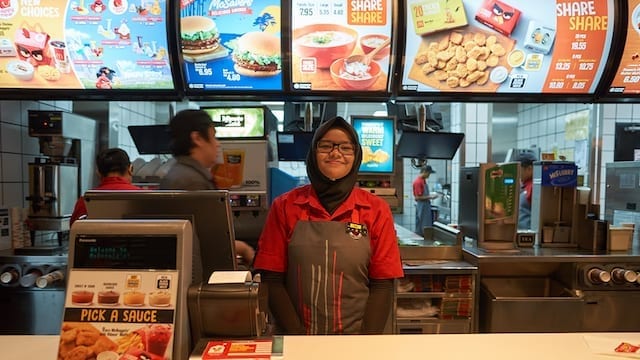
    McDonald’s Malaysia will expand its store stable over the next nine years, taking its current store total to 450 by 2025.

    The fast-food operator will invest 1.4 billion ringgit (US$317 million) to facilitate an almost doubling of store numbers in Malaysia.

    According to a press release, some 363 million ringgit will be used to open 33 new restaurants and refurbish 86 existing outlets by 2019, in an “aggressive three-year accelerated growth plan.”

    In addition, more than sixty per cent of outlets will have a drive-thru service, increasing consumer “convenience, anytime anywhere,” Azmir Jaafar, McDonald’s Malaysia managing director, told reporters.

    McDonald’s Malaysia also plans to open more McCafes, and launch mobile app-enabled delivery and 24-hour stores — slated for urban areas and on busy roadsides.

    The retail shakeup comes just 100 days after Lionhorn, part of Saudi Arabia’s Reza Investment Company, acquired the American restaurant’s franchise license to operate 400 McDonald’s outlets in Malaysia and Singapore.

    At the time, McDonald’s hailed the venture as positive with more flexibility for accessing capital, and more streamline decision making for business growth.

    As part of McDonald’s turnaround plan announced in May 2015, it was committed to refranchising 4,000 restaurants by end-2018 with the long-term goal of becoming 95% franchised. McDonald’s has now refranchised about 1,300 restaurants.

    U.S.-based McDonald’s shift to Developmental Licensee ownership in Malaysia has further allowed local market stores to create products for local consumption.

    Product customisation, coupled with McDonald’s burger icons, resulted in double-digit growth for McDonald’s Malaysia last year. Same-store sales surged 16% year on year in 2016, driven the Big Mac and the “Great Value” hamburger products.

    Looking forward, the fast-food operator projects double-digit growth for 2017 in Malaysia. It currently boasts a network of 262 restaurants and 12,000 employees and served 13.5 million customers monthly.

  • Walmart India wants 50 more stores

    Walmart India wants 50 more stores

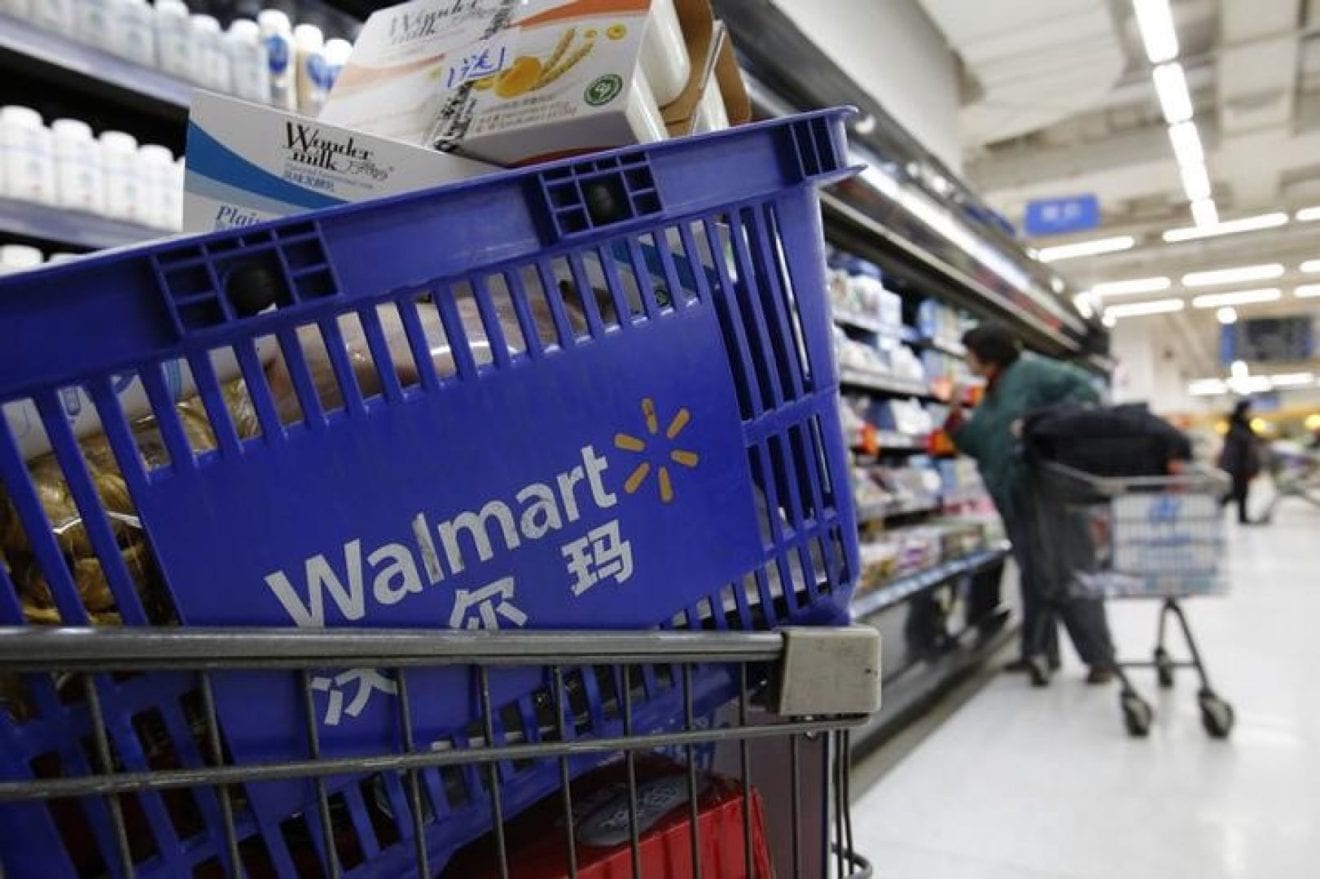
    Supermarket giant Walmart is reportedly opening fifty more stores in India over the next three years, as the US retailer looks to expands its cash-and-carry segment and food retail arm.

    Walmart hopes to open nearly half of its 50 India stores in Uttar Pradesh and Uttarakhand, two of the country’s northern states, a company spokesperson told the Times of International.

    In addition, the cost-savvy retailer plans to open ten stores each in Maharashtra, Andhra Pradesh and Telangana, and two more stores in Lucknow. Other cities include Ghaziabad, Noida, Kanpur, Allahabad, Haridwar, Dehradun and Haldwani.

    With each store providing jobs for 2,000-2,500 persons, the company has the potential to create over 40,000 jobs in Uttar Pradesh and Uttarakhand, said the spokesperson.

    “Our commitment to the country is very deep and we are growing our footprints in India further by opening 50 more cash-and-carry stores in next few years across key focus states, including AP, Telangana, UP, Uttarakhand, Haryana, and Maharashtra,” said a Walmart India spokesperson.

    “Our development team is growing this store pipeline for last couple of years and we’re confident of continuing our contribution to the creation of thousands of skilled jobs, helpings kiranas, farmers & SME suppliers succeed through our cash & carry business.”

    Walmart India parted ways with Bharti in 2013, and had put its store expansion on hold. The news signals new opportunities for the retailer, especially in UP and Uttarakhand, where there is little competition Metro AG and Reliance, rivals chains which also operate the cash-and-carry format.

    Walmart is also awaiting clarity on the food retail guidelines. They want international food products rather than limiting themselves to domestically produced and manufactured food products, which is part of India’s guidelines.

    “As we’ve said earlier, allowing 100% FDI in food retail is a very progressive step, but having a certain percentage of non-food items in this policy will make it economically viable,” said the company’s spokesperson. food retail is a very progressive step, but having a certain percentage of non-food items in this policy will make it economically viable,” said the company’s spokesperson.

  • Longchamp opens Shanghai flagship, plans more China stores

    Longchamp opens Shanghai flagship, plans more China stores

    Longchamp has opened a new China flagship store in Shanghai, with plans for the French luxury brand to open another flagship store in Beijing later in the year.

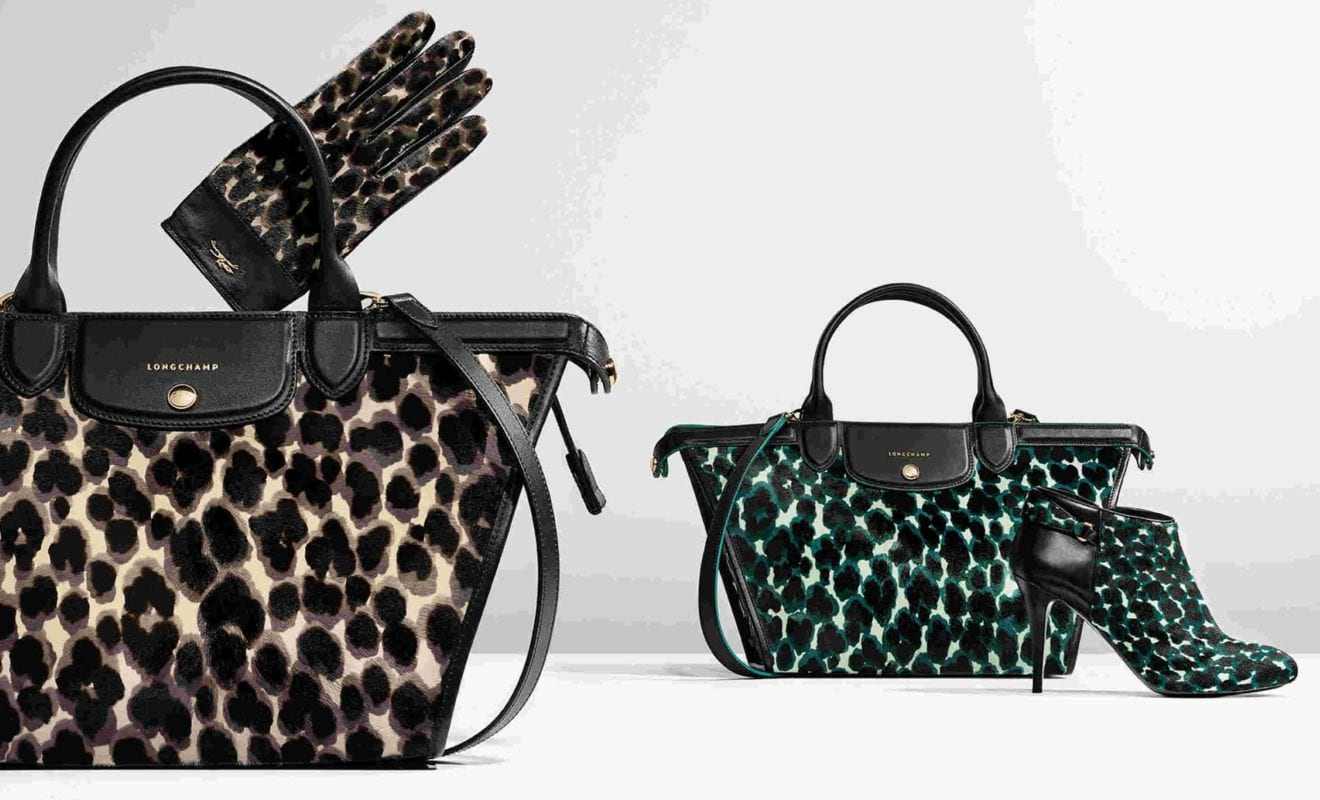
    Located at the Jing An Kerry Centre on Shanghai’s Nanjing Road West, the new Longchamp flagship offers the biggest selection of fashion, bags and accessories from the Parisian leathergoods brand. This includes women’s ready-to-wear, shoes, handbags, leather accessories, as well as men’s collections and luggage bags.

    According to Longchamp CEO Jean Cassegrain, the luxury brand is considering opening stores in the country’s capital, and in second-tier cities such a Changsha.

    “There is a potential for us to open stores at new locations and there are still cities where we are not present,” Cassegrain told China Daily this week.

    “In October, we will open a new store in Beijing, at a landmark shopping mall on Wangfujing Street,” he added.In addition to physical stores, Longchamp products are available for purchase in China on social media platform, WeChat, via the Longchamp account. According to the CEO, e- and m-commerce are yet to be fully explored in the Asian market.

    “It is our plan to continue developing online channels in China,” he said.

    Longchamp’s retail push comes as experts predict the return of luxury spending in China over the next three years. In a report, Bain Consulting Group said the proportion of global luxury consumption accounted for by Chinese consumers would increase from the current 30% to 35% by 2020.

    Longchamp currently has 18 stores in China. It counts 1,500 points of sale across 80 countries spanning exclusive brand and franchise stores, department store concessions, multibrand leathergoods stores, airport stores and online sales. The brand directly manages more than 300 points of sale through 21 distribution subsidiaries.

  • Hover Camera Passport Comes to Apple Retail Stores, With In-Store Demos Available

    Hover Camera Passport Comes to Apple Retail Stores, With In-Store Demos Available

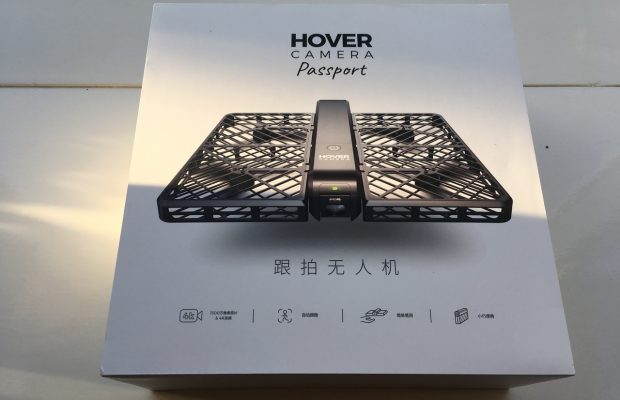
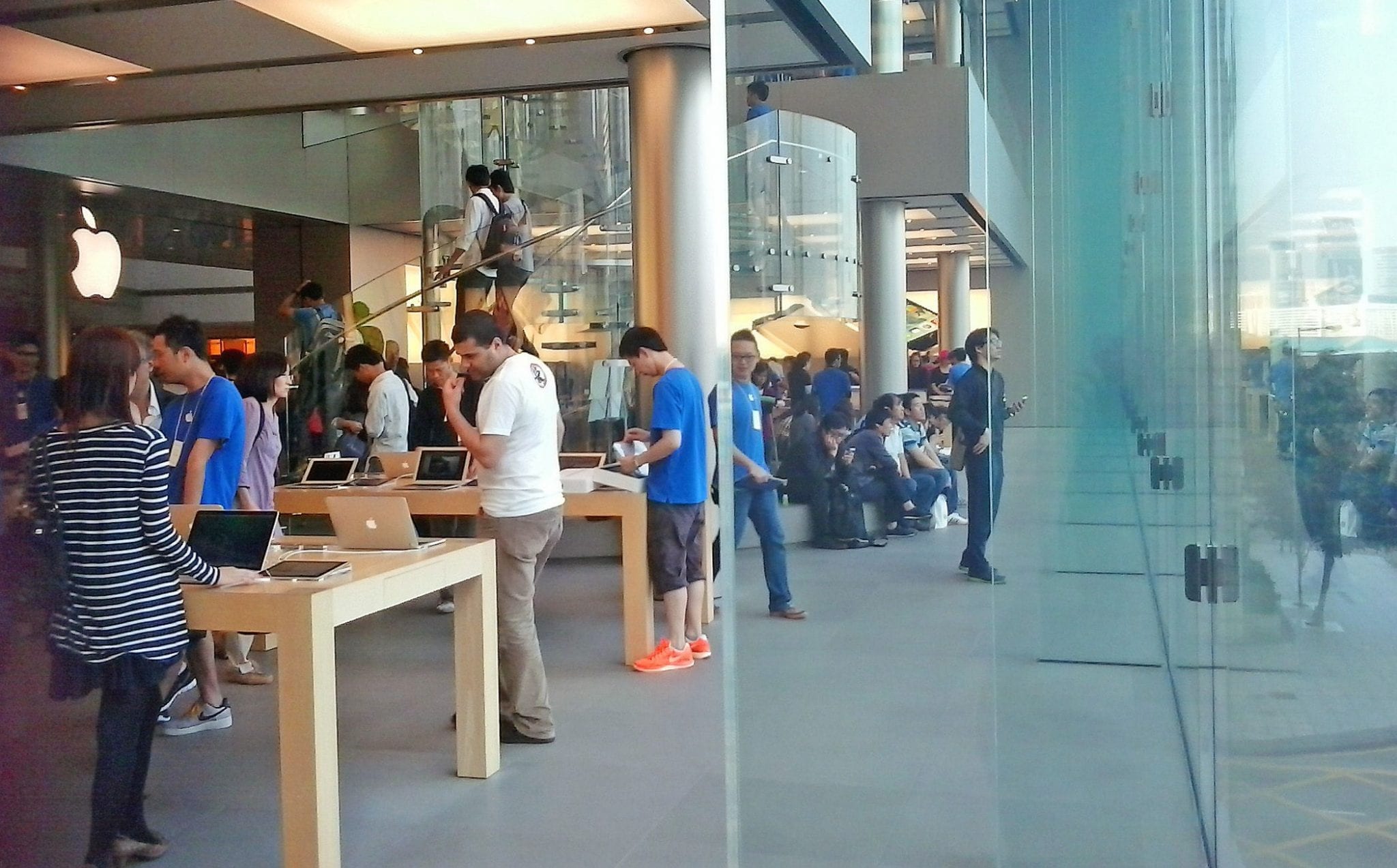
    Hover Camera Passport, a lightweight, personal drone-style camera from Zero Zero Robotics, is available on Apple’s website and in Apple retail stores in the United States, Canada, China, Hong Kong, and the UK starting today.

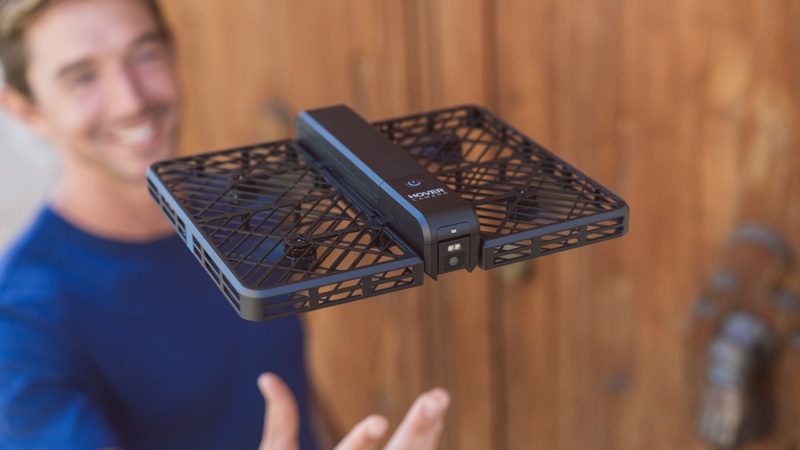
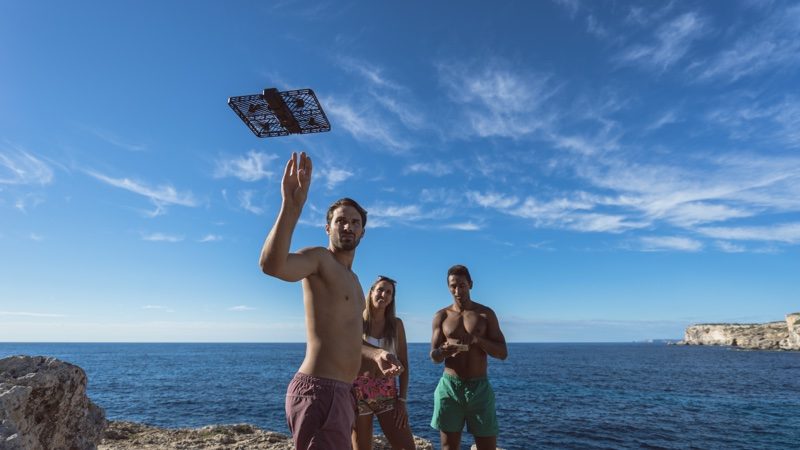
    The Hover Camera Passport can be thought of as a sort of next-generation autonomous selfie stick that’s able to follow you around and capture a hands-free photo whenever you wish.


    It’s made from a lightweight (242 grams), foldable carbon fiber material so it packs down small and can go anywhere, and it’s equipped with face tracking and body tracking so it knows who to follow. The drone travels up to 17 miles per hour and can hover for 10 minutes at up to 65 feet away, so it’s able to track a user that’s running, walking, biking, or engaging in other similar physical activities.

    There’s a 13-megapixel camera built in, which can also capture 4K video. Since it’s a flying camera, it can capture 360 degrees of panoramic video, and it’s designed to be flown right out of the box, so even people unfamiliar with drones can pick it up and fly it.


    The Hover Camera Passport is controlled through the Hover Camera iOS app, which provides features like a real-time video feed, quick social sharing, multiple flight modes including spin and orbit, auto follow, and picture-taking features.

    New features are being added to the Hover Camera Passport for its Apple Store launch, including compatibility with iMovie and Final Cut Pro X, a more user-friendly interface, and automated media editing to create small, moving clips that can be shared with family and friends.

    Zero Zero Robotics is offering a $499 Apple-exclusive bundle at Apple Stores, which consists of a Passport flying camera, two batteries, a charger, an adapter, and an easy-carry bag. Apple retail stores will be hosting in-store demos of the Hover Camera Passport so customers can try it out. 42 retail stores will begin demos today, and other stores will start demonstrations in May.

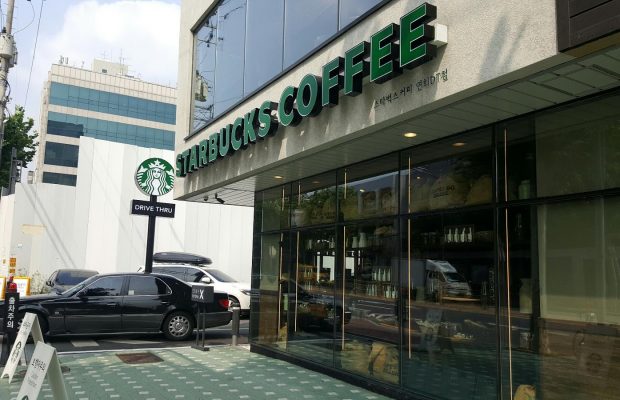
  • Korea ranks world No. 4 for most Starbucks stores per capita: data

    Korea ranks world No. 4 for most Starbucks stores per capita: data

    South Korea has the world’s fourth largest number of Starbucks Coffee stores in relation to its population, industry data showed Thursday.

    Starbucks Coffee Korea, the local unit of the U.S. coffee giant, said it has 1,008 stores across the country as of the end of February, meaning one outlet for every 50,000 South Koreans. South Korea’s population is 50.5 million as of the end of July last year.

    Canada topped the list with 1,035 shops for a population of 36.2 million, translating into one shop for every 35,000 Canadians.

    The United States came in second with 7,880 stores or one outlet for every 41,000 Americans, trailed by Singapore with 126 shops which translates into one store for every 45,000 Singaporeans.

    Japan has 1,140 shops or one shop for every 110,000 people.

    Industry sources attributed the popularity of Starbucks in South Korea to the growing loyalty of women in their 20s and 30s to the U.S. coffee brand.

    “Starbucks Coffee Korea has succeeded in promoting its image as a luxury brand in South Korea where the luxury coffee market has yet to mature,” a source said.

    Starbucks Coffee Korea’s annual sales topped the 1 trillion won (US$884.17 million) mark for the first time last year since it opened its first branch near Ewha Womans University in Seoul in 1999. Starbucks Coffee Korea is a joint venture between retail conglomerate Shinsegae and the U.S. coffee giant.

    Industry data showed annual sales of its local competitors Twosome Place and Angel-in-us Coffee averaged between 100 and 200 billion won last year.

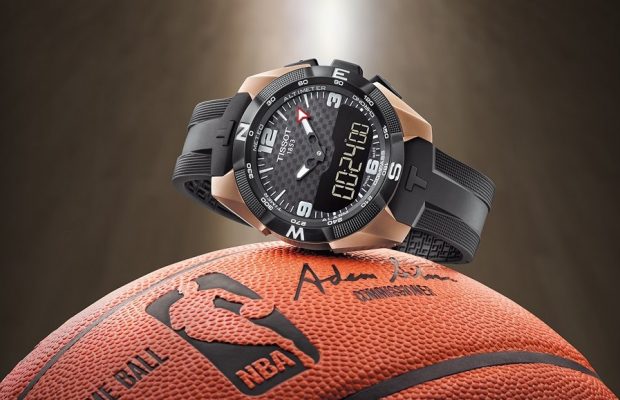
  • Tissot Japan plans to double outlets

    Tissot Japan plans to double outlets

    Tissot Japan plans to almost double its stores to 300 locations over the next few years.

    The Swiss watchmaker says its aim is to broaden its brand recognition in one of its most important markets.

    Part of the Swatch Group, Tissot has its products in about 170 stores in Japan, and intends to increase that to about 220 locations this year. As well as department stores and watch stores, it is considering sales at boutiques as well.

    In July, Tissot opened its first street-level store in Japan, in Osaka. In the medium term, it is considering opening one in Tokyo as well.

    Swatch also owns other brands, such as luxury watchmaker Omega.

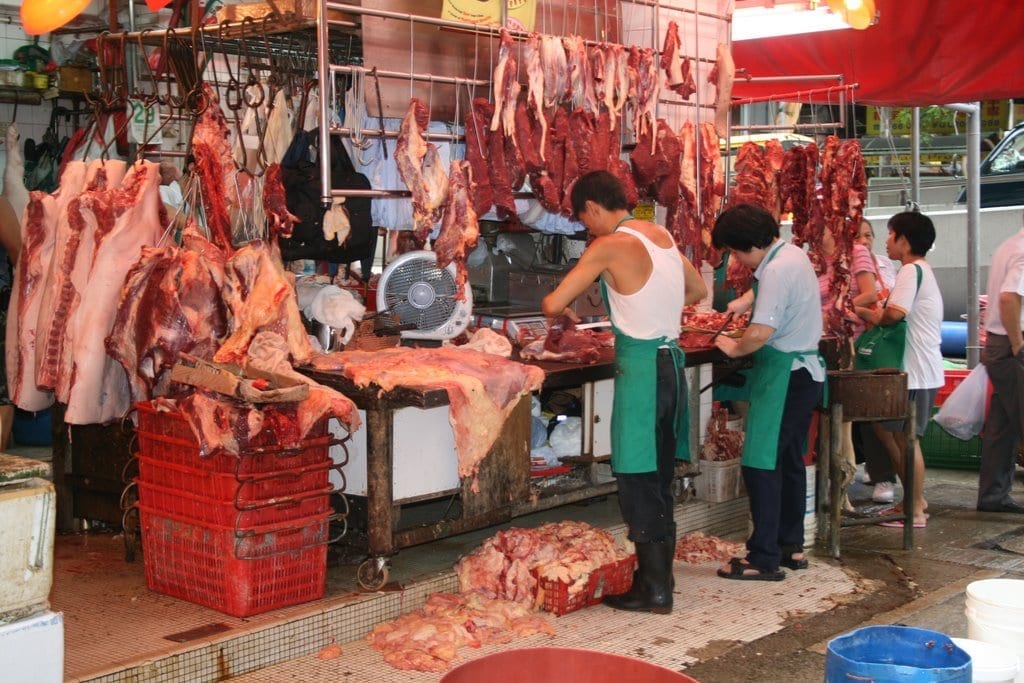
  • Sout Korea Costco stores’ move to all US beef a positive for exporters

    Sout Korea Costco stores’ move to all US beef a positive for exporters

    On the heels of two Costco stores in South Korea beginning the transition to sourcing chilled beef from US sources, with the remaining 11 to make a similar shift from Australian beef to US imports, officials from the Iowa Beef Industry Council (IBIC) were part of a trade mission to get a closer look at the supply chain in South Korea. The US Meat Export Federation’s (USMEF’s) Spring Seminar drew more than 200 representatives to make the Feb. 11-18 trip, which also included members of the Iowa Pork Producers Association and representatives from the beef-processing segment and pork exporting officials from the US.

    USMEF officials coordinated tours of the processing plant and cold storage facility at Haesung Provision and Kyunwoo Foods, followed by a visit to a Costco warehouse in Kwangmyung. The recent resumption of red meat exports to South Korea was a windfall for USMEF and its members and the decision by Costco, the region’s largest importer, to convert the remaining 11 stores to selling US beef exclusively signals more positive trade relations moving forward.

    “The retail market is vital for US beef. Costco’s announcement to move from 17 percent to 100 percent US beef in their stores is exciting for cattle producers,” said Dave Rueber, an IBIC member and Iowa beef producer who was part of the mission. “USMEF has been working on this for 13 years. This will result in a 15,000 metric ton increase in beef purchases this year.”

    Expectations of record exports of chilled beef to South Korea are based on the momentum realized in 2016, when beef exports jumped 31 percent in value (to $1.059 billion) and 42 percent in weight (to 179,280 metric tons).

    Knowing South Korea is one of the most social media-savvy cultures in the world, USMEF invited well-known bloggers and foodservice professionals to network with attendees in addition to hosting a cookbook launch, which focuses on US meats.

    “As beef producers, we cannot become complacent, we must continue to focus on building long-term beef demand and being aware of future opportunities,” said Daryl Strohbehn, another Iowa beef producer who made the trip. “As an industry, we have to continue listening to what our consumers want, including our overseas customers.”

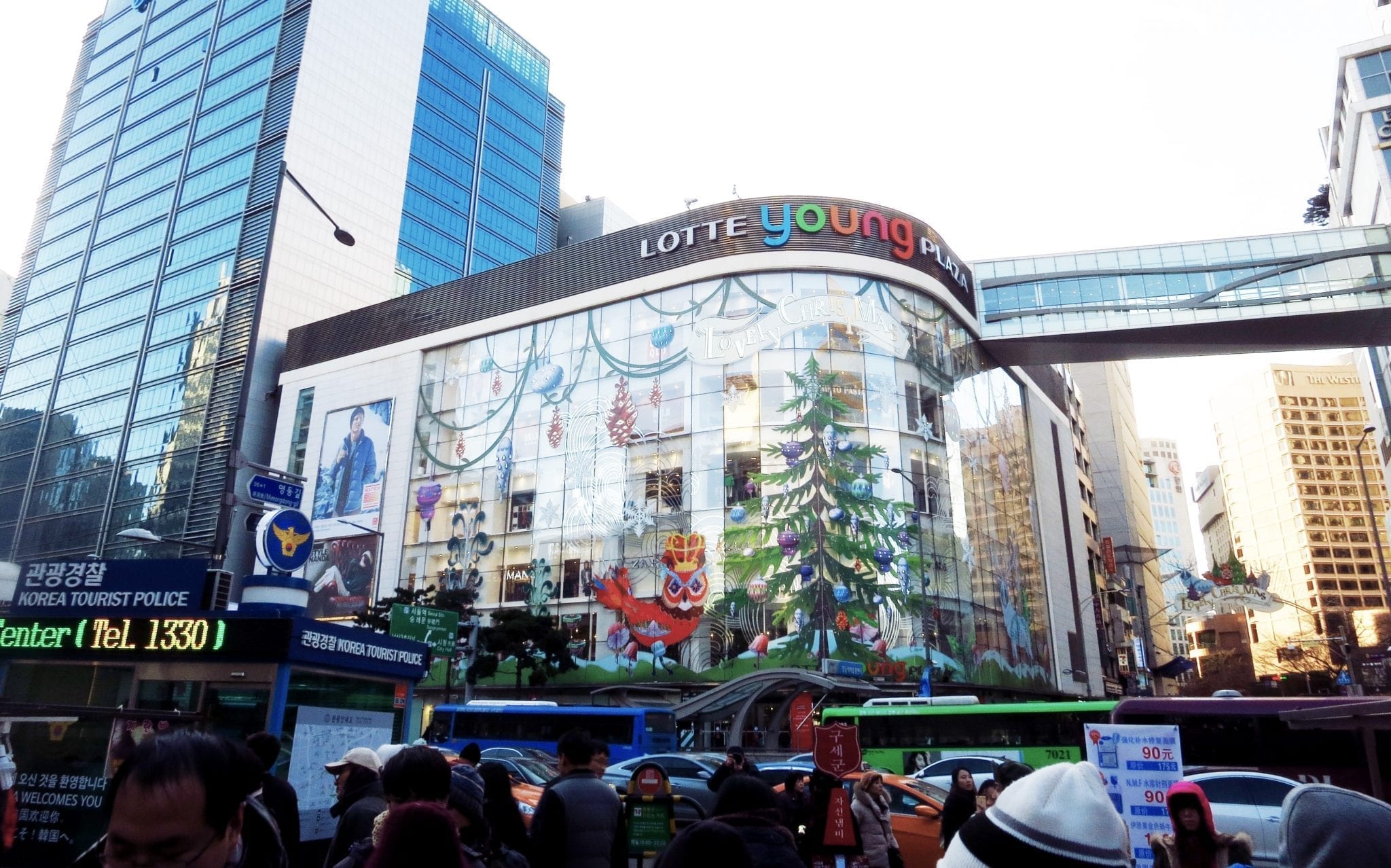
  • Lotte may close three retail stores in China’s capital

    Lotte may close three retail stores in China’s capital

    “Three of Lotte Super’s 16 branches in Beijing are considering shut-downs,” said a spokesman for Lotte Mart, which oversees Lotte Super’s overseas business.

    “The final result is scheduled to be announced within this month,” the spokesman added.

    The company denied any connection with the ongoing Terminal High Altitude Area Defense (Thaad) anti-missile system controversy.

    “This is just the result of an annual management checkup,” said the spokesman.

    “The three branches have posted weak operating profits in recent years. This is not the first time we have closed down branches that didn’t generate enough profit. There were shutdowns last year and the year before that as well.”

    Beijing’s hostility towards Korean business in China has been growing over the past three months, and especially to affiliates of Lotte Group, which is providing the land on which the missile defense system will be deployed in Seongju, North Gyeongsang.

    In November, Beijing rolled out unprecedented tax audits and safety check of some 150 factories, storage facilities and store branches of Lotte affiliates, including Lotte Department Store, Lotte Confectionery and Lotte Super. At the time, a group spokesman said it was “unusual” for the Chinese government to conduct inspections simultaneously on multiple affiliates.

    In fact, one of the Lotte sites that was subject to an abrupt safety inspection had been given an award by the local fire department for its first-rate safety systems.

    In the face of such retaliation against its businesses, Lotte Group has been delaying final approval of swapping a golf course, which will be the Thaad battery’s home, for a plot of land in Namyangju, Gyeonggi, currently owned by the Korean military.

    Board members of Lotte International, which owns the golf course, held a meeting on Feb. 3, which delayed a final decision. The company said it would hold another meeting soon.

    Maintaining good relations with the Chinese government is crucial for Lotte because it operates many retail operations in China and gets much of its business in its duty free shops from Chinese customers.

    Lotte Department Store set up a joint venture with China’s state-owned Citi Group in October to advance into Shanghai, a new market for Lotte affiliates. The department store held a business fair on Jan. 20 to attract Korean brands that wish to go into Shanghai.

  • South Korean home appliance and IT giant opens new store in Genting

    South Korean home appliance and IT giant opens new store in Genting

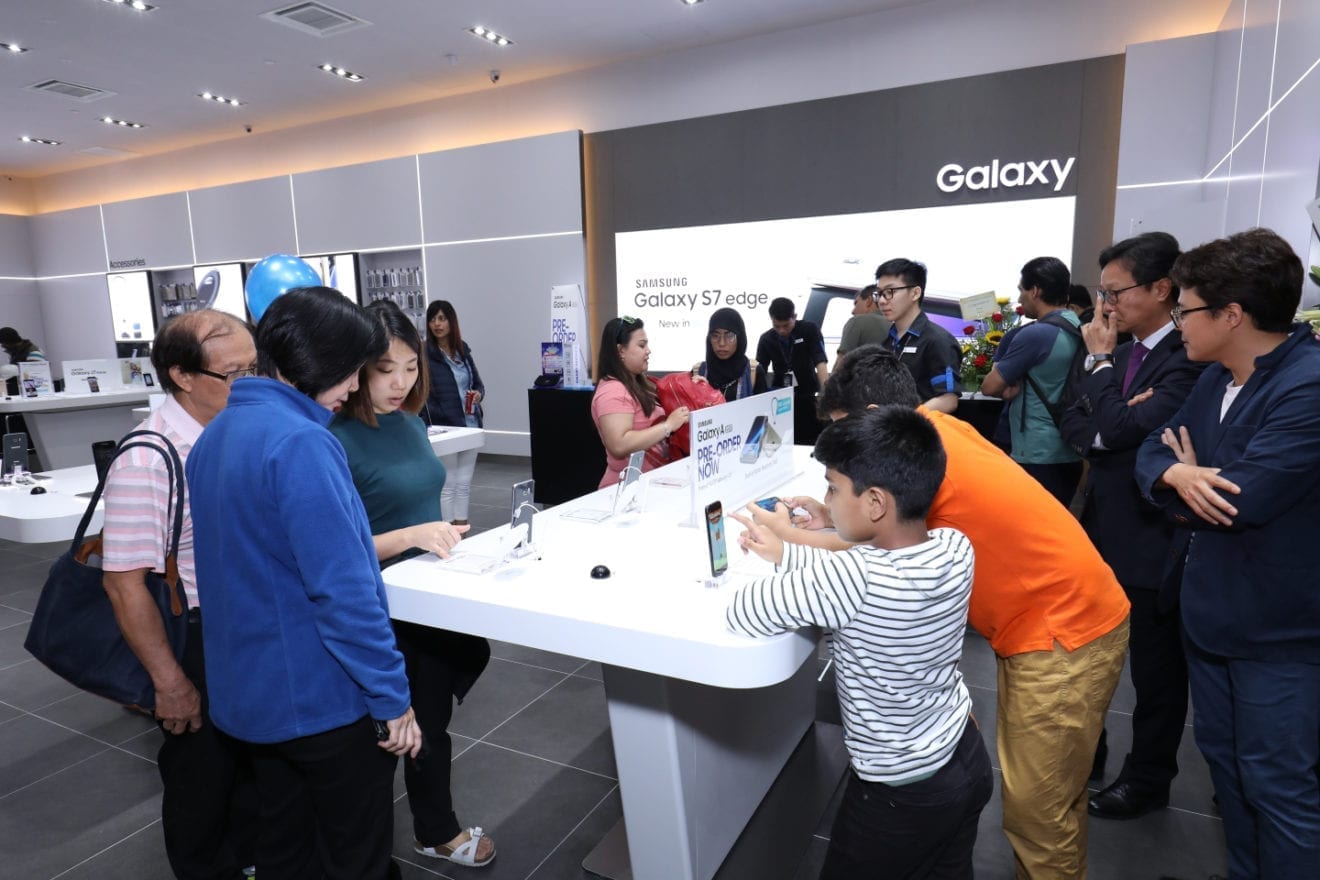
    Samsung Malaysia Electronics has launched its first Samsung Experience Store (SES) in Genting Highlands at the Sky Avenue mall, offering a wide range of the Samsung Galaxy mobile phones as well as a variety of wearables.

    The SES outlet is a one-stop shop that provides customer satisfaction with the best products and services.

    “The opening of the SES is another step forward in our expansion plans to different regions of Malaysia,” said Samsung Malaysia Electronics IT & mobile business unit vice-president Lee Jui Siang.

    “Our aim is to continuously expand our channel coverage, providing consumers a revolutionary digital convergence experience.

    Visitors to Genting Highlands can now experience the full Galaxy ecosystem at the newly opened Samsung Experience Store in the prestigious Sky Avenue mall.

    “With this expansion to Genting Highlands, we want to bring our innovations closer to locals as well as those visiting the country,” he said.

    In celebration of the store’s opening, Samsung offered customers a chance to take home a personalised caricature mug specially drawn using a Galaxy Note5 with purchase of any Samsung product on Jan 14.

    The company also gave away a special edition umbrella for the purchase of any Samsung product.

    Located at Lot T2B-57, Level T2B, Sky Avenue, Genting Highlands Resorts, the SES is now open every day from 10am to 10pm.

    Samsung Malaysia Electronics president Lee Sang Hoon (right) presenting a specially designed caricature mug, drawn using the Galaxy Note5, to Netcom Mobility Sdn Bhd director Elvis Chew as a token of appreciation.

    Samsung Malaysia Electronics president Lee Sang Hoon (right) presenting a specially designed caricature mug, drawn using the Galaxy Note5, to Netcom Mobility Sdn Bhd director Elvis Chew as a token of appreciation.
  • Apple plans to set up own stores in India

    Apple plans to set up own stores in India

    Hoping to replicate its success in the Chinese market, Apple is looking at setting up its own wholly owned stores in India. Currently, the company sells its products through distributors such as Redington and Ingram Micro.

    India’s smartphone market has been witnessing significant growth. Earlier in 2016, India surpassed the United States as the second-largest smartphone market with 220 million smartphone users. While smartphone users still account for about 22% of the roughly 980 million mobile users in India, there is tremendous opportunity for growth over the next few years.

    Little wonder that the company is looking at India as a lucrative market for setting up production. Apple has also announced plans to make iPhones for the Indian market in Peenya, Bengaluru in association with Wistron, a Taiwanese OEM manufacturer for Apple. Production will start by April 2017.

    With local manufacturing facilities, Apple would be able to price its phones more competitively in India. The steep price for the phones is a deterrant for the price conscious Indian consumer. The phones attract 12.5% additional duty on imports.

    According to media reports, Foxconn, the biggest contract manufacturer for Apple has also been roped in to set up a manufacturing unit in India. Foxconn is adopting a model of setting up smartphone assembly lines in multiple cities across India, with a second iPhone facility coming up in Gurgaon.

    An announcement is likely to be made during the Vibrant Gujarat Global Summit 2017 to be held on January 10 at Gandhinagar. Apple has announced that it would open its brand-owned stores, besides a 4,000-people facility in Hyderabad for its mapping unit.

    Reports suggest that the iPhone maker has requested for concessions such as relaxation in labelling rules, so it doesn’t have to print product info on its devices, and tax incentives in return for setting up a manufacturing unit in the country. The Department of Industrial Policy and Promotion (DIPP) has forwarded Apple’s request to the Department of Revenue and Ministry of Electronics and Information Technology (MeitY) in November. Government officials are yet deliberating on the company’s request.

    In May last year, Apple’s CEO Tim Cook visited India and met Prime Minister Narendra Modi as well as key industry leaders like Sunil Bharti Mittal and veteran banker Chanda Kocchar. Apple also announced plans to set up a design and development accelerator to support Indian developers creating innovative applications for iOS and opened a new office in Hyderabad to accelerate maps development.

    During his May visit, Cook had discussed issues including manufacturing and setting up retail stores in the country with Modi.

    An inter-ministerial meeting, scheduled for next month, will discuss and deliberate certain incentives sought by tech-giant Apple Inc to set up a manufacturing unit in the country to be able to ‘make in India’. The meeting will be attended by senior officials from the ministries of finance, commerce, revenue, environment and forest, electronics and information technology, among others.

    The government, however, believes Apple shouldn’t seek additional support to set up manufacturing plants.

    “Several companies in India are manufacturing mobile phones in India. Nobody is asking for additional incentives. Currently, the government provides sufficient support to boost electronic manufacturing,” PTI quoted government sources as saying.

    The tech giant proposed to bring used smartphones and assemble them locally. This was rejected as it did not constitute the Make in India model envisioned by the government. Nevertheless, it got local sourcing norms relaxed from the Department of Industrial Policy & Promotion to open its stores in the country.

    In a report published recently, government sources have said that it may agree to some of Apple’s demands for setting up a manufacturing unit in India if the maker of iPhones promises a huge investment and commits to generating hundreds of thousands of jobs.