Tag: Stores

  • Huawei India revealed massive expansion plan by 2020

    Huawei India revealed massive expansion plan by 2020

    Huawei India plans to open 1000 experience stores across the country by 2020. The first 100 such stores are already in planning or construction in partnership with the brand’s retail partners, offering consumers the chance to try out its flagship handsets. They will also display Huawei’s growing range of smart devices including laptops, speakers and watches.

    “We are initiating the offline expansion with our new flagship device… we are aggressive globally with our offline strategy and we are replicating the same in India,” said Wally Yang, senior marketing director at Huawei Consumer Business Group.

    He said Huawei was experiencing strong growth in the premium smartphone market globally and believes India will give similar results.

    “Our positioning is different, and so is the target audience. We are targeting consumers that are looking for high-end tech,” he said.

    Huawei is investing US$100 million in tackling the Indian market. Its low-cost brand Honor is already selling there both offline and online and the two brands already account for 3 per cent of Indian smartphone sales. From next year it is targeting market share growth of between 5 per cent and 10 per cent, said Yang.

    “India is important for the company’s global product strategy.”

  • Ashley furniture now available in Thailand

    Ashley furniture now available in Thailand

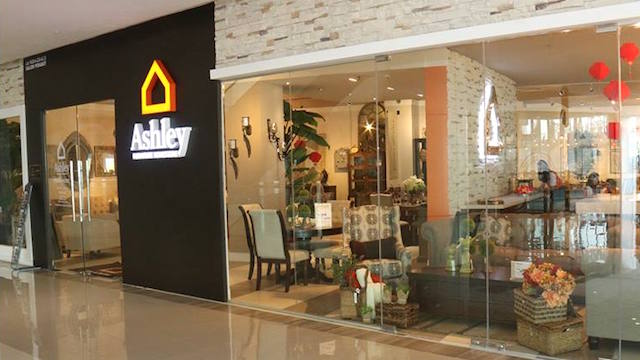
    US furniture retailer Ashley has launched in Thailand, partnering with local home furnishing and decor chain Chic Republic. The move is expected to help the brand capitalise on growing market demand and consumer purchasing power in the territory. Ashley president and CEO Todd Wanek said Thailand is a critical and potentially huge market for Ashley, due to its fast-growing middle-class affluence and population of 70 million.

    “There is huge demand for American contemporary and transitional looks in Thailand. This is why Ashley took the time to find the right partner, test the market thoroughly and made this decision after more than three years of finding the right fit.”

    Chic Republic’s strategy for expansion aims to target mid- to high-income consumers.

    It aims to sell Ashley’s products online via www.chicrepublicthai.com, and at four retail stores in Bang Na, Pradit Manutham, Ratchaphruek and Pattaya.

    Chic Republic CEO Kijja Pattamasattayasonthi said the outlook for furniture and home decor sales for the remainder of this year and into next is positive, due to demand from middle- to high-income customers, whose spending confidence has increased, as well as support from the increasing numbers of low-rise and high-rise high-end property projects.”

    Ashley has operated globally for more than 70 years, and has worked in the Asia-Pacific region for five years. It has more than 850 branches in 150 countries and brought in global sales of more than US$6 billion last year, accounting for 5 per cent of the brand’s total sales.

  • Alcis Sports opens its two new stores in India

    Alcis Sports opens its two new stores in India

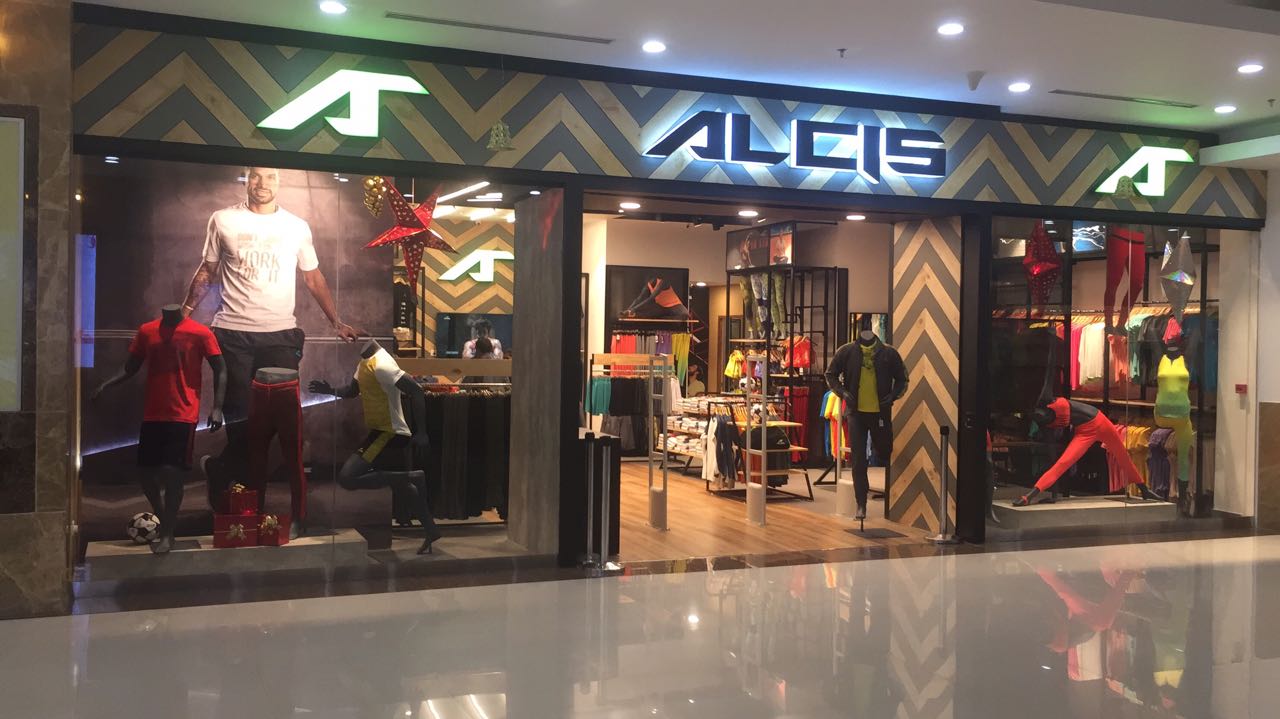
    Alcis Sports, a cutting-edge Indian performance wear brand, unveiled two new stores in Bagru in Rajasthan and Kurukshetra in Haryana. With these two new additions, Alcis Sport has now 11 exclusive brand outlets (EBOs) in India, and aims to have 15 by the year-end and 30-40 stores by 2019.

    Bagru and Kurukshetra get firsthand experience of a premium performance wear at an affordable price. Alcis Sports is a homegrown affordable Indian sportswear brand which is at par with international brands in terms of quality and also in sync with Indian sensibilities.

    The stores house Alcis Sports’ range spanning not only athleisure range but specific clothing for running, training, yoga, football, cricket and racquet sports. Alcis Sports is a home-grown, premium cutting-edge performance wear apparel brand, formed to tap into the emerging sportswear segment in the country.

    Roshan Baid, Managing Director, Alcis Sports said, “We are elated at the response of customers in both the outlets especially in Bagru. Touching Rs 1 lakh in sales in just two days in a new locality without much advertisement shows the awareness, acceptance and trust about the brand. We are committed to our customers in terms of international quality and affordable price without any compromise in our products.”

    Alcis is present at large format stores such as Shoppers Stop, Lifestyle, Globus, Central, Sports Station, Walmart, RS Brothers, Sarvanas, Pothys, JC Brothers and M&M and online retail channels such as Myntra, Jabong, Amazon, Flipkart, TataCliq, Ajio, etc. Besides, being present in over 700 multi-brand stores across the country, Alcis Sports is aggressively looking to open exclusive stores through franchise across the country. Alcis plans to open up about 15 exclusive brand stores, covering all the major cities of India, within this year.

    Alcis Sports has tie-ups with leading sports entities such as the hugely popular Pro Kabaddi League (Haryana Steelers and all match referees), among others. The company has secured an investment from Singapore based Venture Capital firm RB Investments, which has a strong portfolio of startups in India, including The Beer Cafe, Swiggy, Bluestone.com, Fab hotels, Faasos and PropTiger to name a few. Alcis Sports has also appointed celebrated Indian cricketer Shikhar Dhawan as the brand ambassador.

    Alcis Sports is a performance wear brand launched by the promoters of Paragon Apparels Pvt. Ltd., the largest manufacturer and exporter of sportswear in India. Alcis prides itself for being the first Indian brand to have the capability and production ability to manufacture technologically advanced sportswear at affordable price-points to enhance the performance of the wearer.

    Produced in India with the latest technologies such as Dry-Tech (moisture management), Anti-Odour, Anti-Static, Anti-UV and Light X, the products are specifically designed keeping Indian lifestyles and weather conditions in mind. The product range consists of clothes to wear while running, training, yoga, football, racquet sports and other athletic and leisure activities.

    Today, Alcis products which have international quality but Indian prices, are available in over 700 outlets across the country including all leading large format stores such as Lifestyle, Shopper Stop, Central, Globus, Sports Station, etc and online retail websites and 11 exclusive brand stores at New Delhi, Mumbai, Kochi, Jaipur, Guwahati, Bangalore, Goa, Bagru and Kurukshetra.

  • IGD predicts five trends set to shape retail in 2019

    IGD predicts five trends set to shape retail in 2019

    Seamless in-store shopping experiences coupled with innovative advances in technology are among IGD’s five key retail trends for 2019. “Next year’s biggest trend of all is likely to be the continuation of rapid and radical change in the food and grocery industry,” said Toby Pickard, head of insight, innovation and futures at IGD.

    “We have already seen a significant pivot towards innovative new technology, and there is no sign of this letting up next year. Shoppers’ expectations have changed, and the retail and grocery sectors are working to meet those expectations in every area of business,” he said.

    IGD’s five key retail trends for 2019 are:

    Data dictates the way: This year has seen data become more valuable to the retail sector than ever, with 46 per cent of supply-chain experts now actively prioritising data-driven business. As well as helping to boost sales, accurate data will be vital for tools that allow retailers to understand customer behaviour – and reward their loyalty.

    Through customer datasets, artificial intelligence (AI) and machine learning in-store, retailers can target products and offers more effectively while maintaining appropriate stock levels and improving customer service. Insights gained through closer customer engagement will provide invaluable guidance to retailers looking to grow their businesses: making stronger connections beneficial to both groups.

    Doing good is good businesses: Companies will increasingly take the lead on sustainability while issues such as food waste and plastic pollution make headline news. This has translated to changing attitudes across the generations. Nearly three quarters (74 per cent) of UK shoppers say they have become more aware of the environmental impact of plastic packaging over the past year, and this has led to innovations such as biodegradable wrapping and plastic-free supermarket aisles. Retailers are no longer thinking about just reducing waste, but want to make a positive, tangible contribution. The next wave of innovative and leading retailers and brands will move beyond reducing their impact.

    Seamless stores: Physical stores will offer a much more digital experience next year, by using technology to make it easier for customers to find items and gain more product information. Some 85 per cent of UK shoppers would like to see the roll out of more in-store technologies. This should lead to a faster shop for many, where searching aisles and shelves for the right item is replaced by an app that guides shoppers to where they want to be.

    “Physical stores offer customers a more tangible shopping experience, where they can see products before they commit to purchase,” sais Pickard. “This gives these spaces an advantage over online providers, and we are seeing stores begin to capitalise on that and add in extras to incorporate more of the benefits of online.

    “A recent example of this is Il Viaggiator Goloso, a premium Italian brand, which has enabled its electronic shelf-edge labels to show the online reviews and scores products have received. This gives customers a more informed choice in store.”

    Help me be healthy: Most shoppers aspire to eat and live well, with 85 per cent saying they are actively trying to improve their diet, but aspirations don’t always translate into action. “We believe shoppers will be more health conscious going forward, so supporting them to both look and feel good will be a major priority for retailers and their suppliers. This means that both consumers and businesses will be thinking more about wellness and the role of retail in promoting cleaner living going forward,” says Pickard.

    Anywhere, anytime: IGD expects innovative new social-commerce solutions to emerge throughout next year. Retailers and suppliers will deliver targeted marketing, and new ways to make online shopping more social, instantaneous, and convenient.

    “Next year, we will see retailers think increasingly about making every moment shoppable,” says Pickard. “A recent innovation was EasyJet making it possible for Instagram users to find and book holidays to new destinations, simply by clicking on a photo they have seen. Whether through targeted marketing or simple ways to make purchasing more seamless, shopping is becoming not just more convenient but more instant as well.”

    IGD says shopping will become seamless and omnipresent, with people no longer needing to visit a retailer’s online store. As they look at pictures, watch videos or TV they’ll be able to just add products to a shopping cart.

    “This has the potential to change the way that retailers think about selling in the future.”

  • Mumuso to open 300 stores in India by 2022

    Mumuso to open 300 stores in India by 2022

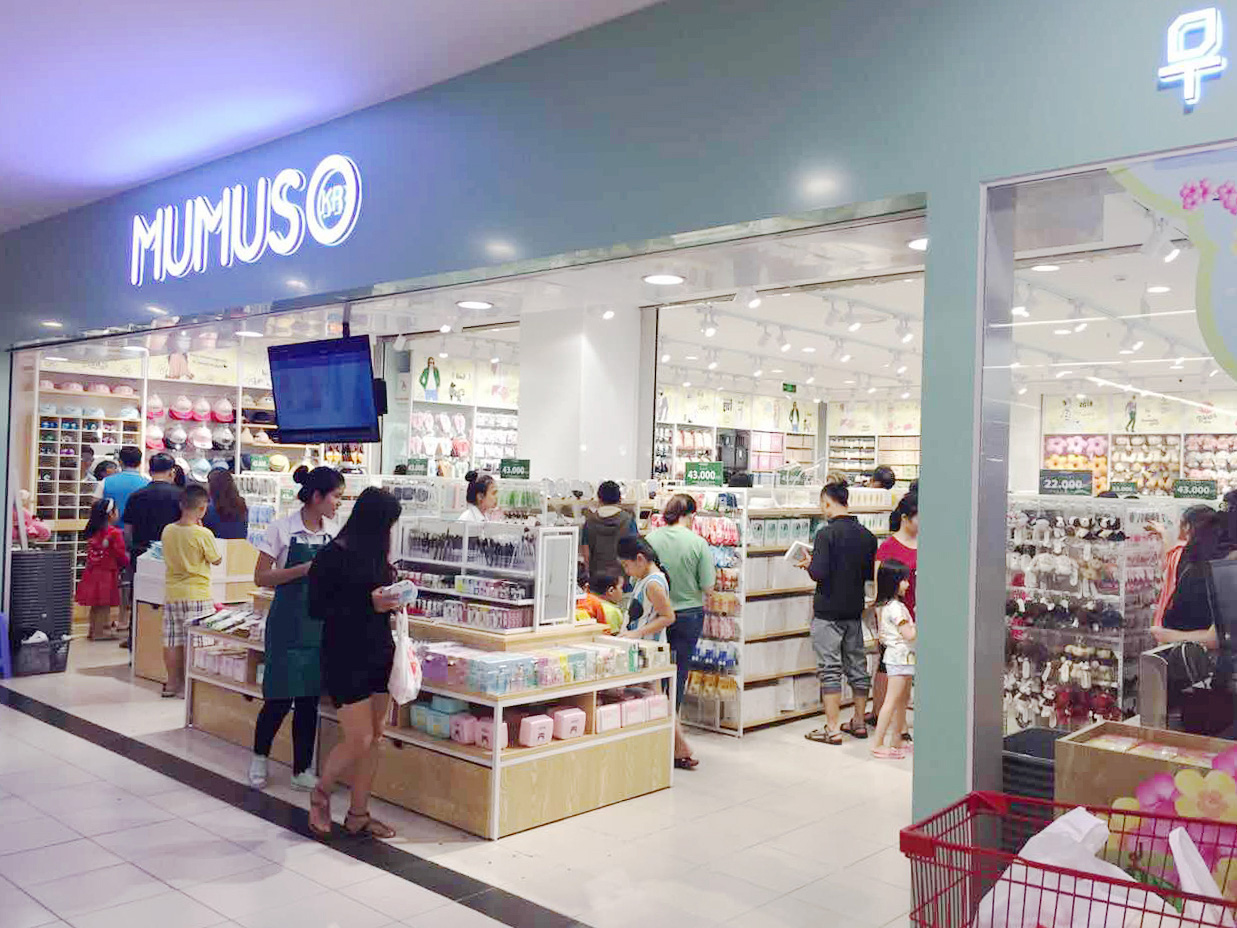
    Korean lifestyle brand Mumuso has announced its plan to open 300 stores across India by 2022. The lifestyle brand, currently present in 30 countries, entered the Indian market in September with a flagship store in Kolkata’s Park Street. “Mumuso is eyeing the Indian market aggressively with new stores in different parts of the country” said Raunak Agarwal, Managing Director of Mumuso India.

    “Mumuso is eyeing the Indian market aggressively with new stores in different parts of the country” said Raunak Agarwal, Managing Director of Mumuso India.

    “India has seen a sharp rise in the demand for lifestyle products in the recent years”, he added.

    Mr. Agarwal said each Mumuso store will offer 1200 unique items across eight categories and there will be an investment of Rs 80 lakh to Rs 1.2 crore in opening the stores.

    The next stores to open will reportedly be in Hyderabad, Siliguri, Bangalore, Delhi, Mumbai, Surat, Durgapur and Chenna.

    Out of the 300 stores planned, 10 are said to be launched in the current calendar year.

    Mr. Agarwal added the company would take the franchisee route to achieve its target of 300 stores, but the tier 1 and tier 2 cities will have at least one flagship Mumuso store.

    Company officials said the brand was expected to grow at a 12 to 13% rate in eastern India in the next four years.

    Mumuso currently has only one warehouse of 50,000 square feet on the Bombay Road in West Bengal but it plans on having more warehouses with future expansions.

  • Urban Outfitters China plans to expand

    Urban Outfitters China plans to expand

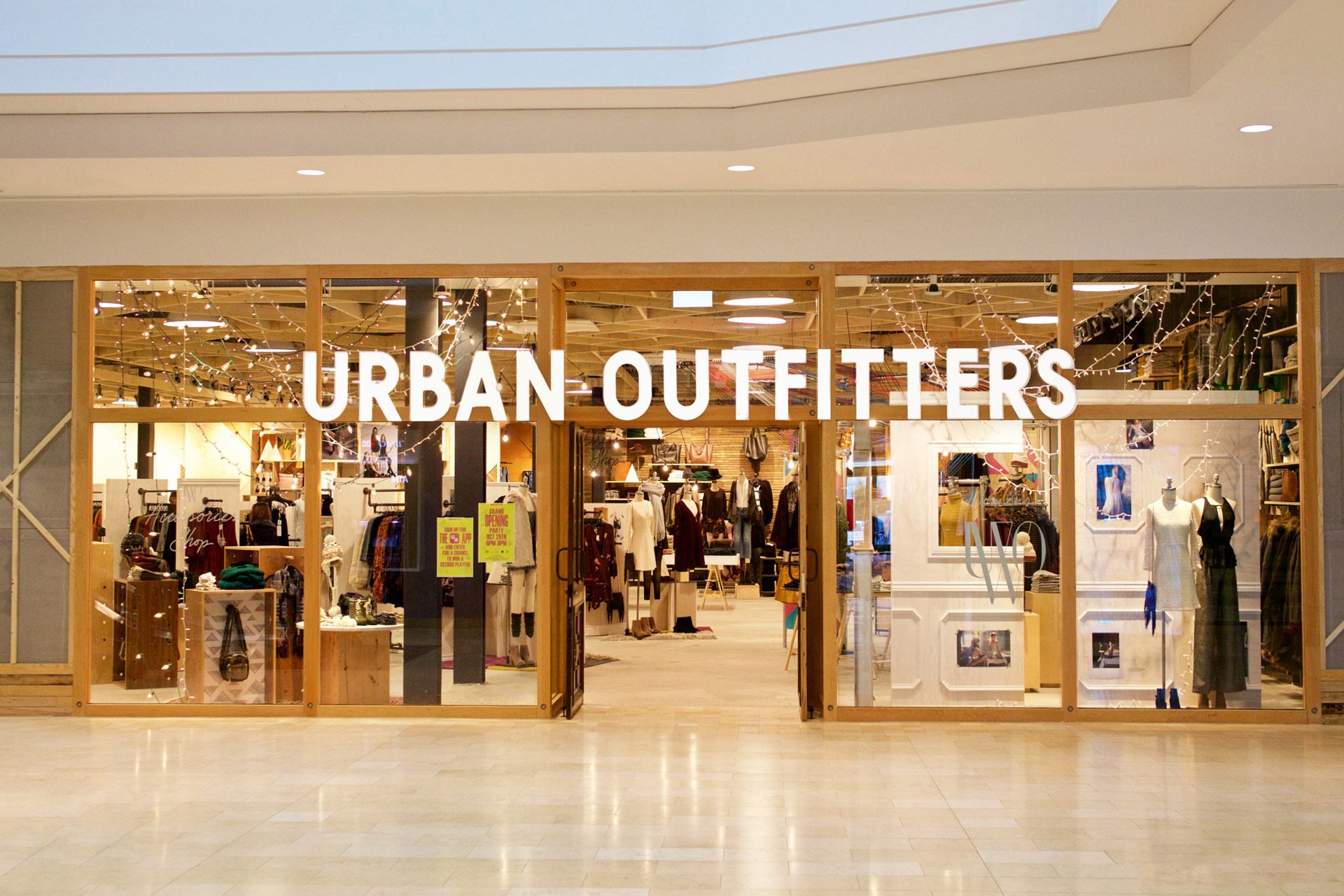
    US retailer Urban Outfitters has announced global expansion plans which involve a broadened commitment to China. According to a statement from the brand’s CEO Richard Hayne, Urban Outfitters China will be housing inventory while the company opens new locations in Europe and the Middle East, as well as taking on new distribution partners.

    The brand’s parent firm Urbn recently posted third quarter net sales of US$973.5 million, a 9 per cent increase over the same period last year.

    Urban Outfitters enjoyed strong sales while participating in the singles day shopping spree on e-tail platform Tmall.

    “We plan to establish a larger presence [in China] by mid-next year. To do this we will switch to the much larger Tmall Classic platform, hold inventory in-country and fulfill orders through a third-party service provider in China. In addition, we plan to sign leases for several stores to open in calendar year 2020,” said Hayne.

    Urbn will be expanding its network of 61 stores in Europe to 100 within three years, and will operate more than 10 stores in the Middle East by 2020.

  • Xiaomi Opens Over 500 Stores in Rural India

    Xiaomi Opens Over 500 Stores in Rural India

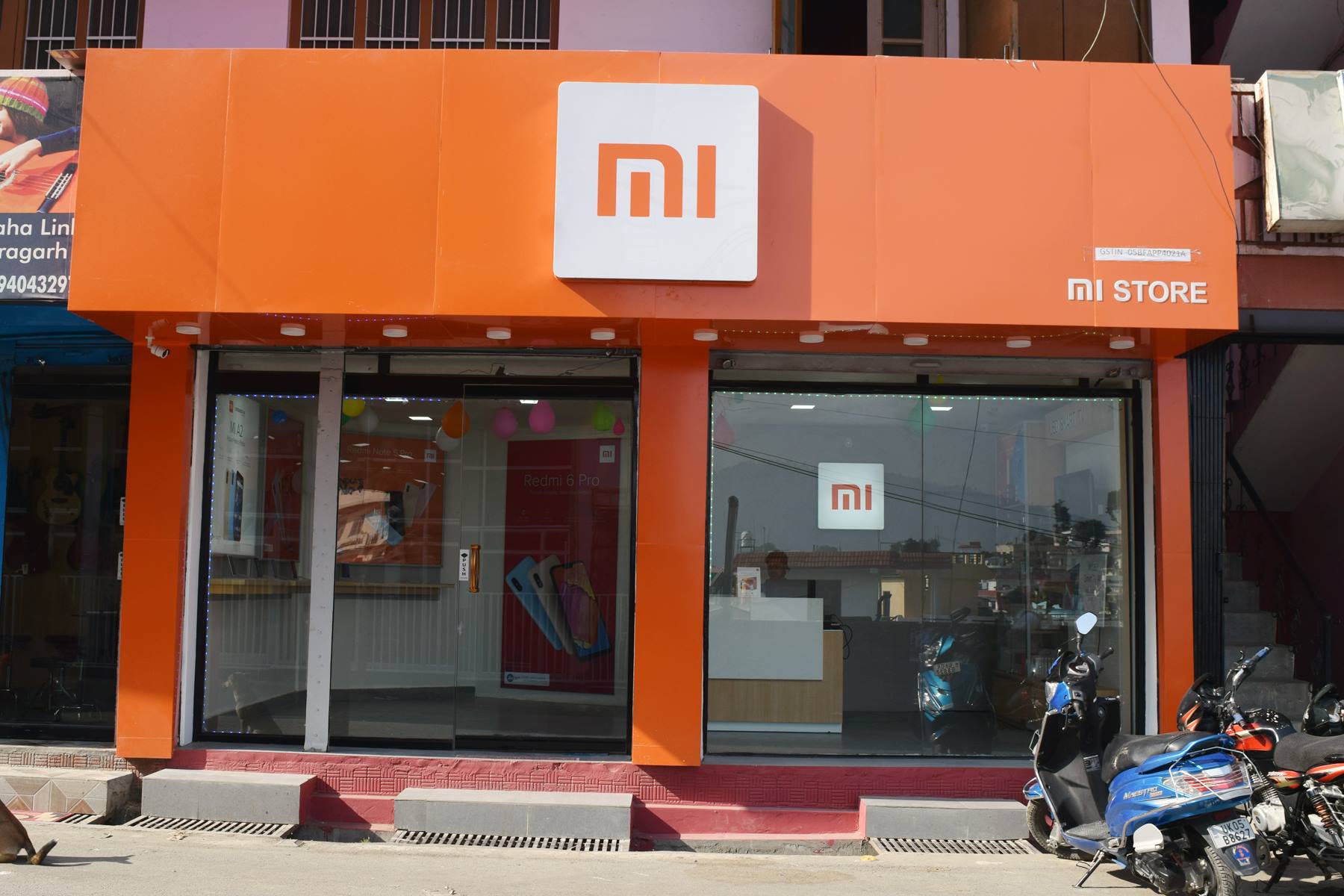
    Xiaomi India says it opened 500 retail stores in one day in India late last month. The Chinese electronics retailer has bannered the network Mi Stores – smaller, compact versions of the Mi Home stores, developed for mainly rural parts of India.

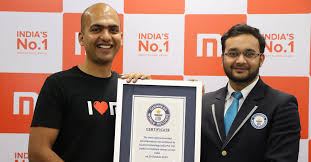
    “The company created a Guinness record for opening the maximum number of stores in one single day,” said Manu Kumar Jain, VP of Xiaomi Global and MD of Xiaomi India.


    “Xiaomi plans to open 5000 Mi Stores by the end of next year. This new business will forever change rural retail in India.”

    As well as the Mi Home stores, the company is continuing to roll out its larger flagships, the fourth of which opened in Bengaluru in September.

    Xiaomi India has been growing rapidly since it launched online, initially focusing on mobile phones. Since then it has expanded into other home electronics and is now moving into other retail categories such as luggage and apparel.

  • Philippine’s La Lola to open in Singapore

    Philippine’s La Lola to open in Singapore

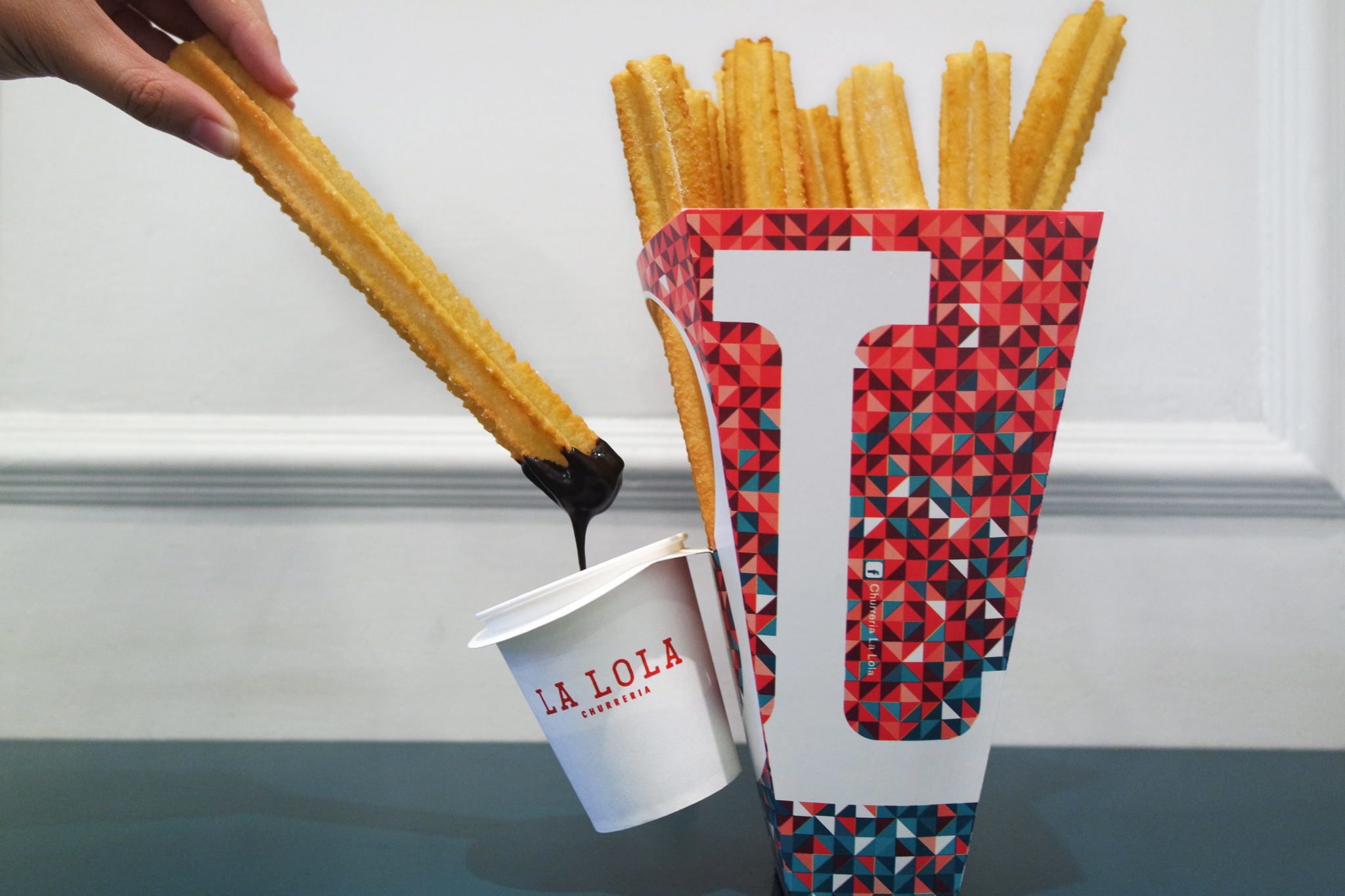
    La Lola Churreria will soon open its first store in Singapore at Clarke Quay Central. The Brazilian-inspired food-retailing concept is being brought to the city by MFT Group of the Philippines, in partnership with Bistronomia which opened the first La Lola store in the upmarket Manila Power Plant Mall at Rockwell.

    The Clarke Quay site was chosen for its close proximity to the MRT and bus stations.

    MFT Group chief marketing officer Chiqui Tan said the company chose Singapore because of locals’ dessert-driven palette and openness to new concepts.

    A former employee of the Philippines’ SM group, Tan says she has been watching La Lola with interest for several years.
    “We’ve been fans of the brand ever since they started. We thought it was genius that something so simple can be done so well. I saw the speed and the scale they grew the brand,” she said in an interview.

    “La Lola churros are so global in flavour that [the concept] can be taken anywhere and will have a strong chance of succeeding,” she said.

    The two companies are planning multiple outlets across Singapore and MFT Group is also actively looking for more food concepts to launch.

    The MFT Group, a private equity investor, has already successfully taken Singaporean chain Salad Stop to Spain. And it plans to open branches of that brand in Vietnam soon.

  • 6ixty8ight Singapore expands by opening stores

    6ixty8ight Singapore expands by opening stores

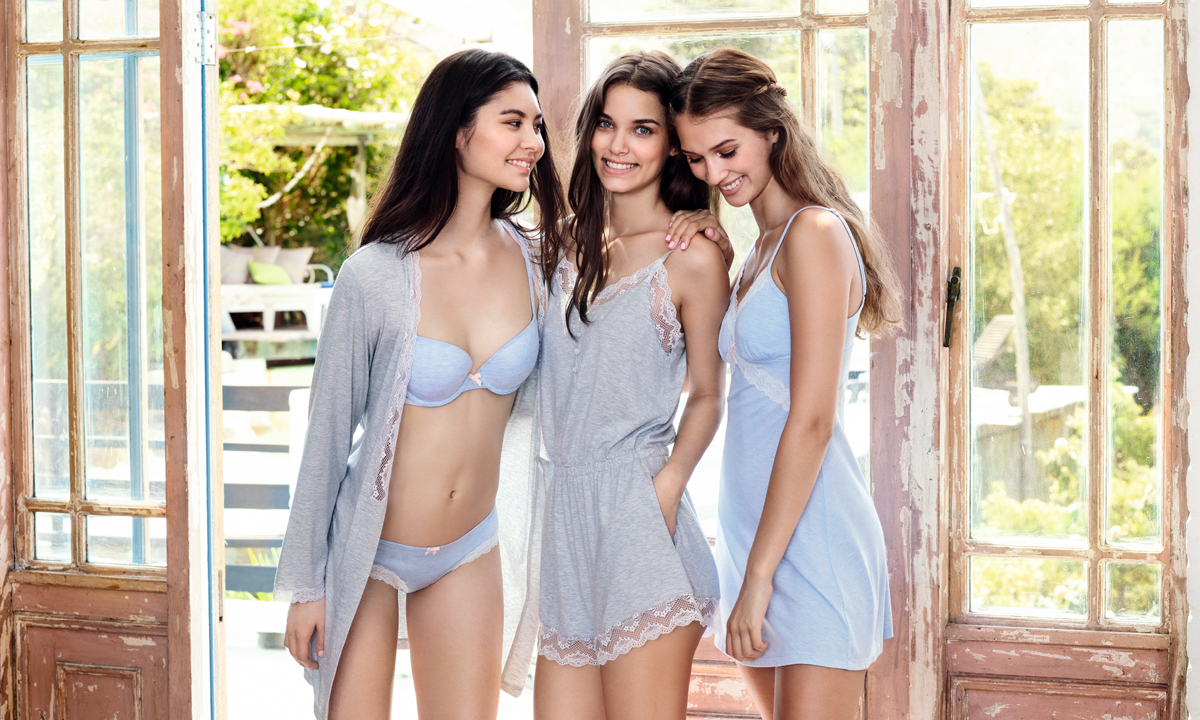
    Hong Kong lingerie brand 6ixty8ight is trebling its Singapore store network. 6ixty8ight Singapore will open new stores at Tampines 1 on December 1 and at Bugis Junction this week. They follow the brand’s debut at VivoCity in July.

    The Bugis Junction 6ixty8ight Singapore store will take up340sqm of space, a little larger than the 270sqm site at Tampines 1 – but both are considerably larger than the first store, which is just 185sqm.

    6ixty8ight was founded in 2005 by Hop Lun Group which has manufactured lingerie for many international brands for more than 25 years. Its strategy was to use its manufacturing expertise to create underwear for Chinese women. Such a course did not cannibalise sales from its manufacturing customers, which primary target western markets. It was the first time the manufacturer had developed its own label.

    The brand, which targets women aged 15 to 30, has found a ready market in Hong Kong, Taiwan and South Korea where its value offer and fun store decor has differentiated it from rivals. It now has more than 150 stores in the region.

  • CapitaLand launches new retail concept store at Plaza Singapura

    CapitaLand launches new retail concept store at Plaza Singapura

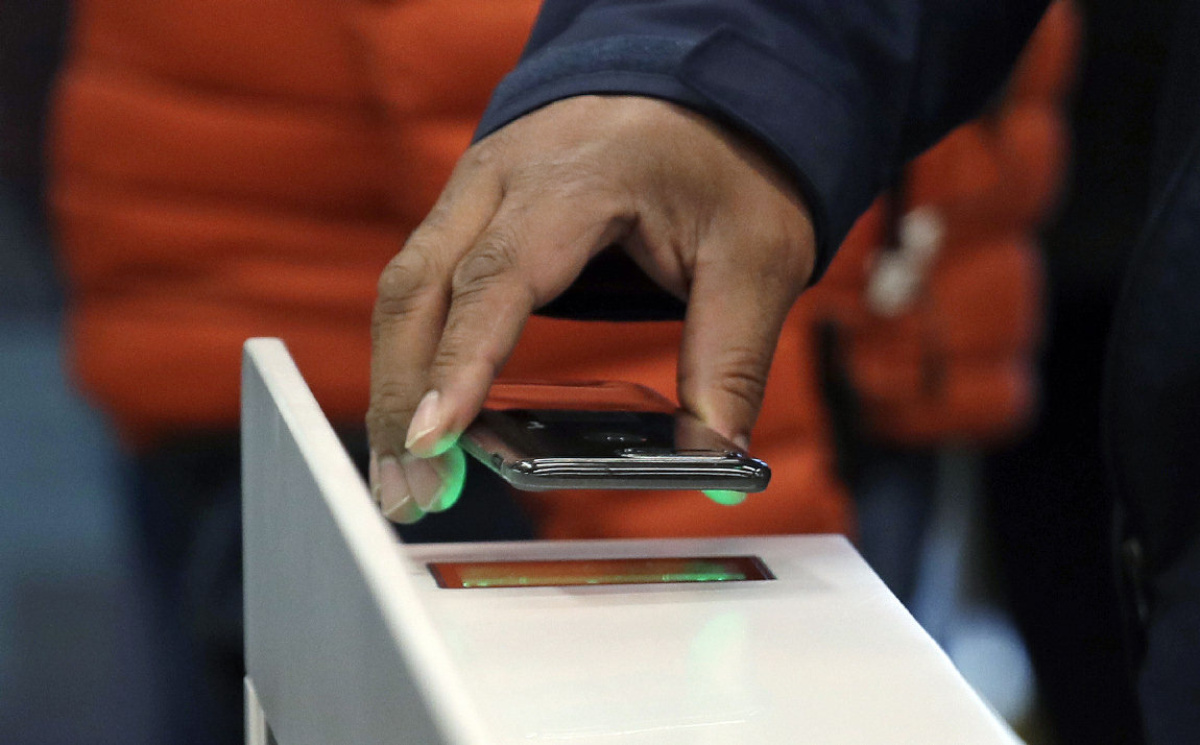
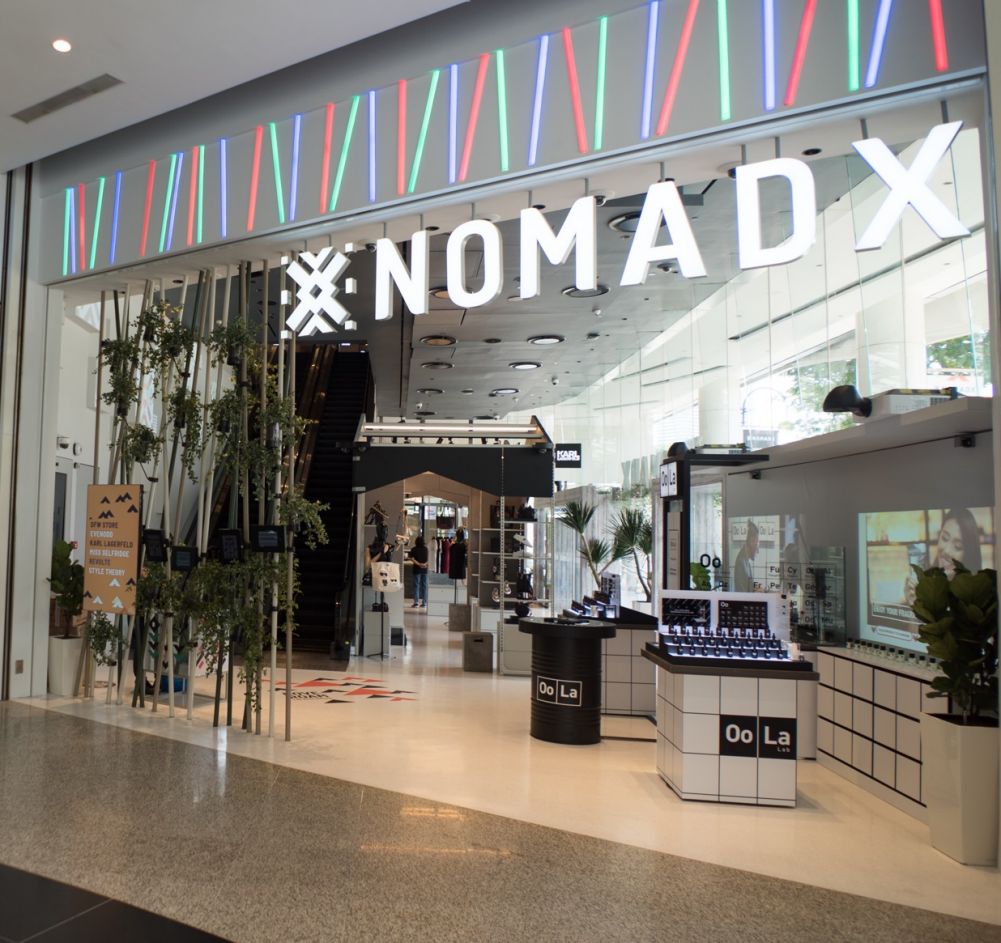
    CapitaLand has unveiled Singapore’s first “phygital” multi-label concept store NomadX at Plaza Singapura. NomadX (pronounced as “Nomads”) is styling itself as a “phygital” store for offering a new blend of physical and digital experiences, including a gamified onboarding process, automated store assistance such as smart mirrors, interactive product walls and a cashless payment experience.

    The 11,000sqft space is spread across two floors in Plaza Singapura, with frontage facing Orchard Road. The multi-label retail destination marked its official opening with a curated selection of 18 tenants offering a wide range of fashion, beauty, consumer electronics, gadgets and food and beverage offerings.

    President (Asia & retail) of CapitaLand Group Jason Leow said NomadX represents CapitaLand’s commitment to embrace omnichannel retailing. “It allows us to implement and redefine our ideas for a new generation of retail offerings. As a flexible space incorporating tech-enabled retail infrastructure, NomadX will make it easier and more cost efficient for our retailers to explore and nurture new innovative concepts before wider roll-out at CapitaLand’s shopping malls.

    “NomadX not only augments CapitaLand’s suite of services to meet the demands of retailers at various stages of their digitalisation journey, it will help to enhance the tenant mix at our malls over the longer term. With NomadX, CapitaLand is looking forward to working with a stellar line-up of partnerships to create new expressions of phygital retail experiences at our malls.”

    To ensure maximum flexibility for tenants to push the boundaries, NomadX incorporates short-term leases and “plug & play” retail units that are integrated with smart retail infrastructure. Tenants set up temporary homes like nomads – thus the inspiration for the store’s name – that are demarcated by modular panels and equipped with interactive technologies to encourage product discovery and play.

    The store’s fluid layout and data analytics capabilities make NomadX a suitable testbed for retailers to trial new concepts and products and respond swiftly to consumer reception and feedback.

    CapitaLand Retail CEO Wilson Tan said the company is curating a new shopping experience at NomadX, one which goes beyond the act of simply buying.

    “NomadX promises to be a personalised social space of sensation and discovery. By combining the technology of ecommerce, mobile shopping applications as well as location data analytics, we are able to work with our retailers to customise entirely unique physical shopping experiences that are based on our shoppers’ preferences.”

  • Daniel Wellington put more focus to boosts travel retail sector

    Daniel Wellington put more focus to boosts travel retail sector

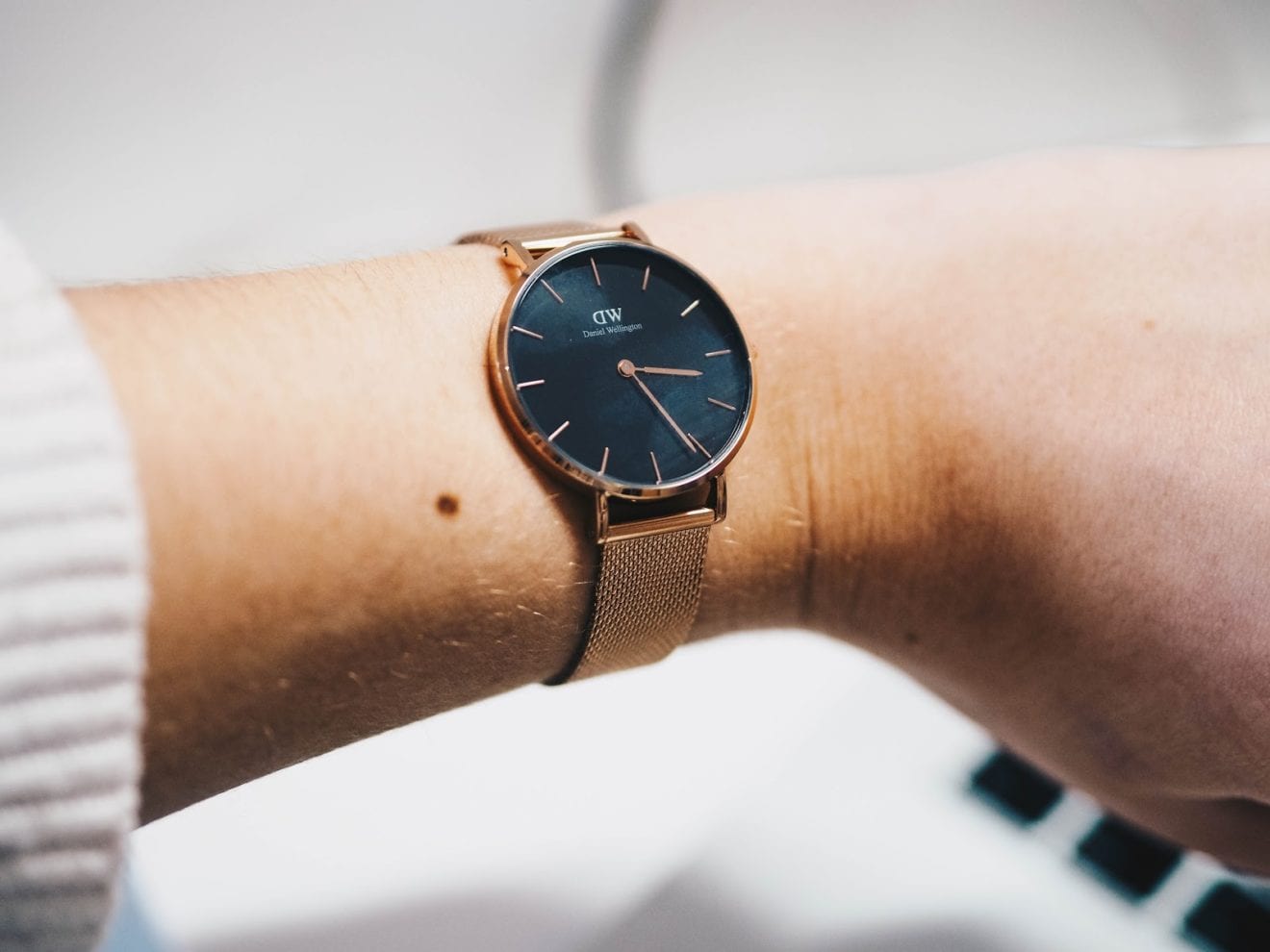
    Daniel Wellington is strengthening its expansion in global travel retail, opening more than 35 stores in key travel destinations during the past six months.

    Helen Wong, head of travel retail at Daniel Wellington said that the watch brand has consolidated its brand image in travel this year through stronger collaborations and exclusive concepts.

    “We are approaching the travel retail experience not only on a product level, through our new Daniel Wellington travel retail-exclusive products, but also through elevated brand concept environments,” she said.

    “Thanks to stronger collaborations with our partners and popular demand from our fans, we have been able to present the brand in creative and engaging pop ups and shops-in-shops this year, with more exciting spaces to come.”

    The company opened at Shenzhen Bao’an Airport last month, marking the first Daniel Wellington boutique in a travel retail location at a Chinese airport.

    In Malaysia, the brand has partnered with Dufry to open at the Genting Highlands integrated resort, northeast of Kuala Lumpur.

    And in Thailand, Daniel Wellington has signed the lease for its first store, to be opened at Chiang Mai in partnership with local duty-free retailer King Power.

    Travel is also on the agenda in South Korea, where the brand is consolidating its presence with renovation projects planned across 16 locations, including in Seoul, Incheon, Busan and Jeju. The brand is also targeting premium destinations and has designed a new furniture concept specially for travel retail locations.

    Other travel retail openings this year include a first store in Cam Ranh Airport, which serves the popular Vietnamese tourist destination of Nha Trang.

    Besides opening stores in travel-related locations, Daniel Wellington has developed products exclusive to these stores this year, including the Classic Cambridge 36mm style modelled on the 40mm size, one of the brand’s first styles launched.

    Wong said the company’s greatest focus during coming months will be to solidify the brand awareness through controlled distribution and a global social media strategy for travel retail.

  • Convenience stores in Vietnam quadruple in six years

    Convenience stores in Vietnam quadruple in six years

    The number of convenience stores in Vietnam has quadrupled over the last six years, according to global data analytics firm Nielsen released at a press conference on Thursday.

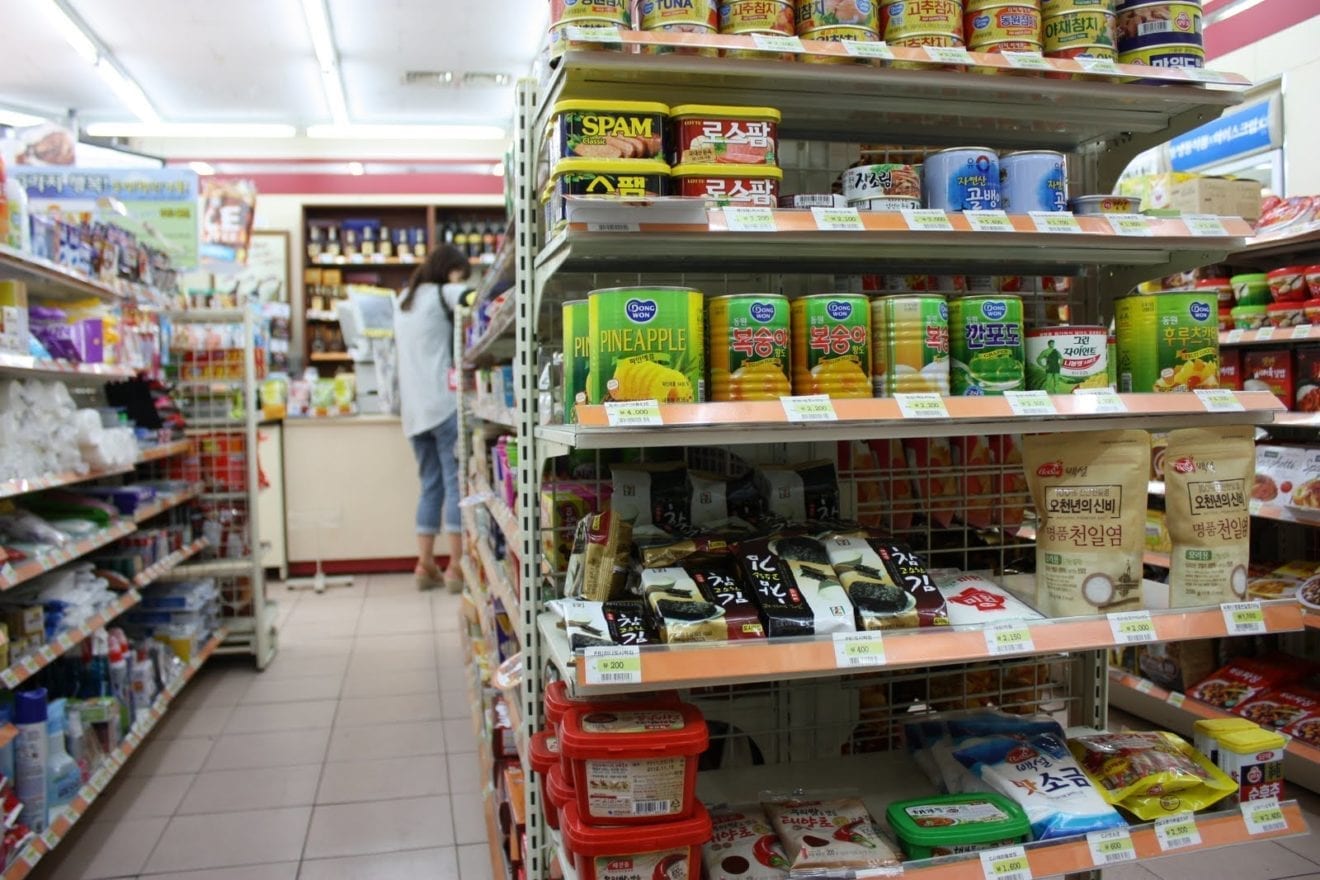
    “Convenience stores in Vietnam have become popular destinations for young consumers to shop and hang out, as the stores provide them with an air-conditioned environment, well-organized shelves and seating areas, high quality products and, in some stores, free Wi-Fi. It is also easier to get licenses for stores under 500 square meters, which is why retailers have been expanding to gain market share,” said Nick Miles, head of Asia-Pacific at international grocery research organization IGD last month.

    “Thanks to the rapid increase in the number of stores, modern trade has a much higher growth rate than traditional trade in Vietnam,” said Nielsen’s executive director Nguyen Anh Dung, as heard in the press release.

    The number of modern urban trade stores in Vietnam increased by 10.7 percent on-year during Q1 2018, compared to a decrease of 2.6 percent for traditional stores, according to Nielsen’s Market Pulse report, which looked at 31 fast-moving consumer goods categories in Vietnam.

    Dung also said that the number of stores which focus on beauty and health products has doubled over the last two years in Vietnam.

    “We also expect the number of small-scale supermarkets in Vietnam to significantly grow in the future,” said Dung.

    As of the end of March, Ho Chi Minh City has over 1,800 convenience stores and small-scale supermarkets, an increase of 5.1 percent compared to last year, said a Q1 report on Vietnam’s property market by Chicago-based real-estate firm Jones Lang LaSalle.

    Vietnam is forecast to be the fastest-growing convenience store market in Asia by 2021 with a growth rate of 37.4 percent, according to IGD, followed by the Philippines and Indonesia.

  • Uniqlo Philippines plans more flagship stores

    Uniqlo Philippines plans more flagship stores

    Uniqlo Philippines will open a global flagship store this year, saying it will be the biggest in Southeast Asia.

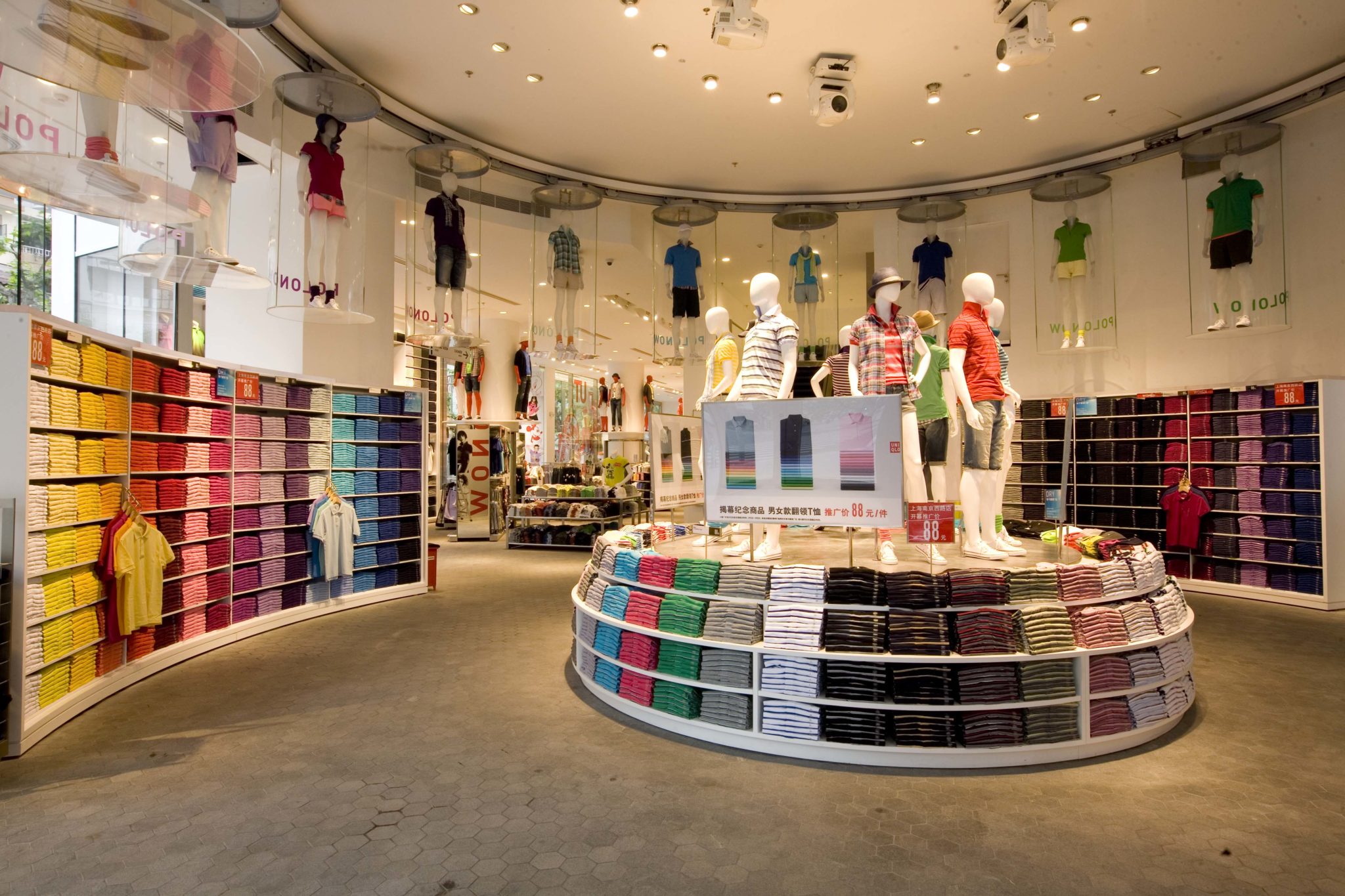
    The Japanese fashion giant says the new flagship will be in Glorietta 5 in Makati. It will be the brand’s 15th global flagship store in 11 markets, including New York, London, Paris, Tokyo and Singapore.

    “Having been a member of the local retail scene since 2012, we remain committed to contributing to the community and to being an integral part of Manila’s growth and future,” says Uniqlo Southeast Asia/Oceania chief executive Satoshi Hatase.

    Its sales floor area will cover 4100sqm, and as with other global flagship stores will showcase the full lineup of “LifeWear” for men, women, kids and babies.

  • Department stores lead Singapore retail sales

    Department stores lead Singapore retail sales

    Singapore retail sales rose 2.6 per cent in March, excluding motor vehicles, as the sector’s slow but steady recovery continues.

    Month-on-month, retail sales rose 1.1 per cent.

    The headline figure – which includes motor vehicles – showed a year-on-year decline of 1.5 per cent as car sales in the city state slumped 16 per cent.

    According to Statistics Singapore, retail spending (including vehicles) totalled S$3.8 billion in March, with e-commerce accounting for 4.1 per cent of that.

    Department stores were the big winners of the month, with sales up 9.1 per cent, while food retailers also performed well, up 7.5 per cent. Sales of medical goods and toiletries rose 6.2 per cent and of apparel and footwear, and watches and jewellery, by 5 per cent.

    Sales of phones and computer equipment fell by 8 per cent.

    In the foodservice sector, sales of food and beverage rose 3.6 per cent to an estimated $716 million, led by fast-food outlets, up 16.1 per cent.

  • Smartphone brand BlackBerry Starts opening stores in China

    Smartphone brand BlackBerry Starts opening stores in China

    BlackBerry Star shops have opened in Shanghai and Nanjing.

    They aim to offer a new retail experience for users of the smartphone brand with in-store displays, training and after-sales support.

    Blackberry Mobile global business unit GM Alain Lejeune, who is also senior VP of TCL Communications, attended the opening of both stores, which attracted the phone’s fans from the community.

    He says fan interaction plays a key role in BlackBerry Mobile’s strategy in the Chinese market, along with product experience and delivery.

    More BlackBerry Star shops are scheduled to open across China.