Tag: Stores

  • UNIQLO Singapore Announces New Store Openings at Downtown East and Great World City

    UNIQLO Singapore Announces New Store Openings at Downtown East and Great World City

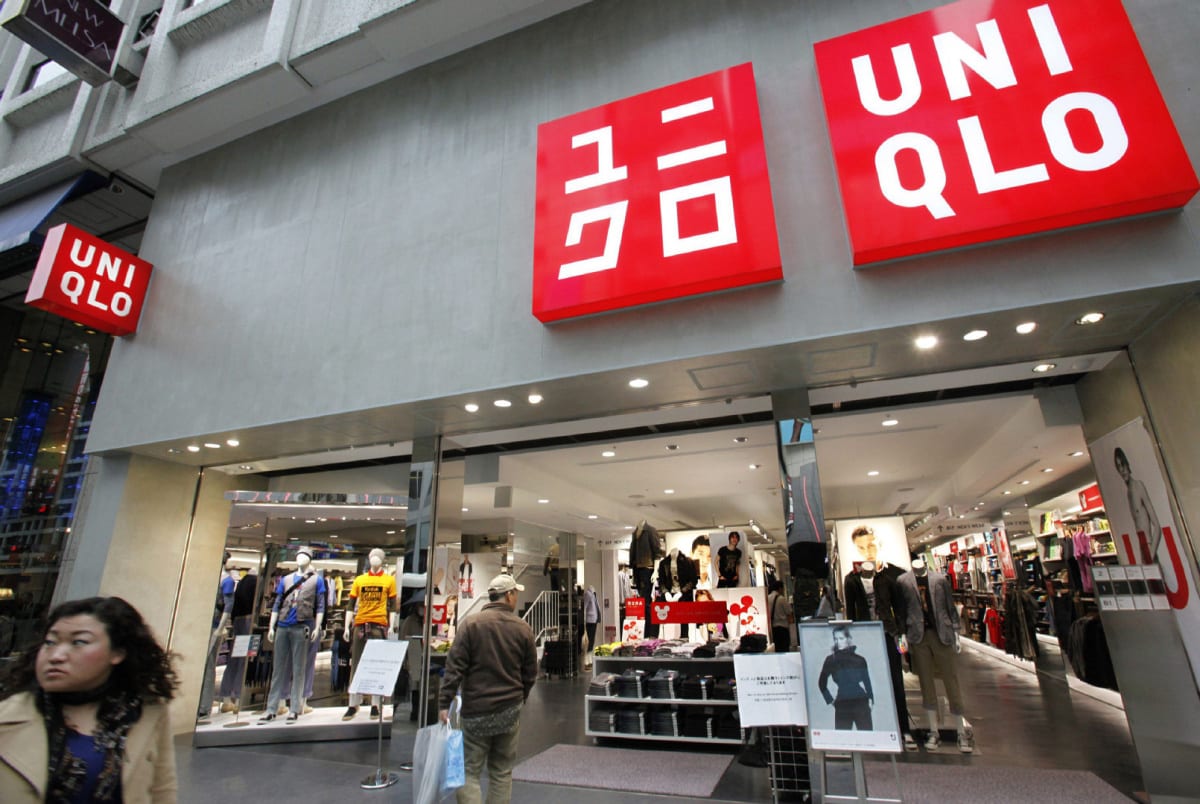
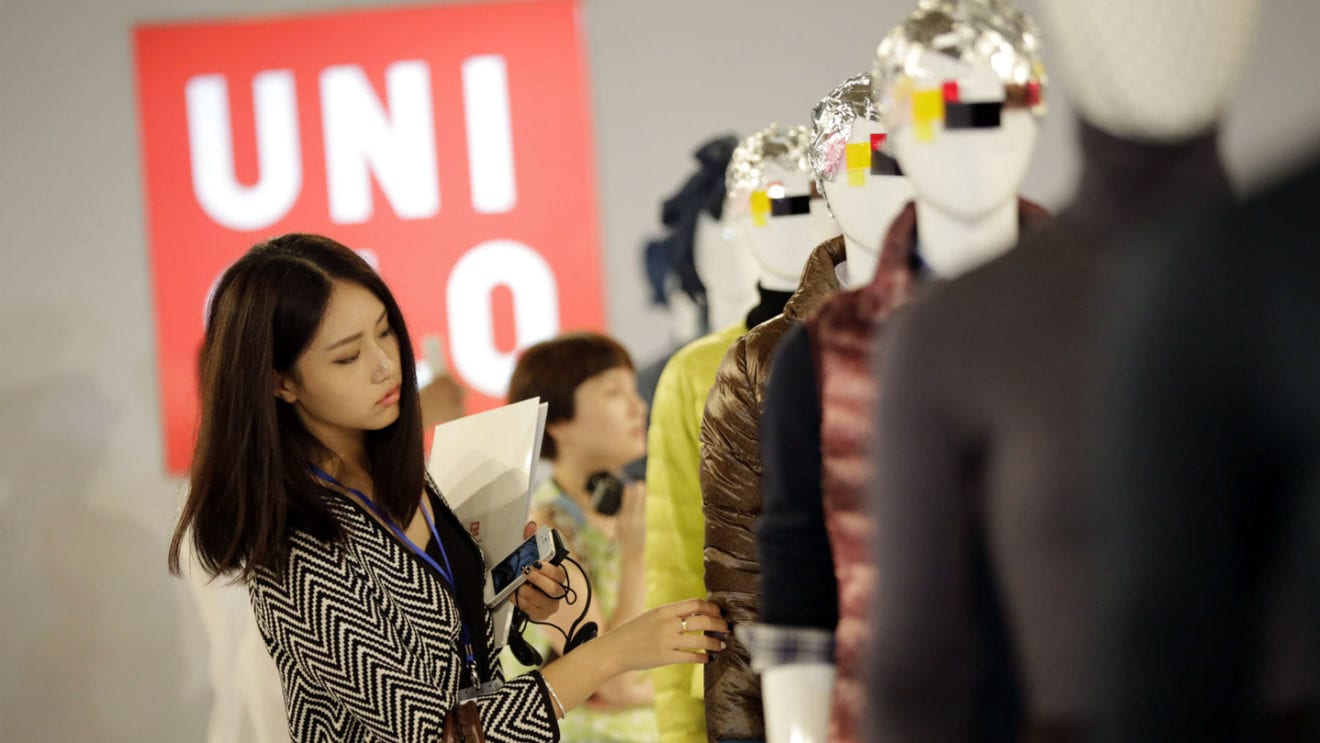
    UNIQLO Singapore today announces that it will be opening two new stores at Downtown East and Great World City towards the end of this year. This brings the brand’s total number of physical stores in Singapore to 28, excluding its online store, www.uniqlo.com/sg.

    The launch of these new stores displays the commitment UNIQLO is making to Singapore and its economy. Aiming to meet the needs of the residents in the central and eastern parts of Singapore through offering quality and innovative clothing, UNIQLO demonstrates its LifeWear philosophy in making the brand accessible for all to enjoy.

    Downtown East

    A well-known entertainment hub in the East which caters to families and youths alike, Downtown East will be home to a new UNIQLO store that is estimated to cover approximately 10,200  square feet. The store will be located in Downtown East’s new wing and it will offer affordable essentials for people of all ages to enjoy.

    Great World City

    Situated along the fringe of Singapore’s most popular shopping belt, UNIQLO Great World City is estimated to cover approximately 9,000 square feet. The new store presents local shoppers and tourists alike with the opportunity to shop for their favourite quality clothing at a central location without having to worry about busy shopping crowds.

  • JD.com promises to add ‘1000 stores a day’

    JD.com promises to add ‘1000 stores a day’

    As 50,000 people apply each day to be franchisees, JD.com promises to open more than 1000 stores a day this year.

    It started the journey last month, with founder/CEO Liu Qiangdong saying almost every store will be a franchise, according to local media reports.

    The ambitious aim is a part of a plan the e-commerce announced 12 months ago, when Liu said it would open a million convenience stores in the next five years, half of them in rural areas. JD.com’s convenience stores are run by independent investors, and the company offers loans for potential franchisees.

    “We receive 50,000 applications every day,” says Liu. “The applicants are mostly migrant workers who have returned to their villages or small towns. Jingdong Finance can provide them with loans to open stores. They can earn more than RMB8000 [US$1275] a month.”

    The first batch of shops, 1111 of them, opened their doors on the same day in November.

    Liu’s latest announcement comes a month after JD.com signed an agreement with convenience store group FamilyMart. This enables JD users to have food delivered to their homes from FamilyMart’s core locations in Beijing, Shanghai, Shenzhen and Chengdu within 30 minutes at any time.

    Smart carts

    And in January, JD.com launched offline fresh-food supermarket 7Fresh, a 4000sqm store in Beijing that features “smart carts” that guide customers to the items they seek to buy.

    JD’s first high-profile deal in the emerging O2O retail sector was its investment of RMB4.3 billion for a 10 per cent stake in Shanghai-listed supermarket chain Yonghui Superstores three years ago.

    Meanwhile, JD.com is partnering with mainland retail conglomerate China Resources Vanguard in a deal to take Vanguard’s shops in Hangzhou and Nanjing to its O2O platform. Customers will be able to buy from Vanguard’s offline stores via JD Daojia, and the partnership will later extend to the brand’s 2000 retail stores in more than 30 major cities in China.

    China Resources Vanguard, formerly China Vanguard Super Department, has more than 3000 retail stores in 200-plus cities and has revenues of RMB103.6 billion last year.

    JD Daojia is a one-hour delivery service that partners with 100,000 local merchants and provides on-demand groceries, fresh produce, snacks, flowers and pharmacy needs in more than 30 cities. It has more than 50 million registered users and 20 million monthly active clients.

  • Wendy’s Opens 500th International Restaurant

    Wendy’s Opens 500th International Restaurant

    Burger chain Wendy’s has opened its 500th international restaurant, in Guatemala City in partnership with its local franchisee Alimentos Corporativos Coralsa.(ACC)

    It is the 13th restaurant to open in Guatemala, where it appointed ACC in 2015.

    Wendy’s has ramped up its international expansion program, opening 60 new restaurants in the last year.

    “This is a great achievement that we attribute to the strength of our brand and partnerships with exceptional and dedicated franchisees who are committed to developing Wendy’s abroad,” said Todd Penegor, president and CEO of The Wendy’s Company.

    In Asia, Wendy’s has opened new stores in Indonesia, Japan and Malaysia in recent months.

    “We have an outstanding group of international franchise partners who play an essential role in the growth and success of our brand, and we are dedicated to helping them build strong, profitable restaurant businesses,” said Bob Wright, EVP and COO international with Wendy’s.

    “Our goal is to delight every customer in every restaurant around the world. It’s this shared commitment that has resulted in the successful growth of our international business.”

  • Line Friends to open Pop-Up stores in Seoul City

    Line Friends to open Pop-Up stores in Seoul City

    A Line Friends pop-up will open at luxury speciality store BoonTheShop in Seoul on Saturday.

    Running until January 14, the Korean character brand’s outlet will introduce its latest merchandise, BT21. The range includes dolls, cushions, fashion items, limited-edition postcards, posters and bag charms – all based on a set of characters created by K-pop boyband BTS and the Line Friends team.

    LINE FRIENDS

    The same line will also start selling at Line Friends’ New York flagship on the same day via a “BT21 Zone”, and at other stores in Hong Kong, Japan, Taiwan and Thailand, as well as online early next year.

    BT21 was initially launched as stickers on Line App with more than 17 million downloads and 200 million Twitter exposures. The first Line Friends’ collaboration with artists, the BT21 range joins signature characters such as Brown, Choco and Cony.

    LINE FRIENDS Unveils BT21 Merchandise at Its Flagship Store in New York (PRNewsfoto/LINE FRIENDS)

    Line Friends has 91 stores in 11 international markets.

  • Malls in Philippines unlikely to follow US stores to extinction

    Malls in Philippines unlikely to follow US stores to extinction

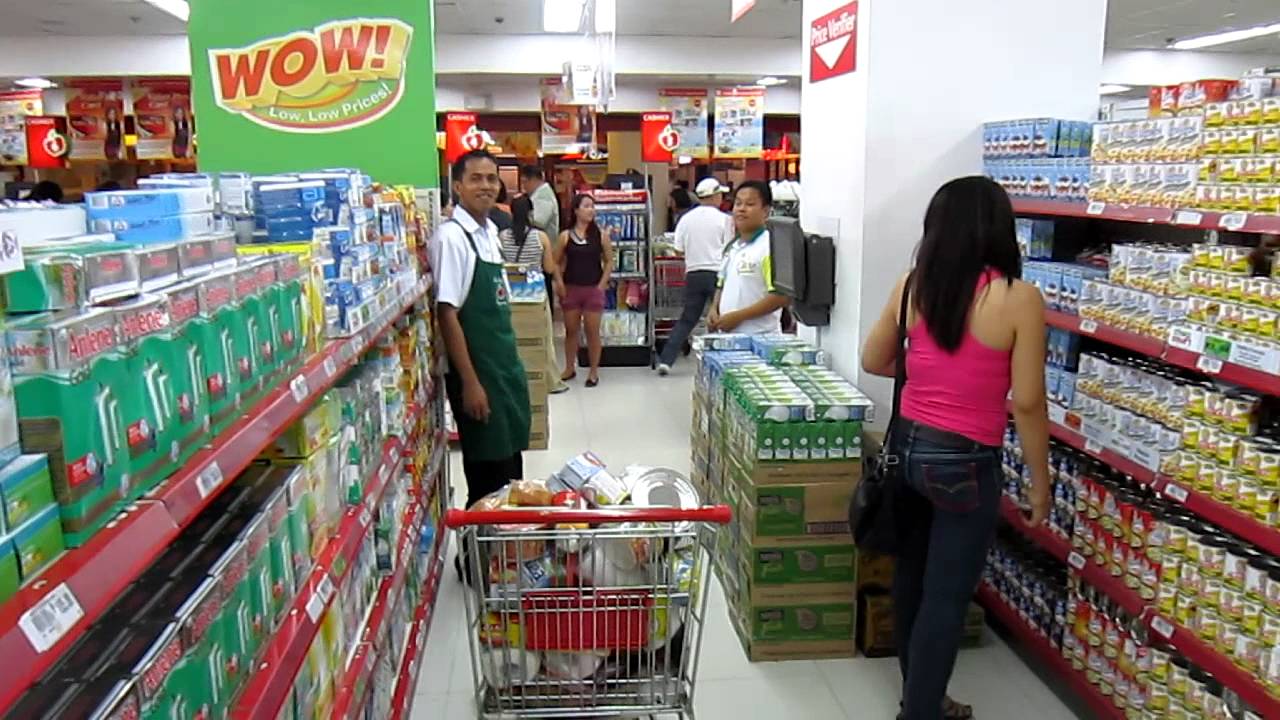
    Malls in the Philippines are unlikely to be replaced by online channels soon, as millennials seeking to spend on experiences drive demand for restaurant space, a property consultant said Monday.

    Food and beverage now account for 40 percent of mall space, compared to 60 percent for retail. The sector used to account for just 20 percent, according to data from Leechiu Property Consultants.

    “These malls in Asia have one thing in common, they are utilitarian malls,” said the consulting firm’s CEO, David Leechiu.

    Malls in the Philippines, unlike in the US, are very accessible to consumers, located in “high-density” areas with office and residential buildings.

    Citing a Credit Suisse study, Leechiu said 20 to 25 percent of malls in the US may close in the next 5 years as online shopping grows.

  • Two more stores for Uniqlo Singapore

    Two more stores for Uniqlo Singapore

    Uniqlo Singapore is opening two more stores – at Changi Airport Terminal 4 at the end of this month and at Northpoint at the end of December.

    This will take its Singapore store total to 26, as well as its online outlet.

    Its airport store will be in the departures hall of the new Terminal 4, and will cover about 3000sqft (279sqm). Unlike the current Uniqlo airport store in Terminal 1, the new outlet will offer children’s clothing as well. Exclusive offers will be available from October 31 to November 12.

    The new store at Northpoint City in Yishun will cover about 10,500sqft and offer clothing for men, women and children.

  • New store plus pop-up for Changi Airport

    New store plus pop-up for Changi Airport

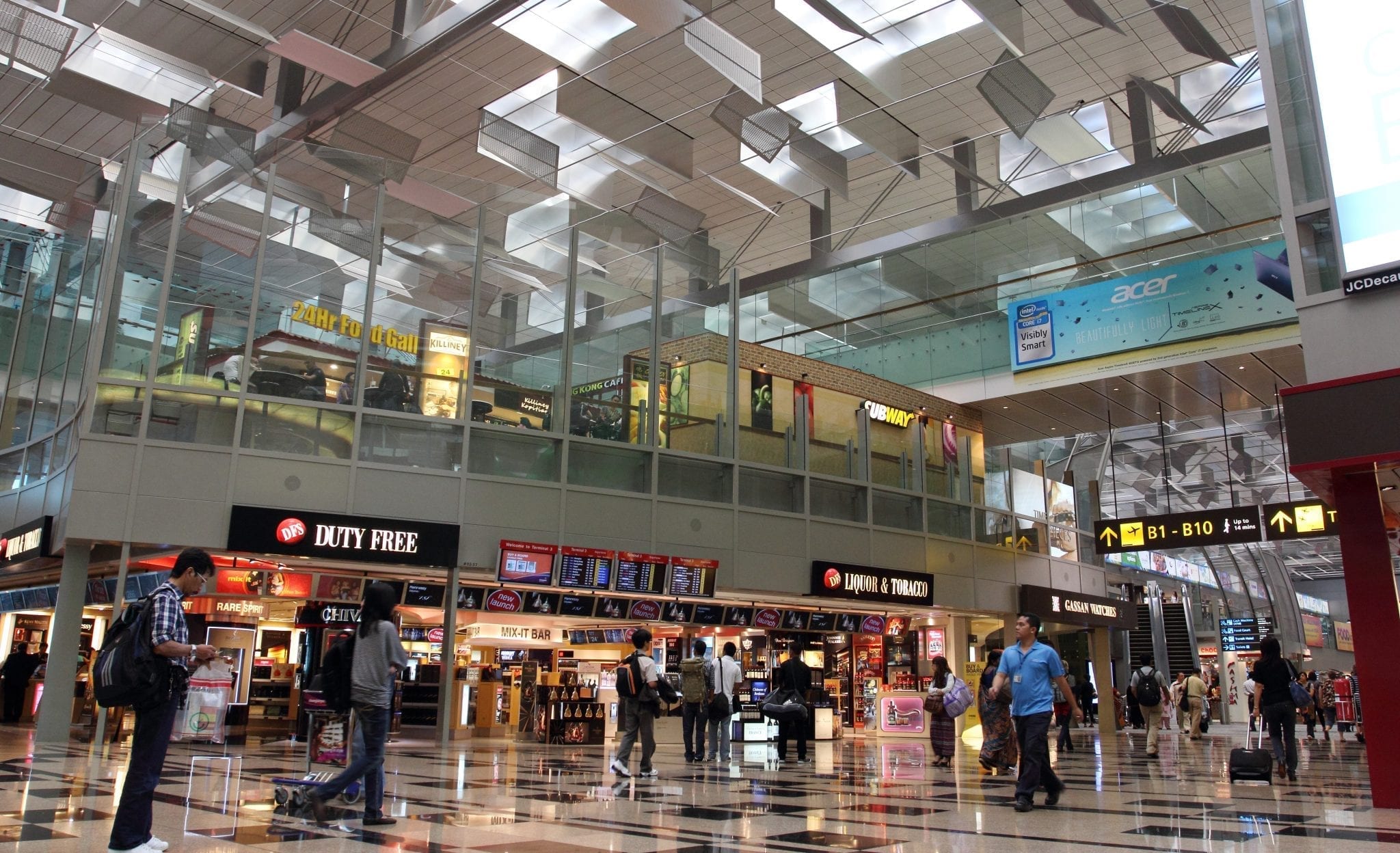
    A new retail concept and a food pop-up were introduced at Singapore Changi Airport last month, which registered 5.27 million passenger movements, up 7 per cent from August last year.

    Mobile network company StarHub opened its first 24-hour outlet, with an airport lounge concept, in the public area of Terminal 3’s Basement 2. It offers a range of services including broadband, and mobile and cable TV services. It also offers business enterprise services such as corporate fibre broadband installation for airport tenants and partners.

    Meanwhile, a Mid-Autumn Festival Mini Food Hall in the transit area of Terminal 2 is offering mooncakes by 155 South Bridge, Peach Garden, Starbucks and Tai Chong Kok until October 5.

    Changi Airport caters for more than 100 airlines, connecting Singapore to about 380 cities in 90 countries and territories. With more than 7000 weekly scheduled flights, an aircraft takes off or lands at Changi roughly once every 90 seconds.

  • DFS Group Unveils New Duty-Free Stores at Singapore Cruise Centre

    DFS Group Unveils New Duty-Free Stores at Singapore Cruise Centre

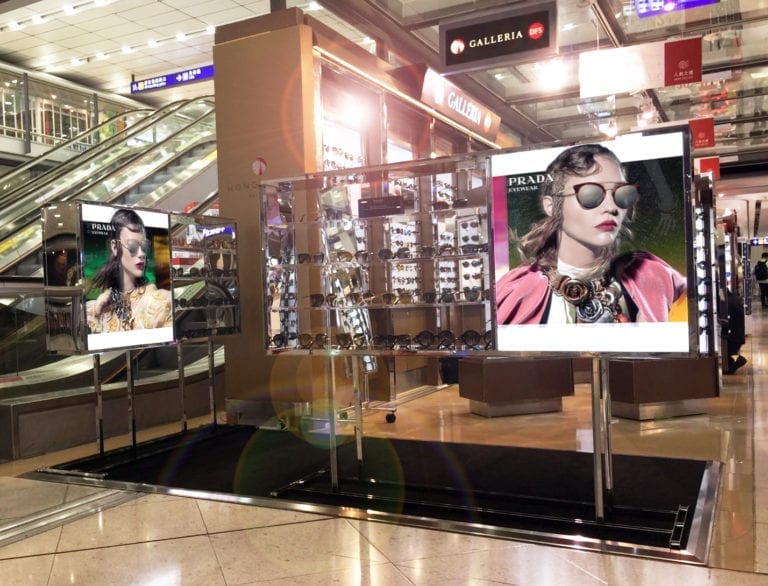
    DFS Group, the world’s leading luxury travel retailer, today unveiled its updated duty-free stores at Singapore Cruise Centre (SCC). Since being awarded SCC’s first ever master duty-free and general merchandise concession in December 2016, DFS has created a retail environment inspired by the local landscape that delivers DFS’ signature luxurious shopping experience.

    For the first time, SCC consolidated a number of its existing duty-free concessions across six categories including wines, spirits and tobacco, beauty and confectionary into a single contract. The stores, which are located at SCC’s Tanah Merah and HarbourFront terminals span seven outlets and are accessible to travelers arriving and departing from Singapore by ferry or cruise ship.

    “It has been an honor working with SCC for the past two decades and we are delighted to be continuing our partnership for the next five years,” said Wilcy Wong, DFS Group Managing Director, Singapore and Indonesia. “At DFS we focus on offering a premium retail experience where travelers are given a one-stop, seamless shopping experience. We are excited to grow our relationship with SCC and look forward to providing a broader retail experience to travelers at the ferry terminals.”

    DFS, Singapore Cruise Centre is home to over 150 brands and offers an assortment of retail products from alcohol, tobacco, cosmetics, fashion to travel accessories. The extensive range also includes many exclusive items in wines and spirits, available for purchase only at DFS. The retail experience and offering also grants travelers an opportunity to purchase all essential travel items before embarking on their outward journey.

    A gateway to the neighboring Indonesian Riau Islands, DFS, Singapore Cruise Centre is modern and fresh, incorporating nautical elements that reflect the nearby island destinations. Both Batam and Bintan are popular destinations from Singapore. The main retail space at both the arrival and departure areas has been expanded to 6,000 sq ft. to accommodate over 6.3 million ferry passengers and 560,000 cruise passengers annually.

    “The opening of the new DFS stores at SCC marks a strong relationship between DFS and SCC. Passengers at our terminals are now able to experience an array of retail offerings with more store space, new retail concepts, as well as new brands, which hand in hand work to elevate the overall shopping experience,” said Christina Siaw, CEO of SCC.

    The DFS HarbourFront departure store is also home to an exclusive Whiskey Bar and Cocktail Bar, where guests can sample from a range of whiskies or indulge themselves in specialty cocktails made from fresh ingredients by DFS’ in-house bartenders. Created in collaboration with The Whiskey House at DFS’ Terminal 2 Duplex at Singapore Changi Airport, the Whiskey Bar is an extension of DFS’ interactive approach to spirits, educating and engaging customers through guided tastings so they can find their perfect match when making a purchase.

  • First Williams-Sonoma Korea stores open

    First Williams-Sonoma Korea stores open

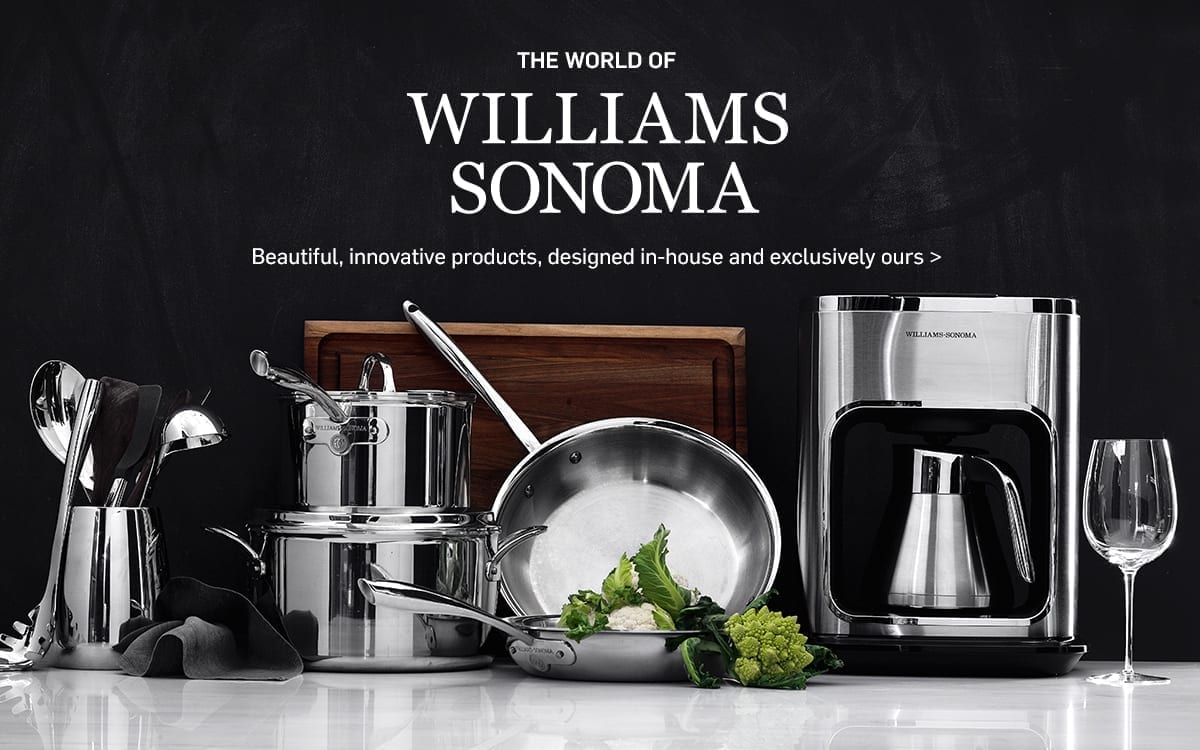
    Williams-Sonoma has opened its first stores in Seoul, South Korea under its strategic franchise agreement with home goods retailer Hyundai Livart Furniture.

    Pottery Barn and Pottery Barn Kids opened a combined store and West Elm opened a store at Hyundai City Mall Garden 5. Williams Sonoma opened at Hyundai Department store Mokdong. These openings are the first of 30 stores from the Williams-Sonoma portfolio expected to open across South Korea over the next 10 years.

    “This is an exciting milestone in our global expansion,” said Laura Alber, Williams-Sonoma president and CEO.

    Hyundai Livart, an affiliate of Hyundai Department Store Group, operates Livart, Livart Neoce, Livart Ismine, Livart Kitchen, Livart Kids and H.Mondo.

    The Korean launch follows Williams-Sonoma’s overseas forays into Canada, Australia and the UK, and the franchise of its brands to third parties in the Middle East, the Philippines and Mexico.

    “By the end of this year Williams-Sonoma will be represented at more than 145 international retail locations,” said Ronald Young, executive VP, global of Williams–Sonoma. “As we begin our partnership with Livart opening our first four stores of many to come in South Korea, we look forward to the tremendous opportunity of continuing our global expansion.”

    Hwa-Eung Kim, representative director and CEO of Hyundai Livart Furniture, said the company was looking forward to opening additional stores in Seoul and in other major cities across South Korea soon.

    This October, the two companies will open a five-story flagship store in Nonhyun-dong, Seoul. The superstore will include Pottery Barn, Pottery Barn Kids, and West Elm, and will represent the first time three Williams-Sonoma brands are offered in a single standalone location. An additional Williams-Sonoma store will be opened in the Hyundai City Mall Daegu branch in the latter half of this year.

  • Owndays Singapore targets 30 stores

    Owndays Singapore targets 30 stores

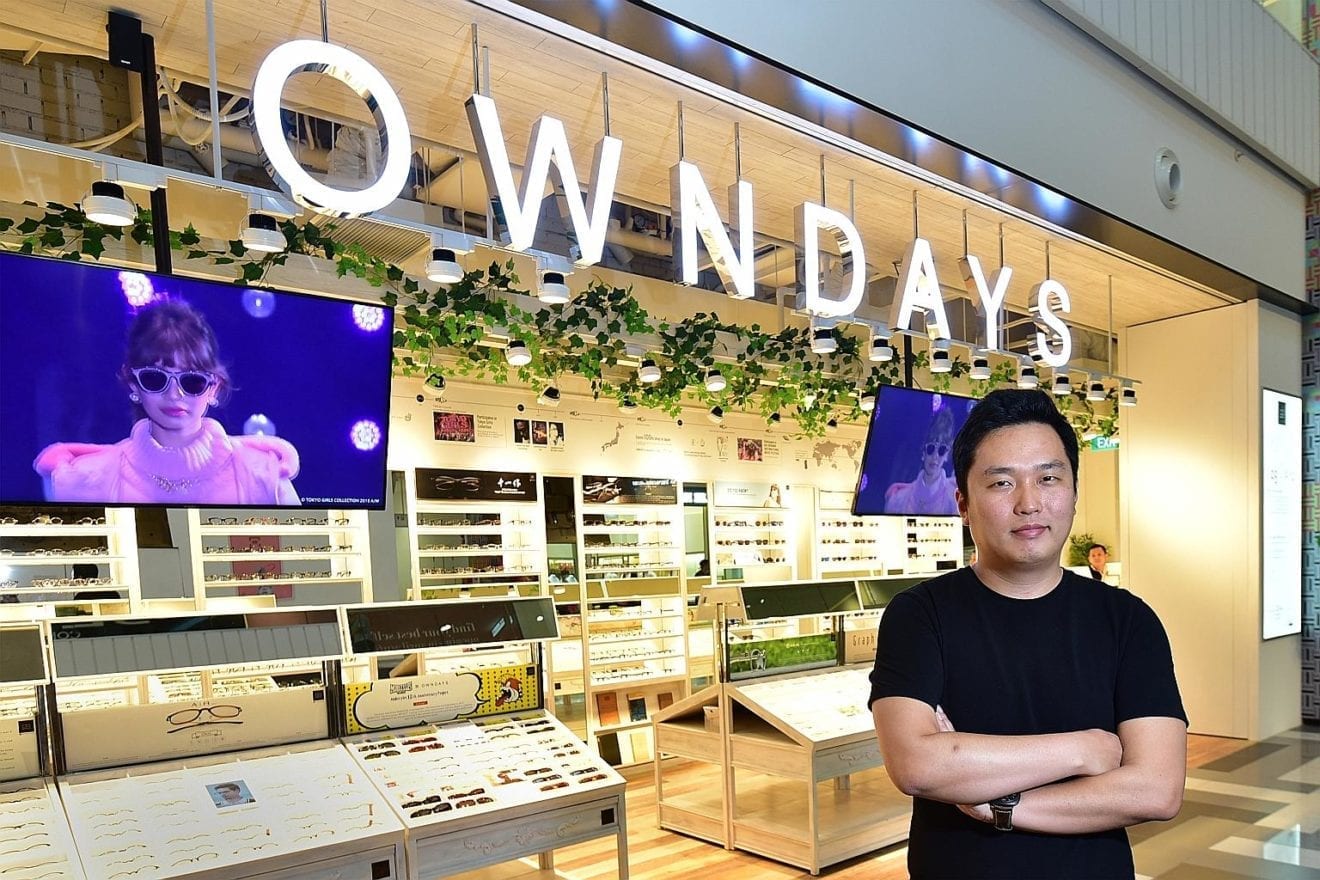
    Owndays Singapore is continuing its expansion and says it believes the city can sustain 30 of its stores. The Japanese eyewear retailer recently opened its 23rd Singapore store, inside Clementi Mall. The 1173 sqft store features a new element – a counter with high chairs where customers can evaluate frames.

    Owndays has shaken up the eyewear sector with a simplified pricing system and a 20-minute turnaround time for making most types of prescription glasses. Open shelves allow people to browse without waiting for an assistant to unlock glass cabinets.

    The photos show the Clementi Mall store’s interior.

  • Philippines convenience-store market among the least mature in Asia

    Philippines convenience-store market among the least mature in Asia

    The Philippines convenience-store market is one of the most unsaturated in Asia.

    The country had one store for every 35,000 people last year – a ratio similar to China – whereas in Indonesia, Malaysia and Thailand that figure ranges between 5500 and 10,000 people. In developed Asia, Japan and South Korea have around 1700 people to each store.

    With per-capita income growing about 5 per cent a year in the Philippines, the number of convenience stores has risen by 21.5 per cent a year over the past five years.

    Convenience-store sales have risen 20 per cent each of the past five years, double the rate of normal retail sales.

    With the nation’s historic ties to the US, 7-Eleven leads the way in the Philippines. The chain is licensed by Philippine Seven, which owns 45 per cent of the 1995 stores and franchises out the rest.

    Japan’s Nomura works through Robinsons Retail Holdings, which has exclusive rights to the Ministop chain for the Philippines.

    Only 7-Eleven has anything of an e-commerce presence in the Philippines, says the report, delivering goods from the country’s largest online-sales platform, Zalora Philippines.

  • Topshop Australia closes five stores

    Topshop Australia closes five stores

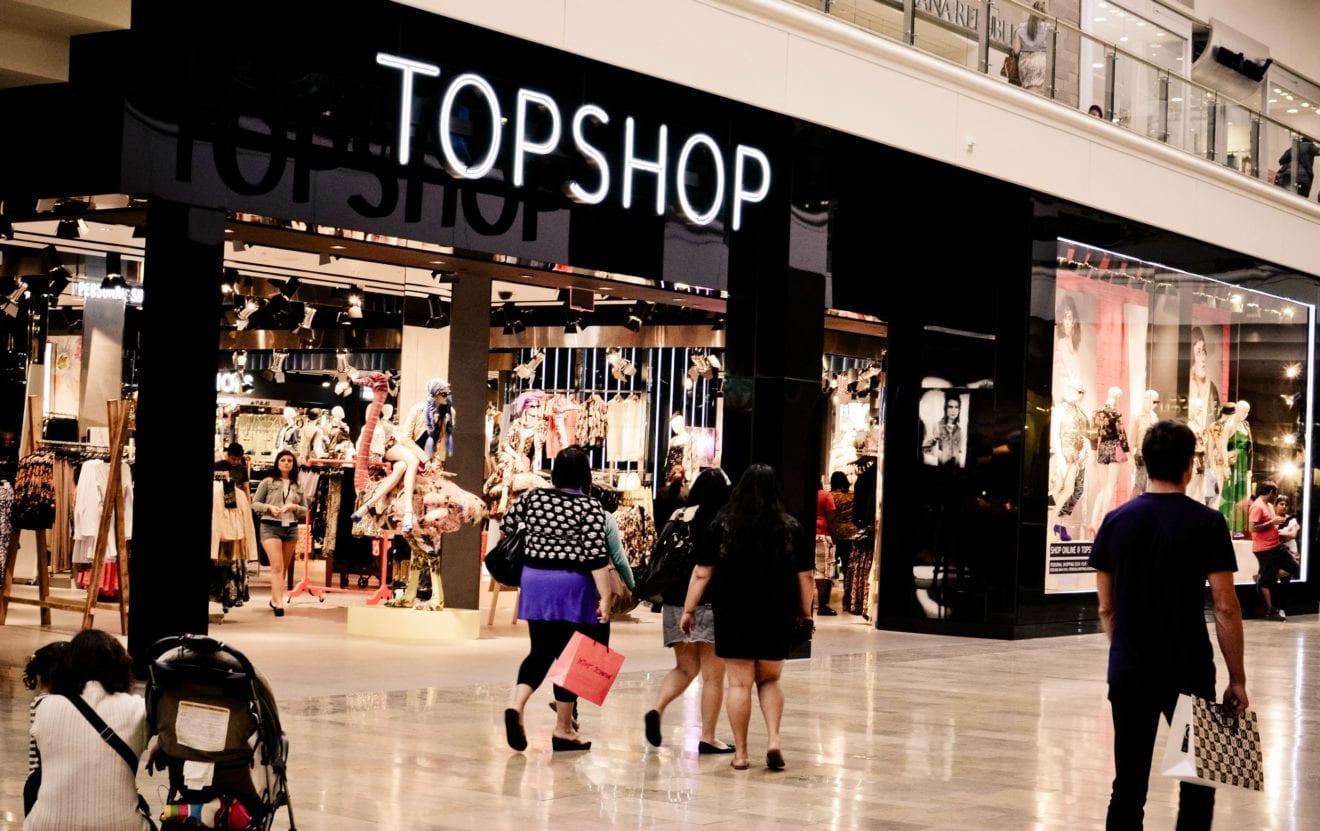
    Topshop Australia has bid adieu to five of its stores in the past two weeks as administrators start to tie up lose ends, in a bid to save the UK fast-fashion retailer in Australia.

    Topshop stores at Chatswood and Miranda shopping centres in Sydney, Highpoint in Melbourne, and Perth have all closed in recent days. And another store closure is due to happen, this time in South Yarra, on Melbourne’s iconic Chapel Street.

    The Chapel Street store was Topshop’s debut Australia store, but since opening, the flagship has failed to garner traction with locals, due to fierce competition from other shopping strips, the CBD and online.

    Topshop Australia has also ceased its Australian e-commerce store.

    The closures are result of the Australian franchise of Topshop being entered into administration on May 25 With debts totalling A$35 million, Topshop Australia was forced to appointed Ferrier Hodgson as administrators, in a bid to rescue the business.

    Experts have blamed the retailer’s illogical supply chain, poor quality product, and delayed entry into the local e-commerce market, for its Australian demise.

    Talks to try to save the business continue between its Australian owners and the UK owners of the business, including Sir Philip Green.

    With the recent store shutters, Topshop Australia has four stores remaining.

    Topshop was launched in Australia by a company trading as Austradia in 2011.

  • Competition heats up as convenience stores race for dominance in Vietnam

    Competition heats up as convenience stores race for dominance in Vietnam

    With a slate of brands operating nearly 2,000 stores, the remaining space for expansion is limited. The first outlet of 7-Eleven, the largest convenience store chain in Japan, opened in Vietnam last week with a lot of fanfare.

    Thousands of people lined up and squeezed into the small shop in downtown Ho Chi Minh City, trying to buy snacks and light meals.

    The chain has said it will open around 20 outlets in Vietnam by the end of this year and 100 in the next three years.

    The important question here is not about whether similarly big crowds will be coming to its stores in the future. It’s where to put these stores.

    7-Eleven is entering a market that has become increasingly packed in recent years. Its arrival is intensifying the heated competition for both customers and for retail space.

    After all, the choice of location can make or break a convenience store. In big cities, many of the best spots are either too expensive or already taken.

    Crowded market

    The A.T. Kearney’s Global Retail Development Index this month named Vietnam the sixth most attractive retail market. The country made headlines worldwide when it topped this list in 2008.

    The market has drawn a lot of foreign players who are now occupying 70 percent of the convenience store segment.

    The American chain Circle K is operating around 250 stores, mostly in the country’s two biggest cities Ho Chi Minh and Hanoi.

    FamilyMart, Japan’s second largest convenience store chain, now has 130 stores in Ho Chi Minh City, the nearby resort town of Vung Tau and in Binh Duong Province. It aims to expand the network to 150 locations by the end of this year.

    Southeast Asian chains Shop&Go and B’s mart are running another 300 stores.

    The dominant local player VinMart+, an offshoot of conglomerate Vingroup, has quickly expanded its network from 500 outlets in 2015 to around 900 last year. The chain plans to round up the number to 1,000 this year or next.

    According to industry insiders, setting up a convenience store is much simpler than a supermarket but in order to launch a profitable chain, it takes a lot of money and efforts.

  • Steve Madden Asia eyes 150 China stores with new JV

    Steve Madden Asia eyes 150 China stores with new JV

    Madden Asia has entered into a joint venture with C.banner International Holdings Limited, as the distributor of Steve Madden shoes looks to roll out more than 100 new stores in China.

    The joint venture group, named SM (Jiangsu), is co-owned 50% by Xuzhou C.banner and 50% by Madden Asia. SM (Jiangsu) will oversee the promotion, marketing, and sales and distribution of Steve Madden products in China “through integration of both online and offline channels,” said C.banner, in a press release.

    In addition, the new group will open around 150 Steve Madden retail outlets in China by the end of 2020.

    The JV’s distribution rights cover brand names Madden and Steve Madden, along with variations including Madden Girl and Steven By Steve Madden.

    “We believe the brand value of Madden and Steve Madden not only offer a valuable opportunity for C.banner to further enhance its brand image, but also enable the group to further expand its business in the mid-to-high end footwear market of China,” said Hen Yixi, chairman of C.banner International Holdings Limited, in statement.

    “In addition, the company considers this will add synergy to the group’s diversified brand portfolio and overall business, as well as assist the group to enhance its market share and influence in the industry, which will further consolidate the group’s status as an international integrated retailer.”

    Footwear designer Steve Madden founded his namesake shoe brand in 1990. The Long Island, New York-headquartered company recorded revenue of $1.4 billion in 2015.

  • Japan’s 7-Eleven set to clock in for Vietnam debut in June

    Japan’s 7-Eleven set to clock in for Vietnam debut in June

    The convenience store chain reportedly plans to open 100 stores in Vietnam in the next three years. Seven & i Holdings, which operates Japan’s biggest convenience store chain 7-Eleven, will open its first outlet in Ho Chi Minh City this month, according to information on the company’s official Facebook page.

    A recent post said the first 7-Eleven store in Vietnam could be opened in downtown District 1, District 3 or Binh Thanh. District 2, a popular neighborhood among foreigners and expats, is also a possible location, it said.

    The company has been hiring staff for its Vietnamese entry since early this year, around a year after its U.S. subsidiary signed a license agreement with Seven System Vietnam, a new firm founded by a Vietnamese restaurant chain.

    Seven & i Holdings plans to apply its home business model in Vietnam, and Japanese employees will be dispatched to help local staff develop products like ready meals, and to choose store locations and develop a distribution network.

    The company, which operates more than 61,500 7-Eleven outlets including more than half outside Japan, has opened stores in Indonesia, Malaysia, the Philippines, Singapore and Thailand.

    The chain’s expansion comes as its rival FamilyMart, Japan’s second largest convenience store chain, said last month that it plans to stay focused on the domestic market after reporting losses in Vietnam and other Southeast Asian markets, including Indonesia and Thailand.

    “We cannot continue to pour in more resources,” company president Koji Takayanagi told. FamilyMart first arrived in Vietnam in 2010 but was forced to withdraw before returning in July 2013. It had 150 stores at the end of last year.

    7-Eleven’s launch is expected to add heat to Vietnam’s retail market, which is listed in the top five in Southeast Asia and ranked 11th globally in terms of growth rate, according to the A.T. Kearny 2016 Global Retail Development Index.

    Vietnam’s trade ministry has projected the market to hit $179 billion by 2020, a jump of 52 percent from last year, with foreign convenience store operators already holding a 70-percent market share.

    The sector has a lot room to grow in Vietnam, where more than half of a population of nearly 92 million are young and the annual average income is expected to increase rapidly, the ministry said.