Tag: Stores

  • Retailer Transmart Carrefour to open 30 new stores in 2017

    Retailer Transmart Carrefour to open 30 new stores in 2017

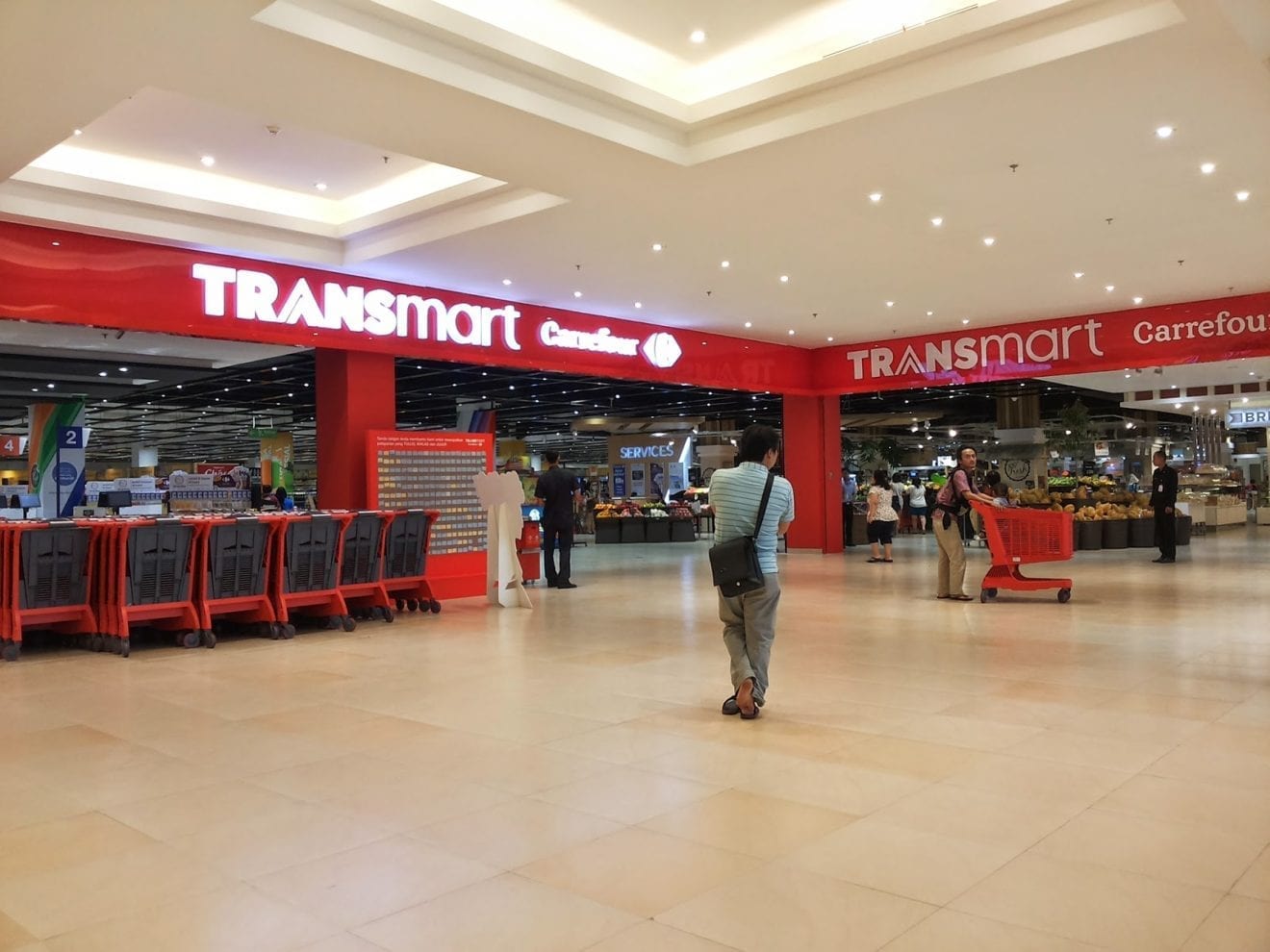
    Major retailer Trans Retail Indonesia will open dozens of new stores this year in a bid to attract more visits to its physical stores despite the booming online retail industry.

    “We will open 30 new stores under the Transmart Carrefour brand in 2017,” Transmart Carrefour corporate communications general manager Satria Hamid told on Friday. However, he declined to mention the amount of capital expenditure (capex) that the firm had earmarked to support the expansion.

    Despite Indonesia’s surging domestic retail business, Trans Retail Indonesia, part of business tycoon Chairul Tanjung’s CT Corp business group, has decided to step up to the challenge posed by the burgeoning online retail business.

    The retailer says it is determined to be more creative by way of promotional activities, intensive marketing and sales of fresh products to lure customers to its stores.

    “We will refresh several stores with a new concept,” Satria said, in reference to a combination of retail and culinary experience, department stores and child play areas.

    Currently, the company operates 94 Carrefour stores nationwide, of which 15 stock the Transmart Carrefour brand and the remainder will gradually follow suit.

  • Here come ‘smart stores’ with robots

    Here come ‘smart stores’ with robots

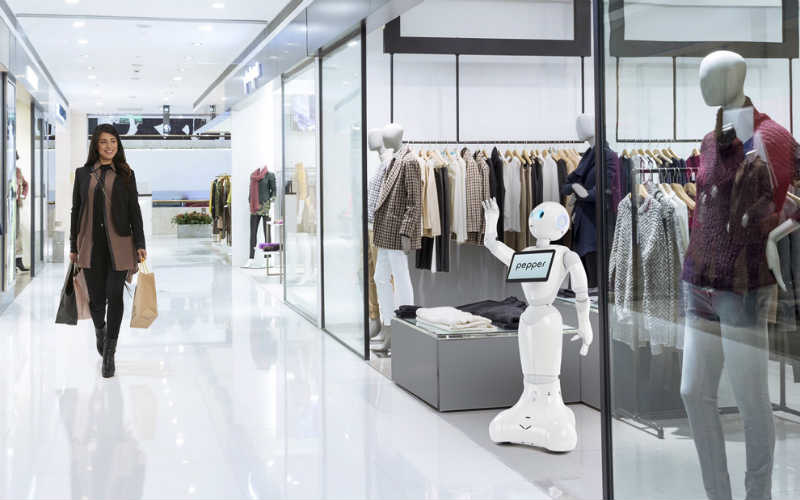
    Tomorrow’s retail stores want to take a page from their online rivals by embracing advanced technology — everything from helpful robots to interactive mirrors to shelves embedded with sensors.

    The goal: Use these real-world store features to lure shoppers back from the internet, and maybe even nudge them to spend more in the process.

    Amazon’s new experimental grocery store in Seattle, opening in early 2017, will let shoppers buy goods without needing to stop at a checkout line. Sensors track items as shoppers put them into baskets or return them to the shelf. The shopper’s Amazon account gets automatically charged.

    “Amazon, for good or bad, has been setting the path,” said Robert Hetu, research director at Gartner Research. “Each retailer is going to have to respond in some way. But it’s not one-size-fits-all.”

    Kroger, Neiman Marcus and Lowe’s are among the companies already experimenting with futuristic retail stores. Robots, for instance, could help guide shoppers to the right aisle, while augmented reality apps could help you see how a particular shade of paint will look in the living room — or how you might look in a pair of jeans. Many of these technologies will be unveiled or demonstrated at the CES gadget show in Las Vegas, which begins Tuesday with media previews.

    Plenty of retailers have learned through trial — and error — that technology can’t get too far ahead of shoppers. It has to be easy to use and beneficial to shoppers in some way, whether it’s to save time or money. If retailers get it right, they might succeed in boosting spending at retail stores at a time when consumers increasingly prefer to shop online.

  • Jubilee Enterprise plans stores for two diamond brands

    Jubilee Enterprise plans stores for two diamond brands

    Jubilee Enterprise, a listed diamond-jewellery retailer in Thailand, has revealed a plan to open physical stores under two strategic brands.

    Chief executive officer Unyarat Pornprakit said Jubilee Enterprise was currently managing two brands, Jubilee Diamond and Forevermark.

    “Jubilee Diamond is a diamond-jewellery brand that the company owns, which is currently the No 1 diamond-jewellery brand in Thailand, with the largest number of outlets, more than 120 branches across the country,” she said.

    “Meanwhile, Forevermark is a diamond brand owned by De Beers Group for which Jubilee Enterprise is Thailand’s exclusive authorised retailer.

    “The business plans for the two brands are different in direction and each will contribute to the company in a different way.

    “Forevermark has so far been in Thailand for less than a year but is the No 1 diamond brand in the world. Forevermark has a unique diamond selection process and works exclusively with top-class diamond cutters, which results in all Forevermark diamonds being stunningly beautiful. The difference is so obvious we can experience it with the naked eye.

    “‘Beautiful’ is one of the promises of the Forevermark brand, where other promises are ‘rare’ and ‘responsibly sourced’. Therefore the plan for Forevermark involves brand education and outlet expansion.

    “We currently only have three doors outlets for Forevermark but all of them perform quite well. We plan to have at least three and as many as five more doors outlets by the end of 2017. We see potential in more locations within Bangkok as well as other major cities,” Unyarat said.

    She said that for now the company only had Forevermark exclusive rights for Thailand, including e-commerce. Thus no plans to take Forevermark outside the country are on the drawing board yet.

    The focus of the outlet expansion for Forevermark will be physical stores in Thailand.

    For Jubilee Diamond, the company is looking into the obvious potential within Cambodia, Laos, Myanmar and Vietnam but no solid plans have been drafted yet.

    As Thailand’s retail developers have started their own overseas expansion, the company’s choice of investment platforms has also increased. Its expansion strategy will likely involve business partners, but not for financial reasons.

    “One of the key trigger points will be when our e-commerce platform is launched. Even without the platform, there are some demands from nearby countries through digital channels. Therefore, physical expansion may not be our first overseas initiative,” Unyarat said.

    She said the budget for next year’s expansion would mainly go into diamond inventory, which can always be liquidated. Normally, the investment per branch expansion is around Bt7 million and Bt10 million. So the total cost for the new outlets would be between Bt80 million and Bt100 million next year. Other costs are significantly less critical, thus make the company’s expansion plan a safe move.

    “Jubilee Diamond’s business plan does not have brand expansion as a key strategy, since the brand is already the largest in the market.

    The key business driver for Jubilee Diamond is market differentiation, which comes from product innovation, a unique brand experience, and supply sourcing strategy.

    “Best-quality diamonds have always been the brand’s key strength, but a few years ago, Jubilee Diamond began slowly introducing a unique brand experience and product innovation,” she said.

    Unyarat said the company’s outlet-expansion strategy would be tied closely with partners that are major retail developers.

    “For the Jubilee Diamond brand, you can expect to find our stores in all major shopping complexes and department stores. So by next year, there should be at least over 125 Jubilee Diamond stores throughout Thailand,” she said.
  • Topshop to open 80 stores in mainland China

    Topshop has signed a deal with a Chinese partner that could lead to up to 80 stores being opened in mainland China with the first opening in spring/summer 2017.

    The British high street retailer has agreed a deal with Shangpin, which already sells the Topshop brand on Shangpin.com. It is anticipated that the first store will be opened in either Beijing or Shanghai in the spring or summer of next year.

    In a statement Topshop owner Sir Philip Green said: “For the first time both brands will deliver high fashion to the shop floor and beyond by opening full-scale stores in China — host to the world’s fastest-growing retail economy.”

    Green owns a 75% stake in Topshop having sold 25% to US private equity firm Leonard Green & Partners in 2012. The brand, which is the jewel in the crown of Green’s Arcadia Group, has 300 stores in the UK and 140 in international territories including 10 in the US.

  • Charles & Keith Japan stores close

    Charles & Keith Japan stores close

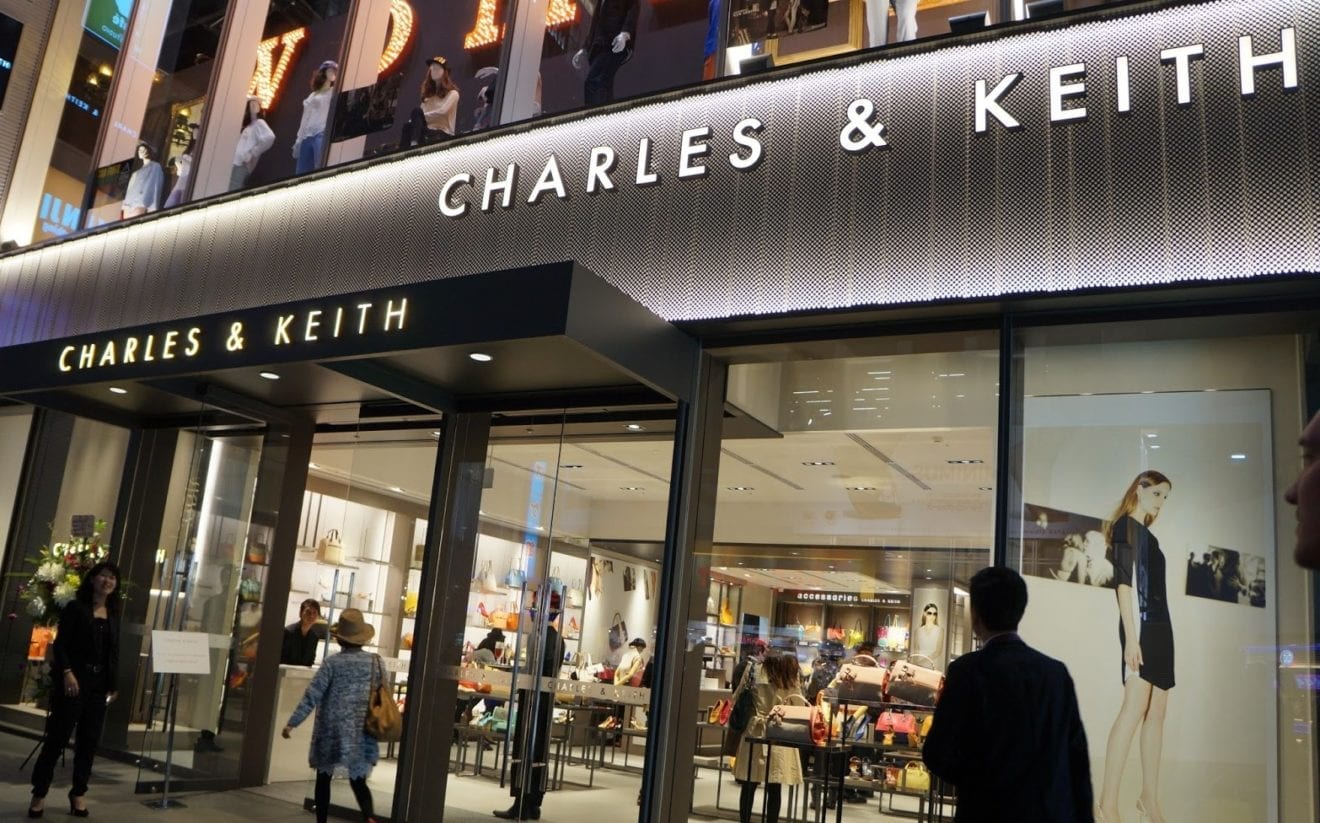
    Singapore-headquartered footwear brand Charles & Keith says it will close all its Japanese locations.

    According to a report published by Fashion Network, Charles & Keith Japan has already closed 13 stores in Tokyo, Osaka, Nagoya, and Hakata, with the flagship in Harajuku (pictured) scheduled to close on December 31.

    The company reportedly wants to focus on its eCommerce offer and other Asian markets closer to home.

    The Charles & Keith website is close for an overhaul on December 26 before being relaunched in Spring.

    The brainchild of brothers Keith and Charles Wong, the 20-year old brand specialises in quality footwear at affordable pricing. It currently sells in Asia, Africa and Europe.

  • Starbucks unveils plans for 12000 new stores over next 5 years

    Starbucks unveils plans for 12000 new stores over next 5 years

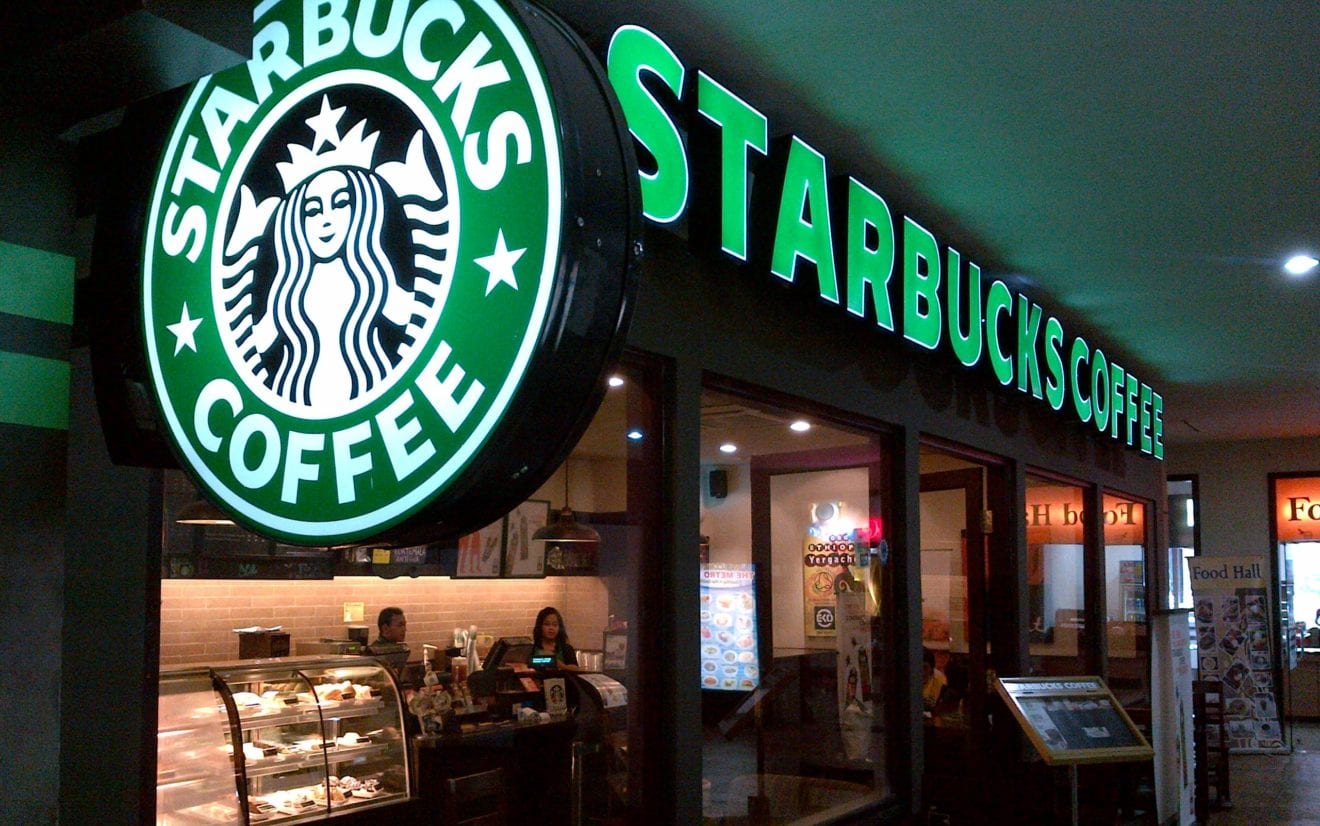
    Starbucks said it expects its fast-growing China business could one day eclipse its U.S. market. The company said Wednesday it plans to open 12,000 additional stores globally in the next five years, taking the chain to a total of about 37,000 outlets. Half of the new units will be in the U.S. and China.

    “Our core business has never been stronger in the U.S. and around the world,” Starbucks Chairman and CEO Howard Schultz told analysts at the coffee retailer’s investor day event in New York.

    The CEO also emphasized something he’s said before: “These are the early days of the growth and development of the company. If Starbucks was a 20-chapter book, I still think we’re in chapter 4 or 5.”

    “Demand is there, and our ability to deploy capital and get the return on invested capital is very strong,” Starbucks President and COO Kevin Johnson told attendees. Johnson will become CEO of Starbucks in April, succeeding Schultz, who will continue as the Seattle-based company’s chairman.

    Executives during presentations Wednesday highlighted how the company is focusing on both its flagship Starbucks stores and the higher-end Reserve Roastery and Tasting Room outlets for future growth. The company also has targeted the Reserve Roastery stores, which will sell premium coffee at around $10 a cup, to represent about one-fifth of total outlets by 2021.

    Also, Starbucks plans to open new stand-alone outlets under Princi, a high-end Italian bakery the company invested in over the summer. The bakery will serve pizza and have locations in major markets such as New York, Seattle and Chicago by 2018. Also, Princi food is expected to be offered at all of the company’s new Roastery locations.

    At the meeting, Starbucks presented a five-year strategic plan to grow revenue by 10 percent and earnings per share to 15 to 20 percent. At the same time, the company targeted “mid-single digit” comparable-store sales each year.

    “I know some of you are concerned about the slowdown in U.S. comps, which candidly I don’t share,” Schultz told analysts.

    Schultz said the retailer continues to open 500 to 600 stores annually and the new store performance on a sequential basis has been “better than the year before. There’s no better evidence of the health, the strength, the equity of the brand and the relevance of the Starbucks business.”

    On the international front, Schultz said China is one market that remains particularly attractive for the retailer.

    “Not only will China one day be bigger than the U.S., but our business in China will demonstrate that we will be one of the…most significant winners in terms of a Western consumer brand,” he said.

    Indeed, China remains the company’s fastest growing market and management sees revenue and operating income nearly tripling there over the next five years. The chain is opening a new Starbucks store in China about every 15 hours and will soon reach 2,500 stores in 118 cities.

    “Despite our early success, we are only in the beginning chapters of our growth story,” Starbucks China CEO Belinda Wong told analysts Wednesday. “In the next five years, we’re well positioned to double our scale to 5,000 stores in over 200 cities.”

    Wong said urbanization and an emerging middle class in China will help drive the rapid expansion of the specialty coffee market.

    According to Wong, more than 230 million people in China have been lifted into the middle class in the past decade due to the Asian nation’s booming economy, and over the next six years she said another roughly 300 million people will also attain middle-class status.

    “Coffee consumption in China is currently low, but growing rapidly,” Evercore ISI analyst Matt McGinley said in a research note this week. “On a per person basis, Chinese people consume less than 2 percent of the coffee of U.S. consumers and less than 3 percent of the coffee of Japanese people.”

    The company also said it sees food innovation and its cold coffee beverages as key areas fueling its future growth.

  • Banana acquires 44 Bangkok outlets

    Banana acquires 44 Bangkok outlets

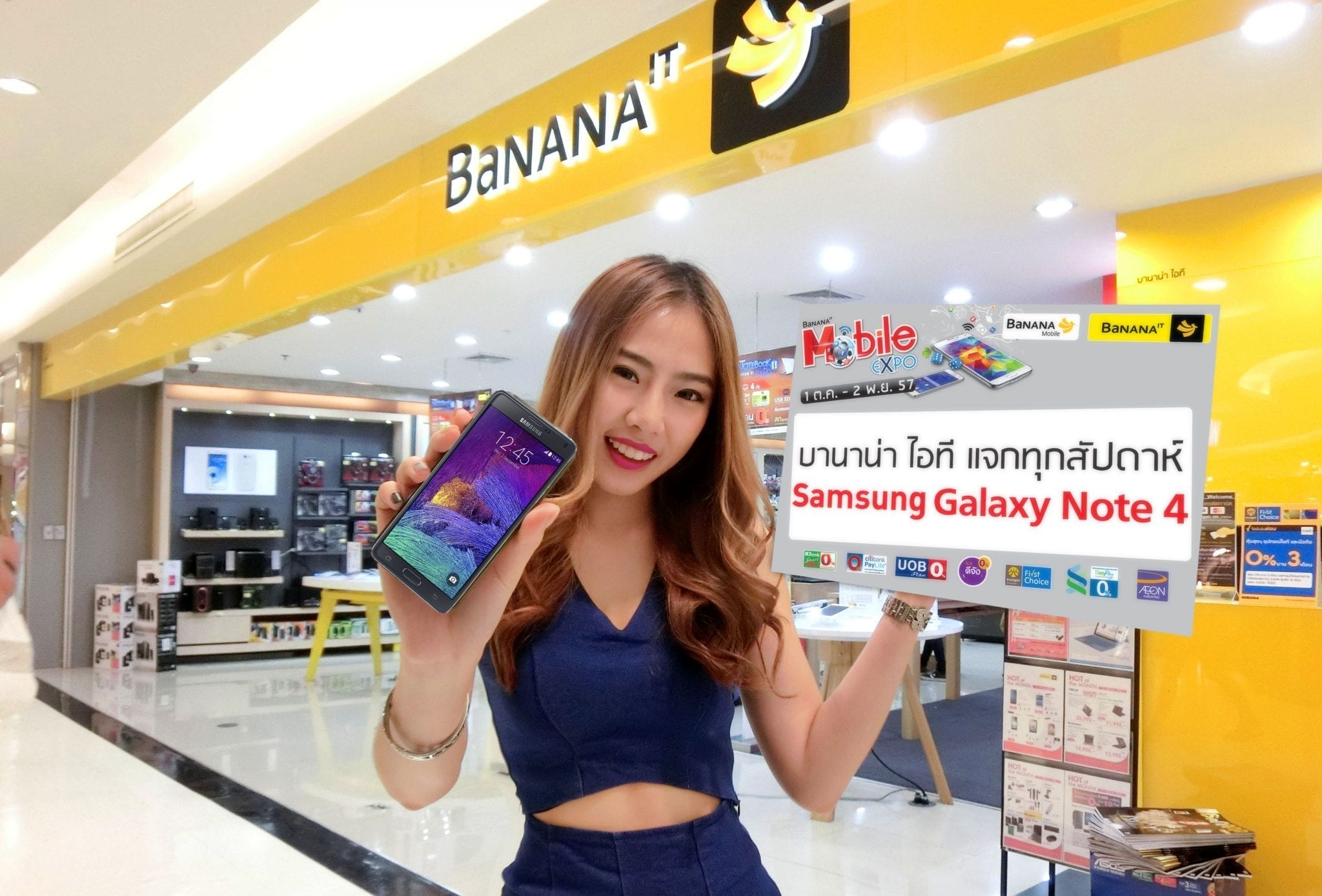
    A Bangkok IT store in a shopping mall in Bangkok. The stores will complete their transfer to Banana in the first quarter of 2017.

    Com7, the Bangkok-based IT chain store under the Banana brand, has taken over 44 BKK shops from Bangkok Telecom 999 for 184 million baht in a drive to accelerate its expansion into the mid- and entry-level segments.

    “This is our first acquisition for the purpose of pursuing growth,” said Sura Khanittaweekul, chief executive of Com7.

    The move is a reflection of how medium-sized IT retail chain stores in Thailand are trying to survive the hyper-competitive handset sales market.

    Small retail chains are being forced to close their shops because they cannot compete directly with cash-rich large stores.

    The process of transferring BKK’s shops will begin on Dec 1 and is expected to be completed in the first quarter of 2017, Mr Sura said.

    Com7 will operate the acquired 44 stores under the BKK brand, most of which are located in high-density areas. At least 10 BKK shops (out of the 44 acquired stores) compete directly with Com7.

    BKK Telecom 999 sold 44 branches out of its 80 shops.

    Mr Sura said the acquisition will enable Com7’s expansion strategy to grow faster, as the company need not build its own stores, which takes time and planning.

    The average size of a BKK shop is 30-70 square metres, while the average size of a Banana shop is 100 sq m.

    He said the acquisition of the BKK shops will enable Com7 to penetrated untapped mid- and entry-level markets, with handsets priced below 10,000 baht each.

    “Returns on the acquisition can be expected over the next 3-4 years,” Mr Sura said.

    Most Com7 branches are situated in prime locations in department stores serving premium customers with high purchasing power.

    Thailand’s smartphone market is quite mature. There is still an extensive demand in the mid-level handset segment in the replacement market.

    Com7 aims to expand its retail shops to 500 branches by 2017, up from 365.

    In August, Com7 launched bananastore.com to extend its sale channels online to capitalise on new-generation customers who lead the digital lifestyle trend.

    “We aim to have 1 billion baht in total sales revenue in 2017,” Mr Sura said.

    Com7 expects revenue to grow 10% to 17 billion baht this year. Of the total, 35% will come from sales of mobile phones, 30% from computers, 10% from tablets and the rest from accessories.

  • McDonald’s near deal to sell China stores

    McDonald’s near deal to sell China stores

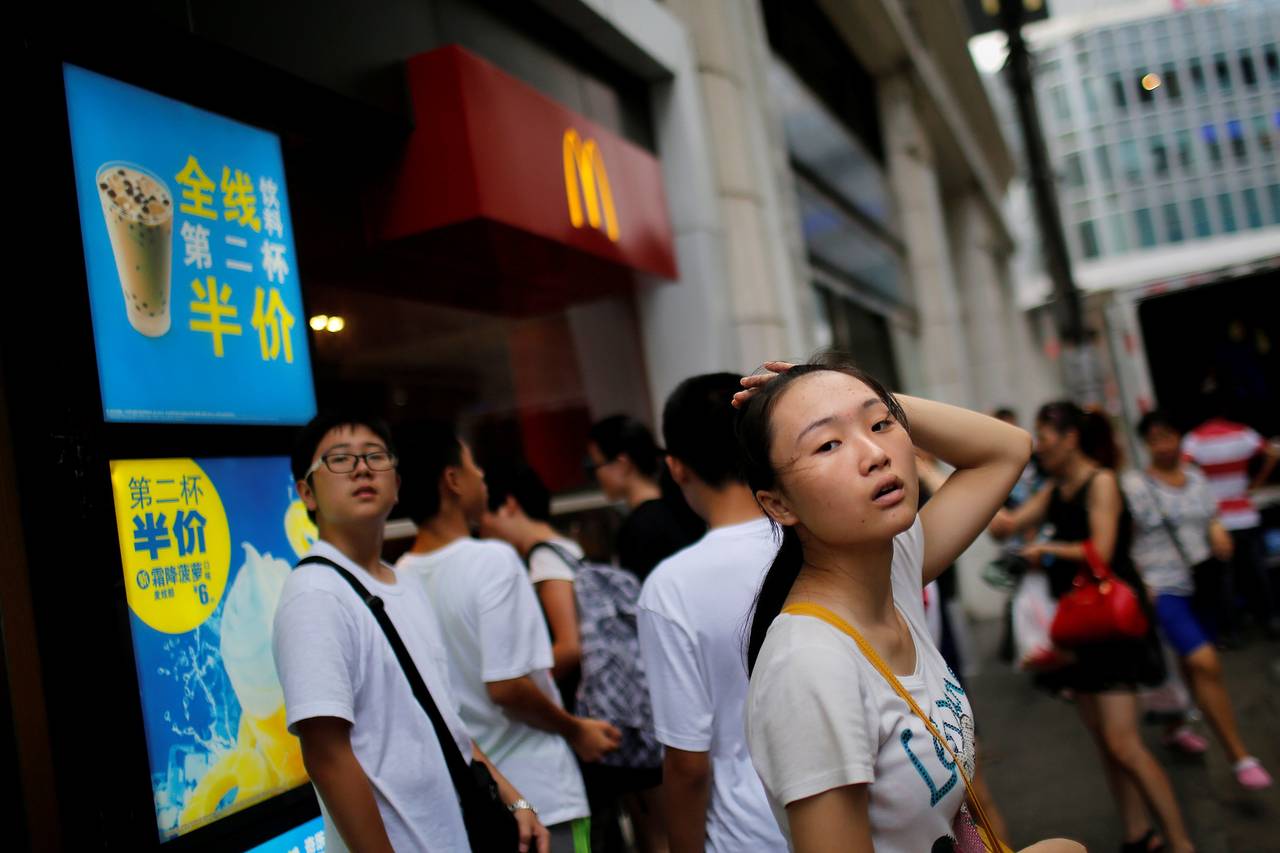
    A consortium led by private-equity firm Carlyle Group and Chinese conglomerate Citic Group Corp has neared a deal to buy McDonald’s stores in China and Hong Kong for up to $3 billion, a source with direct knowledge of the matter said.

    The deal is likely to be signed before Christmas, the source said.

    Reuters had reported in October that U.S. buyout firms Carlyle and Bain Capital LLC had been the front runners among the bidders for the fast-food giant’s China assets.

    McDonald’s in March said it was reorganizing operations in Asia, bringing in partners as it switches to a less capital-intensive franchise model.

    The company hired Morgan Stanley to run the sale of about 2,400 restaurants in China and Hong Kong.

    Financial Times reported earlier on Wednesday that Bain Capital had dropped out of the race, and that a group led by Citic Group and Carlyle were the front runners to the deal.

    Carlyle declined to comment, while McDonald’s was not immediately available for a comment.

  • Luk Fook plans to double jewelry stores in China

    Luk Fook plans to double jewelry stores in China

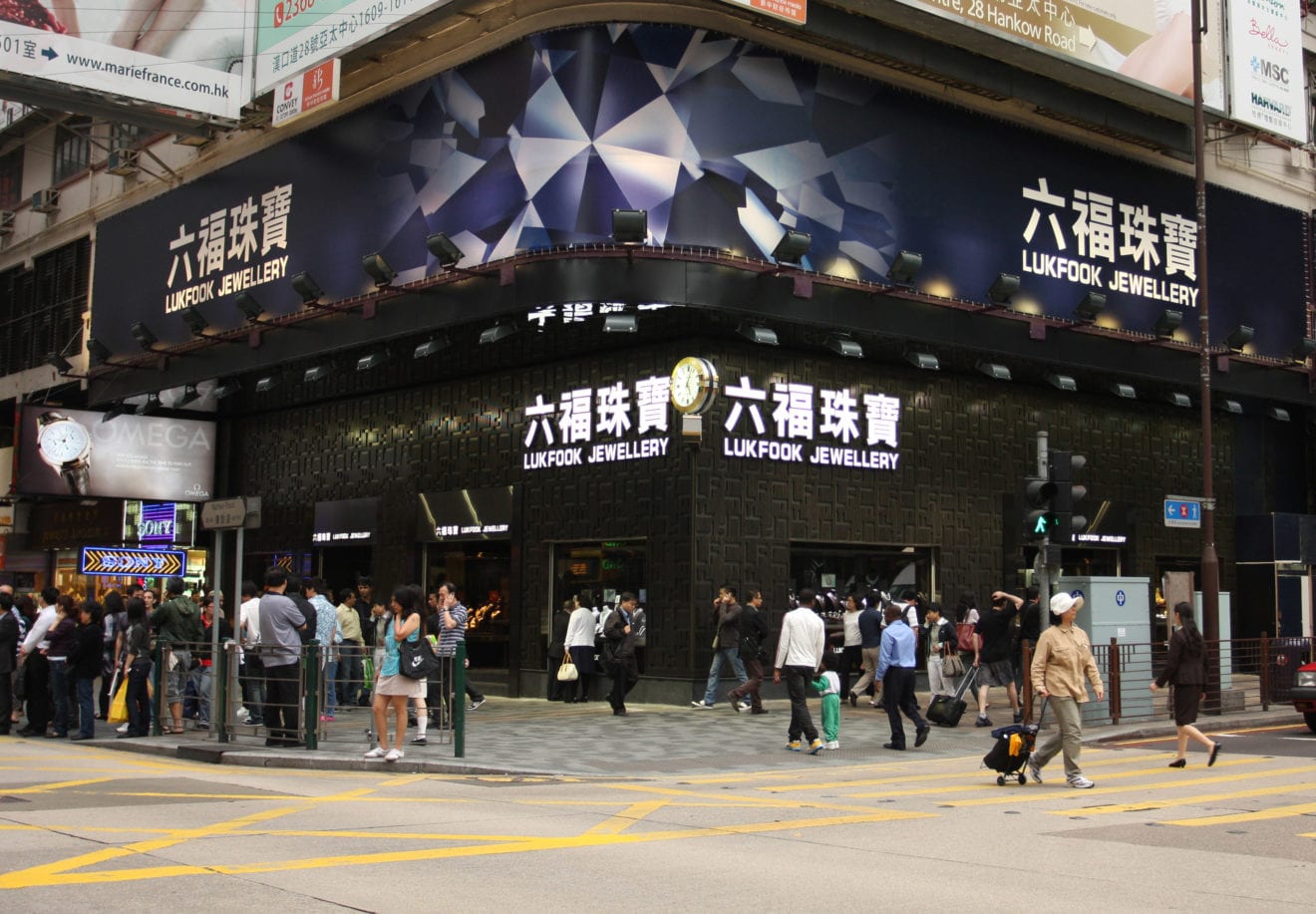
    Hong Kong-based jeweler Luk Fook is pushing ahead with its expansion into mainland China by doubling its stores there even as competitors are moving at a slower pace amid tepid demand for luxury goods.

    The company, a smaller rival to Chow Tai Fook Jewellery Group, one of the world’s largest listed jewelry chain, said on Thursday it “still had room” to increase its mainland outlets to 2,000-3,000, up from 1,400 currently, without giving a timeframe for the expansion.

    “We are only in about 300 Chinese cities comparing with 500 cities of our rivals,” said Luk Fook Executive Director Shirley Wong Hau-yeung, adding that the group would focus its expansion in quality shopping malls in second- and lower-tier cities.

    The jeweler is also looking to boost its revenue contribution from the mainland, which now accounts for over half of its total — a three-year goal it set two years ago. “We actually met our target early,” said Chairman and Chief Executive Wong Wai-sheung. “Having 80-90% of revenue from China is probable.”

    Chairman Wong’s upbeat remarks comes at a time when Luk Fook is seeking to diversify from a struggling home market where luxury retail has been hit hard by a dwindling number of deep-pocketed mainland visitors to Hong Kong.

    First-half net profit fell 7.4% on the year to its lowest level since 2010 at only $429 million Hong Kong dollars ($55.3 million) between April and September. Revenue dived 21.5% to HK$5.47 billion, dragged lower by a 32.3% sales plunge in stores that had been open for over a year in Hong Kong and Macau, while its mainland sales saw a slightly less severe decline of 23.7% from a year ago.

    The group added 27 shops to its network of 1,455 outlets globally, including 24 in China and the rest in Macau, New York and Seoul in the same period. “A further depreciation of the Chinese yuan will prompt more mainlanders to spend at home and boost local consumption,” said Chief Financial Officer Kathy Chan So-kuen, justifying the group’s strategy in mainland China.

    Meanwhile, rival Chow Tai Fook would be “selective” when entering mainland China, said Managing Director Kent Wong Siu-kei on Tuesday. The Hong Kong-listed jeweler added only 11 shops on the mainland — many of them in shopping malls — between April and September, bringing the total to 2,100 in the country.

    Chow Tai Fook’s more cautious approach followed a decade of aggressive expansion into the mainland market that hurt its profitability as the country’s economic slowdown and anti-corruption drive dampened appetite for luxury goods. With about half of its turnover from the mainland, the group reported its lowest first-half profit since its 2011 listing — just HK$1.22 billion, a fall of 21.5% from a year ago.

    With competition from e-commerce players such as Alibaba Group Holding and JD.com, the group would continue to close loss-making outlets in department stores and hopefully turn its shops into logistics centers for handling e-commerce orders in a bid to find better use for its ailing assets.

  • FedEx brings packages to 7-Eleven stores

    FedEx brings packages to 7-Eleven stores

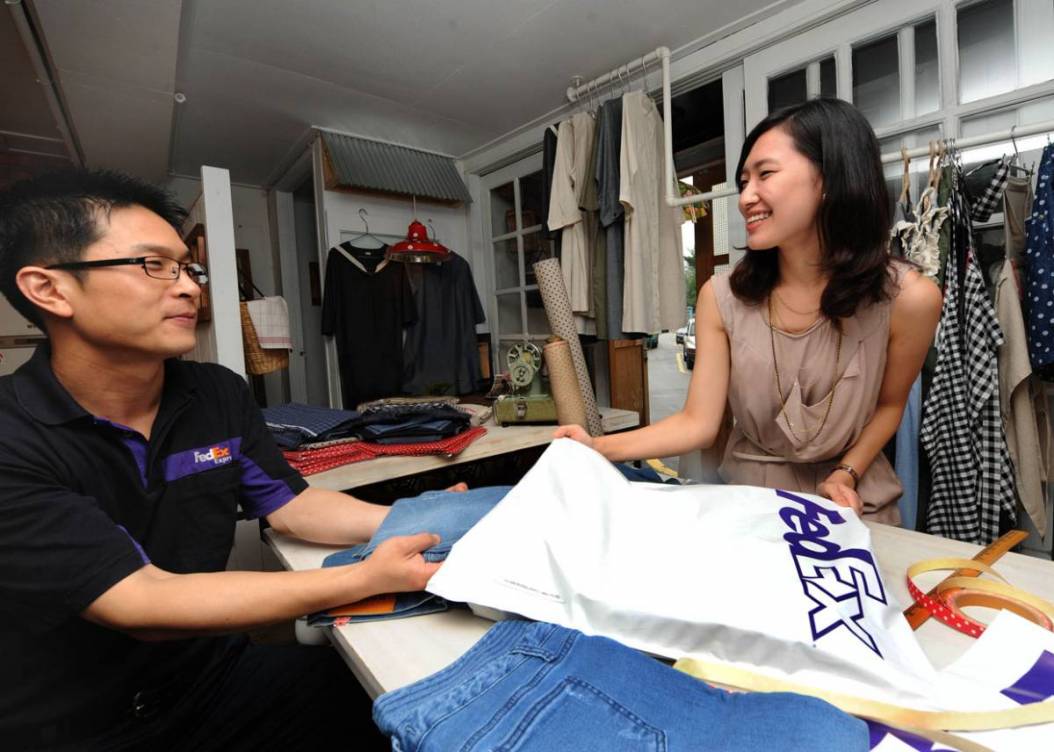
    FedEx Express, a subsidiary of FedEx Corp and convenience store chain 7-Eleven, announced today that customers and online shoppers can collect their packages at selected 7-Eleven stores. The service is only applicable to shipments of up to 10 kilograms in weight and 105 cm in dimension and with a total value for customs of no more than US$500 per shipment.

    FedEx Express, a subsidiary of FedEx Corp and convenience store chain 7-Eleven, announced today that customers and online shoppers can collect their packages at selected 7-Eleven stores. The service is only applicable to shipments of up to 10 kilograms in weight and 105 cm in dimension and with a total value for customs of no more than US$500 per shipment.

    Customers simply need to reply to their FedEx pre-delivery notification message and indicate their preferred 7-Eleven location. They will then receive an SMS message with the pick-up details.  Customers are required to present both the air waybill number and SMS message at their chosen 7-Eleven store upon pick-up.

    Packages must be collected within five days. Anthony Leung, managing director, FedEx Express, Hong Kong and Macau said the company’s retail service network expansion was a response to market needs. Rose Yeung, sales and marketing director, 7-Eleven Hong Kong and Macau, said this represented “another step forward in expanding our service portfolio, which includes bill payment, ticketing, self pick-up and donations.”

  • Stores in China using apps to increase foot traffic

    Stores in China using apps to increase foot traffic

    A growing number of retail stores in China are using specially designed apps to track shoppers’ behavior in a bid to boost sales.

    Yo-ren, an information technology startup, has developed an app to collect information about members enrolled in reward programs offered by stores. Convenience store operator Lawson has introduced the app at select locations in China.

    The Chinese government has desire to make consumption the primary driver of growth. But spreading online shopping will bring the detriment on brick-and-mortar shops.

    Incentive programs

    In 2015, the Shanghai-based Yo-ren, which provides digital marketing services in China, began supplying Lawson stores in Shanghai with an app to manage the convenience store’s reward points program. Since the beginning of this year, the companies have expanded use of the app to other cities, including Beijing, Dalian and Wuhan.

    The app is designed to provide product information and discount coupons while giving customers reward points based on their purchases.

    Under the current plan, members earn 10 points for each yuan they spend, exchangeable for store coupons, at the rate of 1,000 points for 1 yuan (15 cents).

    Since the service was rolled out, the number of members in Shanghai increased to 350,000. About 15% of them use the app at least once a week. These active users visit Lawson stores three times per week on average.

    Lawson has invested around $900,000 in Yo-ren, which is now using the money to enhance the app’s features.

    Tailored services

    Lawson plans to analyze information collected through the app, such as customer profiles and purchase records, for consumer preferences and trends. Findings will then be used to boost traffic during slow business hours, such as by offering coupons for free cups of coffee between 3 p.m. and 5 p.m. at locations close to members’ workplaces.

    Chinese consumers are flocking to internet shopping services provided by Alibaba Group Holding and other e-commerce players. Soaring online purchases are denting earnings at brick-and-mortar retailers, especially department stores.

    Convenience stores have proved less vulnerable to the trend, but Yo-ren CEO Osamu Kaneda said there is still a lot of room for them to boost their ability to attract consumers.

    Yo-ren’s app allows stores to track members in real time. Its features enable stores to analyze customer preferences and then develop new revenue streams from makers through targeted advertising. The app will also help stores tailor their services to match customers’ needs.

    China is in the midst of an economic evolution in which consumer spending is replacing investment and exports as the main driver of economic growth. The service sector is an important link in this shift because it employs large numbers of people.

    But the decline of brick-and-mortar sales will inhibit consumption due to slower job creation in the service sector and lower wages for those jobs.

    To make consumer spending the new engine of economic growth, China needs to engineer a balance between online shopping and sales at traditional retail stores.

  • Fifth Tokyo outlet for Dolce & Gabbana Japan

    Fifth Tokyo outlet for Dolce & Gabbana Japan

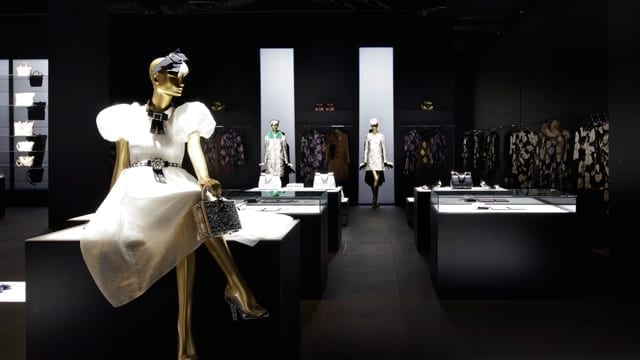
    Special lighting helps create atmosphere in the new store opened in the upmarket Aoyama neighbourhood of Tokyo by Italian fashion brand Dolce & Gabbana Japan.

    Dolce-Gabbana-new-store-Aoyama-Tokyo-4

    Gwenael Nicolas of Curiosity came up with the retail design concept with the brief being to transport the brand’s creative soul and its Sicilian roots. Both the architectural design and decor of the 550 sqm store express Sicily’s distinctive and vibrant luminosity through chiaroscuro effects, contrasts and perspectives.

    Dolce-Gabbana-new-store-Aoyama-Tokyo-1

    The boutique space resembles a compact black volume with the displayed collections illuminated in sequence. The 400 spotlights on the ceiling move around and switch on and off, making the products immersed in shadow burst with colour at regular intervals.

    Featured are women’s and men’s ready-to-wear, shoes, handbags, eyewear, accessories and fine jewellery.

    Dolce-Gabbana-new-store-Aoyama-Tokyo-2

    Dolce-Gabbana-new-store-Aoyama-Tokyo-3

    Outside, the store is coated in Arabescato marble, which also backgrounds the display windows and display cases. A majestic panel at the entrance with the Dolce & Gabbana sign is in black Carnico marble.

    dolce-gabbana-new-store-aoyama-tokyo-5

    It is the brand’s fifth outlet in Tokyo.

    Photos: CPP Luxury

  • Nike India closes more than one third of stores

    Nike India closes more than one third of stores

    To cut losses, US sportswear maker Nike India has closed about 35 per cent of its stores.

    This has left it with about 200 stores, say observers.

    Nike’s accumulated losses were around US$81 million, according to data filed with the Registrar of Companies. Its sales over 2014-15 were about US$120 million for a loss of $15 million.

    Its rivals have also accumulated losses – Adidas losing about $10 million and Reebok $328 million. However, German sportswear maker Puma bucked the trend with accumulated profit of $7 million.

    Nike is believed to be also rethinking its strategy of sponsoring bats for top Indian cricketers. Nike’s largest partner in India is SSIPL (formerly Moja Shoes), which runs 80 per cent of the brand’s stores. Its second-largest partner is soft-drink mogul Ravi Jaipuria’s RJ Corp. Many of the closed Nike outlets have been converted into multi-brand stores by its partners.

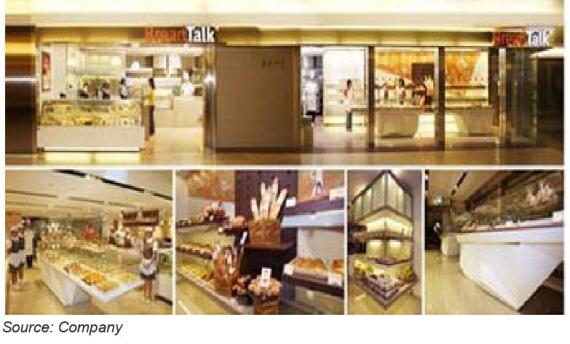
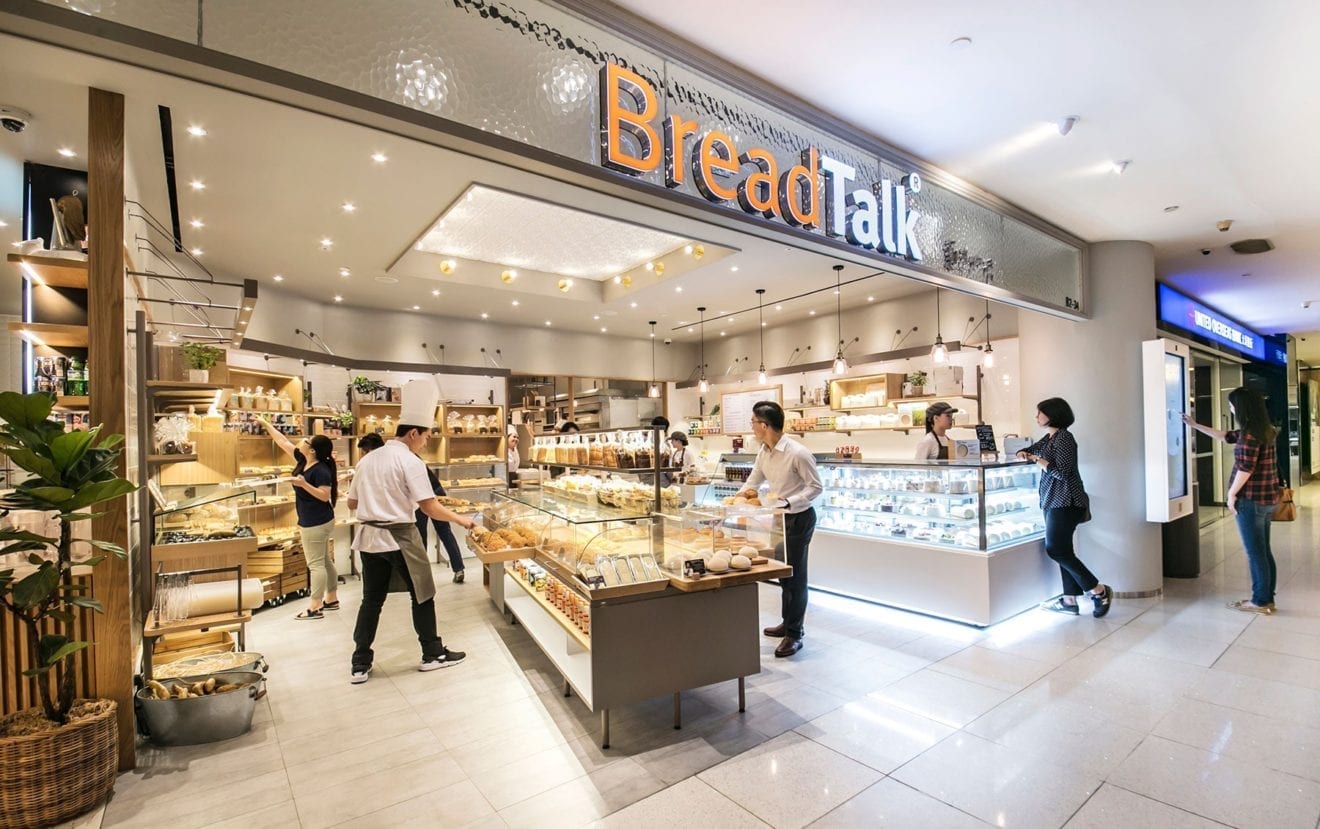
  • The evolution of BreadTalk Singapore through the years

    The evolution of BreadTalk Singapore through the years

    It rolls out new bakery concepts every four years.

    To stay relevant in this difficult operating environment amidst the onslaught of e-commerce, constant make-over and product innovation are inevitable for retail stores.

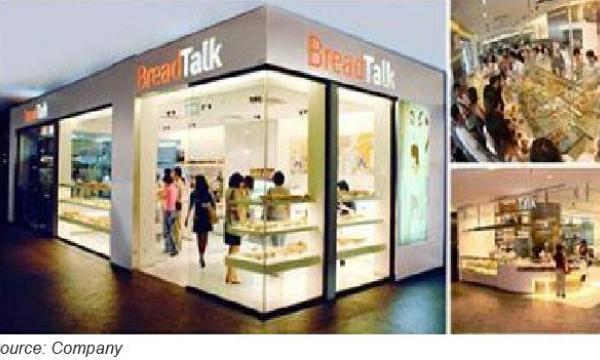
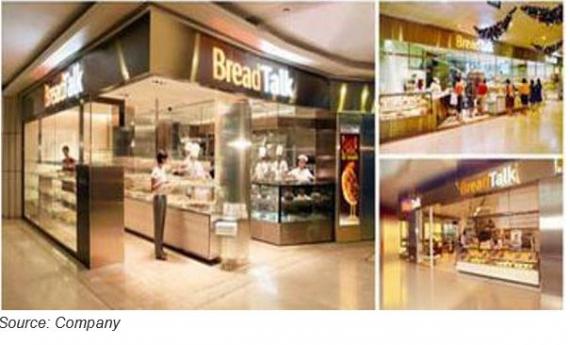
    Standing out amongst retailers in Singapore is homegrown bakery brand BreadTalk, which carried out a series of space revamps and exhibited willingness to experiment.

    RHB analyst Juliana Cai notes that BreadTalk launches a new bakery concept every four years to maintain a fresh brand image. It also rolled out 50 new products along with its latest concept launch.

    Here are the four major faces of BreadTalk from year 2000 to the present, from a simple boutique bakery to a store with rustic feel:

    1
    Generation One – boutique bakery (2000-2004)


    2
    Generation Two – eye on elegance (2004-2008)

    –


    3
    Generation Three – jewellery casing (2008-2011)


    4-breadtalk
    Generation Four – rustic feel (2012-present day)


    What do you think? Leave a comment about BreadTalk transformation.

  • Starbucks Asia rolls out Teavana

    Starbucks Asia rolls out Teavana

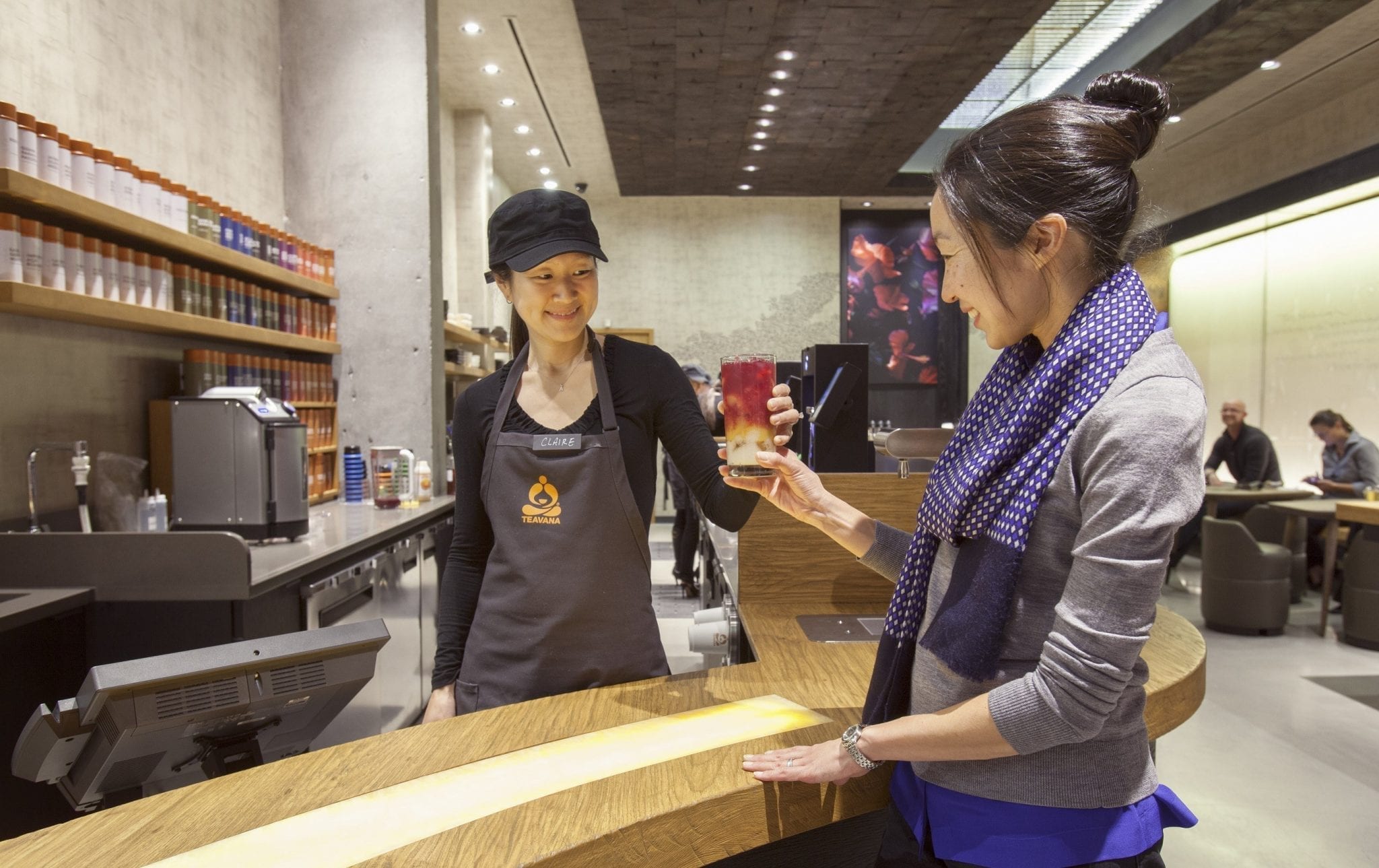
    Starbucks Asia is rolling out Teavana in 6200 stores across its 16 Apac markets.

    Four tea beverages prepared in-store will be offered to the 16 countries, with two or three expected to be sold in each market, the choice up to each one.

    Starbucks acquired US-based Teavana Holdings in December 2012, a “super premium tea” product it says brings “exotic blends, great flavors, wellness and innovation” to customers globally.

    The Asian launch began with China at the end of last month, with Korea and Indonesia following at the beginning of this month. The majority of Asian markets will see the new lines in mid-September, with a Japan launch scheduled for October and India later this year.

    Vera Wang, director, product line innovation at Starbucks China and Asia Pacific said the teas have been developed especially for Asian tastes.

    “We recognise Asian consumers are developing sophisticated taste preferences.”

    While a premium product, pricing will be left to the determination of each market, she said.

    “Pricing (of all Starbucks lines) is determined product by product and market by market.”

    She declined to discuss the company’s expectations for Teavana’s share of Starbucks sales in the region.

    “I’m not at liberty to talk about that. But tea definitely has huge potential for us and we have a lot of confidence going into Asia with Teavana.”

    Starbucks Korea staff promoting Teavana at the Starfield Hanam GL store.

    Besides fresh-brewed tea in cafes, Teavana full-leaf tea sachets will also be sold for take-home use.

    The four launch lines of Teavana in Asia are Matcha & Espresso Fusion (a matcha tea blended with a shot of espresso), Black Tea with Ruby Grapefruit and Honey, Iced Shaken Green Tea with Aloe and Prickly Pear; and Iced Shaken Hibiscus Tea with Pomegranate Pearls.

    Wang said, those core lines would be complemented by other blends selected on a market-by-market basis in the future, depending on customer feedback.

    John Culver, group president of Starbucks global retail said in a statement Teavana represents “a tremendous opportunity to leverage the company’s expertise in creating best-in-class retail experiences, handcrafting custom beverages, and sourcing the finest ingredients, to become a leader in a new category for us”.

    “Just as we’ve done for coffee, this is tea reimagined at Starbucks.”

    Last year, Starbucks’ tea business in the US grew by 12 per cent with all tea categories posting strong growth, led by iced tea at 29 per cent. Building on this and the success of Teavana to date in other parts of the world, Starbucks aims to increase its global tea business to US$3 billion over the next five years.

    Starbucks Teavana will be launched in all stores in Australia, Brunei, Cambodia, China, Hong Kong, India, Indonesia, Japan, Korea, Malaysia, New Zealand, The Philippines, Singapore, Taiwan, Thailand and Vietnam.