Tag: Stores

  • Jollibee aims for international growth

    Jollibee aims for international growth

    It’s been called the “McDonald’s of the Philippines,” and the late Anthony Bourdain dubbed it “the wackiest, jolliest place on earth.” Jollibee, a fast food chain based in the Philippines, has become one of the world’s largest restaurant franchises, with more than 4,000 stores in 23 countries, including 37 in the United States. (For comparison, McDonald’s has more than 37,000 worldwide and 14,000 in the U.S.)

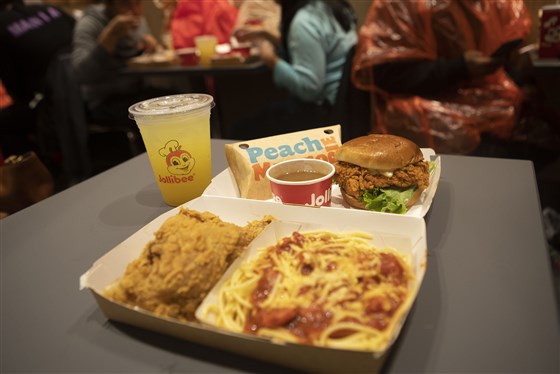
    Known for its fried chicken, sweet spaghetti and “Aloha burger,” Jollibee serves fast-food with a Filipino twist: The spaghetti, for instance, includes cheese and mini hot dogs, and the fried chicken is meant to be eaten with rice and gravy.

    While Jollibee first came to the U.S. in 1998, opening locations in areas with large Asian populations including California, Hawaii and Illinois, the company’s latest investments and openings, including one near Manhattan’s Times Square, are part of a new strategy that the company hopes will make it one of the “top five restaurant companies in the world.”

    Incorporated in 1978, the company started as a pair of ice cream parlors before adding hot meals to its menu when McDonald’s announced they were coming to the Philippines.

    “We told our friends back then that we wanted to compete with McDonald’s, and they told us not to confront the giant,” Ernesto Tanmantiong, Jollibee’s CEO and younger brother of founder Tony Tan Caktiong, said. “Instead of chickening out, we served Chickenjoy.”

    The company now owns 14 global brands. In February, it acquired stakes in Smashburger and fast-casual Mexican chain Tortas Frontera, both U.S.-based companies.

    Arthur Dong, professor of strategy and economics at Georgetown’s McDonough School of Business, said the acquisitions gives them “a bigger media footprint into the North American market, and a push into becoming one of the biggest companies in the world.”

    Dong added that Jollibee’s success in the North American market, as well as its other overseas locations, makes a huge impact on the Philippine economy.

    “Any success anywhere contributes to the company’s success overall and would make Jollibee at home more successful and endure a lot more things, in terms of their future expansion opportunities,” he said.

    Jollibee’s most recent opening in New York City was highly anticipated, with some customers lining up for 20 hours.

    Dong said that the New York opening is a wise move in line with what some economists call the “dense market theory,” which suggests that when a franchise opens a location in an urban area with populations that reside and work in high-rise buildings, it increases the chances of one’s success because of that population density.

    “It’s perfect because rather than putting a billboard up to advertise their brand, Times Square is like a billboards haven itself,” Dong said. “In cities, they go from zero to 60 very quickly because of the sheer amount of foot traffic. Because this new location is near Times Square, the result of that is they’re able to capture the attention of not only natives, but people who don’t even reside from New York City, and that gives exposure to the Jollibee menu and their concept.”

    Justin Callan from the New York City neighborhood of Coney Island said that, as a non-Filipino, he has always felt welcomed at Jollibee. He and his girlfriend, Faye, were the first customers in line for Jollibee’s Manhattan grand opening on Oct. 27. “All you have to do is open up the door and let the people smell it — that’s what got me,” he said.

    Jollibee executives hope to open 150 stores in the U.S. and 100 stores in Canada over the next five years.

    “This is our entry into the mainstream, not just Filipino, market — we are catering to a bigger spectrum, and want to keep strengthening our foothold both in the U.S. and globally,” Tanmantiong, the CEO, said.

  • Amazon to expand Whole Foods, open more stores

    Amazon to expand Whole Foods, open more stores

    Nearly a year-and-a-half after Amazon acquired Whole Foods for approximately US US $13.5 billion, things are about to start changing. Amazon is planning to expand its Whole Foods Market portfolio by adding more stores to put more customers within its two-hour delivery service range, The Wall Street Journal reported this week. The report says Amazon has been scouting locations for bigger Whole Foods stores in states and regions where they don’t currently have any stores at all–places like Idaho, south­ern Utah and Wyoming, along with many other suburban areas.

    The report goes on to say that these stores will be approximately 45,000 sq. ft. in size and the extra space is intended to accommodate Amazon delivery and pickup from online orders.

    According to WSJ, the world’s largest online retailer also plans to expand its two-hour delivery service, Prime Now, to nearly all of its roughly 475 Whole Foods stores in the United States.

  • Honey Birdette debuts in US

    Honey Birdette debuts in US

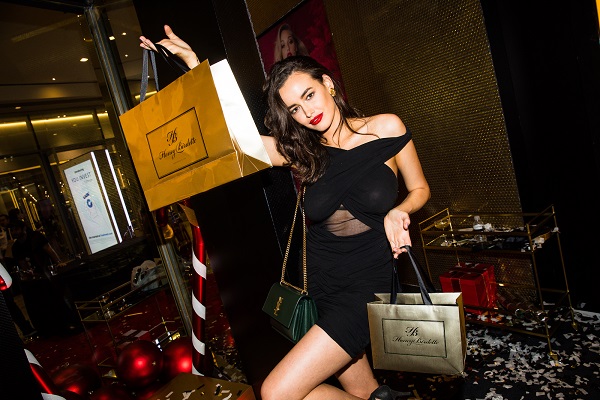
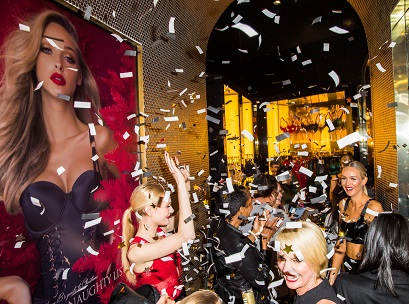
    Australian Lingerie brand Honey Birdette has launched its first US store in Westfield Century City, Los Angeles, focused on a unique design including whisky bar carts and ‘press-for-champagne’ buttons. The store will offer exclusive and limited-edition products, and is fronted by a glass mirrored store front centred by a gold tiled entry arch.

    “We are focusing on unique designs concepts for all of our future boutiques and each footprint will have its own unique element,” Honey Birdette founder and managing director Eloise Monaghan said.

    “Some might have a champagne bar for example, a private salon in one, a peep show in another, a stage or a catwalk.”

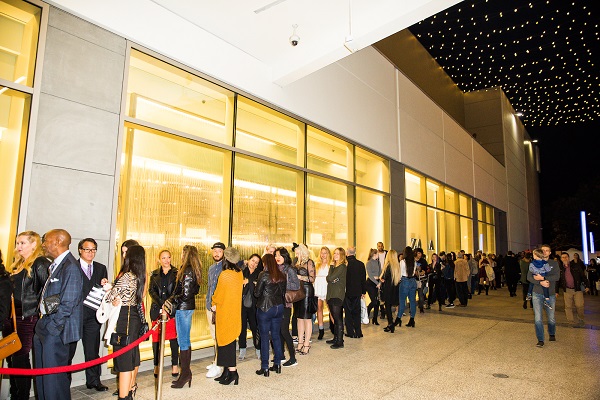
    The store opened to more than 500 shoppers who lined up to shop the brand physically for the first time in the US, and featured a DJ, champagne towers and confetti cannons.

    The brand currently trades within 57 locations in Australia, as well as across three locations in the United Kingdom.

  • Sears US to close further 80 stores by March

    Sears US to close further 80 stores by March

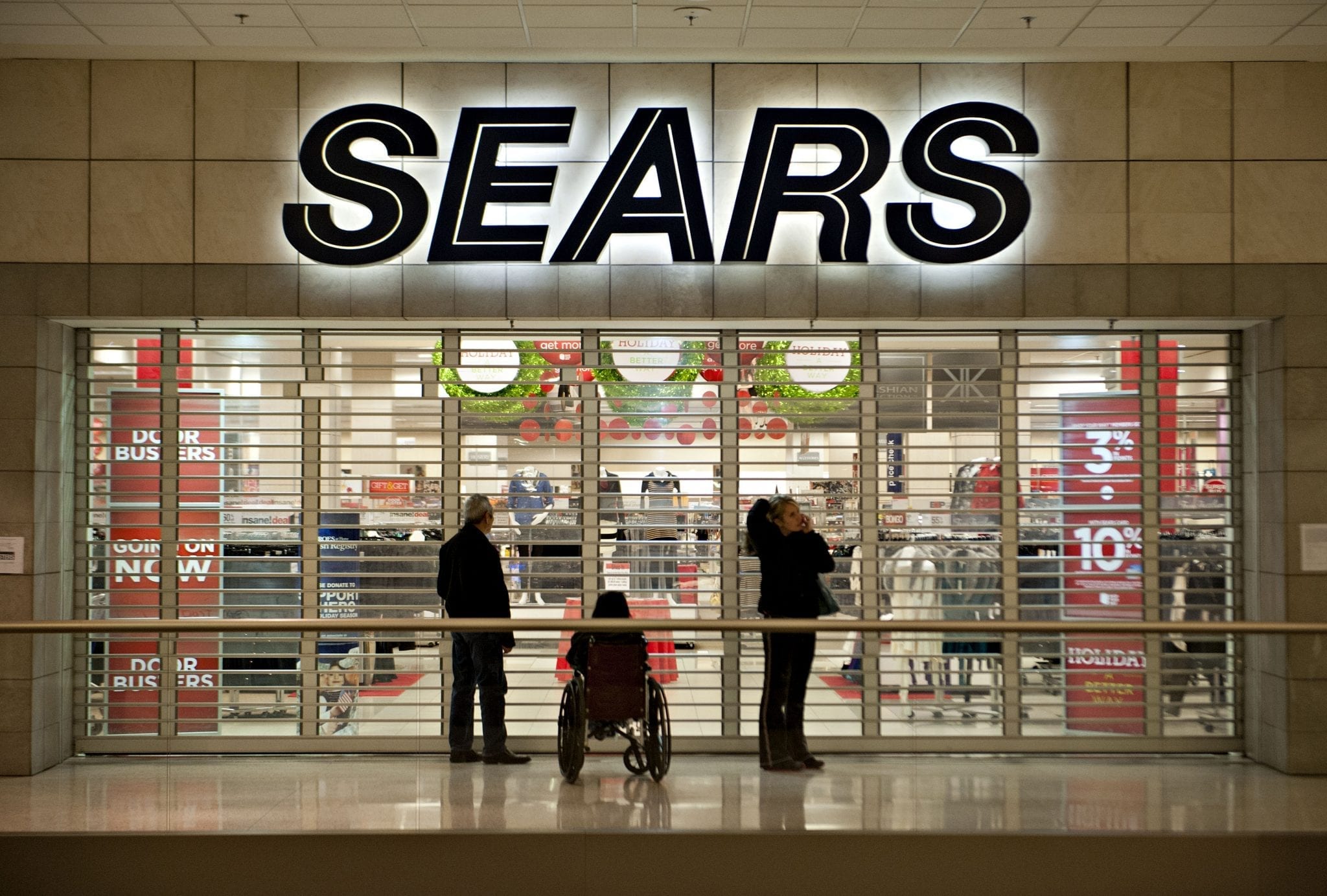
    Bankrupt US retailer Sears has informed 80 further stores of impending closure, in addition to the 40 store closures already announced. The second batch of closures is expected to be finalised by late March 2019, with liquidation sales expected to begin in early January 2019. The closures have been made in an effort to accelerate and facilitate the ‘strategic transformation’ of the business, as well as assist its financial restructuring, though GlobalData Retail managing director Neil Saunders notes that the brand is now at rock bottom.

    “As a last roll of the dice, Sears has attempted to shrink its way to success by closing stores,” Saunders said.

    “While closure sales have helped to temporarily boost footfall and revenue at some shops, they have done nothing to put the firm on a sound footing. Nor have the efforts improved perceptions.”

    According to data from the research firm, overall customer usage of both the Sears and Kmart brands has fallen over the holiday period, and brand perception has fallen below the year prior.

    “Ultimately, reinventing Sears now would be akin to raising the Titanic and making it seaworthy again: a thankless and rather pointless task,” Saunders said, continuing that liquidation is the most likely outcome at this point of the bankruptcy process which began in October 2018.

    “In our view, the lack of bids and the difficulties [Sears chairman] Eddie Lampert is having in raising finance for his own offer reflects the fact that Sears is essentially worthless.”Adtech Ad

    Lampert stepped down as company chief executive when it filed for bankruptcy in October, and made a last-minute US$4.4 billion bid to buy the retailer in late December.

    The bid would “offer employment to up to 50,000 associates”, according to CNBC, and may divert the liquidation process should Sears’ advisors decide the bid to have come from a “qualified bidder”.

  • Goldwin tops sports market growth through store investment

    Goldwin tops sports market growth through store investment

    Marketing of sports brands has become increasingly retail-led in the last decade and a focus on retailing has enabled Goldwin to make serious gains while the two biggest domestic brands, Asics and Mizuno, have been distracted by overseas expansion. Goldwin took a close look at its beleaguered business 15 years ago and decided retail could be its salvation. At current rates it will catch up with Mizuno’s domestic sales in a few years.

    Goldwin was a struggling sports apparel distributor 15 years ago, floundering in declining wholesale channels, the implosion of the ski boom, and a fear of risking all on expensive retail investment, resulting in sales collapsing from a peak of ¥78 billion to less than ¥50 billion.

    No longer. The rights owner for The North Face and Helly Hansen in Japan posted another strong set of results in 1H2018: sales jumped 16.2% to ¥33.4 billion and operating profit doubled to ¥3.1 billion. The strong first half follows an equally good 2017 when sales rose 15.6%, the eighth straight year of growth. Operating profit reached ¥7.1 billion, up 81% and the highest for 25 years.

    Sales for FY2018 ending March are expected to come in 13.6% higher at ¥80 billion, with operating profit of ¥9.1 billion, up 28.1%. If these numbers turn out to be correct, Goldwin will have achieved it highest sales ever and met the goals set out in its medium-term plan ending March 2021, two years ahead of schedule. It has now updated the medium-term plan from ¥80 billion to ¥90 billion in sales, operating profit from ¥6.5 billion to ¥11 billion, and an ROE of 15% against a forecast 11.2% (the ROE in FY2017 was 15.4% and is forecast at 18% for FY2018).

    What has changed? The key factor is the success of its outdoor brands, which accounted for ¥49 billion, or 70%, of sales in FY2017, and in particular the change in management’s willingness to invest in retail stores in shopping centres a decade ago.

    Since the decision to invest in retail, Goldwin has opened well-executed stores in busy malls such as Lalaport and Lumine, as well as some very popular outlet stores. Today, its own directly operated stores account for 56% of sales. In addition, Goldwin garners another 5% of sales from e-commerce, still a small percentage but online sales were up 50% in a year. This performance is far better than either of the two largest domestic brands, Asics and Mizuno. Goldwin had little choice than to risk all given its dependence on the Japanese market for almost all its sales, forcing it to seek an alternative to its traditional wholesale model.
    Goldwin has focused investment on key brands rather than try to lift all boats at once.

    The growing appetite for outdoor fashions from both active consumers and those who just like the outdoor look, has helped propel The North Face and Helly Hansen in the last few years. In contrast, other Goldwin brands, like Ellesse, Canterbury and Speedo, which are sold at wholesale and through department store corners, have seen sales languish, falling 3.3% in FY2017.

    What is impressive about Goldwin’s stores is relentless effort to attract new footfall. In-store events are held regularly to pull in customers and deepen interaction, with customer feedback passed back to product planning and marketing teams. Goldwin also locates stores close to outdoor sports activities, such as its Nagano and Niseko The North Face Gravity stores which combine merchandise sales with ski rental services and even a library of books on outdoor sports. At the new National Stadium in Gaien-mae, it has opened an athletics complex/store called Neutralworks by Goldwin.
    On the supply side, Goldwin has worked to simplify supply chains through more direct contracts with factories, which in turn has helped streamline inventory management, resulting in a lower cost of sales, better sell-through and an increase in operating profit margins from 4.9% to 9.4%.

    Given the intense competition and the plethora of similar product from multiple sports brands, Goldwin has been investing in product innovation for both its own brands and licensed product. In 2017 it built a technical research centre in Toyama – where the company was founded – at which it develops new fabrics and performance functions using environmental chambers and motion capture systems. It has also partnered with other companies: it uses a synthetic, protein-based, petroleum-free silk developed by Spiber (in which it has invested ¥3 billion) for jackets and hoodies, and has licensed odour-reducing, sweat-absorbing fabrics originally developed by Jaxa for astronauts’ underwear.

    Goldwin is now investing in stores for other promising brands. It opened stores in Aoyama, Tokyo and Sapporo for the US brand Woolrich in October, and forecasts sales growth of 6.5% this year. Goldwin plans 10 stores for Woolrich through FY2020. For its eponymous Goldwin brand it opened the first flagship store in November in Nijubashi Square in Marunouchi.

    Going forward, plans for overseas expansion look promising for the first time. In the last two years, it introduced a new logo and updated merchandise for the Goldwin brand. It will transform what was a domestic skiwear label into a lifestyle sports label with global reach, similar to Descente’s plans for its own brand. In A/W 2019 a new lifestyle collection of sports apparel and accessories will be launched at home and overseas – this year the ‘hero’ product, a down parka using synthetic silk from Spiber, was gold winner at the European sports trade show, ISPO Munich.

    Last year, Goldwin acquired a stake in Woolrich International, a UK-based entity that owns the Woolrich brand, and plans to “participate actively” in its global development, particularly in Asia, including production – it has created a premium collection for the brand this year.

    Investment in sports retail stores will increase at home over the next couple of years, with all major sports brands looking to expand. The success of Japan in the soccer World Cup, big expectations for the Japan team in the 2019 Rugby World Cup, and the upcoming Olympics in 2020 all contribute to consumer interest in sports. Goldwin itself is hoping for an afterglow effect after the Olympics – what it calls “Golden Sports Years” – but the even more important trend is growing interest in health and well-being in general.

    What also makes the prospects for sports brands so bullish over the next decade is that interest in active sports, and the attire to go with this, is common to all age groups in Japan. This includes the fast growing population segment, the over 60s, ensuring sustained demand for many years to come. Sports and sports fashion is in many ways one of the few consumer categories to be largely immune to a demographically challenged market like Japan.

    Some local sports firms have been complacent in taking for granted customer loyalty to Japanese brands, but Goldwin has matched international brands in development of solid retail concepts, mixing innovative products with store entertainment and services, the basis of its new found success. Asics and Mizuno will be hoping that investment plans in the next few years will be enough to restore the balance.


  • 2018 : Alibaba’s news about F&B, starting from Starbucks’ partnership

    2018 : Alibaba’s news about F&B, starting from Starbucks’ partnership

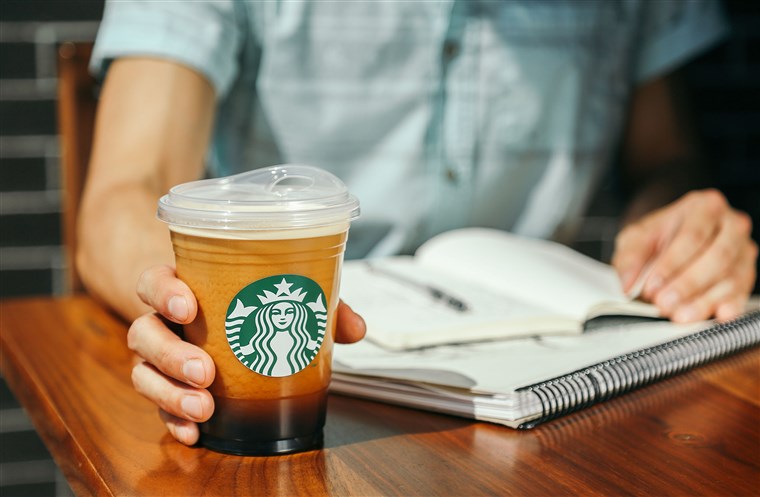
    Starbucks launched its first virtual store in China powered by technology from Alibaba Group, providing a unified, one-stop digital experience across the Starbucks app and mobile apps within the Alibaba ecosystem, including Taobao, Tmall, and Alipay. The first-of-its-kind virtual store leverages an online management hub developed specifically for Starbucks by Alibaba. It provides consumers integrated access to Starbucks’ digital offerings, including “Starbucks Delivers,” “Say it with Starbucks” social gifting and merchandise available from Starbucks’ Tmall flagship store.

    Alibaba’s technology streamlines the shopping process, pulling offers that were available in multiple digital apps into a single access point. Adopting a centralized approach to its mobile presence enabled by the Alibaba ecosystem, Starbucks now has a complete overview of its consumers’ actions online. Moreover, the integration of membership between Starbucks and the range of Alibaba apps is expected to fuel strong growth in Starbucks Rewards membership in China.

    The new virtual store steps up the collaboration announced by Alibaba and Starbucks in August 2018, when the companies agreed a deep, strategic “New Retail” partnership. Ele.me, China’s leading on-demand food delivery platform, owned by Alibaba, provides Starbucks delivery service for 2,000 stores across 30 Chinese cities.

    In October 2018, Starbucks also piloted its first “Star Kitchens” within two FRESHIPPO (previously known as Hema) supermarkets in Shanghai and Hangzhou. As the first retail brand to establish a dedicated back-of-house presence in FRESHIPPO locations, each Star Kitchen utilizes the distinct fulfilment and delivery capabilities on-site to complement the handcrafted beverages offered through existing Starbucks stores.

    The launch of Starbucks’ virtual store is also the latest example of how the so-called “Alibaba Operating System” empowering traditional retailers. After years of development in this digital age, Alibaba has created a unique system to support enterprises in the process of digital transformation that covers critical areas such as retail, marketing, finance and logistics.

  • Supermarket retailer Big C opens 147th hypermarket

    Supermarket retailer Big C opens 147th hypermarket

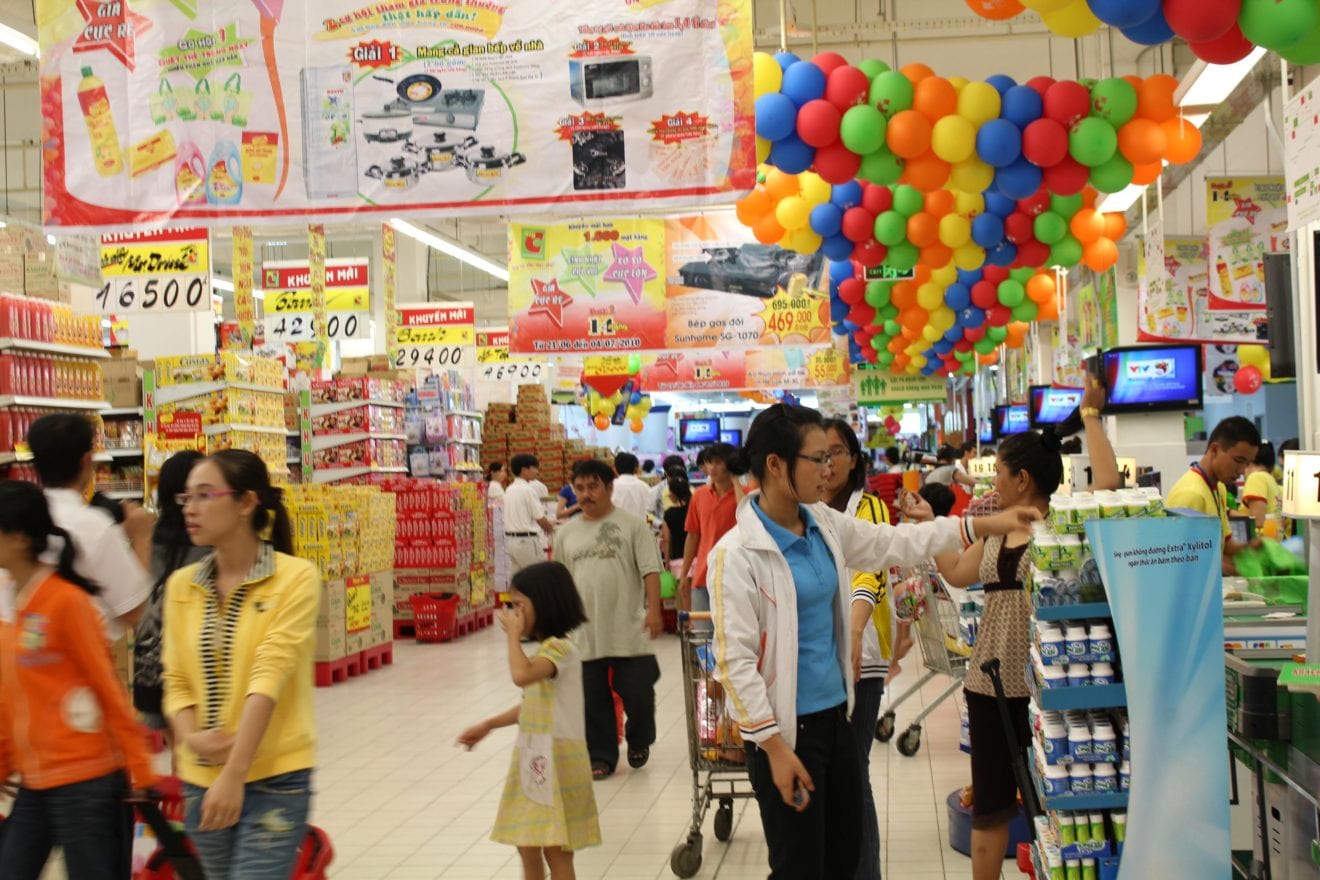
    Supermarket retailer Big C has launched its 147th hypermarket at Nakhon Si Thammarat. Big C Supercenter CEO Aswin Techajareonvikul said Big C’s business has continued to expand this year. “We are recruiting new employees to drive our promising business providing the best shopping experience to our customers. “In Nakhon Si Thammarat, we are offering the new shop-in-shop concept serving the variety of customers. We also focus on home appliance and electronic products responding to trend and consumers’ interests in electronics and IT products.”

    The new centre will employ more than 1000 workers and joins the firm’s network of hypermarkets, 60 markets, 671 Mini Big Cs, and 138 Pure Pharmacies, as well as e-commerce channel Big C Shopping.

  • Starbucks to open two stores in Macau Airport

    Starbucks to open two stores in Macau Airport

    Starbucks has expressed interest in seeking further opportunities to expand within Macau.

  • Hong Kong’s Hui Lau Shan debuts in Philippines

    Hong Kong’s Hui Lau Shan debuts in Philippines

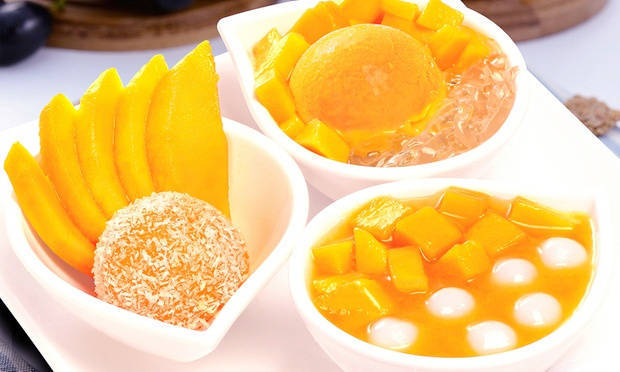
    Hong Kong dessert chain Hui Lau Shan will launch in the Philippines in February. The franchise, best known for its mango-based treats,will open at SM Megamall in Mandaluyong City with a range of desserts that are expected to draw on local fruits. Mango desserts have proven popular in the region recently, with prominent social media coverage of long queues for mango floats.

    Hui Lau Shan is a heritage brand originating from a herbal tea & tea trolley that traded in Hong Kong’s Yuen Long back in the 1960s.

  • Palm Angels flagship opened in Causeway Bay

    Palm Angels flagship opened in Causeway Bay

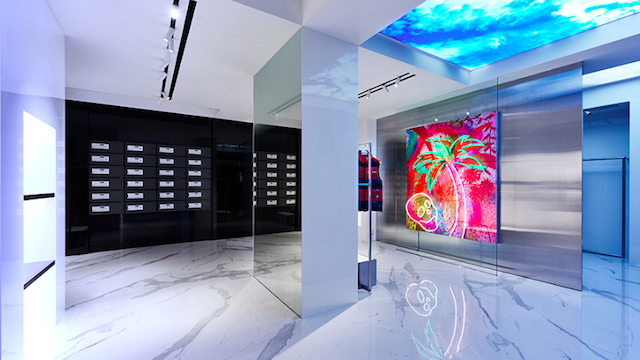
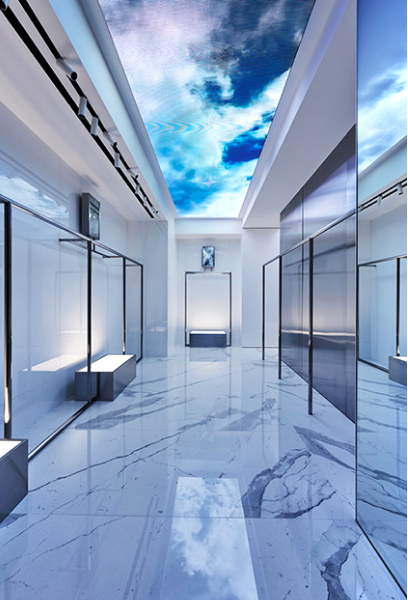
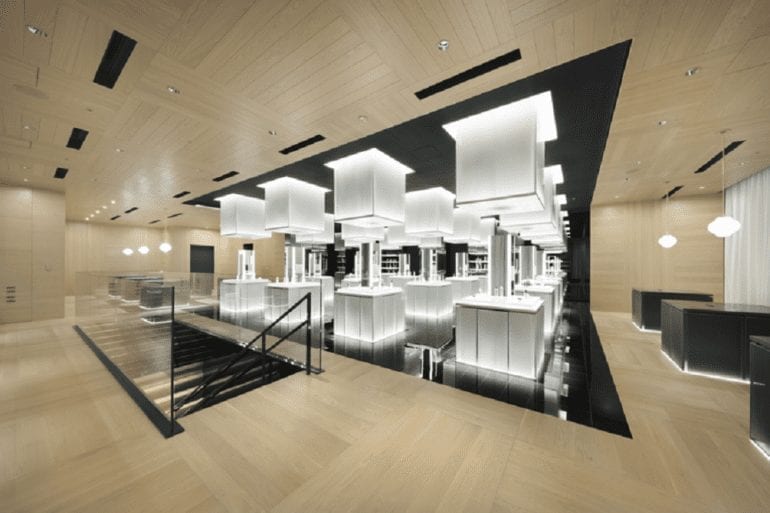
    Palm Angels Hong Kong has opened its first flagship store, selecting a site in Patterson Street, Causeway Bay. The interior of the store was designed by Palm Angels founder and creative director, Italian Francesco Ragazzi, in partnership with Studio April. From the outside, the store draws the attention of passersby with its minimalist facade, bright LED signage and white lacquered glass panels.

    The interior design was inspired by a white cube gallery and clothing is displayed throughout the store more like pieces of art. The floors are made from polished marble and steel furniture stands out against white walls.

    The Palm Hong Kong flagship also features paintings and neon artwork created by Canadian artist Thrush Holmes.

    In June, Palm Angels Hong Kong opened a pop-up store in partnership with global fashion group HBX to introduce the exclusive Palm Island capsule collection and gauge interest in the brand among Hongkongers.

  • Lifestyle-curation bookstores are changing

    Lifestyle-curation bookstores are changing

    In recent years, bookstores have been disappearing at a fast rate. Aside from major franchise bookstores in downtown areas, many small, neighborhood bookstores have closed, forced out in the digital era. But lately, bookstores have been returning in different forms. New bookstores sell more than just books, offering a wide range of goods from stationery, food and drinks to various merchandise — anything related to lifestyle.

    The trend started with the Kyobo Book Centre, the nation’s largest bookstore franchise, following the model of Tsutaya Books. The Japanese bookstore chain established a successful business model, attracting consumers who may not necessarily be interested in books with its retail products and in-store restaurants.

    The business went against the prejudice of a bookstore as a place where you a person just buys books. Providing comfortable seats for people to read, it helped create a larger reading population.

    Following Kyobo Book Centre’s success, more bookstores opened, offering more products and services than just books. They bill themselves as lifestyle-curation bookstores, or culture complexes.

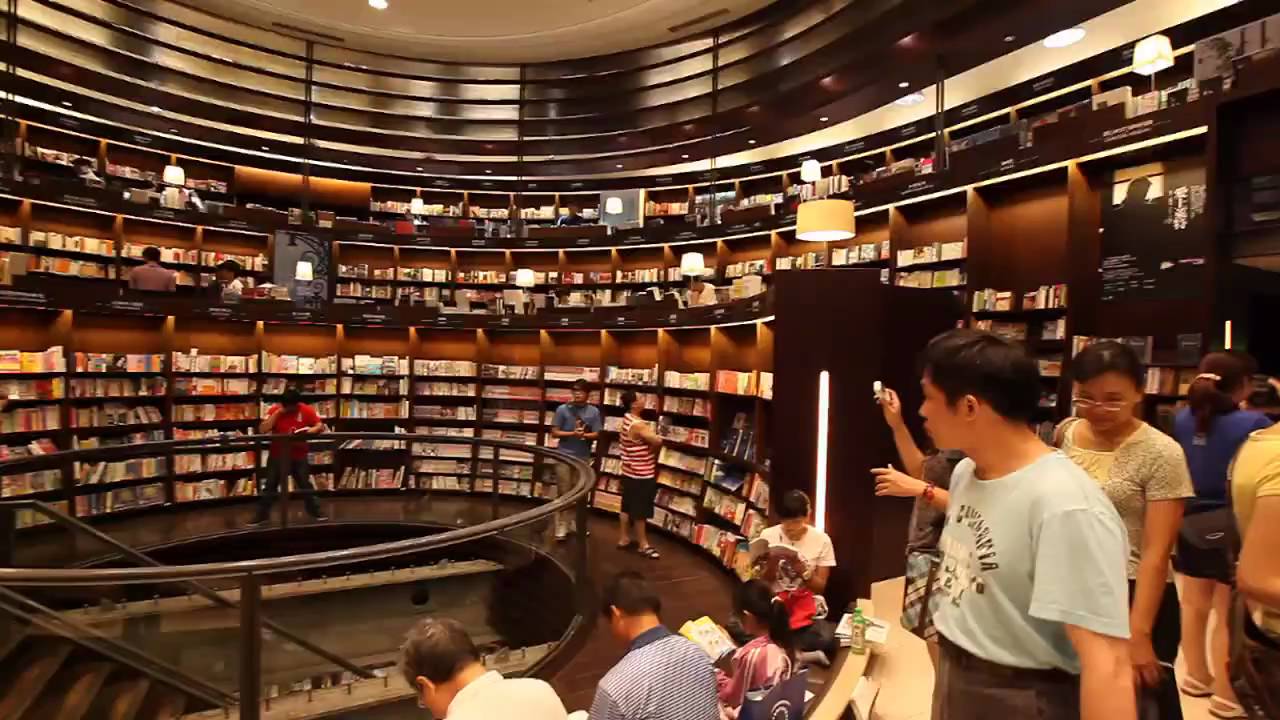
    Arc N Book, which opened last month in central Seoul, deems itself as a city culture complex that introduces books and lifestyles.

    The bookstore has four themed sections: Daily, Weekend, Style and Inspiration. The themed sections provide related products. For instance, the Daily section’s theme is currently black tea. Along with related books, the section displays tea leaves and tea bags for sale.

    On Dec. 15, the bookstore bustled with visitors. While some lounged with books in hand, others photographed the well-decorated space. The “Harry Potter”-styled archway, a book tunnel, was the hottest photo spot.

    “We are strong in foreign books. Foreign-language books take up 7 percent of our books, while it is usually around 2 percent at other bookstores,” said Kim Ji-in, a representative from OTD Corp., which operates Arc N Book.

    “We have around 30,000 books, which may not be big compared to other bookstores. But we are more about curating special books that cannot be found easily,” Kim said.

    Looking at the crowded bookstore filled with people reading, taking photos or sharing quality time with friends, a question popped into mind: Do people really buy books here? You could just grab a book, sit on a comfortable sofa and read for hours.

    According to Arc N Book, sales have been steadily growing since its opening. With encouraging results, the corporation will open another bookstore in Seongsu-dong in eastern Seoul in January. The bookstore, however, aims to be about more than just sales.

    “As a business, we, of course, have to create profit. But it’s not just about that,” Kim said. “We hope to curate a lifestyle, to show people a new way of living and reading.”

    Another question: Does the popularity of such bookstores really mean the reading population is increasing? At Arc N Book, it is clear not everyone comes to read. Some lay not even a single finger on the books.

    “At least these kind of places make people actually go to bookstores. Without these places, people will not be exposed to books at all,” said an official from GimmYoung Publishers, a big player in the publishing industry here.

    “Though they might not buy books right away, they experience the reading culture and learn that people read for leisure. In the long run, they can become future consumers,” the official said.

    Though a similar bookstore, the atmosphere at Choi Ina Books is quite different from that of Arc N Book. It is much quieter, less crowded — more of a library-like atmosphere.

    The bookstore in Seolleung, southern Seoul, is small in size but that doesn’t mean that its book curation ability is weak. Rather, it is all about professional curation here.

    In the publishing industry, Choi Ina Books is one of the most popular bookstores in Seoul. Choi, who retired as a copywriter at Cheil Worldwide, a major advertising firm in Korea, opened the bookstore to share her perspectives and inspirations with the wider public.

    Books in the curated section have been selected by Choi and professionals in the advertising industry. The books also come with handwritten cards that explain why the particular book was chosen and a simple profile of the recommender.

    Here, only purchased books can be brought into the in-store cafe upstairs.

    For those who don’t seek ownership, though, another reading space is available downstairs. It’s a library decorated like the private study of a well-cultured intellectual.

    The library can be used at a price of 14,000 won (US$12.40) for an hour or 22,000 won for two hours. The price includes a cup of coffee and snacks. Though a bit pricey, the space is frequented by office workers in the area seeking some alone time during the day, according to the bookstore.

    Another example of this ilk could be the Hyundai Card libraries. The credit card company currently operates four library-concept establishments across Seoul, each centered on different themes: cooking, travel, design and music.

    Built to be hubs of inspiration and thought in their respective fields, the establishments curate diverse books, including foreign specialty publications that cannot easily be found in Korea. They are open exclusively to Hyundai Card members.

    Though billed as libraries, the establishments neither lend books nor sell them. The books can only be read at the libraries, which also run various programs related to their respective themes.

    For instance, the Cooking Library runs cooking classes as well as self-cooking sessions. The Design Library and Travel Library offer talk sessions. At the Music Library, visitors can also learn to use the deejay booth.

  • 2Bme launches new store in Acropolis Mall India

    2Bme launches new store in Acropolis Mall India

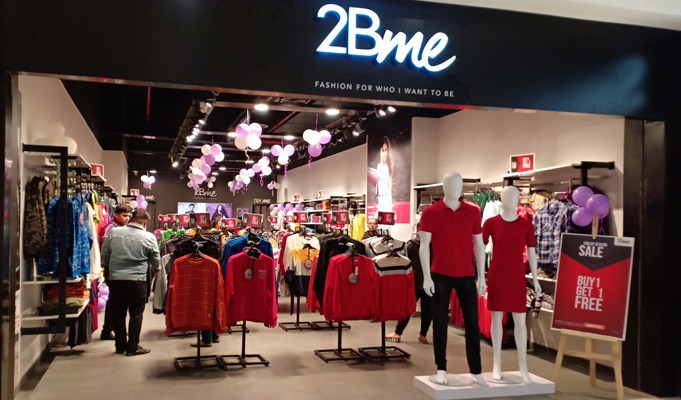
    2Bme, the private label apparel line from RP-Sanjiv GoenkaGroup, recently launched their second exclusive brand outlet at Acropolis Mall, Kolkata. The 2000 sq. ft. store on 2nd floor at Acropolis Mall, Kolkata is the latest addition to the retail network of 2Bme after the launch of the first EBO in Quest Mall last year.

    The store showcases an exclusive western casual clothing line from 2Bme embodying the brand’s vision of providing ‘contemporary fashion for your every day needs’.

    On the occasion of the store expansion, a 2Bme spokesperson said, “We will look at opening 10-12 EBOs of 2Bme in prime malls of Kolkata, Delhi-NCR and Hyderabad. Recently we also signed on Ranbir Kapoor and Shraddha Kapoor as brand ambassadors and this  is helping us create an exclusive entity for our brand.”

    Store Design, TG & Future Plans

    With a minimalist yet chic design, the EBO has a contemporary
    look and feel giving a comfortable shopping experience each time a customer walks in.

    Targeted at the age group of 22-35, the brand has everyday casual wear in a very affordable price range between Rs. 499 – Rs. 1,999. The store offers a huge collection of western clothing line including – tops, graphic t-shirts, dresses, trousers, denims, shorts, joggers, and light weight sweaters for both men and women.

    “2Bme has around 15,000 styles and we have sold more than 3 million pieces so far. The brand has already crossed the mark of
    Rs 100 crore within one-and-a-half-years of its launch and it is likely to garner a turnover of Rs 300 crore in next three-four years,” the spokesperson said.

    At a later stage 2Bme will be also made available through large format MBO’s and e-commerce platforms.

  • Yellow Tie Hospitality to bring Taiwan-based beverage brand Chachago in India

    Yellow Tie Hospitality to bring Taiwan-based beverage brand Chachago in India

    Karan Tanna led Yellow Tie Hospitality, the leading food and beverage franchise management company, has tied up with Taiwan based beverage brand, Chachago to launch its first outlet in Bengaluru in January 2019. Yellow Tie has acquired the master franchise rights for the brand in India as well as UAE, Turkey, Kuwait, Lebanon, Jordan, Israel, Oman, Syria, Turkey, Iran, Iraq, Qatar, Bahrain & Afghanistan and plans to launch100 outlets in India by 2021, with an overall investment of USD 6 million in brand expansion and development in India.

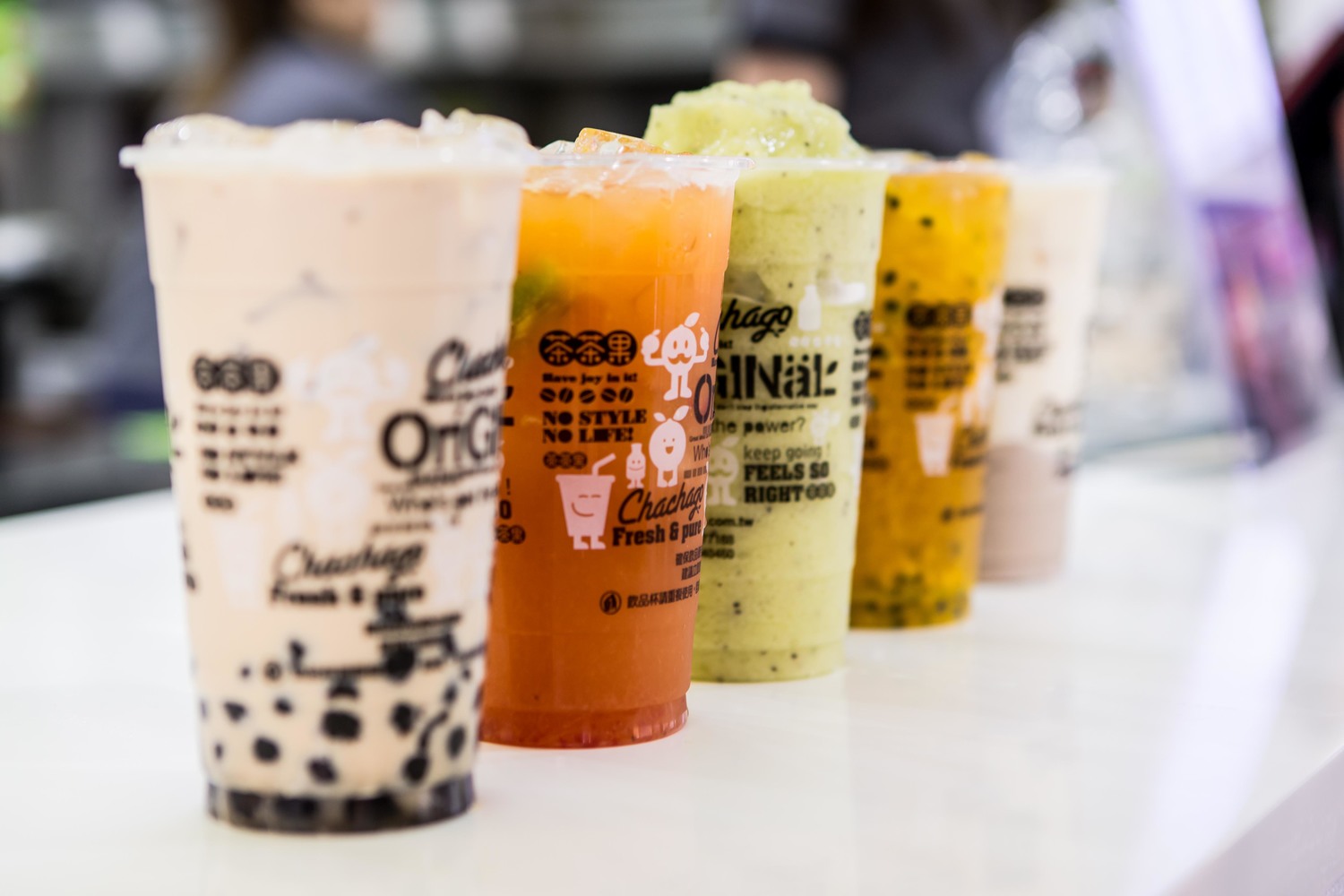
    Chachago is a Taiwanese beverage brand known for its aromatic and delicious varieties of Taiwanese milk tea, bubble teas, fruit-infused beverage, cheese-based beverages, milkshakes, and other specialty beverages and desserts. This is the first time the brand is entering India after having established its presence in countries like Taiwan, Canada, Australia, Hongkong, Vietnam, and Phillippines. A typical Chachago outlet will be in malls, high street, and educational institutions, and will spread over an area of 100 to 500 square feet and a capex of INR 20-40 lakh will be invested in building each outlet.

    Commenting on the launch Karan Tanna, Founder CEO of Yellow Tie Hospitality said: “Chachago is a specialty beverage brand originated in Taiwan, a country also known as the ‘House of Milk Tea’. We felt Indian consumers would connect with these specialty beverages, as there is a high demand for them in a tropical country like ours. It is a well-known fact that specialty beverages are a large and growing segment in the QSR category. As the market evolves, niche offerings are becoming more popular, giving us confidence that a brand like this will go down well with Indian consumers. Chachago is positioned very well with a gamut of products ranging in various teas, fruit infusions, and milkshakes. Chachago will be a one-stop-destination for premium beverages. We are very sure that the finest product development capability of Chachago in Taiwan combined with their experience of over three decades and optimized operation to give more throughput, will enable very quick growth for them in India”.

    He further added that there is a plan to turn Chachago into a 300 outlet chain by 2023 across the franchise geographies, “Going forward, the company is also looking for strong growth in countries outside India, by the second half of 2019; and by the year 2023, we are expecting the total outlets of Chachago to contribute approximate Rs 120 crore in annual revenue.”

    “We have tasted success in the very competitive Taiwanese market because of our own capability of using the most premium ingredients with optimized results. These ingredients are not only appreciated in Taiwan but also in other countries like Canada and Australia. We are very sure that with our experience and the expertise of Yellow Tie Hospitality, Chachago will be able to grow aggressively in a market which is the second highest competitive market in the world. We look forward to our presence in India”, said Hseih Yu Yin, Owner, Chachago.

    To further streamline the franchising process for Chachago, the company will go through a master franchise and multi-unit franchise route wherein franchise selection criteria will be based as per International brand standards. The potential franchise owner’s credibility will be audited by Yellow Tie Hospitality.

    Economic growth and social change on the Indian subcontinent are causing the beverage, dairy and liquid food industry to boom. Euromonitor International forecasted that all beverage sectors will grow at double-digit rates in the next four years, which Drink Technology India (DTI) will also benefit from.

  • Shiseido makes plans for China

    Shiseido makes plans for China

    Shiseido reinforces the regional headquarters system that oversees the business in China as of January 1, 2019. Moving towards the achievement of its medium-to-long-term strategy, VISION 2020, Shiseido will evolve further to ”Be a Global Winner with Our Heritage” by ensuring sustainable growth in the significantly growing Chinese market.

    Under the new system, Shiseido will reinforce the brand business structure in the China region and its supporting corporate functional structure in order to enhance brand appeal to Chinese consumers and strengthen market execution.

    As to the Brands Business, the management function of the Prestige Brands business in the China region and the CMO function of Cosmetics Brands & Personal Care Brands will be established. Furthermore, the strategic alliance with emerging e-commerce platform companies in the China region will be strengthened under direct control of the CEO of the China region.

    At the same time, Shiseido will proactively support the business strategy and reinforce the corporate functional structure aiming to improve its organizational capability to ensure sustainable business growth.

    Shiseido will continue leading growth through the acquisition of greater competitiveness of the Chinese business and by reviewing the organizational structure to optimize functions for all areas and market characteristics around the world.

  • Value fashion retailer in India launches 200th store

    Value fashion retailer in India launches 200th store

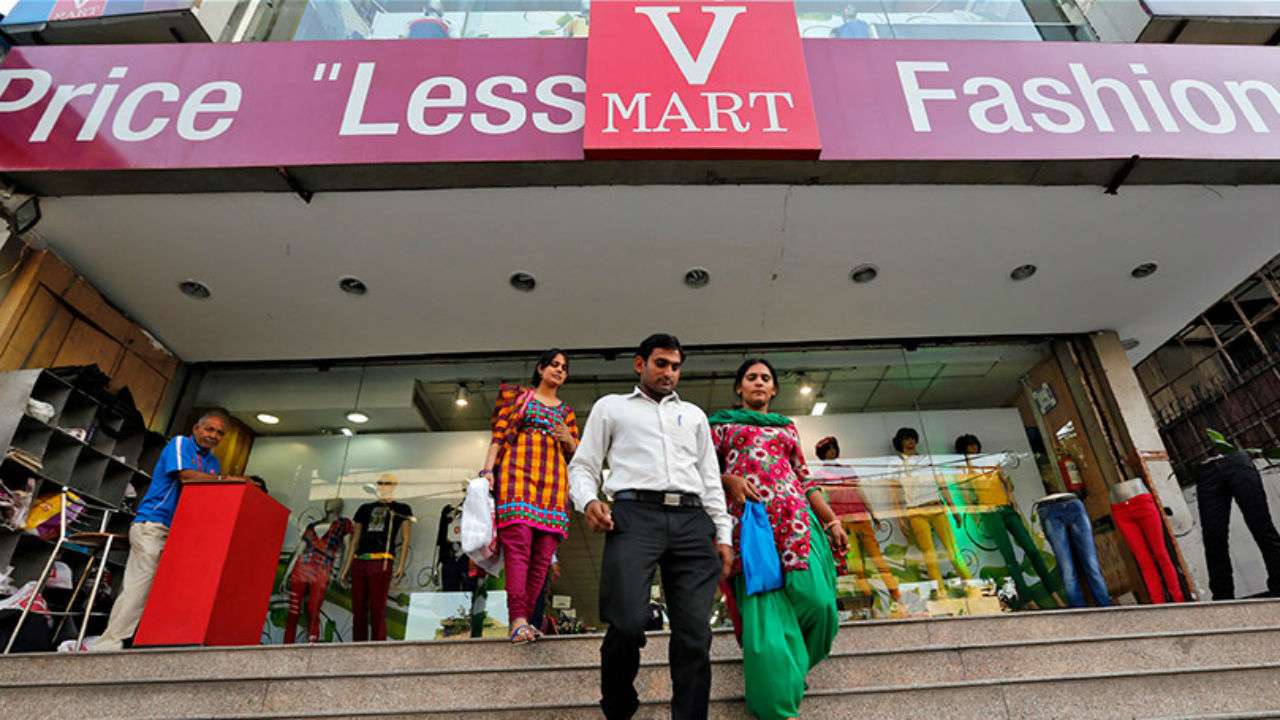
    V-Mart, the world’s best performing department store chain in 2018 as per data compiled by Bloomberg, launched its 200th store in Mughalsarai, Uttar Pradesh. With this landmark achievement, the company has opened a total of 29 new stores in the current fiscal year so far.

    Earlier this month, the company launched its 198 th and 199 th store, both also in UP, at Kannauj and Naubasta near Kanpur, respectively.

    Marking the significance of this milestone for the company, Lalit Agarwal, CMD of V-Mart said, “We remain focused on strong execution, riding on the back of our proven cluster-based expansion model. The 200th store is a key milestone for V-Mart, more so, because we have added the last 100 stores in
    three years, while we took twelve years for the first 100. This demonstrates accelerated customer demand and V-Mart’s ability to translate that into all-round value creation.”

    With the 200th store launch coming just ahead of Christmas and New Year, V-Mart has planned a grand celebration campaign at select locations, starting with Kannauj and Mughalsarai, to bolster the festive spirit among its customers. At both the locations, the company is organizing a ‘Mela’ in large open fairgrounds, inviting the general public to enjoy an eclectic mix of food, fun and entertainment.

    The event in Kannauj, organized with complete support from the local administration, received tens of thousands of attendees enjoying music, folk performances, choreographed shows, fun rides, and delectable street food.

    Snehal Shah, SVP, Projects and Marketing, said, “V-Mart has always endeavored to createlasting value and moments of happiness for its customers. These celebrations are a small way of saying thanks to our customers who have made this milestone possible.”