Tag: strategy

  • Singapore government backs self-service technology

    Singapore government backs self-service technology

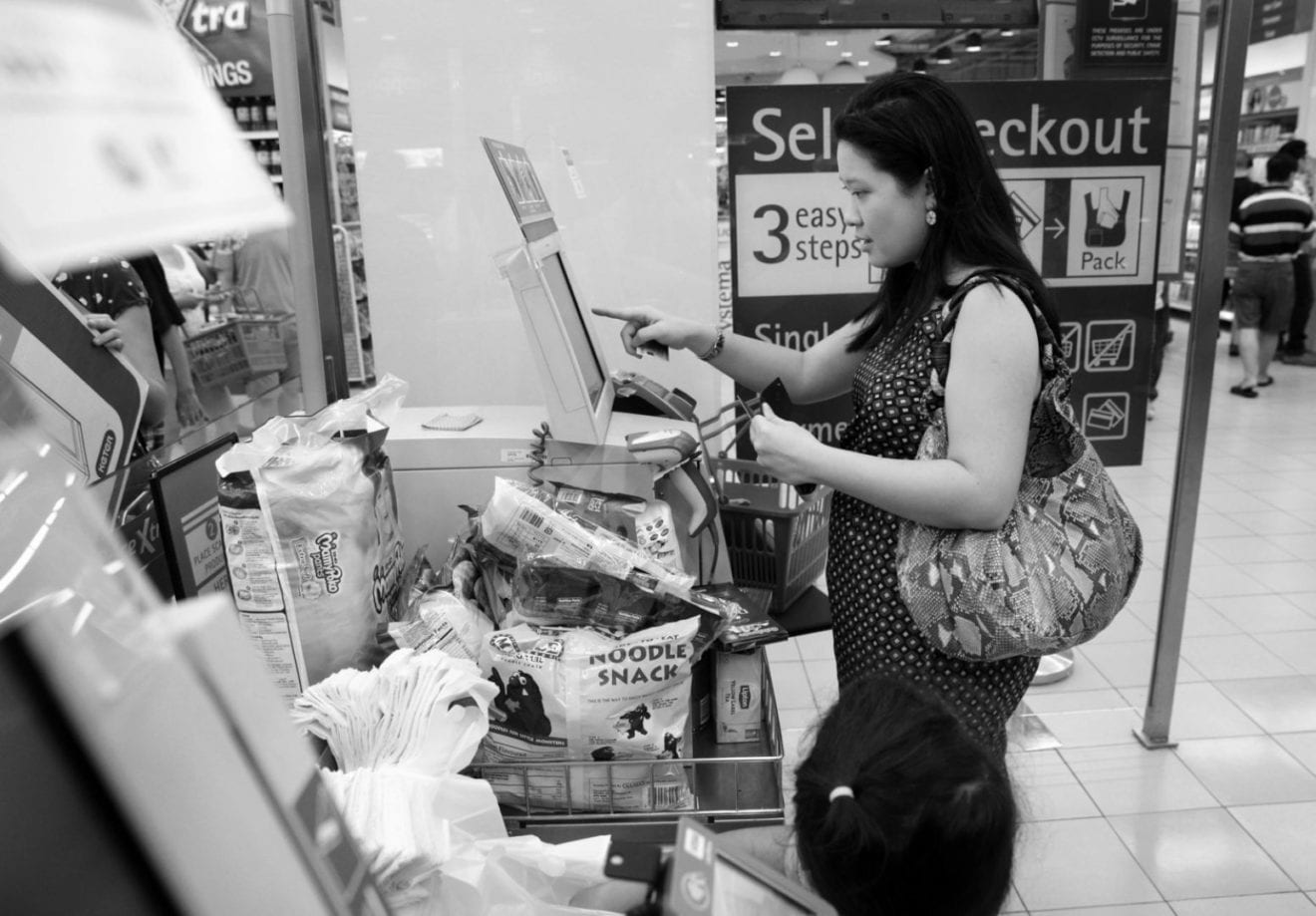
    The Singapore government is backing a push to urge shoppers to use self-service technology more in a campaign titled “We Are InDIYpendent”.

    Several supermarket chains, including the nation’s largest – NTUC FairPrice – have swung behind the initiative which was launched by the National Productivity Council (NPC).

    In a bid to galvanise more Singaporeans into using self-service counters, the supermarkets and other large retailers will be rolling out various promotions and discounts in coming weeks.

    A key driver of the initiative is to help ease the labour crunch by having consumers serve themselves.

    The NPC says the campaign “celebrates the advantages of using self-service facilities” and encourages businesses to adopt self-service models more aggressively.

    At the project’s official launch at an NTUC FairPrice store, Minister for Manpower, Lim Swee Say and Parliamentary Secretary for Trade and Industry, Low Yen Ling teamed up with celebrities Michelle Chong and Suhami Yusof in a self-service challenge which pitted them against each other to get as many shoppers as possible to use the self-checkouts.

    “Self-checkout (SCO) is a game-changing initiative for our local retailers,” explains the NPC.

    “With a tight manpower situation and increasingly competitive business environment, retail companies need to adopt technologies that require less manpower to improve their productivity.”

    The government is providing companies with grants and assistance schemes to help them implement self-service options.

    “Consumers can play their part by embracing such options to create an impetus for more businesses to adopt these models in their operations in a more aggressive manner.”

    The We Are InDIYpendent campaign seeks to encourage consumers to use self-service facilities. The campaign also aims to feature three key benefits of using self-service facilities – ease of use, speed and flexibility.

    Other highlights of the campaign include mystery spotting activities to incentivise consumers to use DIY options in more areas of their daily lives, videos offering interesting insights on DIY culture, as well as print and out-of-home (OOH) ads featuring different forms of self-service.

  • What should British retailers consider before expanding into China?

    What should British retailers consider before expanding into China?

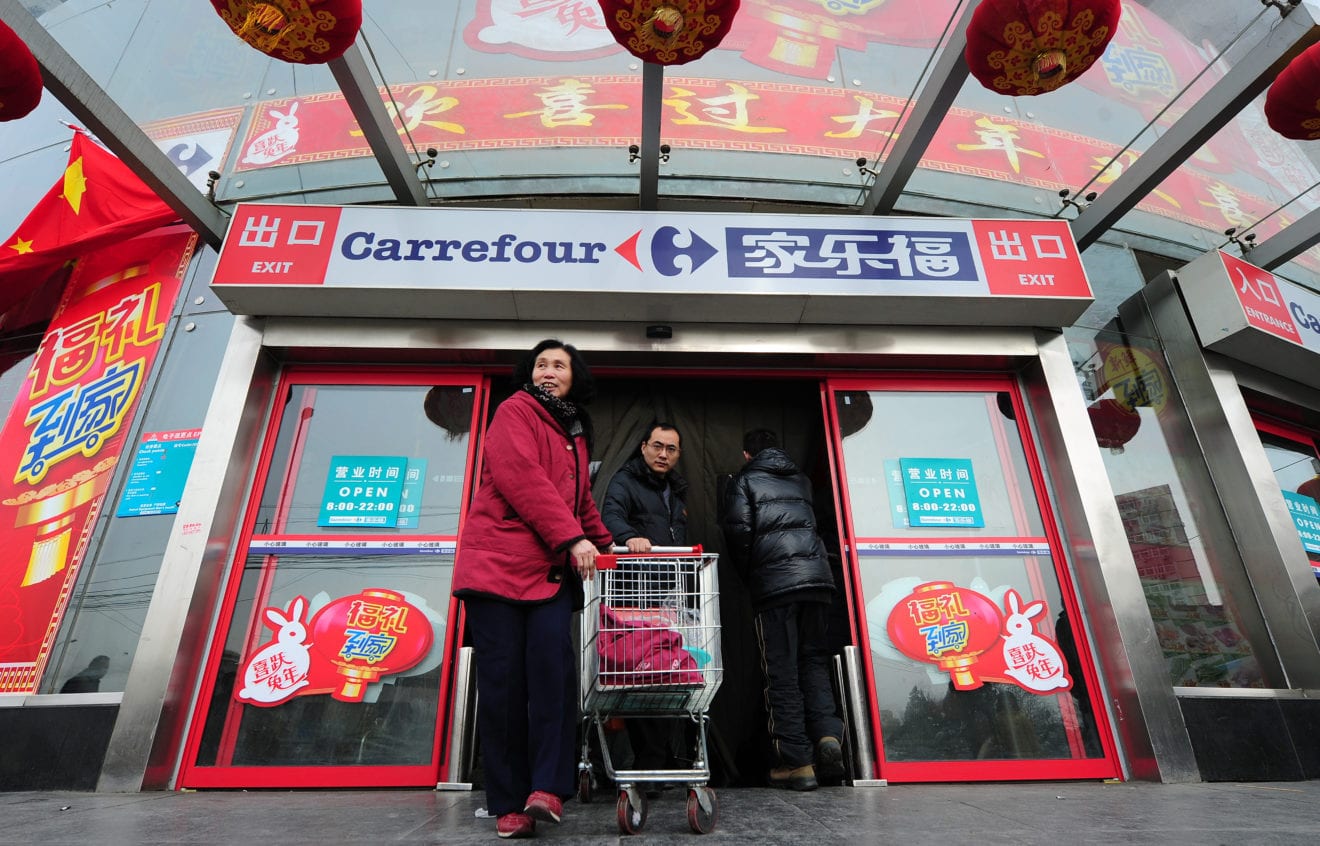
    A Chinese delegation headed by president Xi Jinping is nearing the end of its four-day state visit to the UK, in a bid to improve business ties between the two countries. Despite the headlines of a slowdown in China, the country’s retail market remains one of the world’s largest – and as recent ventures into the country by Sainsbury’s and Mountain Warehouse suggest, it is too significant to ignore.

    Tapping into the Chinese market remains merely on the wish list for many retailers, but there are a number of important factors they should consider in order to realise their dreams of making it in China.

    Know your customer

    A recent report from Goldman Sachs declared that there is no such thing as the “average Chinese consumer”, and identified four key tiers.

    First, the crème de la crème. There are around 1.4 million movers and shakers with an annual income per capita of around $500,000 (£323,535).

    Second, the urban, ‘narrow’ class, with a population of 146 million people with an annual income of around $11,000 (£7,118).

    Next, the urban mass, which consists of 236 million people with an annual income per capita of just over $5,500 (£3,559), followed by the 387 million rural workers who earn just over $2,000 (£1,294).

    Retailers should also be aware of the differences and sensitivities between age groups. Those in their fifties and forties are likely to have experienced poverty and austerity. Those in their thirties and the millennials may not have experienced hardship and could be ‘second-generation rich’.

    Social media

    There is no Google, Facebook, YouTube, Twitter or WhatsApp in China. Instead, it has Baidu, Renren, Youku, Weibo and WeChat.

    Tommy Hilfiger and Burberry are just some of the retailers that have used Chinese social media channels to secure hundreds of thousands of followers and fans – and ultimately boost sales.

    Physical vs online

    To take advantage of China’s online grocery market, which IGD estimates will be worth more than $180bn by 2020, Sainsbury’s recently launched on Alibaba’s Tmall site.

    Grocery chains with physical stores such as Walmart and Carrefour have observed a change in tastes and trends, along with an increase in online competition.

    Following a spate of high-profile food scandals, Chinese consumers are placing greater emphasis on food provenance. These are all key considerations for retailers looking to expand to China.

    Retail technology

    Slowly, but surely, an increasing number of retailers in China have started to introduce free in-store wifi.

    With the consent of the shopper, wifi can provide retailers with valuable insight to identify popular offers, trends and deliver advertising or even exclusive “wifi only” promotions and discounts.

    Chinese shoppers love showrooming. Research from McKinsey found that only 16% of consumers who did their research on a mobile actually bought the product at the store. Yes, that is a threat. But forward-looking retailers need to see this as an opportunity to provide Chinese shoppers with an immersive retail experience.

    New retail technologies such as beacons can provide an engaging shopping experience – and are delivering results. Chinese jewellery retail outfit Chow Tai Fook used beacon-supported location and proximity marketing with WeChat to generate sales of more than $15m (£9.7m). Other technologies that could bring the retail experience to life include augmented reality, self-service apps, in-store navigation and automated kiosks.

    Information silk road

    Turn back the clock two millennia and the ancient world of commerce depended on a thriving Silk Road. Then – just like now – traders built strategic alliances to gain a competitive edge.

    Fast-forward to today and it is an Information Silk Road. Chinese consumers – like their Western counterparts – are discerning and have little patience for downtime. New retail technologies can be dazzling and futuristic – but, ultimately, they are only as good as the networks they run on.

  • Black Friday Campaign Provides Shopping Catalyst in South Korea

    Black Friday Campaign Provides Shopping Catalyst in South Korea

    South Korea is trying to stem a drop in retail spending by replicating an American shopping tradition — Black Friday.

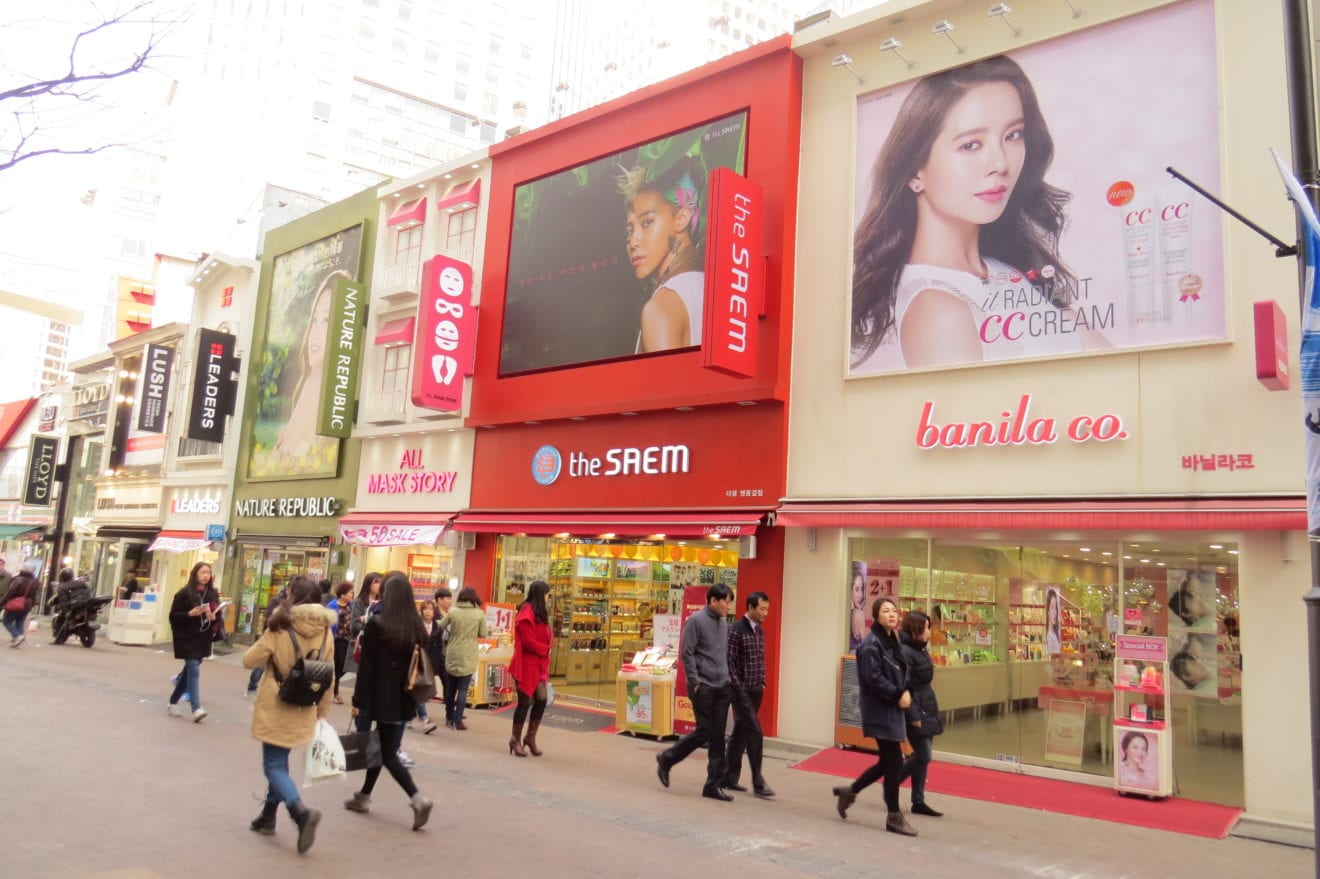
    More than 34,000 stores, including three-quarters of the country’s department stores, slashed prices by as much as 80 percent in the Korean version of bargain-oriented Black Friday through Oct 14. The two-week campaign was launched by the Korean government in an effort to offset sales lost to online commerce and to attract shoppers from neighboring China and elsewhere back into stores.

    In Korea, stores already hurt by online shopping were dealt another blow by the Middle East Respiratory Syndrome, or MERS, this year, which led to an 12 percent drop in revenue at department stores in June and another 6.5 percent decline in August. In July, sales were up very slightly, at 0.7 percent, from a year earlier as Koreans shopped ahead of the summer holiday season.

    The MERS virus has infected 186 people and killed 36 since the outbreak on May 20. It scared away tourists, reducing the number of foreign visitors by 53 percent in July, and another 27 percent in August, from a year earlier.

    Though the fallout from MERS subsided after the government declared July 28 that the virus was no longer a concern, the number of foreign tourists still continued to decline, and was down 3.8 percent in September from the previous year.

    For department stores, that has created a bleak situation, as Chinese tourists in particular are important for strong sales. So the government stepped in, figuring a western-style Black Friday campaign — which has become a seasonal retail driver in the U.S. with bargain-basement deals the day after Thanksgiving — would help stimulate interest in going back into stores in Korea.

    Sales jumped. For the two weeks through Oct. 14 at three major department stores — Lotte, Hyundai and Shinsegae — sales rose 24 percent from a year earlier, according to the finance ministry. Korean discount stores including E-mart, Home Plus and Lotte Mart reported a 3.6 percent revenue increase in the same period. The ministry estimates the overall upswing in retail sales to add about 0.1 percentage point to this year’s growth, forecast at 2.7 percent by the Bank of Korea.

    “It’s a relief, albeit temporary,” said economist Lee Jun Hyup at Hyundai Research Institute, a Seoul-based private think tank focusing on the economy. “An upturn would be meaningful in that the campaign lifted consumer spending in the weeks following the national Chuseok holiday, when people tend to cut down on shopping.”

    South Korean policymakers have been trying to expand the economy with temporary consumption tax cuts on cars and home appliances. Meanwhile, exports — which account for about half of the nation’s economic output — fell every month this year.

    Seoul’s plan is to host similar retail campaigns in the future. If successful, this could redirect local consumers back to Korean malls, which lose about 800 billion won ($707 million) every year during the peak shopping period of November and December to U.S. retailers such as Amazon.com Inc., said Lee Hyoung Ryoul, the finance ministry director in charge of organizing the event.

    In South Korea, the jicgoojok — literally, a tribe of direct buyers — increasingly buy goods from overseas online retailers at much better prices than offered at local stores. The trend is a challenge to Korea’s retailers, which have enjoyed agreements with manufacturers that allow them to charge a premium for foreign and domestic products with little concern for competition.

    A report by the Korea Customs Office last year showed that some import goods sold through exclusive dealerships including wine, lipstick, cheese and car tires were as much as 9.2 times more expensive in Korea than they were overseas.

    Unlike the U.S., where retailers control prices and offer discounts to clear out inventories ahead of the Christmas shopping season, Korean department stores often lease space to vendors without control over inventories. To stem the retail decline, the government would have to include more manufacturers and not just retailers in future Black Friday events, Lee at HRI said.

    While early results show the shopping event was successful, the discounts were limited. Most foreign brands in the high-end category, such as cosmetics and jewelry, didn’t participate, unless they were featured at select shops. Home-appliance stores directly controlled by Samsung Electronics and LG Electronics also weren’t part of the sales, according to the finance ministry.

    Still, some had their own sales — Tommy Hilfiger Kids at Lotte’s headquarters store was offering some items at a 30 percent discount last week in an event separate from the nationwide Black Friday.

    Some shoppers were disappointed that the discounts weren’t deeper — especially as they had been heavily promoted.

    “This is not much different from usual sales department stores regularly hold,” Shin Ji Hye, a 37-year-old mother said while taking a break from shopping for her toddler daughter in downtown Seoul. “I have seen some discounts on women’s clothing floors but most of them offered 10 percent. I think I will go back to online malls and wait for the real Black Friday in the U.S.”
  • Can Singapore’s fashion brands take on the world?

    Can Singapore’s fashion brands take on the world?

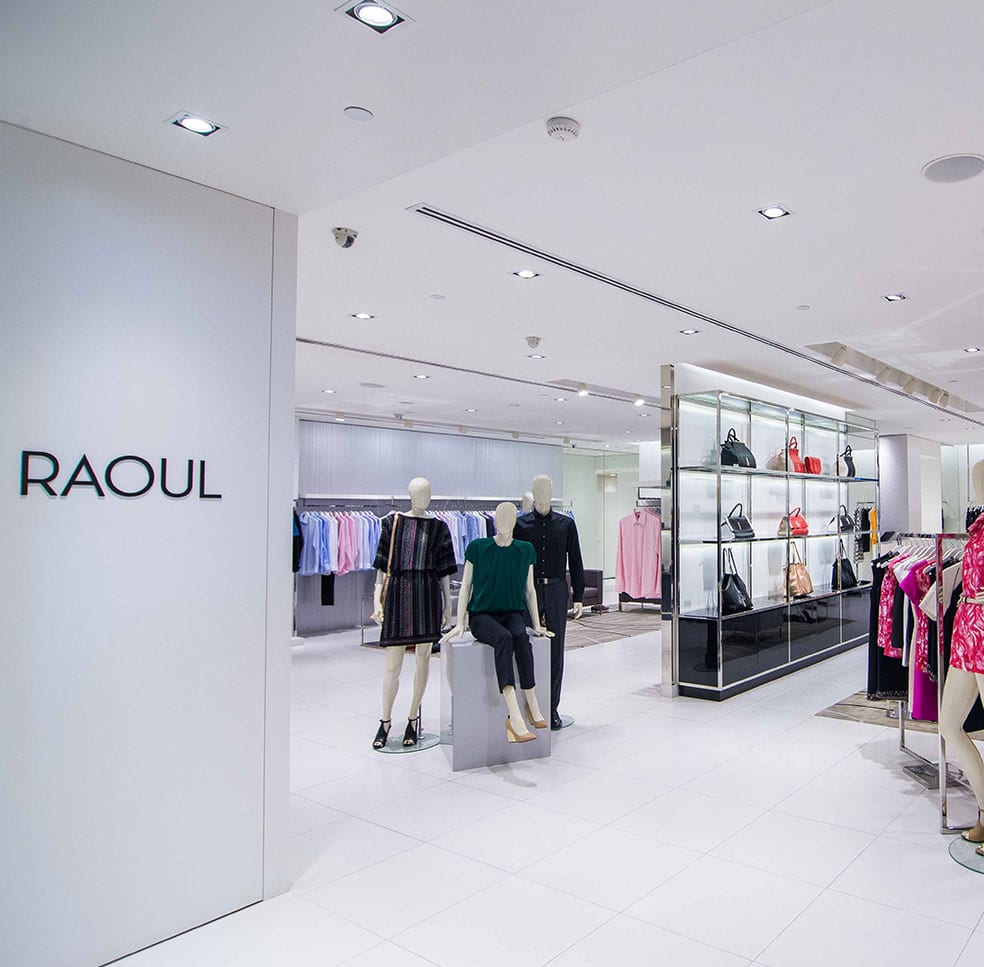
    Labels such as Raoul, Ong Shunmugam and Collate The Label are certainly going to give it a try

    In the heart of an old industrial estate in Toa Payoh North, an immaculately dressed Velda Tan sits in a small office as office workers, aunties wearing tight clothes and construction workers carry on with their lives outside. It’s the home of Tan’s latest fashion venture, Collate The Label, a humble but comfortable space, but with a well-equipped studio for fashion shoots, space for a dozen employees, stacks of sketches, fabric samples and magazines lying on tables and shelves, and even a doggy bowl for furry friends.

    Collate The Label is one of many new fashion brands that have popped up in Singapore over the past few years, but it has been exceptional in its success so far. Although it’s only a few months old, the Singaporean mid-market womenswear brand, which launched in May at Singapore Fashion Week, will soon head to New York to participate in Coterie, a three-day fashion trade-show event, with the Textile and Fashion Federation Singapore (TAFF).

    “I think, for me, (the aim) is really to build Collate as an independent Singapore label,” said the founder and creative director of the brand. “We want to identify ourselves as a local brand, and one of our goals is to make Singaporeans proud of wearing local labels.”

    The local retail scene is certainly more vibrant than a decade ago. Local designers have been given more platforms, such as the annual Singapore Fashion Week and Digital Fashion Week, to showcase their works to an international audience. TAFF also works with government agencies such as SPRING Singapore and International Enterprise (IE) Singapore to organise events such as the Asian Fashion Exchange, a one-stop event for local designers, regional and international buyers and other industry professionals, as well as trips to about a dozen overseas fashion trade shows every year.

    “It’s a wonderful time to be a designer in Singapore at the moment,” said Carolyn Kan, founder and designer of jewelry line Carrie K. and co-organiser of retail outfit KEEPERS: Singapore Designer Collective, which opened its second pop-up store at Changi Airport Terminal One last month. “There is a lot of support by the Government, there is also a growing design community to tap into, and Singaporeans are slowly starting to seek out local brands.”

    Still, the challenges remain. In setting up their labels, designers such as Tan had to learn to overcome numerous obstacles, including the size of Singapore’s market.

    “Because Singapore’s market is quite small, we have to think about crossing borders and going overseas,” she said.

  • Flipkart launches 20 pick-up centres to mitigate delivery issues

    Flipkart launches 20 pick-up centres to mitigate delivery issues

    A pilot project, Flipkart claimed, has received an overwhelming response from customers with more than 80% of shipments picked up through the stores over a period of 6 months. Banking on the success of the first phase launch, the company aims to open 100 such centres by March 2016.

    Logistics and good customer experience are the most common sticking points for e-commerce companies in India. As a result, most online retailers are increasingly partnering with logistics firms to address the problem.

    “Our efforts are focused on expanding our delivery network without compromising on the customer service levels and expectation,” said Neeraj Aggarwal, Senior Director (Delivery Operations) at Flipkart. “We also plan to offer several value added services like instant returns, spot trials, open box deliveries and exclusive product demos at these experience zones to enhance customer engagement.”

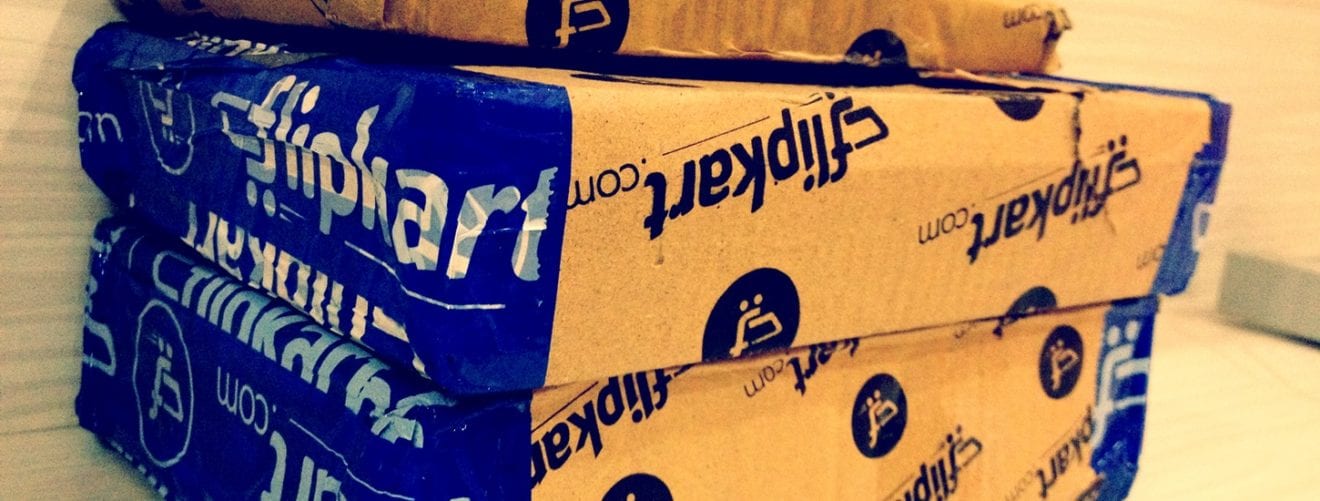
    Online retailer Flipkart on Tuesday introduced 20 pick-up centres for its customers in 10 cities across the country. These so-called ‘experience zones’ will allow customers to walk into a centre at their own convenience and collect products ordered online.

    The centres have been set up by Flipkart’s logistics and delivery unit Ekart.

    Unavailability of customers during delivery and restricted entry of delivery boys into informationtechnology parks, gated communities and educational institutions are among the primary reasons that leads to customer dissatisfaction with the delivery process, Flipkart said in a statement.

    Flipkart expects this alternative delivery model to catapult customer convenience, while enhancing scale and reach in supply chain expansion.

    The company said these collection points will form a key element of Flipkart’s rural expansion strategy. “Flipkart plans to expand their reach into Tier 4 towns and rural areas by making the entire town serviceable from a pick-up centre, a reliable alternative to door delivery in small towns,” it said.

  • Wanda to invest in more sports clubs

    Wanda to invest in more sports clubs

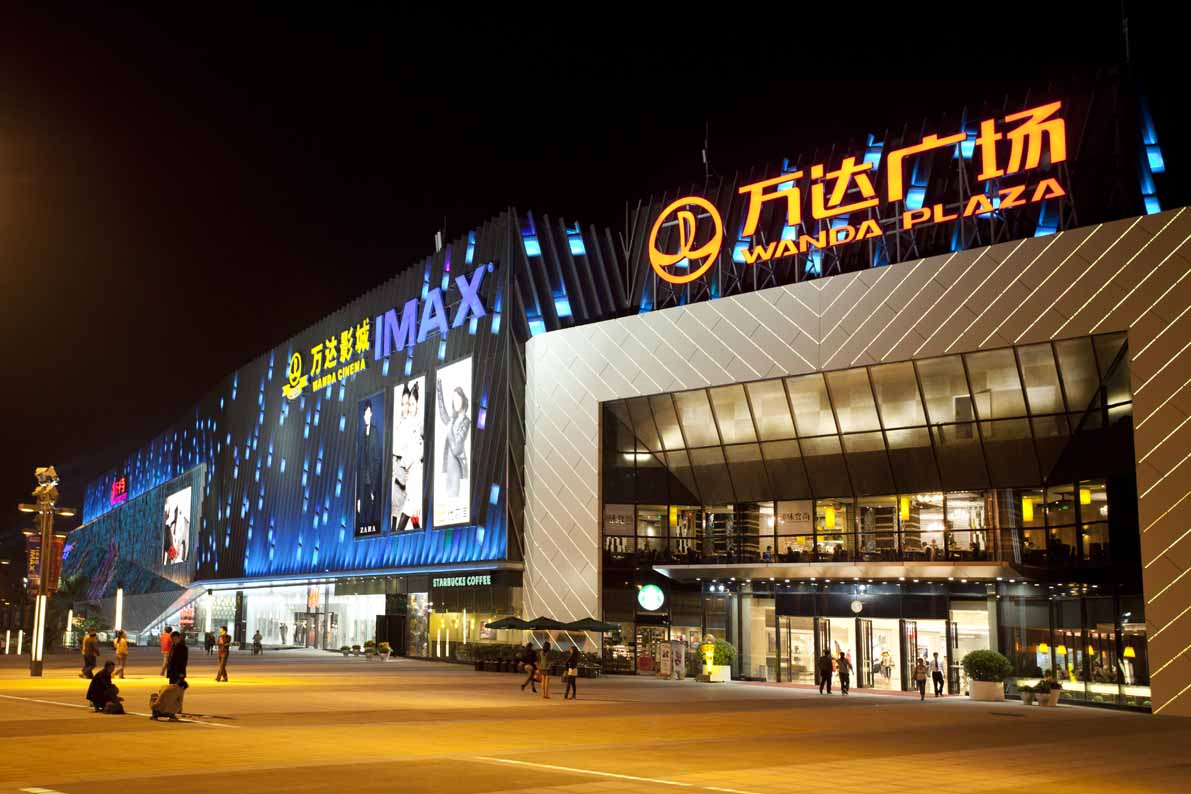
    The founder of Chinese retail, property and entertainment powerhouse Wanda Group says he plans to invest in more globally recognised sports clubs.

    Wang Jianlin, chairman of Wanda Group, ranked China’s richest man by Bloomberg with assets of $42.1 billion, bought 20 per cent of Spanish football club Atletico Madrid in April for euro 45 million. He also bought Swiss sports marketing group Infront for euro 1.05 billion.

    This week he said he will buy into “at least three more” sports clubs this year.

    Chinese press agency Xinhua reported Wang Jianlin saying: “Within this year, Wanda will still buy at least three sports companies. Upon the completion of these mergers and acquisitions, Wanda is going to be the world number one in the sports industry.”

    It’s all part of a strategy to boost Wanda Group’s influence in the global sports business, which would also benefit its retail networks through brand associations.

    Beijing-headquartered Wanda Group owns retail, entertainment and hotel businesses, including the AMC cinema business. He is expanding into theme parks and film production and has a commercial property arm, Dalian Wanda Commercial Properties, which owns shopping malls.

  • Newest progress technique to incorporate hiring older staff, constructing extra duty-free outlets

    Newest progress technique to incorporate hiring older staff, constructing extra duty-free outlets

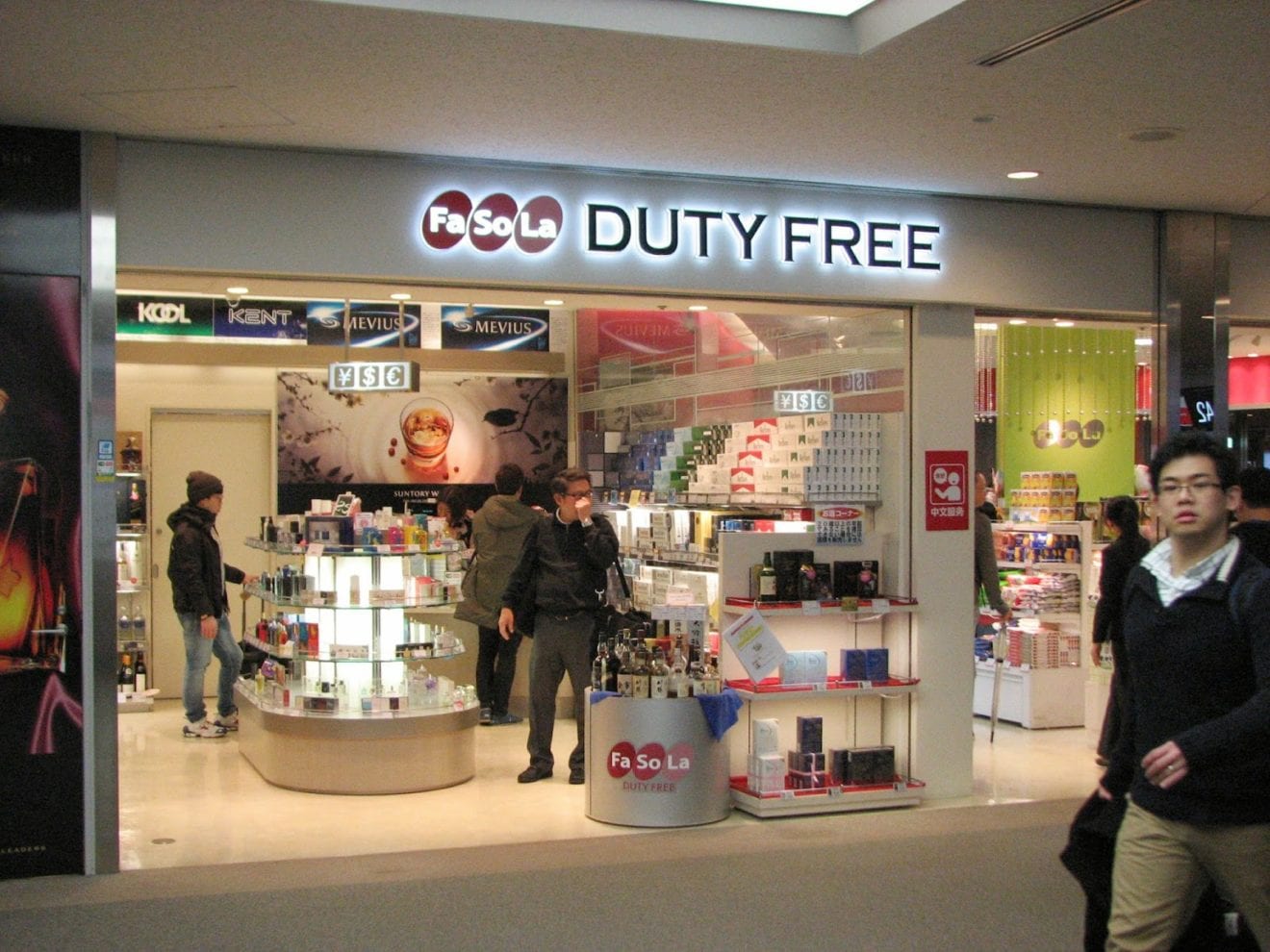
    The federal government plans to triple the variety of duty-free outlets in native vacationer spots across the nation to 20,000 by 2020 to attempt to lure extra overseas vacationers. It’s going to additionally transfer up its 2020 aim of increasing farm and fishery exports to ¥1 trillion, authorities sources stated Wednesday.

    In a draft of the federal government’s progress technique to be formulated by the top of this month, the federal government additionally plans to assist organize visits for round 200 Japanese corporations to Silicon Valley in California over 5 years from subsequent April, to assist them procure funds and discover enterprise companions, the sources stated.

    Different plans embrace subsidies for corporations hiring skilled middle-aged staff as a strategy to increase private revenue and company productiveness and to make use of obtainable expertise, the sources stated.

    Measures may even be drafted by March 31, 2016, to show nonregular staff into common staff as a part of efforts to help feminine profession improvement.

    Stimulating progress is significant to the federal government purpose of pursuing nominal financial progress of greater than three %, wanted to realize its fiscal reform aim of turning its main stability right into a surplus by fiscal 2020.

    At Wednesday’s assembly of the Council on Financial and Fiscal Coverage, the federal government proposed decreasing the ratio of the first stability deficit to GDP to 1 % by fiscal 2018. The projection for the present yr is three.three %.

    “It is very important deal with financial and monetary reform speedily with out lacking an opportunity presently once we are making progress towards financial revival,” Prime Minister Shinzo Abe advised the assembly.

    GDP progress for the January-to-March quarter was just lately revised upward to an annualized actual three.9 %, from an initially estimated 2.four %, reflecting robust company spending.

    Beneath the coverage tips to be mirrored in compiling the fiscal 2016 price range, the federal government additionally proposed drawing up an financial and monetary revival plan for fiscal 2016 to 2020.

    To realize the aim of turning the first stability — the distinction between tax income and authorities spending on all the things besides curiosity on debt — right into a surplus, the federal government goals to extend income by way of financial progress, whereas curbing social safety spending.

    At Wednesday’s assembly, Abe instructed Well being, Labor and Welfare Minister Yasuhisa Shiozaki to hurry up efforts to evaluation social safety bills in such areas as medical service charges and pharmaceutical costs.

    Beneath the essential coverage of “no fiscal soundness with out financial revitalization,” the federal government stated it is going to reply swiftly if vital to make sure an appropriate setting for finishing the doubling of the consumption tax fee to 10 % in fiscal 2017.

    Japan’s fiscal well being is the worst amongst main developed economies, with public debt exceeding 200 % of nominal GDP, due primarily to swelling social safety prices for the getting older inhabitants.

  • 9 keys to reaching Asian shoppers

    Whether or not they’re searching on-line or shopping for in-store buyers have extra selection than ever, forcing retailers and malls to get artistic to draw their consideration.

    With the area’s center class predicted to double to 1.32 billion by 2020, Asian shoppers – and their expectations – are altering quickly.

    Adam Prepare dinner, retail undertaking and improvement providers lead with JLL Asia Pacific, explores a number of the rising developments altering the best way retailers are connecting with shoppers:

    1. The brand new digital buying actuality

    Know-how is now probably the most dynamic pressure within the retail business, opening up new channels and interesting new audiences whereas concurrently feeding new ranges of competitors. Digital Actuality (VR) could also be progressing slowly within the shopper area, however the tipping level of adoption in retail is quick approaching. The 2015 Way forward for Retail Research from Walker Sands discovered that round a 3rd of shoppers would store extra on-line if they might work together with merchandise nearly first. VR know-how is now permitting buyers to expertise a digital trend present, wander round a digital retailer and discover a digital mall with many different improvements to return as retailers experiment with the know-how. It’s poised to generate a completely new sale channel for retailers within the subsequent few years.

    1. Enhanced buyer relationship administration (CRM) know-how

    Because the battle for the buyer greenback intensifies, loyalty will develop into the brand new foreign money of commerce – with slightly assist from know-how. Digital cost strategies akin to Apple Pay and AliPay are getting used together with more and more refined location-based providers like iBeacon – Apple’s indoor positioning system – to provide new ranges of perception into shopping for behaviour. Retailers can now present buyers with real-time info based mostly on their consumer profiles and engagement historical past.

    ShopperTrak just lately introduced a partnership with Shopkick for a purchasing app permitting retailers to work together in real-time with clients whereas they’re buying. There are already 10 million customers on the Shopkick app and greater than 8000 shopBeacons deployed in retail shops. Insights assist retailers join with related shoppers at a precise location and in real-time, which in flip could be refined to take care of loyalty.

    1. Robots in disguise

    Whereas some manufacturers are experimenting with improvements comparable to drone supply, laws are more likely to floor most business drone concepts within the short-term. As an alternative we’ll see the continued rise of robots and humanoids in retail conditions. Already a function in lots of Japanese shops, robotic know-how is enhancing at a meteoric fee. And with rising labour prices, it isn’t onerous to think about a close to future when primary retail duties similar to making espresso or manning an experiential retailer is dealt with by a humanoid. Nippon Enterprise Capital just lately launched a $42 million fund in Japan by to speed up and commercialize humanoid know-how and neuroscience purposes, lots of that are being designed for the retail business.

    1. Cross-border purchasing

    Shoppers are flocking to digital retail markets which are more and more nation agnostic to hunt out the perfect product and one of the best offers. Asian shoppers already spend greater than the worldwide common on cross-border purchasing, and that is solely more likely to improve as a brand new era of shoppers look to spend their disposable revenue.

    1. Model extensions

    Experiential shops reminiscent of Google’s new (and thus far solely) buying expertise in London permit shoppers to play with merchandise earlier than shopping for them, often on-line. However this will typically have the unintended consequence of showing the restrictions of the model’s core merchandise. Thus, one other means for manufacturers to distinguish themselves is to increase their attain past their core providing. Meals extensions have turn into widespread just lately as retailers search to diversify and develop. Ideas such because the bar and cafe inside Alfred Dunhill outlets are a very good instance of clothes manufacturers shifting into the meals and beverage area. Anticipate this development to collect tempo because the battle to maximise dwell time and share of the buying basket heats up.

    1. Menswear

    Traditionally, males are extremely underserved within the style business – and there’s proof that their shopping for preferences are evolving. Bain & Firm estimates menswear progress has outpaced womenswear for the final six years, rising at between 9 and 13 per cent yearly – virtually double that of womenswear. As manufacturers search to take care of progress, we’ll see a re-focusing of the retail business to focus on males. Model partnerships, notably in athletic and sportswear, will proceed to develop and can develop into a key function of retail plans within the brief to medium-term.

    1. The rise of the Asian trend home

    European and American dominance in Asian excessive style has been the norm for a few years, and the overwhelming majority of luxurious manufacturers with robust Asian gross sales are owned by Western companies. Because the retail market continues to develop in Asia, we anticipate to see the rise of an Asian luxurious model -most in all probability within the style area – which can equal or exceed the recognition of Asian-American style icons comparable to Alexander Wang, Vera Wang and Philip Lim.

    With Western designers utterly absent from Shanghai’s Trend Week in 2014, trend critics targeted on rising Chinese language designers, and it’s doubtless that many of those manufacturers will develop loyal clients past China and meet the worldwide trend business by way of the important thing markets of Hong Kong, Tokyo and Seoul. Asian trend designers will quickly be on par with the likes of style homes resembling LVMH, Prada and Michael Kors, and can kick-start a brand new period of Asian retail innovation and management.

    1. The brand new flagship

    Intricately related to the emergence of the experiential development is the resurgence in retailers working flagship shops. Pushed by a want to reconnect with shoppers and the necessity to evolve from a static entity to an attractive expertise, the brand new flagship will re-imagine a retail retailer. It is going to be a press release, a model ambassador. More and more these areas will blur the road between retail and leisure, and develop into locations the place buyers are inspired to play and keep. This development is most noticeable in main markets like New York, Japan, and even Sydney the place single-brand luxurious and quick trend retailers are signing bigger leases and investing extra into the in-store surroundings.

    1. 3D Printers

    We’re on the tipping level of 3D printing and really quickly it’ll grow to be the norm in each facet of our lives. The primary 3D printed constructing was just lately unveiled in China and every thing from automobiles to weapons has adopted. For consumers on the lookout for a personalised expertise on their very own phrases, 3D printing gives an virtually limitless array of choices. Jewellers are already permitting clients to print their very own designs, whereas everybody from cooks to cycle outlets are experimenting with the know-how’s software within the retail area. That is genuinely game-changing know-how, and one that may definitely come to outline retail within the coming years.