Tag: strategy

  • Black Thunder pop-up store opens in Japan

    Black Thunder pop-up store opens in Japan

    Yuraku Confectionery has opened a Black Thunder pop-up store in Tokyo, selling chocolate to women for the men they’re not attracted to. The “obligation chocolate” business goes to the Japanese expectation that women should buy chocolate for male coworkers on Valentine’s Day and to express gratitude at other times of the year, without hinting at romantic attraction. The Black Thunder store is designed to save time for women observing the social nicety.

    The Black Thunder chocolate range is designed to be low-cost and sufficiently sweet to please recipients, while avoiding any fancy designs that might be mistaken for signs of hidden passion.

    The Black Thunder Obligation Chocolate Shop is located in the Tokyo Station Ichibangai underground shopping centre, connected to Tokyo Station, so that women can pick up several boxes or a large pack of individually-wrapped chocolates in one visit. It will remain open until Valentine’s Day.

  • Gucci adds 6 new intriguing Gucci Places

    Gucci adds 6 new intriguing Gucci Places

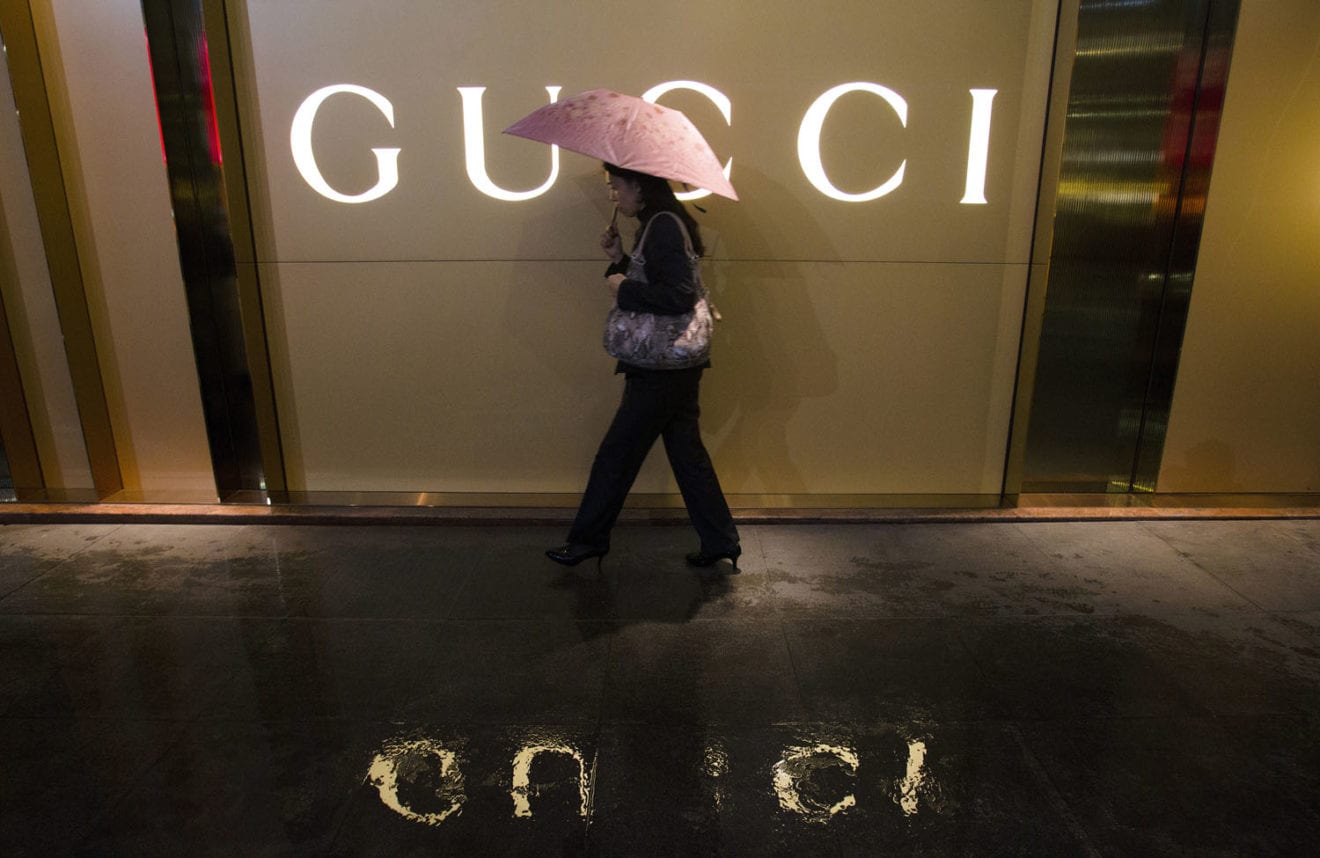
    Luxury fashion brand Gucci has labelled six international destinations as ‘Gucci Places’ – a list that includes Daelim Museum in Seoul. The Gucci Places were selected by the Italian Fashion House as destinations that “surprise, arouse interest, and inspire a creative response”, according to a report in Prestige Online. They were chosen in collaboration with well-known artists who were tasked with visiting the place and record their impressions, establishing a visual journey of photographs, travel notes and sketches.

    Daelim Museum was named for its association with Coco Capitan, an artist whose calligraphy has appeared on Gucci collections.

  • How to deal with centennials

    How to deal with centennials

    All eyes are on Southeast Asia as the world’s next consumer powerhouse, with its young population and increasing purchasing power. Almost 280 million centennials – those born since 1995, also known as Generation Z, currently call this region home. While the size of this new generation alone makes them attractive prospects for retailers, their distinct behaviours set them apart as the ones to watch to crack Asia’s hyper-competitive retail landscape during the next few decades.

    Born into the digital age and mobile natives, centennials will soon be one of the world’s most demanding consumer groups with high standards and expectations of the online-shopping experience.

    Here’s what we know about the centennials….

    Webrooming vs showrooming

    Almost all centennials in Southeast Asia use the internet as part of their buying journeys, but their route is much more converged than other generations. Latest research commissioned by Dentsu Aegis Network, Here Comes the Centennial reveals that centennials like to use both online and offline channels – 97 per cent browse for products online before purchasing online (‘webrooming’) and 90 per cent look for products in store before buying online (‘showrooming’). Detailed research is a key part of their buying decisions – whether online or offline – to ensure they get the best price, as well as the best quality by going into stores to experience the product. Some 70 per cent browse online to find the best price, while 67 per cent use the internet for checking out product details and specifications and 65 per cent are checking out reviews.

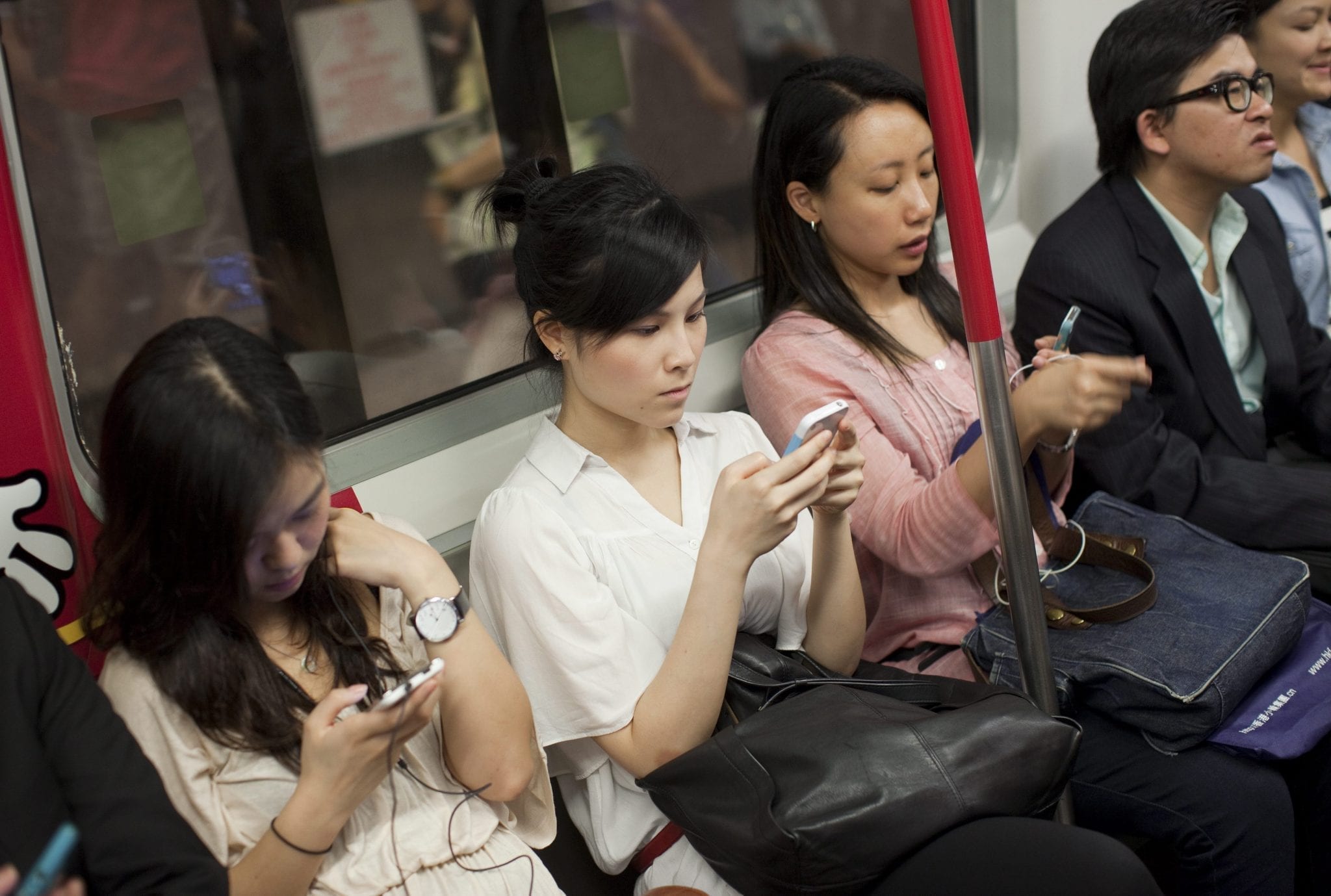
    Smartphones have also created an environment where centennials can browse products wherever they are, whatever they are doing – multi-tasking to the extreme. For example, 52 per cent look at products online while eating, watching TV or hanging out with friends or family, while 38 per cent do so while commuting, and 34 per cent browse products while at school or college.

    Centennials use social-media platforms differently to previous generations, as an important and intimate touchpoint in their purchase and decision-making journey.  Social media applications (47 per cent) such as Facebook and Instagram are the second most popular place for them to shop in, while 49 per cent turn to such platforms for research on their future purchases, rather than asking friends (45 per cent) or family (27 per cent). Even a good reputation with friends and family does not feature highly as a motivator to purchase – just 15 per cent choose this as an option.

    Digital natives

    As digital natives, centennials expect technology to be an integral part of the experience, and are highly optimistic about the use of technology.

    Eighty-two per cent of centennials are excited about futuristic shopping technology such as virtual reality. They demand fast-and-easy experiences that allow them to research and buy products with minimal frustration.

    To this audience, commerce has moved beyond “buying something on a website” to a series of interactions, from enticing them to view a product to providing a personalised purchase experience, to where and when the product should be delivered. In this context, online retailers need to focus on understanding the centennial customer journey, specific to the category being sold. This can be done by incorporating relevant technologies which seamlessly enhance engagement along the path to purchase. For example, the research showed that “Good customer service/reliability” ranks third among qualities of an online store with this audience, with delivering a superior and excellent customer service option using chatbots rather than call centres a more significant differentiator than low prices and free/fast delivery that every other marketplace claims to offer.

    Brand irrelevance

    Brand name and image are no longer a priority of centennials. Only 11 per cent of centennials cite having a prestigious or famous brand as one of their top three attributes when choosing where to shop online. Instead, personalisation and convenience are key, as 76 per cent of respondents are happy to share data with websites, if it makes more relevant recommendations.

    E-commerce payments provide a unique example of this; despite being digital natives, the concept of a cashless society has yet to fully take off for centennials in the six countries surveyed, with 56 per cent of respondents still preferring to pay cash on delivery for their purchases. Whilst preferring digital shopping experiences, the next generation of online shoppers enjoy having a variety of payment methods to choose from, and 43 per cent of centennials will readily abandon their purchases because their preferred payment option is not available.

    This is also accompanied by a shift towards values-based purchasing, with 82 per cent agreeing that they “prefer to buy products from ethical or sustainable brands,” while 70 per cent express a preference for local brands.

    With centennials less responsive to traditional campaign and brand-based purchasing, and increasingly influenced by disparate sources of dynamic information and opinions, retailers can no longer just rely on well-designed stores or brand campaigns to drive sales. Instead, driving a unified brand experience across multiple touchpoints will be key to unlocking the centennial consumer opportunity.

    This year

    So what does this all mean for retail this year and beyond?

    Southeast Asia’s internet economy is expected to exceed US$240 billion by 2025, according to research from Google and Temasek. One in two of centennials surveyed are already spending more than $30 per month online. Nine per cent indicated that they spend more than $100 a month – and as the centennial generation comes of age and joins the workforce, their disposable incomes will increase further.

    This combination of large populations, high connectivity and smartphone penetration rates, and increasing online spending power means the centennial opportunity in Asia is large and growing. We will increasingly see e-commerce technology accelerating this year to help create innovative and memorable brand experiences of the consumer.

    Centennials represent tomorrow’s consumer. They are looking for integrated solutions and a seamless experience that will allow them to purchase anywhere, anytime, and on their own terms. As this new group of consumers become increasingly elusive and multi-channel savvy, retailers need to harness creativity and technology in new ways. Combining new media and technology to deliver innovative and memorable brand experiences is the key to success – and brands are learning quickly in order to tap the huge centennial opportunity here in Asia.

    For example, in Thailand, Cotton USA worked with Vizeum and Isobar to launch the Cotton USA online store through an experiential shopping campaign “Shop the Runway”, partnering e-commerce marketplace 11Street.

    Targeted at the Centennial audience, Shop the Runway was the first real-time online shopping fashion show in Thailand which streamed the live programme on 11Street, while clothes from the catwalk were displayed in real time – within the same page – so viewers could purchase their favourite looks direct from the runway.

    At the heart of the campaign was a unique offline-to-online (O2O) feature within the 11Street mobile application which allowed fashion-show attendees to simultaneously view and shop the runway outfits.

    Shopping coupons were also given to all customers who downloaded and registered their details on the app to further encourage conversions. The campaign drew close to 500,000 campaign visitors, a 13 per cent increase in 11Street app downloads following the campaign, and ultimately boosted Cotton USA sales and brand awareness amongst the target centennial audience.

    Shop the Runway is one example demonstrating how brands can leverage technology and O2O features in innovative ways to reach consumers in today’s competitive e-commerce environment. Combined with a seamless shopping experience, and varied account and purchase options to suit different consumers, moments like these will attract tomorrow’s consumers on their terms, arrest their attention in a hyper-competitive commerce landscape, and allow brands to win in Asia’s digital-led retail landscape.

  • Revealing Subway Hong Kong’s new strategy

    Revealing Subway Hong Kong’s new strategy

    Subway Hong Kong has chosen a university campus to launch the first of its new-generation store concepts in Greater China. The Fresh Forward restaurant decor marks a modernisation for the iconic made-to-order sandwich chain which with a new development office in Hong Kong and Macau is achieving same-store annual sales growth of more than 20 per cent. The new development office management team, comprising CEO Christel LeBrun, GM Jamie LeBrun and director Mark Rutherglen have more than 50 years of Subway experience between them.

    Subway Hong Kong’s new Fresh Forward restaurant opened on level 3 of City University’s Lau Ming Wai Building in late August. It takes up a 900sqft site and seats 30 guests, making it one of the largest Subways in Hong Kong and Macau. The larger footprint is representative of the new development office’s strategy to develop the brand on a larger scale, unlike the smaller kiosk-style locations opened in the past.

    During the grand opening the store served more than 1300 customers, fulfilling 200-plus orders an hour during peak lunch periods. “Last year, we focused a lot of energy on better service, fresher products and cleaner restaurants,” said Christel LeBrun. “The way in which our sandwich artists and managers handled the volume on opening day is a testament to how far the operations have come in 12 months.”

    Subway Hong Kong expects that by the end of this year half of its outlets across the two territories will be remodelled to the new concept which Jamie LeBrun describes as “Subway stepping into the 21st Century”.

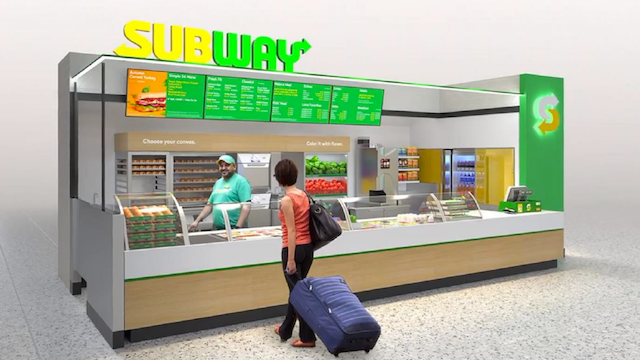
    Features of the new look include digital and interactive menu boards that have a more product-focused design and are controlled centrally via a content-management system.

    New fresh-vegetable and bread displays show customers how the chain’s products are prepared fresh in store each day.

    Brightly coloured furniture and eye-catching graphics on the walls create a more welcoming and “fresh” environment for dine-in customers, who can enjoy the convenience of power points for laptops and USB charging ports to recharge smart devices.

    “Our customers want good food, better value and clean restaurants. And we’re giving them that,” said Jamie LeBrun.

    Michael Kyprianou, director of development with Subway Hong Kong and a part owner of the City University store, describes the new concept as “an absolute game changer”.

    Future Fresh Forward stores in the two cities will be set up to cater better to online ordering.

    “With the move towards services like Deliveroo and Foodpanda, we have redesigned the back of house so where we have a prep bench, you can lift it up and you’ll have a salad bar so you can assemble orders at the back of the store for delivery,” says Jamie LeBrun. “So when orders are coming in online during peak hours, someone will be out the back preparing orders and not interfering with the in-store trade.”

    Jamie LeBrun says some Hong Kong Subway stores can earn up to 25 per cent of their sales online. “That’s how big the online space is. When it’s raining, no one wants to go out and pick it up. People have got short lunchtimes too – no one wants to go stand in line.”

    Menu evolution

    A major part of Subway’s success last year was a revamped menu which Jamie LeBrun says will continue to evolve to reflect local tastes and feature ‘limited-time offers’.

    “Product innovation is the cornerstone of future success for our business.”

    An avocado promotion in stores last year with three popular combinations – Roast Chicken and Avocado, Bacon and Avocado and Turkey, Bacon and Avocado – achieved sales 200 per cent higher than forecast.

    This year, Subway Hong Kong promises a new product every six weeks, including limited time offers such as Black Pepper Beef, Shrimp and Avocado and Rotisserie Chicken sandwiches.

    “Currently in restaurants you will find a Japanese Curry Chicken that offers a great warm flavour for these colder months,” says Christel LeBrun.

    Late last year, the company expanded the core menu offer adding coffee to new restaurants through a partnership with Kolb, offering fair-trade coffee beans and fresh milk in hot or cold drinks made in store.

    This year, Subway Hong Kong plans another menu-centric initiative called ‘restore the core’ – the first part of this initiative will be an analysis of existing items and optimising the menu based on what is popular and what can be removed. The second part is then to improve on the products left on the menu.

    Also this year, Subway will be more engaged in the community by sponsoring major ‘active lifestyle and sporting’ events around the territory to boost its profile and make consumers aware of its new outlet design and menu.

    “We are looking at a few events that complement the Subway brand to partner with this year, we are eager to get back into the event space and engage more with our customers,” says Jamie leBrun.

    On World Sandwich Day the company plans to launch a promotion with proceeds donated to those in need via the St James Settlement in Hong Kong. “A number of restaurants were doing 130 sandwiches an hour, every hour for eight hours on the day last year,” says Christel LeBrun.

    Franchisee search

    The development office has several new outlets scheduled to open during the next six weeks, including a new Fresh Forward outlet on Hollywood Road, Central.

    New franchisees are being sought to to help expand its store network now the brand has revamped its decor and upgraded its menu.

    “We are looking for new franchisees that are team players to help grow the brand in the right way,” explains Christel LeBrun.

    “People that are looking to own their own business or be their own boss. Training is provided so it doesn’t matter what background they come from. We have doctors, lawyers, graduates, teachers, parents and everyone in between,” adds Jamie LeBrun.

    Four new franchisees joined last year with another 10 sought this year with the longer-term goal to have 100 outlets in the two territories within 10 years.

  • Instagram famous Baby Chanco is now a testimonial for Pantene

    Instagram famous Baby Chanco is now a testimonial for Pantene

    A one-year-old baby with an incredible mane of hair has been signed by Pantene as one of the faces of the brand in Japan. Instagram starlett Baby Chanco has stunned social media users over the last six months as her mother uploads images of her incredible, thick hair. Baby Chanco, who lives in Japan, was born with a full head of hair in December 2017 and it has continued to sprout as she has grown.

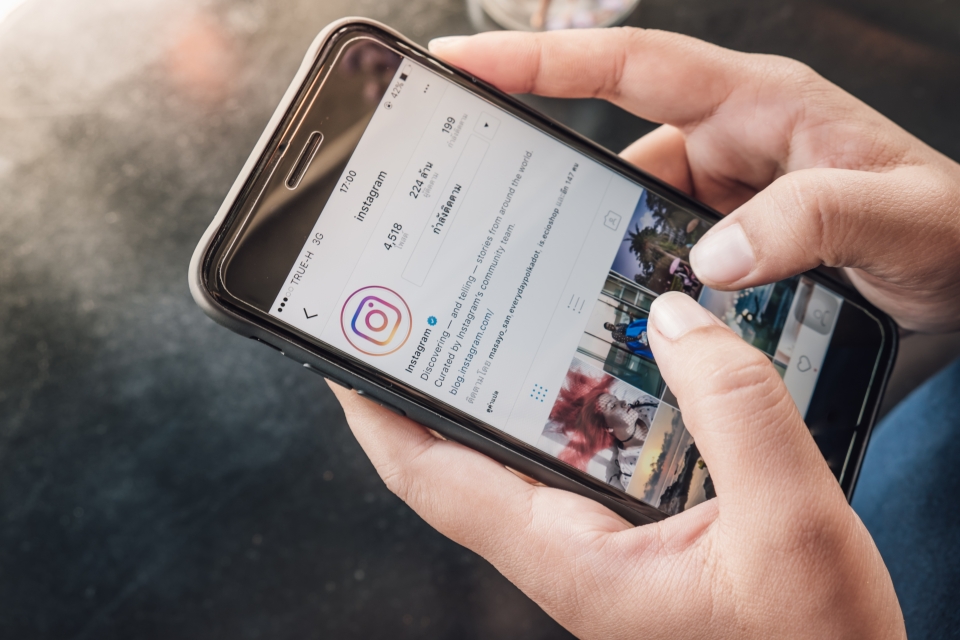
    Chanco’s mother updates her 300,000 followers on the platform with weekly photos of the little girl’s full bouffant. Every photo shared receives around 10,000 likes from her adoring fans.

    In one of the images from the campaign, Baby Chanco, whose Instagram account is managed by her mother, Mani Kano, poses alongside Japanese TV presenter Sato Kondo, known for her grey tresses.

    Fast forward to 2019 and Baby Chanco is following in the footsteps of celebrities such as Selena Gomez as a Pantene spokesperson.

  • Shilla Duty Free recruits Asia’s top social media influencers to pitch K-beauty

    Shilla Duty Free recruits Asia’s top social media influencers to pitch K-beauty

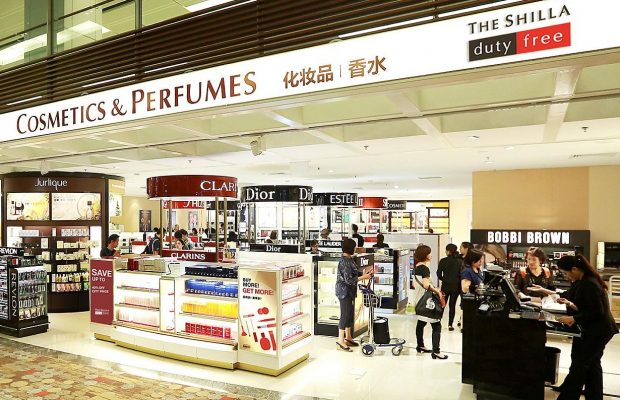
    South Korean Hotel Shilla has recruited five social media influencers across Asian countries to hype K-beauty products through Shilla Duty Free stores. The company said that it will work with top influencers from China, Japan, Vietnam, Malaysia, and Thailand on its “Beauty&You” project to guide customers on how to shop at travel retail online stores via social media platforms.

    Social media influencers with access to a large audience can endorse opinions about products and services, which eventually leads to promote sales.

    Those influencers who have partnered up with Shilla Duty Free reportedly have more than 1.7 million followers worldwide in total. They will work with the travel retailer to guide customers on how to use Shilla Duty Free online store as well as show the latest makeup trends using Korean cosmetics products via their social media channels.

    The company expects its partnership with the top influencers to bolster its brand awareness across the world on top of expanding its share in online travel retail market.

    Currently, its online duty-free shop is available in four languages – Korean, Chinese, Japanese, and English. It also has offline outlets overseas in international airports of Singapore, Hong Kong, and Macao as well as downtown Tokyo and Phuket.

  • Bossini losses set to double

    Bossini losses set to double

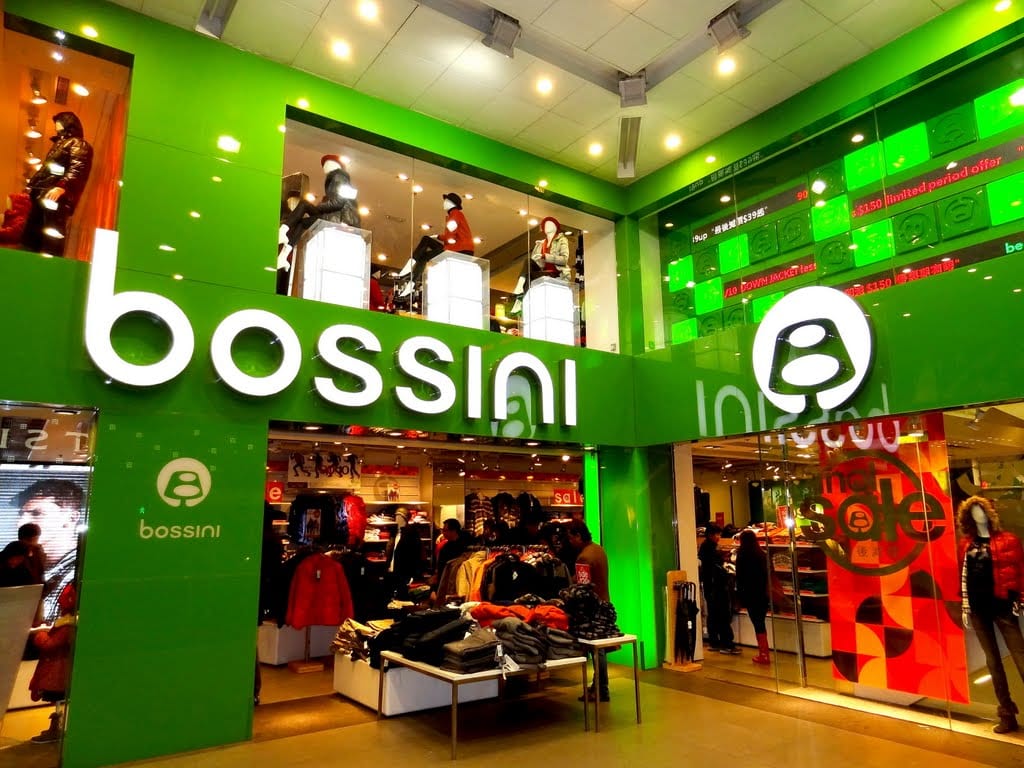
    Bossini International has warned the group is expected to record a loss attributable to owners of between HK$23 million and $28 million (US$2.93 million to $3.6 million) for the six months to December – roughly double the loss of the same period last year. Chairman Bess Tsin said in a stock exchange filing that the loss was largely due to “unseasonal warm winter weather and weak consumer sentiment in several core markets” where the group operates.

    The company said the estimate was based on a preliminary assessment of the company’s accounts for the period and details would be confirmed in late February, when the company announces its annual results.

  • Amazon offers Vietnamese products route to global market

    Amazon offers Vietnamese products route to global market

    Amazon is collaborating with Vietnam’s trade ministry to sell the country’s products on its system globally. Vu Ba Phu, director of the Ministry of Industry and Trade’s Trade Promotion Agency, said while announcing news of the collaboration that the U.S. e-commerce company would help especially small and medium-sized enterprises (SMEs) develop their brands on its website.

    It would also train Vietnamese firms in e-commerce and selling on its system, he said. Vietnamese businesses would be able to reach over 300 million users of the world’s largest online retailer by participating in Amazon Global Selling, he added.

    Bernard Tay, Amazon’s regional director for Southeast Asia, said Vietnam is among the top countries in the region in terms of capability to export via Amazon.

    It has strengths in household products, textile, footwear, and handicrafts, items that sell well on Amazon, he said.

    Vietnamese firms need to make products adopted to global trends and improve their English and branding skills, Tay added.

    Phu said Vietnamese SMEs would have to meet the high standards in many markets.

    “Big markets like the E.U., U.S. and Japan all have strict regulations on product quality and origin, and Vietnamese exports will have to comply with them.”

    Last year Amazon had organized a number of training programs for Vietnamese SMEs on how to sell on its system.

    Chinese e-commerce behemoth Alibaba is also interested in Vietnamese sellers. It started looking for sellers on its AliExpress website last July, saying it wanted to enable them to reach over 200 markets around the world.

    Vietnam’s e-commerce market grew by 25 percent in 2017, according to the Vietnam E-commerce Association (VECOM), which expects this rate to continue until 2020.

  • Thailand franchise market predicted to grow

    Thailand franchise market predicted to grow

    Thailand franchise consultancy Gnosis Co expects a healthy market for franchises in the country. Gnosis MD Sethaphong Phadungpisuth said more than 50 chains from both local and international brands are exploring the market this year following measures to ease regulations on the part of the Business Development Department.

    “The Thailand franchise market will become more active this year. We expect the overall number of new franchise brands both from abroad and the domestic market that will open their franchise in Thailand this year to increase by 10 per cent to about 630 brands”, he said.

    According to Gnosis, some brands have chosen Thailand as a springboard to other Asean countries, in particular Myanmar and Laos.

    Among those diverse brands set to start operations in Thailand this year include Taco Bell, The Edge Learning Centre, and Singaporean hygiene and disinfection products firm Sureclean. Additionally the number of Taiwanese milk tea chains continues to increase in the territory.

    Franchise business in Thailand is estimated to be valued at THB250-300 billion (US$7.84 billion).

  • Strategies that will differentiate leaders in Indian retail in 2019

    Strategies that will differentiate leaders in Indian retail in 2019

    Indian retail industry has seen tremendous transformation and growth in the last few years and has become one of the most favourable market for global investment. The vibrant industry, hugely shaped by changing policies and consumer behaviour is adopting technology not only to understand changing consumer preferences but also to enhance shopping experiences. Innovations have defined a gradual shift in how companies approach retail altogether.

    Technology disruptions have taken all industries in its stride and the cash and carry business is no exception, despite it dealing with B2B customers. Technology has been a pivot for the creation of personalised, ‘instant’ buyer experiences. The players who leverage technology well will be industry leaders of the next decade.

    As we have stepped in 2019, here are some retail trends that will make news this year.

    Integrated Omnichannel presence for retail analytics – Omnichannel in retail has been a high talk point and some retailers have successfully expanded their presence across platforms. However, integration is the key to success in this game. Unless the platforms are integrated, they will present an inconsistent experience to the customers, creating confusion about the product, pricing and promotions.

    Besides ensuring an unswerving experience, a bigger advantage of an integrated Omnichannel approach would be to share and cross-leverage customer behaviour data. For instance, if a customer has a specific purchasing pattern for a product offline, the retailer can use these insights for targeted marketing on various digital platforms. It will not only help the shopper find what they need but also help the retailer generate higher sales through relevant product suggestions and repeat business.

    Shaping in-store experience through proximity marketing – Internet of Things has transformed many industries and has the potential to enable real-time interaction between retailers and consumers, providing them with a truly connected experience. It not only brings about a seamless experience but also enable guided discovery and shopping, using a network of beacons in store. These beacons can help retailers in marketing, mapping the consumer movement patterns and time spent at various sites, in-store messaging, building consumer loyalty etc. This will offer the opportunity to revolutionise in-store experience for consumers.

    Increasing focus towards sustainability – The consumer dynamics have evolved considerably over the last few years. They feel connected to a company or a brand that helps them contribute to social and environmental issues. The inclination of Indian consumers towards building a sustainable future will provide an edge to brands operating sustainably.

    The dynamic regulatory environment and shifting consumer preferences are making it imperative for retailers to decrease the social and environmental impact of their operations. Companies will be seen instituting practices and initiatives to address this need, and, the players who will ace this, will be the most preferred brands for consumers in the future.

    Decreasing wastage, promoting recycling and energy conservation will be certain immediate outcomes of bringing sustainable practices within business operations. Over a longer period, the impact of sustainability will run much deeper, with local community engagement and expected economic benefits.

    Employing Blockchain to enhance credibility through responsible and ethical sourcing –Blockchain technology helps retailers with core functions including supply chain management, inventory management, authenticity verification, auto-renewal and subscription services, customer data and loyalty programmes. However, the key benefits that the technology is delivering to retailers are to ensure authenticity and improve accuracy in tracing the origin of any product swiftly.

    Incorporating blockchain technology will enable retailers to track data right from sourcing stage to customer purchase while ensuring authenticity for their customers. It will also help establish sustainable sourcing practices being followed by the company, making a stronger connect with the millennial consumer.

  • L’Oreal Korea seeks Brandstorm 2019 contest participants

    L’Oreal Korea seeks Brandstorm 2019 contest participants

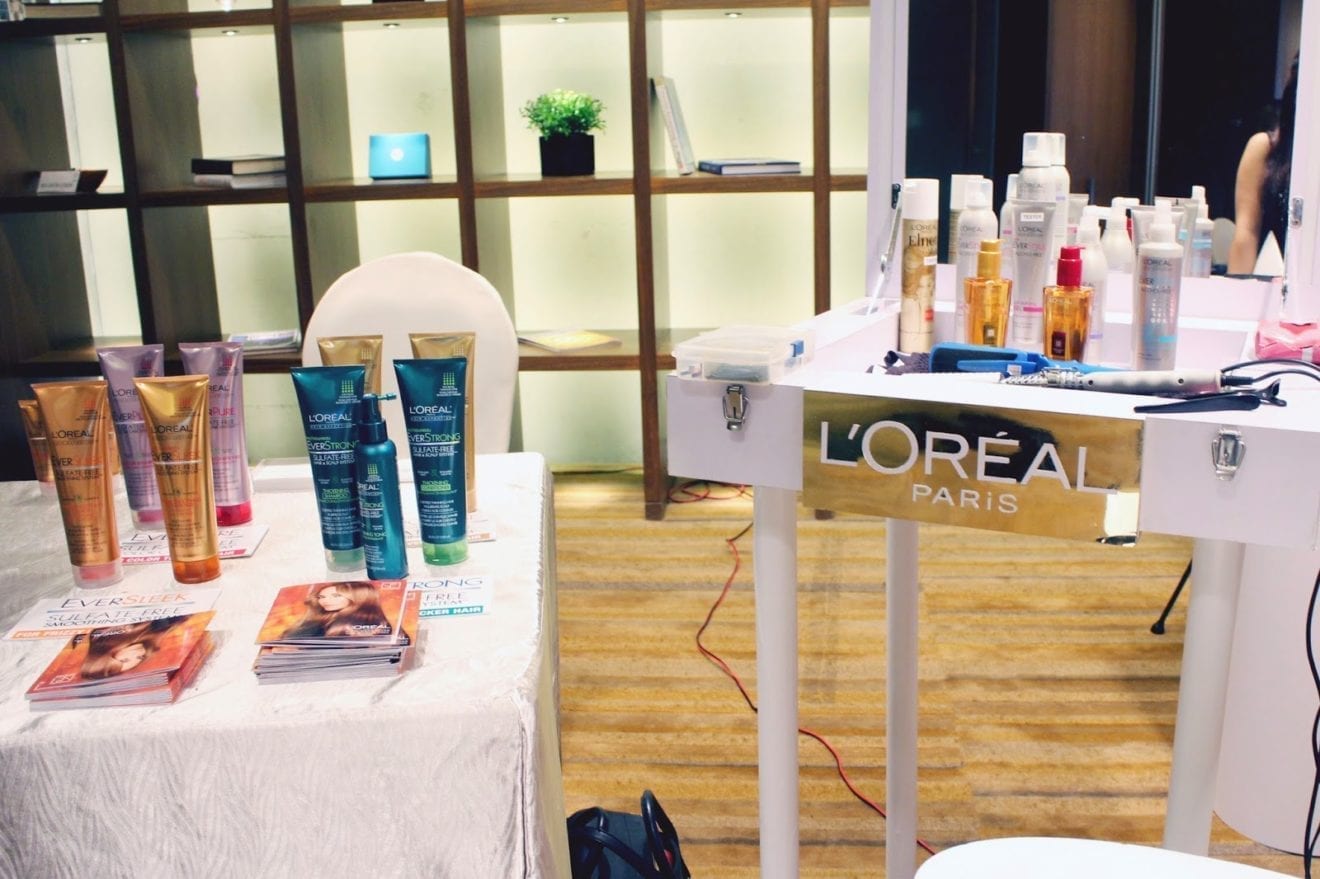
    L’Oreal is now accepting applications from students in Korea for its annual global marketing competition “L’Oreal Brandstorm 2019.” The mission for this year’s competition is to “invent the future skin care experience for health-conscious consumers.” Contestants need to choose one brand from L’Oreal’s Active Cosmetics division, such as Vichy or La Roche-Posay, and propose a new service or technology to enhance the consumer experience.

    Undergraduates in their third or fourth year of study and graduates can apply in teams of three. The application deadline is Feb. 28.

    After a final round in March, the winning Korean team will get a chance to represent the country and pitch its idea during the finals at L’Oreal headquarters in Paris.

    The winning Korea team members will also qualify for a chance to intern at L’Oreal Korea.

    The team that wins the global final round will get to test their idea at French start-up campus Station F for three months.

    The first competition was held in 1992. Since then, over 34,000 students have participated.

  • DHL’s five useful hacks for social media selling

    DHL’s five useful hacks for social media selling

    Logistics provider DHL Express enumerated a few hacks on social media selling. As Filipinos search for gift ideas especially this holiday season, it is crucial for social media sellers to get their products to stand out and top their customers’ feeds. Nailing these two can increase their chances of converting followers into customers. Distilled from experiences from helping other small businesses grow and readily available on DHL Discover, an online library of business and culture insights, here are the global logistics leader’s top recommendations.

    First, choose the right platform. If 94 percent of shoppers said that Facebook posts affect their holiday buying choices, then sellers would definitely want to be there. Go for social media channels that reach out to buyers and have free analytic tools. Facebook is able to give audience insights which may help sellers make informed decisions in scheduling content and targeting audience when they are most engaged.

    Second, #GetNoticed. Hashtags are a crucial way to link products to customers who are looking for it. An example of this is using the hashtags, #giftideas and #nochebuena to get the attention of potential customers.

    Third, work with advocates. Social media influencers may help because of their loyal follower-base. Through the content of bloggers and vloggers, consumers may get a firsthand opinion on products. This will make the endorsement more authentic and less of a hard sell, which makes brands more credible.

    Fourth, get your call to action right. Make the call to action clear and ensure the buying process is simple. Something as straightforward as adding a “click to buy” tab underneath that Instagram product photo they liked will help leverage positive leads.

    Lastly, encourage customer feedback. Leverage consumer reviews to create a space where happy consumers can share positive experiences of the product. Although not all reviews may be positive, sellers should be aware and respond to complaints quickly.

    As customers look forward to reviewing your product or service, keep in mind that their overall experience, from window-shopping to check-out to shipping, shapes their perception of your brand. By counting on a logistics provider like DHL for last mile requirements, you can deliver the best possible customer experience worth sharing on social media.

  • Goldwin tops sports market growth through store investment

    Goldwin tops sports market growth through store investment

    Marketing of sports brands has become increasingly retail-led in the last decade and a focus on retailing has enabled Goldwin to make serious gains while the two biggest domestic brands, Asics and Mizuno, have been distracted by overseas expansion. Goldwin took a close look at its beleaguered business 15 years ago and decided retail could be its salvation. At current rates it will catch up with Mizuno’s domestic sales in a few years.

    Goldwin was a struggling sports apparel distributor 15 years ago, floundering in declining wholesale channels, the implosion of the ski boom, and a fear of risking all on expensive retail investment, resulting in sales collapsing from a peak of ¥78 billion to less than ¥50 billion.

    No longer. The rights owner for The North Face and Helly Hansen in Japan posted another strong set of results in 1H2018: sales jumped 16.2% to ¥33.4 billion and operating profit doubled to ¥3.1 billion. The strong first half follows an equally good 2017 when sales rose 15.6%, the eighth straight year of growth. Operating profit reached ¥7.1 billion, up 81% and the highest for 25 years.

    Sales for FY2018 ending March are expected to come in 13.6% higher at ¥80 billion, with operating profit of ¥9.1 billion, up 28.1%. If these numbers turn out to be correct, Goldwin will have achieved it highest sales ever and met the goals set out in its medium-term plan ending March 2021, two years ahead of schedule. It has now updated the medium-term plan from ¥80 billion to ¥90 billion in sales, operating profit from ¥6.5 billion to ¥11 billion, and an ROE of 15% against a forecast 11.2% (the ROE in FY2017 was 15.4% and is forecast at 18% for FY2018).

    What has changed? The key factor is the success of its outdoor brands, which accounted for ¥49 billion, or 70%, of sales in FY2017, and in particular the change in management’s willingness to invest in retail stores in shopping centres a decade ago.

    Since the decision to invest in retail, Goldwin has opened well-executed stores in busy malls such as Lalaport and Lumine, as well as some very popular outlet stores. Today, its own directly operated stores account for 56% of sales. In addition, Goldwin garners another 5% of sales from e-commerce, still a small percentage but online sales were up 50% in a year. This performance is far better than either of the two largest domestic brands, Asics and Mizuno. Goldwin had little choice than to risk all given its dependence on the Japanese market for almost all its sales, forcing it to seek an alternative to its traditional wholesale model.
    Goldwin has focused investment on key brands rather than try to lift all boats at once.

    The growing appetite for outdoor fashions from both active consumers and those who just like the outdoor look, has helped propel The North Face and Helly Hansen in the last few years. In contrast, other Goldwin brands, like Ellesse, Canterbury and Speedo, which are sold at wholesale and through department store corners, have seen sales languish, falling 3.3% in FY2017.

    What is impressive about Goldwin’s stores is relentless effort to attract new footfall. In-store events are held regularly to pull in customers and deepen interaction, with customer feedback passed back to product planning and marketing teams. Goldwin also locates stores close to outdoor sports activities, such as its Nagano and Niseko The North Face Gravity stores which combine merchandise sales with ski rental services and even a library of books on outdoor sports. At the new National Stadium in Gaien-mae, it has opened an athletics complex/store called Neutralworks by Goldwin.
    On the supply side, Goldwin has worked to simplify supply chains through more direct contracts with factories, which in turn has helped streamline inventory management, resulting in a lower cost of sales, better sell-through and an increase in operating profit margins from 4.9% to 9.4%.

    Given the intense competition and the plethora of similar product from multiple sports brands, Goldwin has been investing in product innovation for both its own brands and licensed product. In 2017 it built a technical research centre in Toyama – where the company was founded – at which it develops new fabrics and performance functions using environmental chambers and motion capture systems. It has also partnered with other companies: it uses a synthetic, protein-based, petroleum-free silk developed by Spiber (in which it has invested ¥3 billion) for jackets and hoodies, and has licensed odour-reducing, sweat-absorbing fabrics originally developed by Jaxa for astronauts’ underwear.

    Goldwin is now investing in stores for other promising brands. It opened stores in Aoyama, Tokyo and Sapporo for the US brand Woolrich in October, and forecasts sales growth of 6.5% this year. Goldwin plans 10 stores for Woolrich through FY2020. For its eponymous Goldwin brand it opened the first flagship store in November in Nijubashi Square in Marunouchi.

    Going forward, plans for overseas expansion look promising for the first time. In the last two years, it introduced a new logo and updated merchandise for the Goldwin brand. It will transform what was a domestic skiwear label into a lifestyle sports label with global reach, similar to Descente’s plans for its own brand. In A/W 2019 a new lifestyle collection of sports apparel and accessories will be launched at home and overseas – this year the ‘hero’ product, a down parka using synthetic silk from Spiber, was gold winner at the European sports trade show, ISPO Munich.

    Last year, Goldwin acquired a stake in Woolrich International, a UK-based entity that owns the Woolrich brand, and plans to “participate actively” in its global development, particularly in Asia, including production – it has created a premium collection for the brand this year.

    Investment in sports retail stores will increase at home over the next couple of years, with all major sports brands looking to expand. The success of Japan in the soccer World Cup, big expectations for the Japan team in the 2019 Rugby World Cup, and the upcoming Olympics in 2020 all contribute to consumer interest in sports. Goldwin itself is hoping for an afterglow effect after the Olympics – what it calls “Golden Sports Years” – but the even more important trend is growing interest in health and well-being in general.

    What also makes the prospects for sports brands so bullish over the next decade is that interest in active sports, and the attire to go with this, is common to all age groups in Japan. This includes the fast growing population segment, the over 60s, ensuring sustained demand for many years to come. Sports and sports fashion is in many ways one of the few consumer categories to be largely immune to a demographically challenged market like Japan.

    Some local sports firms have been complacent in taking for granted customer loyalty to Japanese brands, but Goldwin has matched international brands in development of solid retail concepts, mixing innovative products with store entertainment and services, the basis of its new found success. Asics and Mizuno will be hoping that investment plans in the next few years will be enough to restore the balance.


  • 5 Tips for Digital Transformation

    5 Tips for Digital Transformation

    Retailers know they need to evolve, even though they cannot do it overnight. But while there’s no silver bullet for transforming culture, collaboration, and workflows inside a large organization, there are steps you can take to make sure your business is receptive to the change it’s about to undergo.

    Understand performance goals

    Before you start, you need to understand the business problem and the role that technology is going to play. Solving complex organizational issues needs the relentless management of changes in behavior, process, and technology all working together to support your performance goals and objectives.

    Collaboration is not a KPI

    Decide how you’re going to measure your KPIs. And remember that collaboration is not a KPI – it’s a means to an end. KPIs could include customer satisfaction, getting products to store faster, selling more products per visit, or retention. You need to get down to that granular detail.

    Shut things off

    If you have an existing tool which people did not like and you invest in something new to overcome those challenges and frustrations, you need to have a path to turning that tool off or at least turning off the elements that are now conflicting. This will impact adoption of new tools and ways of working.

    Educate, educate, educate

    Launching a tool is the easy part, the real work begins when people use it. People need to be educated on what they should be using it for. Show some examples of what ‘good’ looks like, and also what the tool should not be used for. Design an internal marketing campaign and treat it exactly the same as an external campaign. A product-driven approach could help here. Think about how companies try to refresh products in the market over time to improve adoption.

    Put somebody in charge

    For any system, and especially for a collaborative experience, you need someone who can get employees to use the tool in the right way at different times. That might be a community manager who understands the business cycle. Putting up content is the single most important driver of getting people to use the platform and to entice them to contribute their own.

  • Samsung Electronics gives stability a try

    Samsung Electronics gives stability a try

    The CEOs of Samsung Electronics semiconductors, smartphones and consumer electronics divisions all kept their jobs in the company’s annual corporate reshuffle announced Thursday. Kim Ki-nam, head of Samsung’s device solutions division, which includes semiconductors, retained his position but has been promoted from president to vice chairman. Samsung’s semiconductor business has seen operating profit grow for the past 11 quarters as of September.

    The other two division heads – Koh Dong-jin of IT and mobile communications and Kim Hyun-suk of consumer electronics – were reappointed as CEOs and will retain their current president job titles.

    Roh Tae-moon of the IT & mobile communications division was promoted from vice president to president and will continue to head the smartphone development team. Roh has been at the core of technology development for Samsung’s Galaxy smartphone brand since the range was first introduced.

    For a company well known for rapidly exchanging executives based on performance, the minor superficial changes at the top made this year suggest that Samsung is shifting instead to put more weight on stability rather than expansion next year.

    The company already went through a major generation change last year when it laid off older executives to replace them with younger ones. A total of 14 top executives were reshuffled at the time. Samsung said in a statement on Thursday that it “re-appointed business executives from last year to realize ‘innovation within stability.’”

    The drive for stability also comes at a time when Samsung faces several uncertain factors that analysts say will halt this year’s rally of record profits. The global chip market, which has been on an unusually long supercycle over the last few years, is anticipated to slow down in 2019.

    Outlooks on the global economy are also grim due to the remaining risk of the United States and China continuing their trade war.

    Samsung also stuck to its performance-based HR strategy by heavily compensating executives and managers in the device solutions division, including CEO Kim Ki-nam.

    Kim has been heading the semiconductor business at Samsung since December 2014. Under his lead, the company celebrated the last two years as the No. 1 chip manufacturer in the world. Chips were also a major contributor to Samsung’s record-high quarterly profits this year.

    Kim wasn’t the only one to be rewarded. Among a total of 158 senior executives promoted at Samsung, including those below president, 80 were from his division.

    Samsung employees in the device solutions division will receive bonuses between 300 to 500 percent of annual wages. Even external partners and suppliers for the division will reap incentives this year of up to 89.7 billion won ($79.8 million) in total.

    Meanwhile, this was the first time in three years that Samsung Electronics has released annual reshuffle results at the year’s end – a sign that Samsung is getting back on its feet after Vice President Lee Jae-yong’s return from prison in February.

    There were no annual reshuffles at all in 2016 when Lee was investigated for bribery charges regarding former President Park Geun-hye. It was only in October last year that the company announced a reshuffle plan among top executives.

    Other Samsung affiliates announced annual reshuffle results on Thursday. Samsung C&T Vice President Kim Myeong-soo was promoted to president. He was in charge of the task force in charge of improving competitiveness in engineering, procurement and construction.

    Vice Chairman Lee’s sister Lee Seo-hyun was appointed as chairman of the Samsung Foundation, which conducts social welfare projects. She was formerly president of the fashion division at Samsung C&T.