Tag: strategy

  • 7-Eleven Taiwan to sell freshly-baked Domino’s Pizza

    7-Eleven Taiwan to sell freshly-baked Domino’s Pizza

    Taiwan 7-Eleven operator President Chain Store Corp is trialling a dual-branded store with Domino’s Pizza in Taipei’s Xinyi District. In doing so, the Taiwanese retail company has created the first convenience store in the country to offer fresh-cooked pizza with groceries and if successful, it will pave the way for a roll-out in selected stores.

    With Taiwan’s convenience-store market penetration the second highest in the world, sitting between South Korea and Japan, operators are seeking ways to achieve growth by means other than opening new stores.

    The trial store will allow customers to watch the pizza-making process. Pizzas will be priced from US$2.90 to $6.80, depending on serving size.

    President Chain Store is targeting busy working people in what is one of the capital city’s more upmarket neighbourhoods. The company hopes pizza will boost sales of complementary items such as beverages and other meal items.

    President Chain Store’s rival Taiwan familyMart has already partnered with companies to offer financial, catering and laundry services and health foods in its stores.

  • Asia-Pacific the key market for global smartphone sales

    Asia-Pacific the key market for global smartphone sales

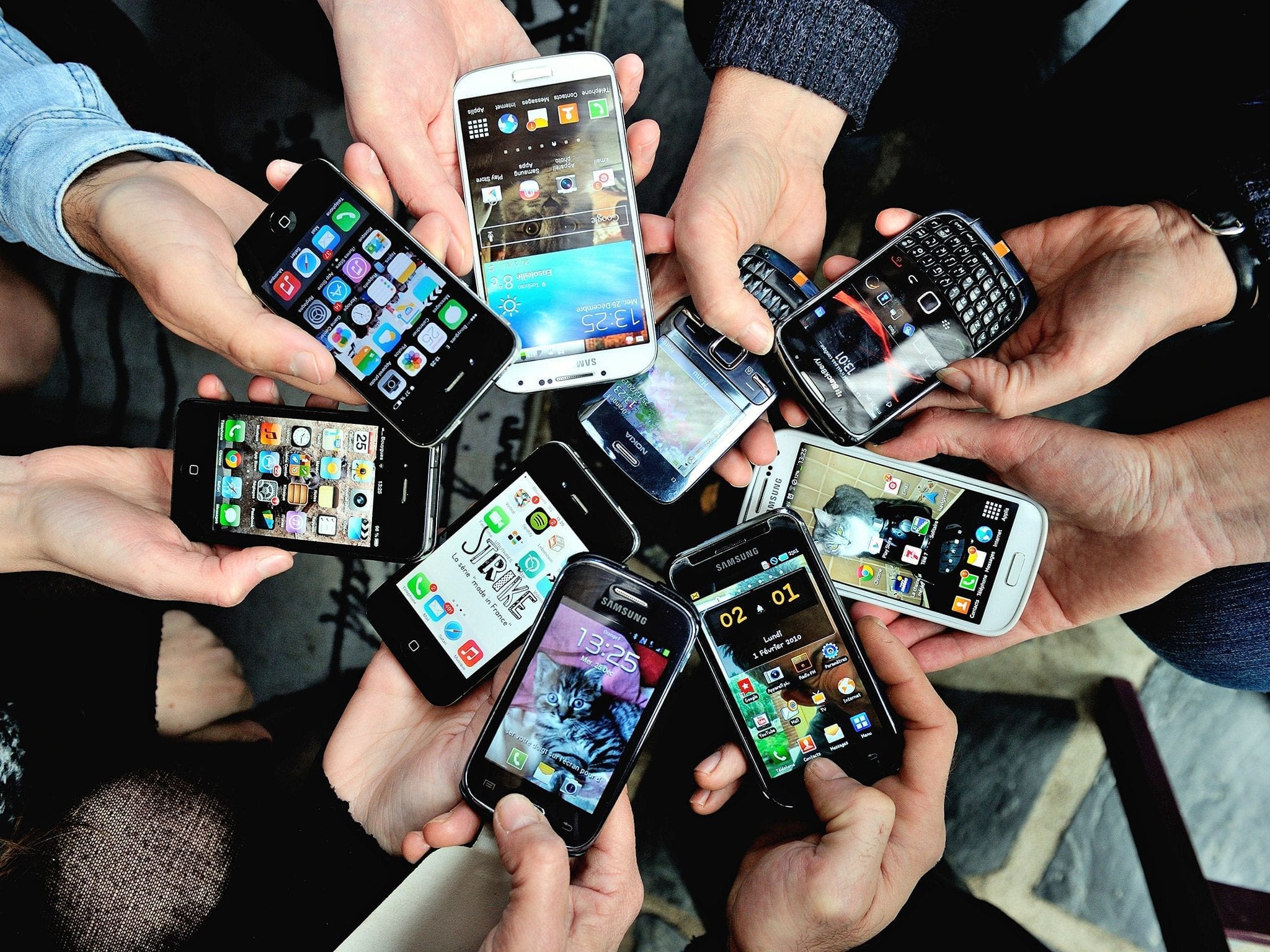
    Global smartphone sales grew 5 per cent to hit US$522 billion last year, with Asia-Pacific accounting for nearly half of those. According to a recent Consumer Life Study by GfK, smartphones, feature phones and wearables accounted for a 44 per cent share of the global $1.2 trillion technical consumer goods (TCG) market. But it warned smartphone sales are expected to grow by just 1 per cent this year.

    Apac the key driver

    More than 732 million smartphone devices were sold last year. Despite a slight decline in demand, overall consumer spend increased by 5 per cent.

    China accounted for 60 per cent of the Apac region’s market value and 54 per cent market volume, making it the largest contributing country to the global smartphone market.

    “The Chinese market consumes the majority of the global smartphone production, as well as being the home of local brands that are becoming increasingly global,” observed Alexander Dehmel, GfK regional senior market insights manager.

    “Some 40 per cent of the Chinese brands’ smartphone production in 2018 was purchased outside of China, up from 31 per cent in 2016.”

    In second position, India bucked the global demand downtrend, reporting growth in both sales volume and value in 2018, by 19 and 21 per cent respectively. More than 161 million smartphones worth more than $28.5 billion were sold last year.

    “In Asia’s emerging markets such as India, a country where feature-phone sales still exceeds half of the total handset market, smartphone market rapid growth is fuelled by the high adoption rate of first-time smartphone users, in addition to the fast replacement cycle and upgrading of existing smartphone users,” said Dehmel.

    Premium models and Chinese brands fuel growth

    Globally, 12 per cent (up from 9 per cent in 2017) of smartphones sold were priced at more than $800 last year. The $150-400 segment continues to be an important competitive battleground accounting for 46 per cent of smartphones sold globally (up 2 per cent from 44 per cent in 2017).

    Within Asia, developed markets drove the take up of high-end smartphones. Last year, every other device (53 per cent) sold in these countries cost more than $800. On the other hand, the most affordable phones priced below $150 accounted for half the total market.

    “Chinese brands have been significantly increasing their presence worldwide, and specifically in emerging Asian markets, their popularity have been largely driven by their affordability and faster model refresh cycles with improved specs,” commented Dehmel.

    “Take the region’s third largest smartphone market of Indonesia for instance; Chinese brands accounted for more than two in every five (42 per cent) smartphones sold in the country in 2018.”

    Looking ahead

    The study shows that consumer trends are changing when it comes to possessions. Not only do consumers “prefer to own fewer but higher quality items” that they will pay premium prices for, but they also “value experiences more than possessions”. If larger memory or screen size and multiple high-megapixel cameras can enhance their overall usage experience, such innovations will likely help ignite consumers’ imagination and stimulate greater demand.

    With rapidly evolving technology, the later part of last year saw new launches in the market which offered consumers features such as larger screen sizes, higher resolutions for both the front and back cameras, along with increased number of camera lens, and more-advanced AI functionalities.

    One of the key observations for last year was the continued popularity of larger screen sized smartphones – a trend consistently reflected across every single Apac market. China and Korea were the top two markets where almost nine in 10 smartphones sold had 5.5 inch or larger screen sizes.

    “From the trends that emerged in the second half of last year, we anticipate the growth of larger display smartphones with high screen-to-body ratios (i.e. slim bezels) to continue developing this year, as well as rising demand for models with stronger camera offerings in both resolutions (megapixels) and the number of lenses, powered by more advanced AI capable chipsets,” concluded Dehmel.
  • AirAsia unveils plans to begin international flights to Vietnam city

    AirAsia unveils plans to begin international flights to Vietnam city

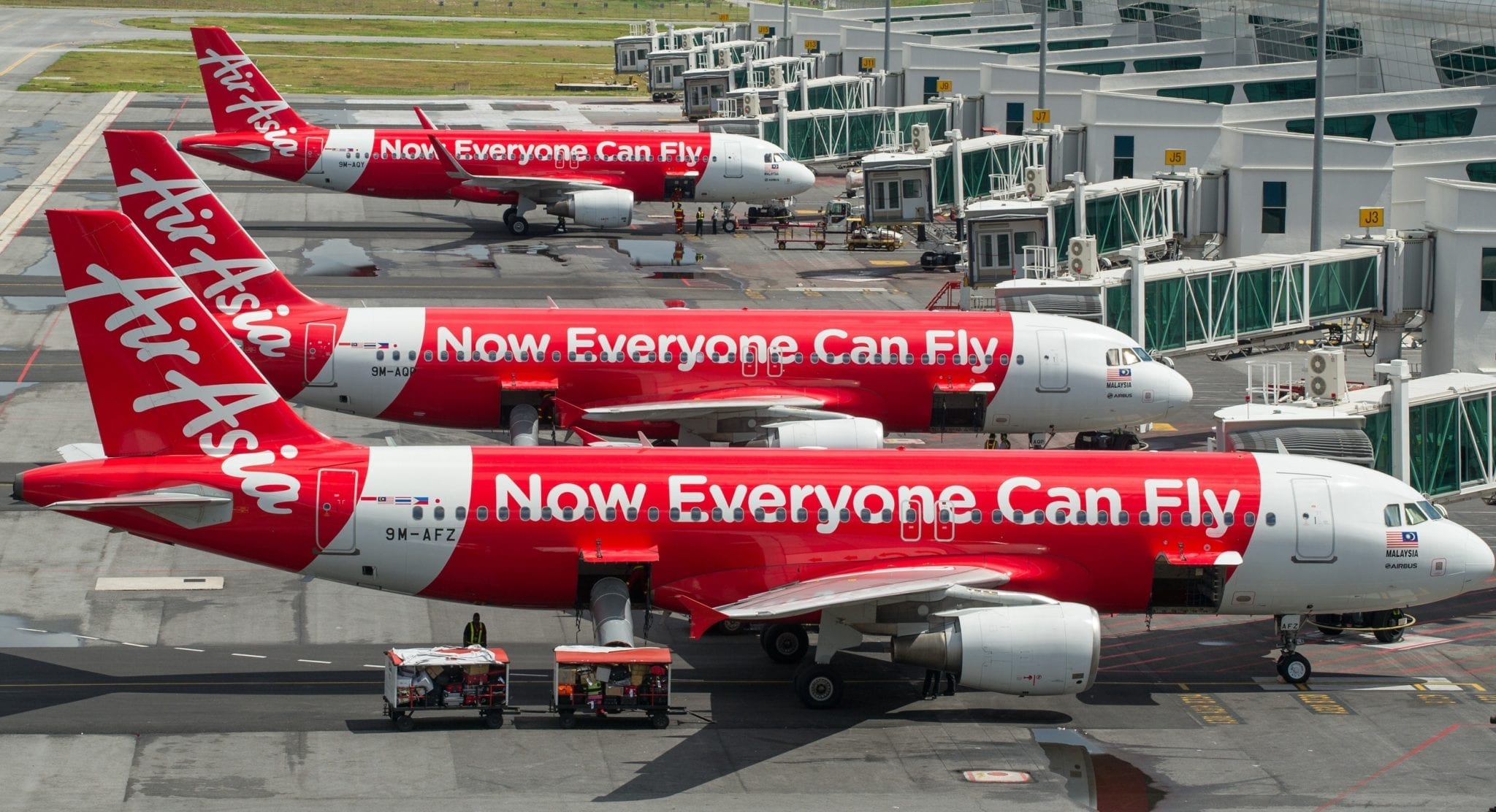
    AirAsia will start flying from Kuala Lumpur and Bangkok to Can Tho in Vietnam’s Mekong Delta in the next few months. The budget carrier has announced it will begin the Kuala Lumpur – Can Tho service on April 8 with four flights a week and the Bangkok – Can Tho service from May 2 with three flights, AirAsia said in a recent statement. Tran Viet Phuong, director of the city’s Department of Culture, Sports and Tourism, told local media that the services would help increase the number of foreign tourists visiting the Mekong Delta.

    He added that visitors from not only Southeast Asia but also from India and Australia would find it easier to reach the city given AirAsia’s network.

    AirAsia Malaysia CEO Riad Asmat said: “We foresee the new route not only contributing to the socio-economic development of the city, but also providing new opportunities for the people in Mekong Delta to connect with ASEAN and beyond through our wide network.”

    According to the Can Tho Tourism Association, 8.48 million tourists visited the city in 2018, a 12.5 percent increase from the previous year.

  • Amazon to train Vietnamese small firms in e-commerce

    Amazon to train Vietnamese small firms in e-commerce

    Amazon will train 100 Vietnamese businesses to develop their business on its platform. According to the Department of Trade Promotion, Amazon Global Selling will identify 100 small and medium-sized enterprises (SMEs) for its “Supporting Vietnamese enterprises to boost exports via Amazon” program. It will train the businesses in promoting exports and build brands through its website.

    According to Amazon Global Selling, the program will support businesses with comprehensive export solutions and logistics infrastructure, its 175 fulfillment centers and presence in 185 countries.

    “In the context of evolving global markets, Vietnam has more than 700,000 businesses, of which 98 percent are SMEs, so in addition to traditional trade promotion methods such as going to international trade fairs, promoting e-commerce is extremely necessary,” Vu Ba Phu, head of the department, said.

    Bernard Tay, director of Amazon Global Selling in Southeast Asia, said his company chose Vietnam to run this program because it sees great potential for development, especially with the entrepreneurial spirit of Vietnamese youth.

    “Vietnamese businesses are well known for their top production capabilities. When combined with our worldwide resources, it will create conditions for them to develop and build brands in the international market.”

    But he said they need to adapt to global product trends, improve their proficiency in foreign languages and brand building expertise to derive the most from the e-commerce platform.

    Vietnam’s e-commerce value climbed to about $4 billion in 2016, becoming one of the fastest-growing markets in the world.

    Revenue from online retail in the country is forecast to hit $10 billion by 2020, accounting for five percent of the country’s retail market.

  • Korean Air plans to make 16 trillion won in sales by 2023

    Korean Air plans to make 16 trillion won in sales by 2023

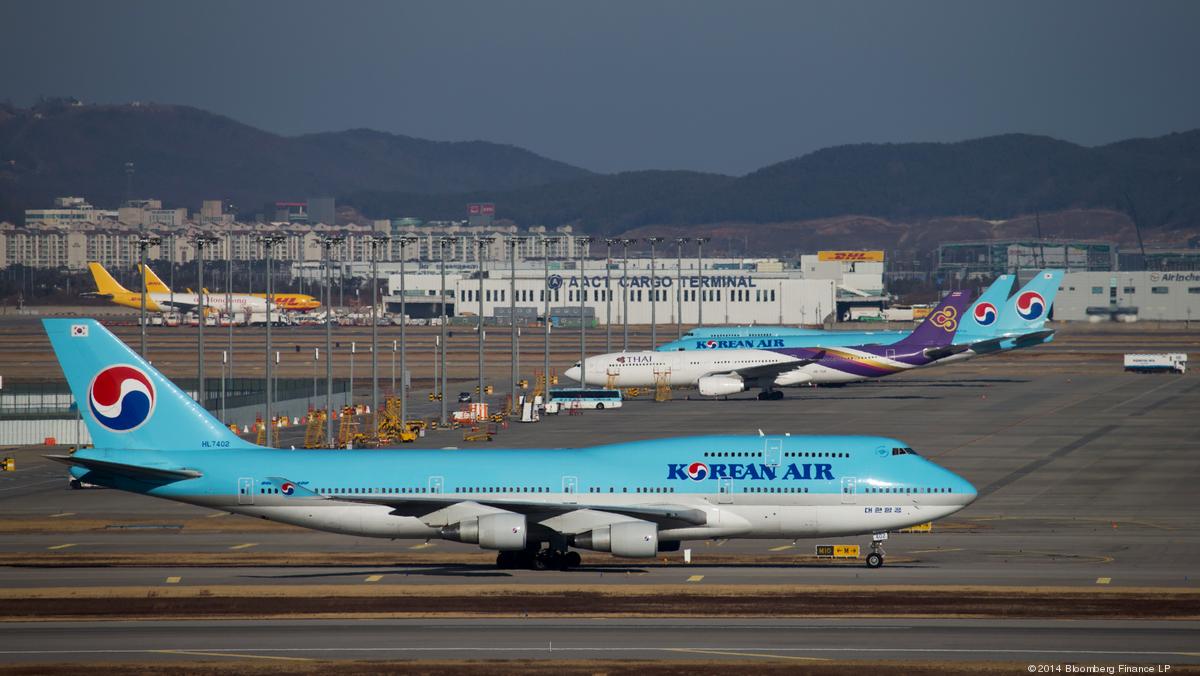
    Korean Air unveiled its mid-term business strategy Tuesday, saying it aims to record 16.2 trillion won ($14.4 billion) in sales by 2023. The goal comes as the airline’s March shareholders’ meeting draws near. Korean Air Chairman Cho Yang-ho’s term at the country’s largest airline ends this year and shareholders will vote on his re-election. To achieve the sales target, it needs to grow by an average 5.1 percent every year. Last year, the airline inked 12.7 trillion won in sales.

    Its operating profit target for 2023 is 1.7 trillion won, about 2.5 times more than last year’s 692.4 billion won.

    The company said it will work to raise the profitability of its business to reach a 10.6 percent profit to sales ratio. Last year, the ratio stood at 5.5 percent. Along with improved profits, the company plans to lower its debt ratio to below 400 percent from last year’s 699 percent.

    To expand sales, Korea’s largest full-service carrier plans to expand routes connecting America and Asia through a joint venture inked with U.S. airline Delta Air Lines last year. The partnership enables the two companies to share revenue, costs, flights and sales networks with antitrust immunity on their trans-Pacific operations.

    The airline also plans to open up new flight routes headed to Europe and Southeast Asia, both growing as popular travel destinations.

    As for its cargo business, the airline plans to bolster its business with emerging markets like Vietnam, India and Central and South America.

    In the aerospace business, the company said it will develop new technologies to build parts for passenger aircraft and start mass producing unmanned aerial vehicles to secure future growth engines.

    This year, Korean Air proposed a target of 13.2 trillion won in revenue and 1 trillion won in operating profits.

  • Emart24 ups the booze to capture solo drinker market

    Emart24 ups the booze to capture solo drinker market

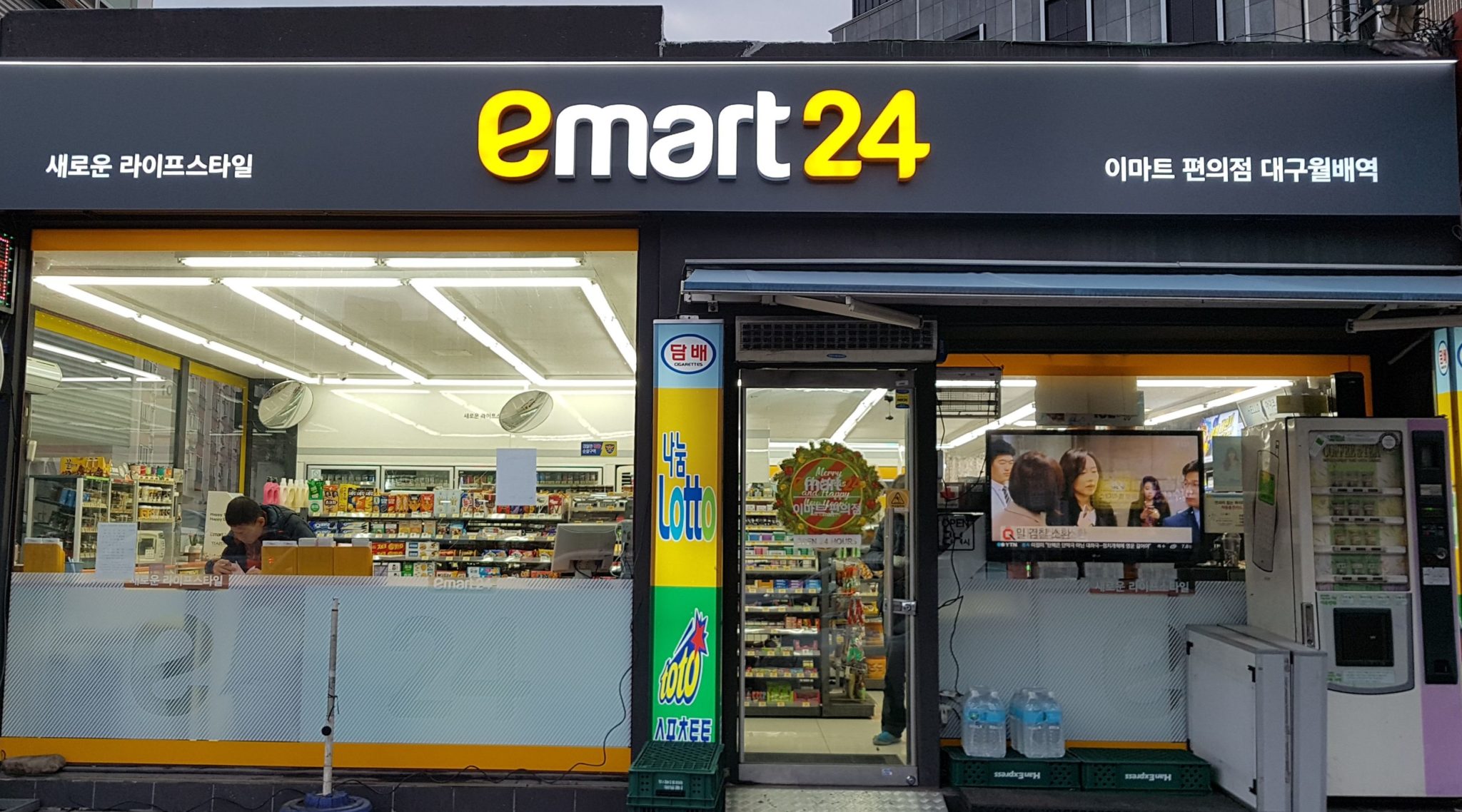
    Convenience store chain Emart24 will expand its alcohol selection tenfold at around 500 branches this year, the brand said Wednesday. The products will be offered using the shop-in-shop model with 120 products, including wine, whiskey and micro-beers, displayed in a dedicated corner. Three to six racks will be added at each outlet to hold the products.

    The company explained the efforts are motivated by the rise of solo drinkers, those who enjoy a few drinks after work as opposed to drinking in larger groups.

    The reduction of the workweek to 52 hours and changing lifestyles, which prioritize work-life balance, have further driven up the number of solo drinkers. Before the announcement, the convenience store tested the shop-in-shop model at 19 branches for two months from November. Sales of wine, craft beer and whiskey increased 20-fold. Overall sales at these 19 branches doubled.

    Emart24 said it plans to expand the shop-in-shop concept to products other than alcohol in the future. It is considering fresh food and imported snacks.

  • Hyundai may promote its Nexo with bottled water

    Hyundai may promote its Nexo with bottled water

    Hyundai Motor is considering releasing a range of bottled water inspired by its hydrogen fuel-cell vehicle Nexo, the company confirmed Monday. The automaker is hoping to use the Nexo-branded water to market its Nexo sport-utility vehicle (SUV) as pure and eco-friendly, like water. The unusual approach of using water to promote the car’s eco-friendly aspect is thought to be an industry first.

    Hyundai will be partnering with local convenience store chain CU. The date of the water’s debut has yet to be fixed, according to a press officer from Hyundai, rejecting claims by some media outlets that the launch could be as early as next month. The company also said mass production of the bottled water has not yet begun.

    When asked whether the water will be produced using any of the technology that goes into making a fuel-cell vehicle – water is a byproduct of a hydrogen fuel-cell vehicle – the press officer said, “the product will be like general drinking water used for marketing rather than a medium to show our car technologies.”

    The marketing scheme comes as Hyundai Motor Group is increasing its focus on hydrogen energy as its future growth engine.

    Just last month, Hyundai Motor Group Executive Vice Chairman Chung Eui-sun was appointed co-chair of the Hydrogen Council, a group of business leaders that promote hydrogen energy. On appointment, he highlighted the potential of a hydrogen energy-based economy where hydrogen energy would meet 18 percent of the total global energy demand and create millions of jobs by 2050.

    Hydrogen fuel-cell cars are powered by electricity generated through a chemical reaction between hydrogen and oxygen. It is often labeled as the ultimate eco-friendly car because its only byproduct is water, which is environmentally friendly. However, there are still some technological hurdles to make it the most common car on the roads, including high prices.

  • Struggling furniture retailer Otsuka Kagu forms tie-up with Yamada Denki

    Struggling furniture retailer Otsuka Kagu forms tie-up with Yamada Denki

    Struggling Japanese furniture retailer Otsuka Kagu has entered a partnership with electronics retailer Yamada Denki. The two firms have pledged to exchange sales knowledge in their respective industries as well as explore potential corporate sales opportunities. Otsuka Kagu will also sell 13.11 million new shares at ¥290.11 in an effort to raise ¥3.8 billion (US$34.39) in fresh capital. Funds will be earmarked for warehouse automation and optimising stores for e-commerce.

    Otsuka Kagu lost ¥3.24 billion ($29.32 million) last year, its third consecutive year of net losses.

    The company attracted attention over the past decade for its high-profile leadership struggle between brand founder Katsuhisa Otsuka and his eldest daughter Kumiko Otsuka, with their competing visions for the brand’s way forward.

  • FamilyMart Malaysia to open 300 more stores by 2022

    FamilyMart Malaysia to open 300 more stores by 2022

    QL Resources, the Malaysian operator of Japanese convenience store chain FamilyMart, is going ahead with plans to open 300 stores by March 2022, despite a slump in the economy. The firm opened 30 FamilyMart Malaysia outlets within the last financial year and plans to reach 90 new stores for the year ending March 31, 2019.

    “We still stick to our plan to open 300 stores in five years”, said QL chairman Chia Song Kun.

    Market leadership in the territory is currently controlled by 7-Eleven Malaysia, which operates more than 2000 stores in Malaysia. A major shareholder in the firm recently announced plans to open another 200 outlets this year.

    Malaysian spending is increasingly focused on domestic trade as exports continue to be affected by the US-China trade war.

  • India’s WoodenStreet eyes 15 stores by end of 2019

    India’s WoodenStreet eyes 15 stores by end of 2019

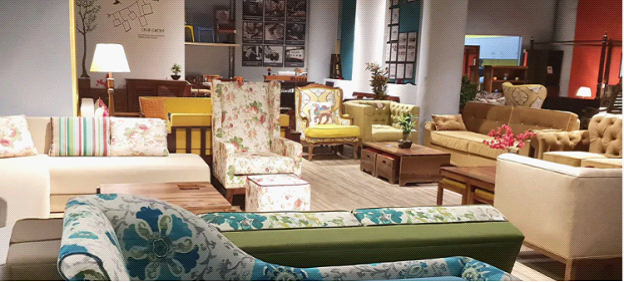
    In 2016, WoodenStreet entered the retail market with its first brick-and-mortar experience store in Bangalore. Established in 2015 as an online platform for quality custom furniture, WoodenStreet expanded its reach by opening 2 stores in 2017 and 9 stores in 2018, totalling to 12 experience stores. What’s next? 15 new experience stores by the end of 2019.

    Lokendra Ranawat, CEO, WoodenStreet expressed his aim to bring customization and quality a step closer to everyone’s home. “It’s not just about an online presence”, he elaborates, “but getting down there and interacting with our customers makes buying furniture a more personal experience, as it should be. We want people to not just visualize, but also feel the quality of furniture that we offer. We want them to see the limitless configurations, combinations and customization possibilities that they can actually get for themselves.”

    2018 was a long but fruitful year for WoodenStreet. Mumbai and Jaipur stores have been established in the last quarters of 2017, and the overwhelming response from these two stores, combined with a financial push from US$ 1 million Series A funding from RVCF, hardened the resolve to expand into further cities. Hence came the first stores of Ahmedabad, Hyderabad, Chennai, Pune, Noida, Gurgaon and Indore, with two more stores in Bangalore and Jaipur. This set up a large Omnichannel network, enabling greater penetration into the furniture market with a promise of quality and flexibility.

    “Last year was challenging but fun.”, says Virendra Ranawat, COO of WoodenStreet.com, commenting on the rocking journey. “But this hasn’t stopped us. We want to ensure that 2019 sees the addition of 15 more stores to our ever-growing roster. Which means that by the end of this year, we’ll have 27 brick-and-mortar stores in total.”

    WoodenStreet.com is a custom furniture store, with more than 30 delivery hubs and 12 experience stores spread across India, bringing quality solid wood furniture and the flexibility of customization closer to people and their dream of setting up a home flavoured to their tastes.

  • Ralph Lauren showing good progress

    Ralph Lauren showing good progress

    After a long run of fairly mediocre performance, Ralph Lauren has finally delivered a solid set of numbers. The 5 per cent net revenue growth announced last week is pleasing as are the various regional outcomes. These were supported by a respectable increase in underlying comparable sales. It would be remiss not to note that the good figures have been delivered off the back of a very weak prior year performance, but this should not take away from the fact that the brand is now headed in the right direction.

    Away from the top line, the bottom line has also strengthened with operating income up by 12.9 per cent over last year. Much of this is down to far lower rates of discounting, especially in the wholesale channel. We also see this as a sign that Ralph Lauren’s more disciplined and focused approach to producing collections is allowing more product to be sold through at a fuller price. All of this suggests that the company is doing a much better job at connecting with consumers.

    Our own data backs this up. Brand affinity to Ralph Lauren was the strongest in over five years this holiday season; brand recall and awareness were also higher, including among younger consumers. Some of this is the result of increased marketing spend but a lot of it also comes down to a more targeted approach. Initiatives like the launch of the Palace label have provided the brand with greater visibility among consumers looking for edgier, contemporary designs. There is clearly more work to be done, but this progress represents a good platform on which to build.

    That said, Ralph Lauren needs to remain disciplined; it should not revert to past form by launching rafts of sub-brands and spin-off labels which create confusion.

    Digital was the star channel this quarter with sales up by 20 per cent over the prior year. Some of this is a consequence of the investment in online platforms which are now much improved and delivering higher conversion. However, traffic to websites has also risen as Ralph Lauren has created more visibility around its products and brands. In North America, the slight downside is the imbalance in growth. Online comparable sales rose by 21 per cent, but store comparables were flat. While this is not necessarily surprising, it underlines that Ralph Lauren has more work to do in persuading customers to visit its shops – something that should, in theory, become easier as it pulls back from the wholesale channel.

    For all of this positivity, we are still cautious about the trajectory of the brand. While there is no doubt that Ralph Lauren is now in a much stronger position, a lot of work remains to be done on carefully defining the various parts of the offer and ensuring they remain targeted.

    Because of the vast array of brand elements, this is a challenging task that could easily falter – especially as the economy tightens and the company laps some tougher comparatives.

    Overall, however, Ralph Lauren is on the right track, it just needs to stay on course as it accelerates.

  • JC Penney to stop selling home appliances

    JC Penney to stop selling home appliances

    Struggling department store chain JC Penney announced it will exit its home appliances business, and some of its furniture business, while revamping the layout of its stores to focus on clothing sales to boost profits. The company, which hasn’t turned a profit since 2010 and has forecast several more years of losses, said it would stop selling major appliances in February “to better meet customer expectations, improve financial performance and drive profitable growth.”

    JC Penney’s appliances business was a pet project of former CEO Marvin Ellison. The company will also stop selling furniture in majority of its stores and will now only be available in select stores in Puerto Rico and online.

    The announcement is the first major change by new CEO Jill Soltau since she joined the embattled retailer late last year.

    According to JC Penney, they are now finalising new layout options, including reduction of store space previously dedicated to appliance and furniture showrooms to maximise efficiencies, reduce inventory and create an enhanced shopping experience that inspires repeat shopping trips.

    “Optimising the allocation of store space will enable us to prioritise and focus on the company’s legacy strengths in apparel and soft home furnishings, which represent higher margin opportunities,” the company said.

    The company further announced customers can still purchase major appliances in stores and online until February 28 and receive free basic delivery and installation on new model purchases over $299. All protection plans and manufacturer’s warranty agreements will remain in effect for the applicable warranty period.

  • Tesco to build simpler, more sustainable business; axe 9,000 jobs

    Tesco to build simpler, more sustainable business; axe 9,000 jobs

    Tesco has recently announced that the brand is making some strategic changes to further simplify the business and this might affect jobs of 9,000 employees. “Since we launched our turnaround four years ago, we have built a stronger business focused on serving our customers. Whilst this turnaround continues, it does so in a competitive and challenging market. We’ve briefed our colleagues on some changes we’re making to our stores and offices to further simplify our business, so that we can continue to invest in serving our customers,” Tesco said in a statement.

    Jason Tarry, CEO, UK & ROI said: “In our four years of turnaround we’ve made good progress, but the market is challenging and we need to continually adapt to remain competitive and respond to how customers want to shop. We’re making changes to our UK stores and head office to simplify what we do and how we do it, so we’re better able to meet the needs of our customers. This will impact some of our colleagues and our commitment is to minimise this as much as possible and support our colleagues throughout.”

    Changes include the following:

    Counters simplification

    Over recent years, convenience and online businesses have continued to grow, as the brand has core grocery and fresh departments in large stores. Not only are customers shopping in different ways, but they have less time available to shop too – which means they are using counters less frequently. The brand will be making changes to the counters in large stores to ensure that they have the right offer for customers. It is expected that around 90 stores will close their counters, with the remaining 700 trading with either a full or flexible counter offer for customers.

    Stock control simplification

    As business changes, the brand is also changing the way they manage their stock. After a number of trials, they have found a simpler way to conduct store routines and will be rolling this out to all of the stores. These changes mean a significantly reduced workload, with fewer hours needed to complete the routines.

    Merchandising simplification

    The brand wants to make shopping with them even easier, and they are aware that when they move products around this can prove frustrating for customers. The in-store employees have expressed to the brand that they want to spend more time with  customers, rather than moving products around the store. They have been working to reduce the amount of layout changes they make, so it’s easier for customers, and less work for in-store employees meaning fewer merchandising hours are needed.

    Colleague rooms

    Currently only one third of stores provide a hot food service and, over recent years, there has been reduced demand for this. Over the last three years the brand has been rolling out new self-service colleague kitchen areas in a number of stores, and they are now extending this to all remaining stores with a hot food service. This change will impact the people working in colleague rooms, who are employed by third party caterers, and the brand is working with them to provide as much support as they can.

    Head office

    The brand has completed a detailed review and this week they are talking to employees about changes in some of their head office teams, moving to a simpler and leaner structure, which will allow them to focus on supporting customers.

    In-store bakeries

    Contrary to media reports over the weekend, the brand has no plans to make any significant changes to bakeries this year.

    “Overall, we estimate that up to 9,000 Tesco colleague roles could be impacted, however, our expectation is that up to half of these colleagues could be redeployed to other customer-facing roles. We are working with our third party providers to understand the impact on their staff in our colleague hot food service,” Tesco said in a statement.

  • Chinese outbound tourists powering mobile payment growth

    Chinese outbound tourists powering mobile payment growth

    Chinese outbound tourists are taking China’s mobile payment industry to foreign markets, according to Nielsen. The research company’s report, 2018 Trends for Mobile Payment in Chinese Outbound Tourism, shows that mobile payment transactions by surveyed Chinese tourists surpassed the percentage paid with cash for the first time. Nearly 70 per cent of Chinese tourists paid with their mobile phones while abroad.

    Several factors encourage Chinese tourists to use mobile payment abroad, with the most important being that they have already become accustomed to this fast and convenient payment method in their home country.

    Merchants around the world have gradually recognised the importance of mobile payment for Chinese tourists and are witnessing benefits from better understanding of Chinese tourists’ habits and preference. Among the merchants surveyed at popular tourist areas in Singapore, Malaysia and Thailand that adopted Alipay, nearly 60 per cent saw growth in foot traffic and revenue.

    Many merchants surveyed said mobile payment is a safe, reliable and effective payment method that resonates with Chinese shoppers. Of the merchants that adopted Alipay, 71 per cent said they would recommend the mobile payment platform to peers.

    “Our store is located in an area frequented by Chinese tourists and they are our main customers. If we didn’t have mobile payment as an option, we would lose a lot of customers”,  said a Malaysian merchant cited in the white paper.

    “The outbound travel craze among Chinese tourists offers an important opportunity to expand mobile payment globally, while mobile payment outside of our home market has a broad space for development,” observed Gao Zilong, COO of self-service QR-code payment firm Inspiry International.

  • Coca-Cola India launches grape based sparkling drink Colour

    Coca-Cola India launches grape based sparkling drink Colour

    Beverages major Coca-Cola India on Friday expanded its Minute Maid product range by launching a grape fruit based sparkling drink branded as Colour, said a top company official. People in Tamil Nadu towns and villages used to call soft drink ‘Colour’. Coca-Cola India has branded its new grape juice sparkler as ‘Colour’ to resonate with the local lingo.

    He also said the company would launch a new product in Andhra Pradesh that would be branded under a similar philosophy.

    “The new grape juice based Colour is launched here and will be focused on Tamilian population within India. The product is part of our strategy of expanding our fruit based beverages,” T.Krishnakumar, President, Coca-Cola India and South West Asia said.

    He said the company apart from focusing on its core products – carbonated drinks – also concentrates on launching products preferred in regional markets and also on expanding the ‘fruit circular economy’ – launching fruit based drinks made with domestically grown fruits.

    “The black grapes for the drink are sourced from grape farmers in South India,” Krishnakumar said.

    He did not agree that the new brand ‘Colour’ under the broader Minute Maid brand would reduce the latter’s brand equity. Minute Maid brand is known as a fruit based beverage brand.

    “We are expanding the products under the Minute Maid brand. The new product has 12 per cent grape juice content,” Krishnakumar said.

    According to Srideep Kesavan, Director-Juices, Coca-Cola India and South West Asia, research showed that grape juice was a fast moving product at fruit juice stalls in Tamil Nadu.

    Queried about cutting down on the sugar content in the company’s beverages, Krishnakumar said it will come down soon and a start has been made with the grape sparkler Colour with 9.5 grams of sugar.

    On the value of fruit pulp/products that Coca-Cola India would source under its ‘fruit circular economy’ he said the company had committed that a sum of Rs 5,000 crore would be spent on that head by 2023 and the company is in line with that commitment.