Tag: streaming

  • Spotify launches new platform to support publishers and authors

    Spotify launches new platform to support publishers and authors

    Spotify for Authors is a new platform for authors and publishers that allows them to manage their presence and grow on the streaming service. The new platform offers access to multiple tools that make it easier for authors and publishers to understand their audience and drive more consumption.

    Authors invited by publishers on Spotify for Authors will be offered direct access to important insights, along with growth and promotional tools that will help them tap into larger audiences, including:

    • Aggregated age and gender demographics that provide more insight than ever before, to let them know who is listening to their content on Spotify.
    • Redemption codes to share royalty-free copies of titles with reviewers, superfans, and collaborators (if enabled by their publishers).
    • Promo cards to generate professional and shareable social assets for their titles in just one click.
    • Early access to author profiles, a new feature rolling out to Spotify so fans can easily discover more about the authors behind their favorite books.
    Starting today, publishers and select authors can begin using these insights into listener demographics, take advantage of tools for marketing and promote their titles, as well as customize their author page on Spotify using the features above.

    According to Spotify, the company worked closely with authors and publishers to develop Spotify for Authors, allowing the streaming service to design each feature based on their feedback and needs.

    “Today’s launch is just the first step as we help authors and publishers reach new audiences, connect more deeply with their fans, and drive listening,” explains Spotify in a blog post.

    Spotify for Authors is now available in all markets where the streaming service is officially accessible. Publishers can access Spotify for Authors with their Spotify logins and can invite authors to join at authors.spotify.com.

    It’s also important to mention that Spotify confirmed it will expand access to authors using Findaway Voices early next year.

  • YouTube testing a TikTok-like swipe-up gesture to get to the next video

    YouTube testing a TikTok-like swipe-up gesture to get to the next video

    Recently YouTube redesigned its playback speed controls and added a couple of nice features to its app. It’s been testing different things in recent months, and some tests sound pretty exciting while others have people raising their eyebrows. In YouTube’s latest test, we have a new gesture being tested for longer videos.

    TikTok’s “Swipe up” gesture moves you to a new video. Since the gesture got popularized by TikTok, it was copied into YouTube Shorts and Instagram Reels, among other short-video sharing solutions. Now, YouTube is testing the gesture for regular-length videos, not Shorts.

    The swipe-up gesture is a quick and easy way to move through a series of short vertical videos, but it’s generally primarily suitable for vertical videos. However, YouTube seems to think the gesture may be useful for horizontal videos as well, and this change is quite a dramatic one.

    Right now, when you’re enjoying a video on YouTube on full screen (landscape orientation), the swipe-up gesture is used to exit full screen, rather conveniently. Digital Trends contributor Tushar Mehta spotted the test. The tested fullscreen video player swipe-up gesture leads to a new video being played.

    The change has been spotted only on Android phones at the moment. You can also swipe from either side on Android phones to leave fullscreen mode, and you can also do that from the arrow button in the top left corner.

    At the moment, it’s not clear when this change will roll out globally. Given the fact this is still in its testing phase, user feedback may play a role in whether or not this update gets released at all. Some people have mixed feelings about it, which I agree with simply because when you are already used to what a gesture does in an app, changing that would be rather annoying.

  • Spotify rolls out custom playlist cover art feature

    Spotify rolls out custom playlist cover art feature

    Spotify has launched a new beta feature that allows users to personalize their playlists with custom cover art. Available on both iOS and Android devices, the feature gives users the ability to design unique covers using their own images, colors, text effects, and graphic elements. This new addition aims to provide users with more creative control over their playlists, making them visually distinctive.

    To access this feature, users need to have the latest version of the Spotify mobile app. Once updated, they can select an existing playlist or create a new one. By tapping the three-dot menu on the playlist page and selecting “Create cover art,” users can then upload an image and customize it with various elements. These include text styles and effects from Spotify’s custom typeface, Spotify Mix, as well as background colors, gradients, image masking, visual effects, and exclusive stickers from artists like Jun Ioneda, Sam Lyon, James Marshall, and Shivani Parasnis. After creating their cover art, users can share it with friends or on social media platforms.

    It’s worth noting that each playlist can only have one custom cover art saved at a time. Any new cover created for a playlist will replace the previous one. For users who want to design multiple covers for the same playlist, creating a copy of the playlist is recommended. This can be done by opening the playlist, tapping the three-dot menu, selecting “Add to other playlist,” and then tapping “New playlist.”

    Currently, this feature is available in beta to English-speaking users in 65 markets. Spotify has collaborated with various music artists, visual creators, and album art designers for the launch. Among them are creators that have collaborated on famous works by Bad Bunny, The Notorious B.I.G., Beastie Boys, and JAY-Z, among others. These artists have used the new feature to create unique cover art for their own personal Spotify playlists.
    I find that this feature offers a fun and creative way to personalize playlists and express users’ musical taste. I appreciate the flexibility it provides in terms of design elements and the ability to use one’s own images. Furthermore, I believe this feature will enhance the overall user experience on Spotify, making it more engaging and visually appealing. Let’s see how Spotify further develops and expands this tool in the future.
  • Google TV gets major upgrade: smart home controls, AI art, sports hub, more

    Google TV gets major upgrade: smart home controls, AI art, sports hub, more

    Google is rolling out a significant update to its Google TV platform, bringing a host of new features to enhance your viewing and smart home experience. These updates will be available on all Google TV devices, including the upcoming Google TV Streamer set to launch on September 24th.

    One of the most notable additions is the new home panel on Google TV. This feature transforms your TV into a central hub for controlling all of your compatible smart home devices. From adjusting your thermostat to checking your security cameras, you can manage your entire smart home without ever leaving the couch. The new doorbell notifications also bring added convenience, allowing you to see who’s at the door without interrupting your viewing experience. If you can’t find the remote, Google Assistant voice commands have you covered, providing hands-free control over your smart home devices.

    When you’re not actively watching TV, Google TV now offers an improved Ambient screensaver that turns your idle screen into a personalized canvas. You can either create AI-generated designs based on your own descriptions or prompts, or relive your cherished memories by showcasing your favorite Google Photos. This feature leverages generative AI to craft unique images for your display, adding a touch of artistic flair to your living space.

    For sports fans, the new sports page within the For You tab consolidates all your sports content in one convenient location. You can quickly find live and upcoming games, catch sports commentary, browse YouTube highlights, and receive personalized recommendations to stay up-to-date on your favorite teams and leagues.

    Choosing what to watch can be overwhelming with the vast array of channels and subscription services available. To help you make informed decisions, Google is introducing enhanced overviews of top movies and shows powered by Gemini technology. These overviews provide comprehensive summaries, audience reviews, and season-by-season breakdowns, giving you valuable insights to guide your viewing choices.

    Last year, Google introduced free built-in channels on Google TV, offering a selection of live TV without the need for additional downloads or subscriptions. This service, known as Google TV Freeplay, now boasts an expanded channel guide with over 150 channels, making it easier to browse by genre and topic. New additions to the lineup include Heartland, The FBI Files, and ION Plus.

    The update also extends to Google TV’s hardware ecosystem. In addition to the upcoming Google TV Streamer, you can now find Google TV on a wider range of devices, including new art TVs from Hisense and TCL, as well as smart projectors from Vankyo, Epson, and XGIMI. Google is also expanding its reach by bringing Google TV to more countries, including Thailand, Indonesia, Vietnam, and the Philippines.

    I’m excited about these updates to Google TV. The integration of smart home controls directly into the TV interface is a game-changer, and I can see it definitely changing the way I interact with my connected TV. The AI-generated art for Ambient screensaver and the enhanced overviews for movies and shows are also great additions that personalize my viewing experience. Finally, as a baseball fan, I appreciate the dedicated sports page, which will make it easier to find and follow my favorite team.

  • Spotify restores free lyrics access

    Spotify restores free lyrics access

    Free Spotify users are now able to view song lyrics for all songs again, after being restricted earlier this year. The company previously limited free users to viewing lyrics for only three songs a month, pushing a paid subscription to access lyrics for any song. However, Spotify has now reversed this decision, allowing free users to enjoy unlimited access to lyrics once more.

    Spotify’s decision to limit lyric access for free users in May was met with negative feedback. It was viewed by some as an attempt to incentivize users to upgrade to their paid subscription tiers, which start at $11 per month. However, the company seems to have shifted its strategy, prioritizing improvements to the free user experience. This change aligns with CEO Daniel Ek’s recent statements about enhancing the free product pipeline based on performance in certain markets.

    While the exact reasons behind Spotify’s change of heart remain unclear, it’s evident that the company is constantly experimenting and iterating on its features. The spokesperson’s statement emphasizes this, stating that feature availability can vary across different tiers, markets, and devices.

    During a recent earnings call, CEO Daniel Ek mentioned ongoing plans to integrate additional enhancements into the free experience in the coming months. These improvements aim to make the free tier more appealing and valuable for users, potentially attracting a wider audience to the platform.

    It’s worth noting that Spotify’s commitment to enhancing the free experience goes beyond lyrics access. The company is likely exploring various avenues to make the free tier more attractive and engaging for users. This could involve introducing new features, improving the user interface, or even experimenting with different advertising formats.

    Although Spotify is still testing and refining its features, the company appears to be actively listening to user preferences and making necessary adjustments to cater to both free and paid users. The recent reversal of the lyrics restriction suggests that Spotify is open to adapting its strategies based on user response and market trends. It will be interesting to see how this change impacts user engagement and satisfaction on the platform in the long run.

  • Spotify expands its library with audiobooks from over 100 publishers

    Spotify expands its library with audiobooks from over 100 publishers

    After introducing a tier specifically dedicated to audiobooks, Spotify is now expanding its library to offer potential customers a reason to pay the expensive subscription price. The world’s biggest music streaming service announced a huge deal to add audiobooks from over 100 Ingram-distributed publishers to its library. Spotify is bringing audiobooks from Europa Editions, Milkweed Editions, G&D Media, Bard Press, New Society Publishers, and more to its customers.

    Spotify has already revealed some of the titles that audiobook fans will be able to listen to if they decide to join its service, such as The Hurting Kind, Mo Bunnell’s forthcoming Give to Grow, and bestselling author Bob Proctor’s Born Rich. Listeners in the United States can also dive into Damon Galgut’s Booker Prize-winning novel The Promise and Anne Berest’s international bestseller The Postcard.

    According to Spotify, since launching audiobooks in its Premium offering last year, more people have joined the service trying new and different books, with hundreds of thousands of unique titles streamed.

    The streaming service says that not only bestsellers are popular among listeners, but back catalog titles are also gaining popularity. Of the top 10 audiobooks on Spotify, nine are backlist titles, and six of those were released over five years ago.

    This is the second major audiobooks announcement from Spotify, after the streaming company revealed back in May a deal with Bonnier Books UK and Blackstone Publishing to have their libraries of audio titles added to its Audiobooks offer.

  • Spotify official confirms a more premium tier is coming soon

    Spotify official confirms a more premium tier is coming soon

    Spotify’s long-rumored Hi-Fi tier is about to go official. The music streaming service recently confirmed a deluxe version of Spotify that offers a bunch of enhancements is in the works and should be released very soon.

    After adding a basic ad-free plan in June specifically aimed at those who don’t listen to audiobooks, Spotify is ready for the next step. The launch of an even more premium tier will allow the audio giant to tap into a new audience, one that’s looking for excellence.

    On the company’s earnings call, Spotify CEO Daniel Ek said that the upcoming deluxe tier could cost $5 more than the current premium tier pricing. Although the deluxe plan is still in “early days,” Spotify is determined to eventually give it the greenlight since it’s convinced that it caters to a certain type of consumers.

    According to Ek, the even more premium tier of Spotify is going to be “around $17 or $18 price point, but sort of a deluxe version of Spotify that has all the benefits that this normal Spotify version has, but a lot more control, a lot higher quality across the board.”

    The star of this deluxe version of Spotify is the lossless audio feature, which includes listening support for up to 24-bit/44.1kHz that’s going to be available for “limited songs” via the FLAC audio format.

    In addition, the upgraded tier is rumored to include the ability to generate custom playlists based on specific dates, events, activities, but the algorithm will also try to predict user preferences and create playlists accordingly.

    Currently, only three music streaming services offer lossless audio to their subscribers: Amazon Music, Apple Music, and TIDAL. It’s surprising that Spotify hasn’t added this perk to its offering yet, but there’s probably a reason behind this strategy that we’re not aware of.

  • YouTube’s weaker than expected Q2 performance hurts Google parent Alphabet

    YouTube’s weaker than expected Q2 performance hurts Google parent Alphabet

    A 13% year-over-year increase in revenue from YouTube ads during the second quarter of 2024 and a 13.8% annual increase in revenue from Google Search ads helped lead Alphabet subsidiary Google to report an 11% annual gain in advertising for Q2 of 2024. Google Search ad revenue rose from $42.63 billion to $48.51 billion year-over-year and YouTube ad revenue amounted to $8.66 billion up from the $7.67 billion that was generated during the same quarter last year.
    Google said that for the three months ended in June 2024, total Google advertising revenue came to $64.62 billion compared to the $58.14 billion in advertising revenue that came into Google’s coffers during the second quarter of 2023. Traffic acquisition costs rose 6.8% to $13.39 billion which was well worth it to Google thanks to the aforementioned 11% annual hike in Q2 advertising revenue.
    The business unit which includes Pixel devices, Google subscriptions, platforms, and devices, saw top-line growth of 14.4% to $9.31 billion from $8.14 billion. That could indicate growing demand for Pixel phones, tablets, smartwatches, and earbuds. Google’s Cloud business was very strong with the top-line rising 28.8% to $10.35 billion compared to the $8.03 billion that this business generated during the same quarter last year. This was the first time that Google’s Cloud business topped $10 billion in revenue and $1 billion in operating profit during a single quarter.
    Alphabet’s total revenue of $84.74 billion during the second quarter was up from the $74.60 billion reported during the 2023 second quarter. This was a 13.6% increase and helped Alphabet report a 28.6% gain in net income to $23.62 billion for the second quarter of 2024. During the same quarter last year, Alphabet had net income of $18.37 billion. Diluted earnings per share, which assumes the conversion to equity of all convertible debt, was reported by Alphabet to be $1.89 for  Q2 of 2024, up 31.3% from the $1.44 reported for the same quarter in 2023.
    The report did not sit well with Alphabet investors; the shares rose 12 cents during the regular trading session to $181.79 but plunged $3.96 or 2.18% to $177.83 in after-hours trading after the earnings were released. While Alphabet’s earnings and revenue were higher than expected, YouTube’s performance disappointed investors, explaining the subsequent stock sell-off during the extra trading session.
  • Spotify enhances podcasts with new commenting feature

    Spotify enhances podcasts with new commenting feature

    Spotify is launching Comments for podcasts and a new mobile app for podcasters to build stronger relationships with their listeners. These new tools allow podcasters to manage their shows and engage with fans in a deeper and more convenient way.

    The company has been adding features to their podcasts for some time now. A few years ago, the platform introduced Q&A and polls to allow listeners to interact with podcasts. Since their introduction, over 9 million unique Spotify users have engaged with a Q&A or poll and interactions have grown by 80% year-over-year. This suggests that interactive features like Comments are in high demand.

    Ben Wilson, the creator of “How to Take Over the World,” shared that he uses Comments to get feedback from his audience and understand which takeaways from the podcast resonate most with them. This feedback helps him create a stronger connection with listeners and makes podcasting more rewarding for him.

    The new Comments feature builds on the existing Q&A and polls functionality. With Comments, Spotify hopes to further enhance the interactive experience for both podcasters and listeners. This feature is available to all podcast creators, regardless of where their episodes are hosted. Creators can manage listener feedback, track their podcast’s growth, and interact with listeners, all through the new Spotify for Podcasters mobile app.

    The new Spotify for Podcasters mobile app has been rebuilt to be more inclusive and now works for all podcasters, regardless of where their show is hosted. It also includes new notification features that help podcasters stay informed about their show’s performance and listener feedback. The ability to manage comments has also been added to the app.

    Spotify’s VP of Podcast Product, Maya Prohovnik, stated in an interview that Comments were a highly requested feature by podcasters and listeners alike. Furthermore, she stated that since Spotify is committed to making its platform the best place for creators to connect with their fans, the addition of Comments aims to achieve that goal. Historically, podcasts have been a one-sided experience, and while features like Polls and Q&A have been available for some time, there has been a desire for more direct interaction.

    The new features and app are designed to offer a better podcasting experience for everyone involved. For podcast creators, these tools provide a meaningful way to grow their audience and strengthen relationships with listeners. For fans, the biggest benefit is the ability to connect with their favorite podcasters on a deeper level, directly on the platform where they are already listening.

  • YouTube’s latest experiment adds Shorts to Smart Downloads

    YouTube’s latest experiment adds Shorts to Smart Downloads

    YouTube Premium users are now able to automatically download recommended Shorts for offline viewing through a limited-time experiment. The feature, called “Smart Downloads” has been around for some time for regular long-form videos. Now, it is also available for Shorts.

    The feature is currently being tested with YouTube Premium users and allows them to download recommended Shorts to their devices automatically. Users can enable the feature by going to the Your Premium benefits section in the YouTube app and selecting the Try experimental new features option. Once enabled, the feature will automatically download recommended Shorts based on the user’s recent viewing history.

    It’s important to note that currently you can only have one YouTube Experiment active at a time. For example, I currently have the YouTube Redesigned Watch Page experiment active until July 8th, which means that me signing up to try out the new Smart Downloads for Shorts would automatically remove me from the other experiment.

    This new feature appears to have been available to some users as early as April, but it has now been rolled out to a wider audience. YouTube Premium members can try out the feature until July 15.

    Smart Downloads has been available for regular YouTube videos for some time, and it allows users to automatically download recommended videos for offline viewing. The feature is designed to help users save data and watch videos when they don’t have an internet connection.

    YouTube is constantly experimenting with new features and ways to improve the user experience. Smart Downloads for Shorts is just one of the many new features that the company is testing, and whether it becomes a permanent feature or not likely depends on user feedback. This means that if you are interested in having a feature like this available for Shorts, make sure to sign up for it to make it known to the powers that it’s worth keeping.

  • Spotify Premium prices jump again in the US

    Spotify Premium prices jump again in the US

    Spotify raised its subscription prices in the US last July, increasing the Premium individual plan by $1 to $10.99. This was just two years after a similar price hike for the Family plan in 2021. Now, a year later, Spotify is bumping up prices again. This time, all plans, including Premium Duo and Family, are affected.

    Beginning in July 2024, Spotify Premium will see a $1 increase, bringing its price to $11.99. Meanwhile, the Premium Duo plan will experience a $2 hike, raising its cost to $16.99. The Family plan will undergo the biggest increase, jumping $3 from $16.99 to $19.99.

    New users trying out Spotify will pay the current rate for the first month of their trial. After that, they will start getting charged at the higher price from their next billing cycle. Wondering why Spotify is hiking its premium plan prices again? Well, the company says:

    We’re increasing the price of Premium Individual plan so that we can continue to invest in and innovate on our product offerings and features, and bring you the best experience.

    Spotify dropped the news about the price hike in a blog post and plans to send emails to its current users. This bump in the US comes hot on the heels of a similar move in key global markets like the UK and Australia, announced just recently.

    However, the increase in prices probably won’t slow down Spotify’s expansion. Despite the hike last year, the Swedish company managed to reel in a whopping 113 million free users and 31 million paid ones in 2023. Along with some layoffs, this move helped the company bounce back, reaching more than 600 million users and almost $4 billion in revenue in Q4 2023.

  • Update to Shazam allows users to multitask while the app does its thing

    Update to Shazam allows users to multitask while the app does its thing

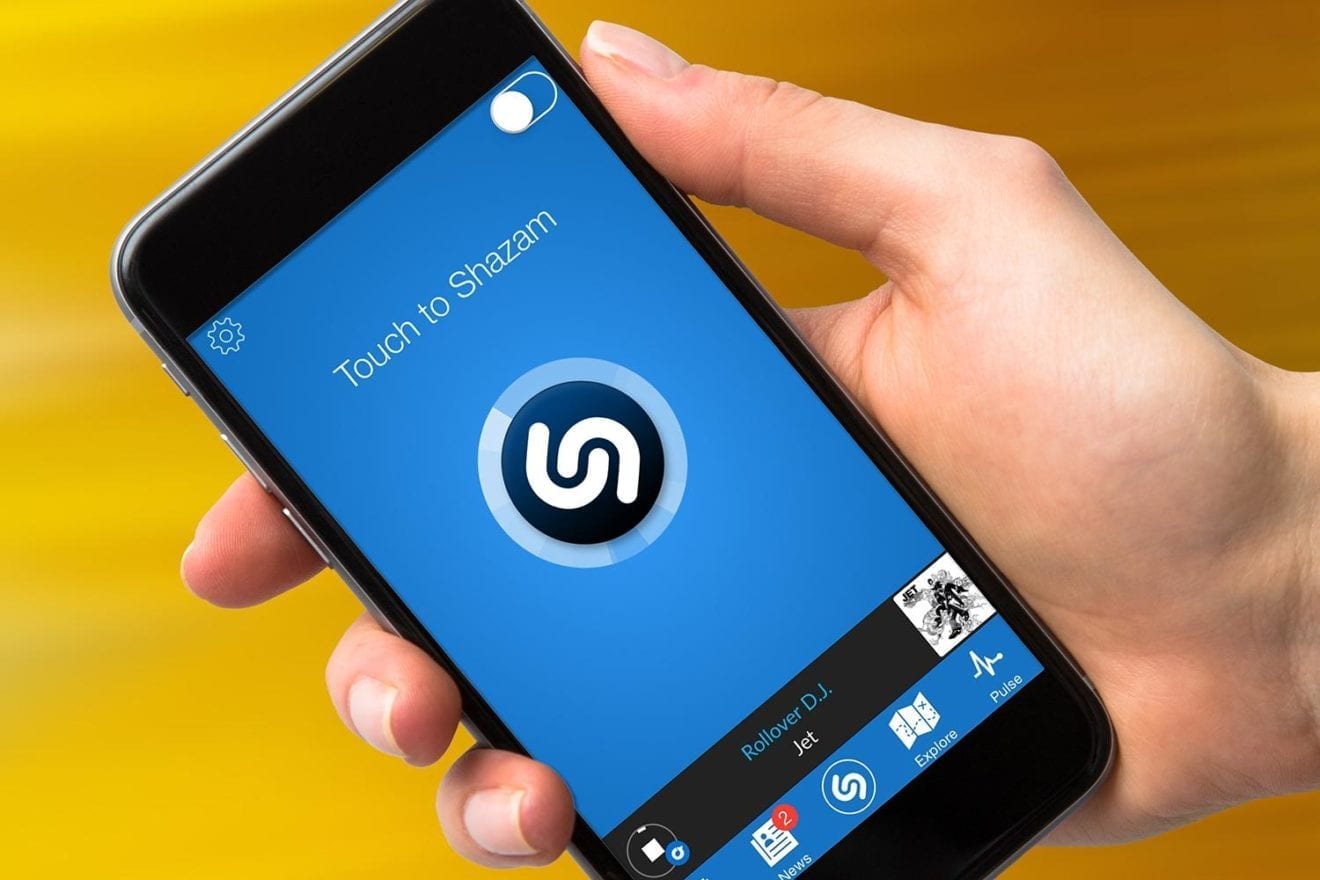
    Music discovery app Shazam has been updated to version 17.11 today for the Apple iPhone and Apple iPad Shazam apps. Thanks to the update, Shazam will now continue to multitask and run even if you’re using another app. In other words, Shazam will continue to work in the background finding information about a song even while you’re running another app. You can even use Shazam to identify a song playing on another app.

    While Shazam is listening in the background, you’ll see the Shazam icon appear in the Dynamic Island and the results will be displayed via Live Activities on the iPhone. Among other improvements, Shazam now will listen longer before it decides that it cannot name a specific tune, and, with the update, Shazam can now identify classical music. The new features are available for iPhones running iOS 15 or later, and iPads running iPadOS 15 or later. The Apple Vision Pro spatial computer uses the iPad version of the app.

    The Shazam app is available for free from the App Store. You might not have realized that the app is owned by Apple which announced a $400 million deal to buy it in December 2017 although the deal did not close for another nine months. At the time it announced the transaction, Apple said that it had “exciting plans in store” for Shazam. For the most part, iPhone users are still waiting.

    To make sure that your Shazam app is toggled on for Live Activities, go to Settings > Shazam (you must have the app installed first!) and toggle on Live Activities. When you get a notification about a song via Shazam’s Live Activities, tap on the notification and you’ll get the full Shazam page for the song which shows you the name of the album the tune is on, allows you to listen to the full song, view videos related to the song, and hear audio of songs that are similar to the one you had Shazam discover.

    Here’s how this works. Let’s say you hear a tune you want to know more about, but you’re also in the middle of reading an important story for work on a news app. You open the Shazam app, tap on the Shazam icon, and return to the app for work. The Dynamic Island will alert you that Shazam is on the job and will notify you via Live Activities when it has come up with the name of the song.

  • Your credit card data and other personal info is at risk if you respond to fake Netflix emails

    Your credit card data and other personal info is at risk if you respond to fake Netflix emails

    One of the reasons why so many victims are separated from their money thanks to online scams is that the scammers do a great job of playing with victims’ emotions. You might have been part of a phishing expedition that uses emails that look as though they came from a well-known company that you might do business with. These emails are fake and try to get you to hand over personal data that can be used to wipe out your online accounts.

    But it takes more than a cleverly designed email that includes the logo of your wireless firm to scam you. The email has to get you to act and tap on a link so it might say something that scares you into taking action immediately. One scam uses a phished email from your bank asking you whether a large purchase made with your credit card is valid. The scammers know it is not a legit request so they phrase the message to ask you to tap on a link if the transaction is not yours.

    The victim, worried about getting ripped off, naturally taps on the link and is sent to a page where she is asked for account info including a PIN or password, social security number, and other personal data. The key to the whole attack is to get the victim so scared about losing an important service or such a large amount of money that instead of using common sense, the victim acts emotionally which typically results in him doing the wrong thing.

    The most recent phishing campaign uses an email which the scammer sends randomly hoping for it to be received by consumers with Netflix accounts. Looking to play with the victim’s emotions, under the Netflix insignia the email reads, “Your Membership has expired!” For those who use Netflix often for their streaming entertainment, this might be upsetting. Underneath the streamer’s iconic “N” logo, the message continues. “Dear customer, your Netflix account has expired.”

    The message continues to say, “But as part of our loyalty program, you can now extend for 90 days for free.” The scammer wants you to press the red button underneath the text that says “Extend for free.” Once the next page is open, you probably are asked to give up some of your personal data.” DO NOT DO IT! Even though the button says “Extend for free,” directly underneath it mentions that your credit card data is required to get the free 90 days.

    One of the ways you can detect a scam is to look for grammatical errors and spelling mistakes. There are no major issues along those lines with the Netflix email. On the other hand, if you’re offered a deal that seems too good to be true, it probably is not a legit offer. And getting three months of Netflix for free is certainly an offer that is too good to be true. Don’t let the disclaimer at the bottom of the email stating that the message is not a scam convince you that it is on the up and up.

    The domain name did not have the Netflix name included at all which is a major red flag. My wife received the email twice and deleted it both times. And that is exactly what you should do too if you receive the email.

    For its part, Netflix says that it will never ask you to share personal information through an email or text including:

    • Credit or debit card numbers
    • Bank account details
    • Netflix passwords

    If you’ve already shared information with the scammer, immediately change the passwords for your financial apps and call the financial firms you deal with ASAP. Also, change your Netflix password as well. If you receive a text or email that is trying to pass itself off as coming from Netflix, take a screenshot of it and send it to Netflix via email at [email protected] and type in the date and time that you received the email.

  • Amazon Music takes on Spotify with Maestro, an AI-powered playlist generator

    Amazon Music takes on Spotify with Maestro, an AI-powered playlist generator

    Spotify’s AI DJ raised the bar for music streaming, and now Amazon Music is throwing its hat into the ring with Maestro. This new AI-powered playlist feature is currently rolling out in beta to select Amazon Music users in the US on iOS and Android.

    If you’re part of the rollout, you’ll spot Maestro either on your home screen after updating the app, or by hitting the plus button to create a new playlist. However, where things get interesting is how you create them. Maestro uses natural language, meaning you don’t need technical terms to build your playlists.

    With Maestro, everything starts with a simple prompt telling it what you want to hear. Want a playlist bursting with energy? Type “songs to get me pumped!” or maybe “upbeat summer jams”. Maestro even understands emojis, in case you’re struggling to find the words to describe your mood best.

    However, Amazon is clear: this is a beta feature. Maestro, like any new AI tool, will probably have some hits and misses as it learns what you like. They’ve even built-in safeguards to try to block offensive language or prompts that are just too inappropriate.

    As a brand-new feature, Maestro is currently accessible to a limited number of Amazon Music users across Free, Prime, and Unlimited tiers. If you’re in the beta, you’ll see the option front-and-center in the app. While Unlimited subscribers can instantly listen to and save their generated playlists, Prime and free-tier users get 30-second previews to help them decide if the playlist is a good fit.

    The battle for your ears is getting interesting. Spotify jumped ahead with its AI DJ, but Amazon’s Maestro signals that the competition isn’t far behind. Soon, generating playlists based on moods, vibes, or even bizarrely specific requests might become the standard way we listen to music.

  • Your Spotify subscription may be about to go up in price

    Your Spotify subscription may be about to go up in price

    Spotify, the music streaming giant, is shaking things up with price hikes and a new subscription plan. If you love Spotify but hate ads, get ready to dig a little deeper into those pockets.

    Bloomberg reports that Spotify will raise prices soon. By the end of April, those premium subscriptions in places like the UK, Australia, and Pakistan will go Spotify, the music streaming giant, is shaking things up with price hikes and a new subscription plan. If you love Spotify but hate ads, get ready to dig a little deeper into those pockets.

    Bloomberg reports that Spotify will raise prices soon. By the end of April, those premium subscriptions in places like the UK, Australia, and Pakistan will go up – $1 more for individuals and $2 for couples and families. The U.S. will not be an exception to this, only the price hike will be coming later in the year.

    Here’s where it gets interesting: Spotify is reportedly adding a new $11/month tier – the same price as the current Premium plan. This one gets you ad-free music and podcasts, but audiobooks are off the table. Simply, if you want audiobooks, you’ll have to pay extra.

    This is intriguing considering that Spotify just launched its $9.99 audiobooks plan last month. In addition, it bundled in 15 free hours of audiobook content to the premium plan in the U.S. Spotify has been pretty consistent with prices until last year’s hike. So why are they enacting a price hike now? There are two big reasons I can think of:

    Audiobooks cost money: Adding audiobooks meant making deals with publishers. Spotify needs cash to cover those costs on top of what they already pay for music.
    Record labels want their cut: Spotify hoped audiobooks would lessen their dependence on music deals. But record labels weren’t happy about potentially getting paid less, so they pushed for higher prices to make up for it.

    The question now is whether users will consider having audiobooks a good enough reason to warrant a $1/month price hike, or if they will switch plans to stay at the same price point as before. It’s also hard to say if people will jump ship over this.

    Last year’s hike didn’t scare away users, considering that Spotify actually gained subscriptions afterward. However, only time will tell how this latest round will impact their loyal listeners.up – $1 more for individuals and $2 for couples and families. The U.S. will not be an exception to this, only the price hike will be coming later in the year.

    Here’s where it gets interesting: Spotify is reportedly adding a new $11/month tier – the same price as the current Premium plan. This one gets you ad-free music and podcasts, but audiobooks are off the table. Simply, if you want audiobooks, you’ll have to pay extra.

    This is intriguing considering that Spotify just launched its $9.99 audiobooks plan last month. In addition, it bundled in 15 free hours of audiobook content to the premium plan in the U.S. Spotify has been pretty consistent with prices until last year’s hike. So why are they enacting a price hike now? There are two big reasons I can think of:

    Audiobooks cost money: Adding audiobooks meant making deals with publishers. Spotify needs cash to cover those costs on top of what they already pay for music.
    Record labels want their cut: Spotify hoped audiobooks would lessen their dependence on music deals. But record labels weren’t happy about potentially getting paid less, so they pushed for higher prices to make up for it.

    Your Spotify subscription may be about to go up in price
    Credit: Spotify

    The question now is whether users will consider having audiobooks a good enough reason to warrant a $1/month price hike, or if they will switch plans to stay at the same price point as before. It’s also hard to say if people will jump ship over this.

    Last year’s hike didn’t scare away users, considering that Spotify actually gained subscriptions afterward. However, only time will tell how this latest round will impact their loyal listeners.