Retail News CRM

Tag: Supermarket

  • Supercharged Supermarket Sales Propel Coles’ First Quarter Success

    Supercharged Supermarket Sales Propel Coles’ First Quarter Success

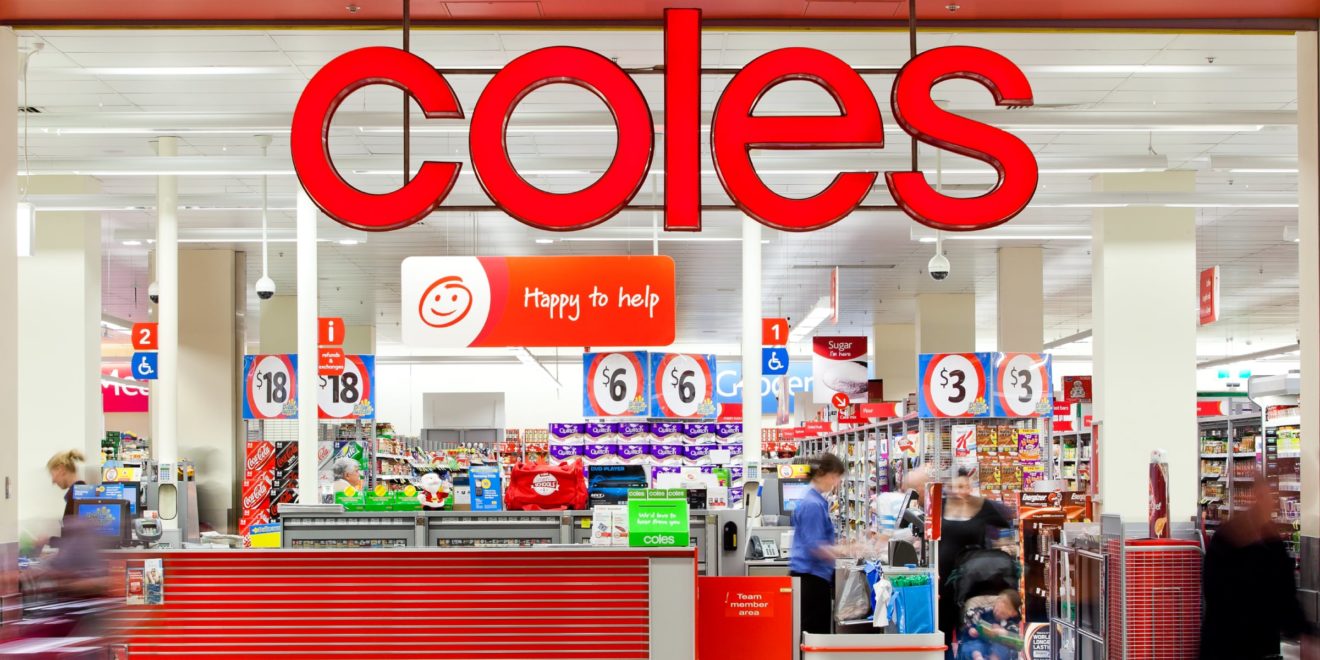
    Coles, the prominent Australian supermarket chain, reported an increase in sales for the first quarter, primarily fueled by the robust performance of its supermarket division.

    Sales Increase in the First Quarter

    Coles experienced a 3.9% rise in sales for the 13 weeks ending September 28, totaling $10.9 billion. The supermarket division was the primary driver for this growth, where the sales surged by 4.8% reaching $9.9 billion.

    Dynamic Competitive Market

    Excluding tobacco, the supermarket sales increased by 7%, which was supported by a concentrated effort on product selection and value, enhanced availability, and a 28% increase in e-commerce sales. Amid an ever-changing competitive market, Coles has adjusted its pricing structure across various categories to adapt to the evolving landscape. The retailer has expanded the number of products in its everyday low price (EDLP) range to cater to customer needs.

    Decrease in Tobacco Sales

    The sales of tobacco drastically fell by 57% due to new legislation and growth in the illicit market. Excluding tobacco, the inflation of supermarket prices moderated to 1.2% from 1.5% in the previous quarter.

    Liquor Segment Sales

    Despite the overall sales growth, the liquor segment experienced a minor slip, with sales dropping 1.1% to $842 million. Additionally, the ‘other’ segment, related to the product supply agreement with Viva Energy, witnessed a 17.9% decrease in sales to $156 million.

    CEO’s Comments on Performance

    Coles Group CEO Leah Weckert expressed satisfaction with their performance, attributing the supermarket sales growth to the focus on value, quality, and customer experience. Noting the positive impact of major transformation projects, Weckert mentioned that availability had reached its highest levels since pre-Covid, with e-commerce sales penetration reaching 13.3%.

    Looking Forward

    As Coles enters the second quarter, supermarket sales growth remains at similar levels to the first quarter, whereas the liquor market continues to be challenging with customers staying budget-conscious. As the holiday season approaches, Coles aims to cater to every taste and budget with their Christmas range and continue to focus on improving the omnichannel customer experience.

    Questions & Answers

    What was the key driver for Coles’ sales growth in the first quarter?
    The supermarket segment was the primary driver for first quarter sales growth, accounting for a 4.8% rise.

    What changes did Coles make to adapt to the changing competitive market?
    Coles has adjusted its pricing structure across various categories and expanded the number of products in its everyday low price (EDLP) range.

    How has Coles been performing in the second quarter?
    In the early part of the second quarter, supermarket sales growth has remained at similar levels to the first quarter. However, the liquor market continues to be challenging with budget-conscious consumers.
  • Lawson Japan Joins Forces to Support Free School Lunch Initiative in the Philippines

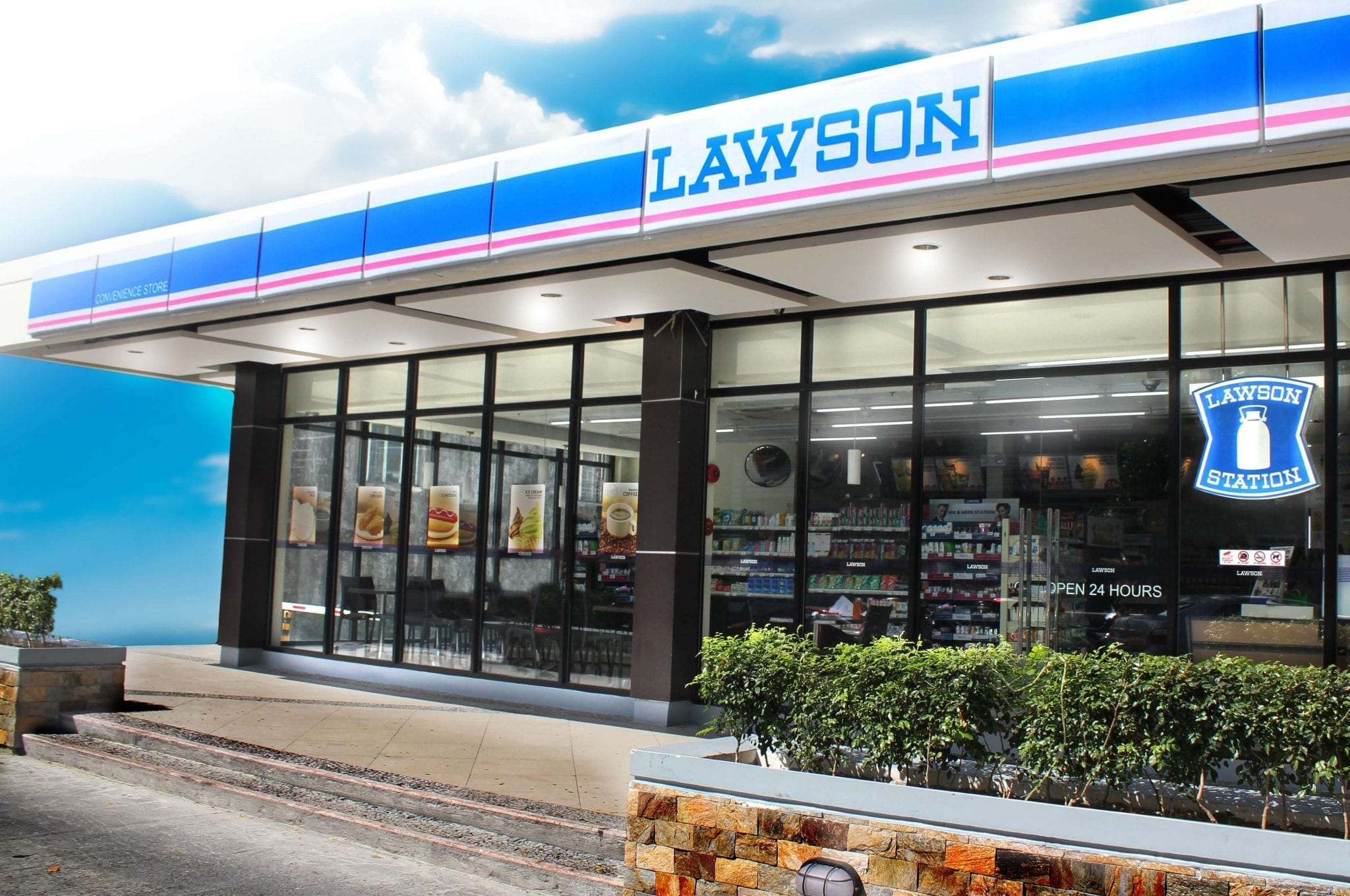
    Lawson Japan Joins Forces to Support Free School Lunch Initiative in the Philippines

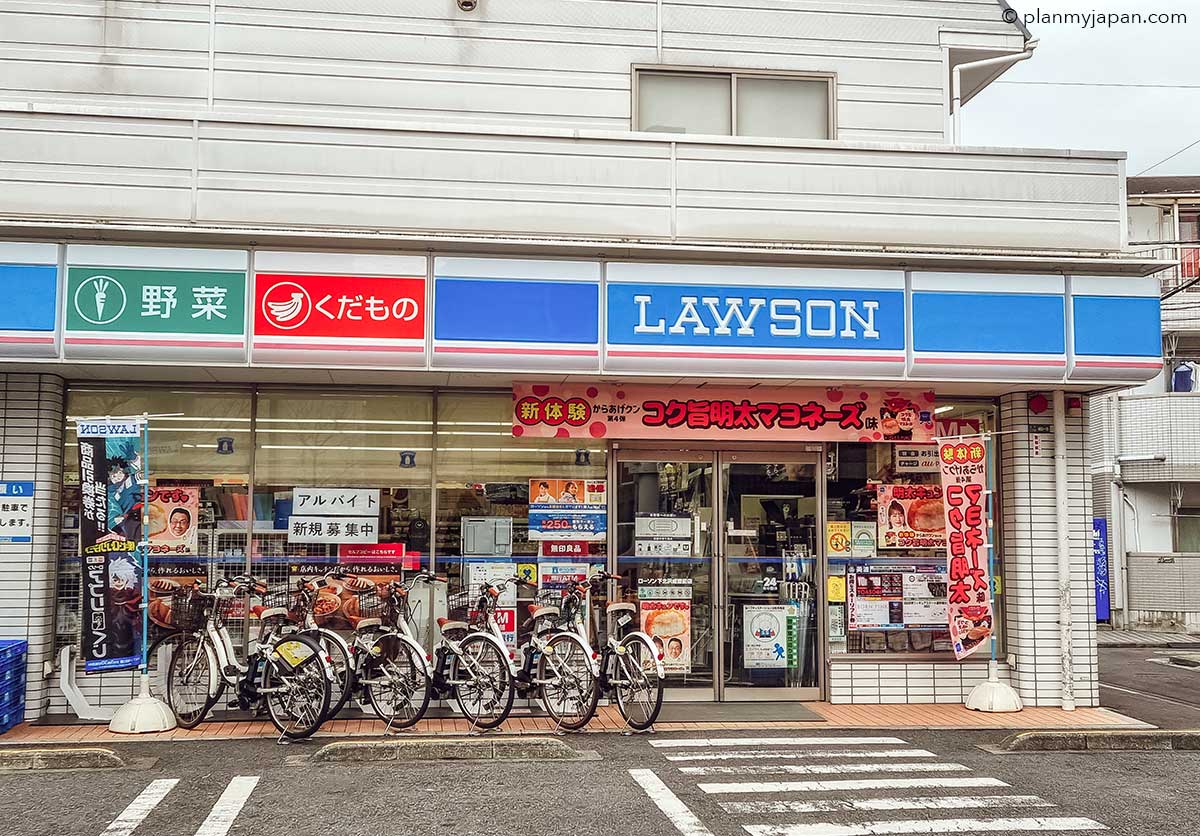
    In an innovative move to deepen its engagement with local communities, Japanese convenience store chain Lawson has formed a partnership with a free school lunch program in the Philippines. This initiative not only aims to boost brand visibility but also underscores Lawson’s commitment to supporting local causes.

    As part of this collaboration, Lawson plans to integrate its offerings with the school lunch program, allowing students access to nutritious meals while enhancing the brand’s footprint in the region. The initiative reflects a growing trend among retailers in Asia to align their brands with initiatives that resonate with community values.

    Comedian Ryota Yamasato made a memorable appearance at the ribbon-cutting ceremony for Akamegane Kitchen on August 29, shining a spotlight on the program and drawing attention to Lawson’s broader objectives. If food is the language of love, this partnership speaks volumes about Lawson’s efforts in nurturing relationships and brand loyalty in the Philippines.

    Lawson’s strategy highlights how retail businesses can leverage social initiatives to foster brand awareness and trust. By stepping into the realm of community health and well-being, they not only benefit from customer good will but contribute positively to society at large.

    This collaboration serves as a telling example of how retail chains can creatively navigate the complexities of brand building in a competitive landscape, making memorable impacts that go beyond profit margins.

    Questions & Answers

    What is Lawson’s latest partnership in the Philippines about?
    Lawson has teamed up with a free school lunch program in the Philippines, aiming to raise brand awareness by supporting local initiatives and providing access to nutritious meals for students.

    How does this partnership align with trends in the retail industry?
    This initiative illustrates the growing trend among retailers in Asia to forge collaborations with community-focused projects, enhancing brand visibility while fostering goodwill and trust within local populations.

    What role did Ryota Yamasato play in the launch of the program?
    Comedian Ryota Yamasato participated in the ribbon-cutting ceremony for Akamegane Kitchen, which is part of the school lunch initiative, helping to elevate the program’s profile and Lawson’s community engagement efforts.

  • Metcash Reports 5.1% Sales Increase Amidst Tobacco Sales Slump And Upcoming Marketing Campaign

    Metcash Reports 5.1% Sales Increase Amidst Tobacco Sales Slump And Upcoming Marketing Campaign

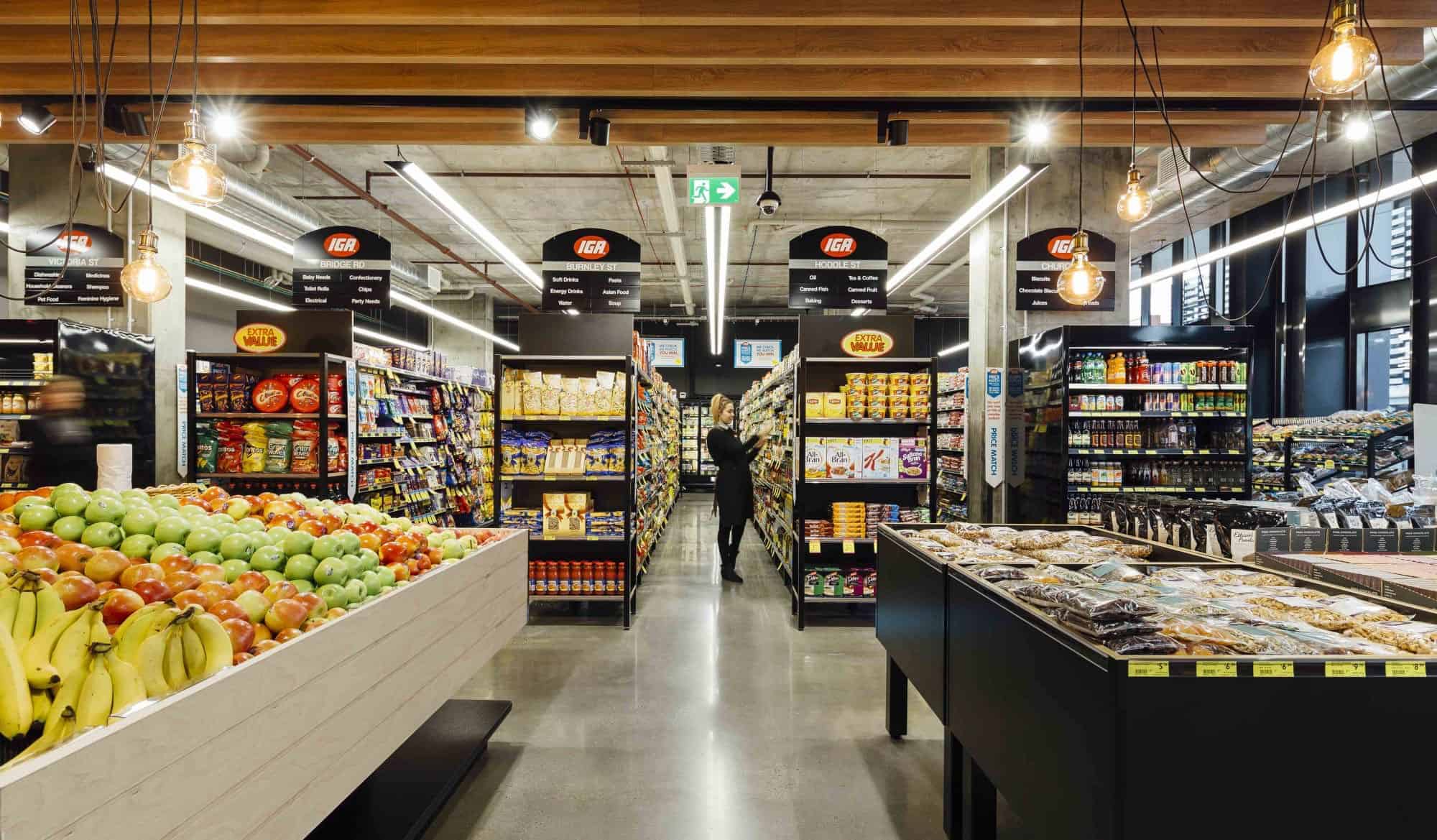
    Metcash, a prominent retail conglomerate, reported a notable 5.1% increase in group sales (excluding tobacco) for the 18 weeks leading up to August 31st this year. This growth coincides with the company’s plans to launch its first-ever cross-pillar marketing campaign, which is scheduled to impact over 3,000 bannered stores in the upcoming quarter.

    Uptick in Food Sales

    Metcash’s food division experienced an 8.6% growth in sales, with supermarket sales contributing to this increase with a 2.6% rise. This is largely owing to the company’s strategic focus on differentiated and localized offerings to consumers. However, the supermarket sector witnessed a significant slump in tobacco sales, with a larger than expected decrease of 32.1%. This drop is reflective of the company’s active efforts to diversify away from tobacco products.

    Convenience and Foodservice Sector Performance

    The convenience and foodservice division also demonstrated robust performance, with a sales surge of 29.5%. Within this sector, Campbells and Convenience reported a sales growth of 14.6%, while Superior Foods noted a 2.7% increase in sales.

    Liquor and Hardware Sales

    Metcash’s liquor division registered a modest growth of 1.5%, despite facing heightened competitive pressures and an influx of promotional activities from rivals. Concurrently, the company is nearing the conclusion of its acquisition process for Steve’s Liquor Warehouse Group.

    Meanwhile, the hardware department (IHG) reported a 2.2% sales growth, driven predominantly by the trade sector. Notably, builder’s hardware, building supplies, timber panels, and doors were the standout performers within this sector.

    Total Tools, however, only saw a minor 0.5% increase in sales, attributed to subdued trade activity and cost-of-living challenges. Nevertheless, the company’s network sales did witness a 3% growth.

    Questions & Answers

    **Why did Metcash’s supermarket segment experience a decline in tobacco sales?**
    The decline in tobacco sales is a result of Metcash’s strategic move to transition away from tobacco products due to increasing health consciousness among consumers.

    **What factors contributed to the growth of Metcash’s food division?**
    The growth in the food division can be attributed to Metcash’s focus on differentiated and localized offerings, which resonated with consumers’ preferences.

    **Why did Total Tools see only a marginal increase in sales despite the growth in Metcash’s hardware sales?**
    The marginal growth in Total Tools sales was due to subdued trade activity and cost-of-living challenges which impacted consumer spending. However, its network sales still managed to grow by 3%.

  • Aldi Australia Expands Affordable Solar Energy Program To East Coast Cities

    Aldi Australia Expands Affordable Solar Energy Program To East Coast Cities

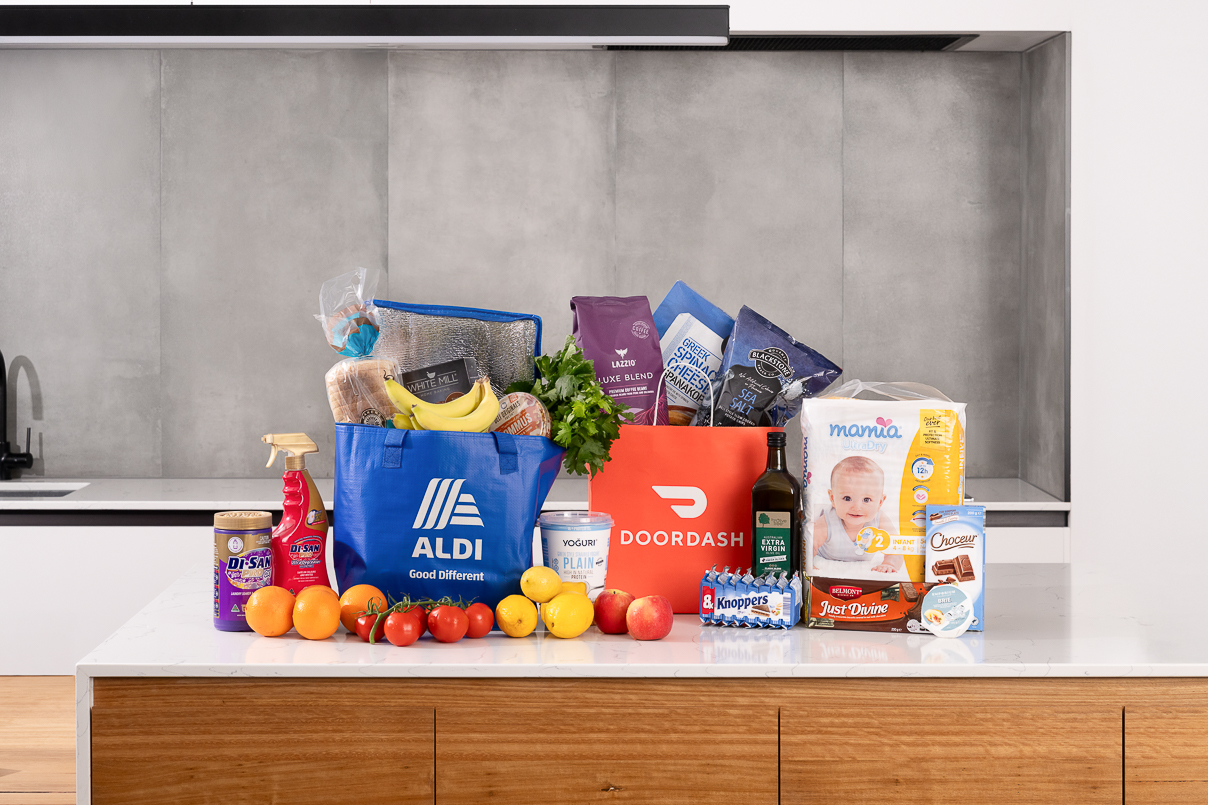
    Aldi Australia has revealed plans to expand its residential solar energy program to key urban areas along the East Coast, offering residents an affordable and uncomplicated route to renewable energy.

    Program Expansion

    The initiative, which had its pilot run in Victoria, is now accepting pre-orders in New South Wales, Queensland, Victoria, and the Australian Capital Territory. The company plans to start installations in early November.

    The basic package, which starts at $6999, includes a 6.6kW solar system coupled with a 5.5kW inverter, and an option for battery storage. Each system comes with a 10-year product warranty and a 25-year performance assurance for the solar panels.

    Simon Padovani-Ginies, group director at Aldi Australia, spoke about the expansion. “Making Aldi Solar available to more Australians along the Eastern Seaboard is an exciting advancement for us, as we extend our commitment to delivering exceptional quality and affordability beyond our grocery offerings,” he said.

    He added that with transparent pricing, flexible battery storage options, installations by licensed professionals, and an impressive return on investment period, Aldi Solar is empowering households ready to take charge of their energy expenses.

    Digital Management

    Aldi has stated that the program is completely managed through the Aldi Solar online portal. Here, customers can schedule assessments, receive cost estimates, and stay updated on their installation timeline. All systems will be installed by SAA-accredited professionals, with the majority of installations expected to be completed within a day.

    The service is now accessible to residents in various Australian cities, including Sydney, Newcastle, Wollongong, Melbourne, Canberra, Brisbane, Gold Coast, and Sunshine Coast.

    Questions & Answers

    What does Aldi’s basic solar package include?
    The basic package includes a 6.6kW solar system coupled with a 5.5kW inverter and an optional battery storage.

    How is the Aldi Solar program managed?
    The program is entirely managed through the Aldi Solar online portal, where customers can schedule assessments, receive cost estimates, and monitor their installation timeline.

    Where is the service available?
    The service is now available to residents in Sydney, Newcastle, Wollongong, Melbourne, Canberra, Brisbane, the Gold Coast, and the Sunshine Coast.

  • Coles Reports Robust Fiscal Year Results: Supermarket Sales Surge, E-commerce Thrives, Liquor Division Shows Moderate Growth

    Coles Reports Robust Fiscal Year Results: Supermarket Sales Surge, E-commerce Thrives, Liquor Division Shows Moderate Growth

    Coles has announced a 3.6% increase in group sales, reaching $44.3 billion, with an EBITDA rise of 11% to $3.9 billion for the current fiscal year. The group’s net profit after tax also increased, up by 2.4%, yielding a total of $1.07 billion.

    Driving Growth Through Supermarkets

    The company attributes much of its sales growth to its supermarket division, which showed a robust performance, growing by 4.3% and reaching $40 billion. The supermarket division’s EBITDA also rose by 9%, jumping from $2 billion to $2.1 billion. In addition, the division saw a rise in gross margin, from 26.6% to 27.4% on a year-on-year basis.

    This increase in supermarket sales revenue was bolstered by strong volume growth across transactions and basket sizes. Customers reacted positively to the company’s seasonal ‘Great Value, Hands Down’ value campaigns. Notably, the company had strong performance across several special occasions, such as Christmas, Easter, Halloween, and Mother’s Day. The success of collectible and continuity programs, such as the Curtis Stone Glassware and Harry Potter Magical Discs campaigns, played a significant role in bolstering Coles’ supermarket results for this financial year.

    Evolving E-commerce Performance

    Coles’ e-commerce sector within the supermarket division witnessed a rise of 24.4%, reaching $4.5 billion. The increase in penetration to 11.2% was driven by digital campaigns, Black Friday, Coles Fest, and the May Mega Sale.

    However, the group’s liquor division reported a slight increase of 1.1% in sales revenue, amounting to $3.6 billion, with a flat gross margin at 23.5%. The division’s EBITDA saw a decrease of 8.6%, falling from $133 million to $113 million on a year-on-year basis. Despite the decrease, Coles saw positive results in the liquor sales due to new store openings, a Tasmanian acquisition, and the curating of its wine category to meet local customer preferences.

    Liquorland and Future Plans

    Coles’ simplified ‘Simply Liquorland’ banner pilot was well-received in selected stores across South Australia, Victoria, and Queensland. The company plans to complete the ‘Simply Liquorland’ by the third quarter of the next fiscal year at a one-time cost of approximately $20 million. In addition, they plan to open about 19 new liquor stores, close 25 stores, and renew roughly 130 stores.

    Looking forward, Coles’ Chief Executive Officer, Leah Weckert, emphasized that the primary focus for the company will be on cost control and the delivery of the first full year of annualised benefits from its ADC program.

    Questions & Answers

    What drove the growth in Coles’ sales?
    The growth in Coles’ sales was largely driven by a strong performance in its supermarket division and positive customer response to its seasonal value campaigns.

    How did Coles’ e-commerce sector perform?
    Coles’ e-commerce sector within the supermarket division showed a significant rise of 24.4%, reaching $4.5 billion.

    What are the future plans for Coles’ ‘Simply Liquorland’?
    The ‘Simply Liquorland’ is planned to be completed by the third quarter of the next fiscal year, with approximately 19 new liquor stores being opened, 25 stores getting closed, and about 130 stores being renewed.

  • Lidl Expands Supply Chain Strategy by Tapping into Vietnam and Malaysia Markets

    Lidl Expands Supply Chain Strategy by Tapping into Vietnam and Malaysia Markets

    In a strategic move to bolster its supply chains amidst global uncertainties, Lidl, one of Europe’s largest supermarket chains, is setting its sights on sourcing more products from Vietnam and Malaysia. This shift marks a significant step in the company’s ongoing efforts to diversify its supply chain and mitigate risks associated with reliance on traditional markets.

    Part of Germany’s influential Schwarz Group, Lidl’s expansion strategy includes an impressive milestone: the establishment of its Tailwind Shipping Lines in 2022. This venture was launched in the wake of the COVID-19 pandemic, designed to streamline logistics and enhance control over its supply chain operations, specifically from regions such as China, Bangladesh, and Sri Lanka to its European stores. In a surprising twist, Tailwind has quickly risen to become Germany’s second-largest shipping company, boasting a fleet of nine container ships.

    As Lidl navigates these turbulent waters of the global marketplace, its focus on Vietnam and Malaysia not only reflects a pragmatic response to supply chain vulnerabilities but also highlights the increasing importance of Southeast Asia in global retail sourcing. The company’s proactive strategy serves as a case study for others in the industry, showcasing how adaptability is crucial for thriving in an ever-evolving economic landscape.

    Questions & Answers

    What motivated Lidl to increase sourcing from Vietnam and Malaysia?
    Lidl aims to diversify its supply chains amid global uncertainties, minimizing reliance on traditional markets, especially after disruptions caused by the COVID-19 pandemic.

    What is Tailwind Shipping Lines, and why is it significant for Lidl?
    Tailwind Shipping Lines, launched by Lidl’s parent company Schwarz Group, allows for tighter control over logistics and has quickly become Germany’s second-largest shipping firm, enhancing the efficiency of getting goods to Lidl stores.

    How does Lidl’s strategy reflect broader trends in global retail?
    Lidl’s move underscores the growing importance of Southeast Asia for retail sourcing, highlighting the need for companies to adapt quickly to supply chain challenges in a rapidly changing economic environment.

  • MBK plans to sell its troubled Korean supermarket chain Homeplus

    MBK plans to sell its troubled Korean supermarket chain Homeplus

    MBK Partners, a private equity firm primarily operating in Northeast Asia, recently announced plans to sell its struggling South Korean supermarket chain, Homeplus. This move aims to prevent the retailer from going under.

    In an attempt to keep the firm afloat amidst the ongoing pandemic and intensified competition from e-commerce platforms, MBK Partners initiated court-led restructuring of Homeplus, South Korea’s second-largest grocery retailer, back in March.

    MBK Partners revealed that a court-commissioned assessment showed that the firm’s liquidation value surpasses its going concern value. Therefore, the decision to sell seems to be a strategic move to salvage as much value as possible.

    The retail company is planning to issue new shares and find a buyer for them. In contrast, MBK Partners is considering cancelling the shares it currently holds, which are valued at 2.5 trillion Korean won (equivalent to US$1.83 billion).

    MBK Partners originally purchased Homeplus in 2015, buying it from British multinational company Tesco for a hefty sum of 4 billion pounds.

    Legal challenges have surfaced as South Korean prosecutors are investigating whether MBK Partners authorized Homeplus’s debt issue in 2025, despite having prior knowledge of the retailer’s potential credit downgrade. MBK has refuted these accusations.

    The investigation led to a foreign travel ban in May for MBK Partners Chairman, Kim Byung-ju.

    Questions & Answers

    Why is MBK Partners selling Homeplus?
    MBK Partners is planning to sell Homeplus to avoid its liquidation. The decision came after a court-commissioned review showed the company’s liquidation value to be higher than its going concern value.

    What legal challenges is MBK Partners currently facing?
    South Korean prosecutors are investigating if MBK Partners approved Homeplus’s debt issue in 2025, despite being aware of a possible credit downgrade. MBK has denied these allegations.

    What actions are being taken against the chairman of MBK Partners?
    As part of the ongoing investigation, a foreign travel ban was imposed on the chairman of MBK Partners, Kim Byung-ju, in May.

  • Vincom Mega Mall Ocean City Launches Exciting AEON Supermarket & General Merchandise Store

    Vincom Mega Mall Ocean City Launches Exciting AEON Supermarket & General Merchandise Store

    AEON General Merchandise Store & Supermarket Set to Open at Vincom Mega Mall Ocean City: A New Era for Retail in Hanoi

    In a move poised to reshape the retail landscape in Hanoi, Vincom has announced the grand opening of AEON General Merchandise Store & Supermarket within its Vincom Mega Mall Ocean City. This expansive 7,550 square meter store represents the inaugural collaboration between AEON and Vincom, highlighting an ambitious strategy for brand expansion in one of northern Vietnam’s most dynamic commercial zones.

    Strategic Collaboration Enhances Retail Offerings

    Vincom is already a well-established name in retail real estate, partnering with leading brands such as WinMart, Co.opXtra, and Annam Gourmet to create seamless shopping experiences nationwide. The addition of AEON’s General Merchandise Store aligns with Vincom’s commitment to diversify its tenant portfolio and elevate consumer experiences, reinforcing emerging consumer trends in Vietnam’s retail sector.

    Hagino Tatsuya, Senior Director of Project Development and Construction at AEON Vietnam Co., Ltd., expressed enthusiasm at the partnership, stating, “We aim to deliver a comprehensive, modern shopping and leisure destination that promotes a safe, convenient, and high-quality retail environment.” He added that this collaboration marks a promising start for future joint projects that will benefit the community.

    Transformative Consumer Experience at Ocean City

    Vincom Mega Mall Ocean City is pioneering the One-Stop Shoppertainment model, strategically located in the rapidly growing Ocean City mega-urban complex. With an existing population of over 70,000 and projections of reaching 300,000, the mall is on track to become a vibrant hub for consumption, entertainment, and community engagement.

    Spanning nearly 70,000 square meters, Vincom Mega Mall Ocean City is designed to not only meet retail needs but also provide an integrated venue for cultural, culinary, and leisure experiences. By fostering brand-customer engagement through its experiential offerings, the center is set to become a premier destination in the region.

    Innovative Amenities Cater to Diverse Audiences

    In addition to AEON, Vincom Mega Mall Ocean City will host notable brands such as CGV Cinemas, Phuong Nam Book City, S.Fitness, and Kidzoona. The project is set to impress with unique amenities that are unprecedented in Vietnamese shopping centers, including the VinPalace Theater, offering a 4,100-seat venue for international concerts and community events, a luxurious Korean-style spa, and Gourmet Avenue, featuring a variety of gourmet international dining options.

    The VinPalace Theatre, located on the third floor, is envisioned as a dedicated performance space that celebrates Vietnamese culture while inviting global audiences to enjoy curated arts experiences enhanced by state-of-the-art technology.

    A Promising Future for Retail in Hanoi

    The strategic decisions made by AEON General Merchandise Store & Supermarket, along with other international brands looking to join Vincom Mega Mall Ocean City, highlight the burgeoning potential of Hanoi’s eastern corridor. This collaboration reinforces Vincom Retail’s commitment to comprehensive investment strategies that resonate with the evolving preferences of Vietnamese consumers. As the retail landscape continues to evolve, the collaboration promises to set new standards and enrich the shopping experience for both residents and visitors in Hanoi.

  • Coles reports steady revenue growth in supermarkets and liquor

    Coles reports steady revenue growth in supermarkets and liquor

    Coles says its third-quarter revenue was up 3.7 per cent, from $9.065 billion to $9.4 billion this year, citing volume growth and its value offering resonating with value-conscious consumers. 

    E-commerce sales increased by 25.7 per cent to $1.1 billion during this period with an 11.3 per cent increase in penetration. 

    Sales revenue for products exclusive to Coles saw a 4.5 per cent increase to $3.2 billion, with the Coles Finest range recording a revenue growth of 13.7 per cent.

    Total supermarket inflation increased slightly, from 1.4 per cent to 1.5 per cent year on year in the third quarter, despite the impact of flooding in Far North Queensland in February and Cyclone Alfred on Southeast Queensland and northern NSW in March.

    Livestock inflation was mainly seen across lamb, pork and poultry categories by increases in costs, while fresh produce inflation was elevated as a result of Cyclone Alfred and the cycling of abundant supply. 
    A deflation was reported in the categories of health and home, offsetting higher coffee and chocolate prices.

    Coles opened two new stores, with two closings and eight renewals during the quarter. 

    Liquor sales revenue rose by 3.4 per cent to $813 million, benefiting from the addition of 31 net new liquor stores over the last year, including the acquisition of 20 stores in Tasmania last June.

    E-commerce sales revenue for liquor was recorded at $52 million, a 18.2 percent increase from the same period last year, with a penetration rate of 6.5 percent.

    The Simply Liquorland program was announced in March, which will see Coles converting Vintage Cellars and First Choice Liquor Market stores into Liquorland. 

    “We are pleased to have delivered another solid quarter of sales growth, particularly as we were cycling a very strong third quarter in FY24,” said Coles group CEO Leah Weckert.

    “These results reflect the continued investments we are making in value and in improving the shopping
    experience for our customers both in store and online.”

  • Lawson reveals ambitious Southeast Asian expansion plan

    Lawson reveals ambitious Southeast Asian expansion plan

    Japanese convenience store chain Lawson plans to raise its store count in overseas markets and accelerate growth in Southeast Asia over the coming years.

    The chain is targeting 14,000 overseas stores over the next six years. Its international network currently includes 7400 locations in China, Thailand, the Philippines, Indonesia and the US state of Hawaii.

    The retailer also plans to boost growth in Southeast Asia by entering franchise agreements with local retail partners and opening directly managed stores. However, it did not reveal the new markets under evaluation.

    In addition, the company will look into the possibility of expanding to additional countries.

    Founded in 1975, Lawson has about 14,600 domestic stores. As of the end of last year, Japan had approximately 55,736 convenience stores, according to local statistics.

    While the top three convenience chains – Lawson, 7-Eleven and FamilyMart – are projected to achieve a net increase of up to about 400 stores this fiscal year, the industry faces fierce competition from drugstores and online retailers.

    Last August, Lawson shifted to a joint management system involving trading house Mitsubishi Corp and telecommunications operator KDDI to develop products that fit customer tastes and introduce tech-driven services.

  • Aldi US plans to open 225 more stores nationwide this year

    Aldi US plans to open 225 more stores nationwide this year

    Aldi US plans to open more than 225 stores across the country this year as part of the next phase of its five-year growth strategy.

    The openings will include organic growth and conversion of select Winn-Dixie and Harveys Supermarket stores to the Aldi format.

    The company plans to convert approximately 220 Southeastern Grocers locations to Aldi through 2027. About 100 converted locations will re-open by the end of this year.

    About 170 Winn-Dixie and Harveys Supermarket stores not affected by the conversion will be sold to a consortium including C&S Wholesale Grocers, Southeastern Grocers senior leadership and private investors.

    Aldi said this divestment allows it to create a focused portfolio in the Southeast as it progresses its expansion plans across the country. The company plans to expand its footprint in the Northeast and Midwest regions, grow presence in the West with more stores in Southern California and Arizona, and enter new communities like Las Vegas.

    “When we announced our acquisition of Southeastern Grocers, we shared that we intended for a meaningful number of Winn-Dixie and Harveys Supermarkets to continue to operate, and we’re delivering on that promise while also supporting Aldi growth,” said Jason Hart, CEO of Aldi.

    “Over the last year, we’ve seen firsthand how C&S Wholesale Grocers, Southeastern Grocers and their teams have continued to deliver great quality, service and value to their customers, and we are confident they will lead the company successfully into its next chapter,” he added.

    Last year, the chain opened nearly 120 stores, bringing its total store count to more than 2400.

  • Aldi confirms it has abandoned plans to launch online shopping

    Aldi confirms it has abandoned plans to launch online shopping

    Supermarket chain Aldi has dropped its plan to expand into online shopping believing it might affect its ability to continue providing low-cost products for customers.

    According to Jordan Lack, Aldi’s MD of buying, the company dismantled its online team late last year after serious consideration.

    “The greater concern is the impact on cost structure as fundamentally keeping our costs low has a direct impact on the prices we can offer our customers,” he said.

    Lack stressed that the company prioritises value over convenience as price plays a great importance to consumers.

    Last month, consumer group Choice said Aldi was $17 cheaper for a basket of 14 grocery items compared to Woolworths and Coles.

    In addition, offering online shopping would also create more complexity given Aldi is still building warehouses and an automated distribution centre, Lack stated.

    Instead, the retailer is considering new products while targeting growth corridors on the outskirts of major cities and growing sales at its existing 570 stores.

    “There was 5.1 per cent growth in new households shopping with Aldi in the last three months,” Lack said. “Customers are coming for price, but we are holding them because of quality. We are aiming to get more shoppers to come to Aldi as their first stop.”

  • 7-Eleven eyes 100,000 stores globally by 2030

    7-Eleven eyes 100,000 stores globally by 2030

    Japanese retail giant Seven & I Holdings said on Tuesday it wanted to see huge growth for its 7-Eleven convenience store chain globally, and would be accelerating its entry into Europe, Latin America, the Middle East and Africa.

    It is aiming to boost the global number of 7-Eleven stores 18 per cent to about 100,000 by 2030 and for the chain to be in 30 countries and regions, up from 20 now.

    The plan is part of a large-scale restructuring that involves selling off lower-performing supermarket assets – a strategy pursued after pressure from activist investors.

    Since last year, the company has announced the closure of dozens of Ito-Yokado supermarkets, exited its apparel business, and completed the sale of its Sogo & Seibu department store unit. It also agreed to spend more than $2 billion to scoop up convenience stores in Australia and the United States.

    7-Eleven North America chief Michael DePinto said the group will “continue to aggressively pursue opportunities” in mergers and acquisitions in the region.

    ValueAct Capital, a US-based investor that has harshly criticised the company’s asset allocation and tried to expel its president, last week praised the group’s restructuring plan, saying it would vote in favour of its board nominees.

  • 7-Eleven opens its first store in Laos

    7-Eleven opens its first store in Laos

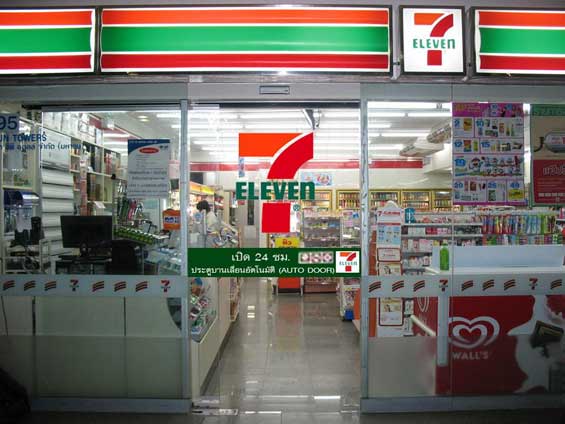
    In a press release, CP ALL Laos, a master franchisee of 7-Eleven International, which is a joint venture between 7-Eleven, Inc. and Seven-Eleven Japan, opened its first 7-Eleven store in Laos. The store is located in the capital city of Vientiane.

    “CP ALL Laos is excited to serve the community of Vientiane as it experiences significant economic growth and surge in tourism following the opening of the Laos-China Railway high-speed train,” according to the release.

    The store features 7-Eleven’s signature retail model and serves a variety of internationally-popular products and beverages–including bean-to-cup coffee and Slurpee and Big Gulp drinks. Customers can enjoy hamburgers, toasted sandwiches and freshly baked bread. CP ALL Laos is looking into opportunities to offer Laotian meals.

    “With its thriving economy and growing population, Laos offers an excellent environment for 7‑Eleven’s first retail venture in the region,” said 7-Eleven International Co-CEOs Shin Abe and Ken Wakabayashi. “Our entrance into the country brings Laotian customers a one-stop-shop solution with quality fresh food and convenience needs, via a store format not currently prevalent in the market. The store opening in Laos marks the 20th country and region for 7-Eleven. We are excited to continue providing citizens and tourists with world-class convenience.”

    Meanwhile, in China’s Guangdong province, WeChat Pay announced that its palm payment service is now available at over 1,500 7-Eleven convenience stores. Currently, users wanting to use the payment method can activate it on WeChat’s digital payment devices in offline 7-Eleven stores. Once activated, users will be able to pay by simply placing their palms above a palm-reading device in the participating stores.

    Panera Bread began testing Amazon’s palm-scanning technology in two locations earlier this year. The identification technology, dubbed Amazon One, is already used in dozens of Amazon-owned Whole Foods locations, Amazon Go stores and some stadiums and arenas.

  • Thailand’s Big C to enter Hong Kong

    Thailand’s Big C to enter Hong Kong

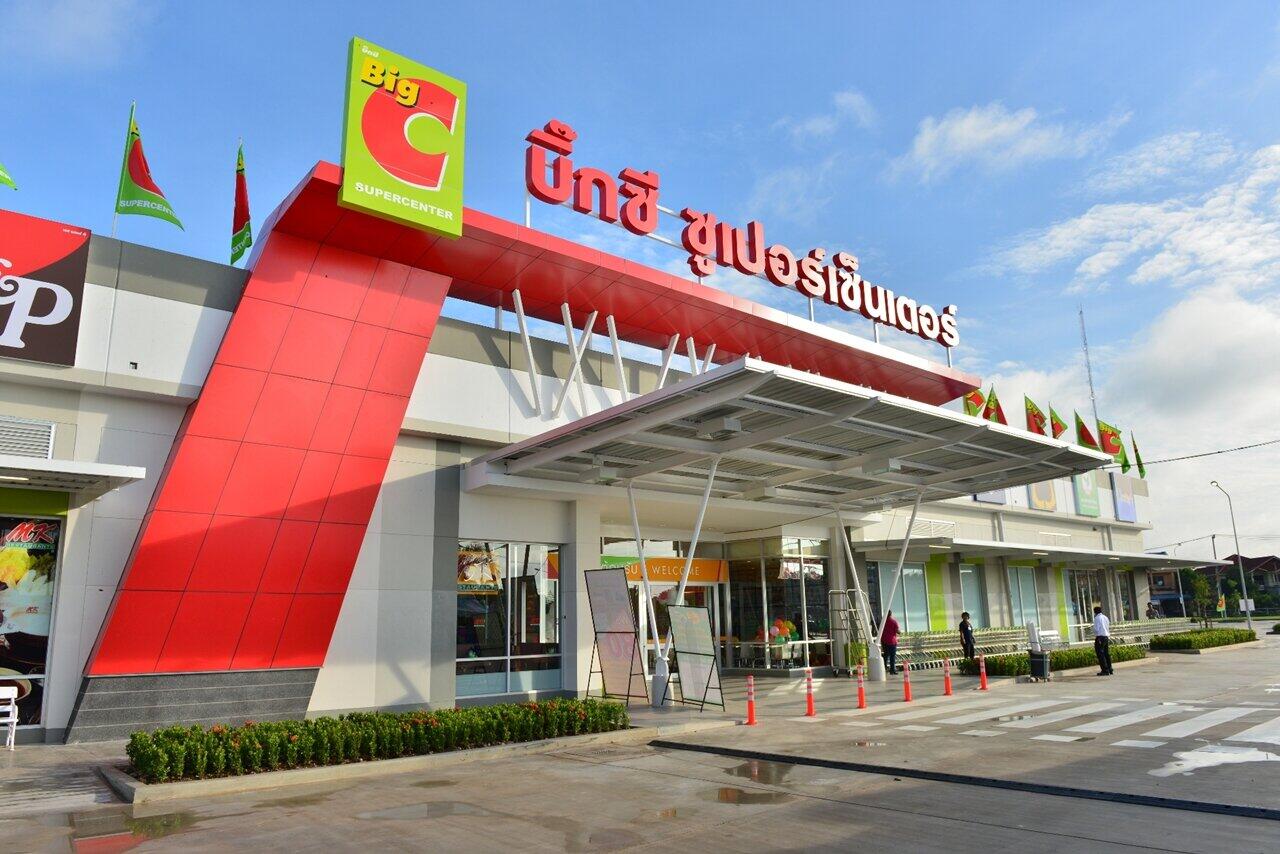
    Big C Supercenter, the Thai supermarket chain owned by one of the richest families in the Southeast Asian nation, will enter Hong Kong next month and also seek a dual listing in the city and Thailand as early as the fourth quarter, according to a top executive.

    The Bangkok-headquartered retailer has acquired grocery chain AbouThai, which operates 24 outlets in the city, and will rebrand them as Big C starting next month, Aswin Techajareonvikul, CEO and president of Big C Retail Corp, said in an exclusive interview with the Post on Monday.

    Aswin also separately met Financial Secretary Paul Chan Mo-po and Hong Kong Exchanges and Clearing (HKEX) CEO Nicolas Aguzin to discuss the group’s listing plan during his visit.

    “We all believe in Hong Kong’s prospects and growth potential,” he said. “Even though there were some challenges during Covid-19, Hong Kong can bounce back quickly. Hong Kong is a leading financial hub in Asia linking Southeast Asian markets with mainland China.”

    Hong Kong is Big C’s first foray outside Southeast Asia, taking on some the city’s retailers including Wellcome and ParknShop. The retailer is part of billionaire Charoen Sirivadhanabhakdi’s business empire, which includes Thai Beverage, the nation’s largest brewer and maker of Chang beer. Aswin is Charoen’s youngest son-in-law.

    Big C operates about 2,000 retail stores under the Big C Supercenter, Big C Market, Big C Foodplace and Mini Big C brands in its home market of Thailand, Laos, Cambodia and Vietnam.

    Big C, which did not disclose the acquisition price for AbouThai, will invest HK$158 million (US$20.2 million) in the next three years to open 25 stores a year for a total of 99 stores by the end of 2026 and hire more than 500 additional staff, Aswin said.

    “Ninety-nine is a lucky number, which means longevity in Chinese culture,” he said. “We also have a very long-term vision in Hong Kong, which is to turn Big C into the best premium Thai supermarket.”

    Big C Supercenter was founded in 1993 by Thai retail conglomerate Central Group and listed on the Stock Exchange of Thailand (SET) in 2012. It was delisted in 2017, a year after it was taken over by trading house Berli Jucker, owned by the Sirivadhanabhakdi family, for over US$6 billion. Berli Jucker’s sales rose 3.4 per cent in the second quarter to 39.4 billion baht (US$1.1 billion).

    Aswin said the group plans to have a dual listing in Hong Kong and Bangkok. Earlier this year it filed an application with SET to list Big C Retail Corp (BRC), the holding company of the Big C Supercenter. It is exploring a listing application in Hong Kong, he added.

    He expects the listings to take place as soon as the fourth quarter, but the final decision will depend on market conditions. Aswin declined to comment on the fundraising, but analysts expect the firm to raise as much as US$1 billion.

    “A listing in Hong Kong will pave the way for future opportunities to cooperate with other leading companies listed in the city,” Aswin said. “Hong Kong’s active trading volumes and exposure to Chinese and global investors make it an ideal location for BRC to list outside our home market.”

    The China Securities Regulatory Commission in March added international firms listed in Hong Kong to the southbound Stock Connect for mainland Chinese investors to trade.

    Aswin said the plan to list in the city was largely because of the active marketing efforts of the Hong Kong government and the HKEX.

    “Last year, when Chief Executive John Lee came to Thailand for the Apec meeting, he held a dinner meeting with a few Thai business executives, where a Hong Kong stock exchange representative invited us to list our company in Hong Kong,” he said. “Which is why we explored opportunities to list here.”

    Big C’s listing will be a huge achievement for Aguzin, a former JPMorgan banker who has helmed the HKEX since 2021, as he has been keen on attracting international companies. Towards that end, Aguzin has overseen the opening of HKEX offices in New York and London and has also visited the Middle East and Southeast Asia to market the city.

    The listing will also boost Big C’s links with mainland China, whose outlets are widely visited by Chinese tourists in Thailand, Aswin said.

    The Sirivadhanabhakdis have been operating a family office in Hong Kong for many years, through which they have been making investments. Aswin said the investments will increase in the coming years after the Hong Kong government in March offered additional benefits, including tax incentives, to encourage wealthy families to expand their family offices.

    “Both my father-in-law and I are of Chinese origin,” Aswin said. “We speak Chinese at home; all my three children speak Putonghua. We always travel to Hong Kong for good food and visit the Wong Tai Sin Temple. It is happy memories in Hong Kong.”