Tag: Supermarket

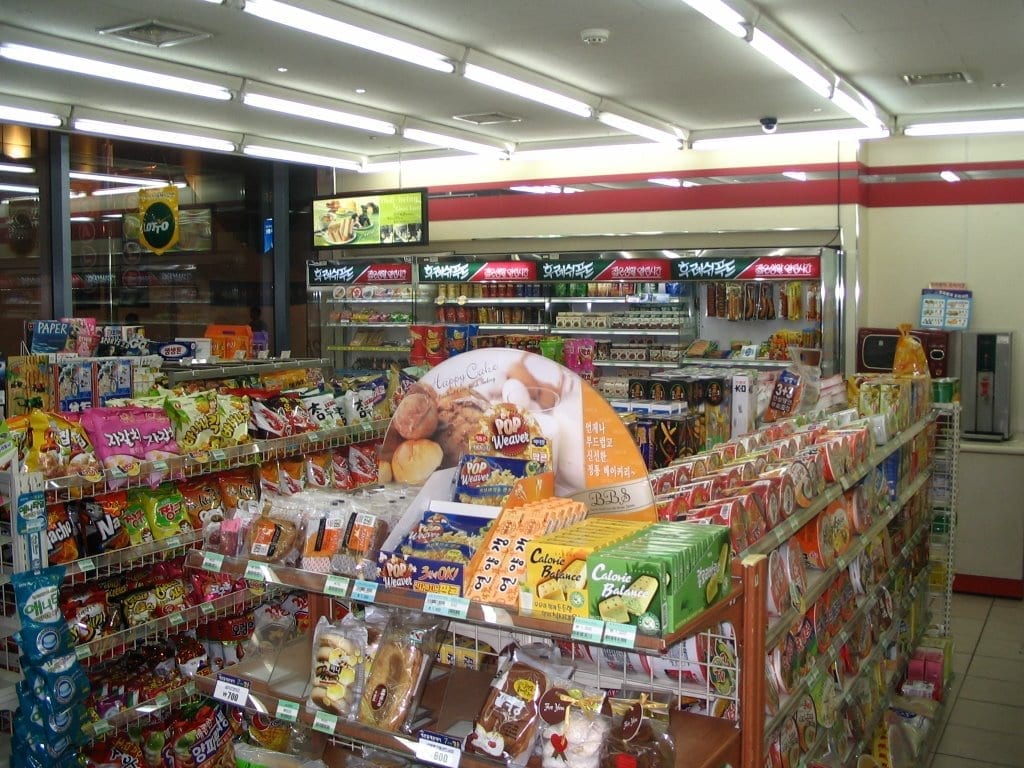
  • 7-Eleven eyes 100,000 stores globally by 2030

    7-Eleven eyes 100,000 stores globally by 2030

    Japanese retail giant Seven & I Holdings said on Tuesday it wanted to see huge growth for its 7-Eleven convenience store chain globally, and would be accelerating its entry into Europe, Latin America, the Middle East and Africa.

    It is aiming to boost the global number of 7-Eleven stores 18 per cent to about 100,000 by 2030 and for the chain to be in 30 countries and regions, up from 20 now.

    The plan is part of a large-scale restructuring that involves selling off lower-performing supermarket assets – a strategy pursued after pressure from activist investors.

    Since last year, the company has announced the closure of dozens of Ito-Yokado supermarkets, exited its apparel business, and completed the sale of its Sogo & Seibu department store unit. It also agreed to spend more than $2 billion to scoop up convenience stores in Australia and the United States.

    7-Eleven North America chief Michael DePinto said the group will “continue to aggressively pursue opportunities” in mergers and acquisitions in the region.

    ValueAct Capital, a US-based investor that has harshly criticised the company’s asset allocation and tried to expel its president, last week praised the group’s restructuring plan, saying it would vote in favour of its board nominees.

  • 7-Eleven opens its first store in Laos

    7-Eleven opens its first store in Laos

    In a press release, CP ALL Laos, a master franchisee of 7-Eleven International, which is a joint venture between 7-Eleven, Inc. and Seven-Eleven Japan, opened its first 7-Eleven store in Laos. The store is located in the capital city of Vientiane.

    “CP ALL Laos is excited to serve the community of Vientiane as it experiences significant economic growth and surge in tourism following the opening of the Laos-China Railway high-speed train,” according to the release.

    The store features 7-Eleven’s signature retail model and serves a variety of internationally-popular products and beverages–including bean-to-cup coffee and Slurpee and Big Gulp drinks. Customers can enjoy hamburgers, toasted sandwiches and freshly baked bread. CP ALL Laos is looking into opportunities to offer Laotian meals.

    “With its thriving economy and growing population, Laos offers an excellent environment for 7‑Eleven’s first retail venture in the region,” said 7-Eleven International Co-CEOs Shin Abe and Ken Wakabayashi. “Our entrance into the country brings Laotian customers a one-stop-shop solution with quality fresh food and convenience needs, via a store format not currently prevalent in the market. The store opening in Laos marks the 20th country and region for 7-Eleven. We are excited to continue providing citizens and tourists with world-class convenience.”

    Meanwhile, in China’s Guangdong province, WeChat Pay announced that its palm payment service is now available at over 1,500 7-Eleven convenience stores. Currently, users wanting to use the payment method can activate it on WeChat’s digital payment devices in offline 7-Eleven stores. Once activated, users will be able to pay by simply placing their palms above a palm-reading device in the participating stores.

    Panera Bread began testing Amazon’s palm-scanning technology in two locations earlier this year. The identification technology, dubbed Amazon One, is already used in dozens of Amazon-owned Whole Foods locations, Amazon Go stores and some stadiums and arenas.

  • Thailand’s Big C to enter Hong Kong

    Thailand’s Big C to enter Hong Kong

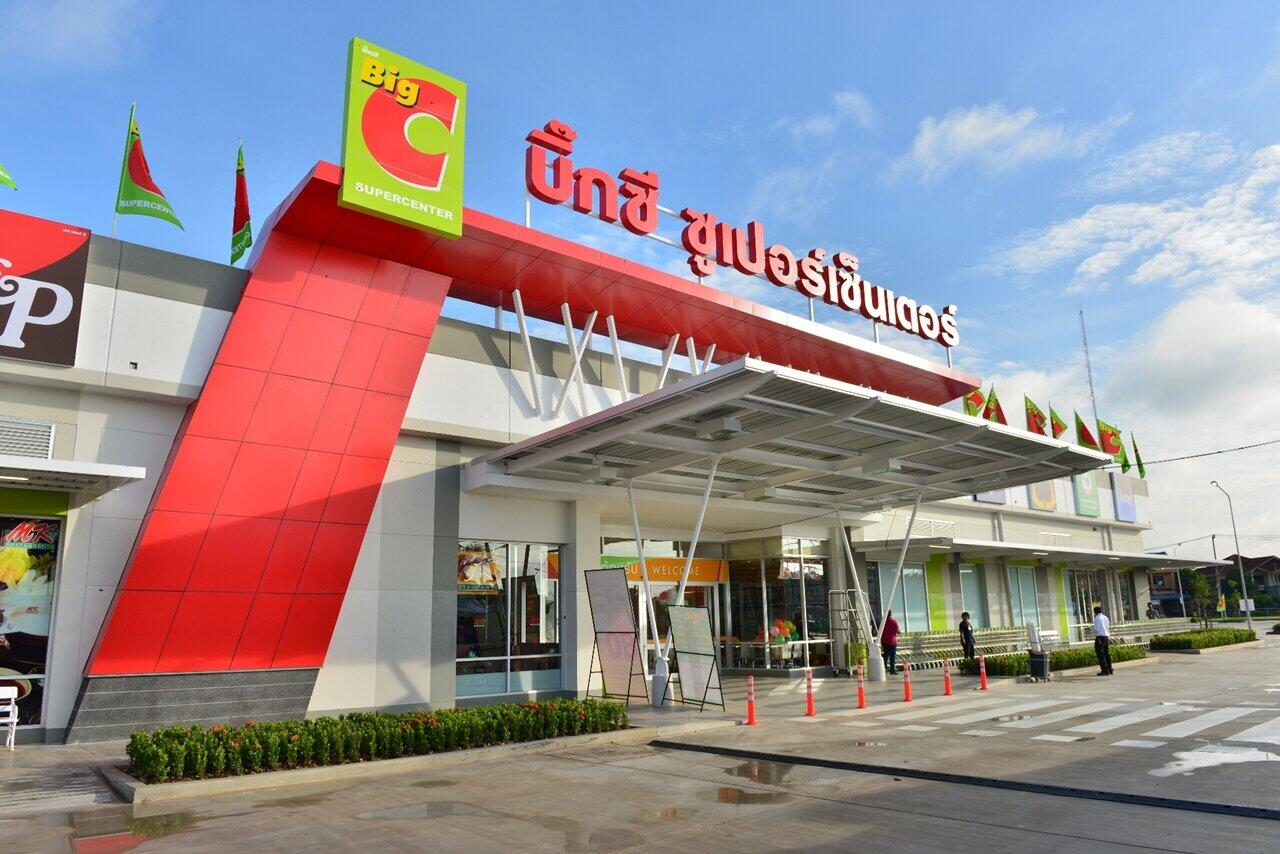
    Big C Supercenter, the Thai supermarket chain owned by one of the richest families in the Southeast Asian nation, will enter Hong Kong next month and also seek a dual listing in the city and Thailand as early as the fourth quarter, according to a top executive.

    The Bangkok-headquartered retailer has acquired grocery chain AbouThai, which operates 24 outlets in the city, and will rebrand them as Big C starting next month, Aswin Techajareonvikul, CEO and president of Big C Retail Corp, said in an exclusive interview with the Post on Monday.

    Aswin also separately met Financial Secretary Paul Chan Mo-po and Hong Kong Exchanges and Clearing (HKEX) CEO Nicolas Aguzin to discuss the group’s listing plan during his visit.

    “We all believe in Hong Kong’s prospects and growth potential,” he said. “Even though there were some challenges during Covid-19, Hong Kong can bounce back quickly. Hong Kong is a leading financial hub in Asia linking Southeast Asian markets with mainland China.”

    Hong Kong is Big C’s first foray outside Southeast Asia, taking on some the city’s retailers including Wellcome and ParknShop. The retailer is part of billionaire Charoen Sirivadhanabhakdi’s business empire, which includes Thai Beverage, the nation’s largest brewer and maker of Chang beer. Aswin is Charoen’s youngest son-in-law.

    Big C operates about 2,000 retail stores under the Big C Supercenter, Big C Market, Big C Foodplace and Mini Big C brands in its home market of Thailand, Laos, Cambodia and Vietnam.

    Big C, which did not disclose the acquisition price for AbouThai, will invest HK$158 million (US$20.2 million) in the next three years to open 25 stores a year for a total of 99 stores by the end of 2026 and hire more than 500 additional staff, Aswin said.

    “Ninety-nine is a lucky number, which means longevity in Chinese culture,” he said. “We also have a very long-term vision in Hong Kong, which is to turn Big C into the best premium Thai supermarket.”

    Big C Supercenter was founded in 1993 by Thai retail conglomerate Central Group and listed on the Stock Exchange of Thailand (SET) in 2012. It was delisted in 2017, a year after it was taken over by trading house Berli Jucker, owned by the Sirivadhanabhakdi family, for over US$6 billion. Berli Jucker’s sales rose 3.4 per cent in the second quarter to 39.4 billion baht (US$1.1 billion).

    Aswin said the group plans to have a dual listing in Hong Kong and Bangkok. Earlier this year it filed an application with SET to list Big C Retail Corp (BRC), the holding company of the Big C Supercenter. It is exploring a listing application in Hong Kong, he added.

    He expects the listings to take place as soon as the fourth quarter, but the final decision will depend on market conditions. Aswin declined to comment on the fundraising, but analysts expect the firm to raise as much as US$1 billion.

    “A listing in Hong Kong will pave the way for future opportunities to cooperate with other leading companies listed in the city,” Aswin said. “Hong Kong’s active trading volumes and exposure to Chinese and global investors make it an ideal location for BRC to list outside our home market.”

    The China Securities Regulatory Commission in March added international firms listed in Hong Kong to the southbound Stock Connect for mainland Chinese investors to trade.

    Aswin said the plan to list in the city was largely because of the active marketing efforts of the Hong Kong government and the HKEX.

    “Last year, when Chief Executive John Lee came to Thailand for the Apec meeting, he held a dinner meeting with a few Thai business executives, where a Hong Kong stock exchange representative invited us to list our company in Hong Kong,” he said. “Which is why we explored opportunities to list here.”

    Big C’s listing will be a huge achievement for Aguzin, a former JPMorgan banker who has helmed the HKEX since 2021, as he has been keen on attracting international companies. Towards that end, Aguzin has overseen the opening of HKEX offices in New York and London and has also visited the Middle East and Southeast Asia to market the city.

    The listing will also boost Big C’s links with mainland China, whose outlets are widely visited by Chinese tourists in Thailand, Aswin said.

    The Sirivadhanabhakdis have been operating a family office in Hong Kong for many years, through which they have been making investments. Aswin said the investments will increase in the coming years after the Hong Kong government in March offered additional benefits, including tax incentives, to encourage wealthy families to expand their family offices.

    “Both my father-in-law and I are of Chinese origin,” Aswin said. “We speak Chinese at home; all my three children speak Putonghua. We always travel to Hong Kong for good food and visit the Wong Tai Sin Temple. It is happy memories in Hong Kong.”

  • Coles posts $1 billion profit as customers demand value

    Coles posts $1 billion profit as customers demand value

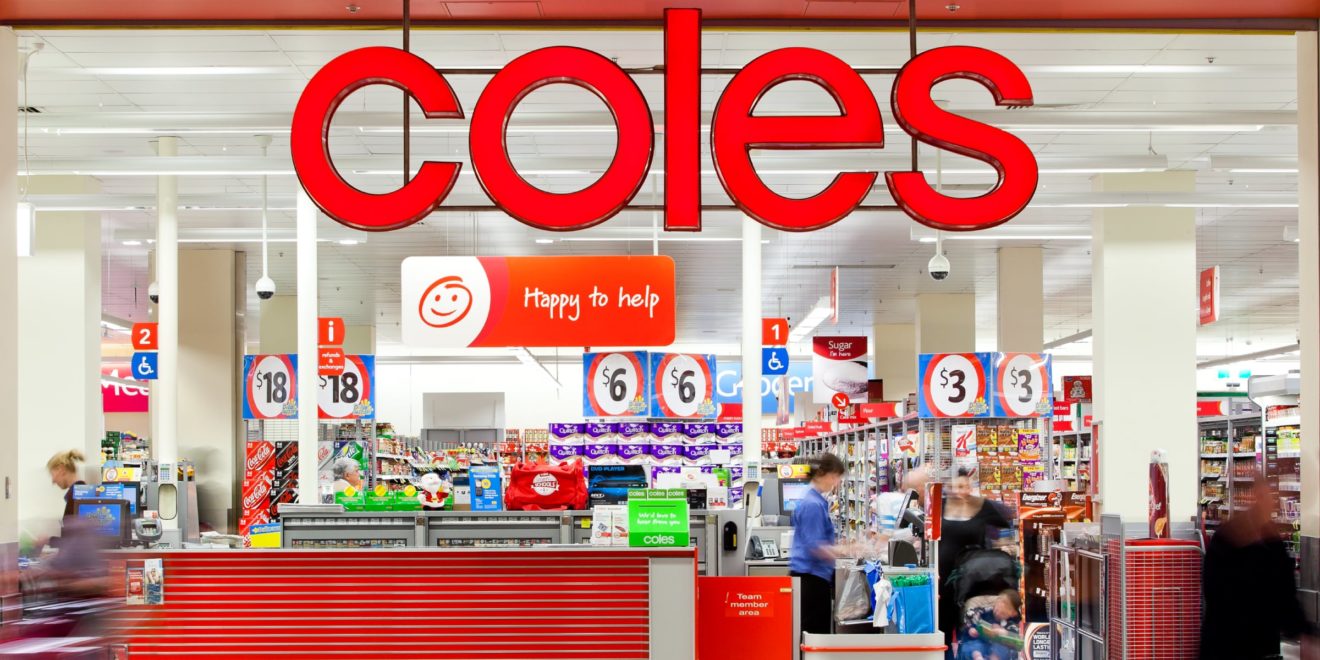
    With inflation and cost-of-living pressures rising, Coles says its Dropped & Locked value campaigns and own brand offerings boosted sales in FY23.

    For the 52 weeks to June 25, sales from continuing and discontinued operations reached $41.5 billion – up 5.3 percent – while tax-paid profit rose to $1 billion.

    Supermarket sales reached $36.7 billion, up 6.1 percent, with online sales of $2.8 billion, up 1.1 percent as customer shopping behaviour normalized with the return to in-store shopping.

    Due to rising cost pressures, the Exclusive to Coles range delivered $12.4 billion in this financial year, up 9.6 percent.

    The sales growth was attributed to the retailer’s Dropped & Locked value campaigns and the successful execution of trade plans during Easter, Christmas, and Mother’s Day.

    Coles completed 46 store renewals and opened 17 new stores and closed six, taking the network to 846 supermarkets.

    Sales in Coles’ liquor division reached $3.6 billion driven by strong performance of the Liquourland banner. Online sales increased 22.6 percent to $203 million driven by on-demand delivery and express delivery through Uber Eats and DoorDash.

    The Ready-to-Drink category was the strongest performing segment with its Exclusive Liquor Brand sales increasing by 8.5 per cent for the year.

    Coles Group CEO, Leah Weckert, said the business is continuing to “invest, innovate and drive sustainable growth” since its demerger.

    “Cost of living is the number one focus for our customers right now and we continue to invest in providing value through ‘Dropped & Locked’, everyday trusted pricing, weekly specials, Flybuys and our exclusive brand portfolio.

    “These initiatives are resonating with customers and we remain well positioned to grow in the current environment as more customers choose to eat at home.”

    During the year, Michael Courtney was appointed CEO of Coles Liquor while Anna Croft became the chief commercial officer.

    Moving forward, the retailer says cost of living pressures “are likely to remain” for many Australian households and the business will continue to invest in its physical and digital footprint.

  • Ocado launches first robotic warehouse in Asia with Aeon

    Ocado launches first robotic warehouse in Asia with Aeon

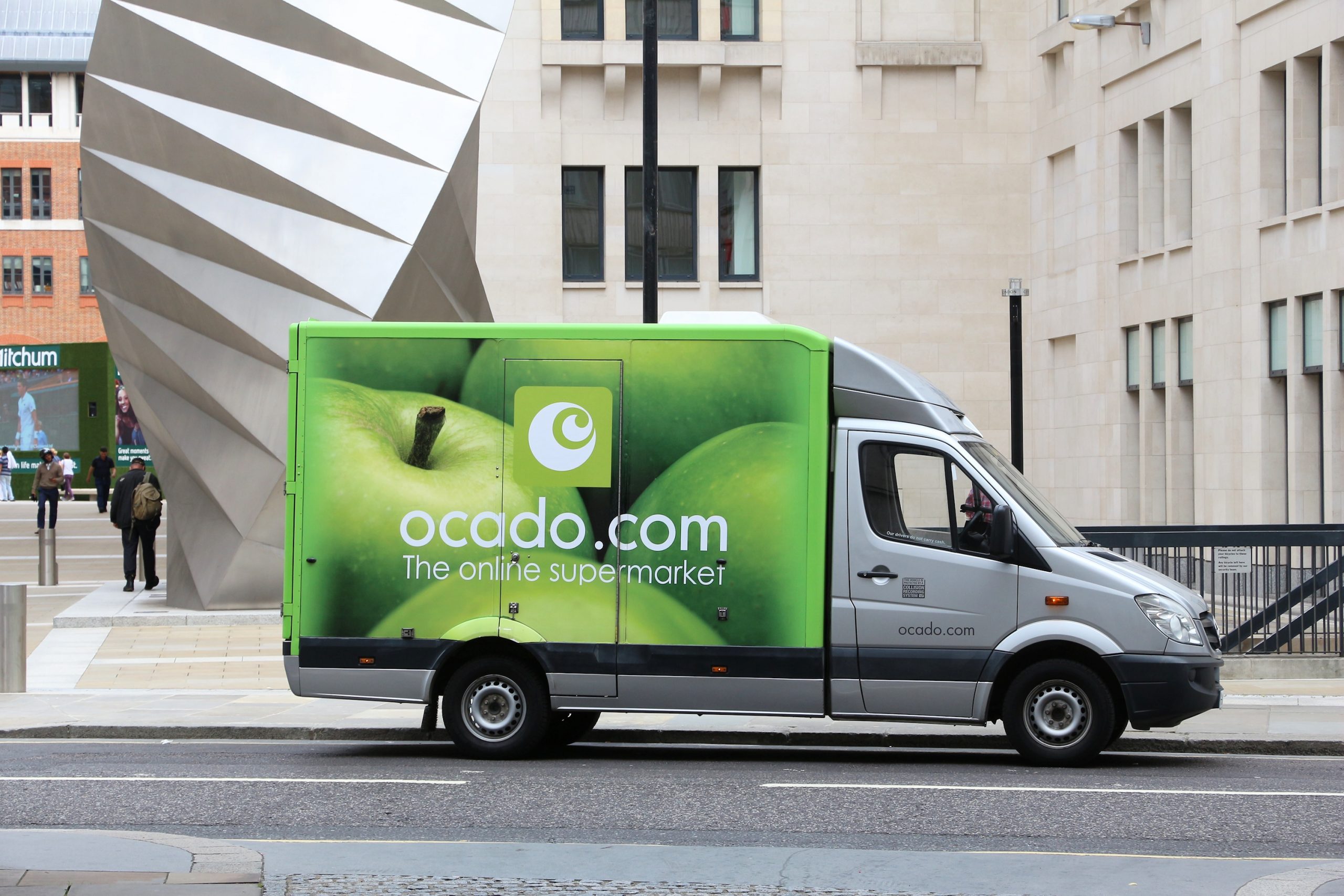
    Ocado, a British online supermarket and technology group, has launched its first robotic warehouse in Asia. The warehouse, which is located in Japan, is a joint venture with Aeon, a Japanese retailer. The warehouse will be used to fulfill orders for Aeon’s “Green Beans” brand.

    Ocado CEO Tim Steiner said that the launch of the warehouse is a significant milestone for the company. He said that the Asia-Pacific region is a “key growth market” for Ocado, and that the company plans to open more robotic warehouses in the region in the future.

    The launch of the warehouse comes at a time when Ocado is facing increasing competition from other online retailers, such as Amazon. However, Steiner said that he is confident that Ocado’s robotic technology will give the company a competitive advantage in the long term.

  • South Korean c-store chain CU launches in Kazakhstan

    South Korean c-store chain CU launches in Kazakhstan

    South Korean convenience store chain CU is setting its eyes on the Central Asian region, entering Kazakhstan under a partnership with CU Central Asia, the c-store operation arm of local ice cream manufacturer Shin Line.

    CU’s first store there is set to open next year. The chain’s parent company BGF Retail said it plans to open more than 500 locations in the country in the next five years and is also considering expanding into neighbouring markets.

    The company expanded into Malaysia in 2020 through a 10-year franchise agreement with MyNews. Since then, the chain has opened more than 130 stores in the country. Before Malaysia, BGF Retail also launched the CU chain in Mongolia and currently operates about 320 stores in the market.

    Founded in 2012 by BGF Retail, CU is one of South Korea’s biggest c-store chains with more than 16,000 outlets as of last year, according to Statista.

    BGF Retail reported a 6.5 per cent increase in net income for the first quarter of this year, reaching 27.7 billion won (US$20.6 million).

  • Coles opens its first automated distribution centre in Redbank, Queensland

    Coles opens its first automated distribution centre in Redbank, Queensland

    The first Australian Automated Distribution Centre (ADC) using global leading Witron technology is the largest of its kind in the Southern Hemisphere. Prime Minister Anthony Albanese MP, Queensland Premier Annastacia Palaszczuk MP, Coles Group Chairman James Graham, and Coles Group CEO Steven Cain are officially opening the ADC at Goodman’s Redbank Motorway Estate in Queensland this morning.

    This is the first of two Witron facilities to open here and comes after Coles Group’s biggest investment into technology in the company’s 109-year history. More than one billion dollars is being invested – with the second ADC opening in Kemps Creek, NSW in 2024.

    The ADCs are designed to create safer and more sustainable outcomes for team members and suppliers and better on-shelf availability for customers.

    The state-of-the-art facility in Redbank is located 30 kilometers southwest of Brisbane and will service 219 Coles supermarkets in Queensland and Northern New South Wales, as far north as Port Douglas and as far south as Laurieton in NSW.

    When operating at full capacity, the site can process up to four million cases per week, the equivalent of 32 million units sold in stores.   For a year, this is around 1.6 billion sales units.

    Chief Executive Officer Steven Cain said today is one of the most significant moments since Coles was founded in 1914 and five years in the making.

    “Modernising our operations is how we improve efficiency and availability in our stores and deliver higher service levels for our customers, team members and suppliers,” Mr. Cain said.

    “Our new ADCs can process twice the number of cases and hold twice the number of pallets compared to one of our current DCs. The ADCs enable us to reduce our total footprint, leading to a more productive and sustainable business model.”

    “Over 90 percent of the cases processed in these automated distribution centres will be processed fully by automation or ergonomically which will be a step-change for the safety of our team as it eliminates almost 18 million kilograms of manual handling in the supply chain each week once the ADC is running close to full capacity.”

    Coles Group Chairman James Graham AM said he would like to thank all those involved for their dedication to this very important project.

    “I’m proud of our team, partners and suppliers who’ve worked together for over five years to create this state-of-the-art facility. Over 3,000 people came together, contributing more than 2.5 million work hours to plan and design the facility, construct the building and install and commission the automation,” Mr Graham said.

    The Redbank ADC has LED and sensor lighting to reduce energy consumption and is fitted with a 180,000 litres of harvested rainwater storage for toilet flushing and landscape irrigation. There are plans for 3.5-megawatt solar installation, which will be among the largest rooftop solar solutions in the Coles network. To minimise food waste, the edible food that can’t be sold in the ADC will be donated to Coles community partner SecondBite.

    The Hon. Prime Minister Anthony Albanese MP said this world-leading technology will help advance supermarket supply chains.

    “This technology is not only a first for Australia, but also a win for the state of Queensland.  As we’ve seen during the pandemic and natural disasters, resilient supply chains are essential to feeding our nation and providing Australians with essential supplies,” Prime Minster Albanese said.

    “Coles is one of the biggest employers in this country and its team was pivotal in ensuring food security during challenging times. A facility like this one in Redbank shows how retailers and manufacturers can look to the future to improve the productivity, safety and sustainability of their operations for all Australians.”

    Queensland Premier the Hon. Annastacia Palaszczuk MP welcomed the significant investment in the strong Queensland economy.

    “The decision to invest in and build this Australian-first facility here in Queensland is a testament to the strength of the Queensland economy,” Premier Palaszczuk said.

    “Coles’ investment will drive productivity growth in Queensland while ensuring food security to one of the fastest growing regions in the country.”

    “It’s great to see Queensland lead the way with the arrival of world-leading technology at the Redbank Distribution Centre. The distribution centre will be powered by renewable electricity provided by Queensland’s publicly owned energy company CleanCo.”

    WITRON Logistik + Informatik CEO Helmut Prieschenk said Coles has partnered with the market leader in warehouse automation systems for major food retailers globally.

    “We have been engaged to build 93 automated distribution centres in 13 different countries, with the latest for Coles being the largest ambient system Witron has ever built,” Mr. Prieschenk said.

    “Witron will work with Coles to provide a technology focused, multi-disciplinary team for day-to-day operations, technical expertise and maintenance support.”

    Witron Founder Walter Winkler is extremely proud, that together with Coles, a powerful logistics platform has been created.

    “This ADC is for the benefit of the entire supply chain and will help the Australian grocery market by introducing the very best technology, and last but not least it creates great value to the Coles business,” Mr Winkler said.

    Coles thanks its partners and consultants Goodman Group, Richard Crookes Constructions and TMX Global for developing, building and managing the complex project to completion.
  • 7-Eleven Australia owners ready to sell

    7-Eleven Australia owners ready to sell

    The entire 7-Eleven business is for sale in Australia – just months after the iconic convenience store increased the price of its famous $1 coffee.

    Chairman of 7-Eleven Holdings Michael Smith said that on Monday shareholders decided the business was ready for new ownership.

    ‘The business has great momentum and a compelling strategy for growth across convenient food, the continued transformation of our total merchandise offer, digital and format innovation, and new stores,’ Mr Smith said.

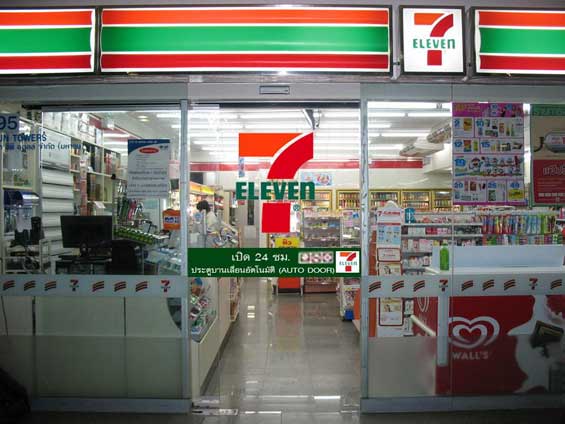
    The entire 7-Eleven business in Australia, which comprises of about 750 stores nationwide, is up for sale (pictured, 7-Eleven store in St Kilda, Melbourne)

    Mr Smith reassured 7-Eleven customers claiming business is as ‘usual’ as the sale process is in its early stage and is expected to take several months.

    ‘Across our network of stores, it’s business as usual, and our focus is on our customers and being the first choice in convenience retailing in Australia’.

    Majority owner Russell Withers commented on behalf of 7-Eleven shareholders explaining the business started in 1977 with one store in suburban Melbourne.

    Mr Withers said the chain now boasts around 750 stores across Victoria, New South Wales, ACT, Queensland and Australia.

    He added that the chain processes 250 million transactions annually and employs more than 9,000 people across its corporate and franchise network.

    Chairman of 7-Eleven Holdings Michael Smith (left) said shareholders decided the business was ready for new ownership. Majority owner Russell Withers (right) said 7-Eleven has an ‘exciting outlook for growth

    However, the Withers and Barlow families decided the time was right to sell the chain to new owners with a view to future growth and success.

    ‘The company has made significant progress in recent years on a number of fronts and is performing well under a highly credentialed management team, with an exciting outlook for growth,’ Mr Withers said.

    The sale comes just months after the iconic convenience store increased the price of its famous $1 coffees and Slurpees. From October 4 last year, the price of a regular 7-Eleven coffee doubled to $2 and the stores large Slurpees increased to $1.50.

    A spokesperson from 7-Eleven confirmed the price of Australia’s favorite service station drinks rose due to inflated operational costs.

    ‘The changes are a result of increasing input costs for our products,’ 7-Eleven told Daily Mail Australia.

    The affected coffee varieties included the shop’s standard $1 coffee and its hot chocolates, iced coffees and ice cream coffee melts. The first 7-Eleven store opened in Melbourne’s Oakleigh in 1977, and opened the business’s first 24 hour store in 1978.

    The sale comes just months after the iconic convenience store increased the price of its famous $1 coffees (left) and Slurpees (right). From October 4 last year, price of a regular coffee doubled to $2 while Slurpees increased to $1.50

    7-Eleven is the largest convenience retailer on the eastern seaboard of Australia, with an estimated market share of about 38.5 percent.

    The business also claims to be the largest independent fuel retailer on the eastern seaboard, selling Mobil-branded fuel. he Withers and Barlow families brought the 7-Eleven brand to Australia after signing an area license agreement in 1976.

    The Withers Group also secured the Australian rights to Starbucks, bringing the coffee chain back to Aussie shores in 2014.

  • Aldi Australia CEO Tom Daunt set to become global chief

    Aldi Australia CEO Tom Daunt set to become global chief

    Aldi Australia chief executive Tom Daunt is leaving the local discount chain and moving to Salzburg to become the global joint managing director of the German supermarket.

    He is the first Australian to take the helm of the global business from Matthew Barnes, who resigned earlier this year to return to the UK.

    Staff was told of the news today, with suppliers to be officially informed tomorrow. Mr Daunt takes up his new role on May 1 and the local discount retailer will now be led by Anna McGrath and Marietta Schorn.

    Ms McGrath has worked with Mr. Daunt for several years and is a 17-year veteran of discount supermarket, while Ms Schorn will move to Australia from Austria where she had been running the Aldi network.

    This is not the first time Aldi has operated a dual management model.

    Aldi Australia launched in 2000. By 2014, German-born Stefan Kopp, alongside Mr Daunt – who at that time was group managing director – were both running the local chain.

    Mr Kopp left the Australian operations in 2017 and returned to Aldi in Germany, while Mr Daunt remained as the local CEO. He helped the company defy skeptics who had suggested the discount retailer would never find sufficient sites and that its narrow range of private-label brands would not resonate with Australian shoppers.

    In the UK, Aldi has been taking market share from the major supermarket chains as living costs rise and real wages fall behind amid heightened inflation.

    Analysts expect a similar trend to play out in Australia, with Aldi tipped to regain market share it lost during the COVID-19 pandemic, when consumers sought convenience over price and favored neighborhood stores over shopping centres. Aldi’s share plateaued at between 10 percent and 12 percent before the pandemic.

    “Starting in the second half of 2022, we are seeing an incremental rise in the number of customers choosing to shop with us, and our expectation is that will continue this year.”

    Mr Daunt has committed to three years in the global role and will likely return to Australia in future. He did not return calls on Wednesday.

  • Aldi sued over ‘copycat’ snacks

    Aldi sued over ‘copycat’ snacks

    Australian children’s snack food brand Little Bellies is suing German supermarket chain Aldi for alleged copyright breaches of several organic fruit and vegetable puff snacks.

    Aldi, which famously mimics well-known brands and creates comparable in-house products at a much cheaper price, has emerged victorious in several legal battles in Australia since it launched here in 2001.

    US snack food giant Frito-Lay sued Aldi in 2001 over its Cheezy Twists, alleging a breach of its Twisties trademark. Frito-Lay won the first battle in the Federal Court, but Aldi appealed and had the ruling overturned.

    In 2015, Israeli beauty company Moroccanoil Israel sued Aldi for alleged trademark breaches of its Moroccan Argan Oil hair care products. Moroccanoil lost the original case, and an appeal.

    The owners of Little Bellies hope a different tack – suing for an alleged copyright infringement – may yield a different outcome.

    The holding company that owns the intellectual property for the Baby Bellies, Little Bellies and Mighty Bellies snack ranges, Hampden Holdings IP, alleges Aldi has ripped off its Organic Blueberry Puffs, Organic Apple & Cinnamon Puffs and Organic Carrot Puffs since at least August 2021.

    Hampden Holdings licenses the brands to Every Bite Counts. According to regulatory filings, both firms are owned by brothers Steven and Clive Sher.

    In Britain, supermarket chain Marks & Spencer sued Aldi for copyright infringement of its light-up Christmas gin bottle. Last month, the High Court in London ruled Aldi infringed on M&S’s copyright. A second copyright dispute between the two companies over a caterpillar cake was settled, and Aldi made a number of tweaks to its design.

    Aldi is not the only discount chain that has been targeted in legal action. Fellow German discount chain Lidl was sued last year by Lindt & Sprüngli over its well-known chocolate gold bunnies. A Swiss court ordered Lidl to destroy the bunnies and prohibited their sale, saying they infringed Lindt’s trademark.

  • Carrefour’s Flash 10/10 c-store deploys avatars and AI to speed purchases

    Carrefour’s Flash 10/10 c-store deploys avatars and AI to speed purchases

    Carrefour open Flash 10/10, its next-generation test store, on 24 November in Paris’ eleventh arrondissement. This new convenience store – developed in collaboration and exclusively with Californian start-up AiFi – uses technology that has never been seen before and is designed to provide customers the most accessible and fastest shopping experience ever.

    Carrefour Flash 10/10: 900 products available in a flash

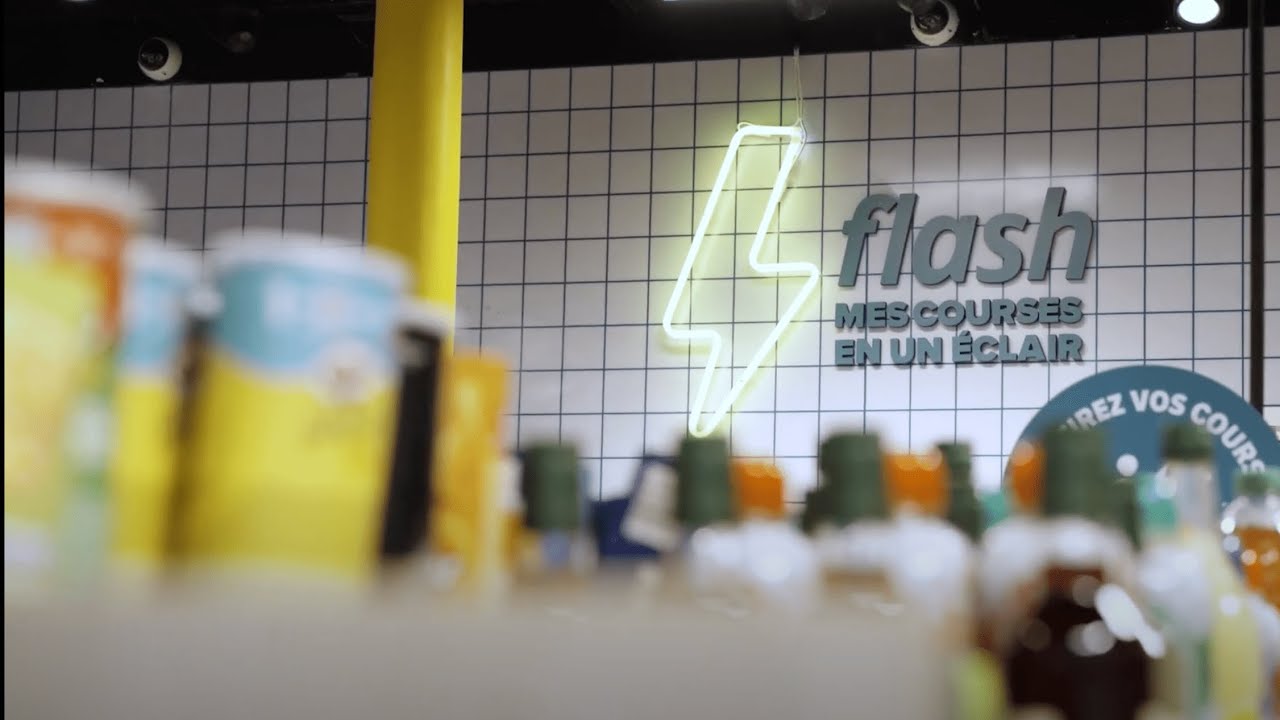
    Carrefour Flash is the first store of this kind in France, and will be located at 11 avenue Parmentier, in the capital’s eleventh arrondissement. With Flash, technology is used to enhance the customer experience, making shopping more straightforward. It has nearly 900 everyday product references on sale.

    With this innovative new format, Flash 10/10 (“10 seconds to shop and 10 seconds to pay”) features a shopping journey that does not involve having to scan any products and payment that is almost instantaneous. Customers don’t even have to take their items out of their bag. This saves time for customers and creates a smoother experience. Customers are free to enter and exit the store without having to pass through a gateway. There is no need to download an app or register beforehand. And there are no surprises – they can view their total spending in real-time.

    Four employees will be on-hand to open the store and oversee its operation. They will maintain it and keep it tidy, manage its new e-commerce services (including Pedestrian click and collect), and provide customers with advice.

    This whole customer experience will be made possible by 60 HD cameras, nearly 2000 sensors built into the connected shelves, an algorithm for interpreting all the data, and a proprietary tablet payment system. Customers are tracked anonymously as a virtual avatar, allocated to them as soon as they enter the store. The products that they pick up are automatically detected and then added to their virtual basket. Once they have finished shopping, customers just get their baskets validated at a kiosk and then pay contactless. They can get an electronic receipt sent to them immediately simply

    by scanning a QR code. An automatic checkout kiosk is also available for any customers wishing to pay with cash.

    Carrefour Flash was tested at Carrefour’s head office in Massy over more than a year, during which the Innovation team was able to refine the technology and adapt the concept based on feedback from the employees using it on a daily basis.

    In March 2021, Carrefour Brazil launched Flash Scan & Go – a store where customers can use their smartphones to shop and pay for the products they want to take home. 6 such stores are currently in operation in Brazil, and the subsidiary is planning on opening another 8 or so before the end of the year.

    And in September, Carrefour launched its “Carrefour City+” concept in Dubai alongside Emirati partner Majid Al Futtaim.

    “The Flash concept checks our customers’ expectations. They want to be able enter the store easily, know what they are buying, pay quickly and then leave. Compared with other existing concepts, with Carrefour Flash, customers get speed and accessibility in a unique way”, said Elodie Perthuisot, the Carrefour Group’s Executive Director of E-Commerce, Data and Digital Transformation.

    “Following our initial testing in Massy, we are proud and delighted to be launching this store with Carrefour. Flash is definitely one of the stores with the most advanced technology in the world”, said Ying Zheng, Co-founder and President of AiFi.

  • Auchan set to sell Taiwan business to local rival

    Auchan set to sell Taiwan business to local rival

    French supermarket group Auchan is set to quit Taiwan after 24 years in the market, completing its withdrawal from greater Asia.

    Taiwan News has reported that local operator PX Mart will take over the RT-Mart hypermarket joint venture between Auchan and the Ruentex Group by mid-next year. Auchan is the majority partner in the venture, with a 65-per-cent share.

    The company was in May reported by Bloomberg to be in talks over the divestment of its Taiwanese business, said to be seeking somewhere between US$300-400 million.

    According to Taiwan News, PX Mart said it planned to buy buildings, land, distribution rights and the RT-Mart brand. No price was revealed and Auchan has not commented on the report.

    The RT-Mart brand was created by Taiwanese tycoon Samuel Yin’s Ruentex Group, which owns 20 hypermarkets and two convenience stores. PX Mart operates 1056 stores and plans to expand its network to more than 1100 next year.

    The reported deal marks another step in an ongoing reshuffle within Taiwan’s supermarket industry. Last year, French rival Carrefour bought the Wellcome Taiwan business from Singapore-listed Dairy Farm International, including the Jasons Marketplace brand, giving it control of 224 supermarkets. There have since been whispers that Carrefour is considering selling its enlarged Taiwan business.

    Auchan exited Vietnam in 2019 closing some stores and selling the remaining business to local operator Saigon Co-op. Last October it sold its stake in China’s Sun Art Retail Group to Alibaba Group in a transaction valued at $3.6 billion.

  • Aldi tops Australia supermarket rankings

    Aldi tops Australia supermarket rankings

    For another year in a row, ALDI has rated best in Canstar Blue’s 2020 supermarket ratings – taking the top spot in Canstar Blue’s Most Satisfied Customers Award for 2020.

    In Canstar Blue’s latest supermarket review, the survey asked more than 2,600 shoppers about their experiences of buying groceries from a retail supermarket in the last month.

    This year, ALDI stocked up its seventh win in nine years. It rated best for the freshness of its fruit, vegetables and meat, the quality of private label products, store layout, deals and specials available, value for money and overall satisfaction.

    “We are thrilled to be rated as Australia’s best supermarket! Winning the hearts of our customers is what we strive for every day. Our commitment to providing the highest quality products at incredibly low prices is clearly being noticed by Australian shoppers. This is a proud moment for ALDI and our many Australian business partners,” said ALDI Australia Group Director – Buying Simon Padovani-Ginies.

  • Quick vaccination key to ensuring smooth supply chain

    Quick vaccination key to ensuring smooth supply chain

    The delay in vaccinating workers in the retail and logistics sectors is causing disruptions in the supply chain, a key player in the Covid-19 fight.

    Earlier this month, nearly 40 VinMart and VinMart+ outlets had been closed for several days due to Covid-19 linkage, which urged its operator Masan to once again request the government to quickly vaccinate retail staff.

    The Ministry of Industry and Trade had in June also called for these employees to be vaccinated early as they come into direct contact with millions of customers every day and are at high risk of contagion.

    In retail chain BRG Mart, 30 percent of staff have received their first dose. The ratio for conglomerate Masan is 16 percent, Bach Hoa Xanh (operated by Mobile World) 21 percent, MM Mega Market over 30 percent, and Co.opmart Hanoi 30 percent.

    Nguyen Thi Kim Dung, CEO of Co.opmart Hanoi, of which one supermarket was closed for three days due to Covid-19 linkage, said social distancing alone is not enough to reduce the risks for retail workers.

    “The earlier these employees are vaccinated the sooner customers are protected.”

    Dung said Co.opmart had made the request to different government bodies but all had stated vaccines were not available.

    Retail workers, however, are only part of the supply chain.

    Le Duy Binh, CEO of market research company Economica Vietnam, said drivers, shippers, and customs officers also need to be prioritized as they serve in the frontline of the economy and deliver essential goods.

    Although government officials have demanded shippers be prioritized for vaccination, experts say the process needs to be sped up amid a surging number of Covid-19 cases.

    Economist Phung Duc Tung said vaccines are being distributed mostly to localities when instead it should be distributed to sectors to ensure the flow of essential goods.

  • Hanoi supermarkets increase inventories

    Hanoi supermarkets increase inventories

    Supermarkets in Hanoi are stocking two or three times their normal volumes of goods and increasing warehouse capacity to brace for a worsening of the Covid-19 pandemic.

    The acting director of the city Department of Industry and Trade, Tran Thi Phuong Lan, said there is abundant supply of essential items and fresh foods, and no threat of shortages. Fearing the novel coronavirus, many Hanoi residents are stockpiling meat, vegetables and rice to avoid venturing outdoors.

    Big C supermarkets have doubled their normal fresh food inventories and increased dry goods by 30 percent, Nguyen Thi Bich Van communications director of Central Retail Vietnam, which owns the chain, said.

    Aeon supermarkets have stocks of two to four times the normal volumes of fresh groceries and 130 percent of that of dry goods since last week. Aeon Vietnam procurement director Tran Thu Quynh said the chain has worked with suppliers to secure extra stocks in case of an emergency and expanded warehouse capacity and inventories of frozen goods.

    Vinmart/Vinmart+ supermarkets have tripled and quintupled their stocks of groceries and eggs and vegetables.

    But admittedly there remain difficulties in terms of transportation and personnel.

    Quynh said certain goods that are imported or brought from the south, like fresh seafood and local fruits, are facing major delays as suppliers face challenges related to production and transportation amid the implementation of social distancing in the 19 southern localities.

    Over the last week Hanoi has assigned priority to vehicles transporting essential items. The capital city impose a 15-day social distancing campaign starting 6 a.m. Saturday as part of efforts to curb the spread of Covid-19.