Retail News CRM

Tag: Supermarket

  • FairPrice launches mobile supermarket in Singapore

    FairPrice launches mobile supermarket in Singapore

    Singapore supermarket chain FairPrice has launched a mobile grocery service dubbed ‘FairPrice on Wheels’, delivering essential groceries closer to customers’ homes.

    With FairPrice on Wheels, customers living far away from supermarkets can now buy products from FairPrice’s vans parked near their home. Essential products include rice, milk, eggs, canned products, vegetables and toiletries. FairPrice has imposed purchase limits on these products as per below:

    “While we encourage everyone to stay home during the circuit breaker period, we also understand that there may be people who do not have the option to have their groceries purchased on their behalf,” said FairPrice Group CEO Seah Kian Peng.

    “Therefore, we aim to bring daily essentials closer to their homes, especially for seniors, so that they do not have to spend too much time away from home.”

    FairPrice on Wheels is available in five locations: Commonwealth Link, Telok Blangah Crescent, Telok Blangah Rise, Kampong Glam Community Club and Jalan Kukoh. More locations will be added soon.

  • FamilyMart Taiwan plans rolling out 200 new stores

    FamilyMart Taiwan plans rolling out 200 new stores

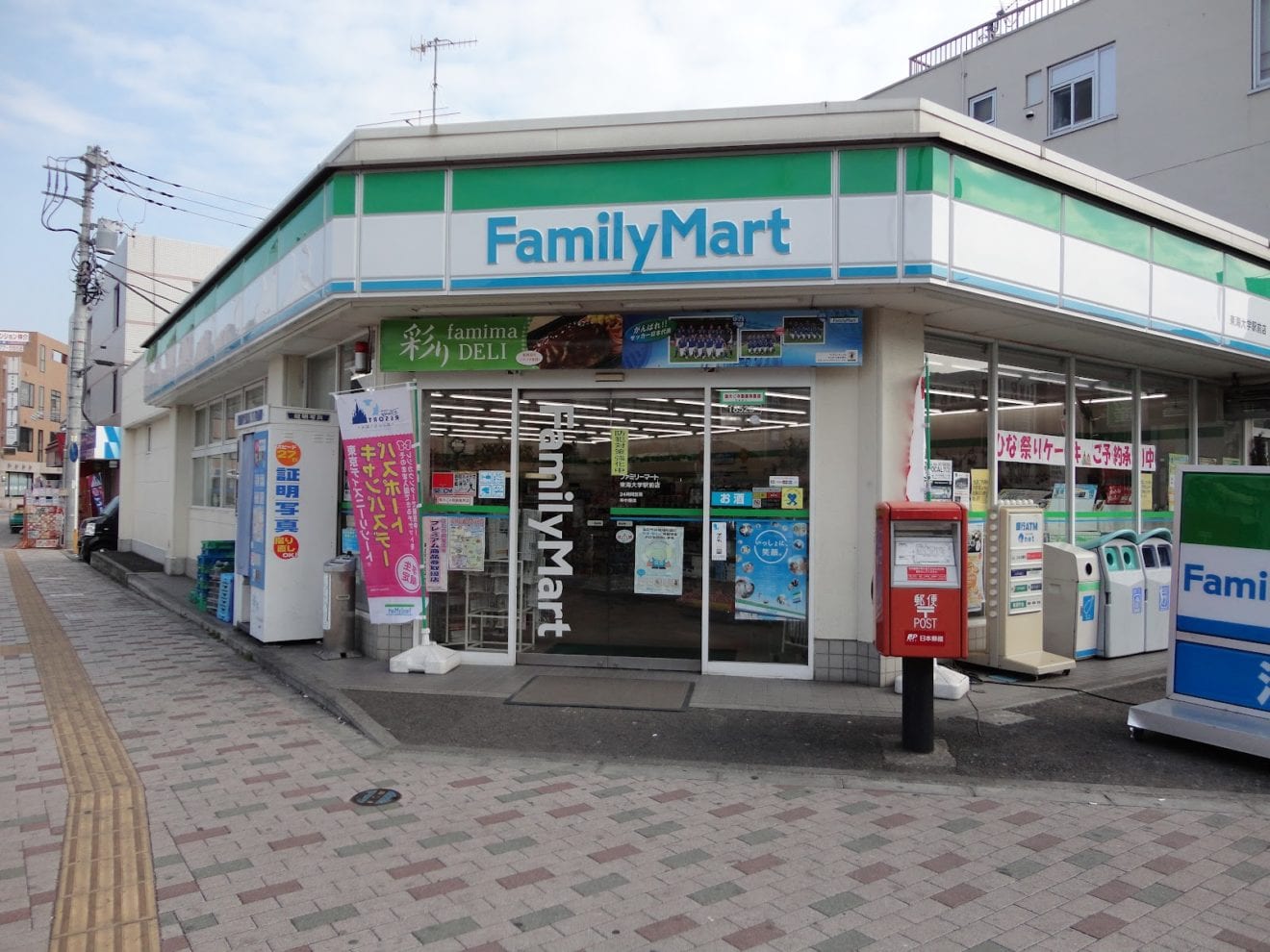
    Familymart Taiwan is aiming to open 220–230 new stores in the territory this year, as the Japanese convenience-store chain franchise, emerges unaffected by the coronavirus turmoil.

    The firm’s takings in this year’s first financial quarter are anticipated to rise 8.4 percent year -on year to NT$19.71 billion (US$652.3 million). FamilyMart Taiwan reported net earnings of NT$1.83 billion ($60.56 million) last year.

    The franchise has suffered minimal fallout from the coronavirus pandemic, with only a low percentage of its earnings derived from operations in Mainland China.

    The firm is the second-largest convenience-store chain in Taiwan, operating 3606 locations nationwide and more than 1200 stores in nine cities on the mainland. The number of closed stores in China dropped from 600 to 100 last month as the Covid-19 pandemic eased. The firm expects operations in China to normalize in July.

  • City Super supermarket chain sale sparks strong interest

    City Super supermarket chain sale sparks strong interest

    Investment groups China Resources and Yonghui Superstores, as well as some private individuals, are among potential buyers of Hong Kong’s City’Super high-end grocery chain.

    Current owner The Fenix Group is intending to sell a majority stake in the business in a deal that could attract US$300–400 million. The firm is likely to call for bids later this month or otherwise in early April, depending on the coronavirus outbreak situation at the time.

    Billionaire Peter Woo, who owns a minority stake in the business, is expected to hold on to his shares. Talks, however, remain at early stages and the deal may not eventually go ahead.

    City Super Group currently operates 21 Hong Kong City’Superstores, with an additional seven in Shanghai and another seven in Taiwan under different brand names. The stores are located in prime properties such as Hong Kong’s IFC Mall.

  • Sheng Siong looks for new store sites as sales and profit grows

    Sheng Siong looks for new store sites as sales and profit grows

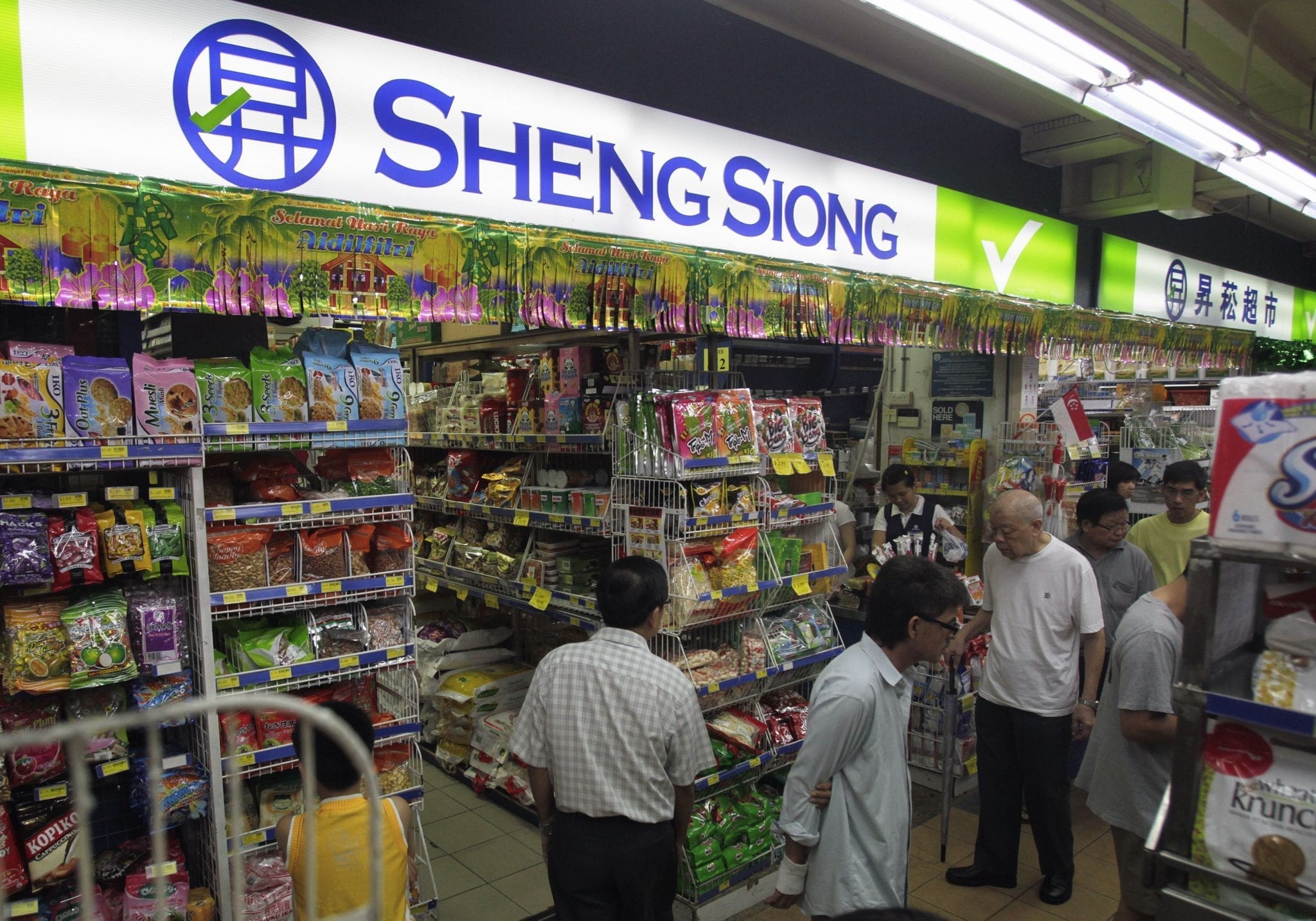
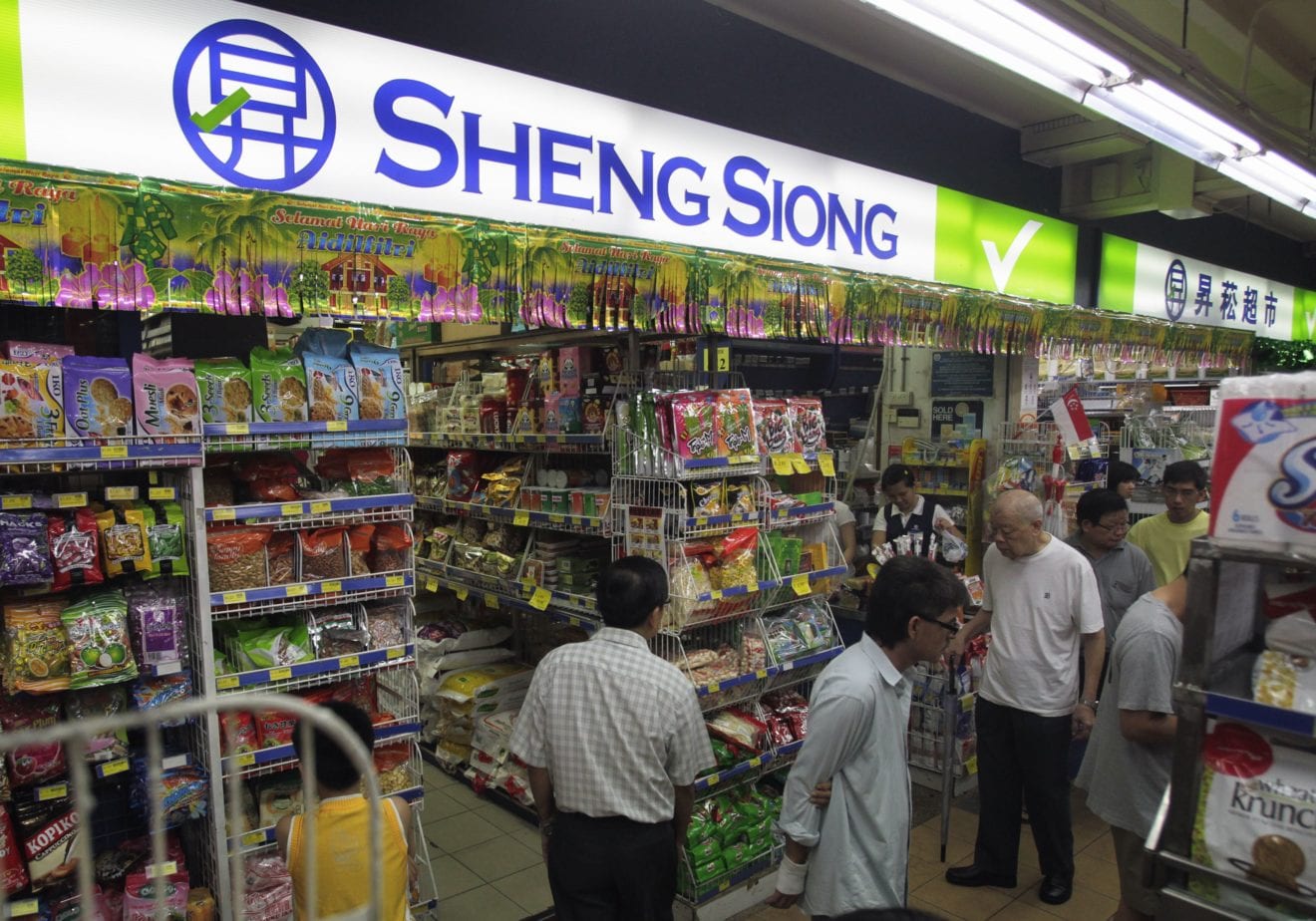
    Singapore supermarket operator Sheng Siong says it plans to open more stores across the city in the wake of a 7.4-per-cent profit increase last year.

    Sheng Siong Group achieved a net profit of S$75.8 million (US$54 million) for the December year on revenue up 11.3 percent to S$991.3 million, largely due to store network growth.

    “Our store expansion plan in Singapore is progressing well,” said CEO Lim Hock Chee.

    Five new stores opened last year and two more already this year adding 56,820sqft of trading area and taking the network to 61.

    “Moving ahead, we will stay focused on looking for new retail spaces especially in areas where our potential customers reside with an aim in mind to expand our retail network in Singapore.”  The company says it will focus on continuing to look for retail space in new and existing Housing Development Board housing estates, particularly in estates where the group currently has no presence.

    “Our key priorities are nurturing the growth of our new stores in Singapore and China while enhancing the gross margin and lowering input cost remain as one of the core areas that we will be working on,” said Lim.

    He added the company would seek to adjust stores’ sales mix adding a higher proportion of fresh produce and deriving more efficiency gains in the supply chain in the year ahead.

    The company remains optimistic about trading this year despite expectations Singapore’s economic growth will slow to less than 1.5 percent – potentially even entering a recession – due to the impact of the coronavirus.

    The company’s results commentary said retail sales, in particular at supermarkets had “not been exciting” last year and could be negatively affected this year.

    “Competition in the supermarket industry is expected to remain keen.”

    This year’s openings were a store on the first floor of Block 118 Aljunied Avenue 2, with an area of approximately 18,000sqft on January 1 and at Block 202 Marsiling Drive (5540sqft) on January 11.

  • First Best Mart 360 Macau store opens

    First Best Mart 360 Macau store opens

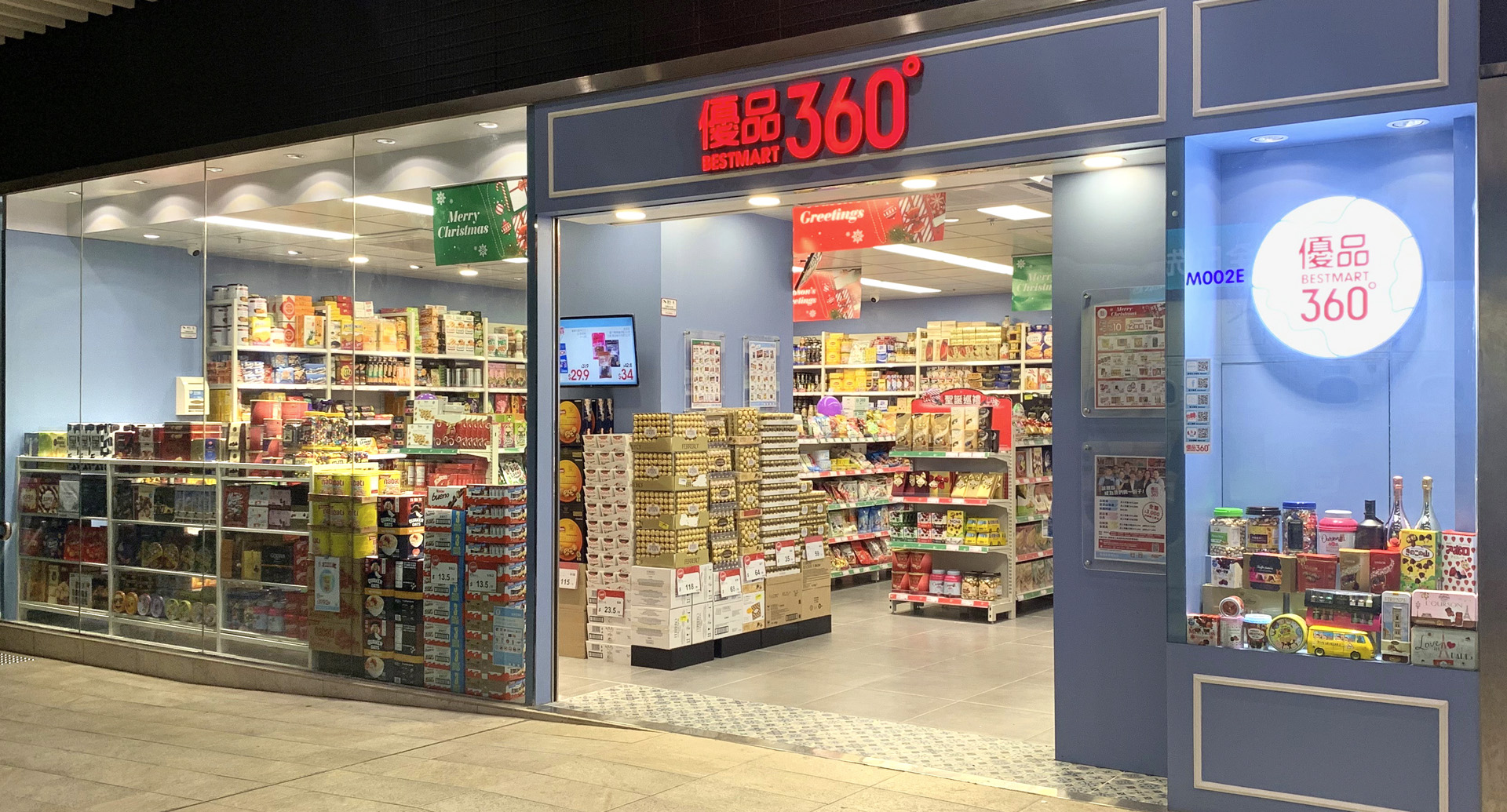
    Best Mart 360, the Hong Kong-listed ‘leisure-food retailer’ opened its first store in Macau yesterday.

    The company – which has suffered vandalism to some 75 of its Hong Kong stores during recent protest activity – believes there is potential for as many as 15 stores in Macau.

    In an interview with the South China Morning Post, chairman and co-founder Lin Tsz-fung said the expansion into the new territory was planned many years ago.

    “We hope to diversify our markets to Macau and Mainland China. We think Macau has a lot of tourists,” he said.

    A significant expansion in Best Mart 360’s store network helped boost sales in the first half of this year, despite the company being heavily impacted by protests since June.

    As at the end of September, Best Mart 360 operated 98 stores, a net 21 more than the same time a year earlier. Most of the new outlets are on the mainland.

  • Five new Spar China stores open

    Five new Spar China stores open

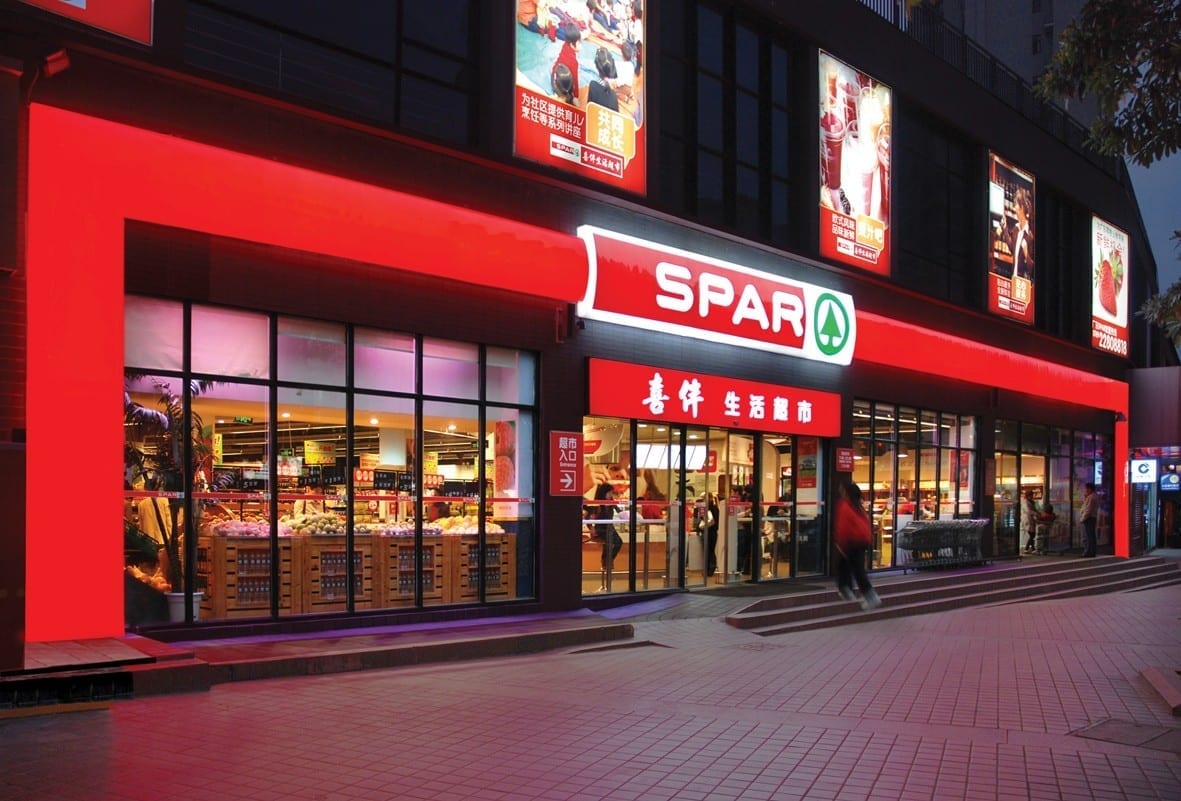
    Grocery-retailer Spar China has launched five new supermarkets.

    The Dutch-headquartered international franchise business has opened two stores in Shandong and three in Guangdong, both Chinese provinces, and bring the chain’s total footprint in the territory closer to 400 stores.

    The stores are constructed in similar but not identical formats. The Huailai County, Shandong 8000sqm outlet sells local and international produce, whereas the 10,000sqm store in the provincial capital of Jinan offers a high-end shopping experience and includes beauty products, homecare, and baby products.

    Opening in Guangdong is a 4500sqm supermarket in Foshan City and two Spar Lifestyle stores in Dongguan with a floor space of less than 200sqm.

  • Lianhua Supermarkets highlights ‘togetherness’ in branding revamp

    Lianhua Supermarkets highlights ‘togetherness’ in branding revamp

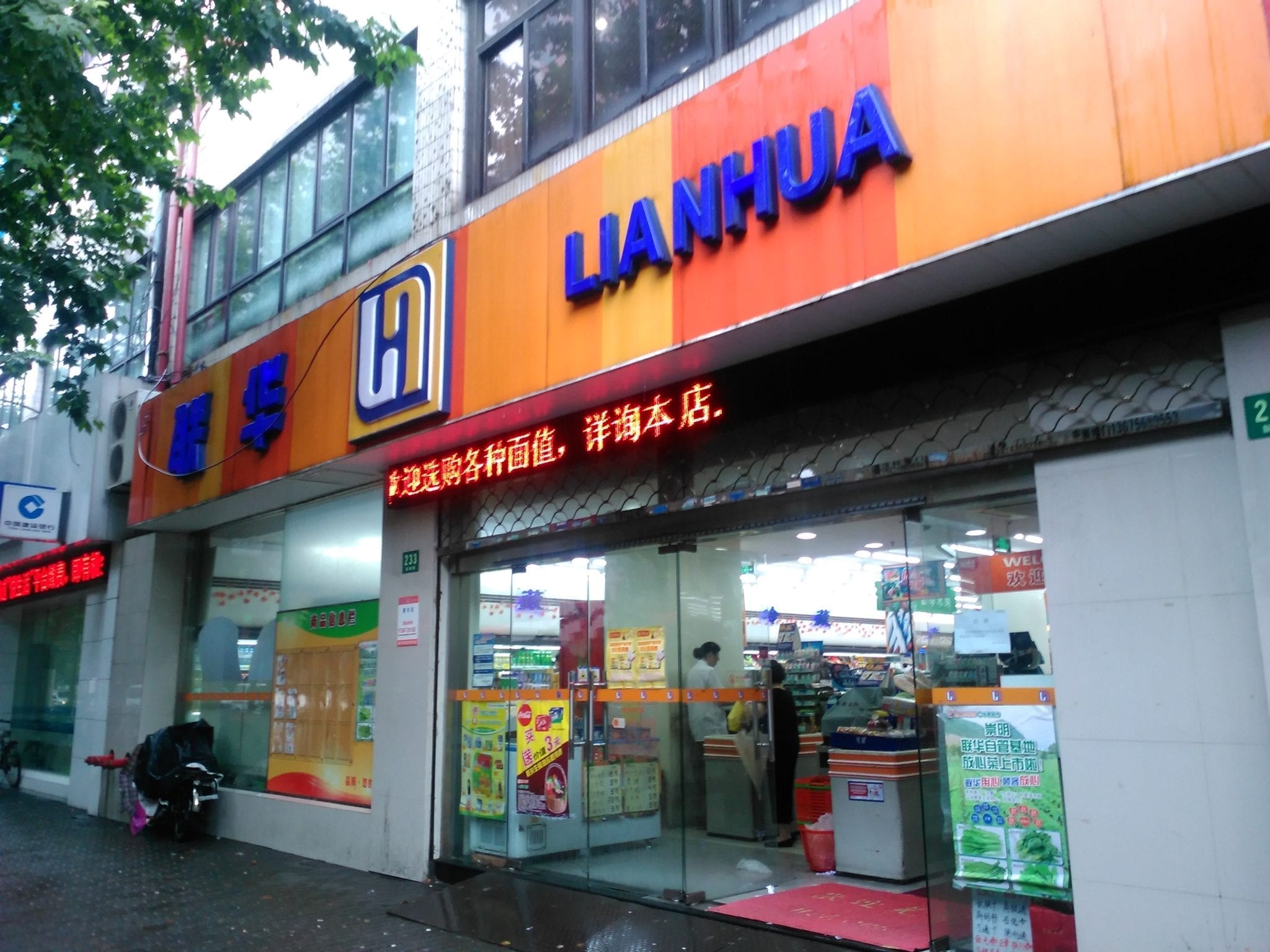
    Chinese state-owned retailer Lianhua Supermarkets has undergone a complete brand refresh, after 28 years of trading.

    The new look, including a refreshed logo and instore signage and design, is being rolled out across the retailer’s 42 stores in China including Shanghai, Hangzhou, Anhui, Guangxi, and Henan.

    Like many traditional Chinese retail brands, Lianhua’s efforts to attract and retain customers until now were focused on in-store promotion and pricing. However, Chinese consumers have become more sophisticated and the market is more competitive now, meaning brands have to stand out from the crowd and develop a connection with their customers.

    “Numerous digitally-driven and technology-led retail brands have seized the market share and disrupted China’s retail industry bringing fresh and seamless online to offline retail experiences to China’s increasingly discerning consumers,” said a Superunion managing creative director Ray Lan. “In order to deal with the external challenges, Lianhua felt the need to change and define touchpoints to re-establish the connection with consumers amidst fierce competition in China’s retail industry.”

    The agency’s team started the project by interviewing staff and management to understand brand and what it meant to the people who work there. Through this process, Superunion uncovered unique aspects of Lianhua’s culture – from the older, more experienced employees, to their reliable supply chain and neighborhood-oriented stores.

    “The high market coverage of stores is also the biggest difference between Lianhua and its peers. These strengths are part of Lianhua’s long-held heritage and are more pertinent than ever amidst China’s fast-moving, overwhelmingly dense information society, a society that increasingly fears losing meaningful connection,” said Lan.

    Togetherness

    This insight is the core of the brand’s newly created brand positioning of Togetherness, aiming to nurture relationships and solve the pain points that consumers experience in a fast-paced life. Through Togetherness, Lianhua has re-examined the nature of retail and created a more satisfying consumer experience providing high-quality products and consumer services, giving them a more unique positioning in a highly competitive market.

    “Togetherness has been visualized as an elaborate ribbon that ties all elements together. The new eye-catching store signage has become a highlight on the streets of the Yangtze River Delta region with the new key visual communicating a sense of connection among Lianhua, shoppers and the community.”

    As part of the corporate rebranding process, a cross-functional brand committee and a brand team have been established to provide professional brand management training and to ensure the brand transformation progresses smoothly, with passion and engagement from within the organization, both at head office and in-store. Lianhua employees and consumers believe the new logo and brand image brings a modern touch to the household name and is expected to attract younger generation to the store.

    The first stage of the brand rollout will be completed by the end of this year, by which time all stores will have new livery, in-store design, staff uniforms and signage.

    Lan says customer response to date has been positive, with the fresh new look in-store vastly improving the Lianhua brand experience.

    “Creating the Lianhua brand identity was a challenging but fun journey. The new key visual – the “ribbon” – reflects the brand positioning “togetherness” in a very smart way, endowing it with a more vivid and concrete representation. It has become a powerful visual asset of Lianhua, enriching the brand through various touchpoints, and communicating what the brand stands for to customers.”

    Doreen Cheng, CMO, Lianhua Supermarket Holdings, said the company believes retail has the power to bring communities together.

    “Superunion helped Lianhua build a unique brand model of togetherness that comes from the intersection between Lianhua’s strengths (coverage and resource) and the cultural disconnection being felt in Chinese communities. Togetherness will differentiate Lianhua in the competitive retail market, creating a holistic platform for the brand.”

  • Malaysian supermarket stops selling products labelled ‘palm-oil free’

    Malaysian supermarket stops selling products labelled ‘palm-oil free’

    Mydin, Malaysia’s largest supermarket chain, has announced plans to de-stock any products promoted as “palm-oil free” in a move aimed at discrediting the environmental movement.

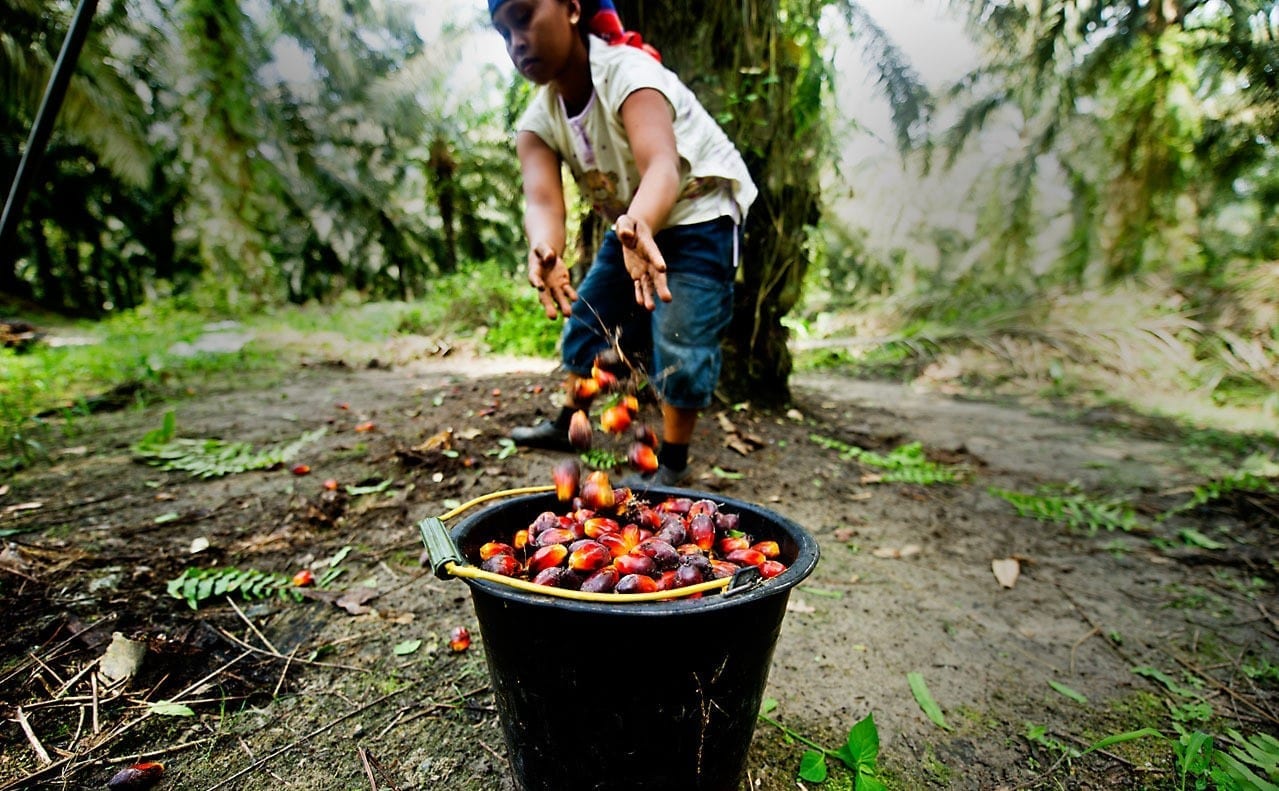
    The expansion of palm-oil plantations – the majority of which are located in Malaysia and Indonesia – has led to substantial deforestation of the native habitats of the three surviving species of orangutans, one of which – the Sumatran – is on the list of endangered species.

    In 1992, the Malaysia government pledged to limit the expansion of palm oil plantations – which typically are planted on land where natural forests have been cleared. Now the government is actively promoting the use of palm oil to boost the nation’s exports of the product, apparently no longer concerned about its environmental impact.

    In July, the Malaysian government promised action against an international school for spreading “anti-palm oil propaganda” and Teresa Kok, Malaysia’s minister of primary industries, this week praised Mydin’s move to ban products promoted as palm-oil free. She said she hoped other retailers would follow Mydin’s example.

    This year, the European Union passed an act to phase out palm oil from renewable fuel by 2030 due to deforestation concerns.

    Malaysia and Indonesia account for about 85 percent of the world’s palm-oil production, of which about 70 percent is used in foods. Manufacturers use palm oil because it is inexpensive compared to alternatives – and because it has a high saturation when used in frying.

    According to The Edge, the Malaysian government is considering a law banning all products flaunting non-use of the oil.

    Ameer Ali Mydin, MD of Mydin Mohamed Holdings, told a press conference that his stores removed all anti-palm products on Wednesday.

    “We must support palm oil,” he said, along with taking steps to counter-marketing and branding exercises that people do that discourage consumers to buy palm oil.

    “By labeling something that there is no palm oil, you’re actually telling people that palm oil is bad for you.”

    Of course, Mydin’s comment is complete nonsense. The reason marketers promote their products as not containing palm oil is to allow consumers to make an informed choice on whether they should buy the product, based on their concerns for the environment, specifically endangered orangutans. It has nothing to do with consumers’ health.

    Indonesia’s government has also reportedly told some retailers in Jakarta not to stock products with ‘palm-oil free’ labels.

  • Aldi growing three times as fast as competitors

    Aldi growing three times as fast as competitors

    Australians top priorities in grocery shopping are convenience, quality and pricing – with the latter surprisingly coming in third.

    Dunnhumby’s latest Australian Grocer Retailer Preference Index found that Woolworths is the go to “one-stop-shop” for wide product variety while rival Coles is the chosen grocery for promotions and rewards. However, discount grocer Aldi beats them both on price.

    “Aldi has built the strongest emotional connection with its customers by delivering consistently low prices, quality products and higher perceived ‘value’,”said Keri-Jane Jacka, commercial director ANZ, dunnhumby.

    “Further, our findings show Aldi customers are more likely to recommend the retailer to their friends and family and be sad if their nearest store closed.  This strong emotive response suggests that Aldi has really strong brand equity – a driver for long-term customer loyalty and continued success in the market.”

    Woolworths beats Coles as Australians’ preferred grocery retailer with an RPI score of 95 versus 91. However, Aldi is hot on the heels, described as an ‘accelerating threat’ with an RPI score of 69. The discount grocer is growing three times faster than its competitors, and can potentially double its market share in the next 10 years, dunnhumby said.

    “With Aldi outperforming on all price attributes and developing a real connection with its customers, in order to remain the preferred grocery retailers amongst shoppers, Woolworths and Coles must continue to invest in data-driven retail strategies to foster loyalty and build trust. They must offer lower prices across the board instead of focusing on discounts, and more convenient, easy shopping experiences that delight customers,”
    Jacka said.

    The index shows that the ‘big two’ supermarket giants, Woolworths and Coles, capture two-thirds of shopper visits. One third of shoppers buy at Woolworths, Coles and Aldi in the last month.

    The report found that Australian grocers face intense pressure from e-commerce and discounters that leverage customer data to engage and retain shoppers today. It’s the ‘new normal’ strategy for retailers to win and retain the modern shopper.

    “Retailers need to be far more strategic in their approach to pricing and promotions. To remain competitive, they need to think introspectively on how they can maximize personalization and create the most value for their customers by leveraging the huge amounts of customer data at their disposal,” Jacka said.

    Five primary customer pillars

    Dunnhumby reported that there are five primary customer pillars. These are convenience and quality; easy shopping experience; price; operations and drive time.

    It ranked the five retailers with Woolworths ahead of Coles. Aldi comes in third as the “dark horse in the race”, while IGA and 7-Eleven currently trailing.

    Convenience matters for Aussie shoppers

    Aussies value time so convenience, quality and easy-shopping experience are on the top of their priorities for overall preference driver. But for Woolworths and Coles customers, it is less important as long as they are satisfied with their items.

    Woolworths and Coles are the strongest on quality goods and convenience. IGA’s strongest in good customer service and clean stores. While Aldi offers also good quality products, but trails behind the two supermarket giants on convenience. 7-Eleven’s biggest issues are cleanliness and perishables, but the retailer wins in ready-to-eat items.

  • Singapore supermarket operator Sheng Siong reports profit boost

    Singapore supermarket operator Sheng Siong reports profit boost

    Singapore supermarket operator Sheng Siong boosted its net profit by 7.4 percent in the June quarter, to S$18.42 million.

    Sales rose 11.8 percent to $238.16 million on the back of 13 new store openings.

    However, the company has warned investors that competition in the Singapore supermarket sector is tough, from both online retailers and rival supermarket chains. Worse, consumer spending may be impacted by a soft economic outlook.

    In the half-year to date, Sheng Siong recorded a 6.6 percent increase in net profit to $37.78 million, on sales up 11 percent to $489.59 million.

  • Carrefour China business Sold

    Carrefour China business Sold

    Suning is to buy an 80 percent controlling stake in Carrefour China for €620 million (RMB 4.8 billion).

    The first Carrefour China supermarket was opened in 1995 when the French company was one of the first foreign retailers to enter the market. Currently, it operates 234 outlets – 210 large-format hypermarkets and 24 convenience stores. Net sales for its last full year were €3.6 billion (RMB 28.5 billion) and pre-tax profit €66 million (RMB 516 million).

    Just last month, Carrefour executives denied the business was for sale, but financial media have been reporting what turned out to be markedly accurate reports of negotiations this year.

    Suning’s purchase follows the acquisition of 37 Wanda department stores earlier this year, which will be converted to Suning.com branding.

    The company says it will use its smart-retail expertise to digitalize Carrefour China’s existing store network to create a “leading innovative supermarket shopping experience”.

    “In the future, we expect to open up the access for Suning’s various business models, such as household-electronics sales, Redbaby, JIWU, Suning Financial Services, SuFresh and Suning Xiaodian’s immediate delivery, [and] to get into Carrefour China’s stores located in the central business and living areas of Chinese first- and second-tier cities,” said Tian Rui, VP of Suning.com.

    “It will help us better meet more consumers’ needs due to strengthened core capabilities achieved by store innovation. With 400 million registered customers of the company’s retailing segment, Suning.com’s users-ecosystem will complement Carrefour China’s membership system, fully improving the customer value.”

    He said that by connecting the more than 6000 Suning Xiaodian stores with Carrefour China’s outlets, Suning’s ‘last-kilometre home-delivery service will be able to serve more consumers with lower cost but higher efficiency.

  • China to become world’s largest grocery market by 2023

    China to become world’s largest grocery market by 2023

    China is set to overtake the US to become the world’s largest grocery market by 2023 in value terms, according to new forecasts.

    Studies from international researcher IGD Asia have shown the country’s total market size will reach RMB11.0 trillion (US$1.8 trillion), more than Asia’s next four largest grocery markets (India, Japan, Indonesia and South Korea) combined.

    “China will not only retain its position as Asia’s largest grocery market by 2023, it will also overtake the US to become the world’s largest,” said IGD head of Asia Pacific Nick Miles. “The market is expected to have a CAGR of 5.5 per cent, on par with Sri Lanka and Thailand, but slower than markets such as India, Vietnam, Indonesia and the Philippines, where the economy is growing faster.

    “Less than half of grocery sales in China currently go through traditional trade and as the market continues to mature, we expect traditional trade to continue losing share to modern trade. As the total market size expands, traditional trade will still grow, but at a much slower pace over the next five years (forecast CAGR of 0.8 per cent), compared with the growth rate of modern trade (forecast CAGR of 8.5 per cent).”

    Development of modern trade in China over the next few years will be largely driven by ongoing store expansion, according to IGD’s research, as well as strong performances from the online and convenience channels.

    “Convenience will be the fastest-growing physical store channel, driven by Alibaba and JD transforming traditional mom-and-pop stores, retailers opening smaller format stores and both local and overseas players expanding their networks through partnerships,” said Miles. “Online and offline integration will drive online growth. As the fastest-growing channel, we forecast online to contribute up to 11 per cent of sales in 2023.”

    Hypermarket share will decline

    Meanwhile, IGD forecasts that hypermarkets will see their share of China’s total grocery retail market reduce from 22 per cent last year to 18 per cent in 2023, while the market share of supermarkets will remain steady, close to 20 per cent.

    IGD research has also found that China’s leading grocery retailers will grow at varying rates to 2023. E-commerce giants such as JD and Alibaba are set to see significant growth from both online and offline channels and become the second- and third-largest grocery retailers in China respectively. Meanwhile, retailers with nationwide networks such as Sun Art, Yonghui, Walmart, CRV and Carrefour will benefit from ongoing expansion, partnerships with e-commerce and tech companies, improved efficiencies, and investment in small formats. Regional players such as NGS and Wumart will continue to focus on profitability.

    “With such strong market growth to 2023, trading in China has vast potential, whether supplying directly to physical stores or via online marketplaces,” concluded Miles. “However, there are huge changes taking place that suppliers need to consider. Online giants are reshaping China’s retail landscape with their strong logistical and technical capabilities, so suppliers should understand this new path of purchase and design meaningful ways to reach their shoppers. Expansion through local partners will also remain a key route to market in China, so customer strategies must take into account the strong alliances forming between e-commerce players and bricks and mortar retailers.

    “There’s also a huge RMB1.7 trillion ($245.57 trillion) growth opportunity in convenience and online in the next five years, which can be captured by understanding trends and retailer strategies and allocating resources accordingly. But we would also urge suppliers not to neglect traditional trade, which will still account for about one-third of FMCG sales in 2023. As the channel modernises, it will provide new ways to reach new shoppers.”

  • China is experiencing a convenience-store Expansion

    China is experiencing a convenience-store Expansion

    China is experiencing a convenience-store boom.

    Nearly 12,000 new convenience stores were opened on the mainland last year, according to the China Urban Convenience Store Index, an increase of 18 percent.

    The index, released by the China Chain Store and Franchise Association, showed that new convenience stores took up 62 percent of all new openings in the territory. Around two-thirds of these were opened under a franchise arrangement.

    Typically, franchised convenience stores in China show a return on investment at the two-year mark.

    While first-tier cities are thought to have reached saturation point in terms of convenience-store market penetration, the field remains open for second and third-tier cities.

    “There is a big potential for more regional players to deepen their market penetration,” said secretary general of the China Chain Store & Franchise Association Peipei Liang, adding that hypermarket operators are now turning to smaller-scale and community stores for a new growth point.

    Association figures show that the top 100 chain stores reached sales of CNY240 billion (US$34.9 billion), and an increase of 7.7 percent on the previous year’s results. These players also benefited from a 55.5 percent increase in online revenue.

  • VinMart Vietnam opens first virtual store

    VinMart Vietnam opens first virtual store

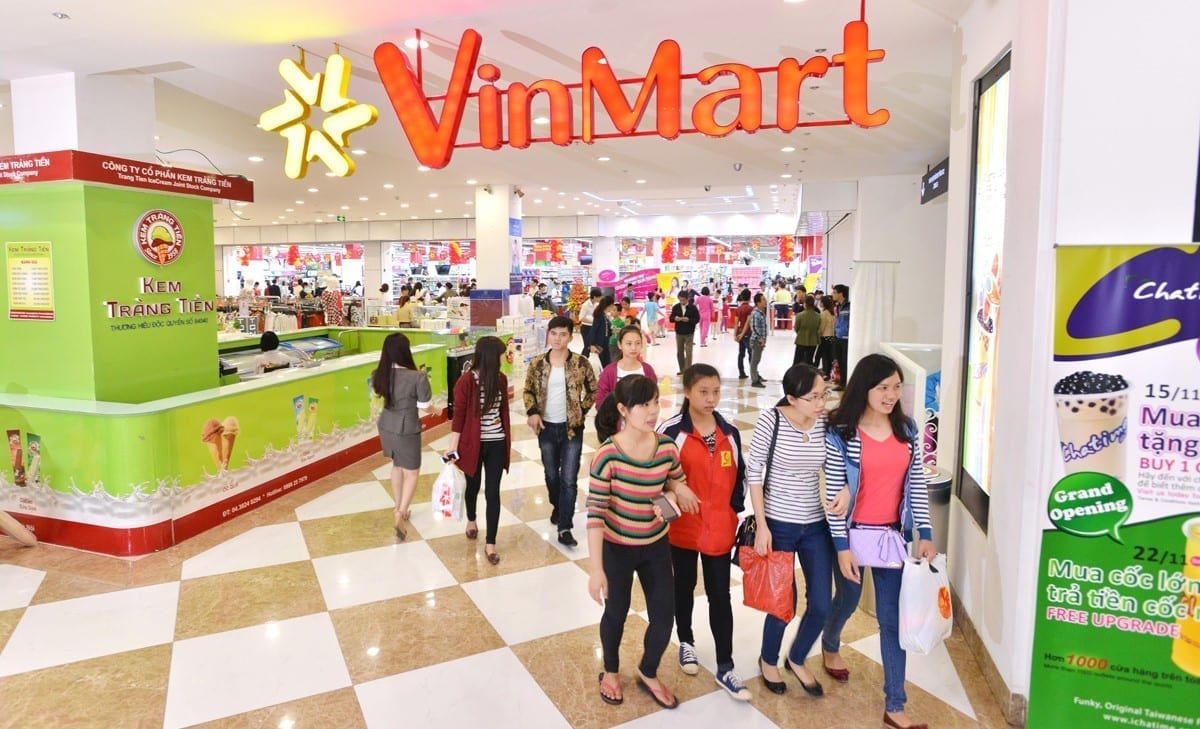
    Vietnamese supermarket chain VinMart claims to have opened Vietnam’s first virtual store.

    Run by VinGroup’s subsidiary VinCommerce, the new concept is being tested in 20 locations, including apartments, office buildings, schools and at bus stops, both in Hanoi and Ho Chi Minh City.

    Each store provides images and QR codes of more than 100 product groups for customers to scan and order via VinID app. The products will be delivered within two to four hours.

    VinMart launched the Scan&Go function in its app in March, applying it in 73 supermarkets across the country.

    Customers can also shop via VinMart’s printed shopping manual or online.