Retail News CRM

Tag: Supermarket

  • Aldi hits 100 per cent renewable six months early

    Aldi hits 100 per cent renewable six months early

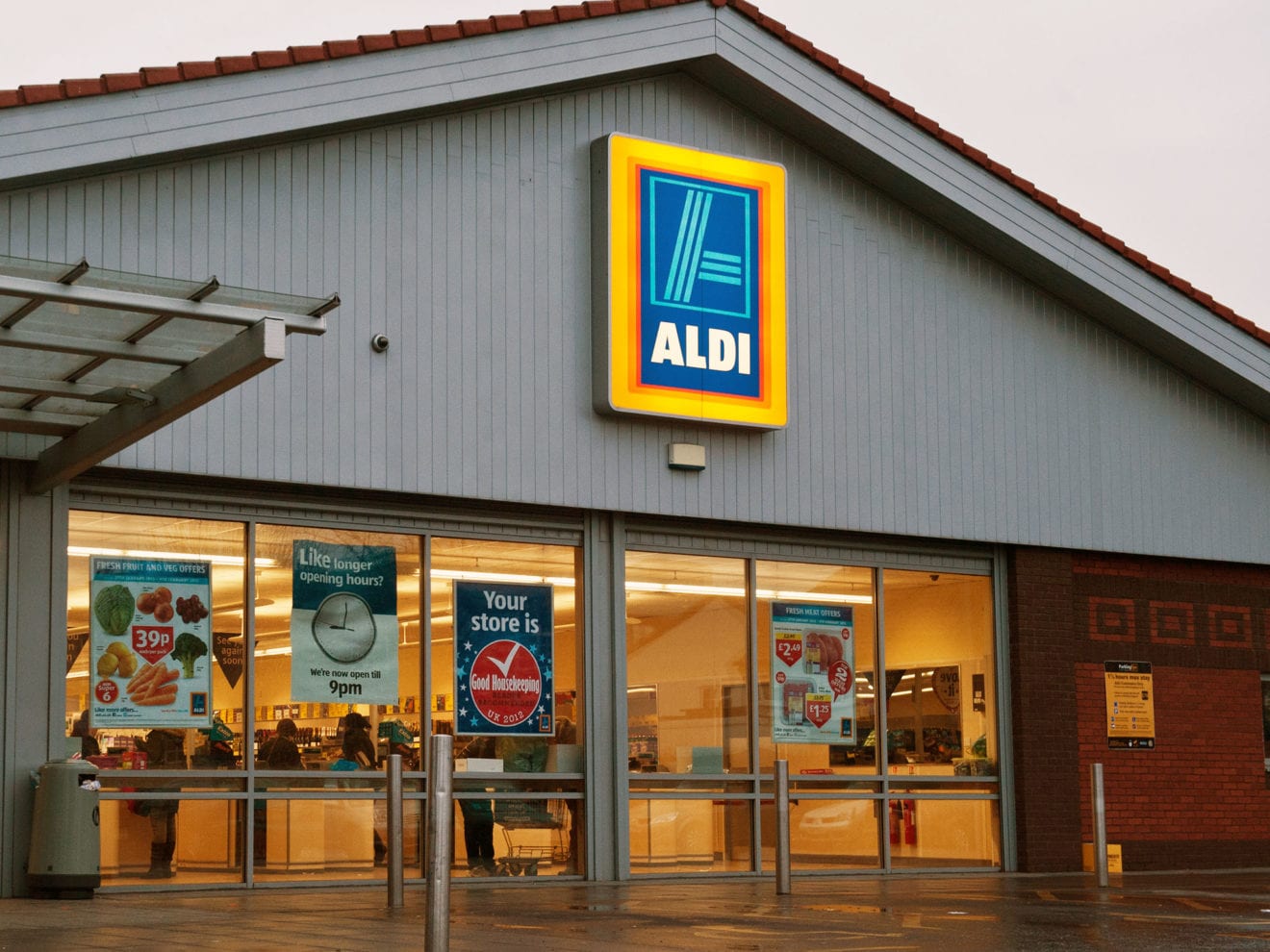
    Aldi has hit its goal of powering its Australian operations with 100 percent renewable energy six months ahead of schedule, resulting in an 85 percent reduction in the company’s CO2 emissions.

    The German supermarket chain achieved this through on-site generation using solar, offsite generation through power purchase agreements with wind farms, and the acquisition of market renewable energy certificates.

    “As the 67th biggest user of electricity in Australia, we recognize the significant role we have to reduce our impact on the environment and contribute to a more sustainable future,” said Aldi Australia chief executive Tom Daunt.

    “Our customers care about ensuring they purchase with purpose and every time someone walks through our doors they can feel confident their weekly shop isn’t costing the Earth.”

    However, being powered by renewable energy is just one of the supermarket’s goals. By 2025 Aldi aims to send zero waste to landfills, with the smaller goal of zero food waste to landfill to be hit in 2023, and the business will continue to find more opportunities to recycle within its ecosystem.

    Greenpeace Australia Pacific chief executive David Ritter said the milestone was proof of genuine corporate climate leadership in action.

    “Renewable energy is the cheapest form of new energy, and capable of powering Australia’s biggest businesses. Aldi’s leadership in the race to power all Aussie supermarkets with renewables is a landmark day,” Ritter said.

    “Australia is blessed with abundant renewable resources. We are the sunniest and windiest country in the world, it just makes sense that businesses like Aldi are choosing to power their operations using renewable electricity.”

    Both Woolworths and Coles have also committed to power its operations through renewable energy by 2025.
  • Aldi named top supermarket by customers

    Aldi named top supermarket by customers

    Aldi has been deemed 2020’s supermarket of the year in Roy Morgan’s latest customer satisfaction awards.

    Roy Morgan CEO Michele Levine said supermarkets become some of the most trusted brands in the country last year due to the integral role they played during the first national lockdown, keeping Australia’s communities safe and fed.

    “Many businesses, and particularly those in retail and hospitality, faced a major threat to their way of doing business in 2020 as a nationwide closure early in the year forced many to close – at least temporarily,” said Levine.

    “The good news for the businesses hit hardest with the lockdowns was that they proved effective with most of Australia spending the remainder of 2020 in relative normality compared to the rest of the world.”

    The survey is calculated from an annual survey of 50,000 Australians and previously led Aldi to win the best supermarket in 2016, 2014, and 2012.

    “We are hugely excited to be recognized as Australia’s Best Supermarket by Roy Morgan. We are continuously striving to deliver the highest quality products at the lowest prices possible, and it’s clear this commitment is resonating with customers year in and year out,” said Aldi Australia group director Simon Padovani-Ginies.

    “We are proud to receive this award and aim to continue to live up to shoppers’ expectations that ALDI is Australia’s best supermarket by delivering exceptional value every time they shop.”

    Aldi was also named ‘mobile phone service provider of the year’ for 2020, beating out traditional telcos.

  • Auchan to leave Taiwan business

    Auchan to leave Taiwan business

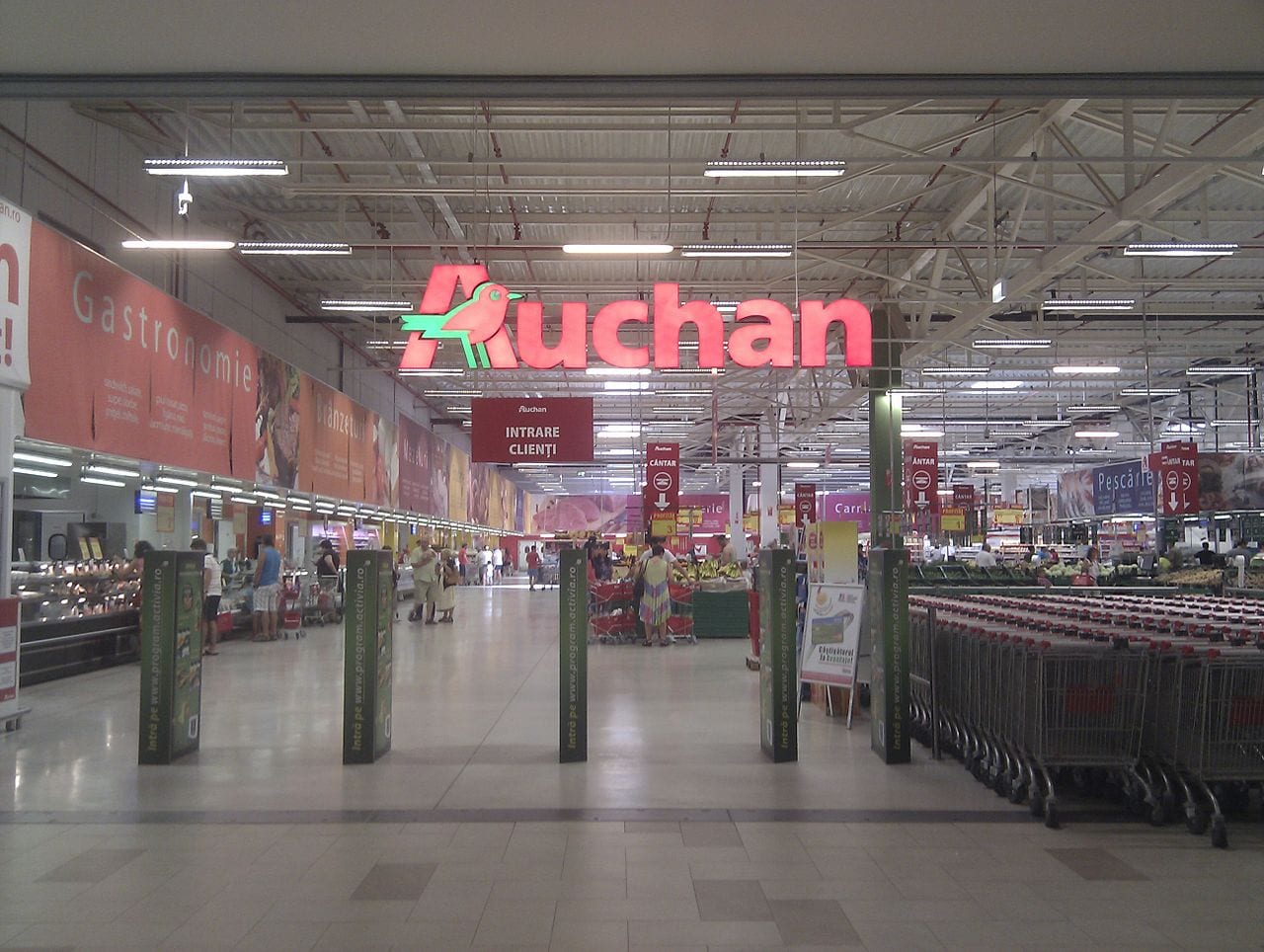
    Auchan Retail is considering selling its stake in a group of RT-Mart-branded stores in Taiwan and is seeking $300 million to $400 million, people familiar with the matter said.

    The French supermarket chain is working with an adviser to find a buyer for its 65% stake in the retail locations, the people said, asking not to be identified as the process is confidential. The sale kicked off last week, they said.

    Deliberations are at an early stage and Auchan could decide to keep the interest, the people said. A representative for Auchan declined to comment.

    The potential sale would complete Auchan’s exit from Asia, after selling its stake in Sun Art Retail Group Ltd. to Alibaba Group Holding Ltd. in October in a deal worth about $3.6 billion. Sun Art operates so-called hypermarkets, large retail outlets that combine a department store and a supermarket, and convenience stores in China under the RT-Mart and Auchan brands.

    Auchan owns 20 hypermarkets and two convenience stores in Taiwan, according to the 2020 annual report of Elo, formerly known as Auchan Holding. Auchan opened its first Taiwan store in 1997 and has 5,500 employees in its Auchan Retail Taiwan unit, which runs the RT-Mart-branded stores, its website shows.

    U.S. actor and former World Wrestling Entertainment Inc. champion John Cena apologized for describing Taiwan as a country in a promotional video for his latest movie, saying sorry in Mandarin after the comments triggered a backlash in China.

    Cena made the apology in a clip posted Tuesday on his official Weibo account, a Chinese social media platform like Twitter. He had earlier this month indicated that Taiwan was a country in a video promoting his film “Fast & Furious 9,” according to China’s state-run Global Times newspaper.

    “I made a mistake. I must say now that, very very very importantly, I love and respect China and Chinese people,” Cena said in Chinese in the video, without elaborating further.

    The apology video triggered further anger on Chinese social media, where users denounced Cena for not stating that Taiwan was part of China. Beijing argues that democratically run Taiwan is part of its territory, and has in recent years increased diplomatic pressure on the Taipei government and other nations that recognize its legitimacy.

    The apology also drew flak in the U.S., where critics — including Republicans and conservative media — slammed the star for bowing to China. Tom Cotton, a Republican senator from Arkansas, described the move as “pathetic.”

    Cena is the latest high-profile westerner to come under fire for publicly crossing China’s political lines, amid a boycott of some U.S. and Europe-based brands that had taken a stand against the treatment of Muslim Uyghurs in China’s far west Xinjiang region.

    Hennes & Mauritz AB faced ire in recent months after a statement it made expressing concern over reports of forced labor in Xinjiang resurfaced. Its Chinese outlets disappeared from Apple and Baidu Maps searches, and some stores in smaller cities were closed by landlords. The company’s name and products can no longer be found on major Chinese e-commerce platforms including Alibaba Group Holding Ltd.’s Taobao and Tmall. Online sales of Adidas AG and Nike Inc. also plunged in the country in April after their comments on the Xinjiang issue drew them into the boycott.

  • Aldi Australia targets food in drive to eliminate waste to landfill

    Aldi Australia targets food in drive to eliminate waste to landfill

    Aldi Australia has taken another step toward more sustainable local operations, announcing it is committing to zero waste to landfill by 2025.

    The plan, according to Aldi, is to first focus on reducing food waste to landfill by 2023 by expanding segregated waste collection at stores and doubling food donations across its business, while executing on closed-loop recycling opportunities within Aldi’s supply chain.

    The commitment follows Aldi’s plan to power its operations entirely with renewable energy, and trials of instore recycling services to help consumers to reduce their waste footprint for items such as coffee capsules and soft plastics, as well as harder to recycle items such as batteries.

    “Every present and future action is taken to achieve our zero-waste commitment has been carefully considered to ensure the solution is both viable and impactful,” said Aldi Australia corporate responsibility director Daniel Baker.

    “Our commitment will see the business reduce the amount of waste created and reuse or recycle materials to cease unnecessary waste from being sent to landfill. It is our intention that, collectively, these actions will make a difference.”

    Minister for the Environment Sussan Ley said she is hopeful Aldi’s commitment will have a flow-on effect across its supply chain and through to consumers.

  • Online supermarket concept Supie to launch in Auckland

    Online supermarket concept Supie to launch in Auckland

    Online supermarket Supie is set to open its virtual doors in Auckland next month, aiming to change the way Kiwis shop for groceries.

    The membership-based supermarket will house more than 2500 products sourced from local growers and food producers. Supie also offers sustainable delivery where all packaging is recyclable or reusable. The brand implements zero-waste ordering methods which ensure its customers receive the freshest produce.

    “The majority of the time, when you order your product is still in the ground,” the company says on its website.

    Founded by Sarah Balle, Supie is expected to compete directly with traditional supermarkets, providing a smart and more accessible solution for Kiwis during the post-Covid era.

    “We’re a small team of passionate Kiwis with big ambitions to make a true impact,” said Saral Balle. “We believe food is the most powerful force for change.”

  • Couche-Tard drops $20bn Carrefour takeover plan

    Couche-Tard drops $20bn Carrefour takeover plan

    Canada’s Alimentation Couche-Tard has dropped its €16.2bn ($19.6bn) bid to acquire European retailer Carrefour SA after the takeover plan ran into stiff opposition from the French government, two sources familiar with the matter told Reuters on Friday.

    The decision to end merger talks came after a meeting on Friday between French Finance Minister Bruno Le Maire and Couche-Tard’s founder and chairman, Alain Bouchard, the sources said, speaking on condition of anonymity as the matter is confidential.

    Couche-Tard and Carrefour declined to comment.

    Earlier on Friday, France ruled out any sale of grocer Carrefour on food security grounds, prompting the Canadian firm and its allies to mount a last-ditch attempt to salvage the deal.

    “Food security is strategic for our country so that’s why we don’t sell a big French retailer. My answer is extremely clear: We are not in favour of the deal. The no is polite but it’s a clear and final no,” Le Maire said.

    Couche-Tard was hoping to win the government’s blessing by offering commitments on both jobs and France’s food supply chain and by keeping the merged entity listed in both Paris and Toronto, with Carrefour boss Alexandre Bompard and his Couche-Tard counterpart Brian Hannasch leading it as co-CEOs, one of the sources said.

    The plan included a pledge to keep the new entity’s global strategic operations in France and having French nationals on its board, he said.

    Couche-Tard, advised by Rothschild, was also going to pump about €3bn of investments into the French retailer which was working on the deal with Lazard.

    The proposal was widely backed by Carrefour which employs 105,000 workers in France, its largest market, making it the country’s biggest private-sector employer.

    France’s rejection of the deal less than 24 hours after talks were confirmed sparked grumbling in some business circles over how French President Emmanuel Macron, a former investment banker, is turning away foreign investment. Some politicians and bankers said the pushback could tarnish Macron’s pro-business image, while others highlighted that the COVID-19 crisis had forced more than one country to redefine its strategic national interests.

  • Carrefour starts rebranding Wellcome stores in Taiwan

    Carrefour starts rebranding Wellcome stores in Taiwan

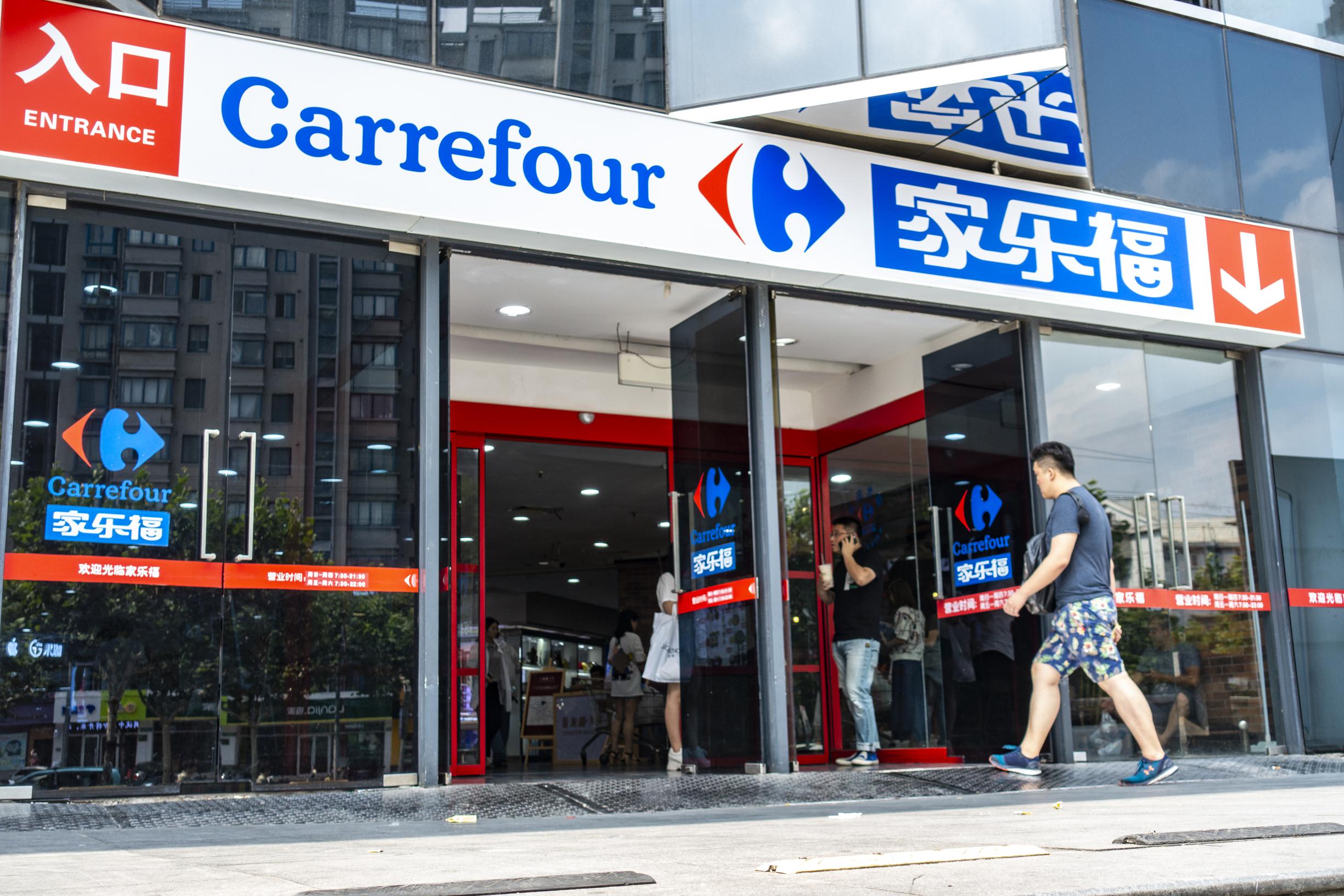
    Carrefour SA said Tuesday they have agreed to buy Wellcome Taiwan from Dairy Farm International Holdings Ltd. to accelerate its expansion.

    The deal includes 224 proximity stores as well as a warehouse and its overall enterprise value is EUR97 million (US$107.9 million), the supermarket group said.

    The company expects the transaction to close by the end of the year and its plans for the stores include cost-structure optimization and rebranding.

    Wellcome Taiwan had net sales of around EUR390 million in 2019, according to Carrefour.

    The French company said it currently owns 137 stores in Taiwan, where it generated net sales of EUR1.97 billion, earnings before interest, taxes, depreciation, and amortization of EUR209 million and recurring operating income of EUR83 million in 2019.

  • Giant Singapore cuts prices long term after store revamps

    Giant Singapore cuts prices long term after store revamps

    From today, supermarket chain Giant will lower the prices of 650 daily essentials for six months by 20 percent, on average. It will also refresh its brand, with its 53 Singapore stores incorporating new features including in-store bakeries and Guardian pharmacies.

    The price reduction is costing Giant around $17 million and is prompted by its consumer research found that cost of living concerns are top on people’s minds during the ongoing pandemic, said Dairy Farm’s chief executive officer for its South-east Asia food business Chris Bush yesterday.

    “The one thing that they told us loud and clear is they would like cheaper prices, they’d like greater value and they’d also like more stable prices, particularly on those essential products that they buy most often,” he told reporters during a media conference.

    The price reductions will apply to products across Giant’s own brands, fresh products as well as national brands like Dove. Vannamei prawns, for example, will be sold for $1 per 100g, down from $1.89 previously. A box of 50 green tea bags by OSK will retail for $5, down from $6.95. About 2,000 new products have also been added to Giant’s stores, along with such features as $1 zones and stalls selling fried chicken.

    Only its hypermarkets in Tampines and IMM will have the full range of new offerings, owing to space constraints. Giant’s move to make essentials more affordable follows FairPrice’s price freeze of 100 house brand items, which began in March last year and will run until the end of this year.

    Asked if it was influenced by FairPrice’s price freeze and foray into the hypermarket format, Mr Bush said Giant’s plans are based on customer feedback and not a response to any particular competitor.

    The closure of several of Giant’s bigger stores in recent years – including those at VivoCity and Parkway Parade – are part of the group’s normal business review and leasing arrangements, he added.

    “Every now and again, unfortunately, we need to close some stores, but at the same time, we open a lot of stores. So I wouldn’t read anything more into that.”

    Beyond the physical revamp, Giant is also working on improving store operations, hygiene standards, product availability and service levels, he said.

    The $17 million it will forgo in cutting prices is largely funded from the savings amassed from higher productivity and supply chain efficiencies, he added, declining to disclose the total cost of its rebranding exercise.

    Mr Lee Yik Hun, marketing director of South-East Asia Food at Dairy Farm Group, said Giant hopes to maintain the price reductions beyond the six-month commitment.

    “The only way we can do it is to get the volume and support from our customers and supplier partners,” he added.

  • FamilyMart set to test robotic c-store staff

    FamilyMart set to test robotic c-store staff

    FamilyMart will this month deploy a robot that vaguely resembles a kangaroo to stack sandwiches, drinks and ready meals on shelves at a Japanese convenience store. The robot’s maker, Telexistence, hopes the trial will help trigger a wave of retail automation.

    Following the trial, FamilyMart says it plans to use robot workers at 20 stores around Tokyo by 2022. At first, people will operate them remotely – until the machines’ artificial intelligence (AI) can learn to mimic human movements. Rival convenience store chain Lawson is deploying its first robot in September, according to Telexistence.

    “It advances the scope and scale of human existence,” the robot maker’s chief executive, Jin Tomioka, said as he explained how its technology lets people sense and experience places other than where they are.

    The idea, dubbed the existence, was first proposed by the start up’s co-founder, University of Tokyo professor Susumu Tachi, four decades ago.

    Their company has received funding from technology investment company SoftBank Group and cell phone service operator KDDI in Japan, with overseas investors including Airbus Ventures, the venture capital arm of European aircraft maker Airbus SE.

    It dubbed its robot the Model T, a nod to the Ford Motor car that began the era of mass motoring a century ago.

    Its quirky design is meant to help shoppers feel at ease because people can feel uncomfortable around robots that look too human.

    Robots are still a rare sight in public. Although they can outperform humans in manufacturing plants built around them, they struggle with simple tasks in more unpredictable urban settings.

    Solving that performance problem could help businesses in industrialized nations, particularly those in rapidly aging Japan, cope with fewer workers. Firms hit by the coronavirus outbreak may also need to operate with fewer people.

    Since the outbreak started, hotels, restaurants, and even gas and oil companies have contacted Telexistence, Tomioka said.

    “It’s difficult to tell now what impact robots might have in restaurants – it could mean fewer people, but it could also create new jobs,” said Niki Harada, an official at Japan’s Restaurant Workers Union.

    Using human operators with virtual reality goggles and motion-sensor controls to train its machines slashes the cost of retail robotics compared with complex programming that can cost 10 times more than as the hardware and take months to complete, Telexistence says.

    Although FamilyMart will still need humans to control its robots, operators can be anywhere and include people who would not normally work in stores, said Tomohiro Kano, a general manager in charge of franchise development.

    “There are about 1.6 million people in Japan, who for various reasons are not active in the workforce,” he said.

    Future te existence robots could also be used in hospitals so doctors could perform operations from remote locations, predicted Professor Takeo Kanade, an AI and robotics scientist at Carnegie Mellon University in the United States, who joined Telexistence in February as an adviser.

    It might take another 20 years before robots can work in people’s homes, however, he said.

    “In order for robots to be really usable at home, we really have to be able to communicate. The fundamental thing that is lacking is knowing how humans behave.”

  • Tops unveils new supermarket retail format in Bangkok

    Tops unveils new supermarket retail format in Bangkok

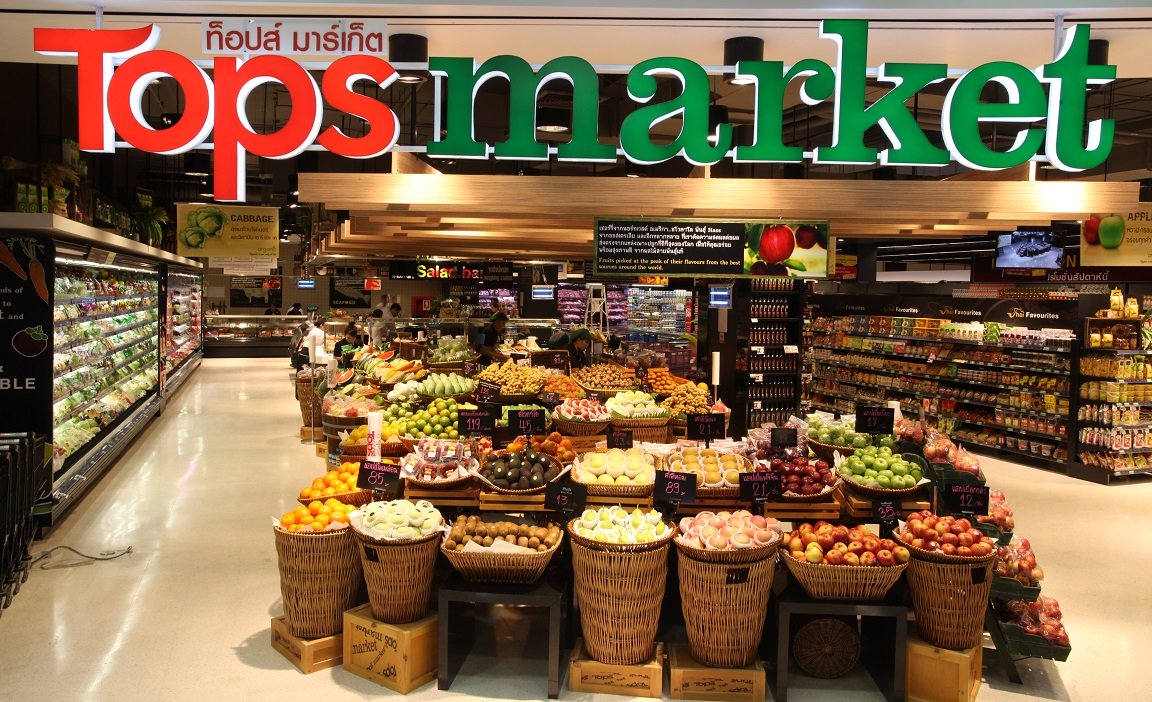
    Bangkok’s Tops Market Westgate has undergone a major renovation designed to position the supermarket as the “most complete premium lifestyle supermarket in Thailand”.

    The revamp features six “magnet” zones introducing more than 40,000 globally sourced products and focused on meeting a broad range of target consumer trends, in a move to match Central Plaza Westgate’s own development plans and ambitions to become a Western Bangkok shopping hub. The zones include a bakery, health food store, international snacks market, a beauty and lifestyle zone, a dine-in section, and a pet accessories store. The renovation also features a farmers’ market.

    “The complete transformation of Tops Market Westgate is part of our strategy to move our business forward to meet changing consumer trends,” said Central Food Retail COO Sujita Phengoun. “We aim to elevate the shopping experience by offering a premium lifestyle supermarket for our customers to enjoy a new experience and have more fun while shopping.

    “Tops Market Westgate is a blueprint store for our premium lifestyle supermarkets in 2020, offering the most complete products and services in Thailand. There are six new zones that will serve as magnets that draw all customer groups. The renovation is in line with the expansion and increased purchasing power of consumers in Western Bangkok, and resonates with Central Westgate’s strategies to expand our customer base in eight provinces, in order to be the number one destination in Western Bangkok.

    Tops Market Westgate also features a fresh-food zone, a parenting zone, a fashion zone and a promotions zone.

  • 7-Eleven marks it’s milestone with the 71,100th store in Seoul

    7-Eleven marks it’s milestone with the 71,100th store in Seoul

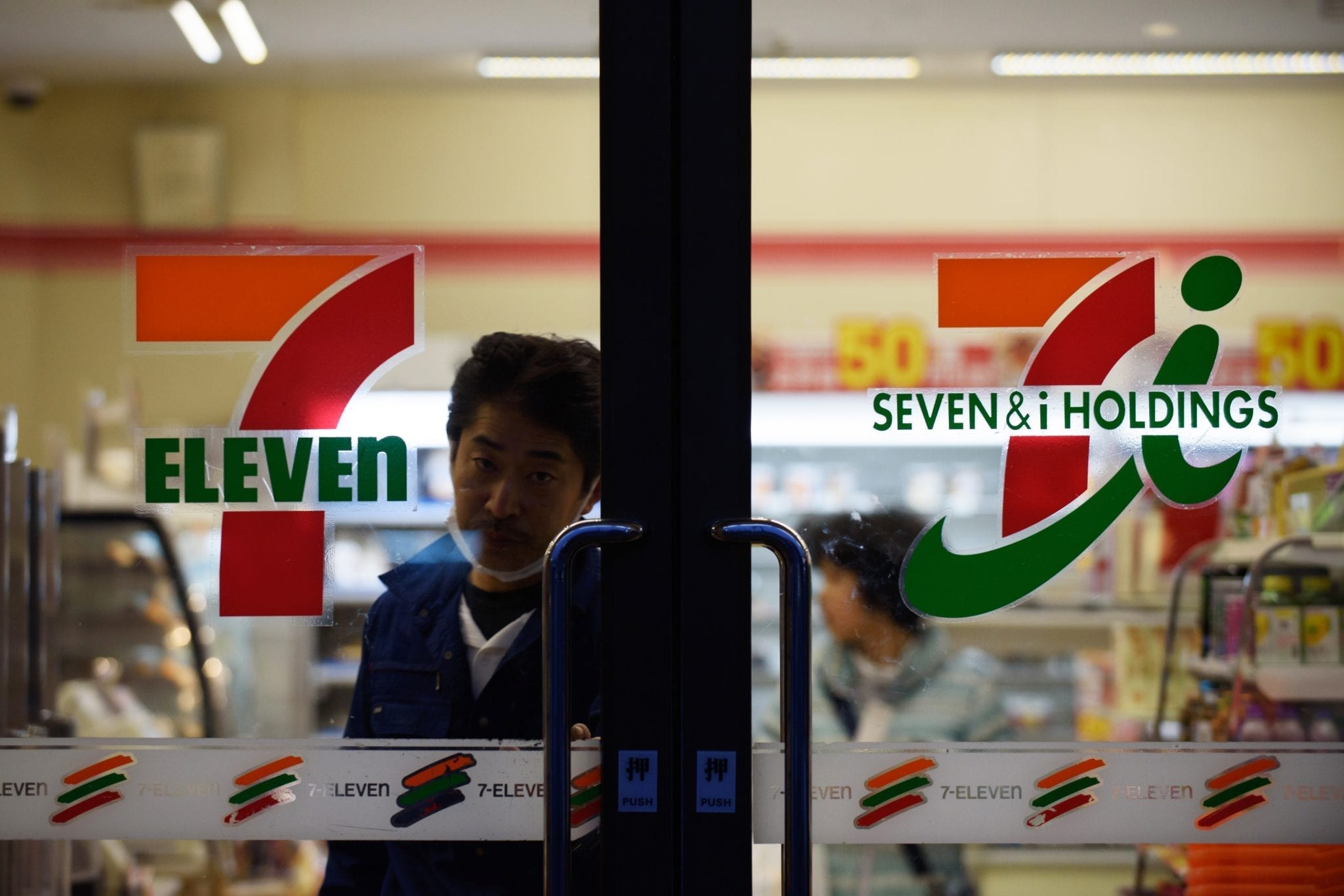
    7-Eleven has hit a new milestone with the opening of its 71,100th store, located in Seoul, the capital of South Korea.

    “7-Eleven’s iconic orange, green and red stripes are easily recognized in 17 countries around the world,” said 7-Eleven President and CEO Joe DePinto.

    “The company got its start because an entrepreneurial ice-dock employee saw his customers had a need and came up with a creative way to serve them. A lot has changed in how, when, and where 7-Eleven does business. But one thing that hasn’t changed is our commitment to putting customers at the forefront of all we do.”

    The brand opens a new store somewhere in the world roughly every 3.5 hours. Early last month, the first 7-Eleven in Hunan, China broke the international opening-day sales record for the company brand, reporting US$70,310 of turnover.

    With the new 7-Eleven milestone passing, the growth shows no signs of slowing. Master franchisees for India and Cambodia are expected to be taken up soon. In Asia, 7-Eleven already has networks in China, Hong Kong, Singapore, Thailand, Malaysia, Japan, South Korea, and Vietnam.

  • Walmart+ subscription service set to launch this month

    Walmart+ subscription service set to launch this month

    Retail giant Walmart has ended its membership program and is launching a new subscription service, Walmart+, later this month according to technology news website Recode.

    The service will cost US$98 a year and offer same-day delivery; petrol discounts and exclusive early access to the latest product deals.

    Walmart reportedly planned to launch the service in late March or April, but the move was hampered by the Covid-19 pandemic. It is not clear yet if the program will be available nationally or regionally in the US.

    Recode said that shoppers will be able to access products from Walmart Supercenters. They can reserve delivery slots and avail of Express two-hour delivery. Members are also expected to benefit from a Scan & Go service so they can shop without waiting in line, and a Walmart+ credit card is expected to launch soon after the service.

    The move is Walmart’s latest bid to compete against the online retail giant Amazon.

    Last year in Australia Amazon launched an online subscription service for household essentials. The ‘Subscribe and Save’ model is popular in international markets as it offers free delivery on repeat purchases across pantry food and beverages, pet supplies, beauty, and vitamins and supplements.

  • Spar China expands footprint during Covid-19 virus outbreak

    Spar China expands footprint during Covid-19 virus outbreak

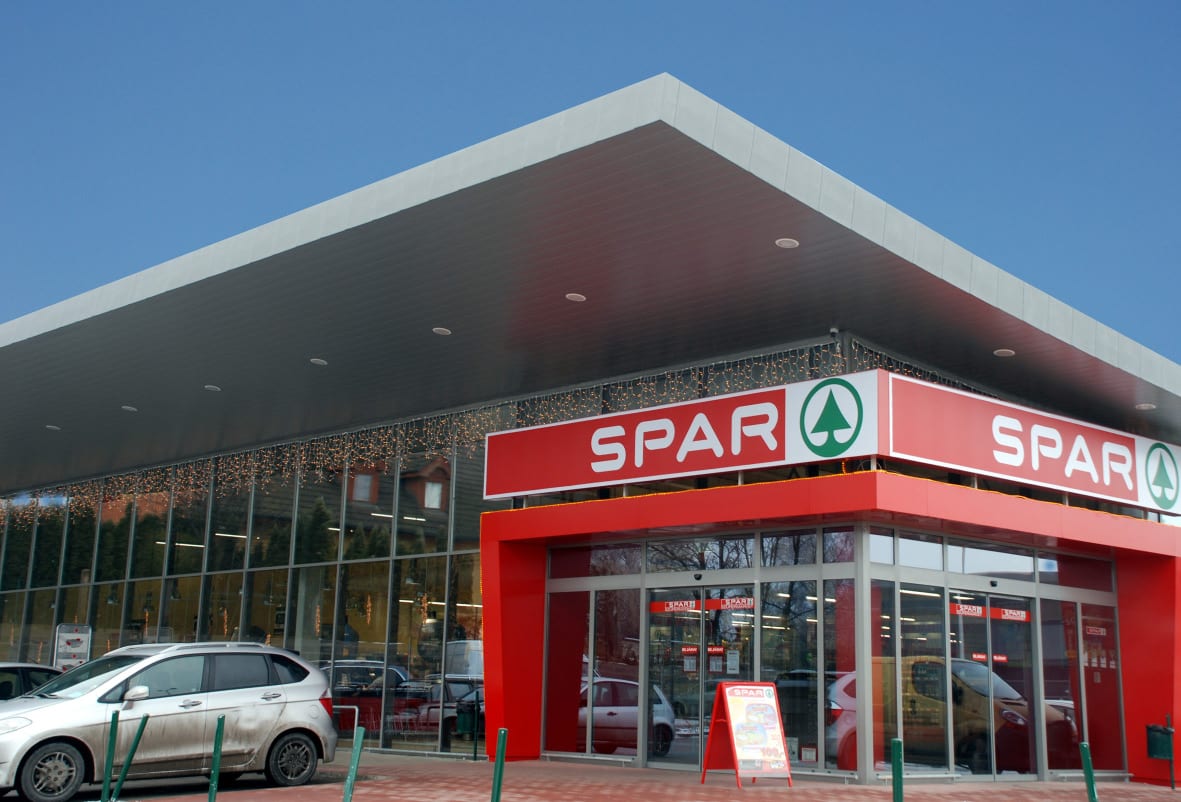
    Dutch multinational retail-grocery franchise system Spar has launched six new locations in China in the midst of the coronavirus lockdown.

    The firm benefitted from the scale and duration of China’s lockdown being briefer than initially feared – with an early easing of restrictions during April – as it opened six new supermarkets in Beijing, Guangdong, and Shandong.

    The new stores offer local and essential goods with online and home delivery options.

    Observations in Retail Insight Network suggested the new stores may serve to relieve pressure from the retailer’s delivery platforms in redistributing demand more equally, as well as support vulnerable communities that may not have access to online platforms with its focus on daily essentials and groceries

    About 73 percent of Chinese consumers are still significantly concerned about a reemergence of the coronavirus within the territory, which may impact consumer engagement with Spar’s new venues. The firm has implemented a range of health and safety measures within all stores to assuage customer concerns.

  • Meal kits drive strong sales and profit growth for GS Retail

    Meal kits drive strong sales and profit growth for GS Retail

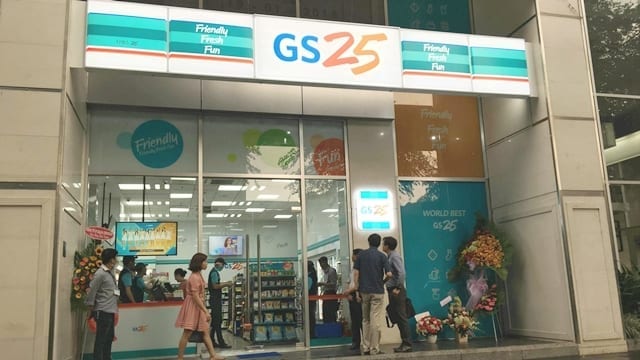
    GS Retail, which operates the South Korean convenience-store chain GS25, has reported a huge profit increase for this year’s first financial quarter, boosted by sales of pre-packed meal kits popular during the coronavirus lockdown.

    GS Retailreported a KRW88.8 billion (US$72.1 million) in profit from January to March, a 314.7-per-cent increase over last year’s figures. The result was considerably higher than the projected KRW23.9 billion ($19.5 million) profit for the period and sparked a 16.6-per-cent rise in its share value.

    A 98.7-per-cent surge in online sales was also a significant contributor to the firm’s first-quarter good fortune, with overall sales totaling KRW1.6 trillion ($1.3 billion).

    Last year, in the same period, GS Retail recorded a loss of KRW4.8 billion ($3.9 million).

  • Profit increased for Singapore supermarket Sheng Siong

    Profit increased for Singapore supermarket Sheng Siong

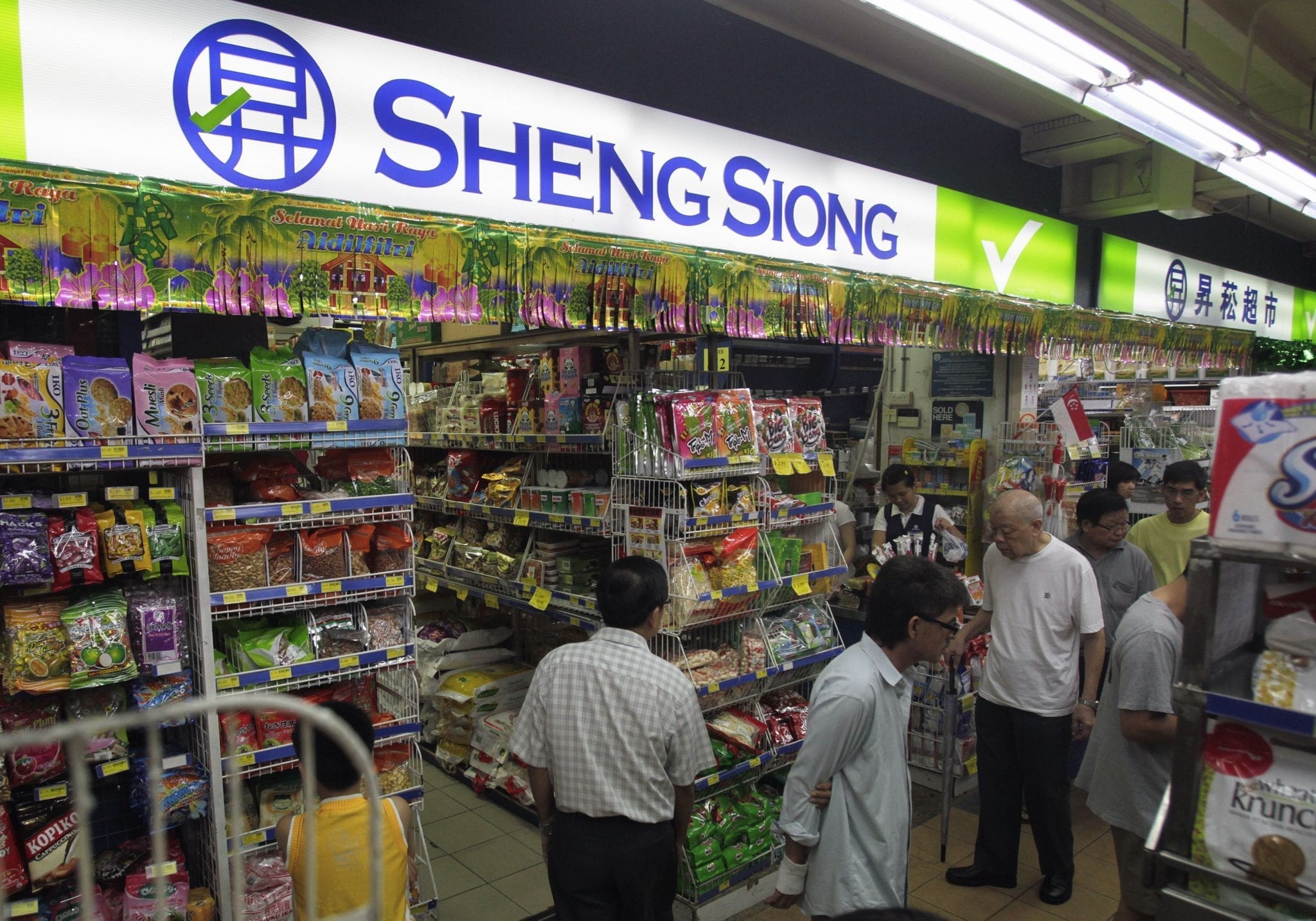
    Singapore supermarket operator Sheng Siong boosted net profit by 49 percent in the March quarter as sales surged due to the Covid-19 pandemic.

    Sales were up by 30.7 percent in the quarter, or by 19.7 percent on a same-store basis, initially due to stronger Lunar New Year sales. When Singapore’s government introduced a round of restrictions on public behavior due to the pandemic on February 7, demand for groceries soared.

    “Since then, demand has been elevated as more people are eating at home and probably loading up their pantry as well,” the company said in a statement.

    Profit for the March quarter was S$29 million on sales of $328.7 million, with gross margin improving from 26.1 percent to 27 percent, largely due to increased sales of house brands.

    The company says it is uncertain how long Singapore’s economy will take to normalize once the Covid-19 pandemic passes.

    “When that happens, the group expects revenue to taper off from the current elevated levels as buffer stocks kept by households are consumed. In the meantime, the group will continue to hold a higher-than-normal level of inventory to hedge against potential disruption in the supply chain.”

    The group is also wary of Covid-19’s effect on the supply chain, with some international food companies warning of future disruptions and an increase in the price of some goods due to the now worldwide lockdown.

    Sheng Siong CEO Lim Hock Chee says the company remains committed to a strategy of opening supermarkets in areas where potential customers reside but where it has no presence yet.

    “We will continue with our efforts to nurture the growth of the new stores and build on the momentum of improving comparable same-store sales in Singapore and China, while focusing on improving gross margin and cost efficiency by changing the sales mix with a higher proportion of fresh produce and deriving more efficiency gains in the supply chain,” he said.

    Since March 31, the company has secured two new HDB stores in Singapore which were tendered in January – at Block 872C Tampines Street 86 (8490sqft) and Block 455 Sengkang West Avenue (9040sqft). It also won a tender for a 4610sqft shop in the Potong Pasir Community Club at 6 Potong Pasir Ave 2.

    Sheng Siong will open five stores this year taking its network to 64 and its combined retailing area to 575,160sqft.