Tag: Supermarket

  • Retailer Transmart Carrefour to open 30 new stores in 2017

    Retailer Transmart Carrefour to open 30 new stores in 2017

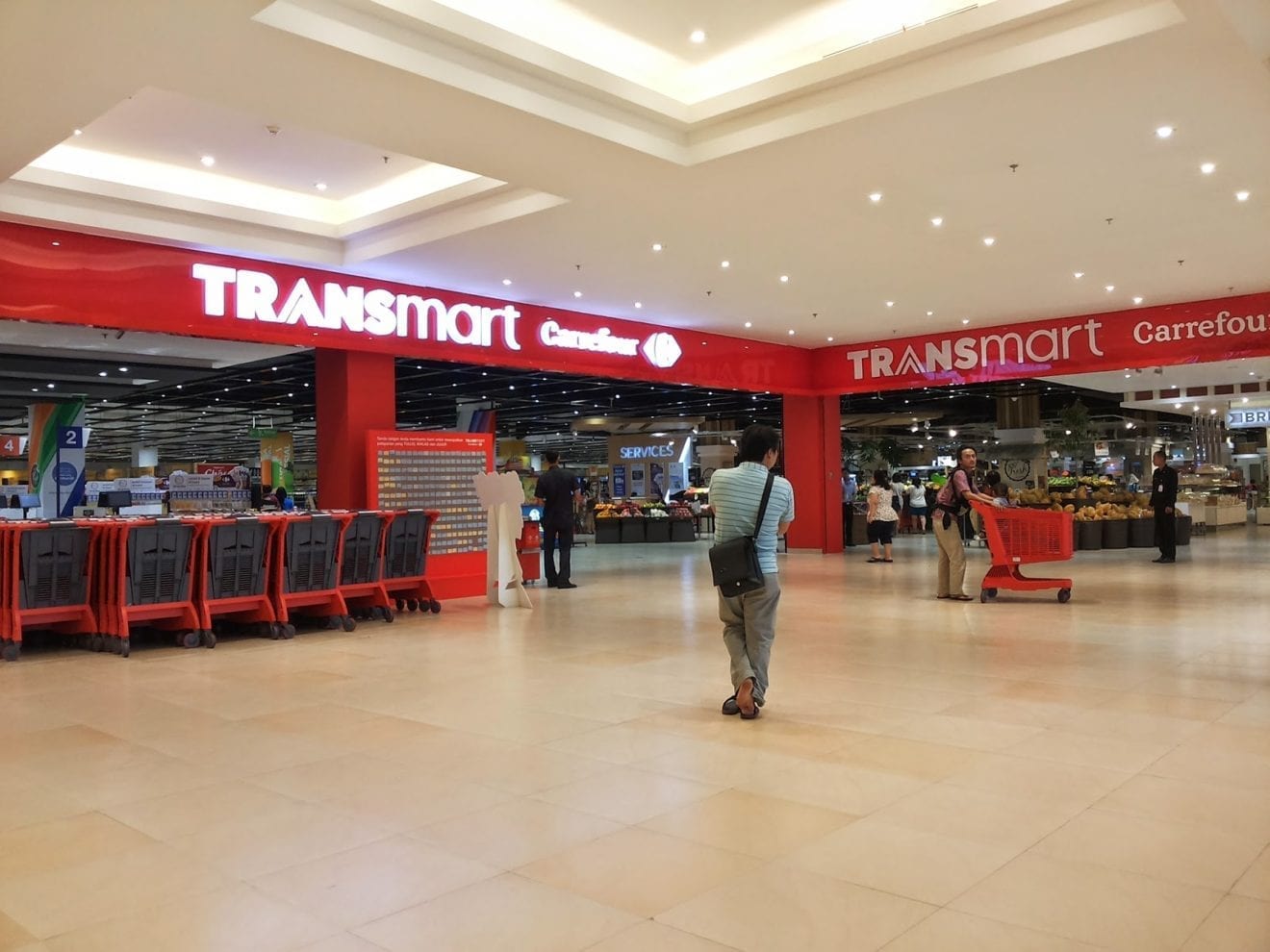
    Major retailer Trans Retail Indonesia will open dozens of new stores this year in a bid to attract more visits to its physical stores despite the booming online retail industry.

    “We will open 30 new stores under the Transmart Carrefour brand in 2017,” Transmart Carrefour corporate communications general manager Satria Hamid told on Friday. However, he declined to mention the amount of capital expenditure (capex) that the firm had earmarked to support the expansion.

    Despite Indonesia’s surging domestic retail business, Trans Retail Indonesia, part of business tycoon Chairul Tanjung’s CT Corp business group, has decided to step up to the challenge posed by the burgeoning online retail business.

    The retailer says it is determined to be more creative by way of promotional activities, intensive marketing and sales of fresh products to lure customers to its stores.

    “We will refresh several stores with a new concept,” Satria said, in reference to a combination of retail and culinary experience, department stores and child play areas.

    Currently, the company operates 94 Carrefour stores nationwide, of which 15 stock the Transmart Carrefour brand and the remainder will gradually follow suit.

  • Certified Humane Chicken Arrives in Hong Kong Supermarkets

    Certified Humane Chicken Arrives in Hong Kong Supermarkets

    Humane Farm Animal Care (HFAC), the leading international nonprofit certification program improving the lives of millions of farm animals in food production, announced that Korin Agropecuária, the largest organic chicken producer in Brazil and the first Brazilian company to attain Certified Humane certification in 2009, will export Earth and Barrow frozen chicken pieces with the Certified Humane label to more than 80 PARKnSHOP supermarkets operating in Hong Kong initially and Singapore/Macau afterwards.

    “Hong Kong is a very demanding market, with a high interest in changing food trends,” says Luiz Demattê, Industrial Director for Korin Agropecuária, “Animal welfare certification is a strong selling point for our expanding market. It wasn’t so a few years ago, so we are pleased to be playing a role in bringing this concept to more countries. Our goal is to educate consumers about the Certified Humane® label and the importance of raising food animals humanely.”

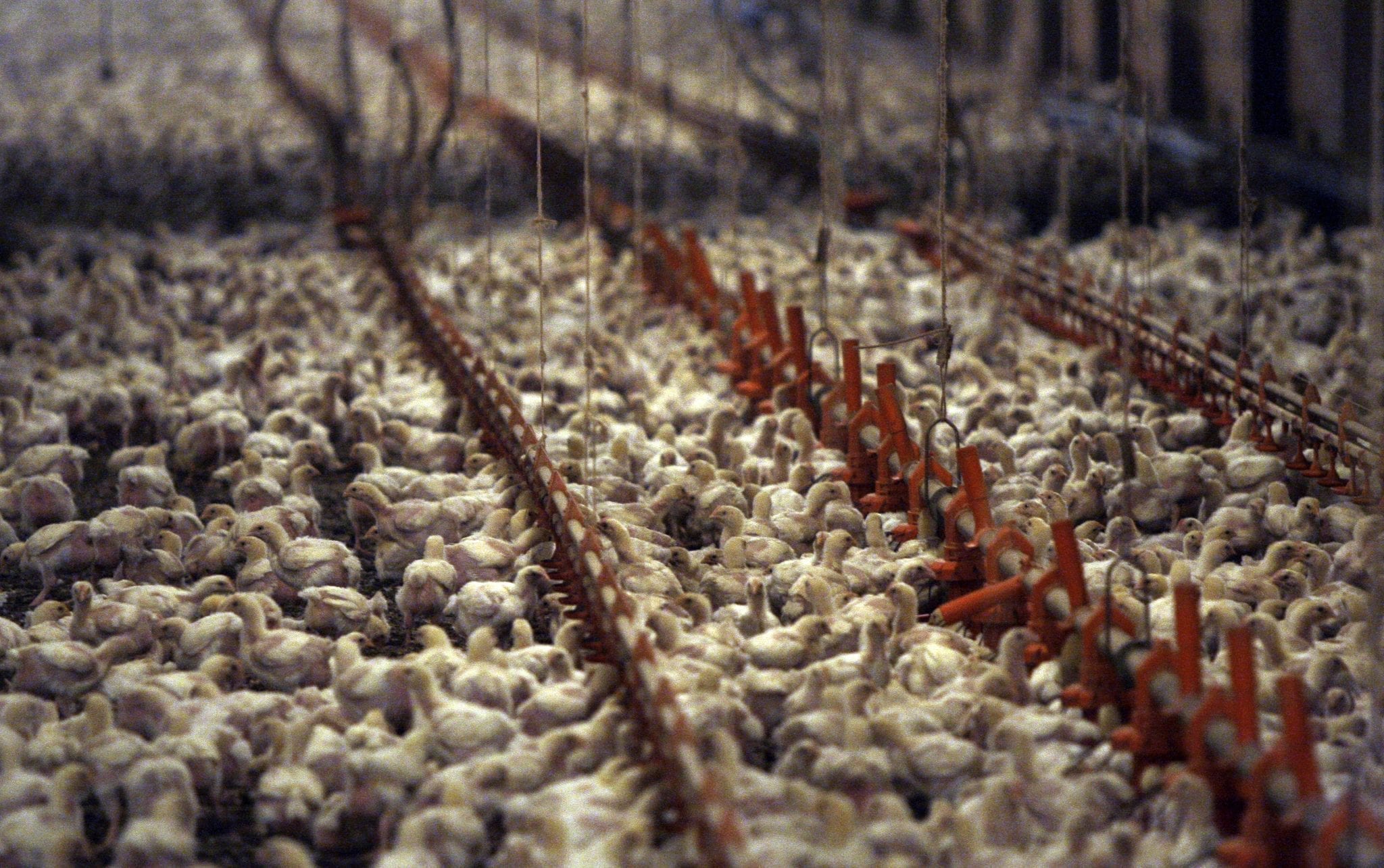
    HFAC’s Certified Humane label assures consumers that the meat, poultry, egg, or dairy products they purchase have been produced by farms according to HFAC’s precise Animal Care Standards. Farm animals in the Certified Humane Raised and Handled program must be fed nutritious diets without antibiotics, hormones, and animal by-products. They must also receive proper shelter, resting areas and space sufficient to support natural behaviors, like flapping their wings.

    A scientific committee of 40 farm animal welfare scientists and veterinarians from around the world developed HFAC’s Animal Care Standards to ensure the most humane care of farm animals possible.

    “Consumers are finally becoming more aware of how their food is raised and are demanding more humanely-raised food,” says Adele Douglass, Executive Director for HFAC. “Farm animals don’t have to be mistreated or confined in ways that cause suffering. We’re thrilled at this global awakening and that Hong Kong and Singapore will be the next markets to receive Certified Humane products.”

    Since 2003, more than 514 million farm animals have been raised Certified Humane in the U.S., Canada, Brazil, Peru and Chile. Consumers can download the Certified Humane app in English, French, Spanish and Portuguese to find stores near them that sell Certified Humane products.

  • Sheng Siong’s net profit expands 8.2% to $15.7m in Q3

    Sheng Siong’s net profit expands 8.2% to $15.7m in Q3

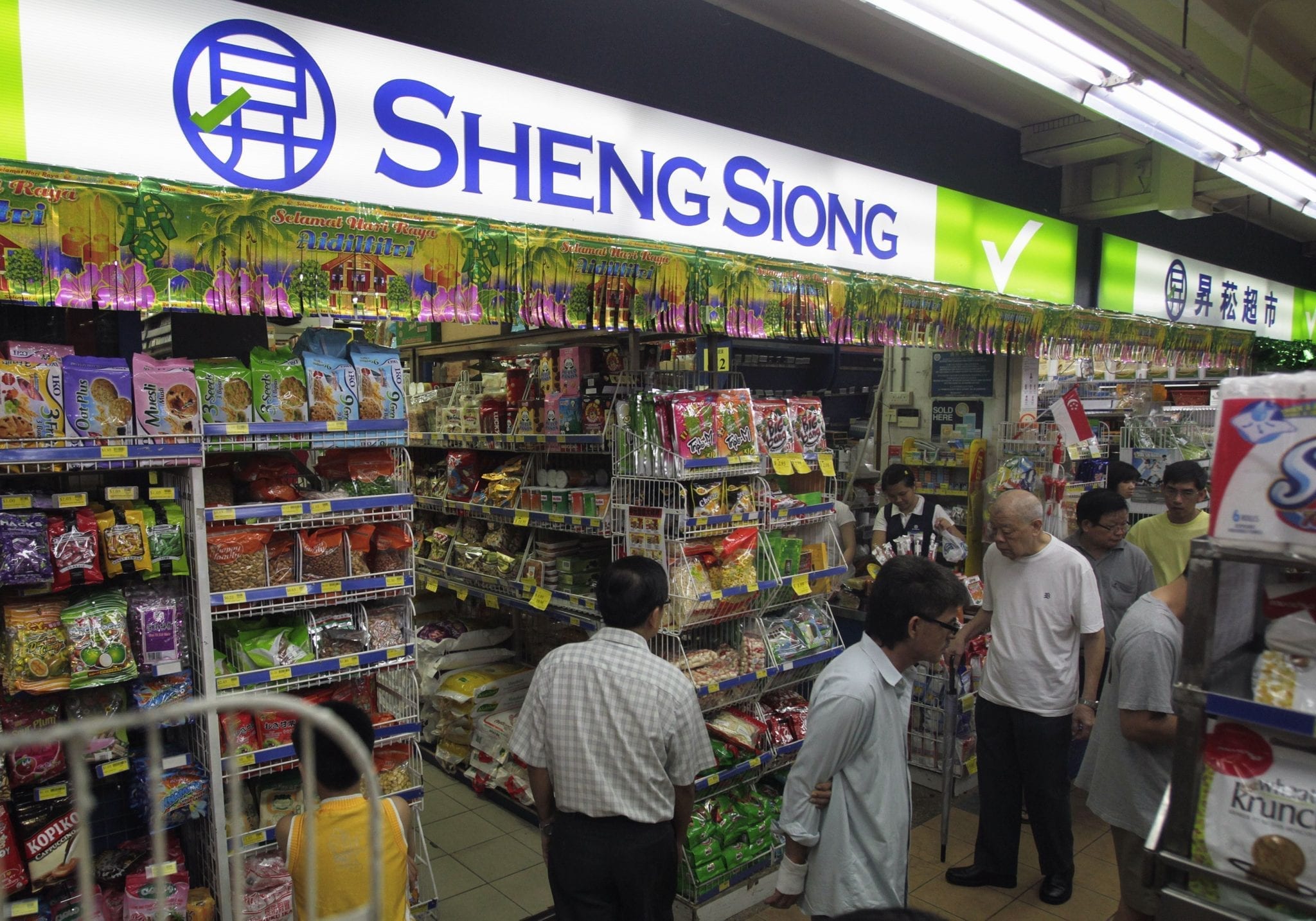
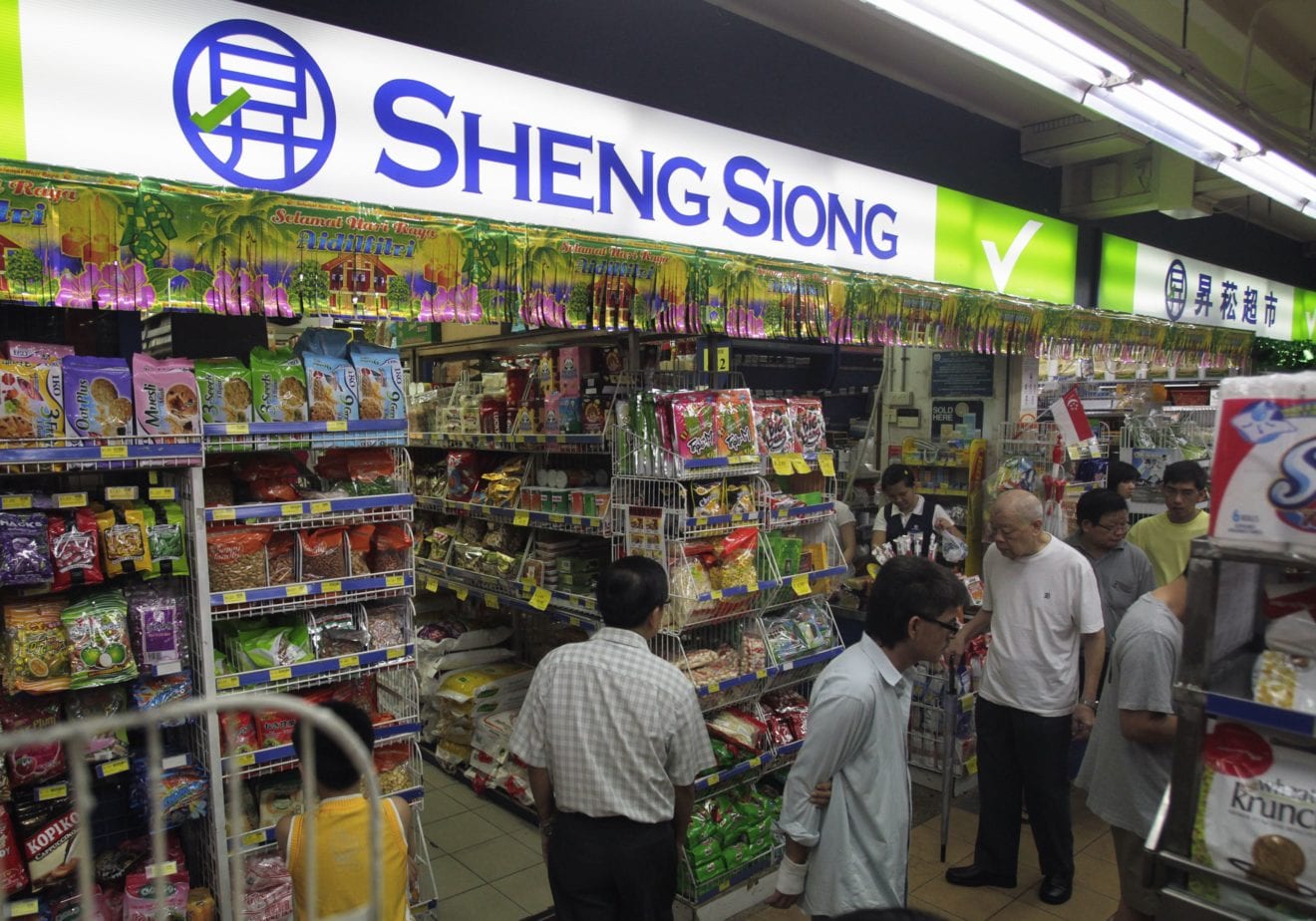
    Even with the sluggish retail sales numbers published by the Department of Statistics, Singapore’s supermarket giant Sheng Siong reported a considerable improvement in earnings for 3Q16.

    According to the group’s announcement, its net earnings jumped $15.6m, from $14.5m recorded last year.

    This came after its headline increased marginally by 1.2% to $202m mainly driven by new stores.

    “But (this) was offset by the temporary closure of the Loyang Point store and a contraction in comparable same store sales of 1.15% caused mainly by poor festive sales during the Chinese Seventh month and sluggish sales in September,” Sheng Siong noted.

    Excluding the closure of the said store, revenue would have grown by 4.2%.

    Looking forward, the group expects the supermarket industry to remain competitive, as consumers continue to be even more cost conscious.

    “The Group is still looking for suitable retail space particularly in areas where the Group does not have a presence. However, competition for retail space, particularly for new HDB shops is expected to remain keen, which have escalated bidding prices,” the group said.

  • Shoppers in Hyderabad welcome fourth SPAR Hypermarket

    Shoppers in Hyderabad welcome fourth SPAR Hypermarket

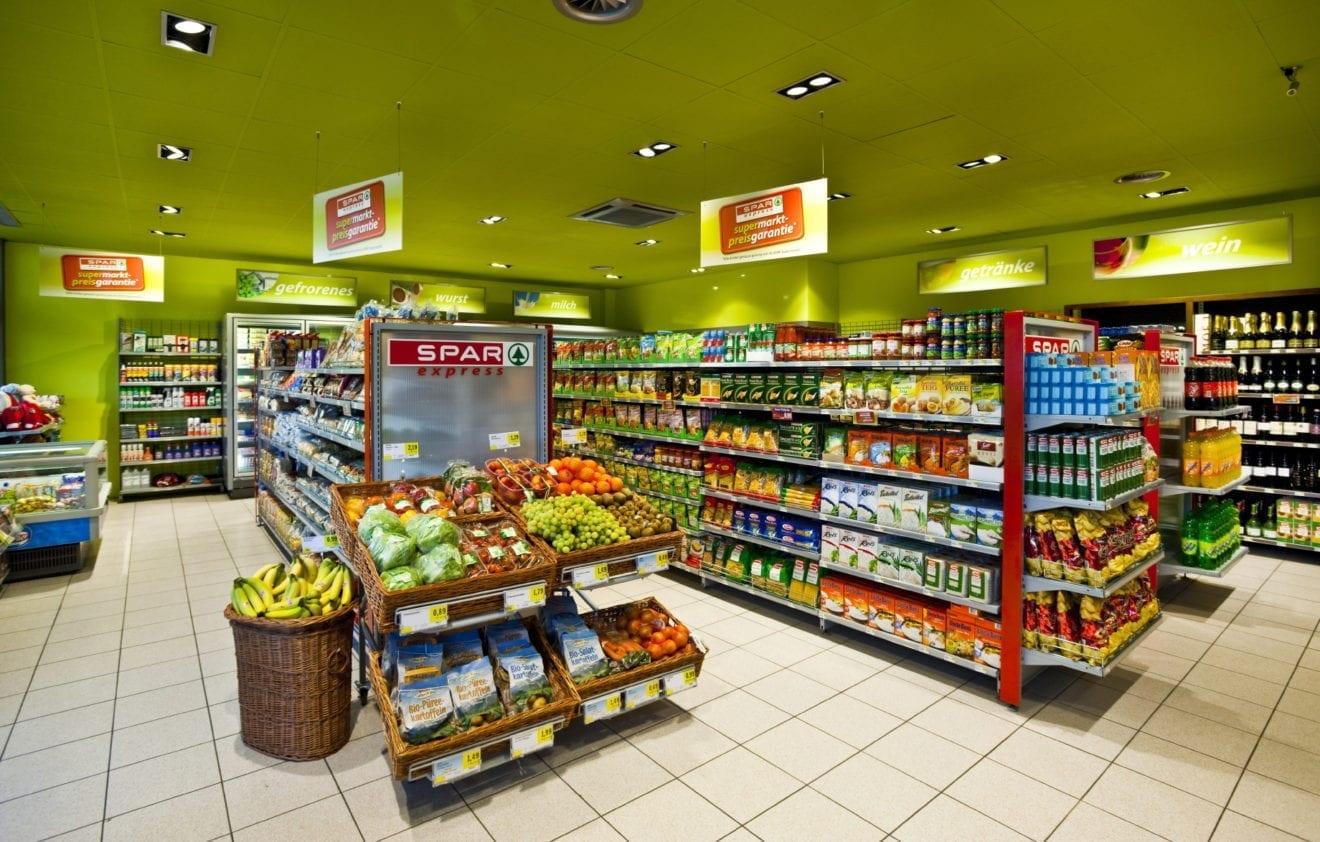
    Building on the SPAR Brand awareness amongst shoppers in Hyderabad, the newest hypermarket situated in Paradise Mall, Nacharam has been enthusiastically welcomed by customers. This is the 18th SPAR Hypermarket to open in the country, spread over seven states and nine cities, and the fourth in Hyderabad.

    The newly built hypermarket is a total of 6,000sqm and comprises one of the retail offerings in the Mall which is also managed by Max Hypermarkets, holder of the SPAR licence in India. In the retail selling area of 5,400sqm, customers can enjoy a diverse range of fresh foods from the fish, bakery, delicatessen and Food-to-Go service departments or browse the extensive non-food offer. The wide choice and high standard of products available throughout the hypermarket has seen customers react positively with particular attention on the Home & Living department.

    Many of the local customers are traditional families comprising a full target group of babies through to grandparents, requiring a broad range of products. In the build up to the opening on 18 October, SPAR India spread the word through extensive advertising. Customers took advantage of the opening specials with over 1,000 transactions taking place between 4:30 and 10:00 pm on the first day of trading. 

    Further advertising about the selection of fresh fish, meat and produce has begun together with greater awareness of the full hypermarket offer. Customers have commented favourably on the open layout, wide aisles and the merchandise available.

     SPAR India continues to focus on the range instore, building up their own brand products, which currently account for approximately 10% of retail turnover. SPAR India’s Managing Director, Rajeev Krishnan, stated at the opening ceremony that the group intends to expand its footprint by 30% in the next 12-18 months.

     SPAR India already offers an online shopping platform available for customers in Bengaluru. The platform offers same day delivery, payment by credit card, cash or food coupons and orders above Rs1,000 are free of charge. The online platform may be extended to other cities in the future. Furthermore, SPAR India continues to invest in the profitability and efficiency of its hypermarkets through the incorporation of new technologies such as the queue-buster solution to enhance the customer experience.

  • Lulu opens its first hypermarket in Indonesia

    Lulu opens its first hypermarket in Indonesia

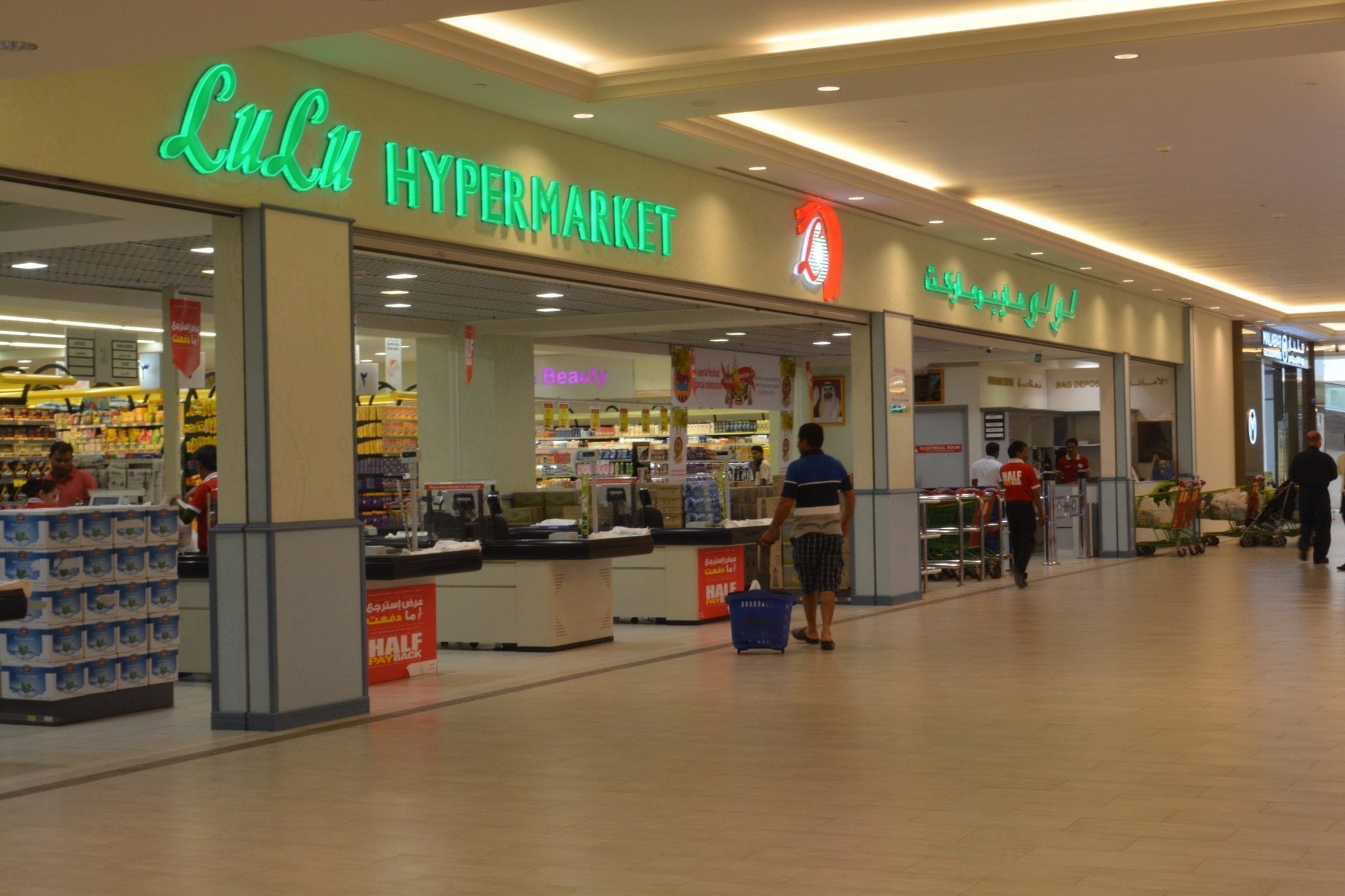
    The UAE-based retail major Lulu Group marked its retail push into Indonesia with the opening of its first hypermarket in the country in capital Jakarta.

    The group has already announced plans to invest $500 million and set up 10 hypermarkets in the next three years in the country, as part of its expansion.

    The first Lulu hypermarket of the country was officially inaugurated by Joko Widodo, the President of Indonesia in the presence of Basuki Tjahaja Purnama, Governor of Jakarta; Thomas Trikasih Lembong, Indonesian Trade Minister; Ahmed Abdullah Al Mussali Al Awadi, UAE Ambassador to Indonesia; Husin Bagis, Indonesian Ambassador to UAE; and other ministers and dignitaries.

    Located in the Cakung sub district of East Jakarta with an area of over 200,000 sq ft., the new hypermarket is designed with customer convenience in mind and provides a one-stop shopping destination for the residents of the city.

    “With an initial investment of $300 million in the first phase, we plan to open 10 hypermarkets by end-2017 and a central logistics and warehousing facility in Jakarta. These projects are likely to generate more than 5,000 job opportunities for Indonesians,” said Yusuf Ali M A, chairman, Lulu Group.

    “We also plan to set up contract farming to ensure continuous supply of high quality products and to support the Indonesian agriculture sector,” he added.

    During the official visit to UAE last year, President Widodo had visited Lulu hypermarket in Abu Dhabi and expressed keen desire to have Lulu in Indonesia. He was especially impressed by the high standards of operations, quality of products and service and also the wide variety of products available in Lulu.

    The Lulu Group currently operates 126 stores across the GCC, Egypt and India and employs more than 38,000 people from different nationalities. It is also one of the largest retail chains in the Middle East.

  • Alfamart to relieve Indonesia’s last-mile headache

    Alfamart to relieve Indonesia’s last-mile headache

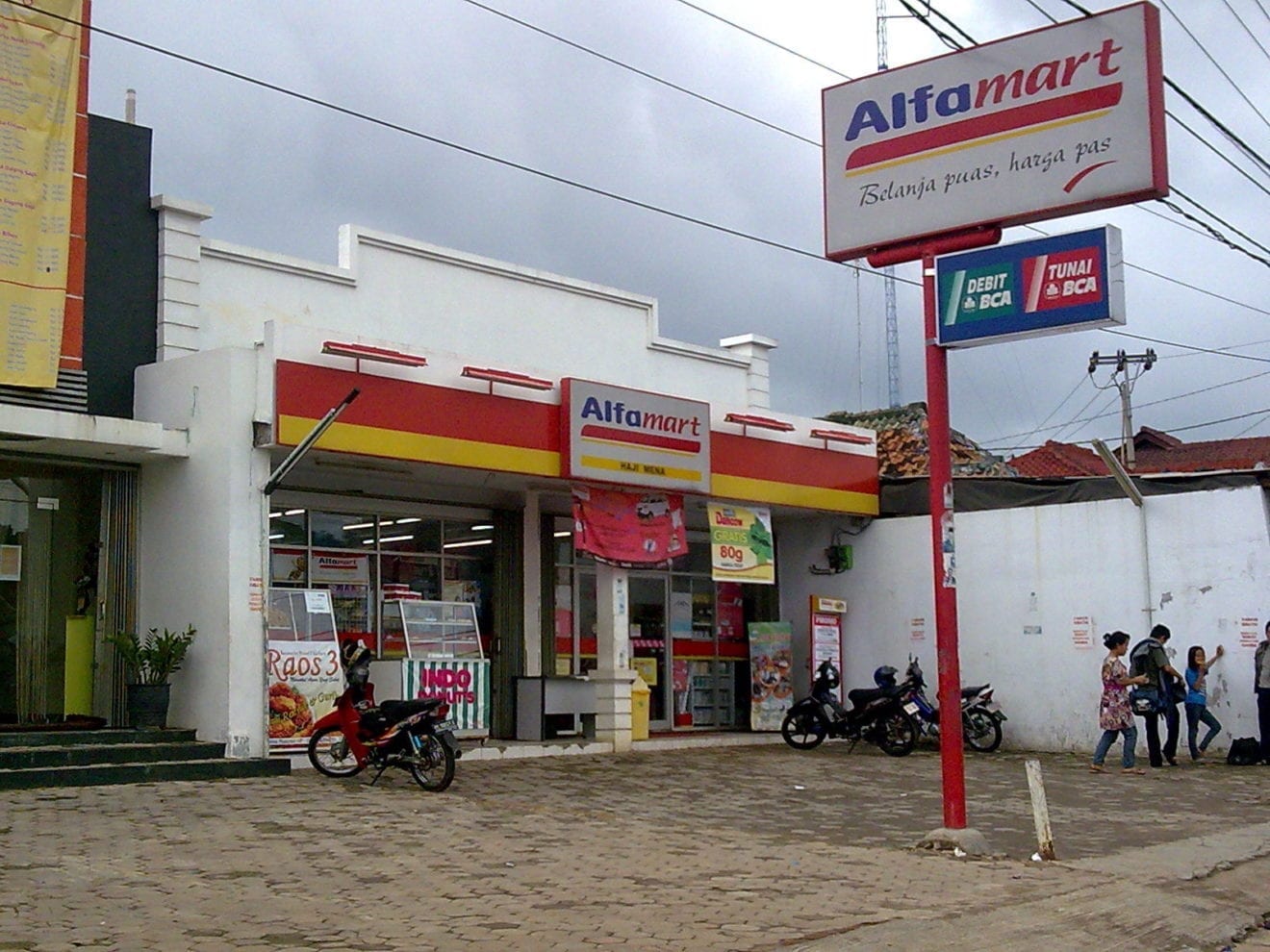
    Indonesian retail company Sumber Alfaria Trijaya is reinventing its online shopping service, utilizing its vast network of Alfamart convenience stores as pickup points to tackle the country’s logistical challenges.

    Alfacart is expected to be officially launched this week and will replace the company’s existing shopping site Alfaonline. Sumber Alfaria aims to list one million products from third party sellers, from electronics to clothes and groceries, and generate online transactions worth roughly one trillion rupiah ($70 million) by 2016. The company is investing $2 million to upgrade its IT system.

    To distinguish itself from existing players such as Lazada, Sumber Alfaria will enable Alfacart users to pay and pick up their purchases at Alfamart stores. Known for its distinctive red and yellow logo, Alfamart is of the top two convenience store chains in Indonesia with about 11,000 stores as of last December. 1,200 stores are expected to be added during 2016.

    “We understand there are some players in the market but the high cost of last mile [delivery] is still a concern,” said Sumber Alfaria president Hans Prawira, at a press conference on Friday. “We have presence in the market very close to shoppers.”

    Logistics are a significant challenge in Indonesia’s archipelago of more than 13,000 islands. In addition to poor infrastructure, home addresses are often chaotically numbered and unorganized, causing major headaches for courier companies, said IT director Bambang Setyawan Djojo. “We know the address of every Alfamart, so it will make delivery easy,” he said.

    E-commerce is booming in Indonesia but it is a costly business. Lazada recently received an investment of $1 billion from China’s Alibaba Group Holding, while Japan’s Rakuten shut down its online shopping site in the country. Sumber Alfaria only generated 451 billion rupiah in net profit on revenue of 48 trillion rupiah in 2015, a margin of less than 1%.

    Alfaonline failed to gain widespread popularity due to the perception that it only sells groceries, Bambang said. Sumber Alfaria will focus on promoting the convenience of Alfacart.

  • International supermarket chains might soon start operating in the Philippines

    International supermarket chains might soon start operating in the Philippines

    With the Philippine economy expected to continue along its growth path, it might not take long before international supermarket chains start operating in the country.

    This developed as the British Chamber of Commerce of the Philippines (BCCP) said it will continue to push for a bigger market share for its food and beverage products here in the country.

    Philippine Amalgamated Supermarket Association President Steven Cua said the current influx of imported brands in groceries and supermarkets might be the way of testing the market.

    “The international chains are hot on our market.  We have a good economy, and investor confidence is here.  Instead of stores, there are goods now.  They are also joining trade shows,” Cua said.

    However, Cua said what is preventing these chains from starting operations in the country are the low margins on sales.

    “Our margins are too low.  We are the lowest in the world, at 2 percent to 12 percent,” Cua said, while pointing at the Department of Trade and Industry’s suggested retail price as the main factor.  He said that within Asia alone, the sales margins are between 13 percent and 25 percent.

    Cua also cited rent, salary, electricity and taxes as the other factors that might prevent international supermarkets from setting operations in the country.

    Then he said there are the Big 5 in local-supermarket operations, including SM, Robinsons, Puregold, Super 8 and Metro Gaisano, which controls a big chunk of the market.

    “We have a free enterprise.  It is either the smaller ones sell or they open up beside them,” Cua said, while adding that the Big 5 are now using real-estate brokers in their expansion.

    He also said that recently Walmart pulled out its operations in Indonesia and South Korea.

    Meanwhile, BCCP Chairman Cris Nelson said British food and beverages are making inroads in the local market, while stopping short of saying if British supermarket chains will actually be entering the country.

    “Marks & Spencer [M&S] is here in the Philippines but like a lot of companies, it needed to establish itself first. Based on my experience in this market, you have to get yourself successfully introduce in key areas and to develop thereafter,” Nelson said.

    He added: “The Philippines is a very interesting market.  It is a challenging market with multiple points of sale.  It is a logistical challenge because of the multiple islands.”

    Aside from M&S, Nelson said Tesco, a British multinational grocery and general merchandise retailer, has some of its products now also available in Rustan’s.

    Another brand that is also being made available in Rustan’s is Waitrose and its pantry products.  However, like Tesco, it does not have physical stores yet in the country.

    However, he said international food and beverage brands trying to enter the local market would have to deal with distribution and manufacturing issues.

    “Distribution is a very critical factor in the Philippines. Let us not forget this is one of the most challenging aspects of doing business. As soon as you get the demand, you will also have to develop your supply line. You need to keep your points very close together,” he said.

    Nelson said more and more British companies are expected to enter the country and promising Filipinos will have the opportunity to enjoy their brands.
  • City’super was born in Hong Kong after Japanese department store Seibu exited the market

    City’super was born in Hong Kong after Japanese department store Seibu exited the market

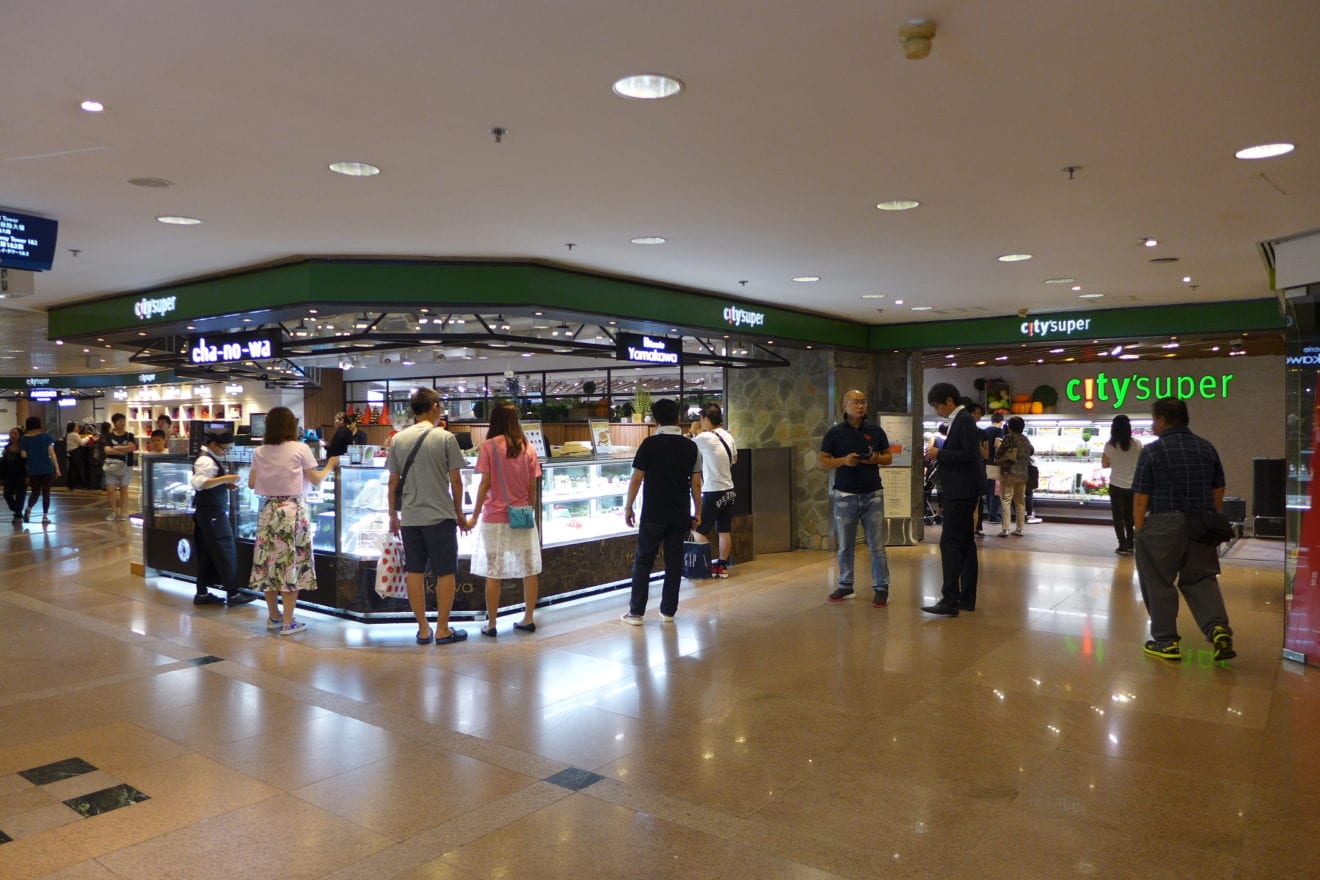
    Many customers buy imported food and wine at Hong Kong’s City’super but few would know the group of founders were closely involved with a chain of Japanese department stores.

    In the 1980s high-end retail fashion and food markets were dominated by those Japanese operators. In 1990 Seibu department stores under a group management led by Masashi Ishikawa established its flagship store in the Admiralty district.

    city super

    Japan’s economic downturn during that decade, however, led Seibu to leave Hong Kong and its other overseas markets. Ishikawa, though, had fallen in love with Hong Kong and did not want to leave.

    He and other Japanese management, along with 14 local senior staff decided to create start-ups of their own in the city.

    They considered too many other stores were selling luxury-brand clothes and too few were selling good food and wine. So the City’super concept was born.

    But the 20-member founding group still needed a financial backer before their high-end mega stores could be launched.

    It did not take long to find a supporter.

    They convinced Masaaki Ogino, a Hong Kong-based Japanese businessman with textile manufacturer Fenix Group, about the future of their project. Ogino and his partners took just three days to back it.

    The rest is history.

    Twenty years on and City’super has become a household name for lifestyle stores selling top-quality meats, fruits and vegetables along with wine, beverages and other lifestyle products. It has brought in new concepts to shopping; it was the first adopt a bank queueing system, in which all customers form a line to be served by the next available cashier, and allows them to pay faster.

    But such innovation and always trying something new may not always prove successful.

    In 1998 Hong Kong Telecom introduced interactive TV for shopping on demand and City’super joined the project as a service provider to sell its products on demand through TV. That proved to be too much ahead of its time because internet speeds were slower 20 years ago and the it was not popular. The company exited the venture some years later and suffered a significant loss.

    “The Lesson learned was that we might think twice jumping into new technology. But we don’t regret doing it. It was just a bit costly lesson,” City’super president Thomas Woo said.

    The company’s current hot product, Cha Cha soft cream, had a bumpy start.

    It formed a joint venture with Japanese partners to launch a traditional Japanese confectionery counter selling authentic Japanese sweets and ice-cream but it drew few customers. It lost money for a few years and the company once wanted to close it.

    But a staff member suggested it should be given a six-month period for a final chance. The team eventually developed the popular Japanese green tea soft cream and launched it as a brand — Cha Cha — which now always draws a long queue of customers.

    The company’s first batch of shops opened in Times Square in 1996. It now has four shops in Hong Kong, three in Shanghai and six in Taiwan.

    Besides City’super, it has Log-On brand which sell stationery, travel accessories and beauty products. There are now 12 such outlets in Hong Kong, three in Shanghai and six in Taiwan.

    It also operates the CookedDeli dining stores which offer international cuisine in Hong Kong and Shanghai.

  • Taiwan domestic supermarket sales up almost 10 percent in March

    Taiwan domestic supermarket sales up almost 10 percent in March

    Sales posted by supermarkets in Taiwan rose almost 10 percent year-on-year in March, outperforming the retail sector as a whole, because of the expansion of their retail networks, according to the Ministry of Economic Affairs (MOEA).

    Efforts to promote fresh food in their stores also boosted supermarket sales compared with the same month a year earlier, the MOEA said.

    In a monthly report on the sales of the wholesale, retail and dining sectors in Taiwan, the MOEA said supermarkets saw sales of NT$14.8 billion (US$458 million) in March, up 9.2 percent from a year earlier, while the overall retail sector’s revenue rose only 1.1 percent year-on-year to NT$319.6 billion .

    The MOEA said that with PXMart, one of Taiwan’s leading supermarket chains, planning to add stores this year and next year, the supermarket segment could continue to see sales grow in the near future.

    PXMart has announced it will expand its network to 900 outlets in 2016 and 1,000 in 2017 from 794 at the end of 2015.

    Also in the retail sector, sales posted by department stores rose 3.6 percent in March from a year earlier to NT$21.9 billion as they introduced new products to consumers and added stores, the report said.

    Sales at hypermarts and convenience stores rose 4.4 percent and 1.4 percent in March from a year ago, respectively, to NT$13.8 billion and NT$24.5 billion, according to the report.

    The domestic retail sector also benefited from a 10.7 percent rise in online retail sales in March from a year earlier to NT$19.7 billion and aggressive promotional campaigns in the automotive industry that pushed the sector’s sales 5.3 percent higher to NT$52.8 billion.

    As for the wholesale sector, the MOEA said, revenue fell 5.3 percent from a year earlier to NT$785.7 billion during the month as notebook computer and LCD TV buyers from Japan continued to cut back their orders.

    Falling prices for flat panels and dynamic random access memory chips also affected wholesale sales in the month, the ministry said.

    Wholesale trade in beauty and health products bucked the downturn, however, posting a 4.7 percent year-on-year increase in revenue to NT$36.4 billion due to a flu outbreak and promotional activities ahead of Mother’s Day, the MOEA said.

    Meanwhile, revenue posted by the dining sector fell 1.8 percent in March from a year earlier to NT$33.6 billion, ending a 13-month streak of year-on-year gains. The MOEA said the decline was due to the high number of rainy days during the month, which kept families indoors.

    Within the dining category, restaurants saw their sales fall 1.7 percent in March from a year earlier to NT$28.5 billion, and beverage vendors saw revenues dip 3.6 percent year-on-year to NT$3.7 billion, the MOEA said.

  • Filipino supermarket giant comes to Canada

    Filipino supermarket giant comes to Canada

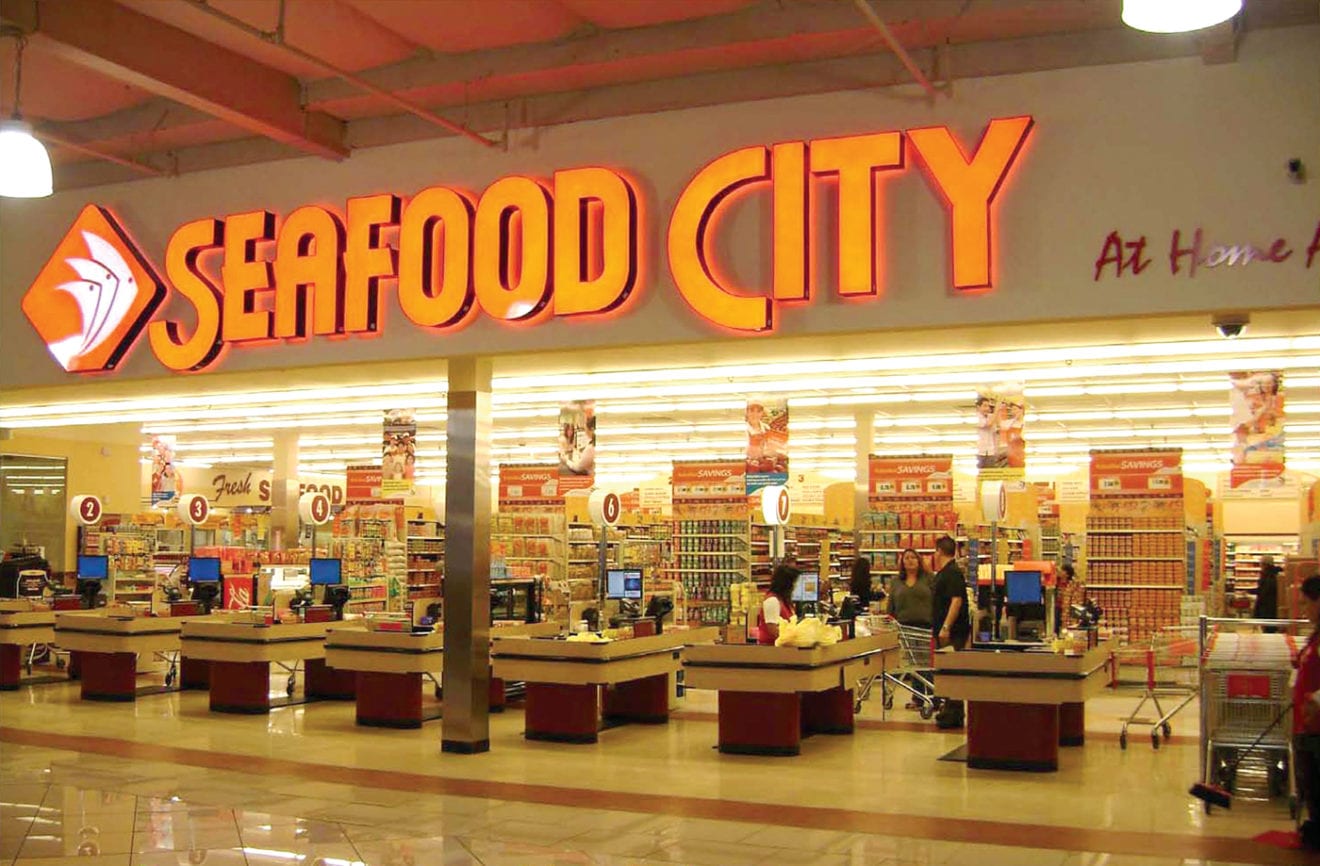
    A prominent Filipino supermarket announced its entry to the Canadian soil, thanks to the ever growing number of Filipino population in the Americas. Seafood City Supermarket, one of the biggest supermarkets in the Philippines announced that it would open the first grocery store in the country early next year.

    Mildred Smith, the marketing manager for Seafood City Supermarket said, “Whatever culture you belong to, everybody eats seafood.” Apart from Filipinos, the newly proposed supermarket intends to lure in people who has a  love  for international cuisine as well. Seafood  City supermarket has almost 22 store in America along with some other nearby locations like West Coast and Hawaii.

    One could find fresh ingredients for cooking Filipino and pan Asian dishes in the new supermarket. The first store would open at Heartland Town Centre in Mississauga, Ont., in the first quarter of 2017. The Canadian Seafood City Supermarket will include a Grill City, a Filipino barbecue fast-food joint, and a Crispy Town, which sells fried Filipino snack food.

    In 2011, more than 662,000 Filipino people lived in Canada, according to Statistics Canada’s 2011 national household survey, making up about five per cent of the country’s population. In 2014, the Philippines pushed ahead of China and India as Canada’s top source country for immigrants, according to the federal agency. The Greater Toronto Area and Vancouver are home to the largest Filipino communities in Canada. There are also reports that one of the major fast food chains in Philippines,  Jollibee would also come to Canada later this year. The food giant which has more than 750 stores in the Philippines serves burgers, noodles and rice meals.

  • Singapore supermarket lost $120000 on trolleys

    Singapore supermarket lost $120000 on trolleys

    The third largest chain of supermarkets in Singapore Sheng Siong loses 90 metal trolleys and 180 plastic ones over its outlets each month.  That interprets into a stunning $120,000 loss on just trolleys. Furthermore, this supermarket chain is not the only one. In the previous two years, NTUC FairPrice lost around 1,000 trolleys every year over more than 90 stores they operate in.

    The grocery store chain said it spends around $150,000 every year on repairing, supplanting and recovering abandoned trolleys. Sheng Siong said a few clients do return the trolleys, however not promptly, after use.  Be that as it may, in 2012, NTUC FairPrice lost just around 800 trolleys crosswise over more than 80 stores, proposing an ascent in the quantity of unreturned trolleys when contrasted to 2014 and 2015.

    For the supermarkets, store workers recover the trolleys from adjacent housing estates, asphalts and taxi stands now and then. Clients are required to store a one-dollar coin into the metal trolley when they acquire one from Sheng Siong general store, yet plastic ones don’t require any store. Similarly, NTUC FairPrice grocery stores’ trolleys require a deposite of either a one-dollar coin from the old coin series or a 50-penny coin from the new coin series. In spite of the series of un returned trolleys, Sheng Siong has not yet made any police reports in this regard.

  • Carrefour opens 4th distribution center in China in Wuqing

    Carrefour opens 4th distribution center in China in Wuqing

    The grand opening ceremony of Carrefour supply chain in China-North-West China distribution center is held in Wuqing Economic Development Area, Tianjin municipality. The foundation of the center is expected to become the overpass of Carrefour China’s supply chain in northern China, which can form the radiation of Beijing-Tianjin-Hebei integration economic cycle and Shandong, Shanxi and other provinces’ logistics and distribution network, increase the distribution efficiency, support the business of stores, and boost the regional economics.

    The northern distribution center of Carrefour launched this time has superior geographical location, which is located in ProLogis modern international distribution park, Wuqing economic development area, Tianjin municipality, covers an area of 39,000 square meters. Carrefour northern distribution center will utilize the Voice Picking System, achieving 99.997% in its picking accuracy rate. The tray utilize 100cm*120 standard operating procedure to reduce packaging and labor costs and improve efficiency; moreover, the center is equipped with professional temperature controlled room which sustain temperatures of 18-22 degrees for the storage of alcohol, chocolate and milk powder.

    To reply to the supply chain strategy development needs of Carrefour in China, the establishment of northern China distribution center will cover more than 30 stores in northern China, greatly improve the company’s northern China supply chain system to provide more high-quality, convenient products and services for numbers of consumers.

    After the establishment of the distribution center in Eastern, western and northern region, Carrefour is planning to set up 2 new distribution centers in North-East Territory and South Territory of China. It is estimated that by the end of 2016, Carrefour will complete the establishment of 6 modern distribution centers in China, and cover more than 200 hypermarkets in China to fully support the emerging industry such as E-commerce of Carrefour, “easy Carrefour” convenience stores.

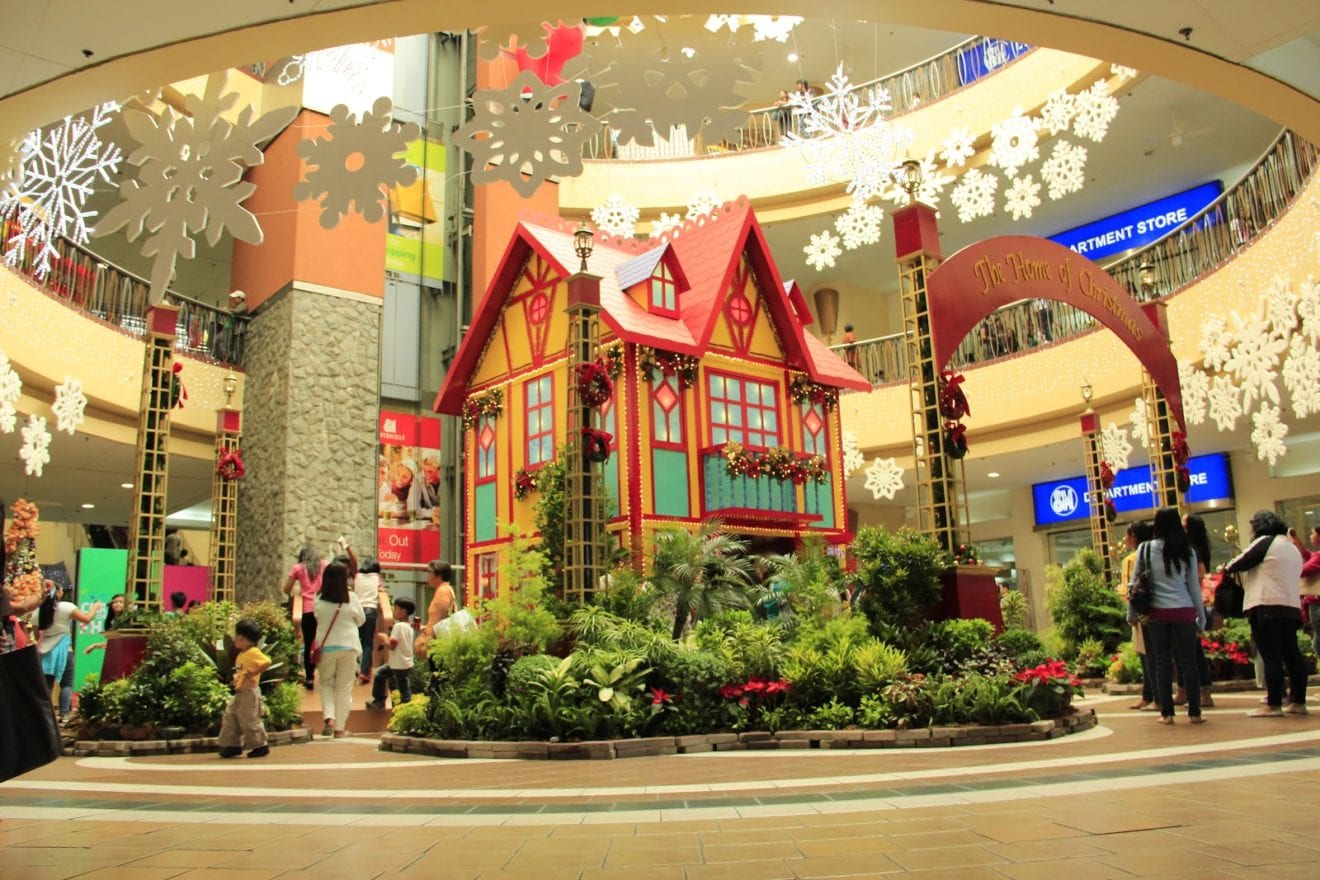
  • Philippine supermarkets revamping stores ahead of Christmas

    Philippine supermarkets revamping stores ahead of Christmas

    The Philippine high street is getting a facelift, as retail titans hope to benefit from Southeast Asia’s most reprobate customer spending area during this Christmas. The nation’s biggest supermarkets including Ayala Corp., JG Summit Holdings Inc. and SM Investments Corp. are burning through billions on shopping centers to increase their vicinity throughout the nation, while worldwide brands, for example, Swedish retailer Hennes and Mauritz AB, which once overlooked in Philippines, are announcing their arrival in the region.

    For retailers looking for development, the Philippines has risen as an uncommon spot. National GDP developed at a sound 6.1% a year ago, filled by $27 billion in abroad settlements and over $18 billion in outsourcing incomes—and a lot of that cash was spent in shops.

    A stroll to a tolerantly air conditioned shopping malls is a national leisure activity in this tropical nation and drives family unit utilization, which broke even with 72% of GDP a year ago, as per the World Bank. The Philippines has likewise demonstrating resilience to outside factors, from China’s monetary lull to discouraged product costs. That stands as opposed to its neighbors: Thailand’s family utilization was just 53% of GDP, not a long ways behind Indonesia’s 57% and Vietnam’s 64%.

    With stores being the chief receiver of the surging economy, the Philippines has risen as the star retail entertainer in Southeast Asia, posting segment development of 6% in 2014, as per Nielsen—the most elevated in the locale, and the main execution in light of strong development in both volume and worth terms.

    “The Philippines has had reasonable development driven by customer putting in for a couple of years now,” said Stuart Jamieson, Nielsen’s overseeing executive in the Philippines. “That makes it exceedingly alluring, and puts it on the radar of enormous remote players.”

    Such vigorous development is driving a multiplication of general stores, shopping centers and accommodation stores. From 2012 to mid-2015, the quantity of markets grew 53% to 644, as per Nielsen, while the quantity of accommodation stores rose 60% to 2,270—a number set to twofold again by 2018.

    Swedish design retailer H&M is one of the numerous worldwide brands belatedly grasping the Filipino buyer. Having opened its first Philippine store only one year back, it will have 13 before the end of 2015, empowered by the development of a style cognizant youth market with discretionary cashflow, said an organization representative. Zara, possessed by Spain’s Inditex, and Uniqlo, claimed by Japan’s Fast Retailing Co, have likewise entered the business sector here. Japanese chains Lawson Inc. what’s more, FamilyMart Co. as of late entered the Philippines’ accommodation store part, every arranging many branches, even as settled in players like 7-Eleven increase.

  • Hero to open more stores  to boost revenues

    Hero to open more stores to boost revenues

    Retail company PT Hero Supermarket (Hero) will spend up to Rp 640 billion (US$48 million) this year for business expansion with retail plans to open stores in several cities across the country.

    The move will be made to restore the company’s disappointing financial performance earlier this year.

    Hero, which operates hypermarkets, supermarkets, convenience stores, drug stores and furniture stores, plans to open four Giant Ekstra hypermarkets and six mid-sized Giant Ekspres supermarkets in several regions, including Bangka and Lombok. Arief Istanto, a director with Hero, said each Giant Ekstra would cost between Rp 100 billion and Rp 150 billion while the Giant Ekspres would cost about Rp 20 billion. It means the company will allocate between Rp 440 billion and Rp 640 billion in capital expenditure to build the stores this year.

    Arif said the company aimed to improve its financial performance and hoped to book profits like it did in previous years. The company will use its internal funds for the expansion.

    “We would like to expand our network so that it can attract more customers. Thus, our top line will also increase,” he said after an extraordinary shareholders’ meeting on Tuesday. At the meeting, they agreed not to disburse the Rp 43.75 billion in dividends to shareholders and instead spend it on the company’s business expansion plan.

    Hero Supermarket previously suffered Rp 33.19 billion in net losses during the first quarter of this year amid a 14 percent increase in net revenues of Rp 3.57 trillion, making it the worst performer in the country’s retail industry.

    Last year, the company saw its net profit dive to Rp 43.75 billion from Rp 671.13 billion in 2013. A 13.94 percent increase in revenues, which stood at Rp 13.56 trillion at that time, could not ease the ballooning operating expenses, which hit Rp 3.31 trillion.

    “Our 2014 financial results were disappointing with weak sales growth and a significant increase in operating costs across all businesses as well as higher overhead and store pre-opening costs,” Stephane Deutsch, Hero’s president director, said in a statement.

    In 2014, the company launched a flagship furniture store under Swedish brand IKEA in Alam Sutera, Tangerang, Banten, some 25 kilometers west of Jakarta’s city center.

    Arief confirmed Hero has planned to build five more IKEA stores in the future as the company was upbeat about the prospects of the franchise furniture store.

    “At the moment, we are looking for land for the second store. It is supposed to be done this year,” Arief said, adding that the second store would be located in Greater Jakarta.

    According to him, IKEA has contributed around Rp 200 billion to Hero’s revenues in the first quarter of this year,

    Hero says it hopes to book 30 to 40 percent growth in revenues during the fasting month of Ramadhan this year. The company currently operates 33 Hero supermarket stores, 341 Guardian healthcare stores, 98 Starmart convenience stores, 53 Giant Ekstra stores, 121 Giant Ekspres stores, two Jason supermarket stores and one IKEA store.

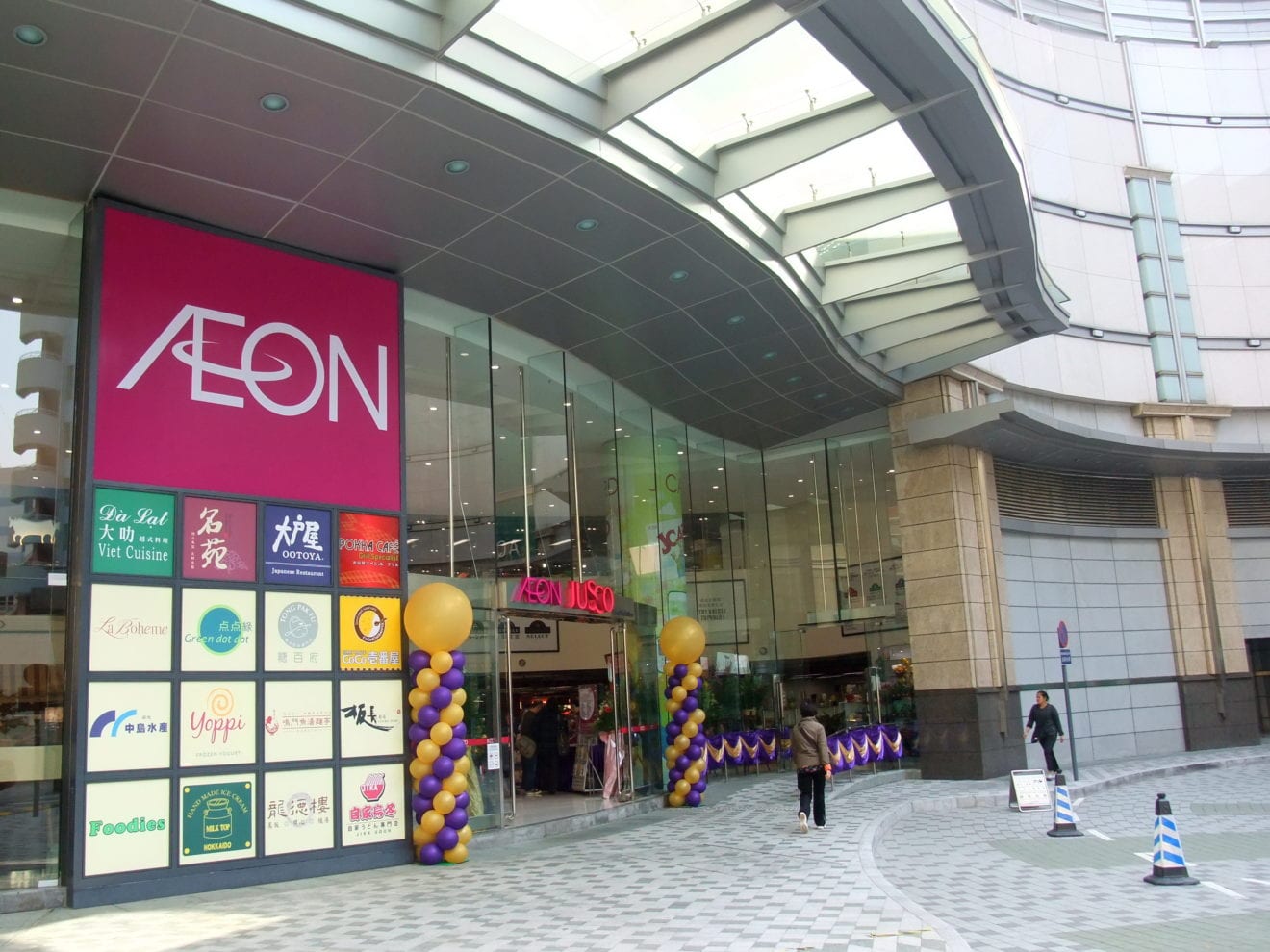
  • Aeon posts 1Q profit growth, sees challenging year

    Aeon posts 1Q profit growth, sees challenging year

    Aeon chairman Datuk Abdullah Mohd Yusof said nevertheless, the group remains confident in meeting the challenges head-on.

    “After consumers get used to the changes in the new tax system, they will start shopping again, especially in the upcoming festive periods,” he told reporters after the group’s annual general meeting yesterday.

    After enjoying four consecutive years of steady growth, Aeon saw its net profit for the financial year ended December 31, 2014 (FY14) drop 7.9% to RM212.71 million from RM230.96 million in FY13.

    However, its net profit rebounded for the first quarter ended March 31, 2015 (1QFY15), growing 5.4% to RM49.4 million or 3.52 sen a share from RM46.88 million or 3.34 sen a share a year ago. Revenue was up by 17.1% to RM1.11 billion from RM945.51 million in 1QFY14.

    Abdullah blamed the net profit decline in FY14 on the rising cost of living and operation costs, as well as an increase in its capital expenditure (capex) for expansion.

    “The [implementation of the] minimum wage also caused [the] costs to go up. The cost of doing business has risen. We have also been accelerating our expansion to have a bigger market share,” said Aeon managing director Nur Qamarina Chew Abdullah.

    Aeon has set aside RM700 million as capex for FY15, an increase from about RM670 million last financial year.

    Abdullah said the budget had been earmarked for the development of upcoming Aeon malls, namely in Shah Alam, Selangor and Klebang, Melaka, which are slated to open in 4Q15.

    The group will also open malls in Kota Baru, Kelantan by 2Q16, and Kuching, Sarawak in 2Q17.

    The overall occupancy rate of its malls currently stands at 93%, a number that Abdullah said is a “fairly good” average.

    Yesterday, Aeon shares closed 0.96% higher at RM3.16, with some 1.77 million shares traded. It closed with a market capitalisation of RM4.39 billion.