Tag: Taiwan

  • Playphone Game Store Expands into Asia With GASH Prepaid Game Cards at 114000 Retail Outlets

    Playphone Game Store Expands into Asia With GASH Prepaid Game Cards at 114000 Retail Outlets

    Playphone®, Inc., a global leader in mobile social gaming and recently acquired by premier game developer GungHo, announced today a partnership with Gamania Digital Entertainment Co., Ltd. (GASH), a leading Asian online game publisher based in New Taipei City, Taiwan. Playphone and GASH are partnering to offer Asian gamers a revolutionary new social gaming experience with the world’s most popular games, a unique set of advanced social features, and GASH prepaid game cards − the preferred local payment method for the region.

    Playphone develops and operates social game stores worldwide, offering mobile gamers a single engaging app to discover, download, play and share thousands of their favorite games with friends. Playphone Game Stores are deeply integrated with social features throughout the gaming experience, easily connecting gamers with friends to recommend games, challenge or invite to play, brag leaderboard ranks, and more. Playphone’s gaming platform, with games from over 3,000 global developers, is rapidly expanding distribution in emerging markets.

    GASH is the largest online game publisher and digital entertainment platform in Taiwan, and its prepaid card platform is the most widely used game payment system in the region. GASH prepaid cards facilitate mobile purchases of paid games or in-game items without the need of a credit card. Gamers purchase GASH prepaid game cards in varying denominations at over 114,000 retail outlets in Asia. The GASH digital entertainment platform supports over 10 million active users, and current GASH users can now use their prepaid GASH cards to purchase paid games and in-game items from the Playphone Game Store.

    “Our partnership with GASH perfectly aligns with Playphone’s vision of providing the best social gaming experience in Asia, where gamers are hesitant to input credit card information into their mobile apps,” said Ron Czerny, CEO and Founder of Playphone. “As a gaming leader in the region, GASH has provided an invaluable contribution to our efforts to tailor our gaming experience to local Asian gamers.”

    “We are very excited to partner with Playphone to offer GASH gamers a technically-advanced, personalized gaming experience,” said Simon Lu, Chief Operating Officer of GASH. “And our partnership is a huge win for game developers, who simply upload games to the Playphone Developer Portal for instant access to Asian distribution and the GASH payment solution.”

    Game developers add games to the Playphone Game Store simply by uploading their existing Android game file (APK) to Playphone’s Developer Portal (developer.playphone.com). Playphone’s technology automatically integrates the game into the Playphone platform, providing the game with instant access to Playphone’s global distribution channel, preferred local payment solutions including GASH prepaid game cards, and world-class social features.


     

  • China’s Multi-Level Marketing ban: a workaround?

    China’s Multi-Level Marketing ban: a workaround?

    Multi-Level Marketing (MLM), a type of Direct Selling System, is a marketing strategy where the company’s sales force is highly dependent on the salesmen they have hired in different tiers of selling.

    This is a marketing strategy in which the sales force is compensated not only for sales they generate, but also for the sales of the other salespeople that they recruit. This recruited sales force is referred to as the participant’s “down-line”, and can provide multiple levels of compensation.

    This type of organisational structure can be quite enticing as it has the opportunity to build up a big networking distribution without investing a considerable and consistent amount of money.

    The main features followed by Multi-Level Marketing organisations are:

    • Organisers, or operators, who take in new members calculate and pay salaries to a member on a different level according to the number of new members they have introduced either directly or indirectly, as well as the sales performance of the member.
    • Organisers request new members to hand in a sum of money as a precondition to joining.
    • The organisers, or the operators, encourage members to invite more people join, forming a multi-level relationship.
    • The salaries of members at a certain level are based on the sales of members at a lower level.

    The main factors that needed to be taken into account before setting up any networking and marketing plan for an enterprise are the size of the market, high quality products to sell and efficient internal training. The base concept of these activities is that the salesman’s gain is in proportion to the quantity and quality of the products that he, or she, is able to sell to potential clients.

    However, with the MLM Pyramidal Structure, the highest position always gets a percentage of the sales from those who are in the bottom positions. Some companies that wish to set up this type of structure want to incorporate a five or more level system.

    From our experience, a large number of foreign companies have expressed interest in entering into the Chinese market through this Multi-Level Marketing structure. However, they are going to be disappointed. In 2005, Chinese Government enacted a law called “Regulation of Direct Sales and Regulation on Prohibition of Chuanxiao” (where Chuanxiao stands for MLM). With this regulation China makes clear that while Direct Sales is permitted in the mainland, Multi-Level Marketing is not.

    Even if allowed, Direct Sales must follow several rules. The company is required to: have a business license, can only pay out one level of commission, the sellers have to follow an advanced training course offered by the company and by the end of the course they have to get a license and the direct sellers must wear a badge to prove their status.

    In addition, the personal seller’s commission it set at 30 per cent of the sales, including bonuses, commission, and other benefits. Because of the multi-level payment structure, the organisers and the members at top level obtain interest illegally and, according to the Chinese Government, disturb normal economic order, and affect social stability.

    On the contrary, in Taiwan and Hong Kong MLM is legal. It is common to see salesmen from these regions selling in the mainland using Taiwanese or Hong Kong addresses and banks to become sales reps in these jurisdictions while at all times living and working in China. The legality of this is questionable.

    Even after the application of “Regulation of Direct Sales and Regulation on Prohibition of Chuanxiao”, many companies are still operating under the MLM structure and this does not seem to be changing. Nu Skin Enterprise, for example, was under investigation for its illegal pyramid scheme. They were accused of relying more on signing up new salespeople than actually selling products to customers. Nonetheless they still play an important role in China’s marketplace.

    They are not the only company who is following this sales model, other such enterprises all act within the Chinese market with MLM structures.

  • Understanding is key to cracking Asia

    Understanding is key to cracking Asia

    It’s important for investors to be aware of the subtle differences between key Asian countries, according to a survey by BNY Mellon and analytics and advisory firm Oxford Metrica.

    The study looked at trends across Singapore, Taiwan, Hong Kong and South Korea, and noted that the differences between the markets also applies to distribution channels, and other factors that have an impact on the market.

    For example, Hong Kong retailers showed a preference for low-cost fund complexes that could meet all of their needs, while Taiwanese retailers appeared to be more inclined towards appointing specialist managers for each category.

    The report also highlighted the comparatively high costs faced by retail investors in South Korea, compared to institutional investors, and noted that in Singapore and Taiwan, more importance is placed on investment performance, while in Hong Kong, the security of a well-known brand takes prevalence.

    There were also differences in price sensitivity. While retail investors in Singapore, Hong Kong and South Korea that invest cross-border are sensitive to pricing by investment firms, this is not such a concern in Taiwan.

    South Korean institutional investors enjoy the lowest fund prices and, at the same time, regulatory developments in South Korea are geared towards attracting more international assets.

    Product range preferences also vary – a one-stop shopping solution is popular among retail investors in Hong Kong, and they tend to favour firms that can provide funds suitable throughout different market cycles. Hong Kong institutions, however, generally favour niche providers that can provide specialist expertise.

    Retail investors in Taiwan and South Korea were more inclined towards funds offered by specialist providers, and the retail market in Taiwan has even greater product diversity than Hong Kong.

    For retail and institutional investors in Singapore and Taiwan, and, to some extent, South Korea, the report suggested that a fund’s relative performance to the index as important. In Hong Kong, however, brand security tends to hold more weight.

    In Hong Kong, brand security appeared to hold greater weight than outperforming the benchmark in the long-term, however cumulative returns over one-year, three-year and five-year periods were shown to be a strong driver of sales for retail investors across all four markets.

    Singapore, Hong Kong, Taiwan and South Korea are all markets where the European UCITS structure is widely accepted, and so represent accessible entry-points for non-Asian investment managers looking to sell funds.

    Daron Pearce, global investment manager segment head for investment services at BNY Mellon, said: “Sales success in Asia’s major cross-border funds markets requires a deep understanding of the different factors that inform retail and institutional demand.”

    He added: “As one might expect, retail investors are generally more price sensitive than institutional investors. However the interplay between price, product range and performance is finely balanced across all markets analysed and, as such, close attention to the realities of individual markets is required by fund promoters.”

  • Carrefour China sales slip

    Carrefour China sales slip

    French-headquartered retailer Carrefour says its Asian sales rose 13 per cent in the second quarter of this year.

    But Carrefour China struggled during the quarter, its sales down 11.4 per cent measured organically and 12.3 per cent on same store sales basis.

    The overall Asia figure benefited from a positive currency effect, with organic sales down 8.6 per cent.

    In Taiwan, sales grew for the second consecutive quarter, both same store and organic sales rose, by 2.1 per cent and 1.4 per cent respectively.

    The company said the China market was affected by slowing consumption nationwide.

    “We are continuing the roll-out of our action plan in the country,” the company said in its sales statement.

    That plan includes enhancing its logistics and distribution centers in Mainland China over the next two years. After opening new centers in Kunshan in June 2014 and Chengdu last April, Carrefour China plans two more in Wuhan, Hubei, and another in Beijing serving the capital and the Tianjin region this year.

    Two more will follow in 2016 serving the northeast and South China regions.

    Carrefour says when complete its six center distribution network will be the best in China’s retail industry, based on scale and speed to market. The centres will use advanced voice-picking technology.

  • Smoothie King eyes Asia

    Smoothie King eyes Asia

    Fresh from sealing a deal to enter the UAE, US chain Smoothie King is now seeking partners to enter seven Asian markets, along with Australia.

    With more than 700 locations worldwide and plans to top 1000 locations globally by the end of 2017, Smoothie King has signed up Al Ghurair Retail to open across the emirates, starting with multiple locations in Dubai.

    Smoothie King is currently located in Korea, Grand Cayman and Singapore, and according to Dan Hannah, VP of international business development, the company is now eyeing development in Japan, China, India, Indonesia, the Philippines, Taiwan, Australia and Brazil.

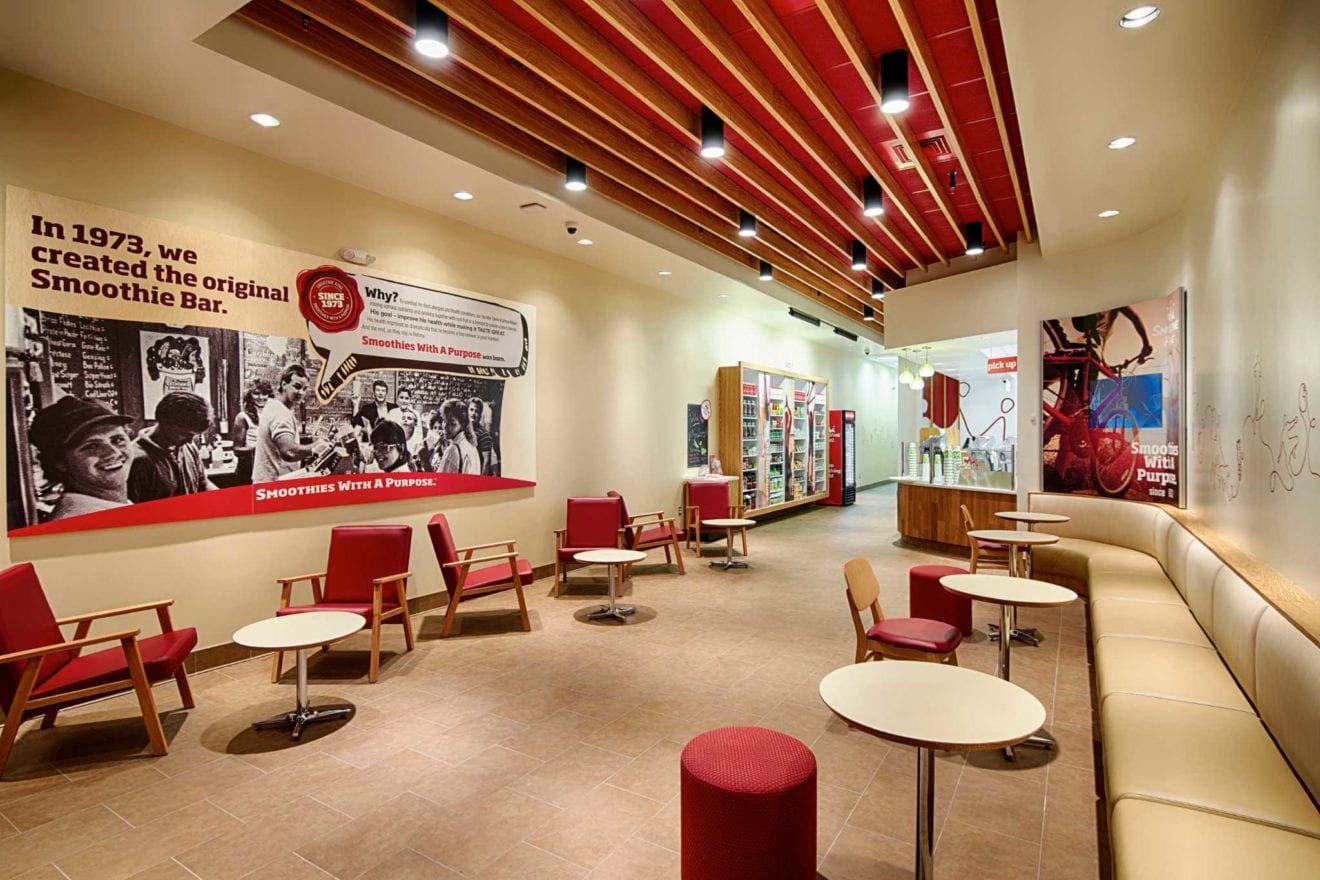
    Smoothie King is providing guests around the world with nutritional solutions that live up to the brand’s founding vision to create “Smoothies With a Purpose.”

    Smoothie King differentiates itself in the crowded juice and smoothie category as an “originator and innovator”, evolving to meet customer’s health needs since 1973. The mission since the company’s inception carries through to today: to inspire people to live a healthy and active lifestyle.

    New Orleans-based Smoothie King offers a wide variety of smoothies made with the highest quality ingredients, created to meet all nutritional goals including weight loss, weight gain and increased energy.

    “By working with dedicated and passionate partners like AG Retail, we are able to continue to build our brand and expand our presence worldwide, while preserving brand integrity,” said Smoothie King CEO Wan Kim.

  • Pazzion Spearheads Asia-Wide Expansion Plans With Agency Appointment

    Pazzion Spearheads Asia-Wide Expansion Plans With Agency Appointment

    Pazzion, home-grown shoe brand turned international sensation, has appointed award-winning PR agency, PR Communications to handle all its media relations programmes and special events.

    Since its conception in 2001, PAZZION has exploded onto the regional fashion scene. The brand has grown from a store in Wisma Atria to reach more than 10 countries, including India, Japan, and South Korea. PAZZION’s combination of keen market intelligence with an unwavering commitment to quality is the key to PAZZION’s breakout success.

    “Singapore is becoming one of the premiere fashion destinations in Asia, and local designers and brands are finally gaining the recognition they deserve. We aim to expand our brand presence here in Singapore, and we believe that this can be achieved through PR Communication’s expertise,” said Tom Ng, PAZZION’s founder.

    “We are delighted to be working with PAZZION. Consistently providing both quality and style, Pazzion prove that Singaporean brands can be just as good, if not better, than international ones. We aim to create a programme to make locals proud of the brand, as it grows from strength to strength in international markets,” said Eric Chan, Managing Director of PR Communications.

    Company Logo

    Established in 1990, PR Communications is an award-winning Singapore-based public relations consultancy that specialises in Lifestyle and Brand Marketing, Corporate Reputation, Entertainment PR and Eco-PR. The agency holds an extensive portfolio of global organizations and start-ups. Key clients of the Agency include AMK Hub, Caffé B, Chow Tai Fook, Hi-5 Productions, Konica Minolta, Samsonite, SK Jewellery and The Club.

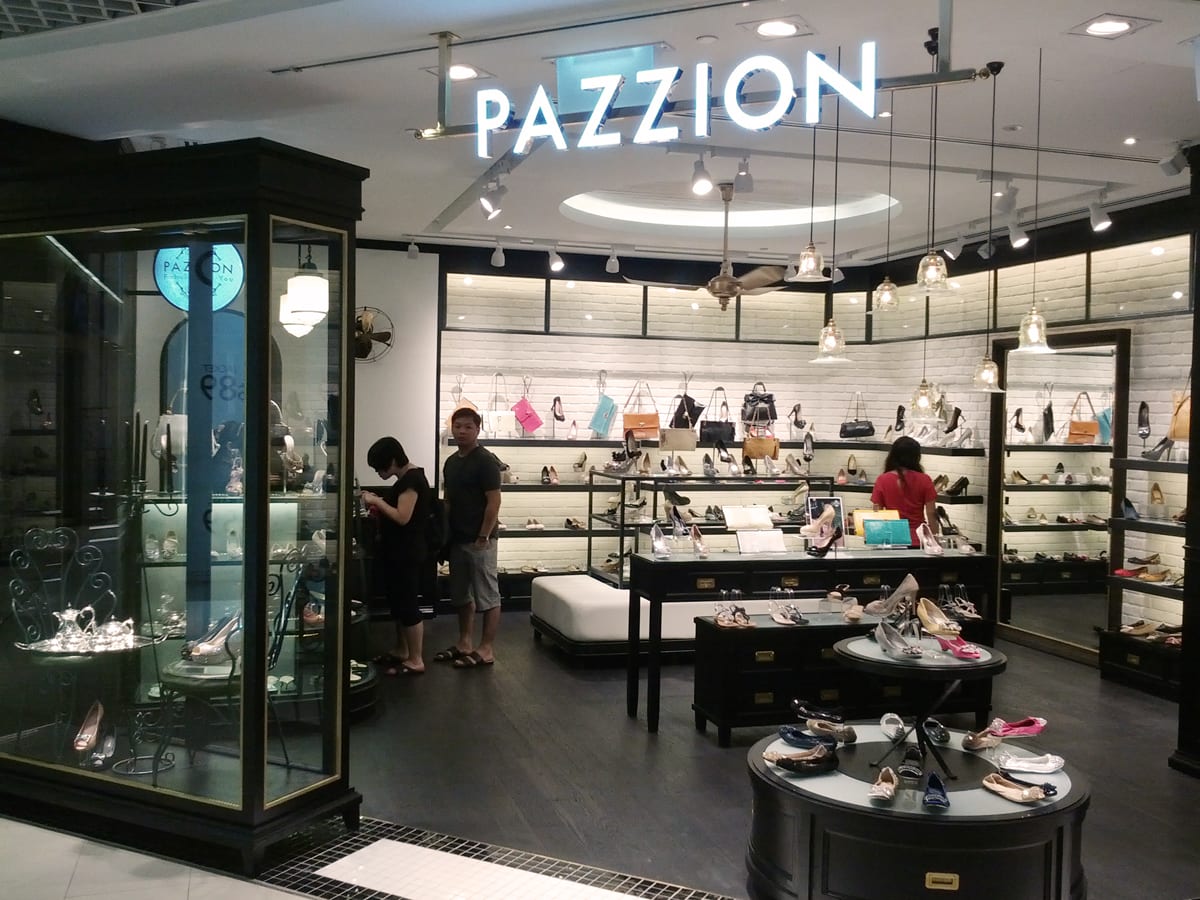
    Born in 2001, PAZZION caters to the modern sophisticate who values both taste and craftsmanship. Each shoe, from sandal to heel, ballerina flat to bridal heel, is made from quality calf leather and lambskin, and is engineered to bring the best in style and comfort. PAZZION has stores in most major retail malls across Singapore, with its flagship outlet in Wisma Atria. Internationally, Pazzion’s presence can be found in Brunei, Cambodia, India, Indonesia, Japan, Mauritius, South Korea, Sri Lanka, Thailand, Turkey and Vietnam.

  • Bauhaus in sales slide

    Bauhaus in sales slide

    Denim retailer Bauhaus says its same store sales have slumped in Taiwan and Hong Kong in the last quarter.

    Same store sales fell 17 per cent in Taiwan and nine per cent in Hong Kong, but remained stable in Mainland China.

    The Hong Kong-listed street fashion retailer has 211 self-managed stores – 96 in Taiwan, 86 in Hong Kong and Macau and 29 in the mainland.

    Quarter on quarter it added three in Hong Kong-Macau, one in Taiwan and closed two in the mainland.

    Bauhaus did not offer any commentary on the figures.

    The retailer sells a range of imported denim and t-shirt brands including Desigual, Evisu, Superdry, True Religion and Red Pepper.

  • Uniqlo sponsors Special Olympics LA

    Uniqlo sponsors Special Olympics LA

    Tadashi Yanai, chairman, president & CEO of Fast Retailing, said Fast Retailing Group is committed to employing people with disabilities, in the belief staff can learn from each other and grow by working together.

    “Through our support of the Special Olympics LA World Games 2015, we hope to contribute to the realisation of a society in which all people, those with disabilities and those without, support each other and grow together.”

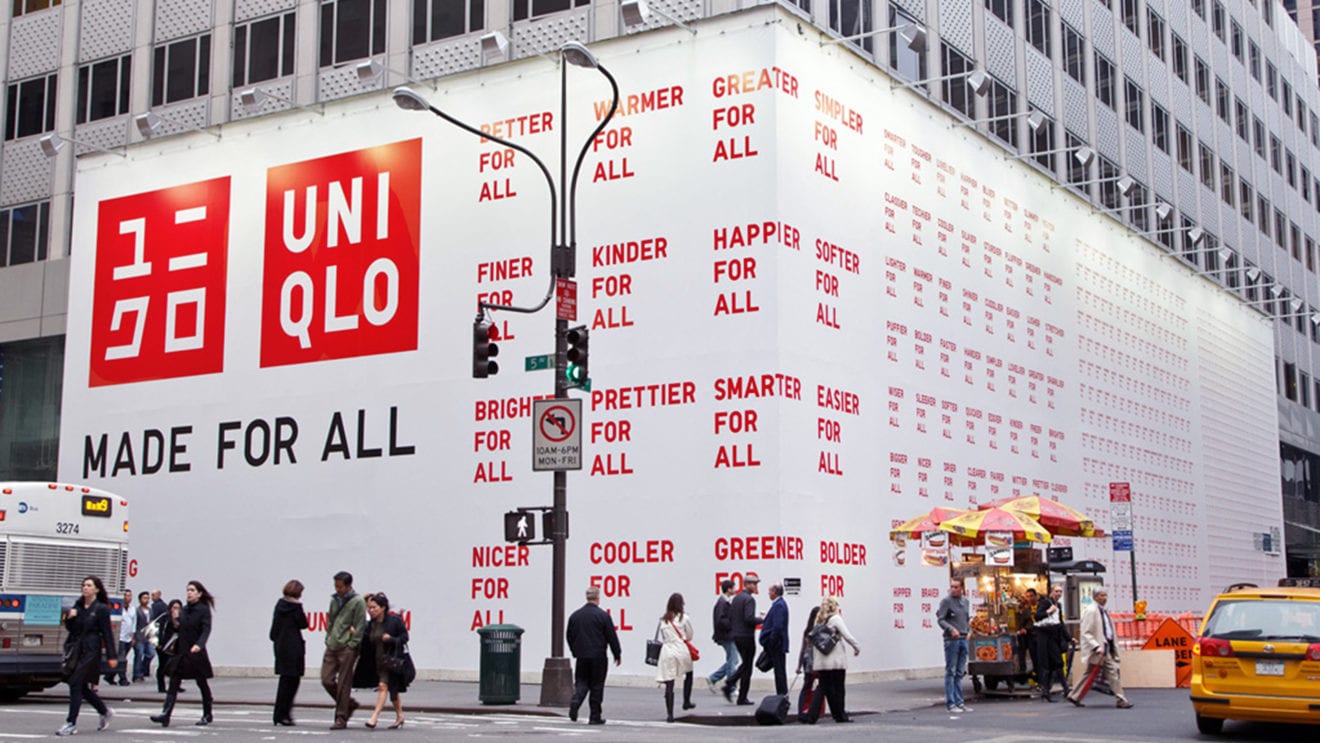
    Uniqlo will conduct a Special Olympics LA promotional campaign in its stores during the games. To raise awareness of the event, Uniqlo will put up posters supporting Special Olympics in Uniqlo stores in 12 countries and regions, and staff at Uniqlo’s five locations in the host city of Los Angeles will wear T-shirts with the Special Olympics LA logo.

    “Uniqlo believes in the ideal of Special Olympics LA, to foster independence and social participation for persons with intellectual disabilities through sports, and has supported Special Olympics Nippon since 2002,” the company said in a statement.

    Currently, Uniqlo supports local Special Olympics organisations in 12 countries and regions by providing uniforms, and sending volunteers to help run events.

  • Jia Plus Taiwan opens in Suzhou

    Jia Plus Taiwan opens in Suzhou

    Chinese homewares company Jia has opened its first store in Taiwan.

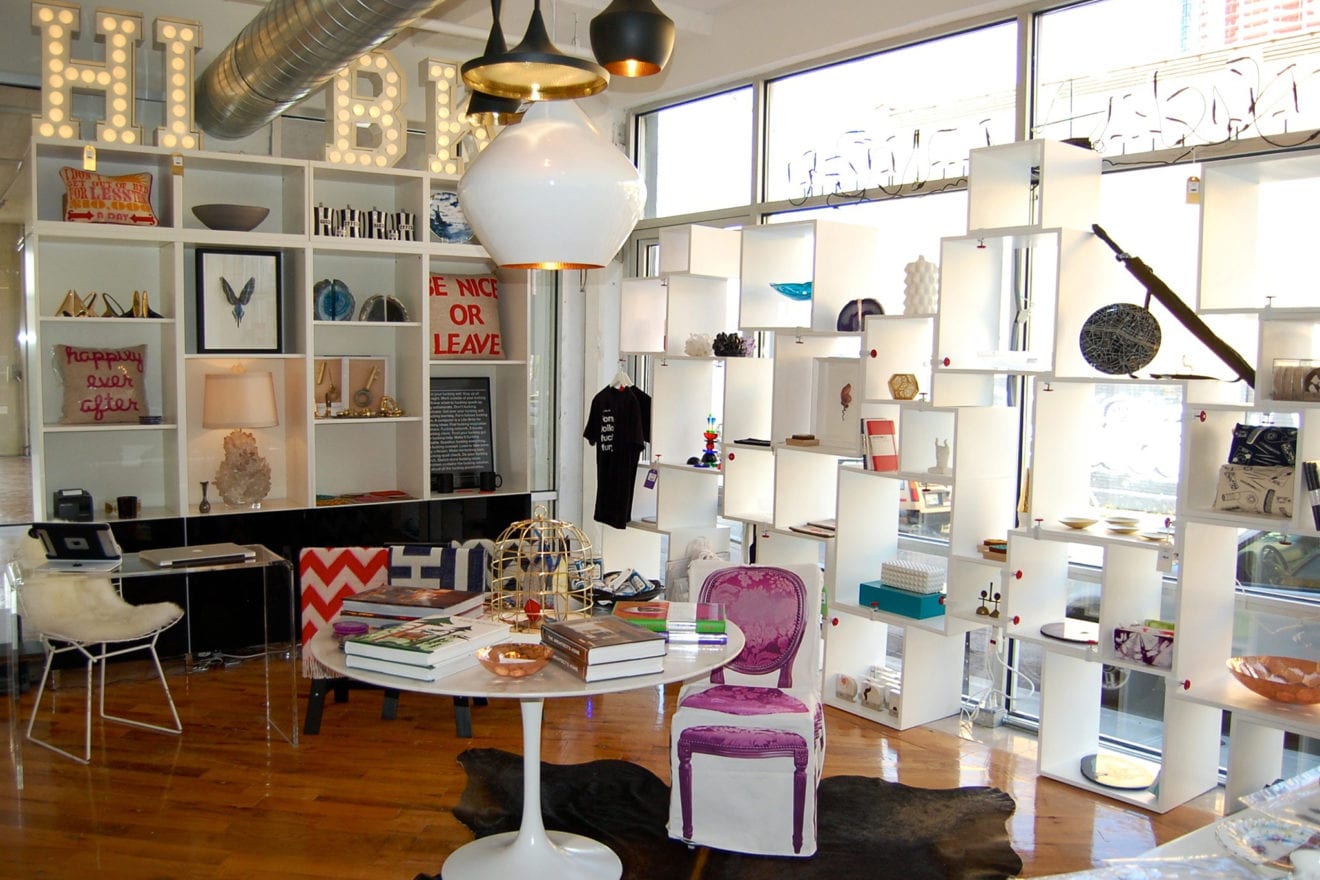
    Jia Plus Taiwan opened this week in Shin Kong Place, Suzhou. It features a curated collection of home and kitchen wares sourced from its own portfolio, along with European brands including Italesse Italian cutlery, Denmark’s Menu, German cutlery label Mono and French wine accessories maker L’Atelier du Vin.

    The Chinese retailer says the store aims to provide “a guide to a better life”.

    “Starting off from the kitchen essentials, Jia aims to unify Hong Kong’s civilisation, Taiwan’s creativity and China’s cultures into one important Chinese [statement] to the world,” said Jia founder Christopher Lin.

    “And that nothing is greater than food – the most basic necessity for everyday people. At the same time, Jia designs splendid homeware products and successfully establishes the brand as the leading Chinese design brand in the international homeware market, showing the world the cumulative synergy that Chinese culture has to offer.”

    The new store features a garden on the ground floor designed by Taiwanese architect An Yu Qian, inspired by journeys on the Silk Rd.Jia Plus’ open space concept features intertwined metal bars and earth-toned wood. The products are grouped by category.

  • Manpower issues harm Sasa Singapore

    Manpower issues harm Sasa Singapore

    Sasa Singapore says government restrictions on staff hiring are adversely affecting its business in the city state.

    As a result, the company plans to rationalise its store network and exit some leases early.

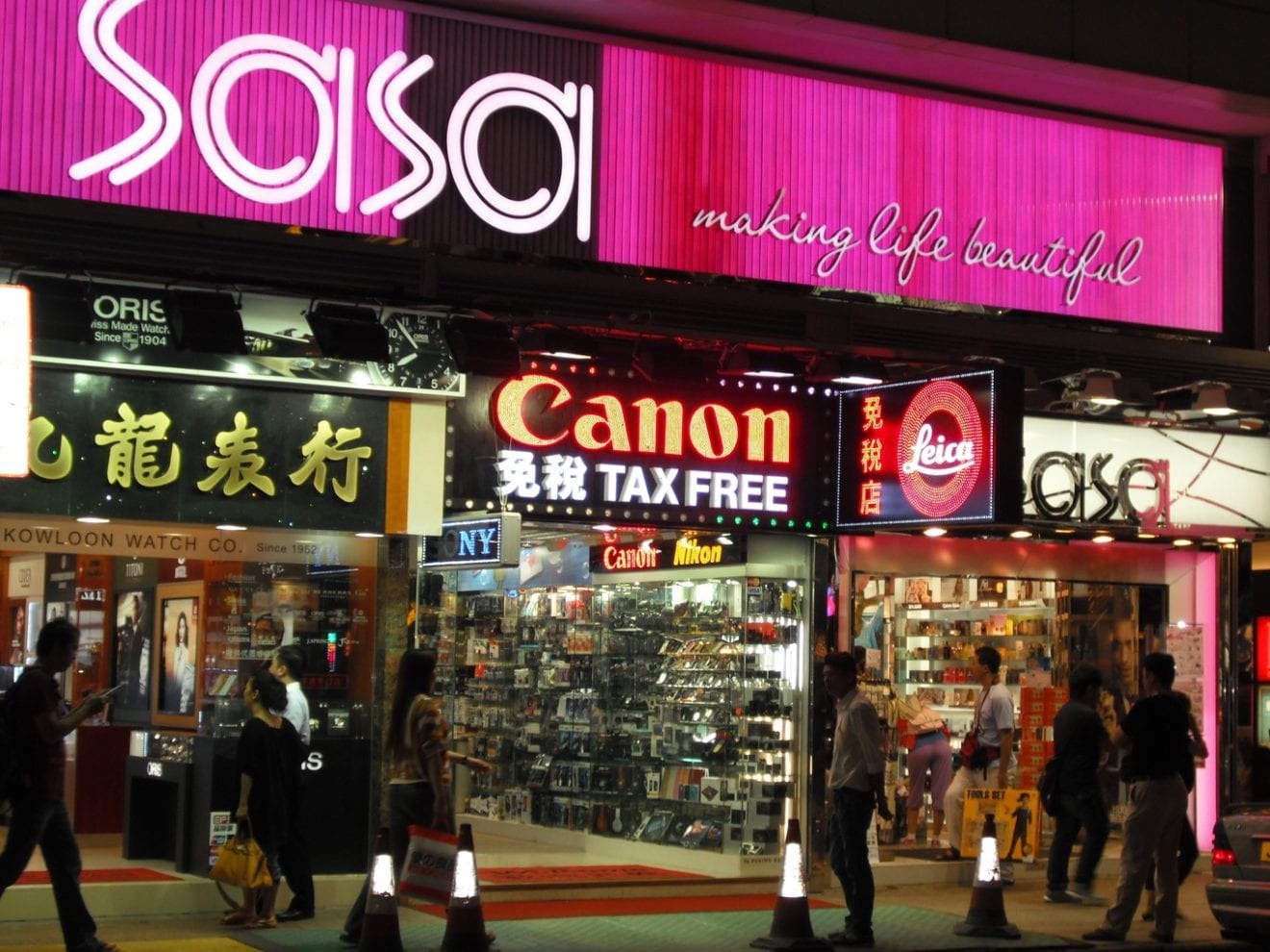
    The Hong Kong-headquarter retailer says that during the year to March 31, turnover in Singapore decreased by 2.6 per cent in local currency to HK$243.7 million. Same store sales dropped by 5.9 per cent in local currency.

    “The challenge of filling vacancies for frontline staff and Singapore’s acute manpower constraints adversely affected our store productivity,” the company said in its stock exchange filing in Hong Kong.

    “Moreover, persistent high rental costs and dilution of sales due to the excessive increase in overall Singapore retail space contributed to the losses.”

    In the year ahead, Sasa says it will close inefficient stores, and open stores in new malls with good potential.

    “To cope with the persistent constraints in manpower, we will enhance staff product knowledge and monitor staff productivity. The group will also work on staff retention to minimise the loss of experienced sales staff and convert more job scopes into automation so that employees can concentrate on analytical and quality enhancement.”

    Sasa says its Singapore sales decline was mainly due to slower domestic income growth, resulting in weaker retail sentiment.

    “Tourism was also affected by the tragedy of the missing Malaysian Airlines passenger plane, with the top two tourist originating countries of Indonesia and China both seeing shrinkage in arrivals during the year.”

    In Malaysia, turnover increased 6.1 per cent in local currency to HK$340.3 million. Same store sales decreased 0.2 per cent.

    “Our retail sales and profit growth were impacted by changes in the management team, which adversely affected store productivity and our performance during the transitional period,” the company said.

    Malaysia sales were also affected by the Malaysian Airlines tragedy, resulting in a drop in tourism numbers.

    “We continued to expand our store network to provide enhanced service to our customers and to increase our competitiveness.”

    In Taiwan, Sasa’s turnover grew 5.7 per cent in local currency to HK$289.2 million. Same store sales grew by 1.6 per cent.

    “Sales were boosted by the enhanced house brand product mix and introduction of lower priced products and promotions, which drove traffic and sales through cross-selling. Our strategic store expansion plan began to bear fruit and we were able to capture the growth potential of increasing numbers of Mainland Chinese visitors,” the company reported.

  • GigaMedia snaps up StrawberryNet.com

    GigaMedia snaps up StrawberryNet.com

    Taiwan’s GigaMedia, a web-based video games and computing providers supplier, is to purchase 70 per cent  of worldwide eCommerce cosmetics retailer Strawberry Cosmetics.

    Taipei-based, Singapore-listed GigaMedia can pay about US$93.1 million for the stake.

    Strawberry Cosmetics owns and operates the web site StrawberryNET.com and the associated cellular software. It has a complete gross sales and distribution community masking main nations worldwide, with growing enterprise in Asia, is translated into 38 languages and has a worldwide buyer base of greater than three million.

    Strawberry Cosmetics has additionally established a worldwide sourcing community of a complete vary of magnificence merchandise with greater than 700 manufacturers and 30,000 SKUs.

    During the last 4 years the web site has achieved annual gross sales exceeding $200 million, largely in Oceania, the US and Europe.

    GigaMedia believes Strawberrynet.com has vital progress potential in Asia.

    “As Strawberry Cosmetics is a longtime and confirmed eCommerce platform with an present buyer base, the corporate is of the view that the transaction would assist diversify the corporate’s general enterprise dangers and broaden the corporate’s enterprise portfolio within the web and know-how sector and permit the corporate to faucet into the quick rising magnificence and cosmetics eCommerce market,” GigaMedia stated in a press release.

    It sees potential vital synergies from leveraging its IT, on-line and offline advertising, in addition to its native connections in numerous Asian nations together with China, Japan and South Korea.

    GigaMedia’s on-line video games enterprise is an progressive chief in Asia with rising recreation improvement, distribution and operation capabilities, in addition to platform providers for video games; focus is on cellular video games and social on line casino video games. The Firm’s cloud computing enterprise is concentrated on offering enterprises in Higher China with essential communications providers and IT options that improve flexibility, effectivity and competitiveness.

  • Oriental Watch profit plummets

    Oriental Watch profit plummets

    Listed retailer Oriental Watch Holdings says its net profit fell 78 per cent in the year to March.

    The company, which had issued a profit warning earlier in the year, has been hit by the slump in demand for luxury watches from mainland Chinese, in turn a result of the mainland government’s clampdown on gift giving.

    OWH says its net profit fell to HK$5 million, (US$641,000) on turnover down 11 per cent to around HK$3.11 billion.

    The company said luxury brand shoppers had changed preferences and attitudes and blamed slimmer margins on intense competition from watch retailers competing for a shrinking customer base.

    Oriental Watch has 68 stores in mainland China, 13 in Hong Kong, three in Macau and three in Taiwan.

  • Jamba Juice Indonesia to open subsequent yr

    Jamba Juice Indonesia to open subsequent yr

    PT Sari Gemilang Makmur has gained the franchise rights to Jamba Juice Indonesia.

    The US smoothie chain Jamba Juice has launched into an aggressive worldwide enlargement technique with some 600 new cafes now within the improvement pipeline in South Korea, Taiwan, Thailand, the Philippines, Mexico, UAE, Saudi Arabia, Bahrain, Oman, Kuwait, Qatar and Canada.

    Sari Gemilang Makmur is a subsidiary of PT Mitra Adiperkasa Tbk, which operates greater than 1800 retail shops beneath a variety of its personal and franchised manufacturers in 65 Indonesian cities.

    Jamba Indonesia plans to open 70 Jamba Juice cafes in Indonesia inside 10 years, beginning in Jakarta in mid 2016.

    Tom Madsen, senior VP & GM, international progress, with Jamba Juice within the US, stated the corporate selected PT Sari as its associate as a result of it  is a number one operator of way of life manufacturers in Indonesia, an anchor tenant in main malls, and has a confirmed monitor report of efficiently constructing its personal and franchised manufacturers.

    “In PT Sari, we now have discovered a terrific associate for Indonesia, with a robust ardour for Jamba Juice and a mission to deliver well being, happiness and fulfilling life to Indonesian shoppers.”

  • Symphony EYC strengthens Asian arm

    Symphony EYC strengthens Asian arm

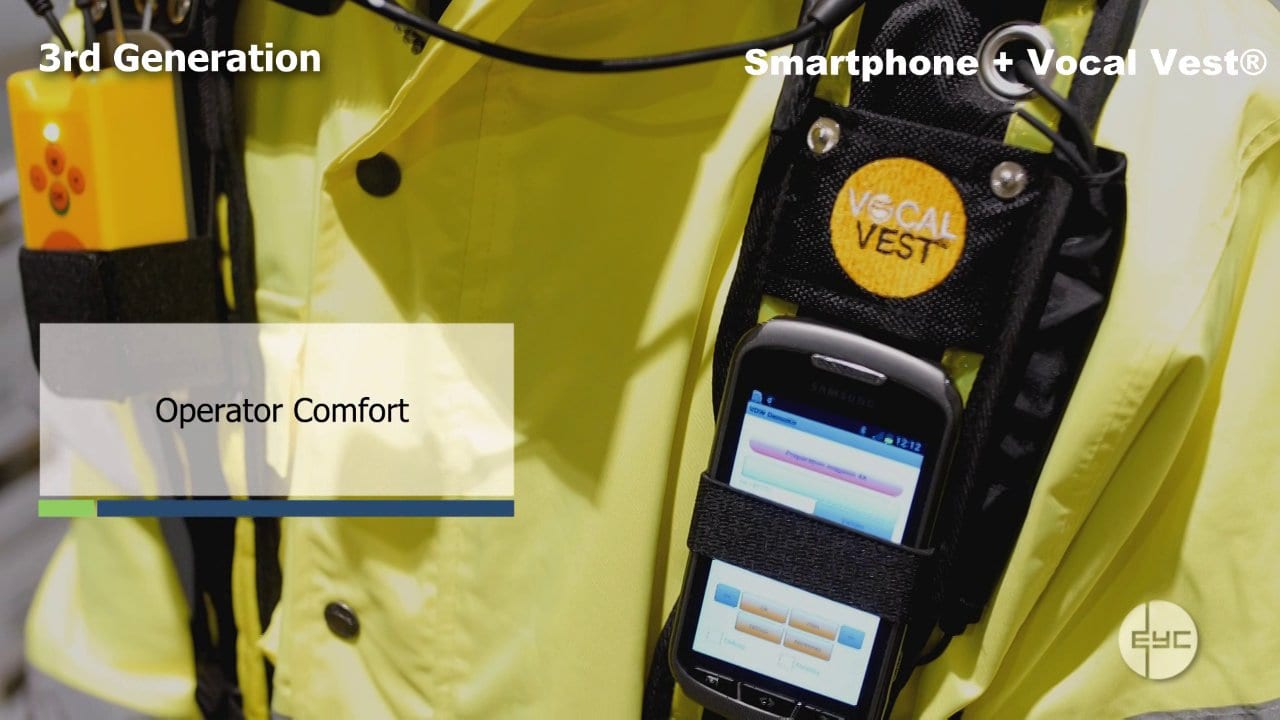
    Symphony EYC, which supplies software program and providers for greater than 1000 retailers, producers and wholesalers globally, has made two key Asian government appointments.

    Oscar Garcia-Velasco turns into VP Asia Pacific and Japan and Henry Chen GM of Higher China.

    “With Garcia-Velasco and Chen in place, Symphony EYC is properly positioned to satisfy demand for the G.O.L.D. Unified Retail Platform within the quickly rising Asia-Pacific markets,” the corporate stated in a press release.

    Garcia-Velasco shall be answerable for creating the Symphony EYC G.O.L.D. buyer base, becoming a member of the corporate from NET (internet), the place he was answerable for creating and increasing NET (internet)’s providers and market management in Asia, the Center East and Latin America. With greater than 25 years of IT business expertise, Garcia-Velasco has held government management positions with giant IT organizations, akin to IBM, SSA and Torex all through Europe, Latin America, Asia Pacific and Japan.

    Reporting to Garcia-Velasco, Chen will handle all Symphony EYC G.O.L.D. enterprise in Higher China, comprising Mainland China, Hong Kong, Macau and Taiwan. Chen has greater than 15 years’ expertise working with main distributors, akin to SSA International, Infor and Torex, in bringing retail, manufacturing and distribution options to the Chinese language market.

    “With Oscar Garcia-Velasco on the helm of our Asia-Pacific operations and Henry Chen supporting him in China, Symphony EYC enhances the management it must benefit from the elevated demand for omni-channel retailing in addition to the robust financial progress within the area,” stated Graeme Cooksley, president & MD, Symphony EYC G.O.L.D.

    “Each Garcia-Velasco and Chen are distinctive people with strong backgrounds and deep area experience in enterprise retail techniques.”

    Symphony EYC clients embrace 15 of the world’s 30 largest retailers, hundreds of retail manufacturers, and lots of of nationwide and regional chains.

  • Singapore, Taiwan, Korea to get Apple Watch

    Singapore, Taiwan, Korea to get Apple Watch

    Singaporeans, Taiwanese and South Koreans will be capable of purchase the Apple Watch from later this month.

    “The response to Apple Watch has surpassed our expectations in each approach, and we’re thrilled to convey it to extra clients around the globe,” stated Jeff Williams, Apple’s senior vice chairman of Operations. “We’re additionally making nice progress with the backlog of Apple Watch orders, and we thank our clients for his or her endurance. All orders positioned via Might, with the only exception of Apple Watch 42 mm Area Black Stainless Metal with Area Black Hyperlink Bracelet, will ship to clients inside two weeks. At the moment, we’ll additionally start promoting some fashions in our Apple Retail Shops.”

    Apple says the Apple Watch might be obtainable in Singapore, South Korea, Taiwan, Italy, Mexico Spain and Switzerland from Friday, June 26 from the Apple On-line Retailer, Apple’s retail shops and chosen authorised resellers.

    The world’s developer group has already created hundreds of apps for Apple Watch with new apps for patrons to discover and uncover. Apple Watch wearers can already hold monitor of a Singapore Airways flight, keep in contact with associates in South Korea with KakaoTalk, discover the close by YouBike station in Taiwan and entry film tickets with Cinepolis in Mexico.