Tag: Taiwan

  • Shopper confidence index exhibits fall in Might

    The buyer confidence index (CCI) dipped 1.29 factors to 91.64 in Might, whereas the inventory funding confidence sub-index noticed the most important fall, by 9.6 factors, based mostly on a report launched by the Nationwide Central College (中央大學, NCU) yesterday.

    Dachrahn Wu (吳大任), director of NCU’s Analysis Middle for Taiwan Financial Improvement, stated the arrogance for inventory funding tumbled largely as a result of the federal government tuned down this yr’s GDP progress forecast final week, and cash within the native inventory market had flown to China’s booming inventory market.

    The inventory funding confidence index registered at 100.1 factors.

    Simply final month, inventory funding confidence rose probably the most among the many six sub-indices, growing four.9 factors to succeed in all-time-high 109.70.

    Final month’s survey was carried out at a time when the inventory index was approaching the 10,000 mark, and when Beijing proposed a stock-connect platform between Taiwan and China. The prospects led to a rise in overseas capital and fueled investor confidence.

    Different Sub-indices Scores

    Beneath the CCI’s 200-point scale, an index that falls within the Zero-100 level zone displays pessimistic shopper confidence whereas a determine between 100 and 200 signifies optimism.

    Regarding the different indexes, the CCI for worth ranges and family finance climbed to 55.85 factors and 87.65 factors, respectively. The job market index stayed degree at 114.9.

    The CCI for home financial system and sturdy items purchases — principally actual property purchases — declined to 86.65 factors and 104.7 factors, respectively.

    J.P. Morgan’s Conflicting Discovering

    Whereas the native inventory market may need underperformed, buyers are nonetheless upbeat concerning the world financial system, based mostly on a report launched by J.P. Morgan lately.

    In accordance with J.P. Morgan’s report, the index for investor confidence reached 106.four within the second quarter, rising for the second consecutive quarter and reached the very best degree in three years.

    Though buyers are usually not assured concerning the native financial system, they confirmed nice optimism over the world financial system, believing it is going to end in wealth progress within the close to future, the survey discovered.

    Jerry Chu (邱亮士), an government from J.P. Morgan Asset Administration, stated the uncertainty relating to when the U.S. Fed will hike curiosity is definitely thought-about by buyers as a constructive.

    Different positives, in response to Chu, embrace larger profitability for corporations in Japan and Europe; a unfastened financial coverage in China that may increase enterprise incomes, which may then translate into greater wage ranges and better consumption.

    Main inventory markets within the globe have moved up prior to now three months. The Chinese language market soared almost 40 %, whereas Japan and European markets have surged about 10 %. The markets in Taiwan and the U.S. grew a comparatively low 5 %.

    Taiwan’s inventory market hit a brand new document final month, and the current retraction is taken into account by Chu as a traditional adjustment.

  • Carrefour Taiwan, China open shops

    Carrefour Taiwan, China open shops

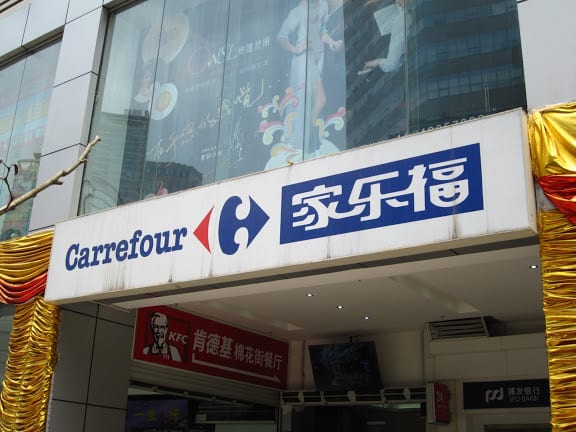
    French hypermarket operator Carrefour has additional prolonged its footprint in Taiwan and China, with three new shops opening their doorways in current weeks.

    Carrefour Taiwan has opened its 73rd retailer – the Xi Ke retailer in Hsi Chih science park. The only degree retailer has a complete 6864 sqm gross sales space and stands above the Taiwan Railway Xi Ke station by means of which 70,000 commuters move day-after-day.

    Within the Xi Ke retailer, Carrefour makes use of digital units to supply product info and work together with clients. A video wall on the entrance attracts clients in from the exterior mall.

    Carrefour Taiwan additionally launched the primary ‘Pure and Healthful’ merchandising space in its grocery part to supply extra HOPE (Wholesome, Natural, Premium and Eco-Nature) merchandise whereas selling traceability, natural options and high quality recent strains.

    Different retailer options embrace  a sports activities space the place clients can truly shoot basketball hoops and check health or biking gear.

    Carrefour China lately opened two new hypermarkets.

    The primary retailer to be opened within the north-east of China. With a gross sales space of greater than 7000 sqm, it has 22 checkouts and parking for 750 automobiles. This hypermarket anchors a purchasing centre of 25 shops.

    The second retailer – Hefei Mingbang Retailer – has a 7761 sqm gross sales space, 22 check-outs and parking for 780 automobiles. It’s situated in a big buying centre made up of 48 shops.

  • Alibaba Taiwan sent home

    Alibaba Taiwan sent home

    Alibaba Taiwan has been told by government officials to pack up and head home.

    The Taiwanese government’s Investment Commission has formally instructed the Chinese Mainland-based eCommerce giant to withdraw from the country within six months ruling the company had violated investment rules required for a Chinese company.

    The banishment was reported by Reuters and other major news services, based on information provided by an official from the economics ministry.

    Alibaba has been fined T$120,000 (a meagre US$3,824) and must “withdraw or transfer its holdings from its operation in Taiwan”, Emile M.P. Chang, acting executive secretary for the Investment Commission, was quoted by Reuters.

    That Alibaba will ultimately be forced to discontinue its business in Taiwan is unlikely.

    It is common for Mainland Chinese companies to fall foul of investment laws with Taiwan and the Mainland still technically political enemies despite fast-growing economic and trade ties which have been building steadily over the last five years. Mainland China does not recognise Taiwan as an independent state.

    The commission’s ruling follows an investigation launched last September. The commission says it requested documentation from Alibaba to prove it complied with local business regulations. When those documents were not forthcoming, the cessation order was made.

    Alibaba considers the move a misunderstanding.

    “We will actively communicate with the authority and provide the required supporting materials to comply with the latest requirements,” the company said in a statement.

    “Since Alibaba Group, the parent company of Alibaba.com, went public in the United States last September, the authority took a different view about the internal structure of Alibaba Group and deemed it as a mainland Chinese company.”

    Alibaba Taiwan was founded in 2008 through a Singapore-registered subsidiary. Alibaba says that business was founded in compliance with Taiwanese regulations applicable at the time.

  • Razer Taiwan opens gaming retailer idea

    Razer Taiwan opens gaming retailer idea

    US-based digital video games big Razer has opened a singular flagship retailer in Taiwan’s capital metropolis, Taipei.

    Razer was created by CEO and Min-Liang Tan, a Singaporean, and specialises in merchandise marketed particularly to players. The Razer model is presently being marketed underneath Razer US.

    Within the new Taipei retailer, which opened final Friday, players can attempt the corporate’s distinctive units together with excessive finish pc mice designed for on-line video games, keyboards and different equipment.

    Centrestage are the Razer Edge pill, a handheld pc operating Home windows eight optimised to game-playing – and a purpose-built PC unveiled finally yr’s Shopper Electronics Present in Las Vegas.

    The opening was celebrated on-line with a minisite – #TWRazerStore (in Chinese language language) and weblog and social media postings in English. Most of the firm’s US administration flew to Taiwan for the opening.

  • Carrefour Taiwan opens mini-hyper retailer

    Carrefour Taiwan opens mini-hyper retailer

    Carrefour Taiwan has opened its 72nd retailer, a ‘mini-hyper retailer’ within the nation’s central area.

    The shop, within the metropolis of Hu Wei is the second Carrefour outlet in Yun-lin County.

    With a complete gross sales space of 1800 sqm and the Hu Wei retailer provides locals a ‘one cease buying’ answer with greater than 15,000 chosen gadgets together with wide selection of grocery gadgets and recent items, bazaar, textile and home equipment.

    Carrefour reviews the official opening drew “a whole lot” of native clients who queued to be first to buy the shop.

    The primary Carrefour retailer in Taiwan was opened in Kaohsiung on the finish of 1989. The enterprise operates in partnership with President Group.

  • Watsons Taiwan eyes 600 shops

    Watsons Taiwan eyes 600 shops

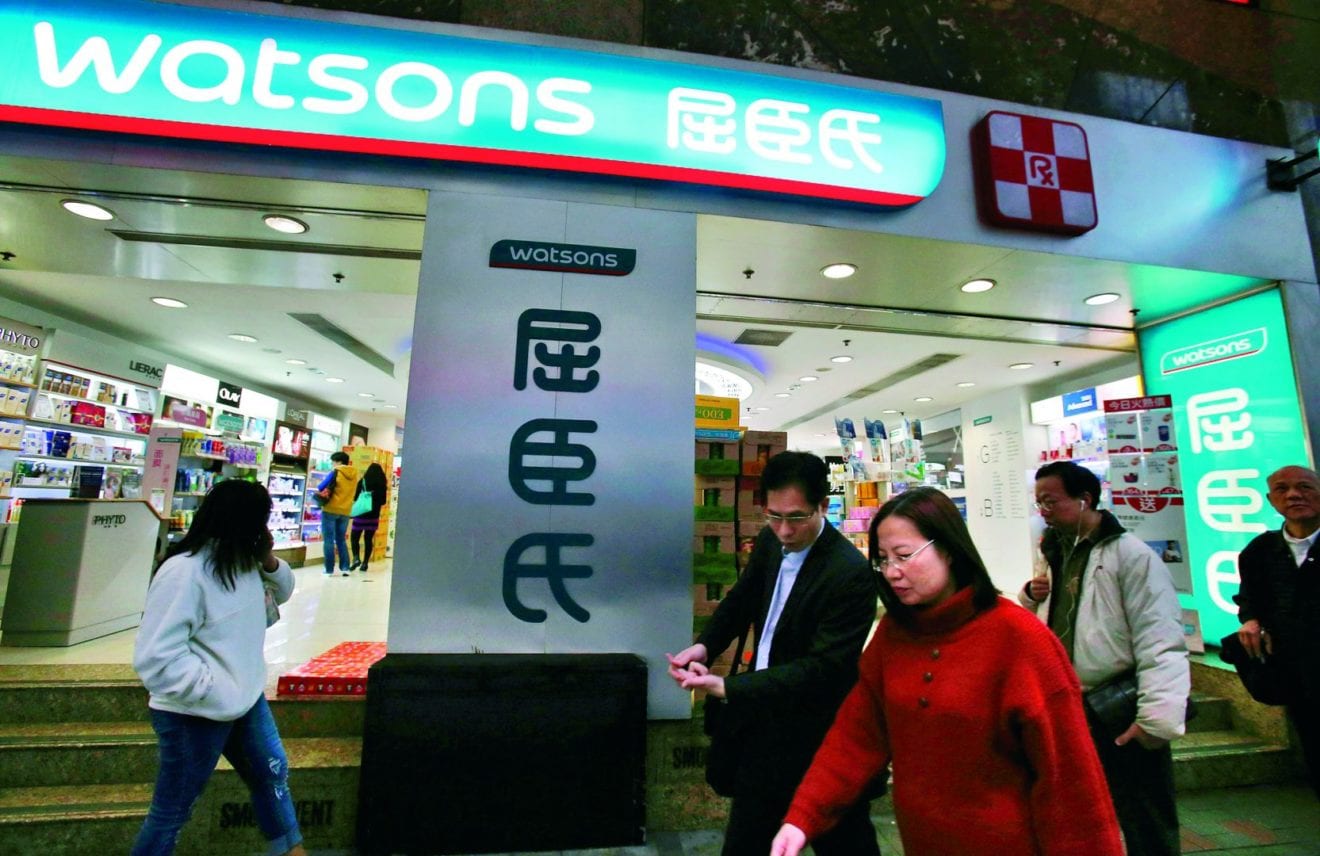
    Taiwan’s largest cosmetics and medicines retailer, Watson’s Private Care Shops, has opened its 500th retailer.

    And the chain says one other 100 are deliberate for opening inside the subsequent two years.

    The 500th retailer, that includes what Watsons Taiwan describes as a brand new era design, opened within the Taipei suburb of Ximending.

    “We have now improved our retailer segmentation technique to satisfy demand from clients in several areas,” MD Toby Anderson stated throughout a press convention to mark the opening.

    Apart from increasing the Taiwan retailer community, Hong Kong-headquarted Watsons is refurbishing and upgarding its present community with 100 shops revamped final yr and an extra 100 renovations deliberate for 2015.

    Watsons operates cosmetics shops in 12 nations and territories in Asia and Europe nevertheless it sees Taiwan a testbed for innovation.

    “Taiwan has a mature retail market with refined shopper conduct, which makes it a fantastic place for innovation,” Anderson stated.

    That’s why the corporate is trialling a brand new Era Y idea retailer in Taiwan, with skincare and cosmetics aimed toward style aware youthful consumers. After the preliminary success of a trial retailer in Taiwan, two Era Y shops at the moment are deliberate for trial in Shanghai later this yr.

    The corporate can also be constructing a robust on-line presence in Taiwan with 6 million registered customers and greater than 650,000 downloads of its cellular purchasing app.

  • Ambitious plan for Playboy China

    Ambitious plan for Playboy China

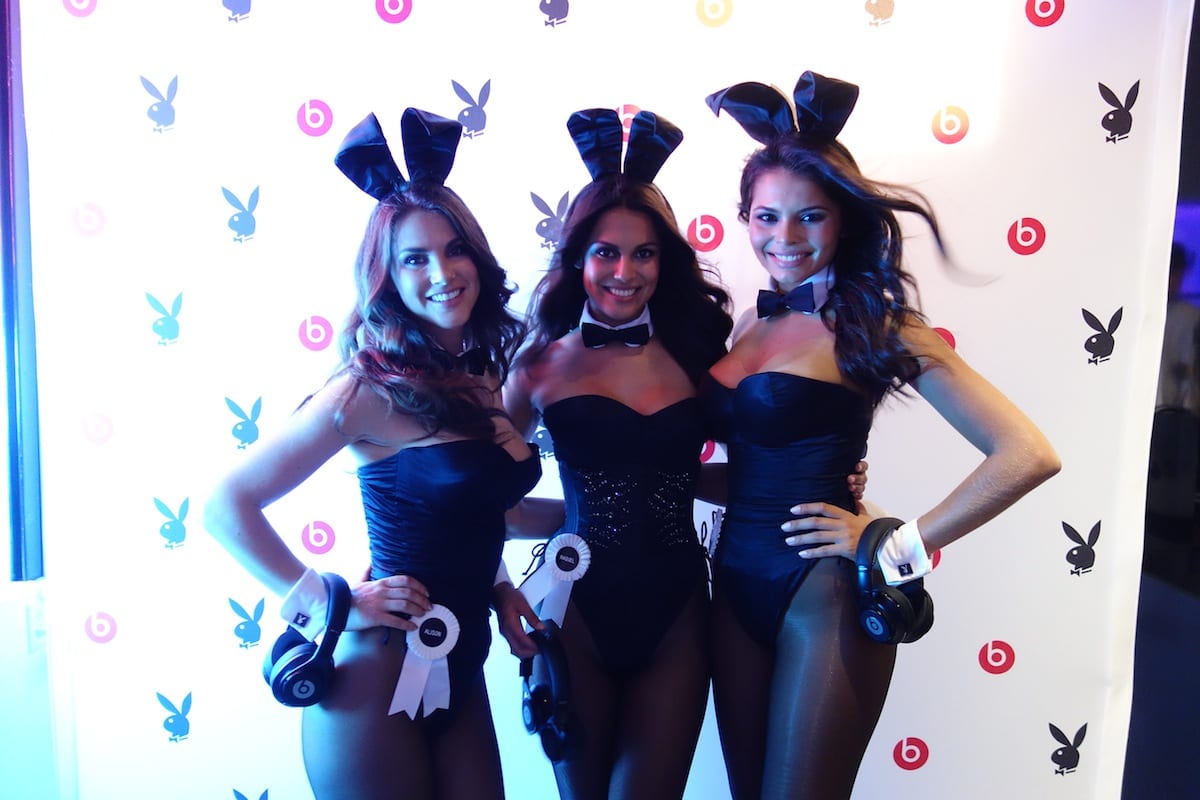
    Playboy is using its massive brand awareness in China to drive an expansion of its apparel range and enter new retail categories.

    US-based Playboy Enterprises has signed a new 10 year licensing agreement with Handong United to manufacture and distribute an expanded assortment of men’s and women’s fashion apparel, including casual fashion apparel, formal and casual footwear, and accessories, such as belts, bags, backpacks, wallets, and travel luggage. Leveraging Handong’s broad distribution network, Playboy is expected to further expand beyond its current reach from 3100 retail touchpoints in China’s mainland to 3500.

    Playboy China boasts a 97 per cent brand awareness among Chinese consumers according to research house Penn Schoen Berland.

    “We’re proud of the fact that the Playboy brand has achieved household status as the one of the most recognised and popular brands in the world’s leading retail market,” said Scott Flanders, CEO, Playboy Enterprises.

    “To achieve this leadership position without ever having a media entity in China is a testament to the tremendous power of our brand. China is one of our most important markets and we’re committed to working with the highest calibre of partners to develop premium quality products to connect our brand to the future generation of Chinese consumers.”

    Playboy has been building its business in China for 20 years – without any of the printed or digital products it may be best known for in its US home market. In China it is purely an apparel brand and has licensing deals for other products.

    Playboy China generated US$5 billion in retail revenue over the last decade and last year achieved $1.5 billion in retail sales worldwide, more than one-third of that in China. The company wants to achieve revenues of $10 billion during the course of its new partnership with Handong United.

    The brand continues to generate momentum through its portfolio of long time partners in apparel, footwear, luggage and accessories, who actively market the brand through its Physical and VIP sub-brands, which have 1000 and 180 points-of-sales respectively.

    “Playboy has demonstrated success in building a loyal consumer base by introducing a variety of modern apparel and accessories with a renewed focus on attracting a younger male and female consumer base,” said Matt Nordby, president, global licensing and chief revenue officer with Playboy Enterprises.

    “We’re enhancing our licensing portfolio with long-term, brand-enhancing partners, and Handong United is a partner that can deliver a premium and superior product quality. We look forward to teaming with Handong to design and create new products to further grow our China presence and reach the younger fashion-conscious Chinese consumer.”

    Xiaojian Hong, executive officer of Handong United described Playboy as “one of the most famous and treasured brands in China” and a “must-have fashion choice” for men and women across the Mainland.

    Elsewhere in Asia and beyond, Playboy has been expanding its existing audience base and attracting a new generation of consumers by revamping and refining its licensing portfolio, partnering with Lane Crawford in Hong Kong, Beijing and Shanghai, Isetan in Tokyo and Marc Jacobs globally.

  • Malls anticipated to submit robust gross sales in April

    Malls anticipated to submit robust gross sales in April

    Malls in Taiwan are anticipated to report robust positive aspects in gross sales in April from the earlier month due to aggressive promotional campaigns forward of Mom’s Day, the Ministry of Financial Affairs (MOEA) stated Friday.

    The MOEA estimated division retailer gross sales in April at NT$25.5 billion (US$83.06 billion), about 23 % greater than a month earlier.

    The gross sales would reverse a 27.5 % month-on month fall recorded in March, which noticed sluggish gross sales as a result of it got here after the Lunar New Yr vacation in February.

    Ought to division retailer gross sales hit NT$25.5 billion in April, it might be the very best quantity ever recorded for the month.

    Expectations that division retailer income rose additionally mirrored the positive factors posted by Taiwan’s inventory market and wage will increase, which left shoppers extra prepared to spend, the MOEA stated.

    In April, the weighted index on the Taiwan Inventory Trade gained 233.61 factors, or about 2.44 %, to shut at 9,820.05 on Thursday, the final buying and selling session of the month.

    In late April, the market’s benchmark index even breached the 10,000-point mark a number of occasions for the primary time in 15 years earlier than falling again under the edge earlier than periods closed.

    The typical nominal wage in Taiwan rose greater than 6 % within the first two months of the yr from a yr earlier with the assistance of larger year-end bonuses, in accordance with Directorate Common of Price range, Accounting and Statistics figures.

    The positive factors constructed by buyers within the inventory market and better wages prompted many shoppers to leap on gross sales promotion campaigns for such items as style gadgets, jewellery and meals providers for Mom’s Day, which falls on Might 10 this yr, the MOEA stated.

    In consequence, main division retailer chains in Taiwan noticed gross sales rise 20-30 % in April, serving to their companies get well from March’s doldrums, the ministry stated.

    Within the first quarter, division retailer gross sales rose 5.eight % from a yr earlier to NT$72.2 billion, which accounted for 26.2 % of all retail gross sales in Taiwan. The expansion topped the 1.eight % year-on-year improve in gross sales posted by Taiwan’s retail sector as an entire.

    The MOEA stated gross sales generated by malls listed here are anticipated to hit a report excessive of about NT$320 billion this yr, up from NT$306.1 billion recorded a yr earlier.

  • Convenience stores in Taiwan look at mobile app potential

    Convenience stores in Taiwan look at mobile app potential

    Two major convenience store chains in Taiwan are trying to introduce mobile apps to give customers access to a greater range of services and boost sales as e-commerce could soon revolutionize the convenience store industry.

    President Chain Store Corp, which operates Taiwan’s largest convenience store chain, said it is currently building a big data and cloud computing system and developing omnichannel payment solutions. These solutions, including ibon, icash 2.0 and iChannel digital media platforms, will enable delivery of products ordered online through its 5,000 outlets, the company said.

  • Yelp lands in Taiwan

    Yelp lands in Taiwan

    Business rating app Yelp has opened a portal in Taiwan.

    Yelp allows shoppers and customers of other businesses to share their opinions and experiences in a similar way TripAdvisor allows crowd ratings of restaurants, hotels and holiday destinations.

    From this week, people throughout Taiwan can create accounts on Yelp.com.tw  and use the free iPhone and Android applications as well as its free suite of business owner tools: Yelp for Business Owners.

    “From shopping at street markets for sweet and savory snacks, to getting lost on the many hiking trails, Taiwan is an energetic tropical island full of surprises,” says Miriam Warren, VP of new markets. “Similar to Yelp’s home in Silicon Valley, a bevy of influential technology firms make their home in Taiwan. It’s definitely a natural fit.”

    Yelp is already in Singapore, Hong Kong and Japan and The Taiwan debut continues an Asia growth ambition. The company will initially appoint a community manager in Taipei, whose role will be to build a local community of Yelpers in Taipei.

    Yelp is available to everyone in Taiwan with access to the Internet, whether that be via their desktop, smartphone or tablet, and they can do so in any one of the 16 languages that Yelp currently supports, including traditional Chinese.

  • Taiwan convenience store boom

    Taiwan convenience store boom

    Taiwan convenience store sales are expected to hit a record US$9.52 billion in 2015 according to Taiwan’s Ministry of Economic Affairs.

    So fast is the growth, Taiwan’s convenience store network now has the highest density of any country in the world: overtaking even Japan.

    Taiwan’s c-store population rose from 9958 in 2013 to 10,131 at the end of last year, which equates to one store per 2300 people, compared with one per 2450 in Japan.

    The boom has been fuelled by an ongoing expansion of c-stores’ core lines, and diversification into services, such as bill paying, transportation tickets, phone top-ups and event ticketing.

    In 2014, Taiwan convenience stores achieved net sales of NT$289.2 billion, up by 4.8 per cent year-on-year. In 2013, the figure was NT$276.1 billion, 3.1 per cent higher than the previous year. Next year’s sales will top NT300 billion, a further 3.73 per cent increase.

    The ministry started compiling commercial sales data in 1999, and has tracked steady increases every year since.

    Taiwan convenience stores now account for 26.1 per cent of Taiwan’s total retail sales, up from 20 per cent in 1999.

    Department stores continue to account for the largest share of the nation’s retail sales – 27.7 per cent. But with the gap now so narrow, c-stores could well become the top retail category in 2015.

    Hypermarkets take third spot, with 15.9 per cent of the retail market, supermarket’s 15.1 per cent, the ministry’s data revealed.

    While the range of products and services offered by Taiwan convenience stores continues to grow, food and beverages still account for the vast majority of sales – 87.8 per cent by value in 2014.

  • Most Taiwan mobile shoppers spend over USD32 a month

    Most Taiwan mobile shoppers spend over USD32 a month

    A large majority of Taiwanese who make purchases on mobile devices spend more than NT$1,000 (USD31.9) a month, according to a survey conducted by the government-sponsored Institute for Information Industry.

    The Market Intelligence Center (MIC) under the III, cited a survey as saying that almost 70 percent of respondents who have purchased goods through their mobile devices spent at least NT$1,001 (US$31.68) a month on such purchases.

    The survey, conducted between Nov. 20 and Dec. 3, found that 62.5 percent of respondents said they made purchases on mobile devices, such as smartphones and tablet computers.

    According to the survey, 30.4 percent of those who used mobile devices to shop spend NT$500-NT$1,000 a month on average, 33.1 percent said they spend NT$1,001-NT$2,000 a month, and 16.6 percent said they spend NT$2,001-NT$3,000 a month.

  • Taiwan electronics chain stores roll out CNY deals

    Taiwan electronics chain stores roll out CNY deals

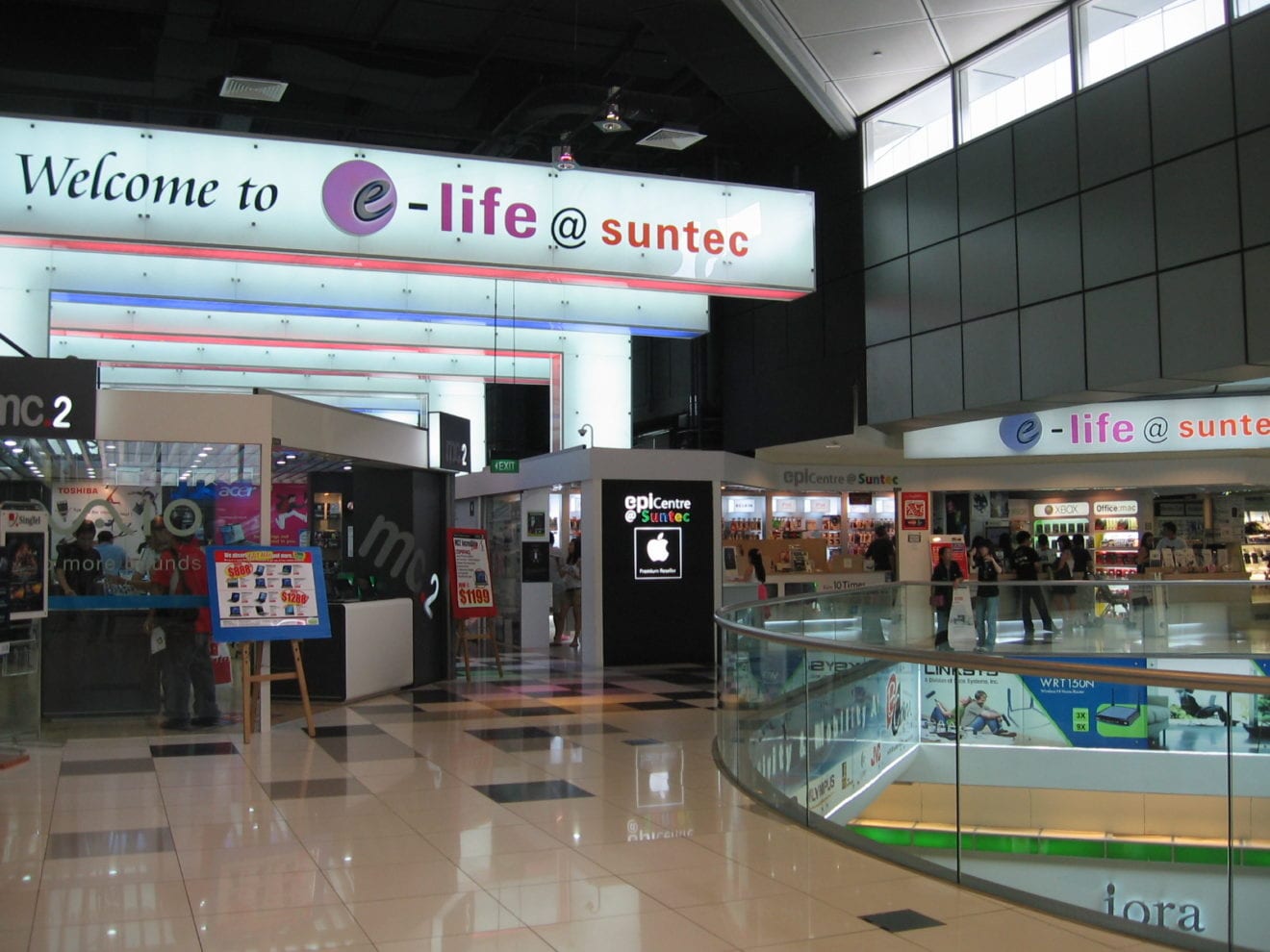
    The nation’s two major electronics retailers E-Life Mall and Tsann Kuen have kick-started special sales to prepare for the upcoming shopping season for Chinese New Year. Up to 25-percent discounts are offered for their large-size televisions, and the sales are expected to generate high revenues for the two electronics stores in January.

  • HTC wants to boost retail network

    HTC wants to boost retail network

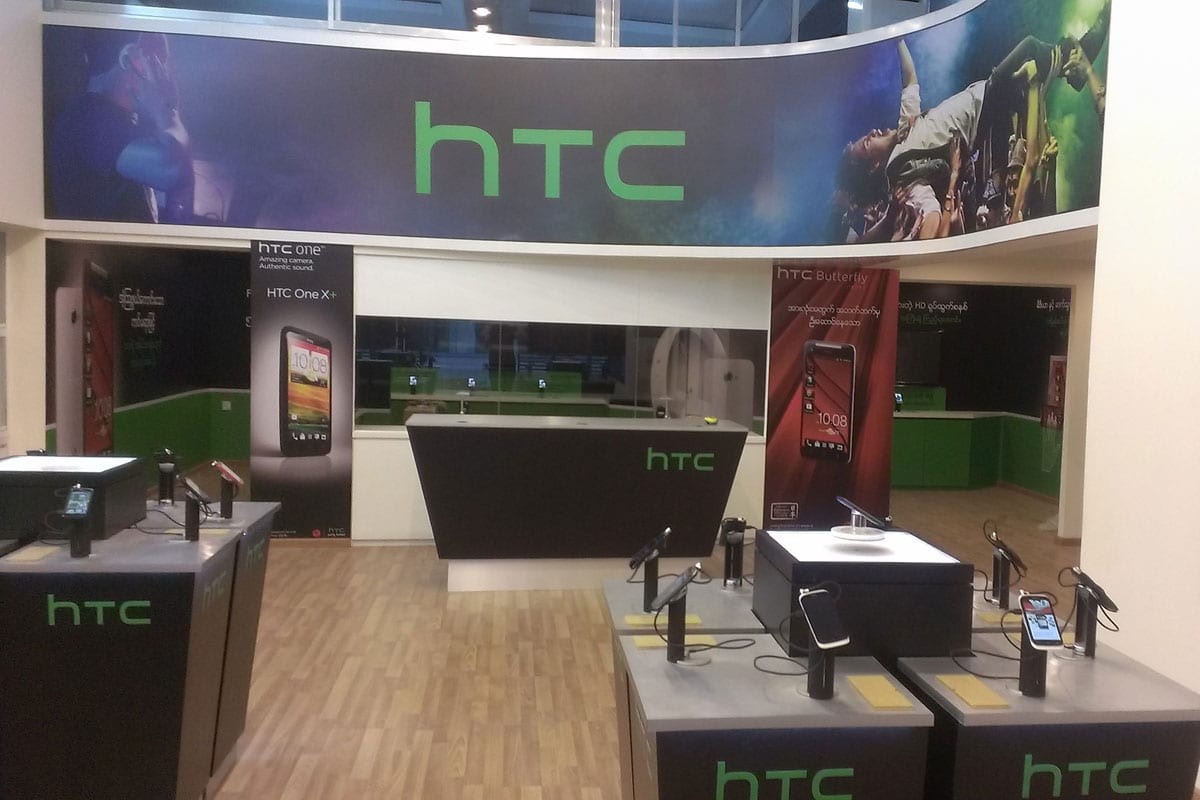
    HTC will boost its retail store network in its home market of Taiwan this year as it expands its handset range.

    The Taiwanese brand has achieved solid success with its topline smartphone models, but is still trading in the red as its product range is skewed towards the top end and is not perceived as meeting the mass market.

    HTC says it will changes that with North Asia president jack Tong promising a full range of products in 2015: from entry-level, mid-level and top end.

    To support its broader brand positioning the company will boost its solo-brand store network from 72 to more than 100 by Christmas.

    HTC has 19 distribution partners selling only its brand and accessories to match. Tong expects retail sales in Taiwan to double this year due to the expanded range and increased store network.

    Retail stores accounted for just 20 per cent of Taiwan’s mobile phone sales last year, but analysts expect that share to double in 2015 due to shorter product replacement cycles and falling smartphone prices. Consumers in Asia are increasingly preferring to buy their phones from independent retailers rather than phone networks, due to broader choice, sometimes sharper pricing and no commitment to contracts.

    “Our new brand vision is to expand HTC’s reach to everywhere,” Tong told a press conference at an HTC flagship store in Taichung this week.