Tag: Tariffs

  • Philippines and Canada on Track to Conclude Free Trade Deal by Year-End

    Philippines and Canada on Track to Conclude Free Trade Deal by Year-End

    Manila and Ottawa have resolved major roadblocks to a landmark free trade agreement during their fourth round of negotiations, putting the deal on track for conclusion before year-end.

    In 2025, bilateral trade reached $2.15 billion, with Canada taking in $1.31 billion worth of Philippine goods, equivalent to 1.5 percent of total exports.

    Resolving Agricultural Access and Tariff Roadblocks

    Substantial progress was made during talks held in Toronto from Sept. 8 to Sept. 11, with Philippine Trade Undersecretary Allan Gepty confirming that negotiators will address remaining issues through smaller meetings and online exchanges rather than another full round.

    Agricultural tariffs represented the main point of contention during the Toronto talks, mirroring past Philippine trade negotiations with the European Union and Chile. Manila sought protection for domestic farming sectors while pushing for broader access for its food exporters across Canadian grocery shelves.

    Expanding North American Supply Lines

    For Philippine consumer brands and food manufacturers, a completed pact opens direct duty-free channels into Canada without navigating third-party transshipment hubs. Importers in Manila gain cheaper access to Canadian agri-food commodities, processed foods, and cold-chain inputs, which will lower sourcing costs for local supermarket operators.

    Canadian retailers and industrial suppliers also gain formal investment protections and clearer intellectual property rules across the Philippine market. The deal will serve as Manila’s first direct bilateral free trade treaty with a North American economy.

    Fast-Tracked Talks Across Asia-Pacific

    Official negotiations between both governments began in February 2026. Beyond tariffs on physical goods, the working texts cover service exports, business visa mobility, cross-border investments, digital commerce safeguards, and anti-corruption standards.

    Canadian International Trade Minister Maninder Sidhu arrived in Manila on Sept. 21 for two days of consultations with Association of Southeast Asian Nations economic ministers. Ottawa is running parallel regional trade talks with ASEAN alongside comprehensive partnership negotiations with India.

    Final Review Steps Before Year-End Ratification

    Legal teams from both sides will scrub the agreed treaty text through October before presenting the final document for executive signatures.

    Both governments target formal signing by December 2026, after which the treaty heads to the Philippine Senate and the Canadian Parliament for domestic ratification.
  • Vietnam and US Near Deal on Reciprocal Trade Agreement

    Vietnam and US Near Deal on Reciprocal Trade Agreement

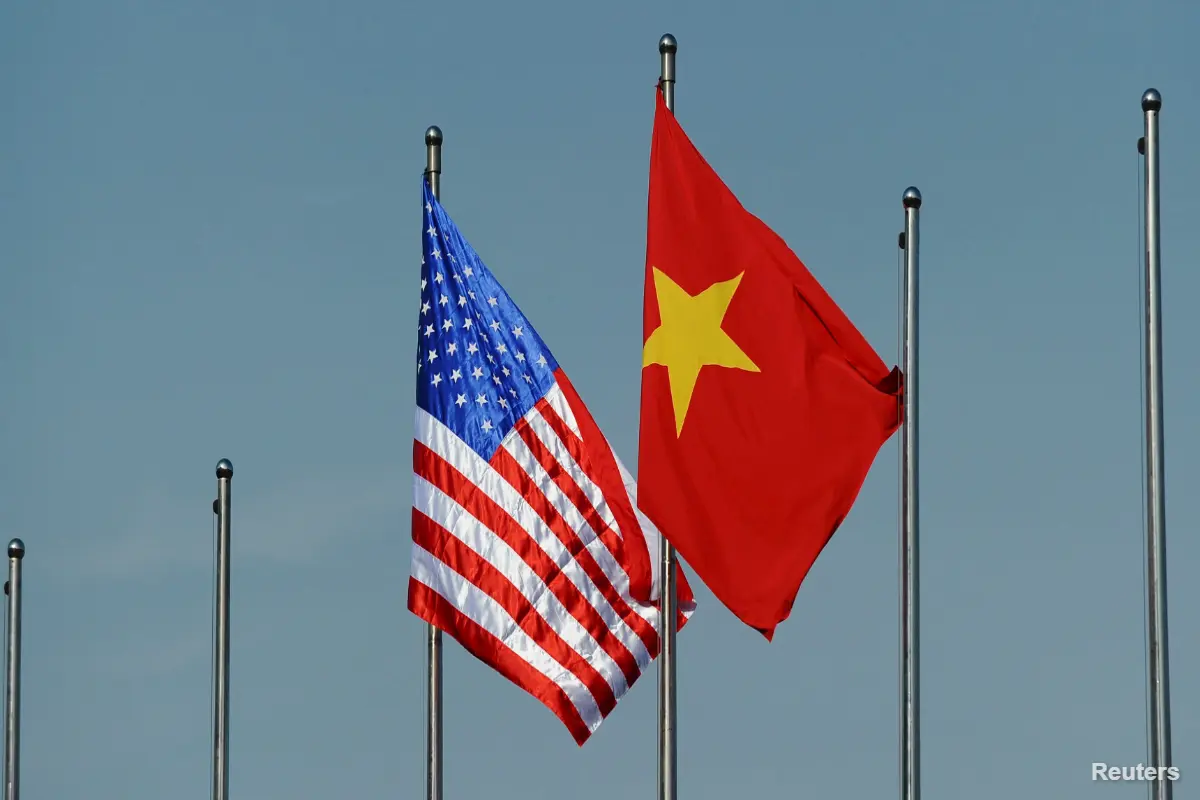
    Vietnam and the United States have reached the final stage of negotiations on a reciprocal trade agreement following high-level talks in New York on Monday morning.

    US Trade Representative Ambassador Jamieson Greer confirmed that bilateral negotiating teams have made significant progress and are very close to reaching a final outcome.

    High-Level Talks in New York

    Vietnam’s Party General Secretary and President To Lam met Greer during his visit to attend the 81st Session of the UN General Assembly, affirming Vietnam’s commitment to advance bilateral ties with President Donald Trump’s administration.

    Lam stated that trade and investment remain a central pillar of bilateral relations. Vietnam has increased its purchases of American goods in recent years to address trade imbalances, generate employment, and support industrial supply chains in both nations.

    Addressing Section 301 and Market Access

    Greer credited Vietnamese officials for actively working toward trade parity. Once concluded and ratified, the reciprocal trade deal will establish enforceable terms covering market access, tariff structures, and bilateral purchasing commitments.

    A critical point on the table remains the status of United States trade inquiries. Lam urged American negotiators to adopt a comprehensive stance on unresolved disputes, particularly trade investigations launched under Section 301 of the United States Trade Act of 1974.

    Supply Chain Realignment Across Southeast Asia

    For consumer brands and contract manufacturers across Southeast Asia, a finalized trade pact provides long-sought policy certainty. Sourcing managers shifted substantial electronics, apparel, and footwear production to Vietnamese industrial hubs over the past decade, creating large bilateral trade surpluses that drew regulatory scrutiny in Washington.

    Securing a reciprocal pact reduces tariff risks for export manufacturers in northern and southern Vietnam. It also creates clearer pathways for United States agricultural, energy, and machinery exporters looking to expand distribution into fast-growing consumer markets in Ho Chi Minh City and Hanoi.

    Next Steps on Agreement Timelines

    The bilateral economic dialogue builds on several years of diplomatic upgrades between Hanoi and Washington. Previous rounds focused on currency practices, timber sourcing reviews, and customs compliance.

    Negotiating teams from both countries are working through the remaining text of the agreement ahead of formal legal scrubbing. The final outcome hinges on settling the scope of the Section 301 trade provisions before leaders present the deal for executive signing.

  • Scott Bessent and He Lifeng to Meet at JPMorgan Headquarters in New York

    Scott Bessent and He Lifeng to Meet at JPMorgan Headquarters in New York

    US Treasury Secretary Scott Bessent will meet Chinese Vice Premier He Lifeng on Sunday at JPMorgan Chase headquarters in New York to discuss AI security, trade, and economic issues.

    The meeting is scheduled for 10.30 am ET, days before President Donald Trump hosts Chinese President Xi Jinping at the White House in Washington on Thursday and Friday.

    Manhattan Venue and Security Logistics

    JPMorgan agreed to host the meeting at its Manhattan tower. Officials picked the private corporate site over government facilities due to United Nations General Assembly security across New York, according to a person familiar with the arrangements.

    Bank executives will not join the talks. Bessent previously invited JPMorgan Chief Executive Officer Jamie Dimon to address private sector growth at a G20 finance leaders meeting in Asheville, North Carolina.

    Trade Policy and Technology Security

    The agenda spans AI security controls, trade flows, and cross-border financial relations. For supply chain planners, electronics makers, and consumer brands across Asia, these sessions establish the framework for tech restrictions and tariffs.

    Shifts in export controls or market access alter operational risk for multinational firms manufacturing in Greater China. Sourcing costs, component logistics, and capital flows across Asia-Pacific depend directly on these US-China discussions.

    Previous Bilateral Engagements

    Bessent and He previously negotiated trade on March 16, 2026, at the Organisation for Economic Co-operation and Development headquarters in Paris. Sunday’s meeting prepares the ground for the leaders’ summit.

    White House aides invited Dimon to attend next week’s state dinner for Xi in Washington. Dimon skipped the corporate delegation that accompanied Trump to Beijing during his meeting with Xi in May.

    The White House Summit Ahead

    Trump hosts Xi at the White House on Thursday and Friday. Sunday’s economic session will define the specific trade and technology files presented to both heads of state during those Washington meetings.

  • China Rejects EU Push to Cap Hybrid Vehicle Exports

    China Rejects EU Push to Cap Hybrid Vehicle Exports

    China’s commerce ministry has rejected European Union proposals to voluntarily restrict hybrid vehicle exports, stating that such measures seriously violate World Trade Organization rules.

    The ministry issued a statement on Friday in response to reports that the EU wants Beijing to limit hybrid shipments or face higher tariffs.

    EU hybrid imports from China surged from 3,800 vehicles in October 2024 to 50,000 in July 2026 as average prices fell over the same period.

    The Tariff Shift That Triggered Hybrid Volumes

    European policymakers created this opening in October 2024 by imposing countervailing duties on battery electric vehicles. Tariffs reached 45 per cent on pure electrics while hybrids remained taxed at 10 per cent. Chinese carmakers responded by redirecting production lines toward plug-in and traditional hybrids. Pure battery models met heavy import friction. Hybrid passenger cars moved freely through European ports at lower retail prices.

    Pricing pressure hit legacy European carmakers immediately. European producers idled assembly lines and cut jobs across plants in Germany, France and Italy. Trade officials in Brussels argue that uncurbed hybrid volumes threaten domestic manufacturing employment. They now seek an informal ceiling before considering a formal duty hike.

    Domestic Cooling Forces Carmakers Abroad

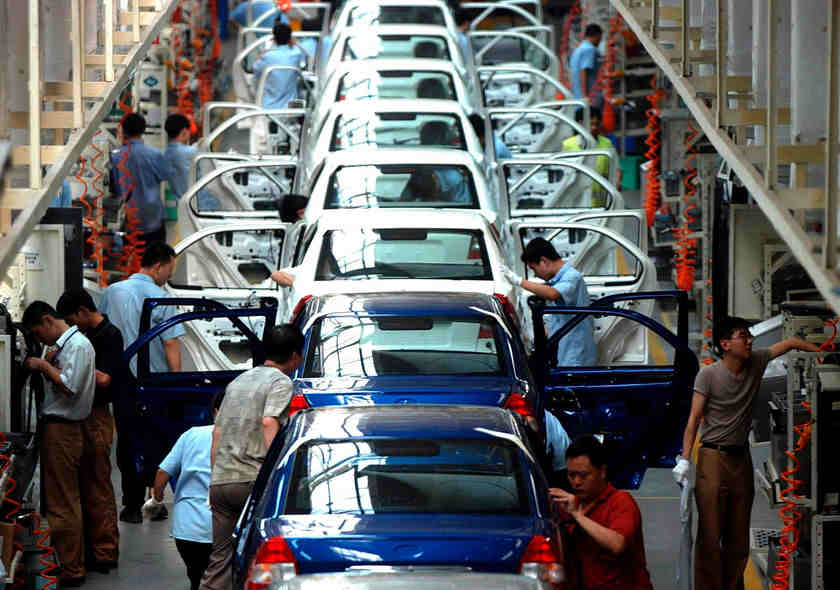
    Auto manufacturers in China must defend access to foreign dealerships. Domestic sales of new energy vehicles in China fell 4.6 per cent year on year in August. Assembly lines hold excess stock that local buyers cannot absorb. Export channels supply the volume needed to keep factories running profitably.

    Total vehicle exports from China jumped 65.3 per cent year on year to 1.01 million units in August, according to data from the China Association of Automobile Manufacturers. New energy vehicles accounted for 526,000 of those shipments. That represented a 130 per cent increase compared to the same month a year earlier. Overseas shipments made up 52.1 per cent of all Chinese vehicle exports in August.

    Legal Friction Replaces Bilateral Compromise

    Beijing is setting a rigid legal perimeter rather than offering commercial concessions by framing the dispute around WTO compliance. Voluntary export restraints fell out of favour under multilateral trade treaties in the 1990s. Chinese negotiators are using that status to box in European regulators. A unilateral tariff increase by the European Commission will likely trigger immediate dispute filings in Geneva alongside targeted retaliatory duties on European goods.

    Retail networks and franchise dealers in Europe face immediate supply chain uncertainty. Showrooms that added Chinese hybrid brands to offer affordable entry-level models risk sudden inventory price adjustments if the bloc implements provisional tariffs. Component suppliers also face disruptions if Chinese brands freeze showroom rollouts across secondary European markets.

    Factory Investments and the Next Regulatory Deadlines

    European officials hoped tariff pressure would force Chinese automakers into building local factories or signing joint ventures with struggling European plants. Several Chinese brands have evaluated production sites across Central and Eastern Europe. Greenfield automotive projects take three to four years before producing finished cars at scale. An export cap would starve local retail networks long before domestic European assembly begins.

    Envoys from Brussels and Beijing will meet in October 2026 for high-level bilateral trade discussions. The key figure to monitor is whether Chinese hybrid imports hold above the 50,000-unit monthly mark when third-quarter shipment data is compiled.

  • BYD Plans 4 European Plants to Support Sales Targets and Comply with EU Rules

    BYD Plans 4 European Plants to Support Sales Targets and Comply with EU Rules

    BYD plans to establish three vehicle assembly plants and one battery factory across Europe over the long term. The manufacturing footprint aims to support local sales targets and comply with European Union regulations.

    The company expects to decide on its second European assembly site by the end of this year. It favors acquiring and refurbishing an existing facility over building from scratch, with Spain and France among the leading candidates.

    Alfredo Altavilla, European adviser to BYD and a former Fiat Chrysler executive, outlined the plans in Turin late on Wednesday. The company is in talks with European automakers and governments to take over underutilized car factories.

    Choosing Between Spain, France and Italy

    Rome pitched for the project, but Italian facilities trail on operating economics, Altavilla confirmed.

    “Italy remains a plan B,” Altavilla said, noting that BYD is seeking the most competitive industrial conditions across the continent.

    Production work has already started at BYD’s first European passenger vehicle factory in Hungary. Adding two more assembly plants and a dedicated battery site will give it the scale to bypass steep trade barriers and comply with pending local-content mandates.

    Tariff Defenses and Regional Trade Rules

    Brussels has imposed definitive tariffs on Chinese battery electric vehicles. European Union authorities also want limits on Chinese hybrid imports. Localising the full supply chain from cells to finished cars removes tariff friction. It also qualifies BYD for national fleet purchase subsidies.

    Taking over distressed assembly capacity pits BYD directly against European legacy carmakers on labour and parts pricing. For Asian component suppliers and retail dealership groups, shifting from imports to regional production cuts lead times and secures steady parts availability across continental networks.

    Export Volumes Overtake Chinese Domestic Revenue

    This European manufacturing push follows a rapid rebalancing of BYD’s revenue base. Overseas revenue surpassed domestic Chinese income for the first time in the first half of the year. That shift provides relief against intense price competition at home.

    Export momentum accelerated through the summer. The company sold 1,162,260 vehicles outside China in the first eight months of the year, up 85.72 per cent from a year earlier. In August alone, overseas shipments hit a record 189,466 units, accounting for 43.03 per cent of total group volume.

    Expanding Luxury Retailing Across Europe

    BYD is also rolling out its premium sub-brand Denza across core luxury markets. The carmaker opened dedicated Denza showrooms in Turin and Paris this week to compete directly with German premium marques.

    Management raised its full-year 2026 international sales target to between 1.9 million and 2.0 million vehicles, according to Deutsche Bank research. It targets more than 2.5 million units in 2027. Site selection for the second European production facility will wrap up before the December deadline.

  • Trump Says Chinese Automakers Can Build in US Despite 100% Tariffs

    Trump Says Chinese Automakers Can Build in US Despite 100% Tariffs

    Donald Trump has stated that his administration would not block Chinese automakers from building electric vehicles in the United States, even as imports face 100 per cent tariffs.

    Speaking in September 2026, Trump indicated that Chinese manufacturers could establish assembly plants in states such as Tennessee or Alabama, despite warnings from the domestic automotive sector that local Chinese production could threaten traditional US carmakers.

    While fully built electric cars from China remain virtually barred under the existing 100 per cent tariff wall, industry analysts note that manufacturers cannot easily replicate China’s integrated parts ecosystem and low-cost supply chain in the American South.

    Supply Chain Realities in the US Market

    RetailNews Asia notes that Chinese electric vehicle brands are directing capital toward markets with clearer regulatory frameworks. Automakers such as BYD and XPENG are opening assembly hubs and distribution networks across Southeast Asia, Europe, Australia, Latin America and Africa. Those regions offer established trade corridors, predictable import policies and faster adoption rates than the North American retail market.

    For Asian parts suppliers and battery vendors, building factories in North America brings heightened political exposure. Shifts in US federal policy make long-term factory payback calculations unreliable. Expanding in ASEAN, South America and Central Europe allows Chinese automotive groups to utilize their domestic supply networks while building local retail presence near high-demand consumer clusters.

    Regional Diversification Beyond North America

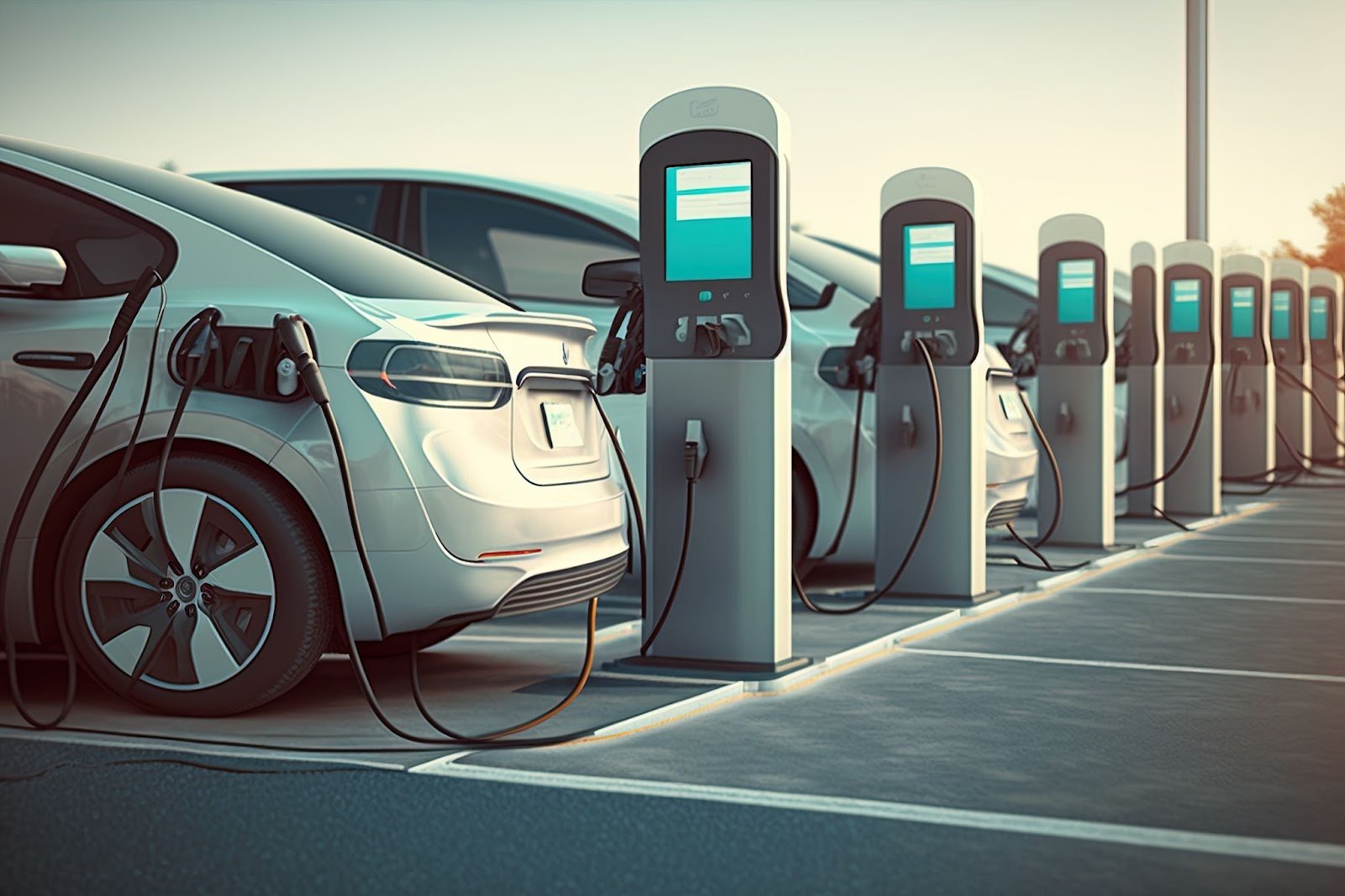
    American automotive retail conditions remain difficult for foreign pure-play electric vehicle brands. Charging network rollouts in the US lag behind China and Western Europe, while consumer demand for battery-electric passenger cars has softened relative to hybrid options. Chinese original equipment manufacturers achieve better factory utilization rates by serving emerging markets across Asia and South America, where entry-level city cars face minimal competition from legacy American brands.

    Legacy US car companies have used the 100 per cent import tariff to protect sales of high-margin petrol sport utility vehicles and pickup trucks. If Chinese manufacturers establish US assembly operations, domestic producers will face direct price pressure on their home turf. That outcome would force domestic brands to accelerate their own electric platform cost reductions or surrender market share in entry-level passenger car segments.

    Tariff Walls and Industrial Strategy

    Washington escalated tariffs on Chinese electric cars to 100 per cent to shelter domestic producers from lower-cost imports. That defensive trade posture accelerated the construction of Chinese automotive plants in Thailand, Brazil and Hungary rather than drawing assembly capital into North America.

    Chinese automotive executives are tracking whether the US federal government establishes formal foreign investment security rules for automotive production sites before submitting any state-level factory applications.

  • EU Warns Pakistan That GSP Plus Benefits Cannot Be Taken for Granted

    EU Warns Pakistan That GSP Plus Benefits Cannot Be Taken for Granted

    The European Union has warned Pakistan that trade preferences under the Generalised Scheme of Preferences Plus cannot be taken for granted as the current framework expires at the end of this year.

    EU Ambassador Raimundas Karoblis told Dawn that Islamabad must address compliance issues under 27 international conventions before reapplying for the successor regime ahead of the Dec 31, 2028 transition deadline.

    Tariff Exposure for Apparel Suppliers

    European buyers take roughly 28 per cent of Pakistan’s total exports. Nearly 90 per cent of those shipments qualify for duty relief under the Generalised Scheme of Preferences Plus framework, known as GSP Plus.

    Textile and apparel factories generate between 70 per cent and 76 per cent of sales to the European market. Leather goods, processed foods, and beverages also rely on zero-tariff access. Without it, local producers struggle against rivals in South and Southeast Asia.

    Pakistan has held GSP Plus status since 2014. The current regulation expires at the end of this year, but existing beneficiaries receive a transition window running until December 31, 2028. European officials stress that the transition does not guarantee automatic inclusion in the next cycle.

    The situation is not certain. And, of course, GSP+ preferences cannot be taken for granted.

    New Benchmarks and Regional Competition

    For European fashion brands and sourcing heads, losing preferential tariffs on Pakistani cotton and knitwear would shift costs overnight. Standard tariffs would add immediate import duties on garments. That would wipe out margins against competitors in Bangladesh, India, and Vietnam.

    Brussels has stripped trade perks before. Sri Lanka lost its GSP Plus standing in 2010 over human rights issues, forcing clothing exporters there to renegotiate pricing across European retail accounts. Pakistan faces partial or full suspension during the transition window if regulators find compliance failures.

    Stricter Conditions for Islamabad

    A European Commission review covering the 2023 to 2025 period cited compliance problems in Pakistan, noting regression on forced labour, judicial independence, and civil rights. Outgoing Foreign Office spokesperson Tahir Andrabi stated that the report understates the country’s reform progress across international treaties.

    The successor framework expands qualifying criteria from 27 international conventions to 32. Islamabad has ratified the five additional treaties. Still, European monitors require a detailed action plan with verified metrics before granting approval under the new system.

    Formal European Commission monitoring reviews will run ahead of the December 31, 2028 transition deadline. Those findings will determine whether Pakistani garment manufacturers retain zero-tariff access to European ports.

  • Geely Prepares North American Push as Canadian Tariffs Drop to 6 per Cent

    Geely Prepares North American Push as Canadian Tariffs Drop to 6 per Cent

    Geely plans to enter North America under a Canadian trade arrangement permitting up to 49,000 Chinese electric vehicles annually at a reduced 6 per cent tariff. The agreement cuts duties from a previous 100 per cent rate, creating an entry point into the broader North American market.

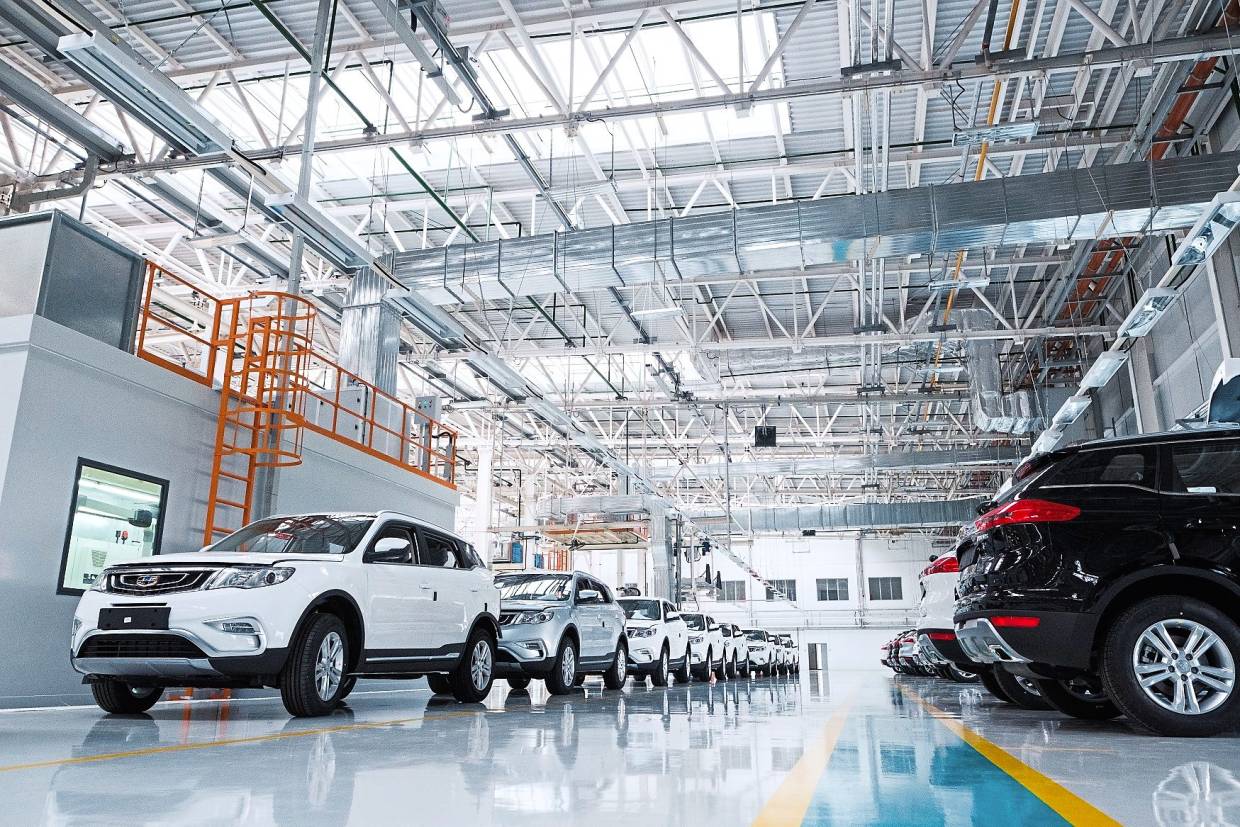
    Assembly takes place at Geely’s factory in Ningbo, where production lines for its luxury electric marque Zeekr run at 99 per cent automation using artificial intelligence and robotic machinery. Zhao Chunlin, vice president of manufacturing and a former General Motors executive, oversees the plant. Zhao confirmed the group eventually aims to sell and manufacture Geely-branded vehicles in the United States.

    Exporting the Zeekr 9X

    The company is broadening its export operations across multiple regions this month. Geely begins shipments of its flagship Zeekr 9X hybrid SUV to dealerships across Europe and the Middle East. The vehicle achieves a range of 745 miles on a single charge and fueling cycle, includes automated self-parking software, and retails for approximately $70,000. That price tag is roughly half the cost of competing full-size luxury SUVs built by legacy American and European rivals.

    Automation on the Ningbo line

    High levels of factory automation allow Chinese automakers to sustain vehicle margins even when entering highly competitive export markets. Geely’s push into Canada and Europe mirrors similar export campaigns by domestic peers such as BYD and SAIC Motor, which have turned to foreign dealerships as price competition intensifies across mainland China.

    Initial shipments for Europe and the Middle East depart Chinese ports this month, while the first batch of Canadian vehicle imports will determine how quickly North American buyers adopt Chinese luxury electric models.

  • Shein Shares Close Flat in Hong Kong After Raising US$1.7 Billion

    Shein Shares Close Flat in Hong Kong After Raising US$1.7 Billion

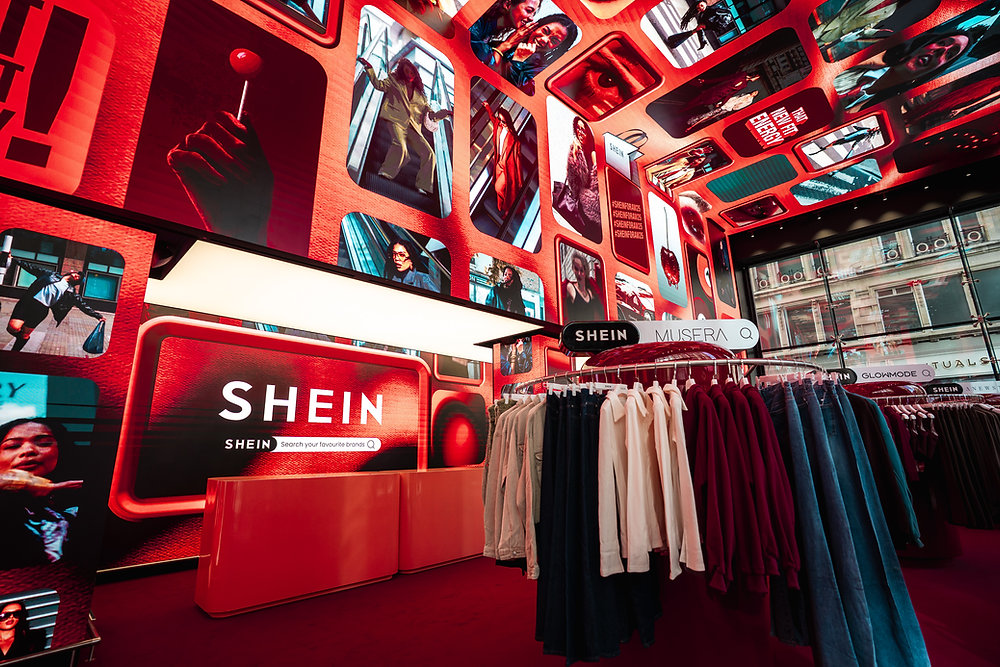
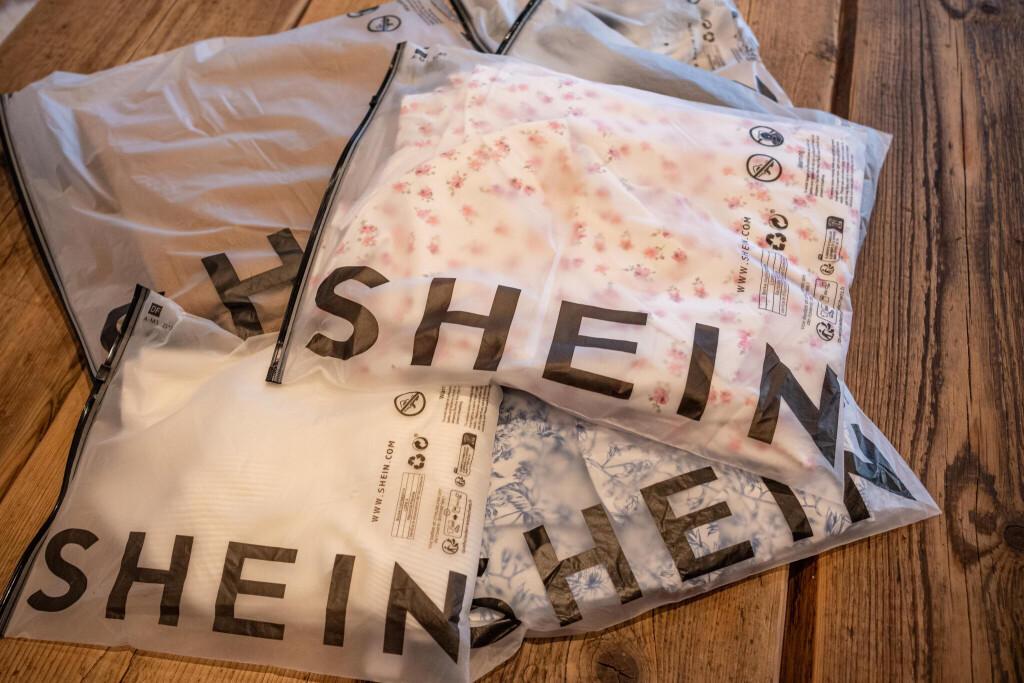
    Shein shares closed broadly flat on their Hong Kong debut after opening at HK$48.56, raising US$1.7 billion in an offering that valued the retailer at US$26.5 billion.

    The listing price matched the initial offer level after early trading saw the stock drop as much as 10 per cent to HK$43.8. The final valuation sits well below the nearly US$100 billion private valuation the company achieved in 2022.

    Management allocated 40 per cent of the IPO proceeds to technology infrastructure and another 40 per cent to global brand expansion. The remaining funds will cover corporate responsibility programs and general corporate needs. The public debut follows years of regulatory hurdles after Shein abandoned listing attempts in New York and London before securing Chinese regulatory approval in July.

    Tariffs and the End of Tax Exemptions

    The company built its business on exporting small, low-value parcels directly from mainland China to consumers overseas under duty exemptions. More than 90 per cent of Shein’s 2025 revenue came from inventory held in central Chinese warehouses.

    That channel has narrowed quickly. The United States removed its duty exemption on commercial imports valued under US$800, leaving Shein’s China-origin shipments facing import tariffs between 10 and 87.5 per cent. The European Union has also increased charges and tightened controls on low-value e-commerce packages.

    To counter border duties, Shein now imports bulk containers into regional hubs and operates 18 fulfillment warehouses across Europe. Shipping containers once rather than millions of individual parcels daily forces the group to absorb higher local storage and handling costs.

    Slowing Sales and Margin Pressures

    Top-line momentum has dropped sharply over the past three years. Revenue grew 41.1 per cent in 2023, 20.7 per cent in 2024 and 8 per cent in 2025 to US$41.8 billion. First-quarter revenue in 2026 reached US$9.05 billion, up just 1.1 per cent from the prior year.

    Profitability shrank over the same stretch. Net income fell 38.7 per cent in 2025 to US$2.06 billion. The company posted a net loss of US$99 million in the first quarter of 2026, compared with a US$395 million profit a year earlier, weighed down by a US$328 million fair-value charge on convertible preferred shares.

    RetailNews Asia views the shift toward onshore inventory as a fundamental change in Shein’s cost profile. Moving inventory closer to Western consumers erodes the asset-light advantage that allowed Chinese cross-border platforms to outprice established domestic department stores and apparel chains.

    To broaden its customer reach, Shein acquired US apparel brand Everlane for roughly US$100 million, alongside earlier deals for Missguided and an equity stake in Forever 21. Investors will track whether second-quarter operating margins recover as these acquired brands integrate with its third-party marketplace platform.

  • Shein Shares Drop 8 per Cent in Hong Kong Debut

    Shein Shares Drop 8 per Cent in Hong Kong Debut

    Shares in Shein fell 8 per cent on their first day of Hong Kong trade on Tuesday, valuing the online fast-fashion retailer at roughly US$24 billion.

    The morning price of HK$44.60 represents a steep reset from the company’s peak valuation of nearly $100 billion in 2022. Hong Kong’s benchmark Hang Seng Index slipped 0.6 per cent over the same session.

    Shein turned to Hong Kong after regulatory pushback from Chinese authorities blocked earlier listing attempts in New York and London. The public offer sold about 6.6 per cent of the company’s enlarged share capital. Cornerstone investors took roughly one-fifth of the shares on offer, leaving just 5 per cent freely tradeable under a six-month lockup agreement.

    Valuation gap with regional rivals

    Investor appetite remained muted throughout the sale. The retail portion was subscribed 5.63 times and the international tranche 2.59 times, trailing the hundreds-fold subscriptions common in Hong Kong’s technology and robotics listings.

    Saxo market data shows Shein listed at 15 times forward earnings. That multiple is more than double the valuation of PDD Holdings, the owner of Temu, giving Shein a premium price tag despite heightened geopolitical friction and slower earnings visibility across major Western markets.

    RetailNews Asia notes that the muted debut reflects how quickly cross-border e-commerce economics deteriorated once Western customs loopholes vanished. For years, Chinese discount retailers expanded into the US and Europe by relying on tax exemptions for low-value parcels. Now that both jurisdictions levy duties on direct-shipped goods, margins across the entire ultra-fast fashion export sector are compressing simultaneously.

    Tariffs squeeze operating margins

    Policy changes in Shein’s largest markets dismantled its core cost advantage. The US repealed its duty exemption for packages under $800 last year, and the European Union instituted collection fees on small consumer shipments.

    Higher customs duties, tariffs and logistics expenses across Europe and the Middle East dragged Shein’s net income down 39 per cent last year, pushing the business into an operating loss in the first quarter. To compensate earlier venture backers who bought in at higher price points, Shein agreed to disburse $3.5 billion in cash payments and execute share adjustments for select preferred stockholders.

    Management has turned to acquisitions and marketplace fees to diversify revenue. The company purchased American clothing label Everlane in May, adding to earlier takeovers of British brand Missguided and French fashion label Pimkie.

    Attention now turns to Shein’s upcoming first-half financial report, where the company projected operating profit margins will fall below first-quarter levels.

  • Toyota and Honda Face Factory Closures Under Proposed 50 per Cent US Tariff

    Toyota and Honda Face Factory Closures Under Proposed 50 per Cent US Tariff

    Toyota and Honda face potential plant closures in Canada after US President Donald Trump proposed doubling import tariffs on Canadian-built vehicles to 50 per cent.

    The two Japanese manufacturers assemble more than three-quarters of all light vehicles produced in Canada, making them the most exposed automakers to the cross-border levy.

    Canadian shipments represent 24 per cent of Honda’s US sales volume and 17 per cent of Toyota’s deliveries, according to Barclays data. Key export models include the Toyota RAV4 and the Honda CR-V, two of the top-selling sport utility vehicles in the American market. If implemented on Jan 1, 2027, the duties would force both companies to alter production networks that took decades to build.

    Rebuilding the North American Footprint

    Existing US tariffs cost Toyota approximately 1.4 trillion yen in the 2025 financial year. In response, the group committed up to $10 billion over five years to expand its manufacturing footprint inside the US, including a $3.6 billion assembly facility in Texas that will take over production of the Tacoma pickup truck from Mexico.

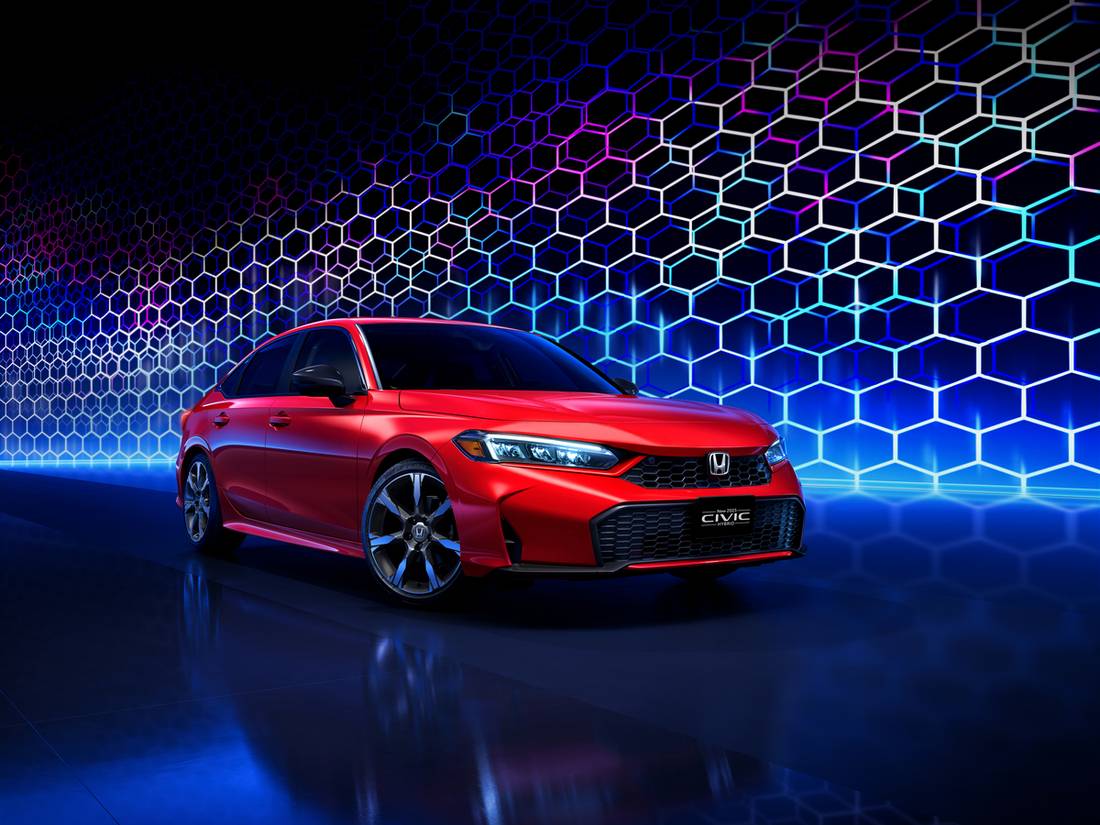
    Honda faces a steeper hurdle because its automotive unit is still working through a turnaround plan. The company has put plans for an eighth North American assembly facility on hold while talks over the US-Mexico-Canada Agreement remain unresolved. South Korea’s Hyundai reported similar delays to its regional capital spending in 2025.

    Squeezed Between US Tariffs and Chinese EVs

    The border friction hits Japanese manufacturers at a weak point in their global operations. Chinese electric vehicle makers led by BYD have eroded market share for Japanese brands across Southeast Asia, Australia and Latin America, leaving North America as the primary profit engine for both Toyota and Honda. With Chinese brands barred from the US market, defending North American market share is essential for Tokyo’s automotive sector.

    Redirecting Canadian output to alternative export destinations presents structural problems. Assembly lines in Ontario build vehicles configured specifically for US safety and emissions rules, while alternative factories across the Pacific already run close to maximum capacity.

    Negotiations over the USMCA framework continue ahead of the planned Jan 1, 2027 tariff implementation date, with Japanese parts suppliers holding off on capital allocation until trade terms are finalized.

  • Pakistan Plans Uniform Gas Tariff to End Cross Subsidies

    Pakistan Plans Uniform Gas Tariff to End Cross Subsidies

    Pakistan is replacing its tiered gas pricing system with a single uniform tariff across all consumer categories. Petroleum Minister Ali Pervaiz Malik outlined the plan to utility executives in Islamabad.

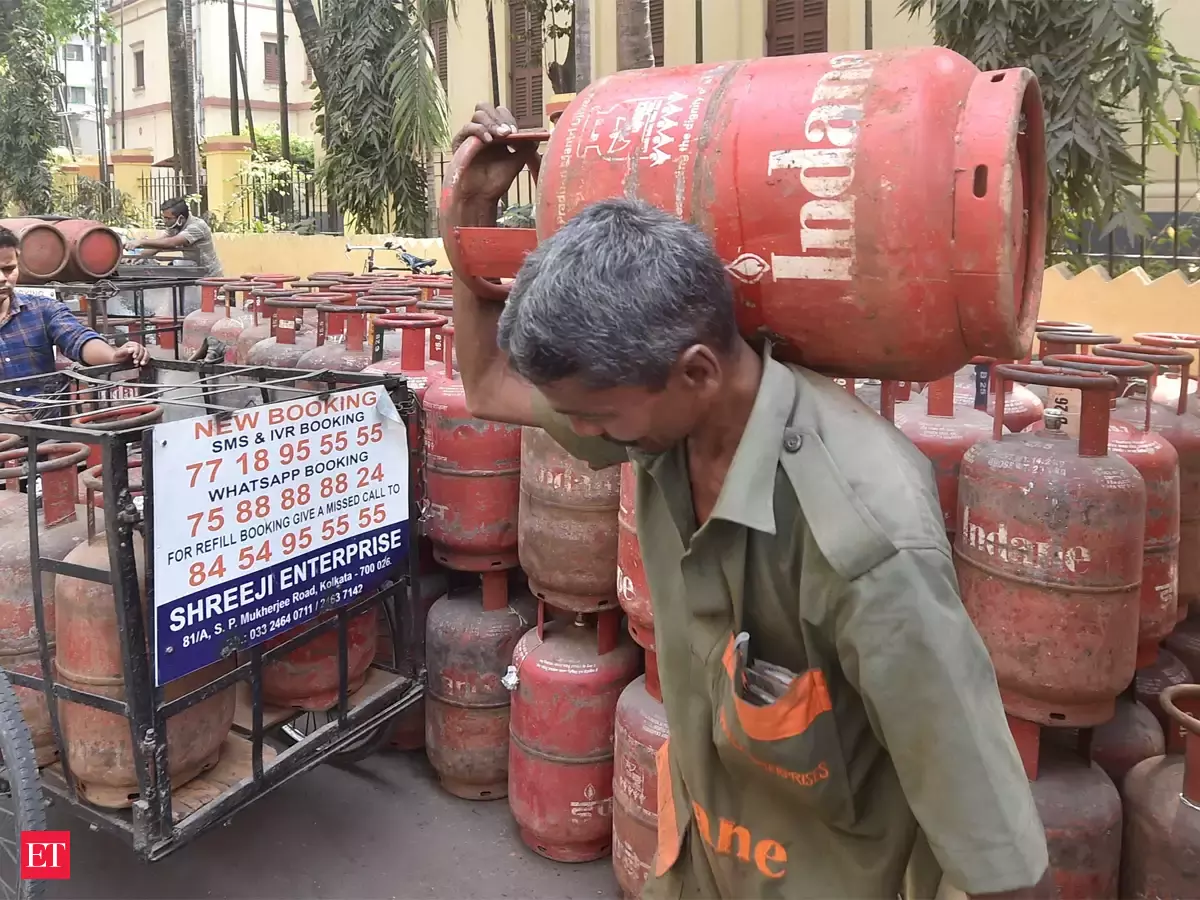
    The Oil and Gas Regulatory Authority sets the benchmark prescribed price near Rs1,700 per million British thermal units. Even so, end-users currently pay anywhere between Rs500 and Rs4,300 per mmBtu depending on consumption brackets.

    Aligning Rates with IMF Targets

    International lenders and domestic regulators have pressed Islamabad to dismantle cross-subsidies and recover actual distribution costs. Under the new model, vulnerable households will receive targeted welfare payouts instead of discounted bills. Businesses and heavy users will pay a standardized rate.

    Malik directed state-run distributor Sui Southern Gas Company to redesign its operational model around the single-rate baseline. The utility cut unaccounted-for gas losses by roughly 57 per cent in volumetric terms over the past year. Islamabad also held headline tariffs flat, trimming roughly Rs55 billion from the sector’s circular debt balance.

    Reforming Industrial Utility Models

    For commercial operators and factories across Pakistan, ending tiered subsidies removes pricing distortions that pushed manufacturers toward alternative fuels. The shift mirrors utility overhauls in Bangladesh and India. Both nations curtailed industrial discounts to secure multilateral loan tranches and stabilize sovereign balances.

    Technical advisers from the World Bank are helping Islamabad prepare the broader restructuring plan. The cabinet must review the pricing mechanism next, clearing the regulatory authority to calculate baseline consumer rates for the upcoming fiscal cycle.

  • Bogg Moves Production to Vietnam Following 10 Million Dollar Tariff Hit

    Bogg Moves Production to Vietnam Following 10 Million Dollar Tariff Hit

    American bag maker Bogg has begun shifting its manufacturing footprint to Vietnam after absorbing a $10 million tariff penalty on its China-based production lines.

    The move lands as the foam-tote brand surpassed $100 million in annual revenue and crossed $400 million in cumulative lifetime sales. Founder and chief executive Kim Vaccarella built the business around washable EVA foam bags, relying on Chinese factories for more than a decade before import duties forced a supply-chain overhaul.

    Supply chain retooling and raw material costs

    Concentrating production in China left the company exposed when cross-border tariffs surged over the past year. Vaccarella said Bogg started shifting manufacturing orders into Vietnam to reduce that tariff drag, while managing swings in the price of raw EVA polymer across global markets.

    The supply revamp coincided with a broader retail push. Bogg added six retail partners and entered roughly 200 new storefronts across the United States, placing inventory into fashion chains including Anthropologie and Urban Outfitters as well as specialty sellers like The Container Store. Wholesale accounts now generate about 40 per cent of total sales, with direct-to-consumer digital channels and Amazon supplying the balance.

    The factory shift across Southeast Asia

    Bogg is following a path well worn by international footwear and apparel brands that have spent the past five years building secondary production hubs in Southeast Asia. For mid-sized consumer labels, diversifying out of coastal China protects operating margins, but it also creates fresh logistical friction as Vietnamese factories face tighter capacity and fluctuating feedstock costs.

    Vaccarella turned down a nine-figure buyout offer to keep Bogg independent, and the company is now preparing its first proprietary retail stores alongside an eventual international expansion.

  • Cettire Net Loss Widens to $8.5 Million as US Tariffs Hit Sales

    Cettire Net Loss Widens to $8.5 Million as US Tariffs Hit Sales

    Australian luxury platform Cettire posted an annual net loss of $8.5 million for the year ended June 30, more than trebling its deficit from a year earlier.

    The loss widened from $2.6 million in the previous financial year as sales revenue dropped 3.2 per cent to $718.4 million. Gross revenue fell 2 per cent, though it posted a small gain when measured on a constant currency basis.

    Tariff Friction and Middle East Disruption

    Active customer numbers fell 8 per cent to 605,000 during the twelve-month period. Management attributed the decline to weaker demand in the United States and a deliberate cut in paid marketing expenditure.

    The platform ran into direct regulatory friction in its largest market after US authorities removed the de minimis import duty exemption. In the second half of the financial year, consumer sentiment in high-growth Middle Eastern markets also weakened as regional conflict disrupted cross-border trade.

    During the period, US tariff changes, including the impact from the removal of the de minimis exemption, contributed to ongoing challenges in our largest market.

    Dean Mintz, founder and chief executive of Cettire, said US tariff refunds helped ease pressure late in the financial year.

    Momentum Outside North America

    Business outside the United States delivered better results, with sales revenue rising 14 per cent across the rest of the company’s geographic footprint. The expansion beyond North America cushioned the top-line decline and delivered market share gains across secondary regions.

    Pure-play luxury aggregators in Asia-Pacific have spent the past two years wrestling with excess inventory and fading post-pandemic demand. Cettire’s reliance on cross-border drop-shipping makes it unusually sensitive to customs thresholds, putting operational execution under scrutiny as border rules tighten.

    Attention now turns to trading updates in early fiscal 2027 to see whether the 14 per cent growth rate outside the US can offset lingering drag in North America.

  • Chinese Automakers Surge Overseas as Domestic EV Sales Slip in July

    Chinese Automakers Surge Overseas as Domestic EV Sales Slip in July

    Chinese electric vehicle exports jumped 147.8 per cent year on year in July, helping carmakers cushion a 5 per cent sales drop in their home market. Total domestic EV deliveries slipped to 980,000 units during the month, while global electrified vehicle sales rose 9 per cent to 1.85 million units.

    Total Chinese auto exports reached 923,000 vehicles in July, up 88.2 per cent. At home, overall car sales slid 21.1 per cent to 1.47 million units, extending a ten-month contraction across mainland dealerships. During the first half of the year, domestic vehicle sales fell by 2.3 million units, a 20 per cent decline.

    BYD and the European Push

    BYD illustrates the shift. The Shenzhen-based manufacturer saw domestic sales fall 35 per cent during the first seven months of the year, yet its overseas deliveries jumped 79 per cent. Brazil and Britain have become BYD’s two largest markets outside China this year.

    Mainland brands now account for nearly a quarter of all EV shipments into Europe. In July, European EV demand expanded 33 per cent to 450,000 units, supported by incentives in Spain, Germany, France and Britain. Several Chinese manufacturers are now moving beyond direct shipments to construct assembly plants across the continent.

    Tariff Headwinds and Emerging Markets

    Demand outside the major western economies expanded faster. In markets across Southeast Asia, Latin America and parts of Asia outside China, EV sales rose 96 per cent through July to 1.7 million units, according to the International Energy Agency.

    North America moved in the opposite direction. EV sales across the region dropped 27 per cent in July to 140,000 units after the United States ended federal tax credits in September 2025. In Mexico, Chinese brands captured 17 per cent of new car sales in the first half, selling 137,525 vehicles, even after Mexico imposed a 50 per cent tariff on Chinese auto imports on January 1.

    Regional manufacturers now face tighter margins as price competition at home forces them to secure port capacity and local factory sites across Europe and Southeast Asia before trade barriers rise further.