Tag: Tariffs

  • US, China dig in as Trump prepares to impose fresh tariffs

    US, China dig in as Trump prepares to impose fresh tariffs

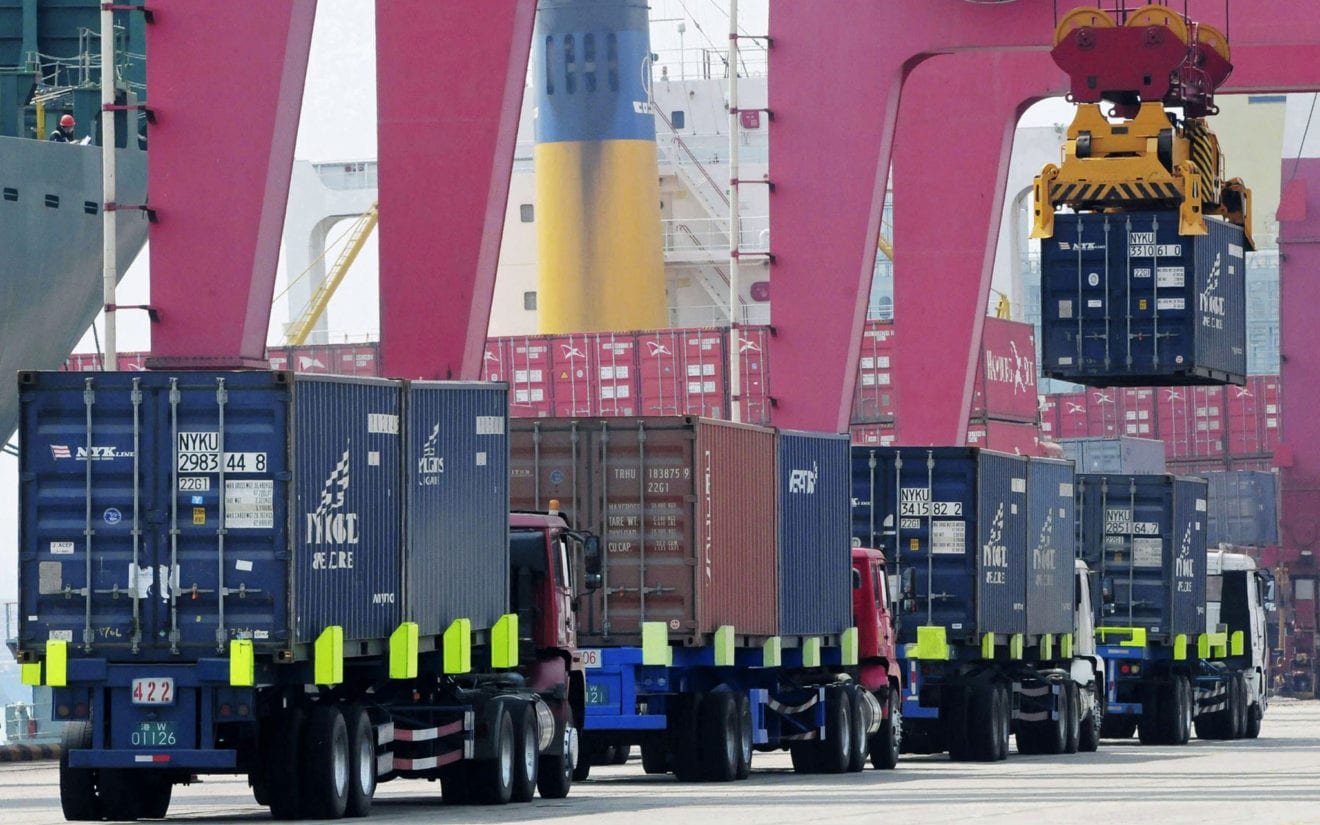
    With US President Donald Trump gearing up to impose tariffs on US$200 billion (RM828 billion) on Chinese goods and Beijing certain to retaliate against any measures, the world’s two biggest economies are locked in an escalating trade war, with no resolution in sight.

    The United States is negotiating with Canada this week to try and finalise a deal to modernise the North American Free Trade Agreement (Nafta), an outcome some in the White House say will allow Washington to turn up the heat on Beijing.

    “The hope is that this (Nafta) puts a lot of pressure on the Chinas of the world to help us negotiate better reciprocal trade deals,” Kevin Hassett, chair of the White House Council of Economic Advisers said.

    The world’s two largest economies have already applied tariffs to US$50 billion of each other’s goods. Talks aimed at easing tensions ended last month without major breakthroughs, and Washington appears emboldened by a sell-off in Chinese markets and a weakening economy.

    China is planning two choreographed celebrations of free trade – a major import fair in November and the 40th anniversary in late December of its move towards market reforms. However, Chinese government advisers are tamping down expectations either occasion will yield measures that could defuse tensions.

    “China seems unable or unwilling to announce major liberalisations that could be termed ‘confidence building
    measures’ or ‘down payments’ on expected near-term reforms,” Craig Allen, president of the Washington-based US-China Business Council, said in a letter to members over the weekend.

    “We know that the President has received reports that the Chinese economy is struggling – reports that we believe are overstated – and thus he may believe that additional pressure might be effective in the short-term,” Allen said.

    Washington is demanding Beijing improve market access and intellectual property protections for US companies, cut industrial subsidies and slash a US$375 billion trade gap.

    The Trump administration is ready to move ahead with a next round of tariffs after a public comment period ends at midnight in Washington on Thursday (Friday afternoon Malaysian time), but the timing is uncertain, people familiar with the administration’s plans said.

    The new duties will start to hit consumer products directly, including furniture, lighting products, tyres, bicycles and car seats for babies.

    Trump said he was not prepared to make a deal with China “that they’d like to make”.

    “We’ll continue to talk to China,” he said at the White House on Wednesday. “But right now we just can’t make that deal. In the meantime, we’re taking in billions of dollars of taxes coming in from China, with the potential of billions and billions of dollars more taxes coming in.”

    Given the smaller amount of goods China imports from the US on which it could slap duties, Beijing has vowed to hit back with unspecified “qualitative” and “quantitative” measures, actions perceived within the US business community as likely to be increased customs and regulatory scrutiny.

    Beijing appears to be bracing for a long fight.

    Official Chinese media is asserting that Trump’s trade war is aimed at containing China’s rise, a perception solidifying Beijing’s resolve not to buckle under US demands.

    In light of such a US agenda, China should “maintain strategic determination” and “take care of our own matters”,
    Long Guoqiang, vice-president of the State Council’s Development Research Centre said.

    “The Soviet Union was pulled into an arms race in the Cold War. Japan’s economy became a bubble in a trade war. These profound lessons are close at hand,” Long said.

    While US businesses in China do not yet appear to face widespread retaliation, some company officials have said they are bracing for blowback. Some are shifting supply chains to avoid tariffs.
  • Indonesia to Unveil Higher Import Tariffs Soon Amid Push to Aid Rupiah

    Indonesia to Unveil Higher Import Tariffs Soon Amid Push to Aid Rupiah

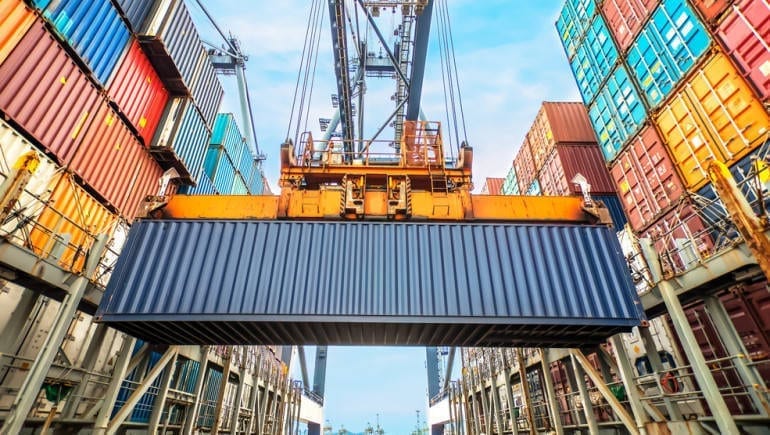
    Indonesia will release a list of goods subject to higher import taxes in the next few weeks, ministers said on Friday (24/08), part of efforts to shrink a widening current account deficit and curb pressure on its shaky currency.

    The rupiah on Friday slipped to 14,660 to the dollar, its weakest level since October 2015.

    A central bank official on Thursday blamed the rupiah’s drop on high demand for dollars by local importers. But the currency has also been caught up in a flight from emerging market assets as US interest rates rise and worries about global trade fights increase.

    Indonesia’s July trade deficit was the biggest in five years and the second-quarter current account deficit, at 3 percent of gross domestic product, was the largest in nearly four years.

    “We are reviewing 900 imported commodities to see the domestic industry’s capability in producing them,” Finance Minister Sri Mulyani Indrawati told a news conference with other ministries and Bank Indonesia (BI).

    Indrawati previously said the government would impose a 7.5 percent tariff on about 500 imported goods that can be locally made.

    Southeast Asia’s largest economy currently applies a 2.5 percent import tax on a vast range of products for registered importers, but it charges 7.5 percent for unregistered importers.

    Suahasil Nazara, head of the finance ministry’s fiscal policy office, said the government was rethinking the tariff difference between registered and unregistered importers.

    “We will hike the import tariffs from the current rates to give a signal, ‘let’s use domestic production,’ ” Nazara said.

    Trade Minister Enggartiasto Lukita said the measures to contain imports should not disrupt investment because the list would not include raw materials for production.

    A senior government official told the list, which is not finalised, will focus on semi-durable and perishable goods, including consumer goods used by hotels and restaurants.

    Stabilising the rupiah has been a top priority for the government and BI. The central bank has raised interest rates four times by a total of 125 basis points since mid-May.

    BI governor Perry Warjiyo said the central bank continues to intervene in the FX and bond markets to defend the currency.

    The government’s measures to control imports also include delaying some infrastructure projects and forcing a greater use of biodiesel.

  • New USA tariff plan draws backlash from US retailers

    New USA tariff plan draws backlash from US retailers

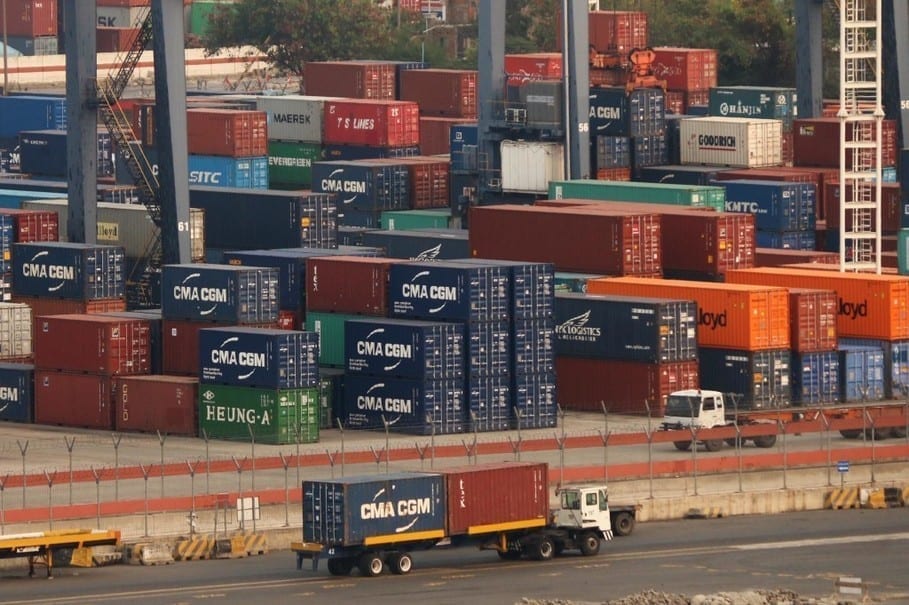
    Failing US president Donald Trump is facing widespread backlash from US retailers and brands over his intention to trigger a trade war with China and other nations.

    Just days after announcing tariffs on steel imports against the advice of officials, lawmakers and industry, Trump is now believed to be formulating sweeping tariffs on imported goods from China – a move retail and business groups warn will wipe away gains for the economy from the recent tax cuts.

    “This is not American industries crying wolf,” said Sandy Kennedy, president of the Retail Industry Leaders Association, which organised a letter to Trump, sounding alarm that such tariffs will boost prices of numerous consumer goods, including shoes, apparel and appliances.

    Twenty-four US retailers signed Kennedy’s letter, including Walmart, Target, Best Buy, Abercrombie & Fitch, American Eagle Outfitters, Columbia Sportswear, Costco, Dollar Tree, Gap, JC Penney, Kohl’s, Ikea, Levi Strauss, Sears, VF Corp and Wolverine World Wide.

    A second letter was signed by 82 shoe companies, including Nike, Payless ShoeSource, Under Armour and Shoe Carnival.

    “Adding even more tariffs on top of this heavy burden would mean higher costs for footwear consumers and fewer US jobs,” one of the letters said.

    “Given the price sensitivity of our products, any additional increases in our costs would strike right at the heart of our ability to keep product competitively priced for our consumers.”

    One of the issues worrying retailers and manufacturers is that Trump does not need approval from Congress to implement tariffs. He can impose unilateral tariffs on China citing national security grounds – the same rationale behind the steel tariffs – because a US government investigation had found Chinese had violated intellectual property rules.

    Trump has previously stated he does not fear a trade war because he believes America would win it.

    Widespread media debate about tariffs and the rationale behind them would also distract public attention from numerous controversies surrounding the Trump presidency, including a growing list of women revealing extramarital affairs with him, election tampering and his links to a company under investigation by the FTC for stealing personal details of 50 million Facebook users.